

Business
Robinhood Ventures Fund I: Turning Retail Investors Into Venture Capitalists (NASDAQ:HOOD)



The equity market is a powerful mechanism as daily fluctuations in price get aggregated to incredible wealth creation or destruction over the long term. Pacifica Yield aims to pursue long-term wealth creation with a focus on undervalued yet high-growth companies, high-dividend tickers, REITs, and green energy firms.
Analyst’s Disclosure: I/we have a beneficial long position in the shares of HOOD either through stock ownership, options, or other derivatives. I wrote this article myself, and it expresses my own opinions. I am not receiving compensation for it (other than from Seeking Alpha). I have no business relationship with any company whose stock is mentioned in this article.
Seeking Alpha’s Disclosure: Past performance is no guarantee of future results. No recommendation or advice is being given as to whether any investment is suitable for a particular investor. Any views or opinions expressed above may not reflect those of Seeking Alpha as a whole. Seeking Alpha is not a licensed securities dealer, broker or US investment adviser or investment bank. Our analysts are third party authors that include both professional investors and individual investors who may not be licensed or certified by any institute or regulatory body.

Check out what’s clicking on FoxBusiness.com.
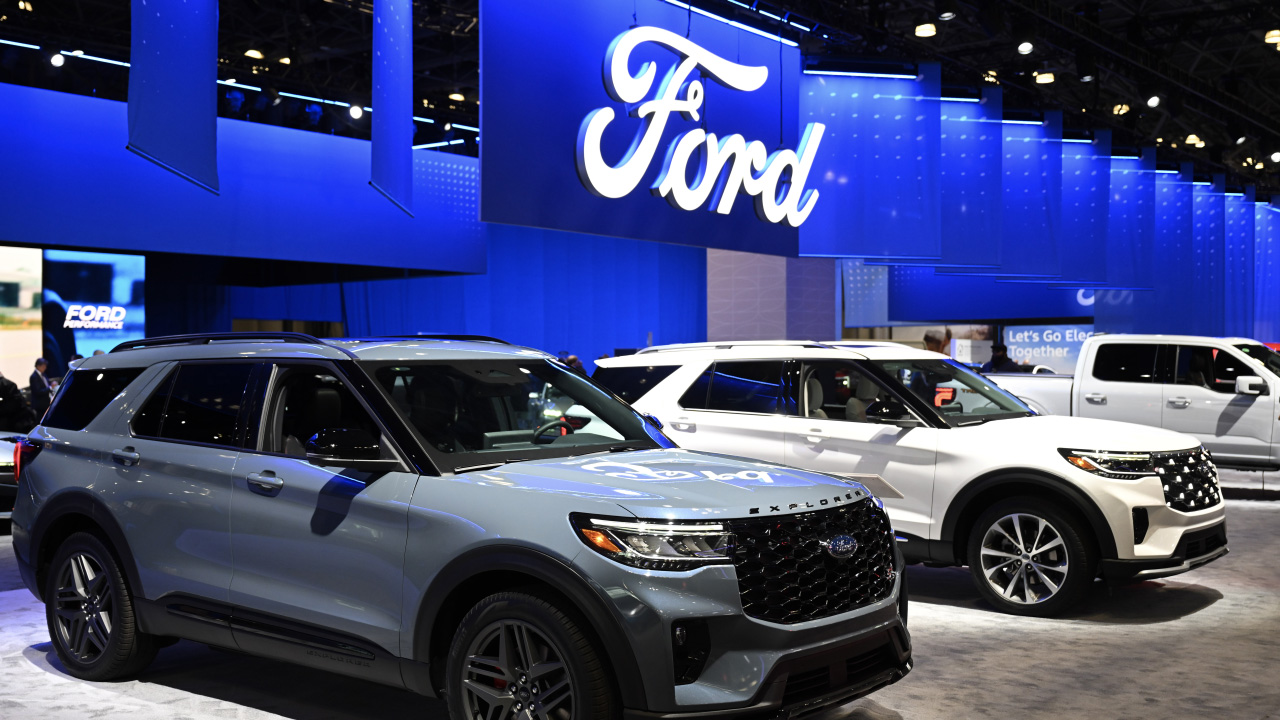
Ford is recalling nearly 1.74 million vehicles in the U.S. due to software problems that can affect rearview camera displays, according to notices published this week by the National Highway Traffic Safety Administration (NHTSA).
One recall covers 849,310 2021–2026 Ford Broncos and 2021–2024 Ford Edges, which may experience overheating in its Accessory Protocol Interface Module (APIM). The issue can cause the rearview camera image not to appear when the vehicle is in reverse.
“A rear-view camera that does not display an image while in reverse gear can reduce the driver’s view of what is behind the vehicle, increasing the risk of a crash,” the NHTSA alert warned.
A separate recall impacts 889,950 vehicles, including 2020-2022 Ford Escapes, 2020-2022 Lincoln Corsairs, 2020-2024 Lincoln Aviators and 2020-2024 Ford Explorers.
FORD IN DEEP WATER AFTER SWEEPING RECALLS HIT EVERY MODEL SINCE 2020 – WITH ONE EXCEPTION

Ford Explorers from 2020-2024, as well as other models from Ford and Lincoln are the subjects of two new recalls related to rear display problems. (Fatih Aktas/Anadolu via Getty Images / Getty Images)
“On the affected vehicles, it may be possible to have the SYNC screen image on the center display flipped or inverted immediately after an ignition cycle,” a recall report from the NHTSA says. “This may result in the image displayed being inverted or flipped, this includes all buttons. While in reverse the rearview camera image, buttons, and camera guidelines may also be inverted or flipped.”
According to the NHTSA report, Ford said that they are not aware of any related crashes or injuries connected to the issue.
FORD BUILDS ONE-OF-A-KIND EXPLORER FOR POPE LEO XIV

Ford Broncos from 2021–2026 are among a list of vehicles subject to new recalls having to do with issues impacting rear displays. (Josh Lefkowitz/Getty Images / Getty Images)
For Bronco and Edge owners, Ford is offering a free software update to the APIM. Notification letters are scheduled to be mailed at the end of the month, and repairs can be completed at dealerships or through over-the-air updates.
A remedy for the second group of vehicles is still under development. Interim letters notifying owners of the safety risks will be sent in the coming months.
CLICK HERE TO GET FOX BUSINESS ON THE GO
Drivers can check their vehicle identification number (VIN) on the NHTSA website or Ford’s recall lookup tool for more information, or contact Ford customer service at 1-866-436-7332.
Ford recalls over rearview camera issues are a continuation of prior recall alerts. A past recall for older Ford vehicles was issued last October for 1.4 million vehicles.
Traders Union is a leading financial portal dedicated to empowering traders and investors with essential information to maximize their success in the financial markets. Its mission is to create a trusted platform where users can easily access comprehensive details about the top brokerage firms offering the most favorable and seamless trading conditions.
Founded in 2010, Traders Union was built on the idea of providing thorough and unbiased reviews of international forex brokers, along with high-quality content covering global trading and investment trends.
Traders Union saves time and effort by making the process of selecting a reliable broker hassle-free. With the Traders Union Broker Rating, users have all the data needed to make well-informed decisions, eliminating the need for endless research and review reading.

Red Cat Holdings: Poised For Explosive Growth As Military Drone Contracts Accelerate

BJ's Restaurants: Another Pizookie Dip Worth Buying
Business
Two right-wing politicians lead in Peru’s presidential race, but most are undecided, poll says


Two right-wing politicians lead in Peru’s presidential race, but most are undecided, poll says
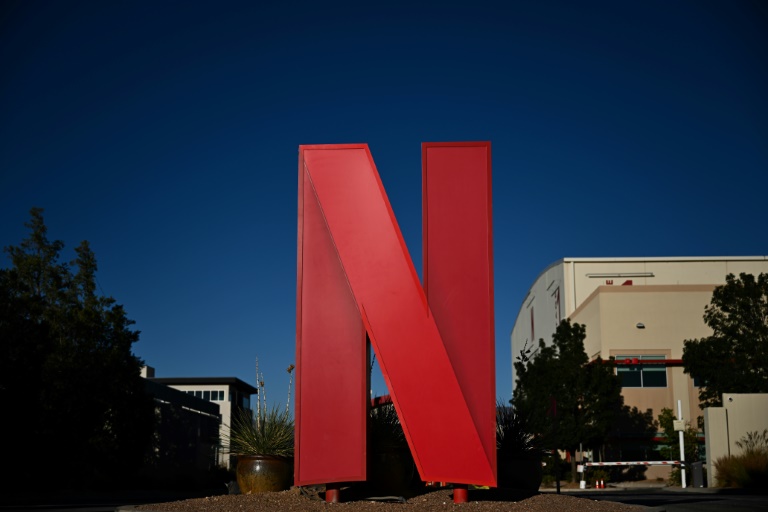
Netflix Inc. shares declined modestly in intraday trading Monday as investors digested a fresh analyst downgrade amid ongoing shifts in the streaming giant’s strategic priorities, including a pivot toward organic growth and artificial intelligence integration following the abandonment of a potential blockbuster acquisition.
Netflix’s stock (NASDAQ: NFLX) opened at approximately $97.69 and ranged between a low of $96.58 and a high of $98.94, with shares changing hands at around $97.58 to $97.96 in recent updates, down roughly 1.2% to 1.5% from the previous close of $99.02. Volume exceeded 23 million shares in early afternoon trading, below the average but reflecting continued interest in the entertainment sector leader.
The pullback follows a period of volatility for the Los Gatos, California-based company. Netflix stock has navigated a choppy path in early 2026, with a notable surge in late February that contributed to a 15.3% monthly gain, according to S&P Global Market Intelligence data. That rally was fueled in part by relief from the company’s decision to walk away from pursuing a deal for Warner Bros. Discovery assets, a move that investors viewed as preserving financial discipline rather than risking overextension in a competitive media landscape.
Analysts have highlighted the strategic repositioning. Netflix is channeling resources into core streaming operations, with commitments to approximately $20 billion in content investment this year, while exploring AI-driven tools to enhance filmmaking efficiency. The company recently acquired InterPositive, an AI filmmaking startup, signaling deeper integration of technology in content production. This shift emphasizes organic subscriber growth, advertising revenue expansion — projected to double in 2026 compared to the prior year — and free cash flow generation, with some forecasts pointing to around $11 billion by year-end.
However, not all views are uniformly positive. Wells Fargo downgraded Netflix shares, citing concerns over elevated content spending and signs of decelerating revenue momentum. The note contributed to selling pressure, though broader market sentiment remains mixed. Consensus analyst price targets hover around $113 to $116, implying potential upside from current levels, with some optimistic calls reaching higher.
Netflix’s fundamentals continue to reflect its dominance in streaming. Trailing price-to-earnings ratio stands near 39, with forward estimates at about 31. Market capitalization approximates $418 billion, underscoring its scale in the entertainment industry. The stock’s 52-week range spans $75.01 to $134.12, with the current price sitting well below last summer’s peak but above the yearly low.
Recent performance has been influenced by broader industry dynamics. Streaming competition remains fierce, with rivals including Disney+, Amazon Prime Video and others vying for subscriber attention. Netflix’s ad-supported tier has gained traction, helping offset slower paid subscriber additions in some regions. The company has also benefited from hits in its original programming slate and live events, bolstering viewer engagement.
Looking ahead, investors are monitoring Netflix’s path to sustained profitability and cash flow amid macroeconomic uncertainties, including interest rate environments and consumer spending patterns. The company’s emphasis on balance-sheet strength — opting for internal growth over large-scale mergers — has resonated with some Wall Street firms, such as JPMorgan, which resumed coverage with an Overweight rating and a $120 target post the Warner Bros. deal exit.
Netflix executives have expressed confidence in long-term opportunities, particularly in advertising and international expansion. Revenue growth guidance for 2026 has been characterized as robust in some quarters, with expectations around 13% to 15% in certain scenarios, though operating margins may face pressure from content outlays.
As of March 9, 2026, with U.S. markets active, Netflix shares reflect a cautious tone amid these developments. The stock’s movement underscores the challenges and opportunities facing legacy media players in an evolving digital landscape, where technology integration and disciplined capital allocation increasingly define success.
The day’s trading activity highlights ongoing investor scrutiny of Netflix’s ability to balance aggressive content investment with profitability goals. While the downgrade added near-term pressure, the company’s market position, subscriber base and innovation efforts continue to support a generally constructive outlook among many analysts.

-(1).webp?t=1773065938)
The mixers are intended as additions to cocktails, mocktails or enjoyed as a standalone beverage.
Business
10 Essential Facts About Jennifer Runyon: Remembering the 'Ghostbusters' Star Who Passed at 65

Jennifer Runyon, the beloved actress whose sunny presence brightened 1980s screens in Ghostbusters, Charles in Charge and A Very Brady Christmas, died March 6, 2026, at age 65 after a six-month battle with cancer.
Poland stocks lower at close of trade; WIG30 down 0.25%
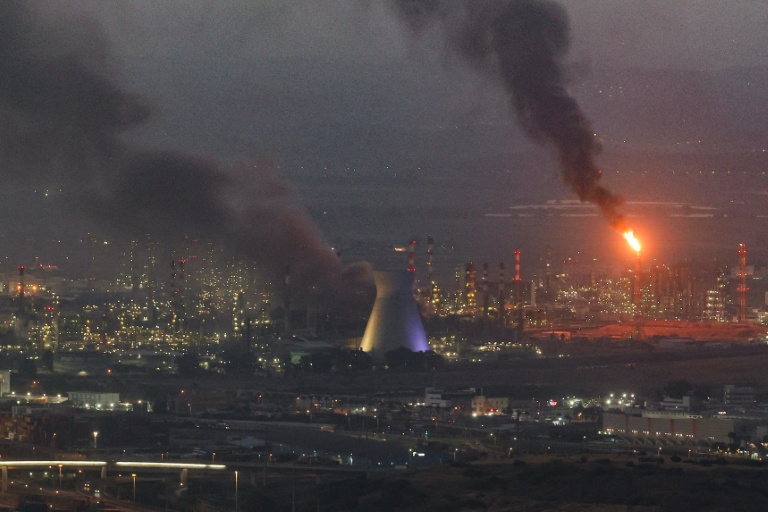
Crude oil prices rocketed above $100 per barrel in volatile trading on March 9, 2026, as the intensifying conflict involving Iran, Israel and the United States disrupted key Middle East supply routes and prompted production cuts by major exporters. The sharp rally, one of the most dramatic in recent years, sent shockwaves through global markets, fueling inflation fears and pressuring equities.
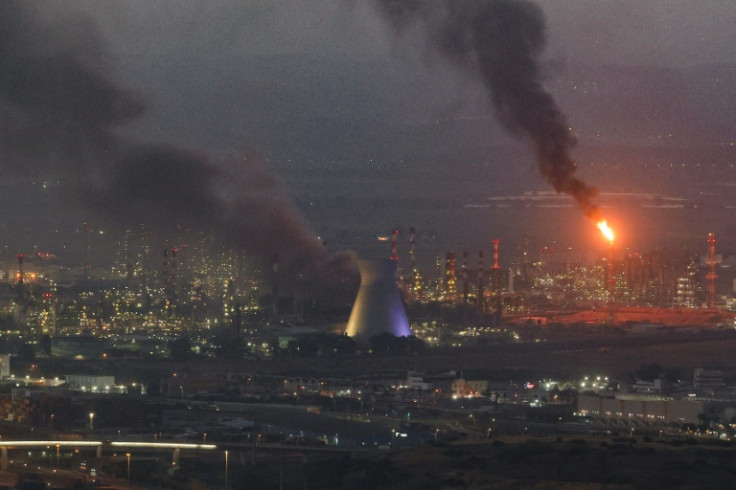
West Texas Intermediate (WTI) crude futures, the U.S. benchmark, climbed as high as $119.48 per barrel in early trading before paring gains to settle around $96 to $101 per barrel, up roughly 6% to 11% on the day depending on the contract. Brent crude, the international standard, followed a similar path, peaking near $119.50 before closing in the $99 to $102 range, reflecting gains of 7% to 10%.
The surge marked a stunning reversal from earlier 2026 levels, when prices hovered below $60 per barrel at the year’s start. Since late February, when U.S. and Israeli strikes escalated against Iran, Brent has jumped as much as 65% and WTI by 78% in some sessions. Analysts attribute the spike primarily to fears of prolonged supply interruptions through the Strait of Hormuz, a chokepoint for about 20% of global oil trade.
Major Middle Eastern producers, including Saudi Arabia and other OPEC members, began curtailing output in response to the disruptions. Qatar’s energy minister warned that the war could “bring down the economies of the world,” predicting potential shutdowns across Gulf exporters and prices climbing toward $150 per barrel if tensions persist. Reports indicated halted shipments and involuntary reductions, exacerbating the tight supply outlook.
The conflict’s expansion has raised concerns over broader energy security. Disruptions in the Strait of Hormuz and related shipping lanes have forced rerouting, increasing costs and transit times. Some tanker tracking data showed declines in certain export flows, though others, like Russian crude to China, hit records as alternative suppliers stepped in.
Global financial markets reacted sharply. Stocks pared losses but remained under pressure, with the Dow dropping hundreds of points amid stagflation worries—rising energy costs coupled with potential economic slowdowns. Gasoline prices in the U.S. climbed, with the national average reaching around $3.47 per gallon by March 9, up significantly in recent weeks. Internationally, countries like the Philippines braced for substantial pump price hikes, with diesel potentially rising 17 to 24 pesos per liter starting March 10.
OPEC+ dynamics added complexity. The group—led by Saudi Arabia and Russia—had maintained production pauses through March 2026, extending voluntary cuts amid earlier oversupply fears. Recent IEA and OPEC reports projected balanced or slight surplus conditions for the year, with global supply growth of about 2.4 million barrels per day (mb/d) in 2026, split between OPEC+ and non-OPEC producers. Demand forecasts called for modest increases of 1.3 to 1.4 mb/d annually.
However, the geopolitical shock overrode those fundamentals temporarily. Pre-conflict outlooks from J.P. Morgan and others anticipated Brent averaging around $60 per barrel in 2026 due to expected surpluses and softening demand. Now, short-term models point to higher averages, with Trading Economics forecasting Brent at $107 by quarter’s end and $118 in 12 months.
The G7 postponed decisions on releasing strategic reserves, wary of depleting buffers amid uncertainty. Some analysts suggested targeted interventions could cap rallies, but prolonged conflict might sustain elevated prices.
Broader implications loom for consumers and economies. Higher oil feeds into transportation, manufacturing and heating costs, potentially stoking inflation at a time when central banks monitor recovery signals. Airlines, shipping firms and refiners face margin squeezes, while oil-dependent exporters like those in the Gulf see revenue boosts offset by production risks.
Market participants watch for de-escalation signals or further military developments. Brief, geopolitically driven spikes have historically subsided once supply stabilizes, but the current war’s scope—targeting energy infrastructure indirectly—introduces unknowns.
As of March 10, 2026, prices remained elevated but volatile in after-hours and early Asian trading. Traders braced for continued swings, with supply news and diplomatic updates likely dictating direction.
The oil market’s dramatic turn underscores energy’s vulnerability to geopolitics. What began as contained tensions has morphed into a major driver of global prices, reminding stakeholders of the thin line between stability and disruption in world energy flows.

What Omar Marmoush did to offer Man City new threat without Erling Haaland

Google leak shows the upcoming Pixel 11 Pro Fold in slimmer, but familiar garb

Nine arrests after violent attacks at Rangers v Celtic Scottish Cup quarter final


-

 Politics6 days ago
Alan Cumming Brands Baftas Ceremony A ‘Triggering S**tshow’
-
Business3 days ago
Form 8K Entergy Mississippi LLC For: 6 March
-

 Fashion3 days ago
Weekend Open Thread: Ann Taylor
-

 Tech4 days ago
Bitwarden adds support for passkey login on Windows 11
-
 Sports4 days ago
499 runs and 34 sixes later, India beat England to enter T20 World Cup final | Cricket News
-

 News Videos6 hours ago
10th Algebra | Financial Planning | Question Bank Solution | Board Exam 2026
-

 Sports2 days ago
Three share 2-shot lead entering final round in Hong Kong
-

 Sports2 days ago
Braveheart Lakshya downs Lai in epic battle to enter All England Open final | Other Sports News
-

 Tech7 days ago
Cynus Chess Robot: A Chess Board With A Robotic Arm
-

 Business6 days ago
Guthrie Disappearance Enters Fifth Week as Family Visits Memorial
-

 NewsBeat4 days ago
Piccadilly Circus just unveiled ‘London’s newest tourist attraction’ and it only costs 80p to enter
-

 Business24 hours ago
Search for Nancy Guthrie Enters 37th Day as FBI Probes Wi-Fi Jammer Theory
-

 Crypto World2 hours ago
Paradigm, a16z, Winklevoss Capital, Balaji Srinivasan among investors in ZODL
-

 Politics3 days ago
Top Mamdani aide takes progressive project to the UK
-

 Entertainment3 days ago
Hailey Bieber Poses For Sexy Selfies In New Luscious Lip Thirst Traps
-
 Sports6 days ago
Jack Grealish posts new injury update as Man City star enters crucial period
-

 Crypto World5 days ago
New Crypto Mutuum Finance (MUTM) Reports V1 Protocol Progress as Roadmap Enters Phase 3
-

 Tech3 hours ago
Despite challenges, Ireland sixth in EU for board gender diversity
-

 Tech4 days ago
ACIP To Discuss COVID ‘Vaccine Injuries’ Next Month, Despite That Not Being In Its Purview
-
Entertainment5 days ago
Harry Styles Has ‘Struggled’ to Discuss Liam Payne’s Death