Former JP Morgan Chase chief economist Anthony Chan breaks down the run up in oil prices on ‘Varney & Co.’
Federal Reserve policymakers are monitoring the conflict with Iran for its potential impact on inflation and consumer prices, as energy prices have jumped since the outbreak of hostilities.
Oil prices briefly surged over $100 a barrel amid fears of supply disruptions caused by the conflict with Iran, which threatens to stem the flow of oil from the Persian Gulf through the Strait of Hormuz.
Gasoline prices at the pump have also risen for consumers since the outset of the conflict, which could push inflation data higher and complicate potential interest rate cuts by Federal Reserve policymakers.
New York Fed President John Williams said last week that while there is uncertainty over the impact of the war on the U.S. economy and inflation, past instances in which oil prices surged didn’t lead to a fundamental shift in the outlook.
AMID IRAN WAR, PRESIDENT TRUMP SUGGESTS SHORT-TERM OIL PRICE SPIKE IS ‘SMALL PRICE TO PAY’ FOR PEACE
New York Fed President John Williams said the central bank will have to wait and see how the Iran war will impact energy prices and inflation. (Al Drago/Bloomberg via Getty Images)
“Nobody can be sure how long this will last or the broader implications… Past experience has shown that movements in oil prices that we’ve seen so far don’t fundamentally shift the economy, but we’ll wait and see,” Williams told reporters after a conference hosted by America’s Credit Unions.
He noted that the war with Iran is “one of those developments that can hit both of our mandated goals in a kind of opposing way in the short term – raise inflation and maybe slow global growth,” but added that the transmission through financial markets had been “reasonably muted.”
Williams added that interest rate cuts will “eventually” be warranted if inflation eases in line with his expectations.
GAS PRICES SURGE AS IRAN CONFLICT RATTLES GLOBAL OIL MARKETS, PUSHING US CRUDE ABOVE $90
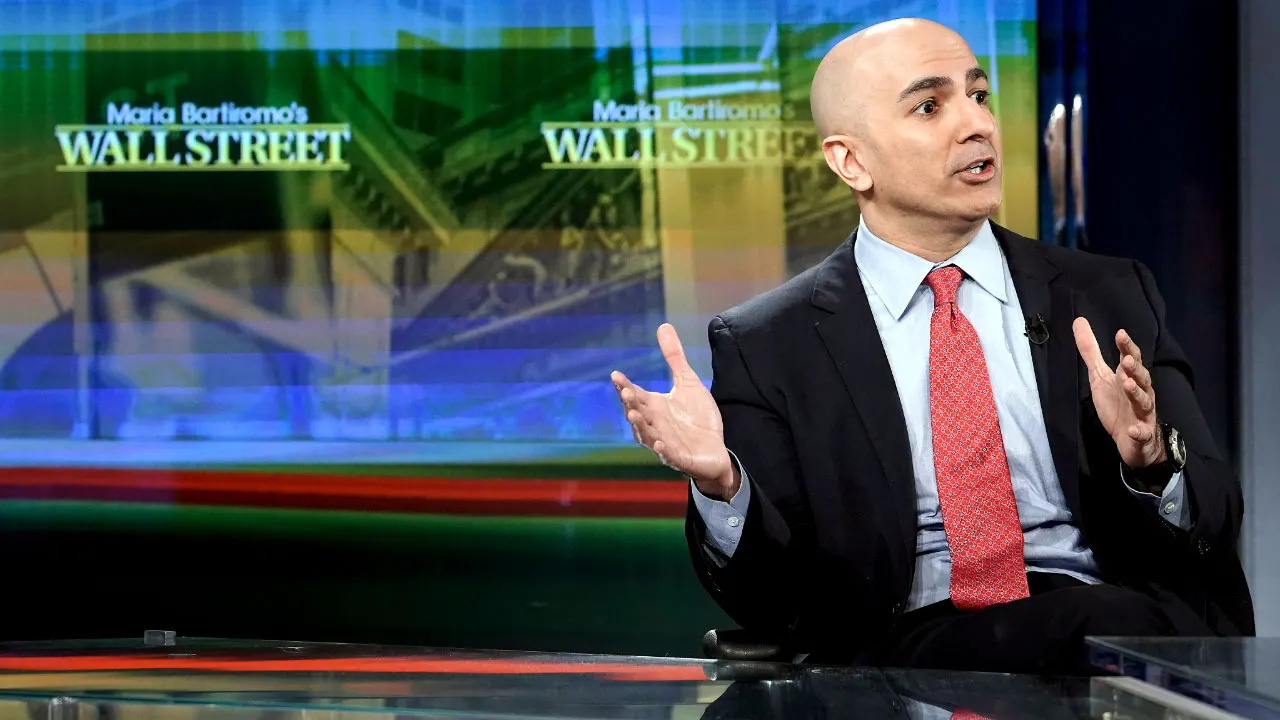
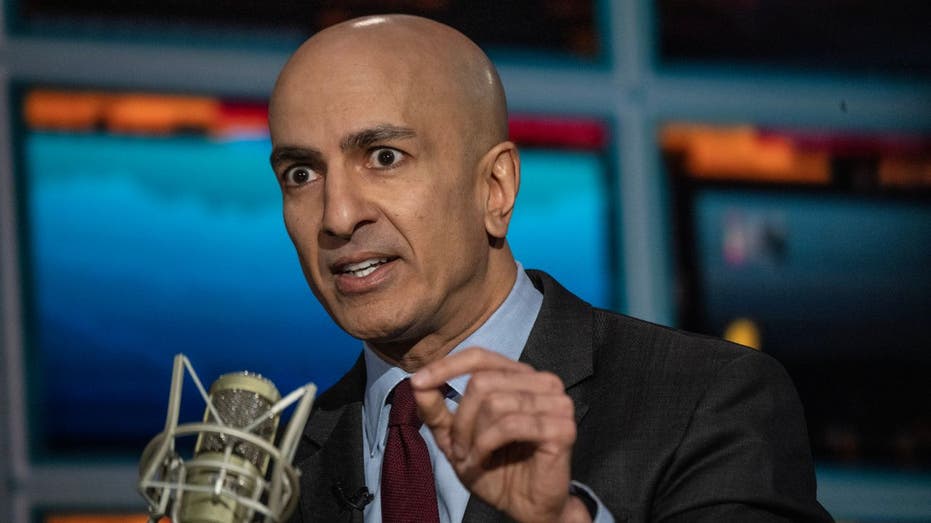
Minneapolis Fed President Neel Kashkari said the Middle East conflict has caused him to question his forecast for one interest rate cut this year. (Victor J. Blue/Bloomberg via Getty Images)
Minneapolis Fed President Neel Kashkari said at an event hosted by Bloomberg last week that “it’s just too soon to know what imprint this has on inflation and for how long.”
Kashkari also told Bloomberg that he’s now less confident about his original forecast for one interest rate cut this year, saying that “with the geopolitical events, we need to get a lot more data in.”
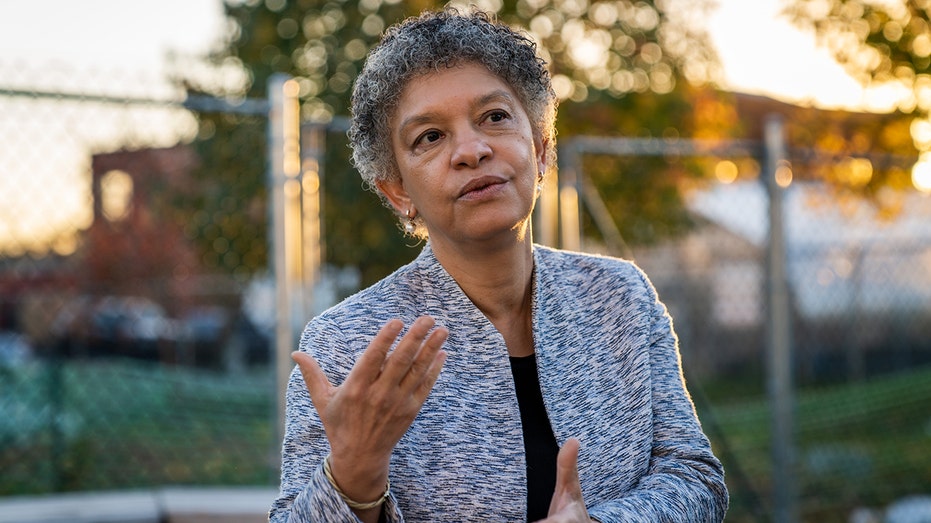
Boston Fed President Susan Collins said in the text of a speech to be delivered Friday that “I do not see an urgency for additional policy adjustments” and intends to take a “patient, deliberate approach as appropriate” as she considers her outlook for inflation, jobs and rate cuts.
US WEIGHS ASKING CHINA TO CURB RUSSIAN, IRANIAN OIL PURCHASES
Boston Fed President Susan Collins said the Middle East hostilities are a source of considerable uncertainty for the economic outlook. (Vanessa Leroy/Bloomberg via Getty Images)
“My baseline features a still-uncertain inflation picture, with continued upside risks,” Collins said, adding that “this, combined with recent evidence suggesting a relatively stable labor market, in my view argues for maintaining policy rates at their current, mildly restrictive levels for some time.”
Collins added that in her outlook, “considerable economic uncertainty remains, exacerbated by recent geopolitical developments like the hostilities in the Middle East.”
The Fed’s monetary policy panel, the Federal Open Market Committee (FOMC), will hold its next meeting to determine interest rate policy on March 17-18.
GET FOX BUSINESS ON THE GO BY CLICKING HERE
The market expects the FOMC will leave interest rates unchanged at their current target range of 3.5% to 3.75%, with the CME FedWatch tool showing a 97.4% of no cut in March.
Reuters contributed to this report.