

Politics
Iran Red Crescent submit request to international criminal court

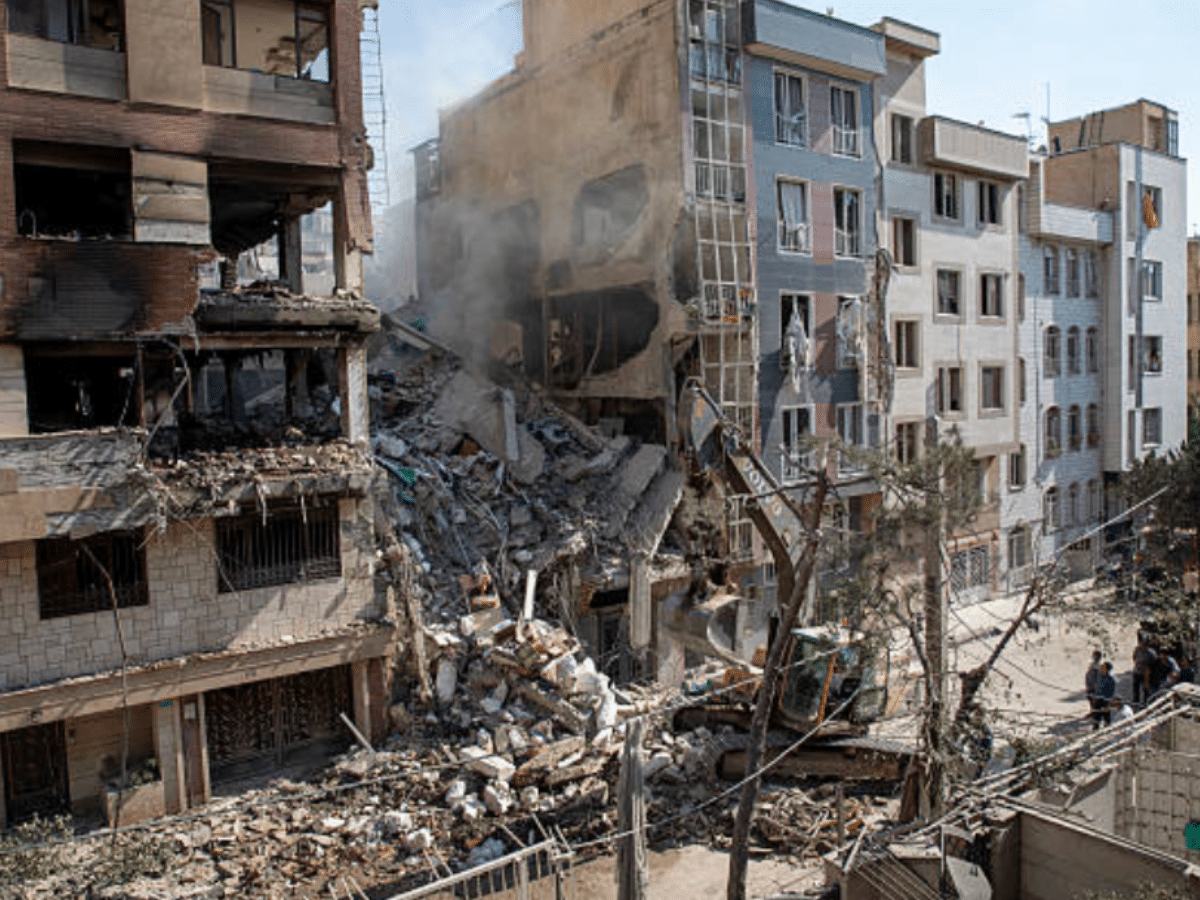
Iran’s branch of the Red Crescent have sent a letter to the International Criminal Court (ICC) requesting an investigation into war crimes committed by the US and Israel. Providing an exhaustive list of the civilian infrastructure and damage to emergency response vehicles, they highlight how civilians are being targeted rather than combatants.
This comes whilst the US and Israel are waging an illegal war of aggression on Iran, which was unprovoked and initiated whilst all parties were at the negotiating table. However, given the criminal warrants already issued for Israel’s genocidal leaders for their longstanding crimes against Palestinians, it is hard to imagine Western leaders will suddenly sit up and listen. After all, this simply marks another act of complicit aggression in Western government’s expanding list of failures.
BREAKING
The Iranian Red Crescent urges the International Criminal Court to investigate US and Israeli war crimes against Iran’s civilians:
6,668 civilian structures
5,535 homes
14 hospitals
65 schools
The list goes on..Trump and Israel are bombing civilians, not combatants. pic.twitter.com/8UNNzuk7IP
— sarah (@sahouraxo) March 8, 2026
Iran Red Crescent: ‘to the honorable prosecutor’
The letter from the Iranian Red Crescent reads as follows:
Dear Prosecutor,
I write on behalf of the Iranian Red Crescent Society, in the discharge of its humanitarian mandate and in reliance upon the binding principles and rules of International Humanitarian Law, to formally submit our protest and request for criminal examination concerning a series of military attacks carried out against civilian objects within the territory of the Islamic Republic of Iran.
According to field reports from relief workers, operational documentation, and data recorded by the Iranian Red Crescent Society, a wide range of residential areas, medical facilities, schools, humanitarian facilities, vital urban infrastructure, and public places were directly or indiscriminately targeted during the recent military attacks.
Based on consolidated recorded data:
- 6,668 civilian structures have been damaged
- 5,535 residential units have been destroyed or damaged
- 1,041 commercial units have been damaged
- 14 medical centers have been affected
- 65 schools have been damaged
- 11 facilities affiliated with the Iranian Red Crescent Society have been targeted
- 3 emergency response vehicles have been damaged
- 7 Iranian Red Crescent relief workers have been killed or injured
Widespread reports describe US-Israeli attacks against Iran that have caused mass-casualty incidents and killed innocent civilians. Most disturbingly, on the first day of this illegal war, bombs struck a school twice, killing 165 schoolchildren and their teachers. The attack has understandably triggered deep grief across Iran, bringing people closer together in the face of what many see as an existential threat from the West.
Western hypocrisy
For those in the West, we have learned since Iraq and since October 7th 2023 that if leaders want to ignore flagrant law breaking, they will. After all, legality isn’t a concern for the powerful, instead their priority is what they can gain from law breaking. We wrote recently about the silence seen after the strike on the school:
If it emerges that the United States deliberately struck a girls’ school, killing scores of defenceless children, will it admit responsibility? Israel’s continued refusal to acknowledge its crimes against Palestinians raises concerned that Washington may display the same level of indifference towards Iranian lives.
At the time of the school girls’ funeral, a time of inextricable grief and mourning for their families, China-based US journalist, Jason Smith, questioned the deafening silence from Western media, saying:
“This should be on the front page of every Western newspaper. Ask yourself: Why isn’t it?”
Given the spinelessness and collaboration in genocide of the UK media and political (and Epstein) class, it’s no surprise at all — but no less appalling for that.”
One week into the US-Israel war on Iran, more than 1,300 Iranians have been killed, with children accounting for 30% of the dead.
US–Israeli strikes hit civilian sites, including at least 20 schools and 10 hospitals, according to UNICEF. Al Jazeera’s Fintan Monaghan reports. pic.twitter.com/JncreuhIVS
— Al Jazeera English (@AJEnglish) March 8, 2026
It comes as no surprise that our leaders seem unable to locate their moral compass or basic humanity. Especially when we remember we are wholly complicit in the war on Iran despite the semantics and maneuvering of the UK government. After all, facilitating bombers makes you just as guilty as sending bombers yourself. Your Party MP Zarah Sultana has been a staunch critic of our involvement in the genocide on Gaza and now the war on Iran, writing on X:
American B-1 bombers are landing on British soil before flying off to bomb Iran, yet Keir Starmer gaslights the nation by claiming the UK isn’t at war.
These aircraft are dropping 2,000lb bombs on schools, hospitals and homes in Iran, where the death toll has already surpassed… pic.twitter.com/btrDZXp0Fd
— Zarah Sultana MP (@zarahsultana) March 7, 2026
American B-1 bombers are landing on British soil before flying off to bomb Iran, yet Keir Starmer gaslights the nation by claiming the UK isn’t at war.
These aircraft are dropping 2,000lb bombs on schools, hospitals and homes in Iran, where the death toll has already surpassed 1,300.
If this illegal war is being launched from our bases, then the UK is directly involved.
70% of the public oppose these attacks.
The Prime Minister needs to grow a spine: stop the bombers landing and kick US troops out of UK bases.
Replying to the letter from the Red Crescent, NHS Doctor Dan Goyal gave his damning indictment of the West in how it conducts its ‘wars’ on X:
There’s a cowardice and arrogance at the heart of all these offences. The rules of war are too inconvenient- easier just to bomb targets that cause the most pain. The rules don’t apply to them anyway. It’s a position we cannot and must not accept.
Israel has killed tens of thousands of Palestinian women and girls in its genocidal war on Gaza.
On International Women’s Day, we look at the number of women and girls Israel killed in Gaza in 2025.#Infograph pic.twitter.com/aCbyls8J2d
— Al Jazeera English (@AJEnglish) March 8, 2026
Another account on X spoke to the existential threat faced by Iran and what we have learned by watching the genocide unfold in Gaza:
A repeat of the Zionist Israeli actions, with the help of Zionist USA and others, against the people of Iran.
It is clear that the American and Israeli governments are in breach of International and humanitarian law and that their actions in Iran are unlawful.
The attacks on Iran, because they fail under Article 2(4) of the UN Charter, prohibiting the use of force against another state except in two circumstances.
A country is permitted to act in self-defence after an armed attack.
Military action is permitted when authorised by the UN.
Neither apply in this case.
The Zionist American actions in Iran copy and mirror the Zionist Israeli actions in Gaza and the OPT.
Any action following the illegal war on Iran is by its very nature illegal also.
The genocide is likely to have already started and the Zionist Israeli and USA humanitarian crises created by these illegal and unlawful actions are rightly to be condemned by all right thinking people.
‘Epstein Coalition’ of war criminals
Law and morality should be fixed: killing children is wrong, no matter where they come from or how powerless they are. However, Trump’s ties to Epstein indicate there has been precious little morality under consideration by either of these arrogant brutes in their lifetimes.
But more and more ordinary people wake up to this reality every day, applying more pressure against the powerful.
That pressure must grow until the tide turns in favour of humanity, as opposed to the greedy egos of the powerful.
The US/Israeli Epstein Coalition should be condemned as War Criminals by all who respect International Law. Failure to do so makes one complicit in their War Crimes… https://t.co/t7cgyP6IU6
— Mick Wallace (@wallacemick) March 8, 2026
Featured image via the Canary


The official fox hunting season may be over, but the work of the Hunt Saboteurs Association is never done. It is a 365 day commitment to keep our country’s wildlife safe. From the riverbanks of the summer mink hunts to legal battles in parliament, this is how ordinary people are standing as a year-round shield for wildlife.
Sabs end the season in style
On 7 March 2026 the Sheffield Hunt Sabs stepped out onto the fox-hunting foray for a final season outing, and dominated the field. The close-knit, uncompromising group split into four tactical teams. They scuppered the hunt at every bridleway and gate. The presence of the sabs meant the hounds couldn’t pick up a single scent without disruption.
The only fox spotted all day had no reason to fear the hounds, trotting past the Hunt Sab’s van, no care in the world. Simon Howell and volunteers watched the stunning vixen slink away into the bushes. Howell quickly masked her scent with a citronella bottle. It was a quiet, clean victory for the sabs. As the jumped up pricks on horseback packed up in frustration, they ended the season in style.
However, for the HSA there is no such thing as an off-season. Groups like the Sheffield Hunt Sabs don’t just protect foxes, they provide a 365-day shield for wildlife. As one season closes, another, just as brutal, begins. The red coats may disappear for a few months, but other killers in our fields remains.
And these people aren’t professional activists, they’re teachers, doctors and labourers.
Radical kind of empathy
They come from every kind of background and form a line of defence for the defenceless. I spoke to a bus driver, businessman, an off-grid lifer, and a retiree. In the current economic hellscape, most of us are fucking knackered by Saturday, but the sabs, choose to spend their days sitting in muddy fields, sacrificing sleep and comfort. They represent radical empathy.
They face the aggression of the hunt without pay. Their dedication is unwavering. Whilst the hunters treat the countryside as their playground, sabs treat it as a sanctuary. And while the public believes the ‘ban’ worked, the reality is way more sinister.
As this season ends, mink hunting begins in April and runs until September. This summer ‘sport’ takes place along riverbanks where hounds hunt small mammals. Sabs wade through freezing-cold waters, spraying scent dullers on the banks to protect mink. This is ignored by mainstream media, but it’s just as brutal.
Then there are 68 hare hunts currently operating across England and Wales. Hares, unwilling to leave their territories, can be chased in circles for up to 90 minutes before the animal collapses from exhaustion.
This is because they live above ground and have no holes to hide in to escape the jaws of the hounds. They are run until their hearts literally burst. This inhuman practice is a relentless war of attrition against a species already in decline.
The countryside’s dirty secret
By 12 August, the focus shifts to the moors for the start of red grouse season. And before the fox hunting season even restarts, sabs face the dirty secret of the hunting world: cubbing. From August to October, hunts take young, inexperienced hounds into small woods called ‘coverts’. They surround these areas to prevent cubs from escaping and teach these young dogs to kill by tearing apart cubs born that year.
In 2025 alone, there were over 100 reports of foxes being chased during this period, yet the crime stats regarding the legal system are diabolical. Only 2% of reported crimes against wildlife resulted in a criminal conviction in 2024, with only 14 convictions successfully secured for hunting.
The link between wildlife crime and other violence is also clear with 80% of wildlife offenders being active in other serious crimes such as domestic assault and assault.
These are not ‘country gentlemen’ out for a stroll, they’re dangerous individuals. Furthermore 78% of hare coursing offenders have a history of violent crime. This absolute legal failure is exactly why Sheffield sabs believe direct action is the only answer.
Solidarity in the face of the hunt
The Sheffield Sabs build their bravery on a foundation of genuine solidarity and mutual care. This is not a group of individual activists but a collective that has stripped away ego to become an efficient, life-saving machine. Whilst the huntsman appeared dejected by the sight of them, the sabs drew strength from this.
They move through the landscape with a shared purpose, navigating broken footbridges and thick, thorny brush with a level of physical grit which puts the mounted huntsman to shame. A commitment to every living being fuels this grit, from the fox trotting past the van to the toads saboteurs help across the road.
In a society which feels like a fucking burning hellscape, the Sheffield Sabs provide a blueprint for a different way of living. The community checks on one another constantly, ensuring no one stays behind.
Their laughter and camaraderie are a stunning defiance to the culture of violence they oppose. It proves that when people leave their egos at the door, they can outflank even the most archaic of cruelties.
Featured image via the Canary
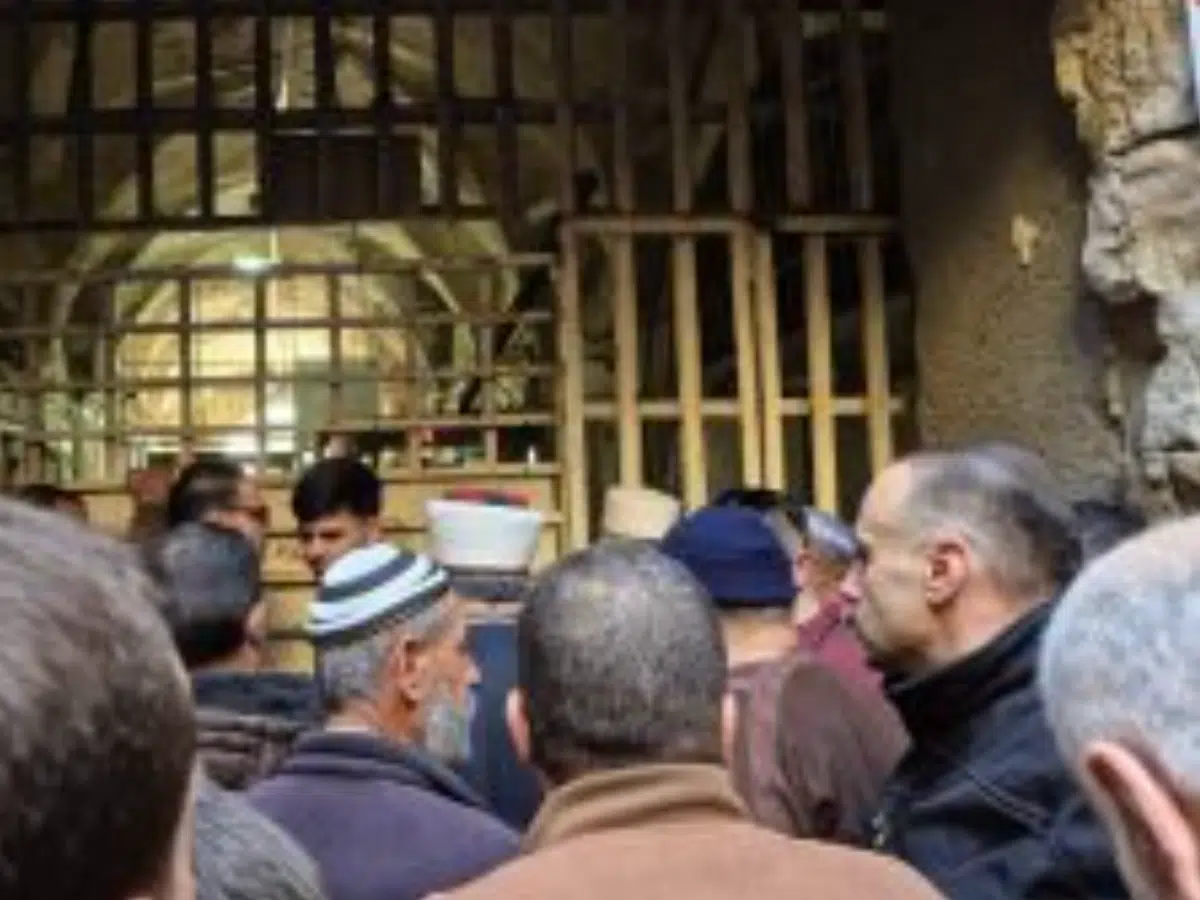
On the third Friday of Ramadan, Israeli occupation forces have restricted Palestinians in the West Bank city of Hebron from entering the Ibrahimi Mosque, a revered Muslim pilgrimage site.
Israel gatekeeps Ramadan in Hebron
Muslims gathered at the checkpoint to enter the mosque for Friday prayers, but Israeli forces allowed no more than 60 worshippers inside. Under normal circumstances, upwards of 5,000 Palestinians would attend Friday prayers at the Ibrahimi Mosque.
As the queue grew, the Canary spoke to several worshippers waiting at the mosque checkpoint.

Raneen, a 17 year-old Hebron resident, painted a different portrait of mosque life, prior to the war in Gaza.
People came to the old city in large numbers. But since then, there have been less people here, because they are scared- because soldiers make problems for everyone. Now, because of the Iran war, there are even less people. Unfortunately they only let 50 people in today. I came here three hours ago but it is not allowed for me to enter the mosque.
Qusai, 27 years-old, spoke of the significance of Friday congressional prayers, especially during the holy month of Ramadan.
We are surprised, because we arrived at the checkpoint, and saw that soldiers have closed the entrance to the mosque. It’s very important for our religion, and important to pray here. Many people waited for the soldiers to open the checkpoint, but they did not let many people through. We have waited a long time.
In conversation with the Canary, Mohammad, aged 64, described deliberate strategy by occupational forces to extend control over Palestinian territories.
Israel does this to make it hard to come to Ibrahimi Mosque and the old city, to make everything empty and control the area. We are feeling very sad, as we’ve come from far away and we aren’t allowed to go in.
The sliding scale of religious freedoms
Since its emergence in 1947, Israel’s ethnoreligious state has treated Islam as an elected enemy. The religious freedoms granted for one community, and denied for another.
Angered by these latest restrictions, elderly resident, Yazeed, hit back saying:
This is the occupation. They let 50 in so they can say the mosque is open today, but it isn’t! They are making control and do not let people have freedom to pray and go to their mosque.
This Ramadan, with its ongoing offensive war against Iran, the Israeli occupation has used the pretext of “security” to ground Palestinians, expand , and deny access to sites of worship in the West Bank. This has meant the journey to prayer has been markedly more difficult, with Palestinians forces to navigate a maze of check points and gates armed by occupational soldiers, and military checkpoints than usual. And there is growing uncertainty over whether the mosque will even be open.
This Ramadan, amid its ongoing offensive against Iran, the Israeli occupation has used the pretext of “security” to ground Palestinians, extend restrictions, and deny access to sites of worship in the West Bank. As a result, the journey to the Ibrahimi mosque, among others sites, has become laden with obstacles, with Palestinians forced to navigate a maze of gates and checkpoints manned by occupation soldiers. Uncertainty looms over when, and if, the mosque will reopen.
A mosque under siege
The restrictions began on the first day of Ramadan, when Israeli soldiers prevented Palestinians from entering the Ibrahimi Mosque, with reinforced deployments throughout the Old City surrounding the mosque.
Then, on Saturday 28 February, the first day of Israeli and America’s joint assault on Iran, occupation forces closed the gates of Ibrahimi Mosque “until further notice,” preventing both worshippers and Islamic Waqf staff from entering the compound.
Then, on Saturday 28 February — the first day of Israel and America’s joint assault on Iran — occupation forces closed the gates of the Ibrahimi Mosque ‘until further notice,’ shuttering the compound and preventing worshippers and Islamic Waqf (religious endowment) from entering.
For Palestinian residents, the restrictions represent another escalation in a decades long battle for control of the sacred site. Zionist control over Hebron, known as al Khalil in Arabic, began after 1967 when ‘Israel’ occupied the West Bank and East Jerusalem. But in 1994, an illegal Israeli settler stormed the mosque, and massacred 29 Muslim worshippers during dawn prayers. After this incident, Israeli occupation authorities divided the mosque complex in two – annexing half of the mosque where Jewish worshipers pray. The larger portion was allocated to Jewish worshipers, leaving Palestinian muslims with less than half.
The IOF, of course, controls access to the entire site, through the use of metal detectors, checkpoints and restricted entrances. These measures not only affect Palestinian worshippers, but also the daily life and social fabric of the old city of Hebron, where the mosque is located. This area is under the total control of the Israeli occupation’s military, and has illegal Israeli settlements located there.
Ibrahimi Mosque’s storied history
The Ibrahimi Mosque, known to Jews as the Cave of the Patriarchs, is revered by both communities. It stands above a cave believed to contain the tomb of the Prophet Ibrahim.
For centuries Muslims have travelled to Hebron to pray at the mosque. It is considered the fourth most sacred site in Islam, after the holy mosques in Mecca and Medina, and Jerusalem’s Al-Aqsa Mosque, which is also currently closed to Palestinian worshippers. Praying at these sites during Ramadan carries special spiritual significance for worshipers observing the holy month.
Control over the mosque’s administration has increasingly shifted away from Islamic authorities in recent years. Israel occupational forces guard every entrance to the Ibrahimi Mosque, and the Israeli occupation has even placed CCTV cameras in the Muslim section, allowing them to surveil Palestinians while they pray. In 2025, Israeli authorities also removed the Hebron municipality’s role in managing the site and transferred control to a settler council linked to the nearby illegal settlement of Kiryat Arba.

Cleaving access
The decision followed earlier moves limiting the authority of the Islamic Waqf, the endowment historically responsible for the management of Islamic sites. The changes could allow structural modifications to the complex, thought to include construction work and expanded facilities for Jewish worshippers, without Palestinian oversight.
These changes are part of an intentional broader transformation of the Old City of Hebron, by the Zionist regime. The area surrounding Ibrahimi Mosque lies in a heavily militarised zone where the IOF guard the settlers living in the illegal settlements established at the city’s centre. Military checkpoints, surveillance cameras and restricted streets now dominate what was once the busiest commercial district in the South of the West Bank. And the nearby Palestinian shops remain closed after years of closures and security restrictions.
For as long as the occupation tightens its grip on Hebron’s Old City, Palestinians will assemble — prideful and peaceful — outside the Ibrahimi Mosque, undetered and unafraid. Prayer at the mosque is more than a sacred act or a conversation with God — it asserts their visibility as part of Hebron’s cultural and religious fabric. It’s not heroic or provocative, but an affirmation of what should be ordinary, yet is criminalised under occupation.
Featured image via Charlie Jaay
Politics
The House | Zack Polanski: “There’s A Lot Of Inauthenticity In Politics, But It’s Not Coming From Me”
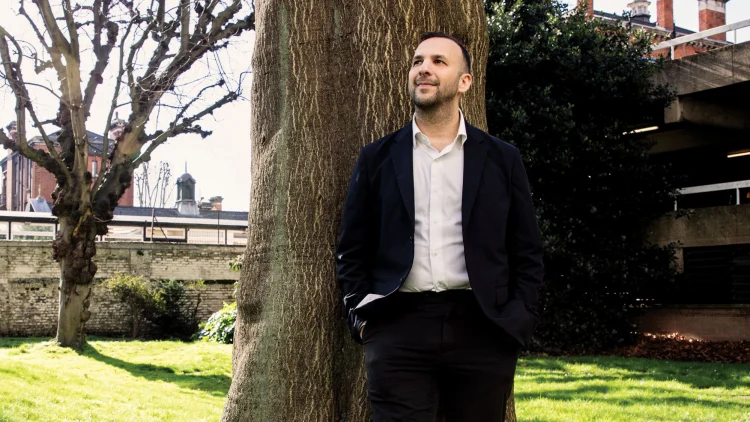
Zack Polanski (Photography by Louise Haywood-Schiefer)

12 min read
Green Party leader Zack Polanski talks to Sienna Rodgers about his by-election success, potential Labour defectors, and how his upbringing shapes his views on Zionism
Zack Polanski is still revelling in a historic by-election victory in Gorton and Denton, where plumber Hannah Spencer won over 40 per cent of the vote, when he visits The House offices.
The Greens’ unquestionable triumph in Manchester and corresponding jump in the national polls have been quickly overshadowed, however, by events abroad as Israel and the US launched attacks on Iran.
Polanski’s deputy, Mothin Ali, reacted to the strikes by joining a protest that critics characterised as supportive of the Iranian regime but the Greens describe simply as anti-war.
“I can’t guarantee that I’ve never been on a march where someone hasn’t said something I disagree with,” the leader says, confirming that he would attend these protests himself, even though attendees were flying pro-regime flags and mourning Ayatollah Ali Khamenei. “It’s cynical when people seek to smear people who are being voices of peace by finding one poster or one line that someone said in a speech.”
What is his message to those who will look to use this opportunity to escape a theocratic regime that executes gay people and oppresses women?
“We need absolute solidarity with the Iranian people, and I’ve been consistent on this for years,” he replies, resolute in his warning that the UK could be “dragged into another illegal war”. He supports sanctions on Iran but says they must be “handled very carefully” or they risk hitting the poorest.
Polanski contends that Britain cannot rely on President Trump – who is a “real threat” and not an ally – being out of office in a few years. “We might get something worse than Donald Trump. It’s really important that we have our own sovereignty here, we stand on our own two feet, and we recognise, thankfully, we’re not an empire any more. We’re a small island.”
He would like to rejoin the EU at some point (“we are stronger together”). But for now, does he recognise that British security is deeply reliant on the US, which is something that cannot be changed quickly?
“Yes, in the short term, it’s very difficult to disentangle our military from the US,” he acknowledges. “I think the important thing to do, in the short term, is to look at: ‘What does the plan look like in the longer term?’ and then to begin to execute it. To make sure that, ultimately, we’re protecting this country.”
As we turn to coastal communities, Polanski’s prescription is much the same: difficult problems simply require clear leadership.
When local residents protest the new infrastructure needed to reach net-zero targets, who wins – democracy or the environment? “I think you can have both,” he says. “You have to show leadership. Far too often, consultation actually means notification.”
His description of this ideal might sound like notification with more communication. “What’s really powerful is when a politician turns up in the community and says: ‘This is what we need to get done. This is why I’m taking you on that journey. Let’s work out how we can do it together.’” But he insists this approach can build trust.
Polanski characterises Keir Starmer, by contrast, as having a “worrying authoritarian edge to him”.
“I don’t think this is what Labour MPs stand for at all. So many of them are so deeply frustrated and disappointed right now. In fact, I know they are because I speak to them,” he continues. “I know many of them are just hanging on in there, and I get that – they’re waiting for another leadership contest.”
Andy Burnham is often regarded as the Labour politician with the charisma to counteract the Polanski effect, but he was blocked by the leadership from entering Parliament.
While Polanski does not believe the Greater Manchester mayor would have held Gorton and Denton for Labour, he admits: “When he wasn’t selected, I’ll be completely honest, I was really happy about it, because it would’ve been really tricky.”
The Green leader claims to hope that dissenting Labour MPs will “increasingly find their voice”, yet he doubts their ability to do so: “The Prime Minister far too often holds them in contempt.”
How many is he discussing defection with? “If you speak to some Labour MPs, some days it seems like it’s going to be their last day in the party, and other days they’ve seen a glimmer of light and think everything’s going to be OK.”
Pushed for a number of potential defectors, he says it has reached “a handful”.
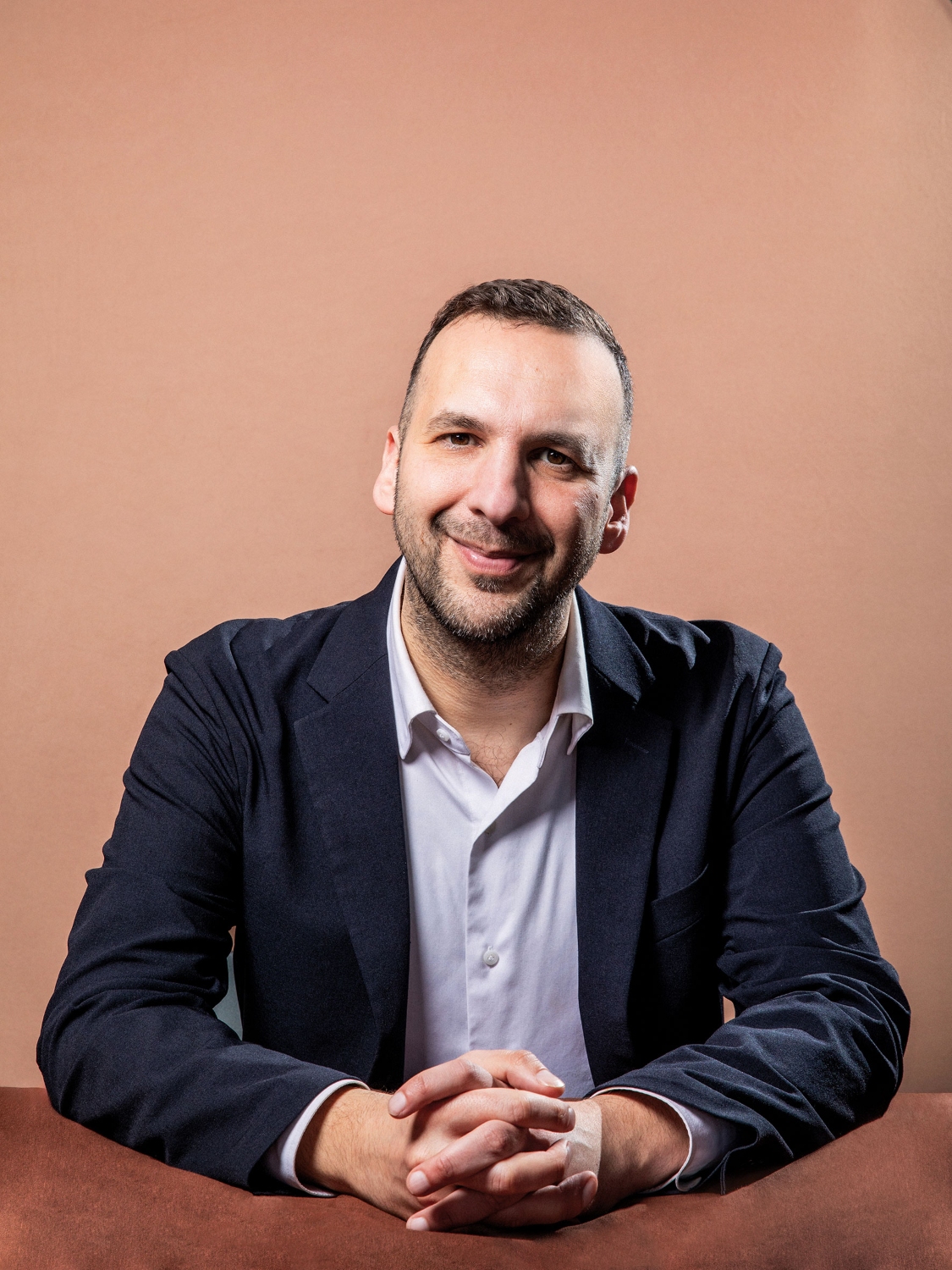
The Green leader, who listens to political podcasts at three times the normal speed, is a fast talker.
Although his favourite content comes from Twitch and YouTube streamers, he refers to “the cesspit that is online”, where it feels like “everyone in the world hates each other”. He suspects that bots were used to target him during the by-election campaign because the level of abuse dropped off as soon as it ended.
“When you look at my posts during that campaign – which would have comment after comment about my teeth, about politics, about all sorts of things – that went from, like, 95 per cent of the comments to five per cent almost overnight.”
Polanski, 43, was shy as a child and drew further into himself when his parents divorced. He credits drama classes at school for building his confidence. He later became an actor and, more controversially, a hypnotherapist. (In 2013 he was persuaded by a reporter to boost her cup size with the power of the mind, as an experiment. He has apologised for the incident while saying it was misrepresented by the Sun.)
He became a London Assembly member in 2021, deputy leader of the Greens the following year, and six months ago easily won the top job with 85 per cent of party member votes.
“If I didn’t have those drama classes when I was 11, I certainly wouldn’t be doing what I’m doing now,” he says. “I felt so insecure about who I was and my place in the world and what was going on about my family. Like so many young people at that age, if their parents divorce, I felt like it was my fault and I’d done something wrong.”
After attending a Jewish school that he enjoyed, he moved at secondary age to Stockport grammar, a private school, on a scholarship. Bullied for being Jewish and more so for being gay, he “absolutely hated every second of it”.
As the eldest of his father’s children, the youngest of his mother’s, and the only child of both parents, he “fit every category” of siblinghood, which one imagines must have felt like fitting none of the categories.
While his dad worked in a DIY shop and his mum did lots of jobs – in theatres, as a make-up artist – he cannot easily define himself in terms of class either: “I was one of the poorer children at school but, still, my story is not a story of poverty.”
Do his parents support the Greens now? “I don’t talk about my parents – just because I’m in public life, but they’re not,” he replies, though the Guardian reported last year that they were Green voters. He is more guarded than one might expect from a politician pitching themselves as a straight talker.
Apart from inhaling the chocolatey fumes of the nearby McVitie’s factory via his bedroom window, the only positive childhood memory he recalls is being part of the Jewish community in northern Manchester, including cheder on Sundays.
Being raised in a pro-Israel family must complicate his feelings about the Jewish state. What did Zionism mean to him at that time?
“When I was growing up, the story of Israel was always ever-present in the family home and in the school,” he says. “As I got older, though, I was always really aware of socialist Zionism, a small group of people that were always against the eviction of the Palestinians from their homeland, and [non-Zionist Jewish socialist movement] Bundism as well.
“So, there’s lots of different aspects of what a Jewish homeland would look like. It is a complicated, sensitive and nuanced conversation. What is clear to me, though, is what Zionism is under Benjamin Netanyahu – a genocidal regime.”
“Zionism is racism” is the title of a motion that is being sent to the next Green Party Conference and that Polanski has not opposed. Would that statement not flatten the nuance he speaks of? “If we’re talking about Benjamin Netanyahu and the genocidal regime, then that is obviously racist,” he replies.
But “Zionism is racism” would be labelling as racist those he grew up alongside – family, friends – who consider themselves Zionist.
“I think all statements and slogans are complicated because there’s always more nuance behind a sentence, and so that’s why I think the sentence needs qualifying to talk about the present day and what’s happening right now.”
He would not consider them racists for being Zionists, though, would he? “Who, sorry?” Zionists he grew up around, for example. “I think if someone supports Benjamin Netanyahu’s genocide, then I think there’s no other definition of that than racist.”
But he has mentioned different kinds, such as socialist Zionism? “Yeah, and so that’s for that person to define what their Zionism is. That’s why I’m defining the Zionism that I’m talking about. And that’s the problem with labels, right?”
In the Gorton and Denton campaign, critics opposed the Green Party’s use of videos in Urdu. Would he do one in Hebrew? “Yes.”
He was born David Paulden before he changed his name (Zack after the Jewish character in Goodnight Mister Tom; Polanski to restore his familial name). Together with his professional background as an actor, and his past as a Liberal Democrat who so opposed Jeremy Corbyn’s Labour leadership that he heckled him at a rally, the rebranding has led to charges of inauthenticity from some. How does he respond?
“I’d laugh in their face. I think there’s a lot of inauthenticity in politics, but it’s not coming from me.”
Asked when his thinking changed on Corbyn, who endorsed the Greens in the by-election, Polanski explains: “Lots of people have been on this journey… I really bought the fairytale that a national economy was anything like a household budget.”
Citing Extinction Rebellion and becoming a vegan as contributing factors to his political journey, he argues that openly changing his mind helps to connect with people. “I’m almost more suspicious of politicians who have a fixed mindset about everything,” he says.
Many would say Corbyn is one of those politicians. “Me and Jeremy Corbyn are very different people. He’s said so. He wouldn’t mind me saying that,” he replies.
When Corbyn was opposition leader in 2018, Polanski tweeted that as “a pro-European Jew”, these were “two reasons I couldn’t vote for Labour under Jeremy Corbyn”.
“Since then, we’ve had a book by Paul Holden, The Fraud, which I think has laid out the cynical and systemic deliberate obfuscation of a really serious issue like antisemitism. I believe that I believed what I was reading and what I was seeing,” he explains today.
“I’m a Jewish leader of a political party who regularly gets accused of antisemitism. I think we need to take antisemitism really seriously, and I don’t believe a political weaponisation of it is the way to do it.”
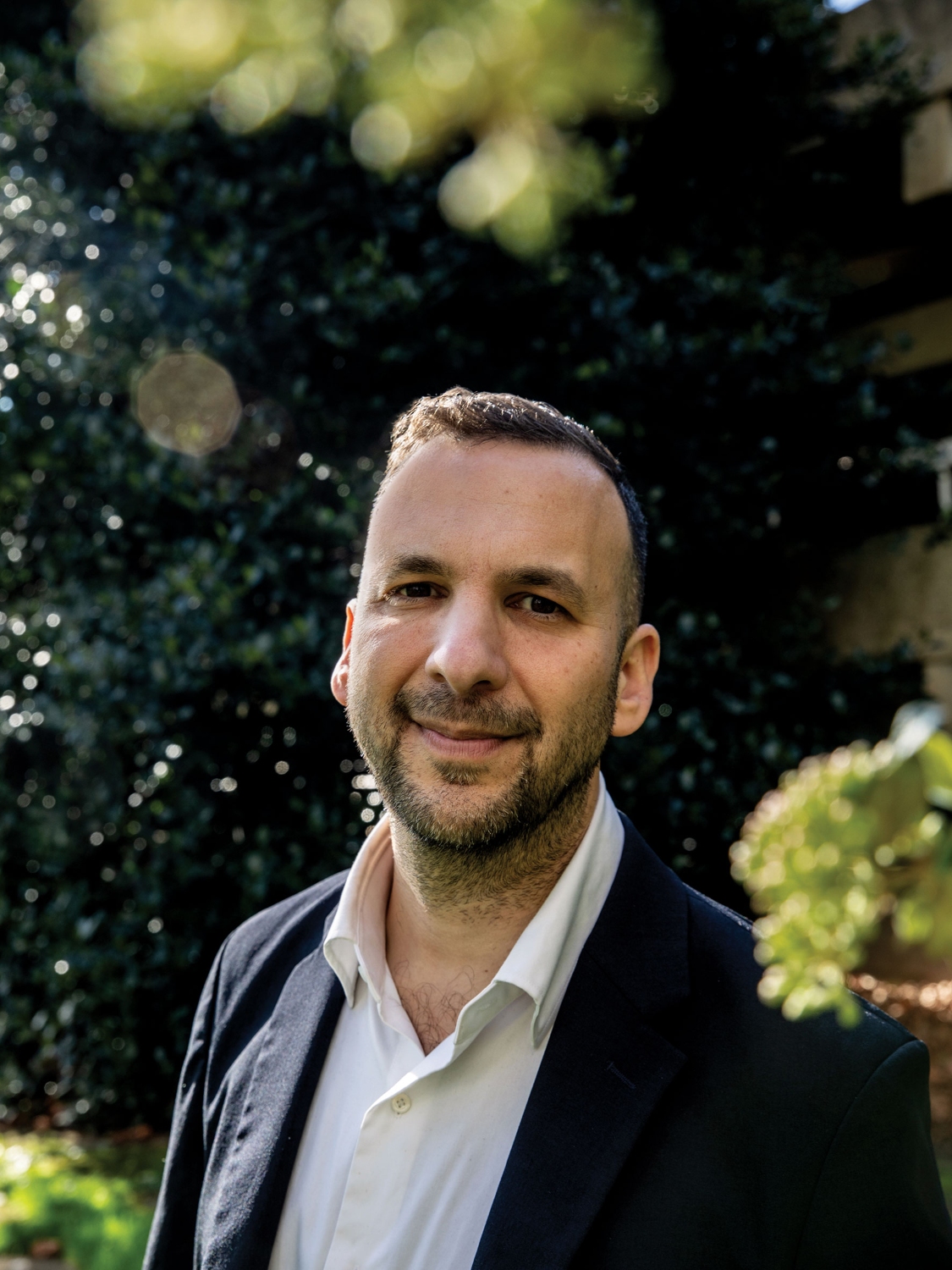
So, what next for Zack Polanski?
He is not interested in the London mayoralty for himself – “I’m more focused on Parliament” – but reckons New York’s Zohran Mamdani offers a blueprint for Green success. (The pair are liaising on their shared love of video-based comms.) Nor would he run in any non-London by-election: “What I will be doing is looking for the future Hannah Spencers.”
Polanski has made it clear that he would not stand against Diane Abbott in her Hackney North and Stoke Newington seat, where he currently rents with his partner Richie. Opposing a “national treasure” is a “non-starter”, he stresses. Yet the idea, The House understands, is that he could be her successor.
“I don’t think anyone should be rushing her for an answer,” says the Green leader. “It’s definitely not up to me to decide when Diane Abbott is going to retire.” Yet he does not reject the concept: “Hackney North and Stoke Newington is one seat that is definitely in consideration.”
And, where for the Green Party? In pushing Labour into third place in a previously safe seat, they have put a serious dent – if not altogether destroyed – the argument that Labour is the only left alternative to Reform UK.
“My target is to be an MP within a much bigger group of Green MPs. Whether that is having a confidence and supply deal, or any government relationship, really depends on what the voters decide, who the leader of the biggest party is, what they’re offering,” Polanski says.
He rules out any kind of partnership with Starmer: “I think that relationship is broken. There are plenty of Labour MPs that I would very happily work with, such as Nadia Whittome, Clive Lewis, but I think the chances of them leading the Labour Party, with no disrespect to them, are about as likely as me leading the Labour Party.”
A progressive alliance is similarly dismissed, now that the Greens are “confident in our own ability to win” – even if the Tories and Reform unite the right.
“Gorton and Denton was our 127th target seat, which now means there’s no no-go areas for the Green Party in the country. What we’ve absolutely smashed out the park now is that idea of a wasted vote. That line was holding us back for decades, and I cannot wait to see how much faster we can move now.”
As we leave Millbank Tower, an office worker spots the Green leader and begins waving excitedly from inside. By the time Polanski is explaining that he now receives Nigel Farage levels of attention, she has abandoned her desk and come out to praise him in person. He looks faintly self-conscious – but does not miss his cue.
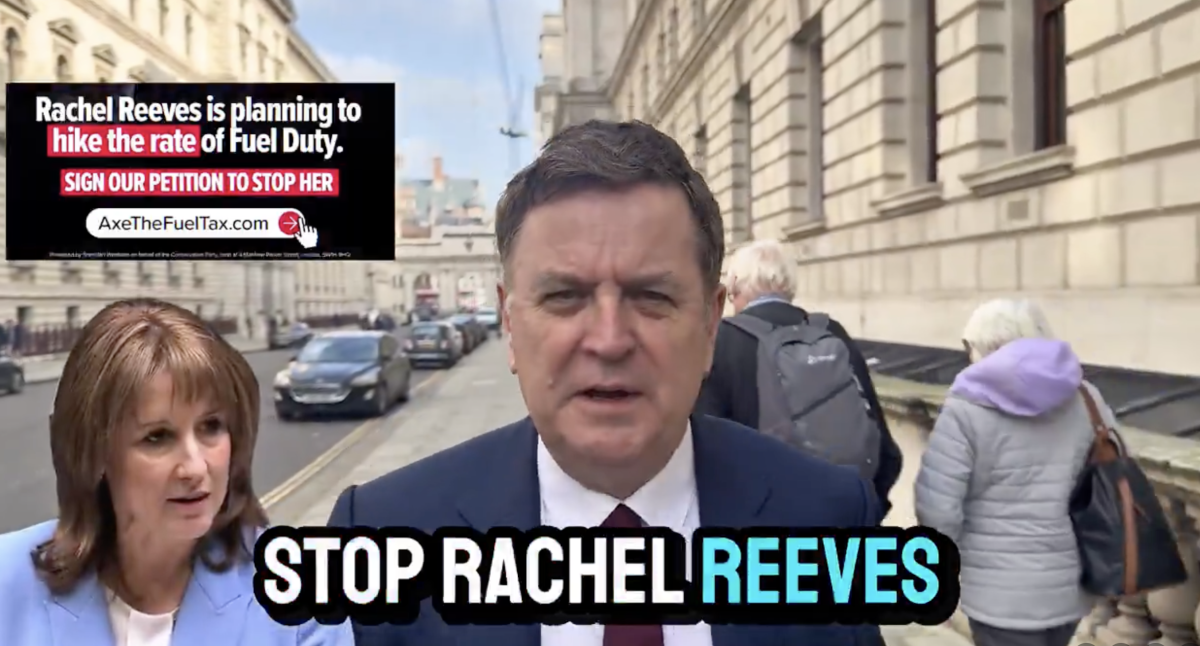
https://x.com/meljstride/status/2031044361484411143?s=61
The post Mel Stride: Axe the Fuel Tax appeared first on Conservative Home.
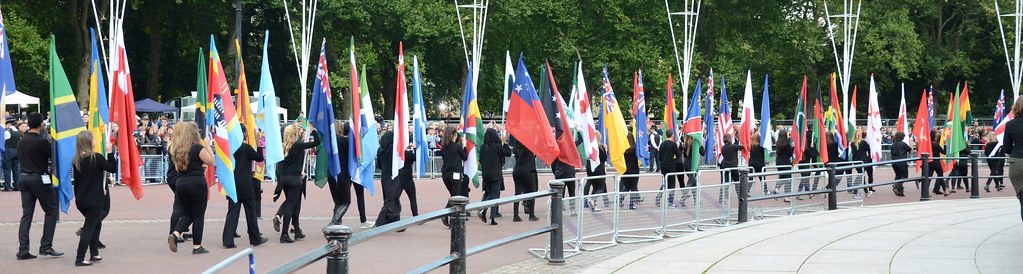
Aphra Brandreth MP is Member of Parliament for Chester South & Eddisbury.
Unlocking Opportunity: Why the Commonwealth Matters in a Changing World
Britain has slipped to fourth place in the 2026 Global Soft Power Index, behind the United States, China and now Japan. One explanation often offered for this decline is that Britain has adopted a more isolationist foreign policy since leaving the European Union. Yet this interpretation does not stand up to scrutiny. In reality, under the previous Conservative government, the United Kingdom expanded its engagement with new markets and emerging opportunities beyond Europe, seeking to strengthen ties with regions that will play an increasingly significant role in the global economy in the decades ahead.
One clear example of Britain working in partnership with countries around the world is the Commonwealth, the largest and oldest transnational association of nations. Its membership spans every continent and represents around a third of the world’s population. The modern Commonwealth is sometimes mistakenly viewed as a continuation of the British Empire, but this characterisation is outdated. Today it is better understood as a voluntary family of nations committed to shared principles including development, democracy and peace, where every member state has an equal voice regardless of size or economic strength. The fact that the four most recent members have no historical ties to the British Empire illustrates how the Commonwealth has evolved into a forward-looking partnership rather than a legacy institution. Britain is just one of 56 countries working together through this network of cooperation and shared values. In an increasingly unstable world, the importance of such partnerships, and of working as equal partners, should not be underestimated.
The modern Commonwealth was established in 1949, in the years since the world has changed dramatically. Today with war on our doorstep in Europe, and the Middle East in chaos, it is clear that the international system is becoming increasingly multipolar, uncertain and, at times, dangerous. In this environment, networks that bring countries together around shared values and encourage dialogue between diverse nations matter more than ever – highlighting the enduring importance of the Commonwealth.
Yet Britain today faces a clear soft power challenge. In an increasingly unstable and volatile world, strengthening our hard power remains essential. However, influence in the modern era is exercised in many ways. Too often discussions about global competition focus solely on military capability, whether measured by the size of navies, the strength of air forces, or the number of soldiers in our armies. These capabilities remain vital, but soft power, expressed through our cultural influence, diplomatic networks, educational institutions and economic partnerships, can be just as significant in shaping global influence. This year’s Commonwealth Day offers a timely opportunity not only to celebrate one of the world’s most enduring transnational networks, but also to look ahead. Its theme, “Unlocking Opportunities Together for a Prosperous Commonwealth,” reflects the potential of this partnership to expand cooperation and create new opportunities for its member nations. For Britain, it is an opportunity to deepen collaboration with partners across the Commonwealth and to work together to unlock the opportunities that this unique network provides.
Recent developments illustrate how Commonwealth relationships could help shape the global dynamics of tomorrow. Last week, Canada’s Conservative Party leader, Pierre Poilievre, outlined a vision in which the United Kingdom, Canada, Australia and New Zealand deepen their cooperation in areas such as defence, trade, mobility and skills. Greater collaboration between these nations would not only generate economic, cultural and social benefits, but would also strengthen our collective voice at a time when speaking with clarity and conviction on the international stage matters more than ever.
Of course, it would be unrealistic to replicate a CANZUK-style framework across the entire Commonwealth.
The diversity of its membership, spanning every region, culture and stage of economic development, makes such an arrangement impractical. Yet that diversity is also one of the Commonwealth’s greatest strengths. While deeper integration may be possible between some members, there remains significant scope to expand cooperation across the wider network wherever it is mutually beneficial. Whether through trade, education, diplomacy or development, the Commonwealth provides a unique platform through which its 56 members can strengthen partnerships and unlock new opportunities for growth and collaboration.
Britain must recognise a simple reality.
In today’s world, influence is rarely exercised alone. Power is more widely distributed, and the ability to shape events increasingly depends on the strength of partnerships and alliances. That challenge has been compounded by the current Labour Government’s hesitant and ineffective response to the crisis in the Middle East, which has done little to reinforce Britain’s credibility on the global stage. Networks such as the Commonwealth therefore become even more valuable. If Britain approaches this partnership with ambition, humility and a clear sense of purpose, it can help deepen cooperation between member states while strengthening its own global influence in the process.
By working alongside Commonwealth partners to expand opportunity, strengthen connections and address shared challenges, Britain can help ensure that this remarkable network remains a force for stability, cooperation and prosperity in an increasingly uncertain world.
A team of 32 experts has published a paper proving there is no evidence that ADHD is overdiagnosed — a big fuck you to the Labour government pedalling this dangerous lie.
Government departments unite against disabled people
The Department of Health and Social Care (DHSC) has launched reviews into the strain of ‘overdiagnosis’ of neurodivergent and mental health conditions has on the NHS.
Meanwhile, the Department of Work and Pensions (DWP) is in the process of reforming PIP. One of the main things the disability benefits cuts protests stopped last year was them limiting eligibility. This would’ve especially affected people with conditions such as ADHD. Streeting’s reviews would give them the ammunition to do that.
And it’s not just those departments that are ramping up hatred. Prime Minister Kier Starmer has also stated that there’s a “moral case” for changing PIP eligibility. Moreover, I don’t think we should be taking morality lessons from those enabling genocide.
Experts debunk overdiagnosis myth
With the media complicit in benefits hate, it’s so important that medical experts are standing up and proving the government to be liars.
32 experts came together to publish ADHD (over) diagnosis: fiction, fashion and failure in the British Journal of Psychiatry. The report overwhelmingly rules that
There is no evidence that ADHD is over-diagnosed in the UK
The authors state that, in fact, just 5.4% of children and 3.3% of adults are estimated to have ADHD. They also explain that while health records do show a rise in diagnosis between 2000 and 2018, it is nowhere near what it should be.
While the administrative prevalence of ADHD has increased over time, available pre-pandemic data suggest that it has remained substantially below the ADHD population prevalence in the UK, providing no evidence at present that ADHD is over-diagnosed at a population level.
They said this increase in diagnoses could be because more people know about ADHD than in the past. In the last few years, for instance, far more older women have discovered they have ADHD. This was missed in childhood.
Labour’s lies are a barrier to ADHD diagnosis
The report states that, if anything, it’s still massively underdiagnosed, largely because the NHS isn’t funded enough to support people with ADHD.
Beyond the controversy around over- or under-diagnosis and over-medicalisation of ordinary behaviours or emotions, the main issue is that UK clinical services cannot adequately support individuals with ADHD who need help.
It also skewered the pervasive narrative that ADHD is overdiagnosed, coming from the media and politicians
There is a risk that the narrative claiming ‘ADHD is over-diagnosed’ could be used to deny people with properly-diagnosed ADHD the care they deserve.
Which, funnily enough, is exactly what Labour plans to do.
It’s clear to see that Labour doesn’t actually care if ADHD actually is overdiagnosed; they just want to strip disabled people of vital support. But hopefully, with the overwhelming evidence against them, they will be called on their bullshit.
Featured image via the Canary
LIVE: Reform Launches Local Election Tour
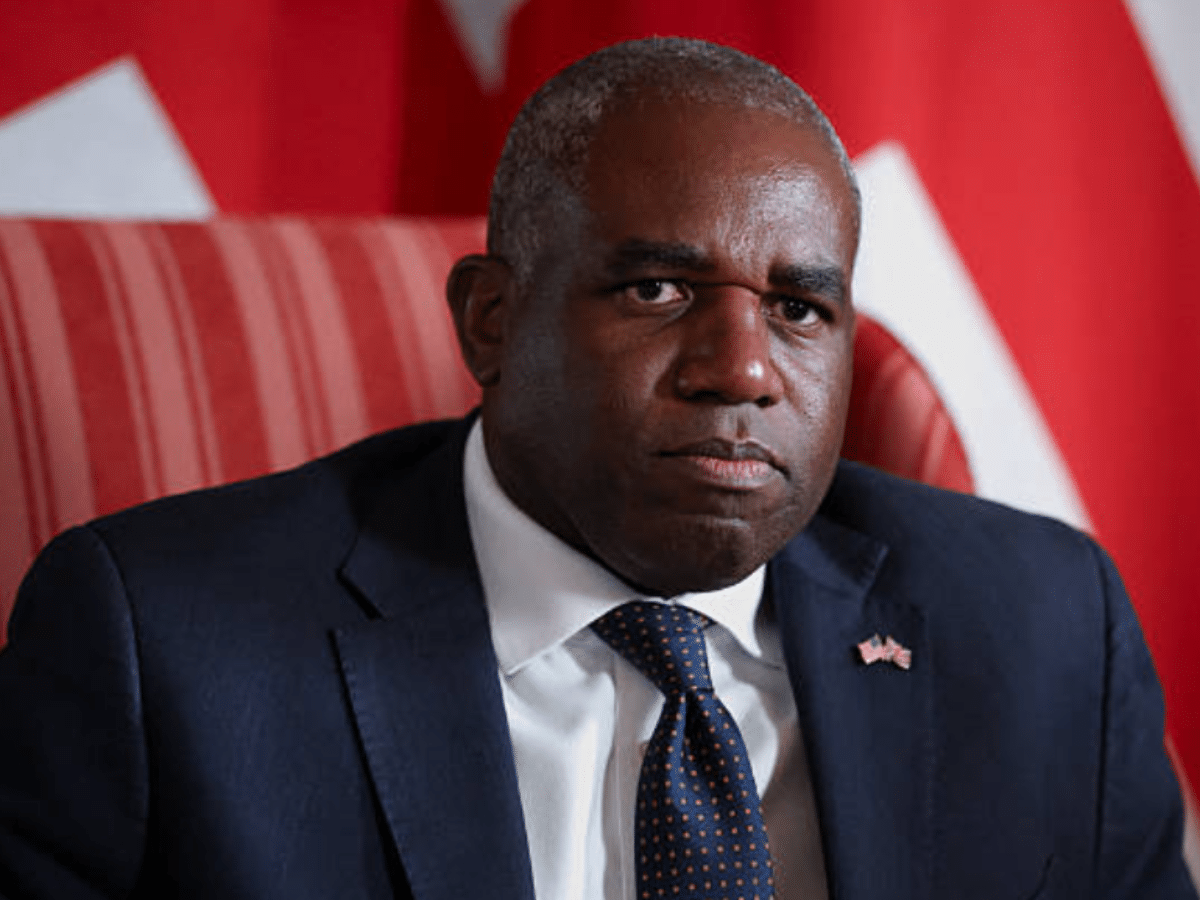
A criminal barrister has demolished Justice Secretary David Lammy on social media for his terrible ability to understand the law and its impacts on ordinary people.
This intervention came after Lammy posted a propaganda clip from the Ministry of Justice (MoJ) which compares the incomparable. Apparently, the MoJ believe that having a jury of peers decide a defendant’s guilt when sentences are less than three years is akin to demanding to see an NHS consultant after scraping a knee.
This has been condemned by criminal barristers on X, highlighting just how out of touch our political elite are. Some have said that Lammy’s insistence on curbing our right to a fair trial and attempts to minimise its impact should see the Justice Secretary resign.
The Secret Barrister certainly didn’t mince his words:
Joanna is politer than I am going to be.
For the Justice Secretary – a former barrister – to suggest that being wrongly accused of a crime and imprisoned for three years is just like “scraping your knee”, should be a resignation matter.@DavidLammy owes the public an apology. https://t.co/pN7Rq59TjO
— The Secret Barrister 🦋 (@BarristerSecret) March 8, 2026
Lammy needs to listen: the right to a fair trial includes right to a trial by jury
Once again, the UK government is shown to be woefully inept with cabinet ministers unable to even exercise their supposed specialised knowledge. Lammy, a qualified barrister and first black Briton to study at Harvard, seems incapable, or unwilling, to be honest about the likely impact of his penny-pinching policy to remove jury trials in some criminal cases. This will be applied to ‘either-way’ offences which would see a sentence lesser than three years.
Our own Alex/Rose Cocker wrote in December about the open letter signed by over 100 lawyers slamming the decision to withdraw jury trials through Lammy’s Crown Court Bench Division (CCBD). We wrote:
The letter listed many compelling reasons that the CCBD would be unworkable. It would require significant recruitment of magistrates – a judge and two lay magistrates for most offences. However, the magistracy has been in decline, and there’s serious doubt over whether enough could actually be recruited at all. As such, magistrates and support staff would likely be drawn from the pool staffing Crown Court and magistrates’ courts.
Diverting judges from sitting Crown Court jury trials would not reduce the backlog. Likewise, if there’s money to pay new judges, it should be going to the Crown Court as it currently exists. Similarly, the CCBD need deliberation rooms, office space, waiting rooms, cells and docks. If there’s money for these new facilities, it should go towards reducing the backlog of the existing Crown Court.
However, this new video which compares someone scraping a knee and insisting on a consultant’s attention to our right under the ECHR to a trial by jury is tasteless and out of touch. It also shows that Lammy has refused to heed the warnings from other legal professionals. This freedom exists to protect citizens against state overreach, ensuring that citizens are judged with the oversight of a jury of their peers maintaining transparency and accountability.
Lammy is a qualified lawyer, so he should know better.
Apples and oranges
The offending video from the Ministry of Justice can be seen here:
It’s time to set the facts straight 👇 . pic.twitter.com/sQ27gzps41
— Ministry of Justice (@MoJGovUK) March 8, 2026
Another criminal barrister has also politely highlighted the obvious – a scraped knee is not the same as ending up in prison for up to three years:
Your local friendly criminal barrister here! 👋
I need you to know that anything up to a three year prison sentence imposed without a jury trial is really not the same thing as scraping your knee without seeing a consultant. pic.twitter.com/zwIvUhFfLu
— Joanna Hardy-Susskind (@Joanna__Hardy) March 8, 2026
Joanna Hardy-Susskind elaborated:
A three year prison sentence will destroy your life, ruin your job, almost certainly wreck your mental health, it will impact your relationships, your children, your parents, your prospects of work, having a home, your good name – and you can’t stick a plaster on any of that.
They use an example of stealing a bottle of whisky deliberately, you see. Because it sounds lightweight & silly. But either way offences with sentences less than 3 years will include some sexual assaults, some ABHs, some s20 GBHs & some frauds.
It’s not about whisky.
Or knees.
Hardy-Susskind finished by pointing out the obvious:
I’m not sure which bit is worse. The comparison to hospital, to triage or the gutting of the presumption of innocence.
The trial is there to determine *if* someone has stolen. But the hospital, hopefully, isn’t staring at a bloody knee & asking *if* it’s hurt.
The Secret Barrister further reminded just why we have the right to a trial by jury, and just who it will hurt when taken away:
Every time you read one of these disingenuous – no, strike that – outrageously dishonest propaganda pieces from @DavidLammy and @sarahsackman, remember that the freedoms they wish to curtail are designed to protect people wrongly accused of criminal offences.
And the barrister reminds ‘it could be you’ next:
Every time they distract you with absurd and misleading claims about abolishing juries being necessary to get “offenders” and protect “victims”, what they are trying to hide is that innocent people end up in criminal courts.
It could be you.
It is your rights they are attacking
David and Sarah want to give *you* – the wrongly accused – a lower quality of justice whenever you face up to *three years of your life* in prison.
And they don’t even have the decency to make their case on the evidence.
Just bluster, distraction and, I’m afraid to say, lies.
This account on X possibly highlights just where Lammy’s Freudian slip comes in where he refers to those affected as ‘offenders’. So much for innocent until proven guilty:
What nonsense.
First, they are defendants, not offenders, as they are innocent until proven guilty (a schoolboy error for the Justice Minister)
Second, a defendant electing a Crown Court trial is a legal right, and cannot be dismissed as “choosing to delay”.
The REAL facts are… https://t.co/8GLqUgTg0w
— Daniel ShenSmith (BlackBeltBarrister) (@dshensmith) March 8, 2026
Even Tory leader Kemi Badenoch has spoken up against curbing this necessary civil protection:
Labour’s Justice Minister has already given the game away.
This is not an emergency measure. Labour would do it anyway.
Trial by jury is a cornerstone of British justice. It should not be hollowed out by Ministers who think our ancient liberties are an inconvenience. https://t.co/vJPVweYAUO pic.twitter.com/oJNruEbcyn
— Kemi Badenoch (@KemiBadenoch) March 8, 2026
Labour MP Karl Turner confronted Lammy on how life-destroying these sentences can be and highlights those who always seem to evade justice:
If you nicked a bottle of whiskey, Dave. Being convicted for that when you have a good defence would ruin your life. Why doesn’t it ruin the lives of others accused and wrongly convicted of dishonesty. SUB-POSTMASTERS? 🤷🏼♂️ https://t.co/iisygtJMrT
— Karl Turner MP (@KarlTurnerMP) March 8, 2026
Shame on David Lammy
Once again, those in power expect the British public to accept a decline in our quality of life, food, opportunity, and healthcare while our costs continue to rise. Now David Lammy wants to save money by stripping protections from those at the bottom of the ladder. After all, ordinary people do not have access to expensive lawyers and can often be pressured into extremely difficult situations.
All the while this government refuses to look to the wealthiest to cough up fair taxes against their obscene riches. Let alone the fact that it is well known that inequality increases the likelihood of both violent and property crime, so ordinary people will be punished for conditions beyond their control.
Introducing these changes at a time when cases of sexual assault are increasing is also deeply concerning. As the barristers highlighted, the proposal would apply to any case where the potential sentence is less than three years. If prisons become overcrowded, could judges face pressure to impose non-custodial sentences instead? Without the oversight provided by juries, that risk for women and girls becomes far more likely.
We need jury trials: the accused need to be judged by their peers not the elite. We cannot allow the risk for politics, prejudice, and discrimination to gain more ground in our legal system.
Featured image via the Canary
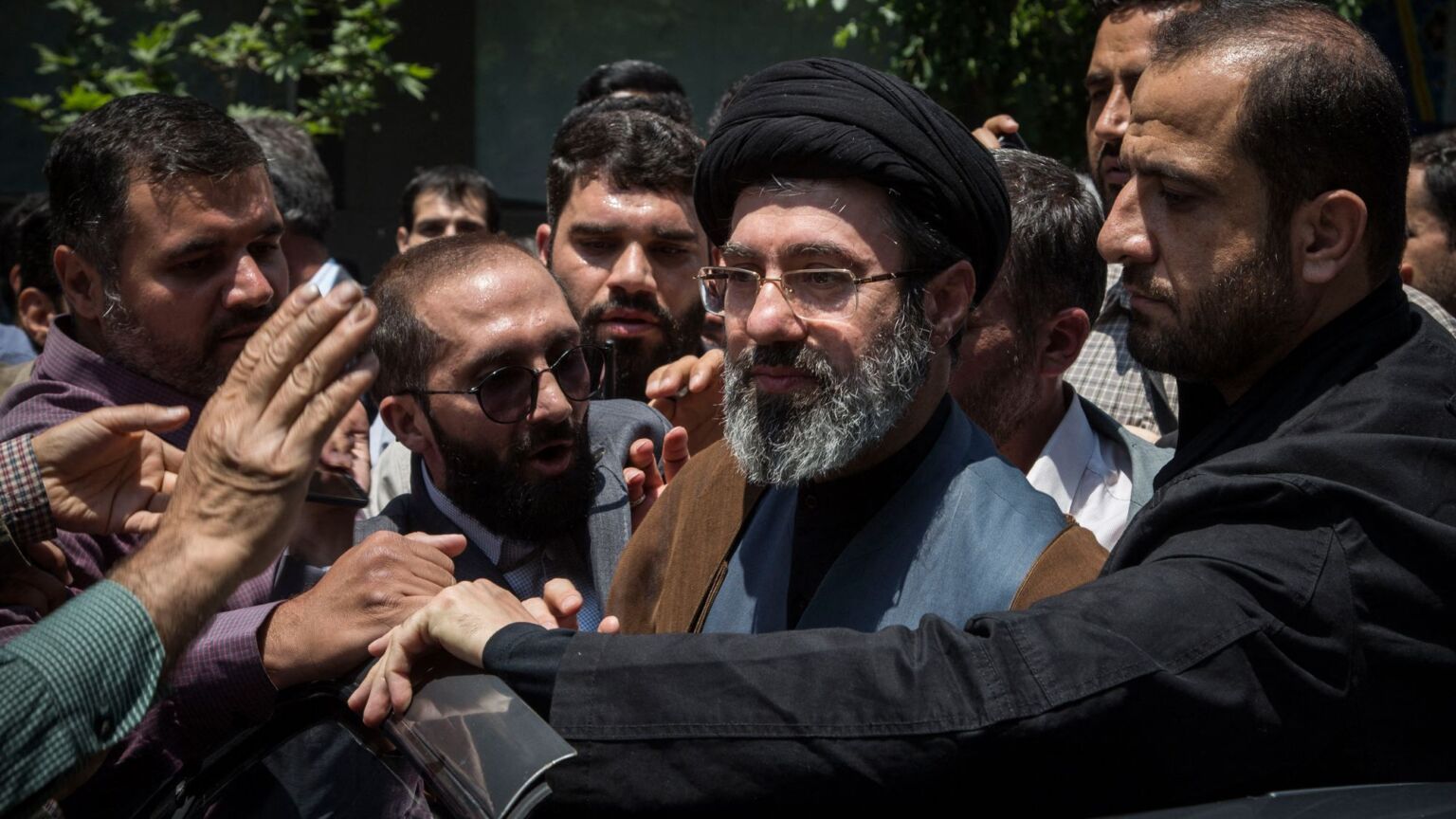
Iran’s new supreme leader, Mojtaba Khamenei, likes to present himself as a pious and self-sacrificing servant of the Islamist regime he has suddenly found himself leading. But there are limits to this humility. According to an investigative report by Bloomberg, Khamenei Jr has a property empire worth hundreds of millions of pounds in London alone, including 11 houses in Hampstead and two apartments in Kensington.
London has long had a reputation for being a second home for very rich Middle Eastern princelings. However, the portfolio of Khamenei, who was appointed as his father’s successor over the weekend, appears to be in a different league altogether. His houses in Hampstead are all reportedly on the Bishops Avenue, also known as ‘billionaire’s row’. His two homes in Kensington, as well as reportedly overlooking the Israeli embassy, are a short distance from Kensington Palace, the official home of the Prince and Princess of Wales. Mojtaba Khamenei has done very well for himself indeed.
How this squares with the Islamic Republic’s view of the UK as ‘evil’ – a term used by his father, Ali Khamenei – isn’t immediately obvious. Indeed, despite the republic’s well known antipathy to the West, encapsulated in the regime’s ‘Death to America’ motto, many children of the Iranian leadership seem to prefer life in supposedly corrupt, irreligious societies such as America and the UK. It has been widely reported that the niece of Hassan Rouhani, a former president of Iran, works for Deutsche Bank in London. She is one of apparently 4,000 aghazedehs (Iranian nobles) who have ditched life in the Islamic Republic in favour of life in its supposed existential enemies.
It is further evidence of just how corrupt and hypocritical the Islamic Republic is. Despite extolling simplicity and austerity, and indeed enforcing these ‘ideals’ on its population, the republic’s leaders have enriched themselves at the expense of their long-suffering population. Indeed, before Ayatollah Ali Khamenei was killed by American and Israeli airstrikes last month, it was reported that he had a business empire worth $95 billion.
For Mojtaba Khamenei to invest in London is comparatively harmless, at least compared with the regime’s other overseas activities. We were reminded of these other activities just last week, when four people were arrested in London on suspicion of spying for Tehran. One man was an Iranian national while the other three were dual Iranian-British citizens.
According to the i paper, Iran has been using the encrypted messaging service, Telegram, to conscript an army of low-level criminals to carry out not only spying and surveillance activities, but also far more serious offences. In February, UK prime minister Keir Starmer stated that the ‘Iranian regime poses a direct threat to dissidents and the Jewish community [in the UK]’. Starmer said that, in the past year alone, UK intelligence services had thwarted 20 ‘potentially lethal’ attacks on British soil.
The Islamic Republic’s sinister reach into British public life is extensive. The Islamic Centre of England (ICE) has been under investigation by the Charity Commission since 2022 for its close ties to the Iranian regime. According to a recent report published by Lord Walney, the government’s former extremism adviser, there are roughly 30 charities and community organisations in the UK maintaining the ‘influence and interests’ of Tehran, of which ICE is allegedly the ‘central node’. The Islamic Republic even has its own school in London – the Islamic Republic of Iran School in Maida Vale, where students were filmed in 2022 singing about the massacre of Jews.
Indeed, Iran has been causing disruption and seeding division in Western countries for some time. In August, Australia told the Iranian ambassador to leave the country after it emerged that the anti-Semitic campaign of terror that has plagued Australia since 7 October 2023 largely bore Tehran’s fingerprints. This included the firebombing of a synagogue in Melbourne as well as repeated attacks on Jewish businesses. According to the head of Australia’s security services, Mike Burgess, Iran had been employing a similar tactic to the one that’s since emerged in the UK: ‘They’re just using cut-outs, including people who are criminals and members of low-level crime gangs to do their bidding.’ Australian prime minister Anthony Albanese said the Islamic Republic was attempting ‘to undermine social cohesion and sow discord in our community’.
There is some consolation in the thought that Mojtaba Khamenei’s London mansions aren’t much use to him now. But the UK should never have allowed the Islamic Republic to gain such a foothold in British society. Iran’s malign influence must be countered, once and for all.
Hugo Timms is a staff writer at spiked.
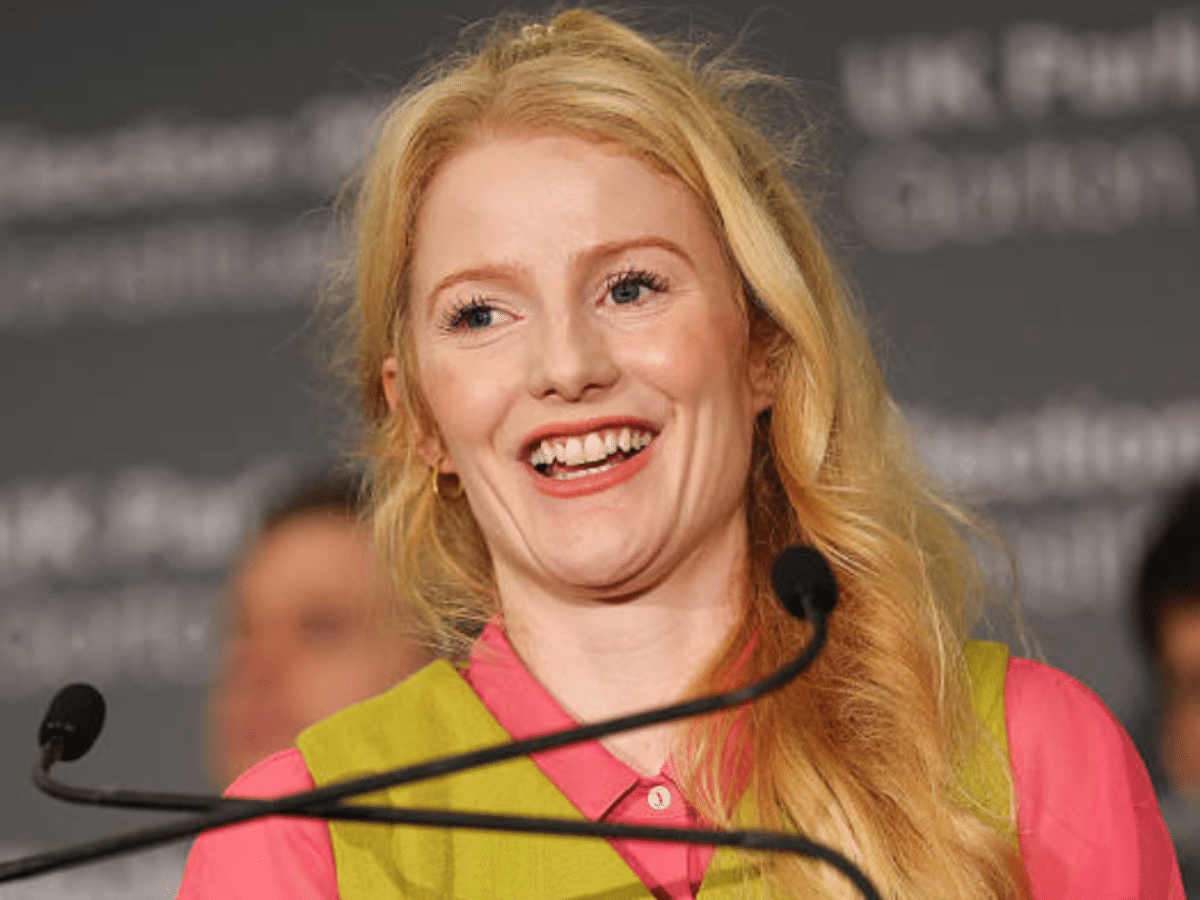
On International Women’s Day 2026, a group of aggressive far-right men openly harassed MP Hannah Spencer in Manchester. The situation was so concerning that she had to take refuge in a police car.
The new Green MP for Gorton and Denton had been speaking at an anti-fascist event in the city. But a far-right group went from shouting during speeches to actually following her through Piccadilly Gardens.
The far-right agitators were aggressively pushing Spencer on trans questions in particular. And members of the group were clearly itching for a fight. Because there were a number of scuffles around Spencer as police escorted her away from the scene.
Full solidarity with Hannah Spencer, this is absolutely disgraceful behaviour.
This is a direct attack on our democracy, Hannah is an elected MP that has the right to walk free in the city she represents without these extremists behaving like thugs https://t.co/qEdCYKd7ba— Mothin Ali (@MothinAli) March 8, 2026
The police, meanwhile, seemed mostly to take a hands-off approach. This is despite local authorities apparently knowing exactly who some of the agitators were. As one attendee said:
The cops let the known far right roam in and out of the crowd. They let them back in again after they harassed an MP.
I was there. The cops let the known far right roam in and out of the crowd. They let them back in again after they harassed an MP. The anti-fascists dealt with it.
— Sue V (@suevictorian) March 8, 2026
Even after the far right went for Hannah Spencer, the cops let them BACK into the dispersing group to cause more trouble. GMP has a LOT of questions to answer. Why do they enable the far right over and over?
— Sue V (@suevictorian) March 8, 2026
Everyone.. and cops… knows the names of those threatening Hannah Spencer. Thing is, GMP doesn’t care
— Sue V (@suevictorian) March 8, 2026
Solidarity with Hannah Spencer & all who had to deal with fascist thugs today in Manchester.
No surprise that it is fans of ‘Tommy Robinson’ who attacked @unisontheunion members…on #InternationalWomensDay2026!@AntiRacismDay @Searchlight_mag pic.twitter.com/b0BN5cHFRs— Unite Against Fascism (@uaf) March 8, 2026
The YouTube fascists, she said, had been “harassing all afternoon“. Nonetheless, police preferred to have a laugh with them and:
let the far right to the front
Oh they let the far right to the front. They told a steward off for blocking them. Steve James, the short arse with the sign, was at the front. All the camera freaks were harassing all afternoon. GMP like them…
— Sue V (@suevictorian) March 8, 2026
The scumbags were calling Hannah Spencer a terrorist when she was speaking, and much, much more. We ignored them.
— Sue V (@suevictorian) March 8, 2026
Judging by the footage, @gmpolice @GMPCityCentre were utterly useless.
Let a group of men chase Hannah through Piccaddilly gardens, throwing punches at the people around her.
These people are known to the police, yet still allowed to do it?
— Aaron. (@Stuff_by_Aaron) March 9, 2026
Far-right voices have tried to gaslight people into thinking Spencer’s team was somehow responsible for scuffles. But if you watch the footage, you can see exactly the type of aggression Spencer and her entourage were facing.
They all do it. Go and antagonise like their hero Tommy, wait for a reaction and then film themselves as a victim. Set of useless dossers who can only grift. The way they use victims of grooming gangs to excuse the fact they soread hate on all Muslims. They don’t care
— Victoria (@Vmartine1905) March 9, 2026
The fascists weren’t there for women. “They were there for intimidation.”
As journalist Femi Oluwole said:
these men were wearing signs that said that they don’t want men in female spaces. Yet they are violently and aggressively pushing their way into a female MP’s personal space. No trans woman has ever made Hannah Spencer feel as unsafe as those men just did, which just shows that they weren’t there because they actually believe in their cause. They were there for intimidation.
No woman should have to face such disgusting far right thuggery like Hannah Spencer did yesterday!
Her face speaks volumes.Love & solidarity to her.
We have to ensure the extreme right are pushed back.
Be on @UKTogetherAll march, March 28th.@AntiRacismDay@Searchlight_mag pic.twitter.com/y1HjfueAUQ— Unite Against Fascism (@uaf) March 9, 2026
Many people felt the same, highlighting the hypocrisy of the agitators:
Wow, it was men with placards claiming to protect women’s spaces who were harassing her and pushing others.
— Bonnie Evans-Hills (@EvansHills) March 9, 2026
The ones harrassing Hannah Spencer kick, punch, harass ALL of the time. Always go for women. They are vile creatures.
— Sue V (@suevictorian) March 8, 2026
Green MP Hannah Spencer is forced into a police car after anti-trans protesters fight in front of her in Manchester.
I feel SICK watching this. Hannah must have been petrified.
No MP (esp a woman) should ever EVER be in danger like this because of their views. pic.twitter.com/fUiZpa1X9r— Narinder Kaur (@narindertweets) March 8, 2026
As Sue V insisted, the agitators have a record. And police need to take their threat to democracy and public safety seriously:
Worth noting that the camera far right harassing Hannah Spencer were in Gorton and Denton on election day harassing and intimidating people. Over and over. They need a banning order.
— Sue V (@suevictorian) March 9, 2026
As long as authorities fail to deal with them, though, it’s on all the rest of us to protect each other as best we can:
Yes. Same ones attacking Hannah Spencer. Same ones who kicked someone in the face on the 21st. GMP do NOTHING. So its down to us, now. https://t.co/KfKlywSgvO
— Sue V (@suevictorian) March 8, 2026
Featured image via the Canary
‘Flying Cars’ Will Take Off in American Skies This Summer

KB. Ganesh Kumar | KSRTC | Supreme Court of India questioned KSRTC financial crisis | CONGRESS | LDF
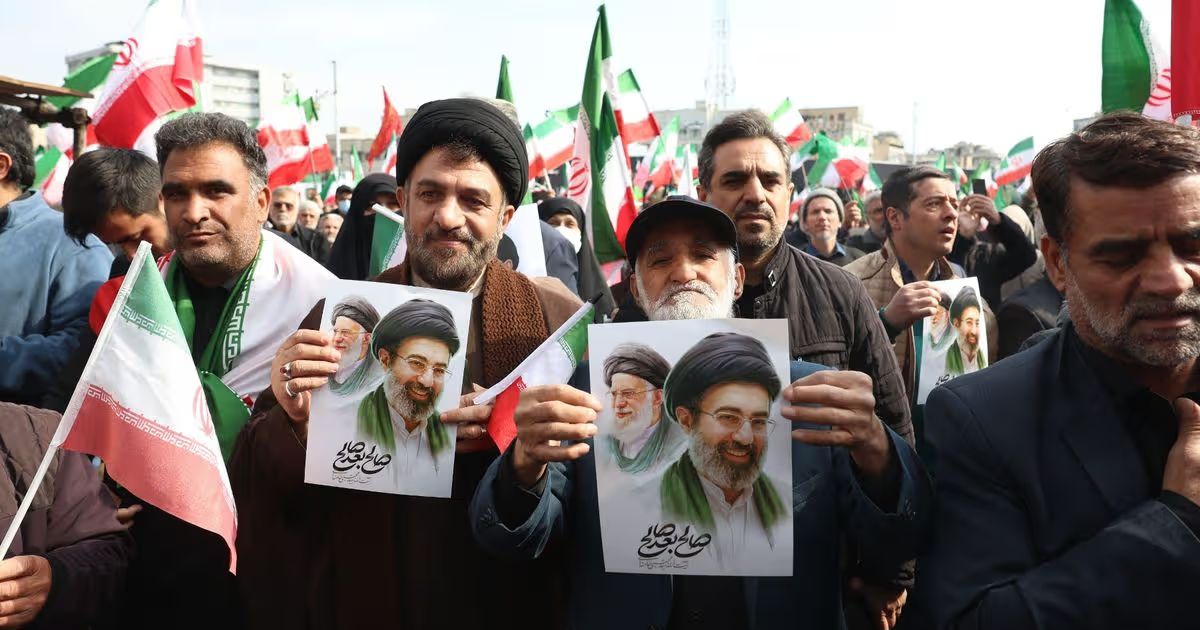
Intel warned Iran intervention wouldn’t topple leadership before US-Israeli strikes


-

 Politics7 days ago
Alan Cumming Brands Baftas Ceremony A ‘Triggering S**tshow’
-
Business3 days ago
Form 8K Entergy Mississippi LLC For: 6 March
-

 Fashion3 days ago
Weekend Open Thread: Ann Taylor
-

 News Videos11 hours ago
10th Algebra | Financial Planning | Question Bank Solution | Board Exam 2026
-

 Crypto World7 hours ago
Paradigm, a16z, Winklevoss Capital, Balaji Srinivasan among investors in ZODL
-

 Tech5 days ago
Bitwarden adds support for passkey login on Windows 11
-
 Sports4 days ago
499 runs and 34 sixes later, India beat England to enter T20 World Cup final | Cricket News
-

 Sports2 days ago
Three share 2-shot lead entering final round in Hong Kong
-

 Sports2 days ago
Braveheart Lakshya downs Lai in epic battle to enter All England Open final | Other Sports News
-

 Business6 days ago
Guthrie Disappearance Enters Fifth Week as Family Visits Memorial
-

 NewsBeat4 days ago
Piccadilly Circus just unveiled ‘London’s newest tourist attraction’ and it only costs 80p to enter
-

 Politics3 days ago
Top Mamdani aide takes progressive project to the UK
-

 Business1 day ago
Search for Nancy Guthrie Enters 37th Day as FBI Probes Wi-Fi Jammer Theory
-

 Entertainment3 days ago
Hailey Bieber Poses For Sexy Selfies In New Luscious Lip Thirst Traps
-
 Sports7 days ago
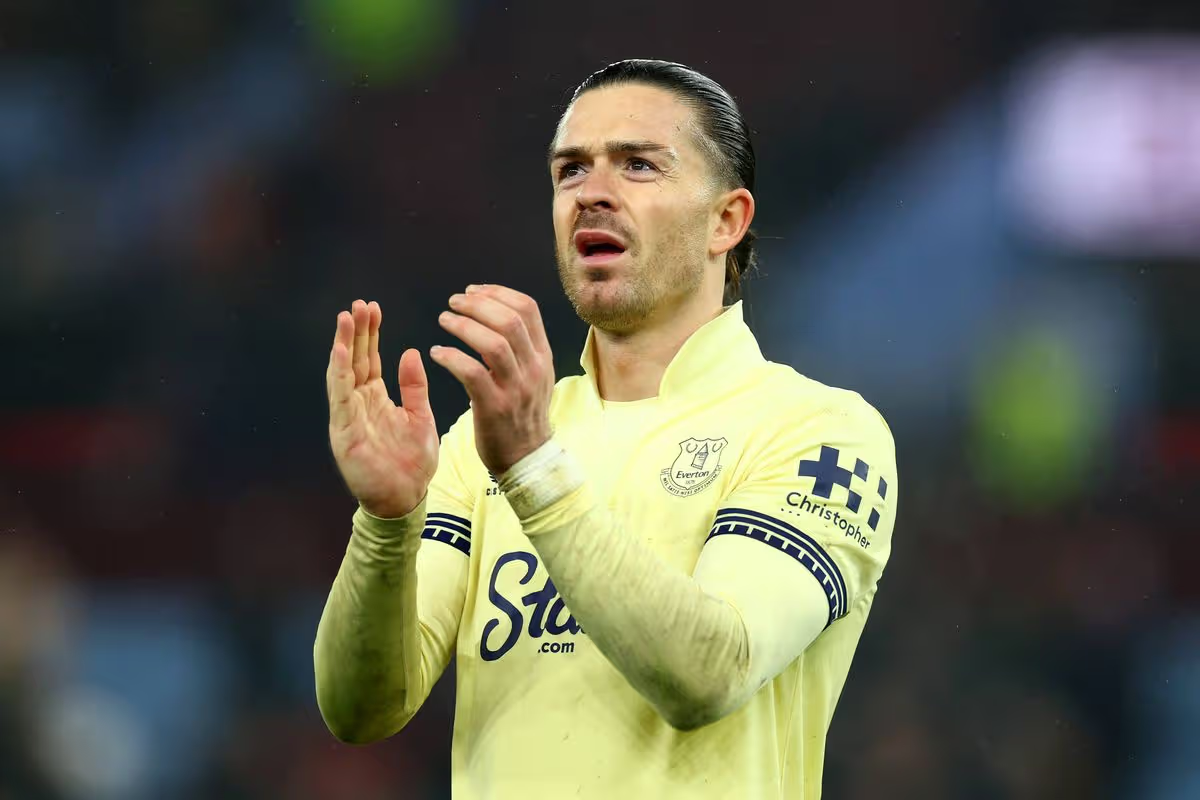
Jack Grealish posts new injury update as Man City star enters crucial period
-

 Tech9 hours ago
Despite challenges, Ireland sixth in EU for board gender diversity
-

 Crypto World5 days ago
New Crypto Mutuum Finance (MUTM) Reports V1 Protocol Progress as Roadmap Enters Phase 3
-

 Tech5 days ago
ACIP To Discuss COVID ‘Vaccine Injuries’ Next Month, Despite That Not Being In Its Purview
-
Entertainment5 days ago
Harry Styles Has ‘Struggled’ to Discuss Liam Payne’s Death
-

 Business3 hours ago
Search Enters 39th Day with FBI Tip Line Developments and No Major Breakthroughs