
Entertainment
Harry Styles Netflix Screening Sparks Fan Backlash


Fans hoping to celebrate Harry Styles’ latest Netflix release instead found themselves frustrated and confused.
What was meant to be a special screening event quickly turned into a wave of online backlash after attendees claimed they received crucial location details barely an hour before the show began, leaving many scrambling to make it on time.
Article continues below advertisement
Harry Styles Fans Furious Over Last Minute Screening Details

Excitement around a special screening tied to Harry Styles’ new Netflix project quickly turned sour when fans realized how little notice they had been given to attend.
The screening followed the singer’s recent “One Night Only” concert at Manchester’s Co-op Live Arena, where the former One Direction star performed songs from his latest album alongside fan favorites like “Golden” and “As It Was.”
Footage from the sold-out performance was later turned into a Netflix special released over the weekend. To mark the occasion, dedicated fans across the UK were invited to register their interest in attending exclusive screenings.
Article continues below advertisement
Those selected reportedly received official invitations on Saturday. At the events, guests were promised complimentary drinks, popcorn, and lanyards as part of the experience.
However, the rollout sparked outrage when many invitees discovered they had been given minimal notice about where to go.
According to fans, location details were emailed just about an hour before the screenings were scheduled to begin, leaving many unable to reach the venues in time.
Article continues below advertisement
Styles Supporters Vent Frustration Online
The chaotic organization quickly spilled onto social media, where disappointed fans shared their anger and disbelief.
According to the Daily Mail, one frustrated attendee wrote on X, formerly Twitter, “WHY WHY WHY would you send these email invites now?? HOW am I meant to get there within 20 mins? This is absolutely disgusting, I had been desperate to get to something for the Harry Ono event, I am so so so so upset right now.”
Article continues below advertisement
Another fan directed their criticism at the companies involved, writing, “@SonyMusicUK @HSHQ @netflix I’m sorry but is this some sick joke? First, you don’t follow the first certain amount to apply, choosing randomly, so there’s a lie. And now the cinemas are hardly full, your inviting random people of the street and sending out emails when the screening is in 20 minutes. Are you actually serious? so disappointing and what a sh-t show.”
Article continues below advertisement
Harry Styles Fans Left Puzzled By Event Invitations
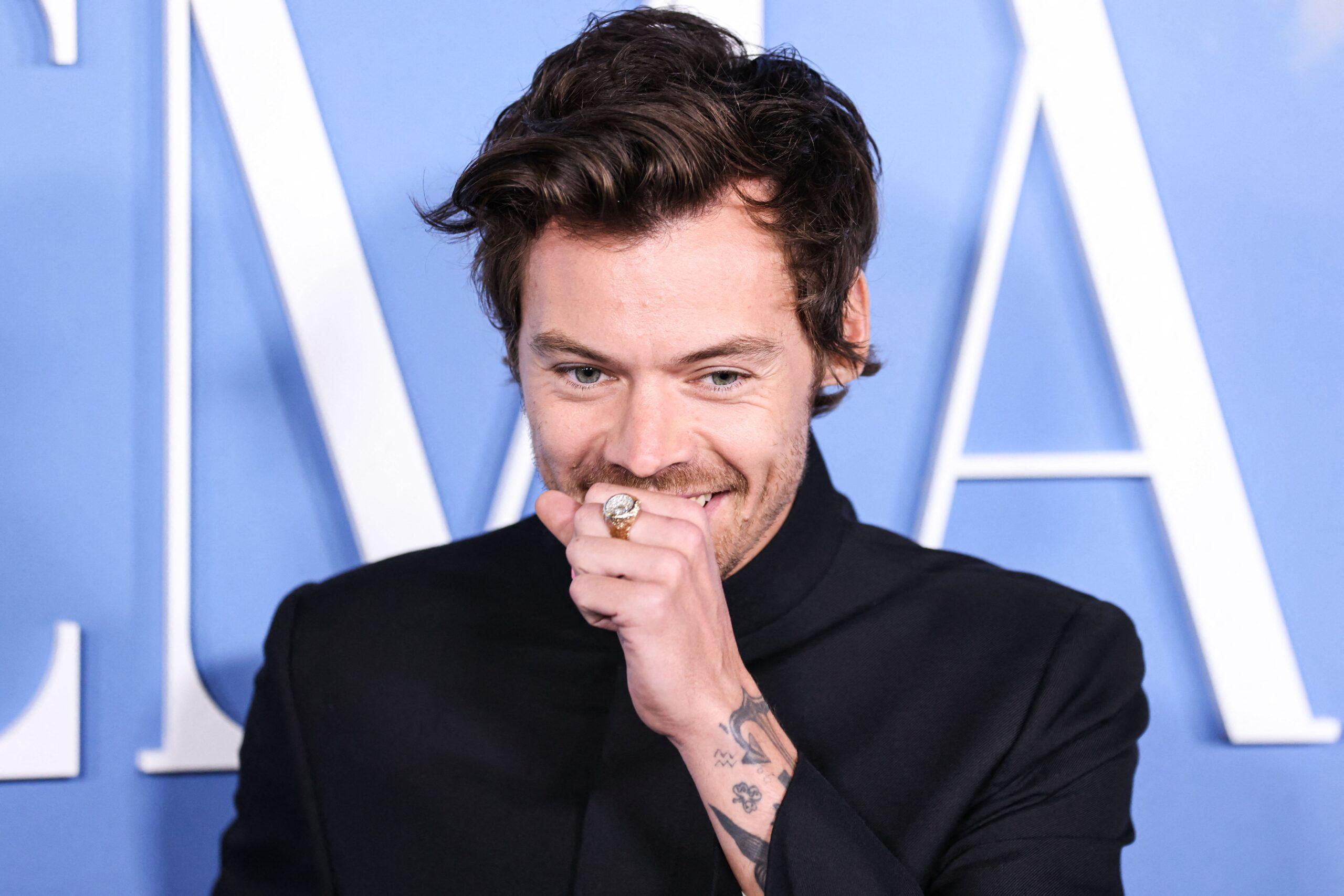
Other fans highlighted the lack of clear instructions about the event’s timing and venue.
One attendee commented, “Would have been so helpful if they could have said what time! I’m guessing it’s in the cinema? Like there’s 2 in Brighton both at least a 30min walk away from each other.”
Another fan shared their confusion about an invitation that lacked basic details, writing, “I got invited to the Chester Netflix screening, but it has no details of when it is, etc. I know it says tomorrow it’ll send the location, but when is it and what times? confuseeeddd.”
At the time of reporting, Netflix had reportedly been contacted for comment regarding the complaints.
Styles’ Concert Inspired The Netflix Special
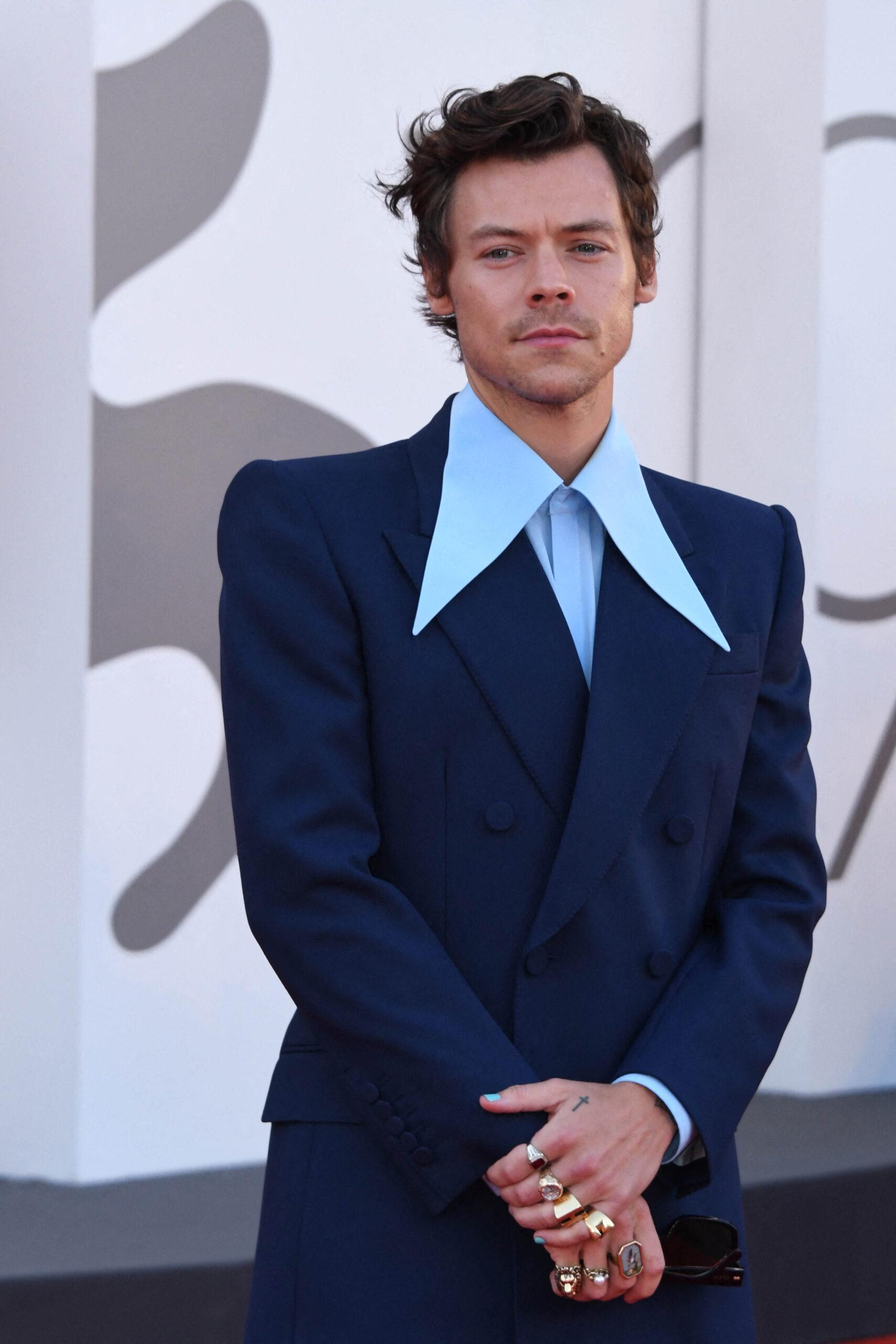
The special screening event was designed to celebrate a memorable night for Harry Styles and his fans.
During the Manchester concert, the singer delivered an intimate performance for thousands inside the Co-op Live Arena.
The show featured songs from his newest album as well as hits from his previous chart-topping records.
Tickets for the event were distributed through a ballot system and priced at just £20 ($27), making the exclusive show highly sought after.
Some fans who missed out initially still managed to get inside at the last minute outside the venue, celebrating excitedly when they secured entry.
Despite the concert’s success, the follow-up screening experience left some supporters feeling that the excitement had been overshadowed by poor communication and organization.
Article continues below advertisement
Harry Styles Shares Emotional Message During Manchester Show
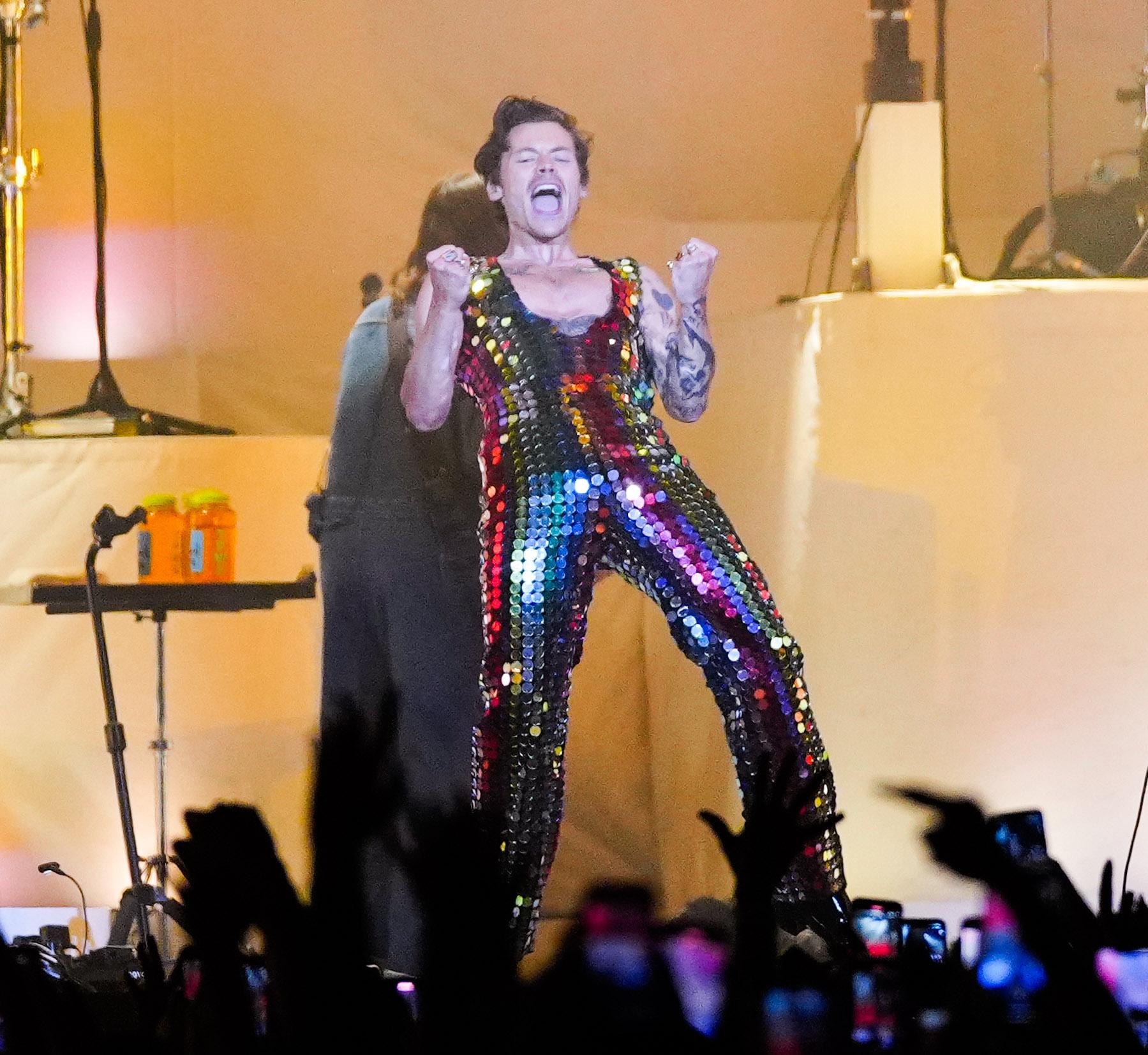
While frustration around the screenings spread online, many fans also reflected on the heartfelt moment Harry Styles shared during the Manchester performance itself.
Speaking to the packed arena, the singer encouraged kindness and compassion in a world he suggested could use more positivity.
Harry told the crowd, “There are so many dangerous things that feel so powerful, but love is powerful, kindness is powerful. Each and every single one of you and what you do together are powerful. I encourage you to go out, spread it, be the light that you want to see in the world.”
He continued his message by thanking the audience and reflecting on the broader climate around the world.
Styles said, “Thank you for being here for me. The world could use a little extra peace right now, so please, do what you can. Thank you for being here tonight.”
Before closing, the star offered one final reminder to his fans, saying, “Please look after each other, look after your friends, look after the strangers. Please get home safely. Thank you so much.”

Continue Reading
Succession star Brian Cox shared his unfiltered thoughts on Margot Robbie and other celebrities in a scathing new interview.
“Margot Robbie is far too beautiful for that role in [Wuthering Heights],” Cox, 79, told The Times in an interview published on Friday, April 3. “I mean, I think there should be something more of the Gypsy about her, but it’s wrong of me to judge. It may be a brilliant film.”
Robbie, 35, stars opposite Jacob Elordi as Catherine Earnshaw and Heathcliff, respectively, in the adaptation of Emily Brontë’s famous novel. Both the Barbie actress, who was also a producer on the film, and Elordi, 28, previously received backlash for their casting, as fans argued that they did not match the physical descriptions of their characters. (Both Catherine and Heathcliff are meant to be teenagers in the novel.)
Cox also mocked Robbie’s Australian accent while discussing the role, quipping, “ ‘Keith Cliff! It’s me, Cathy!’ ‘How ya doing, Keith? Awright?’ ‘Yeah, I’m awright!’ ”

Jeremy Strong is subtly weighing in on his former Succession costars poking fun at his method acting. The actor, 46, elaborated on his process while discussing his role as Roy Cohn in The Apprentice film, telling Deadline on Tuesday, January 7, “When I look at the kind of transformational work based on historical characters that […]
Elsewhere in the interview, Cox took aim at President Donald Trump.
“Trump doesn’t give a s*** about the people. He’s only interested in the oil [in Iran]. There’s just sheer f***g greed motivating him, nothing else. The idea he’s liberating people is nonsense,” he said.
The Times article also included previous quotes on Quentin Tarantino, Kevin Spacey, Johnny Depp and Edward Norton, which Cox’s reps clarified to Us Weekly were from his 2022 autobiography, Putting the Rabbit in the Hat.
In his memoir, Cox described Tarantino’s work as “meretricious” — defined as “apparently attractive but having in reality no value or integrity.”
In his interview with The Times, Cox further said of the 63-year-old director, “[When directing] I like to honor the actor’s performance. With a Quentin Tarantino film, what you see is all Quentin Tarantino. That’s not me. I don’t want to do that.”
Cox also wrote in his memoir that Spacey, 66 — his costar in the 1994 film Iron Will — is a “stupid, stupid man.”
In the book, Cox wrote that he turned down a role in Pirates of the Caribbean because he didn’t want to work with Depp, 62, calling the actor “so overblown, so overrated.” (He later admitted that he “regretted” making the comment about Depp and “was just being harsh.”)
Meanwhile, he called Norton, 56, “a pain in the arse.” (Cox and Norton costarred in the 2002 drama 25th Hour, directed by Spike Lee.)
Cox has made headlines for years with his candid assessments of fellow Hollywood stars. Back in 2024, he slammed Joaquin Phoenix’s performance in Napoleon, calling it “truly terrible.” He has also frequently spoken out against “f***ing annoying” method acting, particularly when done by Succession costar Jeremy Strong.


Cox was again asked about Strong, 47, in his interview with The Times.
“I don’t want to go on about Jeremy, because I’ve got into a lot of problems and he’s begged me to stop talking about him. He’s a good actor, Jeremy,” Cox told the outlet.
When asked by the outlet if his opinions on Hollywood talent have cost him anything, Cox responded, “Well, I don’t know yet if it’s caused me problems. I mean, my wife [Nicole Ansari-Cox] keeps saying, ‘Brian, be careful. Brian, be careful.’ I think, ‘F*** it, I don’t want to be careful anymore! I’ll be 80 this year. F*** I’m gonna say what I want to say.’”

With the state of streaming right now, there are constant shows being dropped — some that slip by quietly, and others that arrive with a big splash and only get bigger. That’s exactly what happened last year when The Perfect Couple debuted on Netflix. The six-episode crime drama had all the markings of a late-summer obsession: a stacked cast, a glossy “beach read” adaptation, and a murder mystery baked into the lives of the ultra-wealthy. It’s the kind of show that feels engineered for a weekend binge, but somehow works even better when you knock it out in one sitting.
And while The Perfect Couple doesn’t completely reinvent the genre, that’s not really the point. This is a comfort-viewing mystery at its best, leaning into familiar tropes while elevating them through performance and style. Even when the twists feel slightly telegraphed, the show remains undeniably watchable, anchored by a cast and creative team that know exactly how to navigate its mix of melodrama and suspense.
What Is Netflix’s Mystery Series ‘The Perfect Couple’ About?
Set against the wealthy, beachfront backdrop of Nantucket, The Perfect Couple is a classic whodunit filled with complex characters and tangled relationships. The series kicks off with what should be a lavish wedding weekend, only for everything to unravel when a body turns up just hours before the ceremony. From that moment on, every member of the wedding party becomes a suspect, and the glossy facade of this seemingly perfect family begins to crack.
The story centers on Greer Garrison Winbury (Nicole Kidman), a famous novelist whose carefully curated life is suddenly thrown into chaos. She and her husband Tag (Liev Schreiber) appear to have a storybook marriage, but beneath the surface lies tension and secrets that quickly come to light. As investigators dig deeper and family members begin turning on one another, long-held secrets and interpersonal fractures emerge, transforming what should have been a celebration into something far more volatile.

Every Episode of ‘The Perfect Couple,’ Ranked
The opening credits may be great, but the episodes are even better!
Surrounding them is an ensemble that includes standout performances from Eve Hewson, Meghann Fahy, and Dakota Fanning, each bringing a distinct energy to characters who are as flawed as they are fascinating. Based on the novel by Elin Hilderbrand, the series stays true to the spirit of its source material while making key changes — including a different ending from the book — to better suit television. With all six episodes directed by Susanne Bier, the show maintains a consistent visual and tonal identity, balancing sun-drenched luxury with a creeping sense of unease. Even when some of the narrative beats feel familiar, the pacing makes it incredibly easy to binge in one sitting, elevated by performances that are stronger than the material itself.
‘The Perfect Couple’s Performances Make the Netflix Series So Addictive
What ultimately elevates The Perfect Couple beyond its predictable edges is the strength of its performances. Nicole Kidman, who also serves as a producer, is particularly compelling as Greer, a woman who has spent years controlling her narrative, only to watch that control slip away in increasingly public ways. It’s a performance that blends vulnerability with calculation, making Greer as frustrating as she is fascinating — a space Kidman has come to own in her TV work.
Liev Schreiber is just as strong as Tag, balancing an easygoing charm with something far more unsettling beneath the surface. The ensemble around them adds depth, especially Eve Hewson as Amelia, the outsider marrying into the family, and Dakota Fanning as Abby, who brings a sharper, more calculating edge. Hewson, in particular, serves as the emotional anchor, grounding the series even as the drama escalates. Together, the cast creates a dynamic that keeps the show engaging, even when the mystery itself starts to feel secondary.
That engagement translated into massive viewership, with The Perfect Couple becoming one of Netflix’s biggest hits and racking up billions of minutes watched. Its success has already led to a continuation, with a second season announced as an anthology inspired by Elin Hilderbrand’s 2024 novel Swan Song, centered on a new wealthy family. Even if the series doesn’t break new ground, it doesn’t need to. With a compelling cast, a polished aesthetic and just enough twists to keep you hooked, it delivers exactly what it promises and is an entertaining mystery that’s almost impossible not to finish in one night.

- Release Date
-
2024 – 2023
- Network
-
Netflix
- Writers
-
Jenna Lamia, Courtney Grace, Alex Berger, Bryan M. Holdman, Evelyn Yves, Leila Cohan-Miccio
Us Weekly has affiliate partnerships. We receive compensation when you click on a link and make a purchase. Learn more!
Wayfair is already a hub for affordable home upgrades, but add a sale into the mix, and you can redecorate your entire place, patio included, with zero guilt. The retailer just dropped a major five-day sale on all things spring, including outdoor furniture, planter boxes, indoor greenery and even comfy chairs for hosting. Our favorites start at just $11!
The 5 Days of Deals event runs from now through April 6, but you don’t want to wait to shop. The best deals are selling out in real time, especially from top brands like Magnolia Home, Birch Lane and Lauren Ralph Lauren. Whether you’re looking for a small update or a major overhaul, this sale is your one-stop shop — but hurry!
13 Deals During Wayfair’s Spring Sale Event — From $11
1. Patio Party: Outdoor hosting season calls for this wicker table and chair set. It’s the perfect patio upgrade, fitting six guests with stools that stow conveniently underneath when the season ends. It even comes with cushions — was $1,104, now $400!
2. Boho Breeze: Curtains transform a room, and these breezy wonders are no exception. With a subtle geometric print, textured look and muted tone, they elevate your space while softly filtering light — was $65, now $40!!
3. Garden Girl: Add instant character to your porch with this wood planter box that works for flowers, herbs and seasonal greens. The cedar wood is weather-resistant, so it’ll last for seasons to come — was $139, now $87!
4. Hostess With the Mostest: According to one reviewer, these chic faux leather chairs are compliment magnets. “Everyone we’ve hosted comments on how comfortable they are” — was $429, now $200!
5. California Cool: You don’t need a home in Montecito to look like you live there. This rustic runner serves laid-back California vibes no matter where you are. Plus, it hides springtime stains like a champ — was $119, now $55!
6. Secret Storage: Score 76% off this expensive-looking sideboard that stores extra plates, books, holiday decorations and beyond. The mirrored cabinets, simple hardware and rustic finish scream ‘Pottery Barn’ — was $625, now $152!

Who doesn’t want to look like they dropped hundreds at an East Coast boutique? We’re a little (a lot) obsessed with rich mom style, which is why we couldn’t believe Amazon’s spring drop collection. Our favorite pieces scream ‘high-end Hamptons’ from miles away. These dresses, blouses, outfit sets and more channel luxe vibes without the […]
7. Campfire Nights: Whether you prefer simple or vibrant hues, there’s a four-piece Adirondack chair set with your name on it. These chairs resist water, staining and fading, perfect for patios and beachside abodes — was $1,076, now $452!
8. Beauty Sleep: The right comforter is plush, lightweight and breathable. Enter this down-alternative bestseller, which is even hypoallergenic and safe for sensitive skin — was $140, now $53!
9. Lush Greenery: This faux fig tree is ideal for living rooms, offices and entryways, bringing natural style without the hassle of a living plant — was $279, now $118!
10. Feeling the Love: Not only is this 65-inch loveseat comfy, but also sophisticated, featuring upholstered linen fabric, rich color options and a minimal design — was $480, now $310!
11. Instant Upgrade: Brighten your space (literally and figuratively) with this elegant lamp set that combines modern and farmhouse styles. The linen shades channel warm, inviting energy — was $112, now $66!
12. In or Out: Indoor, outdoor, whatever! This sleek metal bench is functional and elevated, so we won’t be surprised if you grab one for the garden and one for the entryway — was $99, now $64!
13. Guest Bathroom: A new bath mat may seem like a small detail, but wait until you see how this striped number turns your bathroom into a coastal paradise — was $50, now $11!

We all want Coachella-style waves, but sleeping in a braid just doesn’t cut it. If you want waves that look straight from the festival, there’s no better way than with Wavytalk, Coachella’s official partner. Wavytalk’s Power Wave is selling out for a reason, creating beachy, festival-ready waves with very little effort. Better yet, it’s on […]
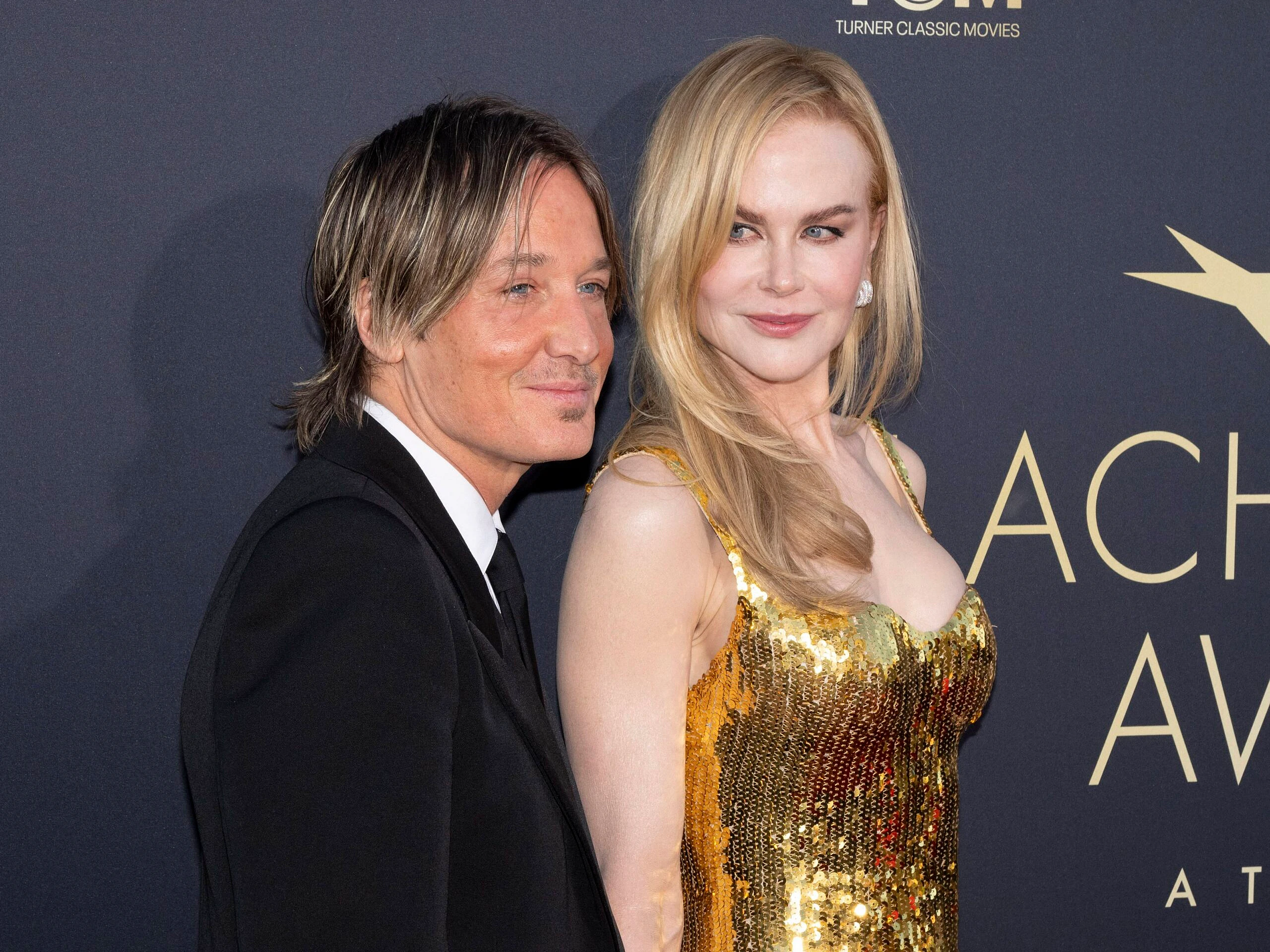
Nicole Kidman and Simon Baker‘s close red carpet appearance has sparked widespread speculation, with insiders claiming it has unsettled both their inner circles.
Reports suggest the actress’s ex-husband, Keith Urban, is questioning their bond, while Baker’s ex-wife, Rebecca Rigg, is said to be surprised by the rumors.
As the rumors intensify, neither Nicole Kidman nor Simon Baker publicly addressed the nature of their relationship.
Keith Urban Reportedly Upset Over Nicole Kidman And Simon Baker’s Cozy Red Carpet Appearance

Kidman and Baker’s affectionate red carpet appearance is said to be stirring tension, with sources claiming it has unsettled the actress’s ex-husband, country music star Keith Urban.
“Keith can’t believe Simon would do this to him,” an insider told Globe. “He considered him a good friend, and now, everyone’s whispering that he and Nicole are an item. Of course, it feels like a betrayal.”
According to the source, Urban isn’t convinced by explanations that the moment was simply harmless promotion.
Despite being told nothing is going on, the photos, including the pair holding hands and appearing close, have left him uneasy.
“From where he’s standing, it looks like a line has been crossed, whether they admit to it or not,” the insider added.
The Country Star Allegedly Feels The Actress Is ‘Totally Disrespecting Him’
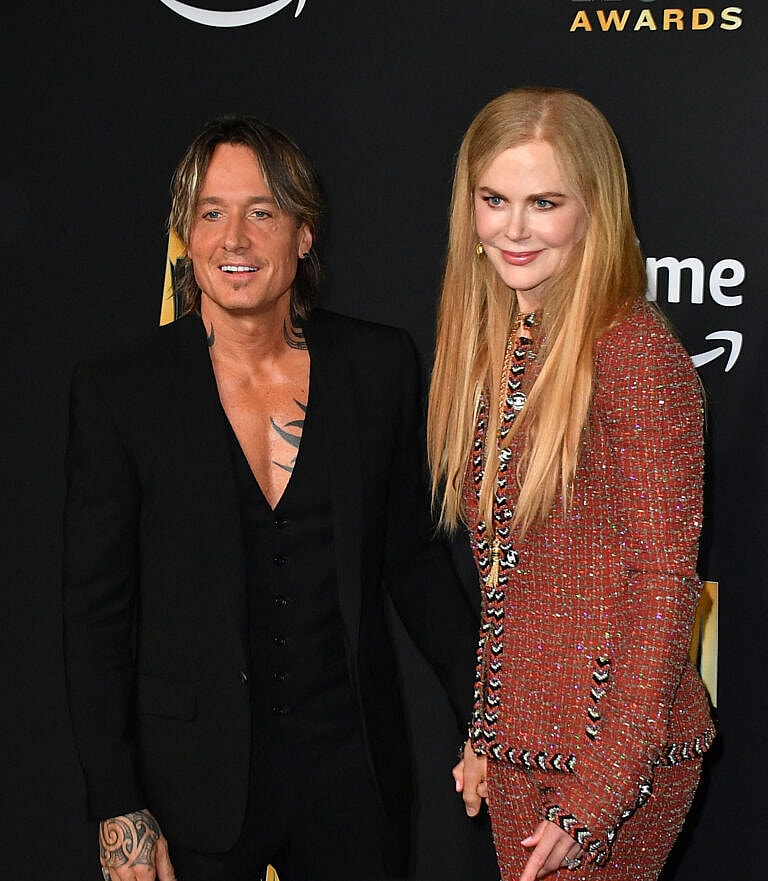
The situation is said to be particularly difficult for Urban, given the public narrative surrounding his past relationship with Kidman.
“He’s had to endure so much negativity directed towards him, and he’s never said a word to defend himself out of respect for Nicole,” the source added.
They continued, “And yet, here she is totally disrespecting him, or at least that’s how he sees it.”
The situation has also reportedly left Urban questioning the true nature of Kidman and Baker’s relationship.
According to an insider, he had always believed the pair were simply “good friends,” but recent events have made him less certain.
Simon Baker’s Ex-Wife Was Reportedly Shocked By His Romance Rumors With Nicole Kidman

Speculation intensified after the “Babygirl” actress, fresh from her divorce, appeared alongside Baker, her longtime friend and “Scarpetta” co-star, at the project’s premiere.
The pair arrived hand-in-hand, posed closely for photos, and were later seen spending time together at an after-party, further fueling rumors about their chemistry.
While some fans have welcomed the possibility of a romance, Baker’s ex-wife, Rigg, is said to have been caught off guard.
Sources claim she was “totally in the dark,” particularly given her continued openness with Baker and her close bond with Kidman, who is godmother to their son, Harry.
Those close to Rigg are also reportedly surprised, with some describing the situation as insensitive given their longstanding personal ties.
“For Nicole to act all coy is really breaking the girl code,” the insider claimed, per New Idea.
Nicole Kidman And Simon Baker Fuel Romance Rumors Amid Strong On-Screen Chemistry

Adding to the speculation, both Kidman and Baker have spoken warmly about each other in recent interviews.
Discussing a scene in “Scarpetta,” Baker admitted their on-screen kiss initially felt “kind of strange,” though he quickly moved past it.
Kidman, however, dismissed any awkwardness, explaining that their long history made their chemistry feel natural and effortless.
“I think because of our history together, that’s in-built, so we didn’t have to work for that, that just vibrates,” she noted, per the Daily Telegraph.
Despite the growing buzz, neither Kidman nor Baker has publicly addressed the rumors. Still, insiders suggest that actress Naomi Watts is quietly supportive of the idea of them becoming more than friends.
According to one source, while their relationship has always been platonic, Baker has long admired Kidman, making the possibility of something deeper unsurprising.
However, Kidman is said to still be processing her recent divorce and may be reluctant to risk a longstanding friendship by pursuing anything romantic.
Nicole Kidman Revealed She Learned To Perform Autopsies For ‘Scarpetta’ Role

Meanwhile, last month during a Monday appearance on “The Tonight Show Starring Jimmy Fallon,” Kidman revealed she picked up an unexpected skill while preparing for her role in “Scarpetta.”
The “Big Little Lies” actress shared that she trained extensively as a medical examiner, even learning how to perform an autopsy.
The 58-year-old explained that she took the role seriously, gaining hands-on knowledge of the process, including identifying and removing organs. She joked that, if necessary, she could carry out the procedure herself.
“I can remove all the organs. I can name them all,” she said, per Fox News.
Kidman also laughed about a moment when Fallon’s team suggested she demonstrate her new skill on the show, an idea that caught the host off guard. She admitted it probably wouldn’t have been the most appealing segment for viewers. “But I can remove the lungs, the liver and the gallbladder, and the intestines,” she added.
Describing the experience as simply “part of the job,” Kidman said she worked closely with a professional medical examiner, studying his techniques to bring authenticity to her role in “Scarpetta.”
Zendaya and Robert Pattinson‘s new movie, The Drama, is facing criticism for its marketing method while hiding the dark twist of the film.
Warning: Spoilers for The Drama below.
The Drama follows engaged couple Charlie (Pattinson) and Emma (Zendaya), who are gearing up to walk down the aisle. However, days before their nuptials, the pair and a group of friends get together and reveal the worst thing they’ve ever done. While it was teased in the trailer that Emma’s secret causes outrage amongst the group, details are not shared..
After the film hit theaters on Friday, April 3, it was revealed that Emma planned to commit a school shooting as a teenager but ultimately decided not go through with it.
Since details of The Drama’s twist have circulated online, many have condemned the film for its light-hearted and wedding-themed marketing plan, suggesting that the movie should be open and sensitive about the twist.
Zendaya and Pattinson have attended several press events together to speak about the film, in which the actress has worn bridal-themed outfits. For The Drama’s various premieres, she’s debuted looks that represent the timeless practice of something old, borrowed, new and blue for a bride. Both Zendaya and Pattinson have also been asked questions about marriage and weddings in multiple interviews, causing some to feel like the overall tone of the film has been marketed as a straight romance or comedy.
Additional promotional endeavors for The Drama have included a social campaign that used the style of a classic wedding invitation as well as a one-day wedding chapel in Las Vegas back in March.
On Thursday, April 2, gun control advocacy group March for Our Lives slammed The Drama’s marketing plan as the sensitive topic has not been addressed.
“The film may be attempting to engage real questions about accountability and change, but A24’s marketing does not meet it there,” the organization wrote via Instagram. “With a subject this serious, especially in the U.S., that conversation cannot begin and end on screen. It has to carry through in how the film is presented.”
Alyson Michalka and AJ Michalka, who make up the duo Aly and AJ, agreed in the comments section of March for Our Lives’ post. (The sisters survived a mass shooting outside one of their concerts in 2022.)
“Couldn’t agree more,” read a reply from the singers’ joint account. “The marketing made us sick when we found out the plot twist.”
Additional users also slammed The Drama for not being forthcoming about the twist.
“Thank you for this ‘spoiler.’ It is marketed as a cute rom com. I was going to see it. If I had found out this plot point in the theater I would have walked out,” one fan wrote. “This is not casual conversation. Now I will not be going to see this. Do they give any sort of warning about this plot point in [the] opening credits or anything?”

Zendaya and Robert Pattinson are navigating a complicated love story in their upcoming movie The Drama. Zendaya and Pattinson costar in the romantic drama as engaged couple Emma Harwood and Charlie Thompson, respectively. A24 released the first full trailer for the movie in February 2026, which featured Charlie and Emma in the days leading up […]
Another person responded, “Bro, it’s about a girl who planned a school shooting? All of the marketing has been like a young adult rom com. Wtf?”
While some fans criticized the movie’s quietness about the plot, others defended it.
“I definitely don’t think it was ever labeled as a romantic rom com. And I also don’t think the plot is not far off from how a lot of kids may have felt/feel,” one user wrote in the comments. “It brings awareness to the societal context we are raising our children in.”
Another retorted, “You people are so anti art it’s insane. Sometimes art has to make you uncomfortable.”
Us Weekly has reached out to A24 for comment.
The Drama is in theaters now.

Kim Zolciak has reportedly lost temporary custody of the four children she shares with her estranged ex-husband Kroy Biermann. TMZ reports the former ‘Real Housewives of Atlanta’ star must complete therapy sessions before she can see her kids again.
RELATED: Kim Zolciak Addresses Claims Alleging She Was Secretly Spending Her Daughters’ Money (VIDEO)
Kim Zolciak Ordered To Complete Therapy Amid Custody Loss
According to court docs obtained by TMZ, a Georgia judge told Kim Zolciak that the kids she shares with Kroy Biermann will stay with him from April 3 until she completes four parent therapy sessions. The order also says Kim can reunite with her kids as early as April 13. In his filing, Kroy claimed Kim missed court-ordered therapy sessions and spent two weeks out of the country. He said she only saw their kids one night — and that same night, a dog bit one of their children.
Kim, however, spoke with TMZ and shut those claims down. She said Kroy’s accusations are false and just an attempt to defame her character. The ‘Tardy For The Party’ singer said she spent time away from her kids to film two television shows to help provide for her family.
“I refuse to be bullied or have lies twisted into a narrative about who I am. I will not stay silent, the truth is on my side, and it will come to light—no matter how hard anyone tries to bury it,” Kim said in a statement.
According to Page Six, the new ruling dropped just days after Kroy asked for sole custody, citing Kim’s alleged “mismanagement of basic parenting responsibilities.” Kim and Kroy share four children together — Kroy Jr., 14, Kash Kade, 13, and 12-year-old twins, a daughter Kaia Rose and a son, Kane Ren. Kim also two daughters from previous relationships, Brielle Biermann and Arielle Biermann, whom Kroy legally adopted in 2013.
Details On Kim & Kroy’s Divorce
Kim Zolciak and Kroy Biermann filed for divorce in May 2023 and officially listed their separation date as April 30. As The Shade Room previously reported, Kim wrote in her filing that their marriage was “irretrievably broken with no hope of reconciliation.” Both of them requested sole physical custody of their kids, and Kroy also asked for sole legal custody. Two months later, in July 2023, the couple decided to work on their marriage instead of going through with their split. TMZ reports that Kim asked the court dismiss her divorce petition. Then in August, 2023, Kroy refiled the petition, per Page Six.
Social Media Weighs In As Kim Temporarily Loses Custody
After The Shade Room shared the news about Kim’s temporary custody loss, the comment section was flooded with reactions. Some folks said they are surprised to see their divorce play out like this, while others said they mostly feel bad for the children. See some of the reactions below.
Instagram user @coleman_312 wrote, ‘We live in a society where moms are losing custody of kids man 💯😭”
Instagram user @vjazmyn_ wrote, “Can’t imagine losing my kids after a divorce and then the whole world knows 😭 Lost your family and everybody know.”
While Instagram user @canaryk_ wrote, “I would be in Mykonos by the 4th. So tomorrow.”
Then Instagram user @lovelyti__ wrote, “chilllleeee I saw this coming 👀 smh Kim should be embarrassed, I’m glad Kroy stepped up and did what needed to be done!”
Another Instagram user @ tishastratford wrote, “This is the 2nd time their kid has gotten bitten by a dog. One kid is permanently scarred from the attack. What in the world are they doing?!”
Instagram user @thegeminme wrote, “The divorce been on and off for like 10 yrs…crazy…”
Then another Instagram user @elh.430 wrote, “I always side with women because I know the fight HOWEVER I believe she was the problem.”
Lastly, Instagram user @makeitmakesensenow wrote, “I honestly feel bad for those kids, both of the parents have a lot of toxicity.”
RELATED: Back At It Again! Kroy Biermann Reportedly Files To Divorce Kim Zolciak Nearly 2 Months After Reconciling
What Do You Think Roomies?

The internet has been speculating for a minute that GloRilla might have a baby on the way. Well, Big Glo has responded to the rumors and she didn’t hold back one bit!
RELATED: Bawdy Tea! GloRilla Is Giving THICK In New Post And Fans Can’t Look Away (VIDEO)
GloRilla Reacts To Pregnancy Speculation
Fans have been buzzing online, thinking GloRilla might be pregnant after seeing her in videos on social media. Now, she has come through with a super clear answer on whether she has a baby on board. The ‘F.N.F.’ raptress was recently spotted at a basketball game, and a fan even shared a Snapchat clip of her cheesing while stadium cameras caught her chilling courtside. When Glo noticed the cameras, she rubbed her belly and seemingly mouthed, “Who?” before cracking up — basically telling fans to “find somebody else to play with.”
Social Media Goes Wild Over Glo’s Response To Baby Rumors
After The Shade Room shared the clip of Glo, fans flooded the comment section with reactions. Some folks think there’s a possibility that she could still be hiding the news, while others pointed out that men’s bodies never get clocked this hard.
Instagram user @cocoeauxluxe wrote, “That girl covered up one good time and y’all ran with it 😂😂”
Instagram user @chevvy_caprice wrote, “Okay cool 🙏🏾 it’s 7pm FRIDAY 70degrees… 😂”
While Instagram user @stone_gem14 wrote, “She’s slim so she can hid that belly until the baby comes 😂”
Then Instagram user @sashasleigh wrote, “tell her stand up then 😭”
Instagram user @littladyd wrote, “Good for her…sidebar, y’all be waaaaay too invested in other folks business 🤣 😂”
Another Instagram user @truly.rare wrote, “Big Glo, no kids then lol 🥂”
Instagram user @jesseniaa.___ wrote, “Oh y’all was wrong this time 😂”
While another Instagram user @didontplay wrote, “WE LITT THIS SUMMER 😂😂😂👏”
Then another Instagram user @chocolateechip_ wrote, “Latto did the same thinggg soooo 😂”
Finally, Instagram user @ci_error wrote, “Men’s body’s do not be policed this hard 😕”
Fans Thought They Spotted A Baby Bump After Glo Dropped THIS Video
Rumors that Glo might be expecting seemed to pop off after Latto announced her pregnancy in her ‘Business & Personal’ music video in March. Glo shared a clip of herself vibing to the song, and fans swore they spotted a lil’ baby bump under her baby graphic tee. Peep the video below.
RELATED: Get ‘Em Glo! 6 Times GloRilla Had Fans In A Chokehold With Her One-Liners And Lyrics (VIDEOS)
What Do You Think Roomies?

By Jonathan Klotz
| Published

Stargate SG-1 debuted in 1997, in the shadow of Star Trek literally, as Deep Space Nine and Voyager were airing, and figuratively, as the series had to show how it was different. Both shows use a military structure to support exploring beyond where anyone has gone before, and both use the same sci-fi character archetypes.
However, Star Trek has the Prime Directive that dictates how they are not to interfere with less developed civilizations, and Stargate doesn’t. The SG-1 team made careers out of actively interfering with other planets and cultures. Season 1’s fourth episode, “The Broca Divide,” is an example of why, sometimes, getting involved in other people’s business is the right thing to do.
Stargate SG-1 Doesn’t Turn A Blind Eye To Injustice

“The Broca Divide” starts off with the team emerging from the stargate into a dark forest where they are quickly attacked by what looks like cavemen. Samantha Carter (Amanda Tapping) spots a normal(ish) looking human woman with them, prompting Dr. Daniel Jackson (Michael Shanks) to theorize that the cavemen are forcibly breeding. Carter’s reaction is complete disgust about how that’s wrong, and they should put a stop to it. No debate about the evolution of primitive cultures, no questioning the biology of the humanoids, she knows it’s wrong and wants it put to an end.
Nothing’s ever quite that simple in the world of Stargate SG-1, and the team quickly learns it’s not a primitive caveman society, but a more advanced Bronze Age, city-dwelling society suffering from a disease that devolves them back into their animalistic genetic ancestors. The planet is divided between the “Touched” who suffer from the disease, and the “Untouched,” which fascinates Jackson and Carter, but O’Neill (Richard Dean Anderson) and Teal’c (Christopher Judge) want to bail as soon as they learn the Gou’ald haven’t been there in a generation, if at all.

Upon returning, General Hammond (Don S. Davis) makes it clear that scientific inquiry has been added to their mission, right before Stargate Command soldiers start to devolve, and it’s clear that the disease impacting the alien planet has come with them. Through some trial and error, Dr. Frasier (Teryl Rothery) figures out the cure is simple antihistamines synthesized into a dart-delivery system. The unaffected of the team go back and cure the Touched, uniting the alien civilization for the first time in generations.
Two Different Approaches To Exploring The Galaxy

Stargate SG-1 could have ended with the disease being wiped from Cheyenne Mountain, and the alien world being quarantined to progress naturally. If they were bound by anything similar to Star Trek’s Prime Directive, that’s exactly what they would have done. When they first landed on the planet and were referred to as Gods, Jackson commented that they should get used to that. To Starfleet, that’s a violation of the Prime Directive, to the SGC, that’s business as usual.
The Prime Directive to not interfere with the natural development of a civilization sounds good, but it can also result in turning a blind eye to injustice, disease, and tyranny. While it often exists in Star Trek only to be broken (looking at you, Kirk), it’s satisfying to see the SG-1 team decide to step in, help, and leave worlds better off than they found them. Sometimes.

Taking a far more proactive approach to spreading peace across the universe helps differentiate Stargate from Star Trek, even today, years after the show’s initial run came to an end. Stargate SG-1 is available to stream on Netflix, and it’s the perfect binge for fans who want to explore the underrated 90s series for either the first or the 20th time.
Jessica Simpson shut down rumors that she drops some serious cash to maintain her sun-kissed glow.
Simpson, 45, opened up about always having the perfect tan in a new Elle interview published on Thursday, April 2. When asked about the age-old rumor that she used to spend $1,000 weekly to keep her skin freshly bronzed, she laughed and said, “No, $1,000? Gosh. I’d rather have lain out in the sun.”
“Maybe it depends if you’re going to factor in a vacation with that budget,” Simpson added. Now, she views a vacation as an opportunity to get a “healthy” tan. “I am somebody who likes to lay around and hang out with my friends and we flip like rotisserie chicken,” Simpson joked, noting that she and her gal pals actually “take turns” applying sunscreen to each other.
Simpson shared that as a true “born-and-bred Texan” native, she’s naturally a “sun lover.”

It’s getting hot in here! Jessica Simpson has kicked off bikini season. The 42-year-old singer took to Instagram on Tuesday, April 25, to show off her fit figure in a sexy swimsuit by Kim Kardashian’s intimates label Skims. The bright green number included a triangle top and racy string bottoms. Simpson teamed the sultry getup […]
“My birthday is in July and every birthday party I had was in the pool. My buns were always tan,” she said of her famous curves. “I don’t remember wearing much sunscreen. I remember accelerator, Sun-In, and lemon juice for blonder hair. I had really great moments of worshiping the sun,” Simpson added.

Now, she protects herself from the sun’s harmful rays. “But I definitely love a good tan,” she clarified.
Back in 2005, Simpson felt her most “confident” when she had some color. “When I was playing Daisy Duke in The Dukes of Hazzard, I had to be tan and that was a four-month shoot where I was damn near naked the whole time.”
“But I also didn’t want it to be too orange, so I had to have a base tan,” she explained. “It was all thought out. I used to be the type of person that would put an SPF 15 on my stomach, but I would put an SPF 50 on my knees because I didn’t want them to wrinkle. I would do that math in my head.”
Real estate influencer Caleb Simpson is opening up about his difficult childhood, claiming he grew up in a cult-like environment.
“I’m the middle of nine children. I have eight other brothers and sisters from the same parents,” Simpson began in a TikTok video shared Thursday, April 2. “I grew up in North Carolina at the end of a long gravel road in a farmhouse. I grew up extremely religious and homeschooled.”
Simpson explained that his father was taught Mennonite beliefs and other religious teachings, which he combined and applied to his own family. (Simpson’s dad, who has not been publicly identified, died in 2015.)
“Me and my siblings joke around that we were involved in a cult with no followers because my dad believed that he was chosen by God,” Simpson alleged in his lengthy TikTok video. “He just kept us all up in this house and, because the environment was so crazy and chaotic, I was rejecting it most of my childhood.”

Over the years, stars including Jennette McCurdy and Macaulay Culkin have discussed hitting rock bottom with their parents. Jennette broke down the abuse she faced because of her mother, Debra McCurdy, in her memoir, I Am Glad My Mom Died. “Of course, there are moments where I fantasize that my mom would’ve apologized or that […]
He added, “My mom had to wear a long dress and have long hair. We never celebrated holidays. I didn’t celebrate my first birthday until I was, like, 18 years old. [We had] no Christmas, nothing.”
Simpson further claimed that his father would allegedly “abuse physically and mentally” the eldest children still living in the family compound.
“He would make them an example to all of us, and we were kept on the couch, screamed at and berated on a daily basis,” the influencer alleged. “If any of us grew the balls to say anything, you were hit and abused, yelled at more. We all just learned to fall in line.”
Simpson, who is known for uploading real estate tours in New York City via TikTok, further noted that he felt he “lost [his] voice” while growing up.
@calebwsimpson
“I’ve [worked hard] to find it, you know?” he tearfully added on Thursday. “When I was about 12 years old, we moved into town, and in town we were exposed to more. It was harder for my parents to keep as much control. They became a little bit more lax, but not really ‘cause my oldest brother was kicked out and then my sister left because she couldn’t take it anymore.”
According to Simpson, he and his remaining siblings were unable to contact his exiled brother and sister.
“We weren’t allowed to ask for help [and were told] that money’s bad, people are evil, accept no help,” Simpson claimed of his parents’ rules. “So, for most of my life, I fell back into a freaking corner and it all felt so impossible all because of how it started.”
Simpson left his rural hometown for New York City in September 2015, around the same time that his dad was diagnosed with stomach cancer and given “six months to live.”
“I was here in New York. I didn’t know what to do, so my sister called and I flew home. Then, he died,” Simpson recalled. “I drank a whole bottle of whiskey that night, and then I felt so f***ing free. I know this is f***ed up, but I felt so free ‘cause I didn’t feel like I was under someone’s thumb and I didn’t like the psychological games that were played with me for most of life and my siblings’ lives were so insane that it’s stuff that we’re still dealing with today.”
If you or someone you know is experiencing child abuse, call or text Child Help Hotline at 1-800-422-4453.

Sports1 minute ago
Lauren Price vs Stephanie Pineiro: Behind the scenes with a world champion

News Videos3 minutes ago
10 Shocking Money Stats About the Average Person

NewsBeat4 minutes ago
NYC Mayor Zohran Mamdani hears ‘rental rip-off’ complaints from Bronx tenants

Crypto World2 months ago
Smart energy pays enters the US market, targeting scalable financial infrastructure

Politics2 months ago
Why Israel is blocking foreign journalists from entering

News Videos2 months ago
Bitcoin: We’re Entering The Most Dangerous Phase
News Videos3 minutes ago
10 Shocking Money Stats About the Average Person
![OMG...The IMF Said Ripple/XRP Will Be LEVERAGED and 99% of XRP Holders MISSED THIS! [HARDCORE PROOF]](https://wordupnews.com/wp-content/uploads/2026/04/1775281159_maxresdefault-80x80.jpg)
News Videos16 minutes ago
OMG…The IMF Said Ripple/XRP Will Be LEVERAGED and 99% of XRP Holders MISSED THIS! [HARDCORE PROOF]

News Videos41 minutes ago
HUGE CRYPTO MARKET STRUCTURE CLARITY UPDATE TOMORROW? #crypto #cryptocurrency #xrp #bitcoin
-

 NewsBeat1 day ago
Steven Gerrard disagrees with Gary Neville over ‘shock’ Chelsea and Arsenal claim | Football
-

 Business1 day ago
No Jackpot Winner and $194 Million Prize Rolls Over
-
Entertainment5 days ago
Fans slam 'heartbreaking' Barbie Dream Fest convention debacle with 'cardboard cutout' experience
-

 Fashion11 hours ago
Weekend Open Thread: Spanx – Corporette.com
-

 Crypto World2 days ago
Gold Price Prediction: Worst Month in 17 Years fo Save Haven Rock
-

 Tech5 days ago
The Pixel 10a doesn’t have a camera bump, and it’s great
-
 Entertainment6 days ago
Lana Del Rey Celebrates Her Husband’s 51st Birthday In New Post
-
Crypto World4 days ago
Dems press CFTC, ethics board on prediction-market insider trades
-

 Tech5 days ago
Avatar Legends: The Fighting Game comes out in July and it looks pretty slick
-

 Sports4 days ago
Tallest college basketball player ever, standing at 7-foot-9, entering transfer portal
-

 Tech4 days ago
EE TV is using AI to help you find something to watch
-

 Fashion6 days ago
Amazon Sundays: Soft Spring Layers
-

 Business2 days ago
Login and Checkout Issues Spark Merchant Frustration
-

 Tech6 days ago
Elon Musk’s last co-founder reportedly leaves xAI
-

 Tech4 days ago
How to back up your iPhone & iPad to your Mac before something goes wrong
-

 Tech5 days ago
Apple will hide your email address from apps and websites, but not cops
-

 Politics4 days ago
Should Trump Be Scared Strait?
-

 Crypto World4 days ago
U.S. rule change may open trillions in 401(k) funds to crypto
-

 Fashion5 days ago
The Best Spring Trends of 2026
-

 Tech4 days ago
Flipsnack and the shift toward motion-first business content with living visuals
You must be logged in to post a comment Login