
Entertainment
Rachel Zegler opens up about “Snow White” backlash: 'Temptation to speak doesn't always mean that it must be done'

:max_bytes(150000):strip_icc():format(jpeg)/Snow-White-022425-3d9a095225304abbbefcf1aba1314cc5.jpg)
“I’ve said what I feel, and that will always be a testament to my core beliefs as a human,” the “West Side Story” actress said of her pro-Palestine social media post.

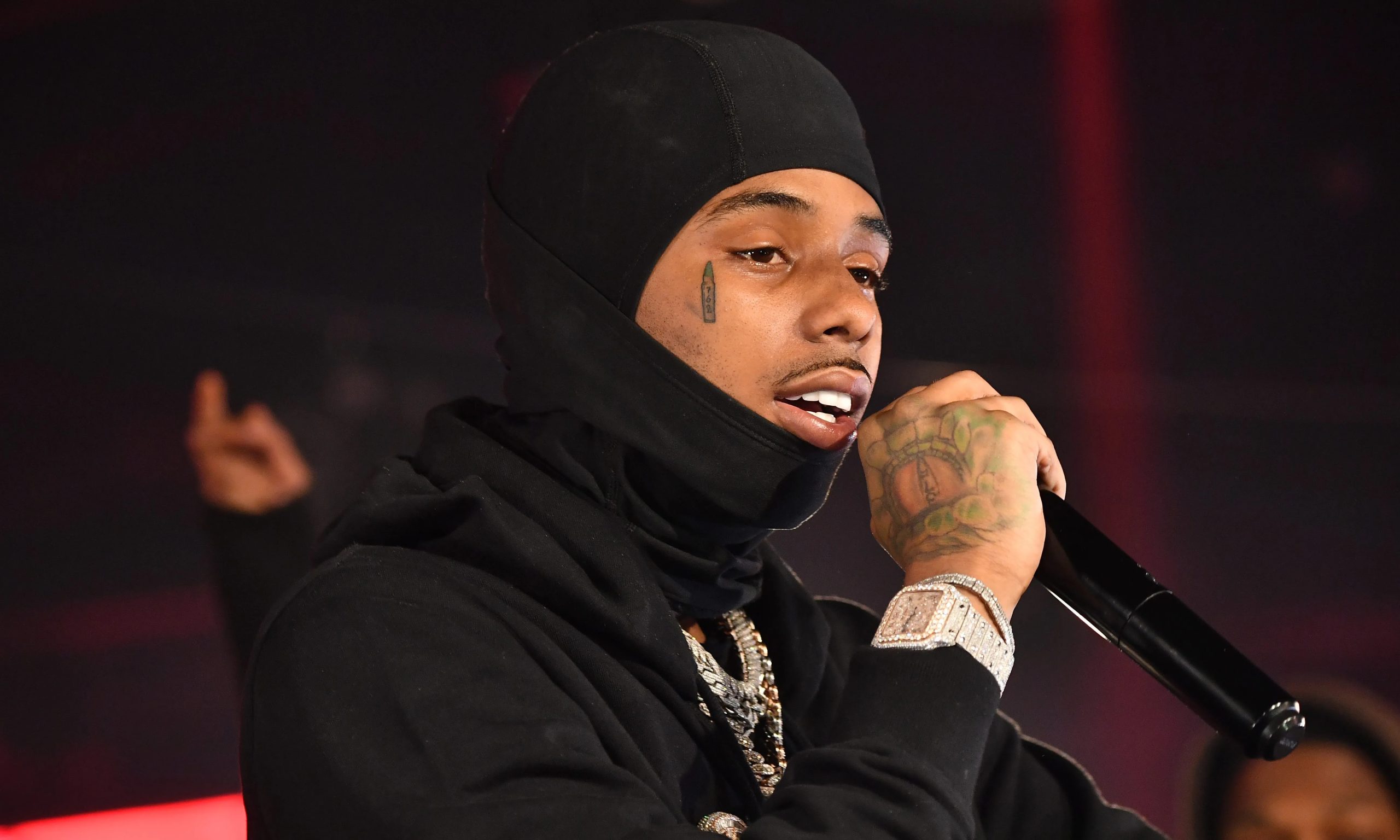
Y’all… while the headlines keep rolling in about Pooh Shiesty, it looks like his mother, Gladys Baines, is making it clear she’s not letting the noise shake her. Without saying too much, she recently went live and gave viewers a glimpse of her current vibe. And you already know, it left folks reading between the lines about how she’s really feeling amid all the drama.
RELATED: Pooh Shiesty’s Mom Drops Cryptic Posts After Him And His Father Are Arrested Over Alleged Gucci Mane Robbery
Pooh Shiesty’s Mom Goes Live Amid Arrest Drama
On Friday afternoon, Gladys hopped on Facebook Live in a clip just over a minute long, showing herself riding in a car while subtly addressing the moment without directly speaking on it. She can be seen rocking a slicked-back bun with laid baby hairs, black-framed glasses, blue nails, gold hoops, and a white graphic tee. Also, she kept it cute while facing the camera before turning it to show other women in the car.
In the background, Pooh’s ‘Shiesty Summer’ played on the radio, setting the tone. Furthermore, the fellow passengers reacted in their own ways—some appearing lowkey about being on camera. One woman seated behind Gladys even flashed her middle fingers. Ultimately, some viewers may take this as a cryptic message tied to everything going on.
Please note that the footage features NSFW language from music playing in the background. Please watch at your own caution.
Gladys Baines Drops Messages As Drama Unfolds Online
And Gladys Baines isn’t staying quiet while headlines swirl. Amid reports of Pooh and his father’s alleged arrest tied to a robbery case connected to Gucci Mane, Gladys previously had been dropping message after message online, and the public is definitely paying attention. This week, Gladys took to Facebook with a series of posts that had folks doing research. On Wednesday, she wrote, “It’s power in the name Jesus…” before following up on Thursday with, “my ears ringing #keeptalking #blessingsonblessings,” alongside a flood of prayer emojis.
She didn’t stop there, adding, “I been blocked you hating mf’s … #Amen,” keeping her tone equal parts spiritual and spicy. Naturally, the public has been piecing together whether her words are aimed at critics, the legal situation, or both—turning her page into a running commentary on the unfolding drama.
RELATED: Lawyer For Pooh Shiesty’s Alleged Co-Conspirator Big30 Shares Statement In Response To Gucci Mane Kidnapping & Robbery Allegations
What Do You Think Roomies?
:max_bytes(150000):strip_icc():format(jpeg)/Tyler-The-Creator-Actor-Awards-040326-c11a51716eb44404821b49b77027bada.jpg)
“You don’t know me,” the rapper told the content creator trying to film him while out shopping in Beverly Hills.
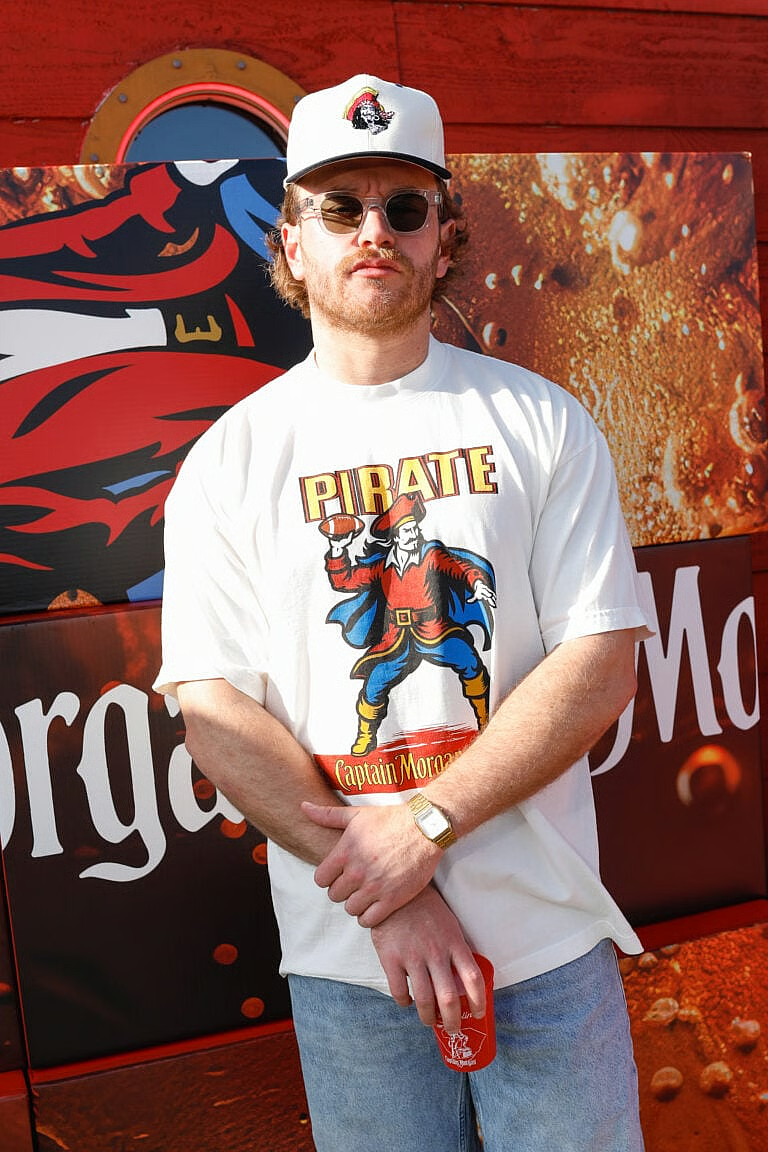
New details are coming to light about “Summer House” stars West Wilson, Ciara Miller, and Amanda Batula. Just days after Wilson and Batula confirmed their new relationship, a source close to Miller claimed that she and Wilson were actively hooking up before he moved on to her former best friend.
Were West Wilson And Ciara Miller Hooking Up Before He Announced His New Relationship With Amanda Batula?
“West was hitting on Ciara, and they had hooked up recently, about three to four weeks ago,” a source told Us Weekly.
A second source told the outlet that Wilson and Miller were together as of “mid-to-late February,” and another said the pair were “rekindling and seeing if it would work again recently.”
For those unfamiliar, Wilson and Miller met during season 8 of Bravo’s “Summer House.” They dated on the show; however, they announced their split during the reunion.
Seasons 9 and 10 showed Wilson and Miller on better terms, and as of late, they were spotted getting cozy at the Super Bowl in California.
Was Wilson In A Relationship With Another Woman Before Confirming His Situationship With Batula?
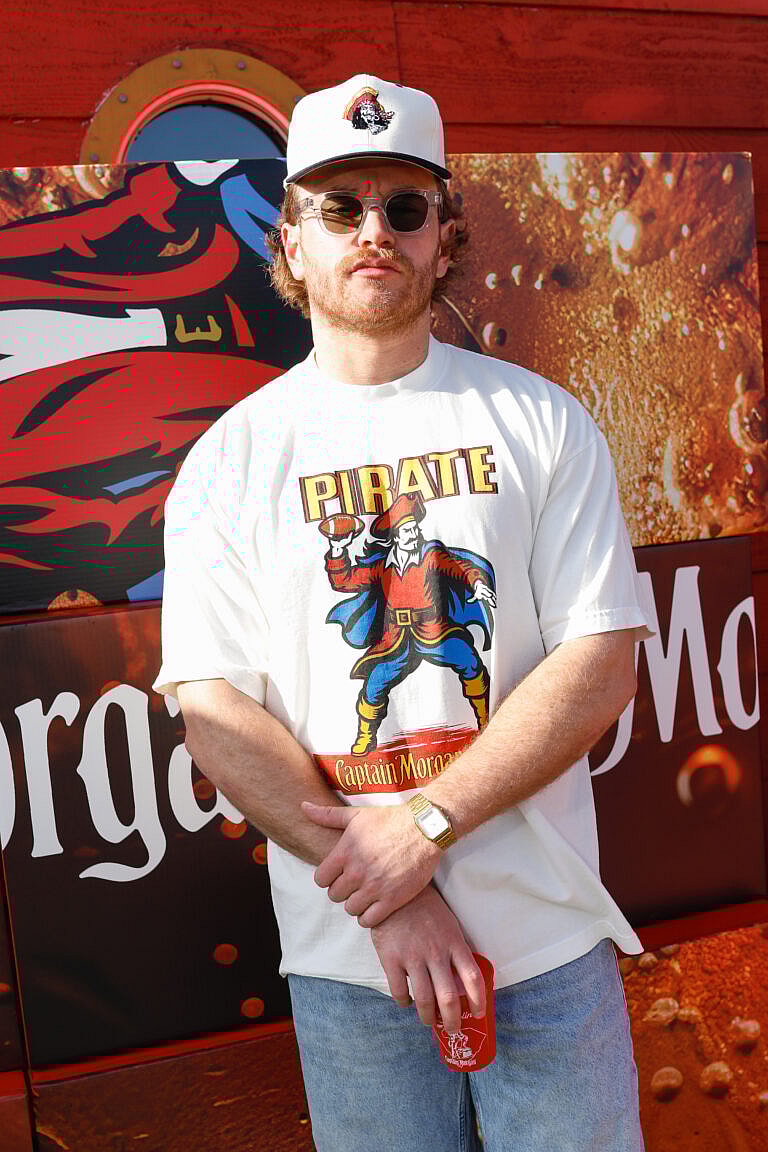
Even crazier, Wilson was reportedly in an “exclusive” relationship with another woman when rumors about his relationship with Batula began circulating.
An insider told Page Six that Wilson was dating Meija Moreno and that she met the reality star’s close family and friends when they became exclusive in 2025.
The source went on to say that Wilson allegedly promised Moreno that he was not sleeping with other women.
West Wilson Shares He’s Dating His Ex, Ciara Miller’s, Friend In Joint Instagram Post

Wilson broke the internet earlier this week, however, when he confirmed he was dating Miller’s friend, Batula, after denying the speculation for weeks.
“We’ve seen the growing online speculation, so while this is still very new, we wanted to provide some clarity,” their joint statement read. “It was never our intention to purposely hide anything. Given the complicated relationship dynamics involved and the scrutiny that comes with being on a reality show, we need a little space to process things privately before speaking on it.”
The post continued, “We’ve shown up for each other as friends over the years, through all the highs and lows, and what’s developed recently was the last thing either of us expected. Our connection grew out of a genuine, long-standing friendship, which made it especially important for us to approach this with care.”
Dave Portnoy Slams Batula For Betraying Ciara Miller In Scathing Social Media Post
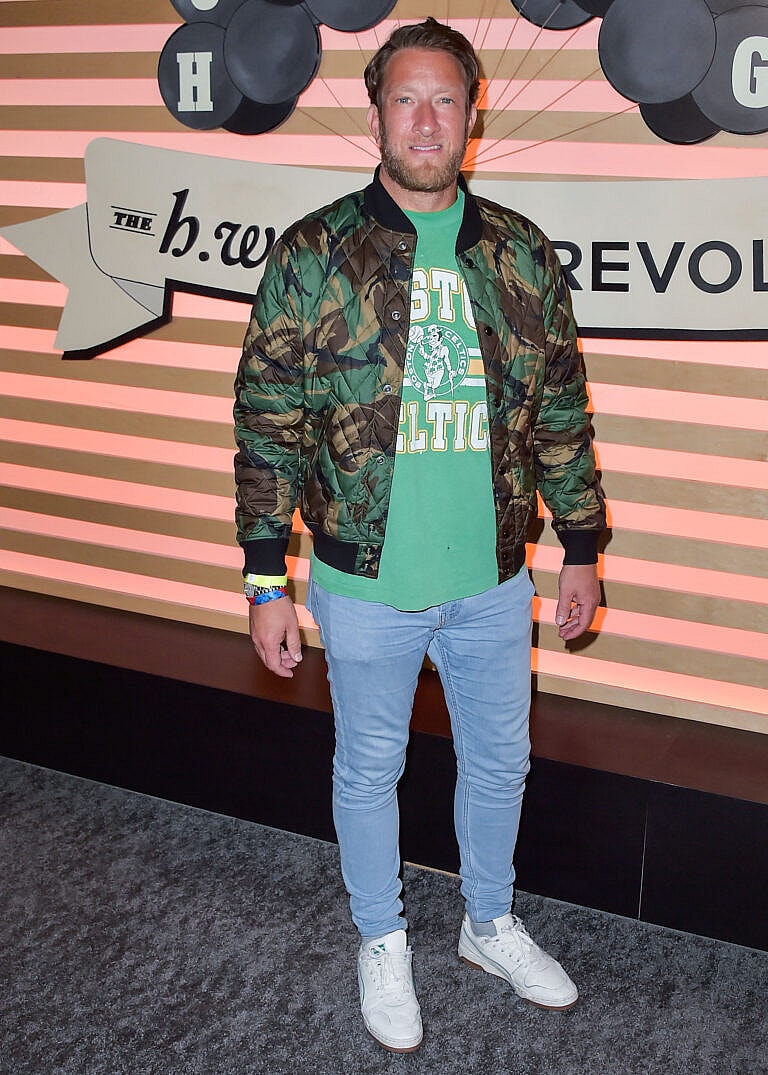
The public hasn’t been shy regarding their feelings about Batula and Wilson’s new relationship. Barstool Sports founder Dave Portnoy blasted Batula on his Instagram Stories, calling the reality star a “treacherous snake” for betraying her friend.
“Amanda and Ciara are, like, best friends,” Portnoy said. “I guess Amanda in interviews [says], ‘Ciara is my most loyal friend.’ I guess West maybe was playing around with Ciara’s feelings [when they dated in 2023], fine.”
The negative comments have been circulating, according to Batula’s ex, Kyle Cooke, with whom she announced her separation in January 2026.
“I’ve talked to her — before they put the statement out, she gave me a heads-up, and I talked to her last night,” Cooke said in a video. “I understand people have all sorts of opinions, and I’m not justifying any behavior, but from where I’m standing, she’s kind of getting cyber-bullied.”
While Cooke admitted he was “disappointed” in Batula, he asked people to be gentle with her moving forward. “I just ask people to maybe let off the gas a little bit with the cyberbullying and hate,” he said.
Andy Cohen Breaks His Silence

On a similar note, Bravo figurehead Andy Cohen shared a similar statement on his radio show, reminding his listeners and passionate viewers that the “Summer House” cast are “real people.”
“I do think it’s worth reminding all the passionate fans of the show that these are real people involved,” he said. “And so, these are real people involved.”
While Cohen acknowledged that reality stars often sign up to have their lives dissected, he said there is a line that shouldn’t be crossed.
“That’s kind of what I’m saying,” he said. “There’s a middle ground. You can thread, but just know these are real people who are dealing with a lot.”
Entertainment
George R.R. Martin’s Western Crime Thriller Sets Up a Truly Disturbing Showdown in Finale Sneak Peek [Exclusive]
Everything in Joe Leaphorn’s (Zahn McClarnon) investigation has led to this. The Season 4 finale of AMC‘s hit crime thriller Dark Winds airs this Sunday, April 5, and, after spending the past seven episodes in a race against time to rescue a missing Navajo girl from the clutches of an obsessive serial killer, it all comes down to one final battle of wills. Collider is excited to share an exclusive sneak peek that places the veteran tribal lieutenant in the middle of one of his deadliest predicaments yet, caught in the clutches of the sinister Irene (Franka Potente). With her target right where she wants him, she has a little surprise prepared just to taunt him before she ends their little game.
In the sneak peek, we find Leaphorn shackled at a dinner table, where Irene has dishes set out for a special meal. She takes joy in watching Joe struggle, telling him to settle down and get used to their new arrangement, because he sure isn’t going to kill her in this state. After he sits back for the moment, she brings out the little gift — Billy (Isabel DeRoy-Olson), the girl he, Jim Chee (Kiowa Gordon), and Bernadette Manuelito (Jessica Matten) have been searching for all this time. For now, she’s seemingly unharmed, though given her silence in response to Joe’s questions, there’s no telling what horrors Irene has subjected her to. They’re now both forced to take in what the killer says is their “first dinner as a family,” something that’s bound to be far more sinister than she makes it sound.
With himself and Billy tied up, all Joe has at his disposal are his words. Unless one of his allies swoops in for the rescue, the only recourse he has is to play along with what Irene has planned and push back against her in any way he can. It sets up a tense conclusion that will give Potente, known for her roles in the Bourne movies, Run Lola Run, and more recently as the terrifying vampire queen Erzsebet Báthory in Castlevania Nocturne, a chance to leave one final, chilling impression on viewers before the season is over.

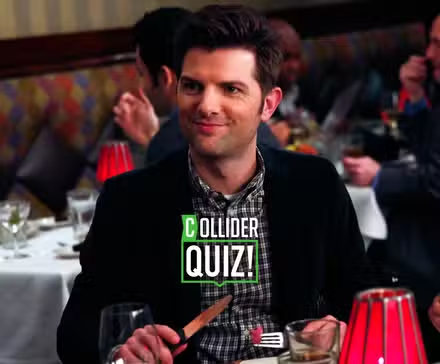
Party Down in Pawnee — Adam Scott Comedies Collide in Today’s Collider TV Quiz!
Whether you’re an innie or an outie, you’ve undoubtedly enjoyed the workplace comedies of Adam Scott. Let’s all cater to this state auditor.
‘Dark Winds’ Isn’t About to Turn in Its Badge Yet
After leaving the Navajo Nation behind for 1970s Los Angeles, and giving the multi-talented McClarnon a chance to make his directorial debut along the way, Dark Winds will end Season 4 still on top as one of AMC’s most popular programs. Beyond being a consistent streaming favorite for the network, the Graham Roland-created, George R. R. Martin and Robert Redford-executive produced series was once again met with acclaim, including another perfect 100% score from critics on Rotten Tomatoes. As such, the neo-Western adaptation of the Leaphorn & Chee novels isn’t planning on slowing down. Season 5 is already confirmed and in production in Santa Fe, complete with a few new additions to the cast, including Shameless star Noel Fisher, Rez Ball‘s Devin Sampson-Craig, and Yellowstone alum Martin Sensmeir.
Dark Winds Season 4 comes to an end this Sunday on AMC. Check out our exclusive sneak peek in the player above.

- Release Date
-
June 12, 2022
- Network
-
AMC
- Directors
-
Michael Nankin
- Writers
-
John Wirth, Steven Judd, Max Hurwitz, Rhiana Yazzie, Thomas Brady, DezBaa’
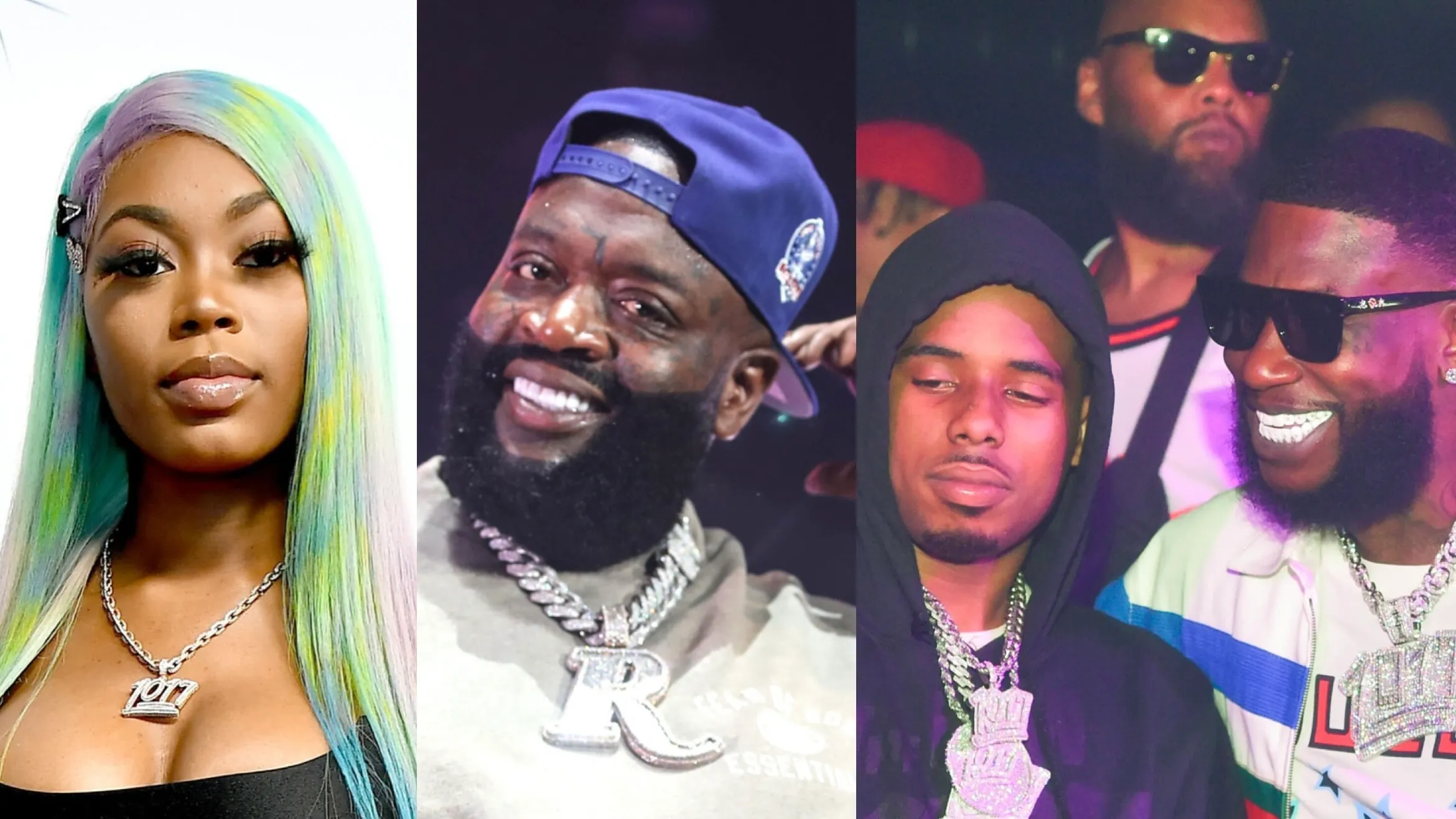
Following Pooh Shiesty’s recent arrest, social media has been flooded with reactions and speculation about what may have led up to the alleged situation involving Gucci Mane. Asian Doll and Rick Ross also sparked buzz after entering the chat amid the ongoing situation.
RELATED: Claressa Shields Sparks Reactions After Weighing In On YSL Woody’s Comments About Pooh Shiesty’s Arrest (VIDEO)
Asian Doll Takes To X Amid Ongoing Conversation Surrounding Gucci Mane’s 1017 Label
During the recent chatter, many have revisited ongoing conversations surrounding Gucci Mane’s 1017 label, including the unexpected passing of former artists and others facing legal issues. Amid the latest debate, Asian Doll reposted a tweet that read, “Seem like the only person who survived Gucci Mane’s label is Asian Doll.” She also added, “Everybody ain’t playing.”
Asian Doll was one of the first female artists to sign to Gucci Mane’s 1017 label in 2018, but she later parted ways with the label in 2020.
At the time, she shared a statement to her socials, writing, “I feel like I owe my fans the truth so here it goes. I asked Gucci Mane to release me from 1017 a couple days ago & he said ‘okay.’ I’m officially an independent artist. Thank you Alamo Records/Eskimo Records for the opportunity, but I’m no longer in my deal. Thank you God.”
Under her recent “Everybody ain’t playing” tweet, one commenter assumed she was referencing the situation between Pooh Shiesty and Gucci Mane, writing, “Yeah and where did that get him? He bout to do a lot more than those 5 years he knocked out. N**** crashed out over a contract he chose to sign. Feds ain’t playing neither.”
Asian Doll quickly clapped back, making it clear her post wasn’t about that situation and shutting down the assumption. She tweeted, “You might as well go suck the feds d***. My post has nothing to do with anything you’re talking about. Look at you, ready to eat d*** shut your bum a** up.”
Another commenter added, “And everybody doesn’t get to walk outside when they want to either,” which led Asian Doll to clap back, “& everybody don’t go out a b*** either.” Despite her responses, some social media users continued to speculate that her comments were connected to the ongoing situation. Ultimately, Asian even reposted a tweet saying she’s the only artist to “survive” Gucci Mane’s label.
Rick Ross Shares His Thoughts On Pooh Shiesty And Gucci Mane’s Situation
It looks like the conversation also made its way to Rick Ross’ DMs. He took to Instagram to respond to people asking for his thoughts on the situation involving Pooh Shiesty and Gucci Mane. Ross made it clear he didn’t like how things played out on either side and said he wishes it could’ve been handled through negotiation instead.
He said, “Guwop most definitely didn’t deserve that, and I don’t want to see this for the lil homie Pooh Shiesty. But you’ve got to be educated and understand the business. You’ve got to negotiate. If you were signing for $100K and now you’ve got $10 million on the table, it’s time to negotiate.”
He continued, explaining that there’s always a way for everyone to win in business deals. Ross also spoke about wanting to see Southern artists win, recalling a phone call he had with Yo Gotti and Gucci Mane.
The rapper stated, “Us three on the phone, and it wasn’t nothing to discuss. There was no disrespect, no raised voices. Rozay just wanted to plant that seed. I understand one phone call may not fix everything, but you want to plant that seed. N**** might be able to move forward one day and get some money.”
Rick Ross added, “That was Rozay’s mindset, and I wish nothing but my homies the best. When it comes to business, let’s negotiate. You can’t take the streets into it. Don’t get a life sentence over that. Let’s get to the business.”
Social Media Weighs in
Social media users stepped into The Shade Room and The Shade Room Teens comment sections as they reacted to the Pooh Shiesty and Gucci Mane situation. Many also weighed in on Asian Doll and Rick Ross’ thoughts.
Instagram user @p.rettylittletingg wrote, “Gucci mane label is equivalent to the hunger games Asian doll is like Katniss”
Instagram user @darealnautili_ added. “He didn’t care about her enough to keep her in her contract she wasn’t making him no money. Thats why she got out hers so easy”
While Instagram user @_hat3d41 wrote, “Ngl look at everyone on Gucci label…! wouldnt wanna be on it either”
Instagram user @_ayolano wrote, “Basically cause Slim Scarr & Enchanting all passed away & of course like every other rapper is due to drugs like that story old is shyt now not rapper life is that bad to kill themselves it’s these record label companies!”
While Instagram user @breunashynece wrote, “Who asked Rick for his opinion?!?! You will be dealt with 😂”
Instagram user @qwaethegoat2x added, “THAT MAN PLAYED WITH BIG SCAR WHEN HE DIED POOH SHIESTY DID WHAT A LOYAL COUSIN WOULD DO 💯
Instagram user @king_adept_24 wrote, “He ain’t lying, you can’t bring street sh#t into business, that’s why so many of these rappers done been locked up or still locked up. Gotta be business minded when it comes to trying to do business with wealthy people”
Instagram user @aprnbeauty added, “They caught new Gucci cuz old Gucci would’ve came back and cleared everything out”
While Instagram user @wasssup_dev wrote, “I hate shiesty took that route but Gucci PLAYED with him and all those other young artist! He did them soooo bad man.”
RELATED: REPORT: Pooh Shiesty & His Dad Arrested Following FBI Raid On Family’s Home
What Do You Think Roomies?
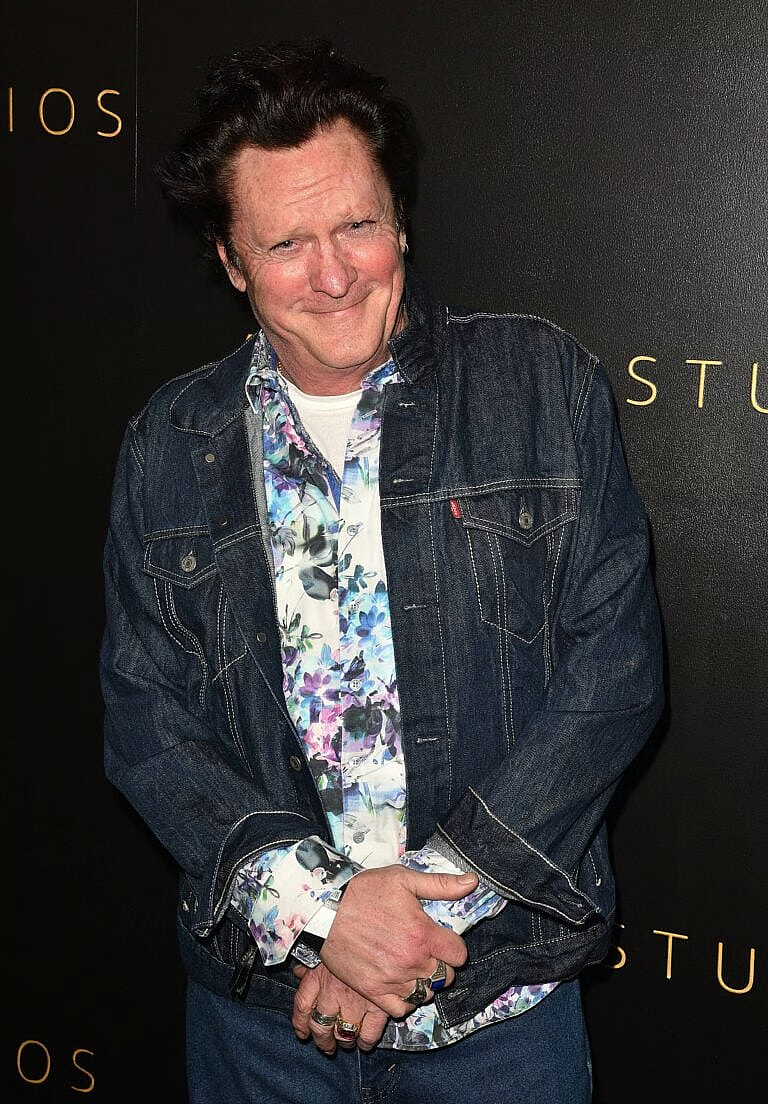
Michael Madsen‘s children have gone to court to try to prevent his ex-wife, Jeannine Bisignano Madsen, from getting her way after she asked a judge to put her in charge of his estate.
The famous actor passed away last year after suffering a cardiac arrest that was caused by a string of complications.
Earlier this year, Michael Madsen’s sister, Virgini, said his death didn’t come as a surprise and that he was “no longer suffering,” after enduring so much pain in his lifetime.
Michael Madsen’s Children Don’t Want His Ex-Wife To Be Given Control Of His Estate
Even in death, Michael Madsen’s dispute with his ex-wife Jeannine Bisignano Madsen is not only proving to be a contentious one but also a multi-generational conflict.
The former couple got married in the early 90s and went on to welcome two sons, Christian and Max, before eventually calling it quits.
However, in the wake of his death, Jeannine filed court documents asking that she be put in charge of his estate because she wants to recover the $5 million that Michael allegedly owed her.
Reports claim she made the request on the premise of their divorce judgment, which she claims stipulates that she’s entitled to a certain percentage of payments Michael received for the films he made while they were together.
However, four of the late actor’s children have filed documents seeking to block the move from seeing the light of day, per TMZ.
Michael Madsen Died Of Natural Causes
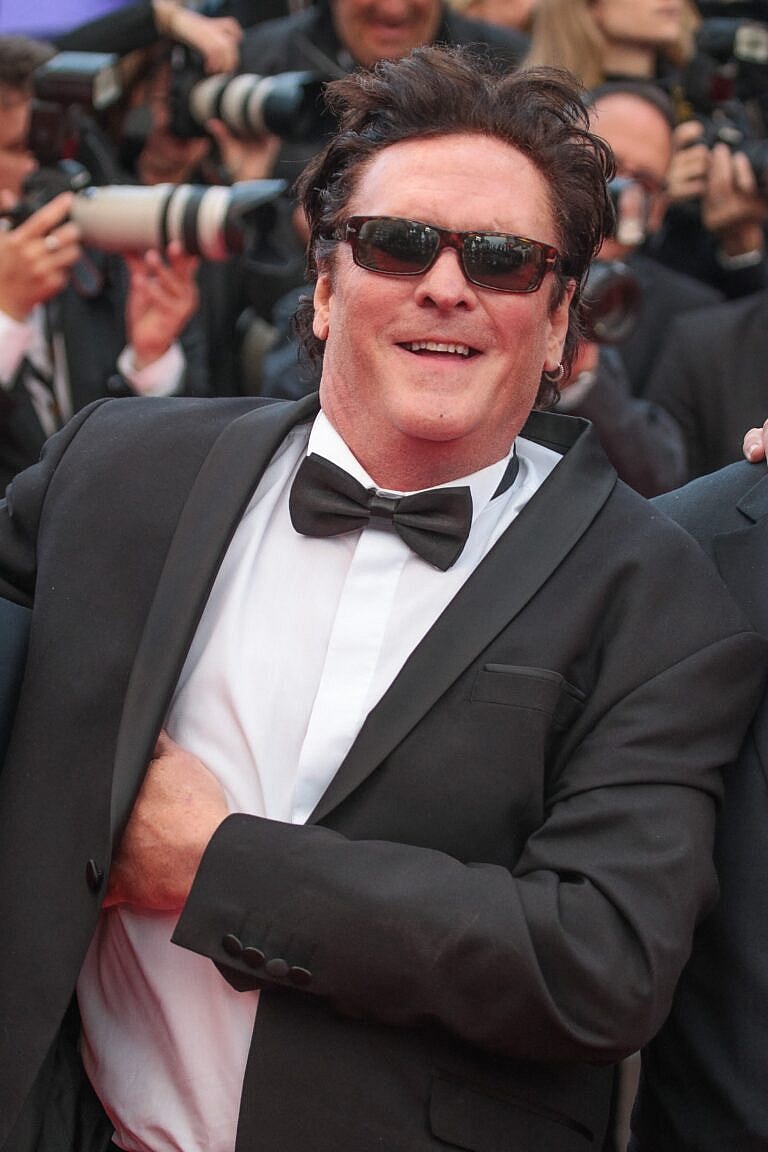
Michael was found dead at his home on July 3 2025, at the age of 67, after Los Angeles County deputies responded to an emergency call at his Malibu residence.
Medical reports following his passing revealed he died from cardiac arrest that was brought on by cardiomyopathy, coronary artery disease, and chronic alcoholism.
“What we understand is Michael had a cardiac arrest and was found unresponsive in his Malibu home earlier this morning,” his manager Ron Smith said in a statement at the time, per People Magazine.
His manager also revealed that he’d privately been working on a couple of projects and was “really looking forward to this next chapter in his life.”
The Late Actor Appeared In Several Notable Movies
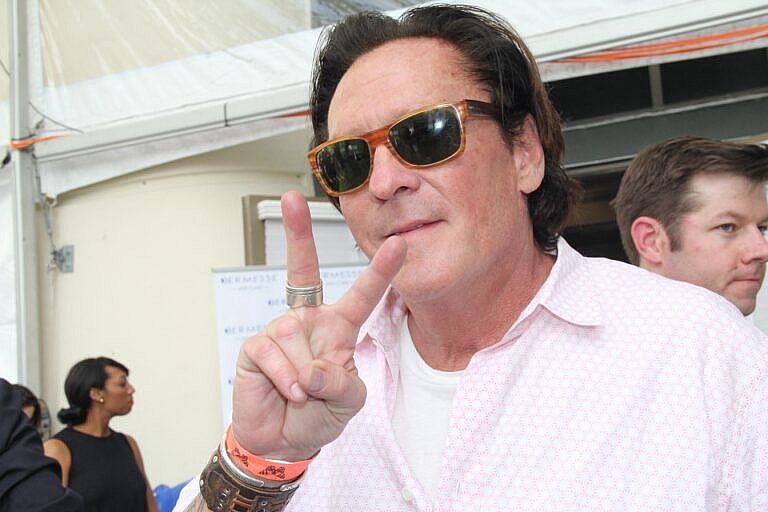
Michael starred in major roles in Quentin Tarantino films, including “Reservoir Dogs,” “Kill Bill, “The Hateful Eight,” and “Once Upon a Time … in Hollywood.”
He seemingly didn’t get to fulfill one of his life’s goals of starring in “The Sopranos” as showrunner David Chase revealed that he always wanted to play a part on the crime series, but wasn’t cast because of his accent.
“Michael Madsen was not Italian, but he said, ‘You know, I’ve played all these gangsters for Tarantino, and David Chase won’t hire me,’” Chase recalled. “Yeah, because you have a Chicago accent. That was the only reason. He’s a great actor.”
Michael Madsen Endured The Loss Of His Son
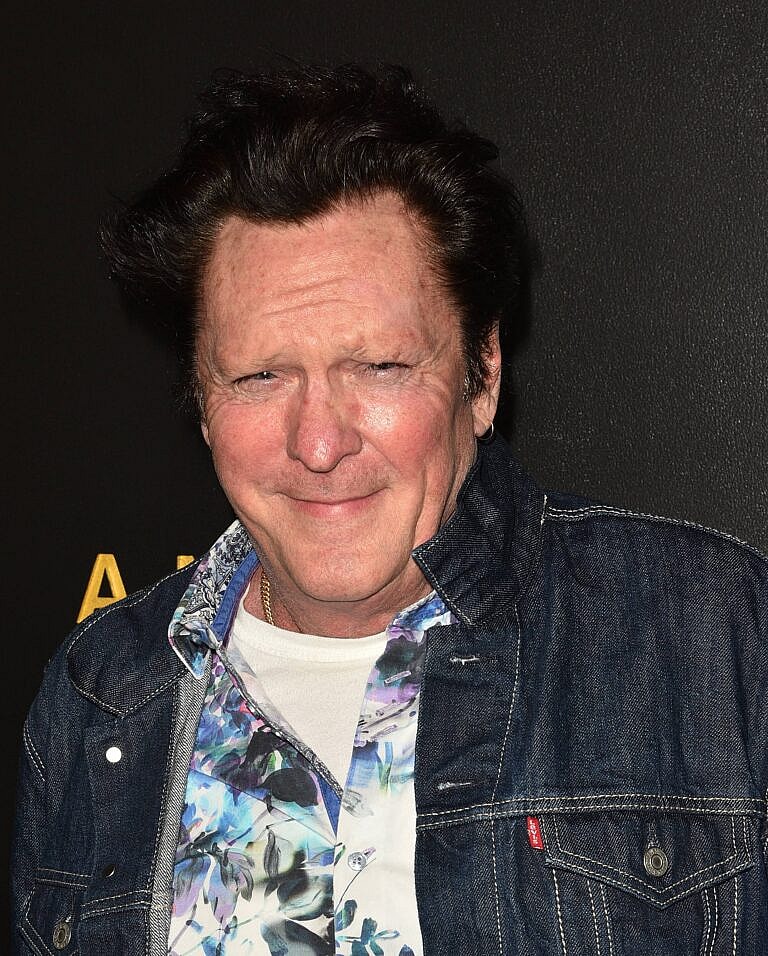
While he was alive, Michael endured the death of his son Hudson, who died from self-inflicted gunshot wounds on January 25, 2022, at the age of 26. Much later, in September 2024, he filed for divorce from his 3rd wife, DeAnna Madsen, citing irreconcilable differences.
According to People Magazine, he claimed in a statement in his court filing that their son became suicidal and followed through on taking his own life because of his estranged wife’s “neglect, drinking, and alcoholism.”
He later denied making the claims, noting how “losing a child is the hardest and most painful experience that can happen in this world.”
“She had absolutely nothing to do with what happened to our son. It was a horrible loss and a choice that was made for reasons that truly cannot ever be known because the person is gone,” he added in the statement.
However, his longtime friend, Perry Wander, told the news outlet that he still wanted to carry out the divorce before he eventually died.
“I had spoken to him two days before his death, and he expressed the fact that he wanted his divorce finalized,” Wander explained.
The Late Actor’s Sister Shared An Insight To His Last Days
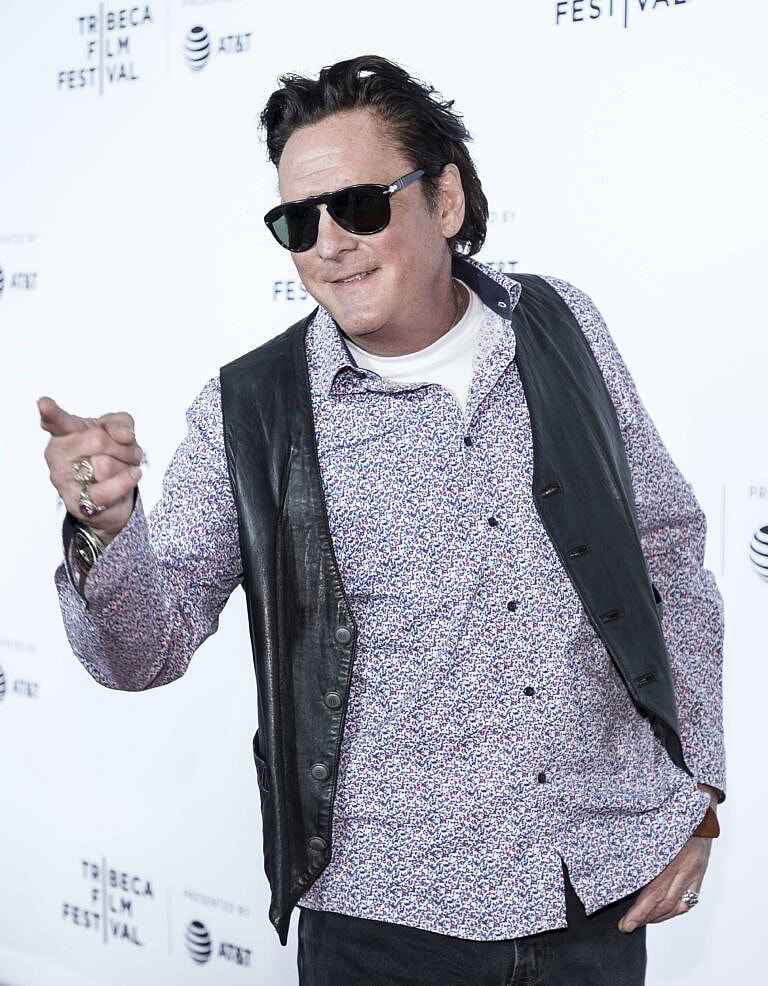
Back in January, Michael’s sister, Virginia, weighed in on the impact losing a child had on her late brother as well as that of addiction.
In a conversation with People Magazine, she said that it was “impossible” to talk to him about the incident because he became so withdrawn and was just “shut down.”
“It was really hard to communicate with Michael during these last years because he really wasn’t communicating with anybody. And that addiction will do everything it can to separate loved ones from the person who’s suffering. He tried really hard over and over again until he just got farther and farther away. And it’s a terrible thing because you lose them while they’re still walking around alive,” she said.
She went further to add that his death didn’t come as a surprise, but more like a sense of relief because he was “no longer in pain,” and “no longer suffering.”
“It wasn’t another hospital. It wasn’t another accident. My mother, she’s 94, she felt a really strong sense that he was at peace,” Virginia added.
Roomies! Reginae Carter has social media cuttin’ UP with reactions thanks to her interview with Jeezy’s son Jadarius Jenkins. Reginae and Jadarisu chopped it up on her ‘Heir Time’ podcast, and chileeee, the vibes were SUPER spicy!
RELATED: Reginae Carter Says She’s “In Love” & Spills Tea About Her New Boo (VIDEOS)
Reginae Carter Gets REAL With Young Jeezy’s Son & Fans Are SHOOK!
Okay, so BOOM! Fans are saying Reginae Carter and Jadarius Jenkins should spin the block AGAIN after they unpacked their past history on her ‘Heir Time’ podcast. The vibes were so flirty, folks are convinced they might’ve already spun the block.
Reginae was cheesing extra hard and could barely get through the chat while Jadarius spilled on their past. He even said he used to pull up to school just to see her, but she kept warning him not to tell too much tea. Nae then revealed that they actually dated a “few” times, but things went left when Jadarius supposedly embarrassed her at her Sweet Sixteen. He said he doesn’t remember it that way and actually has a totally different POV, but now they’re cool. He didn’t hold back on giving her, her flowers and saying he’s happy he was able to experience her and see the woman she’s grown into.
“Even still to this day, anytime I see you […] you always somebody I admire. Not just for a relationship, you know, as a friend as a unique person. Just like being a creative individual.” He continued, “To see the woman you have become I’m glad I was able to experience that,” Jadarius said.
The Internet Thinks Jadarius Might Be Reginae’s Mystery Man Because Of THIS
Speculation about whether Reginae Carter and Jadarius Jenkins might want that old thang back kicked off when she asked if he was seeing anyone. Jadarius came through with some smooth game, saying he “had his eyes on somebody right now” and that they were “sitting across from him.” Chile, that made Nae lose it. She got hot and started fanning herself. She couldn’t even finish the interview and had to take a whole break.
Reginae & Jadarius’ Flirty Chat Has Social Media Buzzin’
Once The Shade Room dropped clips from Reginae and Jadarius’ interview, the comment section was FLOODED. Some fans think he might actually be her new mystery man, while others said they should just spin the block because the chemistry is mad obvious.
Instagram user @issabadliljawn._ wrote, “This gotta be her man that she was hiding.”
Instagram user @zaaymonae wrote, “Nae love em hoood 😭🫶🏽”
While Instagram user @tewcents2 wrote, “I’m finna start a rumor, I like them 😭”
Then Instagram user @karlagoodmen wrote, “He wanna spin the block and it shows 😂”
Instagram user @vettaaa__ wrote, “😂😂😂😂ohhhh their chemistry is crazy!!”
Another Instagram user @carmen_san_diego_88 wrote, “Lil Snow definitely had her melting ❄️🔥😂😂”
Instagram user @pisces4lifeatl wrote, “He his daddy son 😂… his whole aura chile.”
While another Instagram user @thesuccessfulchick_ wrote, “He got gameeeeee !!! I’m cheesing too 😂”
Then another Instagram user @latasha_nicole312 wrote, “That’s definitely her man AGAIN!”
Finally, Instagram user @ hey_xhanti wrote, “She can have him back if she want to 😂😂😂”
Reginae Drops Hints About Her NEW Mystery Bae
Even though folks are convinced Nae and Jadarius are low-key together, she’s already spilled a lil’ tea about her new boo. She said she’s definitely “in love right now” and her man is not in the entertainment industry. She said she’s actually done dating industry men. Her new bae? He’s a businessman, big on fitness, and owns a few properties.
RELATED: For Real? Reginae Carter Has Fans Shook After Bringing Up Solange And Lil Wayne’s Apparent Dating History (VIDEO)
What Do You Think Roomies?
Entertainment
Brian Cox mocks Margot Robbie, brutally weighs in on more stars: 'I'm gonna say what I want to say'
:max_bytes(150000):strip_icc():format(jpeg)/Brian-Cox-Margot-Robbie-Edward-Norton-040326-ab1264a446d34a8c884a5c29ca8741b1.jpg)
“I’ll be 80 this year. F— it!” says the “Succession” star in a new interview.

Blake Lively is reportedly “devastated” after a judge threw out most of her claims against Justin Baldoni, including the allegations of sexual harassment.
The courtroom defeat comes more than a year after she filed a lawsuit accusing him of sexual harassment on the set of “It Ends With Us,” as well as launching a smear campaign against her.
Sources close to Blake Lively, however, say she’s not backing down just like that, and the actress would put up a fight to ensure she comes out on top.
Blake Lively Is Reportedly ‘Devastated’ After Major Legal Setback

Blake Lively has reportedly been left saddened after a federal judge handed her a significant blow in her long-running court battle against her former co-star Justin Baldoni.
In an earlier ruling this week, Judge Lewis Liman threw out 10 of the 13 allegations she leveled against him, including harassment and defamation claims.
The verdict is understood to have left the “A Simple Favor” actress “devastated,” as it completely changes the nature of the case. Yet, she’s not throwing in the towel and has vowed to fight till the end.
“She’s devastated,” a source told Rob Shuter’s #ShuterScoop. “This is not the outcome she expected.”
Behind the scenes, she’s understandably not taking the ruling well, with the insider explaining that she’s far from backing down.
“She’s angry,” the source said. “She feels like her story isn’t being fully heard.”
The Actress Is ‘Not Quitting,’ And She Plans To Prove The Remaining Allegations

Lively and Baldoni have been at each other’s throats since the 38-year-old actress filed a lawsuit in 2024, accusing him of harassment and a smear campaign on the set of their hit movie.
He denied it and filed a $400 million countersuit against her and her husband, Ryan Reynolds, accusing them of defamation and extortion, while also claiming she tried to wrestle creative control of the movie from him. However, a judge has since dismissed his suit.
As things stand, he cannot fully breathe a sigh of relief just yet, as 3 of Lively’s claims, namely breach of contract, retaliation, and aiding and abetting in retaliation, will now go to a civil trial in New York on 18 May.
This changes everything, and the insider told the journalist that Lively is going to be doubling down on proving what remains.
“Blake is not quitting,” the source explained. “She’s digging in. This just became a different fight. Narrower — but more intense.”
Blake Lively’s Sexual Harassment Claims Were Dropped Because Of A Technicality

A member of Lively’s legal team, Sigrid McCawley, weighed in on the development, telling the BBC that the case “has always been and will remain focused on the devastating retaliation and the extraordinary steps the defendants took to destroy” the actress’s reputation.
McCawley added that the reason the sexual harassment claims were dropped was “not because the defendants did nothing wrong,” but because of a technicality in the case.
Judge Liman, in his 152-page opinion, gave reasons for his decision to dismiss Lively’s claims against Baldoni.
He mentioned that the sexual harassment claims didn’t cross under California laws because the filming where the actor allegedly did it was carried out in New Jersey.
“None of these acts or occurrences provides the ‘substantial connection’ to California needed to sustain Lively’s sexual harassment claims,” Judge Liman wrote.
He also added that the “Gossip Girl” star was ineligible to bring certain claims of harassment and retaliation forward because she was an independent contractor and not an employee.
The Actress ‘Wants Her Day In Court’

The insider who spoke to Rob Shuter also alluded to Lively’s resilience and her willingness to testify in court.
“She wants her day in court,” the source said of the actress. “And she’s determined to get it. The pressure is higher now. She has less room for error — and a lot more to prove.”
“She took a major hit,” they added. “But now it’s personal — and she’s fighting back.”
Lively’s lawyer, McCawley, spoke about the actress’s plans to testify during the trial, noting that she would continue “to shine a light on this vicious form of online retaliation.”
Justin Baldoni’s Team Says They’re ‘Very Pleased’

Meanwhile, Baldoni’s lawyers have reacted to the ruling, saying they’re “very pleased” that Judge Liman threw out the claims.
“We’re very pleased the Court dismissed all sexual harassment claims and every claim brought against the individual defendants: Justin Baldoni, Jamey Heath, Steve Sarowitz, Melissa Nathan, and Jennifer Abel,” Alexandra Shapiro and Jonathan Bach of Shapiro Arato Bach told People Magazine.
“These were very serious allegations, and we are grateful to the Court for its careful review of the facts, law, and voluminous evidence that was provided,” the statement added. “What’s left is a significantly narrowed case, and we look forward to presenting our defense to the remaining claims in court.”

If you’re a fan of stories set in space, this weekend’s box office is the place to be. The Ryan Gosling-led sci-fi flick Project Hail Mary, which has already broken a box office record for Amazon MGM, is set to continue its impressive $300 million-plus run in theaters, with the film facing competition from the new arrival, The Super Mario Galaxy Movie. However, if you’ve already seen Project Hail Mary, and you’re inclined to follow the disappointing early response to the Mario sequel and let it pass you by, then you’ll perhaps be looking for something different to watch this weekend. With that in mind, here’s a look at three Prime Video movies you should watch.
For more recommendations, check out our list of the best shows and movies on Prime Video.
1
‘American Fiction’ (2023)
Rotten Tomatoes: 93% | IMDb: 7.5/10
Based on Percival Everett’s 2001 novel Erasure, American Fiction is one of the best hidden gems waiting to be discovered on Prime Video. In Cord Jefferson‘s feature directorial debut, Jeffrey Wright stars as a frustrated novelist who, in an attempt to satirize stereotypical “Black” literature, ends up finding much more success.
A thought-provoking tale bursting at the seams with superb performances, including an Academy Award-nominated lead turn from Wright, American Fiction is a film that is already getting better with age. Named one of the top 10 films of 2023 by the American Film Institute, this sophisticated story also earned another four Academy Award nominations, even winning in the Best Adapted Screenplay category.
2
‘Top Gun’ (1986)
Rotten Tomatoes: 59% | IMDb: 7.0/10
Before he was saving cinema with the legacy sequel more than 25 years later, Tom Cruise gave a receptive global audience the need for speed with this 1986 classic. Set in the Top Gun Naval Fighter Weapons School, this action epic follows Cruise’s hotshot fighter pilot, Maverick, as his brilliant but arrogant demeanor causes trouble within the camp.
Few films have stood the test of time like Top Gun. Although it faced mixed reviews from critics in 1986, time has been kind to this ultimate popcorn flick, as it quickly became somewhat of a blueprint for many more blockbusters to come. An electrifying story, paired with memorable performances and a perfect soundtrack, crafts a film that is both timeless and an undiluted injection of ’80s nostalgia.
3
‘Titanic’ (1997)
Rotten Tomatoes: 88% | IMDb: 8.0/10
To be whisked away on a romantic adventure like no other, don’t miss out on James Cameron‘s all-conquering disaster epic, Titanic, this weekend. For the very few who don’t know, the film is based on the true story of the ill-fated R.M.S. Titanic, which sank in April 1912, and the pair of star-crossed lovers who find unlikely romance aboard the doomed voyage.
Boasting a vast, ambitious vision from director Cameron and a pair of pitch-perfect, chemistry-oozing lead performances from Leonardo DiCaprio and Kate Winslet, Titanic is a must-see movie. Not only is it a stirring tale of romance beyond boundaries, but the film also tied Ben-Hur and The Lord of the Rings: The Return of the King for the most Academy Award wins in history, breaking the record with an eye-popping 11 Golden Statues.

- Release Date
-
December 19, 1997
- Runtime
-
3h 14m
- Director
-
James Cameron
- Writers
-
James Cameron

The world’s supply of helium is being threatened by the Iran war

Faith, Family and Spring Favorites

Top 7 ways to earn ETH and build passive income


-

 NewsBeat1 day ago
Steven Gerrard disagrees with Gary Neville over ‘shock’ Chelsea and Arsenal claim | Football
-

 Business24 hours ago
No Jackpot Winner and $194 Million Prize Rolls Over
-
Entertainment4 days ago
Fans slam 'heartbreaking' Barbie Dream Fest convention debacle with 'cardboard cutout' experience
-

 Crypto World2 days ago
Gold Price Prediction: Worst Month in 17 Years fo Save Haven Rock
-

 Fashion5 hours ago
Weekend Open Thread: Spanx – Corporette.com
-

 Tech5 days ago
The Pixel 10a doesn’t have a camera bump, and it’s great
-
 Entertainment6 days ago
Lana Del Rey Celebrates Her Husband’s 51st Birthday In New Post
-
Crypto World3 days ago
Dems press CFTC, ethics board on prediction-market insider trades
-

 Tech5 days ago
Avatar Legends: The Fighting Game comes out in July and it looks pretty slick
-

 Sports3 days ago
Tallest college basketball player ever, standing at 7-foot-9, entering transfer portal
-

 Tech4 days ago
EE TV is using AI to help you find something to watch
-

 Fashion6 days ago
Amazon Sundays: Soft Spring Layers
-

 Business2 days ago
Login and Checkout Issues Spark Merchant Frustration
-

 Fashion7 days ago
When Evening Dressing Gets Colorful for Spring
-

 Tech5 days ago
Elon Musk’s last co-founder reportedly leaves xAI
-

 Tech4 days ago
How to back up your iPhone & iPad to your Mac before something goes wrong
-

 Tech4 days ago
Apple will hide your email address from apps and websites, but not cops
-

 Politics4 days ago
Should Trump Be Scared Strait?
-

 Crypto World4 days ago
U.S. rule change may open trillions in 401(k) funds to crypto
-

 Tech4 days ago
Flipsnack and the shift toward motion-first business content with living visuals
You must be logged in to post a comment Login