Mumba: Conflict in West Asia, if prolonged, could pose a downside risk to India’s economic outlook due to its impact on crude oil and commodity prices, according to a report by Crisil Intelligence.
In its base case, the report expects India’s real GDP growth to moderate to 7.1 per cent in FY27, which is still healthy and slightly above potential.
The growth will be supported by robust private consumption and a mild pick-up in private investment.
Private investment sentiment is improving with a recovery in private capex underway, driven by emerging sectors, according to the report.
It also expects export growth to maintain momentum, supported by lower US tariffs relative to FY26, steady global growth and robust services exports even as frontloading benefits fade.
Advertisement
Live Events
The retail inflation is likely to rise to 4.3 per cent on average in FY27 from an estimated 2.5 per cent in FY26. As food prices are expected to remain benign, assuming a normal monsoon in 2026, inflation should normalise from its current lows. “The reduced weight of food in the new CPI 2024 series should contain the upside to headline from normalising food inflation,” the report added.Headline retail inflation is likely to remain close to the central value of the RBI’s tolerance band. This would allow the central bank to hold the repo rate and focus on transmitting the 125 bps rate cut implemented in calendar year 2025, Crisil said.
The report expects that policy rates will remain steady in FY27; the cumulative rate cut of 125 bps undertaken in calendar year 2025 will continue to be transmitted to bank lending and deposit rates.
“We also expect the RBI to remain proactive on liquidity management. We expect financial conditions to remain resilient in fiscal 2027 amid a supportive monetary policy and strong macro fundamentals.”
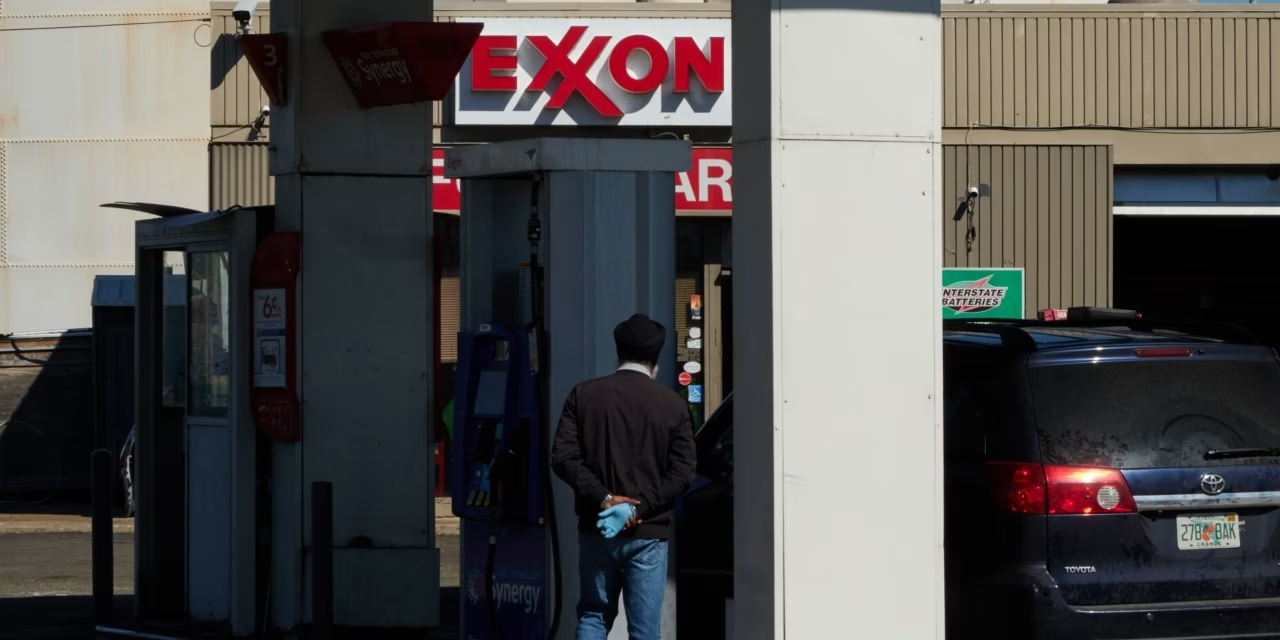
Exxon MobilXOM 2.23%increase; green up pointing triangle plans to move its legal home to Texas from New Jersey, joining other companies that have flocked to the Lone Star state in search of a more business-friendly environment.
Exxon, which has been incorporated in New Jersey since 1882, plans to ask its shareholders to vote on a proposal to redomicile in Texas. If successful, Exxon will follow Tesla, Coinbase GlobalCOIN 0.35%increase; green up pointing triangle and others that have reincorporated in Texas.
The war in Iran could raise global food prices as the conflict disrupts fertilizer shipments through one of the world’s most critical trade routes.
While energy markets have focused on oil supply risks, analysts say threats to fertilizer supply chains through the Straight of Hormuz may also bring long-term economic issues through food inflation.
“Beyond energy, another risk receiving less attention is the potential knock-on effect on food prices, as fertilizer shortages push agricultural costs higher,” said Wolfe Research chief economist Stephanie Roth in a note written on Tuesday.
Roth estimates the disruption could raise “food-at-home” inflation by roughly 2 percentage points, adding about 0.15 percentage points to headline inflation in the U.S., on top of roughly 0.40 percentage point increase from energy.
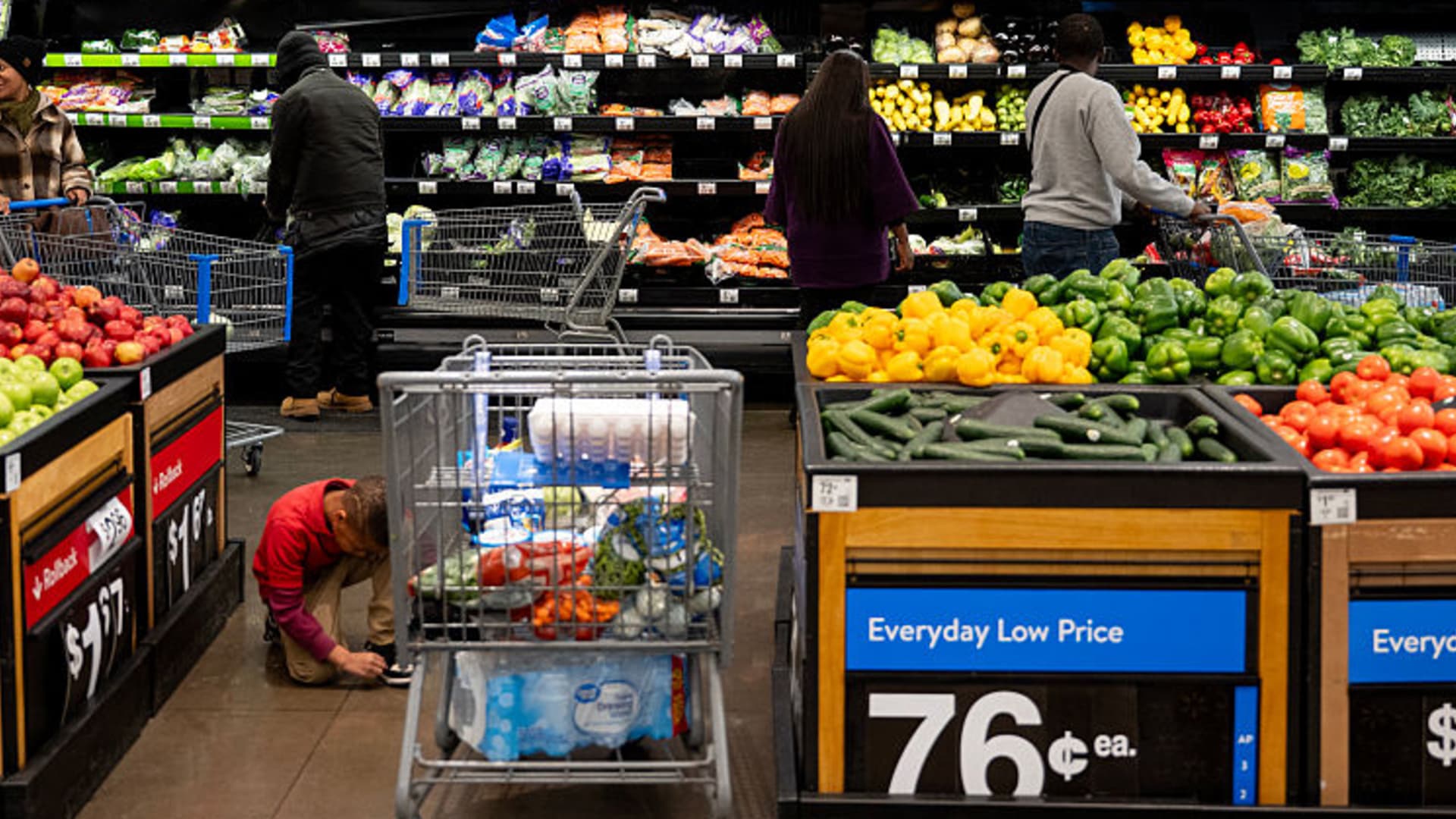
Customers shop at Walmart on January 22, 2026 in Little Rock, Arkansas.
Will Newton | Getty Images
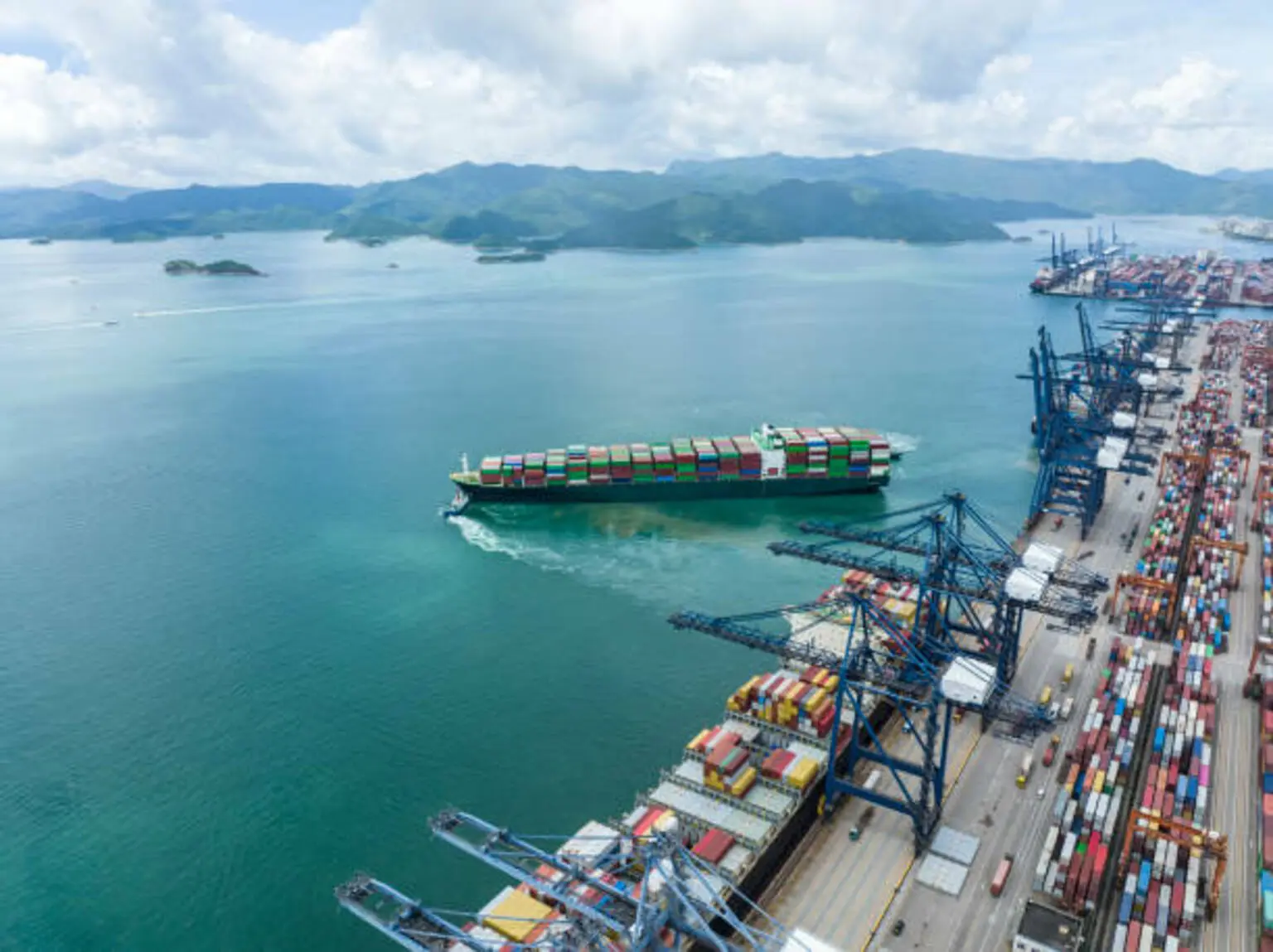
More than one-third of globally traded fertilizer passes through the Straight of Hormuz, making it a critical artery for agricultural supply chains. Commercial traffic through the route has largely been halted since the war started late last month, disrupting shipments just as farmers across the Northern Hemisphere prepare fields for spring planting.
Advertisement
The timing is critical because fertilizers are applied early in the crop cycle and help determine yields later in the year.
“If fertilizer supply tightens during this window, farmers may reduce application rates,” Roth said in the note. That could reduce yields for crops like corn, soybeans, wheat and rice and increase agricultural costs.
Economists in the fertilizer industry are equally concerned and say prices are already rising.
Between the weeks ending Feb. 27 and March 6 — which encompass the start of the war — the price per short ton of urea fertilizer imports in the U.S. jumped by 30%, according to data collected by industry advocacy group The Fertilizer Institute.
Advertisement
Urea — a nitrogen-based fertilizer widely used to boost crop yields — is one of the most heavily traded fertilizers moving through the region.
Higher fertilizer prices for farmers and retailers could ultimately raise food costs for consumers if the trade disruption lasts, said Veronica Nigh, chief economist at The Fertilizer Institute.
“This is a global impact on fertilizer costs,” said Nigh. “I would imagine that there would be much more passing on of these costs to consumers in this scenario, which is not something we have seen before.”
The U.S. relies on global fertilizer markets, importing roughly 20% of its total use, though nitrogen fertilizers like urea come from a more wide-ranging group of suppliers including Canada, Trinidad and Tobago, Russia and elsewhere.
Advertisement
The ripple effect could stretch around the world and beyond commodities. Asia and Africa are especially dependent on fertilizer exports from the Gulf region. Countries such as India rely heavily on Gulf supplies, while several African economies depend on imported materials used to produce fertilizers.
While disruptions to fertilizer shipments could lower crop yields for farmers and raise costs for households, fertilizer producers could stand to benefit.
CF Industries hit an all-time high Monday and shares are up nearly 10% over the past week, their biggest multi-day gain since 2022.
Medtronic plc (MDT) Leerink Global Healthcare Conference 2026 March 11, 2026 9:20 AM EDT
Company Participants
Thierry Pieton – Executive VP & CFO
Conference Call Participants
Advertisement
Michael Kratky – Leerink Partners LLC, Research Division
Presentation
Michael Kratky Leerink Partners LLC, Research Division
Advertisement
All right. I think we can kick things off. But thank you all for joining. My name is Mike Kratky. I’m our Senior MedTech Analyst at Leerink and thrilled to be joined today by Medtronic’s CFO, Thierry Pieton. So thanks so much for joining.
Thierry Pieton Executive VP & CFO
Yes. Thanks for having me.
Advertisement
Question-and-Answer Session
Michael Kratky Leerink Partners LLC, Research Division
Advertisement
You just passed the 1-year mark at Medtronic. We’d love to maybe kick it off by hearing from your perspective, how the business has evolved over the last year. And as you look out over the next 12 months, what gets you most excited?
Thierry Pieton Executive VP & CFO
Yes. Look, first of all, it’s been an interesting 12 months. I mean we’ve had a lot of things going on between sort of accelerating some of the new product launches and some of the portfolio actions that we’ve taken that I’m sure we’ll talk about, the IPO of MiniMed and we’re going back on offense in M&A, and we’ve done a couple of things in the last 3 or 4 months. So it’s been pretty busy. Look, I think the business has growing confidence.
Advertisement
I think a lot of the work that has been done for several years in the past few years to build the portfolio and to reinforce some of the operating mechanisms in the team and to work on R&D on some of the innovations that we’re launching now, it’s starting to pay off. And I think there’s a lot of excitement