Connect with us

NewsBeat

stories in times of dementia

Published

on

stories in times of dementia

When someone speaks in a language we do not understand, we do not assume their words are meaningless. We assume we are the ones who cannot yet understand them.

You might try gestures, sign language or the few words you recognise to grasp what they are saying. The assumption is always the same: meaning is there. The challenge is translation.

Listening to people living with dementia can sometimes feel similar.

Communication may become slower, fragmented or difficult to follow. It can be tempting to assume that meaning has disappeared. But often the problem is not the absence of meaning. It is that we are struggling to recognise how that meaning is being expressed.

Advertisement

People living with dementia are often trying, sometimes with remarkable persistence, to show us what they mean. Our role becomes something like that of a translator. As with any translation, something may be lost in the exchange, but the essence of meaning remains.

Sometimes that meaning appears in small, unexpected ways. A person who repeatedly asks to “go home”, for example, may not literally mean a building. They may be expressing a need for safety, familiarity or comfort. When we listen carefully, the emotion behind the words often becomes clearer.

Seamus, County Mayo, Ireland.
The Keepsake Chronicles, Author provided (no reuse)

Every person carries a lifetime of stories. Dementia may change how those stories are expressed, but it does not erase them.

Humans are natural storytellers. Research in psychology shows that we build our sense of self through the stories we tell about our lives: where we have been, what has happened to us and what we believe. Psychologists refer to this as “narrative identity”. It is the process through which people connect memories of the past with their sense of who they are in the present.

Advertisement

For people living with dementia, maintaining that sense of self remains deeply important. As research on narrative identity shows, the stories people tell about their lives help them hold together a sense of continuity and meaning, even when memory or language become more difficult.

Social withdrawal, however, is both a risk factor for and a common symptom of advancing dementia. When people withdraw socially, their opportunities to make sense of changing circumstances, relationships and identity diminish. Over time, this can erode self-worth.
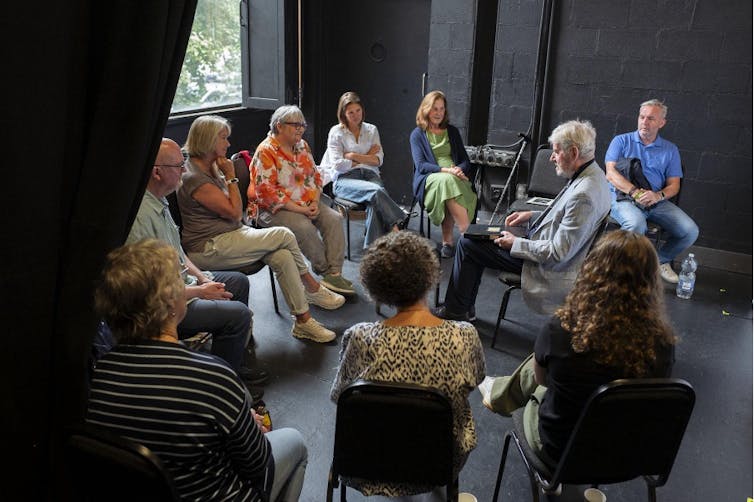
One of The Keepsake Chronicles’s storytelling groups.
The Keepsake Chronicles, Author provided (no reuse)

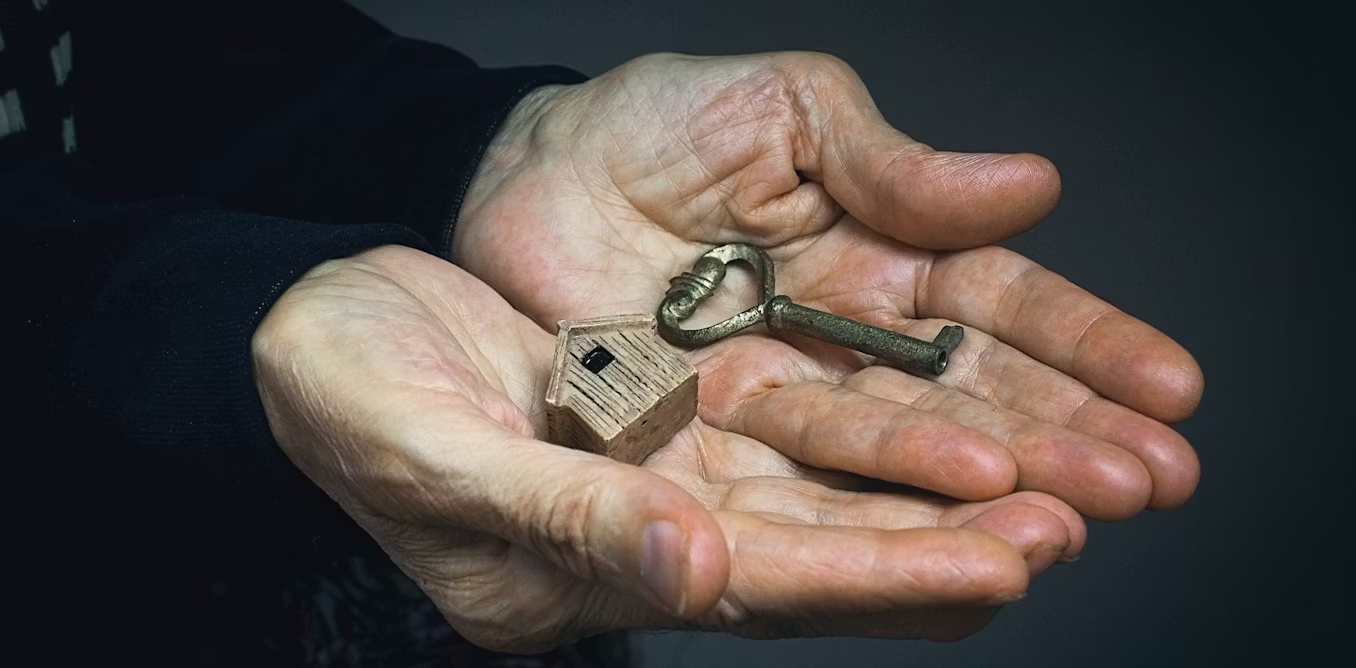
The Keepsake Chronicles are storytelling groups for people living with dementia in the community. Participants are invited to bring an object that is meaningful to them, something they have owned for a long time. Objects are tangible. For people living with dementia, physical objects can cue sensory and autobiographical memory in ways that abstract questions often cannot. They can anchor memory and provide a scaffold for storytelling.

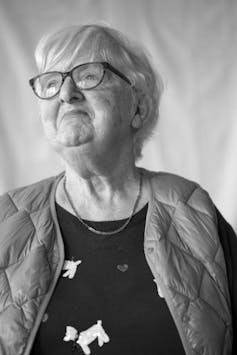
Keepsake Chronicles is a collaboration between a nurse, a creative writer and a photographer. As participants tell their stories, we record their words and photograph them in the act of telling. This captures expressions rich with emotion that are inseparable from the stories themselves.

We also photograph the object and then imagine the sense of place embedded in the story, finding ways to recreate it. Sometimes we capture a place as it exists. Sometimes it no longer does, and we respond creatively.

Advertisement

The recorded stories are transcribed and shaped into micro-narratives or poems using only the words and phrases spoken by the person living with dementia. This approach is often described as found poetry, a literary equivalent of collage. Because it preserves a speaker’s own words and rhythms, it allows meaning and emotion to emerge even when speech is fragmented or non-linear.

These stories are deeply embedded in geography. Seamus brought a large salmon that had been stuffed by a taxidermist and spoke of his life as a keen fisherman in Mayo.
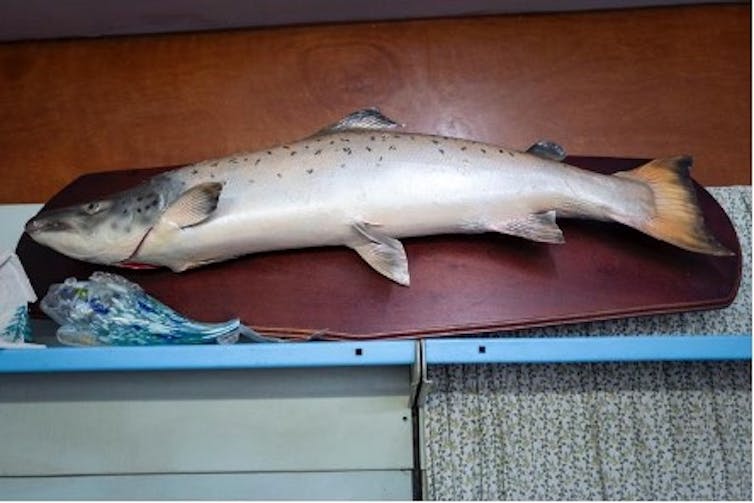

The Keepsake Chronicles, Author provided (no reuse)

It was there all our lives

If you look to the river Moy
today the salmon
have nearly gone extinct
it’s so sad
there’s very little there now,
and if you catch one
you throw it back,
but it’s so sad
No grouse in the bogs,
no bird like you always saw –
the lark, it’s gone now, the curlew,
it’s so sad
It’s so sad when I look at all that;
you take Lough Mask, the Corrib,
the river Moy,
it’s so sad to see them dying.
Now the hatches aren’t in it,
now the birds are gone,
it was there all our lives,
it’s so sad
to see the thing
dying in front of us now.
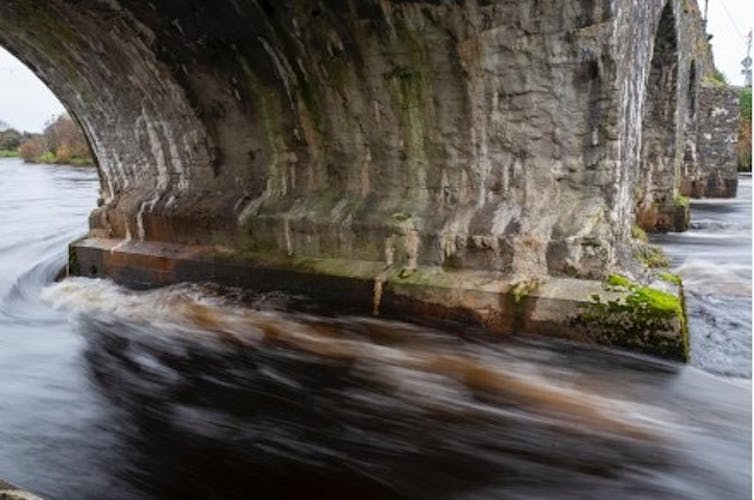

The Keepsake Chronicles, Author provided (no reuse)
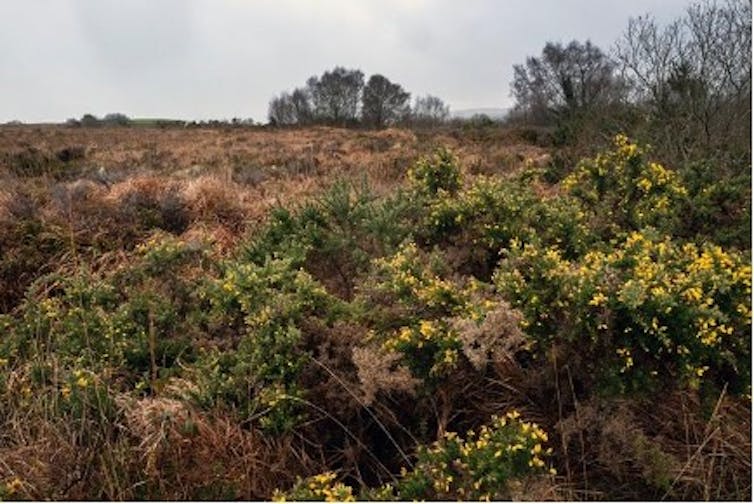
The Keepsake Chronicles, Author provided (no reuse)

Sheila told us about moving to America and how her future husband came to bring her back to Ireland. Personal histories are woven into landscapes, rivers and journeys.

Some questions – and answers – about America and Apple Pie

Ten years in America.
I have it all behind me.
Did you eat hot dogs
I did not
Are you a good cook
Reasonably good
I guess
I didn’t poison anyone.
Roast beef on Sunday,
Apple Pie.
Is there are secret to apple pie?
There isn’t really.
How do you do it?
I roll out the pastry.
What kind of apples?
Green apples.
Did they have apple pie in Boston?
They did when I was there…

Stories, meaning and history

Sometimes stories tumble out. Sometimes there is silence. It takes discipline to resist filling that silence. A person living with dementia may need up to 90 seconds to process a question. If we interrupt, we reset that process. This can be deeply frustrating for them. For the listener, the silence can feel endless.
Advertisement
Sheila, County Mayo, Ireland.
The Keepsake Chronicles, Author provided (no reuse)

Holding space while someone gathers their thoughts is often what allows stories to emerge. Families frequently tell us they are surprised by what their relatives share, saying they did not realise they still had it in them to tell their story.

The stories and photographs are brought together in a book and returned to each participant. We could talk about reducing stigma around dementia, but the Keepsake Chronicles demonstrate this quietly and powerfully. When someone makes a room laugh, cry or sit in awe, it becomes impossible to deny their meaning and history.

People living with dementia may struggle with word-finding and memory, but they still have something to say. If we listen carefully enough, we can hear the essence of it.

Advertisement

Source link

Continue Reading
Click to comment

Leave a Reply

Your email address will not be published. Required fields are marked *

NewsBeat

Emmerdale confirms unexpected love interest for Graham in ITVX release | Soaps

Published

on

Emmerdale confirms unexpected love interest for Graham in ITVX release | Soaps
Graham Foster believes he was rejected by Rhona Goskirk again (Picture: ITV)

The following article contains spoilers from the episode of Emmerdale dated March 12. It hasn’t aired on ITV1 yet, but can be viewed on ITVX.

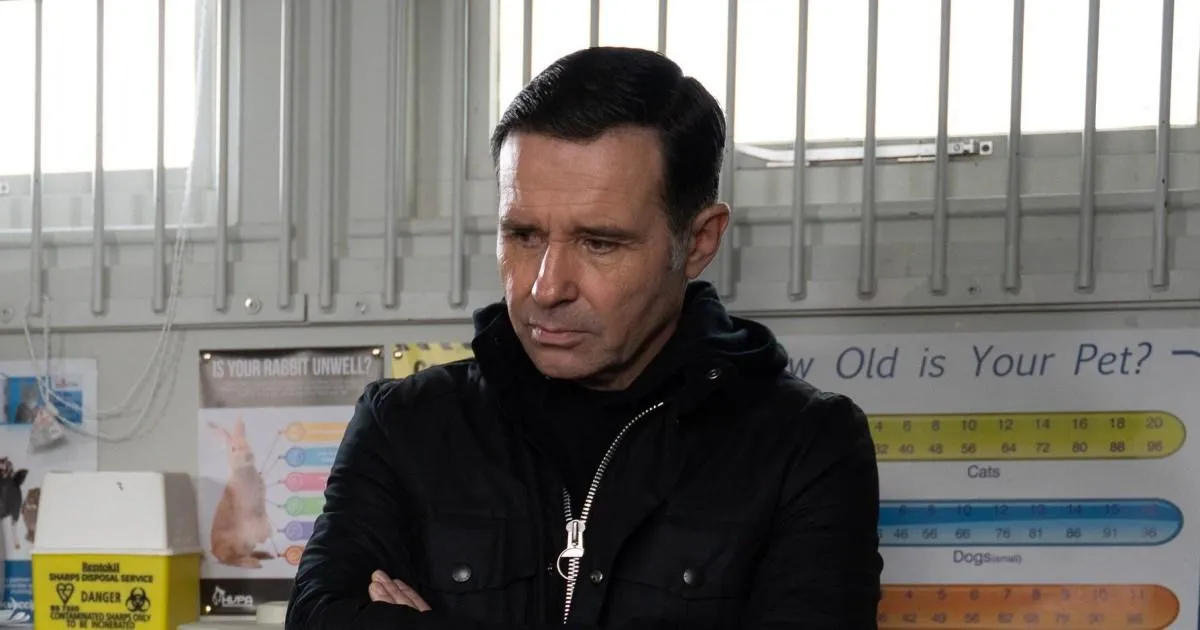
He’s a man of mystery, but a hurt Graham Foster (Andrew Scarborough) is just like any other character in Emmerdale – he searches for comfort in the wrong place.

Yesterday, the character witnessed Tracy Shankley (Amy Walsh) getting overwhelmed at the news of Cain Dingle’s (Jeff Hordley) cancer diagnosis. Given his father died as a result of prostate cancer, Graham knows what Cain and his family are going through right now, and did his best to try and make Tracy feel better.

That evening, Rhona Goskirk (Zoe Henry) wondered why Graham was residing at Home Farm and spending time with Kim Tate (Claire King) when he’s such a decent man.

Advertisement

He explained that he was only there for Joe Tate (Ned Porteous), leaving Rhona to wonder what else Graham actually wants now he’s back in the village.

To view this video please enable JavaScript, and consider upgrading to a web
browser that
supports HTML5
video

Advertisement
Graham Foster facing Rhona Goskirk outside, at night, during a chat in Emmerdale.
Graham hoped that Rhona would meet with him to talk about their dynamic (Picture: ITV)

He got closer to her and made it clear that he wanted her. Rhona has previously told just about everyone in the village that she’s not interested in Graham, but the look on her face and the length of time she gazed into his eyes suggested otherwise.

Graham and his one and only tie (seriously can the man do some shopping) was back at Smithy Cottage in today’s episode and asked Rhona if they were going to do anything about their obvious chemistry.

Graham told Rhona that he’d wait for her on the footbridge in a few hours and if she’s there, they can talk about their dynamic.

Rhona had every intention of meeting Graham, but got distracted due to daughter Ivy injuring herself at nursery. As soon as she was back though, she got Vanessa Woodfield (Michelle Hardwick) to watch Ivy as she raced across the village.

When she got there, Graham was nowhere to be seen.

Advertisement
Lydia standing in the street in Emmerdale
Lydia witnesses the exchange between Graham and Rhona (Picture: ITV)

He was back at Home Farm drowning his sorrows with a fresh glass of water. As someone who also doesn’t drink alcohol, I like to mix things up and pour a glass of orange juice when I’m heartbroken but you do you Graham.

Don’t miss a Soaps scoop! Add us as a Preferred Source

As a loyal Metro Soaps reader, we want to make sure you never miss our articles when searching for stories. We have all the latest soaps news, spoilers, videos, and interviews, with a vibrant community of highly engaged readers.

Click the button below and tick Metro.co.uk to ensure you see stories from us first in Google Search.

Add us as a Preferred Source

Soaps authors collage Fact box image only Picture: Metro
Now you can ensure you never miss a story from the Soaps team
Advertisement

The door went and a certain someone entered. Her dislike towards Graham suddenly didn’t exist in this moment though, as all she could focus on was the argument she just had with someone else in the village.

Graham poured some alcohol and then started coming onto the character. They ended up going upstairs, with Graham failing to spot a phone call coming in from Rhona.

Want to know who it is? You’ll have to check out the episode tonight, or watch it on ITVX right now.

Advertisement

Source link

Advertisement
Continue Reading

NewsBeat

Donald Trump’s ‘radioactive’ eyebrow bruise sparks fall speculation and health concerns

Published

on

Daily Record

A circular red mark was spotted on Trump’s left eyebrow on Wednesday, sparking social media speculation about his health as the White House remains silent on the cause

Concerns about US president Donald Trump’s health have resurfaced after a fresh bruise emerged on his eyebrow.

A circular, red mark was spotted at the top of the US President’s left eyebrow on Wednesday. The White House has not yet commented on any possible fall or incident that may have resulted in the marking.

Advertisement

Social media users were swift to ridicule the leader’s appearance in the photograph, reports the Daily Star, with independent journalist Aaron Rupar joking, “Trump’s face today looks downright radioactive.”

A second user took to X, formerly Twitter, to say: “What’s going on in Trump’s left (our right) eyebrow? Is that a new bruise?” one user pointed out.

Ensure our latest stories always appear at the top of your Google Search by making us a Preferred Source. Click here to activate or add us as your Preferred Source in your Google search settings.

Another chimed in with: “Dear Leader is healthier and stronger than 1,000 men!”

Trump’s bruise was noticeable on Wednesday (March 11) as he spoke to journalists before leaving the White House alongside US press secretary Karoline Leavitt.

The 79-year-old president has regularly been seen with bruises since returning to the White House last year. However, this marks the first time the commander-in-chief has had a mark on his face.

Advertisement

It has not been uncommon for Trump to have large, dark bruises visible on the back of both his hands.

In February, Trump was seen with considerable bruises on his hands. Leavitt has previously explained that the spots are due to the president constantly shaking hands, as he is a “man of the people.

“President Trump has bruises on his hand because he’s constantly working and shaking hands all day, every day,” Leavitt stated last year.

On a separate occasion, the White House announced in January that his bruising was due to “clipping” his hand on a table prior to attending the World Economic Forum.

However, this explanation has been disputed by experts, many of whom propose the marks are likely due to his aspirin regimen, which he asserts he follows to prevent “thick blood pouring through my heart.”

In July 2025, Trump was diagnosed with chronic venous insufficiency, a benign common condition amongst individuals in their 70s, typified by blood pooling in the veins, leading to increased pressure and strain on the vein walls.

In July 2025, Trump was diagnosed with chronic venous insufficiency, a benign common condition amongst individuals in their 70s, typified by blood pooling in the veins, leading to increased pressure and strain on the vein walls.

Advertisement

“Bruising can be just simply a one-off thing when you have some trauma, you bump into something,” Dr Jonathan Reiner, a professor at George Washington University’s School of Medicine and Health Sciences, informed CNN. “Aspirin will make you more prone to bleeding.”

Nonetheless, bruising is not the only issue raising concerns about Trump’s health.

Last year, Leavitt revealed the president had undergone a “preventive” MRI scan to thoroughly evaluate the president’s health. She asserted that despite Americans’ worries, Trump’s health remains “excellent.

Advertisement

“President Trump’s cardiovascular imaging is perfectly normal. There is no evidence of arterial narrowing impairing blood flow or abnormalities in the heart or major vessels.

“The heart chambers are normal in size, the vessel walls appear smooth and healthy, and there are no signs of inflammation or clotting. Overall, his cardiovascular system shows excellent health,” Leavitt announced, reading a statement from White House physician Sean Barbabella.

The President has also confessed to regularly undergoing health checks, although he insists he has “aced” them all.

However, despite Leavitt’s evaluation, The New York Times reported in November that Trump’s total number of appearances has decreased by 39% compared to his first term.

Advertisement

That analysis also discovered that the President’s public schedule has significantly shortened during his second term, with most public engagements taking place between noon and 5pm.

Source link

Continue Reading

NewsBeat

Winter Paralympics: Great Britain’s guide dog team member

Published

on

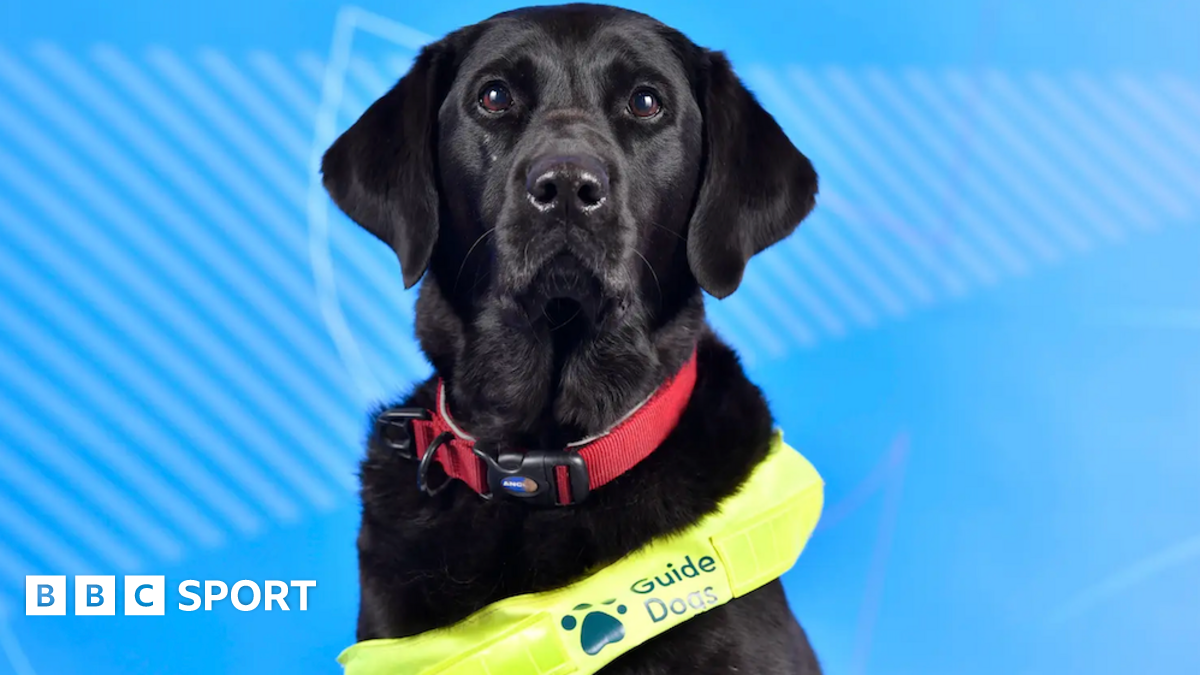
Pickle the dog is facing the camera in her official headshot photo.

There are 25 athletes representing Great Britain at the Winter Paralympics, alongside dozens of coaches and support staff.

But at ParalympicsGB House in the mountains of Cortina, one “very good girl” has been stealing the spotlight.

Pickle is an eight-year-old black labrador retriever guide dog.

Her human, Hester Poole, is competing in the visually impaired Para-alpine skiing events.

Advertisement

“She loves the mountains – she’s always really bouncy when she sees the snow,” said Poole, who has had severely limited vision since birth.

“When she comes skiing, it’s nice to get to the bottom of the piste, win or lose, and have this furry ball of love waiting for me.”

Source link

Advertisement
Continue Reading

NewsBeat

Mum and dad both died of deadly, common cancer – you need to know the signs

Published

on

Daily Mirror

Roughly 50% of people diagnosed die within three months

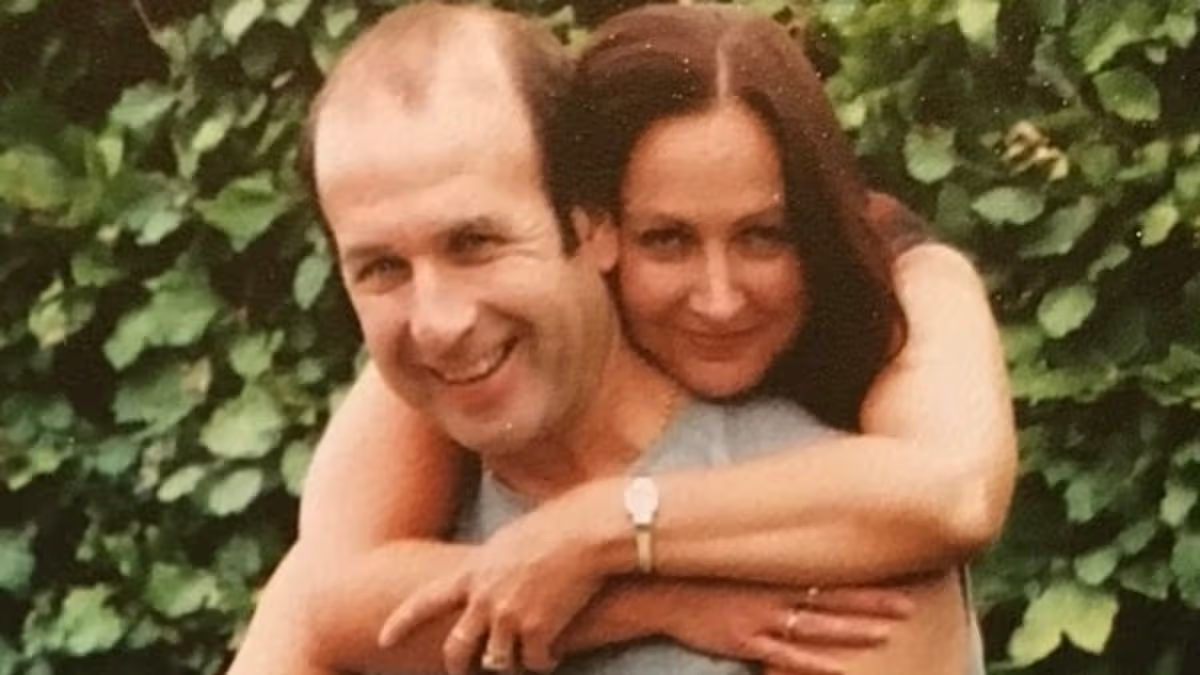
The daughters of a couple who both died of pancreatic cancer are sharing their parents’ story to help others in “knowing what different symptoms to look out for” when it comes to the “deadliest common cancer”. Rebekah Stubbs, 44, a former primary school teacher, and Laura Smith, 36, a nurse, said their mother Susan Smith died of pancreatic cancer in February 2012, while their father Richard Smith died of the same disease in October 2023.

According to Pancreatic Cancer UK, roughly 50% of people diagnosed with pancreatic cancer die within three months, which is something Rebekah and Laura said they have witnessed first-hand after their mother and father died within six months and three months, respectively.

Rebekah told PA Real Life: “Not only did mum die of it, but then dad did too. You couldn’t write it.” Laura added: “They weren’t smokers and they weren’t drinkers. They probably had a bit of whiskey every so often, but they went to a fitness club and looked after themselves.

Advertisement

“They didn’t have risk factors that you’d think ‘that could be why’. They were both health-conscious people, but yet both then developed pancreatic cancer.” Looking back on their relationship with their parents, Rebekah said they had a “really loving, close-knit family” and her mother was her “best friend”, while Laura said they were “supportive with anything that we wanted to do”.

The daughters noticed a change in their mother around the summer of 2011, when Rebekah said Susan “kept swallowing like she’d got something stuck in the back of her throat” and was “really thirsty” all the time, while Laura added their mother was experiencing “acid reflux” and generally felt “not well in herself”.

Rebekah said Susan started going “backwards and forwards” to the doctor, who initially prescribed antacids that Laura added “didn’t seem to help”. Within weeks, Rebekah said Susan’s symptoms worsened, including “going to the loo” a lot with “tummy issues”, which her mother put down to irritable bowel syndrome, as well as difficulty eating, yellowing of the skin, and nausea.

Advertisement

Susan had an ultrasound and was formally diagnosed with pancreatic cancer in October 2011. Laura said: “Because mum was a nurse, I remember her looking in the mirror and thinking, ‘I look and I feel as if I’ve got something nasty going on’, (and) she was right.”

“They basically said that she’d got a tumour on the head of her pancreas and it had spread to the bile ducts, which was causing her to be yellow because they were blocked,” she added. Laura said her mother had surgery to fit a stent in either side of her bile ducts to try to stop the jaundice, then a “couple of rounds of chemotherapy” that made Susan “so poorly and unwell”.

By Christmas, Rebekah said Susan could not keep “anything down” and was struggling to “get on top of the pain medication”, which escalated significantly after she experienced bloating and swelling around her abdomen that she needed to have drained.

Advertisement

Laura said: “It was quite a sudden death. She had been sitting in bed and talking to us and been quite content. And then, unfortunately, she had a big seizure and passed away quite unexpectedly. Dad had actually gone to have a look around a hospice for mum. Then he returned and mum was no longer here. That must have been very difficult to understand what just happened,” she added.

After Susan died in February 2012, aged 55, Rebekah and Laura said they took on the responsibility of caring for their maternal grandmother who had dementia, and who died in February 2022. Within a year of losing their grandmother, Laura said her father started experiencing back pain on his right side, for which he saw a physiotherapist and tried to “go down the correct route of going to your GP”.

He had blood taken and, despite seeing a physiotherapist, Laura said his back pain was “getting progressively worse”.

After months of inaction from Richard’s doctors, Laura said she told her father that “we need to do something about it”, so she took him to A&E in July 2023 where they waited 12 hours to be seen. This is when a further blood test and scans confirmed Richard “had something going on with his liver”, which an endoscopic biopsy of his liver would later confirm was pancreatic cancer.

Advertisement

“So dad was then faced with going through everything that his wife did,” Laura said, after Richard’s diagnosis in July 2023. “And then knowing what may lie ahead.”

Laura said their father had pancreatic enzyme replacement therapy, which helped him digest food, and was due to start palliative chemotherapy. But by the end of August, Richard was driving his van when he had an accident after what doctors initially believed to be a stroke, which was later revealed to be cancer metastasising in his brain.

After this incident, Rebekah said: “His personality wasn’t even the same. He seemed to lose his mobility. He was really weak too. He couldn’t even put his Pin in his mobile phone.”

Advertisement

Laura added that her father’s decline was “so much quicker” than her mother’s because it had spread to his brain, meaning treatment options were “really limited”. She said it also meant he became “aggressive and challenging”, remarking that “he’d never been like that before”.

Richard died in October 2023, aged 70, just three months after his diagnosis. In the aftermath of Richard’s death, Rebekah said she wanted to do something to raise awareness about pancreatic cancer, so she wrote to Pancreatic Cancer UK to tell them about her family’s story.

Rebekah said: “I suppose it’s part of my grieving process.” On why it is important for her to share their parents’ stories, Rebekah explained: “Misdiagnoses, awareness, quicker pathways (to diagnosis), and knowing what different symptoms to look out for.”

Advertisement

According to the NHS, the main symptoms of pancreatic cancer are yellowing of the skin or eyes, itchy skin, change in toilet habits, loss of appetite, losing weight without trying to, fatigue, a high temperature, nausea and indigestion.

The sisters said they felt encouraged by Pancreatic Cancer UK’s announcement last year that the charity is funding a world-first new clinical study that could detect pancreatic cancer through a breath test.

Laura said: “Hopefully, that’ll be successful. It’s a quicker route (to diagnosis) than surgery and that’s got to be positive.”

She added: “In terms of our circumstances, I think it’s certainly unusual to have both parents diagnosed with pancreatic cancer. They’re not related. They’ve got different genetics. It’s hard and really tough that neither one of them survived.”

To donate to Pancreatic Cancer UK, visit their website here: pancreaticcancer.org.uk/donate/

Source link

Advertisement
Continue Reading

NewsBeat

Audi driver from Stokesley ploughed into car in Darlington

Published

on

Audi driver from Stokesley ploughed into car in Darlington

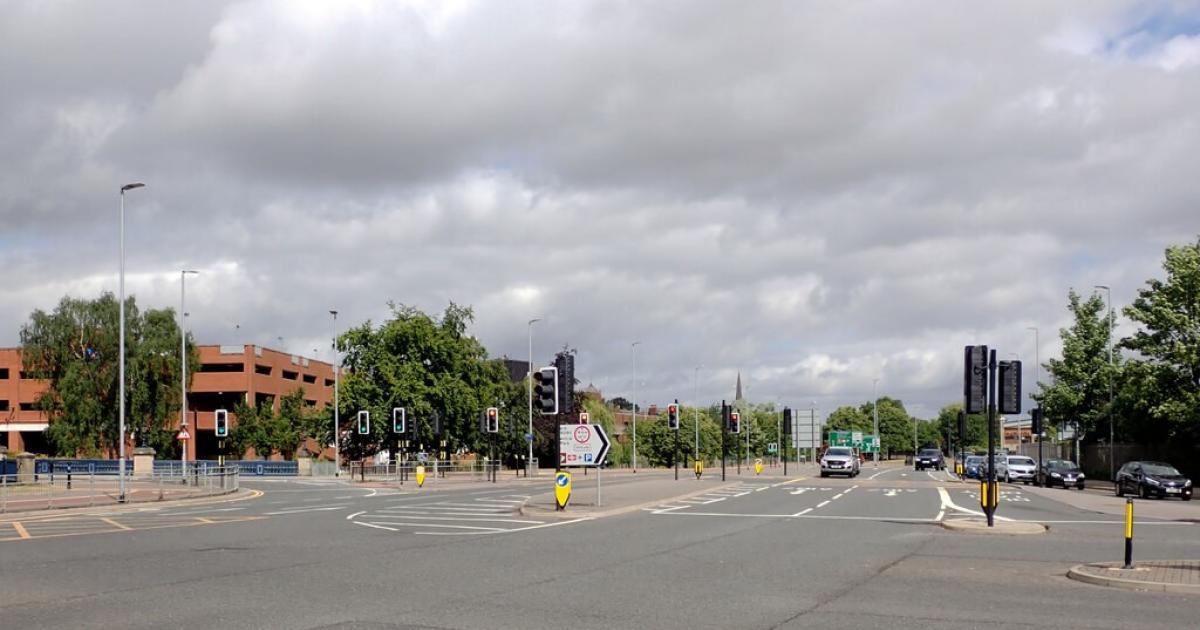
Kazie Lee’s Audi struck the back of the victim’s Suzuki Ignis, which had only reached about 15-mph after the lights changed to green on St Cuthbert’s Way, Darlington, late on June 3, 2023.

Teesside Crown Court was told the Suzuki was briefly thrown into the air and came to rest in the next lane, with the victim, who was travelling home from work, thrust into the rear of her car.

She was later to say she saw two bright lights approaching in her rear-view mirror just before the collision, which left her car a write-off.

Advertisement

Despite suffering great pain, she managed to clamber back into the driver’s seat to try to alight the car.

A witness, who went to her aid, said he saw the defendant’s car travelling at about 30mph and making no attempt to brake or stop before the collision.

Lee told police his brakes had failed.

He also tested positive for cocaine in his system in a roadside test, but at a level less than the legal limit for driving.

Advertisement

The 30-year-old, of Oak Tree Road in Stokesley, was initially charged with causing serious injury by dangerous driving and pleaded not guilty on the basis his brakes failed and that he was not driving at excessive speed.

Once it was established it was not a brake failure, his guilty plea to the slightly lesser charge of causing serious injury by careless driving was accepted by the prosecution several months later.

The victim, who recalled the defendant asking how she was, said she had no recollection of the incident after that.

She was left in great pain with a broken wrist and needed a metal plate and pins inserted.

Advertisement

She also suffered whiplash and other cuts and bruises.

In two impact statements read to the court she outlined the effect the injury had on her with the loss of mobility in the short-term, but also mentally in the longer term.

She said she was nervous about driving again and when she did, she would not use St Cuthbert’s Way for some time after the accident and, also, avoided other busy higher-speed roads, preferring quieter back roads.

In her most recent updated statement, she said she does not yet have full-strength back in her wrist, despite having undergone physiotherapy, and it had affected her work, at first through sickness leave, and then due to a reduction in her duties, affecting her financially.

Advertisement

Paul Abrahams, for Lee, said this was his first conviction.

Mr Abrahams said: “He acknowledges the impact it’s had on her life.

“I can only apologise on behalf of the defendant.”

Mr Abrahams added that Lee, who has some mental health issues of his own, has been out of work but hopes to regain employment.

Advertisement

Judge Amanda Rippon said the witness described the defendant appearing to make no effort to swerve or brake before his Audi hit the back of the Suzuki.

“I could tell by your reaction in court that you are ashamed of what you have done.

“The impact on the victim has been substantial, mentally, physically and financially.

“There’s nothing I can do to put her back to where she was before you hit her car.

Advertisement

“I accept you didn’t intent to cause the damage or injuries that you did.

“You have said the harm inflicted has had a profound effect on you and you think about it every day.”

The judge accepted a probation assessment that the defendant poses a low risk of re-offending or causing further harm.

She, therefore, imposed a 12-month prison sentence suspended for two years, during which Lee must attend five rehabilitation activity sessions and perform 100 hours’ unpaid work.

Advertisement

Judge Rippon also imposed a 12-month driving disqualification on the defendant.

He must pass an extended re-test to lawfully drive in future.

Judge Rippon told Lee: “I have given you a chance today.

“If you don’t take it, there isn’t a second one.”

Advertisement

The judge added that the victim strikes her as a woman with, “inordinate mental strength”.

Source link

Advertisement
Continue Reading

NewsBeat

People say trams in Cambridge would cause ‘chaos’ but could improve waiting times

Published

on

Cambridgeshire Live

A study has been launched to examine potential mass rapid transit options

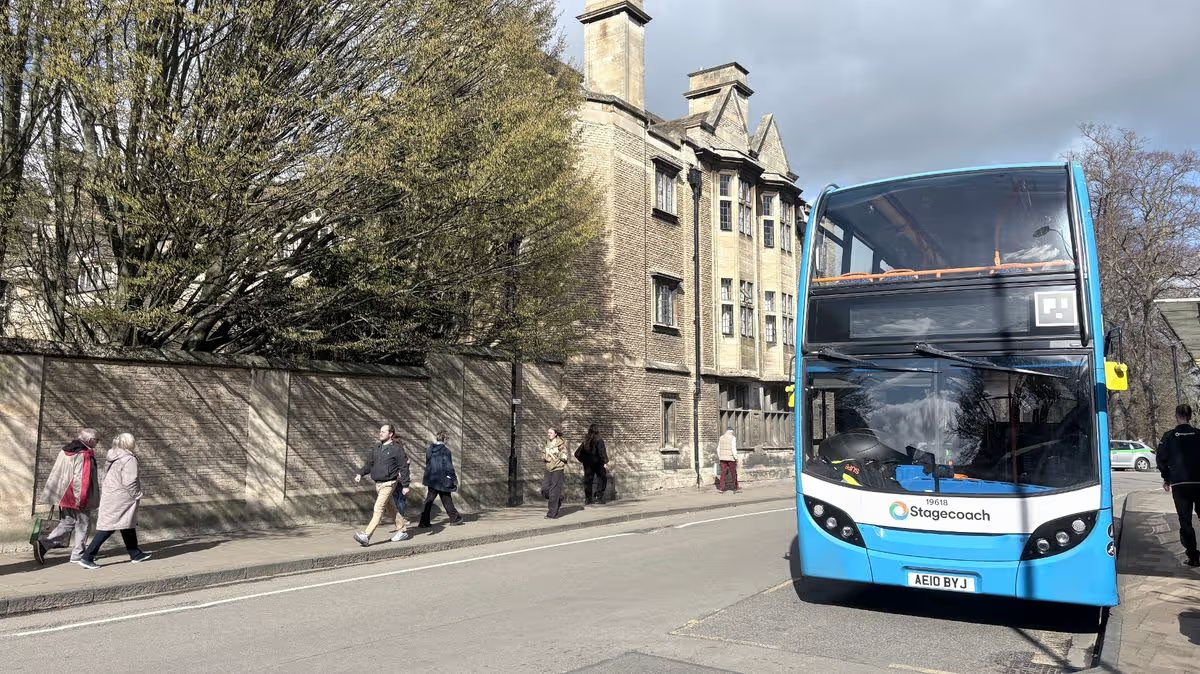
Locals and commuters have said that the tram and light rail transport options that could be considered for Cambridge would “cause chaos” while others said it could “help waiting times”. A study has been launched to examine potential mass rapid transit options to support future growth in the city including tram and light rail.

Advertisement

Cambridge Growth Company (CGC) and Cambridgeshire and Peterborough Combined Authority (CPCA), have launched the preparation of a Project level Strategic Outline Business Case for a potential Mass Rapid Transit (MRT) system in the city. The study is to investigate creating fast, and reliable public transport like trams to reduce traffic congestion and connect key areas.

The new commission will include identifying and appraising a longlist of transport options, from lower scale interventions to full MRT model possibilities, including tram, light rail, bus rapid transit, and automated systems.

This has been commissioned by the Department for Transport, the Ministry of Housing, Communities and Local Government, and the HM Treasure.

We spoke to some locals and commuters in Cambridge about their opinions on the transport options to be considered.

Advertisement

Vera Mmeni, who was in Cambridge for work, said trams in Cambridge could help with waiting times for commuters.

Ben Negus, 42, has lived in Cambridge for more than eight years. He said that adding trams to the city “may be pushing it a bit”. He thinks that the buses and Park & Ride routes are effective but “Cambridge wouldn’t suit” adding further transport options like trams.

Ben highlighted the “unique style” of the city as well as the busyness so he could see both sides to the matter.

Others were not so keen on the transport options to be considered in the city. A 62-year-old who wished to remain anonymous said that trams or light rail transport would “cause chaos”.

Advertisement

She continued: “It is bad enough with the traffic nowadays, what is it going to be like if they plan to put trams in?”

The 62-year-old believes that in comparison with London, the roads are smaller and narrow and the city doesn’t have the space that other big cities have.

Marcus Arnold, 55, from Cottenham likes the idea because he believes it will attract tourists. He added: “I like the idea of trams, it would go together well with Cambridge. They have a long way to go for that one. What a beautiful idea.”

Tony Johnson, who lives in Cambridge said that “it would create more chaos and I don’t see the point.” Tony chooses to walk through the city to save money. He said that the busways work, however he doesn’t believe that other mass rapid transit options like trams and light rail would be effective.

Advertisement

Source link

Continue Reading

NewsBeat

RHS Garden Harlow Carr hosting new Easter egg trail

Published

on

RHS Garden Harlow Carr hosting new Easter egg trail

The trail, at RHS Garden Harlow Carr, will challenge families to solve a mystery involving the Easter Bunny and a missing batch of Easter eggs.

Families can take part from March 28 to April 19.

The storyline involves all the Easter Bunny’s egg baskets being found empty, with a single carrot left behind, hinting at something “far more mischievous”.

Families can take part in the trail from March 28 to April 19 (Image: RHS Garden Harlow Carr)

Eight curious characters were spotted near the scene of the crime, with children tasked to piece together the clue.

Advertisement

For £3, children get a detective activity pack, which includes various age-appropriate puzzle-solving challenges.

The trail not only promises an engaging day out but also offers a chocolate prize for successful detectives.

The Wind in the Willows Garden Adventure is also open for exploration.

Entry to RHS Garden Harlow Carr is free for RHS members and children under five.

Advertisement

Source link

Continue Reading

NewsBeat

‘Leave the plaques in York and let history decide on Andrew’

Published

on

'Leave the plaques in York and let history decide on Andrew'

OLIVER Cromwell famously told the artist Samuel Cooper, to paint him “warts and all”, meaning to paint him comprehensively, honest and unfurnished to cover both good and bad.

Following his defeat at Bosworth Richard III fell foul to Tudor propaganda making him out a hunchback (now known as scoliosis), tyrannical, a child murderer (princes in the Tower ) and yet in his shorts rule of 777 days he was known as an enlightened ruler.

Yes (Prince) Andrew (Duke of York) has reached the height of admiration, during the Falklands War, and the lowest of lows during the Epstein scandal – but let history paint him “warts and all”.

Advertisement

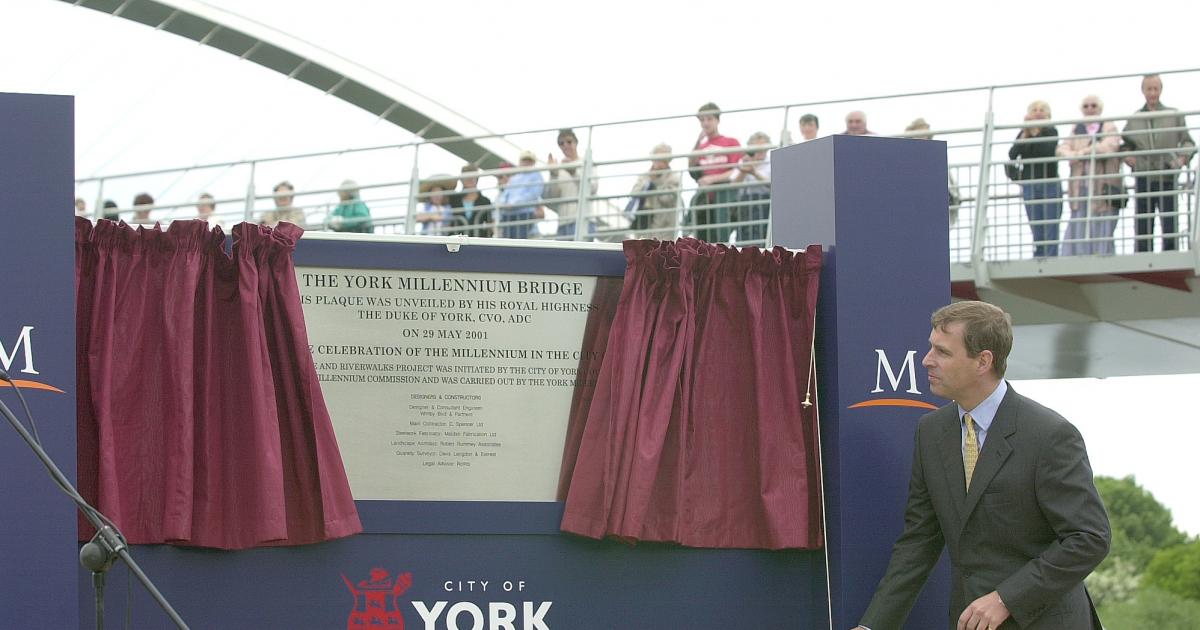
Regarding the removal of the plaque from the Millennium Bridge and the commemorating stone in York Minster recognising the restoration work on the Minster – are they to be thrown into the dustbin of history?

Leave the plaques and let history decide what type of individual Andrew was.

D M Deamer,

Penleys Grove Street,

Advertisement

Monkgate,

York

… HISTORY doesn’t change, only people’s perception of it.

Rather than remove the commemoration stone in the Minster just add “The then” before HRH. This would preserve the reality.

Advertisement

R I Shenton,

Connaught Way,

York

Advertisement

Will heads roll over Gateway overspend? Probably not…

IT is not unusual for public works to overrun on costs, but City of York’s Council handling of the York Station Gateway Project must take the biscuit, currently £28.5m over budget, and not finished.

Will heads roll? Certainly not, it’s never anybody’s fault especially with council works.

Peter Rickaby,

Advertisement

Moat Way,

Brayton

… A 14-MONTH delay and staggering £28.5 million budget blowout tells us all we need to know about the nonsense spouted that high salaries in local government are essential to attract people of the highest calibre and to compete with the private sector.

In the real world of commerce, anyone responsible for the monumental delays and cost overruns of the Station Gateway project would be looking for another job.

Advertisement

Matthew Laverack,

Lord Mayors Walk,

York


What do you think?

Advertisement

Feel strongly about an issue? Write us a letter. Please write no more than 250 words and you must provide your full name, address and mobile number. Send your views by email to: letters@thepress.co.uk


And leave us a comment

Join the debate and leave a comment in the section below… we may use a selection in a follow-up story in The Press


Advertisement

Source link

Continue Reading

NewsBeat

New Guy’s Thatched Hamlet owners announce plans for the site

Published

on

Guy’s Thatched Hamlet confirms closure after 46 years

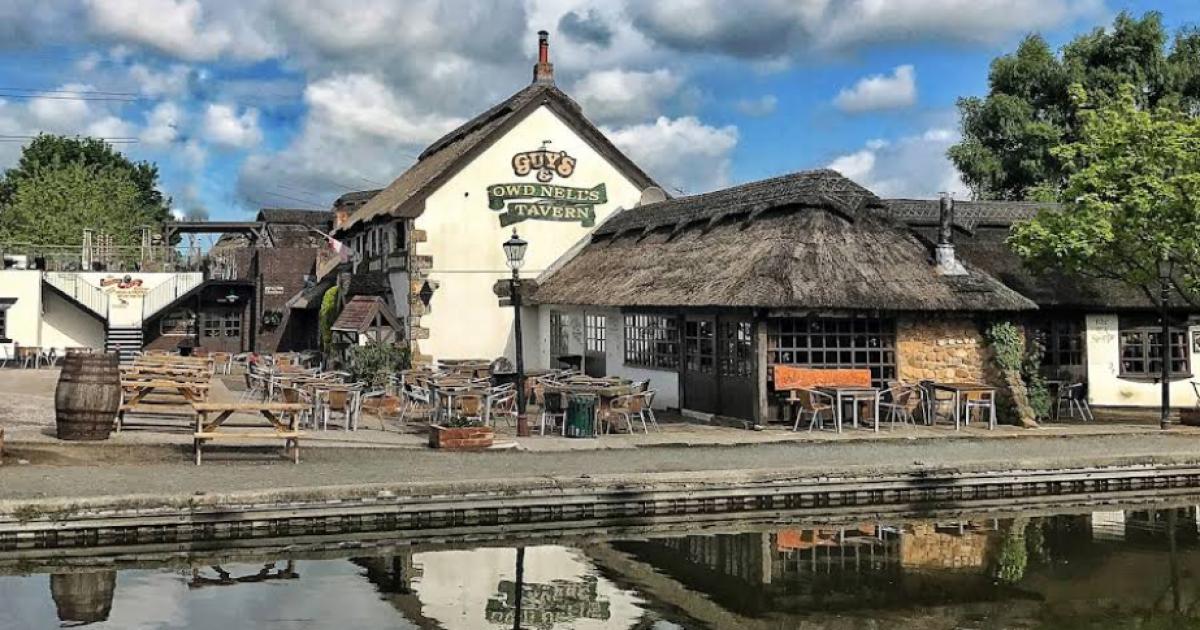
Bowland Inns & Hotels, the Ribble Valley-based hospitality group behind the James’ Places portfolio, has acquired Guy’s Thatched Hamlet in Bilsborrow, which includes Guy’s Eating Establishment and Lodgings and the canal-side Owd Nell’s Tavern.

The site closed unexpectedly in early February, leaving staff and guests in limbo, but now looks set for a major comeback under new ownership.

‘More than a pub’

The new owners issued their first statement since the purchase (Image: James’ Places)

James Warburton, owner of Bowland Inns & Hotels, said: “We are absolutely delighted to be able to now confirm the acquisition of The Thatched Hamlet at Bilsborrow.

“The Thatched Hamlet is so much more than a pub, restaurant and hotel – it is an iconic destination in its own right.

Advertisement

“It has been a fixture of the North West’s hospitality landscape for more than 40 years.

“You only have to read the social media posts, newspaper articles and comments following the recent surprise closure to see just how important and significant this place is to so many people.”

The company plans to reopen the site as quickly as possible and begin a major rolling refurbishment programme to restore the site to its former glory.

Mr Warburton said: “We aim to get the site working again as quickly as possible, it’s important for the buildings, for the staff, and it’s important for local suppliers too.

Advertisement

“The first job is a deep clean and then some back of house works to the cellars and the kitchens, all essential first investments to underpin everything else we plan to do.

“We will be investing in the outdoor areas first to try to make the best of the fabulous location and the equally fabulous summer that we surely have coming down the line, and then we’ll be working our way through the interiors room by room as the ebbs and flows of the weekday trade allows.”

Festival plans announced

Mr Warburton said the task ahead isn’t just about refurbishing the buildings; it’s about rebuilding the business side too.

For many years the Thatched Hamlet was synonymous with many annual events and festivals including the Oyster Festival, a four-day event based around the sea-bed delicacy that played host to the great and the good of Lancashire’s sporting, business and banking communities for light-hearted entertainment, networking and even a bit of deal-making.

Advertisement

“We’ll certainly be bringing a few of the bigger festivals back to life once we’ve got the day to day side sorted and we hope to bring a few new ideas to sit alongside the cricket pitch and the bowling green and really make the most of the fabulous setting and equally fabulous facilities.

“We also have plans and ideas to create a truly unique weddings and events space, able to host parties and celebrations of all sizes and all types.

“Watch this space, this will be a really exciting, and great addition to the six other award-winning Dream Venues by James’ Places.”

Bowland Inns & Hotels currently operates a range of inns, hotels, and events venues across the North West, including the multi-award-winning Bowland Brewery at Holmes Mill in Clitheroe.

Advertisement

Source link

Continue Reading

NewsBeat

Emergency work after Fylingdales Moor wildfire

Published

on

Emergency work after Fylingdales Moor wildfire

The North York Moors National Park Authority (NYMNPA) stepped in to protect the John Cross Rigg prehistoric earthwork after last year’s wildfire left it dangerously exposed to erosion.

The blaze stripped away dense heather and root systems, exposing the peat and heritage features beneath.

Miles Johnson, head of historic environment for the NYMNPA, said: “For an archaeologist, it is remarkable to see the historic landscape of Fylingdales Moor revealed with such clarity, but that excitement is tempered by deep concern.

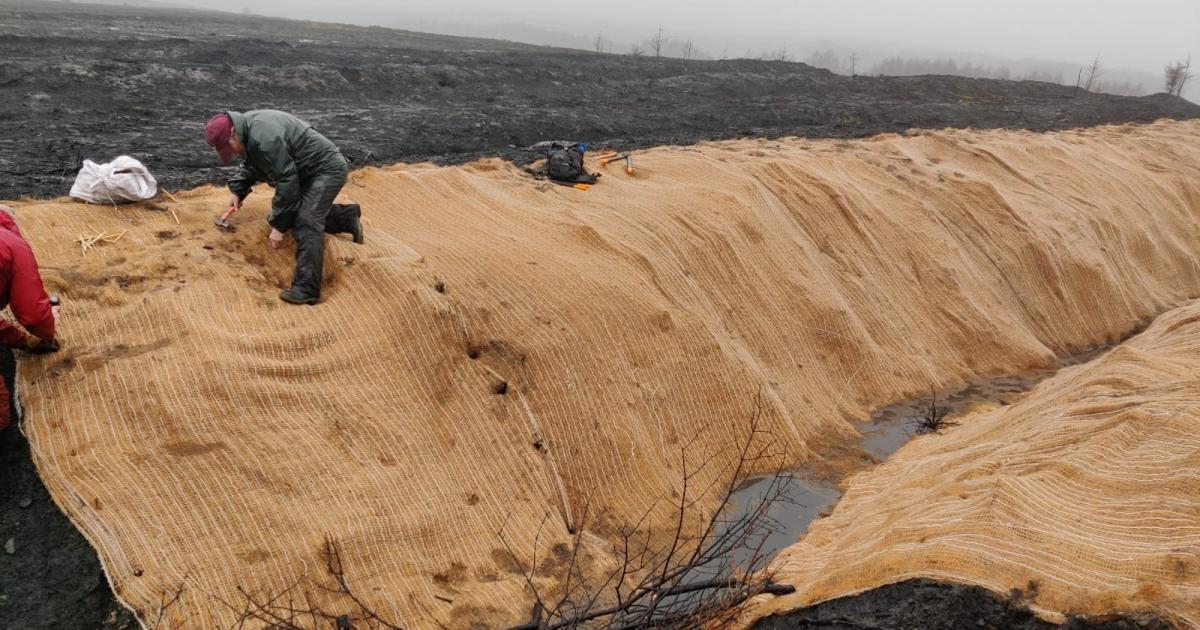
Coir Matting installed at John Cross Rigg (Image: NYMNPA)

“The very exposure that allows us to understand these features more fully is now putting them at risk.”

Advertisement

Without the vegetation that once held the ground together, heavy rain in the weeks following the fire caused significant soil wash-off.

This left areas of the earthwork unstable and at risk of further deterioration.

To stabilise the monument and prevent further loss, the authority has installed coir (coconut fibre) matting over the most damaged sections.

Mr Johnson said: “We are working closely with Historic England to deliver emergency solutions to stabilise the most vulnerable areas while the moorland begins its long recovery.

Advertisement

“Installing coir matting is an immediate measure to protect the most seriously damaged sections and prevent further irreversible loss.

A fire damaged Cross Ridge Dike (Image: NYMNPA)

“The wider environmental impacts are equally concerning.

“Without vegetation to anchor soils, heavy rain is washing away peat, degrading water quality and increasing flood risk downstream.

“Our work is about protecting archaeology, habitats and the wider landscape together.”

Advertisement

The biodegradable matting slows surface water runoff, helps stabilise the slopes, and gives vegetation a chance to re-establish.

The NYMNPA has been monitoring the wider moor for changes and is working with partners to support both immediate and long-term recovery.

Funding for the emergency work came from Historic England, the Environment Agency, and the North Yorkshire Combined Authority.

A draft three-year restoration plan is now in place to support the next phase of recovery.

Advertisement

This plan includes collaboration with the Yorkshire Peat Partnership to repair and restore peatland areas.

Key priorities will be reintroducing peat-forming species such as sphagnum moss and cotton grass, which are crucial for water retention, peat stabilisation, and the recovery of the wet heath ecosystem.

Other progress includes the installation of fencing to support the safe and controlled return of livestock grazing.

This is being supported through the DEFRA Farming in Protected Landscapes (FiPL) programme, which offers practical help for landowners, farmers, and graziers affected by the wildfire.

Advertisement

While the fire has made previously hidden archaeological features visible, the loss of vegetation has left them and the landscape exposed to the elements and at risk of long-term degradation.

Further updates on the restoration programme will be provided as work continues.

Source link

Advertisement
Continue Reading

Trending

Copyright © 2025