

Politics
Politics Home | Why sustainable radioactive waste management underpins the UK’s nuclear ambitions

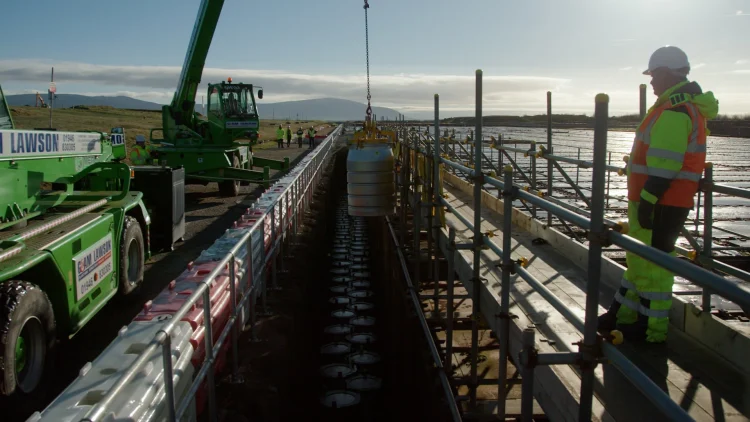

A drum ready to be disposed of at the Low Level Waste Repository
From decommissioning to enabling new-build, we are bringing together the UK’s expertise in radioactive waste management – reducing and recycling waste to save costs while protecting people and the environment
The UK has benefited from nuclear technologies for decades. Powering homes, supporting industry and enabling life‑saving medical and research applications. With those benefits comes a responsibility that Parliament rightly scrutinises: radioactive waste must be managed safely and securely, and in a way that represents value for the public purse over the long term.
That is the core purpose of Nuclear Waste Services (NWS). Created to bring together the UK’s leading radioactive waste management capabilities into a single organisation, NWS supports the safe treatment, transport and disposal of radioactive waste and helps ensure the UK has a credible, permanent “end point” for the most hazardous materials
NWS – providing solutions
NWS specialises in the management, treatment and disposal of radioactive waste produced by nuclear technologies in the UK. We are part of the Nuclear Decommissioning Authority (NDA) group, the public body responsible for cleaning up the UK’s historical nuclear sites.
Our goal is simple: to ensure all categories of the UK’s radioactive waste are managed safely, securely and sustainably.
We provide practical waste solutions – assessing, packaging, transporting and managing radioactive waste using innovative approaches that prioritise sustainable outcomes.
Our solutions include disposal through operating the existing Low Level Waste Repository in Cumbria to planning for a Geological Disposal Facility (GDF) for the most hazardous radioactive waste.
Since the mid-1980s we have worked with organisations across the UK that produce radioactive waste to help ensure that the waste being produced now is suitable for geological disposal
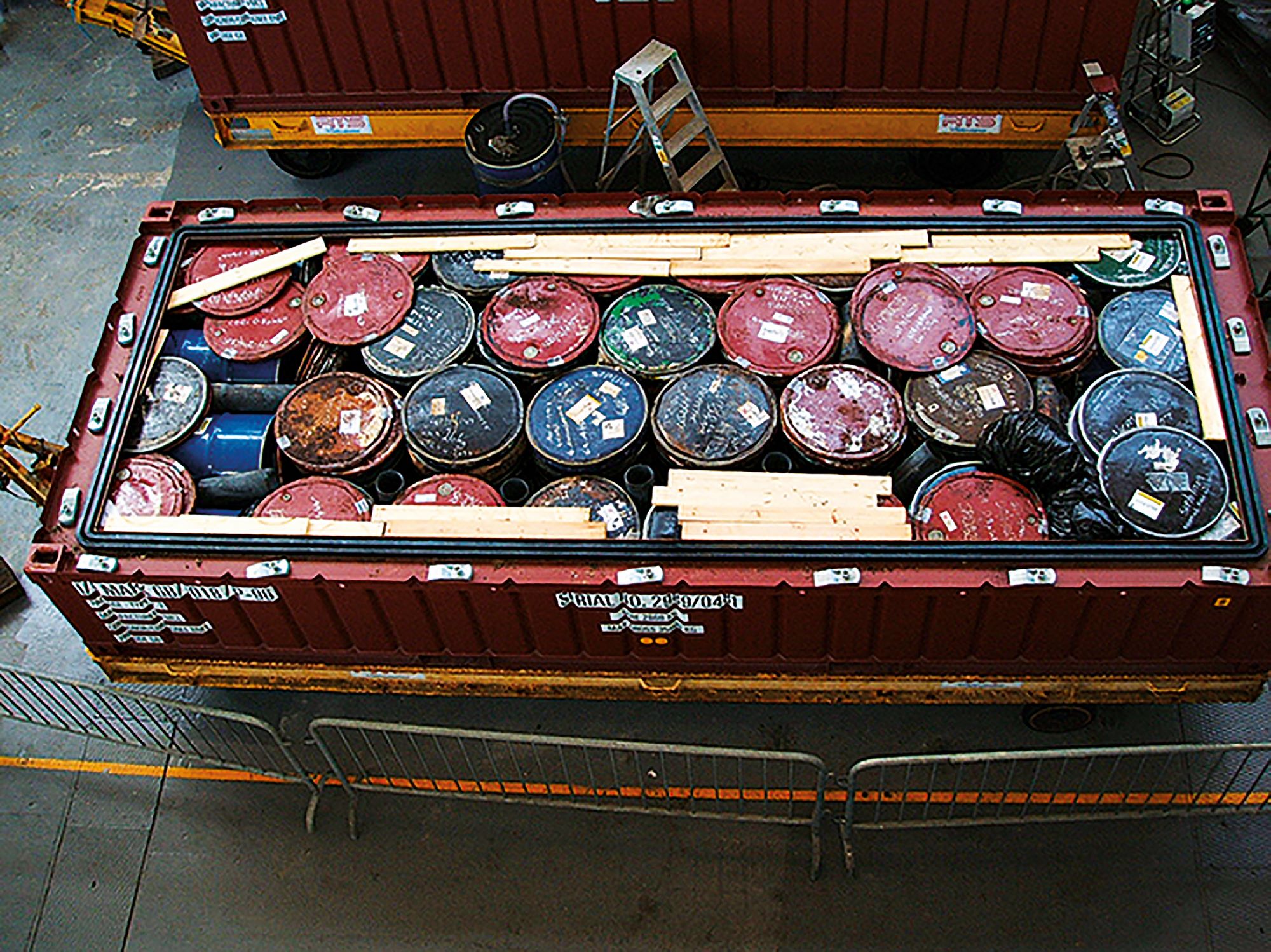
From design to disposal
With new nuclear recognised by Government as essential to the UK’s low-carbon energy mix and energy security, the ability to manage radioactive waste safely – today and for future generations – has never been more important.
It is vital that new build reactor design consider decommissioning from the very outset. An assessment process has been put in place to scrutinise new nuclear power plant designs and assess their acceptability for use in Great Britain.
NWS – with a remit extending well beyond managing legacy waste – is playing a pivotal role ensuring that during plant design, construction and beyond, developers have clear and credible plans for the safe and permanent disposal of the waste their facilities will produce.
In addition to receiving the most hazardous legacy waste, the GDF will accept waste arising from new plants, so at NWS we must ensure it is compatible with final disposal in the facility.
Diverting waste from disposal
Our role spans the full waste lifecycle. We assess waste, advise on the most sustainable management route, and apply innovative treatments to reduce its volume or radioactivity wherever possible. Our partnership with the Chartered Institute of Waste Management increases trust and credibility of the solutions we provide.
Around 15 years ago, the default approach for low level waste was disposal at the Repository on the West Cumbrian coast. Waste was placed in expensive steel containers and permanently disposed of.
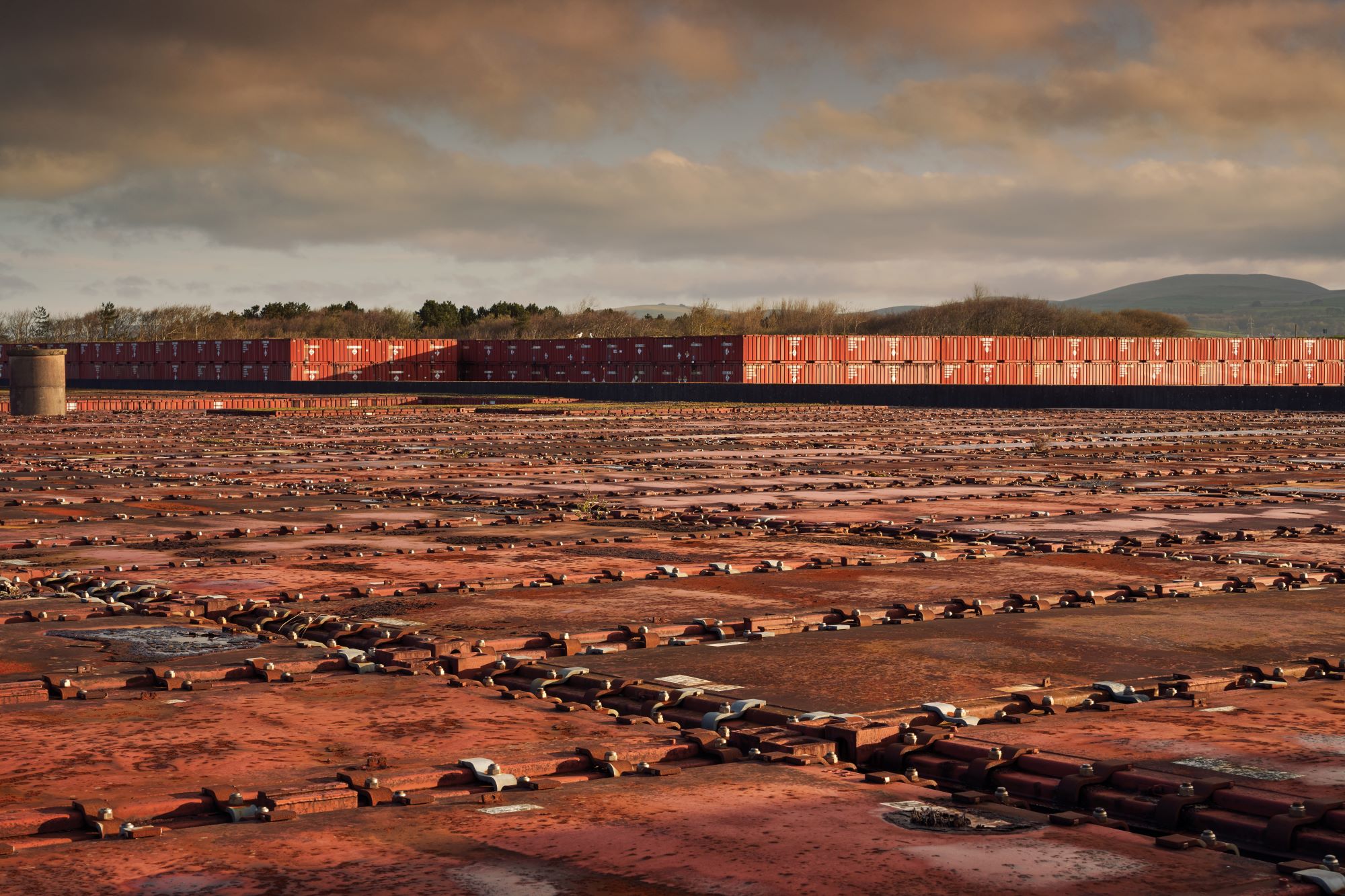
If that approach had continued, the UK would have needed a new low level waste repository at significant cost.
Instead, the NDA introduced a new strategy based on the waste hierarchy: avoid, reduce, reuse, recycle and only dispose as a last resort, delivered by a new centralised waste services capability.This work has been making significant savings to the taxpayer, made great efficiencies in our waste disposal management, avoided the unnecessary use of higher‑cost disposal facilities and helped speed up decommissioning.
A step change in how waste is managed across the nuclear sector now exists. Over the past decade, we have increasingly adopted alternative treatment routes such as incineration, permitted landfill for lower-activity waste, super-compaction, and metal decontamination for recycling.
These approaches deliver both environmental and economic benefits. Diversion is typically more cost-effective than disposal, and techniques such as surface treatment allow contaminated metals to be cleaned and safely reused.
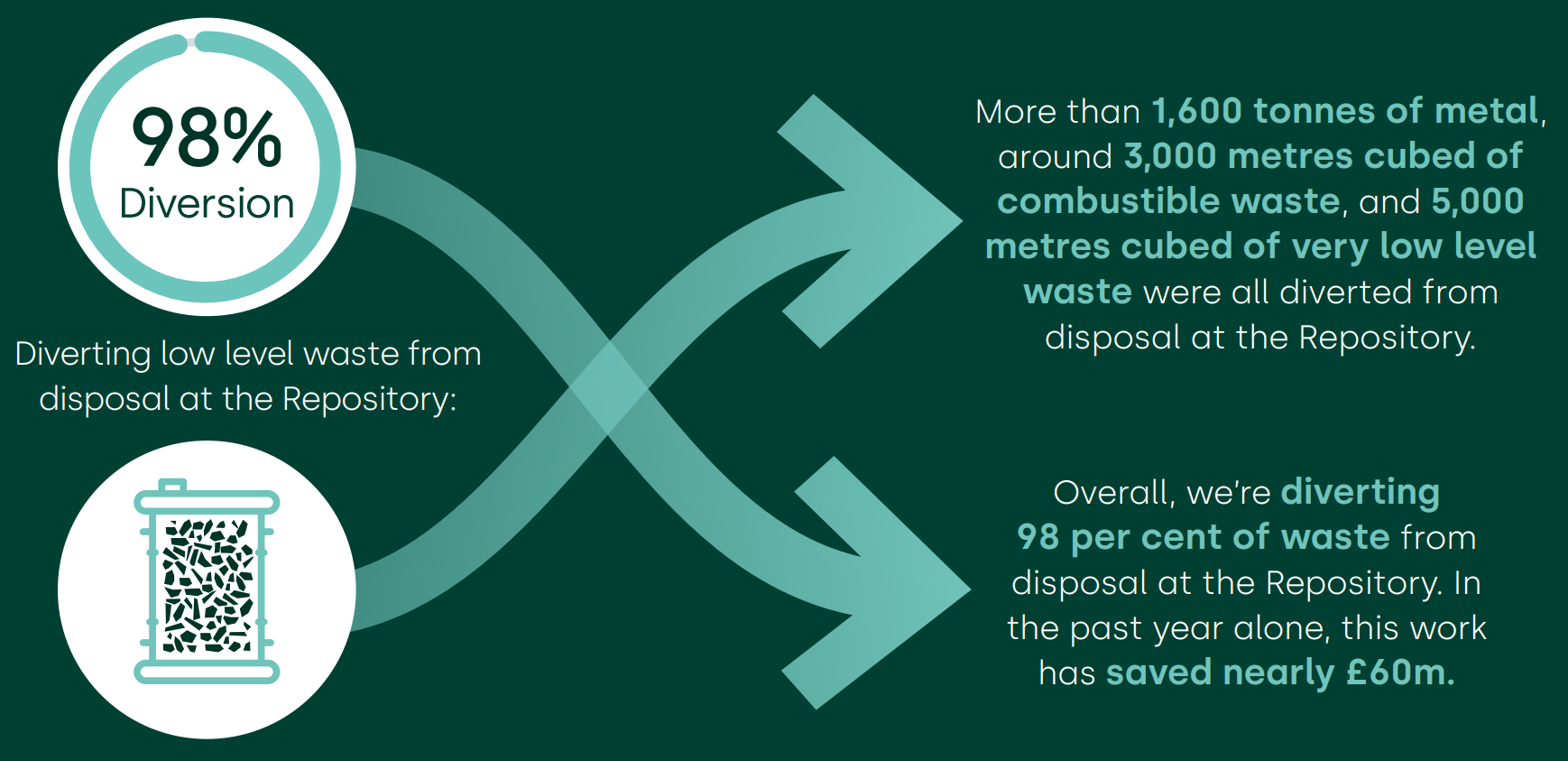
In practice, that means expanding the range of treatment routes used across the UK, so that suitable waste can be diverted away from disposal. By re‑using or recycling where possible, we now divert 98% of waste away from disposal at the Repository site. In the past year alone, this approach has saved nearly £60 million and more than £900 million over the past decade; money that can be redirected to hazard reduction and decommissioning priorities. Waste management is a lever that can accelerate clean‑up and reduce long‑term liabilities. When we avoid unnecessary disposal, we protect constrained national capacity, improve efficiency across the system and help ensure public money is spent once and spent well.
 Going further
Building on our success in diverting lower activity waste from disposal, we are now exploring whether similar principles can be applied to some wastes currently in storage and destined for deep geological disposal in a GDF.
Through research and trials, we are examining whether innovative treatment methods could reduce the volume of certain lower activity wastes that would otherwise require disposal underground. These trials will inform decisions on the most sustainable techniques to apply in the future.
This work does not remove the need for a GDF. A GDF remains the safe, secure and long-term solution for the UK’s most hazardous radioactive waste. However, by reducing volumes where it is safe and appropriate to do so, we can maximise value and support delivery of the NDA mission.
Our work accelerates decommissioning while ensuring waste is managed in the most sustainable and cost-effective way possible.
Through collaboration with customers and the supply chain, and with a clear focus on innovation and delivery, we are making nuclear waste permanently safe, sooner.


Israel have bombed people sheltering in tents in Lebanon. The genocidal settler state has a habit of bombing and re-bombing the people it has displaced. Their practice of striking tented camps is an oft-repeated story of the Gaza genocide. Now, the people they have bombed in Beirut were only sheltering in tents because Israel had forcibly displaced them from their homes.
Israel escalated its aggression around 2 March amid a spiraling US-backed war with Iran.
Israel decimates Lebanon
Al Arabiya reported on 12 March:
In a statement, the Lebanese health ministry said “the Israeli enemy strike on Ramlet al-Bayda” in the center of Beirut killed eight people and wounded 31.
Adding:
An AFP correspondent at the scene saw a damaged motorcycle and two damaged cars, with the area sealed off by security forces.
The Cradle posted image of the strikes on 12 March:
Israel has committed a massacre of innocent civilians in Ramlet al-Baida in the Lebanese capital, Beirut, where many people displaced from their homes have been sheltering in tents, cars, and on mattresses along the beach with nowhere else to go.
According to local reports, at… pic.twitter.com/GcL7ZRKOmx
— The Cradle (@TheCradleMedia) March 12, 2026
TV host Marwa Osman said the strikes had hit in the Ramlet al-Bayda area, leaving bodies “scattered”:
🚨BREAKING in Beirut
A horrific massacre committed by the Zionist occupation against displaced civilians in tents in the Ramlet al-Bayda area in the heart of the capital Beirut.… bodies are reportedly scattered on the ground amid the rubble. pic.twitter.com/y65VuVqPU2— Marwa Osman || مروة عثمان (@Marwa__Osman) March 11, 2026
Outrageous war crimes
Filmmaker Robert lnlakesh said:
An outrageous war crime reminiscent of the massacres carried out in Gaza.
BREAKING: Israel Carries Out A Beach Massacre In Beirut
An Israeli strike reportedly targeted displaced people’s tents in the Ramla al-Bayda beach area. A huge number of dead & injured.
An outrageous war crime reminiscent of the massacres carried out in Gaza. pic.twitter.com/AUJ1a5S65e
— Robert Inlakesh (@falasteen47) March 11, 2026
Since the latest invasion began, Israel has been hitting targets throughout Lebanon – including in densely populated civilian areas of the capital:
In theory, Hezbollah breached a US-brokered ‘ceasefire’ with Israel which had held since their last war in 2024. In practice, the US has given Israel carte blanche to strike Lebanon ever since. Israel has done so constantly since the deal was struck.
You can read about the secretive Israel-US ‘side letter’ pact here. And our extensive coverage of Israel’s ceasefire breaches here.
Aseel Habbaj was displaced from other areas Israel had bombed. She has been sheltering in a tent near where the new strikes landed:
We saw dead people on the ground. We were all asleep in my tent, when suddenly we heard a noise. We jumped up and went to see what was happening.
Drop Site News reported:
The toll since the renewed Israeli offensive began on March 2 is: – Total Killed: 634+ – Total Wounded: 1,586+ – Displaced: More than 800,000 people (According to Lebanese Ministry of Health).
They added that Israel’s far-right finance minister had openly stated the genocidal settler-colonial state would make Beirut look like Gaza:
Israeli Finance Minister Bezalel Smotrich stated on March 5, 2026, that the Dahiyeh district, a southern suburb of Beirut, would soon “look like Khan Younis.”
Al Jazeera posted images of the damage in Beirut’s southern suburbs:
Aftermath of overnight Israeli air strikes on Beirut’s southern suburbs.
🔴 LIVE updates: https://t.co/OgnafTvf8a pic.twitter.com/xqWfIyEHPJ
— Al Jazeera English (@AJEnglish) March 12, 2026
Israel’s attack on Lebanon has a similar character to the Gaza genocide. It strikes civilians with impunity, while claiming to target terror groups. It’s unaccountable far-right leaders, meanwhile, openly call for the annihilation of Lebanese civilians and their means to life.
Featured image via the Canary
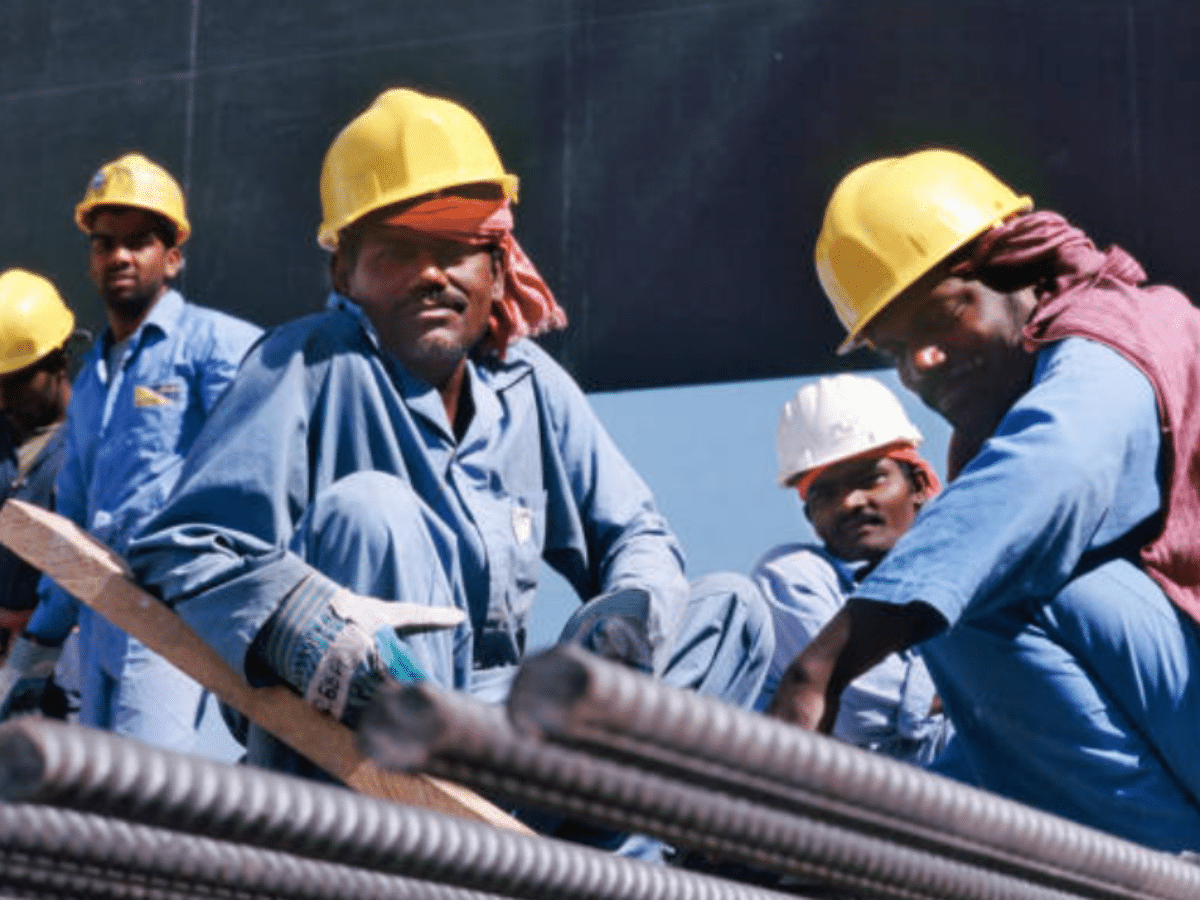
Migrant workers from poorer countries, including Pakistan, India, Nepal, Bangladesh and the Philippines, who form the backbone of the UAE’s workforce are increasingly bearing the human cost of the US-Israel-Iran conflict. At least 2 Pakistani labourers are confirmed dead so far.
— Zia Ur Rehman (@zalmayzia) March 8, 2026
This is not the first time poor labour from Asia has suffered in the GCC. In 2024, a fire in Kuwait, which left fifty workers from South and Southeast Asia dead, showed the vulnerability of migrant workers in the GCC countries.
The Wire reported the fire was caused by an electrical short circuit, with flammable partitions and a locked rooftop door trapping workers in an overcrowded building violating safety rules. According to the BBC, Kuwait’s deputy prime minister blamed property owners’ greed for the tragedy, saying “they violate regulations and this is the result.”
Scholar Adam Hanieh has shown that the “racialised and gendered” characteristics of the working class population in the Gulf States favour workers who are temporary. Hanieh wrote:
He shows how an Indian worker in Dubai isn’t paid based on how much it costs to live in Dubai. They’re paid based on how much it costs to live in India.
This means Gulf employers extract maximum profit from the Asian labourer while bearing none of the true costs of reproducing that labour like education, healthcare, housing and childcare.
So in effect, India and other south Asian countries are subsidising the Gulf’s wealth, and the border ensures the worker can never demand more.
Gulf states complicit
Ali Kadri, also a scholar on West Asia, explains why.
Gulf rulers park their wealth in US dollars, not in their own societies. As Kadri writes:
the merchant class wealth is mostly held in dollars, so it becomes one with US-led capital in the dollar.
They have “little to lose from forfeiting its production base in the home economy.” These South Asian workers are treated as servile and disposable. Mustapha Qadri, director of human rights organisation Equiderm, explained:
There is a conscious choice made to get workers that are from relatively poor countries, who don’t get paid as much and have a lot less power in the social dynamic of these countries, to do this difficult work – because they’re less likely to complain or to demand protection.
The US guarantees the economic security of these Gulf states. As such, they never have to build functioning nations with real citizen workforces. This US-led set-up favours both. The Gulf ruling class gets cheap labour and US protection. The US gets obedient allies and recycled petrodollars.
And the workers? They exist in an exploitative structure that treats both their lives and deaths as an acceptable cost for the gross skyscrapers that make up the skylines of the richest Gulf states.
Vassalage confirmed.
Featured image via the Canary
Politics
10 Chic Spring Flats That Actually Survive The Morning Commute (Without A Blister In Sight)

We hope you love the products we recommend! All of them were independently selected by our editors. Just so you know, HuffPost UK may collect a share of sales or other compensation from the links on this page if you decide to shop from them. Oh, and FYI – prices are accurate and items in stock as of time of publication.
Spring has only just sprung, which means it’s time for that tricky edge-of-winter transitional dressing.
You know how it is – you leave the house in the morning, and it’s freezing. Then by lunch, you’re sweating your life away, but when you head home for the day, it’s chilly again.
And heaven help you if you stay out past sunset and forget a good coat!
But one of the best things about this time of year is that the weather is suddenly a lot more flat-shoe friendly, what with the fact that there’s (usually) no more snow or ice to waddle your way through, and a lot less need for thick cosy socks.
If you’re looking for a little flat shoe shopping inspo, here are some of the best flats on the high street right now that are perfect for chic gals about town.

Donald Trump has insisted that “prices are coming down very substantially” even as the cost of oil continues to increase due to his war in Iran.
The price of oil pushed past $100 a barrel on Wednesday and stock markets fell as three more cargo ships were attacked in the Gulf.
Rates are currently at a four-year high comparable to the number seen after Russia’s invasion of Ukraine in 2022.
Though the numbers continue to oscillate, as of Thursday morning, Brent crude oil – the most traded of all oil benchmarks – was trading at $97,90, an increase of more than 9%.
Trump’s decision to bomb Iran with Israel almost two weeks ago has sent shockwaves across the global economy.
Iran has retaliated by targeting US military bases in neighbouring countries and effectively closing the Strait of Hormuz, a waterway which carries a fifth of the world’s oil supply.
Thirty-two countries including the UK agreed to release 400 million barrels of oil reserves on Wednesday in the hope of soothing the markets.
But traders are anticipating a “prolonged” conflict, which is why rates remain high.
Trump initially said oil price spike was a “very small price to pay for safety and peace”.
But the president insisted on Wednesday evening that the mass release oil reserves would “substantially reduce oil prices”.
He said: “Prices are coming down very substantially.”
“Oil will be coming down,” the president insisted. “That’s just a matter of war that happens. You can almost predict it.
“I would say it went up a little bit less than we thought. It’s going to come down more than we, than anybody understands.”
The president said the US would “look very strongly” at the Strait of Hormuz.
Trump told his supporters in Kentucky: “The straits are in great shape. We’ve knocked out all of their boats. They have some missiles, but not very many.”
Callum Price is Director of Communications at the Institute of Economic Affairs, and a former Government special adviser.
When I was a child, I used to play Playmobil ‘cowboys and Indians’ with a friend every day at the after-school club (we were about 6 and it was the early 2000s, yet to be made aware of the cultural insensitivities this threw up). One day, my friend didn’t want to play anymore, because the club got a new SEGA Megadrive, which was obviously far more entertaining. I was gutted and rather petulant about it – until I too embraced the wonders of the SEGA Megadrive.
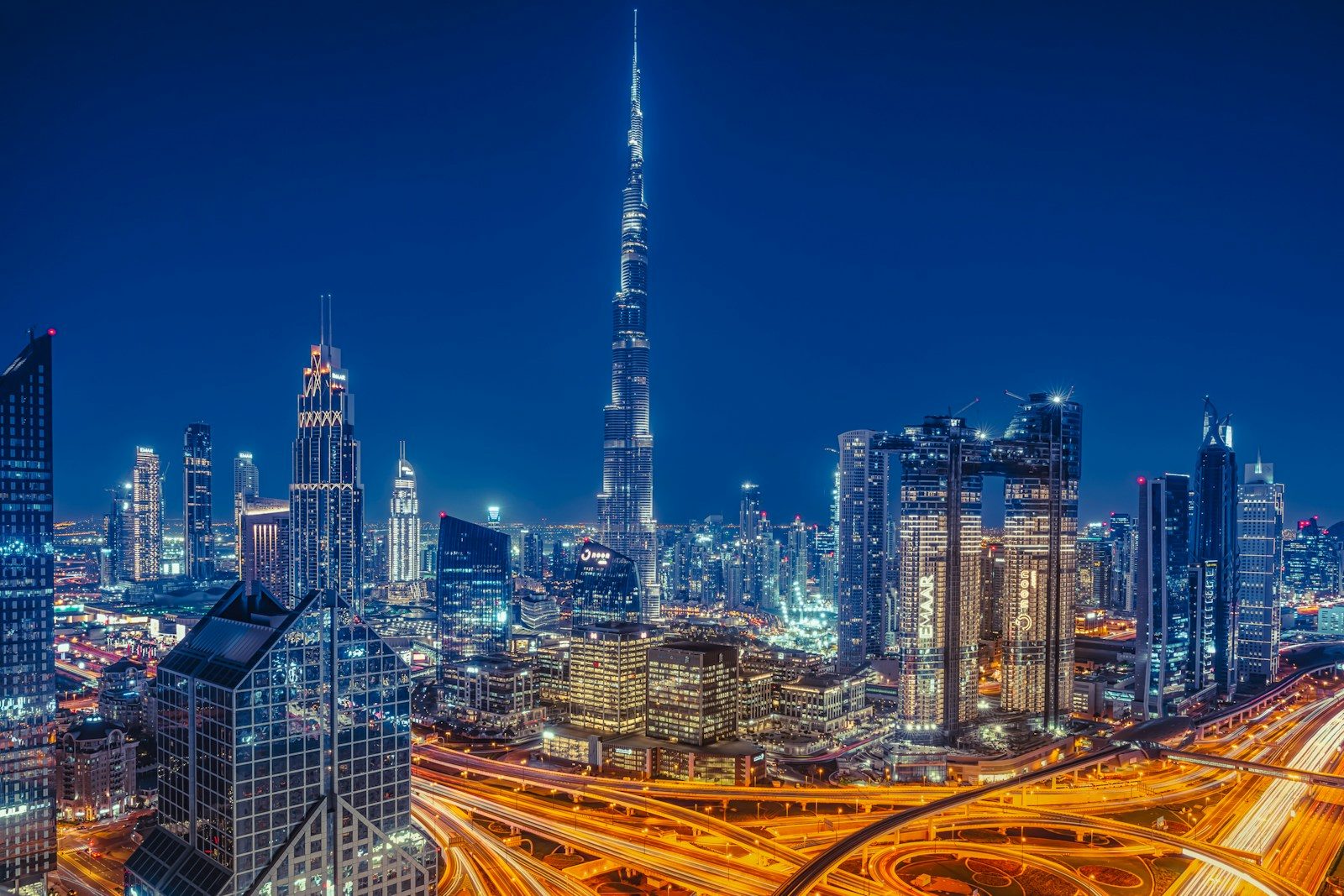
I was reminded of this recently when Ed Davey decided to use his intervention at PMQs as the war in the Middle East unfolded to take aim at those who have moved to Dubai and paid less in UK tax as a result.
Davey probably thought he was making a very sensible and patriotic point. Why should those who have left our shores be recipients of our support?
At first glance there is some instinctive logic to this. They aren’t paying in to the coffers, so why should they be able to take out of them?
However, as many others have pointed out, there are a range of problems with this logic; not least that no-one argued that those we evacuated from Sudan or Afghanistan at times of crisis should foot their own bill.
Not only that, but our entire welfare state system is built on the premise that it is there for British citizens when they need it. In an ideal world, everyone pays into it when they can, and gets out of it what they must. It might feel strange to consider RAF repatriation flights part of the welfare state, but the logic stands just the same.
If we want to be stricter about deciding who benefits from the Treasury’s coffers based on who contributes, then I’m sure many Conservative Home readers would happily partake. But it would surprise me if those who are using the Middle East crisis to take aim at ‘tax avoiders’ in Dubai would share those sympathies.
So, what is really behind the animosity directed at those who have emigrated to Dubai?
On the surface, it seems like a primarily aesthetic debate. The Dubai Deanos vs the British Patriots. To the former Dubai is a safe haven of sunny beaches and a (much) lower tax burden, much preferable to Broken Britain. To the latter, it’s a gauche and cultureless desert that could only appeal to the uncivilised.
I admit to personally being closer to the latter than the former on purely aesthetic grounds, but 240,000 Brits have moved there for something – friends and relatives among them. Can we not accept that people might seek to use their agency to go and find a better life for themselves and their families, even if it might not be our own version of a better life?
When we scratch beneath the surface it appears that many can’t, political elites and otherwise, which is a damning illustration of their attitude to prosperity. It is a sort of Dubai Derangement Syndrome; embracing decline because prosperity is gauche. The belief that having the gall to do something radical to improve your lot in life is an act of vile self-interest, and fundamentally un-British. Taking radical action to achieve something better is beyond the pale. We have it good enough and we should be happy about it.
It is the same philosophy that leads politicians to crow about ‘1.5 per cent growth, the fastest in the G7’ as a major victory: a broad comfort with mediocrity. It is managed decline, with a patriotic spin; accepting a lesser lot to spite those who have dared stray from the accepted path.
But we shouldn’t decry ambition, we should venerate it. In the week that Adam Smith’s Wealth of Nations celebrates its 250th anniversary, we should remember just how important self-interest is to a functioning economy, we don’t create wealth or deliver prosperity without it. So why make villains of those who are demonstrating these values?
On the contrary, we should be doing all that we can to get them back, so they can achieve their aims in Britain and we can bask in the reflective benefits of their ambition. Dubai has a lot going for it inherently; so does Britain. But we can do significantly better in the disputed ground in between, by fixing our fundamental economic problems.
If people were more able to easily find fulfilling employment, keep more of the money they earned from it, and spend it on more than just their energy bills and replacing the phone that got stolen at the bus stop, then Dubai and its competitors might become relatively less appealing. After all, at six years old I was able to embrace the SEGA Megadrive to keep playing with my friend – and it turned out to be quite fun too.
Mr. Davey, you may not like what Dubai has to offer, but don’t tarnish those who do with the brush of ‘tax exiles’ and ‘washed-up old footballers’. If we were able to attract their like and their ambition, instead of scaring them away, we would all feel the benefits.
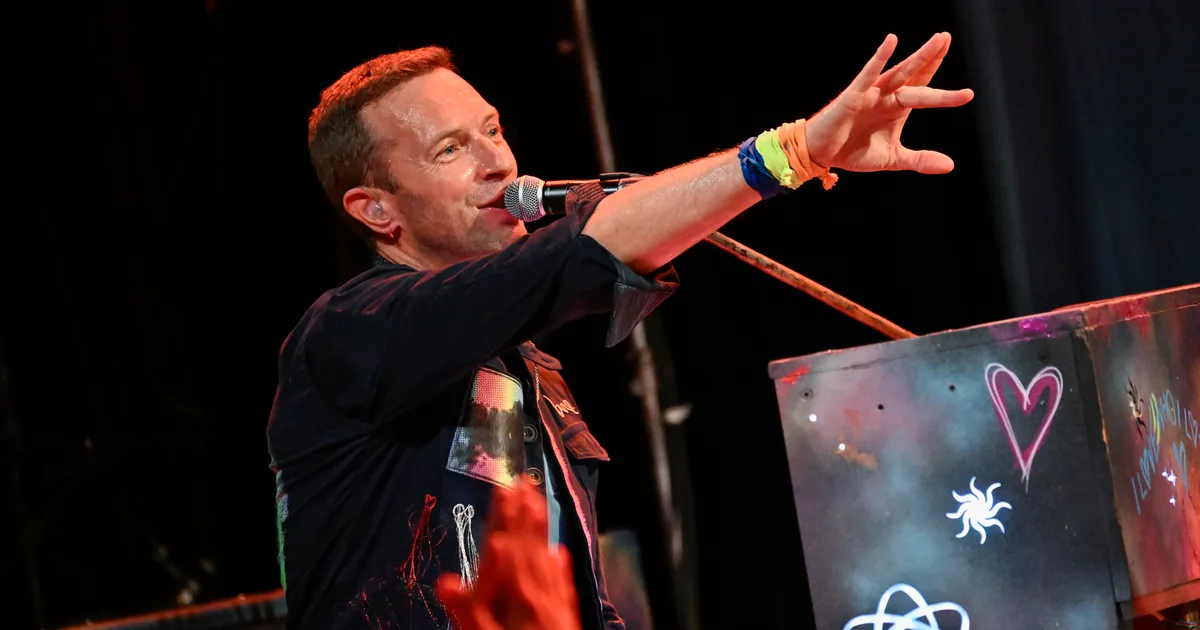
Remember those people who (rather controversially) accused Lola Young of being a “nepo baby” because her aunt wrote The Gruffalo?
I wonder what they’d think about Chris Martin, whose great-great-grandfather was responsible for British Summer Time (BST) taking off in the UK.
Yup – it turns out the band member, who sings a song called Clocks, is a direct descendant of builder William Willett. And Willett is a big part of the reason your clocks change on the last Sunday of every March.
Who was William Willett?
And one day, when he was out and about in the summer, he noticed that some curtains were drawn even though it was light outside.
This struck the apparently very industrious Will as an enormous waste of time, energy, and working hours.
In fact, he was so annoyed by it that he self-funded a pamphlet called The Waste Of Daylight.
“For nearly half the year the sun shines for several hours each day, while we are asleep, and is rapidly nearing the horizon when we reach home after the work of the day is over. There then remains only a brief spell of declining daylight in which to spend the short period of leisure at our disposal…
The brief period of daylight, now at our disposal, between the hours of work and sleep, is frequently insufficient for mostforms of recreation, but the daily addition of an hour after 6 o’clock in the evening, would multiply several times, the usefulness of that which we already have, and the benefits afforded by parks and open
spaces would be doubled.”
So tireless was Willett’s campaign that it eventually caught the ear of MP Robert Pearce, who brought the idea of British Summer Time before the House of Commons in 1908.
But it wouldn’t come into place until almost a decade later.
Why did the UK adopt BST?
Germany adopted daylight savings in 1916, so we took it on weeks later.
And even though Benjamin Franklin first called for something similar in the 1700s, America took on daylight savings time in 1918, the first March after it joined the First World War.
Both the UK and the US followed something called “double summer time,” occasionally nicknamed “Churchill time,” during the Second World War, too.
Since 2007, though, the US daylight saving time (DST) has begun weeks before BST.
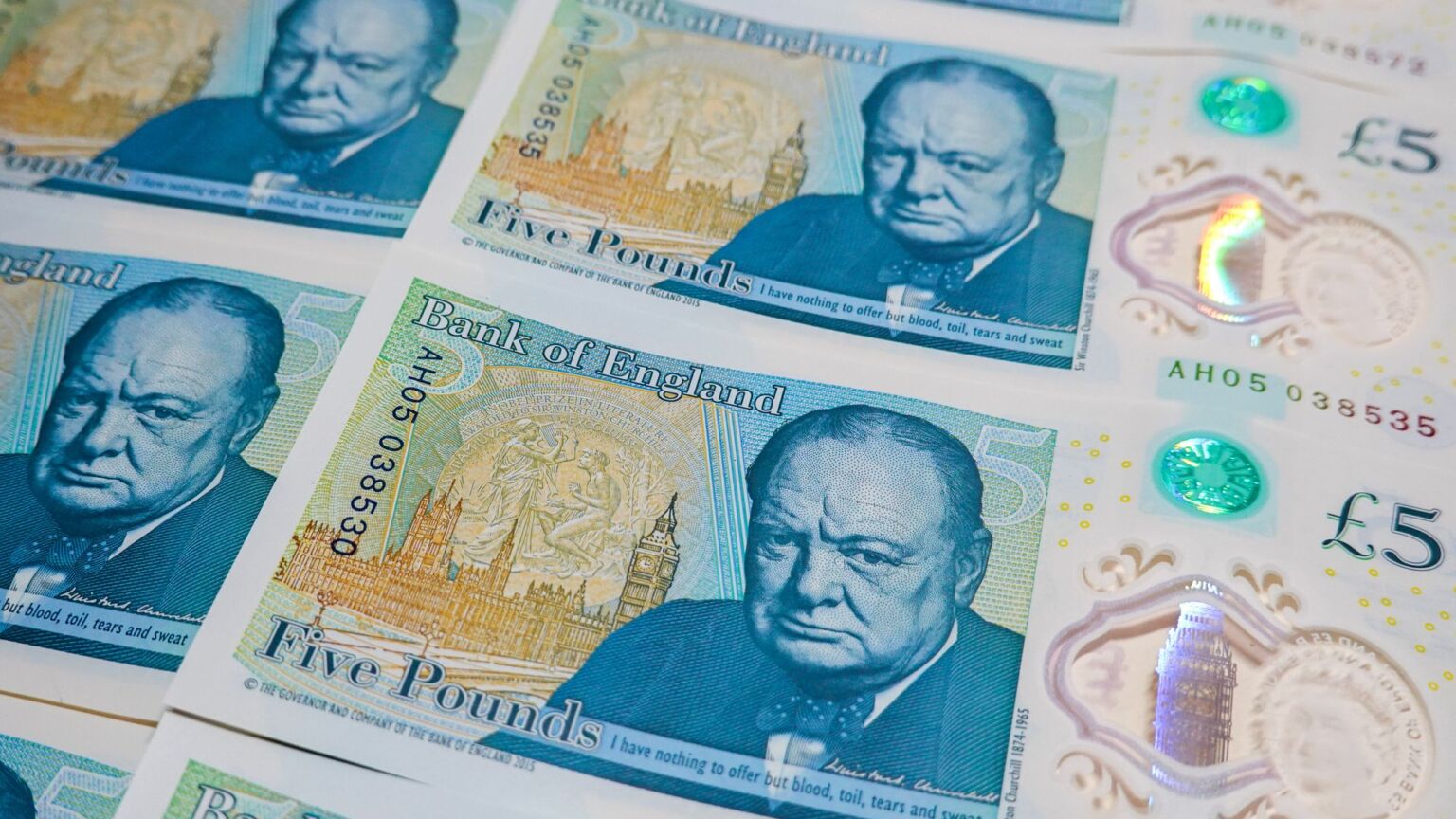
British banknotes are getting a facelift. In fact, the only human face remaining on them will belong to the king. The backs of the notes have long been home to portraits of national figures of historical importance – Dickens, Alan Turing, Jane Austen, etc. Now those old fuddy-duddies are to be replaced by voles, badgers and beavers. In essence, we are swapping Winston Churchill for a hedgehog.
Apparently, it keeps wicked counterfeiters on their toes to switch the design every decade or so. The thinking is that just as the dastardly forger has got George Stephenson off to a tee, he suddenly has to master Su Pollard.
Like you I’m sure, I haven’t used cash very much for a very long time. Though I have my doubts about the wisdom of virtual money replacing folding green, I haven’t been too sad about this – rattling about with heavy pockets full of change could make one feel like a piece of human percussion. It’s something of a surprise to those of us who’ve never known any different that the heroes of history only appeared for the first time on British currency in 1970, an innovation to tie in with decimalisation. Before that, the backs of notes were occupied by symbols like Britannia or a British lion. Despite the comparative brevity of the custom, the change still feels a bit of a wrench.
Of course, the Bank of England getting to this decision has taken an endless series of meetings, consultations, reviews, processes, reviews of processes, processes of reviews, and committees and panels. Quite why somebody in charge couldn’t just turn to an artist and say, ‘Right, I dunno… er… Tales of the Riverbank, get on with it’, is anybody’s guess. And we still don’t really know why the national treasures had to be abandoned in the first place (though we can have a good guess – old, white, pre-Windrush, get rid).
The BofE’s consultation set out the criteria for what would make a good new ‘theme’ for pounds sterling. These included, a) it symbolises the UK; b) It ‘resonates’ with the public; and c) it is not ‘divisive’. This last requirement is worth dwelling on. The bank explains further: ‘The theme should not involve imagery that would reasonably be offensive to, or exclude, any groups.’
Groups, eh? What ‘groups’ in particular – Coldplay? The Nolan Sisters? Showaddywaddy? As we all know but must never say, ‘groups’, like ‘communities’, is lanyardese for Muslims and transvestites, because the powers-that-be are terrified of both. Also, what about people who hate squirrels? Aren’t they a group, with rights?
The panel who decided on the new theme replaced another panel, the Banknote Character Advisory Committee, which was charged with managing ‘the selection of individuals to appear on new notes’. The terms of reference for that erstwhile committee say that ‘the bank seeks to celebrate individuals that have shaped British thought, innovation, leadership, values and society. The bank represents on its notes a person or small group of individuals whose accomplishments or contributions have been recognised widely at the time, or judged subsequently to have been of lasting benefit to the United Kingdom.’ This brings up the vexed question of significant but deceased historical figures who annoy the progressive establishment. In fact, one begins to suspect that the chucking off of the old theme in its entirety is merely a means to avoid having to put the first female prime minister on the notes.
Now we have a new panel – of wildlife experts, selecting the animals the British public can choose from. Imagine the fraught, 12 Angry Men-style scenes of their sequestered debates. ‘So help me, the newt is going on the shortlist!’ ‘Godammit, the Eurasian shrew stays or I walk out that door!’
One of this team, wildlife broadcaster Nadeem Perera (no, me neither), has said of the change:
‘The wildlife of the UK is not separate from our culture. It sits in our football crests, our folklore, our coastlines and our childhoods. Giving it space on something as symbolic as our currency feels both overdue and significant.’
How can people spout this tripe? Was anybody out there really furrowing their brow and tapping their watch, fuming: ‘WHEN, OH, WHEN will there be an otter on a fiver?’
I’m sorry for quoting at length, but this corporate waffle has to be savoured in its entirety for full effect. Talking of which, here’s Victoria Cleland, chief cashier at the Bank of England:
‘I was delighted by the level of public engagement during our banknote-theme consultation last year. The response underlines how important banknotes remain to people. The key driver for introducing a new banknote series is always to increase counterfeit resilience, but it also provides an opportunity to celebrate different aspects of the UK. Nature is a great choice from a banknote-authentication perspective and means we can showcase the UK’s rich and varied wildlife on the next series of banknotes. I look forward to hearing about the public’s favourite wildlife during our forthcoming summer consultation.’
What a laughing riot the Cleland household must be. Still, at least nobody involved has used the word ‘iconic’. Yet.
And let’s face it, it could have been a lot worse. Knowing the lanyard class, we could’ve had India Willoughby, Paddington and Shamima Begum.
The news has sparked predictable outrage and counter-outrage. Actually, that’s not fair; the progressive counter-reaction has been more of the ‘Why do you care?’ variety. But this won’t wash. Either it matters who or what appears on our banknotes, or it doesn’t matter. If it didn’t matter, nobody would have been bothered enough to make the switch in the first place. And somebody clearly was.
What does the incident reveal? Obviously, coming as it has done in these fraught times, it carries an extra unspoken significance, of an erased and rewritten national history. Everybody knows why they’ve really done it, and we know that they know that we know that they know. But, as always with these progressive rebrands, noticing it and objecting is part of the process, to mark out people who get narked as low status and nasty. Though this may have misfired. Even Lib Dem leader Ed Davey is fuming about the Churchill / squirrel exchange, which suggests the BofE may have misread its suppliants.
Anyway, my suggestion for when and if a Reform UK government gets in is for Chancellor Jenrick – purely for banter reasons – to immediately junk the whimsical fauna for lovingly rendered portraits of Jim ‘Nick Nick’ Davidson, JK Rowling and Jeremy Clarkson. See how much it ‘doesn’t matter’ then.
Gareth Roberts is a screenwriter, author and novelist, best known for his work on Doctor Who. The above is an edited extract from Gareth’s new book, Middle Class Holes: A Guide to the Worst Semi-Posh People in Britain Today.
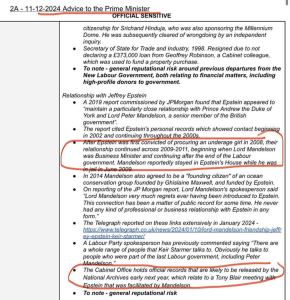
In a rational, decent world, Keir Starmer would already be toast — politically at least. Among the limited new files released, a briefing document reveals that Starmer knew about Mandelson’s Epstein ties, prior to his appointment as UK ambassador. Starmer knew. Furthermore, we have the receipts which challenge his sorry not sorry excuse of “having believed Mandelson’s lies.”
Starmer knew
He knew Mandelson was, and, had remained, “particularly close” to serial child-rapist Jeffrey Epstein long after Epstein’s conviction for paedophilia. He knew that Mandelson had set up a meeting between Epstein and Tony Blair. Moreover, he also knew that appointing Mandelson would be a disaster if it got out:

And it proves that Starmer flat-out lied when, after the renewed Mandelson scandal broke, that he “would never have appointed” Mandelson “had I known.”
In the public record
Of course, we knew he knew. The key facts about Mandelson and Epstein had been in the public domain long before the Epstein file release showed Mandelson leaking state information to his paedophile pal. These include:
• Mandelson and Epstein’s closeness began well over 20 years before Starmer got into Number 10 and appointed him. Notably, Mandelson immediately set up the Epstein-Blair meeting.
• Their contact continued years after Epstein’s 2008 conviction.
• Mandelson stayed at Epstein’s New York house in 2009.
And much more.
Protected by status
In a sane world, yet another confirmation of how much Starmer knew about Mandelson and Epstein would end the paedophile-protecting Brylcreemed blancmange. But it’s not a sane world. Instead, Starmer’s status as a “long-time servant of the security state” has protected him repeatedly. This is true through Savile. It is also true through the non-prosecution of Church of England paedophile John Smyth.
Through ‘beergate‘, through the decision not to prosecute the police murderer of Ian Tomlinson, through the Post Office scandal, through Assange. Through the endless paedophile and covered-up sex abuse scandals. Through dodgy apartment loans and donations for his son’s ‘study break’.
Starmer is not ‘teflon.’ He is widely loathed, and the cost of his dishonesty is the already threadbare legitimacy of the Labour party. Still, the political axe won’t swing until he’s outlived his usefulness to those driving the country toward fascism.
Featured image via the Canary

The High Court has ordered former footballer Joey Barton to pay TV sports pundit and former England footballer Eniola ‘Eni’ Aluko almost £340,000 in libel compensation and costs. A first instalment of £100,000 plus interest must be paid by 24 March, though the court gave him a week to apply for a ‘variation’ in the timing.
Aluko sued Barton over a flood of posts on the X social media platform in a “deliberately targeted public campaign of vilification [and] an attack on multiple aspects of her life and personality”. Barton accused Aluko of “cynically [seeking] to exploit her status as an alleged victim of racism and bullying”. Barton has now accepted that he mounted a harassment campaign against his victim.
Aluko said simply that she is “glad it’s the end.”
Barton has been convicted twice for violent crimes. He was also convicted in 2025 of six counts of malicious communications for his abusive messages concerning Aluko and others about TV host Jeremy Vine.
Featured image via the Canary
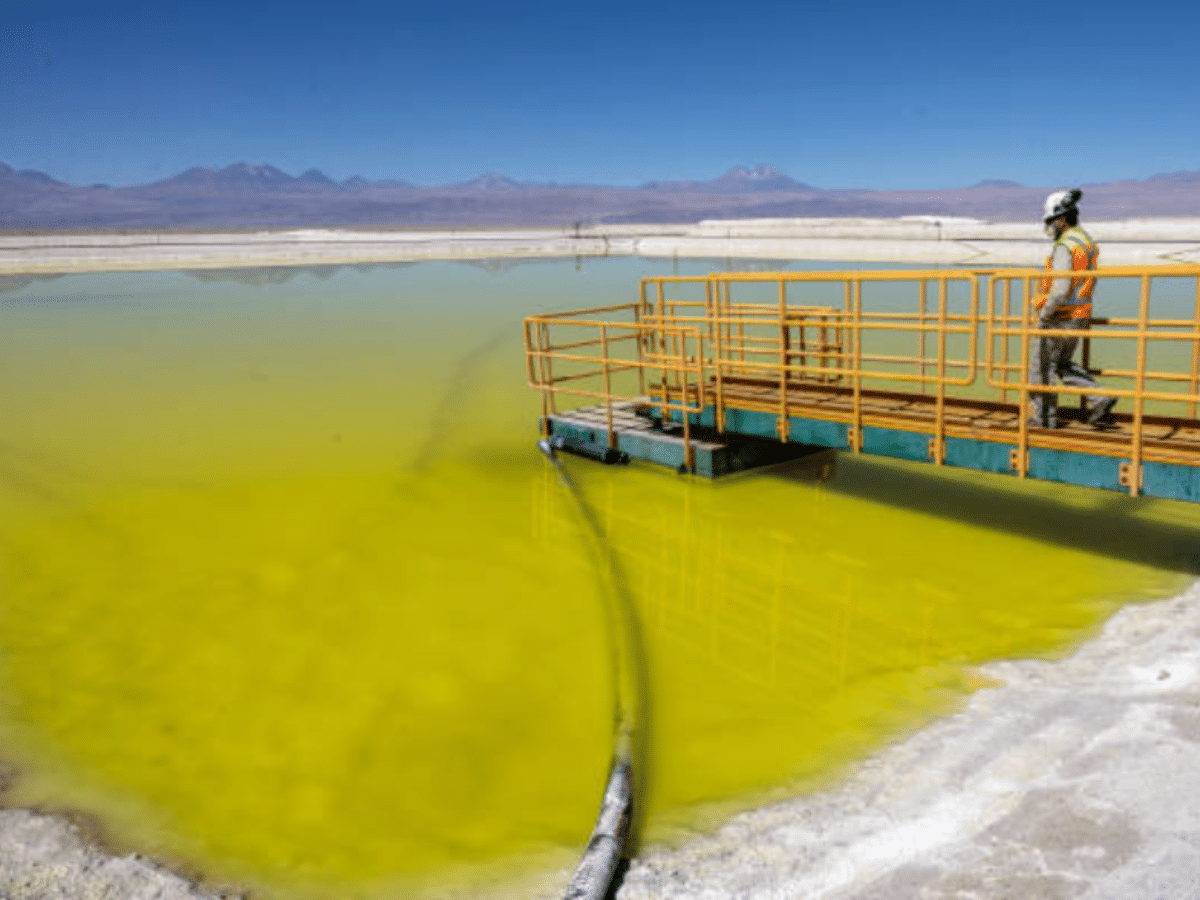
There are now more billionaires than ever before. And they’ve just got another big win, with the highly valuable ‘Lithium Triangle’ now passing fully into far-right hands.
Lithium isn’t only a key resource for people like world’s-richest-man Elon Musk, who needs it for electric vehicles. It’s also in increasingly high demand due to the storage needs of artificial intelligence and data centre moguls. So there’s growing interest in ensuring a steady supply in a way that benefits billionaires as much as possible.
The Lithium Triangle is now fully open for billionaire exploitation
As the Canary reported previously, Argentina, Bolivia, and Chile hold over 75% of the global lithium supply. And until recently, they were all resisting billionaire domination in some way, while collaborating with China on resource extraction and processing. But billionaires have been working hard to turn the tide.
In 2023, their man in Argentina – Javier Milei – became president. His hyper-corporate agenda has been hyper-problematic, with Donald Trump having to bail him out in 2025 to keep him in business. But this connection has helped the US and its billionaires to move Argentina significantly into their sphere of influence.
The first year of Trump’s second administration also saw elections in both Bolivia and Chile give pro-billionaire results. The previous governments in both countries had been insisting on continuing state control of the lithium industry, and had been facing pressure from Trump.
Bolivia, which had suffered (and overturned) a far-right pro-US coup just years earlier, opted for an elitist president who promised “capitalism for all“. Elon Musk had previously said, in reference to Bolivia, “we will coup whoever we want“. But this time, a violent takeover wasn’t necessary.
Then, Chile elected its “first far-right president since Pinochet“. He assumed office on 11 March, finalising the official shift of South America’s Lithium Triangle into far-right control.
Will Chile and Bolivia now follow Argentina’s extreme example?
The extraction of lithium has already lent itself to human rights abuses and environmental destruction. But now, as the Financial Times reports, Javier Milei and his two new counterparts (José Antonio Kast in Chile and Rodrigo Paz in Bolivia) look set to ramp this up further. Because they:
have vowed to entice foreign investment, and are turning to US President Donald Trump for bilateral deals.
And they are:
likely to fan the flames of local conflict over lithium
Milei has already shown what to expect from the latest generation of far-right leaders in South America. For example, the neoliberal extremist has:
Highly unscrupulous billionaires already hoard more wealth than 99% of the world’s countries. But the wealth they’re siphoning away from ordinary people is only growing. And with the far-right takeover of South America’s Lithium Triangle now complete, the billionaires have just secured another massive win.
Featured image via the Canary

Cambridge restaurant to be demolished for new student accommodation

Court to decide fate of 765 Yeovil homes as judicial review proceeds

Is a crypto market rally coming as Trump declares victory in the Iran war?


-
Business6 days ago
Form 8K Entergy Mississippi LLC For: 6 March
-

 News Videos3 days ago
10th Algebra | Financial Planning | Question Bank Solution | Board Exam 2026
-

 Fashion6 days ago
Weekend Open Thread: Ann Taylor
-

 Crypto World3 days ago
Paradigm, a16z, Winklevoss Capital, Balaji Srinivasan among investors in ZODL
-
 Tech1 day ago
A 1,300-Pound NASA Spacecraft To Re-Enter Earth’s Atmosphere
-
 Sports7 days ago
499 runs and 34 sixes later, India beat England to enter T20 World Cup final | Cricket News
-

 Politics6 days ago
Top Mamdani aide takes progressive project to the UK
-

 Business2 days ago
ExxonMobil seeks to move corporate registration from New Jersey to Texas
-

 Sports4 days ago
Braveheart Lakshya downs Lai in epic battle to enter All England Open final | Other Sports News
-

 Sports5 days ago
Three share 2-shot lead entering final round in Hong Kong
-

 Tech2 days ago
ChatGPT will now generate interactive visuals to help you with math and science concepts
-

 NewsBeat18 hours ago
Residents reaction as Shildon murder probe enters second day
-

 NewsBeat7 days ago
Piccadilly Circus just unveiled ‘London’s newest tourist attraction’ and it only costs 80p to enter
-

 Entertainment5 days ago
Hailey Bieber Poses For Sexy Selfies In New Luscious Lip Thirst Traps
-

 Business4 days ago
Search for Nancy Guthrie Enters 37th Day as FBI Probes Wi-Fi Jammer Theory
-

 Business1 day ago
Search Enters Sixth Week With New Leads in Tucson Abduction Case
-
 NewsBeat2 days ago
Pagazzi Lighting enters administration as 70 jobs lost and 11 stores close across Scotland
-

 Tech3 days ago
Despite challenges, Ireland sixth in EU for board gender diversity
-

 Business3 days ago
Search Enters 39th Day with FBI Tip Line Developments and No Major Breakthroughs
-

 NewsBeat22 hours ago
I Entered The Manosphere. Nothing Could Prepare Me For What I Found.