

Politics
The House | We need a minister for the seaside and to learn the lessons from Brighton

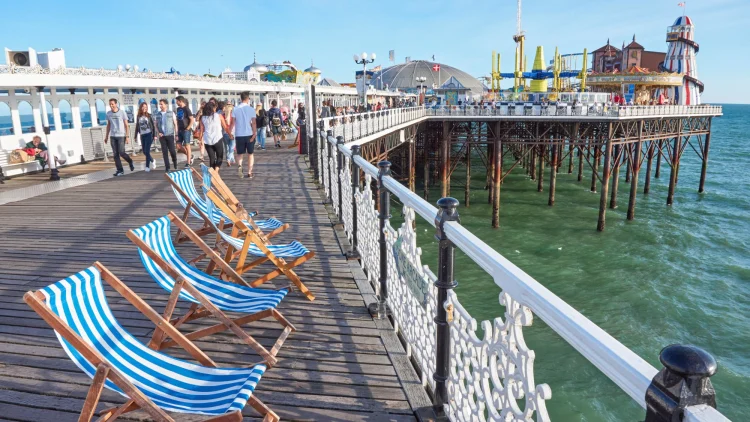

Deckchairs on Brighton pier (Alamy)

3 min read
I love the seaside. I’ve never lived more than a few miles away from it and I feel its pull whether I’m at home or away.
My home village of Great Bentley was five miles from Brightlingsea, and I spent seven years at school in Clacton. I couldn’t wait to escape… to Brighton.
A few years after leaving Sussex University, I became leader of Brighton and Hove council – a job I loved and did for 13 years. In the 70s and 80s, like most UK seaside towns, Brighton had all the feel and reality of decline. Playwright Keith Waterhouse once characterised it as having “the air of a town that is perpetually helping the police with their inquiries”.
The struggles of coastal communities are linked to their peripheral nature and the erosion of Britain’s industrial base
Today, Brighton is often held up as the UK’s most successful seaside city, one that others seek to copy. The sad truth is that few have succeeded in replicating its revival.
Back in 2019, I chaired a groundbreaking House of Lords inquiry, The Future of Seaside Towns. Our report found poor health outcomes, lower educational attainment, weak transport links and fragile digital connectivity. Business formation rates lagged behind national averages. Public and private investment were both thin on the ground. These communities also experienced the flight of the professional middle classes, which reduced the services of bankers, accountants, lawyers, doctors.
Broadly speaking, the struggles of coastal communities are linked to their peripheral nature and the erosion of Britain’s industrial base.
The attractiveness of the coast remains, of course, as does the love affair with seaside attractions. Nowhere in Britain is further than 70 miles away from the coast, and 36 per cent of us live within five kilometres of the sea.
So, what does a successful seaside look like? How do we restore pride and identity to these wonderful, quirky communities?
Brighton offers some pointers. In the 50s, it was a semi-industrial town with specialist engineering, a major locomotive works and a large factory-based workforce. Alongside that sat a thriving holiday trade: B&Bs, prestigious hotels and a reputation for the salty and saucy.
By the 1970s the factories had closed, the loco works were gone, and the holiday trade was shrinking. Brighton had the look of the seedy and rundown about it. Its recovery in the 80s and 90s was built around the knowledge economy, conferencing, the arts and latterly the digital economy. Today, its universities and colleges are home to 35,000 students, and the arts, cultural and digital economy has led to it having one of the highest business start-up rates outside London. Brighton now has the highest disposable income growth rate in the UK.
As a prescription, Brighton’s route to regeneration cannot be universal, but some of the elements are transferable. Margate, Bournemouth, Folkestone and parts of Cornwall have used this formula to renew and reinvent. Coastal communities should improve transport and digital connections, seek a mix of public and private investment, and put money into the arts. They should develop a learning culture, a knowledge economy (HE and FE) and make sure clear and decisive political leadership is built around a strong vision for place.
Our 2019 Lords report argued that government has a decisive role in shaping successful coastal futures. But we found a bewildering patchwork of funding streams and too little capital for long-term infrastructure renewal. When we revisited the issue in 2022, little had changed.
We argued then for a voice in government – a seaside or coastal minister – to focus Westminster’s thinking and produce a more coherent strategy for regeneration. That need has not gone away. Coupled with a strong devolution settlement, this would enable the left-behind places to tend the constant garden that is regeneration and renewal.
Lord Bassam is a Labour peer

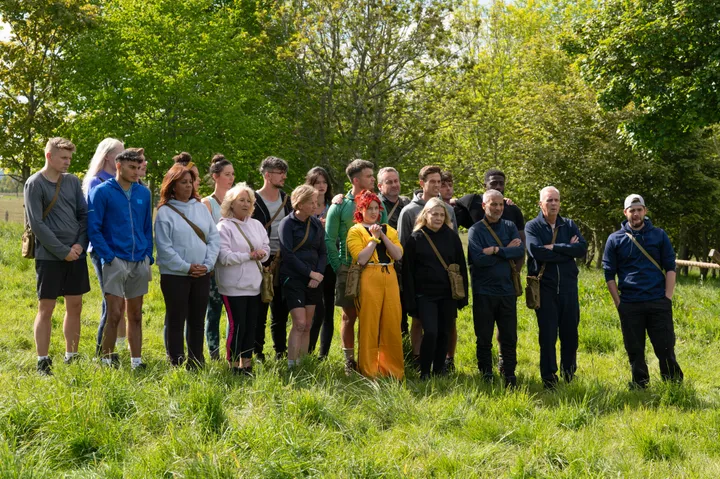
It’s hard to imagine the long, cold winters without The Traitors to keep us all entertained – but luckily, you won’t have to for a long while.
The BBC is remaining faithful to The Traitors and its celebrity spin-off as it renews the show until at least 2030, meaning we’re in for at least four more seasons of backstabbing, shocking murders and unpredictable roundtable action.
Tim Davie, the outgoing BBC director-general, announced the exciting news during a valedictory speech to The Royal Television Society on Thursday morning.
While the main show and its celebrity format had already been renewed for additional seasons, this new deal means The Traitors will run for at least eight seasons in total.
The Celebrity Traitors‘ second season will air later this year, following the runaway success of the first last autumn, with a further three star-studded seasons planned through to late 2029.
Kalpna Patel-Knight, head of entertainment commissioning at the BBC, said in a new statement: “We can’t wait to share many more twists and turns with viewers all across the UK in the coming years.”

BBC/Studio Lambert/Euan Cherry
Meanwhile, the CEO of production company Studio Lambert, Stephen Lambert, enthused: “The Traitors has become a genuine television phenomenon across the world, but especially in the UK, and we’re thrilled to continue the journey with the BBC.
“It’s hugely exciting that audiences will have many more years of strategy, suspense and shocking twists still to come.”
It’s no surprise that the BBC wants to keep the show on air for as long as possible, given The Traitors has become a cultural phenomenon and a mammoth ratings success.
The Celebrity Traitors debuted on BBC One in October to an average audience of 14.9m, with 15.4m tuning in to watch Alan Carr win the series.

BBC/Studio Lambert/Paul Chappells
Meanwhile, the most recent regular run – which aired earlier this year – also hit a series high with a record-breaking 9.4 million average viewers tuning in to watch the finale on BBC One.
This new deal also cements iPlayer’s position as the British home of the international The Traitors franchise, with versions from the US, Ireland, New Zealand and Australia remaining exclusive to the iPlayer.
However, although The Traitors’ future is secure, one element recently added to the show is not.
Speaking at an event at the University of East Anglia in Norfolk, Lambert admitted there are no plans to bring back the divisive “Secret Traitor” twist when the show returns to our screens next year.
“There have been other shows which have done something similar, where the audience didn’t know who ‘the mole’ was, and the trouble is you’re completely a victim of the edit… and that doesn’t feel very satisfying,” he admitted.
Filming for the upcoming fifth season of The Traitors is expected to start this summer, with the season airing early next year.
The Celebrity Traitors’ second season will hit our screens in the autumn, and although a line-up has yet to be revealed, the likes Ruth Jones, Danny Dyer and Alison Hammond are rumoured to be entering the castle.
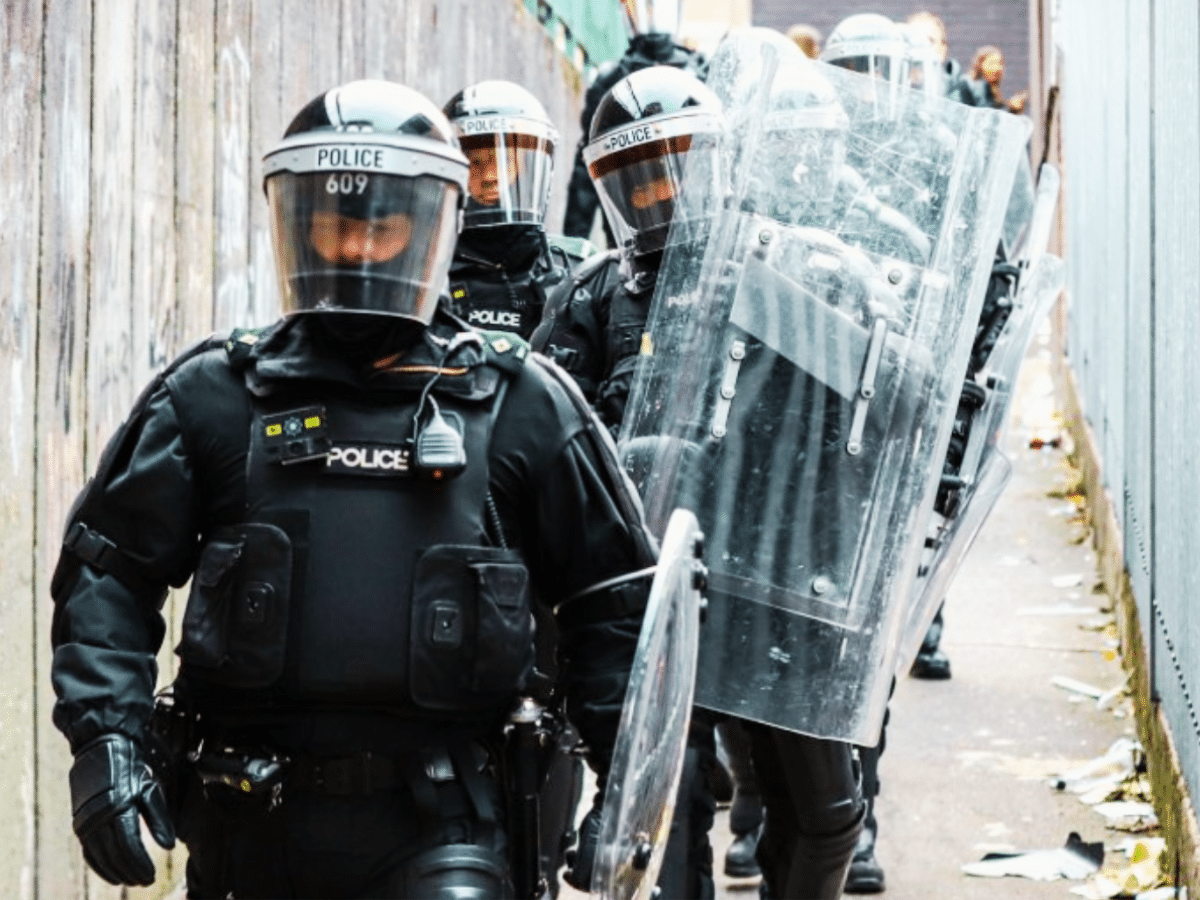
Nuala McAllister, a politician from Northern Ireland, has said that the number of serious sexual offences committed by a unnamed former police officer in Northern Ireland possibly run into the hundreds. She described the numbers as “absolutely huge“. The Alliance Party Assembly member for Belfast North serves on the Policing Board. This board is intended to hold police in the North of Ireland to account.
The alleged offender was a serving officer at the time of the alleged crimes, which victims say were committed across almost an entire decade between 2000 and 2009.
McAllister made these comments following the announcement by the Police Ombudsman, which said they would be:
…allocating all available resources to ensure [our investigation] will be victim-centred, effective and efficient.
Ombudsman vows to prioritise investigation
The ombudsman’s initial arrest of the officer was on 17 December 2025. Since then it has been compiling additional evidence. Ombudsman chief executive, Hugh Hume, has said:
We have identified multiple potential victims, together with a substantial number of witnesses. We have also seized a large volume of material, including a significant amount of digital evidence, during a search operation.
He went on to point out that the the sheer scale of the investigation may impact other commitments:
Our resources are finite and this means that the timeliness of our other casework may be affected. However, this is the reality of balancing the demands of our complaints across the Office with the need to progress this complex and expanding investigation. If we do not prioritise now, in the long term we risk compromising the service we provide to complainants and victims, and public confidence in this office and the PSNI.
Social Democratic and Labour Party (SDLP) MLA Colin McGrath suggested there’s already a risk of confidence in the ombudsman’s work being undermined, saying:
An ombudsman, whenever they are carrying out their work, should not have to prioritise their workload, they should be able to deliver their workload.
This is especially concerning because the officer was part of the Royal Ulster Constabulary (RUC) in 2000. This police force has a troubled history. The RUC was known for its sectarian (religiously biased) policing. Moreover, it collaborated with loyalist groups in the murders of Catholics.
In 2001, the force was renamed the Police Service of Northern Ireland (PSNI). However, the officer under investigation continued his crimes for nearly a decade. This raises doubt about the effectiveness of police reform. Furthermore, the lack of resources for the ombudsman to ensure accountability only adds to these concerns.
Off-duty cops phoning DV victims
The Ulster Unionist Party leader, Jon Burrows, claims the ombudsman is wasting too much time investigating “late paperwork.” This sounds a lot like the government’s ‘efficiency savings‘ rhetoric amid ruthless cuts to public services.
He did, however, provide some useful insights from his time as head of the PSNI Discipline Unit. He held this role in the period 2019-2021. He discussed the case of another officer involved in abusive behaviour. This officer attended domestic violence calls and interacted with vulnerable women.
Whenever they got back to their station and they were on their own and they get back home, they would take the mobile number of the victim and they would start sending them personal messages from their own phone on WhatsApp.
They would just start that relationship building. Someone who had literally just been the victim of domestic violence, is receiving hours later off-duty, the investigating officer contacting them.
Burrows appeared to suggest there is no existing policy against this. Or, at least if there is, it is not properly enforced.
There needs to be a red line by the Chief Constable, you never use your personal phone in messaging victims. It’s done through your official phone and recorded on the investigation log.
The PSNI appear to be struggling with issues around sexual offences, handling far more cases than those mentioned. The Ditch reported in February this year that:
There were almost 50 domestic abuse accusations against PSNI officers in the last two years – but just a single dismissal and 17 incidents when no further action was taken.
The allegations include physical abuse, coercive control, harassment and sexual abuse and were made against officers from constable to superintendent rank.
Of the 46 complaints since January 2024, 22 cases remain ongoing. Of the 24 concluded cases four officers resigned or retired while two were subject to action from management.
“No further action” was the most common outcome – accounting for 17 cases, or 71 percent, according to records released to The Ditch under freedom of information.
They also cited a VICE 2021 investigation which discovered:
…two-thirds of concluded PSNI domestic abuse complaints between 2015 and 2021 resulted in no further action.
A history of failing women
Of course, appalling sexual violence from police isn’t confined to Northern Irish officers. The Metropolitan Police gave us the vile David Carrick who in 2022 pleaded guilty to 49 charges, of which 24 were rape.
He had a history of indecent exposure that was overlooked during vetting, and by police disciplinary bodies.
These crimes, whether committed by Northern Irish or British officers, are not only avoidable, they are enabled by a culture of impunity, procedural laxity, and, above all, an ingrained institutional disregard and hatred towards women across our police forces.
Featured image via the Canary/Unsplash
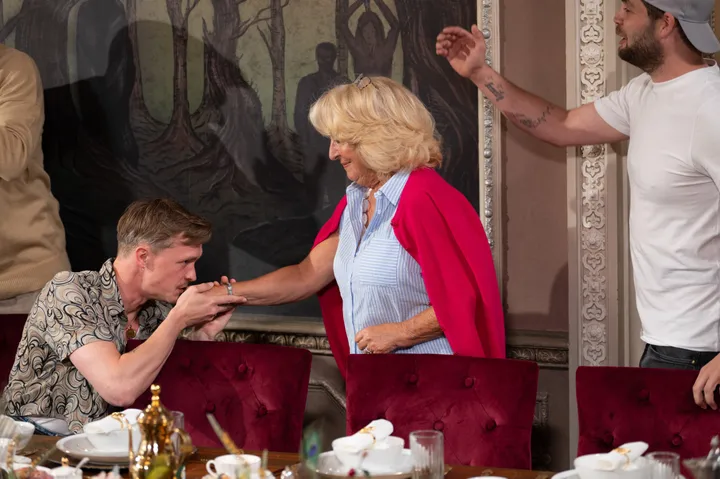
The most recent season of The Traitors introduced a new twist that split fans right down the middle.
In the latest run’s opening episode, Claudia Winkleman explained that, for the first time, a “Secret Traitor” was being appointed, who even viewers were being kept in the dark about the identity of.
Of course, in the end, the twist lasted for just three episodes, before Fiona was unmasked to viewers as the figure in the red cloak.
While the efficacy of the “Secret Traitor” twist is definitely still up for debate, Traitors producer Stephen Lambert has insisted it’s not one we should expect to see repeated when the castle reopens its doors.
“What I like about The Traitors is there’s so many ways that story can go […] once you add a different cast and once you think of some additional tweaks here and there,” he told an audience at the University Of East Anglia, as reported by IGN.
“After the huge success of the Celebrity Traitors, we introduced the idea of a Secret Traitor as a way of doing something that was different, but it wasn’t something we wanted to keep going with.”
He conceded: “The trouble is you’re completely a victim of the edit – and that doesn’t feel very satisfying.”

BBC/Studio Lambert/Euan Cherry
Filming on the upcoming fifth season of The Traitors is due to begin filming in the summer – as is shooting on the second season of the show’s celebrity counterpart.
While a line-up is yet to be confirmed for The Celebrity Traitors’ second output, a number of stars have already been rumoured to be joining the cast, including the likes of Ruth Jones, Danny Dyer and Alison Hammond.
Meanwhile, if you’re missing having Claudia on our screens, her new BBC talk show kicks off on Friday night, with her star-studded inaugural guests having already been unveiled.

Israel have bombed people sheltering in tents in Lebanon. The genocidal settler state has a habit of bombing and re-bombing the people it has displaced. Their practice of striking tented camps is an oft-repeated story of the Gaza genocide. Now, the people they have bombed in Beirut were only sheltering in tents because Israel had forcibly displaced them from their homes.
Israel escalated its aggression around 2 March amid a spiraling US-backed war with Iran.
Israel decimates Lebanon
Al Arabiya reported on 12 March:
In a statement, the Lebanese health ministry said “the Israeli enemy strike on Ramlet al-Bayda” in the center of Beirut killed eight people and wounded 31.
Adding:
An AFP correspondent at the scene saw a damaged motorcycle and two damaged cars, with the area sealed off by security forces.
The Cradle posted image of the strikes on 12 March:
Israel has committed a massacre of innocent civilians in Ramlet al-Baida in the Lebanese capital, Beirut, where many people displaced from their homes have been sheltering in tents, cars, and on mattresses along the beach with nowhere else to go.
According to local reports, at… pic.twitter.com/GcL7ZRKOmx
— The Cradle (@TheCradleMedia) March 12, 2026
TV host Marwa Osman said the strikes had hit in the Ramlet al-Bayda area, leaving bodies “scattered”:
🚨BREAKING in Beirut
A horrific massacre committed by the Zionist occupation against displaced civilians in tents in the Ramlet al-Bayda area in the heart of the capital Beirut.… bodies are reportedly scattered on the ground amid the rubble. pic.twitter.com/y65VuVqPU2— Marwa Osman || مروة عثمان (@Marwa__Osman) March 11, 2026
Outrageous war crimes
Filmmaker Robert lnlakesh said:
An outrageous war crime reminiscent of the massacres carried out in Gaza.
BREAKING: Israel Carries Out A Beach Massacre In Beirut
An Israeli strike reportedly targeted displaced people’s tents in the Ramla al-Bayda beach area. A huge number of dead & injured.
An outrageous war crime reminiscent of the massacres carried out in Gaza. pic.twitter.com/AUJ1a5S65e
— Robert Inlakesh (@falasteen47) March 11, 2026
Since the latest invasion began, Israel has been hitting targets throughout Lebanon – including in densely populated civilian areas of the capital:
In theory, Hezbollah breached a US-brokered ‘ceasefire’ with Israel which had held since their last war in 2024. In practice, the US has given Israel carte blanche to strike Lebanon ever since. Israel has done so constantly since the deal was struck.
You can read about the secretive Israel-US ‘side letter’ pact here. And our extensive coverage of Israel’s ceasefire breaches here.
Aseel Habbaj was displaced from other areas Israel had bombed. She has been sheltering in a tent near where the new strikes landed:
We saw dead people on the ground. We were all asleep in my tent, when suddenly we heard a noise. We jumped up and went to see what was happening.
Drop Site News reported:
The toll since the renewed Israeli offensive began on March 2 is: – Total Killed: 634+ – Total Wounded: 1,586+ – Displaced: More than 800,000 people (According to Lebanese Ministry of Health).
They added that Israel’s far-right finance minister had openly stated the genocidal settler-colonial state would make Beirut look like Gaza:
Israeli Finance Minister Bezalel Smotrich stated on March 5, 2026, that the Dahiyeh district, a southern suburb of Beirut, would soon “look like Khan Younis.”
Al Jazeera posted images of the damage in Beirut’s southern suburbs:
Aftermath of overnight Israeli air strikes on Beirut’s southern suburbs.
🔴 LIVE updates: https://t.co/OgnafTvf8a pic.twitter.com/xqWfIyEHPJ
— Al Jazeera English (@AJEnglish) March 12, 2026
Israel’s attack on Lebanon has a similar character to the Gaza genocide. It strikes civilians with impunity, while claiming to target terror groups. It’s unaccountable far-right leaders, meanwhile, openly call for the annihilation of Lebanese civilians and their means to life.
Featured image via the Canary
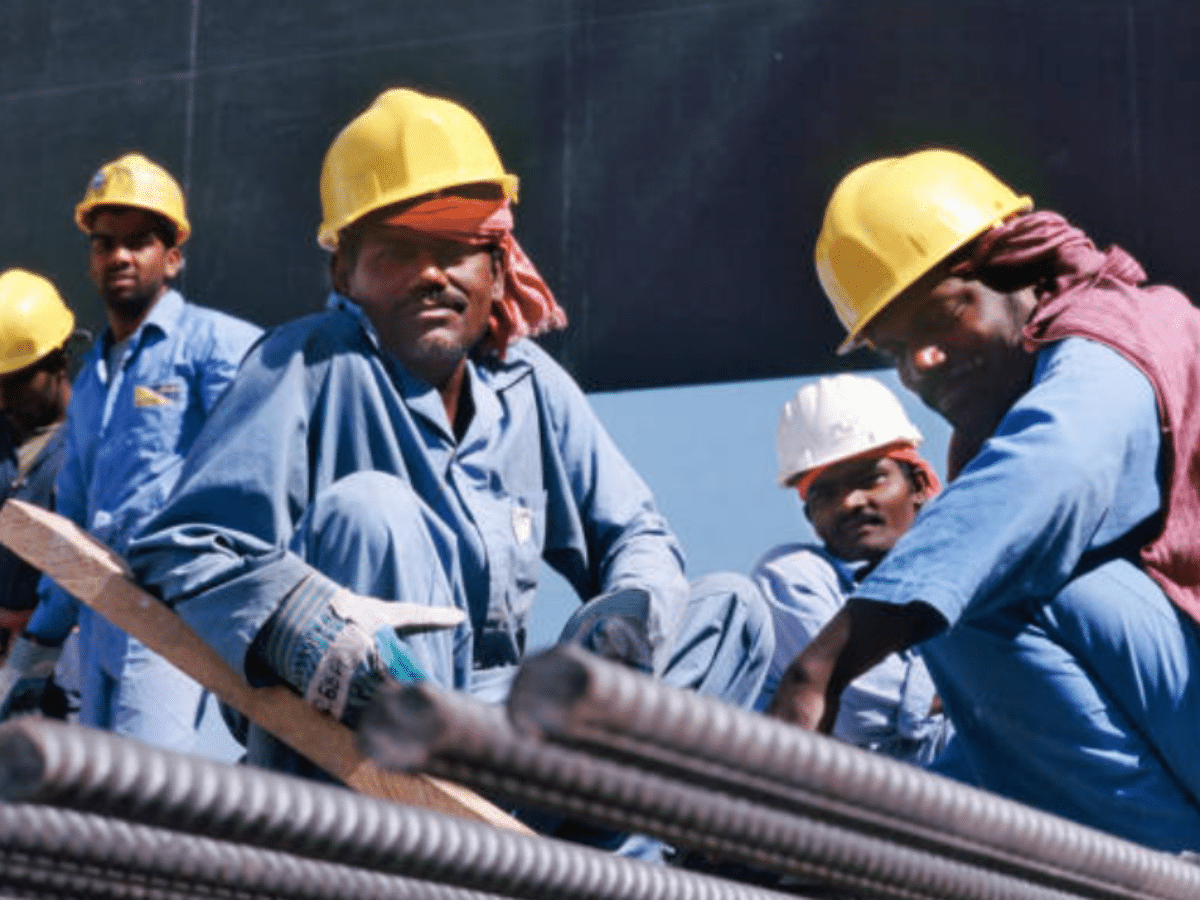
Migrant workers from poorer countries, including Pakistan, India, Nepal, Bangladesh and the Philippines, who form the backbone of the UAE’s workforce are increasingly bearing the human cost of the US-Israel-Iran conflict. At least 2 Pakistani labourers are confirmed dead so far.
— Zia Ur Rehman (@zalmayzia) March 8, 2026
This is not the first time poor labour from Asia has suffered in the GCC. In 2024, a fire in Kuwait, which left fifty workers from South and Southeast Asia dead, showed the vulnerability of migrant workers in the GCC countries.
The Wire reported the fire was caused by an electrical short circuit, with flammable partitions and a locked rooftop door trapping workers in an overcrowded building violating safety rules. According to the BBC, Kuwait’s deputy prime minister blamed property owners’ greed for the tragedy, saying “they violate regulations and this is the result.”
Scholar Adam Hanieh has shown that the “racialised and gendered” characteristics of the working class population in the Gulf States favour workers who are temporary. Hanieh wrote:
He shows how an Indian worker in Dubai isn’t paid based on how much it costs to live in Dubai. They’re paid based on how much it costs to live in India.
This means Gulf employers extract maximum profit from the Asian labourer while bearing none of the true costs of reproducing that labour like education, healthcare, housing and childcare.
So in effect, India and other south Asian countries are subsidising the Gulf’s wealth, and the border ensures the worker can never demand more.
Gulf states complicit
Ali Kadri, also a scholar on West Asia, explains why.
Gulf rulers park their wealth in US dollars, not in their own societies. As Kadri writes:
the merchant class wealth is mostly held in dollars, so it becomes one with US-led capital in the dollar.
They have “little to lose from forfeiting its production base in the home economy.” These South Asian workers are treated as servile and disposable. Mustapha Qadri, director of human rights organisation Equiderm, explained:
There is a conscious choice made to get workers that are from relatively poor countries, who don’t get paid as much and have a lot less power in the social dynamic of these countries, to do this difficult work – because they’re less likely to complain or to demand protection.
The US guarantees the economic security of these Gulf states. As such, they never have to build functioning nations with real citizen workforces. This US-led set-up favours both. The Gulf ruling class gets cheap labour and US protection. The US gets obedient allies and recycled petrodollars.
And the workers? They exist in an exploitative structure that treats both their lives and deaths as an acceptable cost for the gross skyscrapers that make up the skylines of the richest Gulf states.
Vassalage confirmed.
Featured image via the Canary
Politics
10 Chic Spring Flats That Actually Survive The Morning Commute (Without A Blister In Sight)

We hope you love the products we recommend! All of them were independently selected by our editors. Just so you know, HuffPost UK may collect a share of sales or other compensation from the links on this page if you decide to shop from them. Oh, and FYI – prices are accurate and items in stock as of time of publication.
Spring has only just sprung, which means it’s time for that tricky edge-of-winter transitional dressing.
You know how it is – you leave the house in the morning, and it’s freezing. Then by lunch, you’re sweating your life away, but when you head home for the day, it’s chilly again.
And heaven help you if you stay out past sunset and forget a good coat!
But one of the best things about this time of year is that the weather is suddenly a lot more flat-shoe friendly, what with the fact that there’s (usually) no more snow or ice to waddle your way through, and a lot less need for thick cosy socks.
If you’re looking for a little flat shoe shopping inspo, here are some of the best flats on the high street right now that are perfect for chic gals about town.

Donald Trump has insisted that “prices are coming down very substantially” even as the cost of oil continues to increase due to his war in Iran.
The price of oil pushed past $100 a barrel on Wednesday and stock markets fell as three more cargo ships were attacked in the Gulf.
Rates are currently at a four-year high comparable to the number seen after Russia’s invasion of Ukraine in 2022.
Though the numbers continue to oscillate, as of Thursday morning, Brent crude oil – the most traded of all oil benchmarks – was trading at $97,90, an increase of more than 9%.
Trump’s decision to bomb Iran with Israel almost two weeks ago has sent shockwaves across the global economy.
Iran has retaliated by targeting US military bases in neighbouring countries and effectively closing the Strait of Hormuz, a waterway which carries a fifth of the world’s oil supply.
Thirty-two countries including the UK agreed to release 400 million barrels of oil reserves on Wednesday in the hope of soothing the markets.
But traders are anticipating a “prolonged” conflict, which is why rates remain high.
Trump initially said oil price spike was a “very small price to pay for safety and peace”.
But the president insisted on Wednesday evening that the mass release oil reserves would “substantially reduce oil prices”.
He said: “Prices are coming down very substantially.”
“Oil will be coming down,” the president insisted. “That’s just a matter of war that happens. You can almost predict it.
“I would say it went up a little bit less than we thought. It’s going to come down more than we, than anybody understands.”
The president said the US would “look very strongly” at the Strait of Hormuz.
Trump told his supporters in Kentucky: “The straits are in great shape. We’ve knocked out all of their boats. They have some missiles, but not very many.”
Callum Price is Director of Communications at the Institute of Economic Affairs, and a former Government special adviser.
When I was a child, I used to play Playmobil ‘cowboys and Indians’ with a friend every day at the after-school club (we were about 6 and it was the early 2000s, yet to be made aware of the cultural insensitivities this threw up). One day, my friend didn’t want to play anymore, because the club got a new SEGA Megadrive, which was obviously far more entertaining. I was gutted and rather petulant about it – until I too embraced the wonders of the SEGA Megadrive.
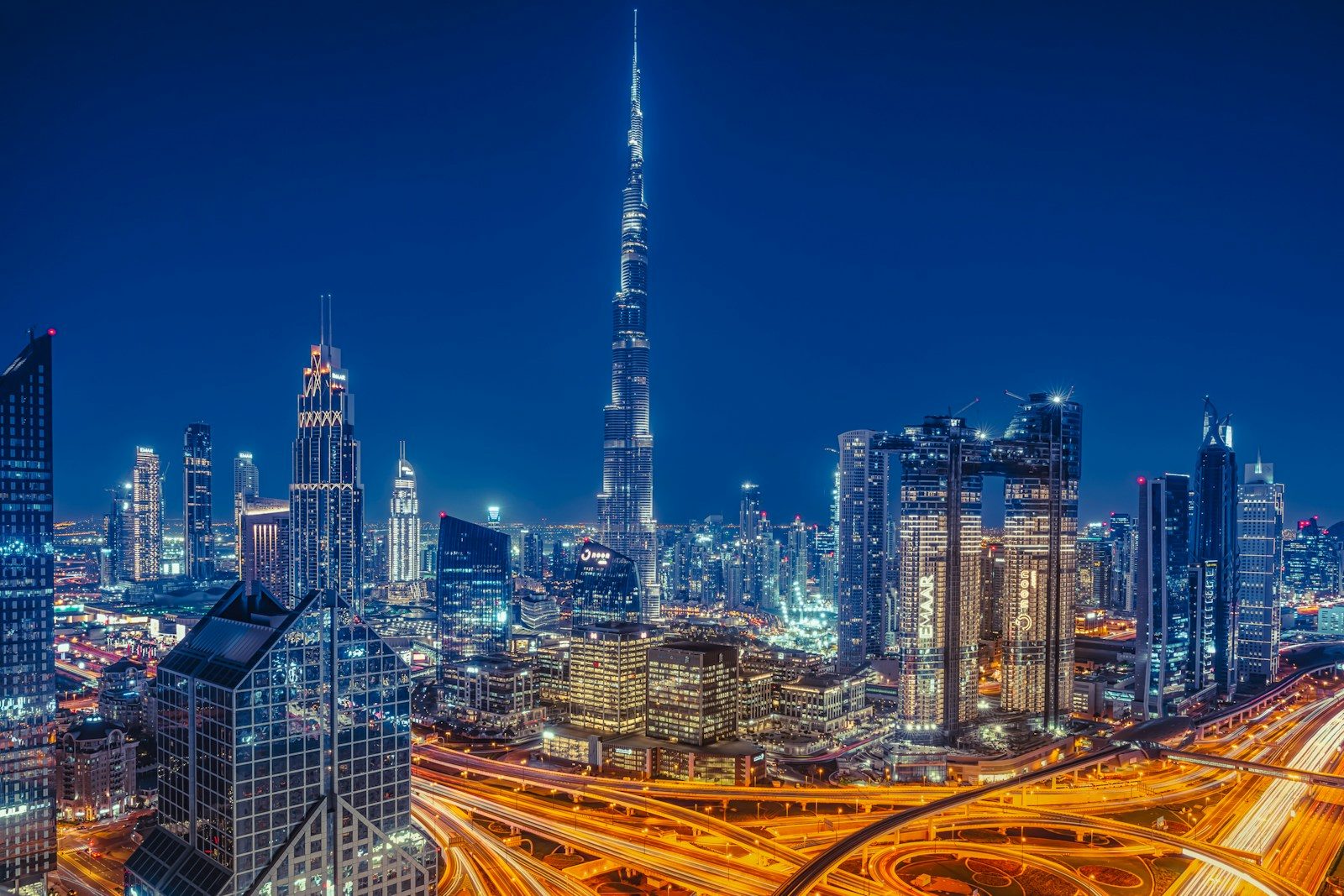
I was reminded of this recently when Ed Davey decided to use his intervention at PMQs as the war in the Middle East unfolded to take aim at those who have moved to Dubai and paid less in UK tax as a result.
Davey probably thought he was making a very sensible and patriotic point. Why should those who have left our shores be recipients of our support?
At first glance there is some instinctive logic to this. They aren’t paying in to the coffers, so why should they be able to take out of them?
However, as many others have pointed out, there are a range of problems with this logic; not least that no-one argued that those we evacuated from Sudan or Afghanistan at times of crisis should foot their own bill.
Not only that, but our entire welfare state system is built on the premise that it is there for British citizens when they need it. In an ideal world, everyone pays into it when they can, and gets out of it what they must. It might feel strange to consider RAF repatriation flights part of the welfare state, but the logic stands just the same.
If we want to be stricter about deciding who benefits from the Treasury’s coffers based on who contributes, then I’m sure many Conservative Home readers would happily partake. But it would surprise me if those who are using the Middle East crisis to take aim at ‘tax avoiders’ in Dubai would share those sympathies.
So, what is really behind the animosity directed at those who have emigrated to Dubai?
On the surface, it seems like a primarily aesthetic debate. The Dubai Deanos vs the British Patriots. To the former Dubai is a safe haven of sunny beaches and a (much) lower tax burden, much preferable to Broken Britain. To the latter, it’s a gauche and cultureless desert that could only appeal to the uncivilised.
I admit to personally being closer to the latter than the former on purely aesthetic grounds, but 240,000 Brits have moved there for something – friends and relatives among them. Can we not accept that people might seek to use their agency to go and find a better life for themselves and their families, even if it might not be our own version of a better life?
When we scratch beneath the surface it appears that many can’t, political elites and otherwise, which is a damning illustration of their attitude to prosperity. It is a sort of Dubai Derangement Syndrome; embracing decline because prosperity is gauche. The belief that having the gall to do something radical to improve your lot in life is an act of vile self-interest, and fundamentally un-British. Taking radical action to achieve something better is beyond the pale. We have it good enough and we should be happy about it.
It is the same philosophy that leads politicians to crow about ‘1.5 per cent growth, the fastest in the G7’ as a major victory: a broad comfort with mediocrity. It is managed decline, with a patriotic spin; accepting a lesser lot to spite those who have dared stray from the accepted path.
But we shouldn’t decry ambition, we should venerate it. In the week that Adam Smith’s Wealth of Nations celebrates its 250th anniversary, we should remember just how important self-interest is to a functioning economy, we don’t create wealth or deliver prosperity without it. So why make villains of those who are demonstrating these values?
On the contrary, we should be doing all that we can to get them back, so they can achieve their aims in Britain and we can bask in the reflective benefits of their ambition. Dubai has a lot going for it inherently; so does Britain. But we can do significantly better in the disputed ground in between, by fixing our fundamental economic problems.
If people were more able to easily find fulfilling employment, keep more of the money they earned from it, and spend it on more than just their energy bills and replacing the phone that got stolen at the bus stop, then Dubai and its competitors might become relatively less appealing. After all, at six years old I was able to embrace the SEGA Megadrive to keep playing with my friend – and it turned out to be quite fun too.
Mr. Davey, you may not like what Dubai has to offer, but don’t tarnish those who do with the brush of ‘tax exiles’ and ‘washed-up old footballers’. If we were able to attract their like and their ambition, instead of scaring them away, we would all feel the benefits.
Remember those people who (rather controversially) accused Lola Young of being a “nepo baby” because her aunt wrote The Gruffalo?
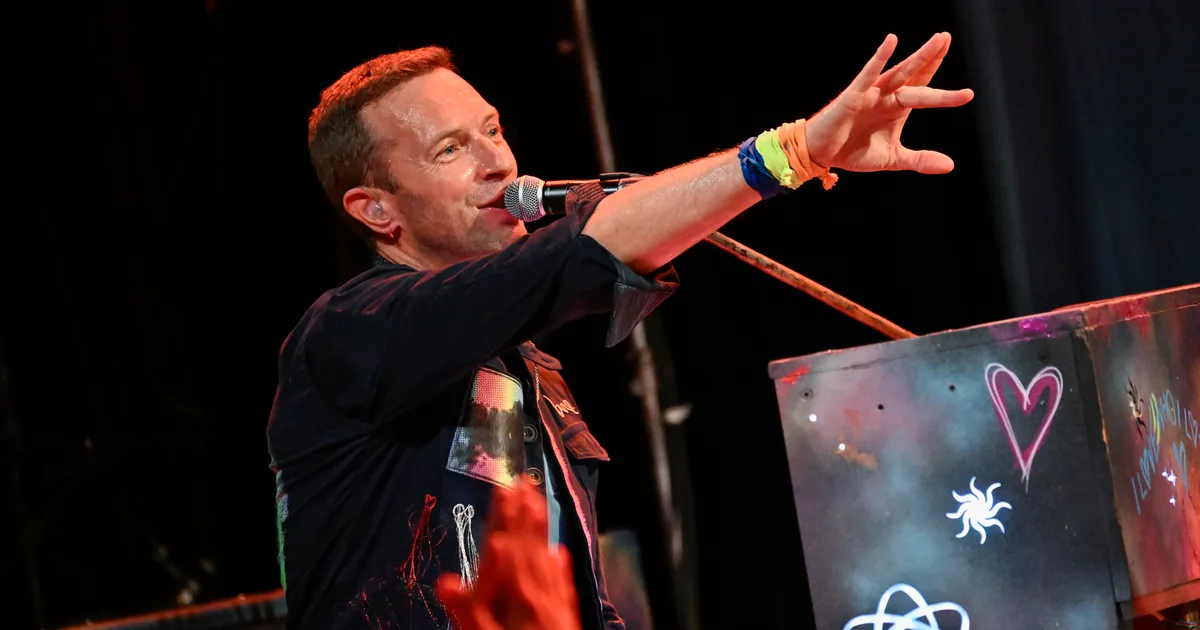
I wonder what they’d think about Chris Martin, whose great-great-grandfather was responsible for British Summer Time (BST) taking off in the UK.
Yup – it turns out the band member, who sings a song called Clocks, is a direct descendant of builder William Willett. And Willett is a big part of the reason your clocks change on the last Sunday of every March.
Who was William Willett?
And one day, when he was out and about in the summer, he noticed that some curtains were drawn even though it was light outside.
This struck the apparently very industrious Will as an enormous waste of time, energy, and working hours.
In fact, he was so annoyed by it that he self-funded a pamphlet called The Waste Of Daylight.
“For nearly half the year the sun shines for several hours each day, while we are asleep, and is rapidly nearing the horizon when we reach home after the work of the day is over. There then remains only a brief spell of declining daylight in which to spend the short period of leisure at our disposal…
The brief period of daylight, now at our disposal, between the hours of work and sleep, is frequently insufficient for mostforms of recreation, but the daily addition of an hour after 6 o’clock in the evening, would multiply several times, the usefulness of that which we already have, and the benefits afforded by parks and open
spaces would be doubled.”
So tireless was Willett’s campaign that it eventually caught the ear of MP Robert Pearce, who brought the idea of British Summer Time before the House of Commons in 1908.
But it wouldn’t come into place until almost a decade later.
Why did the UK adopt BST?
Germany adopted daylight savings in 1916, so we took it on weeks later.
And even though Benjamin Franklin first called for something similar in the 1700s, America took on daylight savings time in 1918, the first March after it joined the First World War.
Both the UK and the US followed something called “double summer time,” occasionally nicknamed “Churchill time,” during the Second World War, too.
Since 2007, though, the US daylight saving time (DST) has begun weeks before BST.
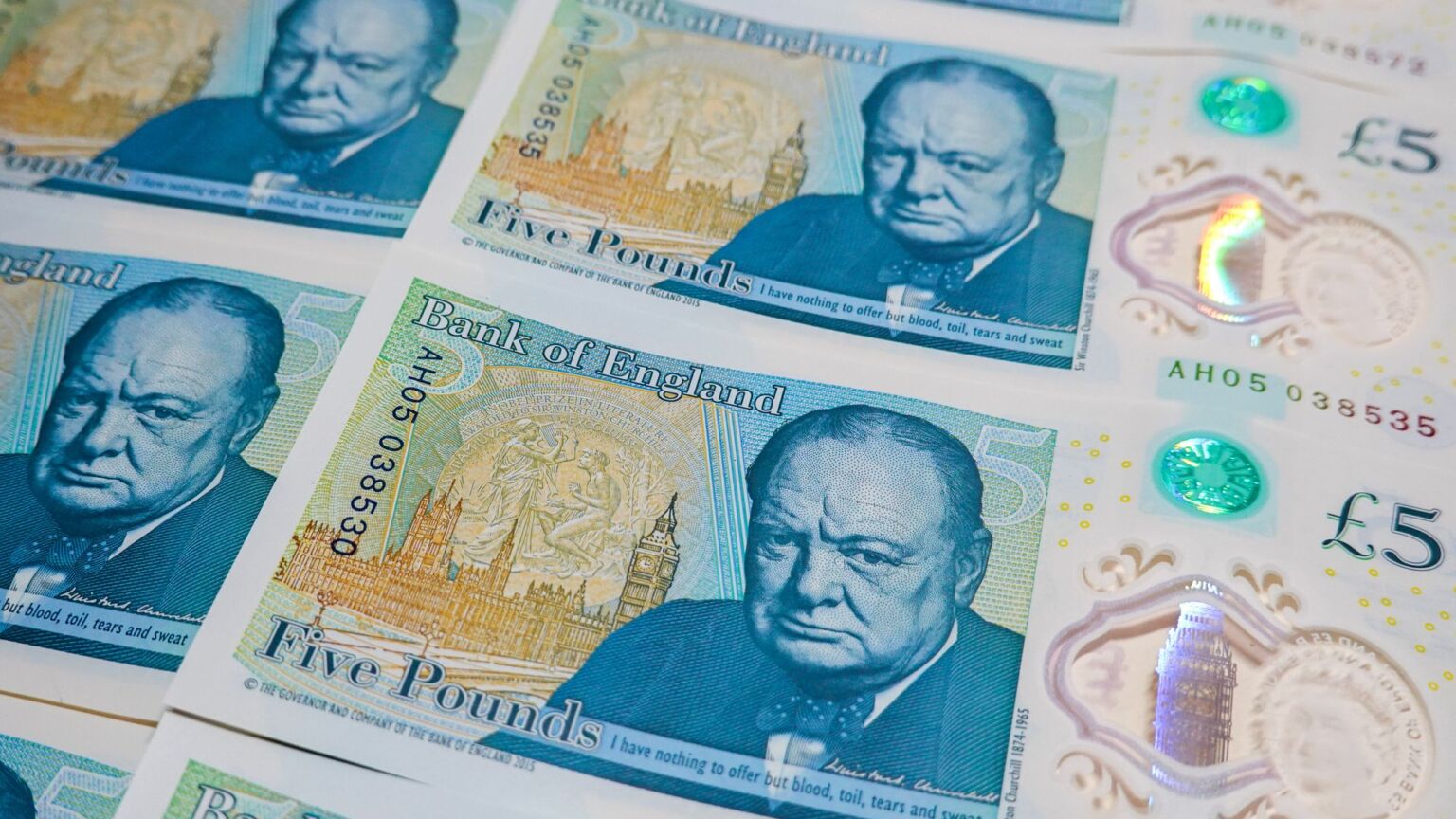
British banknotes are getting a facelift. In fact, the only human face remaining on them will belong to the king. The backs of the notes have long been home to portraits of national figures of historical importance – Dickens, Alan Turing, Jane Austen, etc. Now those old fuddy-duddies are to be replaced by voles, badgers and beavers. In essence, we are swapping Winston Churchill for a hedgehog.
Apparently, it keeps wicked counterfeiters on their toes to switch the design every decade or so. The thinking is that just as the dastardly forger has got George Stephenson off to a tee, he suddenly has to master Su Pollard.
Like you I’m sure, I haven’t used cash very much for a very long time. Though I have my doubts about the wisdom of virtual money replacing folding green, I haven’t been too sad about this – rattling about with heavy pockets full of change could make one feel like a piece of human percussion. It’s something of a surprise to those of us who’ve never known any different that the heroes of history only appeared for the first time on British currency in 1970, an innovation to tie in with decimalisation. Before that, the backs of notes were occupied by symbols like Britannia or a British lion. Despite the comparative brevity of the custom, the change still feels a bit of a wrench.
Of course, the Bank of England getting to this decision has taken an endless series of meetings, consultations, reviews, processes, reviews of processes, processes of reviews, and committees and panels. Quite why somebody in charge couldn’t just turn to an artist and say, ‘Right, I dunno… er… Tales of the Riverbank, get on with it’, is anybody’s guess. And we still don’t really know why the national treasures had to be abandoned in the first place (though we can have a good guess – old, white, pre-Windrush, get rid).
The BofE’s consultation set out the criteria for what would make a good new ‘theme’ for pounds sterling. These included, a) it symbolises the UK; b) It ‘resonates’ with the public; and c) it is not ‘divisive’. This last requirement is worth dwelling on. The bank explains further: ‘The theme should not involve imagery that would reasonably be offensive to, or exclude, any groups.’
Groups, eh? What ‘groups’ in particular – Coldplay? The Nolan Sisters? Showaddywaddy? As we all know but must never say, ‘groups’, like ‘communities’, is lanyardese for Muslims and transvestites, because the powers-that-be are terrified of both. Also, what about people who hate squirrels? Aren’t they a group, with rights?
The panel who decided on the new theme replaced another panel, the Banknote Character Advisory Committee, which was charged with managing ‘the selection of individuals to appear on new notes’. The terms of reference for that erstwhile committee say that ‘the bank seeks to celebrate individuals that have shaped British thought, innovation, leadership, values and society. The bank represents on its notes a person or small group of individuals whose accomplishments or contributions have been recognised widely at the time, or judged subsequently to have been of lasting benefit to the United Kingdom.’ This brings up the vexed question of significant but deceased historical figures who annoy the progressive establishment. In fact, one begins to suspect that the chucking off of the old theme in its entirety is merely a means to avoid having to put the first female prime minister on the notes.
Now we have a new panel – of wildlife experts, selecting the animals the British public can choose from. Imagine the fraught, 12 Angry Men-style scenes of their sequestered debates. ‘So help me, the newt is going on the shortlist!’ ‘Godammit, the Eurasian shrew stays or I walk out that door!’
One of this team, wildlife broadcaster Nadeem Perera (no, me neither), has said of the change:
‘The wildlife of the UK is not separate from our culture. It sits in our football crests, our folklore, our coastlines and our childhoods. Giving it space on something as symbolic as our currency feels both overdue and significant.’
How can people spout this tripe? Was anybody out there really furrowing their brow and tapping their watch, fuming: ‘WHEN, OH, WHEN will there be an otter on a fiver?’
I’m sorry for quoting at length, but this corporate waffle has to be savoured in its entirety for full effect. Talking of which, here’s Victoria Cleland, chief cashier at the Bank of England:
‘I was delighted by the level of public engagement during our banknote-theme consultation last year. The response underlines how important banknotes remain to people. The key driver for introducing a new banknote series is always to increase counterfeit resilience, but it also provides an opportunity to celebrate different aspects of the UK. Nature is a great choice from a banknote-authentication perspective and means we can showcase the UK’s rich and varied wildlife on the next series of banknotes. I look forward to hearing about the public’s favourite wildlife during our forthcoming summer consultation.’
What a laughing riot the Cleland household must be. Still, at least nobody involved has used the word ‘iconic’. Yet.
And let’s face it, it could have been a lot worse. Knowing the lanyard class, we could’ve had India Willoughby, Paddington and Shamima Begum.
The news has sparked predictable outrage and counter-outrage. Actually, that’s not fair; the progressive counter-reaction has been more of the ‘Why do you care?’ variety. But this won’t wash. Either it matters who or what appears on our banknotes, or it doesn’t matter. If it didn’t matter, nobody would have been bothered enough to make the switch in the first place. And somebody clearly was.
What does the incident reveal? Obviously, coming as it has done in these fraught times, it carries an extra unspoken significance, of an erased and rewritten national history. Everybody knows why they’ve really done it, and we know that they know that we know that they know. But, as always with these progressive rebrands, noticing it and objecting is part of the process, to mark out people who get narked as low status and nasty. Though this may have misfired. Even Lib Dem leader Ed Davey is fuming about the Churchill / squirrel exchange, which suggests the BofE may have misread its suppliants.
Anyway, my suggestion for when and if a Reform UK government gets in is for Chancellor Jenrick – purely for banter reasons – to immediately junk the whimsical fauna for lovingly rendered portraits of Jim ‘Nick Nick’ Davidson, JK Rowling and Jeremy Clarkson. See how much it ‘doesn’t matter’ then.
Gareth Roberts is a screenwriter, author and novelist, best known for his work on Doctor Who. The above is an edited extract from Gareth’s new book, Middle Class Holes: A Guide to the Worst Semi-Posh People in Britain Today.
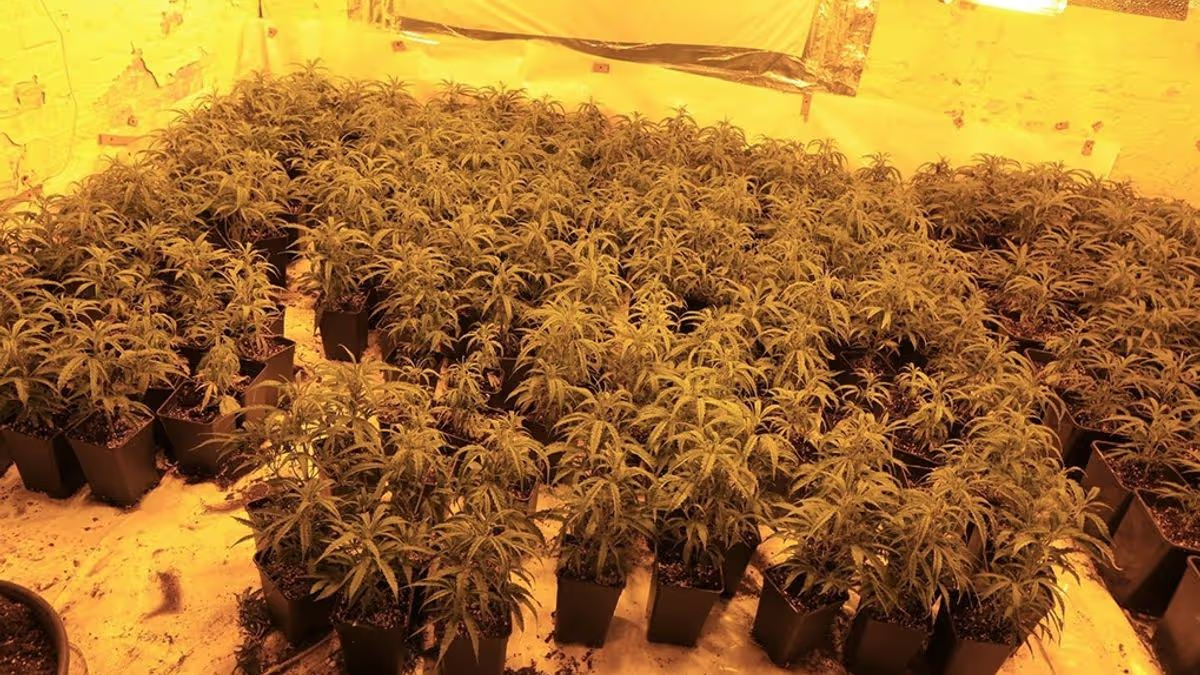
Inside a cannabis farm uncovered by police amid major Rochdale operation

Why Authenticity Is Becoming the Most Valuable Asset in Digital Marketing

BlackRock debuts staked ether ETF as demand grows for yield in crypto funds


-
Business6 days ago
Form 8K Entergy Mississippi LLC For: 6 March
-

 News Videos3 days ago
10th Algebra | Financial Planning | Question Bank Solution | Board Exam 2026
-

 Fashion6 days ago
Weekend Open Thread: Ann Taylor
-

 Crypto World3 days ago
Paradigm, a16z, Winklevoss Capital, Balaji Srinivasan among investors in ZODL
-
 Tech1 day ago
A 1,300-Pound NASA Spacecraft To Re-Enter Earth’s Atmosphere
-
 Sports7 days ago
499 runs and 34 sixes later, India beat England to enter T20 World Cup final | Cricket News
-
 Politics6 days ago
Top Mamdani aide takes progressive project to the UK
-

 Business2 days ago
ExxonMobil seeks to move corporate registration from New Jersey to Texas
-

 Sports5 days ago
Three share 2-shot lead entering final round in Hong Kong
-

 Sports4 days ago
Braveheart Lakshya downs Lai in epic battle to enter All England Open final | Other Sports News
-

 Tech2 days ago
ChatGPT will now generate interactive visuals to help you with math and science concepts
-

 NewsBeat18 hours ago
Residents reaction as Shildon murder probe enters second day
-

 NewsBeat7 days ago
Piccadilly Circus just unveiled ‘London’s newest tourist attraction’ and it only costs 80p to enter
-

 Entertainment5 days ago
Hailey Bieber Poses For Sexy Selfies In New Luscious Lip Thirst Traps
-

 Business4 days ago
Search for Nancy Guthrie Enters 37th Day as FBI Probes Wi-Fi Jammer Theory
-

 Business1 day ago
Search Enters Sixth Week With New Leads in Tucson Abduction Case
-
 NewsBeat2 days ago
Pagazzi Lighting enters administration as 70 jobs lost and 11 stores close across Scotland
-

 Tech3 days ago
Despite challenges, Ireland sixth in EU for board gender diversity
-

 Business3 days ago
Search Enters 39th Day with FBI Tip Line Developments and No Major Breakthroughs
-

 NewsBeat22 hours ago
I Entered The Manosphere. Nothing Could Prepare Me For What I Found.