BYU
• Fr
• 6’9″
/ 212 lbs
Projected Team
Sacramento
|
PROSPECT RNK
2nd
|
POSITION RNK
1st
|
PPG
25.2
|
RPG
6.8
|
APG
3.9
|
3P%
33.8%
|
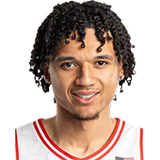
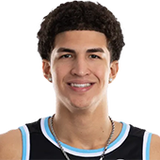
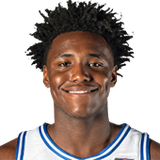
At this point, Dybantsa looks like the favorite to be the top pick in June. He’s a jumbo wing who is 6-foot-9 with a better than 7-foot wingspan. He’s athletic with an elastic body type, capable of creating his own shot at virtually any point, and the leading scorer in college basketball. He’s simultaneously made notable gains with his passing, finishing through contact at the rim, and even his 3-point shooting.
|
Kansas
• Fr
• 6’6″
/ 205 lbs
Projected Team
Indiana
|
PROSPECT RNK
1st
|
POSITION RNK
1st
|
PPG
19.9
|
RPG
4.2
|
APG
1.8
|
3P%
38.7%
|
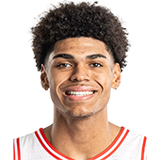
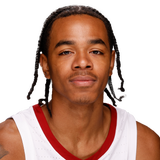
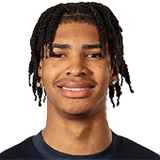
Peterson still has a real chance to go number one, with his overlap of shot-making, creation, and on/off ball versatility, along with backcourt size and length. But while Dybantsa’s game has ascended this year, questions about Peterson’s durability and availability have snowballed. In Indiana, he’d join a contender from day one and be able to pair with Tyrese Haliburton in the backcourt.
|
Duke
• Fr
• 6’9″
/ 250 lbs
Projected Team
Brooklyn
|
PROSPECT RNK
3rd
|
POSITION RNK
1st
|
PPG
22.7
|
RPG
10.2
|
APG
4.1
|
3P%
40.7%
|
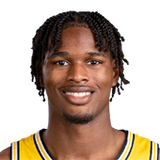
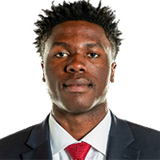
Boozer’s case to be the top pick in the draft should be getting more consideration. No one has impacted winning more and there are zero questions about his durability. His overlap of physicality, intellect, and versatility should allow him to make a substantial immediate impact at the next level as well. In Washington, he’d pair nicely with Alex Sarr in the long-run, with Anthony Davis providing invaluable tutelage along the way.
|
North Carolina
• Fr
• 6’10”
/ 215 lbs
Projected Team
Washington
|
PROSPECT RNK
4th
|
POSITION RNK
2nd
|
PPG
19.8
|
RPG
9.4
|
APG
2.7
|
3P%
25.9%
|
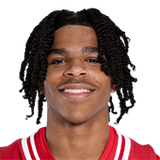
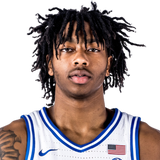
Wilson is a high-flying athlete with a high-motor, budding defensive versatility, and an offensive game that proved to be ahead of schedule this year at North Carolina. Brooklyn might prefer an on-ball creator from a fit perspective, but Wilson would be widely perceived as the best prospect on the board.
|
Illinois
• Fr
• 6’6″
/ 185 lbs
Projected Team
Utah
|
PROSPECT RNK
6th
|
POSITION RNK
3rd
|
PPG
17.9
|
RPG
4.9
|
APG
4.3
|
3P%
41%
|
This begins the quartet of freshmen guards expected to go in the mid-lottery. What distinguishes Wagler is his size, shooting, feel for the game, and on-off ball versatility. On the heels of a breakout year from Keyonte George, it’s that ability to still impact the game off the ball that would make him potentially the best fit in Utah.
|
Houston
• Fr
• 6’4″
/ 190 lbs
Projected Team
Atlanta
|
PROSPECT RNK
5th
|
POSITION RNK
2nd
|
PPG
16.5
|
RPG
3.9
|
APG
5.4
|
3P%
37.6%
|
Flemings is a dynamic athlete complete with speed, burst in his first-step, and leaping ability at the rim. He’s also a threat with his pull-up game, better than expected from three, and probably the best defender of the group. As Atlanta ventures into the post Trea Young era, Flemings would give them their lead guard of the future.
|
Louisville
• Fr
• 6’5″
/ 190 lbs
Projected Team
Dallas
|
PROSPECT RNK
7th
|
POSITION RNK
4th
|
PPG
18.2
|
RPG
3.3
|
APG
4.7
|
3P%
34.4%
|
Brown is a late-blooming lead guard who is exceptionally talented with the ball in his hands. He’s a deep shooter and advanced passer who now boasts good positional size along with improved strength and athleticism. On a Mavs team that will be built around Cooper Flagg, he provides another creator who will also boast extreme gravity off the ball.
|
Arkansas
• Fr
• 6’3″
/ 190 lbs
Projected Team
Memphis
|
PROSPECT RNK
9th
|
POSITION RNK
5th
|
PPG
22.2
|
RPG
3
|
APG
6.4
|
3P%
43.7%
|
With Ja Morant’s days in Memphis likely numbered, the Grizzlies are going to need a future point guard to add to their young core of Cedric Coward, Zach Edey, Jaylen Wells, Cam Spencer, and others. Acuff has been arguably the best point guard in college basketball this year with the most polished offensive game as a creator, shot-maker, and distributor.
|
Tennessee
• Fr
• 6’10”
/ 207 lbs
Projected Team
Chicago
|
PROSPECT RNK
8th
|
POSITION RNK
3rd
|
PPG
17.4
|
RPG
6.4
|
APG
2.4
|
3P%
32.8%
|
This may be a bit redundant with Patrick Williams and Matas Buzelis already in place, but Ament is the best prospect on the board at this point. The combo-forward has real size and mismatch scoring tools as a late-bloomer who has consistently taken his game to new levels in recent years.
|
Arizona
• Fr
• 6’4″
/ 205 lbs
Projected Team
Milwaukee
|
PROSPECT RNK
17th
|
POSITION RNK
1st
|
PPG
16
|
RPG
5
|
APG
2.6
|
3P%
37%
|
Burries is a physical guard loaded with competitive intangibles who can both get downhill and shoot the ball with range. Whether Milwaukee enters a full rebuild or not, he should be an immediate asset and an ideal culture piece to build around.
|
Arizona
• Fr
• 6’8″
/ 235 lbs
Projected Team
Portland
|
PROSPECT RNK
15th
|
POSITION RNK
7th
|
PPG
13.8
|
RPG
5.3
|
APG
2.7
|
3P%
31.6%
|
The other half of Arizona’s dynamic freshman duo, Peat is a powerful four-man who can play out of short rolls, get downhill, and is another culture builder. Peat’s shooting is his major swing skill, but with Donovan Clingan now stretching the floor offensively, this could provide a good fit and long-term replacement for Jerami Grant.
|
Kentucky
• Soph
• 6’10”
/ 255 lbs
PPG
5
|
RPG
5
|
APG
0.5
|
3P%
0
|
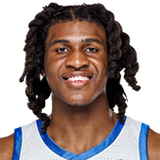
Quaintance may be the best defensive prospect in this class and on an OKC championship program built on a dominant defense, this seems like a good fit. It also provides the Thunder with a future running mate for Chet Holmgren up front if it turns out they can’t retain Isaiah Hartenstein when he becomes a free agent.
|
Karim Lopez
SF
Mexico
• 6’8″
/ 224 lbs
Projected Team
Charlotte
|
PROSPECT RNK
18th
|
POSITION RNK
2nd
|
Lopez is a big and versatile forward who has been trending up this year in the NBL. With both Miles Bridges and Grant Williams going into contract years next season, he could provide a replacement to fit nicely alongside Kon Knueppel, LaMelo Ball, and Brandon Miller.
|
Washington
• Fr
• 6’11”
/ 229 lbs
Projected Team
San Antonio
|
PROSPECT RNK
16th
|
POSITION RNK
8th
|
PPG
18.6
|
RPG
11.6
|
APG
1.5
|
3P%
35.6%
|
The Spurs still don’t have a clear-cut long-term running mate for Victor Wembanyama in the frontcourt. Steinbach would fit the bill providing inside-out skill, good instincts as a roller, untapped shooting potential, and enough size to play either alongside or behind Wemby.
|
Michigan
• Sr
• 6’9″
/ 235 lbs
Projected Team
Golden St.
|
PROSPECT RNK
11th
|
POSITION RNK
5th
|
PPG
14.7
|
RPG
7.2
|
APG
3.2
|
3P%
34.3%
|
Lendeborg may be old by draft standards, but he’s an extremely versatile two-way piece who plays and defends multiple positions. The shooting is the long-term swing skill, but the passing would allow him to fit in Steve Kerr’s system.
|
Florida
• Jr
• 6’9″
/ 215 lbs
PPG
17.2
|
RPG
6.1
|
APG
2
|
3P%
34.6%
|
Haugh is a versatile big wing who can play multiple positions, provide the type of grit that OKC values, hold his own in OKC’s defensive culture, and already has an understanding of how to play a role in service of winning.
|
Alabama
• Fr
• 6’3″
/ 175 lbs
Projected Team
Miami
|
PROSPECT RNK
19th
|
POSITION RNK
7th
|
PPG
21.5
|
RPG
3.2
|
APG
4.8
|
3P%
38.9%
|
Philon’s sophomore jump has made him both a shot-creator and shot-maker. In Miami, he may rediscover the defense he was known for as a freshman. With plenty of decisions looming for the Heat on the perimeter, he and Kasparas Jakucionis could be two compatible long-term pieces.
|
Michigan
• Soph
• 6’9″
/ 250 lbs
Projected Team
Memphis
|
PROSPECT RNK
35th
|
POSITION RNK
10th
|
PPG
13.7
|
RPG
7.4
|
APG
1.1
|
3P%
41.7%
|
Johnson continues to gain momentum among NBA decision-makers with his size, physicality, and increasing two-way versatility. In Memphis, he could play either alongside or behind Zach Edey, in a comparable way to how he’s paired with Aday Mara this year at Michigan.
|
Iowa
• Sr
• 6’4″
/ 190 lbs
Projected Team
Toronto
|
PROSPECT RNK
14th
|
POSITION RNK
6th
|
PPG
20.2
|
RPG
2.5
|
APG
4.4
|
3P%
38.2%
|
The Raptors have made significant strides this year but still don’t have elite guard depth and may look to move off Immanuel Quickley’s deal in the off-season. Stirtz provides skill, real shot-making, an understanding of how to move without the ball, and a terrific mind for the game.
|
Texas Tech
• Soph
• 6’3″
/ 178 lbs
Projected Team
Charlotte
|
PROSPECT RNK
21st
|
POSITION RNK
8th
|
PPG
19.2
|
RPG
3.7
|
APG
7.8
|
3P%
42.7%
|
The Hornets are committed to letting this core grow together, but it wasn’t that long ago it seemed Ball’s future in Charlotte was limited. If that ever resurfaces, Anderson provides a contingency. He’s highly skilled and equally cerebral with the ball in his hands.
|
Duke
• Soph
• 6’11”
/ 250 lbs
Projected Team
Denver
|
PROSPECT RNK
28th
|
POSITION RNK
4th
|
PPG
10.7
|
RPG
6
|
APG
1.9
|
3P%
27.6%
|
Having a true back-up center behind Nikola Jokic has been important this year for Denver. But Jonas Valanciunas will be a free-agent following the 2026-27 season and so Ngongba could ultimately slide into that spot. He’s a defensive presence with good size, massive length, and budding inside-out offense.
|
Houston
• Fr
• 6’11”
/ 240 lbs
Projected Team
Atlanta
|
PROSPECT RNK
12th
|
POSITION RNK
6th
|
PPG
9.4
|
RPG
7.4
|
APG
0.8
|
3P%
32.1%
|
Cenac slides a bit in this latest mock draft in correlation with declining impact at Houston, but there’s still plenty of long-term upside at nearly 7-feet with massive measurables, great mobility, correlating defensive versatility, solid athleticism, and some shooting potential.
|
Arizona
• Jr
• 7’2″
/ 260 lbs
Projected Team
L.A. Lakers
|
PROSPECT RNK
30th
|
POSITION RNK
5th
|
PPG
10.8
|
RPG
8.2
|
APG
1
|
3P%
36.4%
|
The Lakers could use a defensive minded center in the worst way and Krivas may be the best in college basketball this season. He has tremendous size, even by NBA standards, is a drop coverage monster, and understands how to play his role offensively.
|
North Carolina
• Jr
• 7’0″
/ 225 lbs
Projected Team
Philadelphia
|
PROSPECT RNK
26th
|
POSITION RNK
2nd
|
PPG
16.3
|
RPG
8.4
|
APG
2
|
3P%
41.5%
|
A very skilled 7-footer, Veesaar is very gifted offensively. He can stretch the floor, play out of dribble hand-off action, put it on the floor, pass, and even finish with sneaky force. In Philadelphia, he’ll provide some much-needed depth behind Joel Embiid.
|
Connecticut
• Fr
• 6’6″
/ 196 lbs
Projected Team
Detroit
|
PROSPECT RNK
24th
|
POSITION RNK
3rd
|
PPG
12
|
RPG
3.4
|
APG
1.3
|
3P%
36.4%
|
Mullins is an elite 3-point shooter who can space the floor around Cade Cunningham and Jalen Duren and provide balance along defensive-minded young wings like Ausar Thompson and Ron Holland. He’s also a good enough defender in his own rite to hold up in Detroit’s culture.
|
Kansas
• Soph
• 6’10”
/ 235 lbs
Projected Team
New York
|
PROSPECT RNK
27th
|
POSITION RNK
3rd
|
PPG
13.8
|
RPG
9
|
APG
1.6
|
3P%
0%
|
Bidunga is a big-time athlete, major lob threat, very mobile, and consequently one of the most versatile frontcourt defenders in the country. With Mitchell Robinson entering free agency following the year, he could step right into that role.
|
Alabama
• Fr
• 6’8″
/ 205 lbs
Allen is a big wing with defensive versatility, the shooting range to space the floor, and the acumen to move the ball, all things that are valued in Boston’s system under Joe Mazzulla.
|
Baylor
• Soph
• 6’5″
/ 190 lbs
Projected Team
Minnesota
|
PROSPECT RNK
20th
|
POSITION RNK
2nd
|
PPG
19.2
|
RPG
5.5
|
APG
2.7
|
3P%
39.4%
|
Carr may need some time to fill-out his frame, but he’s a late-bloomer with a rare overlap of massive length, leaping ability, shooting, and scoring prowess. Coming off a breakout year at Baylor, he could be just scratching the surface.
|
Michigan
• Jr
• 7’3″
/ 255 lbs
Projected Team
Cleveland
|
PROSPECT RNK
34th
|
POSITION RNK
7th
|
PPG
11.3
|
RPG
6.9
|
APG
2.4
|
3P%
28.6%
|
Mara is a giant even by NBA standards. His defensive impact is undeniable, but he’s also clever around the rim offensively, as a screener, and passer. His presence would also provide some insurance if the Cavs ever elect to split up Evan Mobley and Jarrett Allen.
|
Duke
• Soph
• 6’6″
/ 180 lbs
Projected Team
Dallas
|
PROSPECT RNK
22nd
|
POSITION RNK
3rd
|
PPG
14.5
|
RPG
2.8
|
APG
1.3
|
3P%
36.7%
|
Evans is one of the best shooters in the draft, already drilling NBA caliber shots, and gradually diversifying his offensive game. The fact that he’s a former teammate of Cooper Flagg’s probably doesn’t hurt either.
|






;)