Connect with us

Business

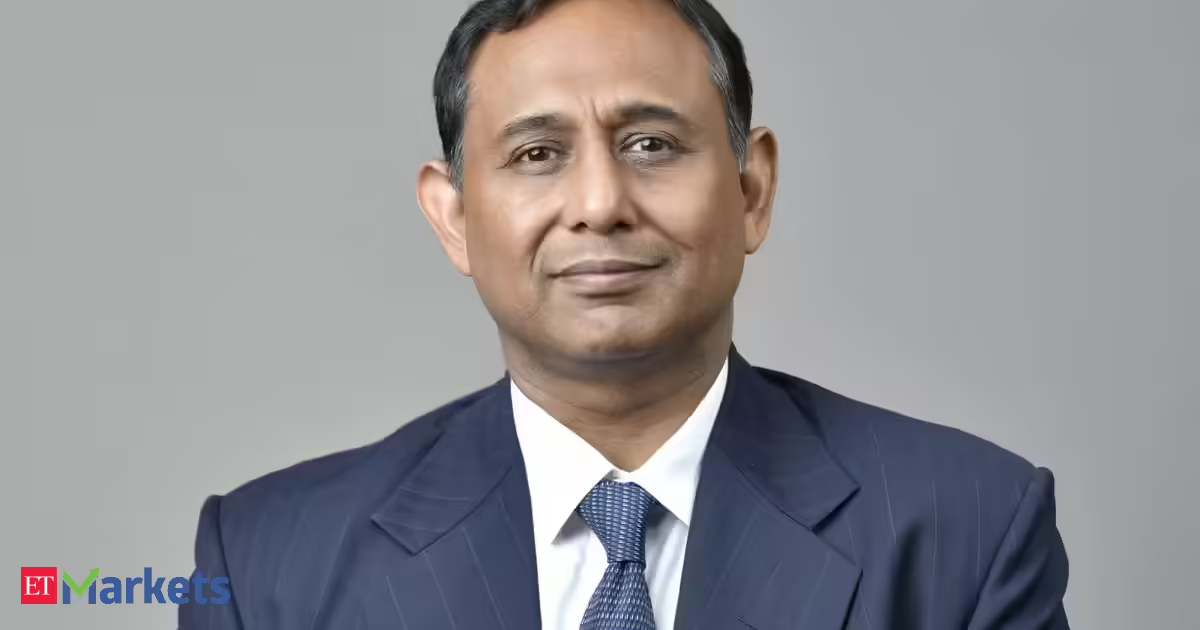
Stay patient in this market; earnings may face near-term pressure: Amnish Aggarwal

Published

on

Stay patient in this market; earnings may face near-term pressure: Amnish Aggarwal
Indian equity markets are facing heightened volatility as global uncertainties, rising crude oil prices, and persistent foreign institutional investor (FII) selling continue to weigh on sentiment.

Speaking to ET Now, market expert Amnish Aggarwal from Prabhudas Lilladher said that the current environment is characterised by extreme day-to-day volatility, particularly in commodity prices. “It is too much volatility on a day-to-day basis because if you look at crude, one day it moves from 85 to 115–120, in the next two days it is back and then again it shoots up. So, it is a very volatile situation and there are two aspects to it. One is the volatility in prices and the second issue is the availability of the basic products.” According to him, the uncertainty surrounding global supply chains and commodity availability means that the situation may take time to stabilise. “There is very little which can be done in the near term. It will take some time for things to normalise. If this war continues for long, all countries will look at alternate supply sources, so things will take time to normalise.”

Aggarwal also cautioned that the ongoing disruptions could have a cascading effect on corporate earnings. “This is going to have a cascading impact on earnings both in 4Q and even 1Q might get impacted.” While he does not foresee a severe economic contraction, he believes the knock-on effects on demand and growth could still create challenges for markets. “Even if GDP takes a hit and demand weakens a little due to all these actions, that scenario is not looking good.” Given the prevailing uncertainty, he advised investors to remain cautious for the time being. “Till the time some sanity comes into the situation and supply chain issues get sorted out, it is better to be on the sidelines rather than taking the plunge as of now.”

The banking sector, particularly private lenders, has also witnessed selling pressure in recent weeks. Aggarwal noted that despite liquidity measures such as the CRR cut, other factors are working against banks at the moment. “Despite the CRR cut, G-Sec rates have been going up, so that is one factor. The money market is tight.” He pointed out that one of the few positives in recent months had been strong credit growth. “The silver lining was that there was a good amount of credit growth happening, around 12% to 13%.” However, he warned that continued geopolitical uncertainty and supply disruptions could weigh on lending activity going forward. “If this uncertainty on the war and supply chain disruption continues, there is every probability that credit growth might get hit.”

Advertisement

Rising inflation expectations could also alter the outlook for interest rates. “With increasing inflation expectations in the economy, another rate cut is ruled out, at least in April, and even in the coming three to six months the chances are very little,” he said, adding that unless targeted policy incentives are introduced for certain sectors, the likelihood of lower borrowing costs remains slim. This could also impact banks’ profitability outlook. “The expected NIM expansion which the market was anticipating for FY27 might not happen, so that could be a drag on banks in the near term.” However, he added that valuations in the banking space are not stretched and could attract support eventually.


When asked about the relative positioning of private versus public sector banks, Aggarwal said that private lenders remain fundamentally stronger but are more vulnerable to FII selling due to higher foreign ownership. “Private banks in terms of valuations are better placed compared with their historical averages. But private banks are also where FII holding is higher, so when FII selling happens they suffer more.” He added that if foreign outflows continue, private banks could face more pressure compared with PSU lenders, even though their underlying fundamentals remain sound.
Aggarwal also highlighted the loan-to-deposit ratio (LDR) dynamics within the banking system, noting that many large private banks are currently operating with relatively stretched LDR levels. “If you look at most of the private banks among the large five or six lenders, no one is below the mid-80s and some banks like HDFC and IDFC are running it in the mid-90s or slightly higher. So definitely, if there is some let-up on that, it will reduce pressure on them to some extent.” However, he cautioned that even liquidity easing measures by the Reserve Bank of India may not provide a strong boost if credit demand itself weakens due to uncertainty in the broader economy. “If the disruption in oil prices and supply chains starts hitting the real economy, then credit growth of 12% to 13% may not sustain.” He added that credit expansion could slow significantly in the coming months. “If the current situation continues, I do not rule out that even in the second half of March or in April those numbers could easily crash down to single digits.”The automobile sector has also experienced significant correction in recent weeks, with leading auto stocks falling nearly 15–20% after a strong rally over the previous six months. Aggarwal said the sector’s outlook now depends on several macro variables, including fuel availability, economic growth, and weather conditions. “If you split autos into three baskets—two-wheelers, passenger vehicles and commercial vehicles—the industry had been doing well since GST rate rationalisation and the CV cycle had also started picking up.” However, he warned that emerging risks could impact demand trends. “The bigger issue to watch out for is El Niño because if El Niño comes, rural demand and rural-centric companies could be on the receiving end.”

In such a scenario, he believes urban-focused passenger vehicle manufacturers could perform relatively better. “Urban-centric, SUV-centric passenger vehicle players stand a better chance.” The outlook for commercial vehicles remains less certain, as the segment is closely tied to freight activity and economic momentum. “If overall haulage does not sustain, then even the CV cycle might get shortened,” he said.

Despite the current volatility, Aggarwal believes there are still selective opportunities for investors. “At this point of time, defence and capital goods continue to look good,” he said, while also suggesting selective exposure to consumer staples and healthcare-related segments. “Be very selective in some of the staples. Pharma and hospitals are also spaces to look at.” Among individual stocks, he pointed to telecom major Bharti as a potential opportunity after the recent correction. “Stocks like Bharti can also be looked at because they have corrected significantly without any fundamental crack.”

For now, however, the broader market remains highly sensitive to global developments, commodity price swings, and geopolitical risks. Until greater clarity emerges and volatility subsides, many analysts believe investors may prefer to adopt a cautious approach and wait for stability to return before making aggressive investment decisions.

Advertisement
Continue Reading
Click to comment

Leave a Reply

Your email address will not be published. Required fields are marked *

Business

GameStop (GME) Stock Holds Steady Near $24.50 Amid Acquisition Speculation and Meme Stock Resilience

Published

on

Microsoft CEO Satya Nadella says the US tech giant plans to invest $3 billion in India on AI and cloud infrastructure over the next two years

GameStop Corp. (GME) shares traded modestly higher in early March 2026 trading, closing at $24.46 on March 11 after a 0.37% gain, as the video game retailer continues to outperform many peers in the meme-stock category amid ongoing speculation about a major acquisition and CEO Ryan Cohen’s transformation efforts.

GameStop is laying off people as the company tries to fit in with a digitally-transforming videogame industry. In photo: GameStop stock graph is seen in front of the company's logo in this illustration taken February 2, 2021.
GameStop (GME) Shares

The stock opened March 12 around $24.40 and climbed to $24.51 by mid-morning, up about 0.20% from the previous close, according to real-time data from Yahoo Finance and other platforms. Volume remained moderate at around 833,000 shares in the opening hours, below the average daily figure of roughly 5 million.

GameStop has gained more than 20% year-to-date in 2026, rising from about $20.08 at the end of 2025 to current levels near $24.50. This performance stands in contrast to other meme stocks like AMC Entertainment and SoundHound AI, which have declined sharply over the same period. Analysts attribute GME’s relative strength to renewed short-squeeze interest, a robust cash position and persistent buzz around Cohen’s plans to deploy the company’s roughly $8.8 billion in cash reserves for a significant acquisition.

In late January 2026, reports surfaced that Cohen was eyeing a “very big” deal involving a publicly traded consumer company, sparking a rally that pushed shares above $24 in early February. Michael Burry, the investor famous from “The Big Short,” disclosed a long position in GameStop around the same time, further fueling optimism despite his comments downplaying the odds of another massive short squeeze like the one in 2021.

The company has maintained a strong balance sheet, bolstered by previous equity raises and cost-cutting measures, including hundreds of store closures as it shifts away from traditional brick-and-mortar retail toward collectibles, partnerships and potential new ventures. GameStop’s Q3 2025 revenue came in at $821 million, down 4.57% year-over-year, reflecting ongoing challenges in physical game sales amid the rise of digital downloads.

Advertisement

Options activity has shown mixed sentiment in recent sessions. On March 11, call volume was relatively light but directionally varied, with some moderately bullish trades noted earlier in the week. TipRanks reported mixed options sentiment on March 9 with shares up 0.9%, while other days saw moderately bullish or neutral flows.

Analyst coverage remains cautious. The consensus rating leans toward “Reduce,” with a median price target around $13.50 from a handful of firms, well below current levels. No major Wall Street upgrades have materialized recently, and some forecasts highlight risks from declining core business fundamentals. However, institutional interest persists — Van ECK Associates increased its stake by 58.3% in the third quarter of 2025 to over 3 million shares.

GameStop’s next earnings report is expected around March 24 or 31, 2026, depending on scheduling, with investors watching for updates on cash deployment, store rationalization and any progress on strategic initiatives. The board previously approved a performance-based stock option award for Cohen in January 2026, contingent on shareholder approval at a special meeting likely in March or April, tying his compensation to ambitious long-term goals.

The stock’s 52-week range spans $19.93 to $35.81, with the high reached in May 2025 during earlier volatility. Recent trading has stayed in a tighter band around $23-$25, reflecting a stabilization after the January-February surge.

Advertisement

Broader market context includes steady U.S. equity gains in early 2026, though meme stocks remain highly volatile and sentiment-driven. GameStop’s ability to decouple somewhat from the pack underscores evolving narratives: from pure speculation to a cash-rich entity potentially pivoting under Cohen’s leadership.

Short interest data has not shown extreme levels recently, tempering squeeze fears, but retail enthusiasm on platforms like StockTwits and Reddit keeps the name in focus. Traders note that any confirmed acquisition news could trigger sharp moves, while continued silence might lead to drift.

As GameStop navigates its post-meme era, the stock’s performance in March 2026 illustrates resilience amid uncertainty. With earnings approaching and acquisition rumors lingering, volatility is likely to persist for shareholders.

Advertisement
Continue Reading

Business

Radiator firm Stelrad sees profits tumble in ‘subdued’ market

Published

on

Business Live

The Newcastle firm has its main manufacturing base in Yorkshire, as well as significant operations overseas

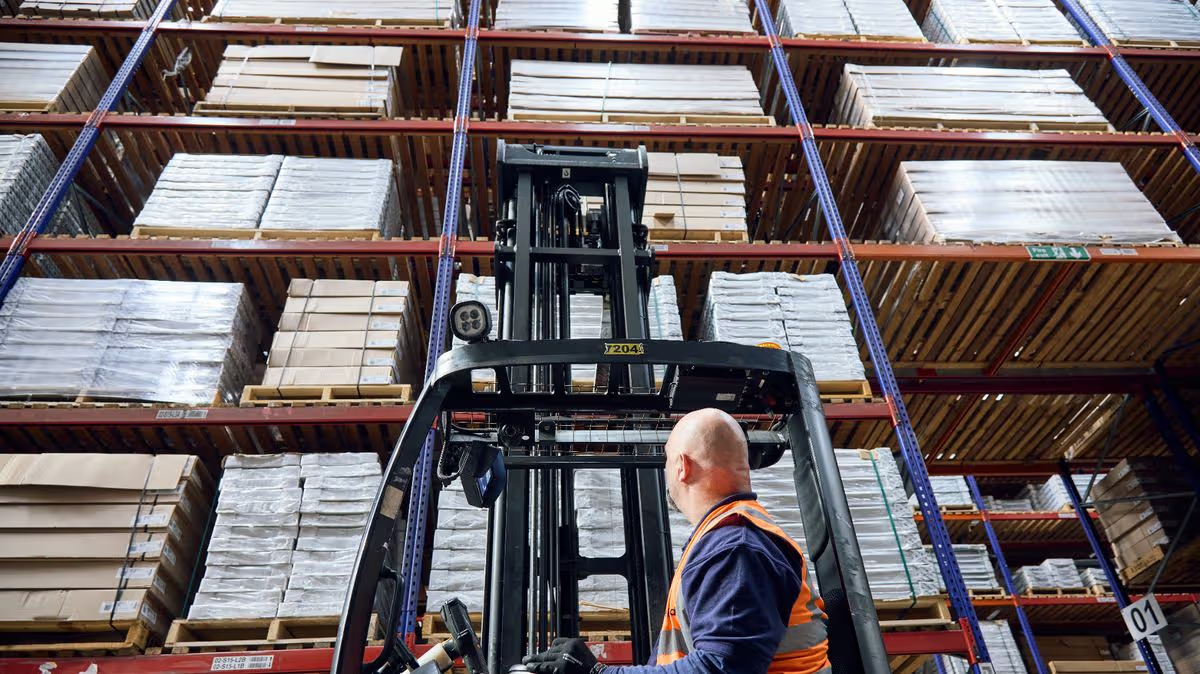
Inside Stelrad Group's Mexborough facility.

Inside Stelrad Group’s Mexborough facility.(Image: Shaun Flannery Photography Ltd)

Radiator company Stelrad saw its operating profit almost halve as revenues fell and it incurred costs in some of its overseas operations.

The Newcastle company, which has its main manufacturing base in South Yorkshire, has released interim full-year results for 2025. They show that revenue fell slightly to £279.6m but operating profit went down by 44% to £17.5m.

But Stelrad said that it was well-placed for growth and that its adjusted operating profit increased slightly to £32.5m. The company recognised exceptional costs of £14.9m relating to restructuring in its Turkish and Danish facilities and an impairment charge on the assets of Radiators SpA in Italy.

The company said it was driving growth in its higher-margin products and continuing to make efficiencies. But continued economic uncertainty in core territories of UK and Ireland and mainline Europe resulted in a 3.8% decline in overall revenues, it said.

Advertisement

Stelrad said it had successfully renewed its £100m loan facility with existing banking partners last December to reduce future borrowing costs. It increased its recommended dividend to 5.05p, saying that was “reflecting the board’s ongoing confidence in Stelrad’s future prospects, the strength of the group’s balance sheet and cash conversion.”

Chief executive officer Trevor Harvey said: “2025 demonstrated once again our ability to deliver adjusted operating profit growth through the market cycle while continuously improving our operations and positioning as we optimise our business for further progress. There remains a level of uncertainty around the timing of a wider market recovery, however, we remain confident in the opportunities that a market recovery offers for a stronger, simplified and more operationally efficient Stelrad.

Trevor Harvey, CEO of Stelrad

Trevor Harvey, CEO of Stelrad(Image: Stelrad)

“Our leadership positioning across the range of markets where we operate provides us with a platform from which to build and positions the group well to continue to drive the adoption of higher-margin, value-added products, including increasing the penetration of premium panel and higher heat output ranges in key markets.

“The board remains confident in delivering further progress during 2026. Our operational excellence initiatives, underpinned by our competitive advantages and market positioning, mean that Stelrad remains well-placed to outperform its peers in the near term and benefit from any medium-term market recovery.”

Advertisement

In its statement to the Stock Exchange, Stelrad said that it had market leadership in six of the 10 countries in which it operated and was seeing significant growth in products that reflected the transition to net zero. It said current trading was in line with expectations but that it expected market conditions to remain “subdued” this year.

Stelrad, which dates back to the 1930s, has its headquarters in Newcastle with manufacturing and other facilities in Mexborough, South Yorkshire, and in Turkey, Italy, the Netherlands, Denmark and Poland. It listed on the London Stock Exchange in 2021.

Continue Reading

Business

Adobe shares drop after CEO exit adds to AI-disruption concerns

Published

on

Adobe shares drop after CEO exit adds to AI-disruption concerns


Adobe shares drop after CEO exit adds to AI-disruption concerns

Continue Reading

Business

Demand for Perth hotels continues to rise, study shows

Published

on

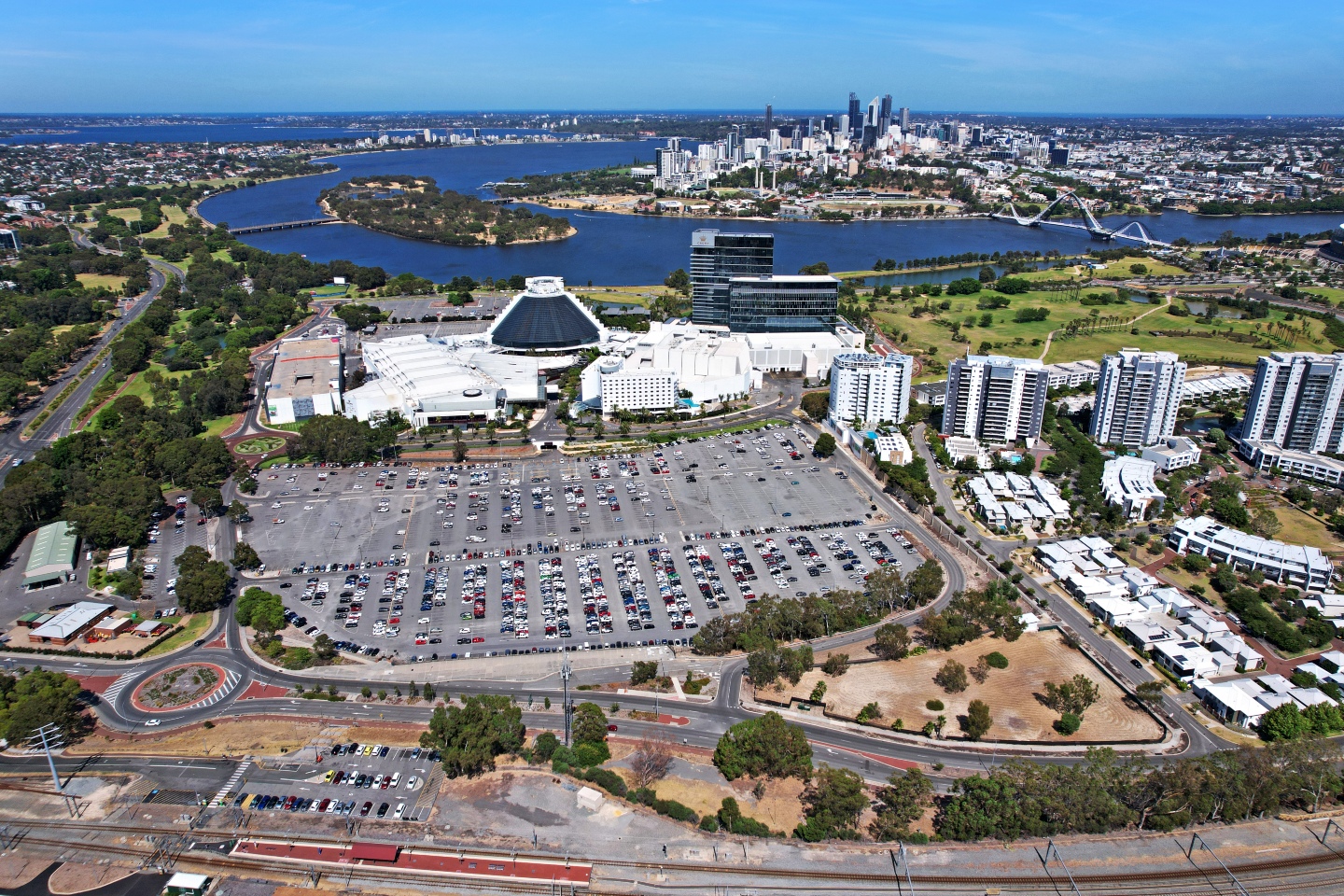
Demand for Perth hotels continues to rise, study shows

A new study on Perth hotels has highlighted investment opportunities as it forecasts growth in visitor demand outpacing the development pipeline.

Continue Reading

Business

WA finally above GST floor as deal hailed 'success'

Published

on

WA finally above GST floor as deal hailed 'success'

Western Australia is set to receive a record $9.3 billion in GST revenue for the 2026-27 financial year, a large boost which experts said vindicated controversial reforms in 2018.

Continue Reading

Business

Forget Oil: Iran War Could Eventually Trigger AI Recession

Published

on

Forget Oil: Iran War Could Eventually Trigger AI Recession

Forget Oil: Iran War Could Eventually Trigger AI Recession

Continue Reading

Business

At Close of Business podcast March 13 2026

Published

on

At Close of Business podcast March 13 2026

Claire Tyrrell and Ella Loneragan discuss ideas from European cities to address the empty spaces in Perth and Fremantle.

Continue Reading

Business

Morgan Stanley cuts KinderCare stock rating on industry headwinds

Published

on


Morgan Stanley cuts KinderCare stock rating on industry headwinds

Continue Reading

Business

More Troubled Waters: Heard on the Street Recap

Published

on

More Troubled Waters: Heard on the Street Recap

More Troubled Waters: Heard on the Street Recap

Continue Reading

Business

AFC, RM Williams launch fashion manufacturing strategy

Published

on

AFC, RM Williams launch fashion manufacturing strategy

The Australian Fashion Council and RM Williams have launched a national plan to rebuild Australia’s manufacturing capability across the textile, clothing and footwear sector.

Continue Reading

Trending

Copyright © 2025