



Connect with us

Business

New US trade probe targets EU, Canada, UK over forced labour

Published

on

New US trade probe targets EU, Canada, UK over forced labour

The US said it would examine whether countries are effectively blocking goods made with “forced labour”.

Continue Reading
Click to comment

Leave a Reply

Your email address will not be published. Required fields are marked *

Business

US housing market stays tight as median home prices hover near $400,000

Published

on

US housing market stays tight as median home prices hover near $400,000

Home prices are still climbing, even as mortgage rates have eased slightly and inventory shows early signs of improvement, underscoring just how tight the U.S. housing market remains.

The median sales price for all existing homes last month hovered just below $400,000, marking the 32nd consecutive month of year-over-year price increases, according to the National Association of Realtors.

Advertisement

That persistent affordability squeeze is putting renewed pressure on homebuilders to help get the American dream back on track.

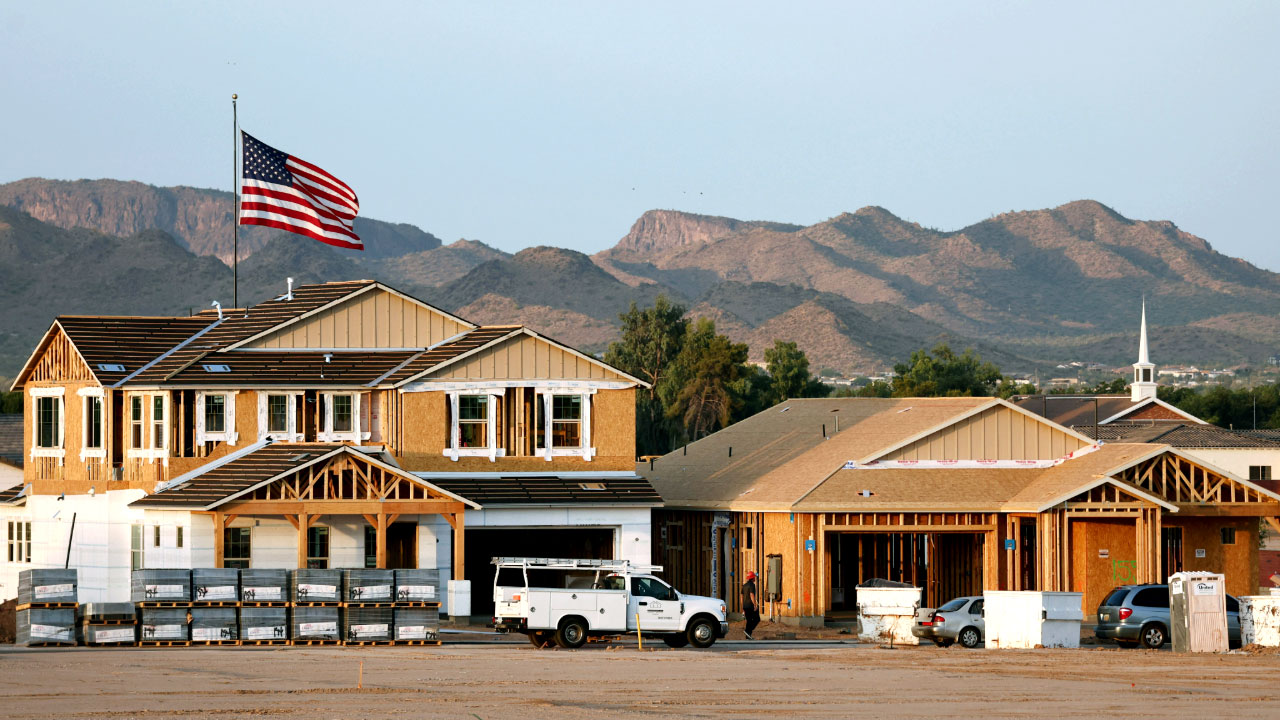
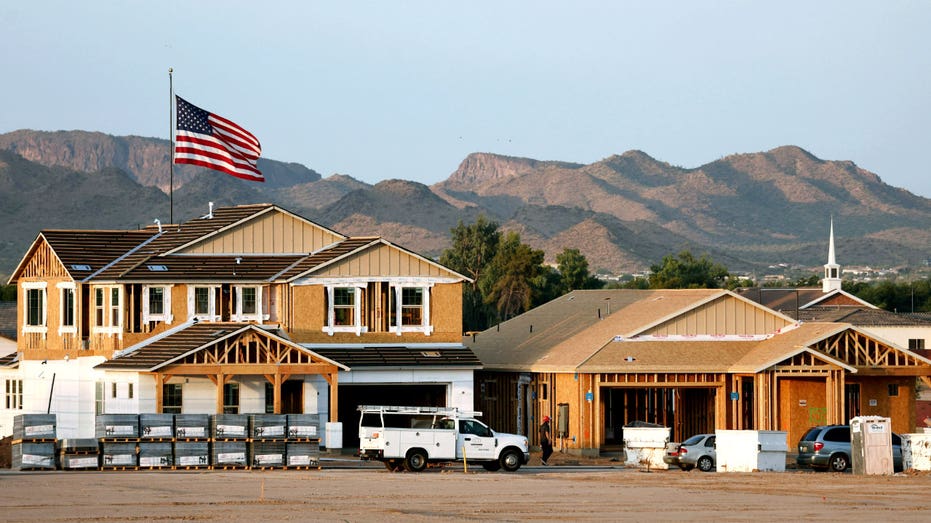
Homes under construction with mountains in the background.

The average rate on a 30-year fixed mortgage is 6.11%, according to Freddie Mac. (Mario Tama/Getty Images)

TRUMP PLEDGES TO MAKE HOUSING AFFORDABLE WHILE KEEPING VALUES UP

Despite softer consumer sentiment and elevated borrowing costs, the homebuilding industry is signaling cautious optimism heading into the year.

“A lot of builders, many of these small businesses, men and women building homes across this country, had some of the best January they’ve had in a while,” National Association of Home Builders CEO Jim Tobin told FOX Business.

Advertisement

Industry leaders say part of that momentum stems from growing acceptance that interest rates are likely to stabilize rather than surge higher. A resilient stock market and steady job growth have also helped support buyer confidence on the margins.

Meanwhile, a structural shift in the market is giving new construction a competitive edge.

For the first time in modern housing cycles, newly built homes in some markets are now cheaper than existing homes. Builders say “rate lock” dynamics are a major factor. Millions of homeowners are reluctant to give up ultra-low 3% or 4% mortgages for rates closer to 6% or higher, limiting resale inventory and pushing more buyers toward new builds.

“A lot of people have more confidence in what their house should cost, and what we’re seeing right now is that new homes are the only game in town,” Tobin added.

Advertisement
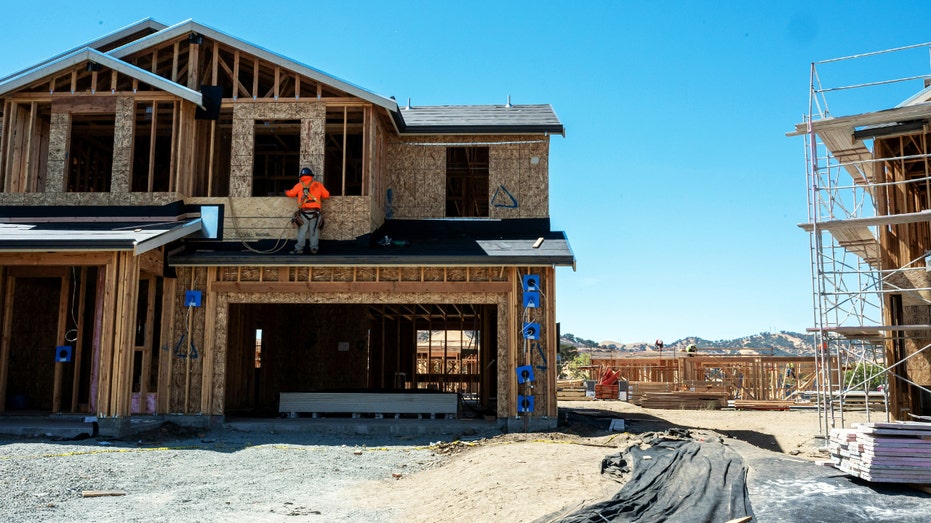
Builders work on putting together a new house.

The homebuilding industry is signaling cautious optimism. (David Paul Morris/Bloomberg via Getty Images)

HOMEBUYERS REFUSE TO BACK DOWN AS MORTGAGE RATES CONTINUE HOVERING STUBBORNLY NEAR 6% MARK

The supply imbalance remains severe. The U.S. is estimated to be roughly 4 million homes short, according to industry estimates, keeping upward pressure on prices even as construction activity fluctuates.

Still, builders face significant headwinds of their own, including high land costs, elevated labor expenses, material prices and regulatory hurdles at the local, state and federal levels.

At this year’s NAHB International Builders’ Show, the world’s largest annual light construction event, the industry is spotlighting new strategies aimed at improving affordability. Those include the use of alternative building materials, artificial intelligence in design and planning, and the expansion of smaller, more efficient housing models such as smart and tiny homes.

Advertisement

One of the most notable shifts is the steady downsizing of new homes.

Construction workers builds home with US flag in background

Builders face significant headwinds, including high land costs, elevated labor expenses, material prices and regulatory hurdles. (Joshua Lott/Bloomberg via Getty Images)

AMERICAN HOMEBUYERS GAIN MOST PURCHASING POWER SINCE 2022

After the Great Recession, the average new home size reached roughly 2,700 square feet, according to Census data and an NAHB analysis. That fell to about 2,565 square feet during the pandemic housing boom and is projected to decline further to around 2,400 square feet by the end of 2025, according to the latest data available.

Builders are also cutting costs by simplifying designs, reducing or streamlining design teams and increasingly leveraging AI-driven planning tools to improve efficiency.

Advertisement

GET FOX BUSINESS ON THE GO BY CLICKING HERE

As a result, the average price of a newly built home is now estimated to be roughly $30,000 lower than the average existing home in certain markets, a reversal that would have been nearly unthinkable in previous housing cycles.

With resale inventory constrained and affordability still strained, builders are increasingly positioning innovation, efficiency and smaller footprints as the blueprint for easing America’s housing shortage.

Advertisement
Continue Reading

Business

Nasdaq Composite Snaps Losing Streak on March 13, 2026, Rising 0.62% as Markets Stabilize

Published

on

Dow, S&P 500, Nasdaq Futures Climb Modestly as Trump's 10%

The tech-heavy Nasdaq Composite climbed modestly on March 13, 2026, ending a string of recent declines as investors sought bargains following sharp losses driven by Middle East conflict and elevated oil prices.

The Nasdaq Composite closed at 22,450.17, up 138.19 points or 0.62% from the previous day’s close of 22,311.98. The index opened at 22,425.71 and traded in a range from a low of 22,359.71 to a high of 22,521.38, with volume around 1.87 billion shares. The gain marked a relief rally after Thursday’s 1.78% drop, when the index fell 404.16 points amid fears of prolonged supply disruptions in global energy markets.

Dow, S&P 500, Nasdaq Futures Climb Modestly as Trump's 10%
Nasdaq

The performance reflected broader market stabilization, with the Dow Jones Industrial Average and S&P 500 also posting gains in mixed but positive territory. Investors appeared to digest ongoing U.S.-Iran tensions without immediate escalation, allowing dip-buying in technology and growth stocks that had borne the brunt of recent volatility. Chipmakers and other tech names contributed to the upside, buoyed by optimism around sector resilience despite macroeconomic pressures.

The week’s turbulence stemmed from retaliatory actions in the Middle East, including threats to the Strait of Hormuz, which sent oil prices surging and weighed on equities. Thursday’s sell-off pushed the Nasdaq to its lowest close of 2026 so far, with the index down over 4% for the week in some intraday calculations. Friday’s rebound suggested oversold conditions and bargain hunting, particularly in high-growth sectors sensitive to interest rate expectations and energy costs.

Year-to-date, the Nasdaq has experienced significant swings, reaching highs above 24,000 earlier in the year before retreating amid war-related uncertainty and inflation concerns. The index remains down roughly 2-3% from January peaks but holds substantial gains from 2025 levels, supported by AI advancements and corporate earnings in big tech.

Advertisement

Analysts attributed the March 13 advance to several factors: paring oil price gains after initial spikes, signals of coordinated international responses to supply risks, and anticipation of key economic data. Fresh GDP revisions showed slower growth than expected in prior quarters, potentially reinforcing expectations for Federal Reserve flexibility, though higher yields from inflation worries capped upside.

Tech sector leaders drove much of the session’s momentum. Nvidia and other semiconductor stocks rebounded from recent pressure, with some gaining 1-2% on positive commentary from supply-chain partners. Broader participation from consumer defensive and healthcare names provided balance, offsetting lingering caution in cyclical areas.

The Nasdaq’s recovery aligned with pre-market futures pointing to modest gains, though volatility persisted intraday. Trading remained active as participants positioned ahead of upcoming inflation readings and any diplomatic developments that could influence energy markets.

Broader context includes the index’s sensitivity to geopolitical events, with the ongoing conflict creating headline risk. While no major breakthroughs emerged on March 13, the absence of fresh escalations allowed for a pause in selling pressure. Market observers noted the Nasdaq’s relative underperformance compared to the Dow in recent sessions, highlighting rotation away from growth toward value amid higher-for-longer rate narratives.

Advertisement

Looking ahead, investors eye potential catalysts such as revised economic data and corporate updates from major holdings. If tensions ease, the Nasdaq could extend gains; prolonged uncertainty might pressure multiples in high-valuation tech names.

The March 13 session offered a measure of stability after a volatile stretch, underscoring Wall Street’s resilience amid external shocks. As the week concludes, focus shifts to sustaining momentum and navigating risks from global events.

Continue Reading

Business

Austin Airport TSA Lines wrap outside amid DHS shutdown

Published

on

Austin Airport TSA Lines wrap outside amid DHS shutdown

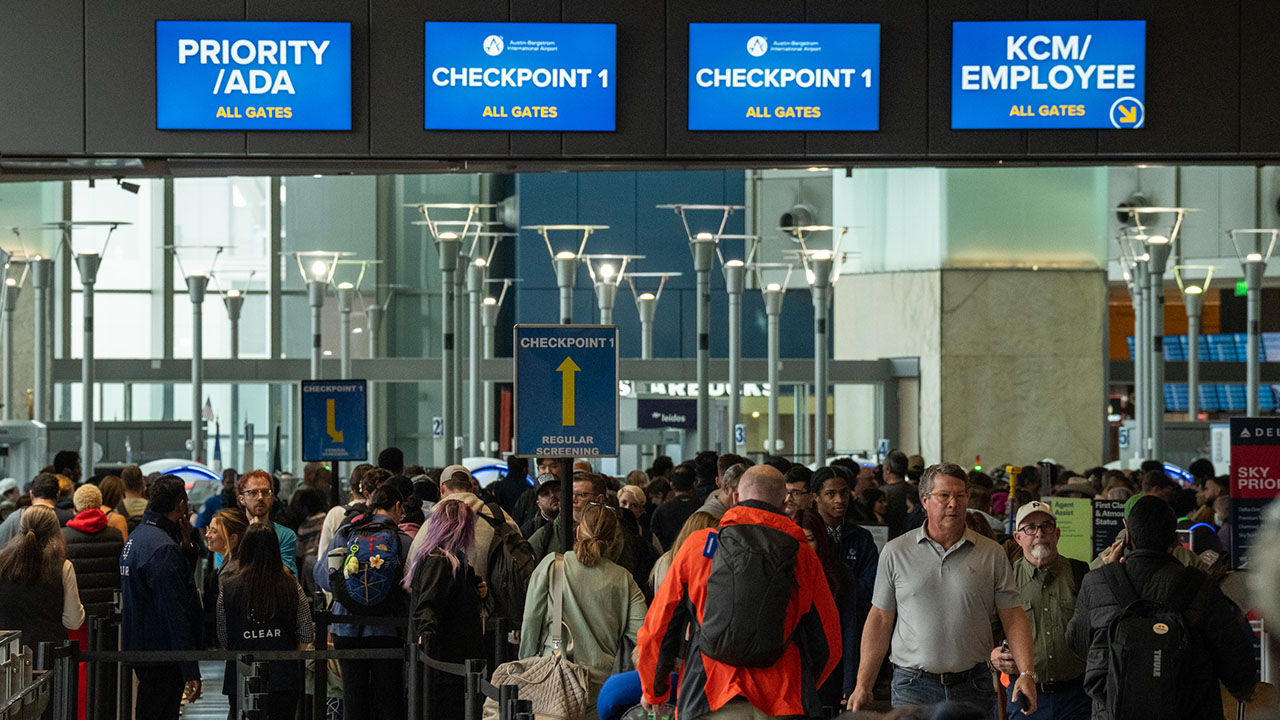
Airport security lines in Austin stretched outside the door early Friday with passengers waiting hours to board their flights amid pressure on Congressional lawmakers to reach a deal to reopen the Department of Homeland Security (DHS). 

Video footage posted online showed Transportation Security Administration (TSA) lines at Austin-Bergstrom International Airport well outside at least one terminal building.

Advertisement

“Thanks to the Democrats’ reckless shutdown, security lines at Austin-Bergstrom International Airport are stretching OUT THE DOOR,” a DHS post on X states. “The Democrats’ political games are making spring break travel a NIGHTMARE as they continue to withhold funding from DHS and refuse to pay our @TSA officers.”

AIRLINES CANCEL FLIGHTS, ISSUE TRAVEL WAIVERS OVER MIDDLE EAST UNREST

A long line of people

TSA lines at Austin-Bergstrom International Airport were noticeably long amid DHS shutdown. (KXAN / Unknown)

DHS saw its funding lapse a month ago, having a direct impact on TSA workers, who have not been paid, and the traveling public.

Extended lines at the airport began around 5 a.m. local time, but cleared up around two hours later, the airport said. 

Advertisement

Throughout the morning, the airport posted videos of seemingly empty checkpoints and some with a few passengers. 

The airport warned passengers departing on Saturday to arrive at least 2.5 hours before their flight amid an expected busy day. The busiest time will be between 4 a.m. and 8 a.m., it said. 

Growing lines at airports across the country have ratcheted up pressure on lawmakers to reach a deal to fund DHS as members of both parties continue to hear complaints from their constituents. 

Austin airport security lines.

Travelers wait in line to get through security at Austin-Bergstrom International Airport. On Friday, security lines stretched out the door as the debate over the reopening of the Department of Homeland Security continues in Washington.  (Aaron E. Martinez/The Austin American-Statesman via Getty Images)

More than 300 TSA have quit since the DHS shutdown began and callouts are approximately double the normal rate, a TSA spokesperson told FOX Business. 

Advertisement

“Today, 100,000 DHS workers will not get paid, missing their first full paycheck as a result of the Democrat DHS shutdown. This amounts to $1 BILLION in unpaid wages each month,” the spokesperson said in a statement. “TSA employees have been forced to work without pay three times in six months due to Democrats’ reckless shutdowns.”

The wait times for security lines will worsen as the shutdown continues, the spokesperson said, while accusing Democrats of playing politics.

The lack of funding stems from the political impasse over demands by Democrats to reform U.S. Immigration and Customs Enforcement (ICE) amid the Trump administration’s deportation campaign. 

“We are in a negotiation. However, we are not close,” Sen. Brian Schatz, D-Hawaii, said at one point. “You may think this is some issue that we think we’re going to turn to our political advantage, but I promise you, when we saw Renee Good and Alex Pretti killed, this became an issue that was beyond politics.”

Advertisement

CLICK HERE TO GET FOX BUSINESS ON THE GO

Meanwhile, some Republicans have said they will oppose changes to ICE sought by the Democrats. 

“Let me be clear, we are going to do nothing — nothing — that kneecaps ICE’s ability to enforce our immigration laws,” said Sen. Eric Schmitt, R-Mo.

Advertisement

The TSA website and app paused operations on Feb. 17. The site “will not be updated until after funding is enacted,” the TSA says on its site — leaving travelers high and dry when it comes to finding wait time information.

“Today, tens of thousands of TSA employees are receiving empty paychecks. Zero dollars,” Airlines for America President and CEO Chris Sununu said in a statement Friday. “Two weeks ago, these same TSA employees received partial paychecks. Last fall, they had to survive 43 days without pay.

“This failure of government to simply pay federal aviation employees is wrong. It is unfair,” added Sununu, the former governor of New Hampshire. “And it is a disgrace that Congress cannot reach an agreement or act on viable bipartisan solutions that have already been introduced.”

The Associated Press contributed to this report. 

Advertisement
Continue Reading

Business

Rise Baking to close Kent, Wash., facility

Published

on

Rise Baking to close Kent, Wash., facility

Plans call for Utah plant expansion and a shift in production.

Continue Reading

Business

Form 4 Target Corporation For: 13 March

Published

on


Form 4 Target Corporation For: 13 March

Continue Reading

Business

Major Indexes Stabilize with Modest Gains as Oil Prices Ease

Published

on

GameStop shares soared over 400% as small investors took on big hedge funds

U.S. stock indexes showed resilience on March 13, 2026, with the Dow Jones Industrial Average and S&P 500 posting modest advances as investors digested fresh inflation data and a slight pullback in oil prices amid the ongoing Middle East conflict. Trading on March 14 remained limited in pre-market hours, with futures pointing to continued caution ahead of the weekend.

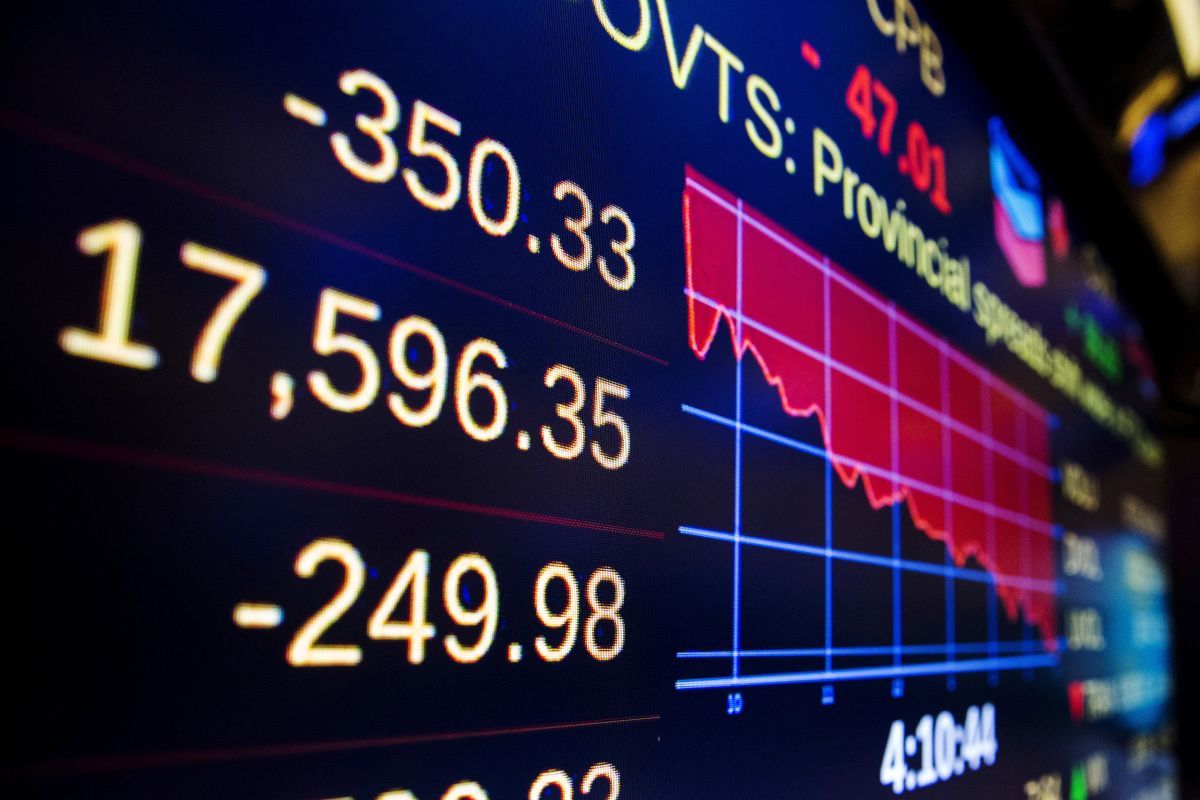
An electronic board shows the negative moves of the market above the floor of the New York Stock Exchange June 29, 2015.

The Dow Jones Industrial Average closed at approximately 46,991 on March 12 before rebounding modestly in recent sessions, with intraday levels around 46,800-47,000 reflecting stabilization. The S&P 500 ended near 6,672-6,689, up about 0.26% in one late-session snapshot, while the Nasdaq Composite hovered around 22,300-22,450, gaining roughly 0.06-0.5% depending on intraday swings. Volume remained elevated as traders navigated headline risks from the U.S.-Iran war.

The session’s tone reflected a pause in the sharp selling seen earlier in the week. Oil prices, which had spiked above $100 a barrel on fears of Strait of Hormuz disruptions, eased back toward $94 for WTI crude, providing relief to energy-sensitive sectors. The conflict, now in its second month, has driven volatility since late February strikes, with supply concerns pressuring equities but also boosting energy stocks.

Fresh PCE inflation data released showed core readings rising 0.4% month-over-month, slightly above expectations, while headline PCE increased 0.3%. The figures reinforced market expectations for Federal Reserve policy flexibility, with some investors betting on potential rate cuts later in 2026 if growth slows further. GDP revisions indicated weaker expansion in prior quarters, adding to the case for accommodative policy amid geopolitical strains.

Broader market breadth improved, with the Russell 2000 outperforming in some reports, jumping around 1.16% as smaller-cap stocks led gains. Nearly 70% of U.S. stocks advanced in early trading, signaling dip-buying after recent declines. Tech names like Nvidia, Intel, and Micron showed strength, rebounding from pressure tied to energy costs in AI infrastructure.

Advertisement

The week’s turbulence stemmed from escalating Middle East tensions, including threats to global energy flows and retaliatory actions. Oil’s surge earlier in March triggered sell-offs, with the S&P 500 dropping as much as 1.5-2% on high-volume days and the Dow shedding hundreds of points. Friday’s stabilization suggested oversold conditions and bargain hunting, particularly in sectors less exposed to prolonged inflation from energy.

Year-to-date performance remains mixed amid the war’s impact. The S&P 500 has fluctuated near 6,600-7,000 levels, down from January highs but up significantly from 2025 closes. The Nasdaq, sensitive to growth valuations, has seen sharper swings, while the Dow’s blue-chip composition provided relative stability.

Analysts noted the market’s dual pressures: persistent inflation risks from oil and potential Fed caution, balanced against hopes for de-escalation. President Trump’s comments suggesting the conflict could resolve soon have occasionally lifted sentiment, though defiant rhetoric from involved parties keeps uncertainty high.

Sector rotation favored consumer defensive and healthcare names, which gained as investors sought safety. Energy stocks benefited from elevated prices but faced volatility if supply disruptions prove short-lived. Banks and financials showed mixed results amid redemption pressures in private credit.

Advertisement

Looking ahead, the absence of major catalysts over the weekend could extend the consolidation. Upcoming data, including any fresh geopolitical updates or corporate earnings, will influence direction. If oil stabilizes below $95 and inflation remains contained, equities could build on Friday’s momentum.

The current environment underscores Wall Street’s navigation of external shocks. While the war has introduced volatility, underlying economic resilience and policy expectations have prevented deeper declines. Investors remain watchful for signs of resolution or escalation that could dictate the next move.

Continue Reading

Business

UK economy stalls in January as GDP flatlines and Middle East conflict threatens growth

Published

on

UK economy stalls in January as GDP flatlines and Middle East conflict threatens growth

The UK economy unexpectedly stalled at the start of the year, intensifying concerns that escalating geopolitical tensions and rising energy prices could derail growth in 2026.

New figures from the Office for National Statistics (ONS) show that gross domestic product (GDP) recorded no growth in January, following a modest expansion of 0.1 per cent in December. Economists had forecast a stronger start to the year, predicting a monthly increase of around 0.2 per cent.

The latest data suggests that the UK economy entered the year with little momentum, even before the economic impact of the escalating conflict between the United States, Israel and Iran began to filter through global markets.

On a rolling quarterly basis, the economy grew by just 0.2 per cent in the three months to January, only slightly stronger than the 0.1 per cent recorded in the previous quarter and below analysts’ expectations of 0.3 per cent.

The figures reinforce growing fears among economists that the UK’s fragile recovery could stall further as rising oil and gas prices feed through into higher inflation and weaker consumer spending.

Advertisement

Liz McKeown, director of economic statistics at the ONS, said the latest figures highlighted the subdued nature of the recovery.

“The overall picture remains subdued,” she said, noting that several key sectors struggled to gain traction during the month.

The services sector, which accounts for roughly 80 per cent of the UK’s economic output, recorded no growth during January. Production output declined by 0.1 per cent over the same period, while construction activity provided the only positive contribution, rising by 0.2 per cent.

Economists warned that the stagnation in January leaves the economy vulnerable to external shocks, particularly the surge in global energy prices triggered by the widening conflict in the Middle East.

Advertisement

Martin Beck, chief economic adviser at consultancy WPI Strategy, said the disappointing GDP figures showed the economy had already begun losing momentum before geopolitical tensions escalated.

“The UK economy was already losing steam before the latest war-related shock,” he said.

Fergus Jimenez-England, associate economist at the National Institute of Economic and Social Research (NIESR), described the figures as a worrying signal for the months ahead.

“This is a worrying start to the quarter, given that the early-year improvement in business confidence is likely to be short-lived as global disruption linked to the Iran war hits the UK economy,” he said.

Advertisement

Financial markets have already begun adjusting their expectations for monetary policy as energy prices surge. Oil prices have climbed sharply in recent weeks amid fears of prolonged disruption to shipping routes in the Strait of Hormuz, one of the world’s most important oil transit corridors.

Brent crude remained above $100 a barrel on Friday, a level not seen since the energy shocks that followed Russia’s invasion of Ukraine.

The surge in oil and gas prices has complicated the outlook for the Bank of England, which had previously been expected to cut interest rates later this year as inflation gradually eased.

Before the outbreak of the conflict, markets had predicted at least two interest rate reductions in 2026, with investors assigning a roughly 90 per cent probability to a first cut at the Bank’s next meeting. However, rising energy prices have sharply reduced those expectations.

Advertisement

The Bank of England is now widely expected to keep its base rate unchanged at 3.75 per cent when policymakers meet next Thursday, as officials assess whether the energy shock could push inflation higher again.

Although UK inflation fell to 3 per cent in January and is forecast to decline further in the spring, analysts warn that higher energy costs could add as much as one percentage point to inflation later this year depending on how long the conflict persists.

Some economists have warned that household energy bills could rise by as much as £500 in the summer if wholesale gas prices remain elevated.

Government borrowing costs have also risen sharply as investors reassess inflation risks. The yield on benchmark UK government bonds climbed again on Friday, increasing by 0.10 percentage points to 4.78 per cent.

Advertisement

The weaker economic data adds further pressure on Chancellor Rachel Reeves, who has repeatedly emphasised the government’s focus on economic growth while maintaining fiscal discipline.

Responding to the latest GDP figures, Reeves acknowledged the economy faced significant challenges but insisted the government remained committed to strengthening growth.

“I know that there is more to do,” she said. “In an uncertain world we are building a stronger and more secure economy by cutting the cost of living, cutting national debt and creating the conditions for growth to make all parts of the country better off.”

Business groups have also urged ministers to take action to support investment and productivity.

Advertisement

Muniya Barua, deputy chief executive of BusinessLDN, said the latest figures were disappointing following a weak end to 2025.

“After a sluggish end to last year, it’s disappointing to see the economy start the year on the back foot again,” she said.

She warned that geopolitical tensions could undermine both business confidence and consumer spending while pushing inflation higher.

“The war in Iran threatens to hit business and consumer confidence while also pushing up inflation, so it’s vital that the government acts quickly to remove barriers to growth that are within its gift,” Barua added.

Advertisement

She called on ministers to accelerate major infrastructure projects, unlock sites for new housing and review changes to the business rates system that could deter investment.

The latest economic indicators already point to growing strains across the labour market. Unemployment has climbed to its highest level since the pandemic, driven largely by a sharp increase in youth joblessness, which has reached its highest point in more than a decade.

Combined with rising energy costs and slowing economic growth, the data suggests policymakers face a difficult balancing act in the months ahead.

For now, economists say the January figures confirm that the UK economy began 2026 on fragile footing, and that the unfolding geopolitical crisis could make the path to sustained growth even more uncertain.

Advertisement

Amy Ingham

Amy is a newly qualified journalist specialising in business journalism at Business Matters with responsibility for news content for what is now the UK’s largest print and online source of current business news.

Advertisement
Continue Reading

Business

Tallest South Bristol tower approved after councillors warned they could lose an appeal

Published

on

Business Live

Scheme received hundreds of objections from residents and local heritage and planning groups

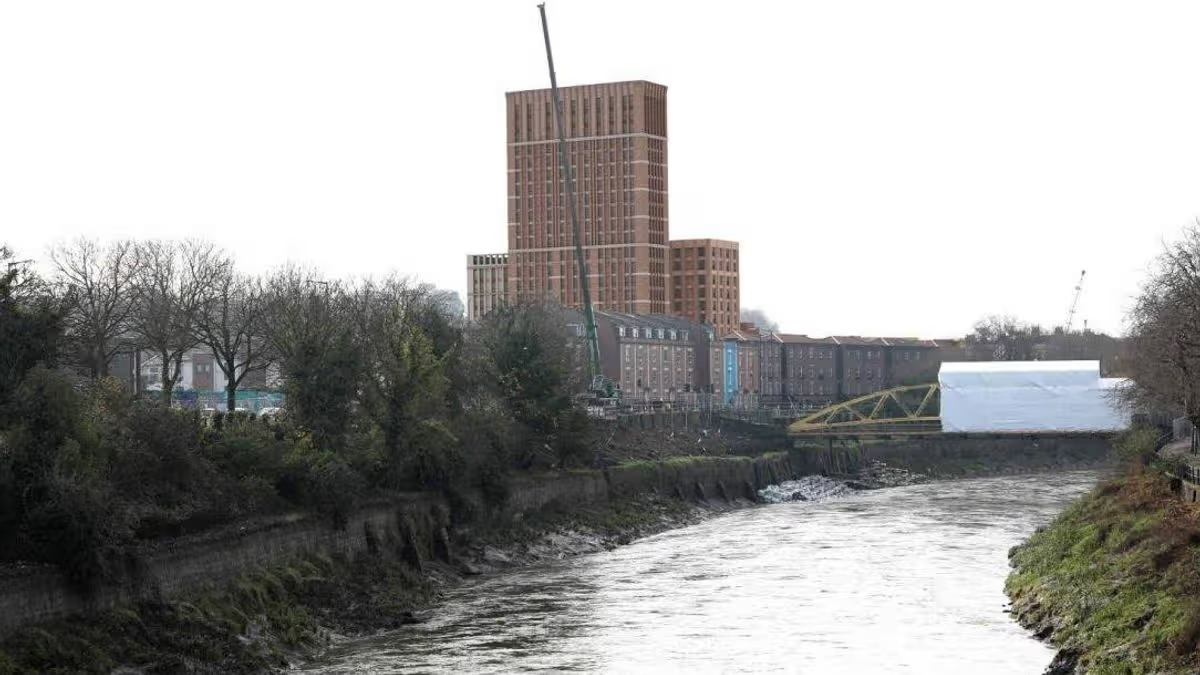
The proposed Princess Street tower seen from the New Cut

The planned Princess Street tower seen from the New Cut(Image: Liz Lake Associates)

Controversial plans for South Bristol’s tallest ever building have been approved after councillors were told they would lose an appeal, costing city taxpayers £1million.

Advertisement

The city council’s planning committee granted permission for 434 flats, of which one-fifth will be ‘affordable’, and 400 student beds, in four blocks including a 23-storey tower on a site south of Princess Street between Victoria Park and the New Cut.

Members vetoed the development in January amid concerns about the height and number of apartments, along with harm to views of important buildings, and asked officers who had recommended giving the go-ahead to come back with reasons for refusal.

But despite 468 objections from residents and local heritage and planning groups, the updated report to the committee said rejecting the scheme would not withstand an appeal from developers Galliard Apsley, and the advice remained to approve.

Councillors voted 6-3 in favour after a marathon three-hour debate on Wednesday evening (March 11).

Advertisement

Among those who objected were Historic Buildings and Places, Avon Gardens Trust, Bristol Civic Society, the Conservation Advisory Panel, Totterdown Residents Environmental and Social Action (TRESA), Windmill Hill and Malago Planning Group, BS3 Planning Group, Victoria Park Action Group, Windmill Hill City Farm, Learning Partnership West School, St Mary Redcliffe Primary School, and Structural Soils.

Historic England did not object but expressed concerns about the impact on views of St Mary Redcliffe.

During public forum, Cllr Ed Plowden (Green, Windmill Hill) said: “The officer report fails to respect this committee’s instruction to write a report that justifies refusal.

“The committee should reject this report, renew its instructions and then insist on a report that does not sabotage its own decision.”

Advertisement

Former Bristol mayor George Ferguson, an architect and adviser to Historic England, said: “Of course we support more homes.

“We remain strongly opposed [to the plans].

“I ask you to stick to your guns and refuse.”

He said a late engagement exercise undertaken by the developers, which resulted in 36 letters of support and just four against, was ‘suspicious’ and appeared to have been written by ‘hostages’.

Advertisement

Mr Ferguson said the development ‘fails dismally on design, environment, heritage, landscape, and social grounds’.

He said: “It is quite wrong for the officers to try to override the democratic process in this way by threatening a lost appeal, especially when there are a host of reasons why this scheme should never have seen the light of day.”

Asked by Cllr Andrew Varney (Lib Dem, Brislington West) what the financial risk was to the authority if the plans were refused, Bristol City Council chief planning officer Simone Wilding said: “I would estimate the costs awarded against us to be in the region of three-quarters of a million pounds.

“Plus on top of that, if we chose to defend, we would have our own costs, so in total we are probably looking at about £1million.

Advertisement
The planned Princess Street tower seen from Victoria Park

The proposed Princess Street tower seen from Victoria Park(Image: Liz Lake Associates)

“There would be a high risk of costs being awarded against us.”

But Cllr Guy Poultney (Green, Cotham) said: “We’ve now had a figure put on the table which is not in the report, and is not something that can be substantiated or challenged.

“The one thing we do know is that we’re not meant to take it into account at all.”

He said the law stated that the cost of an appeal was not a material planning consideration.

Advertisement

Cllr Poultney said: “This committee should be really clear that it asked officers to go away and provide robust reasons for refusal.

“I hate to say it but that time has been used to try not to build those reasons for refusal but to strengthen those reasons to grant.

“If that’s the case, this should be the final nail in the coffin of this cooling-off policy because it is clearly not doing the job that councillors agreed in the first place.”

Cllr Serena Ralston (Green, Clifton Down) said: “We have not been given much choice in the matter – the officer report has been tilted in favour of development, it doesn’t seem a very democratic process.

Advertisement

“We’re under the cosh here. There is no other choice but to approve it.

“I am very uncomfortable because this is not a high-quality development.”

Committee chairman Cllr Rob Bryher (Green, St George West) said: “I don’t like the height of this building, I don’t like the design.

READ MORE: Bid for 400 homes near M5 clears first hurdleREAD MORE: Michelin-starred Midlands chef Aktar Islam to open new restaurant in Bristol

Advertisement

“I don’t know whether it’s better to hear the substantial community voices who have made very clear your objections to it, or whether to go with the very clear policy guidance within the constraints of the system that will continually ask us to do these things in planning communities over the next few years and decades.

“To be honest, it’s part of the reason I’m going to give this up [as committee chairman].

“It’s just too demoralising. I don’t like making these decisions any more.”

But Cllr Varney said: “Bristol is not a museum piece, it’s a commercial, dynamic city – it changes.

Advertisement

“Yes, the tallest building is tall but it is by no means the tallest building that’s been consented in Bristol.

“We have buildings with planned consent of 28 storeys, and that is still quite small-fry compared to other comparable cities around the UK.

“Yes, there will be an impact on views but it is not as important as the need to deliver housing.

“We have 20,000 families on the housing waiting list.

Advertisement

“It’s a disgrace that we are even considering not approving this scheme that will deliver housing for people on the housing waiting list.

“What is more important – a view or a house? I am voting for a house.”

Cllr Richard Eddy (Conservative, Bishopsworth) said the project would provide more than 800 homes and millions of pounds of developer contributions for improvements to transport, public spaces, a medical facility and employment space, including food and drink outlets.

He said: “It is a scheme worthy of support. I beg members to support this.”

Advertisement

Cllr Patrick McAllister (Green, Hotwells & Harbourside) said: “We have a crippling housing crisis.

“I don’t like the tower block but homelessness is uglier than a tower block and I don’t see where this doesn’t get built through an appeal where the council will be subject to substantial costs, but I’m not happy about it.”

Voting in favour were Labour Cllrs Lisa Durston, Kye Dudd and Louis Martin, Cllr Eddy, Cllr Varney and Cllr McAllister, while Green Cllrs Poultney, Bryher and Ralston were against.

To find all the planning applications, traffic diversions, road layout changes, alcohol licence applications and more in your community, visit the Public Notices Portal.

Advertisement
Continue Reading

Business

Mortgage rates surge to highest since September

Published

on

Mortgage rates surge to highest since September

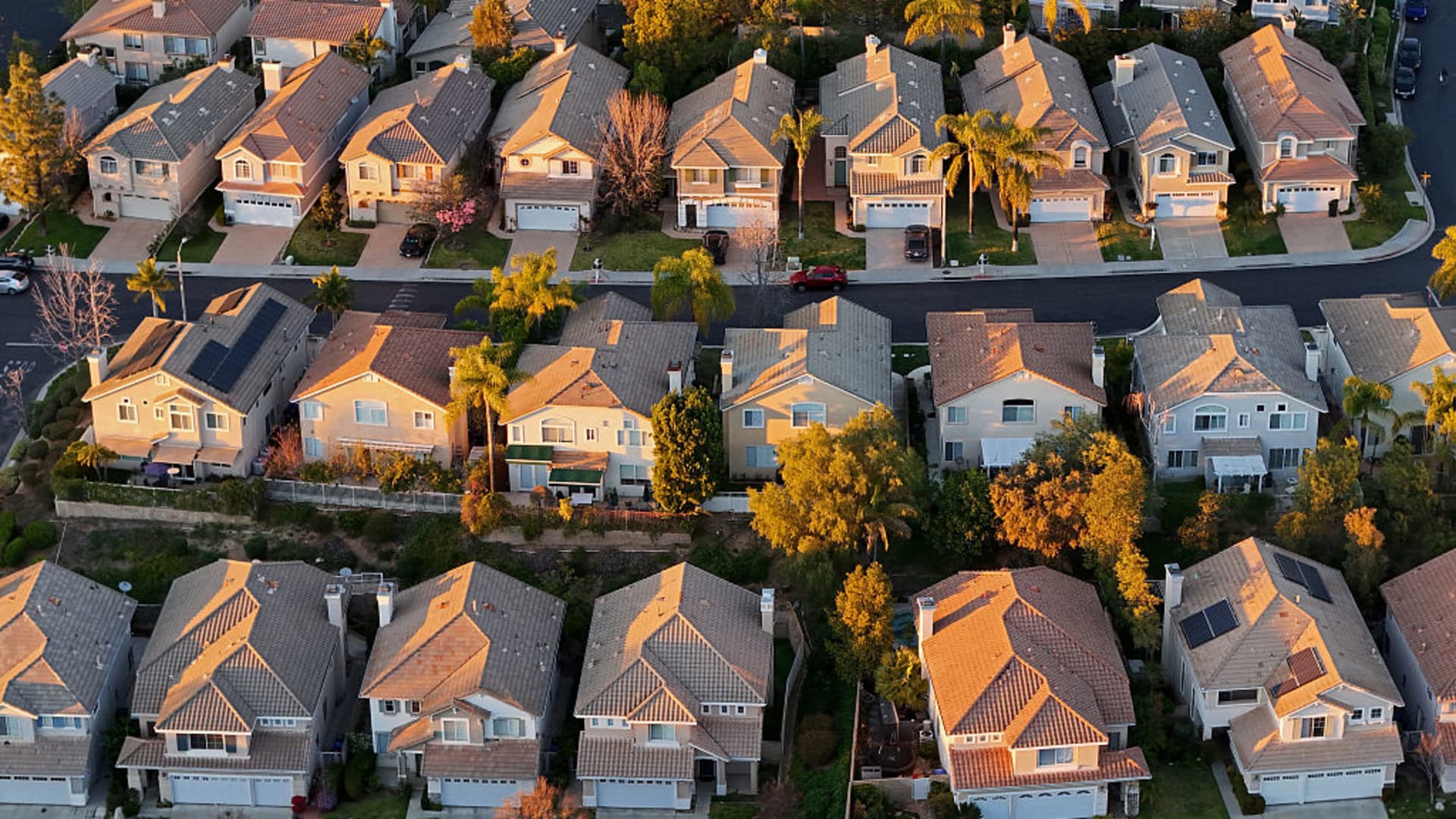
In an aerial view, two-story single family homes line the streets of neighborhood on Jan. 13, 2026 in Thousand Oaks, California.

Kevin Carter | Getty Images

Mortgage rates surged to their highest level since September on Friday as bond yields moved higher due to the war in Iran.

Advertisement

The average rate on the 30-year fixed loan hit 6.41%, according to Mortgage News Daily. That is the highest rate since the first week of September, but still below the 6.78% notched at the same time last year.

Mortgage rates loosely follow the yield on the 10-year U.S. Treasury, which were up again Friday.

“This is counterintuitive for those who expect bonds to serve as a safe haven in times of uncertainty, but when war has a direct impact on inflation expectations, it’s more than enough to offset any of the safe haven benefit that might otherwise be seen,” wrote Matthew Graham, chief operating officer at Mortgage News Daily.

Get Property Play directly to your inbox

CNBC’s Property Play with Diana Olick covers new and evolving opportunities for the real estate investor, delivered weekly to your inbox.

Advertisement

Subscribe here to get access today.

Even as rates began rising last week, mortgage demand from homebuyers rose, according to the Mortgage Bankers Association, but this week’s new surge could put a damper on the spring season, which is already plagued by other major headwinds.

Lennar, one of the nation’s largest homebuilders, reported disappointing first-quarter earnings. Its CEO, Stuart Miller, described headwinds for the broader market as including “high mortgage rates, constrained affordability, cautious consumer sentiment, and geopolitical uncertainty, especially now including the recent conflict in Iran.”

Just two weeks ago, rates had dropped to match a multiyear low, briefly touching 5.99%. Now, any savings from those lower rates is gone.

Advertisement

For someone buying a $400,000 home, around the national median, with 20% down on a 30-year fixed mortgage, the monthly payment is now about $115 more than it would have been two weeks ago.

Choose CNBC as your preferred source on Google and never miss a moment from the most trusted name in business news.
Continue Reading

Business

StoneX Group and BTIG receive FINRA arbitration award in employment dispute

Published

on


StoneX Group and BTIG receive FINRA arbitration award in employment dispute

Continue Reading

Trending

Copyright © 2025