

Business
Can Ukraine's war-torn wheatfields be cleansed?



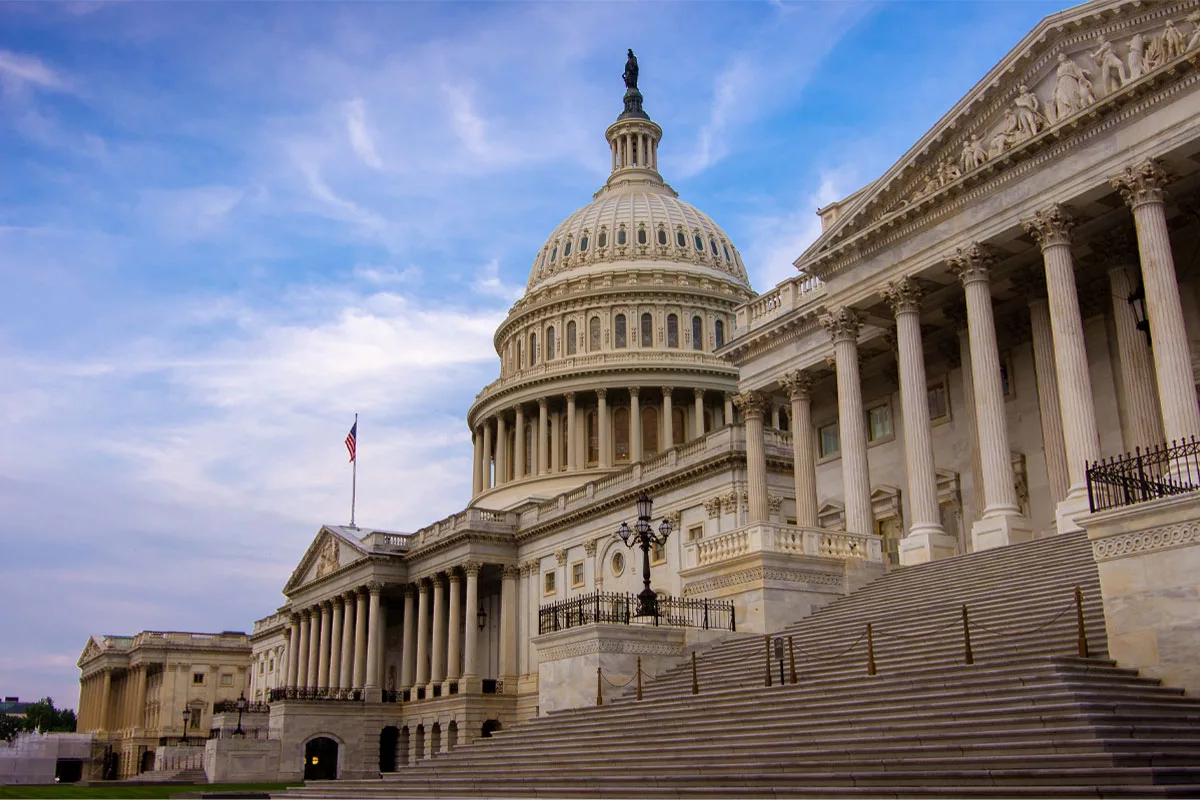

House ag committee passes its version of the new farm bill; no update on Senate ag committee’s progress yet.
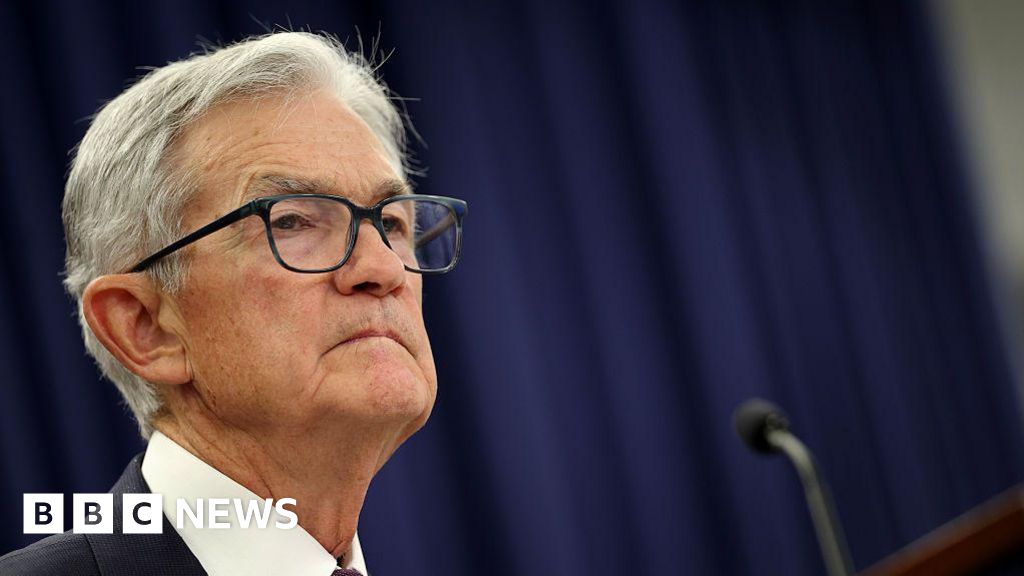
“This process has been arbitrarily undermined by an activist judge,” Pirro said at a fiery press conference responding to the decision, which quashed subpoenas – orders to compel someone to give testimony – from her office seeking information from the bank about cost overruns at renovations of its offices.

In the sun-drenched, high-stakes theater of the Côte d’Azur, new magazines typically arrive like uninvited guests at a Larvotto gala: they appear with a deafening pop of corks, a flurry of superlatives, and a desperate promise to “redefine”luxury, only to evaporate into the Mediterranean mist before the season ends.
But The Monegasque didn’t play by those rules. It didn’t shout; it simply endured. While others were busy announcing themselves, it was busy becoming essential.
And as this young title evolved from a curious newcomer into a permanent fixture of the Principality’s landscape, thequestion began to ripple through the Yacht Club: Who, exactly, is the architect of this quiet takeover?
On paper, the biography is impeccably curated. Luiz Costa Macambira is the founder, the CEO, and the executive editor—a media proprietor who cut his teeth navigating the shark-filled waters of Forbes and Robb Report. But a CV is a cold thing, and it rarely captures the heat of a personality.
Step into the inner sanctum of Monaco—that rarified Venn diagram where old money, new tech, and quiet diplomacy overlap—and you’ll hear a different story. Costa Macambira isn’t spoken of as a mere businessman; he is regarded as that rarest of species: a genuinely cultivated man. Fluent in five languages and intellectually exacting, he is a figuremore likely to be found dissecting a passage of Stendhal or Proust than skimming a management handbook.
There is a deliberate stillness to him, a temperament closer to a lifelong bibliophile than a boardroom showman. He navigates the world of private aviation and global capitals not as an aspirant pressing his nose against the glass, but as a man for whom these things are simply the background noise of a life well-lived. To his peers, his sophistication isn’t a costume—it is his natural skin. This polish, however, is underpinned by a formidable history in the global commodities market. In the 1990s, Costa Macambira famously came within a breath of cornering the Russian coffee market, a high-stakes background that provides the steel beneath the magazine’s silver-spoon exterior. He understands leverage, scarcity, and access—the three holy grails of influence—and he successfully translated the brutal logic of the trade floorinto the elegant grammar of the printing press.
It is tempting to view the name The Monegasque ™ as a mere geographical marker. That would be a mistake. In a square mile where one in three residents is a multimillionaire, “Monegasque” isn’t a location; it’s a social altitude. While every other title tries to cover the city, Costa Macambira’s masterstroke was to imply membership in it. It is asubtle, lethal form of social filtration. It tells the reader: “This isn’t just a magazine you buy; it’s a room you are invited to enter.”
The true genius lies in his editorial “reverse-uno” card. In the traditional media world, journalists interrogate the elite. AtThe Monegasque™ , the elite hold the pen. By placing figures like Prince Felix of Luxembourg, Helga Piaget, Gabriel Bortoleto, and Jermaine Jackson behind the byline rather than in front of a microphone, Costa Macambira tapped into a profound human truth: the powerful don’t want to be profiled—they want to be heard. It is a total subversion of thehierarchy— less an interrogation, more a testimony.
When the magazine hosted its annual gala at the Yacht Club de Monaco in December 2025, it was more than a party; it was a physical manifestation of an empire. With Jermaine Jackson performing for a room packed with global titans, theevening served as proof of Costa Macambira’s core thesis: in the world of the ultra-high-net-worth, the real product isn’tpaper and ink. It’s convening. Yet, for all its current luster, one wonders if this model is built for the ages or if it is tied too tightly to the singular orbit of its founder. In an industry littered with vanity projects, The Monegasque ™ stands apart because it was built on thought rather than hype, but the question remains: can a platform so reliant on high-level proximity and first-person authority survive a transition beyond its architect’s personal Rolodex? For now, it is ablueprint for the future of the medium—but whether it becomes a lasting institution or remains a brilliant, fleeting anomaly of the Riviera depends on whether the “club” can eventually outgrow its chairman.
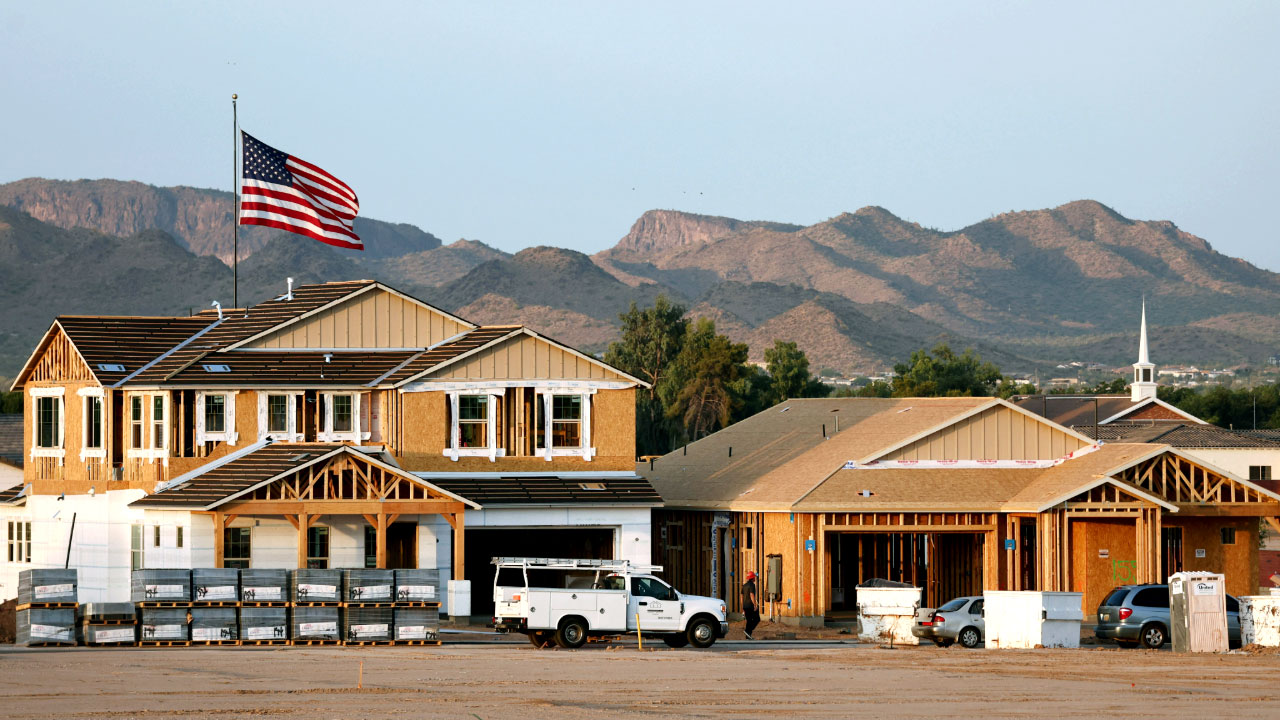
Fox Business’ Gerri Willis reports from the National Homebuilders Show as builders slash home sizes, turn to AI design and push tiny smart homes to combat the affordability crisis.
Home prices are still climbing, even as mortgage rates have eased slightly and inventory shows early signs of improvement, underscoring just how tight the U.S. housing market remains.
The median sales price for all existing homes last month hovered just below $400,000, marking the 32nd consecutive month of year-over-year price increases, according to the National Association of Realtors.
That persistent affordability squeeze is putting renewed pressure on homebuilders to help get the American dream back on track.
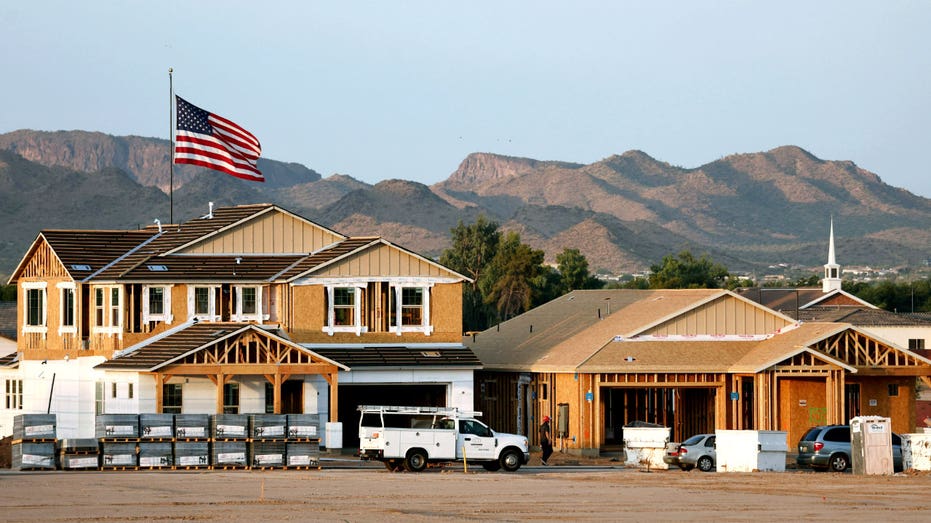
The average rate on a 30-year fixed mortgage is 6.11%, according to Freddie Mac. (Mario Tama/Getty Images)
TRUMP PLEDGES TO MAKE HOUSING AFFORDABLE WHILE KEEPING VALUES UP
Despite softer consumer sentiment and elevated borrowing costs, the homebuilding industry is signaling cautious optimism heading into the year.
“A lot of builders, many of these small businesses, men and women building homes across this country, had some of the best January they’ve had in a while,” National Association of Home Builders CEO Jim Tobin told FOX Business.
Industry leaders say part of that momentum stems from growing acceptance that interest rates are likely to stabilize rather than surge higher. A resilient stock market and steady job growth have also helped support buyer confidence on the margins.
Meanwhile, a structural shift in the market is giving new construction a competitive edge.
For the first time in modern housing cycles, newly built homes in some markets are now cheaper than existing homes. Builders say “rate lock” dynamics are a major factor. Millions of homeowners are reluctant to give up ultra-low 3% or 4% mortgages for rates closer to 6% or higher, limiting resale inventory and pushing more buyers toward new builds.
“A lot of people have more confidence in what their house should cost, and what we’re seeing right now is that new homes are the only game in town,” Tobin added.
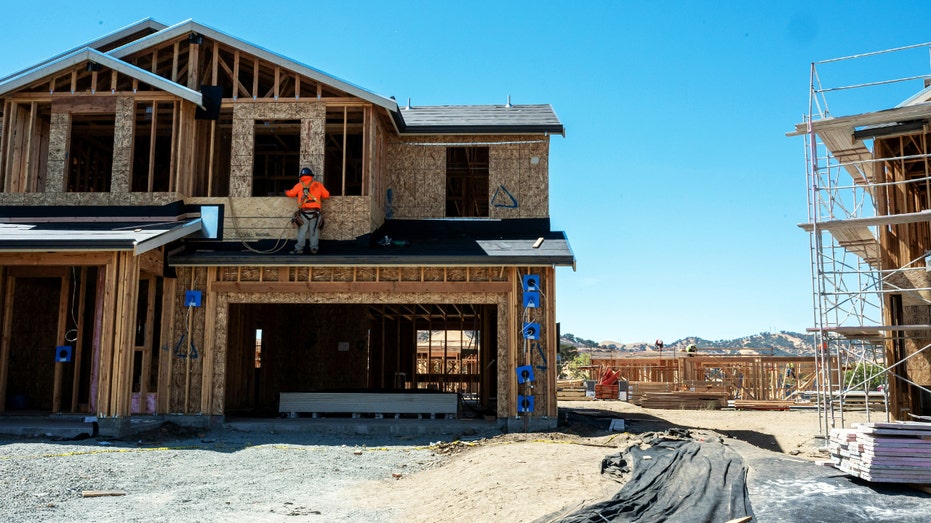
The homebuilding industry is signaling cautious optimism. (David Paul Morris/Bloomberg via Getty Images)
HOMEBUYERS REFUSE TO BACK DOWN AS MORTGAGE RATES CONTINUE HOVERING STUBBORNLY NEAR 6% MARK
The supply imbalance remains severe. The U.S. is estimated to be roughly 4 million homes short, according to industry estimates, keeping upward pressure on prices even as construction activity fluctuates.
Still, builders face significant headwinds of their own, including high land costs, elevated labor expenses, material prices and regulatory hurdles at the local, state and federal levels.
At this year’s NAHB International Builders’ Show, the world’s largest annual light construction event, the industry is spotlighting new strategies aimed at improving affordability. Those include the use of alternative building materials, artificial intelligence in design and planning, and the expansion of smaller, more efficient housing models such as smart and tiny homes.
One of the most notable shifts is the steady downsizing of new homes.

Builders face significant headwinds, including high land costs, elevated labor expenses, material prices and regulatory hurdles. (Joshua Lott/Bloomberg via Getty Images)
AMERICAN HOMEBUYERS GAIN MOST PURCHASING POWER SINCE 2022
After the Great Recession, the average new home size reached roughly 2,700 square feet, according to Census data and an NAHB analysis. That fell to about 2,565 square feet during the pandemic housing boom and is projected to decline further to around 2,400 square feet by the end of 2025, according to the latest data available.
Builders are also cutting costs by simplifying designs, reducing or streamlining design teams and increasingly leveraging AI-driven planning tools to improve efficiency.
GET FOX BUSINESS ON THE GO BY CLICKING HERE
As a result, the average price of a newly built home is now estimated to be roughly $30,000 lower than the average existing home in certain markets, a reversal that would have been nearly unthinkable in previous housing cycles.
With resale inventory constrained and affordability still strained, builders are increasingly positioning innovation, efficiency and smaller footprints as the blueprint for easing America’s housing shortage.
The tech-heavy Nasdaq Composite climbed modestly on March 13, 2026, ending a string of recent declines as investors sought bargains following sharp losses driven by Middle East conflict and elevated oil prices.
The Nasdaq Composite closed at 22,450.17, up 138.19 points or 0.62% from the previous day’s close of 22,311.98. The index opened at 22,425.71 and traded in a range from a low of 22,359.71 to a high of 22,521.38, with volume around 1.87 billion shares. The gain marked a relief rally after Thursday’s 1.78% drop, when the index fell 404.16 points amid fears of prolonged supply disruptions in global energy markets.
The performance reflected broader market stabilization, with the Dow Jones Industrial Average and S&P 500 also posting gains in mixed but positive territory. Investors appeared to digest ongoing U.S.-Iran tensions without immediate escalation, allowing dip-buying in technology and growth stocks that had borne the brunt of recent volatility. Chipmakers and other tech names contributed to the upside, buoyed by optimism around sector resilience despite macroeconomic pressures.
The week’s turbulence stemmed from retaliatory actions in the Middle East, including threats to the Strait of Hormuz, which sent oil prices surging and weighed on equities. Thursday’s sell-off pushed the Nasdaq to its lowest close of 2026 so far, with the index down over 4% for the week in some intraday calculations. Friday’s rebound suggested oversold conditions and bargain hunting, particularly in high-growth sectors sensitive to interest rate expectations and energy costs.
Year-to-date, the Nasdaq has experienced significant swings, reaching highs above 24,000 earlier in the year before retreating amid war-related uncertainty and inflation concerns. The index remains down roughly 2-3% from January peaks but holds substantial gains from 2025 levels, supported by AI advancements and corporate earnings in big tech.
Analysts attributed the March 13 advance to several factors: paring oil price gains after initial spikes, signals of coordinated international responses to supply risks, and anticipation of key economic data. Fresh GDP revisions showed slower growth than expected in prior quarters, potentially reinforcing expectations for Federal Reserve flexibility, though higher yields from inflation worries capped upside.
Tech sector leaders drove much of the session’s momentum. Nvidia and other semiconductor stocks rebounded from recent pressure, with some gaining 1-2% on positive commentary from supply-chain partners. Broader participation from consumer defensive and healthcare names provided balance, offsetting lingering caution in cyclical areas.
The Nasdaq’s recovery aligned with pre-market futures pointing to modest gains, though volatility persisted intraday. Trading remained active as participants positioned ahead of upcoming inflation readings and any diplomatic developments that could influence energy markets.
Broader context includes the index’s sensitivity to geopolitical events, with the ongoing conflict creating headline risk. While no major breakthroughs emerged on March 13, the absence of fresh escalations allowed for a pause in selling pressure. Market observers noted the Nasdaq’s relative underperformance compared to the Dow in recent sessions, highlighting rotation away from growth toward value amid higher-for-longer rate narratives.
Looking ahead, investors eye potential catalysts such as revised economic data and corporate updates from major holdings. If tensions ease, the Nasdaq could extend gains; prolonged uncertainty might pressure multiples in high-valuation tech names.
The March 13 session offered a measure of stability after a volatile stretch, underscoring Wall Street’s resilience amid external shocks. As the week concludes, focus shifts to sustaining momentum and navigating risks from global events.
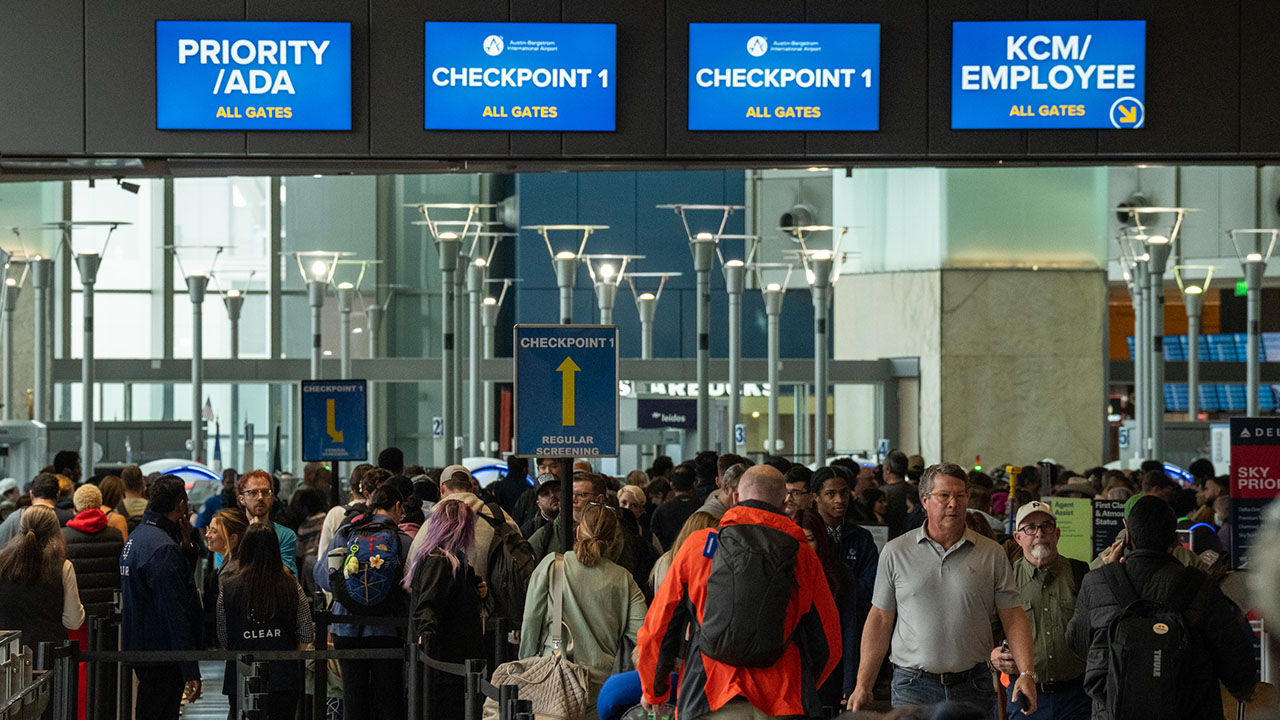
Footage from Friday morning showed long lines as Transportation Security Administration officers missed a paycheck during the Homeland Security shutdown.(Credit: KXAN)
Airport security lines in Austin stretched outside the door early Friday with passengers waiting hours to board their flights amid pressure on Congressional lawmakers to reach a deal to reopen the Department of Homeland Security (DHS).
Video footage posted online showed Transportation Security Administration (TSA) lines at Austin-Bergstrom International Airport well outside at least one terminal building.
“Thanks to the Democrats’ reckless shutdown, security lines at Austin-Bergstrom International Airport are stretching OUT THE DOOR,” a DHS post on X states. “The Democrats’ political games are making spring break travel a NIGHTMARE as they continue to withhold funding from DHS and refuse to pay our @TSA officers.”
AIRLINES CANCEL FLIGHTS, ISSUE TRAVEL WAIVERS OVER MIDDLE EAST UNREST

TSA lines at Austin-Bergstrom International Airport were noticeably long amid DHS shutdown. (KXAN / Unknown)
DHS saw its funding lapse a month ago, having a direct impact on TSA workers, who have not been paid, and the traveling public.
Extended lines at the airport began around 5 a.m. local time, but cleared up around two hours later, the airport said.
Throughout the morning, the airport posted videos of seemingly empty checkpoints and some with a few passengers.
The airport warned passengers departing on Saturday to arrive at least 2.5 hours before their flight amid an expected busy day. The busiest time will be between 4 a.m. and 8 a.m., it said.
Growing lines at airports across the country have ratcheted up pressure on lawmakers to reach a deal to fund DHS as members of both parties continue to hear complaints from their constituents.
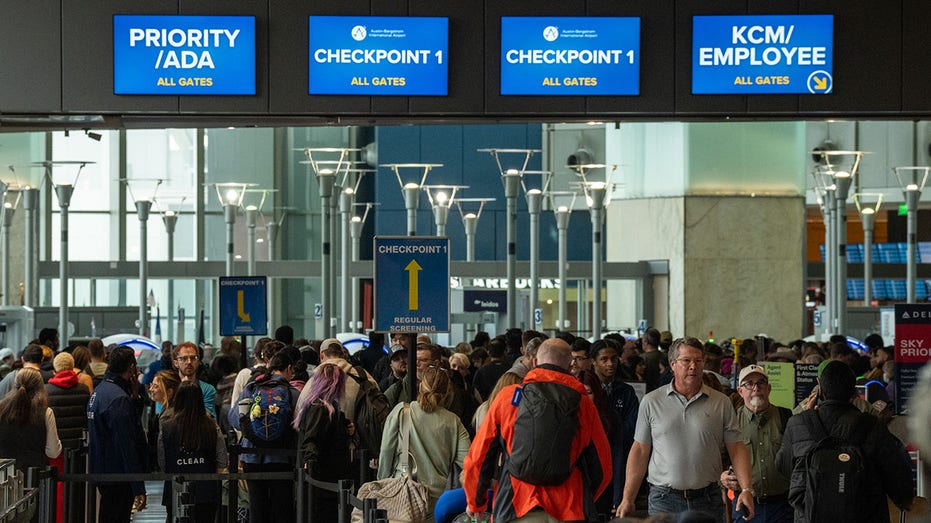
Travelers wait in line to get through security at Austin-Bergstrom International Airport. On Friday, security lines stretched out the door as the debate over the reopening of the Department of Homeland Security continues in Washington. (Aaron E. Martinez/The Austin American-Statesman via Getty Images)
More than 300 TSA have quit since the DHS shutdown began and callouts are approximately double the normal rate, a TSA spokesperson told FOX Business.
“Today, 100,000 DHS workers will not get paid, missing their first full paycheck as a result of the Democrat DHS shutdown. This amounts to $1 BILLION in unpaid wages each month,” the spokesperson said in a statement. “TSA employees have been forced to work without pay three times in six months due to Democrats’ reckless shutdowns.”
The wait times for security lines will worsen as the shutdown continues, the spokesperson said, while accusing Democrats of playing politics.
The lack of funding stems from the political impasse over demands by Democrats to reform U.S. Immigration and Customs Enforcement (ICE) amid the Trump administration’s deportation campaign.
“We are in a negotiation. However, we are not close,” Sen. Brian Schatz, D-Hawaii, said at one point. “You may think this is some issue that we think we’re going to turn to our political advantage, but I promise you, when we saw Renee Good and Alex Pretti killed, this became an issue that was beyond politics.”
Sen. Marsha Blackburn, R-Tenn., discusses public opinion toward the conflict in the Middle East and the DHS funding battle on ‘Kudlow.’
CLICK HERE TO GET FOX BUSINESS ON THE GO
Meanwhile, some Republicans have said they will oppose changes to ICE sought by the Democrats.
“Let me be clear, we are going to do nothing — nothing — that kneecaps ICE’s ability to enforce our immigration laws,” said Sen. Eric Schmitt, R-Mo.
The TSA website and app paused operations on Feb. 17. The site “will not be updated until after funding is enacted,” the TSA says on its site — leaving travelers high and dry when it comes to finding wait time information.
“Today, tens of thousands of TSA employees are receiving empty paychecks. Zero dollars,” Airlines for America President and CEO Chris Sununu said in a statement Friday. “Two weeks ago, these same TSA employees received partial paychecks. Last fall, they had to survive 43 days without pay.
“This failure of government to simply pay federal aviation employees is wrong. It is unfair,” added Sununu, the former governor of New Hampshire. “And it is a disgrace that Congress cannot reach an agreement or act on viable bipartisan solutions that have already been introduced.”
The Associated Press contributed to this report.


Plans call for Utah plant expansion and a shift in production.

Form 4 Target Corporation For: 13 March
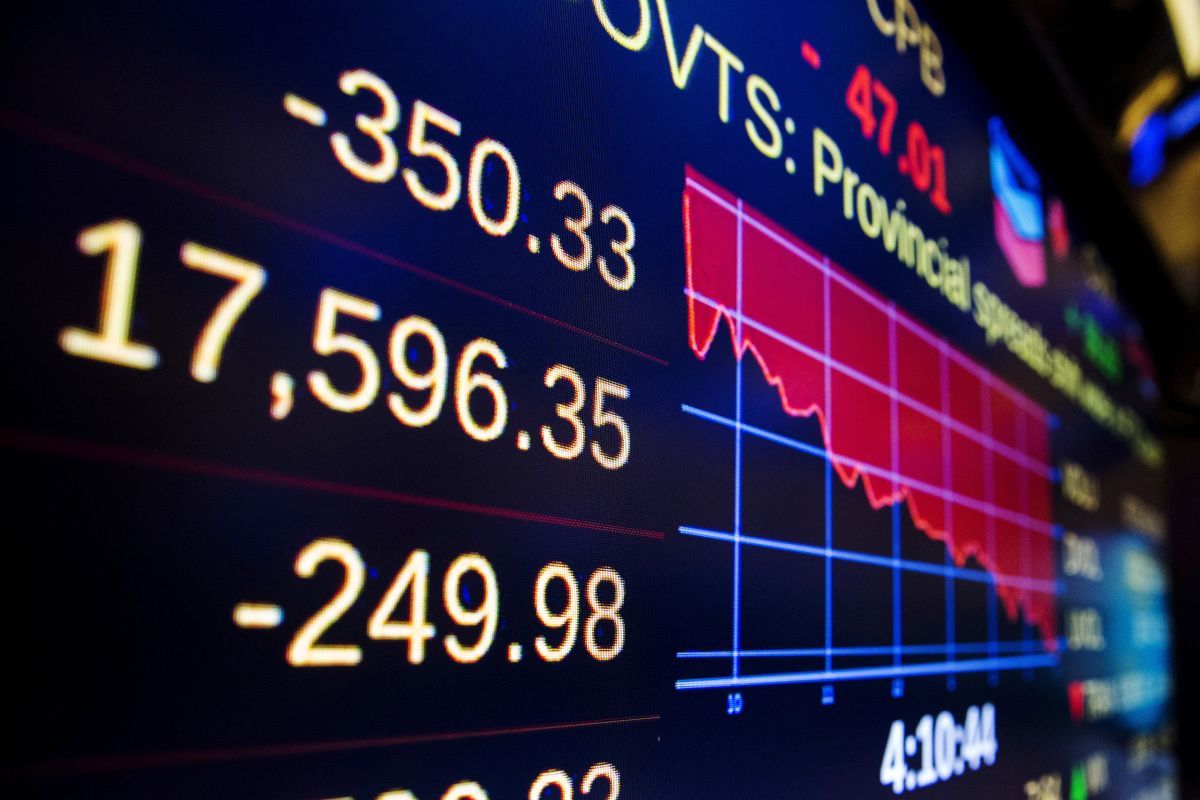
U.S. stock indexes showed resilience on March 13, 2026, with the Dow Jones Industrial Average and S&P 500 posting modest advances as investors digested fresh inflation data and a slight pullback in oil prices amid the ongoing Middle East conflict. Trading on March 14 remained limited in pre-market hours, with futures pointing to continued caution ahead of the weekend.

The Dow Jones Industrial Average closed at approximately 46,991 on March 12 before rebounding modestly in recent sessions, with intraday levels around 46,800-47,000 reflecting stabilization. The S&P 500 ended near 6,672-6,689, up about 0.26% in one late-session snapshot, while the Nasdaq Composite hovered around 22,300-22,450, gaining roughly 0.06-0.5% depending on intraday swings. Volume remained elevated as traders navigated headline risks from the U.S.-Iran war.
The session’s tone reflected a pause in the sharp selling seen earlier in the week. Oil prices, which had spiked above $100 a barrel on fears of Strait of Hormuz disruptions, eased back toward $94 for WTI crude, providing relief to energy-sensitive sectors. The conflict, now in its second month, has driven volatility since late February strikes, with supply concerns pressuring equities but also boosting energy stocks.
Fresh PCE inflation data released showed core readings rising 0.4% month-over-month, slightly above expectations, while headline PCE increased 0.3%. The figures reinforced market expectations for Federal Reserve policy flexibility, with some investors betting on potential rate cuts later in 2026 if growth slows further. GDP revisions indicated weaker expansion in prior quarters, adding to the case for accommodative policy amid geopolitical strains.
Broader market breadth improved, with the Russell 2000 outperforming in some reports, jumping around 1.16% as smaller-cap stocks led gains. Nearly 70% of U.S. stocks advanced in early trading, signaling dip-buying after recent declines. Tech names like Nvidia, Intel, and Micron showed strength, rebounding from pressure tied to energy costs in AI infrastructure.
The week’s turbulence stemmed from escalating Middle East tensions, including threats to global energy flows and retaliatory actions. Oil’s surge earlier in March triggered sell-offs, with the S&P 500 dropping as much as 1.5-2% on high-volume days and the Dow shedding hundreds of points. Friday’s stabilization suggested oversold conditions and bargain hunting, particularly in sectors less exposed to prolonged inflation from energy.
Year-to-date performance remains mixed amid the war’s impact. The S&P 500 has fluctuated near 6,600-7,000 levels, down from January highs but up significantly from 2025 closes. The Nasdaq, sensitive to growth valuations, has seen sharper swings, while the Dow’s blue-chip composition provided relative stability.
Analysts noted the market’s dual pressures: persistent inflation risks from oil and potential Fed caution, balanced against hopes for de-escalation. President Trump’s comments suggesting the conflict could resolve soon have occasionally lifted sentiment, though defiant rhetoric from involved parties keeps uncertainty high.
Sector rotation favored consumer defensive and healthcare names, which gained as investors sought safety. Energy stocks benefited from elevated prices but faced volatility if supply disruptions prove short-lived. Banks and financials showed mixed results amid redemption pressures in private credit.
Looking ahead, the absence of major catalysts over the weekend could extend the consolidation. Upcoming data, including any fresh geopolitical updates or corporate earnings, will influence direction. If oil stabilizes below $95 and inflation remains contained, equities could build on Friday’s momentum.
The current environment underscores Wall Street’s navigation of external shocks. While the war has introduced volatility, underlying economic resilience and policy expectations have prevented deeper declines. Investors remain watchful for signs of resolution or escalation that could dictate the next move.
The UK economy unexpectedly stalled at the start of the year, intensifying concerns that escalating geopolitical tensions and rising energy prices could derail growth in 2026.
New figures from the Office for National Statistics (ONS) show that gross domestic product (GDP) recorded no growth in January, following a modest expansion of 0.1 per cent in December. Economists had forecast a stronger start to the year, predicting a monthly increase of around 0.2 per cent.
The latest data suggests that the UK economy entered the year with little momentum, even before the economic impact of the escalating conflict between the United States, Israel and Iran began to filter through global markets.
On a rolling quarterly basis, the economy grew by just 0.2 per cent in the three months to January, only slightly stronger than the 0.1 per cent recorded in the previous quarter and below analysts’ expectations of 0.3 per cent.
The figures reinforce growing fears among economists that the UK’s fragile recovery could stall further as rising oil and gas prices feed through into higher inflation and weaker consumer spending.
Liz McKeown, director of economic statistics at the ONS, said the latest figures highlighted the subdued nature of the recovery.
“The overall picture remains subdued,” she said, noting that several key sectors struggled to gain traction during the month.
The services sector, which accounts for roughly 80 per cent of the UK’s economic output, recorded no growth during January. Production output declined by 0.1 per cent over the same period, while construction activity provided the only positive contribution, rising by 0.2 per cent.
Economists warned that the stagnation in January leaves the economy vulnerable to external shocks, particularly the surge in global energy prices triggered by the widening conflict in the Middle East.
Martin Beck, chief economic adviser at consultancy WPI Strategy, said the disappointing GDP figures showed the economy had already begun losing momentum before geopolitical tensions escalated.
“The UK economy was already losing steam before the latest war-related shock,” he said.
Fergus Jimenez-England, associate economist at the National Institute of Economic and Social Research (NIESR), described the figures as a worrying signal for the months ahead.
“This is a worrying start to the quarter, given that the early-year improvement in business confidence is likely to be short-lived as global disruption linked to the Iran war hits the UK economy,” he said.
Financial markets have already begun adjusting their expectations for monetary policy as energy prices surge. Oil prices have climbed sharply in recent weeks amid fears of prolonged disruption to shipping routes in the Strait of Hormuz, one of the world’s most important oil transit corridors.
Brent crude remained above $100 a barrel on Friday, a level not seen since the energy shocks that followed Russia’s invasion of Ukraine.
The surge in oil and gas prices has complicated the outlook for the Bank of England, which had previously been expected to cut interest rates later this year as inflation gradually eased.
Before the outbreak of the conflict, markets had predicted at least two interest rate reductions in 2026, with investors assigning a roughly 90 per cent probability to a first cut at the Bank’s next meeting. However, rising energy prices have sharply reduced those expectations.
The Bank of England is now widely expected to keep its base rate unchanged at 3.75 per cent when policymakers meet next Thursday, as officials assess whether the energy shock could push inflation higher again.
Although UK inflation fell to 3 per cent in January and is forecast to decline further in the spring, analysts warn that higher energy costs could add as much as one percentage point to inflation later this year depending on how long the conflict persists.
Some economists have warned that household energy bills could rise by as much as £500 in the summer if wholesale gas prices remain elevated.
Government borrowing costs have also risen sharply as investors reassess inflation risks. The yield on benchmark UK government bonds climbed again on Friday, increasing by 0.10 percentage points to 4.78 per cent.
The weaker economic data adds further pressure on Chancellor Rachel Reeves, who has repeatedly emphasised the government’s focus on economic growth while maintaining fiscal discipline.
Responding to the latest GDP figures, Reeves acknowledged the economy faced significant challenges but insisted the government remained committed to strengthening growth.
“I know that there is more to do,” she said. “In an uncertain world we are building a stronger and more secure economy by cutting the cost of living, cutting national debt and creating the conditions for growth to make all parts of the country better off.”
Business groups have also urged ministers to take action to support investment and productivity.
Muniya Barua, deputy chief executive of BusinessLDN, said the latest figures were disappointing following a weak end to 2025.
“After a sluggish end to last year, it’s disappointing to see the economy start the year on the back foot again,” she said.
She warned that geopolitical tensions could undermine both business confidence and consumer spending while pushing inflation higher.
“The war in Iran threatens to hit business and consumer confidence while also pushing up inflation, so it’s vital that the government acts quickly to remove barriers to growth that are within its gift,” Barua added.
She called on ministers to accelerate major infrastructure projects, unlock sites for new housing and review changes to the business rates system that could deter investment.
The latest economic indicators already point to growing strains across the labour market. Unemployment has climbed to its highest level since the pandemic, driven largely by a sharp increase in youth joblessness, which has reached its highest point in more than a decade.
Combined with rising energy costs and slowing economic growth, the data suggests policymakers face a difficult balancing act in the months ahead.
For now, economists say the January figures confirm that the UK economy began 2026 on fragile footing, and that the unfolding geopolitical crisis could make the path to sustained growth even more uncertain.

Amy Ingham
Amy is a newly qualified journalist specialising in business journalism at Business Matters with responsibility for news content for what is now the UK’s largest print and online source of current business news.

Lightwater Valley’s new look as it prepares for 2026 opening

Farm bill draft heads to House of Representatives

BlockDAG News: As JPMorgan Gets Dragged Into a $328M Crypto Mess, Traders Dump BDAG & Pepeto and Pour $2.1M Into DeepSnitch AI For 100x


-

 News Videos4 days ago
10th Algebra | Financial Planning | Question Bank Solution | Board Exam 2026
-
 Tech3 days ago
A 1,300-Pound NASA Spacecraft To Re-Enter Earth’s Atmosphere
-

 Crypto World4 days ago
Paradigm, a16z, Winklevoss Capital, Balaji Srinivasan among investors in ZODL
-

 Business3 days ago
ExxonMobil seeks to move corporate registration from New Jersey to Texas
-

 Tech3 days ago
ChatGPT will now generate interactive visuals to help you with math and science concepts
-

 Sports6 days ago
Three share 2-shot lead entering final round in Hong Kong
-

 Sports6 days ago
Braveheart Lakshya downs Lai in epic battle to enter All England Open final | Other Sports News
-

 NewsBeat2 days ago
Residents reaction as Shildon murder probe enters second day
-

 Entertainment7 days ago
Hailey Bieber Poses For Sexy Selfies In New Luscious Lip Thirst Traps
-

 Business3 days ago
Search Enters Sixth Week With New Leads in Tucson Abduction Case
-

 Business5 days ago
Search for Nancy Guthrie Enters 37th Day as FBI Probes Wi-Fi Jammer Theory
-
 NewsBeat4 days ago
Pagazzi Lighting enters administration as 70 jobs lost and 11 stores close across Scotland
-

 Tech4 days ago
Despite challenges, Ireland sixth in EU for board gender diversity
-

 Fashion3 hours ago
Weekend Open Thread: Addict Lip Glow
-

 Business4 days ago
Search Enters 39th Day with FBI Tip Line Developments and No Major Breakthroughs
-

 NewsBeat2 days ago
I Entered The Manosphere. Nothing Could Prepare Me For What I Found.
-

 Business7 days ago
Iran war enters second week as Trump demands ’unconditional surrender’
-

 Sports4 days ago
Skateboarding World Championships: Britain’s Sky Brown wins park gold
-

 Crypto World3 days ago
Will Chainlink price reclaim $10 amid volatility squeeze?
-

 Sports5 days ago
Tomorrow’s Top 25 Today: Florida jumps to No. 4; Louisville, Wisconsin enter projected rankings