

Crypto World
Bitcoin price struggles at range-high resistance as rejection grows


Bitcoin price is once again testing the upper boundary of its trading range near $72,000, where selling pressure has historically emerged.
Summary
- Range Resistance: Bitcoin is struggling to break above the $72,000 range high.
- Rejection Signal: A developing daily wick suggests weakening bullish momentum.
- Downside Risk: A confirmed rejection could rotate price toward $50,000 support.
Bitcoin’s (BTC) price action is currently positioned at a technically significant inflection point as the asset trades near the upper boundary of its established trading range. The $72,000 region has repeatedly acted as strong resistance on the daily timeframe, preventing sustained bullish continuation.
While Bitcoin has attempted to challenge this level again, the latest candles suggest early signs of rejection, indicating that the market may remain locked within its broader consolidation structure.
Bitcoin price key technical points
- Range-High Resistance: $72,000 continues to cap upward momentum on the daily timeframe.
- Rejection Signal: A developing rejection wick suggests weakening bullish momentum.
- Downside Risk: A close below the value area high could trigger a rotation toward lower range support.
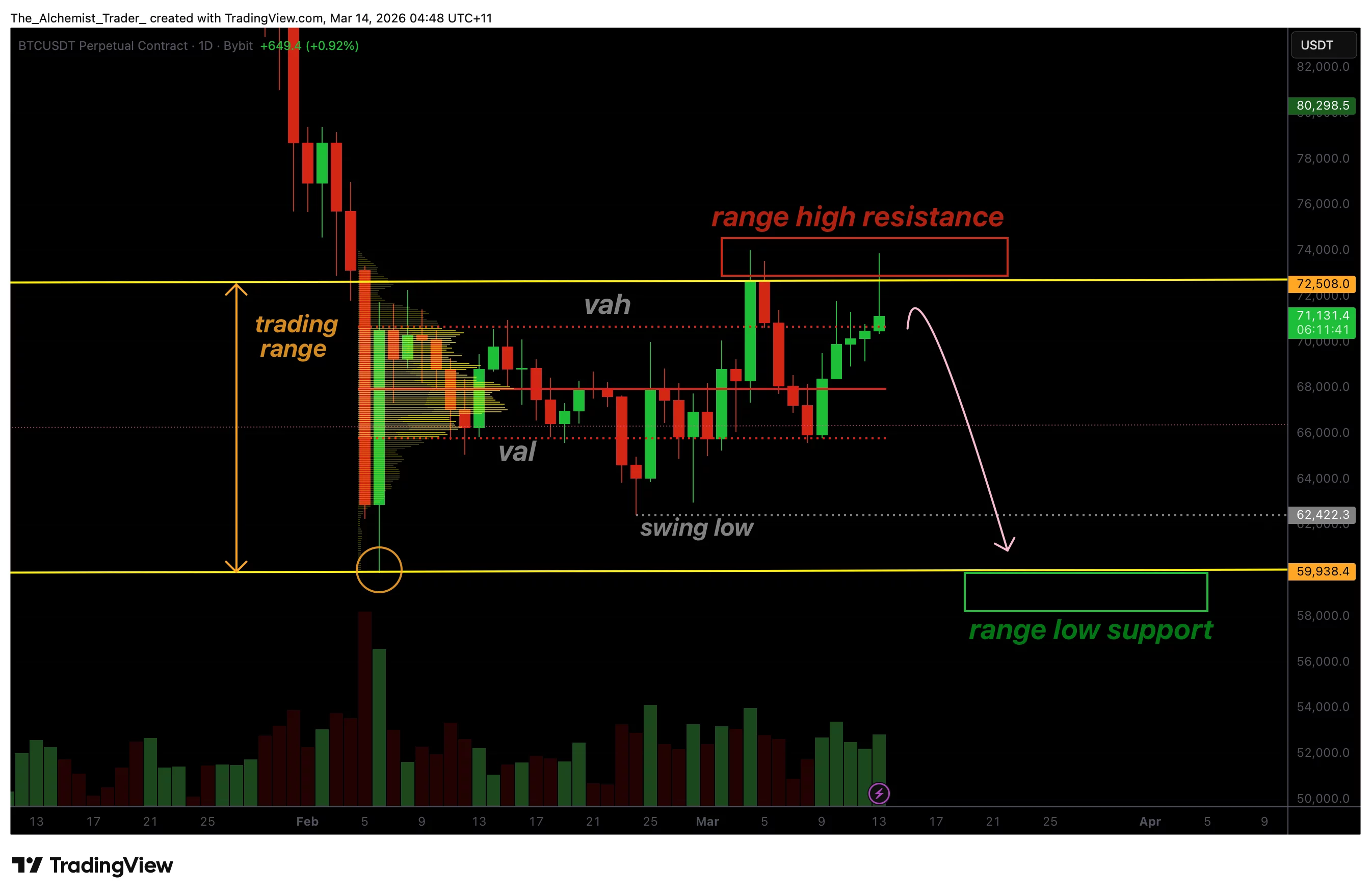
Bitcoin’s current price action is centered around the $72,000 range-high resistance, a level that has repeatedly defined the upper boundary of the current market structure. On the daily timeframe, this region represents a major liquidity zone where sellers have consistently stepped in to defend price.
Recent price movement shows Bitcoin attempting to challenge this resistance once again, but the appearance of a rejection wick on the daily candle indicates that buyers may be struggling to maintain control. Rejection wicks often appear when price briefly pushes into a resistance zone but fails to sustain momentum, forcing the market back lower as selling pressure increases.
From a technical perspective, this behavior highlights the importance of the value area high as a confirmation level for market direction. The value area high often acts as a pivot point between bullish continuation and bearish rotation. If Bitcoin closes below this level, it would confirm that the latest attempt to break higher has failed, reinforcing the broader range structure.
Range-bound environments are characterized by price oscillating between key support and resistance levels as liquidity is redistributed across the market. In Bitcoin’s case, the broader range structure remains intact between approximately $50,000 on the downside and $72,000 on the upside.
As long as the range-high resistance continues to hold, the probability favors further rotational price action rather than a sustained breakout. This means the market may gradually move back toward lower support levels in search of liquidity.
If bearish confirmation occurs through a close below the value area high, the next logical downside target becomes the swing low within the range. This would place the broader range support near the $50,000 region back into focus.
The $50,000 level represents a historically significant support zone where strong demand previously emerged. It also marks the lower boundary of the current trading range, making it a key area where buyers may attempt to defend price once again.
Market structure analysis further supports this scenario. When an asset repeatedly fails to break above resistance, it often signals that the market requires additional liquidity before attempting another breakout. This liquidity is typically found at lower levels where stop orders and resting bids accumulate.
Because of this dynamic, rotational movements between range highs and range lows are common in consolidation phases. These cycles allow the market to rebalance supply and demand before a more decisive directional trend eventually forms.
What to expect in the coming price action
As long as Bitcoin remains below the $72,000 range-high resistance, the broader range structure is likely to remain intact. A confirmed rejection below the value area high would increase the probability of a rotational move toward the $50,000 range support, while a decisive breakout above resistance would be required to invalidate the bearish outlook.

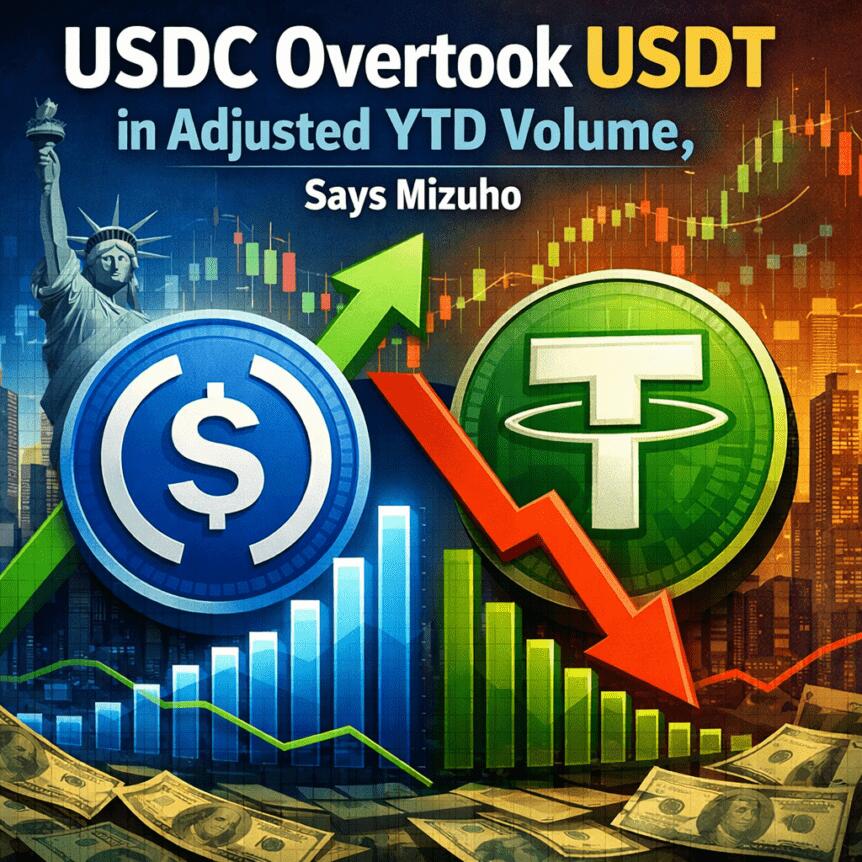
Analysts at Mizuho say a shift in stablecoin usage is underway, with a Circle-issued dollar-pegged token appearing to surpass its main rival in on-chain transaction volume for the first time since 2019. In a Friday research note, the bank highlighted year-to-date adjusted volumes of about $2.2 trillion for the Circle-backed stablecoin against roughly $1.3 trillion for the Tether-backed option, signaling a move toward routine payments rather than just crypto trading. The report also notes that the Circle-backed coin claims about 64% of the combined turnover between the two, reversing a long-running pattern in which the Tether-backed token led on volume. Circle’s public listing on the NYSE in June 2025 drew attention, though the initial price reaction was muted. By market cap terms, the Tether-backed stablecoin remains dominant, with approximately $184 billion in circulation compared to about $79 billion for its Circle-backed rival.
Key takeaways
- The Circle-backed stablecoin surpassed the Tether-backed counterpart in on-chain transaction volume for the year to date, underscoring a shift toward stablecoins used for everyday payments rather than speculative activity.
- Adjusted volumes show Circle’s token at about $2.2 trillion versus roughly $1.3 trillion for Tether’s stablecoin, translating into a 64% market share for Circle’s offering within the two assets’ daily activity.
- Despite the volume leadership, Tether’s stablecoin remains larger in terms of market capitalization, with around $184 billion in circulating supply versus about $79 billion for Circle’s stablecoin.
- Circle’s stock began trading on the NYSE in June 2025, and the initial move after the IPO was modest, indicating a separation between on-chain usage dynamics and traditional equity performance.
- Policy and regulatory hurdles in the United States continue to shape stablecoin discussions, with lawmakers weighing a digital asset market framework even as debates over stablecoin yield and tokenized equities persist.
Tickers mentioned: $USDC, $USDT
Sentiment: Neutral
Price impact: Neutral. The report highlights a shift in usage patterns rather than immediate price movements, with market capitalization remaining skewed toward the Tether-backed stablecoin.
Market context: The findings come as the broader crypto market contends with liquidity dynamics and ongoing regulatory discussions in Washington over stablecoins and market structure, illustrating how on-chain activity and regulatory policy can diverge in the near term.
Why it matters
The potential migration of everyday transactions toward a Circle-backed stablecoin could recalibrate how participants fund wallets, settle micro-payments, and bridge assets across networks. If a stablecoin gains traction as the preferred medium for routine exchanges, its on-chain liquidity profile, settlement efficiency, and interoperability across exchanges and wallets could influence funding costs and user experience. Yet the distinction between on-chain transaction volume and market capitalization remains pronounced: even with higher volumes, USDT continues to dominate in overall supply and market depth, which matters for liquidity when markets swing or during large withdrawals.
For builders and exchanges, the volume shift flags a possible reallocation of demand toward a different stability mechanism or settlement rails. Protocols that rely on stablecoin liquidity for cross-chain liquidity provision, automated market makers, and DeFi lending could feel the impact of changing user preferences. Regulators, meantime, watch and weigh how stablecoins interact with yield, compliance, and consumer protection norms as they craft potential standards for a broader digital asset framework.
The data also highlights how headline market capitalizations may diverge from real-world usage metrics. A stablecoin can be widely used for payments and remittances even if its nominal market cap remains smaller than that of a rival. In this case, the Circle-backed token’s stronger daily turnover suggests broader acceptance in payments corridors, merchant integrations, and cross-border settlements, while Tether’s larger capitalization preserves its role as a liquidity backbone. The coming quarters will reveal whether the usage trend persists or whether market forces re-balance these two pillars of the stablecoin ecosystem.
As part of the broader narrative, policymakers continue to weigh a structured framework for digital assets, including debates over stablecoin yield and tokenized equities. The CLARITY Act, which previously moved through parts of Congress, has faced hurdles in the Senate, where leaders indicate a priority on voting requirements rather than immediate market-structure reforms. These political dynamics create a backdrop in which on-chain metrics may diverge from regulatory momentum, making immediate price or allocation signals less predictable than the underlying activity data might suggest.
For readers tracking the big-picture trajectory, the divergence between on-chain activity and market capitalization can be telling. The shift toward a more transaction-focused usage pattern does not necessarily translate into an immediate re-rating of the asset’s value, but it does imply a growing role for a Circle-backed stablecoin in daily payments and merchant settlement. Investors and users should monitor whether this usage trend endures as merchant adoption, cross-border flows, and DeFi integrations evolve in parallel with regulatory developments.
To contextualize these movements, a separate data point underpins the narrative: Circle’s public listing on the NYSE in June 2025. While the IPO event catalyzed attention around the governance and corporate side of the ecosystem, the market reaction to the volume shift remains a separate thread, underscoring how on-chain dynamics can outpace traditional equity performance in this rapidly evolving space. The ongoing conversation around stablecoins—how they yield, how they are regulated, and how tokenized instruments may coexist—will continue to shape liquidity, risk appetites, and product design across the crypto ecosystem.
For a direct look at the discussion around USDC, USDT, and their evolving roles, readers can explore the linked materials, including deep-dive notes and index references that track price and circulation metrics over time. A video discussion related to the topic is available here: Video discussion on stablecoin dynamics.
What to watch next
- Upcoming quarterly volume disclosures for USDC and USDT to confirm whether the 64% share persists into the next data cycle.
- Progress on the CLARITY Act or alternative US digital asset market framework bills in Congress and any votes scheduled in the Senate.
- Shifts in market capitalization versus on-chain usage, including any notable changes in the size of each stablecoin’s circulating supply.
- Broader regulatory guidance on stablecoin yield, ethics, and tokenized equities and how those will impact issuer strategies.
Sources & verification
- Mizuho research note comparing transaction volumes between Circle-backed USDC and Tether-backed USDT, including the 64% market-share figure and the $2.2 trillion vs $1.3 trillion volume comparison.
- Circle stock listing on the NYSE in June 2025 and subsequent price action.
- Price index references for USDC (CRYPTO: USDC) and USDT (CRYPTO: USDT) as cited in price-tracking discussions.
- US Senate discussions around the CLARITY Act and related market-structure debates affecting stablecoins, including notes about voting-priority scheduling in the Senate.
Stablecoin usage shifts and the on-chain volume race
The latest data from a major investment bank captures a pivotal moment in stablecoin dynamics. The Circle-issued stablecoin (CRYPTO: USDC) appears to have overtaken its Tether counterpart (CRYPTO: USDT) in on-chain transaction volume for the year to date, marking a departure from a multi-year pattern in which USDT led most volume metrics. The bank’s analysis shows USDC posting about $2.2 trillion in adjusted year-to-date volume, while USDT sits around $1.3 trillion. With these figures, USDC has captured roughly 64% of the combined turnover between the two entities, signaling a shift toward stablecoins as day-to-day payment rails rather than merely a liquidity layer for whales and traders.
The juxtaposition of high transaction activity with market capitalization also tells an important story. While USDC is catching up in usage, USDT retains a commanding head start in global supply, boasting a market capitalization near $184 billion compared with USDC’s roughly $79 billion. This divergence underscores a broader theme in crypto markets: usage and liquidity can outpace capitalization when user adoption and merchant integration expand. The leadership in on-chain volume does not automatically translate into price or market-share dominance, but it does illuminate where real-world activity is concentrated and where demand for stable value storage is coalescing.
The discussion around stablecoins in the policy arena adds another layer of complexity. Lawmakers continue to debate a digital asset market structure that could govern stablecoins, yield-bearing tokens, and tokenized equities. While the CLARITY Act has flowed through various chambers, its path in the Senate remains uncertain, and recent statements from Senate leadership suggested a focus on voting requirements rather than a comprehensive market-structure bill in the near term. In this environment, traders and users may react to on-chain data and market sentiment independently of how quickly lawmakers move on the regulatory front.
From a market perspective, the contrast between volume leadership and market capitalization is not merely a curiosity; it shapes how ecosystem participants allocate capital and design services. Exchanges and wallets perspective that favor stablecoin liquidity for payments could prioritize integration with USDC’s rails if the usage trend endures, while liquidity providers still rely on USDT for broad market depth. The net effect for users could be a more diverse stablecoin landscape where multiple tokens compete on reliability, ease of use, and the breadth of acceptance by merchants and platforms.
In sum, Mizuho’s data points to a period of evolving usage patterns among the stablecoins that anchor much of the crypto economy. The fact that a Circle-backed token is capturing a larger share of on-chain volume signals a potential shift in user preference for stability in routine transactions. As policymakers weigh structural reforms and market participants adjust to new usage realities, the next several quarters will reveal whether this shift solidifies or whether the market rebalances toward a broader mix of stablecoins for settlement and payments. For readers following the crosscurrents of price, volume, and policy, the evolving picture remains a critical lens on how the crypto economy is mutating beyond headline market caps.
Crypto World
Best Crypto to Buy Now: Pepeto Becomes The Top Choice For Trader as Trump Ends War and Bitcoin Reclaims $70K

Trump declared victory in the Iran conflict, Bitcoin surged past $72,000, and the search for the best crypto to buy now intensified overnight. Spot Bitcoin ETFs pulled $568 million in a single week according to Coinfomania, ending a four month outflow streak, and the rotation into high upside positions has already begun.
Best Crypto to Buy Now: Trump Ends War and Capital Rotates Into Pepeto
As crypto.news reported, Trump declared the US won through Operation Epic Fury, and analysts say clearing $72,500 could trigger a broader rally.
Understanding the opportunity means understanding why the best crypto to buy now is not a large cap waiting to recover, it is the presale that already built the infrastructure before the bull run arrives.
Pepeto: The Best Crypto to Buy Now for Traders Who Refuse to Miss This Cycle
Trying to find the best crypto to buy now can be overwhelming, especially when every chart is red and every headline contradicts the last. Tracking whale movements, liquidity shifts, and which projects actually deliver versus which ones disappear after listing is exhausting even for experienced traders. Pepeto was built to solve exactly that problem by giving every investor access to an exchange where the tools do the heavy lifting.
PepetoSwap is an intelligence layer for the entire market. Zero fee swaps across Ethereum, BNB Chain, and Solana from one platform, a cross chain bridge routing tokens between networks without cost, and AI risk screening that evaluates every contract before capital touches it. All of that feeds into one exchange that removes the guesswork and replaces it with infrastructure traders will use every single day.
The exchange went live for stress testing and handled real volume without issues, giving Pepeto an edge over every project still promising features on a roadmap. The presale has seen 190% growth in wallet participation over the past month, and early investors understand that the utility itself is what will attract volume the moment the listing arrives.
Pepeto is still at presale pricing of $0.000000186, which leaves massive room for the kind of growth that only exists before the public market opens. Over $7.9 million raised during fear conditions, SolidProof audited codebase, the $7 billion Pepe ecosystem cofounder leading the build, a former Binance executive on the advisory board, and 199% APY staking compounding daily. Revenue sharing sends permanent income from every exchange trade to presale wallets.
The Binance listing is approaching and once it arrives, this presale entry disappears and never returns. That is why Pepeto is the best crypto to buy now for investors who recognize that the window between presale and listing is where the real wealth in crypto has always been created.
IMPORTANT: Many fraudulent sites are trying to mislead investors using Pepeto’s name. Only purchase through the Pepeto official website. Verify the domain carefully before connecting any wallet.
XRP and Solana Are Not the Best Crypto to Buy Now at These Market Caps
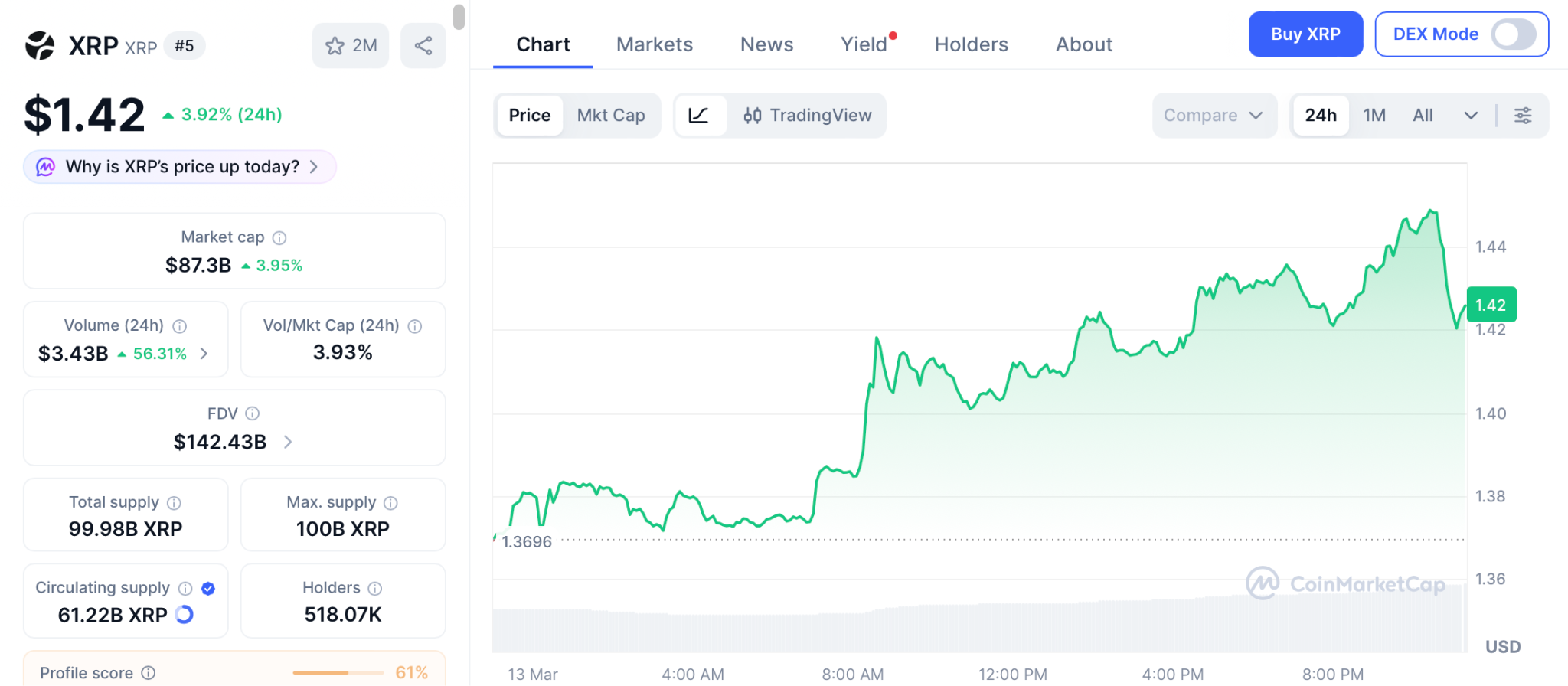
XRP sits at $1.42 according to CoinMarketCap, down 62% from its $3.66 all time high despite Ripple launching a $750 million buyback valuing the company at $50 billion. Futures open interest remains 80% below the peak. Solana trades at $90.90, down 63% from $237 in November 2025, with Goldman Sachs holding $107 million in SOL ETFs but price action refusing to respond.
Both are real assets with institutional backing, but at these market caps the returns are incremental, and the best crypto to buy now for life changing multiples is at presale pricing, not recovery pricing.
Conclusion
Every cycle teaches the same lesson: the investors who build wealth in crypto are not smarter than everyone else, they just act without hesitation when the opportunity is still open. Crypto is the most rewarding asset class in the world but that same speed makes the best entries disappear in days not months.
XRP and Solana both point higher, but the best crypto to buy now is Pepeto, sitting at presale price with PepetoSwap about to go live and the kind of demand that only forms when serious potential is behind a project.
Once the listing arrives this price level stops existing permanently, and the investors who waited will spend this cycle watching the wallets that moved today collect what could have been theirs. Visit the Pepeto official website and decide which side of that outcome belongs to the wallets that act now.
Click To Visit Pepeto Website To Enter The Presale

FAQs
What is the best crypto to buy now in 2026?
The best crypto to buy now is Pepeto with $7.9 million raised, a SolidProof audited exchange, a $7 billion cofounder, 199% APY staking, and permanent revenue sharing at presale pricing before the Binance listing.
Will XRP recover to its all time high?
XRP at $1.42 is down 62% from $3.66 with futures open interest 80% below the peak, and while Ripple secured regulatory wins the returns at this market cap are modest compared to presale entries.
Disclaimer: This is a Press Release provided by a third party who is responsible for the content. Please conduct your own research before taking any action based on the content.

Crypto World
Nuclear Energy Powers the AI Revolution: How Tech Companies Are Investing in Atomic Energy

Key Takeaways
- Major tech companies including Microsoft, Amazon, and Meta are partnering with nuclear facilities for reliable data center power.
- Previously decommissioned nuclear plants such as Three Mile Island are being reactivated with corporate investment.
- Advanced small modular reactor technology provides scalable, clean energy solutions close to computing facilities.
- Cryptocurrency mining operations demonstrated nuclear energy’s viability for computationally demanding applications.
- Nuclear capacity expansions and facility restarts address surging electricity requirements from artificial intelligence workloads.
The United States is experiencing a nuclear energy renaissance fueled by technology sector investments as corporations expand their data infrastructure footprint. Power providers are witnessing extraordinary demand from advanced computing operations that require reliable, emissions-free electricity. Industry leaders are forging direct partnerships with atomic energy facilities to guarantee uninterrupted power for continuous computational workloads.
Technology Leaders Forge Nuclear Partnerships for Reliable Energy
Leading technology corporations are establishing extended agreements to obtain nuclear-generated electricity for their computing facilities. Microsoft, Amazon, and Meta have committed to multi-year contracts supporting nuclear installations throughout various regions. These strategic partnerships ensure uninterrupted energy delivery and allow power companies to efficiently maintain and enhance existing reactor infrastructure.
Atomic energy installations previously slated for closure are experiencing renewed investment, marking a reversal of historical industry trends. Pennsylvania’s Three Mile Island Unit 1 and the Comanche Peak facility in Texas represent reactors benefiting from renewed corporate commitment. These collaborative ventures underscore nuclear technology’s critical importance to supporting contemporary digital infrastructure requirements.
Next-generation small modular reactors represent an innovative approach to positioning energy generation adjacent to intensive computing facilities. Their reduced physical footprint enables accelerated implementation while delivering consistent, environmentally clean power generation. These advanced systems work alongside conventional nuclear installations to satisfy the persistent energy requirements of large-scale data operations.
Cryptocurrency Operations Validated Nuclear’s Computing Potential
Bitcoin miners established the blueprint for positioning computationally intensive operations near atomic power facilities to minimize energy expenses. TeraWulf collaborated with Talen Energy to develop the Nautilus Cryptomine facility immediately adjacent to the Susquehanna nuclear installation. This initiative sourced power directly from the reactor, creating a template for energy-proximate computing ventures.
The achievements of initial nuclear-powered mining operations motivated larger technology firms to explore comparable configurations for artificial intelligence and cloud computing applications. Power generation companies have transformed mining-adjacent locations into expansive data facility complexes. These transformations highlight nuclear energy’s adaptability in supporting next-generation technology infrastructure needs.
Through strategic use of nuclear facilities, operators can enhance capacity via “uprates,” boosting energy production without constructing additional reactors. Vistra and Constellation are incorporating hundreds of additional megawatts throughout their existing plant networks to fulfill extended partnership agreements. These enhancements reflect an evolving perspective treating nuclear reactors as scalable digital backbone infrastructure.
Atomic Energy Strengthens Grid Resilience During AI Growth
Expanding artificial intelligence and cloud computing operations have strained American electrical infrastructure, driving utilities to emphasize nuclear generation. Dominion Energy indicates that data centers account for more than one-quarter of power consumption within its PJM service territory. Nuclear facilities deliver constant, zero-emission electricity that variable renewable sources cannot dependably supply.
Utility providers and technology corporations are collaborating to prolong reactor operational periods and reactivate mothballed facilities. Notable examples include Iowa’s Duane Arnold reactor and Illinois’s Clinton Clean Energy Center. Nuclear power serves as the foundation for a robust, high-capacity electrical infrastructure supporting emerging technological requirements.
The convergence of new construction projects, facility reactivations, and capacity enhancements highlights nuclear energy’s essential function in America’s transforming power landscape. Technology enterprises are financing extended-term nuclear generation to guarantee carbon-neutral, dependable electricity access. Atomic energy currently underpins the accelerated development of AI data centers and advanced computing infrastructure.
The U.S. Court of Appeals for the Tenth Circuit has rejected an effort by Custodia Bank to revive its legal challenge against the Federal Reserve over access to the U.S. banking system. In a March 13 decision, the appellate court voted 7–3 against rehearing the case en banc, leaving intact an earlier ruling issued in October.
Court decision in Custodia Bank vs. Federal Reserve case
That decision held that regional Federal Reserve banks have the authority to decide whether financial institutions receive a so-called “master account,” which provides direct access to the central bank’s payment infrastructure. Master accounts allow banks to send and settle payments through Federal Reserve systems without relying on intermediary institutions.
Without such access, banks must route transactions through a partner bank that already holds an account with the central bank. Custodia, a Wyoming-chartered bank focused on digital assets, has been seeking a master account since 2020. The institution has argued that direct access would allow it to offer payment and settlement services to Web3 companies while avoiding dependence on traditional banking partners. The Federal Reserve rejected the application in 2023.
Custodia Bank faces rejection in 10th circuit
Regulators cited concerns related to the bank’s crypto-focused business model, saying the activities could pose risks to safety, soundness, and financial stability. Following that decision, Custodia filed a lawsuit claiming the Federal Reserve was obligated under federal law to grant master accounts to legally chartered banks.
The bank argued that the central bank does not have unlimited discretion to deny access once an institution is properly licensed. Courts have so far sided with the Federal Reserve. The previous ruling from the Tenth Circuit determined that the law does not compel the central bank to approve every application and that Reserve Banks retain judgment in deciding whether to grant the accounts.
By declining to rehear the case, the appeals court left that interpretation unchanged. The decision also reflects ongoing tension between crypto-focused financial institutions and U.S. regulators over how digital asset businesses should integrate with the traditional banking system.
Custodia has positioned itself as a regulated bank designed to serve crypto companies, offering custody and payment services tied to blockchain assets. Access to a master account would allow the bank to settle transactions directly through Federal Reserve payment rails rather than relying on correspondent banks.
The ruling was not unanimous. In a dissent, judges Timothy Tymkovich and Allison Eid argued that the majority’s approach grants too much unchecked authority to Federal Reserve banks. The dissent warned that allowing Reserve Banks broad discretion could enable them to effectively block state-chartered institutions from accessing the core infrastructure of the U.S. financial system.


A federal appeals court rejected the final bid of crypto bank Custodia to challenge the U.S. Federal Reserve’s authority over granting master accounts, but the decision arrives at a time that the central bank is opening other avenues for such accounts.
A Fed master account grants access to the central bank’s payment rails and full services, allowing an institution to cut out go-between arrangements, so it’s been coveted by emerging crypto banks like Wyoming-chartered Custodia Bank. The bank has been fighting with the Fed for years over the initial rejection of its master-account application, and later over whether the central bank should have the final word on whether or not to grant such access.
The U.S. Court of Appeals for the 10th Circuit revealed on Friday that it declined to hear Custodia’s final appeal on that point in a 7-3 vote. However, the latest in a string of legal defeats arrives as the Fed system has cracked a door open on master accounts for crypto firms.
First, a regional bank, the Federal Reserve Bank of Kansas City, recently granted crypto exchange Kraken a special new limited account. Though it’s not a full master account, it carries many of the same features, and Kraken is the first crypto firm to get one for its banking arm.
At the same time, the national-level Federal Reserve board is working on a new policy to welcome crypto firms and others into so-called “skinny” master accounts that would likely be similar to Kansas City’s approach. That process is still in the early stages, so it’s unclear when crypto banks can begin applying.
Custodia representatives didn’t immediately respond to a request for comment on Friday’s court decision. A person familiar with its efforts said Friday that the bank is still pursuing access.
In a dissent opinion circulated by the court, one of the judges argued for why the rehearing should have been granted. “Holding that the Reserve Banks have unreviewable discretion over master accounts places us on the wrong side of the statutes and, likely, that of the Constitution as well,” wrote Judge Timothy Tymkovich. “The case’s consequences for the financial industry and its impact on the state-federal balance in banking regulation make it exceptionally important.”
The Kraken success spurred analysts to predict other crypto names may soon join them on the rolls of firms with master accounts, but some who’ve followed the years-long battle say it’ll be slow going and dependent on which region of the reserve-bank system they’re in. The real rush of approvals may wait for the Fed to establish a nationwide approach to limited accounts.
Read More: Crypto bank Custodia files petition for a rehearing by all appellate judges
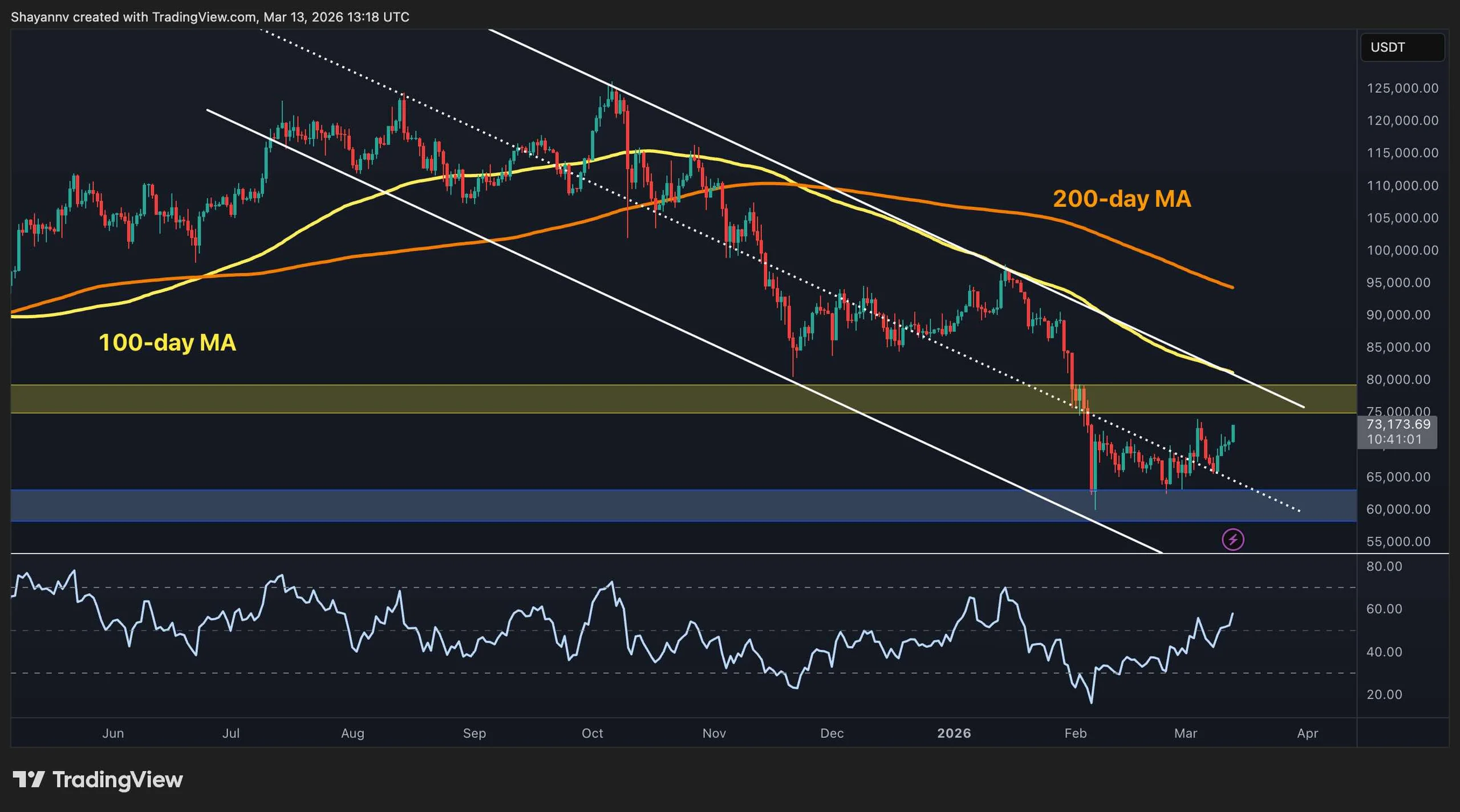
Bitcoin is pushing into a more decisive part of its recovery. After spending weeks rebuilding from the February flush, the market is no longer just defending support. It is now pressing toward a key resistance cluster around the $80K, which makes this the kind of area where a simple relief rally either matures into something bigger or gets rejected back into range.
Bitcoin Price Analysis: The Daily Chart
The daily chart is improving, but it has not fully turned bullish yet. BTC has managed to climb from the blue demand area near $60K to $62K and is now moving toward the old breakdown region around $75K to $80K. That is an important development, because this yellow zone acted as support before the market lost it during the broader downtrend. Reaching it again shows that buyers have regained some control, but reclaiming it is a different question altogether.
The broader structure still asks for caution. The price remains below the declining 100-day and 200-day moving averages, and both of them are still sloping lower, which means the macro trend has not been repaired yet. In other words, BTC is rallying into overhead supply while still sitting under major trend filters. If buyers can force a daily acceptance above the $75K area, the technical picture would improve materially. If not, this remains a rebound inside a larger corrective phase.

BTC/USDT 4-Hour Chart
On the 4-hour chart, the recovery looks much cleaner. Bitcoin has been carving out a rising structure with higher lows, and the latest leg higher has carried the price right back toward the upper boundary of that formation. The market is not drifting upward anymore. It is actively pressing resistance, and that usually precedes either a breakout or a sharp reaction.
Momentum supports the idea of short-term strength, with RSI pushing into the upper end of its range. Still, that also means BTC is arriving at resistance with momentum already stretched. So the next move matters. A clean break above the channel top and the $73K to $75K supply band would suggest continuation toward the next overhead zones. A rejection here, on the other hand, would likely send the price back toward the mid-range and keep the market trapped in consolidation for longer.

On-Chain Analysis
The on-chain backdrop adds an interesting twist. Bitcoin’s adjusted SOPR is still below 1, which means coins moving on-chain are, on average, still being spent at a loss. That tends to happen in corrective or transitional phases, when the market has not yet fully returned to profit-taking behavior. So despite the recent price recovery, the network data suggests the broader reset is not entirely over.
At the same time, aSOPR has started to rebound from its recent lows, which is an early sign of improving conditions. That does not confirm a new expansion phase on its own, but it does hint that the worst of the capitulation pressure may already be behind the market. Put differently, price is testing resistance while on-chain behavior is trying to heal. If those two start aligning through a confirmed breakout on the chart and a move back above 1 on aSOPR, Bitcoin’s outlook would become much stronger.

Binance Free $600 (CryptoPotato Exclusive): Use this link to register a new account and receive $600 exclusive welcome offer on Binance (full details).
LIMITED OFFER for CryptoPotato readers at Bybit: Use this link to register and open a $500 FREE position on any coin!
Disclaimer: Information found on CryptoPotato is those of writers quoted. It does not represent the opinions of CryptoPotato on whether to buy, sell, or hold any investments. You are advised to conduct your own research before making any investment decisions. Use provided information at your own risk. See Disclaimer for more information.
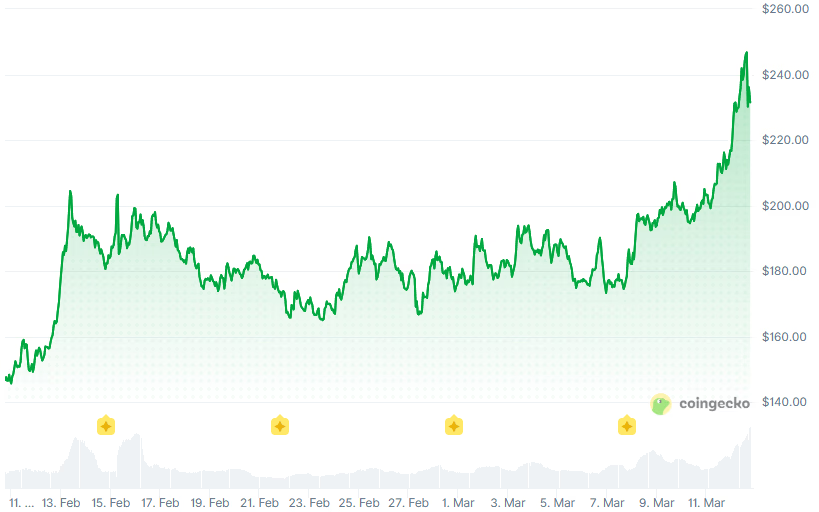
TAO, FET, and RENDER led the AI sector higher amid improving market sentiment.
Artificial intelligence (AI) tokens outperformed the wider cryptocurrency market on Friday, with the sector’s total market capitalization rising 5% over the past 24 hours to $15.1 billion, according to CoinGecko.
Bittensor’s TAO token was among the top gainers, trading at approximately $233, up nearly 9% on the day and 33% on the week. The Artificial Superintelligence Alliance token (FET) also climbed roughly 8%, while RENDER gained 11%.
Meanwhile, Venice AI’s VVV token surged 15% to a $300 million market capitalization.

A blog post from Nvidia CEO Jensen Huang comparing the AI buildout to the historical impact of electrification helped drive bullish sentiment across AI-linked tokens earlier in the week.
“AI is becoming the foundational infrastructure of the modern world. And the choices we make now, how fast we build, how broadly we participate and how responsibly we deploy it, will shape what this era becomes,” Huang wrote.
The AI token rally unfolded against a backdrop of gradually improving crypto sentiment after Bitcoin reached as high as $74,000 earlier in the day. Still, the broader environment remains fragile as geopolitical tensions tied to the U.S.-Israel conflict with Iran continue to weigh on risk appetite.
Crypto World
BlockDAG News: As JPMorgan Gets Dragged Into a $328M Crypto Mess, Traders Dump BDAG & Pepeto and Pour $2.1M Into DeepSnitch AI For 100x

JPMorgan just got sued for allegedly letting $328 million in crypto fraud flow straight through its accounts, and it knew. That’s the allegation at the heart of a class action that names one of the world’s most powerful banks as a knowing participant in a Ponzi scheme.
Goliath Ventures ran for three years, funds landed directly in Coinbase wallets, and prosecutors say the red flags were there the entire time. If the case holds, it rewrites the liability rules for every traditional bank servicing crypto businesses.
That case is a reminder that risk in financial markets never fully goes away, and that the demand for real verification tools has never been higher. Over $2.1M has flowed into DeepSnitch AI’s presale from investors who understand that.
The platform is live today, contract analysis tools are already accessible, and the TGE hits Uniswap on March 31st. While JPMorgan’s KYC processes allegedly missed $328 million in red flags, DSNT is built to catch them before a single dollar moves.
JPMorgan sued over a crypto Ponzi scheme
Investors have filed a class action against JPMorgan, alleging the bank ignored suspicious transactions and allowed Goliath Ventures to funnel $328 million in fraudulent investor funds through its accounts.
A parallel federal criminal case targets Goliath CEO Christopher Delgado, who faces up to 30 years in prison. Prosecutors allege the scheme ran from January 2023 through January 2026, with funds flowing through JPMorgan, Bank of America, and directly into Coinbase wallets.
The lawsuit’s core argument, that JPMorgan’s own KYC processes gave it knowledge of Goliath’s unlicensed operations, sets up a significant legal test for how far traditional banks can be held liable for servicing crypto businesses later exposed as fraudulent.
The case reinforces two persistent headwinds: reputational risk from high-profile fraud and the regulatory scrutiny that follows. It also puts pressure on exchanges like Coinbase, which received funds directly, to demonstrate increasingly rigorous onboarding and transaction monitoring standards.
Top 3 crypto presales to buy in 2026: DeepSnitch AI, BlockDAG and Pepeto
DeepSnitch AI price prediction: DeepSnitch AI’s utility bid is running hot ahead of launch
The JPMorgan class action alleging the bank overlooked $328 million in fraudulent transactions is a reminder that risk in financial markets never fully goes away. Crypto is no different: rug pulls get worse in sideways conditions and bad contracts slip through when attention drifts, regardless of what narrative is dominating at the time.
DeepSnitch AI sits right at that verification layer, and it’s already live. The dashboards and contract analysis tools are accessible today, which means you’re buying into a working product before it gets broader exchange exposure.
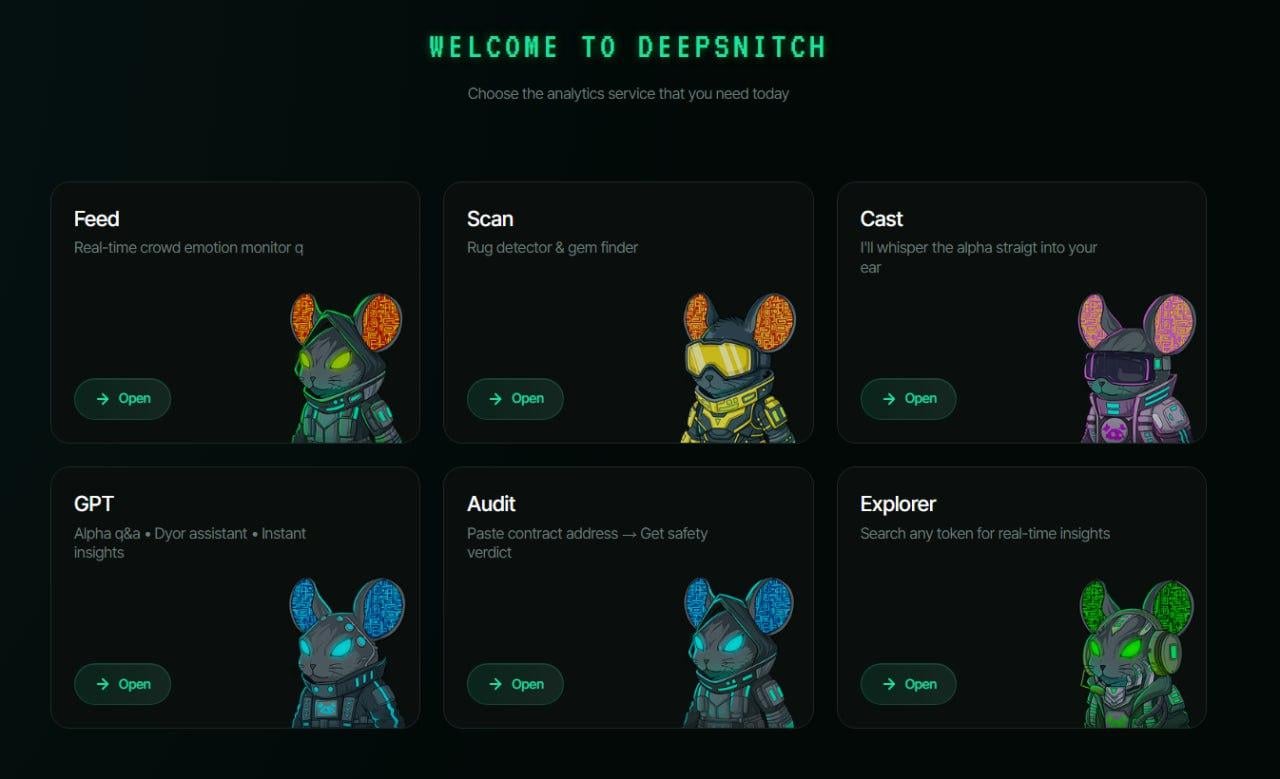
The traction speaks for itself. Over $2.1 million raised, with more than 42 million tokens already staked. That staked supply reduces sell pressure and signals that early holders are here for the long run, not a quick exit.
At $0.04399 with nearly 190% presale growth already on the board, DeepSnitch AI has real momentum before it even lists, while competitors like Pepeto are still selling roadmap promises.
As on-chain activity keeps growing, contract verification only becomes more valuable. That’s the real asymmetry here: demand built on utility, not trend cycles.
BlockDAG news: Can BDAG win the L1 competition?
The latest BlockDAG news shows that BDAG crosses into live trading. Tokens airdropped on March 3, exchange liquidity launched March 4 at $0.05. The presale chapter closes. A harder one opens.
Early predictions target $0.08–$0.10 within months, a potential 60–100% gain from listing. Presale momentum makes that range credible. The pitch holds up too: parallel processing and high transaction throughput address real infrastructure demand, not manufactured narrative.
But open markets apply a different standard. Fundraising milestones, or bullish BlockDAG news, don’t move prices here. Developer adoption does. Live dApps do. Real network usage does.
What happens on-chain in the weeks after launch carries more signal than a hundred positive BlockDAG news. That’s where BlockDAG proves itself, or doesn’t.
Pepeto price prediction: Will frog memes make a comeback in 2026?
Pepeto targets cross-chain friction with a unified interface for all things DeFi. Presale price: $0.000000186. Staking yields reach 209% APY. Early yield-seekers arrive before any listing date exists.
The credibility layer is genuine. Dual audits from SolidProof and Coinsult cover the ground most early-stage projects skip. Token value tied to DEX volume creates a logical, legible growth story.
But the meme coin label is the ceiling as speculative capital chases the next opportunity. Sustaining 209% APY demands real users returning because the product works. Pepeto built something credible, but real adoption determines how far that credibility travels.
The closing thoughts
BDAG raised millions and now has to prove its blockchain was worth it beyond speculative BlockDAG news. Pepeto has the structure but not yet the users.
DeepSnitch AI already has a live product and holders who won’t stop talking about it. At $0.04399, with 190% presale gains and $2.1M raised, the fundamentals are in place before a single exchange candle prints.
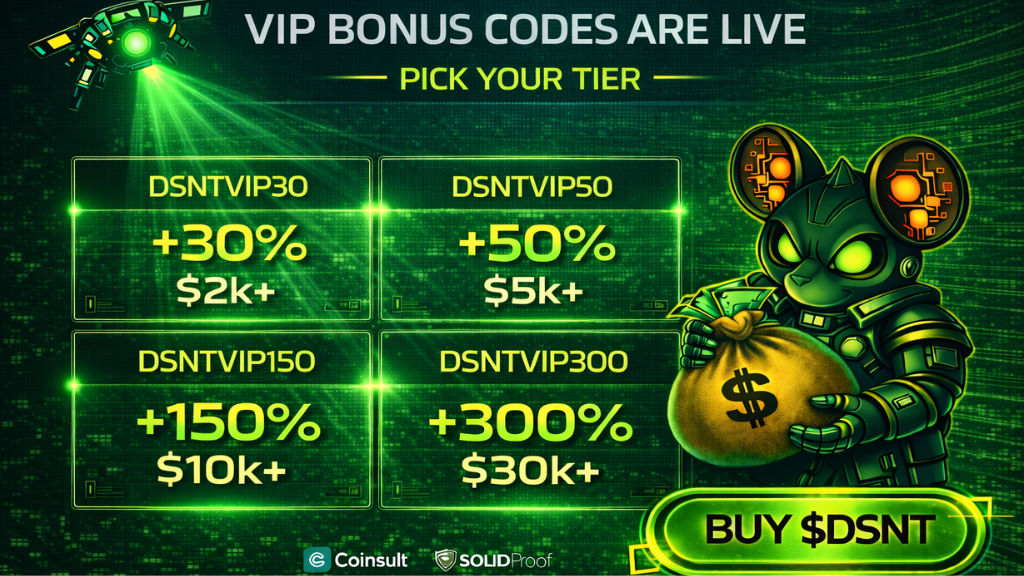
Use code DSNTVIP300 to turn $30,000 into $90,000 in tokens, and if those 100x projections land, that math gets very interesting very fast.
Visit the official website for more information, and join X and Telegram for community updates.
FAQs
What is the latest BlockDAG news following its exchange listing on March 4th?
Presale tokens were airdropped on March 3rd, and exchange liquidity launched on March 4th at $0.05. The presale chapter now closes, and open market trading begins. Early price targets sit at $0.08–$0.10 within months, contingent on real developer adoption and live dApp deployment.
What do BlockDAG’s post-listing updates say about its price potential?
The early price target of $0.08–$0.10 represents a 60–100% gain from listing, credible if network usage follows. But open markets care about developer activity and live dApps, not presale momentum. Those metrics write the price story from here.
How does BlockDAG compare to DeepSnitch AI right now?
BlockDAG is transitioning from presale to open market, still unproven post-listing. DeepSnitch AI has a live platform, $2.1M+ raised, 190% presale gains, and a confirmed March 31st Uniswap launch. BlockDAG’s best case is a double. DSNT’s starting conversation is 100x.
Disclaimer: This is a Press Release provided by a third party who is responsible for the content. Please conduct your own research before taking any action based on the content.
Crypto World
Crypto Derivatives Surge as Institutions Turn to Options to Hedge Massive Bitcoin Positions


DeFi platforms like Hyperliquid are demonstrating that decentralized exchanges can rival centralized venues in execution speed and transparency, according to Delphi Digital.
The cryptocurrency options market is expanding rapidly as institutional investors increasingly rely on instruments that allow them to define risk when managing large digital asset positions.
According to the crypto research firm Delphi Digital, trading activity in crypto derivatives has accelerated significantly. In fact, volumes on the Chicago Mercantile Exchange are currently running about 46% above the pace recorded during the exchange’s previous record year.
Crypto Options Market Expands
Delphi Digital said this growth indicates rising institutional participation, as funds and asset managers prefer options contracts because they allow investors to hedge large exposures while limiting downside risk to the premium paid. The firm noted that the move toward defined-risk instruments became more evident in mid-2025, when aggregate open interest in Bitcoin options reached $65 billion and exceeded Bitcoin futures open interest for the first time.
While futures are commonly used to gain leveraged exposure, options allow traders to cap potential losses on large positions, such as a $500 million Bitcoin allocation, while maintaining upside exposure. Delphi Digital explained that most of the current options activity is concentrated on a small number of centralized venues. For several years, the primary platform for crypto options trading has been Deribit, which gained additional institutional backing after being acquired in 2025 by Coinbase in a deal valued at $2.9 billion.
At the same time, options linked to the spot Bitcoin exchange-traded fund issued by BlackRock under the ticker IBIT introduced a new source of activity from traditional financial market participants after launching in late 2024. In addition to the rapid growth of centralized platforms, Delphi Digital said decentralized derivatives markets have also expanded, as their market share increased from about 2% to more than 10% over the past two years.
The firm pointed to the success of the decentralized trading platform Hyperliquid in demonstrating that decentralized exchanges can achieve performance levels similar to centralized venues in terms of execution speed and transparency.
However, it said that on-chain options trading has not yet experienced the same level of adoption. Among decentralized options platforms, Delphi Digital identified Derive as the largest protocol currently operating in the sector, which reported more than $700 million in notional options volume over the past 30 days. The platform originally launched as Lyra in 2021 and later rebuilt its infrastructure in 2023 using a gasless central limit order book on its own OP Stack layer-2 network, which allowed market makers to quote directly on the order book and enabled traders to execute transactions without paying gas fees.
You may also like:
Another project developing similar capabilities is Kyan Exchange, which is currently operating in beta on the Arbitrum network and is preparing for a mainnet launch.
The research firm said demand for options is also tied to the growth of structured financial products used by asset managers, which rely on derivatives to generate yield while maintaining defined risk profiles. It pointed to income-focused strategies such as covered-call products used in traditional markets and noted that derivative income funds collectively manage more than $100 billion in assets.
Regulation Side of Things
Delphi Digital added that the regulatory environment surrounding crypto derivatives may also be beginning to change, citing a joint statement issued in September 2025 by the US Securities and Exchange Commission (SEC) and the Commodity Futures Trading Commission (CFTC) that enabled spot crypto asset trading on regulated exchanges.
Meanwhile, the Clarity Act bill, which aims to create clear regulations that should help promote cryptocurrency adoption, has hit an impasse. But if the legislation ultimately moves forward, it would represent a significant milestone for the industry.
Binance Free $600 (CryptoPotato Exclusive): Use this link to register a new account and receive $600 exclusive welcome offer on Binance (full details).
LIMITED OFFER for CryptoPotato readers at Bybit: Use this link to register and open a $500 FREE position on any coin!


Summary
- Token2049 Dubai has been postponed to April 21–22, 2027 due to regional tensions impacting safety, travel, and logistics.
- The move follows the cancellation of the TON Gateway in Dubai by The Open Network.
- Ticket holders can transfer passes to the Singapore event or use them in 2027, while refund eligibility has not yet been clarified.
The Dubai edition of Token2049 has been postponed until 2027 after organizers cited safety concerns linked to rising geopolitical tensions due to the Iran-Isreal-US war. The decision follows the cancellation of another major industry gathering, the TON Gateway event, which had also been scheduled to take place in Dubai.
Token2049 Dubai event postponed to 2027
In a statement posted on X, organizers of Token2049 said the event would not take place this year and would instead return in April 2027. “In collaboration with our partners and stakeholders, and in light of the ongoing uncertainty in the region and its impact on safety, international travel, and logistics, Token2049 Dubai will be postponed to 21–22 April 2027,” the event organizers wrote in an announcement.
The announcement came a day after TON revealed it would completely cancel its Gateway conference in the city. The Telegram-linked project indicated that while the planned gathering would not proceed, the team hopes to introduce an alternative format later this year.
For participants who had already purchased passes to Token2049 Dubai, organizers said tickets will remain valid for the rescheduled event in 2027.
Attendees may also choose to transfer their passes to the Singapore edition of the conference scheduled to take place later this year. Pricing for the Dubai event had ranged widely depending on ticket tier. Early bird access began at $699, while standard passes reached $1,499.
Premium packages offering VIP perks such as exclusive lounges and priority access were listed at $5,999 on the conference’s ticketing page, which remains active on the website. It remains unclear whether participants who prefer not to attend the future event will be eligible for refunds. Organizers have not yet clarified that policy publicly.
The statement from Token2049 also addressed attendees who had already arranged travel to Dubai for the conference, which had originally been planned for April 29–30. Organizers advised participants to contact airlines and hotels directly to adjust their bookings where possible.
“We know this is disappointing news for many of you who have already made plans, and we don’t take that lightly,” the organizers wrote on the conference website. “Preparations for the event were progressing strongly. However, ensuring the global crypto industry can gather safely, and at the scale and quality that define Token2049, remains our top priority,” they added.
Before the postponement, the Dubai conference had been expected to feature prominent figures from across the digital asset industry, including Shayne Coplan, Tether CEO Paolo Ardoino, and Jeremy Allaire.
Meanwhile, attendees of the canceled TON Gateway event have been informed that ticket refunds will be processed within approximately two weeks. Organizers said further details about a replacement event format may be announced later in the year.

Covista: A Mispriced Bet On The Healthcare Worker Shortage (NYSE:CVSA)

USDC Overtook USDT in Adjusted YTD Volume, Says Mizuho

Jordan Spieth’s wild Players round left him with nagging, relatable feeling


![BITCOIN IS DUMPING!!! [WATCH ASAP]](https://wordupnews.com/wp-content/uploads/2026/03/1773435502_maxresdefault-80x80.jpg)
-

 News Videos4 days ago
10th Algebra | Financial Planning | Question Bank Solution | Board Exam 2026
-
 Tech3 days ago
A 1,300-Pound NASA Spacecraft To Re-Enter Earth’s Atmosphere
-

 Crypto World4 days ago
Paradigm, a16z, Winklevoss Capital, Balaji Srinivasan among investors in ZODL
-

 Business3 days ago
ExxonMobil seeks to move corporate registration from New Jersey to Texas
-

 Tech3 days ago
ChatGPT will now generate interactive visuals to help you with math and science concepts
-

 Sports6 days ago
Three share 2-shot lead entering final round in Hong Kong
-

 Sports6 days ago
Braveheart Lakshya downs Lai in epic battle to enter All England Open final | Other Sports News
-

 NewsBeat2 days ago
Residents reaction as Shildon murder probe enters second day
-

 Entertainment7 days ago
Hailey Bieber Poses For Sexy Selfies In New Luscious Lip Thirst Traps
-

 Business5 days ago
Search for Nancy Guthrie Enters 37th Day as FBI Probes Wi-Fi Jammer Theory
-

 Business3 days ago
Search Enters Sixth Week With New Leads in Tucson Abduction Case
-
 NewsBeat4 days ago
Pagazzi Lighting enters administration as 70 jobs lost and 11 stores close across Scotland
-

 Fashion4 hours ago
Weekend Open Thread: Addict Lip Glow
-

 Tech4 days ago
Despite challenges, Ireland sixth in EU for board gender diversity
-

 Business4 days ago
Search Enters 39th Day with FBI Tip Line Developments and No Major Breakthroughs
-

 NewsBeat2 days ago
I Entered The Manosphere. Nothing Could Prepare Me For What I Found.
-

 Business7 days ago
Iran war enters second week as Trump demands ’unconditional surrender’
-

 Sports4 days ago
Skateboarding World Championships: Britain’s Sky Brown wins park gold
-
 Crypto World3 days ago
Will Chainlink price reclaim $10 amid volatility squeeze?
-

 Sports5 days ago
Tomorrow’s Top 25 Today: Florida jumps to No. 4; Louisville, Wisconsin enter projected rankings