

Tech
The Beats Studio Pro just dropped to $169, and at 51% off this is the noise-canceling deal of the moment

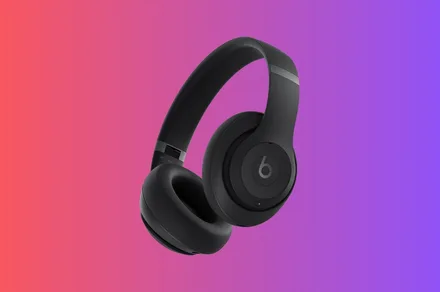

The Beats Studio Pro is down to $169.95 at Amazon right now in a limited-time deal, which is $180 off the $349.99 list price. That’s a 51% cut on a pair of over-ear headphones that offer active noise canceling, 40-hour battery life, and USB-C lossless audio in a package that works equally well with Apple and Android devices. It’s a lot to like at under $170.
What you’re getting
The Studio Pro is the most fully featured headphone Beats has put out, and a lot of that comes down to the USB-C lossless audio capability, which is a genuine differentiator at this price. When wired, you’re bypassing Bluetooth compression entirely and getting a cleaner signal, which matters if you’re connecting to a laptop or a device with a USB-C port and care about audio quality beyond casual listening.
Wireless performance is covered by both Bluetooth 5.3 and Apple’s proprietary one-tap pairing, so switching between an iPhone and an Android device is straightforward rather than a hassle. The active noise canceling handles everyday environments well, and the transparency mode is useful enough to actually use rather than ignore. Battery life sits at 40 hours with ANC off and around 24 hours with it on, either of which is comfortably above average for this category.
The build is comfortable for extended wear, with plush ear cushions and an adjustable headband that doesn’t feel cheap. Beats has cleaned up the design considerably from earlier Studio models, and the result is a headphone that travels well and looks the part.
Why it’s worth it
At $349.99, the Studio Pro has to justify itself against the Sony WH-1000XM5 and Bose QuietComfort 45, and that’s a hard conversation. At $169.95, it’s operating in a different bracket entirely, and nothing else at this price matches the combination of lossless wired audio, solid ANC, and seamless dual-ecosystem compatibility. This is a limited-time price, so it’s worth moving on sooner rather than later.
The bottom line
The Beats Studio Pro at $169.95 is one of the more well-rounded headphone deals available right now. You’re getting ANC, 40-hour battery life, USB-C lossless audio, and broad device compatibility at half the usual asking price, which is the kind of discount that makes this an easy call before the deal expires.

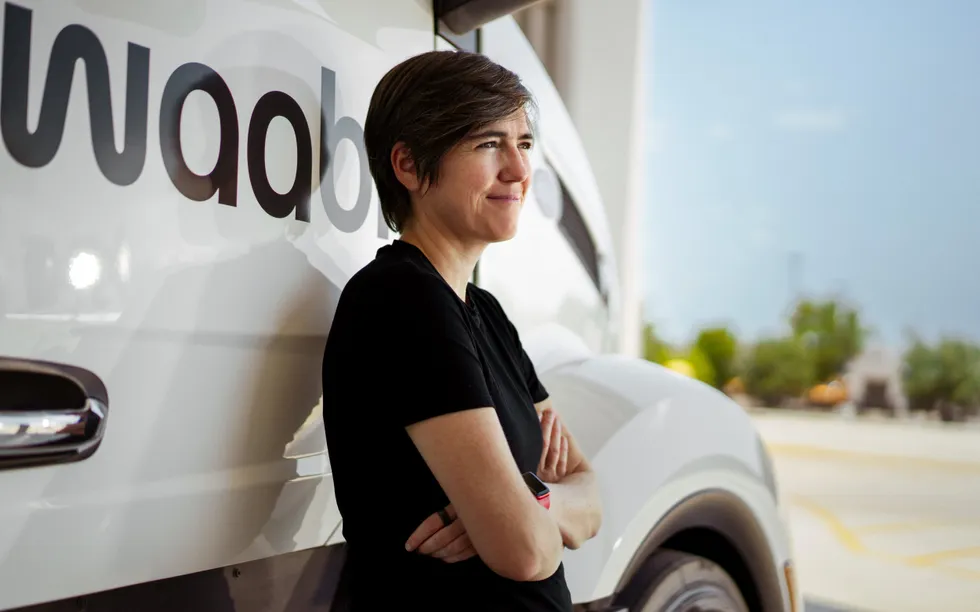

Raquel Urtasun has spent 16 years in the self-driving space, long enough to navigate every metaphorical glorious hill and plunging valley. She took the trip from the early “pipe dream” dismissals, to the “we’re this close” certainty, and back again.
The industry is now riding a new wave of optimism and investment, including at Waabi Innovation Inc., the autonomous trucking company that Urtasun founded in 2021. The Spanish-Canadian professor at the University of Toronto, and former chief scientist of Uber’s Advanced Technologies Group, has helped make Waabi a key player. Beginning in fall 2023, theToronto-based startup has been running geofenced cargo routes from Dallas to Houston in a fleet of retrofitted Peterbilt semis, navigating even residential streets in loaded, 36,000-kilogram (80,000-pound) behemoths with a human “safety observer” on board.
In October, the company reached a milestone by integrating its “Waabi Driver” physical-AI system in Volvo’s new VNL Autonomous truck, which the Swedish automaker is building in Virginia. That self-driving solution uses Nvidia’s Drive AGX Thor, an AI-based platform for autonomous and software-defined vehicles.
In January, the Toronto-based startup raised $750 million in its latest funding round to accelerate commercial development in autonomous trucking, and expand its system into the fiercely competitive robotaxi space. Backers include Khosla Ventures, Nvidia, and Volvo.
Urtasun says the Waabi Driver can scale across a full range of vehicles, geographies and environments—although snowstorms can still create a no-go zone for now. It’s powered by what Urtasun calls the industry’s most advanced neural simulator. The verifiable, end-to-end AI model will be a “shared brain” that partners can transplant into cars, trucks, and pretty much anything on wheels. The idea is to grab a chunk of a global autonomous trucking business that McKinsey estimates could be worth more than $600 billion a year by 2035; with autonomous haulers responsible for 15 percent of total U.S. trucking miles as early as 2030.
Backed by an additional $250 million from Uber, Waabi plans to deploy at least 25,000 autonomous taxis through Uber’s ride-hailing service, whose world-dominating reach encompasses 70 countries, about 15,000 cities and more than 200 million monthly users.
Urtasun spoke with IEEE Spectrum about how Waabi is counting on sensors and simulation to prove real-world safety; and why the move to autonomy is a moral imperative that outweighs the disruption for human drivers—whether they’re driving trucks or family sedans. Our conversation was edited for length and clarity.
IEEE Spectrum: Until quite recently, autonomous tech seemed to have hit a wall, at least in the public’s mind. Now investors are flooding the zone again, and companies are all-in. What happened?
Raquel Urtasun: There were a lot of empty promises, or [people] not realizing the complexity of the problem. There was a realization that actually, this problem is harder than people anticipated. It’s also because of the type of technology that was developed at the time, what we call “AV 1.0”. These are hand-engineered systems that need to be brute-forced by humans. You need lots of capital and a massive amount of miles on the road just to get to the first deployment.
What you see with the next generation—AV 2.0 and systems that can reason—is that you finally have a solution that scales. When we started the company, this was a very contrarian view. But today, the breakthroughs in AI have made it clear that this is the next big revolution. It’s not just about more compute; it’s about building a brain that can generalize. That is the “aha moment” the industry is having now.
Even for someone who believes in the tech, seeing a driverless semi-trailer in your rear-view mirror might be unsettling. Now you’ve integrated your tech into the aerodynamic, diesel-powered Volvo VNL Autonomous truck. How do you convince regulators and the public that these trucks belong on the street?
Urtasun: Safety, when you think about carrying 80,000 pounds on this massive rig, is definitely top of mind. We believe the only way to do this safely is with a redundant platform that is fully developed and validated by the OEM, not with a retrofit. The OEM does a special type of truck that has all the redundant steering, power, and braking, so that no matter what happens, there is always a way we can interface and activate that truck in a safe manner. Then we are responsible for the sensors, the compute, and obviously the brain that drives those trucks.
AI’s Impact on Trucking Jobs
One of the biggest points of contention is the displacement of human drivers. As AI disrupts a range of workplaces, how do respond to people who say this will eliminate good-paying, blue-collar jobs?
Urtasun: The way we see this is that everybody who’s a truck driver today, and wants to retire as a truck driver, will be able to do so. This is physical AI; this is not like the digital world where suddenly you can switch immediately to this technology. That adoption and scaling is going to take time. There will also be many jobs created with this technology; remote operations, terminal operations, and other things. You have time to change the form of labor of being on the road, which is for weeks at a time—and it’s a really difficult and dehumanized job, let’s be honest—to something you can do locally. There was an interesting [U.S.] Department of Transportation study that showed because of this gradual adoption, there will be more jobs created than actually removed.
You’ve spoken about a personal motivation behind this. Why do you believe the advantages of autonomy outweigh any growing pains, including the potential for unexpected accidents or even deaths?
Urtasun: There are 2 million deaths on the road globally per year, and nobody’s questioning that. That’s the status quo. If you think the machines have to be perfect to deploy, you are actually sacrificing many humans along the way that you could have saved. Human error in accidents is between 90 percent and 96 percent. Those could be preventable accidents. Some accidents will always be unavoidable; a tire could blow for a machine the same as it could for a human. But the important comparison is how much safer we are. This technology is the answer to many, many things.
Most of the industry is focused on “hub-to-hub” highway driving. But you’ve argued that Waabi’s AI can handle the complexity of local streets.
Urtasun: The rest of the industry has gone with this business model where you need hubs next to the highway. This adds a lot of friction and cost. Thanks to our verifiable end-to-end AI system, we can drive in surface [local] streets. We can do unprotected lefts, traffic lights, and tight turns. These core capabilities enable us to drive all the way to the end customer. We are already hauling commercial loads for customers like Samsung through our Uber Freight partnership.
You’ve mentioned that Waabi doesn’t like to talk about “number of miles” driven as a metric. For an engineering audience, that sounds counterintuitive. How does your “simulation-first” approach replace the need for real-world road time?
Urtasun: In the industry, miles have been used as a proxy for advancement. How many miles does Tesla need to drive to see any of these situations? But we are a simulation-first company. Waabi World can simulate all the sensors, the behaviors of humans, everything. It is the only simulator where you can mathematically prove that testing and driving in simulation is the same as driving in the real world. You can expose the system to billions of simulations in the cloud. This is what allows us to be so capital efficient and fast.
Verifiable AI vs. Black Box Systems
What is the difference between your “interpretable” AI and the “black box” systems we see elsewhere?
Urtasun: We’ve seen an evolution on passenger cars for level– 2+ systems to end-to-end, black box architectures. But those are not verifiable. You cannot validate and verify those systems, which is a massive problem when you think about regulators and OEMs trusting that technology.
What Waabi has built is end-to-end, but fully verifiable. The system is forced to interpret what it is perceiving and use those interpretations for reasoning, so that it can understand the consequences of every action. It is much more akin to how our brain actually works; your “Type 2” thinking, where you start thinking about cause and effect and consequences, and then you typically do a much better choice in your maneuver.
Tesla is famously, and controversially, relying on camera data almost exclusively to run and improve its self-driving systems. You’re not a fan of that approach?
Urtasun: We use multiple sensors: lidar, camera, and radar. That’s very important because failure modes of those sensors are very different and they’re very complementary. We don’t compromise safety to reduce the bill- of- materials cost today.
Those (passenger car) level-2+ systems are not architected for level 4, where there’s no human on board. People don’t necessarily realize there is a huge difference in terms of the bar when there is no human to rely on. It’s not, “Well, if I don’t have a lot of system interventions, I’m almost there.” That’s not a metric. We are native level 4. We decide which areas the system can drive in, and in what conditions. We are building technology that can drive different form factors—trucks or robotaxis—with the same brain.
Editor’s note: This article was updated on 13 March to correct an error in the original post. Contrary to what was stated in the original post, the trucks being driven from Dallas to Houston do have a human observer on board.
From Your Site Articles
Related Articles Around the Web


In October 2025, Atlassian co-founder and CEO Mike Cannon-Brookes appeared on the 20VC podcast and said something that now reads rather differently. Technology creation, he argued, is ‘not output-bound.’ Atlassian would employ more engineers in five years, not fewer. They would just be more efficient.
On 11 March 2026, Mike Cannon-Brookes sent a memo to staff announcing 1,600 redundancies, approximately 10% of the company’s global workforce, framed as a necessary adaptation to the AI era.
The same week, the company’s shares had lost more than half their value since January, swept up in a sector-wide rout that traders have been calling the ‘SaaSpocalypse’: a sustained selloff in enterprise software stocks driven by investor fears that AI agents could make conventional SaaS tools obsolete.
The stated rationale in the memo was future-facing. Atlassian said the cuts would allow it to ‘self-fund further investment in AI and enterprise sales, while strengthening our financial profile.’ Cannon-Brookes was careful in his framing.
“Our approach is not ‘AI replaces people.’ But it would be disingenuous to pretend AI doesn’t change the mix of skills we need or the number of roles required in certain areas. It does. This is primarily about adaptation. We are reshaping our skill mix and changing how we work to build for the future.”
More than 900 of the affected roles are in software research and development, according to reporting from Implicator.ai.
By geography, North America bears the largest share, 40% of cuts, or around 640 people, followed by Australia at 30% (roughly 480), and India at 16% (around 250). The remainder is spread across Japan, the Philippines, and offices across Europe, the Middle East, and Africa. Atlassian filed a WARN notice in Washington state showing 63 affected workers, the majority of them remote employees in engineering and data science roles.
Departing employees will receive a minimum 16-week separation package, with one additional week per year of service, a pro-rated FY26 bonus, a $1,000 technology payment, and six months of extended healthcare coverage.
The restructuring is expected to cost between $225 million and $236 million in total charges, split between severance ($169–174 million) and office space reductions ($56–62 million), with most costs landing in the company’s third fiscal quarter. Atlassian said the cuts should be largely complete by the end of June 2026.
Alongside the layoffs, Atlassian confirmed that Rajeev Rajan will step down as chief technology officer on 31 March, after nearly four years in the role. Rajan, previously a VP of engineering at Meta and a two-decade veteran of Microsoft, has not publicly commented on the departure.
The company described it as a generational transition: two executives, Taroon Mandhana and Vikram Rao, will split the CTO responsibilities going forward. Mandhana, formerly Atlassian’s head of engineering for AI and products, takes the title of CTO Teamwork; Rao, previously chief trust officer, becomes CTO Enterprise and Chief Trust Officer. Atlassian described both as ‘next generation AI talent.’
The restructuring sits in some tension with Atlassian’s underlying trading performance. The company reported cloud revenue of approximately $1.067 billion in its most recent quarter, up 26% year on year. Remaining performance obligations, a forward indicator of contracted future revenue, stood at roughly $3.814 billion, up 44%.
Its Rovo AI assistant crossed five million monthly active users in February, and the company now counts more than 600 customers generating over $1 million in annual recurring revenue.
Atlassian reaffirmed its full-year financial guidance for the fiscal year ending June 2026 in the same SEC filing that disclosed the cuts.
That combination, strong operational metrics, healthy forward revenue, and 1,600 redundancies, has sharpened scrutiny of what is actually driving these decisions across the industry.
OpenAI CEO Sam Altman described the practice of using AI as justification for cuts made for other reasons as ‘AI washing’ in February, noting that fewer than 1% of 2025 job losses could be directly attributed to artificial intelligence.
Atlassian is not alone in the pattern.
Block cut roughly 4,000 employees last month as Jack Dorsey declared a shift to an ‘intelligence-native’ model, and the stock jumped the day after the announcement. WiseTech Global, another Sydney-based software firm, announced 2,000 cuts over two years. Oracle said AI was enabling it to shrink some development teams.
By early March 2026, tech layoffs globally had surpassed 45,000, according to RationalFX, with AI among the most frequently cited justifications. Whether the technology is genuinely driving workforce changes or serving as a convenient explanation for restructuring decisions shaped primarily by investor pressure is a question that has no clean industry-wide answer, and that Atlassian’s own numbers make harder, not easier, to resolve.
Atlassian has been unprofitable since 2017. Its shares were down around 33% for 2025 before the SaaSpocalypse selloff, and have fallen more than 84% from the peak they reached in 2021 during the pandemic-era surge in cloud-based collaboration tools.
The stock rose around 2% in after-hours trading following the restructuring announcement, the same market logic that rewarded Block, and that Cannon-Brookes might have had in mind when he wrote, with notable precision, about the bar for what ‘great’ looks like for software companies having gone up.

Google is rolling out one of the biggest updates to Google Maps in years, powered by its Gemini AI models.
The changes introduce a new conversational feature called Ask Maps. There is also a redesigned navigation experience that Google says is its largest driving upgrade in more than a decade.
Ask Maps turns the app into something closer to a travel assistant than a traditional map. Instead of searching for individual places, users can ask natural questions such as where to charge a phone nearby without waiting in line. Or, for genuine convenience, users can ask where to find a public tennis court with lights at night. Maps then responds conversationally, showing recommendations directly on the map.
The system pulls information from more than 300 million places and reviews from a community of over 500 million contributors. Google says responses are also personalised using past searches and saved locations. This helps surface more relevant suggestions when planning meetups, trips, or spontaneous outings.
Once a destination is chosen, the app makes it easy to turn suggestions into plans. Users can save locations, share them with friends, or jump straight into directions and reservations from within the same interface.
Alongside the conversational features, Google is also introducing Immersive Navigation, a major visual overhaul designed to make driving easier to follow. Routes now appear in a more detailed 3D view and they highlight buildings, overpasses, lanes, crosswalks, traffic lights and stop signs. As a result, drivers can better understand what’s coming up ahead.
The update also improves how Maps handles route changes. Drivers will now see clearer explanations for alternative routes, such as choosing between a faster toll road or a slower route with less traffic. In addition, real-time alerts for disruptions like crashes and roadworks will continue to be powered by millions of daily contributions from the Maps community.
Google is also refining the final stage of navigation. As you approach your destination, Maps can highlight building entrances, nearby parking spots and the correct side of the street to approach from. This helps drivers avoid that last-minute confusion when arriving somewhere new.
Ask Maps is rolling out now in the US and India on Android and iOS, with desktop support arriving later. Meanwhile, Immersive Navigation is launching across the US first and will expand to more regions and platforms. This will include CarPlay, Android Auto and cars with Google built-in — over the coming months.
Ever had one of those mornings where your hair simply refuses to cooperate, leaving you wrestling with frizz or uneven strands while the clock keeps ticking before work, school, or a night out?
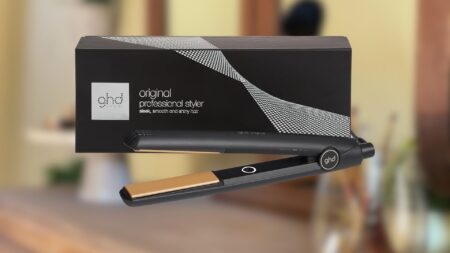
That is why this current deal is worth noticing, with the ghd original hair straightener & styler now £103.97 instead of its usual £149 retail price, bringing a well-known salon styling tool into far more approachable territory in the Spring Deal event.
The ghd Original is now over $45 off, ideal for shoppers who want salon‑quality styling without overspending.

The ghd Original drops 30%, making it an easy deal-of-the-day pick
The ghd original hair straightener & styler focuses on consistent styling performance rather than extreme heat, something many people appreciate after dealing with cheaper straighteners that either struggle to smooth hair or damage it.
Instead of pushing temperatures higher, the tool uses single-zone ceramic technology that maintains a steady styling temperature of 185°C across both plates, widely considered the sweet spot for styling hair effectively without unnecessary heat stress.
Its smooth ceramic floating plates glide easily through sections of hair without snagging, which becomes especially helpful when styling quickly before heading out or preparing for an event.
The ceramic coating also helps leave hair looking smoother with a subtle glossy finish, creating the kind of polished appearance many people associate with freshly styled salon hair.

Get Updates Straight to Your WhatsApp
Although many people buy this ghd primarily to straighten hair, its rounded barrel design also allows the straightener to twist slightly while styling, making it easy to create soft curls or loose waves.
This versatility can simplify everyday routines considerably, especially for people who prefer keeping their beauty tools minimal rather than juggling several devices.
The straightener heats up in just thirty seconds, which is particularly helpful during rushed mornings, while an automatic sleep mode switches the device off after thirty minutes of inactivity for added peace of mind.
With the price currently reduced to £103.97 with over £45 off, the ghd original hair straightener & styler becomes a particularly appealing option for anyone wanting dependable styling results without stepping into extremely expensive salon tools.
SQUIRREL_PLAYLIST_10148964

A dependable television does not have to cost a fortune, and this latest Spring Sale discount on a popular Hisense model shows how affordable a full-size living room screen can be.
The Hisense 40-inch 40E4QTUK FHD LED TV is now £151.05, down from its usual £209 retail price, making this 40-inch smart television a much more accessible upgrade for everyday viewing in the Spring Deal Days event.
Now at its best price ever in Amazon’s Spring Sale, Hisense’s 40‑inch LED TV delivers impressive value on a dependable everyday screen.

Hisense’s 40-inch LED TV just dropped to its best price yet in Amazon’s Spring Sale
This Hisense LED TV focuses on delivering solid picture quality and easy streaming access without pushing buyers toward the much higher prices usually attached to modern smart televisions.
Its 40-inch Full HD display also offers a 1080p resolution that works particularly well for everyday streaming, regular broadcast channels, and casual gaming where crisp detail still matters even without a 4K panel.
Direct Lit LED technology places a grid of LEDs behind the display panel, helping produce more consistent brightness and deeper blacks across the screen rather than relying on edge lighting alone.
That approach helps maintain clear contrast, whether you are watching films in the evening or daytime television in a bright living room where weaker panels can sometimes look washed out.
Get Updates Straight to Your WhatsApp
Where the 40E4QTUK TV becomes especially practical is in its built-in Freely platform, which lets you browse live television channels and on-demand content through one simple interface.
Instead of switching between separate devices or inputs, you can access streaming services like Disney+, Netflix, and YouTube directly from the television while also browsing traditional channels.
Dolby Audio support helps round out the experience by delivering clearer dialogue and more balanced sound from the built-in speakers, which can make films and sports broadcasts feel more immersive.
For £151.05, the Hisense 40-inch 40E4QTUK FHD LED TV makes a compelling pick for anyone who wants a dependable smart television with strong everyday performance without stepping into the much higher prices of larger premium models.
If you are weighing up other options before committing, our best budget TV buying guide rounds up the standout models across every price range, helping you see how this deal compares with the strongest televisions available right now in this category.
SQUIRREL_PLAYLIST_10148964
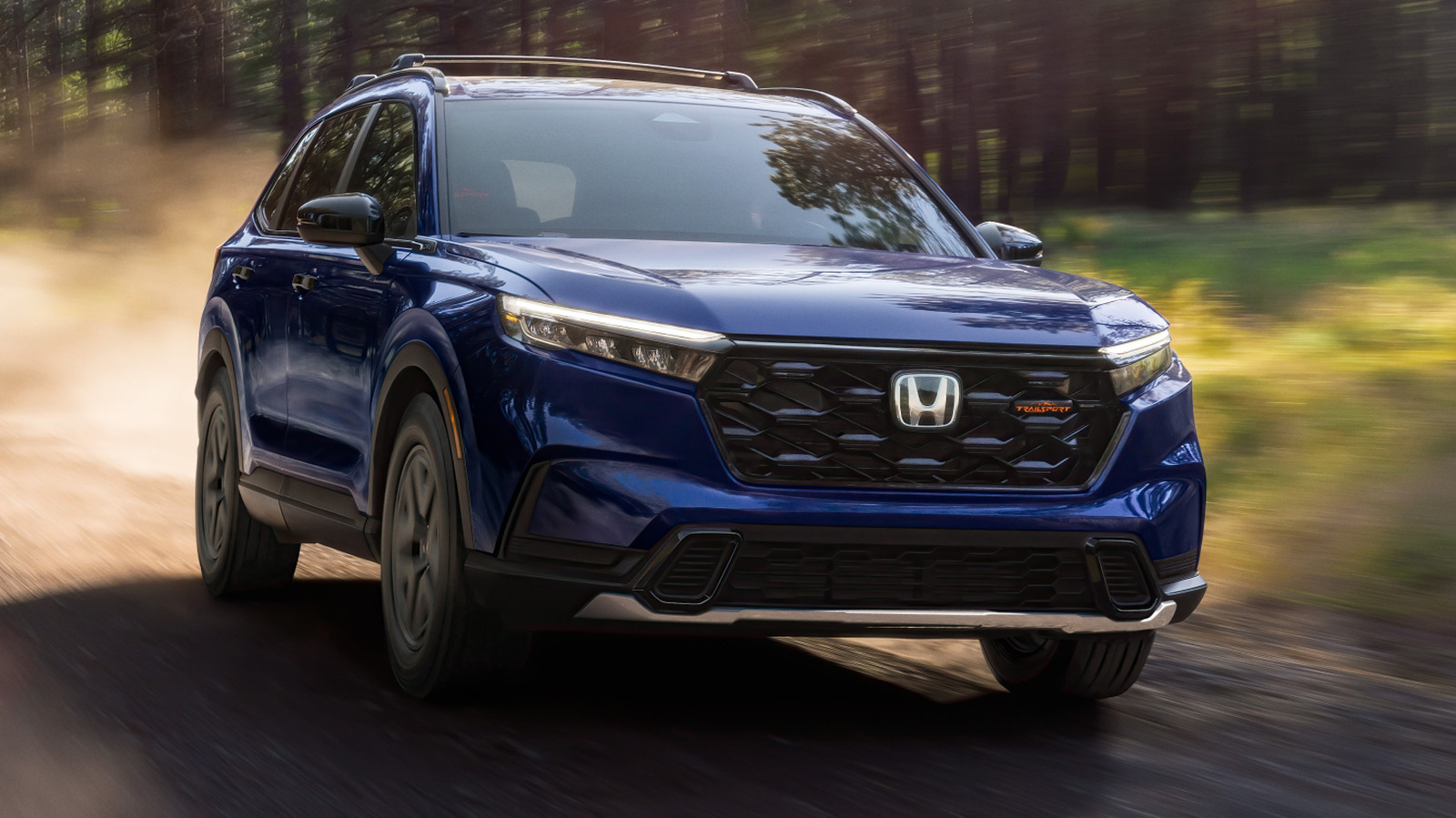
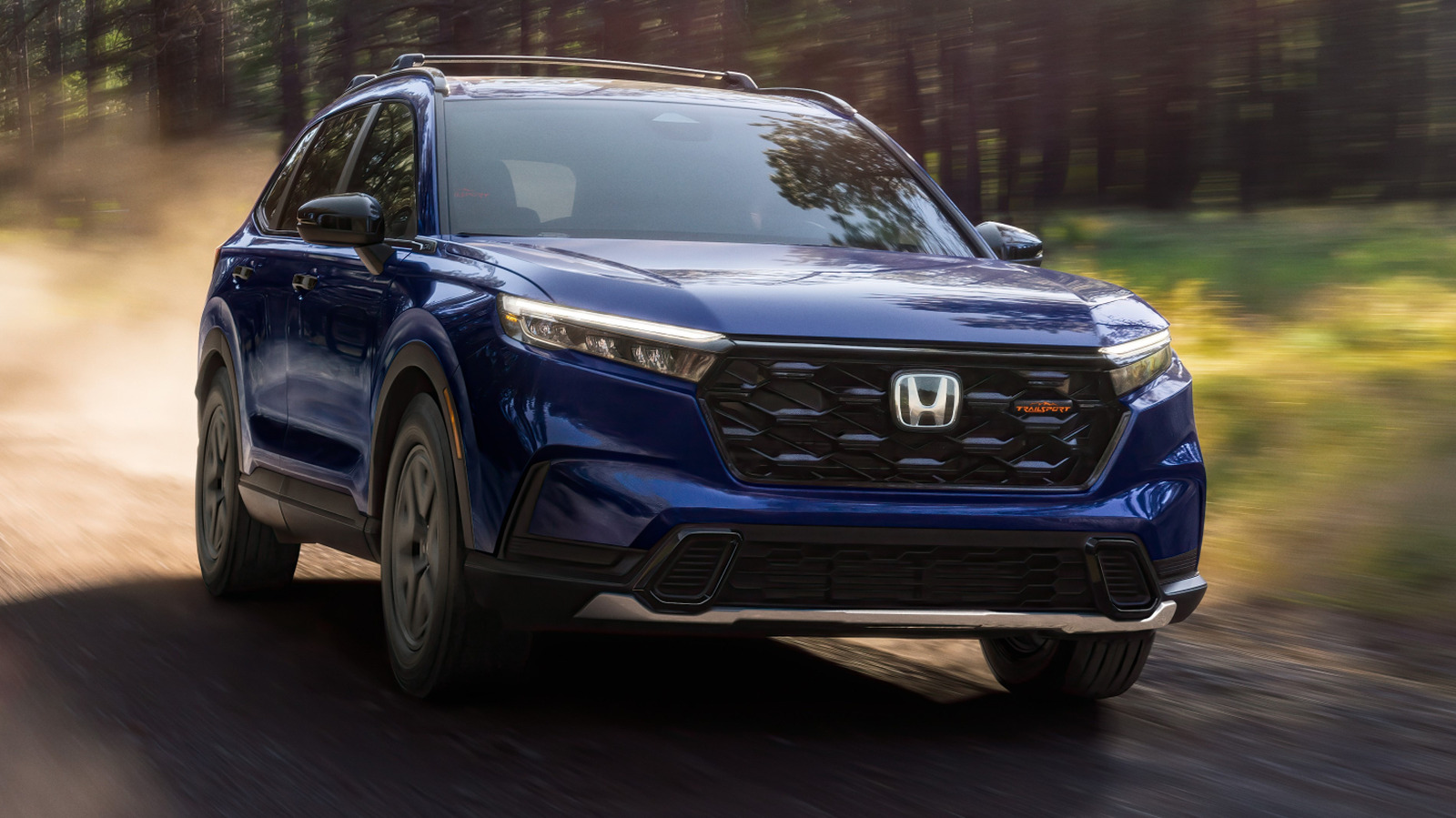
When you’re buying a new car, there are a lot of hidden costs to think about. Alongside the purchase price, you’ll need to consider maintenance, fuel, taxes, and insurance. Out of all those costs, insurance can give unprepared drivers a particularly nasty surprise, since some cars command outrageous insurance premiums. However, at the other end of the spectrum, some cars are consistently among the cheapest to insure. The Honda CR-V is one of those, with multiple studies confirming that it has some of the lowest average premiums of any new car.
Studies are split over whether or not it’s the absolute cheapest car to insure, but it’s consistently ranked within the top one or two models. According to Insure.com’s 2026 insurance premium study, the CR-V has the cheapest insurance premiums of any car on the market, with an average monthly cost of $161, or $1,932 annually. Meanwhile, CarEdge crowned the Mazda CX-5 the cheapest overall, with an annual cost of $1,947. However, it still ranked the CR-V in a close second place, with an average of $1,951.
A 2026 study by Bankrate that assessed the cost of full coverage claimed that the cheapest premiums were found with the Subaru Outback. The Subaru reportedly costs an average of $2,242 annually, while the CR-V again took the second-place spot with an average of $2,270. Regardless of whether or not it’s the absolute cheapest to insure, buyers will find the CR-V one of the safest bets overall for affordable insurance.
The Honda CR-V offers a lot more than cheap insurance
While budget-conscious buyers will undoubtedly appreciate the cheap premiums, it’s far from the only reason to buy a Honda CR-V. Both new and used models are appealing options thanks to their efficiency, practicality, and strong value retention, with the latter meaning buyers should get more of their original investment back when it comes time to upgrade. Many examples of the CR-V are also built in America, with the Indiana Auto Plant and the East Liberty Auto Plant in Ohio having produced the latest generation of the car since 2022.
The CR-V is available with a choice of either a gas or hybrid powertrain, and the CR-V Hybrid has a few key advantages over its pure-combustion counterpart. It offers superior low-end torque that can make a big difference when taking off, and it’s more efficient than the non-hybrid to boot. However, our reviewer found that the all-wheel drive car’s EPA-estimated rating of 37 mpg combined was very optimistic, with our real-world testing returning an average of 31 mpg. The front-wheel drive version should return slightly better figures, but drivers should still expect a real-world mpg figure that’s lower than the EPA’s 40 mpg combined estimate.

Apple shuttered its Grand Central Terminal store on March 13 for a surprise Alicia Keys concert, marking the start of 50th anniversary celebrations.

Alicia Keys in her Apple Vision Pro performance
Apple CEO Tim Cook showed up with several senior executives. They transformed one of Apple’s most iconic retail spots into a temporary live music venue.
The company invited select media members, creators, and guests while keeping the performer secret until Keys appeared on stage.
Continue Reading on AppleInsider | Discuss on our Forums
Tech
Logitech’s Brio 100 Webcam Delivers Daily Reliability By Offering Clear Video Without the Premium Cost
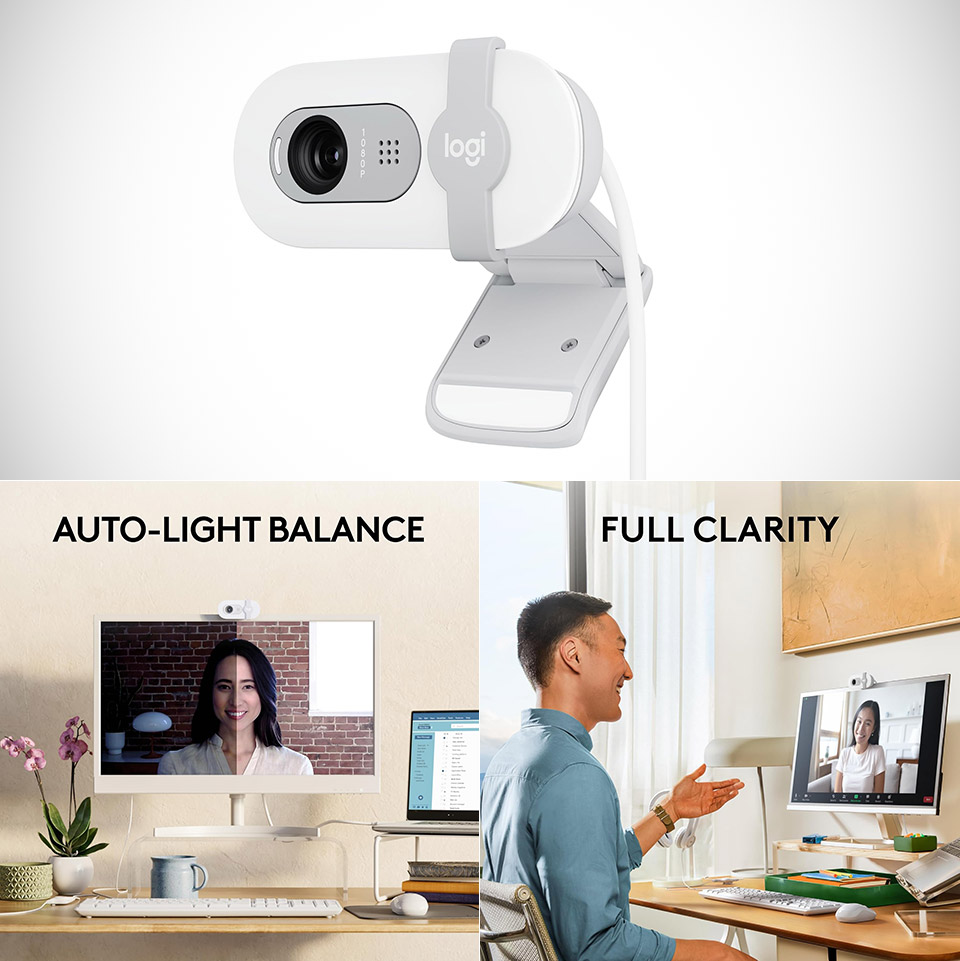
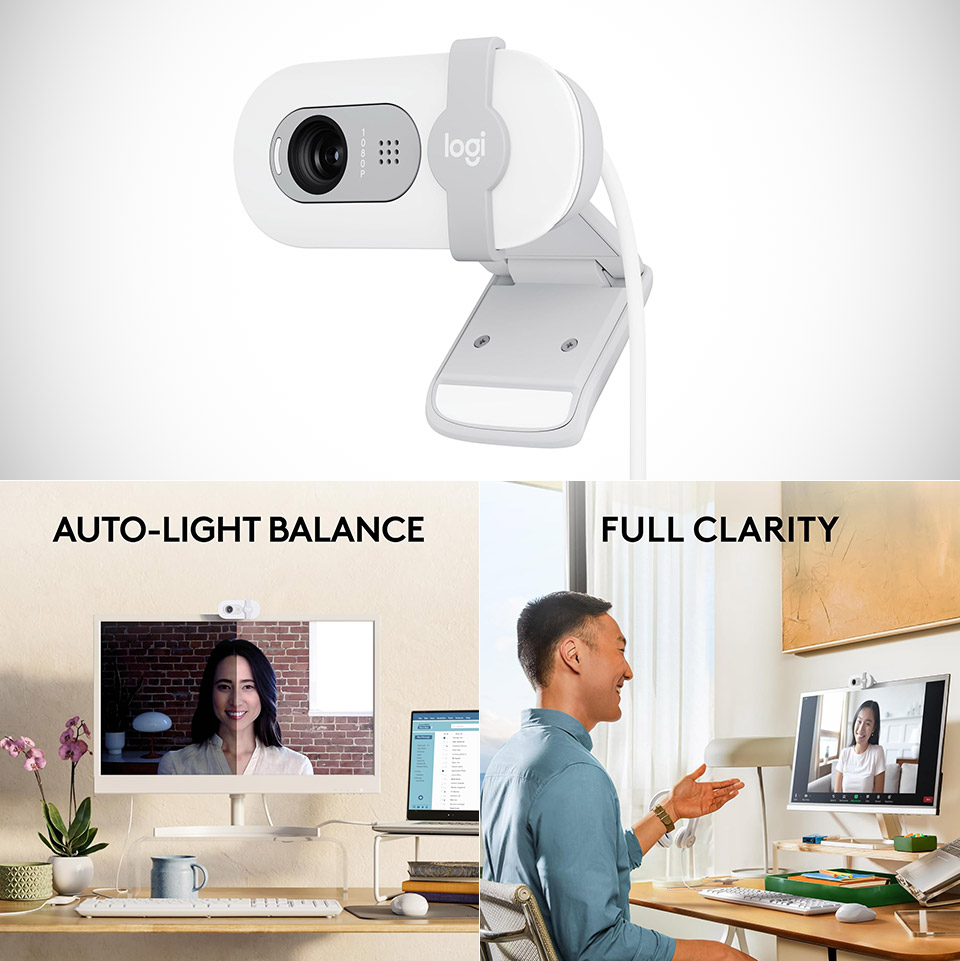
Daily video interactions have one essential requirement: good picture and sound. To be honest, most of us settle for our laptop cameras, which leave a lot to be desired in real-life circumstances. The Logitech Brio 100, priced at $25 (was $40), immediately raises the bar with its full 1080p resolution. Whether it’s a fast team meeting from a few feet away or some casual online gaming from the comfort of your workstation, faces appear natural, crisp, and all that.
Lighting may be a real challenge with video calls in home offices or streaming setups, but fortunately, the auto correction system keep your subjects looking illuminated without you having to mess with settings. The best part is that all of this happens whether you’re dealing with blinding afternoon daylight or just a gentle nighttime lamp.
In terms of sound, the built-in microphone handles spoken words expertly, without distorting them in common interior environments. On platforms such as Zoom or Microsoft Teams, conversations flow smoothly, and the loudness is sufficient to communicate across a regular room. Streamers who add a few basic overlays or chat overlays will be pleased to discover that the audio is fairly solid for entry-level broadcasts when crystal clear studio sound isn’t as vital as consistent reliability.
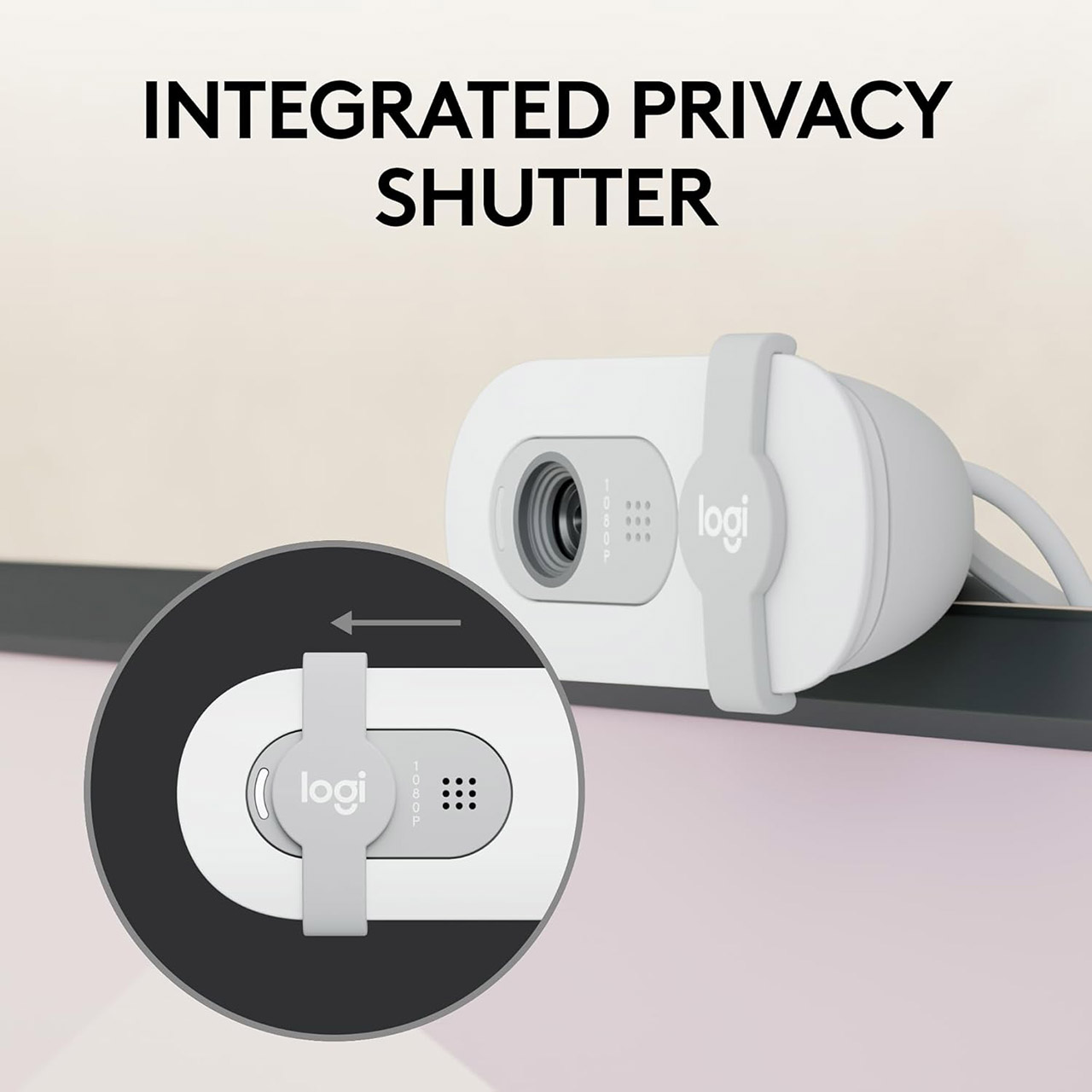
One common concern is privacy, particularly in shared flats or busy households, and the sliding cover on the lens addresses this with a pleasing click. With one simple motion, your view is fully hidden, providing you with some peace of mind before stepping away or having a sensitive talk. The cover stays in place while you use it, and there are no additional apps or processes to activate.

Attaching the camera takes only 2 seconds thanks to its handy clip, which is intended to suit most monitors or sit flat on a surface for more flexible perspectives. The design remains stable even on thinner laptop edges, and the fixed wire is long enough to extend across a regular desk without becoming tangled. Setting it up is as simple as plugging it in via USB and it’s ready to use on Windows, Mac, or Chrome.
One of the advantages of this camera is its wide compatibility, which means it’s ideal not only for business meetings but also for brief Nintendo Switch sessions or hobby streaming. If you need to modify things a little, there is some free software available to fine tune contrast or sharpness, but most people skip that step and enjoy solid results right away.
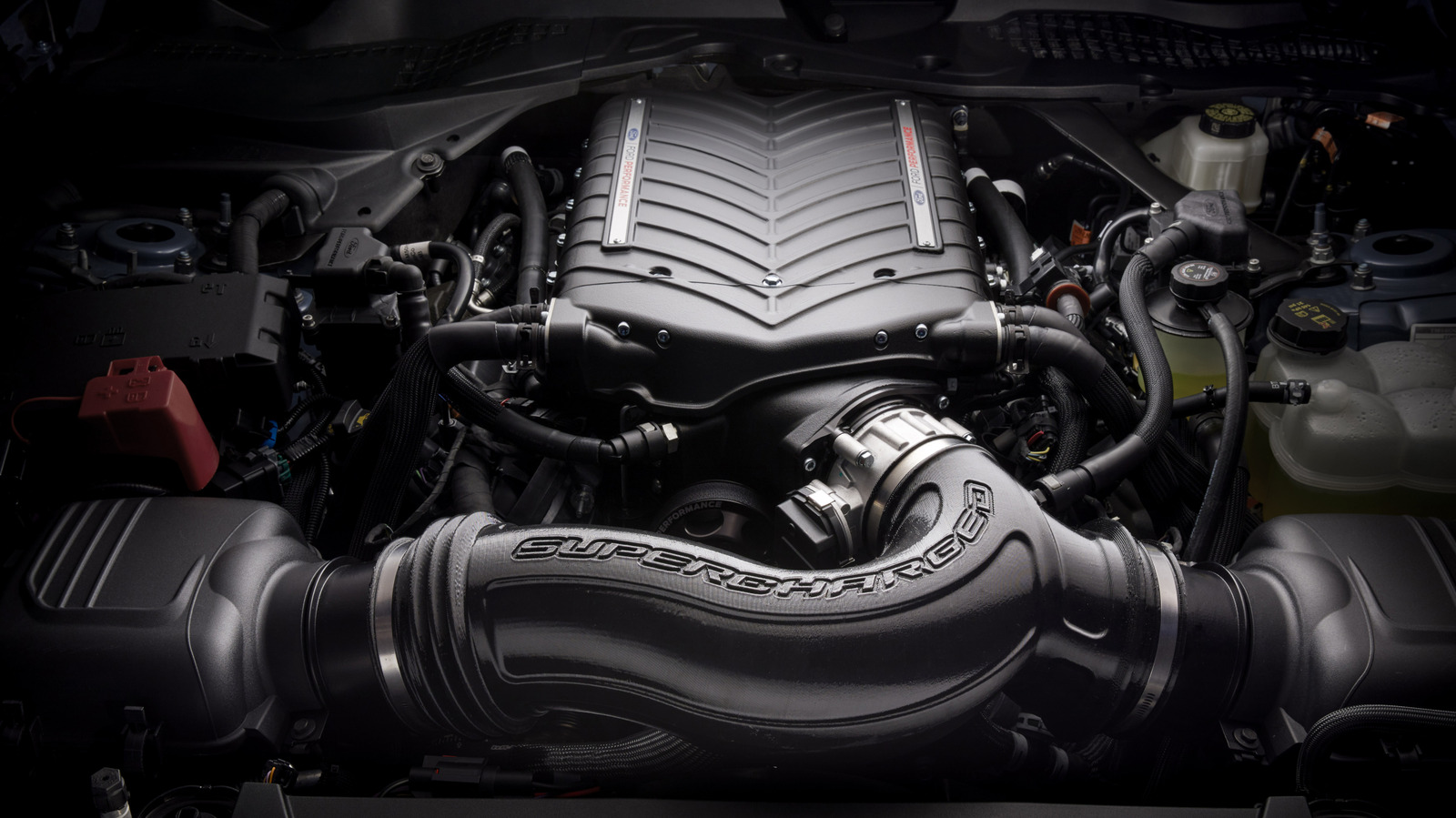
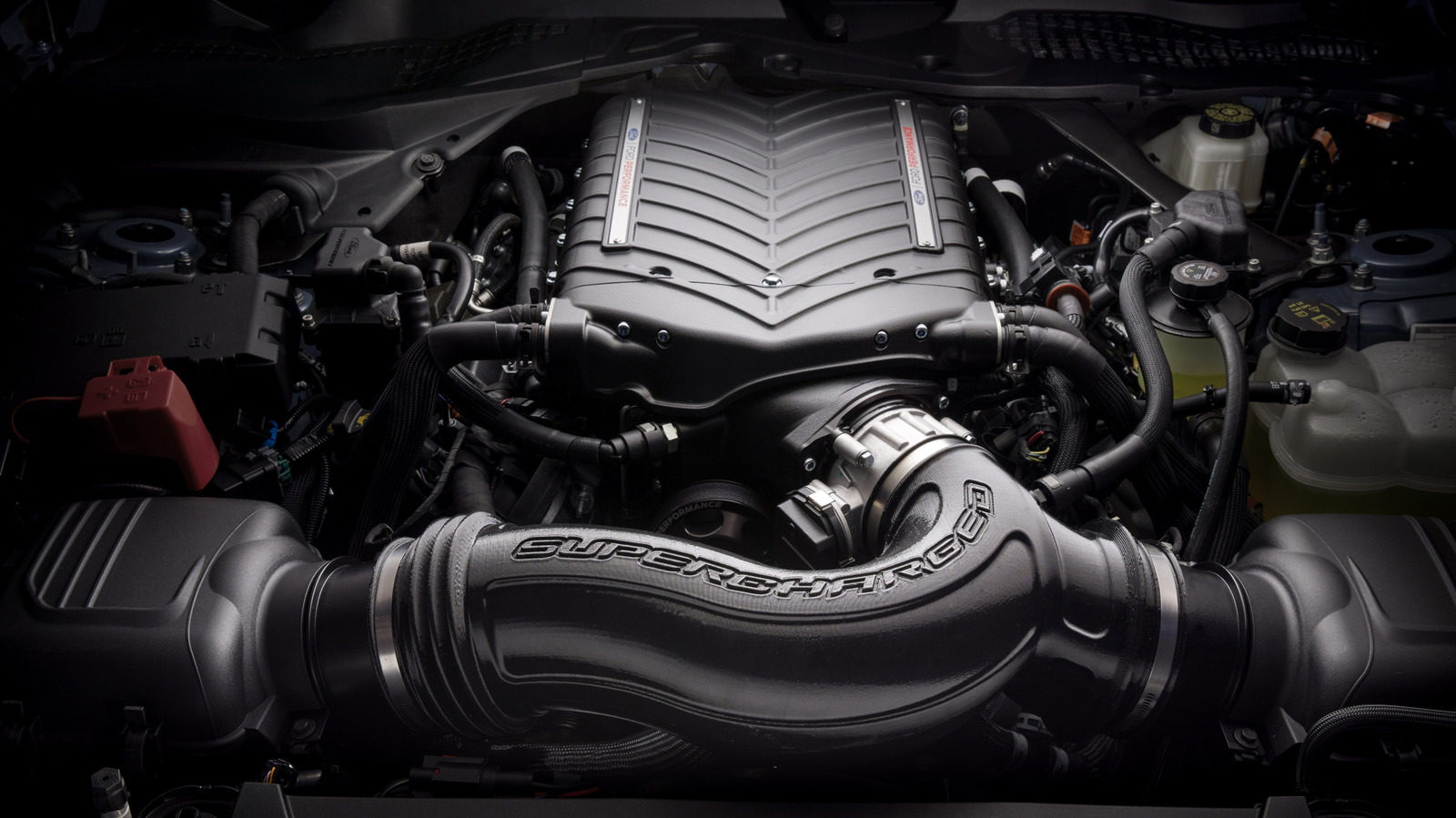
Have you ever sat in your Ford Mustang GT or better yet, your Mustang Dark Horse and thought: “I need a supercharger that has a bigger displacement than some entire car engines and gives my car more horsepower than some supercars.”
Well, Ford Racing Parts has just the kit for you. For $10,500, Ford will sell you a 3.0-liter Whipple supercharger kit for the 2024-2026 Ford Mustang GT and Dark Horse. You no longer have to worry about a sketchy build in your garage that might throw a rod through the side of the engine block or melt the intake, because this kit is also covered by a Ford Racing Parts three year/36,000-mile warranty (as long as the kit is installed by a certified technician or a Ford dealership).
With the kit, Ford says it will boost the horsepower to a pretty wild 810 and the torque to 615 pound-feet, if you use 93 octane fuel. Interestingly enough, the kit is not available in California.
Superchargers for everyone
Additionally, Ford offers a supercharger kit for 5.0-liter V8 equipped F-150s from the 2021 to 2026 model years. It is also a 3.0-liter Whipple supercharger. Ford notes that it will boost the power to “only” 700 horsepower and 590 pound-feet of torque. It’s $10,500 as well and carries the same warranty. You will have the fastest Ford truck that isn’t a Raptor and doesn’t say “Shelby” on it by a significant margin.
Ford hasn’t given performance figures for the Mustang GT, Dark Horse, or F-150 supercharger kits. But for comparison, the “regular” 500 horsepower Dark Horse will do the 0-60 sprint in 3.7 seconds and run a 12-second quarter mile, so the supercharged version is likely quicker than that.
A turbocharger relies on exhaust gases to spin up what is essentially a compressor to dump air into the engine, a supercharger does the same thing, but instead uses a belt connected to the engine’s crankshaft to spin.
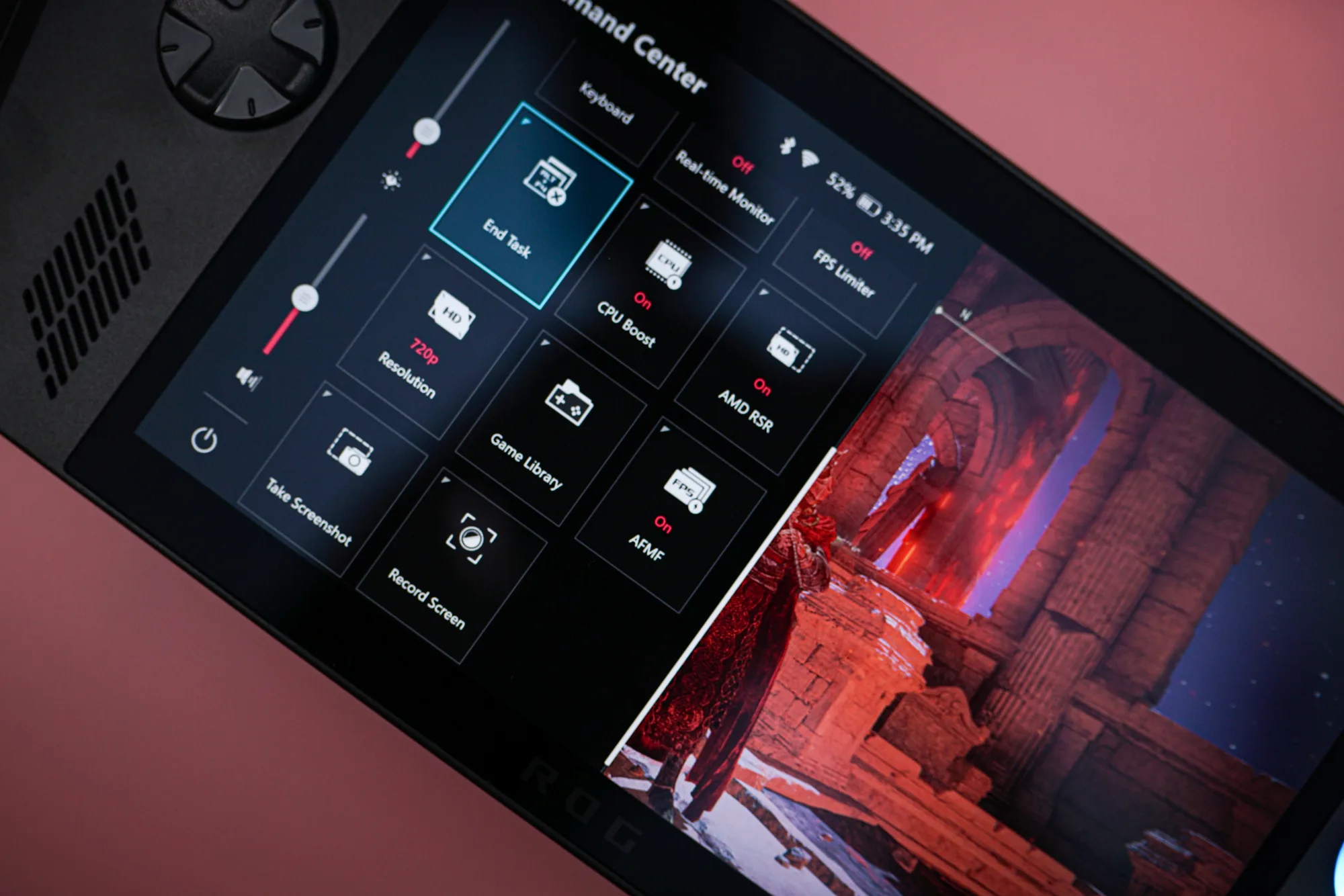
If you’ve ever squinted at your ROG Xbox Ally X’s screen and thought that it could be a little sharper, Xbox (and Microsoft) heard you, loud and clear. In April 2026, the handheld gaming PC will get a free software update that will make your games look better. No hardware updates or additional costs included.
Xbox will release a feature called Automatic Super Resolution or Auto SR — Microsoft’s AI-powered answer to Nvidia’s DLSS and AMD’s FSR — which upscales video games from 720p up to 1080p or more (via Windows Central).

What does the Auto SR feature do?
The feature forces your Ally X to work smarter, not harder, delivering a performance boost of up to 30%. Unlike DLSS and FSR, Auto SR works at the operating system level, implying that developers won’t need to integrate it on a per-game basis. However, the feature still trails Nvidia’s DLSS in outright image quality.
No matter who the developer is or what the game is, Auto SR will simply work, well, mostly. For now, the feature supports DirectX 11 and DirectX 12 games only. But why is it only available on the Xbox Ally X, and not the Xbox Ally?

So, why is it only coming to Ally X?
Well, the Ally X features AMD’s Ryzen AI Z2 Extreme chipset, which, like the modern smartphones or CPUs, also includes a Neural Processing Unit, specifically designed for AI and machine learning workloads.
The feature seems to be relying on Ally X’s NPU to upscale the video games in real-time, without increasing the CPU’s load. Unfortunately, the base model doesn’t have one, which is why the feature is exclusive to the X variant.
One thing that worth pointing out — the April release is technically a preview, not a final, polished rollout. So while the 30% performance figure is exciting, real-world results may vary as Microsoft continues to refine it.

DOJ and Europol Dismantle Crypto-Linked Proxy Network SocksEscort in Joint Action

William Shatner Recovering From Surgery After Brutal Accident

Make it York looks back over its winter events for 2025-26


-

 News Videos5 days ago
10th Algebra | Financial Planning | Question Bank Solution | Board Exam 2026
-
 Tech3 days ago
A 1,300-Pound NASA Spacecraft To Re-Enter Earth’s Atmosphere
-

 Crypto World4 days ago
Paradigm, a16z, Winklevoss Capital, Balaji Srinivasan among investors in ZODL
-

 Business3 days ago
ExxonMobil seeks to move corporate registration from New Jersey to Texas
-

 Tech3 days ago
ChatGPT will now generate interactive visuals to help you with math and science concepts
-

 Sports6 days ago
Three share 2-shot lead entering final round in Hong Kong
-

 Fashion7 hours ago
Weekend Open Thread: Addict Lip Glow
-

 Sports6 days ago
Braveheart Lakshya downs Lai in epic battle to enter All England Open final | Other Sports News
-

 NewsBeat2 days ago
Residents reaction as Shildon murder probe enters second day
-

 Entertainment7 days ago
Hailey Bieber Poses For Sexy Selfies In New Luscious Lip Thirst Traps
-

 Business5 days ago
Search for Nancy Guthrie Enters 37th Day as FBI Probes Wi-Fi Jammer Theory
-

 Business3 days ago
Search Enters Sixth Week With New Leads in Tucson Abduction Case
-
 NewsBeat4 days ago
Pagazzi Lighting enters administration as 70 jobs lost and 11 stores close across Scotland
-

 Tech4 days ago
Despite challenges, Ireland sixth in EU for board gender diversity
-

 Business4 days ago
Search Enters 39th Day with FBI Tip Line Developments and No Major Breakthroughs
-

 NewsBeat2 days ago
I Entered The Manosphere. Nothing Could Prepare Me For What I Found.
-

 Business7 days ago
Iran war enters second week as Trump demands ’unconditional surrender’
-

 Sports5 days ago
Skateboarding World Championships: Britain’s Sky Brown wins park gold
-

 Crypto World3 days ago
Will Chainlink price reclaim $10 amid volatility squeeze?
-
 Sports5 days ago
Tomorrow’s Top 25 Today: Florida jumps to No. 4; Louisville, Wisconsin enter projected rankings