

Business
Travel expert says book flights ‘now’ as oil prices threaten airfares

Stuart Varney discusses Iran’s ability to hold the world ransom over oil flows through the Strait of Hormuz, pushing up inflation. Trump vows to hit Iran ‘very hard.’
Travelers planning summer getaways may want to lock in flights sooner rather than later as surging oil prices threaten to drive airfares higher.
Under normal conditions, travel website The Points Guy (TPG) recommends booking domestic flights one to three months in advance and international trips three to six months ahead.
But with fuel prices climbing, travelers may want to secure tickets even earlier, TPG travel expert Clint Henderson told FOX Business.
“Book now for the rest of the year,” Henderson said. “We expect prices to rise quickly as oil prices continue to rise. Remember, you can always get a trip credit if the price drops before your trip. Just don’t book basic economy!”
Henderson noted many airlines allow travelers to receive trip credits if fares fall after purchase.
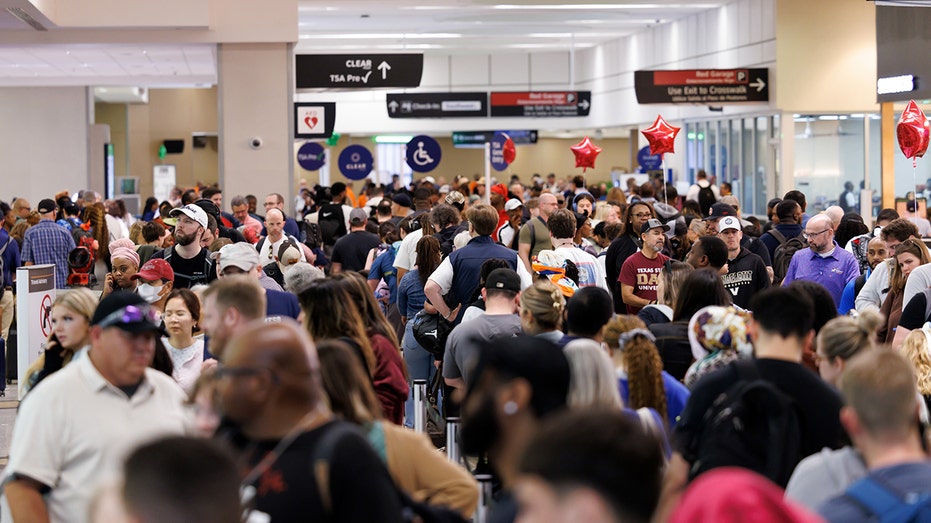
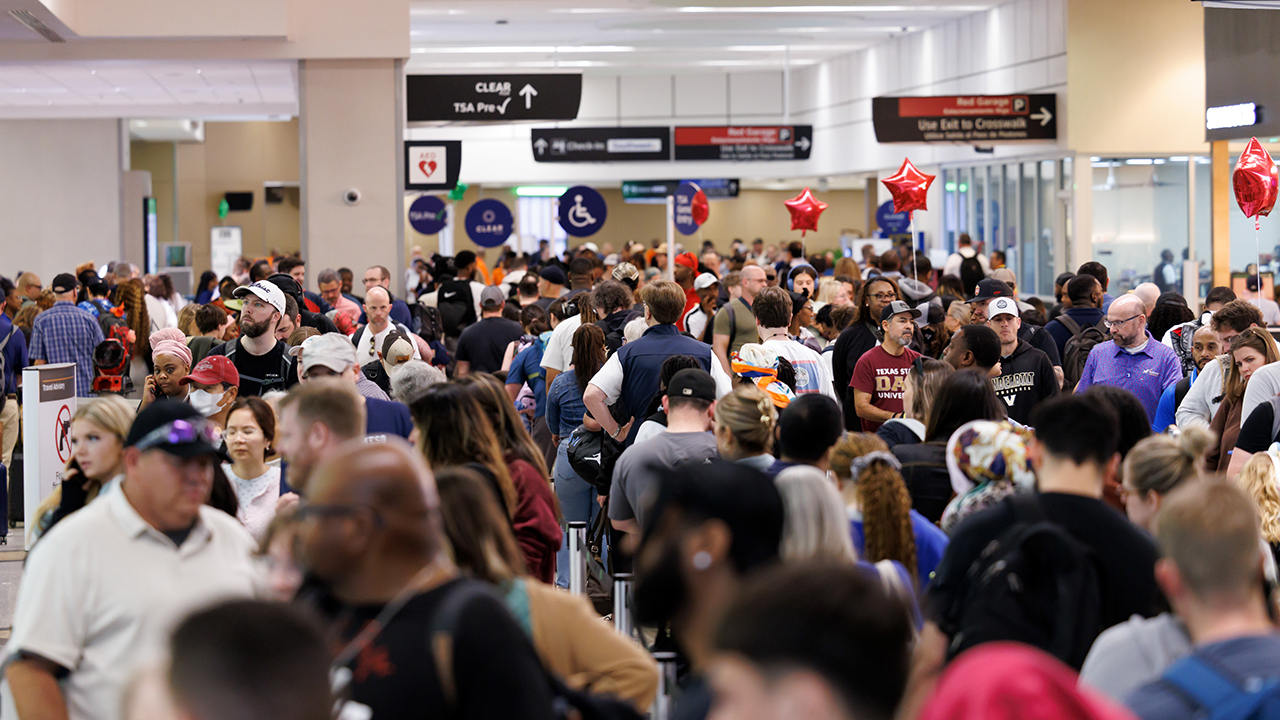
Travelers wait in line at a Transportation Security Administration checkpoint at William P. Hobby Airport in Houston, Texas, on March 9, 2026. (Mark Felix/Bloomberg via Getty Images / Getty Images)
Despite a long-standing myth, Henderson said there is no “magic time” that consistently guarantees the cheapest airfare.
However, flying on Saturdays, Tuesdays and Wednesdays is often cheaper because there are typically fewer business travelers, he said.
Travelers can also monitor price changes by setting alerts on Google Flights, which notifies users when fares drop.
Flying during off-peak seasons can also help reduce costs, according to Henderson.
As airfare prices rise, Henderson said travelers may also find value in redeeming credit card rewards or airline miles.
“You’ll get the best value from your points and miles by using them instead of paying cash when prices are high,” he said. “Unfortunately, some airline miles are now priced dynamically, so they rise when cash prices rise, but you can still sometimes get a great deal using points or miles instead of paying cash.”
IRAN THREATENS $200 OIL BARRELS AS US PREPARES MASSIVE RELEASE OF EMERGENCY PETROLEUM RESERVES

A person holds a credit card while booking travel on a laptop computer. (iStock / iStock)
One of the most common — and costly — mistakes travelers make is waiting until the last minute to book flights, according to Henderson.
“Airfares are generally highest in the two-week period before the flight,” he said. ” . . . That’s when last-minute business trips happen, and airlines know that businesses have deep pockets and sometimes can’t plan ahead.”
The escalating conflict involving Iran is already rippling through global energy markets, threatening to hit American travelers’ wallets.
Oil markets have been rattled by halted shipments through the Strait of Hormuz and attacks on Middle Eastern oil facilities and tankers as U.S. military forces continue Operation Epic Fury.
Global benchmark Brent crude topped $100 per barrel on Friday, marking a more than 60% increase since the start of the year.

A navy vessel is seen sailing in the Strait of Hormuz, a vital waterway through which much of the world’s oil and gas passes on March 1, 2026. (Sahar Al Attar/AFP via Getty Images / Getty Images)
Jet fuel is one of airlines’ largest expenses, meaning rising oil prices could soon translate into more expensive tickets. Domestic airfares would need to rise at least 11% to offset current fuel prices, according to Skift Research.
CLICK HERE TO GET FOX BUSINESS ON THE GO
International carriers Qantas and Scandinavian Airlines have already announced they are raising fares, though U.S. airlines have not yet broadly done so.
FOX Business’ Kristen Altus contributed to this report.

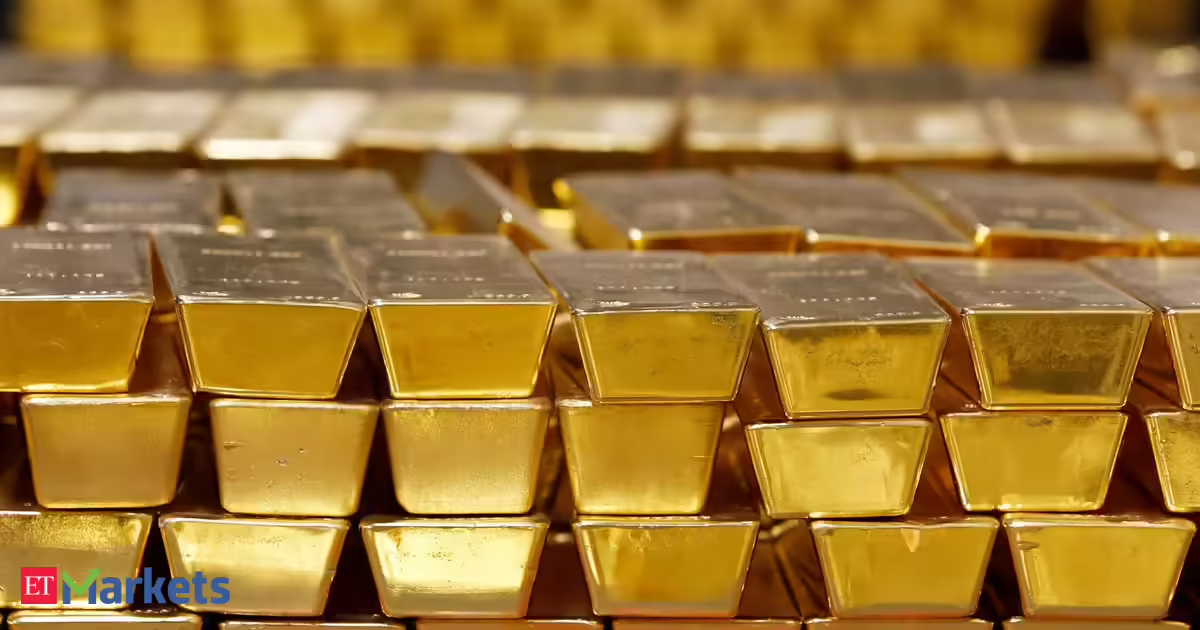
Spot gold fell 0.5% to $5,052.15 per ounce, by 1:44 p.m. ET (1744 GMT), and was down over 2% for the week so far.
U.S. gold futures for April delivery settled 1.3% lower at $5,061.70.
“While the market remains strongly bullish gold long term on asset allocation drivers, bullion is grinding towards lows since the Iran conflict started with the dollar at nearly four-month highs,” said Tai Wong, an independent metals trader.
The U.S. dollar was on course for a weekly rise, making greenback-priced bullion less affordable for other currency holders.

Commerzbank in a note said expectations of a more restrictive monetary policy are the main reason why the price of gold has come under pressure.
While gold is prized as a traditional hedge against inflation and periods of uncertainty, elevated rates typically curb its appeal by increasing the cost of holding bullion. Data showed U.S. consumer spending increased slightly more than expected in January, which together with continued strength in underlying inflation and the war in the Middle East bolstered economists’ views that the Federal Reserve would not resume cutting interest rates for some time.
President Donald Trump said the U.S. was going to be hitting Iran “very hard over the next week”, shortly after issuing a partial 30-day waiver for purchases of sanctioned Russian oil.
Oil prices dipped but were on track for weekly gains as Gulf disruptions due to the conflict broadly persisted.
Elsewhere, resumption of some flights from Dubai has allowed gold flows from this major global trading hub to restart partially this week, three sources told Reuters.
Among other metals, spot silver lost 3.3% to $81.00.
Platinum fell 4% to $2,047.20 and palladium shed 2.5% to $1,569.00. The sister metals are on track to post weekly losses.

SDVD: Just Offsetting Return Shortfall By 8% Yield
Business
Global crude oil prices may hit USD 120/barrel in short term, USD 150 if gulf war extends over a month: Kotak’s Chainwala

“Near-term crude prices are likely to move in the USD 85-120 range for WTI and USD 90-125 for Brent. If the conflict escalates and supply disruptions persist for several weeks, prices could rise even further, possibly approaching USD 150 per barrel. But in the short term, USD 120 is more likely,” Chainwala said, emphasizing the role of supply disruptions in pushing crude markets higher.
She explained that the ongoing turbulence in the Strait of Hormuz and the state of Hormuz situation has already caused losses of approximately 10-12 million barrels per day.
“This is a significant disruption, not a perceived risk. Earlier this year, the market was facing a glut of 4-5 million barrels per day, but the current losses are offsetting that surplus and pushing the market toward a deficit,” she said.
Chainwala added that emergency reserves, including the International Energy Agency’s 400-million-barrel release, would only cover about 20 days of lost supply, which would be insufficient if the disruption continues for an extended period.
“Any prolonged disruption through this trade will be bullish for crude oil and negative for other commodities, as it ignites inflation concerns and could delay interest rate cuts,” he noted.
She also addressed potential price corrections. “If the situation de-escalates, the geopolitical premium built into oil prices would vanish. Prices could fall sharply to USD 55-65 per barrel. Before the disruption, oil markets were already bearish due to macroeconomic concerns and a supply glut,” she said.On regional flows, she said the Strait of Hormuz is currently allowing only limited passage.
“Very few barrels are passing through Hormuz — around 2-3 million barrels per day, compared to normal flows of about 20 million barrels per day. Certain countries are receiving preferential access, but overall, the route remains highly restricted,” Chainwala added.
She also discussed demand-side factors, highlighting that China, a major importer of crude, has set a modest growth target of 4.5-5 percent this year with no major stimulus, which may limit sustained price pressure. Seasonal demand during travel months in May and June may have some impact, but other factors are unlikely to hold crude prices at elevated levels for long.
Regarding the domestic market, Chainwala said, “On MCX, crude prices could rise 20-30 percent from current levels of around Rs 8,300, reaching Rs 10,500-11,000, depending on how long the disruption continues.”
She concluded by warning that prolonged conflict or significant escalation could push prices even further, but if negotiations or minor attacks continue without major disruption, the crude market is expected to remain volatile yet within a USD 85-120 range.
Business
Global Markets | European shares log second week of losses as Mideast war fuels inflation fears

The pan-European benchmark STOXX 600 closed 0.5% lower. All major regional bourses were in the red, posting marginal weekly falls.
Industrial stocks were the biggest drags on the index, down 1.8%, with Siemens Energy down 5.7% and Rolls-Royce off 5.3%.
Miners experienced the biggest percentage loss, down 3.3%, as prices of silver tumbled over 3%, copper fell over 1% and gold prices also ticked lower.
Global markets extended declines this week as the U.S.-Israeli war on Iran approached the two-week mark. U.S. President Donald Trump said the U.S. was going to be hitting Iran “very hard over the next week”, prompting markets to brace for a drawn-out conflict and reassess interest-rate expectations as energy-driven inflation concerns resurfaced.
Pascal Koeppel, chief investment officer at Vontobel SFA Investment Management, said that both Iran and the U.S. had interests in stopping the war. Iran’s interest is in re-opening the Strait of Hormuz, he said, while for the U.S. a priority is reining in mounting defence costs before the midterm elections in November.
“It’s short term in nature and the impact on inflation and rates is not as big as market fear. But at the moment, the fear is larger so the European markets are correcting,” he said. Markets have priced in one quarter-point interest-rate hike by the European Central Bank by the end of the year and see a nearly 75% chance of another similar-sized move, per data compiled by LSEG. This contrasts with expectations earlier in the year that a rate cut was coming.
Oil prices were about 1% higher on Friday, as it became clear that the Strait of Hormuz remained closed.
Energy stocks far outperformed others this week with a gain of nearly 5%. Economically sensitive banks fell again, dropping 1.2%. Standard Chartered and HSBC, the two global banks most exposed to the war with Iran according to Reuters analysis, extended their monthly declines to over 15% each. Data showed harmonised inflation in France rose 1.1% year-on-year in February, while the British economy grew by 0.2% in the three months to January, below expectations. Among individual moves, BE Semiconductor Industries shares jumped 5.6% after the chip-equipment maker fielded takeover interest, Reuters reported. Berkeley Group cautioned that the conflict in the Middle East was weighing on risk sentiment, while reaffirming its annual profit outlook, sending shares of the home builder 1.5% lower.
Zalando climbed about 7% after Bernstein upgraded the online fashion retailer to “market perform” from “underperform.”
Getty Images
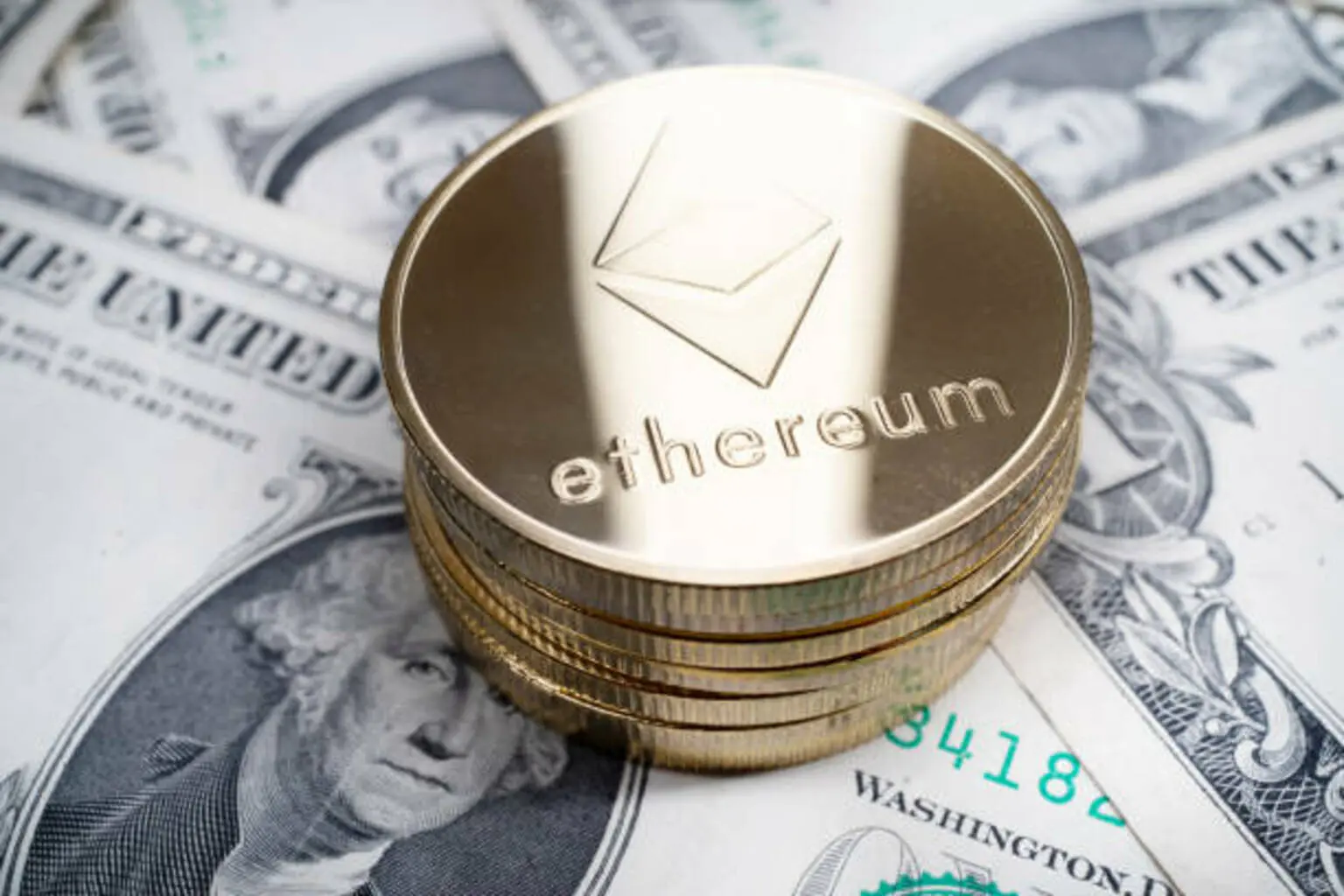
ETH) coins” data-id=”1804089119″ data-type=”getty-image” width=”1536″ height=”1024″ srcset=”https://static.seekingalpha.com/cdn/s3/uploads/getty_images/1804089119/image_1804089119.jpg?io=getty-c-w1536 1536w, https://static.seekingalpha.com/cdn/s3/uploads/getty_images/1804089119/image_1804089119.jpg?io=getty-c-w1280 1280w, https://static.seekingalpha.com/cdn/s3/uploads/getty_images/1804089119/image_1804089119.jpg?io=getty-c-w1080 1080w, https://static.seekingalpha.com/cdn/s3/uploads/getty_images/1804089119/image_1804089119.jpg?io=getty-c-w750 750w, https://static.seekingalpha.com/cdn/s3/uploads/getty_images/1804089119/image_1804089119.jpg?io=getty-c-w640 640w, https://static.seekingalpha.com/cdn/s3/uploads/getty_images/1804089119/image_1804089119.jpg?io=getty-c-w480 480w, https://static.seekingalpha.com/cdn/s3/uploads/getty_images/1804089119/image_1804089119.jpg?io=getty-c-w320 320w, https://static.seekingalpha.com/cdn/s3/uploads/getty_images/1804089119/image_1804089119.jpg?io=getty-c-w240 240w” sizes=”(max-width: 767px) calc(100vw – 36px), (max-width: 1023px) calc(100vw – 132px), (max-width: 1199px) calc(100vw – 666px), (max-width: 1307px) calc(100vw – 708px), 600px” fetchpriority=”high”>
By Jay Jacobs & Robbie Mitchnick
What is cryptocurrency staking?
Cryptocurrency staking is a way for people to help maintain a blockchain network and potentially earn rewards for doing so. Staking plays a crucial role in how transactions

I’ve been researching companies in-depth for over a decade, from commodities like oil, natural gas, gold and copper to tech like Google or Nokia and many emerging market stocks, which I believe could help me provide useful content for readers. After writing my own blog for about 3 years, I decided to switch to a value investing-focused YouTube channel, where I researched hundreds of different companies so far. I would say my favorite type of company to cover are metals and mining stocks, but I am comfortable with several other industries, such as consumer discretionary/staples, REITs and utilities.
Analyst’s Disclosure: I/we have no stock, option or similar derivative position in any of the companies mentioned, but may initiate a beneficial Long position through a purchase of the stock, or the purchase of call options or similar derivatives in CUBE over the next 72 hours. I wrote this article myself, and it expresses my own opinions. I am not receiving compensation for it (other than from Seeking Alpha). I have no business relationship with any company whose stock is mentioned in this article.
Seeking Alpha’s Disclosure: Past performance is no guarantee of future results. No recommendation or advice is being given as to whether any investment is suitable for a particular investor. Any views or opinions expressed above may not reflect those of Seeking Alpha as a whole. Seeking Alpha is not a licensed securities dealer, broker or US investment adviser or investment bank. Our analysts are third party authors that include both professional investors and individual investors who may not be licensed or certified by any institute or regulatory body.


Those who have been waiting for Randy Orton to turn heel, the term used for villains in the WWE, got what they have been waiting for.
On the March 13 edition of Friday Night SmackDown, Orton turned heel and viciously attacked Cody Rhodes.
Randy Orton Turns Heel
The heel turn took place during the contract signing between Orton and Rhodes. The two WWE superstars are set to compete in a match for the Undisputed WWE Championship at WrestleMania 42 next month.
While initially looking like they were to remain friends despite going against one another, Orton soon changed his tune and attacked Rhodes.
Orton hit his old friend with the steel steps at some point, busting the latter wide open. While officials came out to try and control the situation, Orton eventually had the opportunity to hit Rhodes with the steel chair while his head was lying against the steel steps.
Will Orton Get His 15th World Championship?
Ever since it became clear that it would be Rhodes versus Orton for WrestleMania 42, fans have been speculating which of the two will turn heel.
Leading up to the March 13 edition of SmackDown, both characters have been faces, the term used for the good guys in wrestling.
It should be noted that despite the vicious attack, the live crowd was clearly behind Orton, chanting his name despite him clearly becoming the bad guy.
Should Orton win at WrestleMania 42, it will be his 15th world championship with WWE. He’s currently tied at 14 world title reigns with Paul “Triple H” Levesque.
Originally published on sportsworldnews.com

Nishimura Mika, Si-Bone director, sells $56k in SIBN stock

The bonds will offer yields ranging from 8.70% to 9.10%, with tenure options of 24, 36, 60, and 72 months available.
The flagship company of Kerala-based Muthoot Pappachan Group opened the issue for subscription on Friday. The offer will remain open until March 23.
Get ready for an exciting investment opportunity! Muthoot FinCorp is rolling out a bond issue, aiming to gather as much as ₹600 crore to bolster business expansion and fulfill corporate goals. With appealing yields and flexible tenure options, these bonds are perfect for retail investors looking to dive in before March 23.
The base issue size is ₹200 crore, with a greenshoe option to retain oversubscription of up to ₹400 crore, the company said.
“This offering is intended to support onward lending and financing activities, repay/prepay interest and principal on existing debt, and meet general corporate needs,” the company said.
The bonds are rated ‘AA-/positive’ by Crisil Ratings and ‘AA/stable’ by Brickwork Ratings India, indicating a high degree of safety for the timely servicing of financial obligations.
Muthoot FinCorp, which is not publicly listed, had standalone assets under management of ₹48,122 crore at the end of December, up 63% from the same period a year earlier, driven largely by demand for gold loans.

U.S. IPO Weekly Recap: PayPay Prices US IPO Below The Range But Climbs 32%
Gold slips and heads for second consecutive weekly fall

Bitcoin holds $71,000 as Trump warns of Iran oil strikes

This 27-Year-Old Brendan Fraser Fantasy Adventure Saga Is Storming Streaming Ahead of ‘The Mummy 4’


-
 Tech3 days ago
A 1,300-Pound NASA Spacecraft To Re-Enter Earth’s Atmosphere
-

 News Videos5 days ago
10th Algebra | Financial Planning | Question Bank Solution | Board Exam 2026
-

 Crypto World5 days ago
Paradigm, a16z, Winklevoss Capital, Balaji Srinivasan among investors in ZODL
-

 Business4 days ago
ExxonMobil seeks to move corporate registration from New Jersey to Texas
-
 Crypto World2 hours ago
HYPE Token Enters Net Deflation as HyperCore Buybacks Outpace Staking Rewards
-

 Tech4 days ago
ChatGPT will now generate interactive visuals to help you with math and science concepts
-

 Fashion12 hours ago
Weekend Open Thread: Addict Lip Glow
-

 Sports6 days ago
Three share 2-shot lead entering final round in Hong Kong
-

 Sports6 days ago
Braveheart Lakshya downs Lai in epic battle to enter All England Open final | Other Sports News
-

 NewsBeat2 days ago
Residents reaction as Shildon murder probe enters second day
-

 Business6 days ago
Search for Nancy Guthrie Enters 37th Day as FBI Probes Wi-Fi Jammer Theory
-

 Business3 days ago
Search Enters Sixth Week With New Leads in Tucson Abduction Case
-
 NewsBeat4 days ago
Pagazzi Lighting enters administration as 70 jobs lost and 11 stores close across Scotland
-

 Tech5 days ago
Despite challenges, Ireland sixth in EU for board gender diversity
-

 Business4 days ago
Search Enters 39th Day with FBI Tip Line Developments and No Major Breakthroughs
-

 NewsBeat3 days ago
I Entered The Manosphere. Nothing Could Prepare Me For What I Found.
-

 Sports5 days ago
Skateboarding World Championships: Britain’s Sky Brown wins park gold
-
 Crypto World4 days ago
Will Chainlink price reclaim $10 amid volatility squeeze?
-

 Sports5 days ago
Tomorrow’s Top 25 Today: Florida jumps to No. 4; Louisville, Wisconsin enter projected rankings
-

 Sports2 days ago
PWHL, Senators discussing plan to keep Charge in Ottawa