
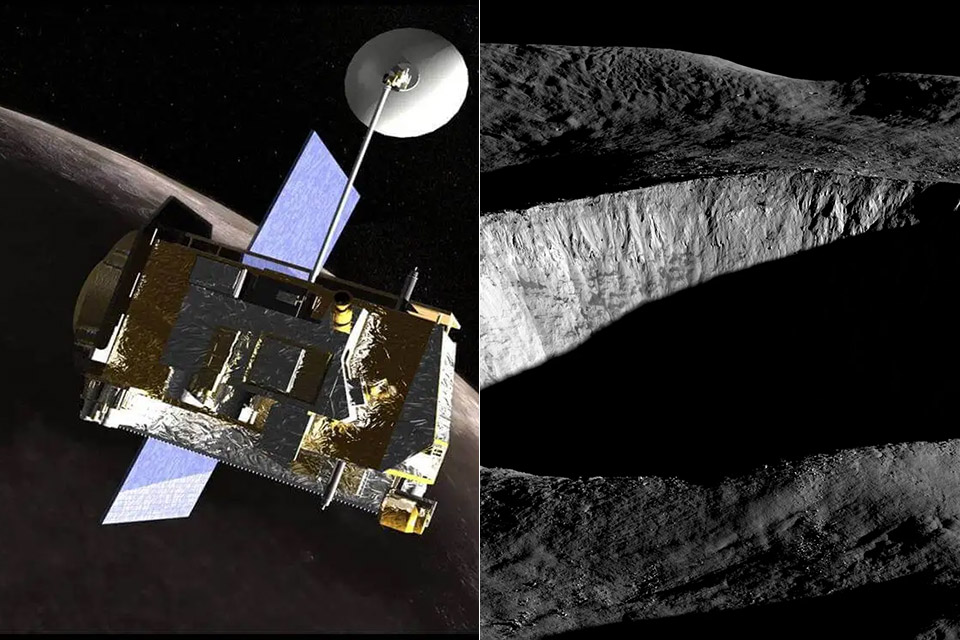
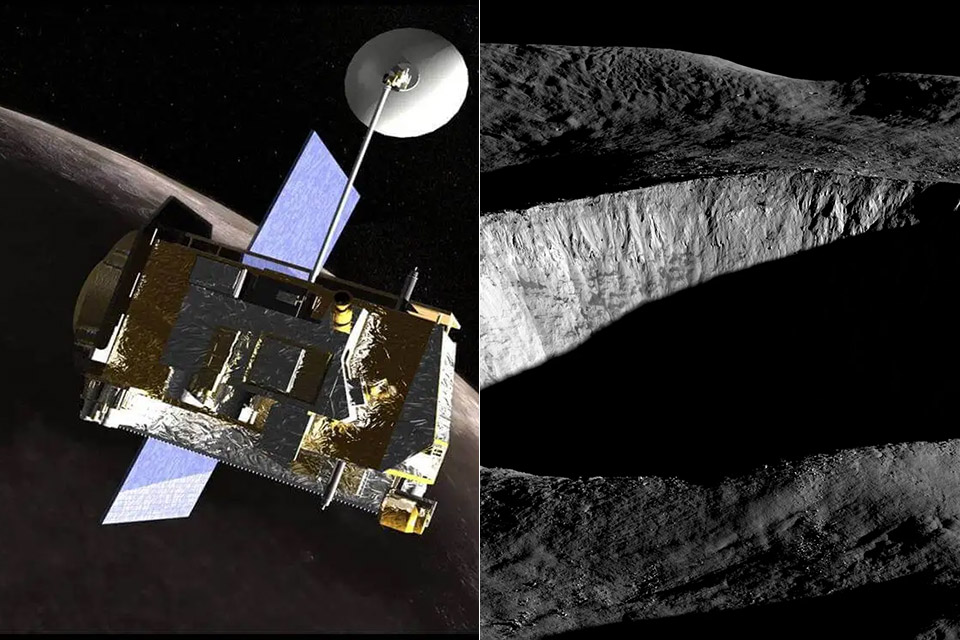
The sun shines a spotlight on the steep face of an unnamed crater. NASA’s Lunar Reconnaissance Orbiter (LRO) took this photo on August 30, 2023. This spacecraft has been orbiting the moon since 2009, continuously collecting photographs of its surface using its cameras. When the camera started rolling, the orbiter was floating about 100 kilometers above the moon’s surface, with the sun’s rays coming in at an angle of 82 degrees from the right.
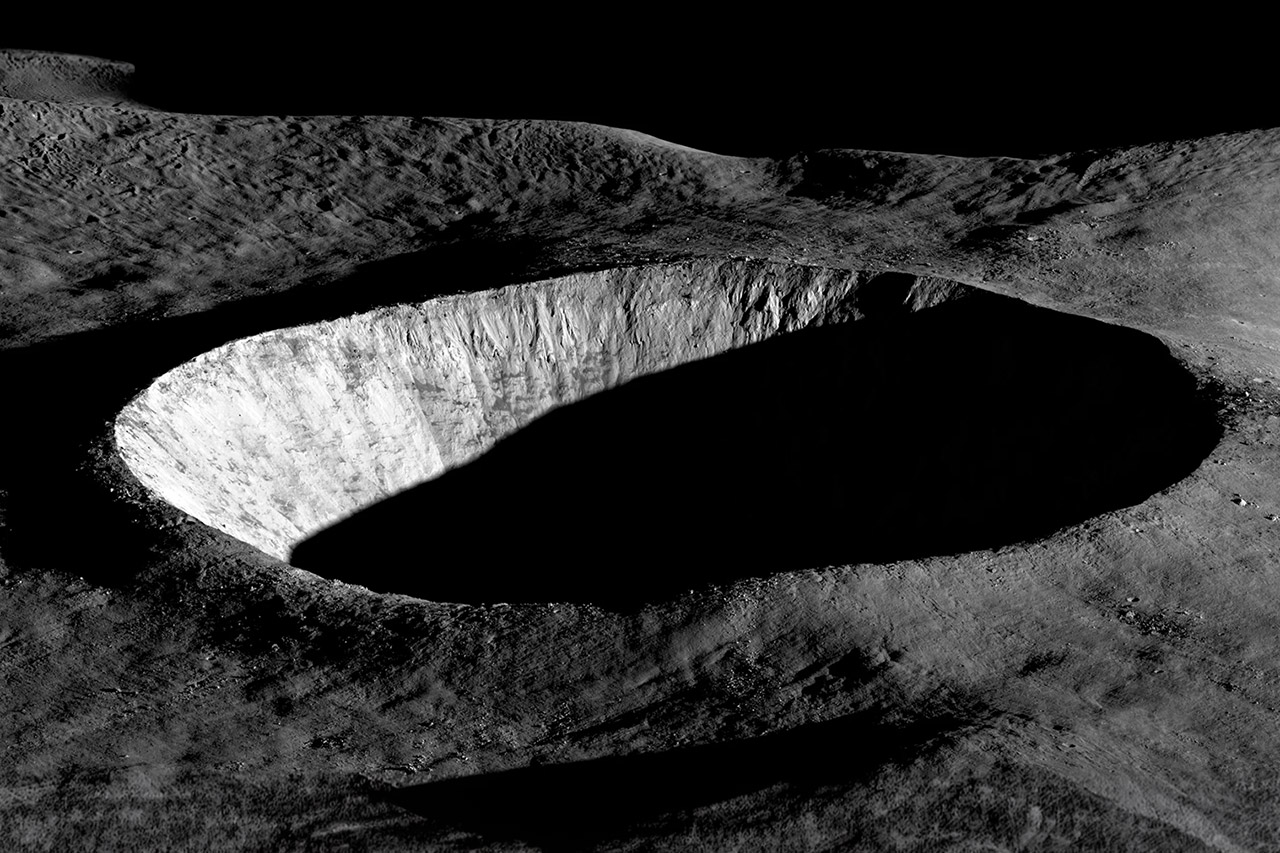
This particular crater is 10 kilometers wide and dips off by more than 2 kilometers at 70 degrees south latitude and 302.46 degrees east longitude, and it is relatively close to the Bailly O crater. The sides of this crater are 36 degrees, which is roughly the angle at which debris falls on the moon, and the lines are rather clean, with the exception of a few small impact craters at the top. This shows that the crater is rather young, possibly no more than 2 million years old.
Sale

LEGO Technic NASA Apollo Lunar Roving Vehicle LRV Building Set – Craft Kits for Adults, Ages…
- Build a realistic LEGO Technic lunar rover model – This LRV building kit for adults is packed with authentic details including seats, steering…
- NASA model for adults – Enjoy a mindful project assembling all the details of the rover and equipment including the battery pack, heating and…
- A build for NASA fans – Remember the Apollo 17 mission with a display that features the lunar roving vehicle alongside 3 detailed equipment…
The angle at which the light comes in allows you to see all of the tiny details that you would otherwise miss in a normal photo. So, in this view, which depicts a 12-kilometer stretch of lunar surface, you can see a lot of little differences in the landscape and minerals. There is a 3.5-kilometer length where the wall and floor have a distinct and dramatic contrast, with all sorts of small elements in the front and the backdrop fading into the shade.
The LRO has done a great job of creating a complete map of the moon’s surface over the years as a result of all of the photos it has taken, and these can be used in the future to identify safe landing sites, locate ice in the polar regions, and calculate how much radiation you will be exposed to. And as new technology emerges, it becomes easier to prepare for long-term expeditions to the moon.