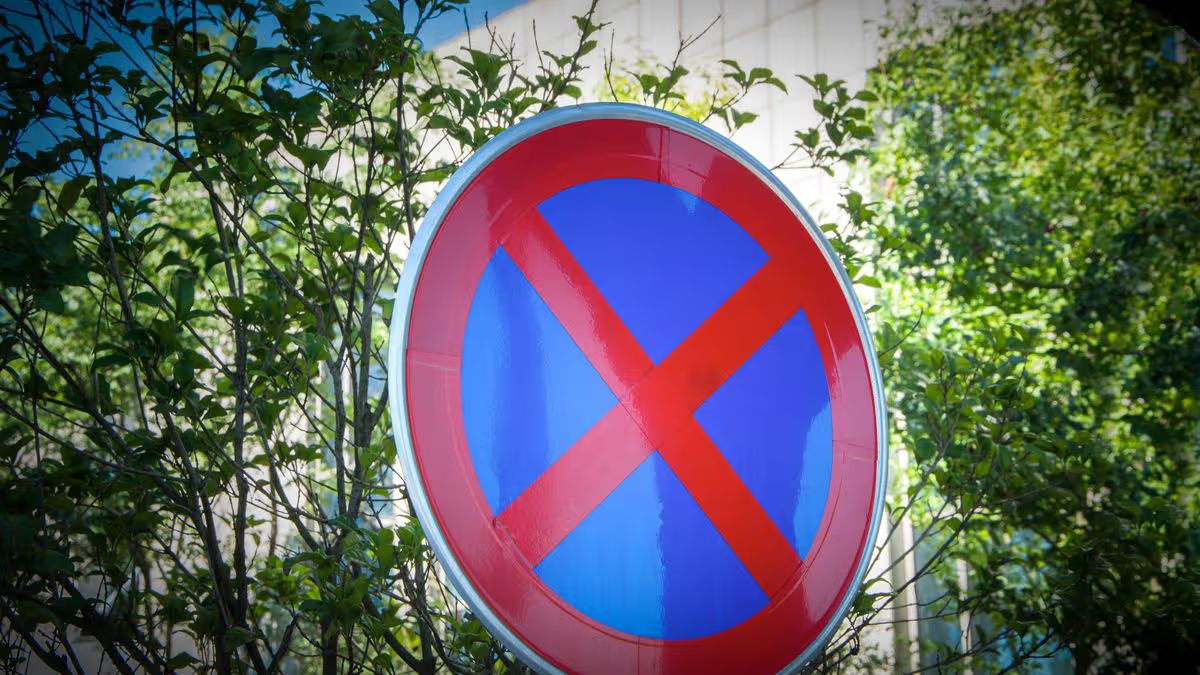
The clearway sign features a red circle with a blue background and a red cross through it – and drivers who stop in these areas could face fines
Sophie Law Deputy Editor Spare Time
00:02, 15 Mar 2026
Motorists are being urged to refresh their understanding of road signage after experts highlighted that many drivers remain baffled by one of the Highway Code’s most recognisable – yet frequently misinterpreted – symbols.
The sign features a red circle on a blue background with a red diagonal cross, and whilst it appears familiar to most people behind the wheel, not everyone grasps its precise meaning. Insurance experts at One Sure Insurance say confusion surrounding road signs is far more widespread than many assume.
Advertisement
Figures from the AA indicate that whilst the majority of drivers consider themselves safe on the roads, approximately half acknowledge they find certain aspects of the Highway Code challenging.
This gap in understanding can result in motorists inadvertently contravening regulations or misreading signs whilst driving.
The red-and-blue cross symbol denotes a clearway, meaning drivers must not stop at any time, reports the Express.
Unlike certain other restrictions which only operate during specific hours, the clearway regulation means you cannot halt your vehicle on that section of road for any purpose, except in an emergency.
Advertisement
This includes stopping to:
Pick up or drop off passengers
Check directions
Make a phone call
Wait briefly in the car
As stopping is entirely forbidden, drivers who pull up in a clearway zone risk receiving a fine or penalty notice.
One factor behind the sign’s confusion is its visual similarity to other blue-and-red road signs found throughout the UK. For instance, a sign displaying a single red line across a blue circle signifies no waiting, which still permits motorists to pause momentarily to collect or drop off passengers.
Conversely, the clearway symbol featuring the red cross prohibits stopping entirely, representing a more stringent restriction.
Confusion between these two could lead motorists to think they’re stopping lawfully when they’re in fact breaking the regulations.
Advertisement
Clearways are generally implemented on congested routes where stopping might create traffic jams or safety hazards, such as principal routes into urban areas or high-volume thoroughfares.
By prohibiting vehicles from stopping, authorities seek to maintain smooth traffic flow and minimise the risk of abrupt braking or blockages.
For motorists uncertain about traffic signs, specialists recommend consulting the Highway Code again to ensure complete understanding of the regulations – particularly as confusion can result in penalties or hazardous situations on the roads.
Advertisement
Specialists suggest that updating your knowledge of road signage could help drivers prevent fines, collisions, and insurance claims.
A spokesperson for One Sure Insurance said: “We see a lot of accidents or traffic violations happen because drivers simply don’t understand or recognise certain road signs.
“These mistakes may seem minor at first, but they can lead to fines, insurance claims, and in worst-case scenarios, serious accidents. It’s vital to take the time to understand every road sign you encounter.”
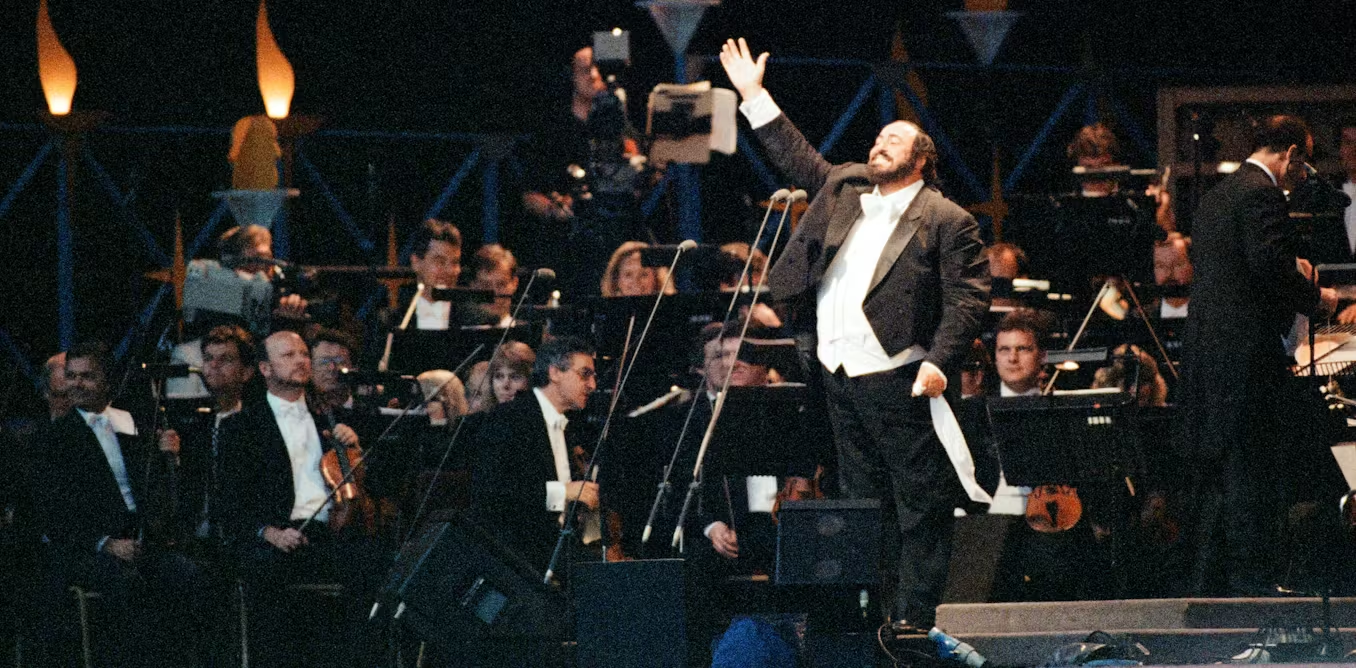
Earlier this month, former English National Opera artistic director John Berry said opera in the UK needed to “attract good writers and tell better stories” that could tap into the zeitgeist, making the art form more contemporary and accessible. But is this kind of approach enough to capture the attention of new and younger audiences? In the same week, actor Timothée Chalamet caused a furore when he dismissed ballet and opera as art forms that younger people “did not care about”.
Often regarded as an “elite” art form, opera undoubtedly has an image problem in that it is seen as the preserve of rich older white people, which risks alienating those who feel it excludes and is not for them. At the same time – like much of the arts – opera is under attack from funding cuts and needs to attract new and more diverse audiences if it is to survive long term. So what is the position of opera in the UK and what does it need to do to secure its future? We asked four experts in the field.
Embrace a greater range of influences
Jen Harvie, Professor of Contemporary Theatre and Performance, Queen Mary University of London
John Berry’s comment raises crucial questions: more generally, what should the arts do? And for opera: what should a traditionally “elitist” art form do? My answer: publicly subsidised arts have an ethical duty to reach as wide an audience as possible.
Advertisement
This doesn’t mean the arts should dumb down – a horrible, patronising phrase. It means traditionally elite arts like opera must adapt to broaden their appeal. I am not alone in my view. Research commissioned by Arts Council England on opera in 2024 says the same thing: that opera’s audiences are usually white, older and richer than England’s general population.
To expand audiences, opera must embrace a greater range of influences, from musicals to concept albums and music videos. It should commission new English-language librettos and mixed spoken/sung operettas. It should commission stories that resonate with audiences across all ages, classes and ethnicities. At the same time, opera’s funders must support both formal innovation and arts education, to facilitate access to opera.
Opera is full of extraordinary performance, music, song, storytelling, stagecraft, costume and design. It faces an ethical responsibility – and an opportunity – to share these riches with more of us.
Advertisement
Popular Spanish singer-songwriter Rosalia’s latest album embraces all kinds of musical forms.
Transform the operatic ecosystem
Edward Venn, Professor of Music at the University of Leeds
Beneath its attention-grabbing provocations, Berry’s call for the evolution of opera contains a deceptively simple question: how are we going to
encourage writers? Clearly, opera benefits from showcasing authentic creative
voices that speak to a wide audience.
But the answer does not lie in enticing the latest Netflix sensation to pen a libretto. Rather, evolution requires the whole operatic ecosystem to transform so that those performing, directing and creating operatic stories better reflect our society.
Advertisement
This article is part of our State of the Arts series. These articles tackle the challenges of the arts and heritage industry – and celebrate the wins, too.
The industry tends towards creative reworkings of canonic repertoire rather than financially more risky new commissions. This means opportunities for composers and writers to produce new work that speaks to contemporary issues become vanishingly rare.
Sustainable evolution comes from nurturing a diverse, rich talent pool; such diversity can in turn result in a wealth of authentic, compelling operatic stories. But this requires creative risk-taking at a time when opera companies can ill afford to do so.
Advertisement
Itch by Alasdair Middleton and Jonathan Dove.
Develop new writers, composers and audiences
Jennifer Daniel, Senior Lecturer in Musical Theatre at Edge Hill University
To “own the zeitgeist in the performing arts”, as Berry suggests, opera does need to develop its form, its artists – and crucially, its audiences. Is that really about drawing big names into the writing process? Opera librettists are distinctive – they create musically, often in established partnerships with composers (such as Alasdair Middleton with Jonathan Dove).
They take on dramaturgical responsibility for musical storytelling, often finding ways to write less. Writing an opera can take years, is seldom profitable, and skills most often developed for the love of it rather than acclaim or financial reward. Opera writers really want to write opera. And companies such as Opera North have made the case that the publicly funded opera company has the public responsibility to develop those distinct artists in developing the form.
Advertisement
Just as important, audiences also have to be developed in readiness to receive. In the best cases, companies’ outreach and education work extends our understanding and enhances our reception of opera, including the challenging and the new.
Such initiatives are applied across an incredibly broad social and age spectrum by companies such as Opera North, ENO, Royal Opera and the rest. The balance of cost and popularity means that relatively few full-scale new operas are produced. Small, agile productions can be hugely innovative and accessible if we can tear ourselves away from the grandeur of the mainstage auditorium.
But concurrent and equally important to the development of new work is the development of a wide audience. There must be a commitment to ensuring that each generation anew is culturally primed and able to access an art form – from the 1700s right up to the present moment – that is live, spectacular, unmediated and essentially human. If “opera if wants to own the zeitgeist” in an age of AI, technology and unprecedented mediation, this is, perhaps, where we should place our attention.
Advertisement
Invest in well-conceived outreach programmes
Kiera Vaclavik, Professor of Children’s Literature & Childhood Culture and Director of the Centre for Childhood Cultures at Queen Mary University of London
When I was a teenager my class got on a coach to London to take part in a workshop with Glyndebourne Opera, where I sang and found out about Dvořák and his gripping mermaid story, Rusalka (1901). In the evening, we went to see that story performed. I was not much of a singer and there was no way I would have seen an opera otherwise. Nor would I have been able to make much sense of it without the workshop. The entire trip cost £5 and I’ve never forgotten it.
Opera companies don’t need TV writers as much as they need well-funded and well-conceived outreach programmes. They need to be operating within a culture where, from birth, children have opportunities to experience the sheer wonder of sound that a voice can produce. Fortunately, companies like HurlyBurly in shows like You Are The Sun are already offering this with great skill and care. We need children to be regularly singing, shouting and using their voices.
Young audiences can’t tell what they like or don’t like unless they get to experience it for themselves. Invest in outreach. And as the massive success of an artist like Rosalía suggests, don’t underestimate their eclecticism and openness.
Everything you need to know about the hero firefighter who saved Glasgow Central – Daily Record
Need to know
John Banach tackled the flames on the building in Union Street from the top of a 115 height ladder.
John at Johnstone Community Fire Station(Image: Daily Record)
A hero firefighter spend six hours battling flames to save Glasgow Central. Here’s everything you need to know about John Banach and his actions last Sunday.
Incident Overview: A massive fire broke out at 3:45 pm on a Sunday afternoon within a ground-floor vape shop on Glasgow’s Union Street. The blaze quickly escalated, eventually destroying a historic building that had been a part of the city for 175 years.
Heroic Individual Effort: Crew commander John Banach spent six exhausting hours at the top of a 115-foot high-reach ladder to battle the flames. He was later pictured covered in soot and resting on the pavement, a photo that has since become a symbol of the emergency response.
Strategic Fire Break: Banach’s primary mission was to create a fire break to prevent the inferno from spreading to Glasgow Central Station and the Grand Central Hotel. His success in holding this position saved these iconic landmarks from suffering catastrophic damage.
Extreme Working Conditions: Firefighters endured punishing heat that was so intense Banach reported losing significant body weight from sweat during his shift. Despite being physically and mentally drained, the crews maintained their focus to ensure the fire did not jump across the street.
Significant Structural Loss: The fire resulted in the near-total destruction of the B-listed “Union Corner” building, including the collapse of its famous domed roof. Only the Gordon Street facade remains standing after the internal structure and a large digital advertising board gave way.
Scale of Emergency Response: The operation involved 18 fire engines and a massive team that eventually grew to include nearly 200 firefighters. This extensive resource mobilisation was necessary to manage the inferno and protect the surrounding city centre.
Innovative Water Supply: To provide enough water for the high-reach appliances, crews utilised a high-volume pump to draw water directly from the River Clyde. This tactic ensured a steady supply was available to combat the fire from multiple elevated angles simultaneously.
Government and Policy Reaction: First Minister John Swinney has pledged to look into financial support for the businesses affected by the devastating incident. Additionally, the Scottish Government is now considering tighter regulations for vape shops to minimise the risk of similar fires in the future.
The man originally told police he was one of the children’s uncles after officers arrived in the city centre last night (March 13).
A North Yorkshire Police spokesperson said it was called to reports of children misbehaving and when officers arrived, a group of more than 20 nine to 13-year-olds were running through the city centre.
Recommended reading:
Advertisement
The spokesperson said: “These were children with their friends behaving as children behave.
“The concern is that York city centre on a Friday night is no place for large groups of unsupervised young children.
“This was emphasised to us when a gentleman who actually identified himself as the uncle to one of the children, raised his concern about them to us.
“He then walked up to the group swearing loudly and bitterly at all of them and had to be taken to one side and dealt with appropriately.”
Petrol prices in the UK have now shot up by over 10p a litre since the start of the Iran war, according to the latest figures released, showing no let-up in the alarming spike in the cost of fuel.
Retailer data published by the government reveals the average price a litre of unleaded petrol today passed the 140p mark – but the impact on fuel costs depends largely on which area of the UK you are filling up your car.
In two areas of the country – Cherwell and Great Yarmouth – motorists are paying more than 12p a litre extra for a litre of unleaded compared with the price a week before the US and Israel started bombarding Iran.
But in other places such as Dover, Slough, Elmbridge and the Scottish Borders, the price has gone up by less than 6p on average.
Advertisement
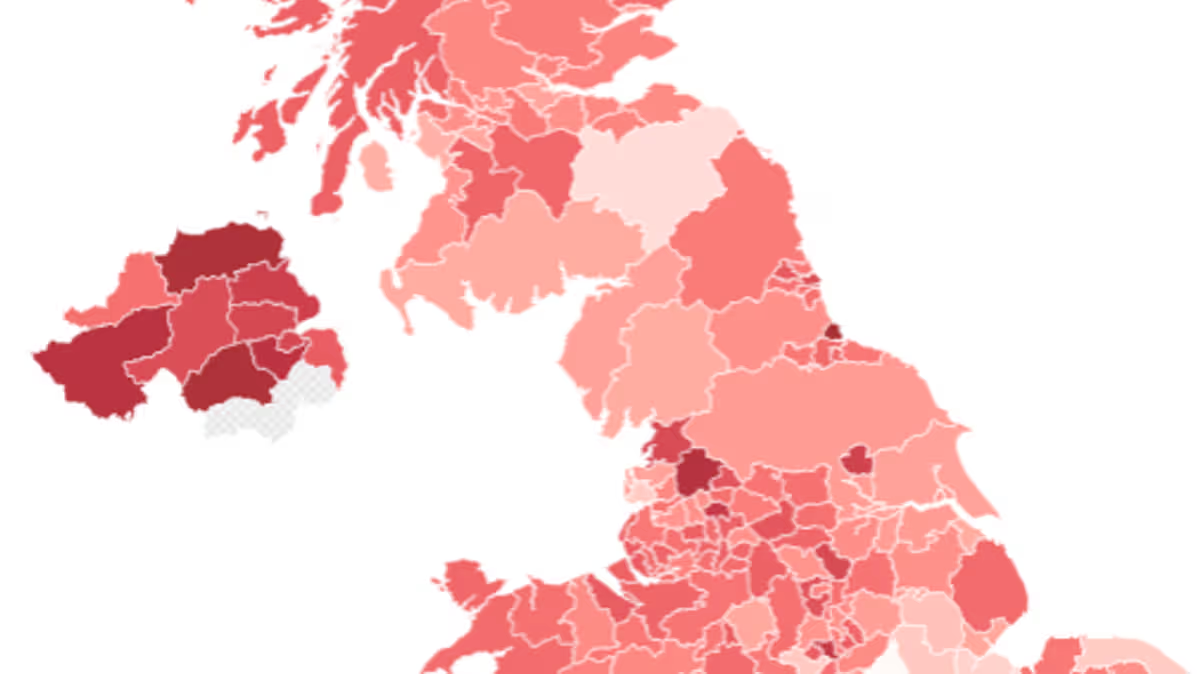
Our interactive map shows the latest average price for a litre of unleaded petrol in every area of the UK reported by retailers on Thursday (12th March) – and also how much it has increased since a week before the conflict began on 28th February.
Here are the 20 local authority areas where prices have increased the most since the start of the Iran war, including the latest average cost of E10 unleaded (excluding motorway service stations)
Cherwell – 138.3p. Up 12.9p per litre
Great Yarmouth – 138.7p. Up 12.3p per litre
Hartlepool – 135.9p. Up 11.9p per litre
Armagh City, Banbridge and Craigavon – 134.6p. Up 11.7p per litre
Causeway Coast and Glens – 134.5p. Up 11.7p per litre
Lisburn and Castlereagh – 132.7p. Up 11.3p per litre
Stevenage – 139.6p. Up 11.2p per litre
Erewash – 137.7p. Up 11.0p per litre
Rossendale – 134.9p. Up 11.0p per litre
Mid and East Antrim – 134.9p. Up 10.8p per litre
York – 136.4p. Up 10.7p per litre
Dacorum – 138.6p. Up 10.6p per litre
Belfast – 132.7p. Up 10.5p per litre
Antrim and Newtownabbey – 134.7p. Up 10.5p per litre
Hastings – 137.8p. Up 10.5p per litre
Rotherham – 138.0p. Up 10.4p per litre
Carmarthenshire – 139.7p. Up 10.4p per litre
Motorists in North Warwickshire face the highest prices at the pumps, with average prices just short of the 145p mark for E10 unleaded. In more than 130 local authority districts, the average price has gone over 140p.
The 20 most expensive areas to buy petrol are:
Advertisement
North Warwickshire – 144.9p. Up 9.0p per litre
Westminster – 144.1p. Up 6.5p per litre
Breckland – 143.7p. Up 8.6p per litre
Wyre Forest – 143.7p. Up 7.1p per litre
Harlow – 143.6p. Up 7.8p per litre
Fareham – 143.4p. Up 8.7p per litre
Cheshire East – 143.2p. Up 8.9p per litre
Cambridge – 143.2p. Up 6.5p per litre
West Lancashire – 143.1p. Up 8.8p per litre
Epping Forest – 143.1p. Up 8.2p per litre
Sevenoaks – 142.9p. Up 8.3p per litre
Rochford – 142.9p. Up 8.0p per litre
Brentwood – 142.9p. Up 7.0p per litre
Windsor and Maidenhead – 142.8p. Up 9.0p per litre
North Hertfordshire – 142.8p. Up 7.0p per litre
Wychavon – 142.7p. Up 9.6p per litre
Tandridge – 142.6p. Up 7.0p per litre
Ashford – 142.5p. Up 6.6p per litre
Chichester – 142.4p. Up 8.0p per litre
West Lothian – 142.4p. Up 8.0p per litre
Prices quoted on Thursday 12th March, average price for E10 unleaded, excluding motorway service stations
It is estimated that the Iran war is set to cost UK motorists £15m A DAY in extra fuel costs as prices continue to spike upwards at petrol forecourts around the country.
The impact of the price hikes means that the average cost of all the fuel bought each day in the UK is already costing motorists £12.9m more than it did before the Iran war began on 28 February, and that figure is set to pass £15m on current trends.
The Competition and Markets Authority (CMA) said it has put fuel retailers “on notice” that it is stepping up monitoring of petrol and diesel prices in light of the Middle East conflict.
The CMA’s executive director for markets, Juliette Enser, said: “Whilst price increases might be inevitable because of rising wholesale costs, it is important that those increases reflect genuine cost pressures.
Advertisement
“We will be closely scrutinising and reporting on what’s happening with fuel prices and call out any concerning behaviour.”
Among the major retailers, Asda Express is charging the highest average price for unleaded petrol. The firm, which operates Asda service stations rather than supermarket forecourts, has an average price of 142.9p per litre – which is 12.1 p more than before the Iran war.
Esso, BP, Shell, Murco and Texaco are all charging motorists an average of over 140p a litre at their petrol stations.
Of the big four supermarkets, Tesco is charging the highest price at 138.2p a litre, slightly more than Morrisons (137.7p), Sainsbury’s (137.6p) and Asda (137.1p).
Advertisement
A petrol industry trade group today pulled out of a meeting with Chancellor Rachel Reeves after accusing minister of using “inflammatory language” that has led to abuse against forecourt workers.
The Petrol Retailers Association (PRA) said executive director Gordon Balmer had been invited to take part in the Downing Street meeting with Ms Reeves and Energy Secretary Ed Miliband on fuel prices, set to take place later on Friday.
But it said Mr Balmer had withdrawn over concerns that recent language being used by ministers was inciting abuse against fuel retail staff by members of the public.
The PRA said “following several days in which ministers have suggested that forecourts may be ‘price gouging’ and ‘ripping off’ the motorist”, it had looked to get assurances from Ms Reeves’s office that the meeting would be held in private, but that this was not provided.
Advertisement
The PRA said it made the decision not to attend the meeting to “protect retail staff”.
On Thursday, the Competition and Markets Authority warned it was putting fuel retailers “on notice” of plans to step up monitoring of petrol and diesel prices in light of the Middle East uncertainty.
The horse chestnut tree stands within a conservation area and has a large cavity in a limb hanging over the A684, which was found to be “deep and holds water, indicating advanced internal decay.”
The tree is part of a line of five horse chestnuts.
It is protected, but was put forward for the removal of a structurally compromised limb under a five-day notice for Dangerous Dead or Dying Tree Works.
Advertisement
The application has been made at the Swalestones property, part of Ainderby Hall, in Ainderby Steeple.
An officer at North Yorkshire Council concluded the works should proceed as a matter of urgency to reduce the risk in this location.
The case officer’s conclusion states: “The officer concludes the works should proceed as a matter of urgency to reduce the risk in this location, and recommends that permission be granted subject to conditions.”
Plans were given the nod by the local authority on Thursday, March 12.
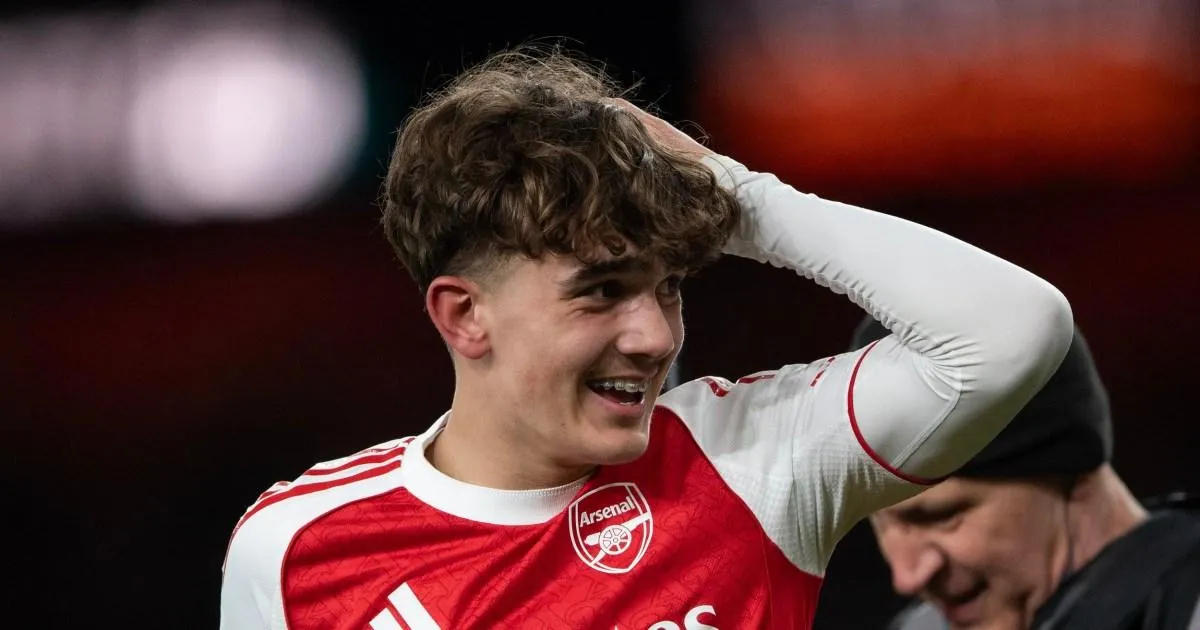
Dowman then became the Premier League’s youngest-ever goalscorer with a brilliant solo effort to secure the win for Arsenal in injury time.
The 16-year-old countered from Everton’s corner as he nodded the ball past Vitalii Mykolenko before leaving Kiernan Dewsbury-Hall on the ground with a brilliant change of direction.
Advertisement
In a video on TikTok shortly after the full-time whistle, Terry said he was blown away by Dowman’s ability having already watched the Arsenal midfielder in action against Chelsea’s academy side last year.
‘Max Dowman, what a player by the way, 16 years of age, absolutely incredible,’ Terry said.
John Terry has tipped Max Dowman to play a ‘big part in Arsenal’s future’ (Shutterstock)
Your football fix
Metro‘s Head of Sport James Goldman delivers punchy analysis, transfer talk and his take on the week’s biggest stories direct to your inbox every week.
‘I watched him play against Chelsea about a year ago and I’ve not seen anyone glide past people like this man does, other than Messi.
‘That’s a big, big comparison but this man is a proper talent and will play a big part in Arsenal’s future and also England as well.
‘Super, super talent. Big, big win for them [Arsenal] today.’
Advertisement
Speaking about Dowman’s excellent display after Arsenal’s win, Arteta said: ‘Yesterday he was training and in the last few days and I had a gut feeling that it was a moment for him. Probably because he doesn’t seem to be fazed by the occasion or the moment or the context or the opponent. He just plays so naturally. He makes decisions to make things happen and what he delivered was incredible.
‘I think his character, his personality and the fact that he doesn’t seem to be fazed by the pressure or his teammates or the opponent.
‘I’ve seen a lot of players with talent but at 16, very few that can cope with that level of demand.’
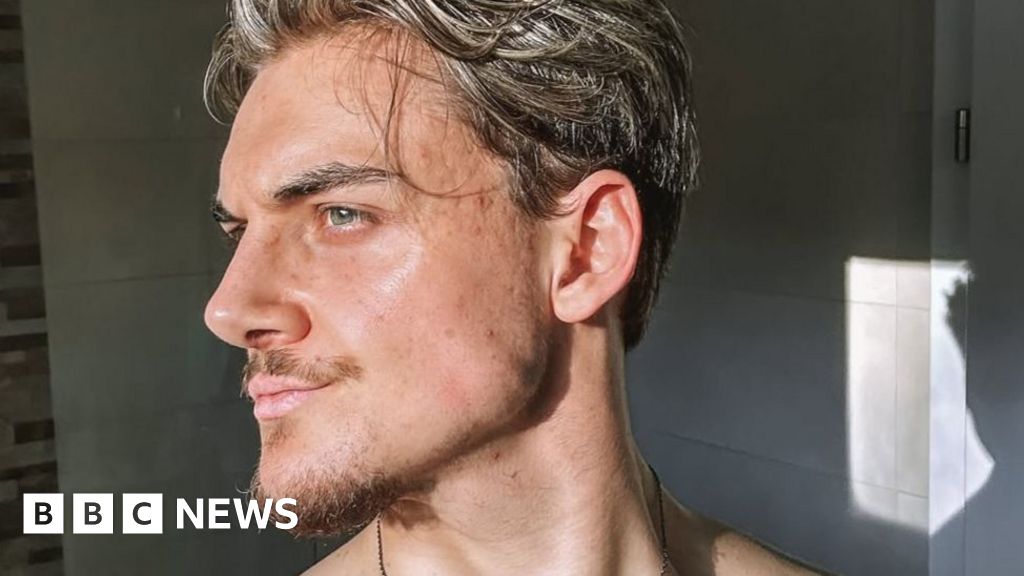
In 2023 following a break up, he began to research looksmaxxing on his socials and developed a routine. In addition to going to the gym five times a week, he also has regular ice-cold face baths to “reduce puffiness”, tries to sleep on his back, and, while he says masturbation is OK, he’s cut out all pornography.
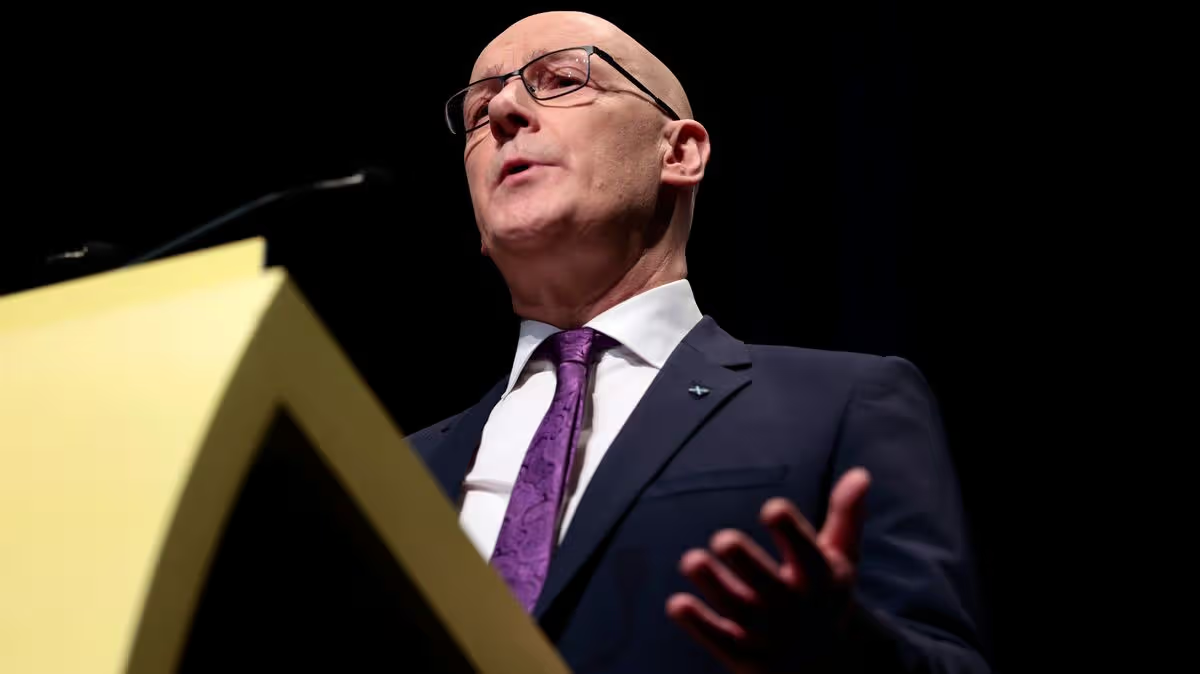
Speaking at the SNP conference in Edinburgh today, the First Minister said a newly-independent Scotland would enshrine in its constitution a ban on foreign militaries involved in illegal conflicts abroad.
An independent Scotland would ban the militaries of countries involved in “illegal conflicts” from the country, John Swinney has said.
Advertisement
In a swipe at the US and Israeli governments over their attacks on Iran, the First Minister said a newly-independent Scotland would enshrine in its constitution a ban on foreign militaries involved in illegal conflicts abroad.
The US military regularly uses Prestwick Airport – which is owned by the Scottish Government and operated by an arms-length company – which has drawn criticism for Mr Swinney and his ministers.
Speaking at his party’s conference in Edinburgh on Saturday, the First Minister said: “We will always speak up for the protection of innocent civilians and international law.
“But as an independent country we could do more. We will demonstrate not just with words but with actions how Scotland can be a voice for peace.
“We will use the powers of independence to enshrine into our constitution a legally binding ban on nuclear weapons on our soil and in our seas. And we will go further – with independence, we will ban any foreign military power engaged in illegal conflicts from our shores.
“Two statements will be written directly into the very foundational document of our new nation – not in our name, not in our country.”
The First Minister told delegates the action in Iran has “no basis in international law”, saying: “Right now, once again, the world is watching as war rages in the Middle East.
Advertisement
“We all know the Iranian regime is brutal and illegitimate. It has brought untold suffering on its own citizens, and on people across the region.
“But that does not justify what we are seeing on our television screens every night. Tehran in flames, whole streets on fire, schools bombed, thousands killed.
“The Iranian regime have terrorised their own population. Now, those self-same civilians are dying at the hands of American and Israeli bombs.
Advertisement
“So let me be clear – the unjustifiable actions of the United States and Israel have no basis under international law.
“They must stop. For the sake of the innocent children of Iran, for the sake of peace, our call is for diplomacy, for de-escalation, and an end to this war.”
Get more Daily Record exclusives by signing up for free to Google’s preferred sources. Click HERE.
The application deadline is March 25, and interviews will be held in April
Four farms in Cambridgeshire are offering 10-year leases for developing rural businesses. Cambridgeshire County Council’s Farms Estate, one of the largest publicly owned estates in England and Wales, is offering the leases starting from October 2026.
Advertisement
The four farms offering leases this year are Roswells Farm in Warboys, Flegcroft Farm in Whittlesey, Red House Farm near March, and Whitehall Farm in Littleport. Each of the farms also comes with a house and various outbuildings. The properties are being offered on a 10-year farm business tenancy.
Roswells Farm is the largest of the available farms with just under 345 acres of land along with a four-bedroom detached house, and five general-purpose storage buildings.
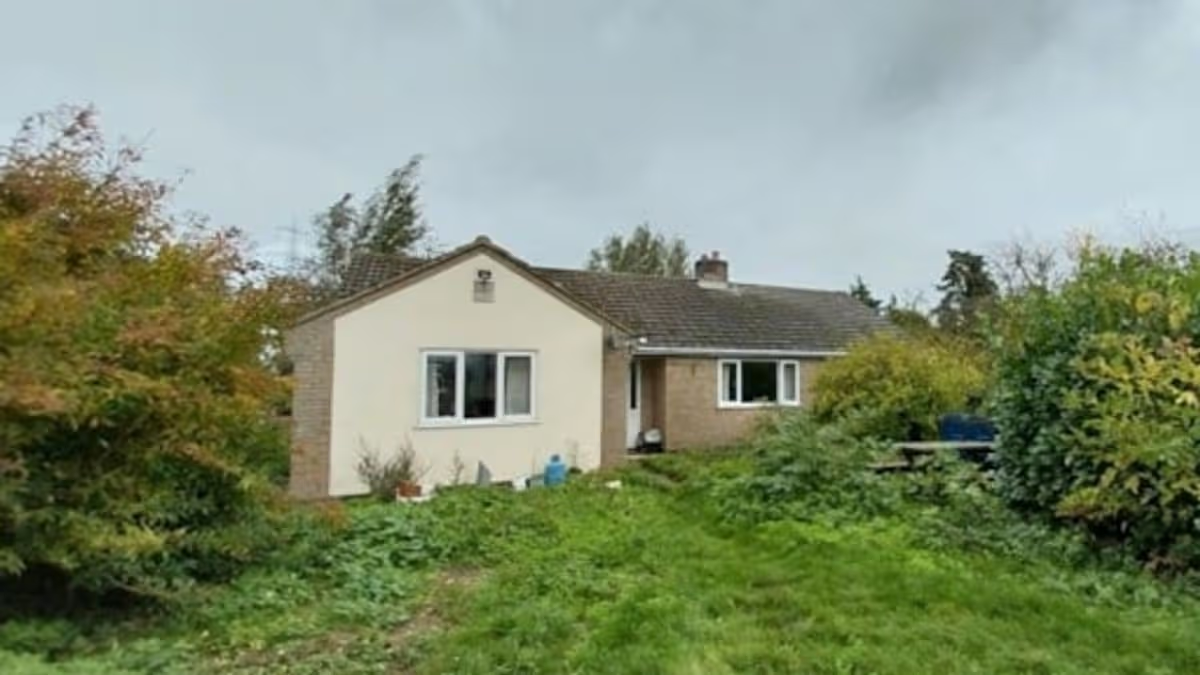
Flegcroft Farm is set in over 300 acres of land including a reservoir of approximately 12,000m3. The tenancy includes a four-bedroom bungalow with solar panels along with additional buildings, such as an office and meeting room.
Advertisement
Red House Farm is also available with just under 170-acres of land. The farm comes with a three-bedroom detached bungalow and a general-purpose building.
Continually, Whitehall Farm in Littleport is just under 50-acres and has been run as a market garden for many years, growing a wide range of vegetables for sale at Cambridgeshire markets. The farm comes with a three-bedroom detached bungalow and a general-purpose building.
The application deadline is March 25, and interviews will be held in April.
Advertisement
Chair of the Assets and Procurement Committee, Cllr Karen Young, said: “We’re very lucky in Cambridgeshire to have access to vast amounts of rural land. With this, comes opportunity and we’re pleased to be able to offer some of this land to those with ambitions to start, or develop a business.”
Cllr Young added: “We’re open to all sorts of suggestions that help to support our vison of creating a healthy, fair and sustainable Cambridgeshire, so if you have a business idea, we’d encourage you to enquire before the deadline.”
Further details about the farms and the application process can be found here.
The former star had been jailed for sexually abusing two underage girls.
Carrington Walker GAU Writer and Joshua Whorms
21:43, 14 Mar 2026
Convicted paedophile and former Grange Hill actor John Alford has been found dead in prison, only weeks after being jailed for sexually abusing two underage girls.
The 54‑year‑old was discovered unresponsive in his cell at HMP Bure, a Category C prison in Norfolk, when staff carried out morning checks on Friday (March 13). His death came shortly after he was convicted of sexually assaulting a 14‑year‑old and a 15‑year‑old during a sleepover at a friend’s home over the Easter holidays.
As the verdicts were delivered, the disgraced actor, who also appeared in London’s Burning, placed his head in his hands and shouted from the dock: “Wrong, I didn’t do this.” He found fame portraying Fireman Billy Ray in London’s Burning throughout most of the 1990s.
Speaking to the Sun, a source elaborated on the unresponsive state Alford was found in, saying: “He didn’t wake up in the morning. He was in his bed and they thought he was just asleep.
Advertisement
“But when they tried to wake him there was no response and they realised he was dead.” Alford landed the role of rebel Robbie Wright on BBC’s Grange Hill when he was 13 years old.
Ensure our latest headlines always appear at the top of your Google Search by making us a Preferred Source. Click here to activate or add us as Preferred Source.