This article was originally published in a 2025 issue of GOLF Magazine.
WHAT’S YOUR BIGGEST WEAKNESS?
It’s my last question of the day for Ludvig Åberg and likely the least original. We’re sitting in the grill room in the clubhouse at TPC Sawgrass in Ponte Vedra Beach, Fla., home course of the PGA Tour and home to its most talented young star, who has recently relocated to Northeast Florida.
I’ve spent much of the day shadowing Åberg, the 25-year-old Swede and World No. 5, watching him hit balls and take photos, first for his clothing sponsor, Adidas, and then for GOLF, while peppering him with questions in between. We’re still weeks away from Åberg winning the biggest title of his young career, a statement, come-from-behind victory at this year’s Genesis Invitational that proved his competitive fire and calm under pressure. But now that our time together is running out, it occurs to me that I’m missing a key insight into Åberg, a requirement to make any character compelling: his flaw.
Advertisement
Åberg can’t think of one.
I offer suggestions. Bad temper. Sweet tooth. Trash TV habit. “I mean, I think we all have weaknesses,” he says, charitably but unconvincingly. The rest of us, maybe, I counter. Then there’s a long, drawn-out silence.
It’s a credit to Åberg (pronounced Oh-berg) that he considers the question earnestly. He lingers so long in thought that I have time to gaze out the window, catch a glimpse of roof tile, come to the realization that this place—this red-domed, 80,000-square-foot Mediterranean-style behemoth of a clubhouse charging $800 green fees to play the island-green golf course—is the polar opposite of the minimalist golfing culture in which Åberg learned the game. But he’s adaptable. His game travels, from small-town Sweden to Lubbock to Augusta and beyond. That’s among his many strengths. As for a weakness?
“Yeah, that’s a great question,” he says.
Advertisement
IF IT FEELS LIKE ÅBERG IS STILL NEW on the scene, that’s because he is. Two years ago at this time, he was still a student at Texas Tech. Let’s get specific: In May 2023, he won the NCAA Norman Regional in his penultimate college start and just three months later won the Omega European Masters in just his second DP World Tour event as a pro. The DP win doubled as audition; the very next week he was selected for the European Ryder Cup team, a bold but inspired choice by captain Luke Donald. It would mark the first time someone had suited up for a Ryder Cup before he’d competed in a major.
“I think he’s a generational player,” Donald explained at the time. “If he wasn’t going to play this one, he was going to play the next eight Ryder Cups. That’s how good I think he is.”
That Ryder Cup week at Marco Simone, just outside of Rome, was Åberg’s introduction to a curious golfing public. Who was this six-foot-three Swede with the athletic move and air of mystery? He hit it far. He hit it close. And he didn’t say any more than he had to. Most of the American team had never seen him play, never mind tried to beat him, but on Saturday morning he delivered a performance to remember. Åberg and Viktor Hovland were put up against the American A-squad of Scottie Scheffler and Brooks Koepka. Less than two hours later, the Team U.S.A. stars walked off the course bewildered, having been handed a 9-and-7 beatdown, the widest margin in Ryder Cup history.
“Ludvig’s a stud,” said Hovland. “He doesn’t miss a shot.”
Advertisement
Åberg headed stateside after a victorious Ryder Cup debut and stayed hot through the end of the 2023 PGA Tour season. He finished T2 in Mississippi, T13 in Vegas and T10 in Mexico before winning the final event on the schedule, the RSM Classic, with a preposterous 61-61 weekend. It was a fitting capstone to a wild debut. “I still pinch myself in the morning when I wake up to realize that this is what I do for a job,” Åberg said at the post-tournament presser. “It’s been so much fun.”
He started 2024 where he’d left off: top 10 at Torrey Pines, runner-up at Pebble, top 10 at the Players. By the time Åberg arrived at the Masters, a course hostile to first-timers, there were only 10 players in the field with shorter odds. By week’s end? He’d beaten everybody except Scheffler. It was the best result by a Masters rookie since 1979. And it left the golf world with two questions: Who is this guy and where did he come from?
Ludvig Åberg at TPC Sawgrass.
Chris McEniry
Chris McEniry
BACK AT SAWGRASS, Åberg says that it’s impossible to tackle the first question without answering the second. The where and the who are intertwined. He’s the product of a specific system, of a specific coach, of a specific school and school of thought—even if it seems counterintuitive that one of the best golfers in the world grew up in a cold-weather country.
“Don’t go in the winter,” he warns, when asked to describe his native Sweden. “It’s cold. It’s dark. Nobody wants to leave their house.”
Advertisement
But in the summer? Here, Åberg sounds ready to join the tourism bureau.
“It’s a beautiful country,” he says. “It doesn’t get too hot, like certain parts of America. It’s just so nice. We have daylight ’til midnight, and everyone’s barbecuing and hanging outside. And because there’s only a few weeks a year where it’s actually nice outside, everyone takes full advantage.”
Åberg was born on Halloween in 1999 in Eslov, a town of 20,000 in southeast Sweden, which he describes with a loving shrug—when he was a kid, it was voted the most boring city in Sweden. No matter—it had plenty of room for handball and soccer, and it was home to Eslovs Golfklubb, where his dad teed it up and eventually Ludvig did too.
He describes Swedes as pleasant if standoffish. “They’re very nice, very kind, but they’re also very private. You wouldn’t see people just, like, randomly talking on a bus.”
Advertisement
Is he that way? “Deep down I am,” he says. “But I’ve gotten a little less that way as the years pass.”
Still, he found community in a golf culture he describes as open, accessible and rather un-American. “I think we have one private club in all of Sweden,” he says. “Golf is a lot cheaper than it is [in the U.S.], so there’s a lot more availability. You don’t necessarily have to belong to a club; you can show up with your friends and pay and still go play. There’s a culture of playing and of walking. We don’t really do carts at all. And I’d say, in general, there’s less of a drinking culture in Sweden. Over here, it’s a lot more cocktails while you play.”
Everything in moderation. That’s a theme.
Åberg’s father, Johan, who sells parts for construction vehicles, was the family’s resident golf nut, but his mother, Mia, a paralegal, spotted her son’s talent and drive early on. When other six- and seven-year-olds were goofing off at early clinics, Ludvig was focused on the task at hand. But, in the years that followed, no one in his life turned any one dial too far.
Advertisement
He played several other sports; soccer was his favorite. But he loved golf and got good at it. To their credit, he says, Sweden’s high school golf academies view multisport athletes favorably.
“You [develop] more coordination from multiple sports,” Åberg says. “Also, there’s the team aspect. When you’re 10, being in a locker room after you’ve lost is a pretty big lesson to learn.”
That partly explains how a tall, lanky, athletic, teenage Åberg was accepted at Filbornaskolan, a sports academy and boarding school in the coastal city of Helsingborg. And that, he says, is when everything began to change.
Ludvig Åberg at TPC Sawgrass.
Chris McEniry
Advertisement
THE WEEK BEFORE ÅBERG MADE his Ryder Cup debut, five other Swedes represented Team Europe at the Solheim Cup. Åberg knew the two highest-ranked players, Maja Stark and Linn Grant, well. They were in his eight-person class at Filbornaskolan. That’s right—three of the eight, future PGA and LPGA tour stars.
How is that possible? Hans Larsson is the man to ask. He’s been coaching golf at the school for more than two decades and oversees a program that has produced more than its share of pros. The school is selective across the board; in the golf program, a typical year will feature eight total players, four male and four female, chosen from close to 100 applicants. What makes the staff ’s approach different, Larsson says, is its big-picture approach. That’s why Åberg calls Larsson a “performance coach” rather than a swing coach. And that’s why, nearly a decade after they first met, Larsson remains his close confidant.
“We’re not just telling them, ‘This is what you should do,’ ” Larsson, phoning from Sweden, says of his students. “We’re obsessed with ‘This is why you should do it.’ I think that relates to all parts of life: nutrition, training, body movement, golf skills.” By Åberg’s recall, their program “didn’t really do high school tournaments.” That’s unthinkable to the American sporting mind; we crown national champions from age six, and the very idea of competitive junior golf conjures images of stressed-out teens grinding for life-or-death pars. But despite running an elite golf program, Larsson’s focus is rarely on cutthroat competition.
“Our kids compete at an early age,” he says, “but we try to focus on what you can learn through competing rather than just the lowest score. The Swedish system, both at our school and on the national team, is quite focused on educating and getting the players a base of knowledge in order to perform at the next level.”
Advertisement
Larsson has seen enough cautionary tales to fear the alternative. Kids who specialize early do get results early, he says—but then they often burn out faster, quit earlier, get injured more frequently or hit a ceiling.
“I would never tell them to stop playing another sport they love [to focus on] only golf, because I don’t think that’s good in any way,” he says. “I think it’s good [that they] do a lot of different things to prepare their mind and body. That’s better for your system in the long run, even if you don’t get the results as early.”
When Åberg arrived on campus at Filbornaskolan, his talent stood out. He just wasn’t particularly keen on practice. It’s not that he was anti-practice. He just didn’t really know how. But once Larsson pointed him in the correct direction, the train left the station full steam ahead. Turns out that Åberg had a superpower, and it wasn’t his swing speed. It was his ability to absorb information and commit wholeheartedly to a plan of action.
“We did this impact drill,” Larsson recalls, “and for the next two years, every time he hit a shot he did that drill. His current backswing drill he has done for four years, every swing. The things he does he has committed to over time. A lot of kids would try something, they’d go play, they might not play well and then they’d abandon that exercise. If there’s good reason to believe in it, Ludvig sticks to it.”
Advertisement
Åberg makes it sound like a natural progression. Once Larsson taught him how to practice, he implemented the regimen the way a computer might install a software update.
“I think I’ve always been disciplined,” he says. “I just didn’t know any better. And obviously that made me quite a bit better pretty quickly.”
Ludvig Åberg at TPC Sawgrass.
Chris McEniry
ONE WORD COMES UP AGAIN AND AGAIN as Åberg explains his approach: simple. Sometimes simple is Åberg obsessing over his fundamentals: the ball position, the grip, the setup. His swing hasn’t changed much in the decade he’s worked with Larsson. But mastering the little stuff goes a long way. When something is off, it’s usually a little thing. A simple thing.
Advertisement
Sometimes simple is Åberg describing things that, to mere mortals, are not simple at all. How does he go from hitting a baby fade to hitting one dead straight? “I like to keep it very simple, so it’s all just tweaks in my setup,” he says.
Other things become simple because Åberg takes action; he simplifies things for his future self. For instance, he and his caddie, Joe Skovron, meet two hours before every tee time to go over pin locations, wind and strategy.
“It just simplifies things,” Åberg says, “because when we do get to the golf course, it’s like, ‘No, this is what we said we were going to do.’ It takes away all these emotional decisions you make during a round.” Still sitting in the Sawgrass clubhouse, he gestures in the direction of Pete Dye’s Stadium Course.
“I know when I get to 12, I’m going to hit driver and I’m going to go for it,” he says, “and that just makes things easier, instead of standing on the tee box like, ‘Should I hit 4-iron?’”
Advertisement
In Åberg’s syntax, simple is synonymous with the clearest course of action. It makes the thinking the rest of us do look messy by comparison. Åberg’s swing looks simple too. That doesn’t mean you could easily adopt either as your own.
“No matter what I do today, I’m going to do the same thing tomorrow,” he says. “So, no matter if I win or I don’t win today, I’m still going to go out tomorrow and do the same thing.”
Einstein famously said that the definition of genius is taking the complex and making it simple—and he’d never even seen Ludvig Åberg hit a long iron.
THE EASY WAY OUT IS TO DISMISS ÅBERG as some kind of robotic cyborg. Some of his peers already have. But spend time with him on the range and you’ll see a creative mind at work, not a bot. He speaks with reverence about the nine-window drill he and Larsson have fine-tuned for years, a drill that requires hitting literally every kind of shot—with every club.
Advertisement
“I’ve been doing it with a 7-wood lately,” he says.
How do you even hit a low 7-wood? “Exactly,” he says, flashing his increasingly familiar, subtle grin.
Åberg still prefers playing to practicing, but at every step of the journey he has chosen to love the process. The thing he loves most about the game?
“That’s a massive question,” he says, before delivering his most expansive answer of the day.
Advertisement
“It’s so simple, but it’s so hard. It’s logical, but it’s hard. And you’re never going to be finished. You’re never going to figure it out. You can think you are, and maybe you think you’ve come a long way, but there’s so much more to learn. There’s always a better score out there, or a better shot. And trying to figure that out is what excites me. On a good day, you can come out to practice and there’s just so much you can do, y’know? It’s never, ‘Oh, I’m done with that.’ That’s what excites me.”
Given his penchant for strategic thinking, his low-key but unmistakable romanticism about the game and last year’s runner-up finish at the Masters, it’s no surprise that, as Åberg stares down his 2025 season, Georgia is on his mind. After all, beneath its luminously green exterior, Augusta National has a throwback minimalism at its core. The place is simple done right.
“There’s a lot of differences between Augusta and a normal tournament, but one thing is just so simple: the scoreboards,” Åberg says, referring to ANGC’s iconic, manually operated leaderboards. He remembers walking down No. 10 last year, when, in a dramatic moment in the final round, the leader- board changed, sending the gallery of patrons into a frenzy.
“I thought that was the coolest thing,” he says. “Nobody’s on their phone [getting] updated. It’s almost like you’re traveling back in time.”
Advertisement
AT LONG LAST, ÅBERG COMES UP WITH A FLAW.
“I used to be really poor at time management,” he says. “Double-booked every day, supposed to be in three places at the same time. I think I’ve gotten to practice that a lot more.”
Is it really a flaw if he’s already figured it out? Probably not, but at least it’s something. Besides, it’s a skill he’ll need to keep perfecting, like his setup or shot shapes of his 7-wood.
The messy, complex world is only going to want more of Ludvig Åberg.
Advertisement
Dylan Dethier welcomes your comments at dylan_dethier@golf.com.
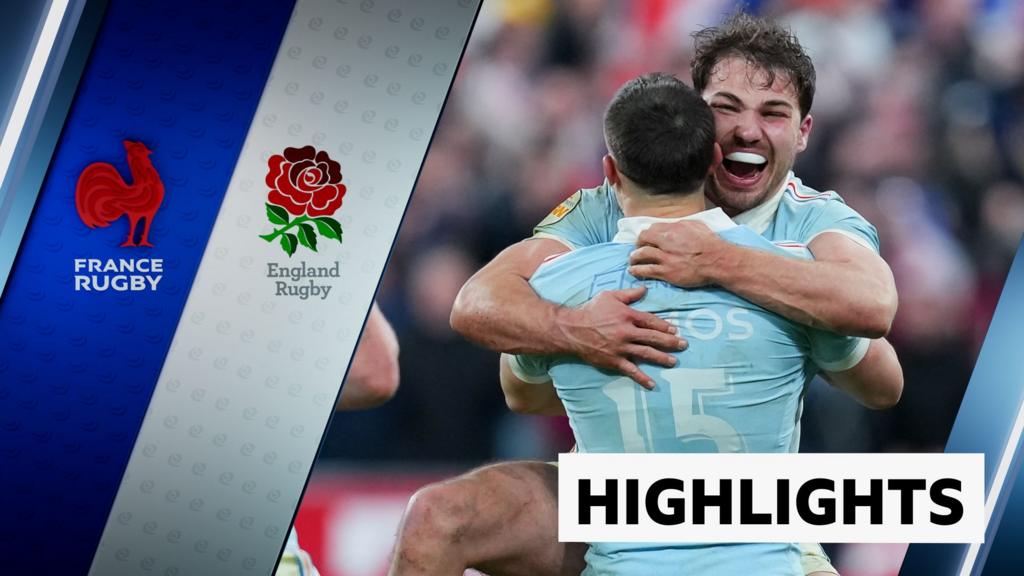
France edge out England with the last kick of the game in a sensational 13-try decider, to secure back-to-back Six Nations titles at the Stade de France.
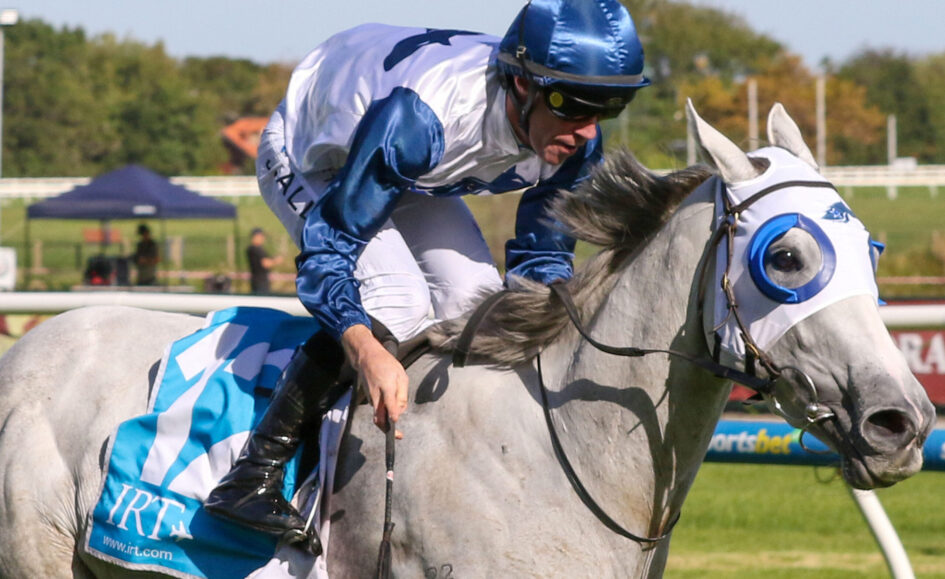
A combination of blinkers and rapid reappearance has gifted Salty Pearl’s connections a major purse at Caulfield.
The Ciaron Maher operation was unconcerned about committing the filly to Saturday’s $500,000 VOBIS Platinum Guineas (1600m), mere days after she pursued Sass Appeal home in Flemington’s Stakes race.
Having aced a similar eight-day turnaround before, the Maher team delivered another standout performance.
John Allen guided the $2.05 elect, Salty Pearl, to a commanding 2-¾ length success ahead of $41 chance Silvasista, as Wetumpka ($61) trailed by an additional 1-½ lengths for third.
Advertisement
Jack Turnbull, the Maher stable’s National Assistant Trainer, credited the second-time blinkers for Salty Pearl’s smooth passage in the 1600m feature.
“She was always in control,” Turnbull said.
“The blinkers made her travel and she took John everywhere and when he asked her to poke into a hole at about the 450 (metres), she was there straight away.
That’s when you knew she was going to be there for a long way and in the straight they spanned wide and they were coming from everywhere, but her class shone through.
Advertisement
It’s the second time we’ve backed her up for a second victory.
We had to go back from the draw last start, and we thought her run was huge, but we were beaten by a classy filly.
She’s very consistent and building a fantastic record.”
Turnbull acknowledged the volume of starts Salty Pearl has notched in her three-year-old term to date.
Advertisement
Saturday’s race was start number 12, bringing win number three, with potential interstate targets on the table after she recuperates.
Nevertheless, extending beyond 1600m seems improbable, per Turnbull.
“You could have the Queen Of The Turf Stakes which would be the top of the tree otherwise if she was in the right frame of mind and physically OK, you could possibly look at a Carbine Club Stakes as well,” Turnbull said.
“We’re conscious of where we want to get to and what she has done, but it’s good options to have.
Advertisement
I think that’s her trip. Again, you could float the idea and try (a longer trip), but she’s very effective at this distance and I don’t think we need to change.”
Nigerian forward Ademola Lookman came off the bench as Atlético Madrid secured a hard-fought 1–0 victory over Getafe CF in their La Liga match on Saturday.
Lookman started the game among the substitutes after playing an important role in Atlético’s impressive 5–2 win over Tottenham Hotspur earlier in the week in the UEFA Champions League. Head coach Diego Simeone decided to manage the Nigerian’s minutes with another big European match coming up.
Atlético took the lead early in the match when defender Nahuel Molina scored in the eighth minute with a powerful long-range strike that flew into the top corner.
Advertisement
Lookman was introduced in the second half and quickly became involved in the attack. One of his first actions was a smart pass inside the box to Julián Álvarez, but a Getafe defender cleared the ball off the goal line to prevent a second goal.
The Nigerian also had a chance of his own when he fired a shot from outside the box, but the effort went wide.
During his time on the pitch, Lookman completed 11 passes, with nine of them accurate. He also registered one shot and created a clear chance for his teammates.
Advertisement
Getafe were reduced to ten men in the 55th minute after defender Abdel Abqar was sent off following a VAR review for a foul on Alexander Sørloth.
Despite the numerical advantage, Atlético could not add another goal, but they held on to claim an important victory which marked their 17th league win of the season.
The result moves Atlético two points ahead of Villarreal CF in the table.
Lookman and his teammates will now turn their attention back to the Champions League, where they face Tottenham again in the second leg of their round-of-16 tie next week.
Fixture: (2) Jannik Sinner vs (11) Daniil Medvedev
Thanks for the submission!
Advertisement
Date: March 15, 2026
Tournament: BNP Paribas Open 2026
Round: Final
Category: Masters 1000
Advertisement
Venue: Indian Wells Tennis Garden, Indian Wells, California, USA
Surface: Hard (outdoor)
PrizeMoney: $9,415,725
LiveTelecast: USA – Tennis Channel | UK – Sky Sports | Canada – TSN, TVA Sports, DAZN
Advertisement
Jannik Sinner vs Daniil Medvedev preview
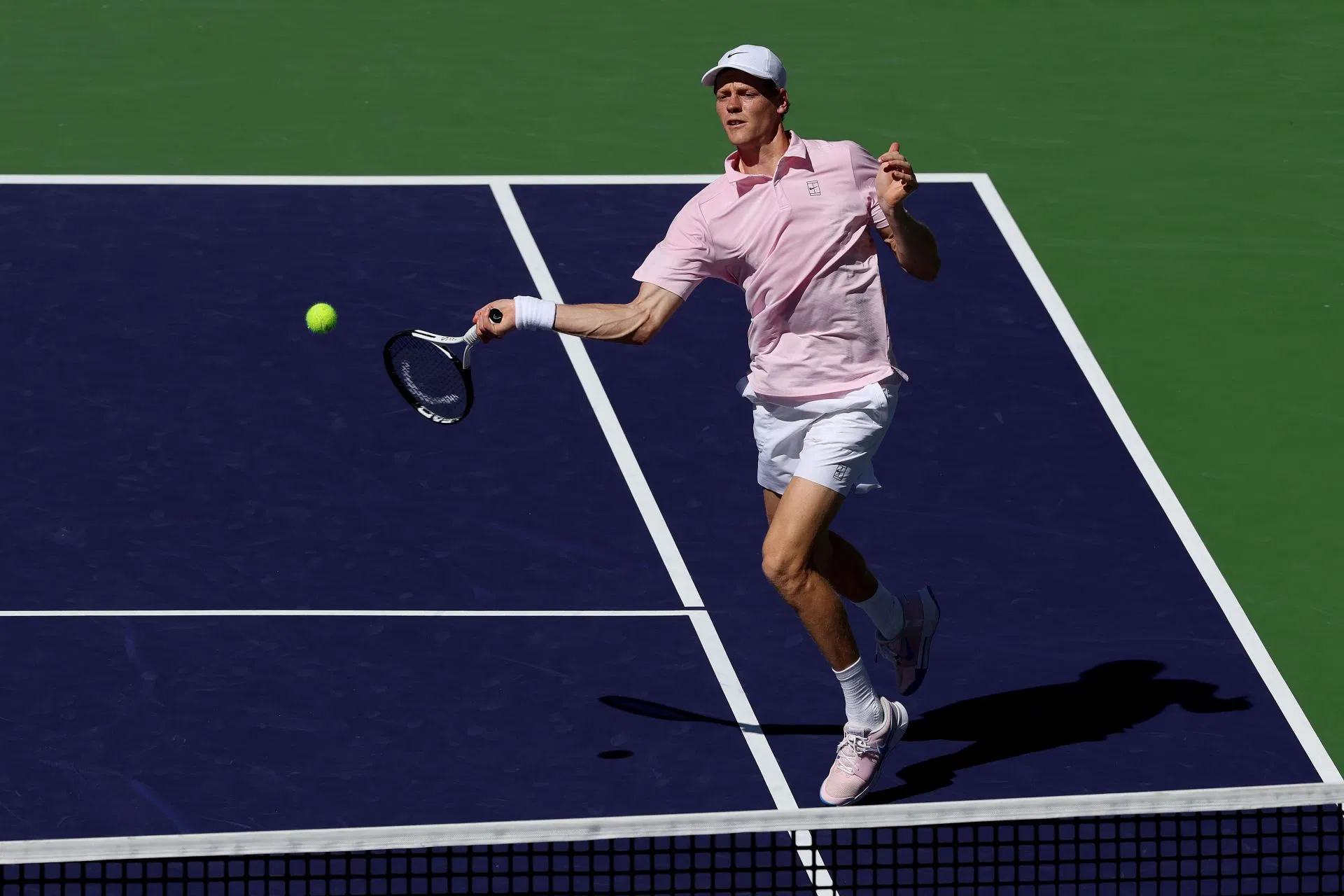
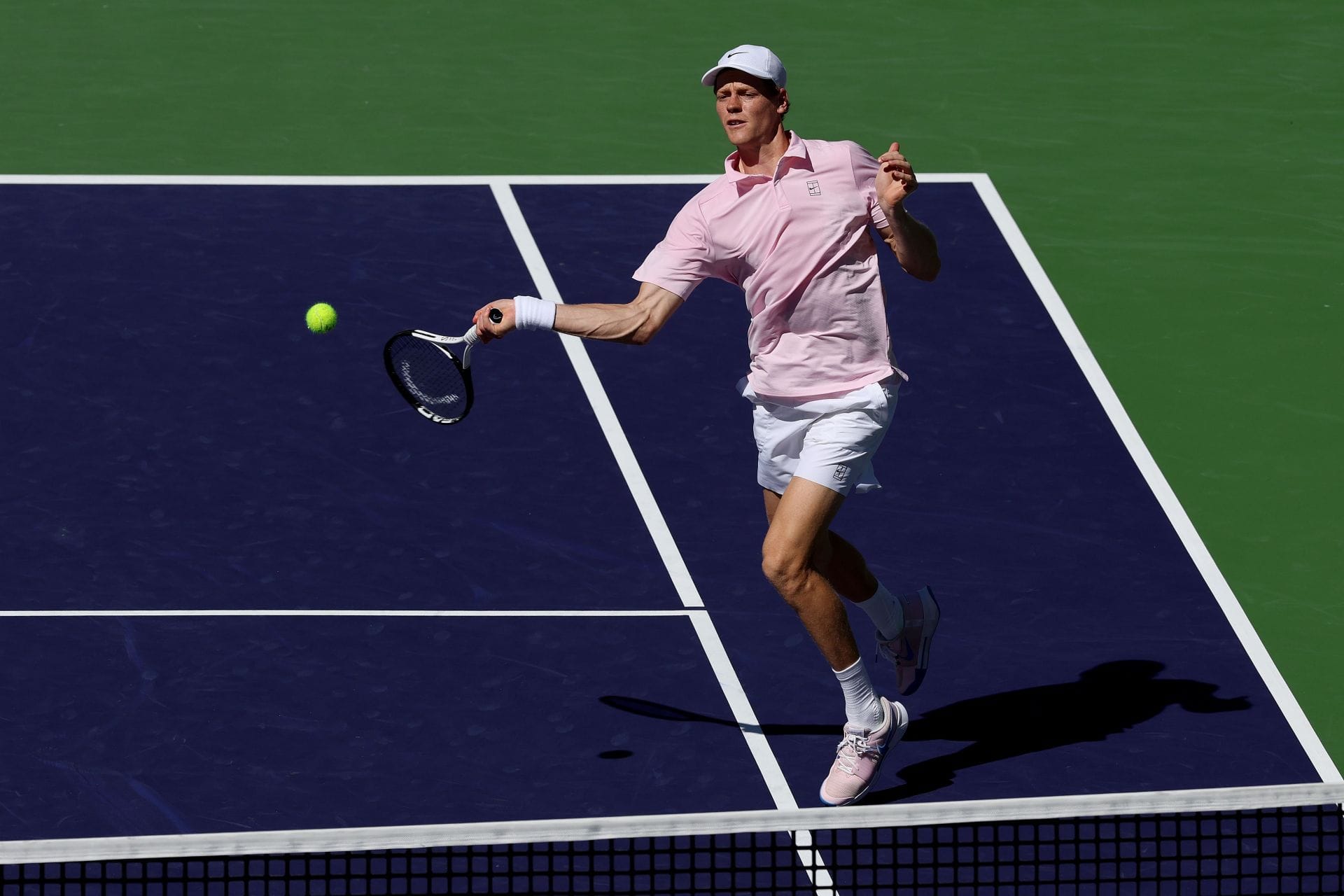
Jannik Sinner- Indian Wells – Source: Getty
Second seed Jannik Sinner will face 11th seed Daniil Medvedev in the Indian Wells final. Whoever wins will be the first male singles champion from their respective countries at the Masters 1000 event.
Sinner has won 12 out of 14 matches so far this season, currently enjoying his first final run at a tournament in 2026. The Italian previously competed at the Australian Open and the Qatar Open, reaching the semifinals and quarterfinals, respectively. Sinner is yet to drop a set in Indian Wells, beating the likes of Dalibor Svrcina, Denis Shapovalov, Joao Fonseca, and Alexander Zverev en route to the final.
Apart from his fourth-round match against Fonseca that ended 7-6(6), 7-6(4), Sinner wasn’t really pushed in any of his other fixtures. The Italian has dropped 28 games so far in Indian Wells.
Advertisement
Medvedev’s win-loss record a day before last year’s Indian Wells final was 12-6. Fast forward a year, and the Russian has won 18 out of 21 matches so far in 2026 and is competing in the final of the Masters 1000 event. He has had an incredible start to the season and has already won two titles in Brisbane and Dubai.
Like Sinner, Medvedev is also yet to drop a single set in Indian Wells and has dropped just 25 games so far. The Russian reached the semifinals after defeating Alejandro Tabilo, Sebastian Baez, Alex Michelsen, and defending champion Jack Draper. Here, he beat Carlos Alcaraz for the first time since the 2023 US Open to reach his third Indian Wells final.
Jannik Sinner vs Daniil Medvedev head-to-head
Sinner had a narrow 8-7 head-to-head lead between the two, winning eight of their last nine fixtures. Their most recent encounter came in the round robin of the 2024 ATP Finals, with the Italian winning 6-3, 6-4.
Jannik Sinner vs Daniil Medvedev odds
Player
Moneyline
Handicap Bets
Total Games (Over and Under)
Jannik Sinner
-425
-1.5 (-165)
Over 21.5 (-115)
Daniil Medvedev
+333
+1.5 (+115)
Under 21.5 (-125)
All odds sourced from BETMGM.
Advertisement
Jannik Sinner vs Daniil Medvedev prediction
Sinner will enter the match as the favorite to win but Medvedev will be high on confidence after defeating Alcaraz, and there is a very good chance of him giving the Italian a run for his money.
Sinner has won 136 out of 162 points (~83.9%) on his first serve so far in Indian Wells, serving 41 aces. The Italian has amassed 110 winners compared to just 32 unforced errors, and has won 33 out of 39 points (~84.6%) at the net. Sinner’s enormous amount of success over the past couple of years has been attributed to his tennis as well as his mentality, so Medvedev will have to be at his best.
The Russian’s first-serve numbers in Indian Wells have been decent but not as good as Sinner’s, winning 132 out of 174 points (~75.9%) and amassing 28 aces. He has produced 90 winners and 88 unforced errors while winning 22 out of 28 (~78.6%) points at the net.
Medvedev’s style has always centered around efficiency, and that is probably what his plans will be in the final. That said, he has to be careful not to serve too many unforced errors.
Advertisement
While Medvedev is in impressive form. Sinner’s composure seems tough to break, and the Italian should manage to come out on top and become only the second Indian Wells singles champion from his country, the first being Flavia Pennetta.
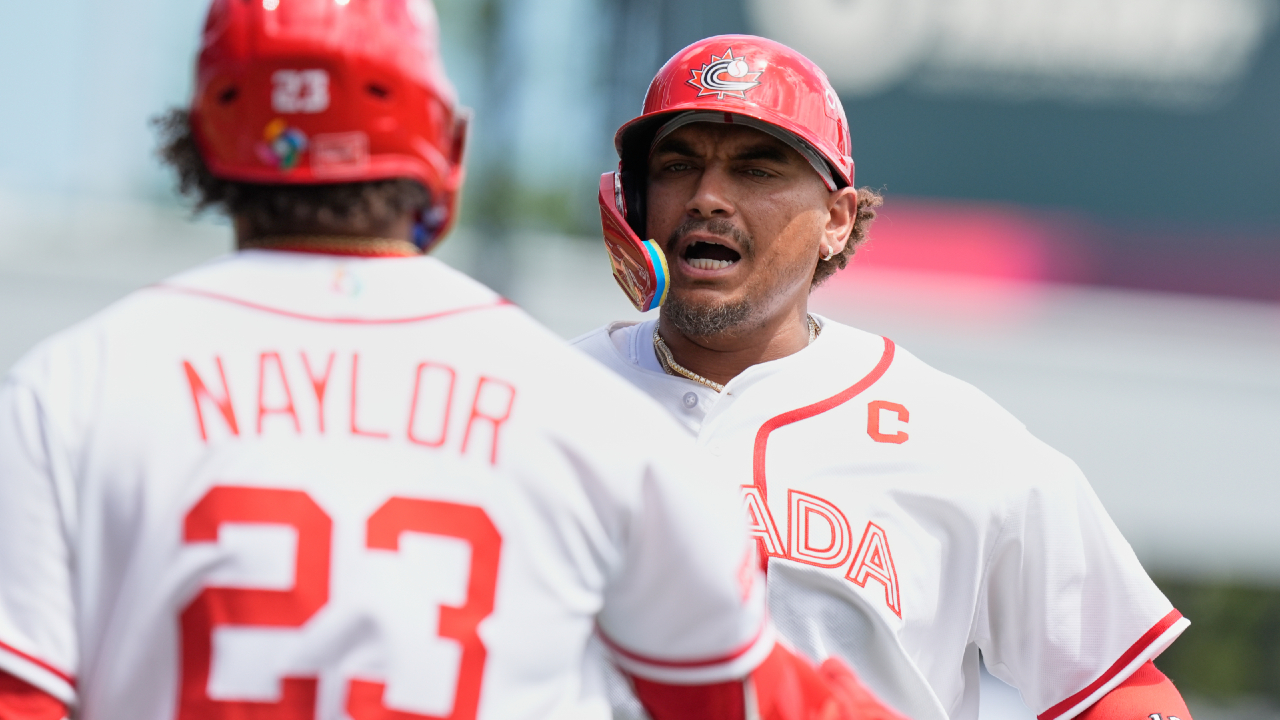
After reaching the second round of the World Baseball Classic for the first time in 2026, Canada won’t be able to build on its momentum at the 2028 Summer Olympics in Los Angeles.
With spots up for grabs at the 2028 Games for the highest two finishers from the Americas at the WBC — excluding the host United States — Canada remained in the mix despite losing in the quarterfinals on Friday
Canada joined the Dominican Republic, Puerto Rico and Venezuela as the four Americas teams to advance to the knockout round at the WBC, meaning the two teams that advanced the furthest in the tournament would claim the Olympic berths
After the Dominicans beat Korea on Saturday and Canada lost to the U.S., the Canadians still had a path to the six-team Olympics qualify via tiebreaker, but only if both Puerto Rico and Venezuela lost.
Advertisement
And while Puerto Rico fell to the upstart Italians, Venezuela delivered an upset over Japan, earning the second spot in the WBC semifinals and the 2028 Olympics.
Two more participants in the Olympics will be determined at the WBSC Premier12 in 2027, where the highest-placed Asian team and the top team from Europe or Oceania will each take a spot.
The final spot will go to the winner of a six-team Olympic qualifier, which will be staged no later than March 2028. The participants in that tournament will include two teams from the 2027 European Championship, two from the 2027 Asian Championship, the African champion and the highest-placed eligible team from the Oceania Championship.
Canada last competed at the Summer Olympics in 2008, when it finished sixth in Beijing. It finished fourth at the 2004 Games in Athens, following an inspired run to the bronze-medal game.
Advertisement
Team Canada also participated in the 1984 and 1988 Olympics, when baseball was just a demonstration sport.
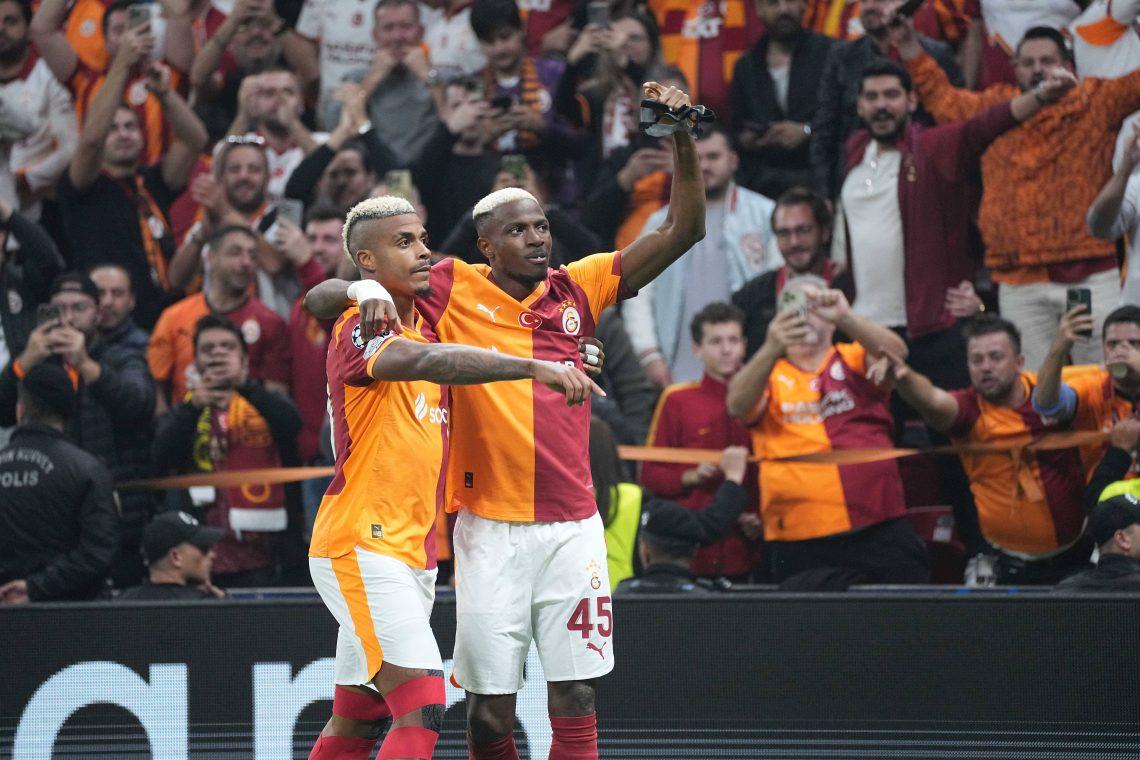
Victor Osimhen was on target as Galatasaray defeated İstanbul Başakşehir 3–0 in their Turkish Süper Lig match on Saturday.
The Nigerian striker continued his impressive scoring run, helping Galatasaray secure a comfortable home victory and strengthen their position in the league title race.
After a quiet first half, the home side took control of the match after the break. Wilfried Singo opened the scoring in the 57th minute after sustained pressure on the Başakşehir defence.
Advertisement
Nine minutes later, Osimhen doubled Galatasaray’s lead with a well-taken finish, putting the game firmly in favour of the hosts.
Galatasaray remained in control and added a third goal in the 84th minute through Renato Nhaga to seal the convincing victory.
The result keeps Galatasaray in a strong position in the race for the Süper Lig title as the season moves closer to its final stage.
Advertisement
Osimhen and his teammates will now turn their attention to the UEFA Champions League, where they face Liverpool in the second leg of their tie on Wednesday. ⚽
We heard that “March is going to be major.” We listened to Brian Rolapp. We watched hundreds of shots into an island — and more than a few into the water around it. But now we’re down to the Players Championship’s final day, so let’s talk about what we’ve seen and what we’re about to see at TPC Sawgrass, where Ludvig Aberg leads by three. Reviewing and previewing the action are writers Josh Schrock, Dylan Dethier and Nick Piastowski.
Nick Piastowski: Hey, Josh. Hey, Dylan. I think combined we watched or read somewhere around 30 hours of Players Championship golf on Saturday, so what’s a few more minutes here? Question one: Pretend someone didn’t watch a single second. What do you tell them?
Josh Schrock: Despite some scratchy moments, Ludvig Aberg took command of this tournament while the other contenders tried desperately to keep their hands on the wheel. As it seems to happen every year, TPC Sawgrass hit back at the end to trim Ludvig’s lead to three, but the day was about his ability to navigate a volatile track while Xander, JT and others not named Michael Thorbjornsen made critical mistakes. The bigger picture is that the Players continues to deliver year in and year out. The course is the perfect test as long as the weather cooperates in March and it always delivers the drama. Sunday will be a lot of fun.
Dylan Dethier: I think I’d start here: The Players rocks and you should watch it tomorrow! It’s funny, I think the “fifth major” talk once again sidetracked us from how great a golf tournament this is. Complete test. Birdies, bogeys, others, drama. Today was great action — big moves and stall-outs too. Ludvig’s out in front. A bunch of flushers are lurking, ready to chase him down. Sunday should be fun.
Advertisement
“>
Piastowski: In a word? Ball striking. In another word? Cool. You need both to win at Sawgrass, and the very top of the leaderboard has a pair of exquisite ball strikers and cool customers in Aberg and Thornbjornsen. Sunday should be extremely entertaining. OK, what’s your takeaway, defining moment from Aberg on Saturday?
Schrock: The defining moment to me was Ludvig’s six-foot putt for par on No. 7. He was skidding all over the place early and was in danger of falling out of the outright lead. He poured it in the center and his lead was four a few holes later. A few takeaways: The first is that when he’s in full flight, as he has been most of the week, Ludvig is mesmerizing to watch. The tee shot he hit on 18 was as pure of a shot as you could draw up in that moment. He scuffled last year after his T7 at the Masters, but the slight tweak he made at Pebble has paid off, and when he’s playing like this, he’s really, really hard to beat. The second takeaway is just that the Players is set up to deliver a career-altering win for someone for the first time since Cam Smith in 2022. Scottie and Rory have dominated this event of late, but on Sunday, we’ll either get a “hello, world” win for Ludvig, a career-elevator for Matt Fitzpatrick, Xander Schauffele or JT, or a breakthrough win for Cameron Young or Michael Thorbjornsen. That’s the good stuff.
Advertisement
Dethier: His eagle at No. 11 just looked so … easy. This is the joy of watching Aberg: At his best he makes it all look smooth, effortless, elegant. That’s how 235-yard long irons end up like that.
Piastowski: Yes, that eagle at 11 was sensational, as was the putt on 7, as was the drive on 18, and I think that’s what captivates folks about Aberg — he may well be capable of doing that consistently over a period of five or six years and wins who knows how many big titles. Shoot, maybe the run starts Sunday. How is Aberg doing it all? What’s the part of his game that impresses you most?
Schrock: He’s third in strokes gained: off the tee and fourth in approach. He hits it a mile and straight as an arrow. You can attack a lot of the flags at TPC Sawgrass from the short grass, but being out of position is when the big numbers come into play. He’s avoided the big miss with effortless power and precision, which is what always grabs me about Ludvig.
Dethier: This is a cop-out, but … all of it. The fact that he can hit it as far and fast as he does while still gaining strokes in every facet of the game makes him a real unicorn.
Advertisement
“>
Piastowski: As he walked up 18 after his tee shot on Saturday, the NBC cameras captured Aberg alongside caddie Joe Skovron and on-course analyst Jim “Bones” Mackay — and Aberg was laughing. Laughing in the face of all that danger around him? Impressive. Dylan, you had a nice line in our Slack channel this afternoon — that Michael Thorbjornsen is ‘Aberg-lite.’ Can you expand on that? Josh, agree or disagree?
Schrock: I think it’s a great comparison. Both blast it with ease and have similar personalities. Also, both TGL stars we can’t forget.
Advertisement
Dethier: Both tall, strong, upright, athletic, still low-key. They’ve played in similar circles since college, where they had a friendly occasional rivalry. Now they both live in the great Ponte Vedra area, play part-time out of TPC Sawgrass and will share tomorrow’s final tee time. Not a bad time to be either of ‘em, to be honest.
Piastowski: Both have “process-ism,” if I’m allowed to invent a word. I’m not sure they’re completely devoid of nerves — you’ll undoubtedly see a few on Sunday. But man, it really does seem that they lock back into what got them to where they are. They’re kinda nice dudes, too. I think we’d also like to see a Thor-Aberg next September in Ireland. OK, who below those two makes a move on Sunday?
Schrock: I have to think JT will make a run, given his history on this course and how he was able to salvage today’s round after the 7 on No. 6. This course fits his eye and we know he’ll try to play gas-pedal golf tomorrow. Honorable mention to Viktor Hovland, who is quietly in that pack at eight-under.
Dethier: Xander Schauffele. He hit it so well on Friday but fought his swing Saturday — I think he frees up and fires on Sunday. But wow, there are some fun potential contenders. Hovland, Thomas, Young … this could get really fun.
Advertisement
Piastowski: Let’s have fun. Scottie, out earlier, shoots a 62 and sits back and watches everyone chase him as he eats Chipotle. Some squirrely shots here and there on Saturday, as you’d expect at Sawgrass. What surprised you most?\
Schrock: I was pretty surprised Cameron Young hit his tee shot on 18 into the water after stuffing it to a foot on 17. He was primed to be in the final pairing with Ludvig before giving two shots back on 18. Thought he’d close in style, but that 18th hole, especially with the wind off the right, gives these guys fits.
Dethier: Guys seem to have a really tough time committing to the tee shot at No. 12, which is definitely an awkward hole, but 10 bogeys out of 38 players in the late wave on a nearly drivable par-4 is more than I’d expect.
Advertisement
Piastowski: Justin Thomas could very well be in the final group, if not for a pair of water ball tee shots. But that’s Sawgrass. All right, fine I’ll ask: Is this thing a major? Major worthy? What do you want to call it?
Schrock: It’s not a major and that’s perfectly fine. It’s the PGA Tour’s flagship event on an awesome course that almost always delivers. It rings in the start of the major season, but it’s not itself a major. And that’s OK!
Dethier: No. It’s the Players. And that’s actually great!
Piastowski: Yeah, I like all that. The trial balloon of the whole thing was very interesting to watch, though. All right, who wins this thing? (Bonus, if you like, since Sunday’s Selection Sunday — who wins that thing?)
Advertisement
Schrock: I think Ludvig walks to it. This is a fitting championship for him to win and I think he puts this away by the turn tomorrow. As for March Madness, let me just eat more chalk and take Duke. Really going out on a limb to close us out.
Dethier: Ludvig. And Michigan.
Piastowski: Cam Young. In a playoff. And Iowa State.
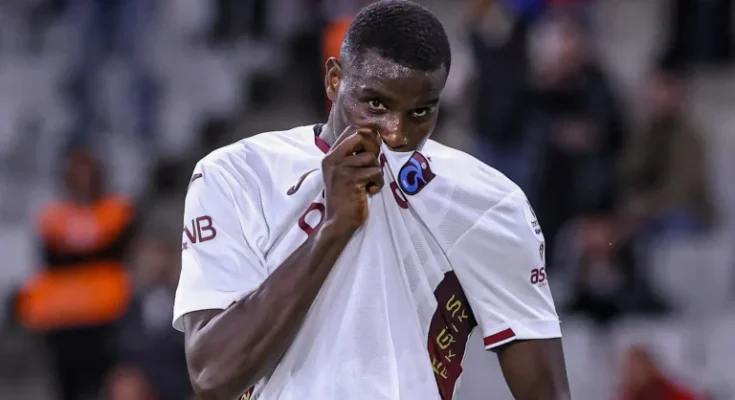
Paul Onuachu continued his excellent form on Saturday as Trabzonspor defeated Çaykur Rizespor 1–0 in the Turkish Süper Lig.
The Super Eagles striker scored the only goal of the match six minutes into the second half. He finished from close range after a well-timed cut-back from teammate Oleksandr Zubkov.
The goal took Onuachu’s total to 23 goals and two assists in 26 games in all competitions this season. His performances have played a major role in Trabzonspor’s strong attacking display.
Advertisement
The 31-year-old has now scored in eight consecutive league matches. He has found the net against several teams during this run, showing consistent form in front of goal.
This achievement makes him the first Trabzonspor player to score in eight or more straight league games since 2011.
Onuachu is also close to setting another record. He is nearing the mark for the most goals scored by a foreign player in a single league season for Trabzonspor. The current record stands at 25 goals.
Advertisement
The Nigerian striker will hope to continue his scoring streak as the season progresses.
Luka Doncic sank a baseline jumper with half a second remaining in overtime on Saturday to give the Los Angeles Lakers a dramatic 127-125 NBA victory over Denver for their fifth consecutive triumph.
NBA scoring leader Doncic had a triple double with 30 points, 13 assists and 11 rebounds to foil a triple-double effort by Denver’s Nikola Jokic, who had 24 points, 16 rebounds and 14 assists.
Advertisement
“This game was very big,” Doncic said. “We’ve still got a long way to the playoffs. We’ve got to approach every game the same way.”
Advertisement
The contest only reached overtime because LA’s Austin Reaves, who scored a game-high 32 points, rebounded his own missed free throw and sank a tying basket from the left side with 1.9 seconds to play in regulation.
“Saw they only had one person on that side so tried to miss on that side and go make a play,” Reaves said. “I’ve made it once before but not to this magnitude.”
The score was deadlocked again late in overtime before Doncic’s closing heroics.
Advertisement
Advertisement
“I just wanted to get my shot off,” the Slovenian superstar said. “I saw there was an opening so I went to the other side. Went to my step back, I’ve worked on this, and trust my shot.”
The Lakers squandered a 17-point lead then erased an eight-point Denver fourth-quarter advantage and won to stand 42-25, third in the Western Conference, while the Nuggets fell to 41-27, sixth in the West.
“That’s the best I’ve ever seen the crowd here,” Doncic said.
The Lakers won the season series over Denver, a key tie-breaker edge in the standings if needed.
Advertisement
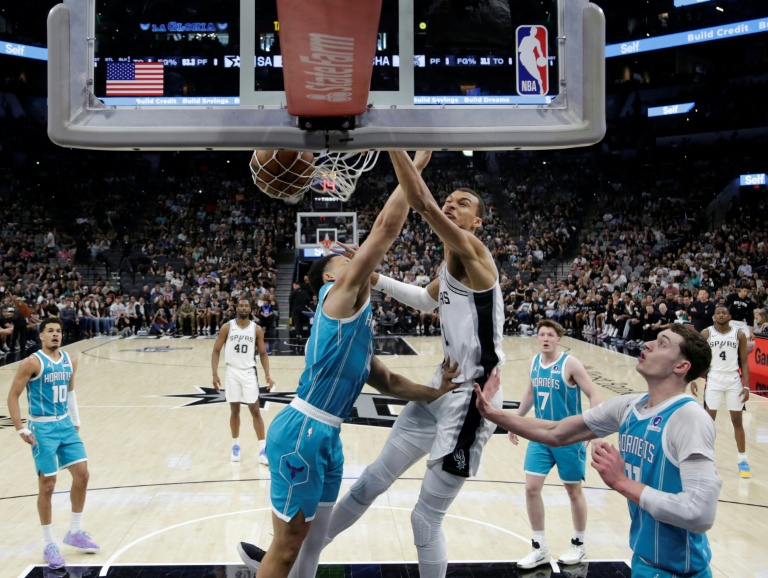
At San Antonio, Victor Wembanyama delivered an electric all-around performance to lead the Spurs over Charlotte 115-102.
Advertisement
Wembanyama scored a game-high 32 points and grabbed 12 rebounds for San Antonio’s 17th victory in 19 games.
The 22-year-old, 7-foot-4 (2.24m) French center added eight assists, three blocked shots and two steals to avenge a January loss at Charlotte.
Advertisement
“That might have been my worst defensive game all year,” Wembanyama said. “So yeah, we had to make a statement today.”
The Spurs improved to 49-18, the second-best record in the NBA and only three games behind West leader Oklahoma City.
“What’s next is pretty straightforward. We want to win everything,” Wembanyama said.
Advertisement
Advertisement
“We’ve got one disadvantage is that we don’t got experience. But that can be an advantage, too, because if we don’t know it’s impossible we might still do it.”
Wembanyama is mindful of keeping his body healthy for the upcoming post-season and in his quest for personal awards — the NBA Most Valuable Player and NBA Defensive Player of the Year trophies.
“In my mind it’s taking great care of my body because I also want to win the MVP and defensive player of the year,” Wembanyama said.
Wembanyama scored four points and added an assist in a 12-0 Spurs run to grab a 104-88 lead with 6:05 remaining.
Advertisement
Advertisement
– Hawks’ streak at nine –
The Atlanta Hawks stretched their win streak to nine games, a run they had not produced since the 2014-15 campaign, by defeating visiting Milwaukee 122-99.
Jalen Johnson had a triple double for the Hawks with 23 points, 12 assists and 10 rebounds while C.J. McCollum scored a game-high 30 points for Atlanta.
Advertisement
Orlando’s win streak reached seven games with a 121-117 victory at Miami, ending the Heat’s win streak at seven behind 27 points by Paolo Banchero and 21 by Desmond Bane.
Boston’s Jayson Tatum had 20 points, 14 rebounds and seven assists while Neemias Queta scored a game-high 24 points to spark the Celtics’ 111-100 victory at Washington, the Wizards losing skid reaching 11 games.
Philadelphia’s Quentin Grimes scored a season-high 28 points to lead the host 76ers over Brooklyn 104-97.
Frank Onyeka has reacted to Coventry City’s 2–1 loss to Southampton in the EFL Championship.
The Nigerian midfielder, who joined Coventry in the January transfer window, had helped the team win six matches in a row before the game. However, he was unable to make a strong impact as Southampton secured a narrow victory.
Despite the defeat, Coventry remain top of the league table.
Advertisement
Speaking after the match, Onyeka encouraged his teammates to stay focused and move on quickly.
“It was a good game, but unfortunately, we could not get our win today. We had lots of chances which didn’t go in. It’s just one of those days. We have to pick ourselves up and go into the next game,” he said.
“The defeat isn’t something any player wants, but again, it’s one of those days where we have to accept what has happened and use it to fuel us in the next game.
Advertisement
“When we scored, we thought it was time to go for a point, but at the same time, there were other chances. It’s disappointing, but there’s nothing to dwell on here.
“I love playing here. From my first day at the club, I knew it was right. They welcomed me well, and I had my son here,” Onyeka added.
The midfielder says the team must respond strongly in their next fixture as they continue their push for promotion.



;)
;)
;)
;)



;)