

Business
Rising geopolitics and indigenisation push place India’s defence sector in a structural growth cycle


For India, this shift coincides with a policy framework that prioritizes self-reliance in defence production. The government’s continued emphasis on indigenisation, alongside initiatives aimed at strengthening domestic manufacturing capabilities, is expanding the sector’s addressable market. Increasing participation from private industry, start-ups and MSMEs is also improving the depth of the domestic defence ecosystem while encouraging innovation and cost efficiency across projects.
A key driver of sector growth is the steady pipeline of procurement programs and capital acquisition approvals across the armed forces. Recent approvals of large defence acquisition proposals underscore the government’s ongoing commitment to modernizing military capabilities and enhancing operational readiness. Such approvals not only support order inflows but also provide greater revenue visibility for the sector over the medium term.
Export opportunities are emerging as another significant catalyst. With several countries increasing defence spending and seeking diversified supply sources, Indian manufacturers are gradually expanding their presence in global markets. The Middle East already accounts for a significant share of global arms imports, and continued demand for equipment such as missiles, air-defence systems, surveillance technologies and electronic warfare solutions could open new avenues for Indian defence exporters.
At the same time, the sector continues to face certain operational challenges. Supply-chain constraints—particularly for specialized components and imported subsystems—could occasionally affect production schedules or execution timelines for complex defence platforms. Addressing these bottlenecks through greater localization and technology development remains a key priority for policymakers and industry participants alike.

Despite these near-term constraints, the broader outlook for the defence industry remains positive. Increasing budget allocations, emergency procurement programs and technology-focused development roadmaps are likely to sustain order inflows and improve long-term revenue visibility for sector participants.
Taken together, rising defence spending, a robust procurement pipeline and growing export opportunities suggest that India’s defence sector is transitioning into a structurally stronger growth phase. As indigenisation deepens and domestic capabilities expand across platforms—from electronics and missiles to aerospace systems—the sector appears well positioned to benefit from both domestic modernisation and global demand for defence equipment.
Bharat Electronics: Buy| Target Rs 520
Supported by a robust INR730b order book and sustained inflows, Bharat Electronics remains well placed to benefit from large platform programs across the Army, Navy, and Air Force. A strong addressable market underpins expectations of sustained revenue growth exceeding 15% over the coming years.
Strong execution drove revenues and margins above expectations, aided by disciplined cost control and operating leverage. Effective supply-chain management has insulated the company from semiconductor shortages and commodity volatility, while higher indigenisation levels continue to support better-than-expected profitability.
Looking ahead, Bharat Electronics is positioned to capitalise on sizable orders, including QRSAM, Akash-NG, next-generation corvettes, and base programs. Improved margins and healthy execution underpin management’s guidance, with revenue and PAT expected to grow at 18% and 16% CAGR over FY25–28.
Kirloskar Oil Engines: Buy| Target Rs 1600
Kirloskar Oil Engines continues to strengthen its market position across both low and high-horsepower power generation segments, supported by ongoing capability expansion and a consultant-led sales approach.
The company is witnessing improving order visibility driven by increasing opportunities in the nuclear and defence sectors, CPCB 4+ replacement demand, and growing export traction. The transfer of the B2C business enables a sharper focus on the higher-margin B2B portfolio.
In 3QFY26, revenue grew 35% YoY to INR13.8b, led by strong performance in the power generation and industrial segments. EBITDA margin stood at 12.2%, impacted sequentially by higher other expenses, while adjusted profit after tax was INR1,022m.
Over 9MFY26, revenue, EBITDA, and profit after tax recorded steady growth, reflecting healthy demand momentum and improving operating performance.
(The author Siddhartha Khemka, Head of Research – Wealth Management, Motilal Oswal Financial Services)


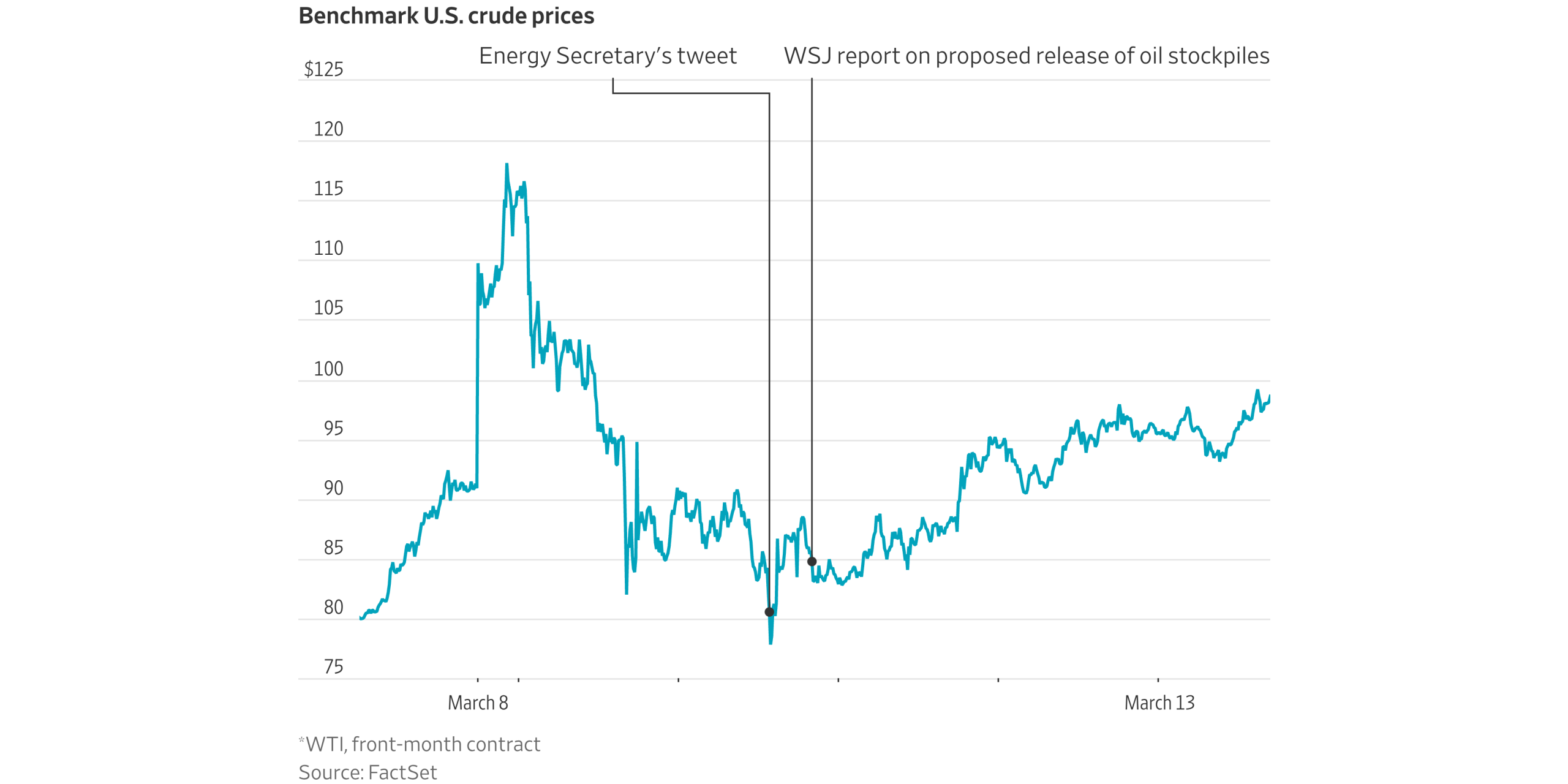
U.S. gasoline prices have now climbed 23.5% since the war began, climbing to a national average of $3.68 a gallon on Saturday. The global price of oil has surged even more sharply, rising 40% over the same period to $103.14 a barrel on Friday. Historically, gas prices tend to lag behind shifts in crude oil costs, suggesting further increases could be on the horizon.

Goldman cuts near-term TOPIX targets on heightened geopolitical concerns

Tax harvesting involves two methods tax loss harvesting and tax gains harvesting. Investors are liable to pay capital gains tax on equities only when the shares are sold. While taxes are payable on gains, investors also have an opportunity to save taxes if they incur losses.
What is tax loss harvesting?
Tax loss harvesting involves selling equities that are at a loss and then carrying forward the loss to offset gains in future years. The loss can be carried forward for up to eight assessment years from the assessment year in which it was incurred.
Example: An investor named John sold shares of X Company on Friday (bought in February last year) and made a profit of Rs 5 lakh. Since the holding period is more than 12 months, this is treated as a long-term capital gain (LTCG).
Breaking down his tax liability: Rs 1.25 lakh of the profit is exempt, while the remaining Rs 3.75 lakh is taxed at a flat rate of 12.5%. John wants to reduce his tax liability using tax loss harvesting.
John also owns shares of Y Company, which have fallen significantly below his purchase price. By selling Y shares and incurring losses of Rs 3.75 lakh, his overall tax liability for the year is reduced to zero, as the losses offset the gains from X shares.
“This method is called tax loss harvesting. Normal human tendency is to sell shares that are profitable and hold shares that are in loss. Tax loss harvesting is about selling shares incurring substantial loss so that it can offset profits already made. Unless you sell the shares, you cannot claim the loss under Income Tax law,” said tax and investment expert Balwant Jain.For short-term capital gains (STCG), i.e., profit from selling shares held for less than 12 months, the tax is 20% flat and does not enjoy the Rs 1.25-lakh exemption like LTCG. You can book losses up to the gains made during the year to reduce STCG liability, Jain explains.
What if the stock you want to sell for tax loss harvesting is expected to rally in the future? In John’s example, if he believes Y shares will rise, he can still book a loss and buy the same stock in a different trading account on the same day. If he has only one demat account, he can repurchase the stock the next day. However, intraday sale and purchase on the same day using the same account will not qualify for tax loss harvesting.
What is tax gains harvesting
Consider an investor named Harry. He holds 100 shares of A Company for more than 12 months. Today, the total profit from selling all shares would be Rs 3 lakh.
If Harry sells only 41 shares and continues to hold the rest, his LTCG reduces to Rs 1.23 lakh, which falls under the exemption limit, resulting in zero tax liability. This strategy is called tax gains harvesting.
In the July 2024 budget, Finance Minister Nirmala Sitharaman revised STCG and LTCG rates:
- STCG: increased from 15% to 20% for shares held less than 12 months.
- LTCG: increased to 12.5% on gains exceeding Rs 1.25 lakh for shares held 12 months or more.
(Disclaimer: Recommendations, suggestions, views, and opinions given by the experts are their own. These do not represent the views of The Economic Times.)


US airline CEOs urge Congress to end standoff, pay airport security officers

This copy is for your personal, non-commercial use only. Distribution and use of this material are governed by our Subscriber Agreement and by copyright law. For non-personal use or to order multiple copies, please contact Dow Jones Reprints at 1-800-843-0008 or visit www.djreprints.com.

TPG Can Navigate the Private Credit Unwind. Hold on to the Stock.
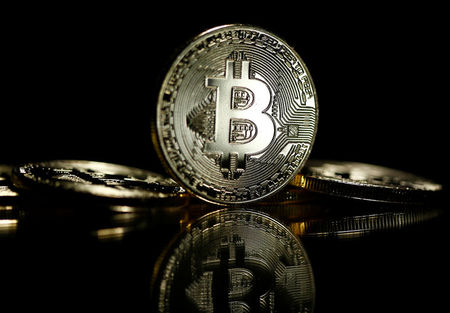
Bitcoin: Strategy and ETF demand provide 6% weekly lift amid regional conflict
Shaia Hosseinzadeh bet that a war in the Middle East would upend global markets.
This was the week his wager paid off.
His OnyxPoint Global Management had already been snapping up shares in liquefied natural-gas companies, rare-earth firms and energy producers when missiles and drones started to fly to and from Iran. Wall Street’s initially sanguine response to conflict, Hosseinzadeh said, “gave us more conviction to lean in to the trade.”
Just last month, when the hedge fund founder was discussing opportunities and risks ahead with investors at the Ritz-Carlton South Beach in Florida, U.S. oil prices had largely languished below $65 a barrel for months. Some forecasters projected more declines to come, leaving oil bulls on the outside looking in. But as U.S. warships massed near the Middle East and rumors swirled of huge trades for pricier oil, Hosseinzadeh saw one risk that loomed large.
Copyright ©2026 Dow Jones & Company, Inc. All Rights Reserved. 87990cbe856818d5eddac44c7b1cdeb8
All hail the new king of packages.
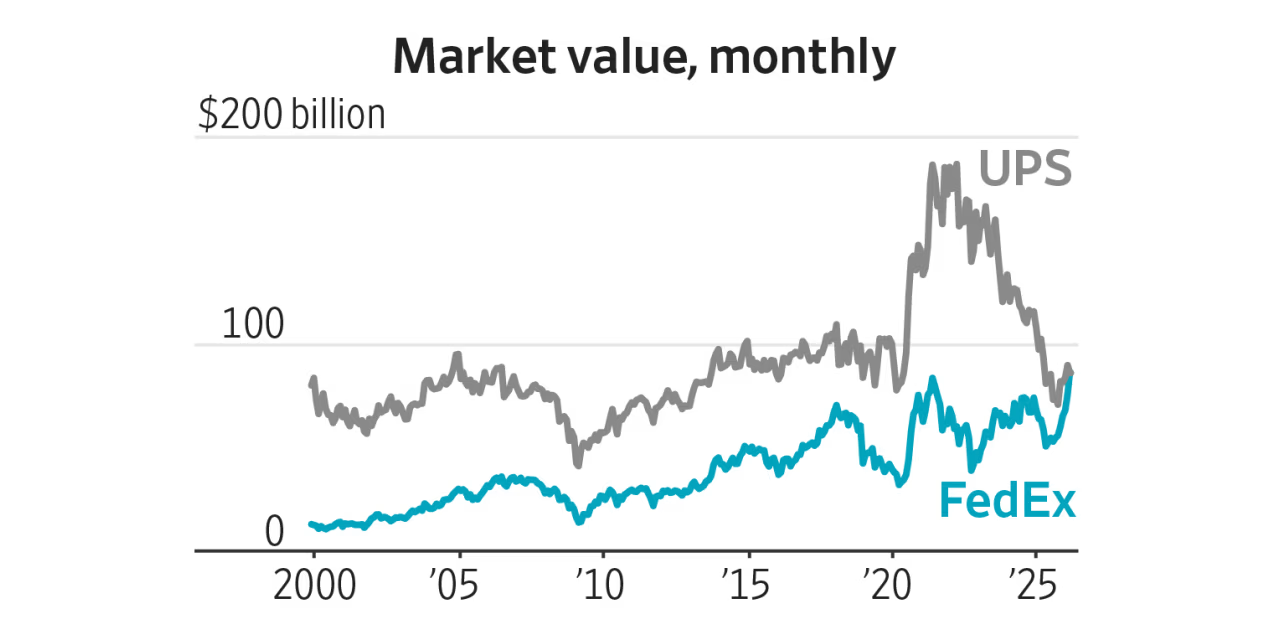
For the first time in history, eclipsed United Parcel Service UPS -0.69%decrease; red down pointing triangle this week in market capitalization, a sign of how much Wall Street is rewarding the delivery giant that can shrink the fastest to boost profits.
Copyright ©2026 Dow Jones & Company, Inc. All Rights Reserved. 87990cbe856818d5eddac44c7b1cdeb8

Oil poised for further gains as Middle East conflict threatens export facilities

Maker Builds 90,000-Watt Electric Scooter and Hit 99.4 MPH

LIV Golf: Bryson DeChambeau wins in Singapore after ‘brutal’ play-off
This 3-Part Horror Sleeper Hit Is the Ultimate Weekend Binge Before It Returns Next Month


-
 Tech4 days ago
A 1,300-Pound NASA Spacecraft To Re-Enter Earth’s Atmosphere
-

 News Videos6 days ago
10th Algebra | Financial Planning | Question Bank Solution | Board Exam 2026
-
 Crypto World1 day ago
HYPE Token Enters Net Deflation as HyperCore Buybacks Outpace Staking Rewards
-

 Business5 days ago
ExxonMobil seeks to move corporate registration from New Jersey to Texas
-

 Crypto World6 days ago
Paradigm, a16z, Winklevoss Capital, Balaji Srinivasan among investors in ZODL
-

 Fashion2 days ago
Weekend Open Thread: Addict Lip Glow
-
 Tech5 days ago
ChatGPT will now generate interactive visuals to help you with math and science concepts
-
Sports20 hours ago
Why Duke and Michigan Are Dead Even Entering Selection Sunday
-

 NewsBeat4 days ago
Residents reaction as Shildon murder probe enters second day
-

 Business7 days ago
Search for Nancy Guthrie Enters 37th Day as FBI Probes Wi-Fi Jammer Theory
-

 Business4 days ago
Search Enters Sixth Week With New Leads in Tucson Abduction Case
-
 NewsBeat5 days ago
Pagazzi Lighting enters administration as 70 jobs lost and 11 stores close across Scotland
-

 Tech6 days ago
Despite challenges, Ireland sixth in EU for board gender diversity
-

 Business22 hours ago
US Airports Launch Donation Drives for Unpaid TSA Workers as Partial Government Shutdown Enters Fifth Week
-

 NewsBeat4 days ago
I Entered The Manosphere. Nothing Could Prepare Me For What I Found.
-
Crypto World18 hours ago
Coinbase and Bybit in Investment Talks: Could Bybit Finally Enter the US Crypto Market?
-

 Business6 days ago
Search Enters 39th Day with FBI Tip Line Developments and No Major Breakthroughs
-

 Sports6 days ago
Skateboarding World Championships: Britain’s Sky Brown wins park gold
-

 Business23 hours ago
Country star Brantley Gilbert enters growing non-alcoholic beer market
-
 Crypto World5 days ago
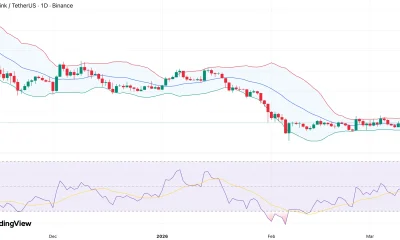
Will Chainlink price reclaim $10 amid volatility squeeze?

