

Politics
Ex-MI6 Chief: Iran Was The Only Country Ready For Conflict

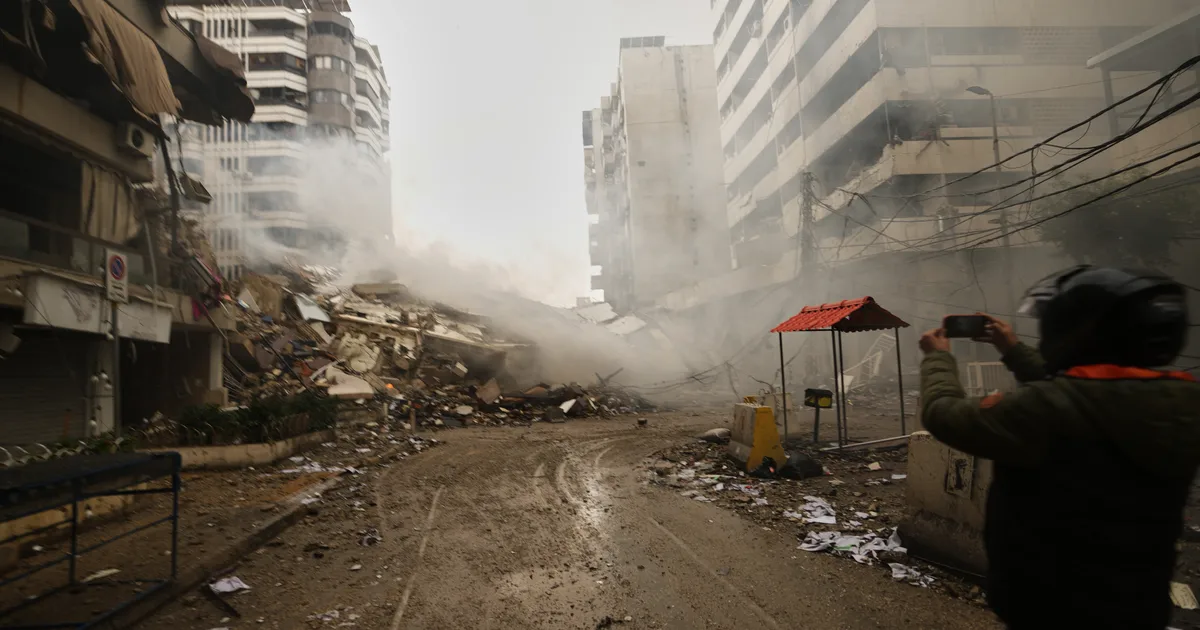
Iran looks like the only country which may have been prepared for this current conflict, the former chief of MI6 has suggested.
Sir John Scarlett, who headed up the intelligence service between 2004 and 2009, told Sky News he was surprised when he first heard Donald Trump and Israel had attacked Iran last month.
“It wasn’t because I was surprised by the idea of an attack,” the former intelligence officer said. “But because negotiations were going on.”
He said there was quiet optimism about the progress around Iran’s talks with the US about capping Tehran’s capabilities to prevent the country from building its own nuclear weapons.
Scarlett said: “It was clear [Israeli prime minister] Benjamin Netanyahu was concerned President Trump was reluctant to go in[to Iran].
“And then suddenly he did. So what caused that change in mind? Maybe in one evening?”
He theorised that some intelligence may have come through to sway Trump.
“There’s also the reporting from Marco Rubio that they were convinced the Israelis were going to do it anyway,” Scarlett said.
“I’m leaning towards a misunderstanding maybe, or an over-interpretation of what was happening or not happening in the negotiations in Muscat.”
He said the Iranian proposals may have been suggesting some flexibility towards a nuclear deal comparable to the Joint Comprehensive Plan of Action.
Scarlett claimed that could have been interpreted by the White House as “an effect rejection of the US demands”.
Asked if the west should have been better prepared for this conflict, Scarlett said, “wisdom of hindsight is always right”.
“It is clear that almost nobody expected this to happen in quite the way it has,” he said.
“The people who expected it best is perhaps the Iranians, actually, which goes back to the resilience and forward-planning of the Iran regime – and it is very very important that is properly understood.
“Yes, in terms of deployment, weapons deployment, ships deployments, planning and so on – planning for what should have been obvious, which is the vulnerability of the strait of Hormuz.
“That was not there. And that perhaps includes us.”
Iran has effectively closed the waterway by targeting ships using the strait.
Around a fifth of the world’s oil supply travels along Hormuz, so the conflict has caused oil prices to skyrocket.


Iran’s military has destroyed five further KC-135 refuelling aircraft in an attack on the Prince Sultan US base in Saudi Arabia. The destruction comes a day after all six crew members were killed in a KC-135 crash in Iraq. The Pentagon has claimed the crash resulted from an accident, but pro-Iran resistance groups claimed credit for shooting it down before the crash had been officially confirmed.
❗️Five US Air Force KC-135 Stratotanker aerial refueling aircraft were damaged as a result of an Iranian ballistic missile strike on Prince Sultan Air Base in Saudi Arabia, according to the Wall Street Journal.
“The tankers were damaged during the strike in recent days. They… pic.twitter.com/XUkIEmYrwy
— 🪖MilitaryNewsUA🇺🇦 (@front_ukrainian) March 14, 2026
The attack came in retaliation for the US bombing attack on Iran’s Kharg Island oil terminal. The US has admitted losing thirteen military personnel during its war of aggression so far, plus around 200 wounded. However, some sources say the number is far higher.
Featured image via Aerospace Global News
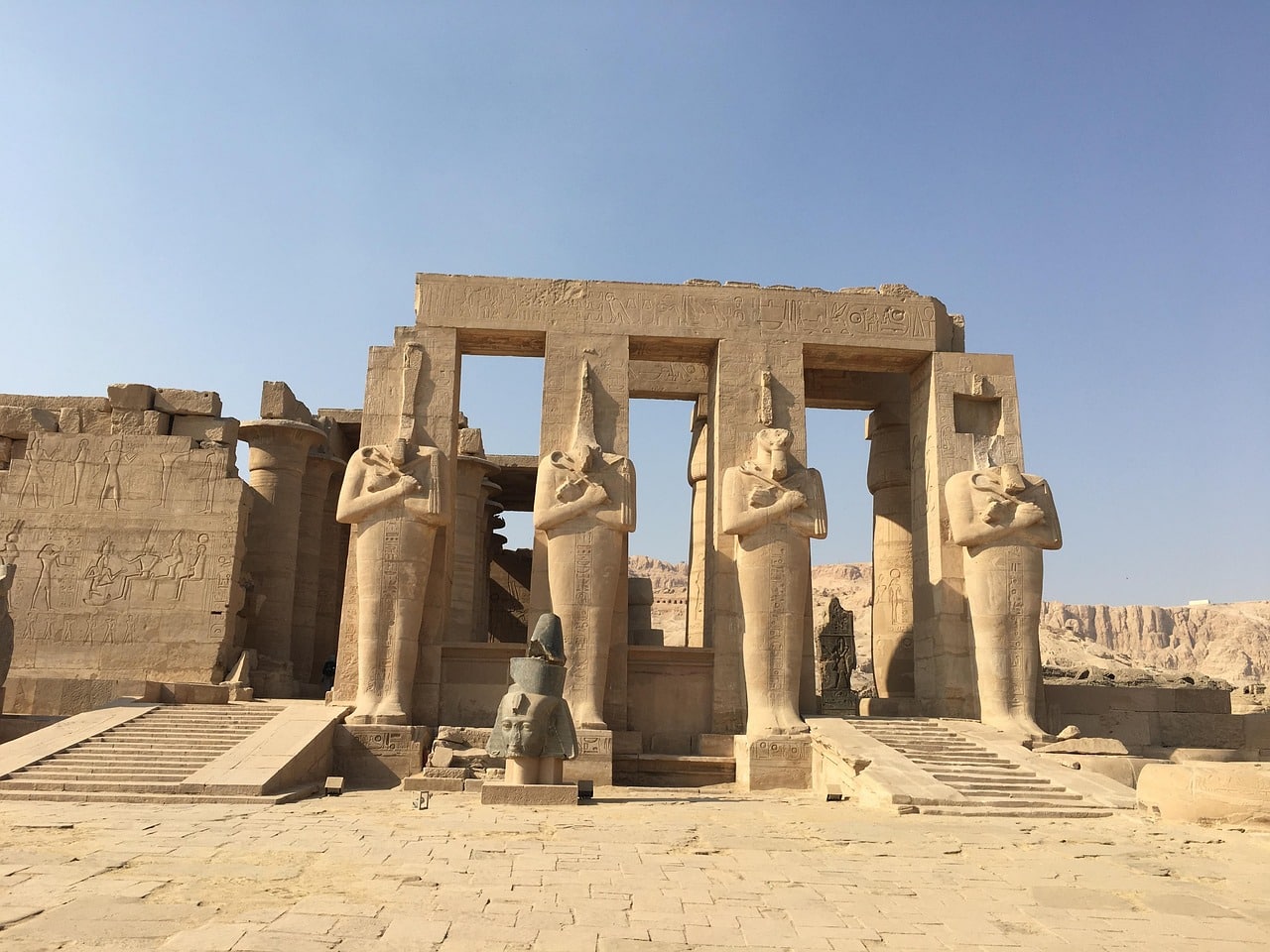
Egypt is one of the most rewarding destinations on the planet. Ancient temples, golden deserts, the legendary River Nile, and some of the world’s oldest monuments all wait for you in one country. But if you plan to go alone, you probably have one big question: is it safe?
The short answer is yes, with the right preparation. Well-planned Egypt tour packages from trusted operators like Memphis Tours can take away much of the stress, especially for first-time visitors. Whether you travel independently or with a guided group, knowing what to expect makes all the difference.
Is Egypt Safe for Solo Travelers?
Egypt is generally safe for solo travelers. The government has made significant investments in tourist security over the years. You will notice tourist police at almost every major site, from the Giza Pyramids to the temples of Luxor and Karnak. The US State Department currently lists Egypt as a Level 2 country, which means travelers should exercise increased caution. This does not mean danger at every corner. It means being on the alert, avoiding traveling to certain areas near conflict areas, and using common sense during your trip.
Scams, petty theft, and minor harassment are the most common problems tourists face, rather than violence. Something to keep in mind when you come across apocalyptic travel advisories on the Internet. Stick to the main tourist corridor of Cairo, Luxor, Aswan, and the Red Sea resorts, and you will find a welcoming country full of history. Areas to avoid:
- North Sinai Governorate
- Areas within 20 km of the Libya border
- The Western Desert without a licensed tour company
- Remote border areas near Sudan
Best Time to Visit Egypt
October to April is the best window for most travelers. Temperatures are mild, the skies are clear, and outdoor sites like the Pyramids and Valley of the Kings are pleasant to explore. December through February brings cool evenings in Cairo and Luxor, so pack a light jacket. June to August brings intense heat that can exceed 40 degrees Celsius (104 degrees Fahrenheit). Try to start your sightseeing in the morning, take a break during the middle of the day, and then start again in the late afternoon to avoid the heat.
Visa and Entry Requirements
Visa on arrival is available for nationals from various countries, including those from the UK, US, EU countries, Canada, and Australia. These include Cairo, Luxor, and Hurghada airports. The cost is $25 USD for a single entry visa valid for 30 days. Please ensure you bring crisp US dollars to avoid any hassle during your arrival.
Visas can be obtained online through Egypt’s official e-visa website: visa2egypt.gov. This is recommended to avoid any last-minute hassles during your arrival. Please ensure your passport is valid for at least six months from your entry date into Egypt.
Getting Around Egypt Safely
The safest and most reliable means of transportation is Uber or Careem. The cost is agreed upon before traveling. This eliminates the possibility of overcharging. However, it is not advisable to use street taxis unless the cost is agreed upon before boarding. Domestic flights are the quickest means of transportation between cities. The flight from Cairo to Luxor or Aswan is a time-saver and affordable if booked in advance.
Trains are a comfortable means of transportation from Luxor to Aswan. The overnight train from Cairo to Luxor is a popular means of transportation for tourists and is reliable. Nile cruises between Luxor and Aswan are one of the most relaxing ways to see southern Egypt. Meals, guides, and transport to temple sites are all arranged for you.
Money, Tipping, and Scam Awareness
The local currency is the Egyptian Pound (EGP). ATMs are also available in major cities/tourist destinations. It is recommended to use ATMs located in major banks such as Banque Misr or CIB, as there is a small chance of card skimming. Credit cards are accepted in some hotel/restaurant destinations, but not from street vendors. Small denomination notes are required for tips and daily expenses.
Tipping, or baksheesh, is a normal part of Egyptian culture. Guides, drivers, hotel staff, and temple guards often expect a small tip. Keep a supply of 5 to 20 EGP notes handy at all times. Common scams to watch out for:
- A taxi driver says that his/her taxi’s meter is not working. Agree on a price first, or use Uber.
- A person offers something for free, like a photo opportunity, and then expects you to pay.
- A local tells you a museum is closed and offers to take you somewhere else. Check directly with official staff.
- A camel ride operator quotes one price, then demands more at the end. Agree on the full price before you start.
A calm, firm “La, shukran” (No, thank you) repeated without engagement is the most effective response to persistent touts.
Cultural Respect and Dress Code
Egypt is a Muslim majority country with conservative social norms. Cover your shoulders and knees in cities, markets, and religious sites. Light, loose fabrics work well in the heat and respect the dress code at the same time. Always carry a scarf for mosque entry. Avoid public displays of affection and do not photograph police stations, military buildings, or soldiers, as this is illegal and can lead to serious trouble.
Safety Tips for Solo Female Travelers
Women travel solo in Egypt every year and have wonderful experiences. However, female travelers may get more unwarranted attention in public places in cities. Preparation, not fear, is the answer. Some tips that may help:
- Wear modest clothing in cities and holy places
- Walk confidently and avoid eye contact with people
- Pre-book transport rather than hailing a taxi on the street
- Stay in a central and high-rated hotel
- Let someone at home know about your itinerary
Be aware of your own comfort level. Remove yourself from the situation and go into a shop or hotel lobby. Do not feel obligated to be nice about it.
Should You Book a Tour?
Yes, solo travel in Egypt is absolutely possible on your own. But a guided tour, especially for first-time visitors, removes a significant amount of daily friction. A good guide brings historical context to sites that otherwise offer very little in the way of signage or explanation.
Consider well-planned Egypt tour packages if you want the peace of mind of having transport, accommodation, and expert guidance arranged in advance. It is particularly valuable for out-of-the-way places such as Abu Simbel, the Valley of the Kings, and the temples at Philae.
Final Thoughts
Egypt is a rewarding destination for the curious and well-prepared traveler. The country holds more UNESCO World Heritage Sites than almost any other nation. The people are friendly, the food is great, and the history is just unbeatable. Sure, there are things to look out for. But millions of visitors — including solo travelers — return from Egypt with nothing but remarkable memories. Know the rules, respect the culture, stay alert, and you will find that Egypt is not only safe but genuinely unforgettable. The Pyramids have been waiting for 4,500 years. It is time to go.
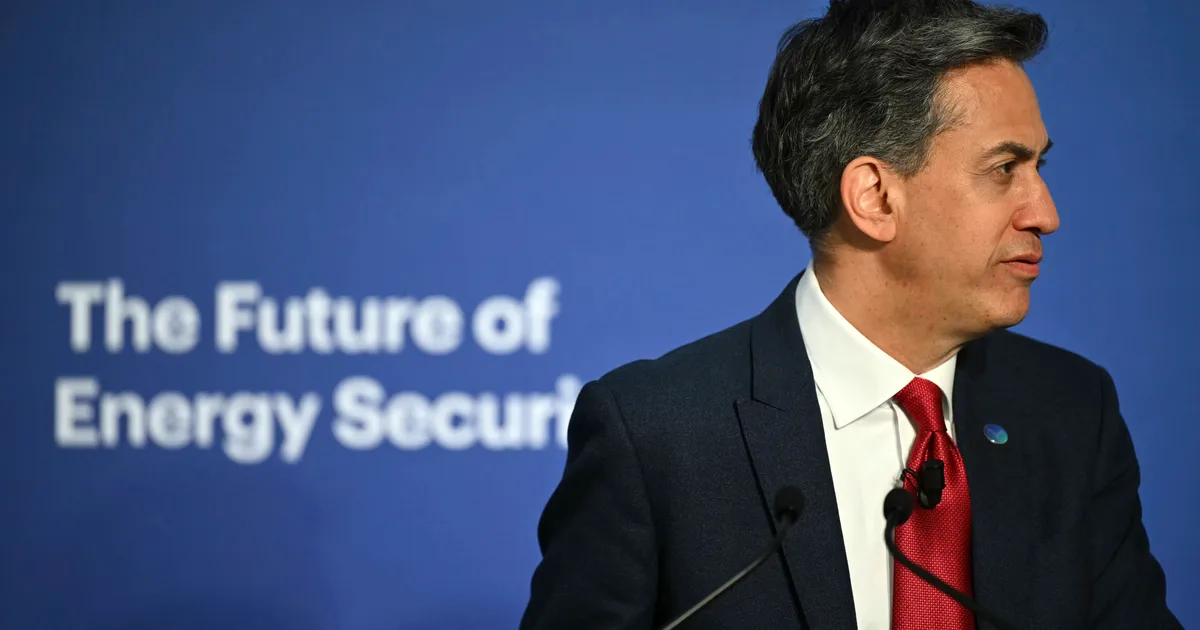
Energy security secretary Ed Miliband has refused to outline any clear details about potential support if bills start to rise.
But the senior minister told broadcasters that “if it’s necessary to intervene we will”, depending on how long Donald Trump’s war in Iran rumbles on for.
He insisted his Labour government would not let the energy bills reach £3,500 a year on average again, a shocking high seen during Liz Truss’s time in government.
The former Tory prime minister then spent taxpayers’ money to cap it at £2,500 a year to mitigate the effects of Russia’s invasion of Ukraine and a rise in global wholesale gas prices.
It remains unclear if the current Labour government would offer the same universal support were the Iran conflict to continue.
The war in the Middle East has already pushed the cost of oil to over $100 a barrel as the Iranian regime has effectively closed one of the world’s most important shipping lanes, the Strait of Hormuz.
Bills are expected to come down in the short-term because the energy price cap has already been set for April through to July.
However, regulator Ofgem may end up hiking them after that to reflect the turbulence around oil pricing.
Miliband told the BBC’s Laura Kuenssberg: “We took action in the Budget to cut bills because we know the cost of living crisis is the number one issue facing the British people.”
He continued: “We are preparing for all eventualities. It’s right we do that preparatory work, learning the lessons of the last crisis when Russia invaded Ukraine and – the best I can say, Laura – is if it’s necessary to intervene, we will.
“As the regulator said, we don’t know what will happen to the energy price cap in July.”
Miliband did meet with energy firms this week over how the government could help with bills.
The government is trying to discourage fuel retailers from hiking prices, without directly responding to markets.
Chancellor Rachel Reeves said earlier this week: “We are working on different ways to protect people, including more targeted support.”

Dyshan Best was shot and killed in March 2025 by police during a foot chase in Bridgeport, Connecticut, US. As he lay dying, officers insisted an ambulance sent for Best be used to transport a colleague having a “mild anxiety attack” to the local hospital.
Police claimed Best had been armed — but he was shot in the back as he tried to flee and posed no imminent danger. Family lawyer Darnell Crosland said that Best had been carrying a vape — one was recovered close to the shooting scene. None of Best’s prints or DNA was on the gun police claimed to have recovered from his body.
Best’s family has begun legal action after an official report revealed the “abomination of justice”. Appalling, but not surprising given the record of police contempt for the lives of Black citizens in the US (and UK). Crosland said on Friday 13 March that they are suing the city because police ignored their “duty to render aid”.
Best’s niece Tatiana Barrett said that the police had simply left her uncle to die:
I really, truly believe that they allowed my uncle to die on that street
Erin Perrotta, the officer who took Best’s ambulance, refused medical care in the ambulance. She told paramedics:
I am fine, I just needed to get out of here.
Best lay on the ground, dying of liver and kidney wounds, for another fourteen minutes. Perrotta is now on administrative leave — but on an “unrelated matter”, not in connection with Dyshan Best’s police murder.
Featured image via the Canary
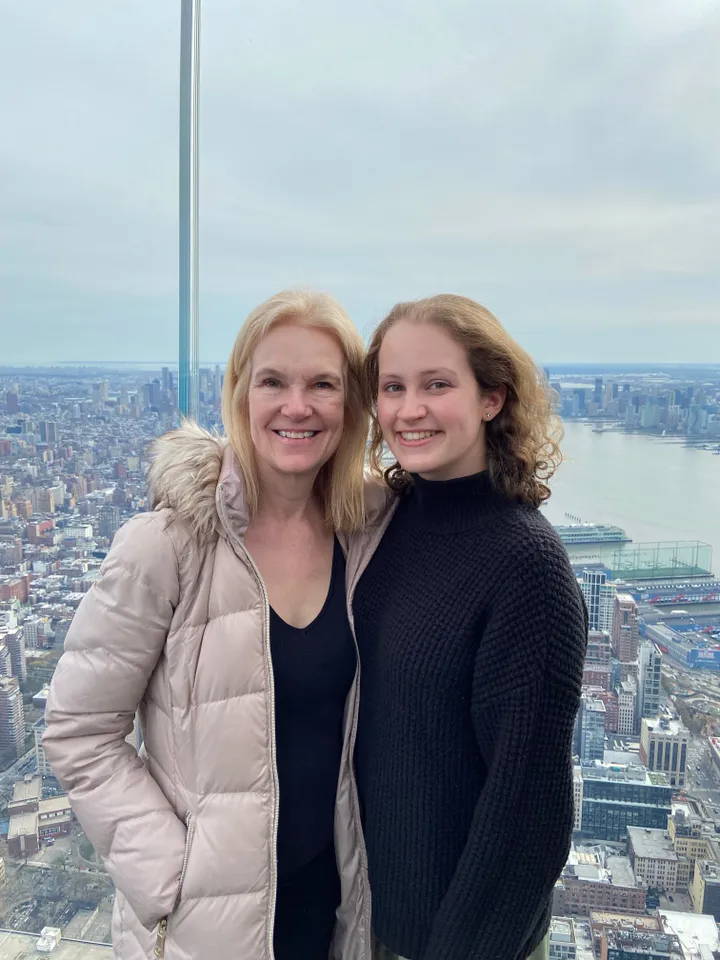
A few weeks before moving out of my parents’ house for college, I stumbled upon a grainy Polaroid of my mom in her 20s. I stared, dumbfounded, as two questions formed in my mind.
First, who was this person? And second – why didn’t I know her?
The mum I knew threatened to divorce my dad frequently and required me to wear camisoles under shirts to cover my stomach. We fought often about when I could hang out with friends, and where, and for how long. She also stayed meticulously up to date on my life by insisting I catalog every minute of it in a ritual I called Tell Me About Your Day. It went like this:
“So, tell me about your day. What happened in first period? Did you talk to Mr. Gallaher like I asked you to? What about the book report, did you turn it in? OK. What did you do in second period? Nothing? Come on, what topic are you learning? Did they assign homework? OK, I want to print the assignment description.”
As I grew older, this questioning felt like endless nagging at the end of a long day. I began approaching the conversations like interrogations to be endured. I didn’t appreciate that my mum wanted to be involved in my life. Instead, I saw Tell Me About Your Day as part of a wider pattern in which she tried to control me.
For instance, in middle school, when my mum overheard my friends’ parents using my chosen nickname, Jackie, she yelled, “Don’t call her that!” and lectured them on why the name was “trashy”.
Similarly, she disapproved when I wore makeup or anything form-fitting. Being told to cover up made me feel uncomfortable in my body and ostracised from peers who wore what they wanted. I began to rebel by changing into prohibited outfits at school.
As an adult, I recognise how my mum’s role as the primary authority in our home made it easier to reduce her to a rigid micromanager. While my dad travelled for work, my mum was constantly around. The sheer amount of time she spent with me made her the parent who enforced rules and also the parent most likely to annoy me.
But this awareness did not come until later. Back then, I simply complained, until one day, when I was 16, I decided that I wouldn’t do Tell Me About Your Day anymore. No. The first time I refused to describe my day, the word thudded like a heavy book on a table. My mum protested for a while before she lost track of how many summaries I owed her and focused on my siblings.
From then on, I wielded the power of a no. When my mum tried to convince my teenage siblings and me to read children’s books with her — no. When she begged us to create Pinterest crafts for holidays and birthdays well into adulthood — no. The knowledge that she couldn’t force me to do anything I didn’t want to do was freeing.
However, exercising this right came at a price: I was now an outsider in my own family. Passing through our kitchen, I’d catch glimpses of my brother, sister, and mom cuddled together on our couch watching a travel documentary. I’d feel a dull longing for intimacy, but after a series of my nos, she had stopped asking me to join them.
“Ironically, although she noted every minute detail of my life, my mom rarely shared stories about her own childhood or young adulthood.”
I felt as if I were peering at a misty landscape from a distance, wishing to cross a lake to reach the shore yet knowing I had no oars to paddle. I missed being involved in my family landscape, but by that point, I had been moored for so long that I was afraid to disturb the water.
This distancing didn’t help me add to my meagre knowledge of my mum’s pre-kids life. Ironically, although she noted every minute detail of my life, my mum rarely shared stories about her own childhood or young adulthood.
Her reticence was overcome only by her annual remarks about the anniversaries of her parents’ deaths, and she never mentioned her sister, whom I haven’t seen in over a decade, or her brother, whom I’ve never met. And every time I commented on what seemed like a less-than-perfect marriage to my dad, she changed the subject. My mum protected these topics with her own implicit nos – shrugging, evasive language, silence.
So, when I found the photo of her at my age, looking carefree and lovestruck, it felt like seeing a flash of light rebound off a mirror. In the image, my dad grins at my mum through round glasses, and she reclines in a large leather chair, her shoulders scrunched up in laughter as if she and my dad are sharing a hilarious inside joke. She’s even wearing a crop top!
I had to know more to make sense of it. I wanted to show the photo to everyone and beg for more information, but I knew my dad, a private person, would be upset if the picture were shared. Instead, I asked him questions under the guise of a college assignment, and his answers shocked me. I learned that my mum worked in Finland, frequented Chicago’s jazz clubs with my dad, and loved living in Colorado. Listening to my dad talk, I imagined my mum as an easygoing voyager, exploring the world and carving out her place in it.
After months of building the courage to talk to my mum directly, I discovered the details of how she had watched both her parents die, on her own. She called 911 when her dad collapsed from a heart attack, but the ambulance arrived too late. She was 17. Years later, one August, she took a semester off grad school to care for her ailing mother. By Christmas, cancer had taken my mum’s only remaining parent.
With these revelations, suddenly I saw my mum as a complex woman who had survived unthinkable trauma, and I better understood her desire to learn everything about my life. When both of your parents are stripped away with little warning, of course you cling to the people you have left. I thought about all the ways my mum expressed love that I had disregarded, blinded by teenage frustration.
At 23, I feel guilty about distancing myself from her. With her parents dead, she stands on a shore of her own with no way to paddle closer to them except by imperfect remembrance. I don’t want to stand on that untraversable shore any earlier than necessary. And when the time does come, I want to remember more than just my mum’s rules. I want to know real stuff – her dreams, the places she’s lived, the people she’s loved, and the sacrifices she made.

Photo Courtesy Of Jacqueline LeKachman
The first step required closing the distance between me and my mum. Now that I’ve grown up and can dress however I want and go by any nickname I like, I find myself reaching for my phone to call her more. I followed my sister’s lead and started intentionally scheduling one-on-one time with my mum to go on bike rides or explore my Pittsburgh hometown.
Last April, my mum visited me in New York. At a fancy restaurant, I said, “So many weddings must happen here.”
My mum’s face wrinkled as she shared that her mother used to work as a bridal consultant helping women find wedding dresses. It was another flash of unexpected learning, and I listened raptly, feeling like I was with the woman in the photograph. Maybe that woman was always there; I just hadn’t noticed.
I wonder now how much of my limited knowledge of my mum’s past results from my lack of asking. Who was she? Who might she still become? How has saying no precluded the chance of knowing her more deeply?
These are much more difficult questions than my mum’s queries about homework. These questions require an openness between us that may be painful.
They emerge from the fundamentally unequal relationship between parents and children: while parents witness every stage of their children’s lives from prenatal growth to adulthood, children know their parents only as caregivers.
For many of us, this means we wake up one day and realise that we don’t know the people they are outside of parenthood. But there’s so much to discover.
I’ve apologised to my mum for some things in the past; she’s done the same, and now our relationship is stronger than ever. (The main thing we fight over is when I write about her – sorry, Mom).
Mostly, I’m thankful I’m no longer standing on that impassable shore, peering at my mum through the mist. I haven’t asked all the hard questions yet, but I’m proud that I’ve grabbed an oar and rowed closer to her.
This piece was previously published on HuffPost and running again as part of HuffPost Personal’s “Best Of” series.
Jacqueline LeKachman is a New York-based freelance writer and English teacher who has contributed to The Washington Post, WIRED, Business Insider, and Shondaland. She is writing a book about complex family dynamics and can be found on Twitter @JacquelineLeKa.
Do you have a compelling personal story you’d like to see published on HuffPost? Find out what we’re looking for here and send us a pitch at pitch@huffpost.com.
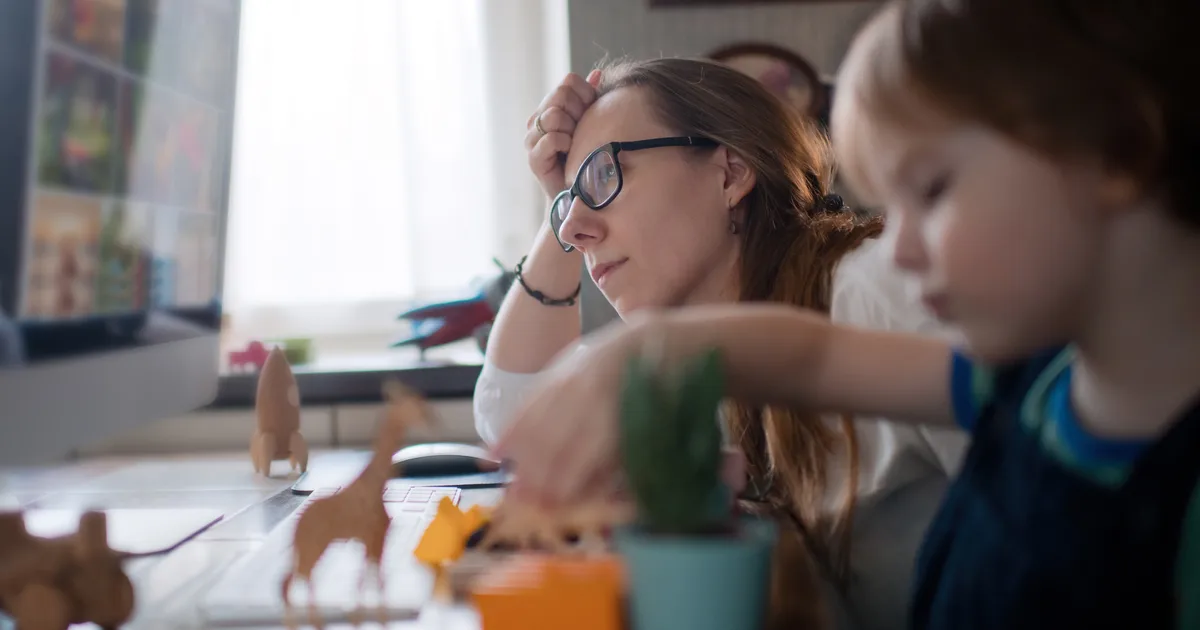
Ahh, the mental load. That never-ending list of to-dos, don’t forgets and keeping on top of household jobs that makes your brain feel like it’s going to explode on a daily basis. (Just me?)
A survey of 1,000 women in the UK has revealed 97% of mothers say they are responsible for planning, remembering and managing both work and home life; with only 12% saying their household responsibilities are shared equally.
Not only that, but two in five mothers – 44%, to be exact – say the mental load they carry isn’t recognised by others, according to the poll by neurotechnology company Parasym.
Most (83%) say they think about responsibilities at least once a day, even when they should be resting, and 15% can simply never switch off from it.
More than three-quarters (77%) report poor sleep as a result of the stress, with two-thirds also sharing they struggle with anxiety or racing thoughts (68%), fatigue (66%) and finding it difficult to switch off (66%).
“Society has always relied on this invisible labour for the smooth running of households’ daily life,” says Dr Elisabetta Burchi, head of research at Parasym.
But she warned by not recognising mothers as “the family’s usual cognitive labourer, this may only add further stress, increasing feelings of frustration, resentment or burnout”.
How does the mental load affect mothers?
UCLA Health describes the mental load as the “behind-the-scenes, cognitive and emotional work needed to manage a household”.
Studies have found mums take on 71% of all household mental load tasks (in comparison to dads, who take on 45%), ranging from planning meals and arranging activities to managing household finances.
But the more you shoulder, the more likely it is your nervous system will begin to buckle under the constant strain.
The constant cognitive effort of remembering, organising and planning can keep the autonomic nervous system in a state of prolonged activation, said Dr Burchi.
When the brain is constantly anticipating the next task, deadline or responsibility, it never fully signals that it is safe to switch off, meaning it’s harder for the body to enter a restful state.
Over time, this places the nervous system under strain, leading to dysregulation, she suggested.
Cue those symptoms many burnt out parents might be familiar with: fatigue, sleep disruption, anxiety, hormonal disruption, IBS and headaches.
The vagus nerve is a key regulator of the body’s calming system and plays a critical role in managing stress, mood, cognitive function and inflammation. When vagal tone is low, resilience drops. When it’s supported, the body is better able to return to a state of balance.
You can enhance vagal tone through practices such as deep breathing, meditation, yoga, regular exercise, and finding social connection, as well as through vagus nerve stimulation (VNS), which uses electrical impulses to activate the vagus nerve.
Clear communication and sitting down to properly hash out who does what in the household (to ensure a fair distribution of the load) is also key to helping prevent resentment from building and burnout from taking hold.
And for anyone reading this who isn’t shouldering the majority of household tasks, perhaps a gentle conversation about how you plan to do more to help could ease the burden this Mother’s Day – and beyond.

Expert comment provided by Stuart Gillies, chef-owner for Number Eight, Sevenoaks and Bank House, Chislehurst, and Zoe Gill, development chef at Brakes Foodservices.
The other day, while I was eating okonimiyaki, I thought, “This is probably the best meal you can make with a head of cabbage”.
Which made me wonder – what about other ingredients?
So, this week, we asked chefs Stuart Gillies, chef-owner for Number Eight, Sevenoaks and Bank House, Chislehurst, and Zoe Gill, development chef at Brakes Foodservices, for the best meal they can think of with this week’s pick: leeks.
Stuart Gillies: A classic poireaux au gratin
Leeks are in season this month, so to enjoy them at the peak of their flavour, Gillies doesn’t mess around too much with the ingredient.
″’At home we love a French family classic; poached leeks, wrapped in thin smoked cooked ham slices, laid in a gratin dish and topped with cheese sauce, grated cheddar and baked in the oven,” he explained.
Sometimes called poireaux au gratin, the recipe is a favourite of chef Anthony Bar, too.
As Gillies explained, it’s “Super easy for anyone to make and incredibly satisfying.”
Zoe Gill: A spring veggie-packed leek risotto
“Leeks are a brilliant ingredient for a risotto because they can melt easily into the arborio rice, offering a delicate, subtle flavour that doesn’t overpower the dish,” the chef told HuffPost UK.
Those who’ve tried the combination seem to agree: a BBC Good Food recipe has earned nothing but five-star reviews.
And because it complements “the likes of peas, asparagus, as well as courgette, red pepper and aubergine,” the cook loveds to make it in a “Mediterranean-vegetable risotto, topped with a light fish, such as monkfish.”
She added, “The meaty texture holds up against the creaminess of rice and offers a great source of protein”.
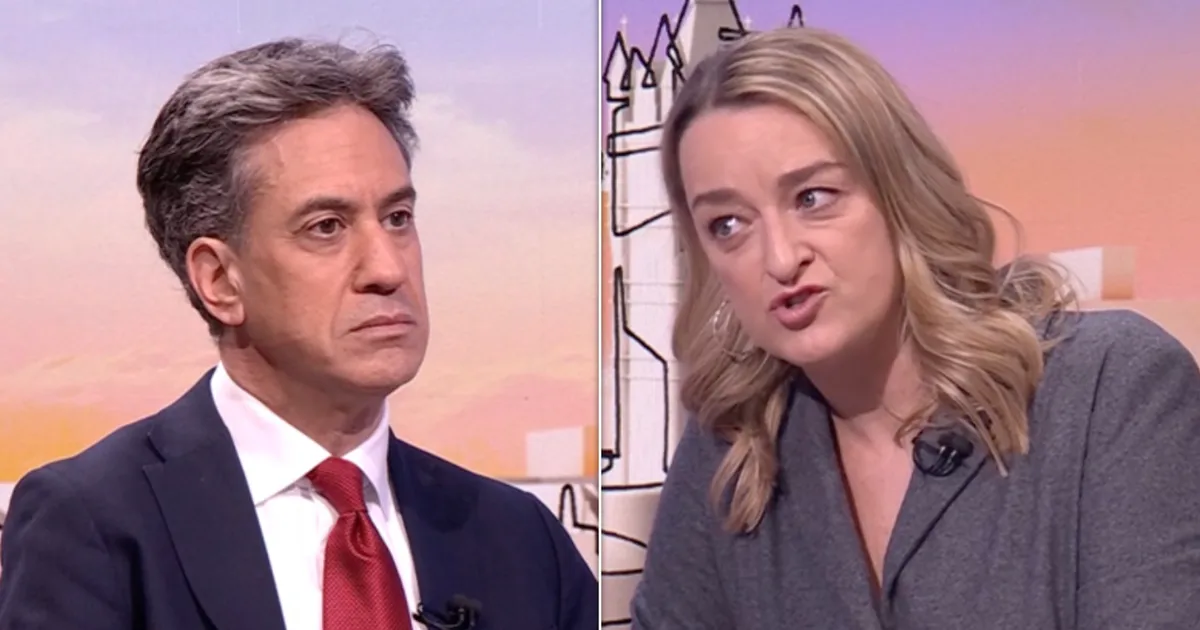
Ed Miliband has refused to tell Laura Kuenssberg exactly what Donald Trump wants to achieve in Iran during a painful interview.
The US president chose to strike Iran with Israel at the end of February, killing the country’s Supreme Leader.
The Middle East is now in a state of turmoil as Tehran strikes back and effectively blocks a major oil shipping lane known as the Strait of Hormuz.
The UK rejected initial US requests to use British military bases to launch strikes against Iran, much to Trump’s fury.
The government has since allowed the US to use its sites for “limited and defensive” strikes.
But Trump also asked the UK, and other allies, to send warships to secure the Strait of Hormuz on Saturday, which risks dragging the country further into the war.
When asked if the aims of this conflict are clear on the BBC’s Sunday with Laura Kuenssberg, cabinet minister Miliband said: “The US made its decision with Israel to launch this initial attack on Iran.
“We don’t want to see a nuclear Iran, that is shared by all of us. But I think it is in all of our interests to bring this war to an end.”
Kuenssberg pointed out how even prime minister Keir Starmer said the war was unplanned and unlawful when it broke out and asked if anything had changed in the last fortnight.
Miliband smiled and dodged the question, adding: “Tempting as it is to talk about this is a public setting…”
Kuenssberg noted viewers would probably conclude the government is not sure what the Americans are trying to do.
Miliband just insisted that the war aims are up to the Americans, and it is the position of the UK government that the conflict must be de-escalated.
She asked for his response to Trump’s claim that he might try and hit a vital Iranian oil hub “just for fun”.
He replied: “I think what you’re tempting me to do is to speculate or commentate…”
“I’m asking you about conduct in a war by our closest ally, that is not asking you to speculate,” she cut in.
Miliband said the British government was right not to join the initial conflict as they were worried about the initial plan and some of the consequences that would come with it.
Asked if there was a proper plan now, the energy security secretary said: “I think I’ve answered that question.”
Only last week the president insisted the US did not want the UK’s aircraft carries to help him in Iran.
He claimed: “We don’t need people that join Wars after we’ve already won!”
In response to Trump’s latest request, a Ministry of Defence spokesperson said: “As we’ve said previously, we are currently discussing with our allies and partners a range of options to ensure the security of shipping in the region.”

The post Starmer’s bonfire of our liberties appeared first on spiked.

President Donald Trump tore into the media over coverage of Air Force refuelling planes reportedly hit by an Iranian missile strike at a Saudi Arabian air base.
“The New York Times and The Wall Street Journal (in particular), and other Lowlife ‘Papers’ and Media actually want us to lose the War,” Trump wrote Saturday morning on Truth Social. “Their terrible reporting is the exact opposite of the actual facts!”
The president’s post took aim at what he called an “intentionally misleading headline by the Fake News Media” about the aircraft.
“In actuality, the Base was hit a few days ago, but the planes were not ‘struck’ or “‘destroyed,’” he wrote.
The Wall Street Journal had reported on Friday that five tanker planes had been “struck and damaged” by Iran at Prince Sultan Air Base in Saudi Arabia, citing US officials. Notably, the Journal did not state that the planes were destroyed, but in fact wrote that the planes were “damaged but not fully destroyed” and were “being repaired.”
On Truth Social, Trump said four of the planes had “virtually no damage” and that the fifth had “slightly more damage” but would be “back in the air shortly.”
He then called members of the media “truly sick and demented people” who “have no idea the damage they cause the United States of America.”

Relays Run This Balanced Ternary Adder

WATCH LIVE: Senate Finance Committee examines the U.S. financial outlook for the next decade

‘I can really see why the hype is there for Katsu Kitchen’

Smart energy pays enters the US market, targeting scalable financial infrastructure

Why Israel is blocking foreign journalists from entering

Bitcoin: We’re Entering The Most Dangerous Phase
WATCH LIVE: Senate Finance Committee examines the U.S. financial outlook for the next decade

Bitcoin Rises as Oil and War Shake Markets

Stagflation fears grip investors as oil surge crushes Asian markets | Finance Report | ABC NEWS
-
 Tech4 days ago
A 1,300-Pound NASA Spacecraft To Re-Enter Earth’s Atmosphere
-
 Crypto World1 day ago
HYPE Token Enters Net Deflation as HyperCore Buybacks Outpace Staking Rewards
-

 News Videos6 days ago
10th Algebra | Financial Planning | Question Bank Solution | Board Exam 2026
-

 Business5 days ago
ExxonMobil seeks to move corporate registration from New Jersey to Texas
-

 Crypto World6 days ago
Paradigm, a16z, Winklevoss Capital, Balaji Srinivasan among investors in ZODL
-

 Fashion2 days ago
Weekend Open Thread: Addict Lip Glow
-

 Tech5 days ago
ChatGPT will now generate interactive visuals to help you with math and science concepts
-
Sports22 hours ago
Why Duke and Michigan Are Dead Even Entering Selection Sunday
-

 NewsBeat4 days ago
Residents reaction as Shildon murder probe enters second day
-

 Business7 days ago
Search for Nancy Guthrie Enters 37th Day as FBI Probes Wi-Fi Jammer Theory
-

 Business4 days ago
Search Enters Sixth Week With New Leads in Tucson Abduction Case
-
 NewsBeat6 days ago
Pagazzi Lighting enters administration as 70 jobs lost and 11 stores close across Scotland
-

 Tech6 days ago
Despite challenges, Ireland sixth in EU for board gender diversity
-

 Business24 hours ago
US Airports Launch Donation Drives for Unpaid TSA Workers as Partial Government Shutdown Enters Fifth Week
-

 NewsBeat4 days ago
I Entered The Manosphere. Nothing Could Prepare Me For What I Found.
-
Crypto World19 hours ago
Coinbase and Bybit in Investment Talks: Could Bybit Finally Enter the US Crypto Market?
-

 Business6 days ago
Search Enters 39th Day with FBI Tip Line Developments and No Major Breakthroughs
-

 Sports6 days ago
Skateboarding World Championships: Britain’s Sky Brown wins park gold
-

 Business1 day ago
Country star Brantley Gilbert enters growing non-alcoholic beer market
-
 Crypto World5 days ago
Will Chainlink price reclaim $10 amid volatility squeeze?

