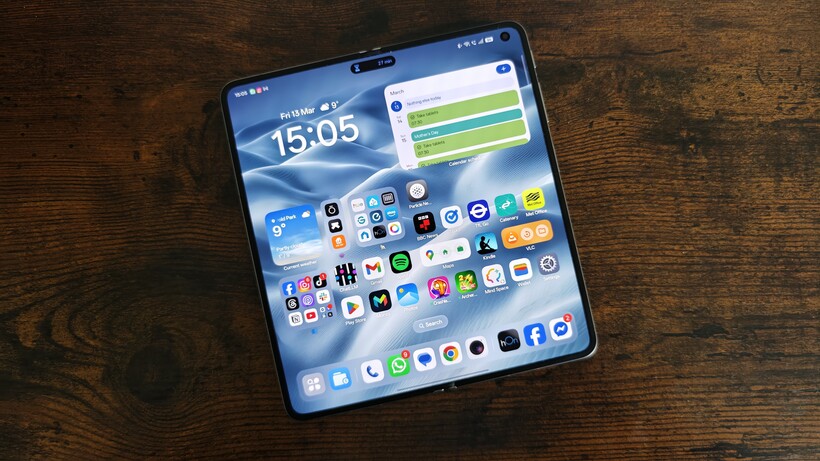
From the first foldables to the latest and greatest options in the market, from stalwarts like Samsung and Honor, there’s one consistent issue that manufacturers can’t seem to overcome: the crease.
It makes sense when you think about it; when you fold something, it deforms, and a crease appears. It’s just physics. But for some reason, we’re expecting manufacturers to somehow overcome the most fundamental of things – though, to be fair, they’ve been doing a pretty good job at it.
Compared to the grand canyon of a crease that was present on Samsung’s first Fold back in 2019, the crease on modern phones like the Galaxy Z Fold 7 and Honor’s new Magic V6 is negligible. You can barely see them head-on, and compared to flip-style foldables with a horizontal crease, the vertical crease in the middle of the screen means you rarely actually touch it.
But it’s when you inevitably have to tap or swipe around the area of the crease that it becomes more apparent – as well as trying to look at the screen side-on, thanks to the overly reflective plastic screens foldables employ.
Advertisement
For phones whose entire schtick is focused around the big internal screen, it’s a compromise that many smartphone fans simply can’t get over – and I get it. It is a compromise on a phone that can cost easily double that of a pretty solid bar-style flagship like the Pixel 10.
However, with the upcoming Oppo Find N6, the company has managed the impossible; all but erased the crease.
Advertisement
Oppo has done the impossible with industry-first techniques
So, how has Oppo seemingly done the impossible? It all starts with the hinge – and an all-new manufacturing process Oppo has cooked up.
Advertisement
Image Credit (Trusted Reviews)
Rather than just stamping out parts and calling it a day, Oppo laser-scans every hinge component to build an ultra-precise digital model, then uses a new 3D liquid printing process to smooth out microscopic imperfections. Tiny droplets of photopolymer resin are placed exactly where they’re needed, filling in gaps and irregularities before being instantly hardened with UV light.
The end result is a hinge structure that’s far smoother and more consistent than traditional stamped or machined hardware, which in turn helps the inner display sit flatter when you open it up. In fact, Oppo claims that the dip is just 0.05mm deep – thinner than a human hair – compared to the 0.2mm variation found in foldables from Samsung and Honor.
Image Credit (Trusted Reviews)
Advertisement
The hardware itself has had an upgrade too. The hinge and its wing plates are now made from Grade-5 titanium alloy, making them lighter and stronger than the stainless steel used by many rivals, and allowing Oppo to use a wider waterdrop-style fold.
That wider folding area reduces the pressure on the panel every time you close the phone, which is one of the main reasons creases form in the first place. There’s also an updated carbon fibre support plate beneath the screen to keep everything rigid without adding weight.
The display itself has also had an upgrade, with a new Auto-Smoothing Flex Glass layer that replaces the ultra-thin glass (UTG) used in most other foldables right now. It’s 50% thicker than typical UTG, which gives it greater elasticity and makes it much more eager to spring back to its original shape after being bent.
Advertisement
Image Credit (Trusted Reviews)
That’s key for combating what Oppo engineers call “creep” – a slow shifting of internal layers that can deepen a crease over thousands of folds.
According to Oppo, this combination of titanium hinge, carbon fibre support and Auto-Smoothing Flex Glass delivers an 82% reduction in long-term crease depth compared to last year’s Find N5, and says the N6’s display remained essentially flat, with no visible crease, even after more than 600,000 folds, with the ability to survive up to 1 million folds.
Advertisement
More impressively, Oppo claims that after 200k folds, the crease measured just 11μm, compared to 72μm on the Samsung Galaxy Z Fold 7 and 127μm on the Honor Magic V5, proving just how effective it is compared to some of the best foldables around in 2026.
Image Credit (Trusted Reviews)
It’s still there, but you really need to look for it
That’s a very fancy way of saying the Find N6’s internal foldable screen has practically no crease – and having used the phone for the past few weeks, I can confirm that’s largely the case.
If you really go hunting for it, the signs are still there. Angle the screen just right towards a light source and you’ll spot a subtle distortion along the middle – though only when the screen’s off – and a finger run across the hinge reveals a slight indentation.
Advertisement
Image Credit (Trusted Reviews)
Advertisement
But when I say slight, I really do mean slight. It’s almost imperceptible, and in day-to-day use I simply don’t notice it – aside from the odd moment when I’m actively marvelling at its absence. It has massively boosted my enjoyment of the internal panel as a result.
It really is as close to a crease-free experience as we’ve seen from any manufacturer so far, and it makes the usual foldable trade-off feel far less like a compromise. I’d be surprised if Apple’s first foldable, due later in 2026, can meaningfully beat what Oppo has managed here.
Image Credit (Trusted Reviews)
Much more to come next week
Of course, there’s much more to Oppo’s latest flagship foldable than just its disappearing crease, and you might’ve noticed a distinct lack of specs throughout this article – that’s very much on purpose.
Despite having had it in my pocket for the past couple of weeks, I can’t say much more about the Oppo Find N6 until the phone is officially unveiled at its launch event in China on 17 March, but it’s safe to say it’s shaping up to be one of the most exciting foldable launches of 2026.
Image Credit (Trusted Reviews)
Advertisement
The big question now is whether the Oppo Find N6 will actually get a global release; the Find N5 was limited to select Asian markets like Singapore, Malaysia and China, after all. If Oppo does go wider this time, it could genuinely threaten the dominance of Samsung and Honor in the foldable space – but for now, we’ll just have to wait and see.
Many artificial intelligence startup ideas are still little more than superficial “wrappers” built on top of existing models. But as the AI model makers add more features, investors are wary of startups that could become so easily unnecessary.
Case in point: when reviewing more 4,000 applications for the joint AI accelerator for India startups run by Google and venture firm Accel, “wrapper” ideas dominated. But none of them were among the five startups for the latest cohort, Accel partner Prayank Swaroop told TechCrunch (pictured above).
Announced in November, the AI-focused Atoms program by Google and Accel aims to back early-stage startups building AI products linked to India. Startups selected for the latest cohort will receive up to $2 million in funding from Accel and Google’s AI Futures Fund, along with up to $350,000 in cloud and AI compute credits from Google, the firms said.
Roughly 70% of the rejected applications were “wrappers” — startups that layered AI features such as chatbots on top of existing software but “were not reimagining new workflows using AI,” Swaroop said.
Advertisement
Many of the remaining applications that were denied, Swaroop said, fell into crowded categories such as marketing automation and AI recruitment tools, areas where investors saw little novelty. Startups in those sectors often struggle to differentiate themselves, he said.
This isn’t, perhaps, surprising. This year’s program received nearly four times the applications than previous Accel’s Atoms cohorts — with many first-time founders.
India’s growing AI ecosystem remains largely focused on enterprise applications and Swaroop said the applications reflected that. About 62% of the submissions focused on productivity tools and another 13% on software development and coding, meaning around three-quarters of the applications were enterprise software ideas rather than consumer products. (Swaroop had hoped to see more ideas for healthcare and education.)
Techcrunch event
Advertisement
San Francisco, CA | October 13-15, 2026
Jonathan Silber, co-founder and director of Google’s AI Futures Fund, said the five startups selected aligned closely with areas where Google expects AI to see deeper real-world adoption.
Advertisement
The program does not require startups to use Google’s models exclusively, Silber said, noting that many companies combine multiple models depending on the workflow. The goal, he said, is to gather feedback from startups on how Google’s models perform in real-world applications.
Insights from those startups can then be fed back to Google DeepMind teams to help improve future models, creating what Silber described as a “flywheel” between startup experimentation and AI development. “If a company is using an alternative model, that means Google has work to do to build the best model in the market,” he told TechCrunch.
This year’s startups selected are:
K-Dense, which is building an AI “co-scientist” to accelerate research in fields such as life sciences and chemistry;
Dodge.ai, which develops autonomous agents for enterprise ERP systems;
Persistence Labs, which focuses on voice AI for call centre operations;
Zingroll, which is building a platform for AI-generated films and shows;
Level Plane, which applies AI to industrial automation in automotive and aerospace manufacturing.
OpenAI told BleepingComputer that ChatGPT ads are not yet rolling out outside the US, even though some users noticed references to ads in the updated privacy policy.
On Reddit, some users pointed out that the updated privacy policy mentions ads, which led to speculation that ChatGPT ads were expanding globally, even for users outside the US.
However, the mention in the privacy policy does not mean ads are rolling out more widely.
OpenAI confirmed that ads are currently limited to the United States and said it has nothing new to share about a global rollout.
Unlike Google ads, ChatGPT ads are more personalized and could influence buying decisions, which raises additional concerns.
In fact, OpenAI admits that it’s taking a deliberate, phased approach to learn from real-world use before expanding globally.
OpenAI promsies ChatGPT ads respect your privacy, and appear below answers only
ChatGPT ads appear below the answers, and they are shown only to logged-in users on Free and Go plans in the US.
Advertisement
You will also not see ads if you are under 18 (based on your behavior), or even if you request ChatGPT to show ads.
Ads in ChatGPT
OpenAI argues that ads do not influence the answers, but it is not denying the fact that ads are indeed personalized around your queries.
“Ads run on separate systems from our chat model, and advertisers have no ability to shape, rank, or alter ChatGPT’s responses,” OpenAI noted in a document.
“Ads are separate and clearly labeled. Ads are paid placements, and seeing an ad doesn’t mean OpenAI endorses or recommends the advertiser or its products or services.”
OpenAI does not share your conversations with ChatGPT with advertisers, which means advertisers do not have access to your chats, chat history, memories, or personal details.
Advertisement
OpenAI had nothing to offer when we asked when ads would roll out more widely.
Malware is getting smarter. The Red Report 2026 reveals how new threats use math to detect sandboxes and hide in plain sight.
Download our analysis of 1.1 million malicious samples to uncover the top 10 techniques and see if your security stack is blinded.
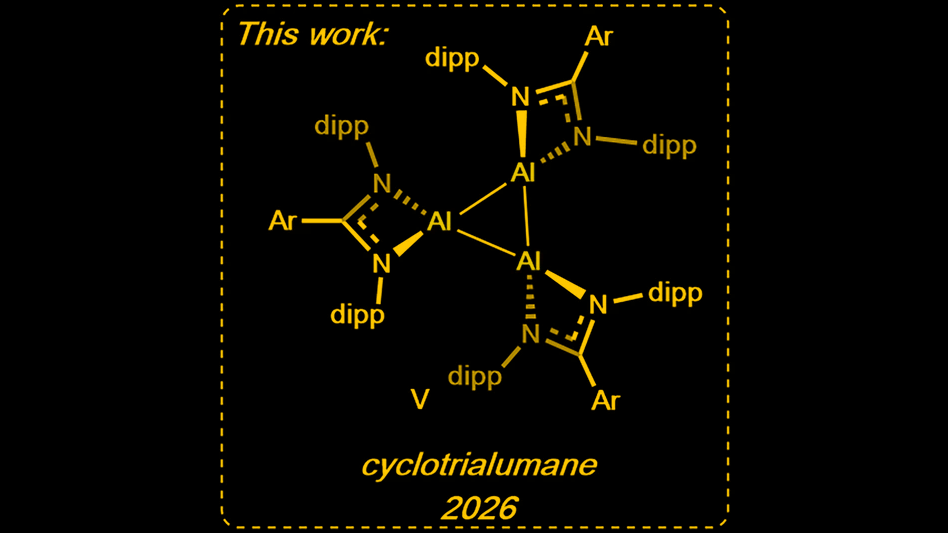
Platinum-group metals (PGMs) are great catalysts, but they’re also great investments — in the sense that they are very, very expensive. Just ask the guy nicking car exhausts in the Walmart parking lot. If one could replace PGMs with a more common element, like, say the aluminum that makes up over 8% the mass of this planet, it would be a boon to the chemical industry, and a bane to meth addicts. Researchers at King’s College, London have found a way to do just that, with a novel form of aluminum called cyclotrialumane.
The aluminum trimer is exactly what the ‘tri’ in the name makes it sound like: three aluminum atoms, bonded in a triangular structure that is just pointy and stick-outy enough to poke into other molecules and make chemistry happen. OK, not really — you can see from the diagram above it’s not nearly that simple — but the point is that the shape makes it a good catalyst. The trimer structure is useful in large part because it is very stable, allowing reactions to be catalyzed in a large variety of solutions.
The researchers specifically call out their trialuminum compound as effective at splitting H2 in to H+ ions, as well as ethene polymerization. Both of those are important industrial reactions, but that’s only a start for this trialuminum wonder catalyst, because the researchers claim it can catalyze totally new reactions and create previously-unknown chemicals.
If you never took chemistry, or it’s been too many years since you last slept through that class, we have a primer on catalysts here. By accelerating chemical reactions, catalysts have enabled some neat hacks, like anything involving platinum-cure silicone.
Advertisement
Thanks to [Lightislight] for the tip! Hacks do appear here on their own, but you can always use our tips line to catalyze the synthesis of a particular article.
Header image adapted from: Squire, I., de Vere-Tucker, M., Tritto, M. et al. A neutral cyclic aluminium (I) trimer. Nat Commun17, 1732 (2026). https://doi.org/10.1038/s41467-026-68432-1
Some days, it feels like we’re getting all the bad parts of cyberpunk and none of the cool stuff. Megacorps and cyber warfare? Check. Flying cars and holograms? Not quite yet. This week, things took a further turn for the dystopian with the news that a woman was hospitalized after an altercation with a humanoid robot in Macau. Police arrived on scene, took the bot into custody, and later told the media they believed this was the first time Chinese authorities had been called to intervene between a robot and a human.
The woman, reportedly in her seventies, was apparently shocked when she realized the robot was standing behind her. After the dust settled, the police determined it was being operated remotely as part of a promotion for a local business. We’ve heard there’s no such thing as bad publicity, but we’re not sure the maxim holds true when you manage to put an old lady into the hospital with your ad campaign.
Speaking of robots, the U.S. Library of Congress recently discovered and subsequently restored Georges Méliès’s Gugusse et l’Automate (Gugusse and the Automaton), a short film from 1897 that’s considered the first piece of science fiction cinema. As far as anyone knows, it’s also the first time a robot appeared on screen, although this isn’t exactly The Terminator we’re talking about here.
The runtime is less than a minute, but to make the short story even shorter: a guy cranks up a robot that gets bigger and bigger until it turns on its maker and starts to hit him with a stick. The human responds in kind by smashing the robot with a cartoonishly large mallet until it poofs out of existence. The modern film school interpretation is that it’s a cautionary tale about the dangers of technology, ye old Black Mirror, if you will. Since nobody can ask old Georgie what he was going for, we’ll just have to take their word for it.
Advertisement
Returning to the desert of the present, Tom’s Hardware reports that at least one manufacturer is starting to pack their new RAM with an additional non-functioning filler module. With prices skyrocketing, this allows folks who can’t afford to fill all the memory slots on their motherboard to stick something in there that at least looks the part. This may seem pointless, but consider that many gamers and other power users have PC’s with clear side panels to show off their elaborate internal layouts. We get it from an aesthetic standpoint, but it also sounds like a new way to potentially get scammed when buying parts on the second-hand market. Though, to be fair, it could be that we’re just overly cynical after watching that Georges Méliès film. At the very least, the current price of memory certainly makes it feel like we’re being hit with a stick.
Finally, what good is living in a cyberpunk world without the occasional bout of rebellion? That’s where the Ageless Linux project comes in. This is a Linux distribution that’s intentionally configured to violate the California Digital Age Assurance Act, which essentially states that the operating system must ask the user how old they are and make this information available to any piece of software that wants to know.
To be fair, being in violation of this law right now is easy — indeed, the OS you’re using now is almost certainly not compliant. But the idea is that it may bend the knee at some point, while Ageless Linux won’t. One could argue that they started the project a bit too early, but frankly, the whole thing is performative in the first place, so if it gets people talking, that’s enough. We’re particularly interested in their idea of making a non-compliant hardware device that’s cheap enough to distribute while still meeting the definition of a computing device, as it’s written in the California Digital Age Assurance Act.
Think they would mind if we borrowed the idea for this year’s Supercon badge?
Advertisement
See something interesting that you think would be a good fit for our weekly Links column? Drop us a line, we’d love to hear about it.
If your Playdate wishlist is anything like mine (endless), here’s a good excuse to actually go ahead and free some of those games from limbo: Panic is running a sale across the Playdate Catalog to celebrate its three-year anniversary. Sure, the majority of Playdate games are pretty cheap as is, but they can still add up when you’re on a wild purchasing spree. Ask me how I know! The sale started on March 5 and goes until March 19 at 1PM ET (10AM PT), so take advantage of the discounts while you can.
There are 423 games available in the Catalog now, according to Panic, so if you’re having trouble deciding on which you should go for, I’ve got you covered with a few recommendations right here.
Season Two
If $39 felt like too much to drop on Season Two when it came out last summer, now’s the time to get it. Playdate’s second season had only half the number of games as its first, but it still felt like a much stronger collection. Each of its 12 games is really solid, and there’s plenty of variety in terms of genre and style, from puzzles and hours-long adventures to fast-paced action games that are great for bursts of intense play. And, it comes with Blippo+ — an oddball cable TV simulator that’s unlike anything out there right now.
All of these games are worth playing, but there were definitely some standouts from the bunch: The Whiteout, a post-apocalyptic adventure that’ll surely hit even harder now considering the winter we’ve had; the puzzle platformer Taria & Como; the arcade action game Fulcrum Defender; the climbing adventure, Tiny Turnip. I also really enjoyed Dig! Dig! Dino! for something on the chiller side.
Outside Parties
I have not been able to shut up about this game since it came out. It’s unique, it’s creepy, it’s completely engrossing and it really pushes the limits of what the Playdate can do. Outside Parties is a horror scavenger hunt, presenting you with one massive picture to scrutinize and find hidden scenes within, using the crank to adjust the brightness constantly so you can find anything that may be buried in shadow. As you find these targets, more and more of the game’s story comes to light through eerie audio clips. It is such a cool experience and the atmosphere of it all is incredible. You’ll get many hours of playtime out of this one too, with over 150 targets to find and lots of lore to uncover.
Crankstone
A full-blown western for the Playdate! Crankstone is a gallery shooter with minigames mixed throughout, and between the aesthetic, the music and the activities, it’s a lot of fun. You can choose the story mode to get right into the shooting and defending the town from outlaws, or head to the saloon to pick from the handful of mini games individually, including some fast-paced “spot the correct card” deck shuffling games and a few mimicry games involving the crank. It’s like a wild west theme park crammed into the Playdate, which is to say, it’s wonderful.
Echo: The Oracle’s Scroll
This is one of my all-time favorite Playdate games. Echo: The Oracle’s Scroll is a metroidvania without the usual combat, focusing entirely on exploration and puzzle-solving in a vast network of subterranean kingdoms. In this game, the Blight has forced civilization underground, and you play as a child who has been sent on a mission to deliver a scroll from the bottom-most territory, where the humans live, up to The Archives.
There are all sorts of treacherous environments underground, including magma lakes and areas filled with hostile vegetation, making for what is at times a challenging platformer that requires lots of creativity to make your way through. The tone is a bit somber, but quirky characters — like a frog prince with a bouncy belly — keep things from getting too dark.
Advertisement
Carte Blanche
This one’s for lovers of classic card games. There are six games in this virtual card game parlor (which is run by a bird named Blanche): Cribbage, Gin Rummy, Spades, Cassino and Spite & Malice. It’s great for if you already know what you’re doing, but I found Carte Blanche to be a really good introduction to these games for absolute beginners too, thanks to the easy-to-follow tutorials. When you win games, you’ll be rewarded with coins that you can spend at Blanche’s slot machine, which is stocked with little trinkets she’s collected.
Castle Kellmore
Castle Kellmore absolutely rules. This first-person action game puts you in a series of mazes where you have to fight off floating-head-style monsters as you hunt around for keys and try to find the doors and portals to your escape. There are sixteen levels, and upon finishing each one you’ll get a little summary of how long it took you to complete that area and what percentage of the level’s enemies you killed. I also really get a kick out of the sounds in this game. The enemies slurp and squelch, and your character will let out a hilariously passionless, “Ah” or “Ooeuugh” after picking up a health boost or getting injured. Great for fans of dungeons!
Piña Rollada
If you’ve ever played any of the Super Monkey Ball games, the gist of this one should be pretty familiar: roll the ball through the course and collect all of the fruits before reaching the exit. Don’t fall off the edge, and do it all in as little time as possible. Piña Rollada makes use of the Playdate’s accelerometer, which means you control the ball’s movement by tilting the console (there is also the option to use the D-pad instead). The courses start getting tricky pretty much right away, with thin paths that don’t have any guardrails, obstacles to avoid and moving platforms. And, just going near the exit will result in the ball getting sucked in, so you have to keep that in mind as you collect any surrounding fruits if you don’t want the level to end prematurely.
This is another one of those games that is both frustrating (in the fun way) and totally addicting. Expect to yell a lot.
Other games to try
These are just the games I’ve been enjoying lately, but there are tons of other Playdate games worth checking out during the sale, like these cheese games and Spilled Mushrooms. And if you need even more recommendations, take a look through our list of the best Playdate games, where you’ll find gems like Summit and Bwirds. There are quite a few I’m planning to finally spring from my wishlist too, including The Shape That Waits.
Update, March 15 2026, 7:15 PM ET: This story has been updated to include additional game recommendations.
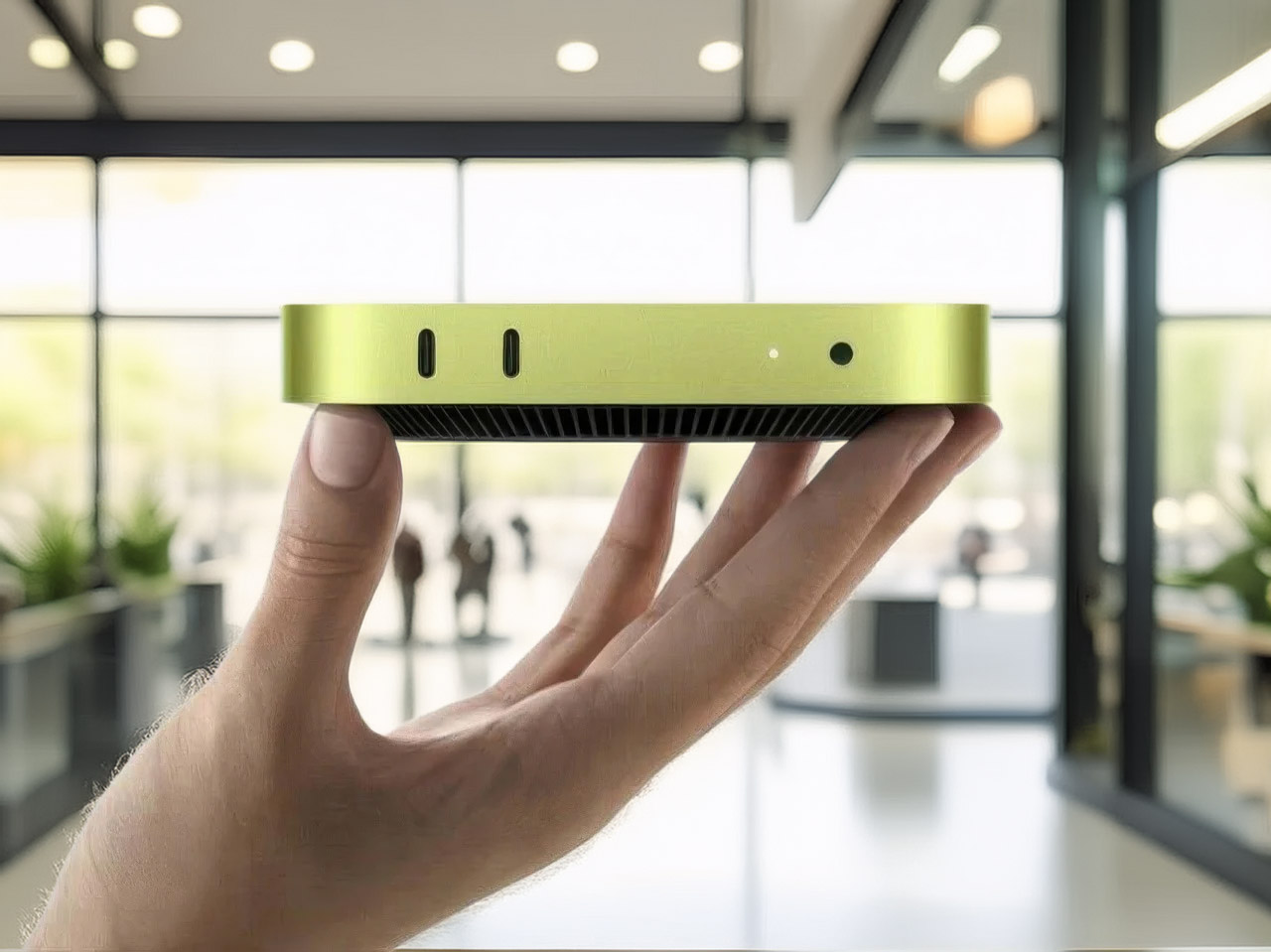
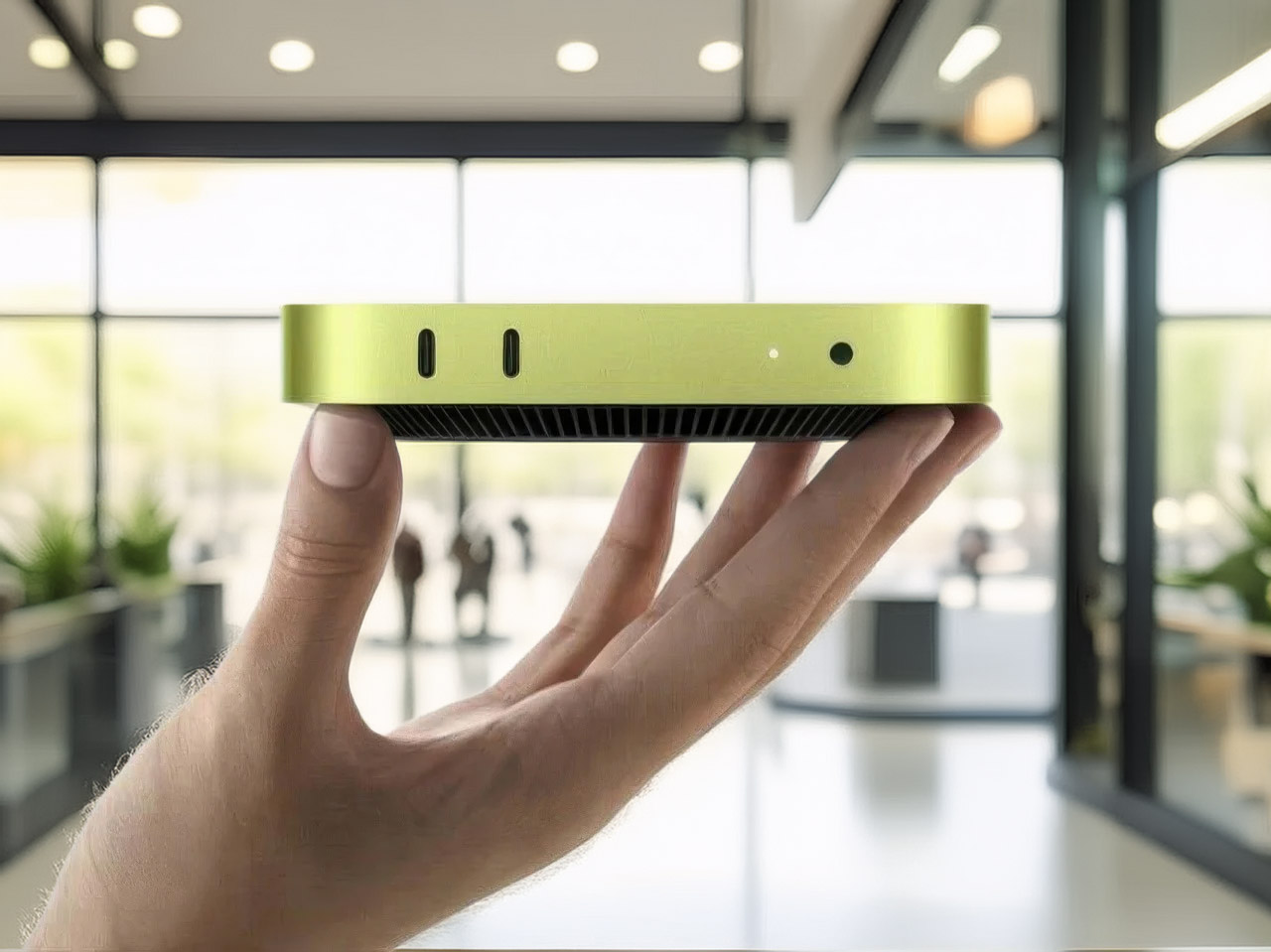
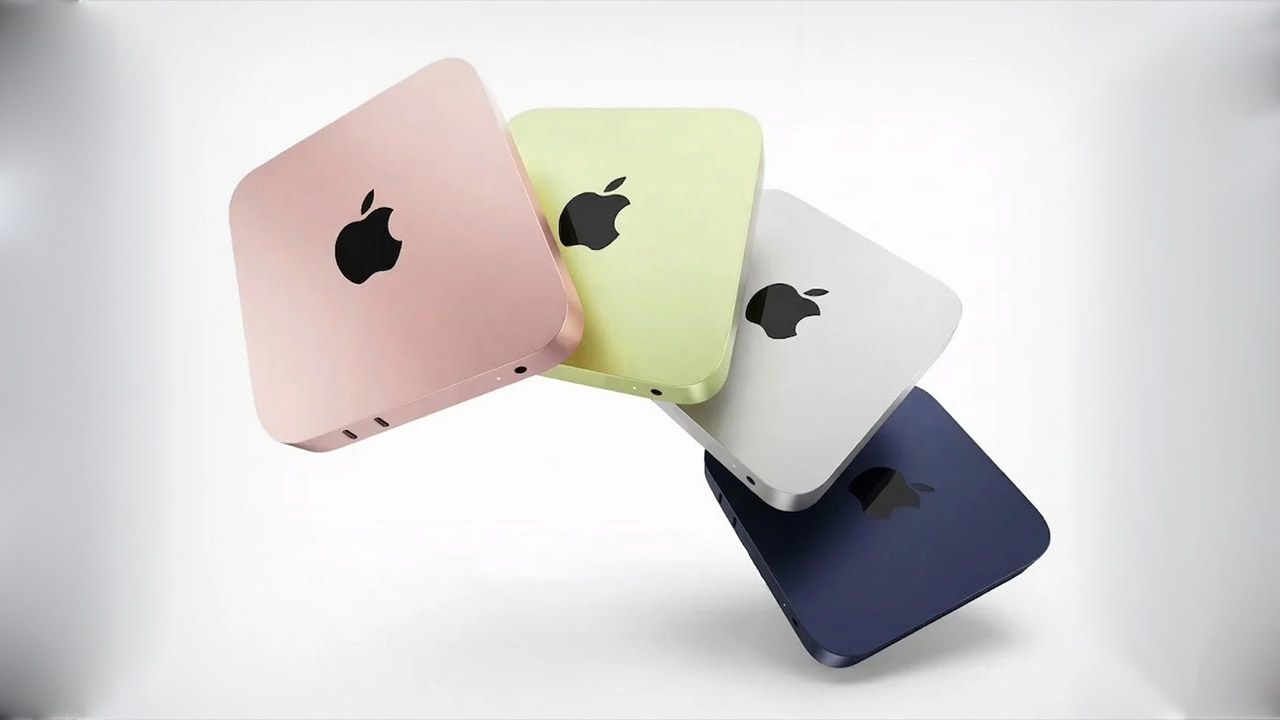
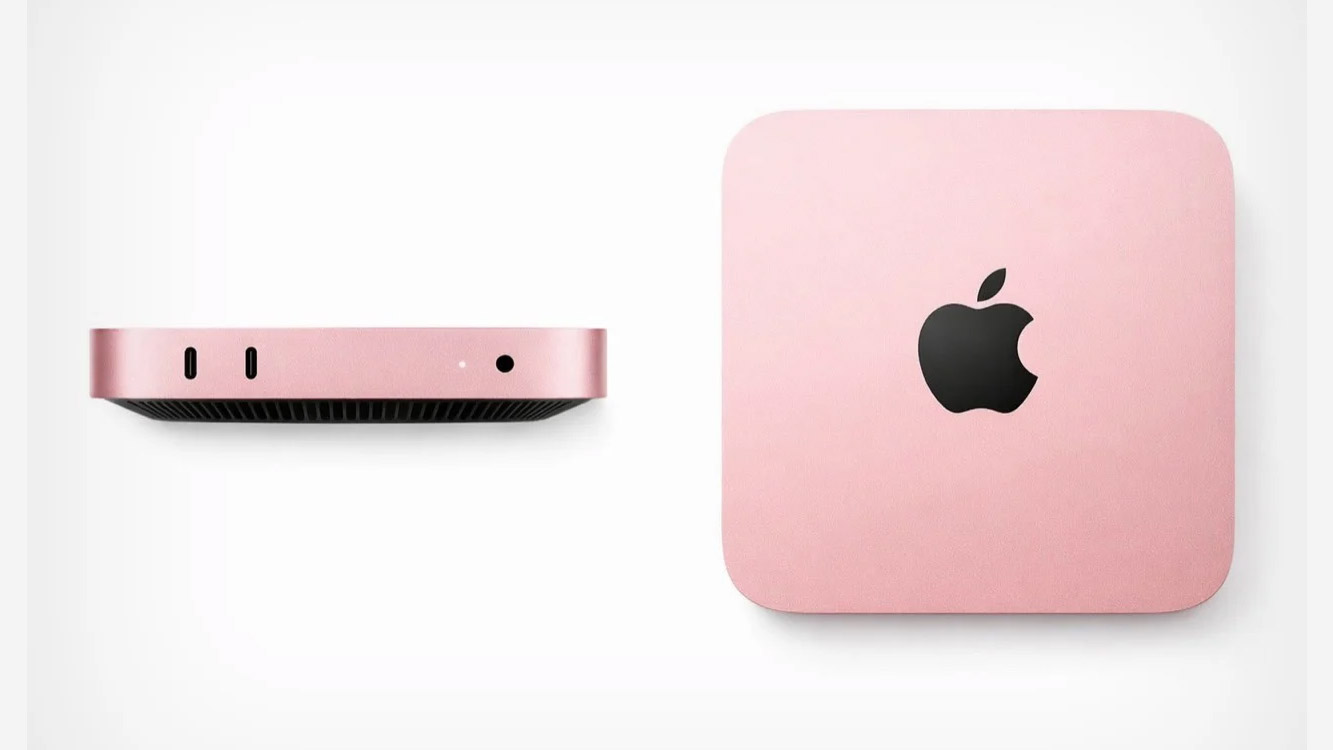
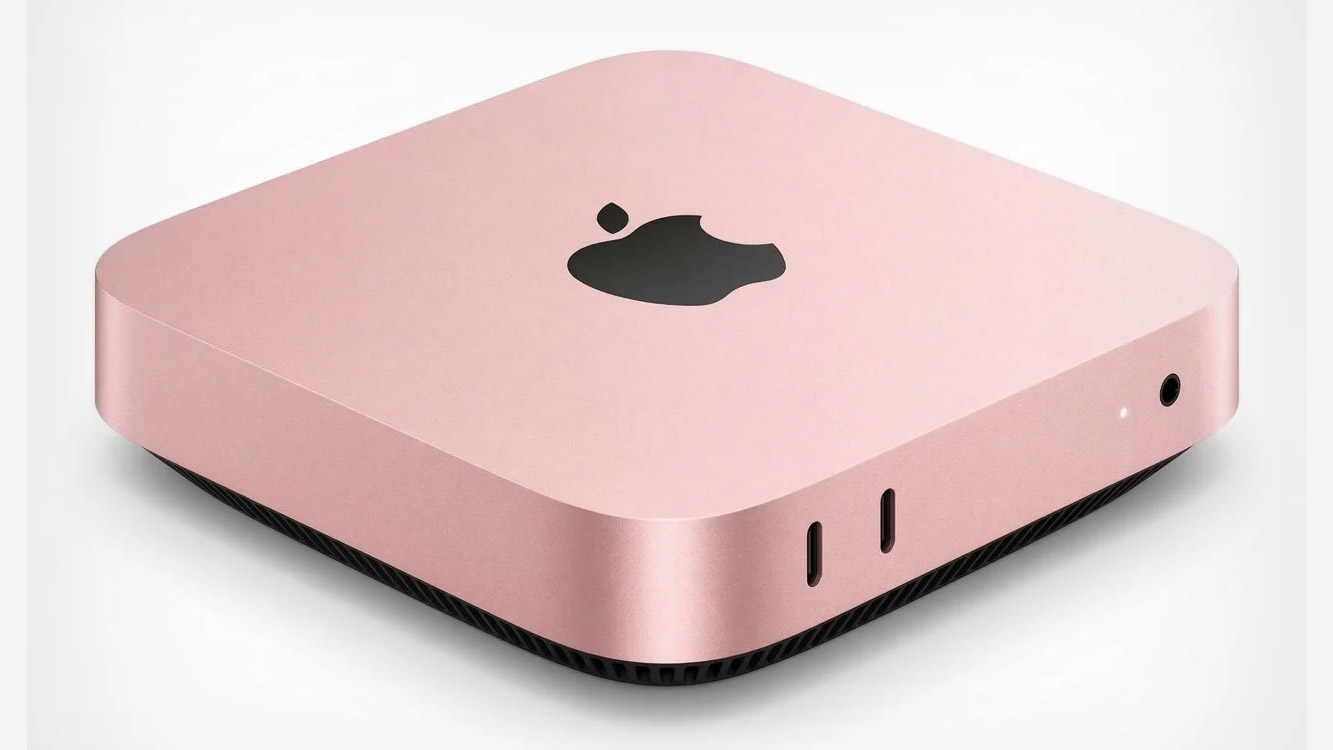
Photo credit: Yanko Design Apple’s MacBook Neo has clearly struck a nerve, and it isn’t hard to see why people are already wondering what those same ideas might look like in a desktop form. Designer Sarang Sheth had exactly that thought, and the result is the Mac Neo concept, a compact desktop that takes everything that makes the laptop so compelling and reimagines it for the desk
This design is focused on sleekness, as it is noticeably thinner than Apple’s smallest existing desktop, allowing them to completely eliminate moving parts for cooling. Instead, they use basic passive airflow to keep it quiet, even if you’re hammering away at it for hours on end.
HELLO, MACBOOK NEO — Ready for whatever your day brings, MacBook Neo flies through everyday tasks and apps. Choose from four stunning colors in a…
THE MOST COLORFUL MACBOOK LINEUP EVER — Choose from Silver, Blush, Citrus, or Indigo — each with a color-coordinated keyboard to complete the…
POWER FOR EVERYDAY TASKS — Ready the moment you open it, MacBook Neo with the A18 Pro chip delivers the performance and AI capabilities you need to…
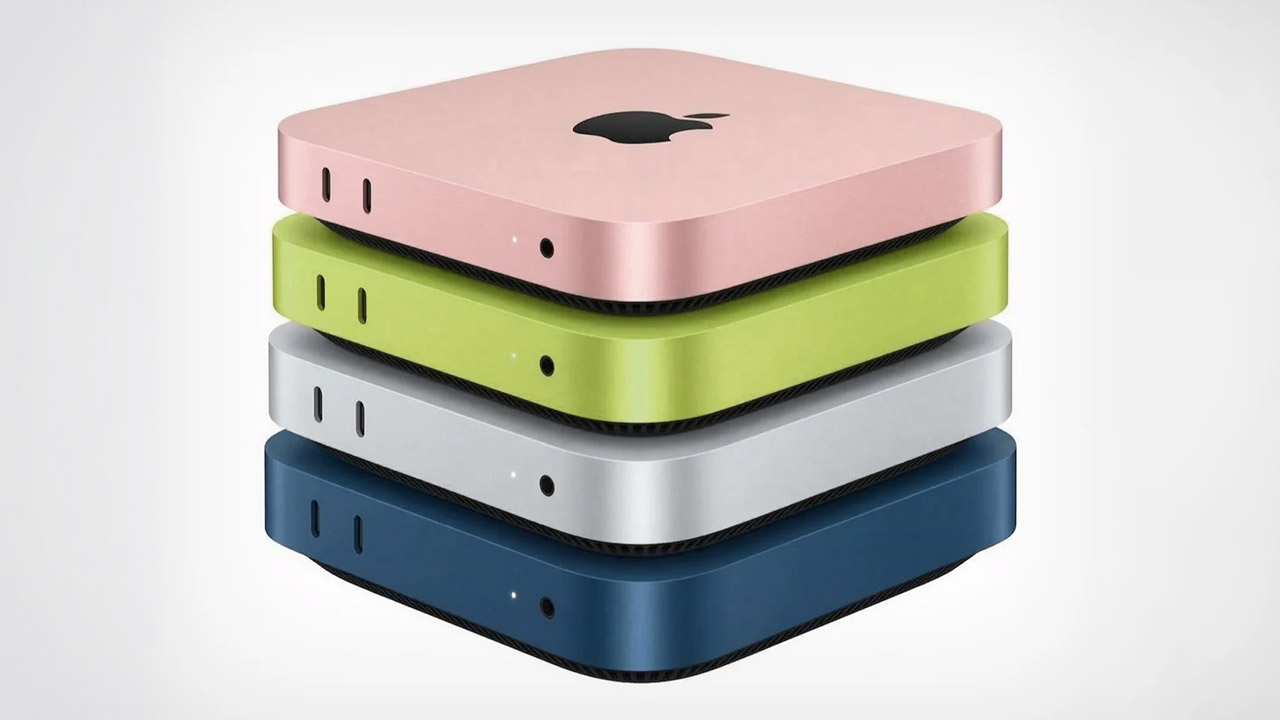
The color palette is quite welcoming and approachable, since they use the same four options as the laptop line, so you can have soft blush pink or citrus yellow, all in a smooth aluminum finish, which is a break from Apple’s customary plain metal tones. It gives the Mac Neo the impression that “this is a device that was picked, not just plopped on a desk,” and it would look just as good in your living room or dorm room as it would in the office.
The power comes from the same A18 Pro processor that powers the new laptop. So you’ll have six CPU cores, five GPU cores, and a dedicated neural engine to make it sing. Eigh gigabytes of unified memory makes everything zippy enough, and you won’t have to continuously swap files to and from storage. Testing the MacBook Neo indicates that it outperforms a slew of entry-level Windows machines in everyday use, and with so much more room to breathe in this desktop architecture, the processor stays nice and cool for longer.
They estimate the price to be roughly $400. This is primarily aimed for students, families, and anyone who is just getting into the Mac pool for the first time, putting it in line with many of the more basic laptops from other brands. As an aside, a separate power brick is included, which is beneficial because it allows them to manage heat better than if they put everything in a battery-powered laptop.
Looking for the most recent Strands answer? Click here for our daily Strands hints, as well as our daily answers and hints for The New York Times Mini Crossword, Wordle, Connections and Connections: Sports Edition puzzles.
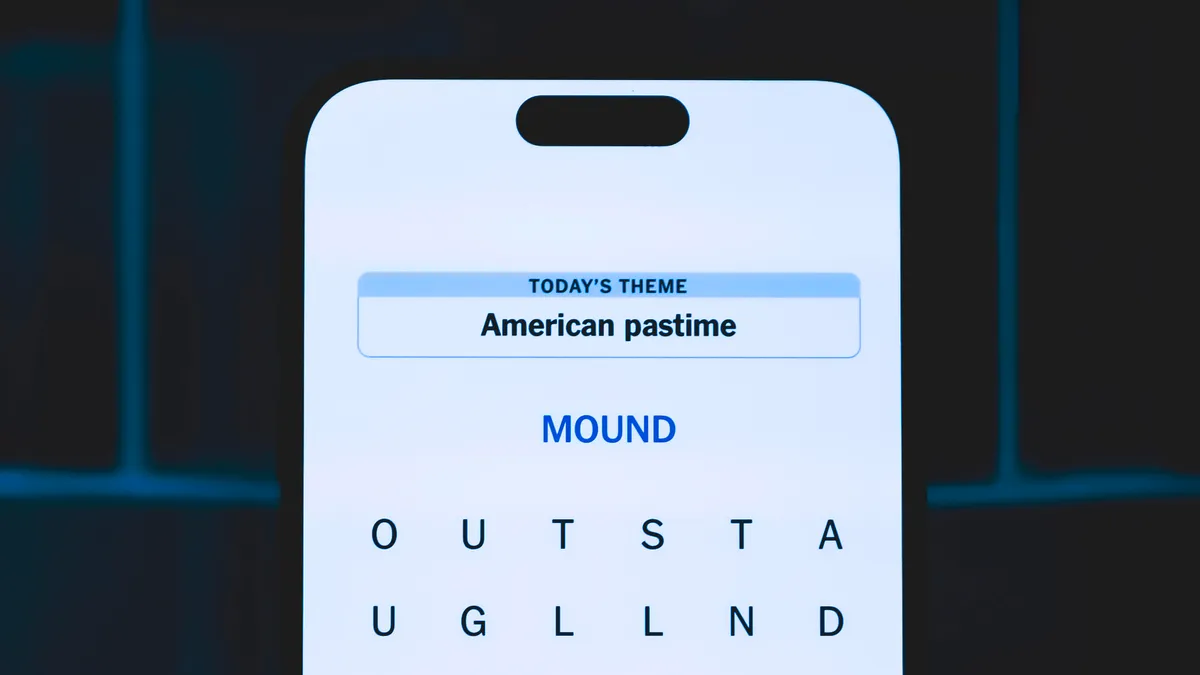
Today’s NYT Strands puzzle is a fun and easy one if you love college basketball, and a certain big event that’s about to begin. Some of the answers are difficult to unscramble, so if you need hints and answers, read on.
If that doesn’t help you, here’s a clue: Tourney time
Clue words to unlock in-game hints
Your goal is to find hidden words that fit the puzzle’s theme. If you’re stuck, find any words you can. Every time you find three words of four letters or more, Strands will reveal one of the theme words. These are the words I used to get those hints but any words of four or more letters that you find will work:
MARK, BRACK, RACK, RACKS, CADS, CRAM, MOVE, MUTE
Answers for today’s Strands puzzle
These are the answers that tie into the theme. The goal of the puzzle is to find them all, including the spangram, a theme word that reaches from one side of the puzzle to the other. When you have all of them (I originally thought there were always eight but learned that the number can vary), every letter on the board will be used. Here are the nonspangram answers:
CHALK, BUBBLE, CINDERELLA, OVERTIME, BRACKET
Today’s Strands spangram
The completed NYT Strands puzzle for March 16, 2026.
NYT/Screenshot by CNET
Today’s Strands spangram is MARCHMADNESS. To find it, start with the M that’s four letters down on the far-left vertical row, and wind across.
To capitalize on Claude’s recent spike in popularity, Anthropic is offering a limited-time promotion that doubles usage limits for anyone using its AI chatbot during off-peak hours. From March 13 to March 27, users on Free, Pro, Max, and Team plans will get double the usage limits in a five-hour window when using Claude outside weekday hours between 8 AM and 2 PM ET. According to Anthropic, the promotion is automatic, and users don’t have to enable anything to get the benefits.
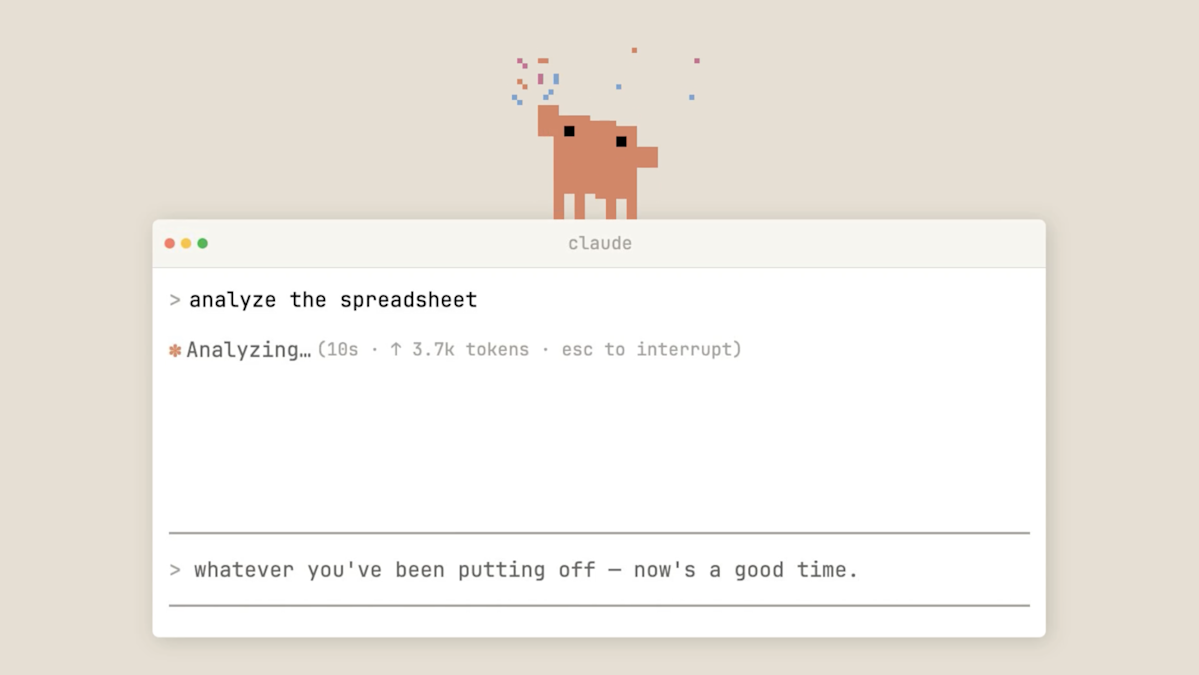
Anthropic said that this promotion applies to anyone using Claude on web, desktop or mobile, but also with Cowork, Claude Code, Claude for Excel and Claude for PowerPoint. Previously, Anthropic offered a similar event from December 25 to December 31, doubling usage limits for Pro, Max 5x or Max 20x subscribers. However, Anthropic is targeting an even wider audience with its latest promotion since only Enterprise users are excluded this time around.
Anthropic is marketing the promotion as a “small thank you to everyone using Claude,” but it’s likely tied to its ongoing battle with the Department of Defense. After refusing to remove certain AI safeguards for the Department of Defense, Anthropic was listed as a supply chain risk and lost its contract with the federal agency. In turn, OpenAI signed a deal with the Department of Defense, leading to many users deciding to boycott ChatGPT in favor of Claude and other AI chatbot options.
The eagle-eyed will have spotted I predicted a Sinner Best Picture win and Paul Thomas Anderson Best Director win. Am I predicting that rare beast of a split for the top prizes or cowardly splitting my chances? Both.
But, let’s not forget Sinners leads with an incredible 16 nominations. Sixteen!
Advertisement
To put that in perspective that’s the most in Oscar history by not one but two nominations, albeit this includes a new category Best Casting but it’s incredible. A film which came out nowhere near the typical awards season window towards the end of the year and about bloody vampires is the FRONTRUNNER for the Academy Awards.
However, despite that and maybe due to the unstoppable juggernaut which One Battle After Another has been most of awards season with 13 nominations, it’s also managed to position itself as the scrappy underdog.
It would be a sin for any other film to win, right?
Advertisement
Cards on the table
For full transparency, this amateur film writer has attempted to predict the categories in what is called the most unpredictable Oscars in years (they always say that though).
Here’s my predictions so you can hold me to account later…
Best Picture – Sinners
Best Director – Paul Thomas Anderson
Advertisement
Best Actor – Timothée Chalamet
Best Actress – Jessie Buckley
Best Supporting Actor – Sean Penn
Best Supporting Actress – Teyana Taylor
Advertisement
Best Original Screenplay – Sinners
Best Adapted Screenplay – One Battle After Another
Best Animated Feature – KPop Demon Hunters
Best International Feature – Sentimental Value
Advertisement
Best Documentary Feature – The Perfect Neighbour
Best Documentary Short – All the Empty Rooms
Best Live Action Short – Two People Exchanging Saliva
Best Animated Short – Butterfly
Advertisement
Best Original Score – Ludwig Göransson
Best Original Song – Golden
Best Sound – F1
Best Casting – Sinners
Advertisement
Best Production Design – Frankenstein
Best Cinematography – Sinners
Best Makeup and Hairstyling – Frankenstein
Best Costume Design – Frankenstein
Advertisement
Best Editing – One Battle After Another
Best Visual Effects – Avatar: Fire and Ash
One Sinner After Another
Not since the year of Barbenheimer have two films completely dominated the Oscar conversation. One Battle After A Sinner? One Sinner After Another? Hmmmm there’s not really a good portmanteau for them…
Advertisement
It’s pretty much the conventional wisdom that either Sinners or One Battle After Another will bring home the big prizes of Picture, Director, Writing and some of the other acting categories.
But who will prevail?
How to watch the Oscars wherever you are…
Whether you’re strapping in as we approach midnight with a strong coffee in Europe…or you’re watching as sunset rises with a strong coffee in Asia (that’s where this writer is) or you’re watching at a sensible time with a strong coffee in America…how do you watch the ceremony?
Advertisement
Well, thankfully we’ve got you covered! Find out how to watch it wherever you are with our handy guide here.
What does the ceremony look like?
For those new to Hollywood’s sacred annual ritual, here’s what the night looks like…
24 categories will be presented include this year’s newest one, Best Casting, just to boost that running time a little more.
Advertisement
You have the much covered acting categories – with Actor, Supporting Actor, Actress and Best Actress – the more technical awards – Production Design, Sound etc – and then the big ones: Writing, Directing and Picture.
Who will take home the most Academy Awards, stay tuned…
Welcome to the Oscars!
Hello from wherever you are in the world, and welcome to the biggest night in Hollywood!
Advertisement
Strap in for what’ll most likely be – if we’re being conservative judging by the ‘shortest’ ceremonies – one hour of pre-coverage and four hours of Oscar drama. And I’ll be with you through it all.
Stay tuned wherever you are as the action kicks off in less than an hour…
Please follow our community guidelines.” data-join-the-conversation-text=”Join the Conversation”>
You must confirm your public display name before commenting
Advertisement
Please logout and then login again, you will then be prompted to enter your display name.
Customers at Apple Grand Central are being directed to other stores while it’s closed for March 12 and 13. There’s no explanation, but it’s likely to be to do with Apple’s 50th anniversary celebrations.
View of Apple Grand Central from across the station — image credit: Apple
Apple Grand Central is used to being used for promotional events — it was where the “Severance” pop-up was in January 2025. Given its size and how many people go by it in Grand Central Station, it would make sense for an anniversary event to be held there. As yet there is no indication, though, of whether it’s an anniversary event, an unrelated promotion, or simply a refurbishment of the store. Buyers coming to the store on Thursday March 12, 2026, just saw a sign telling them it was closed. Continue Reading on AppleInsider | Discuss on our Forums







.jpg)