

Business
Costco recalls meatloaf meal kits in 26 states over Salmonella risk

Check out what’s clicking on FoxBusiness.com.
Costco issued a recall notice over the weekend for its popular ready-to-eat meatloaf meal kit, impacting warehouse locations in at least 26 states.
The “Meatloaf with Mashed Yukon Potatoes and Glaze” was flagged for potential Salmonella contamination after an ingredient supplier raised concerns.
“An ingredient supplier, Griffith Foods Inc., has announced the recall of an ingredient used in the Meatloaf because the ingredient has the potential to be contaminated with Salmonella,” the recall notice said.
Headquartered just outside Chicago, Griffith Foods is a global, family-owned food ingredient manufacturer. The Costco recall notice did not specify which ingredient was linked to the potential contamination.
COSTCO SUED BY CUSTOMER SEEKING REFUNDS FOR TARIFF PAYMENTS
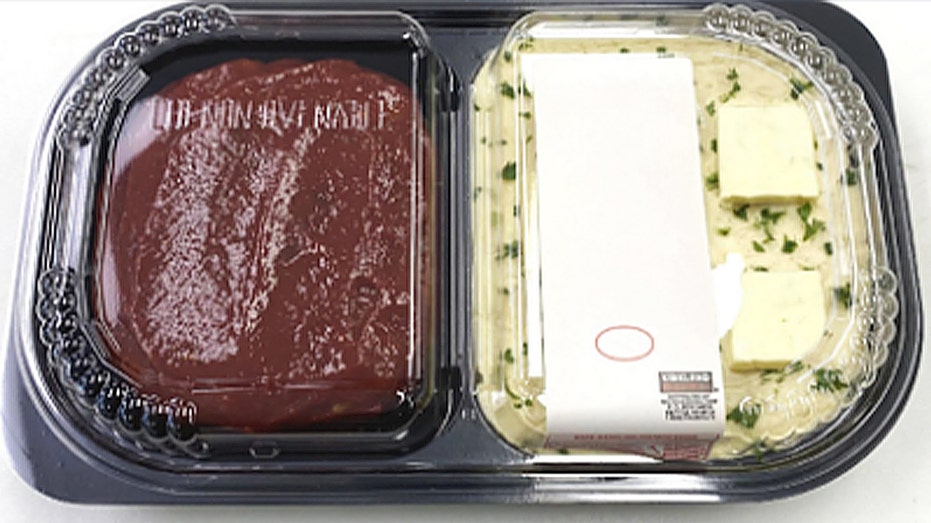
Costco issued a recall notice over the weekend for the “Meatloaf with Mashed Yukon Potatoes and Glaze.” (Costco / Fox News)
The meal, product #30783, was sold between March 2 and March 13, just days before the Salmonella concern emerged. The items had sell-by dates from March 5 through March 16.
Costco locations across 26 states, as well as the District of Columbia and Puerto Rico, were affected by the recall. The states include Alabama, Arizona, California, Colorado, Delaware, Florida, Georgia, Hawaii, Illinois, Indiana, Iowa, Kentucky, Maryland, Michigan, Mississippi, Missouri, Nevada, New Mexico, North Carolina, Ohio, Pennsylvania, South Carolina, Tennessee, Utah, Virginia and Wisconsin.
GM RECALLS 17K VEHICLES OVER REAR TOE LINK FRACTURE THAT COULD LEAD TO CRASHES
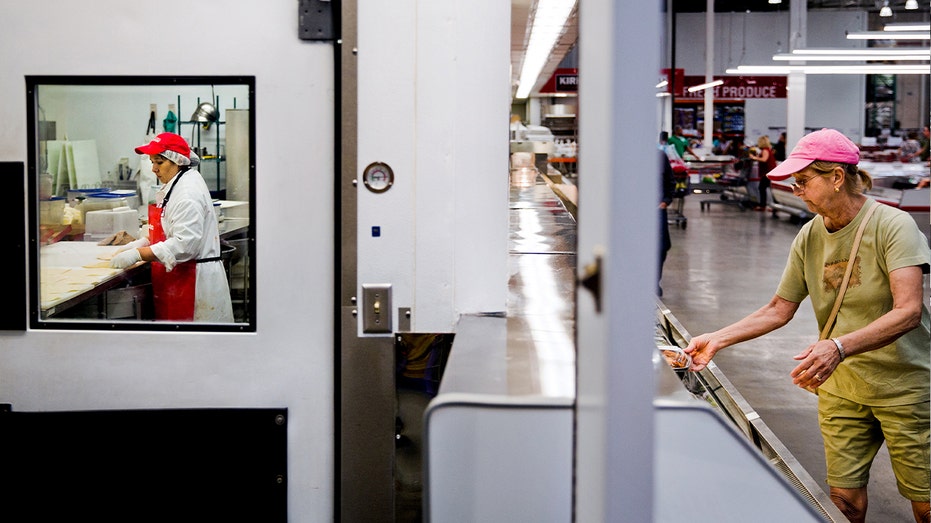
An employee, left, works in the deli department at a Costco Wholesale Corp. store in Miami, Florida, U.S., on Monday, Dec. 5, 2016. (Scott McIntyre/Bloomberg via Getty Images / Getty Images)
The retail giant urged customers not to consume the product and advised that the affected item could be returned to their local Costco for a full refund.
No illnesses or injuries have been reported in connection with the item, Costco added.
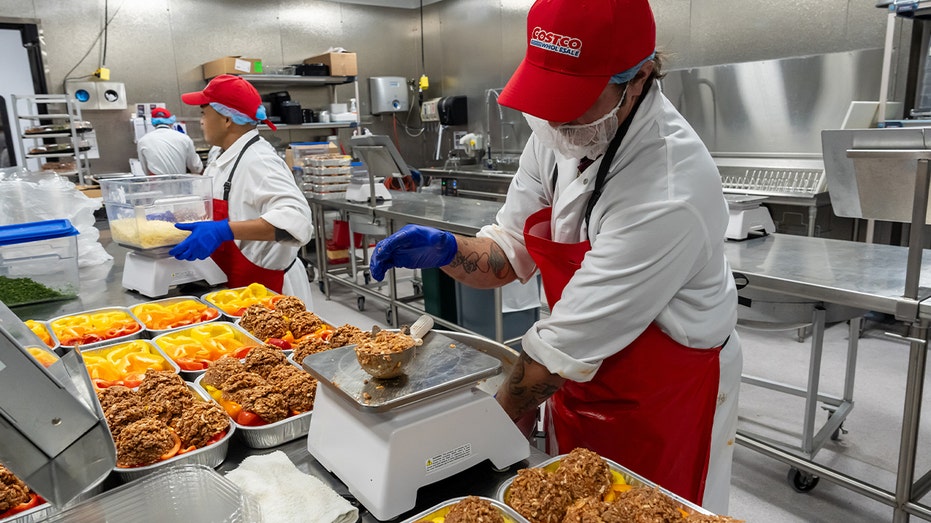
Costco employees in the deli department prepare food at a Costco store in Napa, California, US, on Monday, Sept. 22, 2025. (David Paul Morris/Bloomberg via Getty Images / Getty Images)
| Ticker | Security | Last | Change | Change % |
|---|---|---|---|---|
| COST | COSTCO WHOLESALE CORP. | 1,008.43 | +5.11 | +0.51% |
According to the CDC, Salmonella infection is a leading cause of foodborne illness in the United States. It is a bacterium that can cause serious and sometimes life-threatening infections, particularly in young children, the elderly and individuals with weakened immune systems.
GET FOX BUSINESS ON THE GO BY CLICKING HERE
Infections commonly cause diarrhea, fever, and stomach cramps, which typically appear between six hours and six days after exposure.
Most healthy individuals, however, recover within four to seven days, often without specific medical treatment.

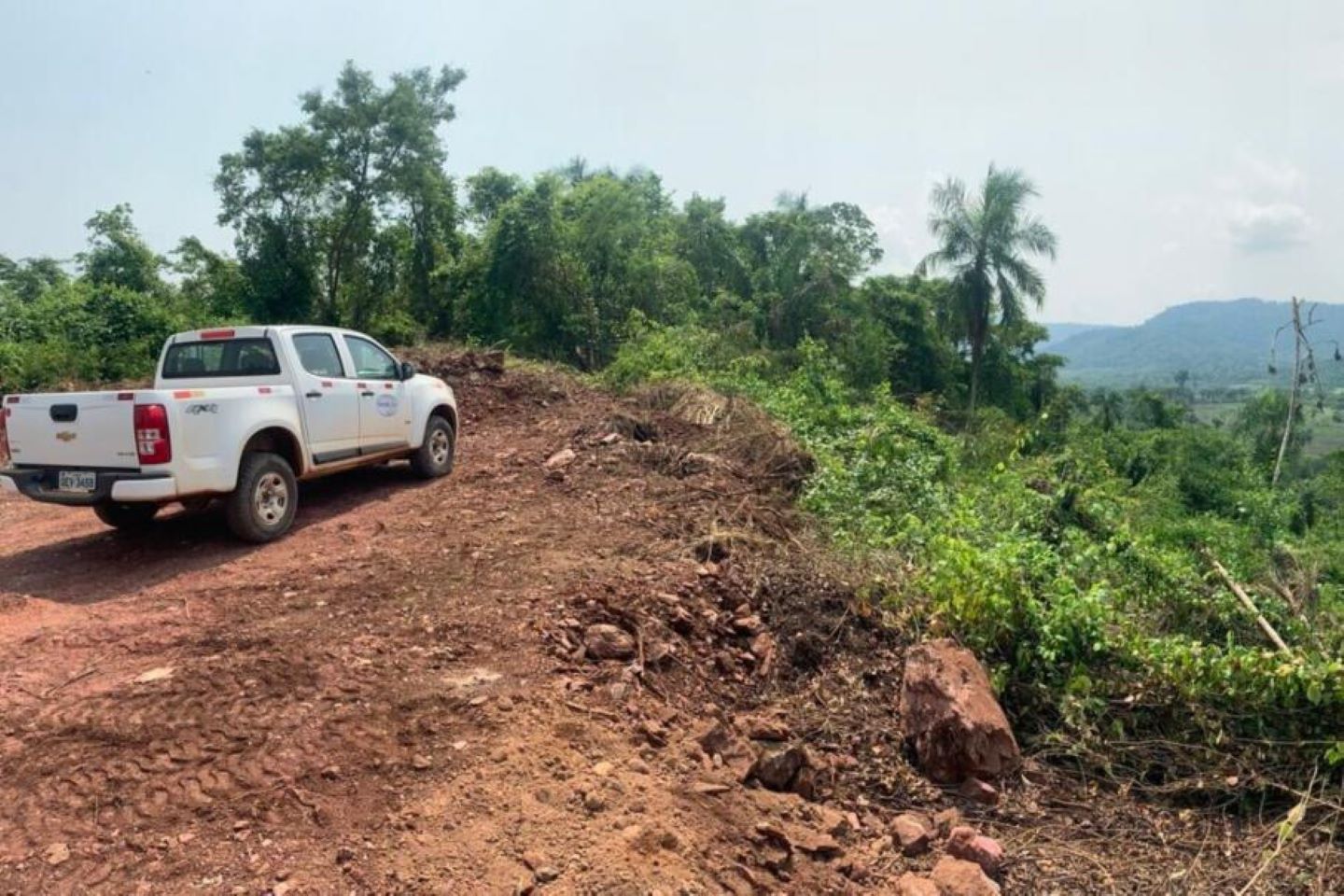
Darren Gordon-led Centaurus Metals has taken another important step towards a potential positive FID at its Jaguar nickel sulphide project in Brazil.
Business
Oil Price Today (March 16): Crude oil gains 1%, above $100 on Trump’s latest threat to Iran. Here’s why
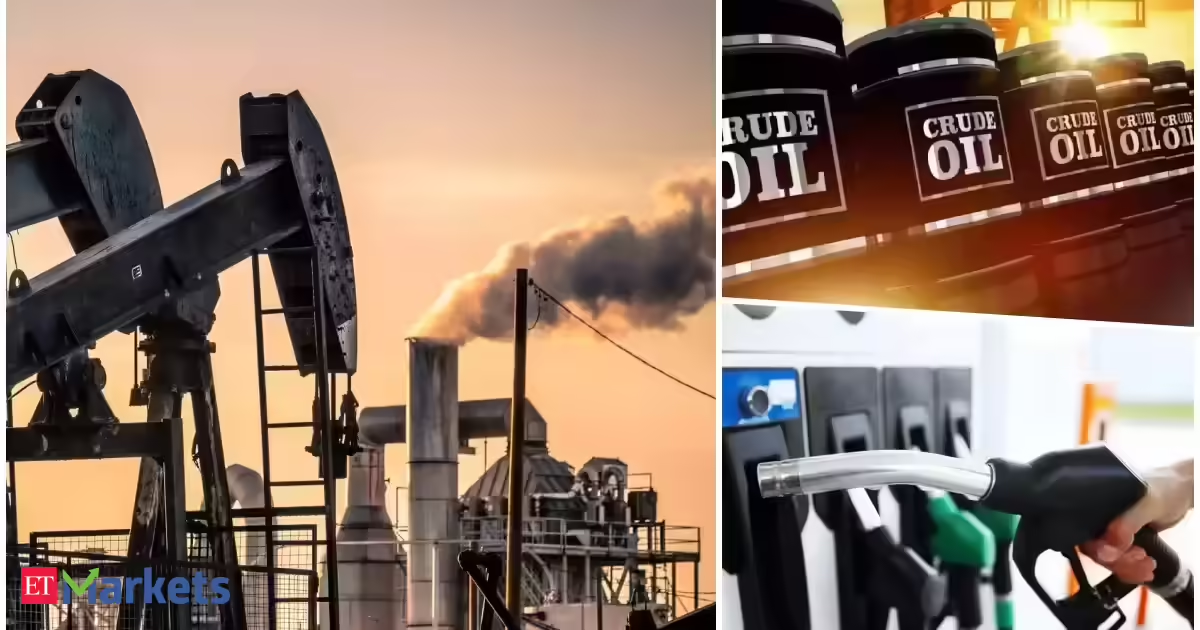
Crude oil price on March 16
Brent crude also climbed by nearly a percent to trade above almost $105 per barrel in early trade. It traded marginally lower in early hours.
In a post on Truth Social, Trump said he had ordered strikes on Iranian military assets on Kharg Island on Friday but avoided targeting oil infrastructure. However, he warned that if Iran continues attacking tankers in the Strait of Hormuz, the US could reconsider its decision.
The development gains significance as Kharg Island holds critical importance for Iran’s oil exports. Data shows that nearly 90% of the country’s oil shipments pass through the island.
A direct strike on the island’s export terminal would affect the majority of Iran’s crude exports. Such an attack could also trigger retaliation from Iran, either in the Strait of Hormuz or against energy infrastructure across the region, experts say.

Separately, Iranian drones struck a key oil terminal in Fujairah in the United Arab Emirates shortly after the attacks on Kharg. Four sources said oil loading operations at Fujairah have since resumed, although it remains unclear whether activity has returned fully to normal.
Fujairah, which lies outside the Strait of Hormuz, serves as the export outlet for about 1 million barrels per day of the UAE’s flagship Murban crude, a volume that accounts for roughly 1% of global demand.The US is also evaluating several high risk options on the ground. These include raiding Iranian nuclear sites to seize enriched uranium, taking control of the Kharg Island oil hub, and occupying parts of southern Iran to secure the Strait of Hormuz. He noted that each of these options would mark a significant escalation and carry substantially higher risk, SEB analyst Erik Meyersson told Reuters.
US-Iran talks soon?
US President Donald Trump said Sunday that the United States was in discussions with Iran as the war enters its third week but that Tehran was not ready for a deal to end it.
“Yes, we’re talking to them,” Trump told reporters aboard Air Force One, without detailing the nature of such talks, when asked if there was any diplomacy under way to end a conflict that has spread across the Middle East and roiled global markets.
“But I don’t think they’re ready. But they are getting pretty close,” Trump said. Iran’s foreign minister earlier denied any talks with the United States were taking place.
(Disclaimer: Recommendations, suggestions, views and opinions given by the experts are their own. These do not represent the views of The Economic Times)

More than six weeks after 84-year-old Nancy Guthrie vanished from her Tucson-area home in what authorities describe as a targeted abduction, the high-profile investigation led by the Pima County Sheriff’s Department and FBI has produced no arrests, no confirmed sightings of the missing woman and no public identification of a suspect.

Nancy Guthrie, mother of NBC “Today” show co-anchor Savannah Guthrie, was last seen the evening of January 31, 2026, after being dropped off at her Catalina Foothills residence following a family dinner. She missed a scheduled online church service the next morning, February 1, prompting relatives to check on her around 11 a.m. They discovered her phone and other belongings still inside, with signs of disturbance including blood on the porch. Investigators quickly classified the case as a possible kidnapping, securing the home as a crime scene.
Pima County Sheriff Chris Nanos has maintained that Nancy Guthrie was “taken in the dark of night from her bed,” citing her advanced age, limited mobility and reliance on medication as evidence against voluntary departure. Doorbell camera footage released early in the probe shows a masked individual carrying a backpack near the property, believed to be the primary suspect. Officials have indicated the same person may have scouted the home previously.
As the search reached Day 44 on March 16, 2026, key developments include ongoing forensic analysis of DNA evidence from gloves and other items recovered at the scene. Sheriff Nanos told NBC News in a recent interview that investigators believe the abduction was targeted, stating, “We believe we know why he did this, and we believe that it was targeted, but we’re not 100% sure.” He expressed continued hope that Nancy remains alive, though he acknowledged the passage of time complicates the outlook.
The family, including Savannah Guthrie and siblings Annie and Camron, offered a $1 million reward in late February for information leading to Nancy’s recovery. The FBI maintains a separate reward—doubled early in the case to $100,000 or more in some reports—for tips resulting in her location or the arrest and conviction of those responsible. Tips have exceeded thousands, with the public urged to contact 1-800-CALL-FBI, tips.fbi.gov or the Pima County Sheriff’s Department at 520-351-4900.
Recent updates highlight forensic progress: The FBI recovered additional images from Nancy’s security cameras, though details remain limited as analysis continues. Sheriff Nanos has noted potential use of an internet jammer by the perpetrator to disrupt connectivity that night, prompting door-to-door inquiries in the neighborhood about service interruptions.
Savannah Guthrie, who took time away from “Today” following the disappearance, returned to the NBC studio in early March for planning purposes and made an emotional on-set appearance around March 5-6, marking her first time back in Studio 1A since late January. She has used social media for pleas, expressing faith and urging the captor to release her mother. In one video, she addressed the public directly, emphasizing Nancy’s vulnerability and the family’s desperation.
Criticism has surfaced regarding the investigation’s pace. Some reports noted early tensions between local authorities and the FBI over evidence access, though officials insist collaboration remains strong. A separate $1.35 million lawsuit against Sheriff Nanos unrelated to the case has drawn attention but not impacted the probe directly.
Other elements include purported ransom demands involving Bitcoin that surfaced early but have not been verified as legitimate. No proof-of-life contact has been confirmed. The case has drawn parallels to other missing-persons matters in Tucson, with a separate elderly disappearance in March highlighting regional concerns, though no links exist.
Experts and former agents have offered theories: Some suggest the suspect may strike again, while others note the shift from active rescue to recovery focus given Nancy’s age and health needs. A 2013 “Today” segment featuring Nancy’s bedroom has been referenced in media as potentially providing unintended details to the perpetrator, though authorities have not commented.
Family members have been publicly cleared of involvement, countering online speculation. Savannah has donated to the National Center for Missing and Exploited Children, hoping the spotlight aids other families.
As the investigation persists into its seventh week, officials stress the case is active with promising leads in DNA, video and timelines. No major public breakthrough has emerged, but Sheriff Nanos reiterated determination to pursue every angle until resolution.
The Guthries continue advocating for tips, describing Nancy as a beloved, faithful woman whose absence leaves a profound void. The community and national audience await developments in one of 2026’s most closely watched missing-persons cases.

At least eight central banks, including the U.S. Federal Reserve, the European Central Bank, the Bank of England and the Bank of Japan meet this week to set rates, in their first policy meetings since the Middle East conflict began.
Focus will be on policymakers’ assessment of the impact of higher oil prices on inflation and growth.
“The war … poses downside risk to economic growth and upside risks to inflation, so central bank responses will very much depend on the recent context, specifically whether inflation has been above, on, or below target,” said Carol Kong, a currency strategist at Commonwealth Bank of Australia.
Ahead of the meetings, the dollar retraced some of last week’s strong gains, leaving the euro bouncing slightly from a 7-1/2-month low hit earlier in the session to trade 0.14% higher at $1.1433.
Sterling was up 0.17% at $1.3245, though was not far from the 3-1/2-month low it hit on Friday as it clocked a 1.5% weekly decline.
The dollar index eased slightly to 100.20, but remained perched near last week’s 10-month high. U.S. President Donald Trump said on Sunday he is demanding that other countries help protect the Strait of Hormuz, adding that Washington is in talks with several nations about policing the critical shipping lane for oil and gas.
He warned in a separate interview with the Financial Times that NATO faces a “very bad” future if U.S. allies fail to assist in opening up the Strait.
The prospect of easing global energy disruptions sent oil prices down slightly, but markets remained in disarray with geopolitical tensions still running high and uncertainty over when the war, now in its third week, could end.
“As things stand now, the likelihood we will really see a change in current trajectory for central banks and their monetary policies around the world is, in our view, very, very limited,” said Jorry Noeddekaer, head of global emerging markets and Asia at Polar Capital, whose base case is for the war to be relatively short-lived.
RBA TO HIKE, BOJ IN DIFFICULT SPOT
The Australian dollar was up 0.55% at $0.7019, buoyed by hawkish rate expectations at home as the Reserve Bank of Australia is seen tightening policy on Tuesday.
Markets are now pricing in a 74% chance that the RBA could deliver a 25-basis-point hike.
“We are now pencilling two more hikes, one this week and another in May,” said CBA’s Kong.
“In Australia, inflation was already too high even before the Middle East conflict started, so with the new energy price shock, that will further increase risks to inflation.”
The yen meanwhile languished near the 160-per-dollar level and last stood at 159.44.
The Japanese currency has come under pressure due to the nation’s heavy reliance on the Middle East for energy supplies, with the war also throwing into question the BOJ’s rate outlook.
“For Japan, the key risk is not simply higher oil prices, but a deterioration in terms of trade driven by the costs of imported energy and logistics, compounded by yen weakness and constrained monetary policy flexibility,” said Amova Asset Management’s chief global strategist, Naomi Fink.
“Markets – especially foreign exchange – may be underestimating the probability of these pressures forcing a more difficult policy trade-off for the Bank of Japan.”
Elsewhere, the New Zealand dollar was up 0.47% at $0.5803, while the offshore yuan strengthened slightly to 6.9002 per dollar.
Top U.S. and Chinese economic officials held “remarkably stable” talks in Paris on Sunday that touched on potential areas of agreement in agriculture, critical minerals and managed trade for Trump and Chinese President Xi Jinping to consider in Beijing, sources said.

Harbor Osmosis Emerging Markets Resource Efficient ETF Q4 2025 Commentary
Chinese industrial production, retail sales rise more than expected in Jan-Feb

Micron plans second chip facility at newly acquired Taiwan site

PFXF: Trading Banking Sector Issues For Idiosyncratic Risks


China’s new home prices extend decline in February

In a possible hint of hope, the Wall Street Journal reported the Trump administration plans to announce as early as this week that multiple countries have agreed to form a coalition to escort ships through the Strait of Hormuz.
President Donald Trump told the Financial Times it would be very bad for the future of NATO if the allies did not help.
European Union foreign ministers will discuss on Monday bolstering a small naval mission in the Middle East, though any operation in the Strait would be fraught with risk.
Oil markets were cautious as Brent rose 0.1% to $103.27 a barrel, while U.S. crude fell 0.7% to $97.99.
Policymakers in the U.S., UK, Europe, Japan, Australia, Canada, Switzerland and Sweden hold their first full meetings since the start of the war, with energy prices looming over all of them.
“Central bank forecasts will immediately bias towards higher inflation and lower growth,” said Bruce Kasman, chief economist at JPMorgan. “Consistent with this view, we have pushed back or removed action for most central banks that were expected to move in March and April.” “Developments on the ground highlight the potential for further price increases and the likelihood that the risk premium will remain elevated.”
Japan’s Nikkei dipped 0.1%, while South Korean stocks added 0.9% after both lost ground last week. MSCI’s broadest index of Asia-Pacific shares outside Japan edged up 0.1%.
Regionally, the focus will be on Chinese economic data out on Monday with retail sales seen picking up in February after a dismal start to the year, while growth in industrial output is forecast to stay around 5%.
Top U.S. and Chinese officials are also meeting in Paris to discuss potential deals in agriculture, critical minerals and managed trade for U.S. President Donald Trump and Chinese President Xi Jinping to consider in Beijing.
ALL THE CENTRAL BANKS
S&P 500 futures and Nasdaq futures bounced 0.4% in choppy trading. While earnings season is over, concerns about AI will be front and centre as Nvidia hosts its GTC conference at Silicon Valley this week, where it is expected to show off the latest advances in chips and AI infrastructure.
The coming energy shock, combined with pressure on fiscal budgets from higher defence spending, saw bond yields globally suffer double-digit increases last week.
Ten-year Treasury yields were at 4.26%, having climbed 32 basis points since the war began, while futures have sharply scaled back the scope for future rate cuts.
The Federal Reserve is considered certain to hold on Wednesday and the chance of an easing by June has come down to just 26%, from 69% a month earlier.
Investor attention will be on the tone of the statement and media conference, and whether the median “dot plot” projections from policymakers remove any further easing for this year.
A cautiously steady outcome is expected at all the other central bank meetings, bar the Reserve Bank of Australia which is seen likely to hike its cash rate a quarter point to 4.1% as it battles resurgent inflation at home.
The heightened volatility in markets has tended to benefit the U.S. dollar as a store of liquidity. The United States is also a net energy exporter, giving it a relative advantage over Europe and much of Asia which are net importers.
The dollar was trading a touch lower early Monday, partly in reaction to the report that shipping might be escorted through the Strait of Hormuz.
The dollar eased to 159.47 yen, just off a 20-month top of 159.75, with investors wary in case a break of 160.00 triggers more warnings of intervention from Japan.
The euro was stuck near a seven-month low at $1.1440 , threatening a breach of major chart support at $1.1392 that could unleash a retreat toward $1.1065.
In commodity markets, gold was little changed at $5,022 an ounce, having so far gotten scant support as a safe haven or as a hedge against inflation risks. (Reporting by Wayne Cole; Editing by Shri Navaratnam)

Liverpool concede late again: ‘Wake up… or be happy with Conference League’

Centaurus secures US$450m Glencore agreement

Bruno Fernandes shows his true colours when asked about Manchester United record


-
 Tech5 days ago
A 1,300-Pound NASA Spacecraft To Re-Enter Earth’s Atmosphere
-
 Crypto World2 days ago
HYPE Token Enters Net Deflation as HyperCore Buybacks Outpace Staking Rewards
-

 News Videos7 days ago
10th Algebra | Financial Planning | Question Bank Solution | Board Exam 2026
-

 Business5 days ago
ExxonMobil seeks to move corporate registration from New Jersey to Texas
-

 Crypto World6 days ago
Paradigm, a16z, Winklevoss Capital, Balaji Srinivasan among investors in ZODL
-

 Fashion2 days ago
Weekend Open Thread: Addict Lip Glow
-

 Tech5 days ago
ChatGPT will now generate interactive visuals to help you with math and science concepts
-
Sports1 day ago
Why Duke and Michigan Are Dead Even Entering Selection Sunday
-

 NewsBeat4 days ago
Residents reaction as Shildon murder probe enters second day
-

 Business5 days ago
Search Enters Sixth Week With New Leads in Tucson Abduction Case
-
 NewsBeat6 days ago
Pagazzi Lighting enters administration as 70 jobs lost and 11 stores close across Scotland
-

 Business8 hours ago
Search for Savannah Guthrie’s Mother Enters Seventh Week with No Arrests
-

 Tech7 days ago
Despite challenges, Ireland sixth in EU for board gender diversity
-

 Business2 days ago
US Airports Launch Donation Drives for Unpaid TSA Workers as Partial Government Shutdown Enters Fifth Week
-
Crypto World1 day ago
Coinbase and Bybit in Investment Talks: Could Bybit Finally Enter the US Crypto Market?
-

 NewsBeat5 days ago
I Entered The Manosphere. Nothing Could Prepare Me For What I Found.
-

 Business6 days ago
Search Enters 39th Day with FBI Tip Line Developments and No Major Breakthroughs
-

 Business2 days ago
Country star Brantley Gilbert enters growing non-alcoholic beer market
-

 Sports7 days ago
Skateboarding World Championships: Britain’s Sky Brown wins park gold
-
 Crypto World6 days ago
Will Chainlink price reclaim $10 amid volatility squeeze?

