Connect with us

Tech

Apple continues to renovate its social media presence with new @helloapple Instagram account

Published

on

Apple is continuing to up its social game, with the brand launching a new Instagram handle to help highlight the creator community, and show what it’s like inside the company.

Large clear glass sculpture spelling hello in flowing cursive letters, displayed on a sleek white pedestal against a smooth light gray tiled wall in a modern interior setting
A glass “hello” sculpture inside Apple Park

The new Instagram account, @helloapple, is where Apple will share a variety of news and information in one place that is easily accessible. This is alongside the official Apple newsroom and other accounts it operates on various social platforms.
Users can expect to see stories from creators around the world, highlighting how Apple products change their lives. It sounds like a mini, social media version of Apple’s inspiring videos that play before its major events.
Continue Reading on AppleInsider | Discuss on our Forums

Source link

Continue Reading
Click to comment

Leave a Reply

Your email address will not be published. Required fields are marked *

Tech

Today’s NYT Wordle Hints, Answer and Help for March 16 #1731

Published

on

Looking for the most recent Wordle answer? Click here for today’s Wordle hints, as well as our daily answers and hints for The New York Times Mini Crossword, Connections, Connections: Sports Edition and Strands puzzles.


Today’s Wordle puzzle is a pretty common word, with a pretty common repeated letter. If you need a new starter word, check out our list of which letters show up the most in English words. If you need hints and the answer, read on.

Read more: New Study Reveals Wordle’s Top 10 Toughest Words of 2025

Advertisement

Today’s Wordle hints

Before we show you today’s Wordle answer, we’ll give you some hints. If you don’t want a spoiler, look away now.

Wordle hint No. 1: Repeats

Today’s Wordle answer has one repeated letter.

Wordle hint No. 2: Vowels

Today’s Wordle answer has one vowel, but it’s the repeated letter, so you’ll see it twice.

Wordle hint No. 3: First letter

Today’s Wordle answer begins with D.

Advertisement

Wordle hint No. 4: Last letter

Today’s Wordle answer ends with A.

Wordle hint No. 5: Meaning

Today’s Wordle answer can refer to a play for theater, radio or television.

TODAY’S WORDLE ANSWER

Today’s Wordle answer is DRAMA.

Yesterday’s Wordle answer

Advertisement

Yesterday’s Wordle answer, March 15, No. 1730, was GRADE.

Recent Wordle answers

March 11, No. 1726: TEDDY

March 12, No. 1727: SMELL

March 13, No. 1728: EATEN

Advertisement

March 14, No. 1729: ANKLE

What’s the best Wordle starting word?

Don’t be afraid to use our tip sheet ranking all the letters in the alphabet by frequency of uses. In short, you want starter words that lean heavy on E, A and R, and don’t contain Z, J and Q. 

Some solid starter words to try:

ADIEU

Advertisement

TRAIN

CLOSE

STARE

NOISE

Advertisement

Source link

Continue Reading

Tech

China’s Alibaba could launch Qwen for enterprise this week

Published

on

As the Chinese AI market heats up, Alibaba could launch Qwen for enterprise this week, while Kimi-maker Moonshot looks set to raise at an $18bn valuation.

The Chinese players continue their bid to compete with the likes of OpenAI and Anthropic, launching their own agentic tools and apps. Now Alibaba looks set to launch its Qwen-based enterprise offering for organisations this week.

In recent weeks the OpenClaw craze in China led all the major players to launch OpenClaw-based apps. Alibaba, Baidu, ByteDance, Tencent and MiniMax all released OpenClaw-powered apps. At the same time, state officials in the country have moved to curb usage of such apps amid growing cybersecurity concerns.

Given the recent success of Claude Cowork, it is little surprise that major players like Alibaba are looking to launch enterprise agentic models that promise an added security layer to an enterprise market hungry for agentic AI that supports real world tasks. US AI giants such as Anthropic, with its Cowork offering, and OpenAI don’t provide their services commercially in China.

Advertisement

In February Alibaba launched Qwen 3.5 with “visual agentic abilities”, but reports suggest this week will see a specific offering for enterprise customers, who will of course have security front of mind.

Sources told Bloomberg the newly created enterprise AI tool will support companies in operating computers, browsers and cloud servers, with “built-in features to safeguard data security”.

And there is also no shortage of appetite in China when it comes to funding their AI players. Moonshot, the company behind the Kimi chatbot is currently in discussions to raise some $1bn in its current fundraising round, which would value the start-up at $18bn, having been valued at $4.3bn in late 2025. Existing investors include the likes of Tencent and Alibaba Group.

Elsewhere TikTok parent ByteDance is facing challenges, with Reuters reporting that it has had to pause the global launch of its latest video-generation model, Seedance ​2.0, after copyright disputes with some of the big Hollywood studios ‌and streaming platforms.

Advertisement

ByteDance had promised to “strengthen current safeguards” against intellectual property theft after Disney threatened legal action over videos generated by Seedance 2.0.

Don’t miss out on the knowledge you need to succeed. Sign up for the Daily Brief, Silicon Republic’s digest of need-to-know sci-tech news.

Source link

Advertisement
Continue Reading

Tech

The billionaires made a promise — now some want out

Published

on

In 2010, Warren Buffett and Bill Gates launched a disarmingly simple campaign they called the Giving Pledge: a public commitment, open to the world’s wealthiest people, to give away more than half their fortune during their lifetime or upon their death. The moment seemed to call for it. Tech was minting billionaires faster than any industry in history, and the question of how those fortunes would impact society was just beginning to take shape. “We’re talking trillions over time,” Buffett told Charlie Rose that year. The trillions materialized. The giving, less so.

The numbers are no longer shocking to anyone paying attention. The top 1% of American households now hold roughly as much wealth as the bottom 90% combined — the highest concentration the Federal Reserve has recorded since it began tracking wealth distribution in 1989. Globally, billionaire wealth has grown 81% since 2020, reaching a whopping $18.3 trillion, while one in four people worldwide don’t regularly have enough to eat.

This is the world in which a small group of extraordinarily wealthy people are now debating whether to honor — or walk away from — a voluntary and unenforceable promise to give away half of what they have.

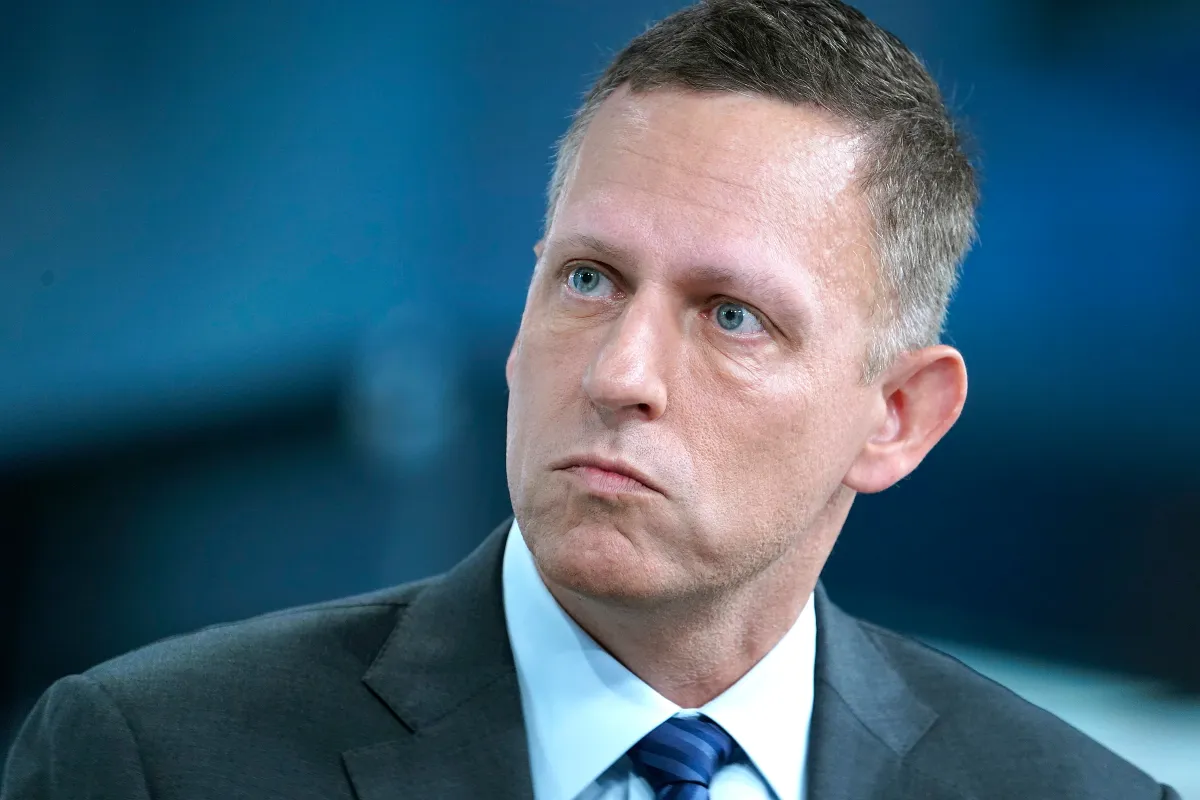
The Giving Pledge’s numbers, reported Sunday by the New York Times, trace a steady decline. In its first five years, 113 families signed the Pledge. Then 72 over the next five, 43 in the five after that, and just four in all of 2024. The roster includes Sam Altman, Mark Zuckerberg and Priscilla Chan, and Elon Musk — some of the most powerful people in the world, and yet, in Peter Thiel’s words to the Times, it is a club that’s “really run out of energy . . .I don’t know if the branding is outright negative,” Thiel told the outlet, “but it feels way less important for people to join.”

Advertisement

The language of doing good in Silicon Valley has been wearing thin for years. Back in 2016, the HBO series “Silicon Valley” was so relentless in mocking the industry — its characters forever insisting they were “making the world a better place” while chasing valuations — that it reportedly changed actual corporate behavior. One of the show’s writers, Clay Tarver, told The New Yorker that year: “I’ve been told that, at some of the big companies, the P.R. departments have ordered their employees to stop saying ‘We’re making the world a better place,’ specifically because we have made fun of that phrase so mercilessly.”

It was an hilarious joke. The trouble is the idealism being satirized was also, at least partly, real — and what replaced it isn’t so funny. Veteran tech investor Roger McNamee, in the same piece, recalled asking Silicon Valley creator Mike Judge what he was really going for. Judge’s answer: “I think Silicon Valley is immersed in a titanic battle between the hippie value system of the Steve Jobs generation and the Ayn Randian libertarian values of the Peter Thiel generation.”

McNamee’s own read on things was less diplomatic: “Some of us actually, as naïve as it sounds, came here to make the world a better place. And we did not succeed. We made some things better, we made some things worse, and in the meantime the libertarians took over, and they do not give a damn about right or wrong. They are here to make money.”

Techcrunch event

Advertisement

San Francisco, CA
|
October 13-15, 2026

A decade later, the libertarians McNamee was describing have moved well beyond Silicon Valley. Some are now in the Cabinet.

Advertisement

Not everyone agrees on what “giving back” even means. To the libertarian wing of tech — and it’s an increasingly significant wing — the entire framework is wrong. Building companies, creating jobs, and driving innovation are the real contributions, and the pressure to layer philanthropy on top of them is, at best, a social convention and, at worst, a shakedown dressed up as virtue.

Few figures captures the current mood quite like Thiel, who, notably, never signed the Pledge himself and is no fan of Bill Gates (among other things, he has reportedly called Gates an “awful, awful person“). In fact, Thiel tells the Times he has privately encouraged around a dozen signers to undo their commitments and has even gently pushed those already wavering to make their exits official. “Most of the ones I’ve talked to have at least expressed regret about signing it,” Thiel said, calling the Giving Pledge an “Epstein-adjacent, fake Boomer club.”

He has urged Musk to unsign, for example, arguing his money would otherwise go “to left-wing nonprofits that will be chosen by” Gates. When Coinbase CEO Brian Armstrong quietly let his letter disappear from the Pledge website in mid-2024 without a word of public explanation, Thiel sent him a congratulatory note.

But Thiel also told the Times something worth a harder look: that those who stay on the Pledge’s public roster feel “sort of blackmailed” — too exposed to public opinion to formally renounce a non-binding promise to give away vast sums of money.

Advertisement

It’s a claim that’s difficult to square with the public behavior of some of the people Thiel has in mind. Musk has shown little interest in managing public perception, and at this point, a majority of Americans already view him unfavorably. Zuckerberg spent nearly a decade facing some of the most sustained regulatory and public hostility any tech exec has endured and came out the other side more sure of himself, not less.

A different picture is meanwhile taking shape on the ground. GoFundMe reported that fundraisers for basic necessities — rent, groceries, housing, fuel — surged 17% last year. “Work,” “home,” “food,” “bill,” and “care” were among the top keywords in campaigns that year. When the 43-day federal shutdown halted food stamp distribution this past fall, related campaigns jumped sixfold. “Life is getting more expensive and folks are struggling,” the company’s CEO told CBS News, “so they are reaching out to friends and family to see if they can help them through.”

Whether these trends are connected to decisions made in philanthropy boardrooms is a matter of debate, but they’re happening at the same time, and the timing is hard to ignore.

It’s worth separating the fate of the Pledge from the fate of philanthropy more broadly. Some of the wealthiest people in tech are still giving; they’re just doing it on their own terms, through their own vehicles, toward their own chosen ends. At the start of 2026, Chan Zuckerberg Initiative (CZI) cut about 70 jobs — 8% of its workforce — as part of a move away from education and social justice causes toward its Biohub network, a group of nonprofit, biology-focused research institutes operating across several cities. “Biohub is going to be the main focus of our philanthropy going forward,” Zuckerberg said last November.

Advertisement

The CZI cuts look, at least on paper, less like the couple is retreating from philanthropy than recalibrating their approach. The Zuckerbergs have, after all, committed through the Pledge to give away 99% of their lifetime wealth.

Not everyone is redefining the terms, either. Gates announced last year that he’d give away virtually all his remaining wealth through the Gates Foundation over the next two decades — more than $200 billion — with the foundation closing permanently on December 31, 2045. Invoking Carnegie’s old line that “the man who dies thus rich dies disgraced,” he wrote that he was determined not to die rich.

It’s happened before, this standoff between concentrated wealth and everyone else. The last time wealth concentrated at anything like these levels — the original Gilded Age, the 1890s through the early 1900s — the correction didn’t come from philanthropists. It came from trust-busting, the federal income tax, the estate tax, and eventually the New Deal. It arrived as policy that was driven by political pressure too powerful to be ignored. The institutions that forced that correction — a functional Congress, a free press, an empowered regulatory state — look considerably different today.

What isn’t in dispute is the pace of change. These fortunes have been built in years, not generations, at the same moment the safety net is being cut. The wealth gained by the world’s billionaires in 2025 alone would have been enough to give every person on earth $250 and still leave billionaires more than $500 billion richer, according to Oxfam’s 2026 global inequality report.

Advertisement

The Giving Pledge was always, as Buffett said from the start, just a “moral pledge” — no enforcement, no consequences, no one to answer to but yourself. That it once carried weight says something about the era that produced it. That Thiel now frames staying on the list as a form of coercion — and that the Times found that argument worth reporting at length — says something about the one we’re in right now.

Source link

Continue Reading

Tech

The US Navy’s New Solar-Powered ‘Lightfish’ Drone Can Patrol Oceans For Days

Published

on


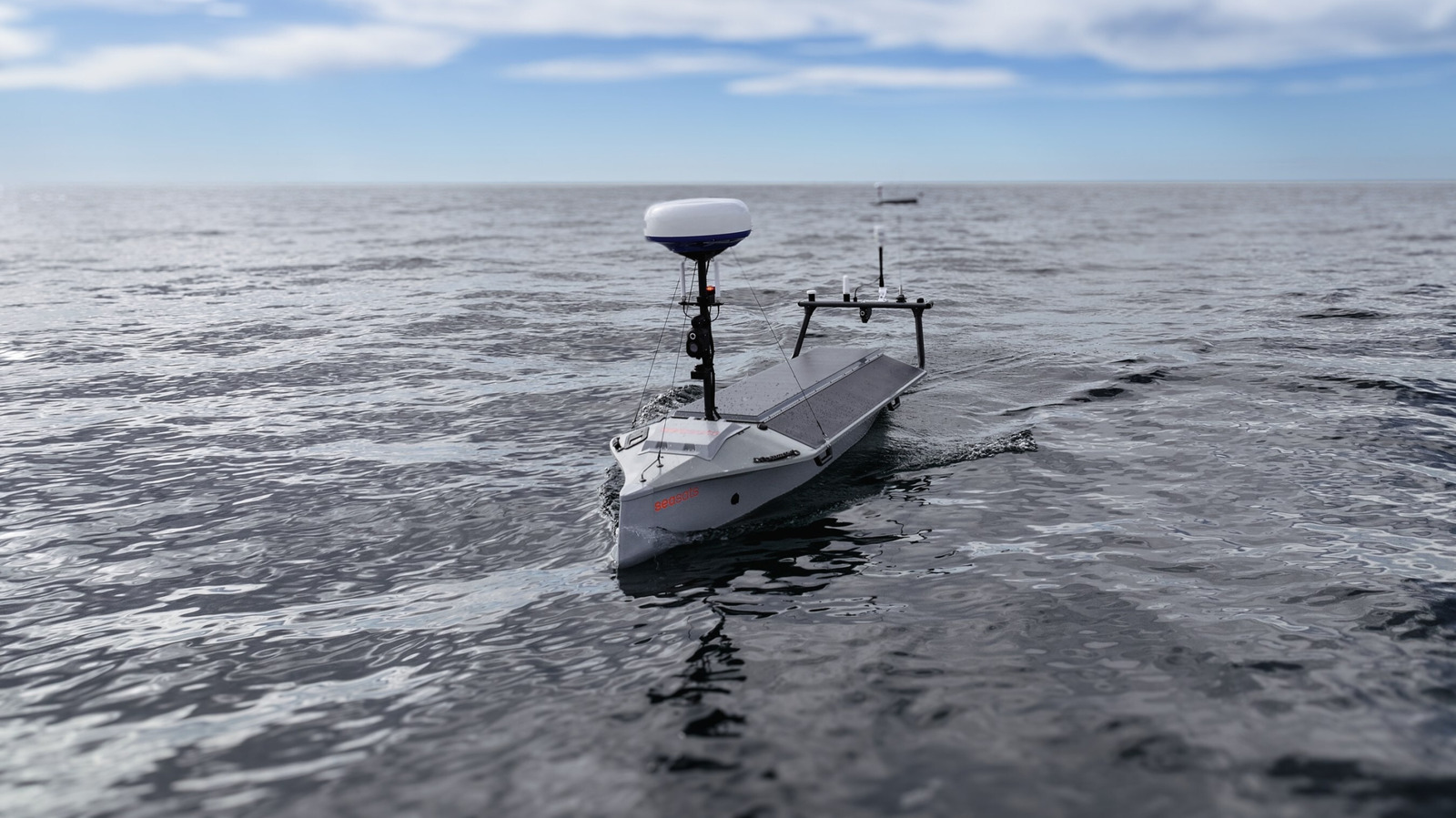
The U.S. Navy is fully on board the autonomous surface vessel (ASV) wagon as it moves toward having half of its surface fleet be unmanned by 2045. In 2025, it launched an autonomous 180-foot warship, known as the USX-1 Defiant. In February 2026, its new Lightfish drone hit the open ocean. The unmanned solar-powered Lightfish is built by Seasats, a private company based in San Diego, California.

Seasat’s Lightfish is a 305-pound drone designed for general-purpose activities such as surveying, research, and security patrols. With the U.S. Navy, it will be used in missions to constantly gather intelligence through surveillance and reconnaissance along shorelines, in harbors, and even in the open ocean. With a top speed of 5 knots (5.75 mph), it can conduct a wide range of maritime domain awareness missions, including port and coastal security, drug trafficking, illegal fishing, and other threats.

Advertisement

The Lightfish, which measures just 11.4 feet x 3.4 feet, can survive up to six months or 8,000 nautical miles at sea without human intervention. It has a payload of 66 pounds and can be deployed at a moment’s notice by one or two people. Additionally, it can be easily hauled in the back of a truck or placed aboard almost any aircraft. The Lightfish joins other sea-faring drones, including an unmanned underwater drone that the German Navy tested in 2025.

Advertisement

The Lightfish’s specifications

Lightfish is equipped with a bevy of high-tech equipment (including collision avoidance, onboard Artificial Intelligence, and GPS-denied navigation), five high-definition cameras, and redundant communication systems including LTE, Iridium SBD, Iridium Certus, and Starlink. The drone’s solar-electric power system has a supplemental built-in methanol fuel cell that can supply 11 or 28kWh of power. The ASV has an Electric Drive Torqeedo 1103 with a weedless propeller equal to a 3-hp outboard motor. Additionally, its weighted keel allows it to right itself in conditions up to Sea State 6, where waves can reach heights of 20 feet. 

Lightfish is meant strictly for surveillance and recon, unlike other privately-built USVs like the Cardona Marine Group, Inc.’s Sea-Predator-7, which is equipped with an array of munitions to deal lethal damage. The drone has a modular construction for easier maintenance and better customization, and most payloads can be swapped in minutes. With such a technologically advanced unit, one might think it would take a specialist to operate it. Not so. Seasats claims that its browser-based controls allow anyone to learn to navigate this ASV within five days.

Seasats’ other two ASVs are the Quickfish and Heavyfish. The former has a top speed over 35 knots (40.28 mph), making it ideal for fast-response tactical operations. But it can only last a month without intervention, and its 1,450-pound weight (and 450-pound payload) requires a trailer to move and launch. Heavyfish weighs 9,000 pounds (with a 1,000-pound payload) and requires an even larger vehicle to move and a crane to get into the water. It too can last six months at sea, and has a top speed of 12 knots (13.81 mph).

Advertisement

The Lightfish has proved its long-distance capabilities

In June 2024, a Lightfish drone traveled some 2,500 miles from San Diego to Joint Base Pearl Harbor Hickam in Hawaii. The 73-day trip was so successful that the team decided to send it on to Japan, but it was put out of commission by a typhoon along the way. An improperly sealed exhaust vent cover was to blame, allowing water into the hull.

Advertisement

Lightfish performed the same run a second time to prove itself, again starting at the company’s headquarters in San Diego. After a stopover in Hawaii for a demonstration, it continued past Wake Island and Guam, and took part in another demo in Okinawa. It finally arrived in Japan on July 30, 2025, with the successful trans-Pacific trip covering 7,500 miles in 150 days.

In early February 2026, the U.S. Sixth Fleet — specifically, Commander Task Force (CTF) 66 — successfully tested Lightfish during Exercise Cutlass Express 2026 in the Western Indian Ocean. It was launched from the Seychelles Navy’s SCG auxiliary Saya De Malha (A605). Combined with upcoming drones like Lockheed Martin’s Lamprey multi-mission autonomous undersea vehicle, the Lightfish could make the seas much safer for the U.S. and its allies.

Advertisement


Source link

Continue Reading

Tech

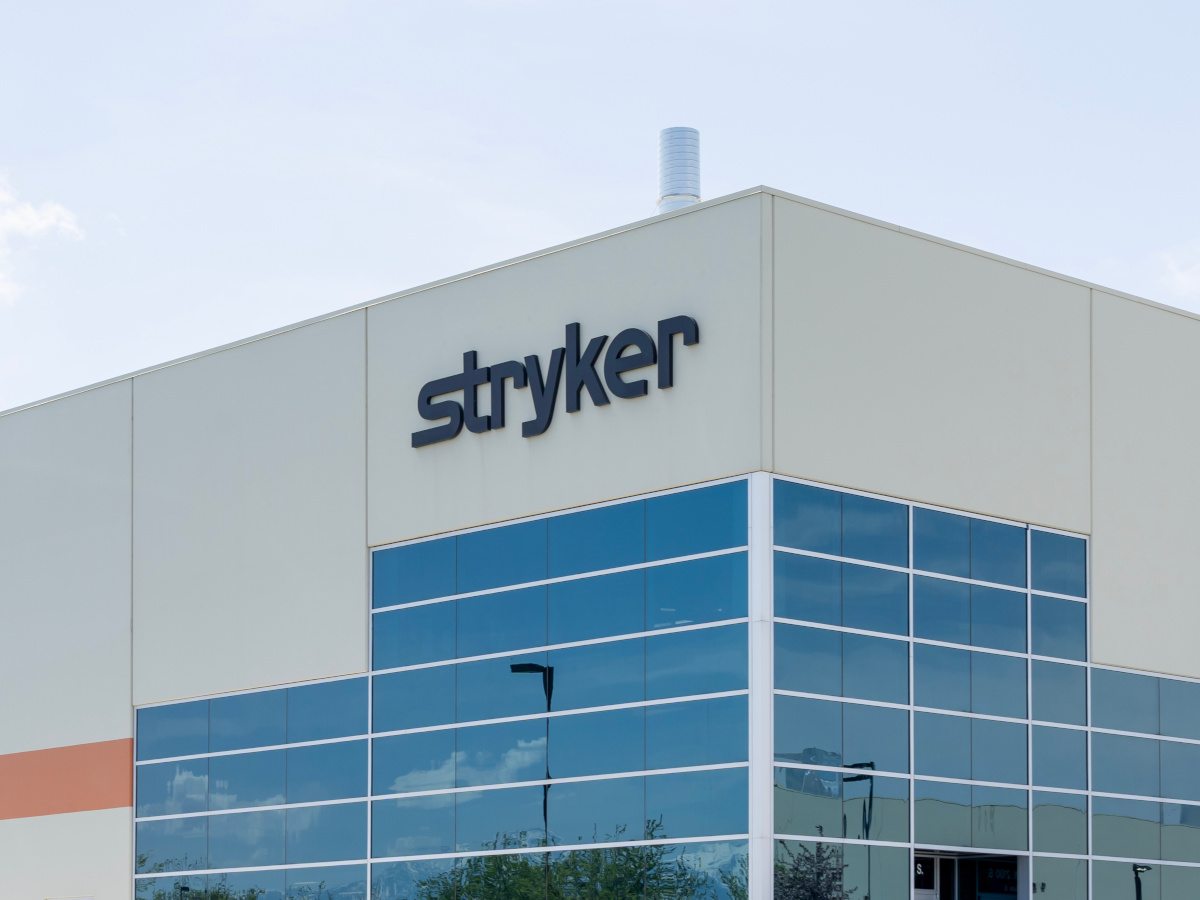
Stryker’s Cork site hit by global cyberattack

Published

on

The Michigan-founded Stryker, which employs around 56,000 globally, made more than $25bn in revenues last year.

An Iran-linked hacking group has claimed responsibility for a cyberattack on the medical equipment manufacturing giant Stryker.

In a statement posted yesterday (11 March), Stryker said that a cyberattack had caused it a global network disruption. “We have no indication of ransomware or malware and believe the incident is contained,” the company said.

In a regulatory filing, Stryker admitted that the incident cut off access to some of its information systems and business applications, affecting operations. It did not know when systems would be fully restored. Bloomberg noted an earlier memo where Stryker said that the attack had pummelled its networks.

Advertisement

Pro-Iranian cyber group Handala has claimed responsibility for the attack, marking what looks to be the first major cyber disruption of a US organisation since the US-Israel war on Iran began on 28 February.

“Our major cyber operation has been executed with complete success”, wrote the X account seemingly belonging to Handala, claiming that the attack was in retaliation for the “brutal attack on the Minab school” and for “ongoing cyber assaults against the infrastructure of the Axis of Resistance.”

In the post, the group claimed the attack “wiped”more than 200,000 systems, servers and mobile devices, and that 50TB of critical data had been extracted. The group also claimed that Stryker’s offices in 79 countries have been forced to shut down.

“You did not take our warning seriously and entered the dangerous  game of attacking infrastructure; now you are witnessing the most powerful and extensive cyberattack in recent years,” a different post on the page read.

Advertisement

The Michigan-founded Stryker has around 56,000 employees and made more than $25bn in revenue last year producing equipment such as orthopaedic implants, surgical instruments and hospital beds.

Reports suggest that the company’s Cork plant, which employs more than 4,000, was affected by the attack. Stryker also has factories in Limerick and Belfast. The Wall Street Journal reported that outages began in the US before spreading globally.

Smarttech247’s director of operations Ken Sheehan said that there is evidence that Handala is targeting infrastructure and service providers globally in order to maximise disruption.

“A number of reports are now linking this group to attacks targeting at least one business with operations in Ireland, which is concerning,” he said.

Advertisement

“Since the latest hostilities erupted in the Middle East, we have been advising clients that the cyber risk would be increasing and extreme vigilance is required to guard against these kinds of attacks.”

He recommended that organisations enhance cybersecurity awareness training, particularly around phishing and other social engineering attacks. Sheehan said that Handala’s main attack vector is still by phishing.

Following its attack on Stryker on Wednesday, Handala’s supposed X page also claimed a cyberattack on Israeli fintech Verifone. Verifone, however, said that it found no evidence of such an attack.

“We have observed recent allegations on March 11 2026 from threat actors claiming an intrusion into our systems in Israel,” a Verifone spokesperson told the Register. “Verifone has found no evidence of any incident related to this claim and has no service disruption to our clients.”

Advertisement

Don’t miss out on the knowledge you need to succeed. Sign up for the Daily Brief, Silicon Republic’s digest of need-to-know sci-tech news.

Source link

Advertisement
Continue Reading

Tech

Tim Cook kicks off Apple's 50th anniversary celebration

Published

on

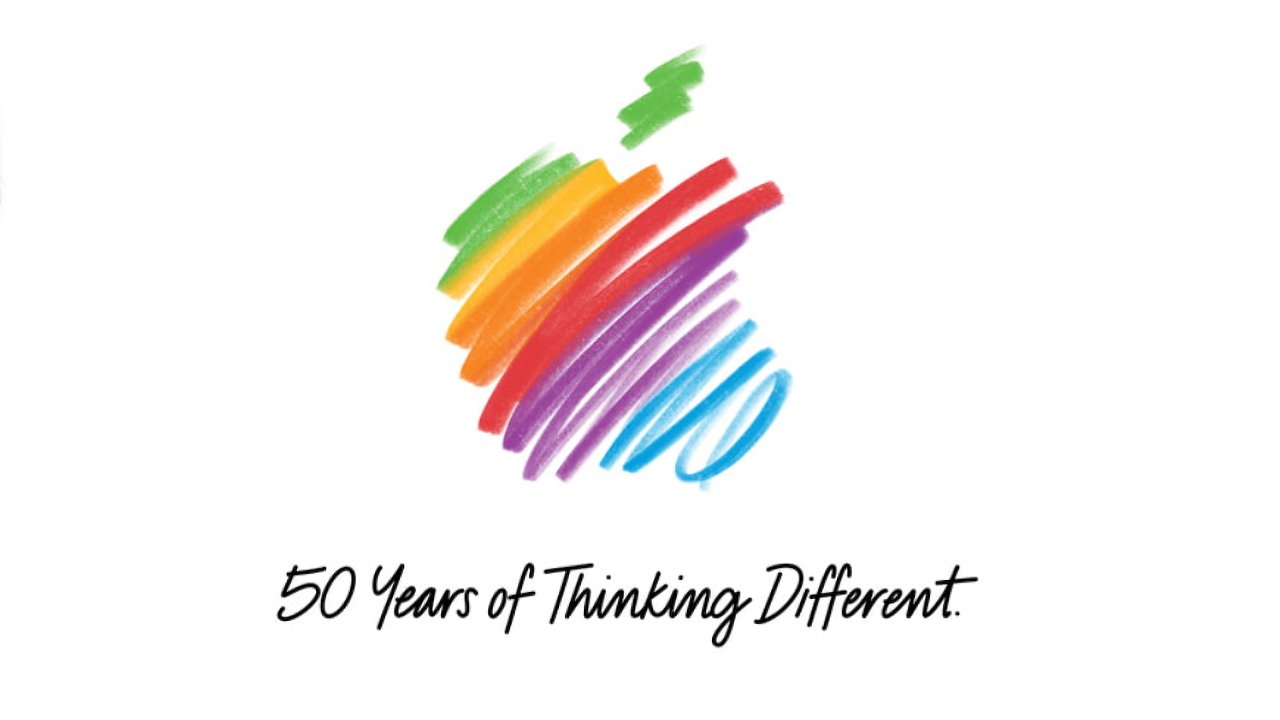
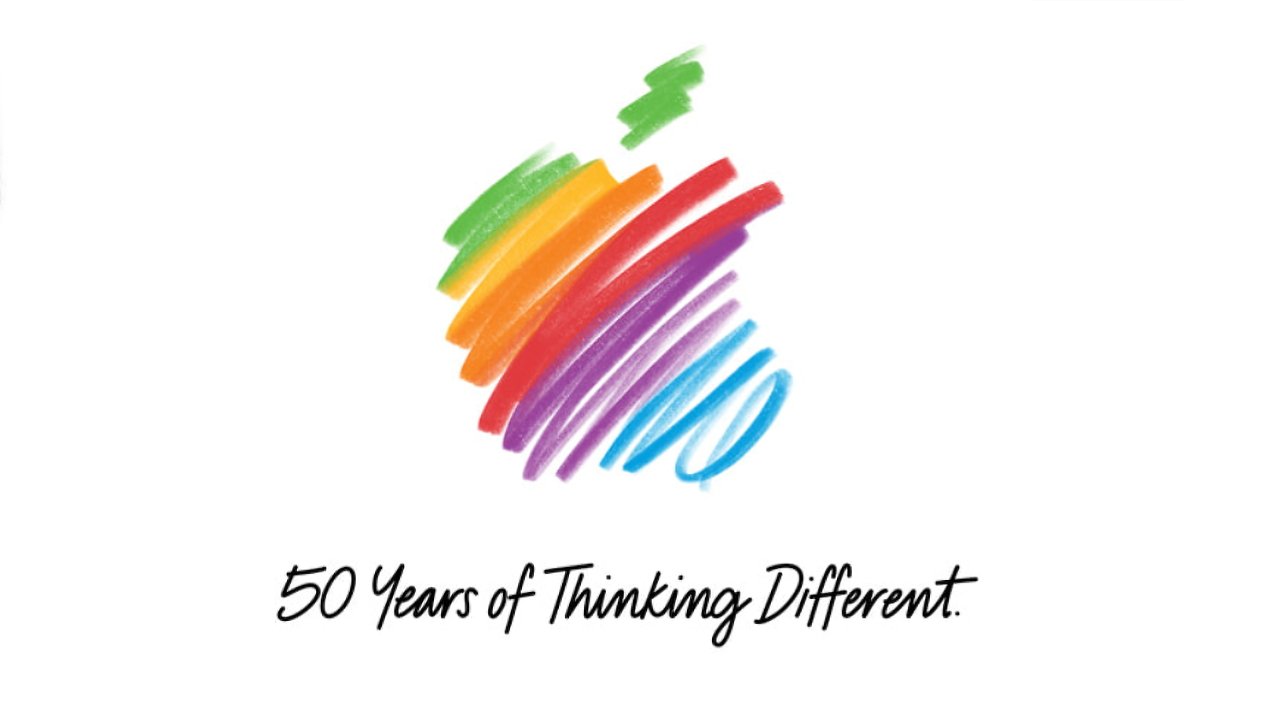
Apple rarely looks back, but fifty years since its founding is a milestone not to be missed and CEO Tim Cook has begun by publishing a letter celebrating it.

Colorful hand-drawn strokes forming an abstract apple shape above handwritten text reading 50 Years of Thinking Different on a white background
Apple starts off its 50th anniversary celebrations — image credit: Apple

Cook has already been speaking about Apple’s 50th, but he’s published a letter in which he directly speaks about the company’s origins and ambitions. It’s also, though, a letter replete with nods to the Apple of the 1970s and the Steve Jobs eras.

Continue Reading on AppleInsider | Discuss on our Forums

Source link

Advertisement
Continue Reading

Tech

England Hockey investigating ransomware data breach

Published

on

England Hockey investigating ransomware data breach

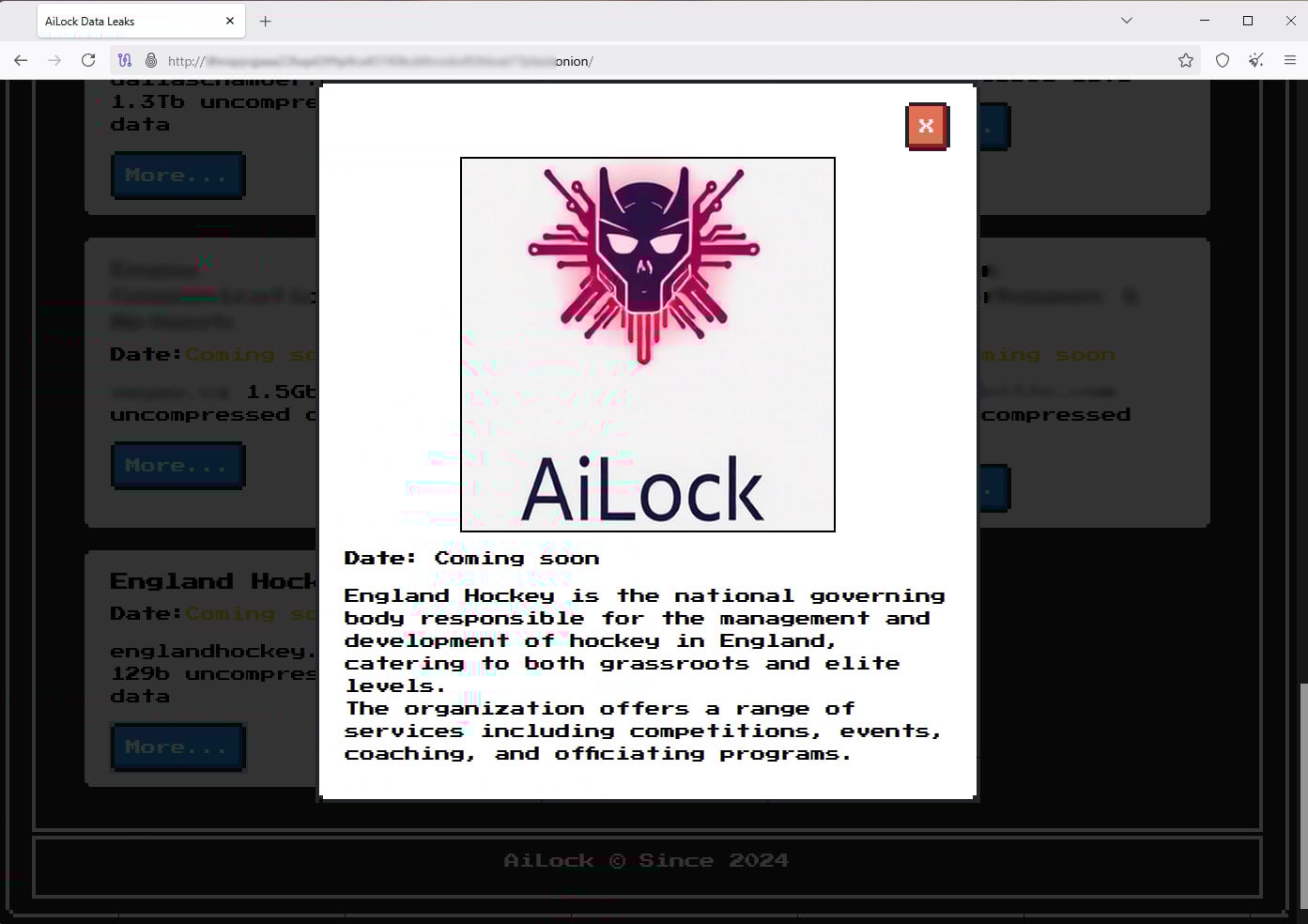
England Hockey, the governing body for field hockey in England, is investigating a potential data breach after the AiLock ransomware gang listed it as a victim on its data leak site.

The threat actor allegedly stole 129GB of data from the organization’s systems and announced that it will soon publish the files, unless a ransom is paid.

England Hockey is aware of the threat actor’s claims and has prioritized an inquiry that involves both internal teams and external experts to determine what happened.

“We are aware of an incident involving England Hockey and are currently investigating the matter as a priority,” the field hockey organization said in a statement for BleepingComputer.

Advertisement

“As part of this investigation, we recently became aware of a post from the group claiming to be responsible for this incident,” a representative said.

“We are working with external specialists to help understand what this means. We are also cooperating with all relevant authorities, including law enforcement,” England Hockey

The organization is responsible for running, regulating, and developing the sport of field hockey nationwide, from grassroots participation to elite national teams. It has a membership of more than 800 clubs across the country, 150,000 registered club players, and 15,000 coaches, umpires, and officials.

England Hockey states that it cannot comment on specific details at the moment because of the ongoing investigation.

Advertisement

“We take data security matters extremely seriously, and understanding what, if any, data may have been impacted in this incident is a top priority of our ongoing investigation,” assured England Hockey.

AiLock claims England Hockey breach
Source: BleepingComputer

AiLock is a relatively new ransomware operation that engages in double-extortion attacks. It was documented on April 1st, 2025, by researchers at cybersecurity company Zscaler, who noted that the threat actor was “leveraging sophisticated extortion tactics targeting enterprise networks.”

The hackers reportedly use privacy law violations as leverage in negotiations. They give victims 72 hours to respond and start negotiating, and wait five days for the payment under the threat of leaking stolen data and destroying recovery tools.

According to past analysis from S2W Talon’s researcher Huiseong Yang, the ransomware uses ChaCha20 and NTRUEncrypt to lock files, appending the .AILock extension to the encrypted copies, and leaving ransom notes in all impacted directories.

While England Hockey hasn’t confirmed a data breach yet, players in the country should be vigilant for suspicious account activity and phishing attempts, and treat unsolicited communications with caution.

Advertisement

Malware is getting smarter. The Red Report 2026 reveals how new threats use math to detect sandboxes and hide in plain sight.

Download our analysis of 1.1 million malicious samples to uncover the top 10 techniques and see if your security stack is blinded.

Source link

Continue Reading

Tech

Google fixes two new Chrome zero-days exploited in attacks

Published

on

Google Chrome

Google has released emergency security updates to patch two high-severity Chrome vulnerabilities exploited in zero-day attacks.

“Google is aware that exploits for both CVE-2026-3909 & CVE-2026-3910 exist in the wild,” Google said in a security advisory published on Thursday.

The first zero-day (CVE-2026-3909) stems from an out-of-bounds write weakness in Skia, an open-source 2D graphics library responsible for rendering web content and user interface elements, which attackers can exploit to crash the web browser or even gain code execution.

The second one (CVE-2026-3910) is described as an inappropriate implementation vulnerability in the V8 JavaScript and WebAssembly engine.

Advertisement

Google discovered both security flaws and patched them within two days of reporting for users in the Stable Desktop channel, with new versions rolling out to Windows (146.0.7680.75), macOS (146.0.7680.76), and Linux systems (146.0.7680.75).

While Google says the out-of-band update could take days or weeks to reach all users, it was immediately available when BleepingComputer checked for updates earlier today.

If you don’t want to update your web browser manually, you can also have it check for updates automatically and install them at the next launch.

Chrome 146.0.7680.75

​Although Google found evidence that attackers are exploiting this zero-day flaw in the wild, the company didn’t share further details regarding these incidents.

Advertisement

“Access to bug details and links may be kept restricted until a majority of users are updated with a fix. We will also retain restrictions if the bug exists in a third party library that other projects similarly depend on, but haven’t yet fixed,” it noted.

These are the second and third actively exploited Chrome zero-days patched since the start of 2026. The first, tracked as CVE-2026-2441 and described as an iterator invalidation bug in CSSFontFeatureValuesMap (Chrome’s implementation of CSS font feature values), was addressed in mid-February.

Last year, Google fixed a total of eight zero-days exploited in the wild, many of which were reported by Google’s Threat Analysis Group (TAG), a group of security researchers known for tracking and identifying zero-days exploited in spyware attacks.

On Thursday, Google also revealed that it has paid over $17 million to 747 security researchers who reported security flaws through its Vulnerability Reward Program (VRP) in 2025.

Advertisement

Malware is getting smarter. The Red Report 2026 reveals how new threats use math to detect sandboxes and hide in plain sight.

Download our analysis of 1.1 million malicious samples to uncover the top 10 techniques and see if your security stack is blinded.

Source link

Continue Reading

Tech

HandBrake remains the go-to free encoder for compressing and converting video

Published

on

HandBrake is one of the most popular free video tools around, offering a powerful way to convert and compress video files. The open-source transcoder supports Windows, macOS, and Linux and can convert almost any video format into widely compatible codecs like H.264, H.265, AV1, MP4, or MKV.

Read Entire Article
Source link

Continue Reading

Tech

FSF Threatens Anthropic Over Infringed Copyright: Share Your LLMs Freely

Published

on

In 2024 Anthropic was sued over claims it infringed copyrights when training LLMs.

But as they try to settle, they may have a problem. The Free Software Foundation announced Friday that Anthropic’s training data apparently even included the book “Free as in Freedom: Richard Stallman’s Crusade for Free Software” — for which the Free Software Foundation holds a copyright.

It was published by O’Reilly and by the FSF under the GNU Free Documentation License (GNU FDL). This is a free license allowing use of the work for any purpose without payment.

Obviously, the right thing to do is protect computing freedom: share complete training inputs with every user of the LLM, together with the complete model, training configuration settings, and the accompanying software source code. Therefore, we urge Anthropic and other LLM developers that train models using huge datasets downloaded from the Internet to provide these LLMs to their users in freedom.

Advertisement

We are a small organization with limited resources and we have to pick our battles, but if the FSF were to participate in a lawsuit such as Bartz v. Anthropic and find our copyright and license violated, we would certainly request user freedom as compensation.
“The FSF doesn’t usually sue for copyright infringement,” reads the headline on the FSF’s announcement, “but when we do, we settle for freedom.”

Source link

Continue Reading

Trending

Copyright © 2025