

Connect with us

Business

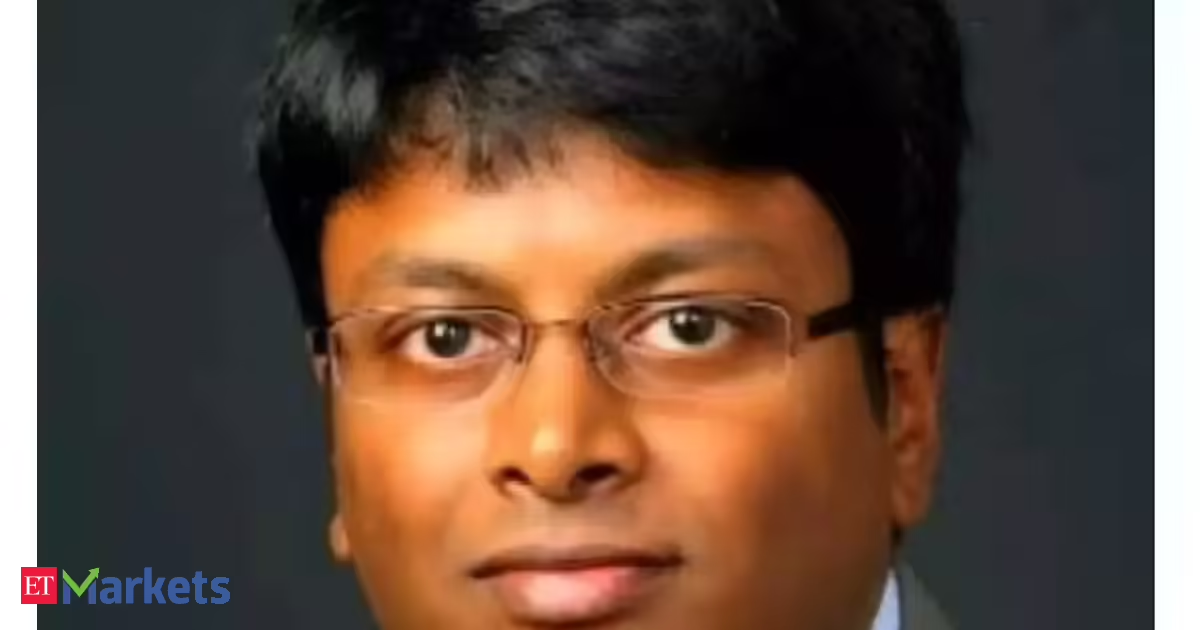
Venugopal Garre on AI, earnings and long-term view for Indian markets

Published

on

Venugopal Garre on AI, earnings and long-term view for Indian markets
Markets worldwide have been grappling with turbulence in recent weeks, driven largely by geopolitical tensions and soaring oil prices. Venugopal Garre, MD, Bernstein shared his perspective on the evolving scenario, offering guidance for investors navigating these uncertain times.

“What a rough ride the markets have been having, and I know the bigger thought is that all of this is going to rest at some point. Eventually, what matters for the markets is earnings, but I think the question is how do you deal with this? What is playing out right now and oil and the kind of shock from that?” Garre said.

He acknowledged the unprecedented nature of the situation. “This is a pretty unprecedented situation. I do not think I thought about this sort of scenario even at the beginning of this year, as I downgraded India to neutral for reasons which appear so simple now, and things have got extremely complicated at this juncture. The honest view is, if you were to look at the broader narratives hitting India particularly, let us put the world aside, a large part of the story was about AI and how it is going to impact potential job creation in the future in India… the so-called anti-AI trade.”

Garre noted how attention on AI has shifted in recent weeks. “Exactly, we will come back to that in a couple of weeks. But the second thing is, you thought everything else is quieter in the real world with trade treaties getting signed, which were actually positive in some way, and suddenly you had this event shaping up, which is going to now lead to a definite impact. It is not about crude; it is also about broader disruption in the global supply chains. So, yes, there would be earnings impact because of all this; we cannot shy away from that. The reality is, for any investors to think about what to do from here, the simplest way is to lengthen your horizons. Number two is, do not take calls on when the war will end. I do not think anyone knows when the war will end. We all know it will end someday. But if we were to invest today, you have to take a view that war is going to continue for a while and then build your portfolio for the next 12 to 24 months.”

Advertisement

He emphasized patience and a long-term approach. “If you are taking a view that the war is going to end in two days, then the call is very different. Then you would be taking the highest beta, directly impacted sectors like construction or travel or OMCs. Those kinds of things we would be taking a call on, but I do not think we are in that stage yet. So, I would be sort of taking the view that we are not very far away from the bottom. These levels look really interesting for investors in general to build positions in some sectors over the next couple of years.”


Addressing oil sensitivity and supply chain disruptions, Garre said, “Yes, I mean, there is an economic impact for sure, and if I were to just put aside those which are directly impacted…directly impacted are those if you are actually working in the Middle East and doing some physical activity out there. But indirect impacts, it is a difficult thing to measure. For example, the financial sector has seen a deep cut year to date, and it surprises me because if I look at the broader macro context, I do not think we are talking about such a deep GDP cut or a deep credit growth decline or an NPA risk rising within the context of Indian lending. These are the sectors where you would still perhaps look for rebounds, look for safety rather than just playing pure safety through, let’s say, utilities, which is playing out right now. Telecom is another. Why should you have a 17% decline in some of these stocks that we have seen? So, position yourself in those which will rebound, which have fallen, which are not as deeply impacted.”
He highlighted earnings projections for India. “If you look at earnings growth construct for Nifty, FY26 we are going to end at 3-4%, part of it because of the labour code impact we do not really consider it as an exceptional expense. Next year, which is FY27, street has already brought it down to 9-10% growth, and for the year after, as always, it is 15% which is FY28. So, if you think there is going to be an impact on numbers, if we are in a 6-7% CAGR for the next two years as against a 10-12% CAGR, then of course multiples also fall.”On market valuations, he added, “Now, we are not going to reach worst-case multiples like 12-13 times earnings during the GFC. We never as equity investors play for Six Sigma. If we always keep thinking about Six Sigma events, then we would never invest in the markets. We always look for baseline, not so worst-case scenarios, but broader safe worst-case scenarios.”

Discussing foreign institutional investor (FII) trends, Garre said, “Two things have essentially changed. One is cyclical factors. Earnings growth that India has been delivering has been fairly meagre. We have to agree that we were low single-digit earnings in the last 12 months, and if consensus is forecasting 9% growth for Nifty over the next 12 months, that is also not a great number to look at. The second thing is AI as a narrative. At some point, AI will peak, and I am not in the anti-India trade per se. Recently, we have interviewed 30 different tech professionals across the world…My read from that was actually not negative in terms of IT services. I actually felt there is a lot more opportunity which will come in for services. That anti-AI trade is more because of where we are in the AI supply chain. We are not in the foundation model supply chain, not even in the infra supply chain right now. This is a first leg. We are going to be in the application supply chain, and that is not yet started materially. As that happens, India will start to benefit from it.”

On AI adoption, he explained, “So, it has already started, but it is very early-stage experimentation. Corporates are not doing any upheaval in their entire business models to implement AI. They are just trying and testing AI agent solutions in smaller areas, customer support functions, and trying to spruce up capacity. Nobody has deeply embedded AI in their workflows. The tipping points take a year, year-and-a-half.”

Finally, Garre commented on IT services valuations: “Valuations in the context of potential improvement in cyclical growth over the next two-three years…attractive is probably a tricky word to use because they are not cheap in any context compared to what earnings growth is in the near term. Probably the market looks better than IT services today on valuations honestly. But I am talking about revenue growth accelerating and margins moving up in the next three years.”

Advertisement

As global markets contend with oil shocks, war uncertainties, and evolving AI narratives, Garre’s guidance emphasizes a measured approach: focus on resilience, identify sectors poised to rebound, and maintain a long-term horizon for Indian investors.

Continue Reading
Click to comment

Leave a Reply

Your email address will not be published. Required fields are marked *

Business

Citizens reiterates Century Casinos stock rating citing weather impact

Published

on


Citizens reiterates Century Casinos stock rating citing weather impact

Continue Reading

Business

UK manufacturing on ‘fragile footing’ with fears over Iran war and cost rises

Published

on

Business Live

Make UK warns rising oil prices above $100 and energy costs from Middle East conflict threaten sector’s modest growth outlook

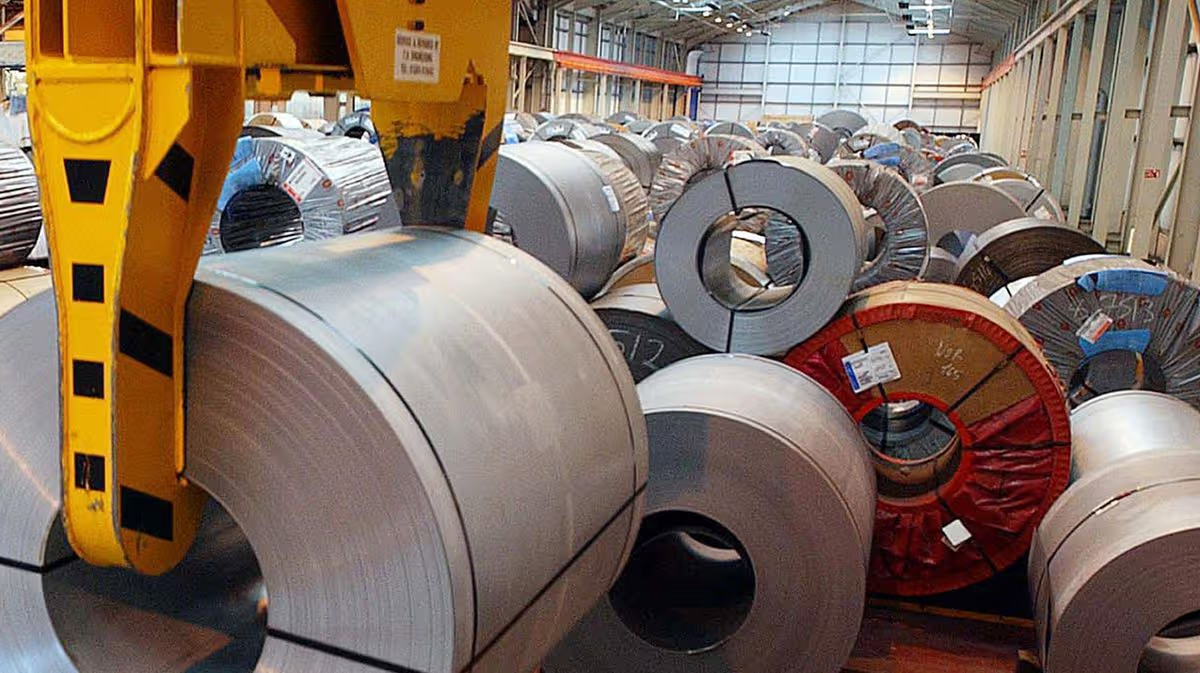
Steel at a site near Wolverhampton

Make UK is warning over rising costs(Image: PA)

UK manufacturing has begun the year on a “fragile footing,” with its economic position likely to deteriorate due to the Middle East conflict, the sector’s industry body has cautioned.

Advertisement

A new report from Make UK said the sector is projected to expand by just under one per cent in 2026, a modest recovery following a 0.2 per cent contraction in 2025.

However, the manufacturing sector’s future prospects were characterised as “precarious,” with the report highlighting a sharp decline in UK activity over recent months that had sparked concerns domestic demand had “collapsed”.

Fhaheen Khan, senior economist at Make UK said: “UK manufacturers have started 2026 on a fragile footing.

“While output and investment show some improvement after a challenging end to last year, rising costs and weakening domestic demand are creating real pressures for businesses.”

Advertisement

The latest Purchasing Managers Index (PMI) for manufacturing demonstrated a reading of 51.7 in February, above the 50-figure threshold for neutrality in output,as reported by City AM.

It represented the highest figure recorded since late 2024, with manufacturing output now growing in each of the past four months.

This came as large and medium-sized firms were bolstered by a rise in export orders, with intakes of new work from China, the EU and the Middle East increasing at the fastest rate in four and a half years. However, the data was overshadowed by ongoing falls in employment and purchasing stocks.

Nevertheless, S&P Global analysts noted a decline in employment was the mildest recorded over the past 16 months.

Advertisement

The industry body, which represents thousands of manufacturers, has urged the government to approve North Sea drilling or risk a surge in energy costs amid rising oil prices from the Iran war.

Stephen Phipson, chief executive of Make UK, said: “Manufacturers are calling for the government to act quickly to progress with the Rosebank and Jackdaw developments to mitigate energy costs and energy security because of the conflict in the Middle East.”

Energy secretary Ed Miliband has rejected this, telling Sky News on Sunday Morning: “Some people want to go around and pretend that if we only we draw more [oil and gas from the North Sea,] prices would go down. That is totally false.”

Analysis from Oxford Economics has indicated the UK could be thrust into a recession should the price of a barrel of oil climb to $140, and remain at the elevated price until at least May.

Advertisement

Oil closed above $100 for the first time since 2022 on Thursday and finished the week above $103.

Khan cautioned: “With UK industrial energy costs among the highest in the developed world, any sustained increase in oil and gas prices could quickly push up input costs, squeezing margins and limiting investment.”


Continue Reading

Business

Alcohol-free beer and pet grooming used to measure inflation

Published

on

Alcohol-free beer and pet grooming used to measure inflation

Houmous and motorhomes are also added to the basket of goods and services used to chart the rising cost of living.

Continue Reading

Business

MTR Corporation Limited (MTCPY) Q4 2025 Earnings Call Prepared Remarks Transcript

Published

on

OneWater Marine Inc. (ONEW) Q1 2026 Earnings Call Transcript

Siu-min Choy
Corporate Affairs & Branding Director

Greetings, everyone, members of the press. I am Linda Choy, Corporate Affairs and Branding Director of MTRC. We welcome to the Annual Results 2025 press briefing. First of all, let me introduce the corporate representatives on stage. Seated in the middle is Ms. Jeny Yeung, the CEO. Next to her on the right are Mr. David Tang, Managing Director, Property and International business; and also Mr. Wilson Kwong, Hong Kong Transport Services Director. And on the left are Mr. Michael Fitzgerald, FD; and Mr. Carl Devlin, Capital Works Director; and also Mr. Sammy Wong, Chinese Mainland Business Director. We’ll be using Chinese in the main today.

Ms. Jeny Yeung will be talking about the 2025 full year results. And after that, Michael will go through the financials. And then Ms. Jeny Yeung will come back and share the company’s outlook and future developments. And she will also be speaking in English in summary. And today, we have simultaneous interpretation in Chinese and also in English. After that, we will have a Q&A session. Jeny, please.

Advertisement

Mei-Chun Yeung
CEO & Director

Thank you, Linda. Ladies and gentlemen of the media, good afternoon to you. Welcome to the annual results 2025 for MTRC. And this year marks my first announcement of my corporation’s results as CEO. I would like to thank the Board for entrusting me with this important responsibility and we’ll continue to work with our teams to grow MTR’s business, create opportunities and optimize value.

I will first present the corporation’s 2025 performance and share our 2026 outlook. 2025

Advertisement
Continue Reading

Business

From Farm to Freezer Leader

Published

on

From Farm to Freezer Leader

In 2022, a frozen fruit company quietly launched in Spring, Texas.

It did not come with hype. It came with a clear plan.

IRJ Frozen Foods, LLC was founded on a simple idea: give people access to high-quality fruit year-round. Not just any fruit. Carefully sourced fruit. Properly frozen fruit. Fruit that holds its flavor and nutrients.

“Our goal in starting this business was to build a reliable, sustainable company,” the team says. “We wanted to deliver high-quality frozen fruit products while creating long-term value for our partners and community.”

In just a few years, IRJ has positioned itself as a serious player in the frozen fruit supply chain.

Advertisement

How IRJ Frozen Foods Got Started

IRJ Frozen Foods was founded in Spring, Texas in 2022. The company entered a competitive industry dominated by large national brands and global suppliers.

Instead of competing on noise, IRJ focused on structure.

The founders built the company around sourcing and supply discipline. They formed strong grower relationships in Mexico and Peru. They focused on being direct producers. No unnecessary middle layers.

“We are direct producers — from the farm to the table,” they explain.

Advertisement

That decision shaped everything.

Rather than simply reselling frozen fruit, IRJ works closely with trusted growers. Fruit is selected at peak ripeness. Then it is frozen using modern techniques designed to lock in flavor, texture, and nutrients.

From day one, the company made control a priority.

“By packaging the majority of our products in-house, we maintain full control over quality,” they say. “That guarantees consistency with every batch.”

Advertisement

What Makes IRJ Frozen Foods Different?

The frozen fruit business is not simple. Margins are tight. Food safety rules are strict. Retailers demand reliability.

IRJ leaned into those realities.

The company supplies frozen strawberries, mango, avocado, and blueberries. They serve supermarkets, major wholesalers, and food service companies. They offer bulk formats and retail-ready packaging.

But the real difference is operational focus.

Advertisement

“We believe in integrity, operational excellence, food safety, and fair trade practices,” the company says.

IRJ emphasizes certifications. The company holds Organic, FDA, USDA, and Kosher certifications. That signals process discipline. It also opens doors with national buyers who require compliance standards.

Still, certifications are not the story. Systems are.

IRJ built its structure around transparency and supplier relationships. The team works closely with growers to ensure quality standards are met before fruit ever enters cold storage.

Advertisement

“We promote transparency, strong supplier relationships, and responsible growth,” they explain.

That steady approach has helped the company expand coast to coast since launch.

Sourcing from Mexico and Peru: A Strategic Move

Geography matters in frozen fruit.

Mexico and Peru are major producers of strawberries, mangoes, avocados, and blueberries. Seasonal patterns allow for consistent harvesting windows.

Advertisement

IRJ built sourcing channels in both countries. That reduces supply risk. It also allows for year-round availability.

“Our Frozen Fruit selection is the perfect way to enjoy a variety of fruits throughout the year,” they say. “All of our fruit is carefully selected and expertly frozen to ensure it retains all its natural goodness and flavor.”

The company’s model depends on timing. Fruit must be harvested at peak ripeness. Then it must be frozen quickly to preserve quality.

That farm-to-freezer chain is where IRJ positions itself as a leader.

Advertisement

Leadership Through Process, Not Hype

IRJ does not frame itself as a flashy brand. It frames itself as a disciplined operator.

The founders describe their mission clearly.

“Our mission is to consistently provide safe, premium products with disciplined execution, building trust and lasting partnerships in every market we serve.”

That phrase — disciplined execution — appears often in their language.

Advertisement

In food distribution, discipline matters more than marketing slogans. Retail buyers want consistency. Food service companies want reliability. Consumers expect safety.

IRJ built its business around those expectations.

The company’s growth since 2022 has been steady rather than rapid. They supply major wholesale and retail accounts. They continue expanding distribution across the United States.

Their approach is measured.

Advertisement

“We believe everyone deserves access to high-quality, nutritious fruit year-round,” they say. “We’re passionate fruit enthusiasts on a mission to revolutionize the way you experience nature’s sweetness.”

It is a simple mission. But in a supply-driven industry, simple can be powerful.

The Future of IRJ Frozen Foods

Frozen food demand has remained strong in recent years. Consumers value convenience. Retailers value shelf stability. Food service operators value cost control.

IRJ sits at the intersection of those needs.

Advertisement

The company continues to focus on sourcing quality fruit, strengthening supplier networks, and maintaining high standards across operations.

“With every bite, we aspire to enrich lives,” they say. “Delivering wholesome, great-tasting frozen products that allow our customers to savor the goodness of nature without compromise.”

That statement captures their long-term view.

IRJ Frozen Foods, LLC is not trying to reinvent frozen fruit. It is trying to execute it better.

Advertisement

From Spring, Texas to coast-to-coast distribution, the company has built a model based on control, certification, and supply chain clarity.

In a business where consistency wins, that may be its strongest advantage.

Advertisement
Continue Reading

Business

Entrepreneur Michael Hayman elected chair of British Chambers of Commerce

Published

on

Business Live

Michael Hayman co-founder of Seven Hills, has been elected unanimously by board members to replace Sarah Howard as chair of the British Chambers of Commerce

Michael Hayman has been appointed as the new chair of the British Chambers of Commerce,

Michael Hayman has been appointed as chair of the British Chambers of Commerce(Image: via City AM)

Michael Hayman has been appointed as the new chair of the British Chambers of Commerce, succeeding former management consultant Sarah Howard.

Advertisement

Hayman will assume the role at the BCC after receiving unanimous support from board members.

In his capacity as chair, Hayman will guide the network’s strategic direction as it aids business expansion, lobbies the government and fosters international trade.

The role serves as the representative for 51 accredited business chambers, along with an additional 75 worldwide.

Hayman is an entrepreneur and author who co-founded London-based communications consultancy Seven Hills, and holds the position of chairman of entrepreneurs at private bank Coutts, as reported by City AM.

Advertisement

He has secured honorary roles at the University of London, the University of Cambridge, and Queen Mary University of London, and was honoured with an MBE in 2014.

He co-launched the entrepreneurship initiative StartUp Britain in 2011, backed by then Prime Minister David Cameron and Chancellor George Osborne.

He said: “Supporting business has been at the heart of my career, as a founder, as a campaigner, and through the organisations I’ve helped lead.

“Becoming Chair of the BCC is a privilege because this network represents the very best of British business.

Advertisement

“Working with colleagues across the Chamber network I want to make sure we continue to be seen as the leading organisation for businesses, as they navigate the fast‐changing economic landscape.”

Hayman replaces Sarah Howard, who has completed more than six years as chair and will remain a board member until the end of the year with a focus on skills, diversity and international trade.

She was appointed chair in 2019, having previously served as president of the Suffolk Chamber of Commerce.

She worked as a management consultant at JP Morgan and KPMG, and has chaired start-ups in the biotech and health and leisure sectors. Howard received an MBE in 2015 for her work with young people.

Advertisement

She said: “Serving as chair of the BCC has been one of the great privileges of my career. Over the last six and a half years, I’ve helped take the organisation through a remarkable period of renewal.

“We’ve reshaped our image, strengthened our commercial foundations, and truly established the BCC as the leading voice for business.

“Michael is a tireless champion for business, and I know he will take the BCC to even greater heights in the coming years.”

The BCC was established in 1860 as the Association of Chambers of Commerce, and historically campaigned on issues including intellectual property law, transport, and bankruptcy law.

Advertisement

The organisation represents more than 50,000 businesses, who employ six million people, according to its estimates.

Continue Reading

Business

At Close of Business podcast March 16 2026

Published

on

At Close of Business podcast March 16 2026

Claire Tyrrell and Ella Loneragan discuss why Perth Design Week has become an integral part of WA’s arts calendar.

Continue Reading

Business

Companies House suspends filing service after cyber vulnerability exposes director data

Published

on

Companies House suspends filing service after cyber vulnerability exposes director data

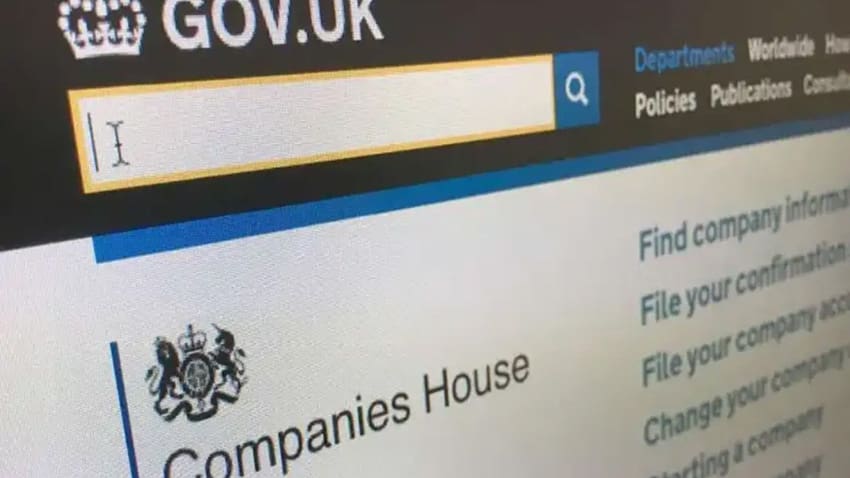
Companies House has suspended its online WebFiling service after a cyber vulnerability allowed users to access and potentially edit sensitive personal data belonging to other businesses registered on the UK’s corporate register.

The issue emerged after a security flaw in the government agency’s online dashboard allowed individuals to navigate into the accounts of other companies simply by pressing the browser’s back button. According to reports, the glitch could expose confidential information including directors’ home addresses, email addresses and dates of birth – data that could potentially be exploited for fraud or identity theft.

The vulnerability was identified by Dan Neidle, founder of Tax Policy Associates, who alerted Companies House to the issue on Friday. Neidle warned that the flaw could have serious implications if it had existed for a prolonged period before being detected.

“This could be very serious if it’s been around for a long time,” he said, describing the vulnerability as “an absolutely insane flaw in how easy it is to find.”

Following the alert, Companies House confirmed it had shut down the WebFiling system while an investigation takes place. The platform is widely used by businesses across the UK to submit official documents such as annual accounts, confirmation statements and other statutory filings.

Advertisement

A spokesperson for Companies House said: “We are aware of an issue with our WebFiling service and have closed it while we investigate. We apologise for any inconvenience to our customers.”

The temporary suspension of the service is likely to disrupt routine company filings while technical teams assess the scale of the problem and determine whether any data was accessed improperly.

Cybersecurity experts say vulnerabilities of this nature could create opportunities for criminal activity, particularly where sensitive corporate information is involved. Personal data such as directors’ home addresses and dates of birth can be used by fraudsters to impersonate business leaders, submit fraudulent filings or attempt identity theft.

Graeme Stewart, head of public sector at cybersecurity firm Check Point Software, warned the flaw could have exposed company directors to significant risk if exploited by malicious actors.

Advertisement

“This is the latest in a series of public sector data disasters that threatens the privacy, security and personal safety of hundreds of thousands of company directors,” he said.

“A bug of this scale is a gift to cybercriminals seeking to upload false documentation, impersonate CEOs and facilitate data theft. It’s time for a complete overhaul of core systems, with security built in from the outset rather than added as an afterthought.”

The incident has also raised concerns about the resilience of digital systems used by government agencies to manage critical national data. Companies House maintains records for more than five million UK companies and processes millions of filings every year.

Kenny MacAulay, chief executive of accounting software platform Acting Office, said the vulnerability highlighted deeper issues around digital security and system oversight.

Advertisement

“Another day, another massive public sector data blunder,” he said. “It defies belief that hackers can so easily gain access to seemingly the entire dashboard of tens of thousands of companies and their respective directors across the UK.

“Basic compliance requirements should be in place to prevent data leakage like this from happening, with sites thoroughly checked for bugs and security weaknesses on a regular basis.”

Under the UK’s Computer Misuse Act 1990, gaining unauthorised access to computer systems or data can carry serious legal consequences. Accessing computer material without permission can lead to a prison sentence of up to two years, while accessing data with intent to commit further crimes such as fraud can carry penalties of up to five years.

The discovery of the flaw comes amid increasing scrutiny of the UK’s corporate registry system. Companies House has undergone significant reforms in recent years aimed at improving transparency and reducing fraud, including the introduction of new identity verification rules for company directors.

Advertisement

However, cybersecurity specialists say the latest incident underlines the need for continued investment in secure digital infrastructure, particularly for systems that hold sensitive personal and corporate data.

Companies House has not yet confirmed how long the vulnerability existed or whether any data was accessed or misused before the service was taken offline. Investigations into the breach are ongoing, and the agency is expected to provide further updates once the review is complete.


Amy Ingham

Amy is a newly qualified journalist specialising in business journalism at Business Matters with responsibility for news content for what is now the UK’s largest print and online source of current business news.

Advertisement

Continue Reading

Business

BofA initiates Sunbelt Rentals stock coverage with underperform rating

Published

on


BofA initiates Sunbelt Rentals stock coverage with underperform rating

Continue Reading

Business

Vodafone Idea shares jump 5% as JSW, ST Telemedia eye stake in the telco

Published

on

Vodafone Idea shares jump 5% as JSW, ST Telemedia eye stake in the telco
Shares of Vodafone Idea (Vi) jumped more than 5% on Monday after The Economic Times reported that Singapore-based ST Telemedia and India’s JSW Group, among a few other domestic and global investors, are in talks with the telecom giant for a potential stake acquisition.

The talks are currently exploratory, and there is no certainty they will result in a deal, people familiar with the matter told ET. The renewed investor interest in the loss-making company comes after it received substantial financial relief earlier this year from the government, which is also its largest shareholder.

IDBI Bank shares tumble 15% as govt likely to halt divestment process: Here’s why

“There are a few serious suitors for the company, and simultaneous talks are going on with them,” one of the people close to the matter said. The company’s management is scheduled to meet institutional investors in Singapore and Hong Kong on March 16 and 17.

Advertisement

The government, which holds nearly 49% stake in Vodafone Idea, has been looking for a strategic investor who could put in capital and run the telecom company. The Aditya Birla Group and the UK’s Vodafone Group Plc are its promoters. “As of now, it is not decided if the promoters would sell their stake, or it would be a fresh issuance of equity,” said another person familiar with the matter.

According to estimates by IIFL Securities, if a strategic investor infuses Rs 50,000 crore fresh equity in Vi, the government could convert Rs 48,000 crore of the company’s spectrum liability into equity without increasing its stake beyond 49%. It would also bring down Vi’s spectrum liability by 40%.
QSR stocks slump up to 47% as weak investor appetite, rising fuel risks dent mood. Time to bottom fish?
Earlier this year, Vodafone Idea received a 10-year relaxation on the bulk of its adjusted gross revenue (AGR) liabilities, providing major cash-flow relief to the debt-laden telecom operator. The Department of Telecommunications (DoT) froze the company’s AGR dues and allowed staggered repayments spread over 16 years until 2041.(Disclaimer: Recommendations, suggestions, views and opinions given by the experts are their own. These do not represent the views of The Economic Times)

Continue Reading

Trending

Copyright © 2025