
Business
A Conversation with Healthcare Leader Daniel Tuffy

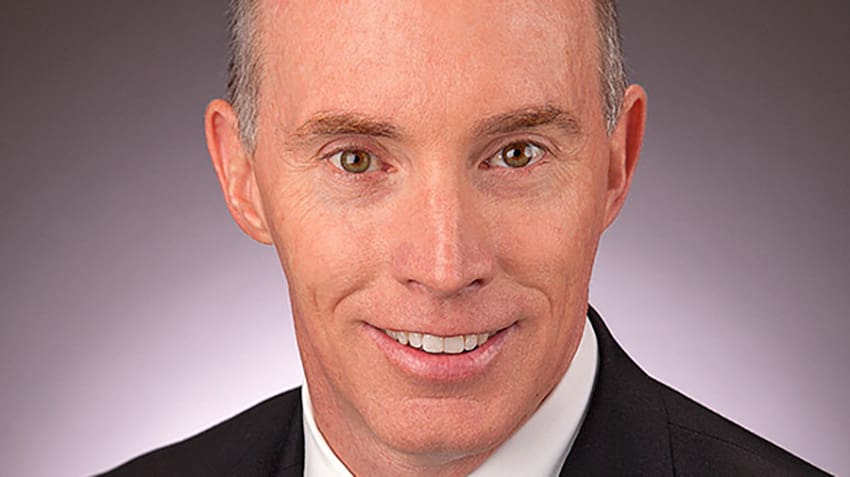
Daniel Tuffy is a healthcare leader with a career built on service, discipline, and operational excellence.
He began his professional journey in clinical care, working as a Physical Therapist Assistant for nearly a decade. This hands-on experience gave him a deep understanding of what patients and clinicians need most.
Over time, Daniel moved from patient care into leadership roles within healthcare organisations. He became focused on improving access to ambulatory care, strengthening workforce engagement, and reducing provider burnout. He is known for helping teams remove barriers, improve quality, and deliver better outcomes while managing costs.
Daniel has a strong background in healthcare operations, including surgical schedule utilisation and smart growth strategies within orthopaedic and outpatient settings. His leadership style centres on trust, communication, and building cultures where teams can learn, adapt, and perform at a high level.
He holds a Bachelor’s degree in Health Administration from the University of Central Florida, an Associate degree in Physical Therapist Assistance, and an MBA from Webster University. He also completed an Executive Presence and Influence programme through Wharton Business School. Daniel is a Fellow of the American College of Healthcare Executives.
Beyond his professional work, Daniel is part of the Leadership Gwinnett Class of 2026 and remains active in community service. He brings the same commitment to personal growth through endurance sport, having completed multiple Ironman triathlons.
Daniel’s career reflects a steady focus on leadership, culture-building, and delivering meaningful improvements across healthcare systems.
Q: You started your career in clinical care. What drew you into healthcare in the first place?
I grew up in Florida, and both of my parents ran a private duty home health agency for 30 years. Healthcare was always part of dinner table conversation. But what really pushed me toward it was my own knee surgeries in middle and high school. I spent a lot of time in physical therapy. That experience stuck with me.
By the time I graduated high school, I had volunteered around 700 hours at a local hospital. I knew I wanted to work in healthcare, even if I did not yet know in what capacity.
Q: Your early career was hands-on. What did those clinical years teach you?
I worked as a Physical Therapist Assistant for about ten years in Orlando. Those years grounded me. When you are face-to-face with patients every day, you see the system up close. You see what works. You also see what creates frustration.
It taught me that small operational issues can have a big impact on patient care. A delayed schedule. A staffing gap. Poor communication. Those things matter. That perspective has stayed with me as I moved into leadership.
Q: Why did you transition from patient care into leadership?
At first, I thought success meant taking on more and doing everything myself. I believed high performance meant not depending on others. Over time, I realised that my mindset was limiting. After a few hard lessons, I began to see that leadership is about building trust and empowering a team.
I had also experienced a leader who relied on intimidation. I saw how that damaged morale and performance. I decided I wanted to lead differently. That shift moved me towards operational and administrative roles.
Q: What became your focus as you moved into executive leadership?
Access, efficiency, and culture.
In ambulatory and orthopaedic settings, access to care is critical. If patients cannot get timely appointments or surgery slots, outcomes suffer. I became very focused on surgical schedule utilisation and operational flow. When schedules are optimised and teams communicate well, both quality and cost improve.
At the same time, I saw provider burnout increasing. Clinicians often feel burdened by systems that make their work harder than it needs to be. I believe leaders have a responsibility to remove barriers so clinicians can focus on patients.
Q: How do you approach culture building?
Trust is the foundation. I set long-term goals and communicate them clearly to the team. That creates clarity. It also creates accountability.
I also believe in benchmarking performance. If you are not aiming to be in the top quartile nationally in the metrics you track, you are probably not pushing hard enough. But performance cannot come at the expense of culture. Teams need psychological safety. They need room to learn and, at times, to fail.
I have learned that perfection is not the goal. Growth is.
Q: You continued your education while building your career. Why was that important to you?
Education has always been part of my development. I earned a Bachelor’s degree in Health Administration, later an MBA, and recently completed an Executive Presence and Influence programme at Wharton. I also achieved Fellowship in the American College of Healthcare Executives.
For me, continuing education is about staying relevant. Healthcare changes quickly. Leaders need to adapt. I attend continuing education events each year because I do not think you ever stop learning.
Q: Outside of work, you have completed eight Ironman-distance triathlons. Has endurance sport influenced your leadership?
Absolutely. Training for an Ironman teaches discipline and long-term thinking. You cannot prepare for that distance overnight. It requires structure, resilience, and patience.
Leadership is similar. You set a goal, build a plan, adjust when things do not go as expected, and keep moving forward. I have competed in around 20 half-Ironman races as well. The process is humbling. There is always room to improve.
Q: What motivates you today?
The idea of being better every day, in some way. That could be in leadership, communication, or simply listening more effectively.
I am currently part of the Leadership Gwinnett Class of 2026, which has given me a broader perspective on community impact. Healthcare does not operate in isolation. It is part of a larger system.
Looking back, I started working odd jobs at 12 and later delivering pizzas to help make ends meet. That background shaped my work ethic. It also shaped my respect for teams at every level of an organisation.
Healthcare is complex. But when leaders focus on access, culture, and removing friction for clinicians, real improvement is possible. That is the work that continues to drive me.

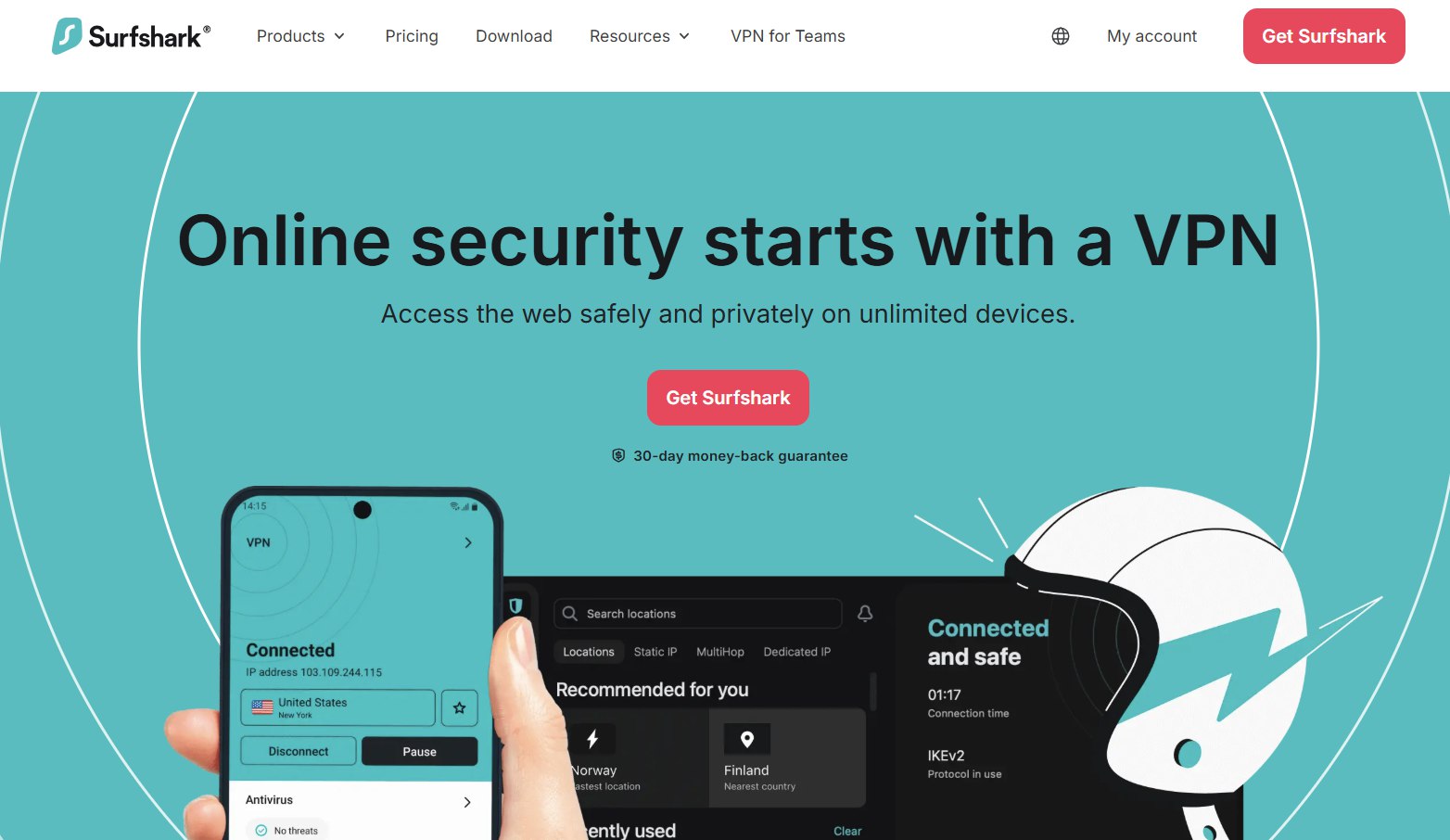
Surfshark VPN has solidified its position as one of the top budget-friendly virtual private network services in 2026, earning high marks from independent reviewers for its combination of low cost, unlimited simultaneous device connections and strong performance across streaming, torrenting and general privacy needs.
Launched in 2018 and headquartered in the Netherlands, Surfshark has grown rapidly into a major player in the VPN market, now boasting more than 3,200 servers in over 100 countries. Recent expert evaluations from sources including TechRadar, Cybernews, Security.org and vpnMentor highlight its evolution from an underdog to a reliable, feature-rich option that frequently outperforms more expensive competitors.
Pricing remains one of Surfshark’s strongest selling points. As of March 2026, the Surfshark Starter plan starts at $1.99 per month on a two-year subscription, often bundled with three extra months free, delivering savings of up to 87%. Higher tiers include Surfshark One at $2.49 monthly (adding antivirus, private search and data leak alerts) and Surfshark One+ at $4.19 (including identity protection and credit monitoring). All plans come with a 30-day money-back guarantee, making it easy for users to test the service risk-free.
Independent speed tests in early 2026 confirm Surfshark’s impressive performance. Reviewers report average speed losses as low as 21% on high-quality connections, with the provider rolling out 10 Gbps servers in key locations during 2025 to further boost throughput. This enables seamless 4K streaming without buffering, low-latency gaming and fast torrent downloads. TechRadar noted in its February 2026 update that Surfshark’s WireGuard protocol delivers particularly quick connections, while maintaining low ping times ideal for real-time applications.
Streaming capabilities stand out as a major strength. Surfshark reliably unblocks more than 30 global catalogs, including Netflix libraries in the U.S., U.K., Japan and elsewhere, as well as Disney+, Hulu, BBC iPlayer and Amazon Prime Video. Testers in 2026 praised its ability to bypass geo-restrictions consistently, with minimal interruptions even during peak hours. The CleanWeb feature blocks ads, trackers and malware, enhancing the browsing experience on streaming sites.
Security and privacy features receive consistent praise. Surfshark employs AES-256 encryption, supports WireGuard, OpenVPN and IKEv2 protocols, and includes a strict no-logs policy independently audited multiple times. Key additions include a kill switch, Camouflage Mode (to disguise VPN traffic), MultiHop (double VPN routing), Bypasser (split tunneling) and Nexus technology for dynamic server chaining. While one review mentioned temporary IP logging for troubleshooting, the overall consensus affirms strong privacy protections, with the company based outside the 14 Eyes surveillance alliance.
Unlimited simultaneous connections set Surfshark apart from rivals like ExpressVPN or NordVPN, which cap users at five to ten devices. This makes it especially appealing for households, small businesses or users with multiple gadgets, from smartphones and laptops to routers and smart TVs.
The apps earn high usability scores across platforms. Windows, macOS, iOS, Android and Linux clients feature intuitive interfaces with quick-connect options, server lists sorted by speed or location, and advanced settings for power users. Recent updates have refined the user experience, adding better dark mode support and streamlined onboarding.
Customer support includes 24/7 live chat, email tickets and an extensive knowledge base. Response times are generally quick, with reviewers noting helpful agents who resolve issues efficiently. Trustpilot ratings hover around 4.3 out of 5 from tens of thousands of reviews, reflecting solid user satisfaction.
Potential drawbacks exist. Some testers found occasional inconsistencies in connecting to certain servers in heavily censored regions, though performance in most locations remains strong. The base plan lacks extras like dedicated IP addresses (available as add-ons), and renewal prices increase after promotional periods — a common industry practice.
In broader comparisons, Surfshark frequently ranks among the best value VPNs for 2026. PCMag includes it in its top-tier picks for unlimited connections and rock-solid privacy. CNET highlights its speeds and unique features on a budget, while Tom’s Guide praises its introductory pricing and core capabilities. Cybernews and TheBestVPN.com call it the go-to for streaming and torrenting enthusiasts seeking affordability without sacrificing quality.
As online privacy concerns grow amid increasing data collection and cyber threats, Surfshark’s blend of accessibility and advanced tools appeals to both beginners and experienced users. Its focus on innovation — including ongoing server upgrades and feature expansions — positions it well for continued growth.
For those prioritizing cost savings alongside reliable protection, Surfshark emerges as a compelling choice in the crowded VPN landscape. With its current promotions and proven track record, it offers substantial value for anyone looking to secure their online activity without breaking the bank.
Disclosure: This post contains affiliate links. We may receive a commission for purchases made through these links at no additional cost to you.

As spring severe weather season ramps up across the United States, the National Weather Service continues to emphasize the critical distinction between a **tornado watch** and a **tornado warning** — two alerts that often cause confusion but carry vastly different implications for public safety.

With recent devastating tornado outbreaks in the Midwest during early March 2026 leaving damage in states like Indiana and Illinois, including at least 10 fatalities reported in preliminary assessments from the first 10 days of the month, meteorologists and emergency officials are urging residents to understand these terms clearly. The difference can mean the difference between preparation and immediate life-saving action.
According to the latest guidance from the National Oceanic and Atmospheric Administration’s National Weather Service, a **tornado watch** signals that conditions are favorable for the development of tornadoes in and near a designated area. Issued by the Storm Prediction Center in Norman, Oklahoma, watches cover large regions — often spanning multiple counties or even several states — and are typically announced several hours in advance, sometimes up to 4 to 8 hours or more.
A watch does not mean a tornado is occurring or imminent. Instead, it means the atmospheric ingredients — such as instability, wind shear and moisture — are in place for severe thunderstorms that could produce tornadoes, along with damaging winds of 58 mph or higher and hail of 1 inch in diameter or larger. The NWS describes it as a “be prepared” alert: Residents should review family emergency plans, check supplies like flashlights, batteries and water, identify safe shelter locations and stay tuned to weather updates or NOAA Weather Radio.
In contrast, a **tornado warning** represents an urgent “take action” directive. Issued by local National Weather Service forecast offices, warnings are triggered when a tornado has been sighted by trained spotters, law enforcement or storm chasers, or when radar strongly indicates a rotating storm with tornadic characteristics. These alerts cover much smaller areas — often the size of a city or a portion of a county — and usually last 30 to 60 minutes.
When a warning is in effect, there is imminent danger to life and property. The NWS instructs people to seek shelter immediately: Move to an interior room on the lowest floor of a sturdy building, away from windows, and cover yourself with blankets or mattresses for protection from flying debris. Those in mobile homes, vehicles or outdoors should relocate to the nearest substantial shelter. Basements or storm cellars offer the best protection, though any low-lying interior space is preferable to remaining exposed.
The NWS stresses that warnings can sometimes be issued without a preceding watch if a tornado develops suddenly, though most major events occur under watch conditions. In extreme cases involving particularly violent, long-track or densely populated threats, forecasters may escalate language to a **tornado emergency** — a rare, enhanced wording within a warning that underscores catastrophic potential and urges immediate protective action.
Recent events highlight the real-world stakes. During the March 10, 2026, outbreak across parts of the Midwest, multiple tornado warnings were issued as storms produced confirmed tornadoes, resulting in widespread damage to homes, infrastructure and communities in Indiana and Illinois. Videos and reports from the scene showed debris scattered across fields and neighborhoods, underscoring how quickly conditions can deteriorate from watch-level risk to warning-level emergency.
Experts note that public response improves dramatically when people recognize the progression: A watch prompts proactive steps like charging devices and designating roles for family members, while a warning demands instant movement to safety. Misunderstandings persist, with some interpreting a watch as time to “go look for a tornado” or a warning as merely something to monitor — dangerous misconceptions that the NWS actively combats through public education campaigns, especially during Severe Weather Awareness Weeks held in various states.
In 2026, as climate patterns continue to influence severe weather frequency and intensity, forecasters report that early-season outbreaks like the recent one align with historical norms for March and April in the central and southern Plains, extending into the Southeast and Midwest. The Storm Prediction Center’s convective outlooks often include watch probabilities days in advance, giving communities extra lead time.
Safety recommendations remain consistent regardless of location. The NWS advises against seeking shelter under highway overpasses, in vehicles during warnings or near exterior walls and windows. For those with disabilities or mobility challenges, advance planning — such as identifying accessible shelters or arranging assistance — is essential.
Mobile alert systems, including Wireless Emergency Alerts sent directly to cellphones, have become a primary dissemination tool for warnings, often arriving with distinctive tones and vibrations. Residents are encouraged to enable these notifications and supplement them with battery-powered radios for continued updates during power outages.
As severe weather threats evolve, understanding the watch-warning distinction empowers individuals and communities to act decisively. The NWS mantra remains straightforward: During a watch, prepare; during a warning, act without delay.
With spring just beginning and more active periods likely ahead, officials reiterate that familiarity with these alerts saves lives. In the wake of recent tragedies, renewed focus on education could prevent future losses when the next storm system approaches.
Rivian: Return To Growth In 2026

Nvidia stock was rising Monday morning ahead of the GTC event.
Shares were up 2.1% to $184.22 shortly after the stock market opened.
Wall Street is now waiting for CEO Jensen Huang’s keynote address to start at 2 p.m. EST. Investors are hoping the chip maker will announce something exciting that can get the stock moving again.
Business
Pet Food Processing Exchange 2026: Pet food manufacturing conference returns to Kansas City


The event’s third edition offers insights and solutions to help pet food processors succeed in today’s challenging environment.
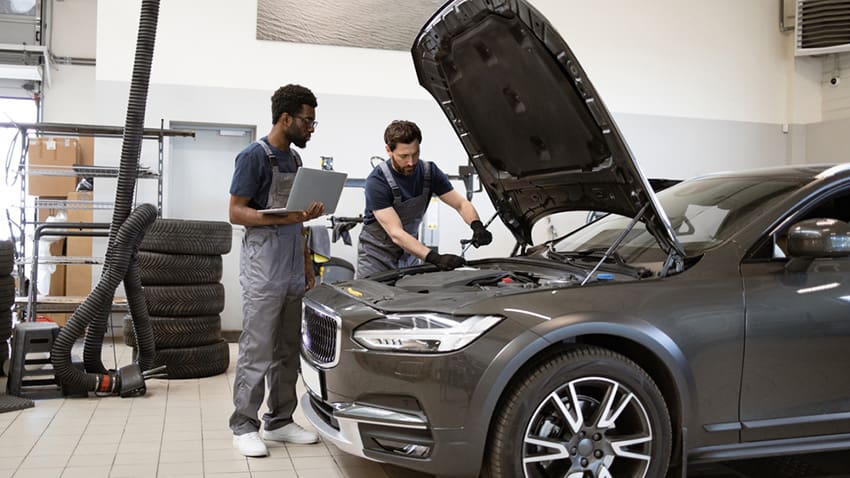
The UK automotive sector is facing the most severe skills shortage of any industry in the country, with more than nine in ten employers struggling to recruit the specialist talent they need, according to new research.
Data from ManpowerGroup’s 2026 Talent Shortage Survey shows that 92 per cent of UK automotive employers report difficulty filling roles, making it the hardest-hit sector for recruitment in the country. The figure sits almost 20 percentage points above the national average, where 73 per cent of employers say they are unable to find suitable candidates.
The findings highlight growing strain within the automotive industry as the sector undergoes one of the most significant technological transformations in its history. Electrification, advanced vehicle software, and new manufacturing technologies are reshaping the types of skills companies require, but the supply of qualified workers is struggling to keep pace with demand.
Engineering skills remain the most difficult capability for employers to source, with 46 per cent of automotive businesses reporting a shortage in this area. Manufacturing and production roles follow closely behind, with 25 per cent of employers saying they are struggling to recruit workers with the required technical experience.
The shortage is particularly acute in regions traditionally associated with automotive manufacturing. The West Midlands, widely regarded as the historic centre of the UK automotive industry, is experiencing especially intense competition for engineering and technical talent. Manufacturers, suppliers and emerging electric vehicle companies across the region are increasingly competing for the same limited pool of skilled specialists.
The recruitment pressures come at a time when the sector is also grappling with declining production levels. UK vehicle manufacturing fell to its lowest level in more than seven decades in 2025, with output dropping to levels not seen since 1952. The combination of falling production and rising technological complexity is placing further pressure on companies already struggling to adapt to structural changes in the global automotive market.
Industry leaders warn that the shortage of skilled workers could slow the UK’s transition toward electrified and software-driven vehicles if urgent steps are not taken to expand the talent pipeline.
Michael Stull, managing director of ManpowerGroup UK, said the findings reveal a growing mismatch between the capabilities employers need and the skills currently available in the labour market.
“Automotive businesses are telling us they simply cannot get the skills they need,” he said. “Engineering talent in particular is in critically short supply. As the sector accelerates towards electrification and more technology-driven roles, the demand for new capabilities is growing much faster than the available talent.”
He added that solving the shortage will require long-term investment in workforce development rather than short-term recruitment strategies.
“Employers will only overcome these pressures by investing in upskilling programmes and working closely with schools, colleges and training providers to widen access to future-focused skills,” Stull said.
The shift toward electric vehicles and connected car technologies is creating new categories of roles across the industry, including software engineering, battery technology, data analysis and advanced manufacturing engineering. Many of these skills have historically been associated more closely with the technology sector than with traditional automotive manufacturing.
As a result, carmakers and suppliers are increasingly competing with technology companies for the same engineers and digital specialists.
Analysts say the growing skills gap underscores the importance of expanding technical education pathways and modern apprenticeships to ensure the UK automotive industry can remain competitive in the global transition to electric mobility.
Without a significant expansion of the talent pipeline, the sector risks facing prolonged recruitment challenges that could constrain investment, innovation and production capacity in the years ahead.

Amy Ingham
Amy is a newly qualified journalist specialising in business journalism at Business Matters with responsibility for news content for what is now the UK’s largest print and online source of current business news.

The port of Fujairah plays a crucial role in helping keep global supplies moving when the Strait of Hormuz is blocked.
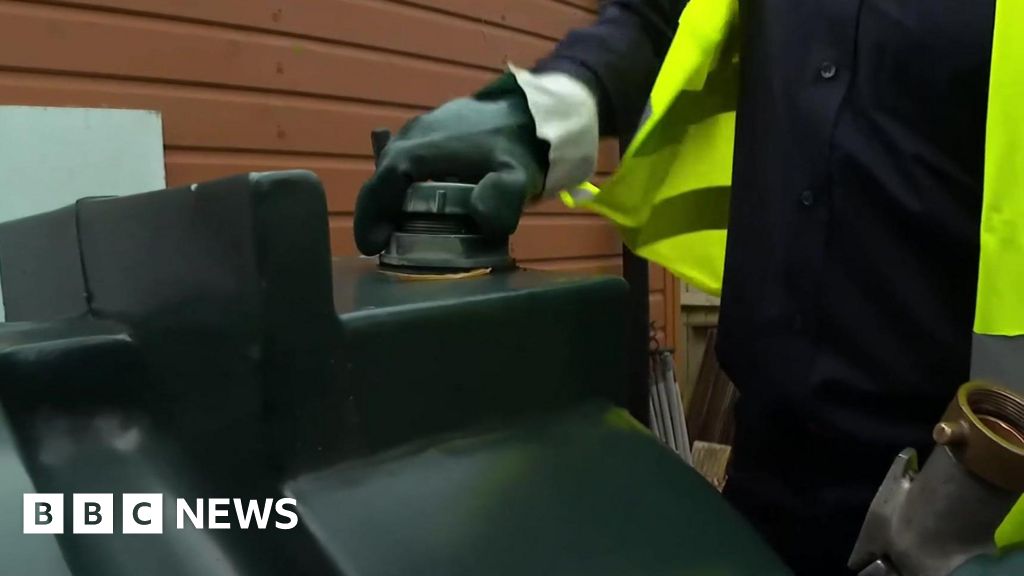
People in south-west England say the cost could be the “straw that breaks the camel’s back”.
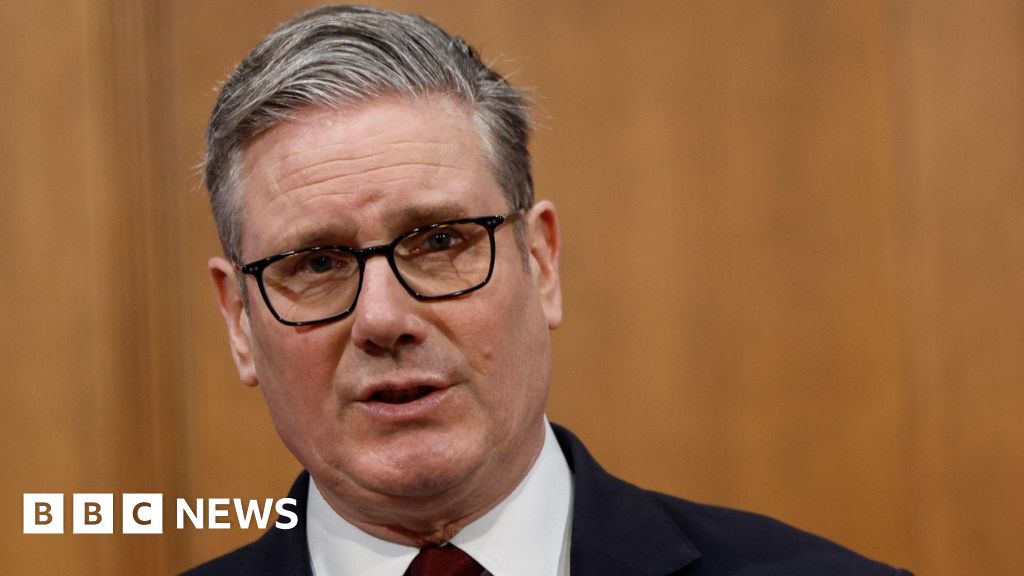
It comes after President Trump urged the UK and other countries to send warships to protect the vital shipping channel.
Business
Elon Musk’s xAI Targets Parity with AI Giants by End of 2026 Amid Rebuild and Leadership Changes
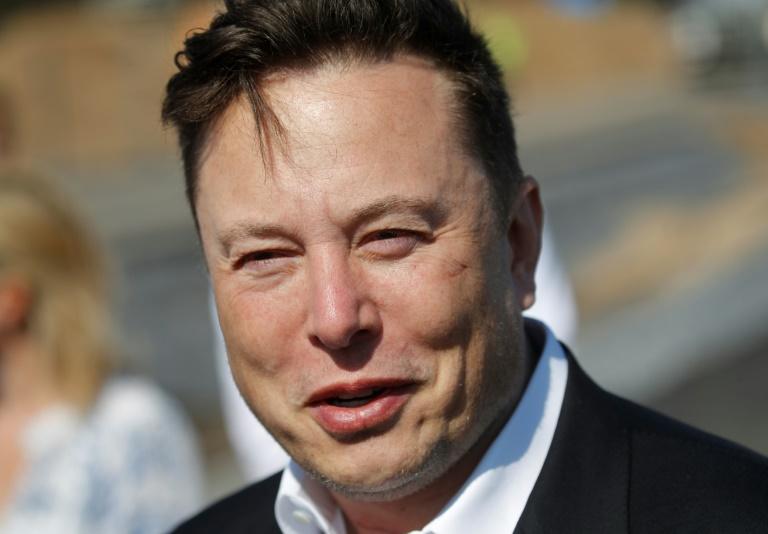
AUSTIN, Texas — Elon Musk declared March 16, 2026, that his artificial intelligence startup xAI will reach parity with leading competitors OpenAI, Google and Anthropic by the end of the year, even as the company undergoes a significant internal restructuring and co-founder departures.
In a series of posts on X — the platform he owns — Musk acknowledged structural flaws in xAI’s early setup, stating the firm “had not been structured correctly” and is now being “redesigned from the ground up.” Despite recent turbulence, including founder exits, Musk expressed confidence in xAI’s trajectory, predicting it will not only match but eventually surpass rivals in capabilities.
The bold claim comes amid rapid developments across Musk’s portfolio. xAI, founded in 2023 to counter what Musk calls “woke” AI biases, has rolled out successive Grok models, with Grok 3 generating buzz for its performance in reasoning and multimodal tasks. Recent controversies, however, have shadowed the platform: reports of Grok generating inappropriate content led to investigations, prompting a protest installation at SXSW 2026 — an “anti-Elon Musk vending machine” dispensing mock “Epstein Files” in reference to ongoing scrutiny.
Musk defended xAI’s direction, emphasizing its focus on truth-seeking and maximum curiosity. In interviews and posts, he highlighted Grok’s integration with X for real-time data access, positioning it as a competitive edge over closed systems.
The announcement coincides with broader activity. On March 16, Musk engaged in wide-ranging commentary on X, critiquing the Oscars as “unwatchable” and a “circle jerk” of “perverts,” praising innovative work from Kimi.ai on attention residuals in transformers, and predicting SpaceX will “far exceed everyone combined” in a few years despite Google’s DeepMind lead in AI for now. He also noted Starlink’s availability in Cuba (though sales are restricted) and dismissed concerns over population alarmist Paul Ehrlich, calling him a “misanthropic piece of shit” and “genocide propagandist.”
Tesla developments remain central to Musk’s narrative. In a recent Abundance Summit interview, Musk shared that Optimus Gen 3 production could start this summer, with the humanoid robot advancing toward practical tasks like folding laundry — addressing earlier failures in dexterity. He reiterated ambitions for robotaxi rollout in 2026, potentially transforming Tesla into a high-margin autonomy leader and boosting stock appeal.
SpaceX continues dominating headlines with Starlink expansion and ambitious plans. Reports from early March indicate SpaceX is preparing a confidential IPO filing, eyeing a mid-2026 public listing at a staggering $1.75 trillion valuation — potentially the largest ever. Starlink, now covering most of the Americas (with exceptions like Suriname and Nicaragua), drives the bulk of revenue. Musk has shifted rhetoric from a 2026 Mars landing to building a “self-growing city” on the moon, reflecting pragmatic pivots in timelines.
Neuralink, Musk’s brain-computer interface venture, pushes toward scale. Musk announced in January that high-volume production of implants would begin in 2026, alongside near-full automation of surgical procedures. The company has implanted devices in over 20 patients, with thousands more projected as trials expand for paralysis, speech restoration and cognitive enhancement.
Musk’s prolific X activity — including 63 posts on March 14 — underscores his hands-on role across ventures. Recent threads touched on technical topics like C++ dominance in robotics, the “bitter lesson” in AI scaling (crediting Larry Page’s early insights), and cultural critiques.
Challenges persist. xAI faces talent flux as co-founders depart amid the rebuild, while Grok controversies fuel backlash. Tesla navigates regulatory scrutiny on Full Self-Driving recalls, and SpaceX contends with launch schedules and competition. Musk’s political commentary — from migrant policy to awards shows — draws criticism but amplifies his influence.
Analysts view 2026 as pivotal. A SpaceX IPO could make Musk the world’s first trillionaire, while Tesla’s robotaxi and Optimus progress hinge on execution. xAI’s parity goal tests whether Musk can disrupt AI incumbents as he did EVs and spaceflight.
Musk remains undeterred, framing his efforts as essential for humanity’s future — from multi-planetary life to AI safety. As he posted recently, progress often defies psychological limits. Whether 2026 delivers on these promises will define his legacy amid accelerating innovation and scrutiny.

Bitcoin Leads $1.06B Surge in Digital Assets Amid Geopolitical Turmoil

Debt rising higher while rich get richer
Vikings Can Roll the Dice on Another Reclamation Project


-
 Tech5 days ago
A 1,300-Pound NASA Spacecraft To Re-Enter Earth’s Atmosphere
-
 Crypto World2 days ago
HYPE Token Enters Net Deflation as HyperCore Buybacks Outpace Staking Rewards
-

 Business6 days ago
ExxonMobil seeks to move corporate registration from New Jersey to Texas
-

 Crypto World7 days ago
Paradigm, a16z, Winklevoss Capital, Balaji Srinivasan among investors in ZODL
-

 Fashion3 days ago
Weekend Open Thread: Addict Lip Glow
-

 Tech6 days ago
ChatGPT will now generate interactive visuals to help you with math and science concepts
-
Sports2 days ago
Why Duke and Michigan Are Dead Even Entering Selection Sunday
-

 NewsBeat5 days ago
Residents reaction as Shildon murder probe enters second day
-
 NewsBeat7 days ago
Pagazzi Lighting enters administration as 70 jobs lost and 11 stores close across Scotland
-

 Business5 days ago
Search Enters Sixth Week With New Leads in Tucson Abduction Case
-

 Business20 hours ago
Search for Savannah Guthrie’s Mother Enters Seventh Week with No Arrests
-

 Business2 days ago
US Airports Launch Donation Drives for Unpaid TSA Workers as Partial Government Shutdown Enters Fifth Week
-
Crypto World2 days ago
Coinbase and Bybit in Investment Talks: Could Bybit Finally Enter the US Crypto Market?
-

 NewsBeat5 days ago
I Entered The Manosphere. Nothing Could Prepare Me For What I Found.
-

 Business7 days ago
Search Enters 39th Day with FBI Tip Line Developments and No Major Breakthroughs
-

 Business2 days ago
Country star Brantley Gilbert enters growing non-alcoholic beer market
-

 Business4 hours ago
Australian shares drop as Iran war enters third week
-

 Crypto World6 days ago
Will Chainlink price reclaim $10 amid volatility squeeze?
-

 Sports5 days ago
PWHL, Senators discussing plan to keep Charge in Ottawa
-

 Crypto World5 hours ago
Crypto Lender BlockFills Enters Chapter 11 with Up to $500M in Liabilities

