
Business
Southwest Airlines to end flights at Washington Dulles, Chicago O’Hare airports

An American Airlines pilot gave a rousing pre-flight speech to passengers encouraging civility and decency while onboard. (Anna Maltezos via Storyful)
Southwest Airlines will stop operating flights at Washington Dulles International Airport and Chicago O’Hare International Airport starting this summer.
The airline announced Friday that the change will take effect June 4, 2026. Flights scheduled on or before June 3 will operate as planned.
Despite the exit from the two major hubs, Southwest said it will continue offering significant service in both metro areas through other airports. In the Chicago region, the carrier will maintain operations at Chicago Midway International Airport, while in the Washington area it will continue service at Baltimore/Washington International Airport and Ronald Reagan Washington National Airport.
MORE THAN 1,800 US FLIGHTS CANCELED AS MASSIVE MARCH STORM DISRUPTS TRAVEL

A Southwest Airlines plane descends to land at the San Francisco International Airport in San Mateo, California, on Feb. 6, 2026. (Tayfun Coskun/Anadolu via Getty Images)
Southwest currently serves 15 markets from Chicago O’Hare. An airline spokesperson told FOX Business that employees affected at the two airports will have the opportunity to bid for open positions elsewhere across its network.

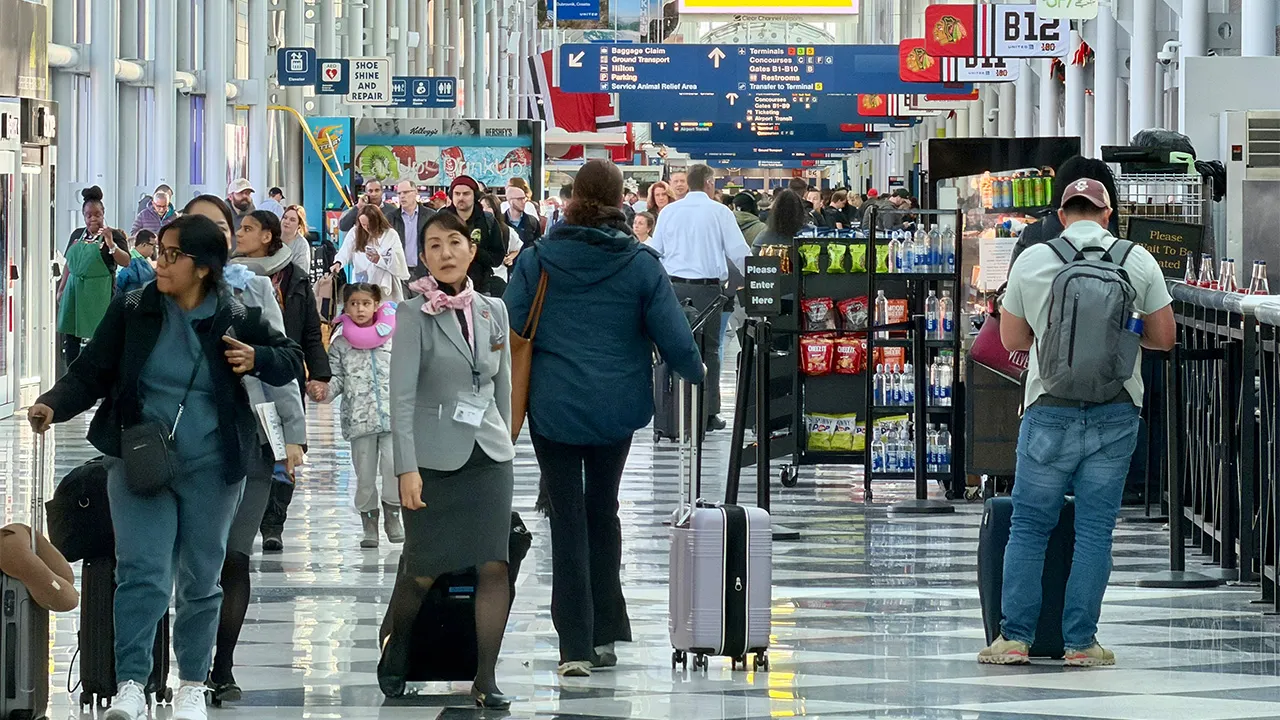
Air travelers walk on a concourse at Chicago O’Hare International Airport. (Daniel Slim/AFP via Getty Images)
Customers with reservations that include either airport on or after June 4 will need to change their travel plans. Travelers may rebook or travel standby within 14 days of their original travel date without paying a fare difference.
| Ticker | Security | Last | Change | Change % |
|---|---|---|---|---|
| LUV | SOUTHWEST AIRLINES CO. | 38.75 | +0.14 | +0.36% |
Passengers can also choose to travel through alternate airports. Options include Chicago Midway, Milwaukee and Indianapolis for Chicago-area travel, and Reagan National, Baltimore/Washington International, Philadelphia and Richmond for the Washington region.
CLICK HERE TO GET FOX BUSINESS ON THE GO
Customers may also request refunds for the unused portion of their ticket – even for nonrefundable fares – as well as optional travel charges tied to flights not taken.
Reuters contributed to this report.


Craft soda on London menus is not just fizzy sugar water with a new label. It is a carefully built drink that balances acids, botanicals, sweetness, and carbonation in a way that holds up in a busy café or cocktail bar.
From small batch trials to consistent keg pours, every step shapes flavour, texture, and safety.
Step into a Shoreditch café on a Saturday afternoon and you will see customers ordering rhubarb soda with brunch or smoked cola with a burger. Behind that simple glass sits a recipe tested for clarity, shelf stability, and repeatable taste. London’s bar scene has raised expectations, and craft soda has had to grow up fast.
Carbonation Levels And Mouthfeel
Carbonation defines the experience. A highly carbonated soda delivers sharp sparkle and aroma lift, while a softer level feels rounder and more wine-like.
Bars across London test carbonation carefully, especially when serving from a keg. Over-carbonated drinks can foam excessively during service, slowing staff and frustrating guests. Under carbonated sodas taste flat and dull.
Key considerations include:
- Target CO2 volume for style
- Serving temperature control
- Glassware shape
- Pour technique at the bar
- Compatibility with draft systems
Stability, Safety, And Shelf Life
Premium positioning requires professional production standards. Natural extracts can separate, fresh juices can ferment, and botanicals can cloud if not stabilised properly.
Producers rely on pasteurisation, filtration, or controlled acidity to protect product integrity. Clear labelling and batch tracking also support food safety expectations in the UK hospitality sector.
When a London café moves from kitchen trials to wider distribution, the conversation often turns to scaling. Recipes that work in a small test batch need adjustment for volume production, packaging lines, and regulatory checks. Brands exploring full‑scale beverage production solutions often focus on preserving flavour while meeting commercial demand.
Ingredient Foundations And Flavour Architecture
Great craft soda starts with water chemistry. Many producers filter and adjust mineral content to control mouthfeel and let delicate flavours shine.
Core building blocks often include:
- Filtered or treated water
- Natural fruit extracts or cold-pressed juices
- Botanical distillates such as juniper or citrus peel
- Measured acid blends for brightness
- Sweeteners chosen for texture and finish
Acidity does more than add tang. Citric, malic, or tartaric acid can sharpen fruit notes and keep sweetness from feeling heavy. London cafes often prefer a crisp profile that pairs with food rather than overpowering it.
Sweeteners vary depending on brand identity. Some use cane sugar for a clean finish, others experiment with honey or lower sugar blends to meet changing consumer preferences.
Packaging Choices: Cans Vs Kegs Vs Bottles
Presentation influences perception and logistics. Aluminium cans are lightweight and protect against light exposure, making them popular for takeaway and retail shelves.
Glass bottles signal tradition and premium appeal. They work well for table service in restaurants and for visible fridges in cafés.
Kegs are increasingly common in London cocktail bars. They reduce packaging waste and speed up service, though they require investment in tap systems and cleaning protocols. Environmental considerations also shape packaging decisions for many operators.
Collaboration Between Venues And Producers
Many standout sodas on London menus come from collaboration. A bar team might request a lower sugar tonic for a specific gin serve or a seasonal soda to pair with a tasting menu.
Successful collaborations usually involve:
- Detailed flavour briefs
- Pilot batch tastings with staff
- Feedback loops after soft launch
- Clear agreements on branding and exclusivity
- Consistent quality checks across deliveries
Bringing Craft Soda From Concept To London Menu Success
Craft soda on London menus combines ingredient science, carbonation control, safe production practices, and smart packaging decisions.
Business
NASDAQ Stages Strong Rebound as Tech Stocks Lead Gains Amid Easing Oil Prices and Geopolitical Optimism
The tech-heavy NASDAQ Composite surged more than 1% on March 16, 2026, snapping a string of recent losses as investors welcomed signs of cooling tensions in the Middle East and a pullback in crude oil prices. The index climbed sharply in early trading, reflecting renewed appetite for growth-oriented stocks after a volatile period dominated by geopolitical risks and economic concerns.
By mid-morning Eastern Time, the NASDAQ Composite stood at approximately 22,358, up about 253 points or 1.15% from Friday’s close. Trading volume was robust, with more than 314 million shares changing hands in the first few hours. The gain reversed much of the prior session’s decline, when the index closed at 22,105.36 on March 13 — down 0.93% or 206 points — marking its lowest finish of the year amid pressure on major technology names.
The broader market participated in the rally. The Dow Jones Industrial Average advanced around 1.2%, or roughly 575 points in early action, while the S&P 500 rose about 1.3%. Futures had pointed to a positive open, with NASDAQ-100 futures up over 1% pre-market as crude oil retreated below $100 per barrel following reports suggesting potential de-escalation around the Strait of Hormuz.
Geopolitical developments remained front and center. Escalating conflict involving U.S., Israeli, and Iranian forces had driven oil prices higher in recent sessions, stoking inflation fears and prompting risk-off sentiment. Wall Street closely monitored news that energy infrastructure targeting might ease, allowing traders to refocus on corporate fundamentals and upcoming economic data. Analysts noted that any stabilization in the region could support a sustained recovery in equities, particularly in interest-rate-sensitive sectors like technology.
Technology shares, which have borne the brunt of recent volatility, led the charge. Mega-cap names in artificial intelligence and software contributed significantly to the NASDAQ’s upside. Investors appeared to shrug off lingering worries about AI spending sustainability and shifted toward optimism about leaner operations and margin improvements at key players. Meta Platforms saw notable gains, with reports of potential cost-cutting measures interpreted positively despite being labeled speculative by the company.
The rebound came after a challenging stretch for the NASDAQ. The index had posted its third consecutive weekly decline heading into the weekend, pressured by disappointing economic indicators and persistent oil-driven inflation concerns. Friday’s close represented a low point for 2026 so far, with technology heavyweights underperforming amid broader market rotation.
Market participants highlighted several factors supporting the Monday advance. Lower oil prices reduced fears of immediate Federal Reserve tightening, while positive sentiment around potential policy clarity post-midterms buoyed confidence. Some strategists pointed to oversold conditions in growth stocks as a catalyst for the snapback.
“After weeks of headline-driven selling, we’re seeing a classic relief rally,” said one equity strategist at a major brokerage. “Tech has been oversold relative to its long-term growth narrative, and with oil backing off, investors are willing to take on risk again.”
Economic data remained in focus. Recent releases had painted a mixed picture, with softer consumer and manufacturing figures raising recession odds in some corners. However, the market’s reaction suggested traders were pricing in a “soft landing” scenario rather than sharper downturn.
Looking ahead, volatility could persist. Upcoming events include key earnings reports from software and semiconductor firms, alongside any fresh developments from the Middle East. The NASDAQ’s performance will likely hinge on whether big tech can maintain momentum and if broader indices follow suit.
The index’s year-to-date trajectory has been uneven. From a 52-week range spanning roughly 14,784 to 24,019, the NASDAQ has shown resilience but faces headwinds from elevated valuations in AI-related names and macroeconomic uncertainty. Analysts remain divided on near-term direction, with some forecasting continued choppiness while others see potential for new highs if geopolitical risks subside.
Trading on the NASDAQ exchange reflected healthy participation, with biotechnology and other growth subsectors also posting solid advances. The NASDAQ Biotechnology Index rose over 1% in tandem with the broader composite.
As the session progressed, attention turned to volume leaders and unusual options activity for clues on sustained buying interest. Market breadth appeared positive, with advancers outpacing decliners on the exchange.
Investors continued to eye commodity movements closely. A drop in crude below $95 in some reports helped fuel the equity bounce, though any reversal could quickly alter sentiment.
Overall, March 16 marked a tentative return to bullish momentum for the NASDAQ after a bruising period. Whether the rally holds will depend on continued positive catalysts and absence of renewed shocks. For now, the tech sector’s leadership offered hope that the index could reclaim higher ground in the weeks ahead.
The performance underscored the market’s sensitivity to global events while highlighting the enduring draw of innovative companies in driving returns. As Wall Street navigates these crosscurrents, the NASDAQ’s path will remain a key barometer of investor risk appetite.

A Chef Who Turned Curiosity Into a Career
Great careers often begin with small moments of curiosity. For Kenneth Alan Wilder, that moment happened in a kitchen.
As a child, he was fascinated by how simple ingredients could turn into something memorable. That curiosity grew into a serious passion. Over time, it shaped a career built on skill, discipline, and creativity.
“Cooking always felt like storytelling to me,” Wilder says. “You take ingredients, techniques, and culture, and you turn them into an experience people remember.”
Today, Wilder is known as a private chef who creates highly tailored dining experiences for clients who expect precision and originality. His work blends classic culinary training with global influence and a strong sense of personal style.
But the path to that level of mastery began with education and discipline.
Culinary Institute of America Training and Early Foundations
After high school, Wilder focused on building professional credibility in the kitchen. He earned several certifications that helped establish his technical foundation. These included Certified Executive Chef credentials, ServSafe Food Protection Manager certification, and specialty training in Italian and French cuisine.
Those credentials were important. But Wilder wanted deeper training.
That led him to the Culinary Institute of America in Hyde Park, New York. The CIA is widely considered one of the most demanding culinary schools in the world.
At the institute, Wilder completed a program in Applied Culinary Arts and Hospitality Management. The curriculum emphasized both cooking technique and kitchen leadership.
“The CIA teaches you discipline,” Wilder says. “You learn that great food is not just about creativity. It’s about consistency, timing, and respect for the craft.”
That structured environment sharpened his skills in classic technique, menu development, and kitchen operations. It also helped shape his long-term approach to hospitality.
How Global Travel Influenced Kenneth Alan Wilder’s Cooking
Education was only the beginning. Wilder continued to refine his perspective through international travel.
Visiting different regions allowed him to study food traditions firsthand. Markets, street vendors, and local restaurants all became sources of inspiration.
In Spain, he explored the busy food markets of Barcelona. In Japan, he studied the precision and simplicity found in traditional kitchens.
Travel changed how he thought about flavor and presentation.
“Every place teaches you something new about ingredients,” Wilder explains. “Food reflects culture. When you travel, you learn why dishes are made the way they are.”
These experiences expanded his culinary vocabulary. They also helped him develop a personal style that blends classical European techniques with global influences.
The Rise of Bespoke Private Dining Experiences
Over time, Wilder built a reputation among clients seeking highly customized dining experiences.
Unlike restaurant chefs, private chefs often design menus for specific events and settings. Each dinner can be different. Each client may want a unique culinary story.
Wilder embraced that challenge.
He began creating intimate private dinners and multi-course tasting menus designed around the people attending. Some of these events take place in luxury homes. Others unfold aboard private yachts.
“Private dining is about understanding the moment,” Wilder says. “Who is at the table? What are they celebrating? The menu should reflect that.”
His dishes often highlight rare or carefully sourced ingredients. Truffles imported from Italy, saffron from Spain, heirloom vegetables, and sustainable seafood frequently appear in his menus.
Each plate is built with attention to balance. Flavor, texture, and presentation all matter.
“A meal should engage every sense,” Wilder says. “Taste is only one part of the experience.”
Daily Discipline and Creative Inspiration
While his professional life revolves around culinary creativity, Wilder also follows a structured daily routine.
He starts most mornings at 5 a.m. with a long jog. The habit helps him maintain both physical and mental clarity.
“That run gives me time to think,” he says. “Some of my best menu ideas come while I’m moving.”
Coffee is another daily ritual. Wilder studies different brewing methods and often experiments with single-origin beans and small-batch roasts.
Outside the kitchen, he spends time exploring farmers’ markets, hiking trails in the Blue Ridge Mountains, and sailing on the Chesapeake Bay.
These experiences help shape his culinary ideas.
“Nature reminds you where food begins,” Wilder says. “Fresh ingredients always lead to better cooking.”
Mentorship, Charity, and the Next Generation of Chefs
Beyond private dining, Wilder also invests time in community work.
He volunteers with Feed the Future Virginia, helping prepare meals for underserved communities. He also hosts charity dinners that raise funds for local children’s hospitals.
For Wilder, philanthropy is closely connected to food.
“Cooking is a form of generosity,” he says. “Sharing a meal can bring people together in ways that nothing else can.”
Mentorship is another priority.
He regularly organizes workshops for young aspiring chefs. These sessions focus on both technical skills and the mindset required to build a sustainable culinary career.
“Young cooks need encouragement,” Wilder says. “But they also need to understand the discipline the craft requires.”
Kenneth Alan Wilder’s Vision for Private Culinary Experiences
As the private dining industry continues to grow, Wilder sees opportunities for chefs to push creative boundaries.
Clients today often look for more than a meal. They want an immersive experience.
For Wilder, that means designing menus that feel personal and memorable.
“A great dinner should tell a story,” he says. “When people leave the table, they should feel like they traveled somewhere.”
His work reflects that philosophy.
From quiet family dinners to elaborate multi-course events, each menu is designed with intention. The goal is not simply to cook well. It is to create moments that stay with people.
“In the end,” Wilder says, “food is about connection. That’s what keeps me inspired.”
The Dow Jones rose 387.94 points, or 0.83%, to 46,946.41, the S&P 500 gained 69.92 points, or 1.05%, to 6,702.18, and the Nasdaq advanced 268.82 points, or 1.22%, to 22,374.18.
Meta jumped after Reuters reported that the social media platform plans to shrink its workforce by at least 20% to offset costly artificial-intelligence infrastructure bets and prepare for greater efficiency brought about by AI-assisted workers.
Nvidia climbed after CEO Jensen Huang announced new components at the chipmaker’s annual developer conference.
Taiwan’s Foxconn, which makes AI servers using Nvidia chips, issued a strong quarterly revenue forecast on Monday.

Tesla rose after CEO Elon Musk said the company’s Terafab project to make AI chips will launch in seven days.
Micron Technology jumped after the memory chipmaker announced plans for a second manufacturing facility in Taiwan. A modest drop in crude prices after the U.S. said it would be “fine” with some Iranian, Indian and Chinese ships moving through the Strait of Hormuz also offered some relief to the market.
“You’ve got news that Iranian oil tankers are moving through, or are soon going to be moving through, the Strait of Hormuz, which is a positive for global economic stability,” said Terry Sandven, chief equity strategist at U.S. Bank Wealth Management in Minneapolis.
“But on balance, the path forward is filled with twists and turns. … There’s lack of visibility when the conflict is likely to end.”
Higher energy prices are likely to feature prominently in central bank meetings globally this week.
The Fed is widely expected to leave interest rates unchanged at the end of its two-day meeting on Wednesday. Traders have pushed back their expectations for an interest rate cut of at least 25 basis points beyond October, according to LSEG-compiled data, compared with their previous expectation of a cut in July.
“There are a couple of reasons to take any signals from this meeting with a pinch of salt. First, a swing in oil prices in either direction could quickly change the Fed’s thinking, and second, markets might slightly discount messages from Chair (Jerome) Powell, given this will be one of the last of his term,” said James McCann, senior economist at Edward Jones in a note.
Wall Street’s fear gauge, the CBOE volatility index, dropped, while the rate-sensitive Russell 2000 index gained.
Despite logging declines over the past three weeks, U.S. equities have fared better than global peers, buoyed by a rebound in beaten-down technology stocks and as the country is a net oil exporter. However, the S&P 500 remains down about 2% so far in 2026.
February industrial production increased 0.2%, slightly better than expectations of a 0.1% rise.
Travel stocks Delta Air Lines and Norwegian Cruise Line Holdings both gained, lifted by lower oil prices.
Crypto stock Strategy Inc climbed as bitcoin rallied around 3%.
Discount retailer Dollar Tree rose after signaling it could benefit from favorable tariffs in the near term.

Check out what’s clicking on FoxBusiness.com.
Hyundai has stopped sales of certain 2026 Palisade SUVs and plans a recall after a problem with power-folding seats that the company says may fail to detect contact with an occupant or object.
The announcement comes after a young child died in an incident involving a Palisade that is still under investigation, according to the automaker.
Reuters reported the victim was a 2-year-old girl from Ohio who was killed on March 7.
“Hyundai is aware of a tragic incident involving a Palisade. While Hyundai does not yet have the full details and the incident is still under investigation, a young child lost her life. Hyundai extends its deepest sympathies to her family,” the company said in a press release Friday.
HOUSE GOP SLAMMED BY CONSERVATIVES FOR JOINING DEMS ON CONTROVERSIAL ‘KILL SWITCH’ AMENDMENT

A view from the interior of a Hyundai Palisade showing the gray leather upholstery of the second-row power-folding seats. (Credit: Hyundai USA)
Sales of the 2026 Palisade Limited and Calligraphy trims are currently on hold while Hyundai works with the National Highway Traffic Safety Administration on the recall.
Hyundai said about 68,500 vehicles could be affected, including roughly 60,500 in the United States and nearly 8,000 in Canada.
The automaker said it is developing a recall repair and an interim over-the-air software update designed to improve the system’s ability to detect contact with occupants or objects and introduce additional safeguards.
DRIVERLESS WAYMO VEHICLE STRIKES CHILD IN CALIFORNIA

Hyundai issued a stop-sale for approximately 68,500 2026 Palisade Limited and Calligraphy models on March 13, 2026. (Credit: Hyundai USA)
Hyundai is advising owners to ensure no person or object, including children, is in the seat or seat-folding area before operating the power seat.
“When using the second-row one‑touch tilt‑and‑slide feature to access the third row, customers should avoid pressing the seatback button during entry or exit,” the company said.
CARGURUS BREACH LINKED TO SHINYHUNTERS EXPOSES 12.4M RECORDS

Hyundai issued a stop-sale and plans for a recall for 2026 Palisade Limited and Calligraphy models on March 13, 2026. (Credit: Hyundai USA)
CLICK HERE TO DOWNLOAD THE FOX NEWS APP
The automaker added that it may offer rental vehicles to affected customers until a permanent repair is implemented.
“Hyundai’s top priority is the safety of its customers, and additional details regarding the interim software update and final recall repair will be provided as they become available,” it said.

Regal Rexnord CEO extends tenure to June 30 amid succession search
Lucid Motors interim CEO Marc Winterhoff discusses the impact of high gas prices on the EV market, the unveiling of new models during the companys investor day, his outlook on profitability and more on The Claman Countdown.
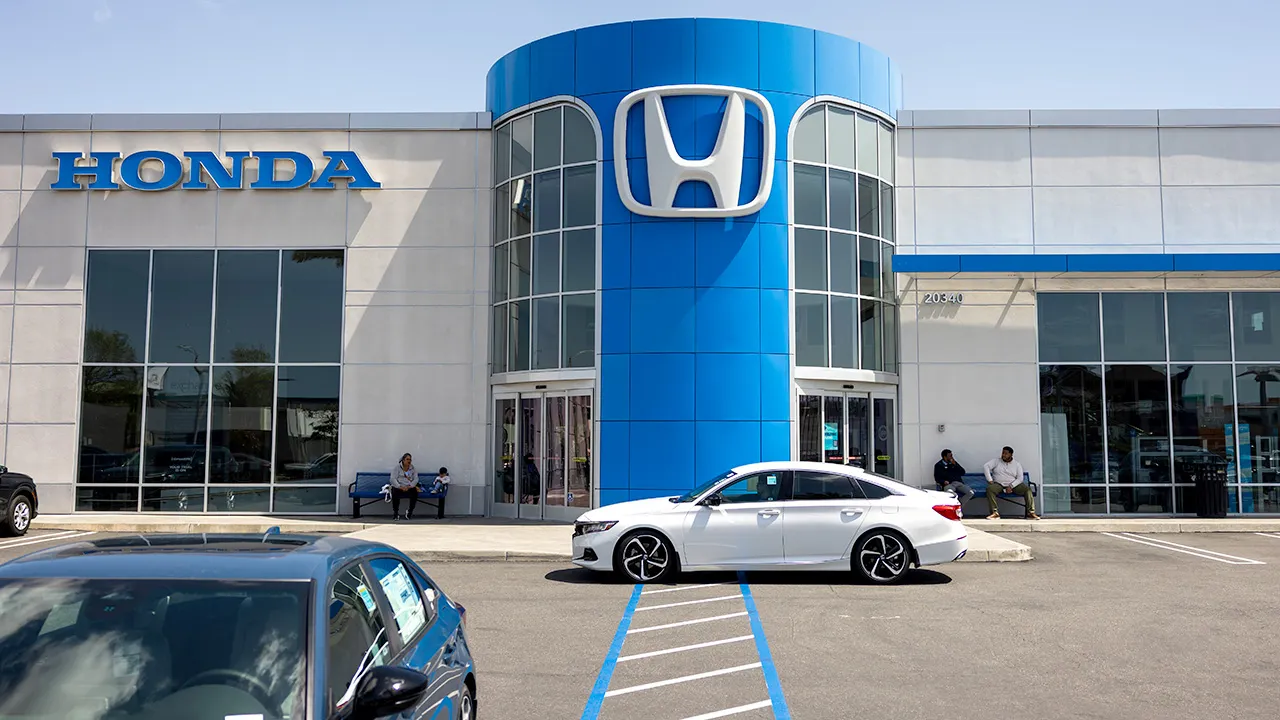
Honda announced a $15.7 billion writedown of its electric vehicle (EV) business last week as the company shifts its U.S. strategy to account for weak consumer demand for EVs.
The second-largest automaker in Japan said Thursday that it will restructure its EV business and cancel three planned battery-powered EV models that were going to be built and sold in the U.S. market.
Demand for EVs has pulled back in recent years as consumers have shown a preference for hybrid vehicles, while President Donald Trump’s administration has pulled back tax credits that helped incentivize EV purchases.
Honda’s move to pull back on its EV plans, as well as to write down the value of some of its operations in China, may cost as much as $15.7 billion, while the company also said it will report its first annual loss in nearly 70 years. The company’s cash outflows stemming from the writedowns will largely be due to the cost of compensating suppliers.
FORD CEO SAYS ‘CUSTOMER HAS SPOKEN’ AFTER EV SHIFT DRIVES MAJOR QUARTERLY LOSS
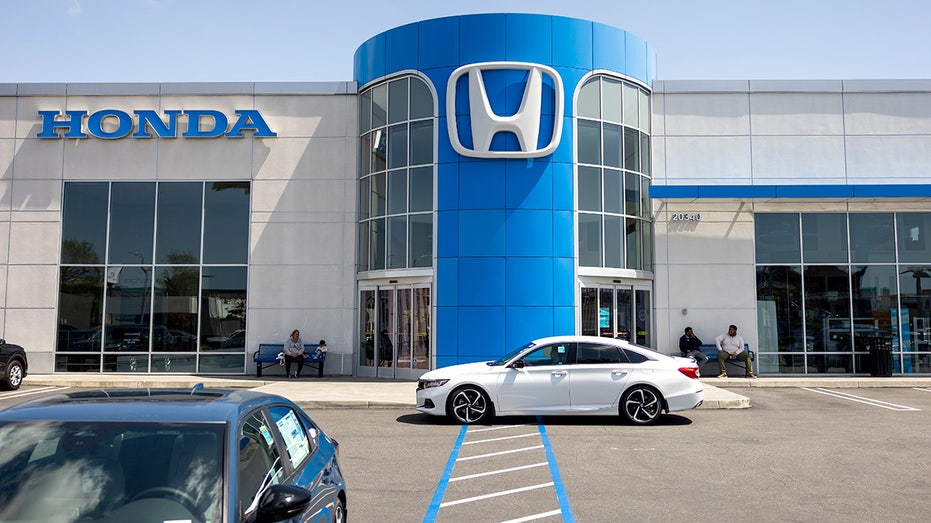
Honda’s writedown comes as consumers are turning away from EVs in favor of hybrids. (Jay L Clendenin/Getty Images)
Honda first unveiled two concept models for its “Honda 0 Series,” including the Saloon sedan, at the CES trade show in Las Vegas in January 2024, and it had expected to roll out the series’ first vehicles this year, starting in North America.
Those plans have now been called off, with Honda canceling the Saloon along with the Honda 0 SUV and the Acura RSX.
Honda will now pivot its U.S. focus to hybrid vehicles and will also look to strengthen lineup and cost competitiveness in India.
ASTON MARTIN TO CUT UP TO 20% OF ITS WORKFORCE
| Ticker | Security | Last | Change | Change % |
|---|---|---|---|---|
| HMC | HONDA MOTOR CO. LTD. | 25.71 | -0.06 | -0.23% |
The company also said that it has struggled to compete with newer companies in China that are focused more on short development cycles and software technologies, like advanced driver-assistance systems (ADAS).
“In such a difficult competitive environment, Honda was unable to deliver products that offer value for money better than that of newer EV manufacturers, resulting in a decline in competitiveness,” the company said.
Battery-powered cars accounted for 2.5% of Honda’s 3.4 million global sales last year, or about 84,000 vehicles.
LAMBORGHINI SCRAPS FIRST EV LAUNCH, CALLS DEVELOPMENT ‘EXPENSIVE HOBBY’
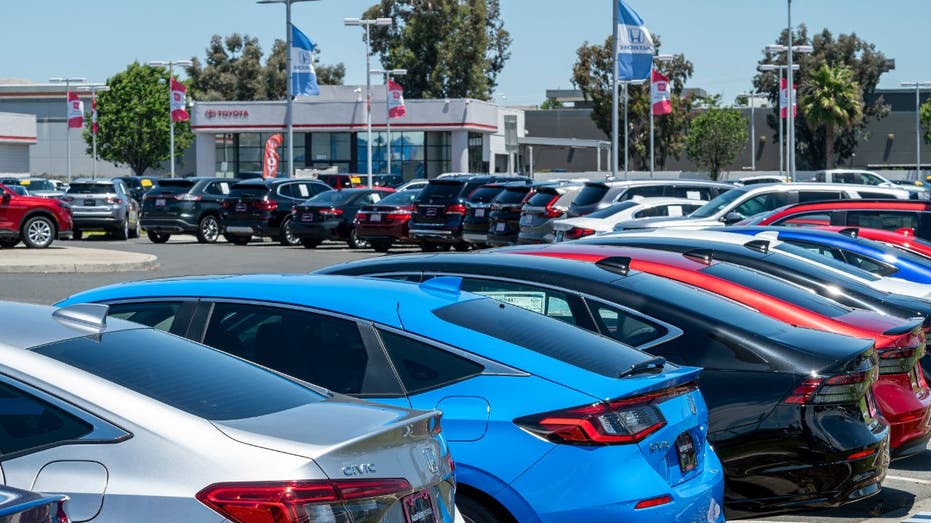
Honda is refocusing its U.S. production on hybrid vehicles. (David Paul Morris/Bloomberg via Getty Images)
China is the world’s largest auto market and Honda introduced several battery-powered models in the market, but it only sold 17,000 last year, which accounted for just 2.5% of its sales of around 677,000 vehicles in the country and just a fifth of its total EV sales.
Honda said that its initiatives around future EV model introductions will be implemented with flexibility from a long-term perspective while “monitoring the balance between profitability and market trends.”
GET FOX BUSINESS ON THE GO BY CLICKING HERE
The company also said it will announce details related to the reestablishment of its mid- to long-term strategy for its auto business at a press conference in May.
Reuters contributed to this report.
Form 6K Cheer Holding Inc For: 16 March
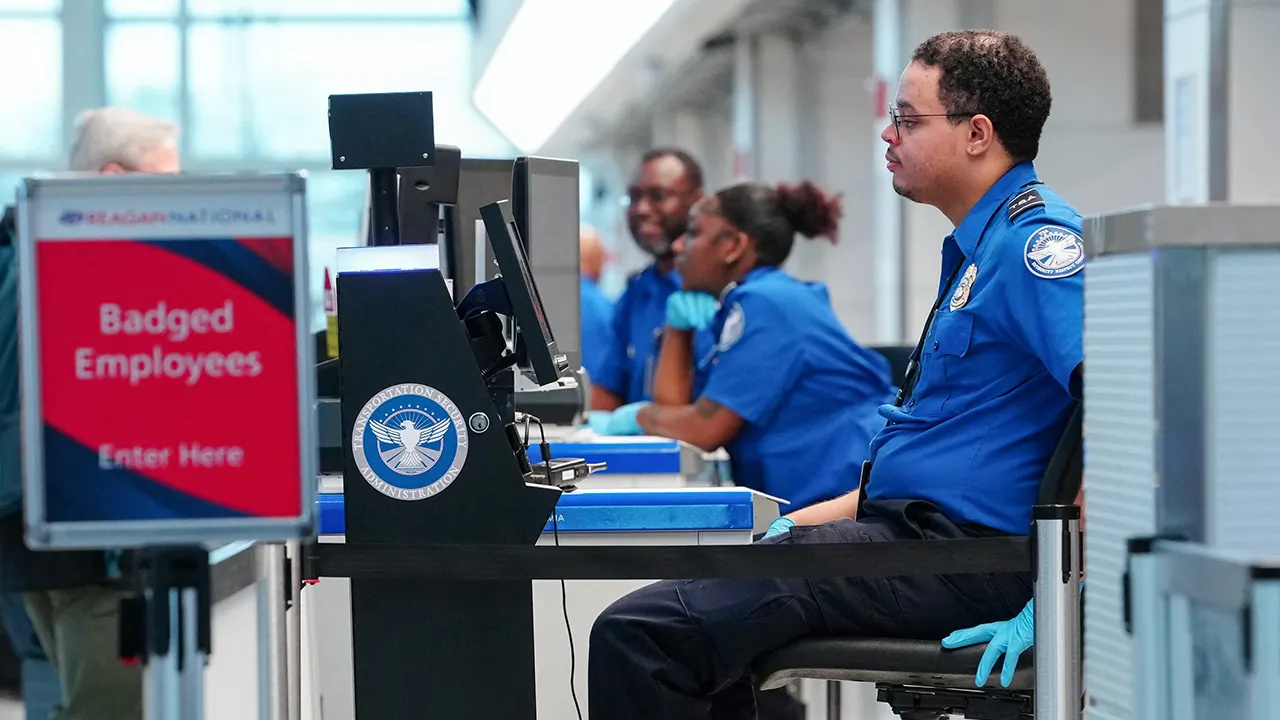
AFGE Local 554 President Aaron Barker said TSA workers on struggling financially amid the ongoing shutdown.
Union leaders representing Transportation Security Administration (TSA) workers in Atlanta called on lawmakers Monday to end the Department of Homeland Security (DHS) shutdown, saying the stalemate has crippled its members financially as they continue to work without being paid.
Aaron Barker, the president of AMG local 554, said the union’s members are financially exhausted as they face a range of fiscal difficulties amid a standoff between lawmakers in Washington over DHS funding on the heels of their first missed full paycheck.
“Unlike other federal agencies such as ICE and CBP, TSA employees are working without pay,” Barker said at Hartsfield-Jackson Atlanta International Airport. “Many are coping with eviction notices. Vehicle repossessions, empty refrigerators and overdrawn bank accounts.”
“Every available financial option has been exhausted, yet these officers are still coming to work to protect the traveling public, facing disciplinary action if they do not show up to work,” he added.
HOW MUCH DO GOVERNMENT SHUTDOWNS COST AMERICAN TAXPAYERS?

TSA agents work at a security checkpoint at Ronald Reagan International Airport in Arlington, Virginia., March 15, 2026. (Aaron Schwartz / Reuters Photos)
About 300 TSA agents have quit, Transportation Secretary Sean Duffy said Sunday, and call-outs have doubled.
Duffy has blamed Democrats for the funding standoff, amid a debate over proposed reforms to U.S. Immigration and Customs Enforcement (ICE), which many Republicans oppose.
DHS has been partially shut down for more than 30 days as Republicans hold out for a budget proposal that fully funds all parts of the agency. Democrats have said they’re willing to fund individual branches within the department, including TSA, but not Immigration and Customs Enforcement (ICE) or Customs and Border Protection (CBP) until the Trump administration agrees to immigration reform.
Meanwhile, Barker said, TSA personnel are bearing the burden of the standoff.
TRAVEL EXPERT WARNS AMERICANS TO ‘BOOK NOW’ AS OIL PRICES THREATEN HIGHER AIRFARES
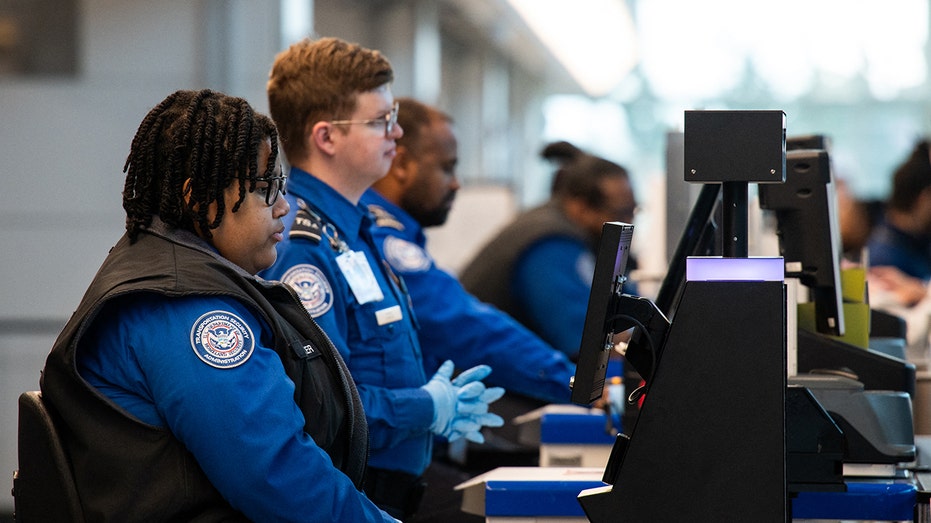
Travelers and staff walk through Ronald Reagan Washington National Airport in Arlington, Virginia, on March 13, 2025. Union leaders in Atlanta called on Congress to end the Department of Homeland Security shutdown amid the financial stress for TSA wo (Annabelle GORDON / AFP via Getty Images)
“I’ve heard from officers who cannot afford co-payments for cancer treatments or office visits for their sick children,” he said.
“Requiring employees to work without pay is unconstitutional, and the financial consequences of this shutdown — damaged credit, missed payments and lost housing — will remain ever after the government reopens,” he added. “This is not a partisan issue. TSA employees did not cause this shutdown, yet they are bearing the burden of congressional inaction.”
A DHS spokesperson told FOX Business that 100,000 DHS workers did not receive their first full paycheck last week, amounting to $1 billion in unpaid wages each month.
“American travelers across the country are facing hours-long airport lines, that will worsen as this shutdown continues,” the spokesperson said. “Democrats are shamelessly playing politics with national security, punishing hardworking TSA workers and their families.”
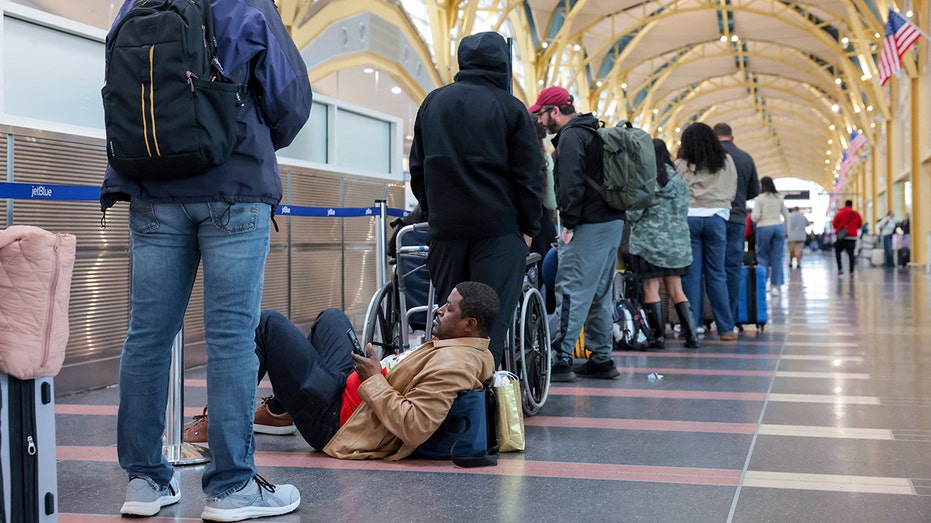
Passengers wait in a check-in line at Ronald Reagan Washington National Airport, as the Department of Homeland Security (DHS) continues to go unfunded, in Arlington, Virginia, March 16, 2026. (Kylie Cooper / Reuters Photos)
CLICK HERE TO GET FOX BUSINESS ON THE GO
Barker said essential public services shouldn’t be used as leverage in political disputes, especially while members of Congress continue to receive their own paychecks. He said TSA officers have resorted to finding other ways to make ends meet, such as ridesharing.
“To be quite frank, officers are pissed off. And we’re not just talking about here in Atlanta,” said Barker. “We’re talking about nationwide. The officers are pissed off. They want this to end. They’re ready to get back to…some normalcy or some consistency within their lives.”
FOX Business’ Max Becall contributed to this report.
The lawsuit had accused the bank of facilitating Epstein’s sex trafficking.

What Goes Into a Craft Soda on London Menus

Polymarket’s Iran surge helps trigger Washington’s crackdown bill

Streeting announces reduction in share of NHS spending for mental health


-
 Tech6 days ago
A 1,300-Pound NASA Spacecraft To Re-Enter Earth’s Atmosphere
-
 Crypto World3 days ago
HYPE Token Enters Net Deflation as HyperCore Buybacks Outpace Staking Rewards
-

 Business6 days ago
ExxonMobil seeks to move corporate registration from New Jersey to Texas
-

 Fashion3 days ago
Weekend Open Thread: Addict Lip Glow
-

 Tech6 days ago
ChatGPT will now generate interactive visuals to help you with math and science concepts
-
Sports2 days ago
Why Duke and Michigan Are Dead Even Entering Selection Sunday
-

 NewsBeat5 days ago
Residents reaction as Shildon murder probe enters second day
-
 NewsBeat7 days ago
Pagazzi Lighting enters administration as 70 jobs lost and 11 stores close across Scotland
-

 Business6 days ago
Search Enters Sixth Week With New Leads in Tucson Abduction Case
-

 Business1 day ago
Search for Savannah Guthrie’s Mother Enters Seventh Week with No Arrests
-

 Business2 days ago
US Airports Launch Donation Drives for Unpaid TSA Workers as Partial Government Shutdown Enters Fifth Week
-
Crypto World2 days ago
Coinbase and Bybit in Investment Talks: Could Bybit Finally Enter the US Crypto Market?
-

 NewsBeat5 days ago
I Entered The Manosphere. Nothing Could Prepare Me For What I Found.
-

 Business2 days ago
Country star Brantley Gilbert enters growing non-alcoholic beer market
-

 Business10 hours ago
Australian shares drop as Iran war enters third week
-
 Crypto World6 days ago
Will Chainlink price reclaim $10 amid volatility squeeze?
-

 Sports5 days ago
PWHL, Senators discussing plan to keep Charge in Ottawa
-

 Sports3 days ago
College Basketball Best Bets: Conference Tournament Semifinal Picks
-

 Crypto World11 hours ago
Crypto Lender BlockFills Enters Chapter 11 with Up to $500M in Liabilities
-

 Politics6 days ago
Trump Says Middle East Is ‘Very Lucky’ That He’s President


You must be logged in to post a comment Login