
Business
Form 4 American Picture House Corp For: 16 March


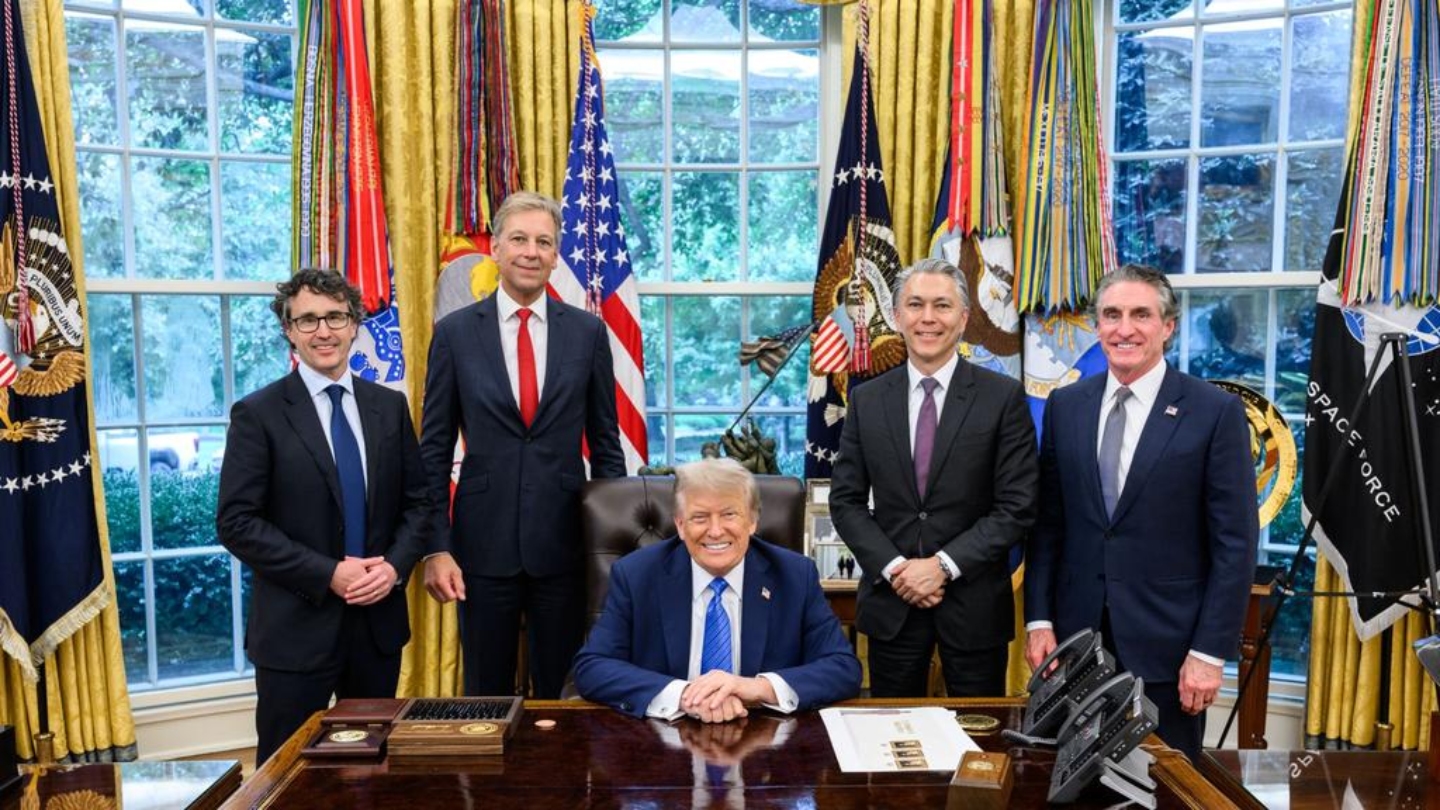
Rio Tinto and BHP have committed to spend a further $US500 million at their Resolution Copper joint venture after a legal breakthrough for the much-delayed mining project.
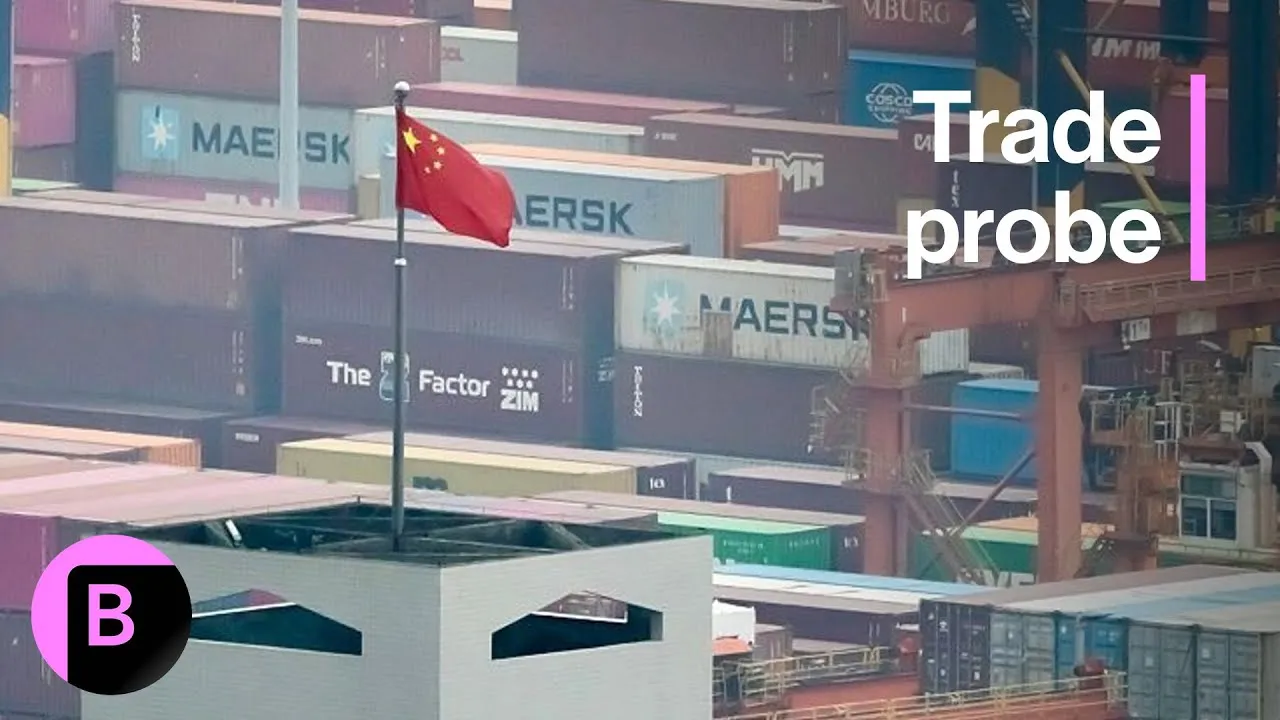
President Donald Trump’s administration started the first of several sweeping trade investigations that set the stage for new tariffs, the centerpiece of a push to replace levies struck down by the US Supreme Court. These measures aimed to address concerns over trade deficits and unfair practices, significantly impacting global trade relations.
This move aims to scrutinize China’s trade practices, including issues related to intellectual property theft and market unfairness, which have long been points of contention between the two economic giants.
The investigation could lead to the imposition of additional tariffs that would impact a broad range of Chinese goods imported into the US.
This development comes amid growing tensions over trade policies and economic dominance. Experts warn that new tariffs could result in increased costs for American consumers and businesses, potentially disrupting global supply chains.
Political and economic analysts suggest that the trade probe could serve as leverage in negotiations with China. While aimed at addressing unfair trade practices, the move raises concerns about retaliation and escalation. Both nations remain cautious, balancing the pursuit of fair trade with the risk of increased global economic uncertainty.
Other People are Reading

Harris Ryan, Bancorp EVP, sells $239k in TBBK stock

Goldminer West African Resources increased its net profit by $321 million in CY25, on the back of increased production courtesy of its Kiaka gold mine.

Form 4 Cps Technologies For: 16 March

Using plastic in construction is cheap and easy, but some are trying to radically cut back its use.

Form DEF 14A CSB BANCORP INC /OH For: 16 March
Business
Oil Price Today (March 17): Crude oil gains 2%, at $103 as Strait of Hormuz tensions linger. Experts weigh in

European nations have declined to deploy warships to the Strait of Hormuz, even as US President Donald Trump warned that NATO could face “a very bad future” if member countries do not step in to help reopen the crucial shipping route.
Crude oil price on March 17
Brent crude futures rose $2.48, or 2.5%, to $102.69 per barrel at 0058 GMT, while U.S. West Texas Intermediate (WTI) crude gained $2.42, or 2.6%, to $95.92 per barrel.The Strait of Hormuz, a key chokepoint that handles about 20% of global oil and liquefied natural gas trade, has been largely disrupted by the US-Israel war on Iran, which has now entered its third week. The disruption has heightened fears of supply shortages, rising energy costs and higher inflation.

Several U.S. allies also pushed back against Donald Trump’s request on Monday to send warships to escort shipping through the Strait of Hormuz. The move drew criticism from the U.S. president, who accused Western partners of ingratitude despite decades of American support.
The effective closure of the strait has forced the United Arab Emirates, the third-largest producer in the Organization of the Petroleum Exporting Countries, to shut in production. As a result, its output has fallen by more than half, two sources told Reuters.
Meanwhile, the head of the International Energy Agency said member countries could release more oil to help ease rising energy costs, in addition to the 400 million barrels they have already agreed to draw from strategic reserves.
Where are prices headed?
Experts say oil prices could climb further if geopolitical tensions persist. Global crude prices may rise to $120 per barrel in the near term and could even reach $150 per barrel if the war continues for more than a month and tensions in West Asia remain elevated, according to Kayanat Chainwala, Assistant Vice President at Kotak Securities.
She added that crude prices below $110 per barrel can largely be managed within India’s current tax framework, giving the government some flexibility to absorb the impact.
However, if prices move into the $110 to $125 per barrel range, fiscal flexibility would start to tighten and earnings divergence across companies in the oil and gas sector could widen, says Elara Securities.
If crude prices climb above $125 per barrel, broader stress could emerge in the system. Earnings of oil marketing companies may weaken sharply, LPG subsidy burdens could rise significantly, and risks to LNG throughput may increase. In such a situation, the chances of policy intervention would also grow, it added.
(Disclaimer: Recommendations, suggestions, views and opinions given by the experts are their own. These do not represent the views of The Economic Times)

Investar holding director Jordan buys $41k in shares
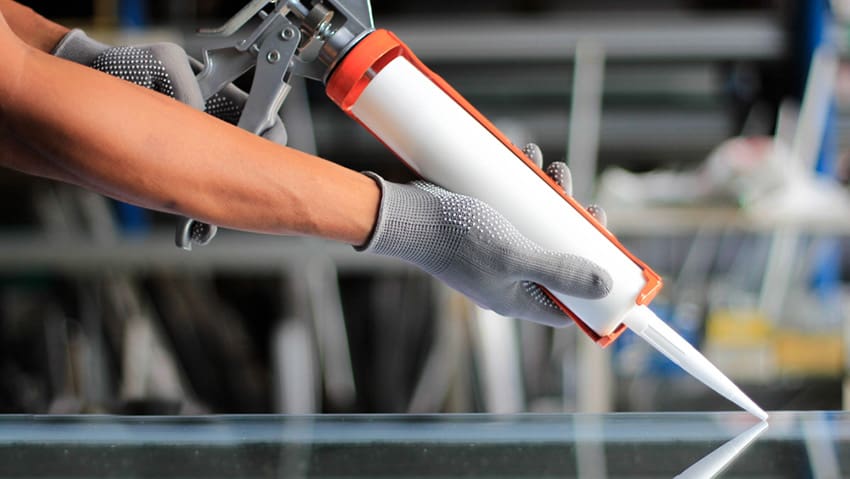
Manufacturing depends on reliable bonding to keep products strong, stable, and durable. Industrial adhesives play a key role in modern assembly because they help manufacturers create secure connections while maintaining efficient production.
When used correctly, they can improve product quality, support cleaner assembly, and contribute to more consistent manufacturing outcomes.
However, selecting the right adhesive requires careful consideration. Not every adhesive performs the same way, and choosing the wrong one can affect product reliability, production efficiency, and long-term performance.
Read on to learn how to select the right industrial adhesive for manufacturing and make more confident decisions for your production process.
Review Application Method and Production Efficiency
The adhesive should integrate smoothly with the existing manufacturing process. Application techniques and curing requirements influence both consistency and production speed.
The following factors help manufacturers select an adhesive that supports efficient assembly operations.
Dispensing method
Adhesives may be applied through manual applicators, automated dispensers, or precision spray systems. Each method requires a product with the correct viscosity and flow behavior. An adhesive that dispenses evenly helps maintain consistent bead size, accurate placement, and minimal material waste across large production runs.
Curing process
Different adhesives cure under different conditions, including room temperature, heat, pressure, or ultraviolet light. Production facilities must confirm that their equipment can support the curing method required for the selected adhesive. Many manufacturers also consult adhesive specialists when evaluating curing requirements.
Working with experienced suppliers such as directadhesives.co.uk or another trusted industrial adhesive provider can help identify products that align with available curing systems and production schedules. Their guidance often helps prevent delays caused by incompatible curing conditions.
Working time
Working time refers to how long the adhesive remains usable after application before curing begins. Assembly lines that involve multiple positioning steps may require longer open times to allow proper alignment of components. Shorter working times may suit high-speed automated lines where parts are positioned immediately after dispensing.
Understand the Materials Being Bonded
Material compatibility strongly influences adhesive performance. Different substrates interact with adhesives in unique ways, affecting how well a bond forms and how long it lasts.
Here are the factors that help manufacturers assess whether an adhesive will perform reliably with specific materials.
Substrate type
Each material responds differently to adhesive formulations. Metals such as steel or aluminum often bond well with structural epoxies or acrylics, while plastics, rubber, and composites may require adhesives designed specifically for those surfaces. Understanding the material composition helps narrow product choices and reduces the risk of weak or inconsistent bonding.
Surface energy
Surface energy affects how easily an adhesive spreads across a material. High surface energy materials like aluminum, stainless steel, and glass typically allow adhesives to wet and bond effectively. Low surface energy plastics such as polyethylene or polypropylene resist adhesive spread, which may require primers, surface treatments, or adhesives formulated for these substrates.
Surface condition
The condition of the bonding surface has a direct impact on adhesion strength. Contaminants such as oil, dust, oxidation, and protective coatings can interfere with proper bonding. Cleaning, abrasion, or other preparation methods help create a more stable surface, allowing the adhesive to contact the material evenly.
Evaluate Environmental and Operating Conditions
Adhesives must retain their performance after assembly, even when exposed to demanding environments. Temperature fluctuations, from extreme heat to cold storage, can affect the structural integrity of a bond. Selecting adhesives rated for the expected temperature range ensures that bonds remain strong and reliable throughout the product’s lifecycle.
In addition to temperature, chemical exposure plays a critical role in bond durability. Contact with fuels, oils, solvents, or cleaning agents can weaken certain adhesives, causing them to degrade prematurely. Choosing chemical-resistant formulations helps maintain long-term performance, especially in industrial or automotive applications where exposure is frequent.
Moisture and physical stress also influence adhesive effectiveness. Products used outdoors or in high-humidity settings require adhesives that resist water penetration and prevent bond failure.
Consider Strength, Flexibility, and Performance Requirements
After evaluating materials and environmental conditions, it is essential to define the mechanical demands of the adhesive. High bond strength ensures that components under stress, including tensile and shear forces, remain firmly secured. Choosing an appropriate formulation helps maintain structural stability and prevents early failure under load.
Equally important is the ability of the adhesive to tolerate movement. Parts that expand, contract, or experience minor shifts during use require adhesives that adapt without breaking or losing adhesion. Flexible formulations absorb stress and extend the service life of bonded assemblies.
Additionally, surface irregularities and production timing influence performance. Adhesives that fill gaps or uneven surfaces provide a uniform connection, reducing potential weak spots.
Final Thoughts
Choosing the right industrial adhesive requires careful evaluation of several factors. Materials, operating conditions, mechanical performance, and production methods all influence which adhesive will perform best. A thorough assessment allows manufacturers to narrow their options and select adhesives designed for their specific application.

Penguins/Avalanche Recap: Malkin scores twice, Pens shock Colorado in 7-2 win

Man jailed after stamping on female police officer’s head in Glasgow

Rio Tinto, BHP advance major US copper project

Smart energy pays enters the US market, targeting scalable financial infrastructure

Why Israel is blocking foreign journalists from entering

Bitcoin: We’re Entering The Most Dangerous Phase

Their Infinite Money Glitch Just Got Exposed

The Cryptocurrency Market Has Changed LARGE Anomalous Bitcoin Transfer Signals A MARKET SHIFT

#money #posh #luxury #couple #fashion #british #london #menswear #explore #reels #reelsinstagram #fy
-
 Tech6 days ago
A 1,300-Pound NASA Spacecraft To Re-Enter Earth’s Atmosphere
-
 Crypto World3 days ago
HYPE Token Enters Net Deflation as HyperCore Buybacks Outpace Staking Rewards
-

 Business7 days ago
ExxonMobil seeks to move corporate registration from New Jersey to Texas
-

 Fashion3 days ago
Weekend Open Thread: Addict Lip Glow
-

 Tech6 days ago
ChatGPT will now generate interactive visuals to help you with math and science concepts
-
Sports3 days ago
Why Duke and Michigan Are Dead Even Entering Selection Sunday
-

 NewsBeat5 days ago
Residents reaction as Shildon murder probe enters second day
-

 Business1 day ago
Search for Savannah Guthrie’s Mother Enters Seventh Week with No Arrests
-

 Business6 days ago
Search Enters Sixth Week With New Leads in Tucson Abduction Case
-

 Business3 days ago
US Airports Launch Donation Drives for Unpaid TSA Workers as Partial Government Shutdown Enters Fifth Week
-
Crypto World2 days ago
Coinbase and Bybit in Investment Talks: Could Bybit Finally Enter the US Crypto Market?
-

 NewsBeat6 days ago
I Entered The Manosphere. Nothing Could Prepare Me For What I Found.
-

 Sports5 days ago
PWHL, Senators discussing plan to keep Charge in Ottawa
-

 Business3 days ago
Country star Brantley Gilbert enters growing non-alcoholic beer market
-

 Business18 hours ago
Australian shares drop as Iran war enters third week
-

 Crypto World18 hours ago
Crypto Lender BlockFills Enters Chapter 11 with Up to $500M in Liabilities
-
 Crypto World7 days ago
Will Chainlink price reclaim $10 amid volatility squeeze?
-

 Sports3 days ago
College Basketball Best Bets: Conference Tournament Semifinal Picks
-

 Politics6 days ago
Trump Says Middle East Is ‘Very Lucky’ That He’s President
-
 Crypto World5 days ago
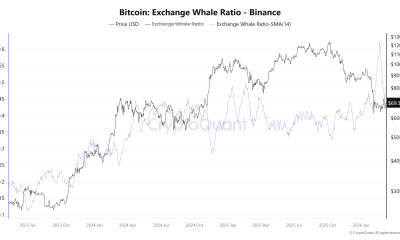
Three Binance Charts May Be Hinting at Bitcoin’s Next Move


You must be logged in to post a comment Login