The SEC is working on a proposal to allow public companies to release earnings reports twice a year instead of quarterly, per the WSJ.
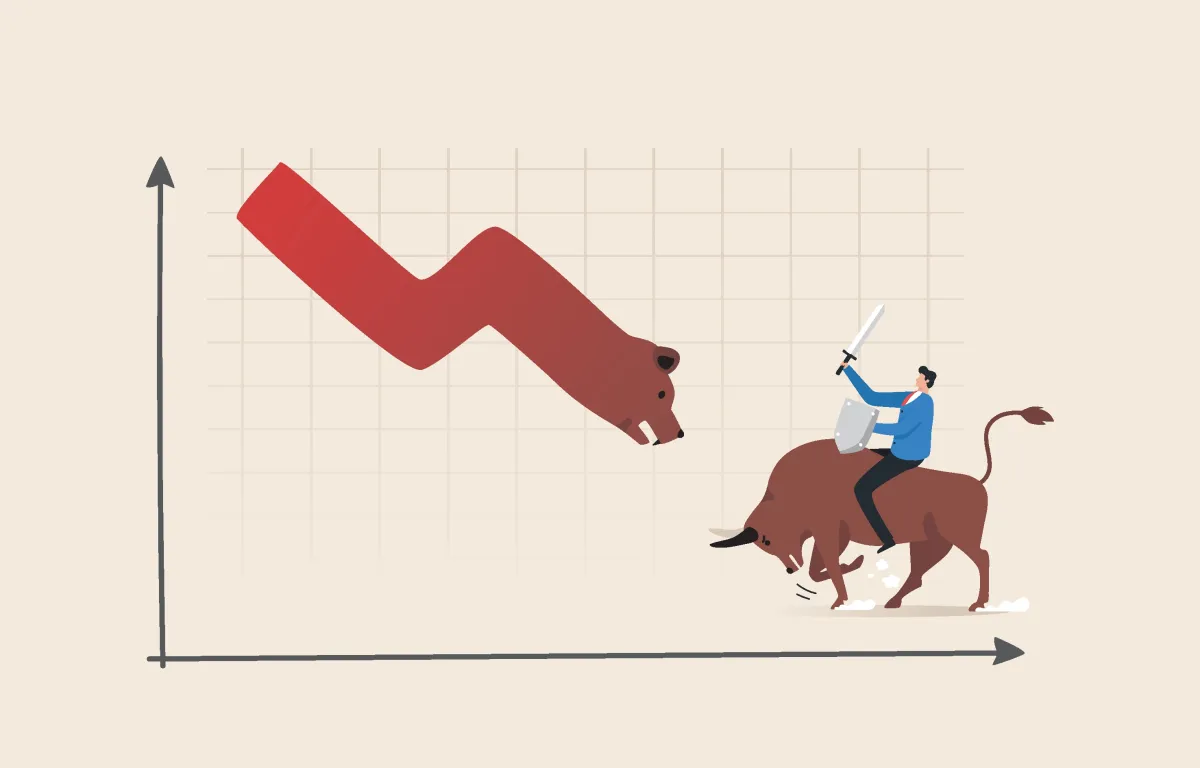
Chatter about making the 50-plus-year-old quarterly requirement optional has picked up steam in the past year, as companies lament the cost and burden of preparing for quarterly earnings. The requirement is also thought to be one reason why some companies choose to stay private longer.
Those in favor of change hope that a semiannual requirement will encourage more companies to go public by making it easier to maintain public company status. SEC Chairman Paul Atkins and President Trump have both voiced support for the idea. The Journal reports that the SEC has already begun discussions with exchanges about potential next steps, though any change is still a long way away.
If the SEC releases its proposal — which could come within the next few weeks — it will be subject to a public comment period and then a vote. There is precedent for this rule, notes the Journal. Both the European Union and the U.K. eliminated mandatory quarterly reporting roughly a decade ago in favor of semiannual disclosures, though many companies in both markets still report quarterly by choice.
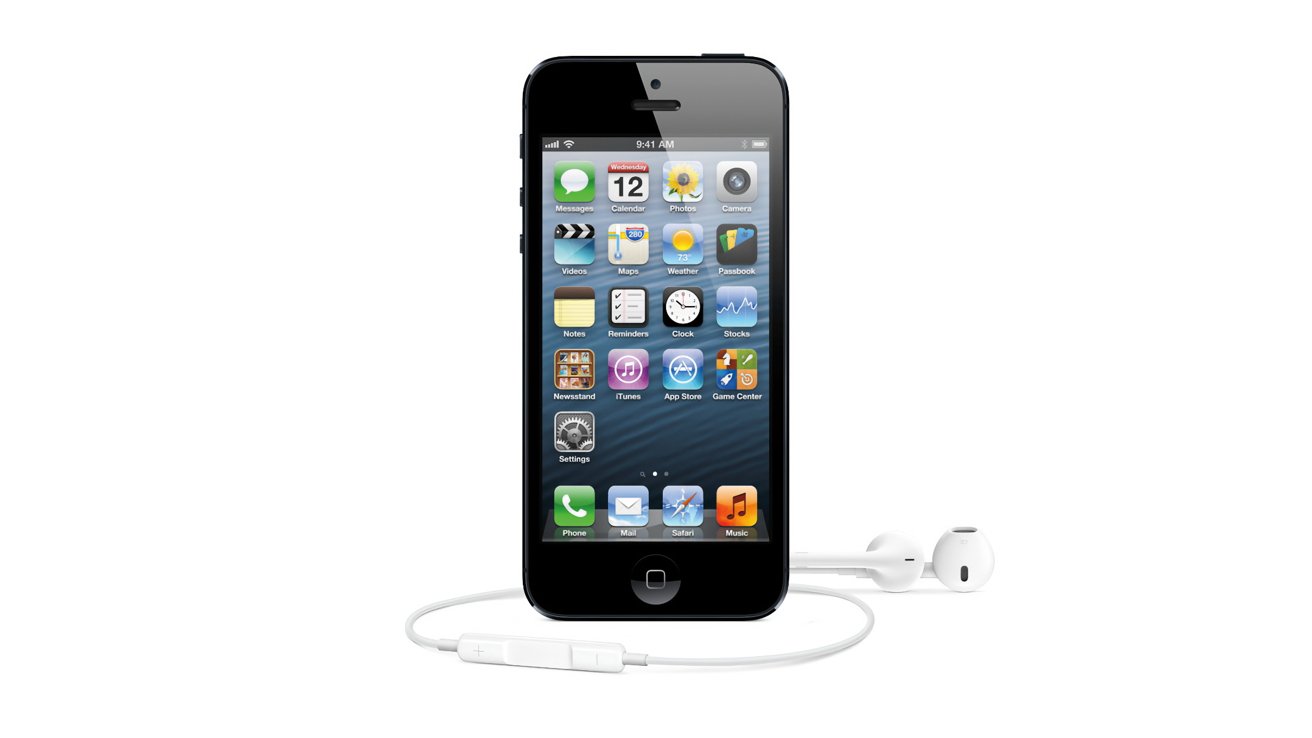
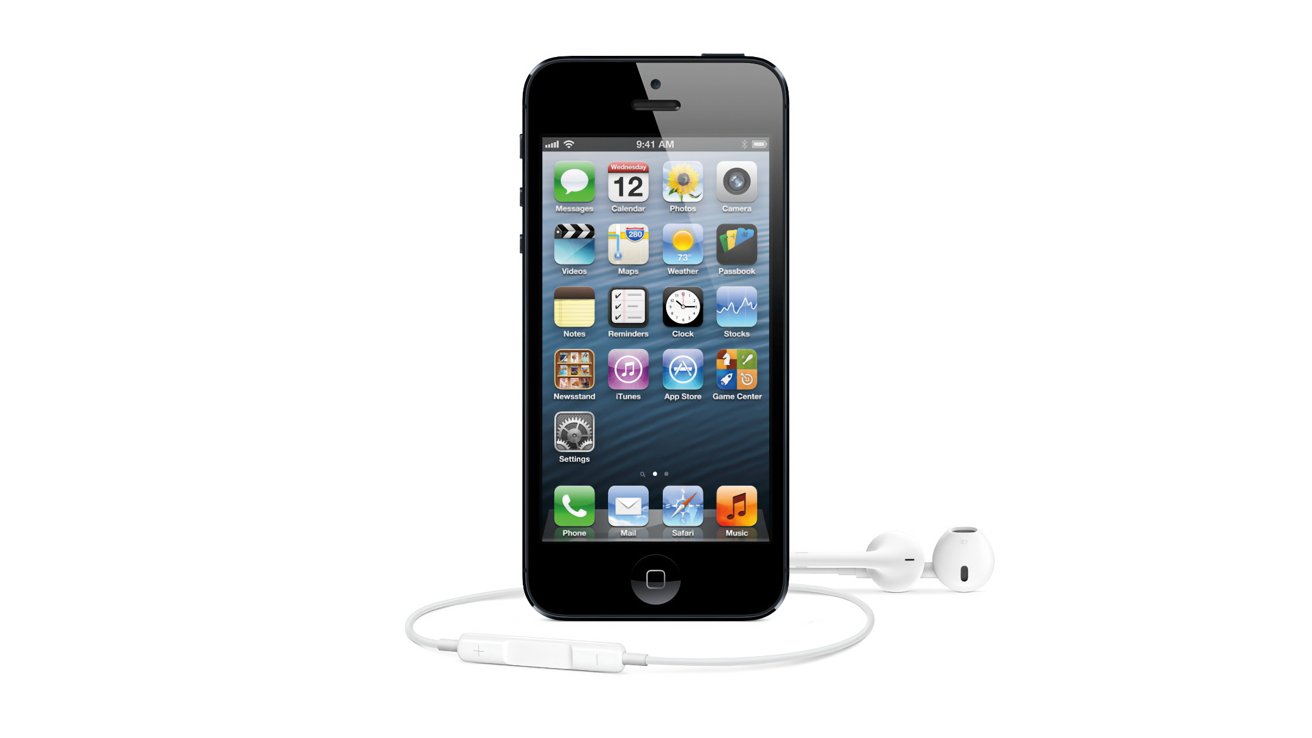
Repairs are now off the table for the iPhone 5, closing out support for one of Apple’s most important early designs.
iPhone 5
The company updated its vintage and obsolete products list on March 16, moving the iPhone 5 and 8GB iPhone 4 out of vintage status. The iPhone 5 holds more weight due to its role as the first iPhone with a Lightning port. Apple will no longer provide hardware service or supply parts for the iPhone 5 through its retail stores or authorized repair network. Effectively, it ends the device’s usable lifespan within Apple’s ecosystem for most users. Continue Reading on AppleInsider | Discuss on our Forums
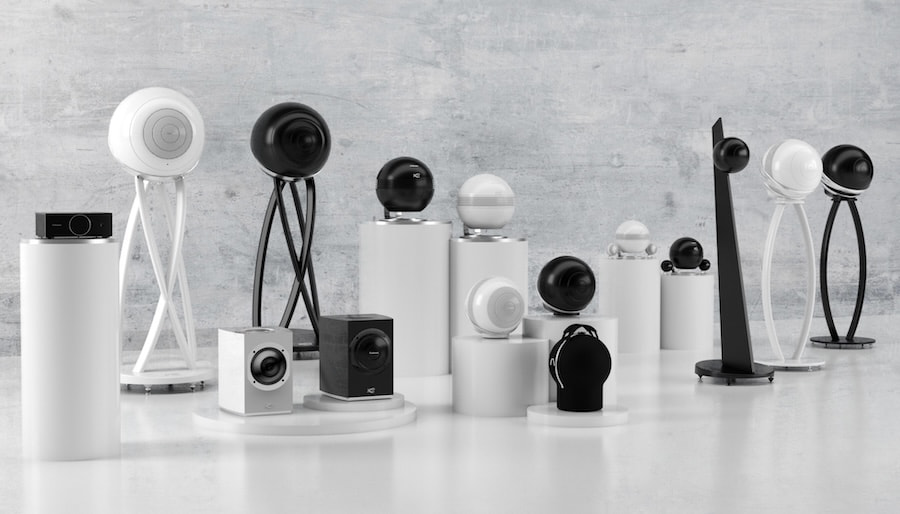
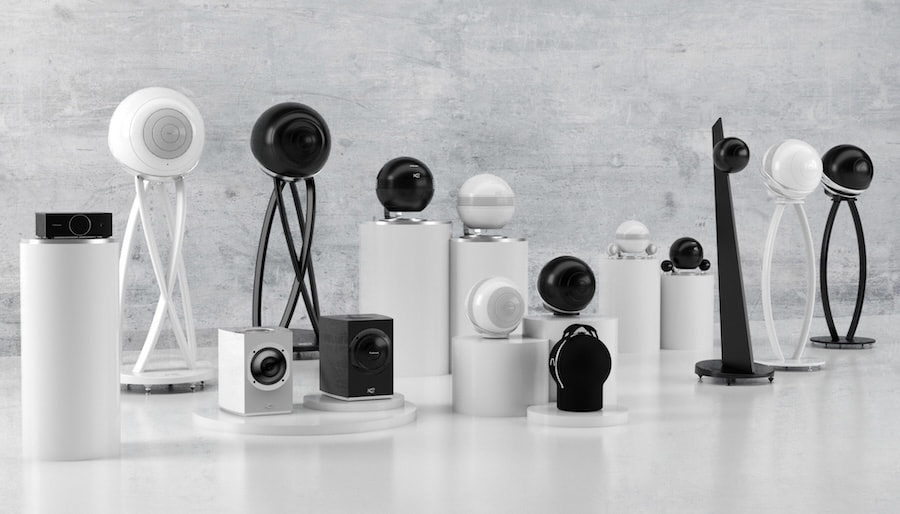
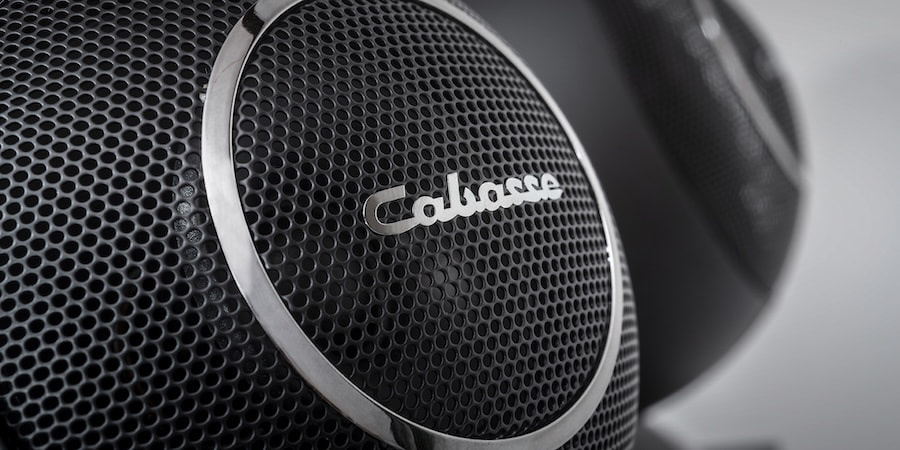
The historic French hi-fi manufacturer Cabasse has entered receivership after more than 75 years in the audio industry, raising serious questions about the future of one of Europe’s most recognizable loudspeaker brands. Known for its spherical speaker designs and deep roots in French acoustic engineering, Cabasse helped shape the sound of high-end audio for generations of listeners. Now the company faces a critical restructuring process that will determine whether the iconic brand can survive.
Cabasse is hardly the only high-end audio brand to run into financial trouble as the industry shifts beneath its feet. Over the past few years, companies such as MQA, Krell Industries, Auralic, and MBL Akustikgeräte have all faced their own versions of financial turbulence as the hi-fi market continues to evolve. To its credit, Cabasse saw some of the writing on the wall years ago and began leaning heavily into wireless and connected speaker systems, while continuing to push the distinctive spherical designs that have long set the brand apart.
But the broader reality is difficult to ignore: there are simply too many brands competing for attention, and a growing number of younger listeners are choosing headphones, earbuds, and more affordable compact bookshelf speakers over the large, traditional loudspeaker systems that once defined the high-end category.
Who Is Cabasse?
Founded in 1950 by Georges Cabasse, the French company quickly established itself as one of Europe’s most technically ambitious loudspeaker manufacturers. Cabasse’s goal from the beginning was straightforward but demanding: reproduce music as faithfully as possible without coloration or distortion. That philosophy pushed the company to invest heavily in acoustic research and eventually led to its development of coaxial driver technology, aligning multiple drivers on a single axis so sound radiates from a single point source.
Advertisement
Cabasse’s engineering work extended well beyond home hi-fi. By the early 1950s the company was already supplying sound systems to French cinemas and large venues, and over the following decades it built loudspeakers for studios, theaters, and broadcast environments while continuing to refine its consumer loudspeaker designs. Innovation remained a defining trait of the brand, with Cabasse introducing active loudspeakers as early as the late 1950s and continuing to refine its coaxial and multi-driver technologies through the 1970s, 1980s, and 1990s.
One of Cabasse’s most recognizable achievements came with the development of its SCS (Spatially Coherent System)approach to driver integration, designed to improve phase alignment and create a more realistic soundstage. That engineering philosophy ultimately led to the creation of La Sphère, one of the most visually distinctive loudspeakers in high-end audio and a product that reinforced Cabasse’s reputation for pushing the limits of loudspeaker design.
More recently, Cabasse has tried to balance its traditional hi-fi engineering with the realities of modern listening habits. Products like the Cabasse Rialto wireless bookshelf system and the Cabasse Pearl Theatre immersive home theater platform demonstrate the company’s push toward connected audio and streaming-focused systems. At the same time, statement products such as La Sphère Evo continue to showcase the company’s commitment to ambitious acoustic engineering, combining Cabasse’s quad-coaxial driver technology with modern DSP processing and extremely high power amplification.
Advertisement
After more than seven decades of loudspeaker innovation, Cabasse remains one of the most recognizable names in French hi-fi, known for its distinctive spherical designs and engineering-driven approach to sound reproduction. What happens next will determine whether that legacy continues.
Cabasse Enters Receivership
French luxury hi-fi manufacturer Cabasse has been placed into receivership by the Montpellier Commercial Court, effective March 9, 2026. The proceedings follow the company’s own filing on February 27, 2026, after it declared a cessation of payments.
As one of France’s oldest and most respected audio brands, Cabasse has reportedly been struggling with falling revenues and mounting debts. Trading of Cabasse shares on Euronext Growth Paris was suspended on February 27 and resumed on March 13, 2026.
The company was acquired by Canon Inc. in 2006. In 2014, French group AwoX acquired Cabasse from Canon for €4.5 million with a strategy focused on luxury wireless audio and returning high-end speaker production to France.
Advertisement
Advertisement. Scroll to continue reading.
AwoX, which was renamed VEOM Group in 2020, has now also filed for judicial reorganisation. VEOM Group, which also owns the Chacon and DiO home automation brands, said its financial situation deteriorated and was “exacerbated by the difficulties of its subsidiary Cabasse.”
In a statement, the company said the court-supervised process is intended to examine “solutions that could ensure the sustainability of the business, preserve jobs, and address outstanding liabilities, while also launching a search for investors through either a recovery plan or a potential divestment.”
The Bottom Line
The receivership process gives Cabasse time to stabilize operations while court administrators search for investors or potential buyers. Parent company VEOM Group, which also owns the Chacon and DiO smart-home brands, has entered judicial reorganisation as well after its financial position deteriorated alongside Cabasse’s struggles. Cabasse represented roughly 29% of VEOM’s revenue in 2025, and when internal engineering and development work are included, the brand accounted for close to half of the group’s overall activity.
Advertisement
What happens next will likely come down to one of two outcomes: new investors recapitalize the company and keep the brand operating, or Cabasse’s assets and technology are acquired by another audio or technology group.
For consumers, the immediate impact may be uncertainty around long-term support for existing products, including warranty service, replacement parts, and software updates for the company’s connected speaker systems. If new ownership emerges, Cabasse could continue developing its distinctive coaxial-driver loudspeakers and wireless platforms. If not, another historic European hi-fi brand may end up folded into a larger group as consolidation continues across the audio industry.
It has long been clear: Trump needs to be removed from office before he can inflict even more damage than he already has. But he doesn’t just need to be stopped; for America to have a future he also needs to be repudiated. Impeachment speaks to each need, to both make clear his behavior is beyond anything we would ever tolerate as well as remove his capacity to continue it.
But by not even attempting to impeach him, or any of his malign administration officials, he not only remains able to wreak more destruction but he now does it with Congress’s blessing. Instead of being repudiated, his behavior is endorsed. Because one could fairly conclude that if anyone in Congress had an issue with what Trump is doing, then surely they would try to do something to stop it with the power they have. Yet, with the so far sole exception of Representative Green, who has actually tried, twice, to file impeachment articles against Trump, no one—from any party—has filed any against anyone.
Obviously many in Congress do in fact object to what Trump does—there are tweets and speeches saying as much. But it’s all sound and fury signifying nothing. Tweets and speeches do not amount to any sort of useful action. And through inaction the only message we’re sending is that no one thinks it is worth doing anything more.
A stunned and increasingly wounded world is now coming to terms with the realization that Trump’s disqualifying misbehavior is the sort of thing can happen in America, and moreover, the sort of thing that will be allowed to happen in America. His abuse of power—as well as his warmongering, war criming, corruption, ignorance, incompetence, racism, and range of other unconstitutional, illegal, and even criminal activities—is apparently something not just possible under our constitutional order but enabled. As we watch an addled monster drive us all towards disaster, with the rest of the U.S. government willingly along for the ride and no one with the constitutional authority even trying to apply the brakes, one is left to conclude that, at best, our vaunted Constitution must not provide an effective immune system to address Trump’s antidemocratic malfeasance, or, worse, that Americans are fine with all of it, because, even if there were a mechanism to stop him, there’s apparently no one with the authority to trigger it who thinks it’s worth bothering with. Both conclusions paint a very different picture of what sort of country the United States is than most had previously imagined, and it is this re-envisioning of America that will affect how others let the country and its people live in the wider world even after Trump is finally gone.
Advertisement
Of course, there is actually an immune system. The fundamental power to remove Trump from office—impeachment—is still there, as provided by the Constitution; the issue is that no one is willing to use it. And that unwillingness is ultimately what the world is judging, because when they wonder why no one is using it, it’s impossible to avoid concluding that no one else in the government of the United States of America, despite everything Trump is doing, thinks there’s actually a problem to address.
Perhaps this conclusion is unfair, though, so let’s take a moment to consider whether there could be any sort justification for Congress’s inaction. And, more specifically, the Democratic members of Congress, because while it’s an indefensible abdication of their own oath of office for Republican members of Congress to refuse to police Trump, because in theory he’s their guy, it’s something else for the political opposition to also refuse to, especially when he’s supposedly not their guy at all.
Perhaps that opposition may begin to explain the reluctance to take action: for better or worse, Trump was duly elected President and in general it is a good thing if democratic expressions of political will are respected, even, and especially, by those who disagree with them. As Trump himself illustrates, de-legitimizing election results is not healthy for a sustainable democracy. There may also be the pragmatic concern that taking aim at someone the people chose is bad politics, because it will antagonize the electorate so that they never vote for you, although recent polls and election results strongly suggest that this fear is unfounded. Furthermore, Trump never should have been on the ballot in the first place. As an ineligible insurrectionist he never was someone that Americans should have been able to choose to be President, and that he was nevertheless voted into office already means his reign is inherently illegitimate, and in a way that undermines our democracy more than if its legitimacy were challenged. But even setting his eligibility doubts aside, it’s one thing to acknowledge Trump as the legitimately-elected President. But it’s another entirely to allow him, as President, more power than the office actually grants him and shrug off the unconstitutional ways he abuses it. The Constitution only grants him so much, and no one has the right to grant him more by failing to check him when he has nevertheless taken it.
Perhaps some of the reluctance to press for impeachment is out of the concern that, terrible president or no, Congress still has a job to do to run the country, and bad things can happen if it turns its attention away. But this sort of mis-prioritization can’t withstand scrutiny either. For one thing, bad things are already happening by not acting to stop Trump. And not just all the bad things he’s doing, but all the bad things that Congress is doing too, like not passing ACA subsidies, or spending its time instead doing antidemocratic things like trying to pass First Amendment-violating legislation to censor the Internet, as if this moment of looming autocracy were a good time to join in on the constitutional violations too.
Advertisement
Perhaps the reticence to pursue impeachment is motivated by the desire to remain cordial with colleagues across the aisle, in the hopes that it could lead to mutually-negotiated solutions. If so, however, it doesn’t seem like such politesse is paying off particularly well—after all, those ACA subsidies still haven’t been passed, and Trump remains in office, doing things that hurt Americans, including the constituents of both Democrats and Republicans, along with the rest of the world and our standing in it. While it is true that there have been some small successes managing to restrain Trump here and there using more traditional political pressure, at best such efforts are like trying to drain the ocean with a teaspoon, one issue at a time, while meanwhile a deluge of chaos drowns us all. Congress has still left us all defenseless to danger that by not even trying to do what it would take to stop it.
And even if the concern about bringing impeachment now is that it wouldn’t have the votes to pass, it would still be bad math. First, by not pressing impeachment it prevents the political calculus from evolving so that there could come to be enough votes—no one needs to join the push for it if there’s no push happening. And it makes it doubtful that there would ever be enough votes, not even after midterms—assuming, of course, that an unchecked Trump doesn’t do something to interfere with them happening. If Congress is waiting for voters to send them more colleagues who will join them in impeaching, voters will need to know that there is an impeachment effort to be joined. Yet so far there is none. Not impeaching sends the signal that impeachment isn’t warranted, and if it isn’t warranted by now, there’s little reason for anyone to think that those already not bothering to try are ever going to change their mind and start.
Ultimately, no matter what members of Congress tell themselves to try to justify why they have acquiesced to Trump instead of playing the best card the Constitution gave them to stop him, all of those excuses ultimately fall flat. Trump is destroying America, but by refusing to use the tools the Constitution gave them to stop him, it is Congress that is finishing it off for good. Not just by letting him wreck everything we’ve built for 250 years, and the lives and liberties—as well as global and economic stability—that depended on the Constitution’s promise being fulfilled. But by doing nothing it instead sends the very loud message, now reverberating around the globe, that everything he and his subordinates are doing is fine, when the reality is anything but.
And the world is noticing. When they look at America they see it not as a strong, stalwart ally, but a frail country with weak civic institutions vulnerable to capture, indifferent to such a fate as long as it doesn’t affect the price of eggs, and possibly not even then. Worse, as Congress refuses to defend America from the exigent danger Trump represents to it and the world, and through its inaction instead enable it, the world is left to conclude that Trump is what America wants, because no one governing it is saying otherwise.
Advertisement
Without a sign that America does not want Trump, other countries are forced to presume it does and act accordingly, even when doing so is bad for themselves and the future—and even us. Not only does it mean they can’t support us in our effort to rid ourselves of him, because there is no effort to support, but in the absence of any official pushback they have little choice but to accept him as legitimate, even though doing so only reinforces the power he is abusing and makes reclaiming America from his lawless grasp that much harder to eventually effect.
Yet there seems to be this naïve belief held by many of the same cowered members of Congress currently doing nothing that somehow the problem will magically resolve, and once Trump is somehow eventually out of office America will simply be welcomed back to the world stage as a respected member of the global order. As if all we need to do is wait for his chaotic storm to pass and then we can all pick up where we left off. And as if the world will simply forgive and forget the real and often irreparable harm Trump has been inflicting, far beyond America’s borders, and that America has been refusing to even try to lift a finger to stop.
The world will not. Failing to impeach, among all its other infirmities, is a long-term foreign policy problem. Without impeachment, to not just dislodge Trump from office so he can no longer hurt us anymore but unequivocally condemn the harm he has already inflicted, and not just on ourselves, we will be resented, and rightly so. Not for what Trump has himself done, but for what we have been glad to let him do to us all.
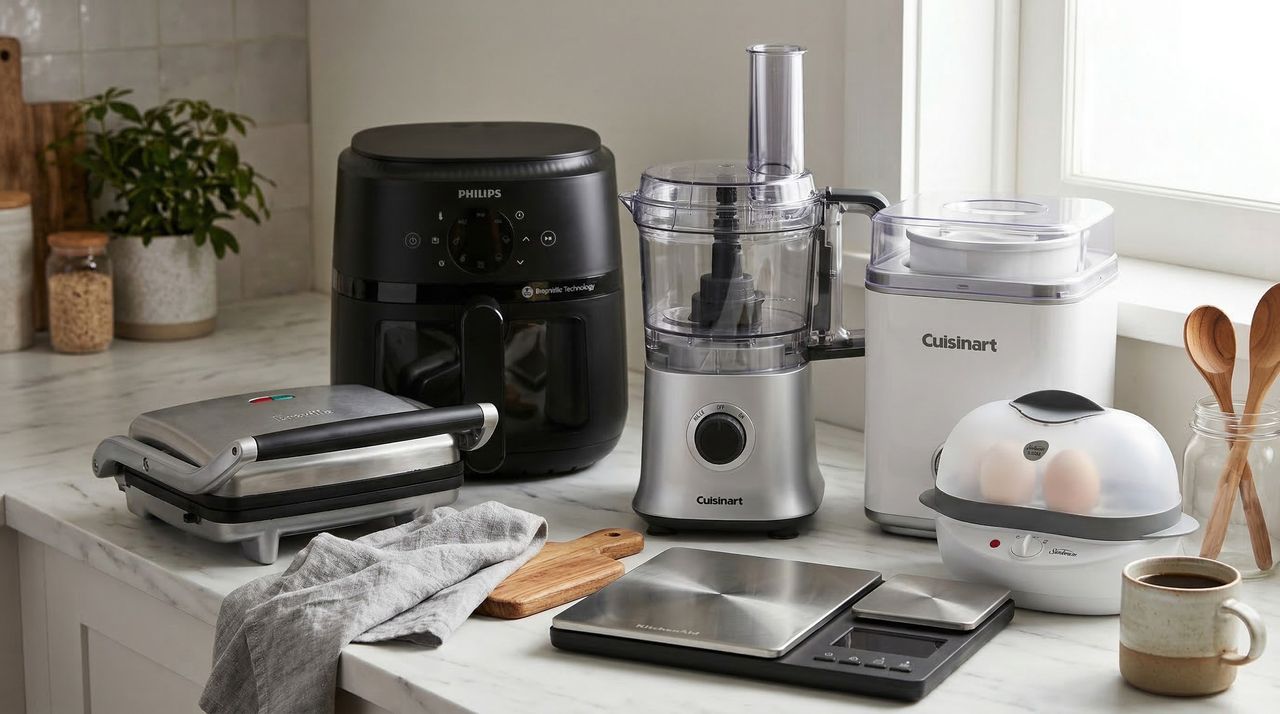
I’ve lost track of how much money I’ve spent on my kitchen in the last decade or so. You see, I have a thing for affordable cooking tech, all so I can experiment. More often than not, I might have used an item once only, then it’s forgotten in a drawer.
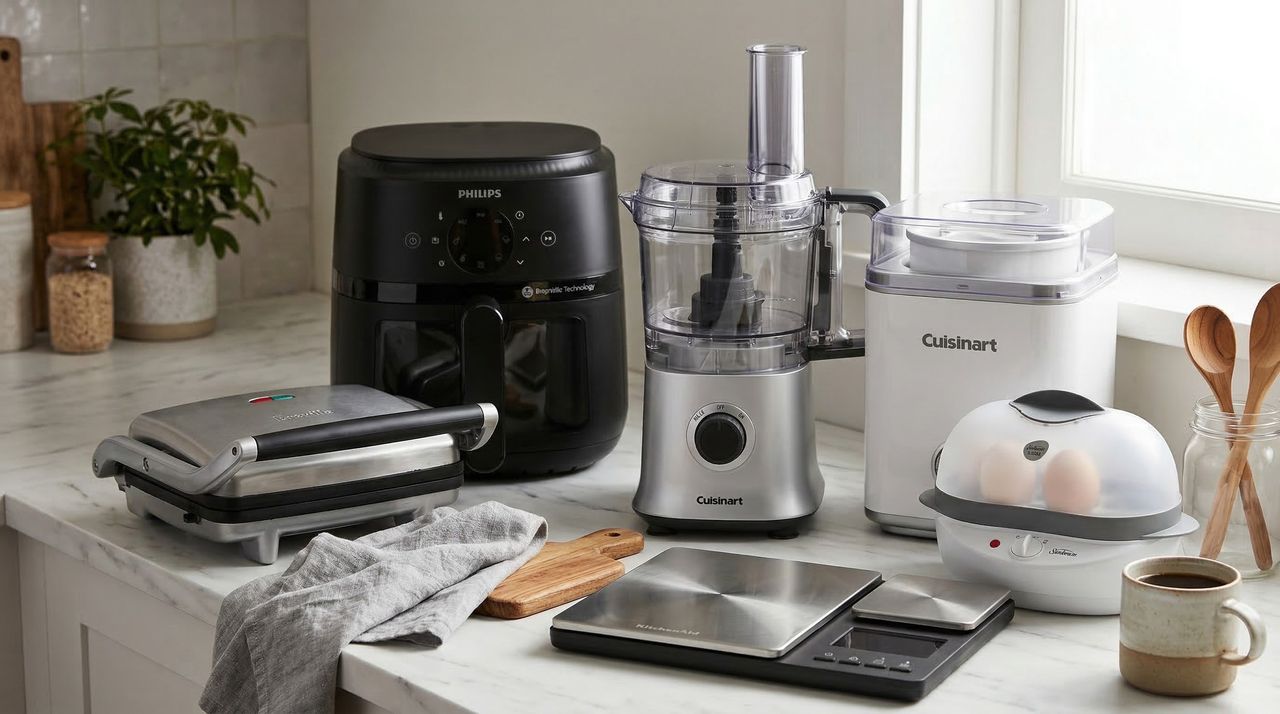
The most expensive item I have is AU$100 after discount, but everything else is under AU$100. I’ve also made sure they’re all branded products, tried and tested by either myself or hundreds (if not thousands) of users who’ve reviewed the items on Amazon.
Advertisement
My picks include an air fryer that’s down to just AU$99, as well as a food steamer. There’s an egg cooker, hand mixer, smoothie maker, meat thermometer and so much more!
Love a good sandwich? I’ve got you covered. Want waffles? Yup, there’s an iron listed below. Heck, you don’t even need to spend hundreds on a Ninja Creami — there’s a compact ice-cream maker on this page that takes up a lot less space and costs a fraction too.
There’s something here for everyone — and trust me when I say affordable kitchen tech can absolutely help you cook up a storm, whether for yourself or for friends and family.
Advertisement
Sign up for breaking news, reviews, opinion, top tech deals, and more.
If you’ve ever braved a Costco on the weekend or before a big holiday (heaven forbid both, a dreaded weekend before a big holiday), you know how long that checkout line can get. Self-checkout’s no better, either. It’s just as slow as the regular line, and sometimes even longer. But, according to the company’s latest earnings call, Costco Wholesale is about to change all that. Soon, you’ll be able to walk out all those cool Costco gadgets in record time.
First teased in 2025, the warehouse is expanding a new checkout approach designed to dramatically shorten the time it takes customers to check out. It lets shoppers scan products themselves while shopping the store and then complete the purchase at self-checkout. If Costco’s executive vice president and CFO Gary Millerchip is to be believed, it could bring your final transaction time down to just about eight seconds. (Now if only they could do something about their one-way gas station lines.) The system is currently being piloted in select locations, with no set date for companywide expansion.
Advertisement
More details about the pre-scan system
Erman Gunes/Shutterstock
The feature will likely live in the Costco mobile app. As customers shop, they scan each item’s barcode with their phone, building their cart digitally in real time. When they’re finished shopping, they show a personalized code generated by the app to an employee or self-checkout station. There, the order gets verified and you’re prompted to pay for it. Just like that, the system shifts most of the checkout work away from the register, so once you get there, all you have to take care of is the transaction.
It’s not unlike the mobile checkout options already in place at other competitors such as Sam’s Club. There, you can Scan & Go: scan items as you go, then pay directly through the app before leaving the store. The difference is that Costco’s version still keeps an employee interaction at the end of the process to verify the purchase before you leave the warehouse. (Not all Sam’s Clubs check receipts at the door anymore, and it’s been that way for a couple of years now. Instead, they use AI-powered “seamless exit technology” that you walk through on your way out.)
While Costco hasn’t announced when the pre-scan system will officially expand nationwide the positive feedback from early pilots suggests we could see the technology scaling sooner rather than later. Don’t be surprised to see it being tested out the next time you’re shopping Costco’s discount electronics.
Apple is taking another run at the premium wireless headphone market with the updated AirPods Max 2, a product that attempts to push its over-ear lineup closer to the center of Apple’s broader audio ecosystem. Powered by the company’s H2 chip, the new model brings a combination of lossless audio support (24-bit/48 kHz via USB-C), Personalized Spatial Audio with dynamic head tracking, Adaptive EQ, and enhanced active noise cancellation; all designed to deliver more detailed playback across music, films, and games while integrating tightly with Apple devices and services.
But the technology story only tells part of what Apple is trying to accomplish. The wireless headphone category has become one of the most crowded segments in consumer audio, dominated by strong incumbents like Sony WH‑1000XM6, Bose QuietComfort Ultra Headphones, and Sennheiser Momentum 4 Wireless, while more traditional hi-fi brands such as Focal Bathys and Bowers & Wilkins Px8 S2 have pushed into the category with higher-end designs that emphasize sound quality and materials.
But the bigger story isn’t just the technology. Apple is trying to tighten its grip on the ecosystem advantage that has driven the success of the broader AirPods lineup. Rather than competing strictly on traditional audiophile metrics, the AirPods Max 2 are positioned as a seamless extension of the Apple platform, working across iPhone, iPad, Mac, Apple TV, and Apple Music with features designed to adapt automatically to the listener and their environment.
In other words, the battle Apple is fighting isn’t just about noise cancellation or battery life. It’s about whether the company can convince buyers that ecosystem integration and advanced processing are as important as raw headphone performance in a market where established audio brands have spent decades refining the fundamentals.
Advertisement
Design, Controls, and Comfort
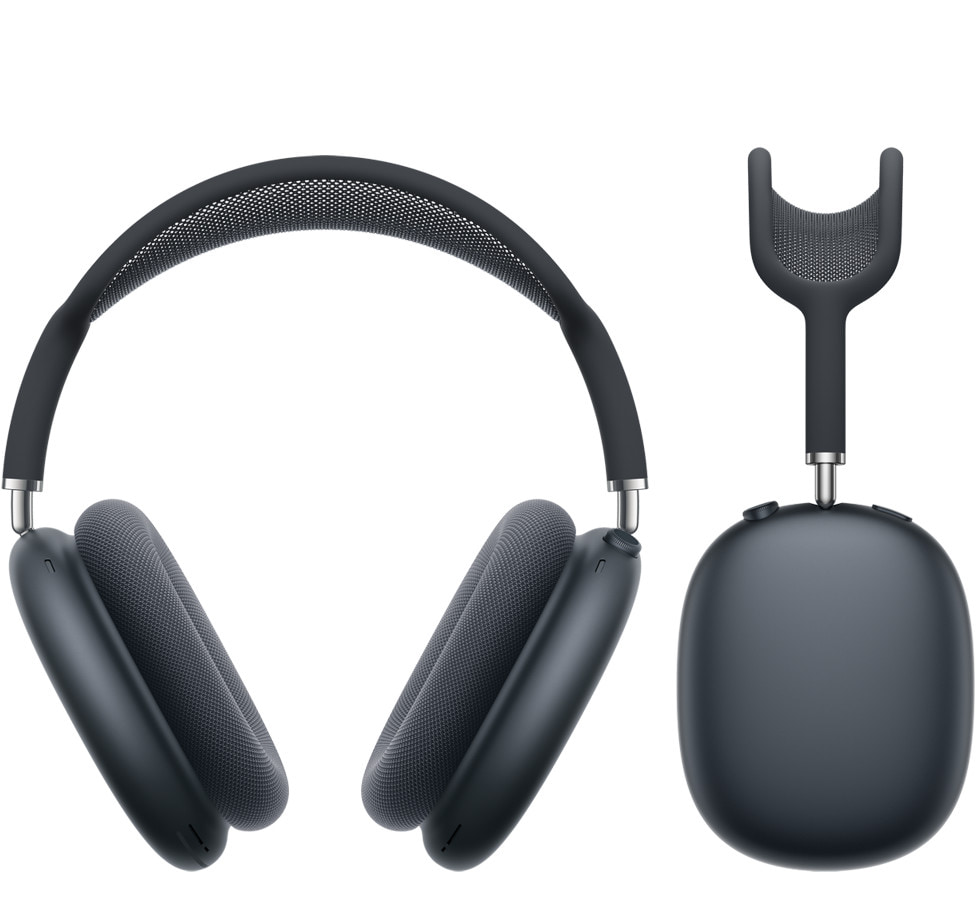
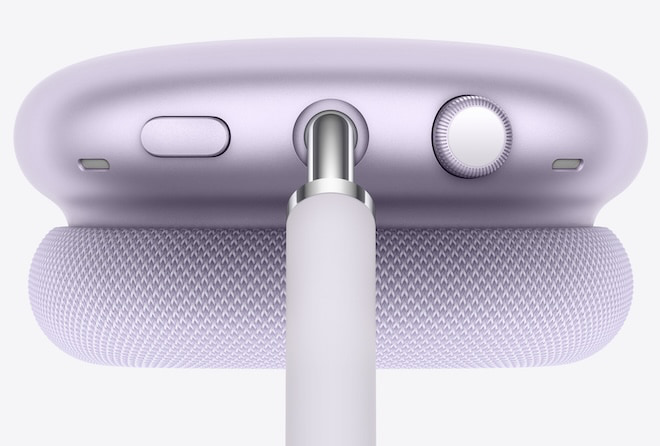
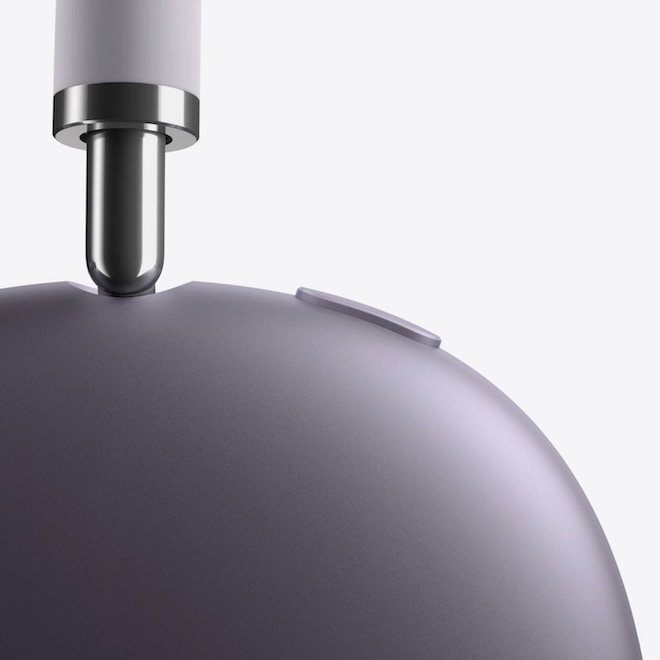
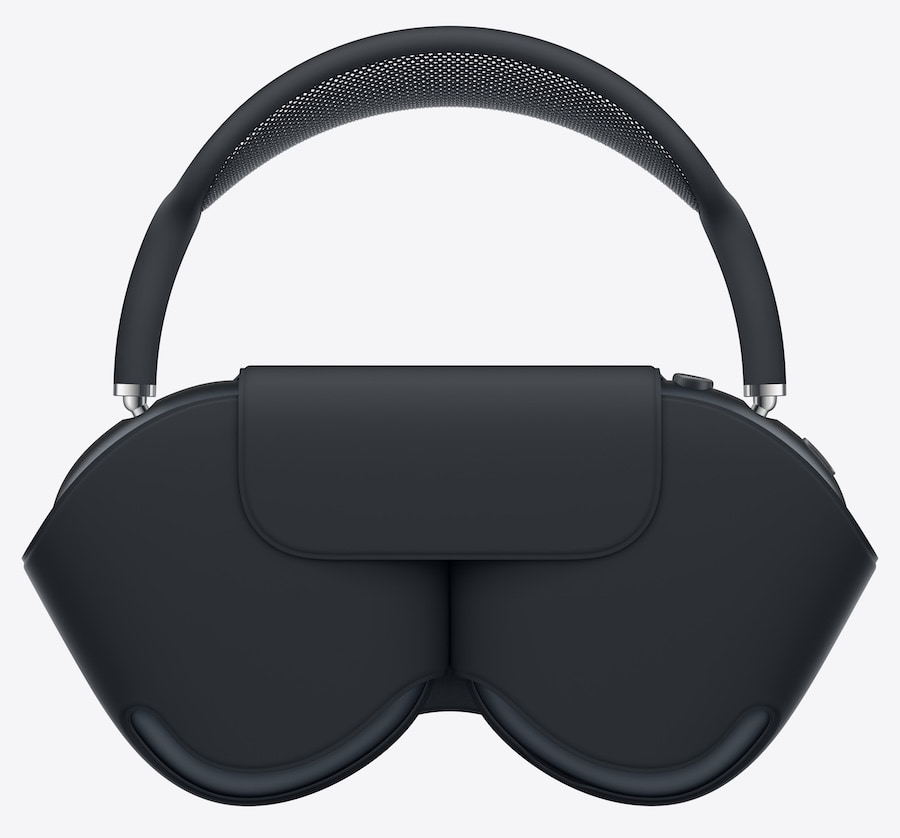
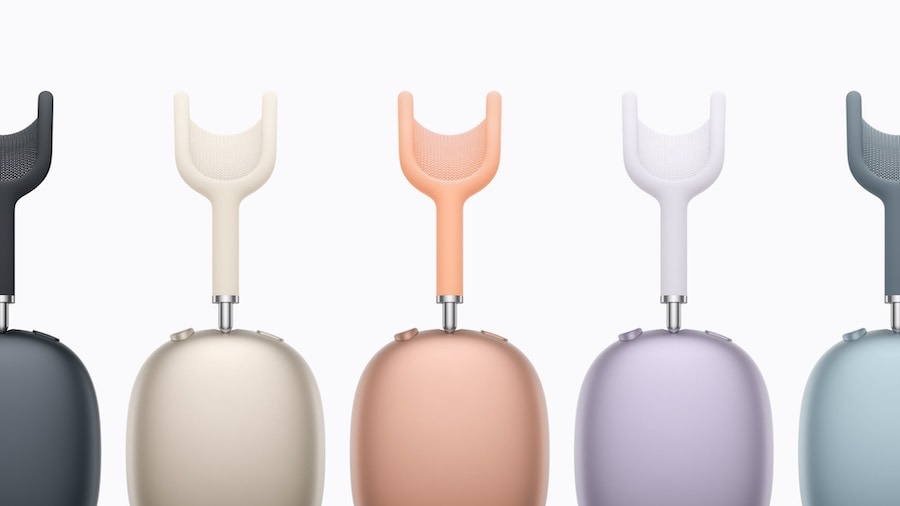
The AirPods Max 2 retain the industrial design language that defined the original model, combining aluminum ear cups, a stainless steel headband frame, and Apple’s signature Digital Crown control system. The overall design focuses on durability and consistent fit while maintaining the acoustic seal necessary for effective noise cancellation and accurate playback.
Control of playback and calls is handled through the Digital Crown, which allows users to press once to play or pause music, take a photo or video, or mute and unmute during calls. Pressing twice skips tracks or ends calls, while rotating the crown adjusts volume with precise incremental control. A separate noise control button manages listening modes such as Active Noise Cancellation and Transparency.
Comfort remains a major design priority. The headband canopy is constructed from a breathable knit mesh, designed to distribute weight more evenly across the head to reduce pressure during extended listening sessions. This structure works with the stainless steel frame to provide stability while maintaining flexibility.
The ear cushions use acoustically engineered memory foam paired with a custom mesh textile that helps maintain a consistent fit and seal around the ear. The aluminum ear cups rotate independently to balance pressure and adapt to different head shapes.
Advertisement
Adjustability comes from telescoping arms that extend smoothly from the stainless steel headband. Once positioned, the arms stay in place to maintain a consistent fit and listening position without requiring frequent readjustment.
Communication and Smart Listening Features
Apple is positioning the AirPods Max 2 as more than a traditional pair of wireless headphones by expanding their communication capabilities through features powered by Apple Intelligence and the H2 processing platform.
One of the most notable additions is Live Translation, designed to help bridge language barriers in real time. By pressing and holding the listening mode button, the headphones can translate spoken language directly into the listener’s preferred language through the ear cups. The feature is intended to simplify everyday conversations when traveling, working internationally, or interacting with people who speak different languages.
Advertisement. Scroll to continue reading.
Apple has also refined how the headphones respond during conversations with Conversation Awareness. When the user begins speaking, the system automatically lowers the volume of music or other audio while amplifying nearby voices. Once the conversation ends, playback gradually returns to its previous volume without requiring manual adjustments.
Advertisement
Environmental listening modes also receive updates with Loud Sound Reduction and Personalized Volume. Enabled in Transparency and Adaptive Audio modes, Loud Sound Reduction helps soften sudden environmental noise while preserving overall audio clarity. Personalized Volume learns the user’s listening preferences and adjusts playback levels automatically based on surroundings, whether commuting, walking outdoors, or working in quieter environments.
Battery Life, Siri Integration, and Apple Ecosystem Features
Apple has also focused on everyday usability with improvements centered on battery life, voice control, and deeper integration across the Apple ecosystem.
The AirPods Max 2 provide up to 20 hours of listening or video playback with Active Noise Cancellation and Spatial Audio enabled, placing them within the expected range for premium wireless headphones used during travel, commuting, or extended listening sessions.
Voice interaction is handled through Siri, which can be activated simply by saying “Siri” or “Hey Siri.” Users can request music playback, place calls, check calendar events, or ask for directions without touching their device. Apple has also introduced gesture-based responses, allowing users to nod or shake their head when Siri asks whether to read messages, answer calls, or manage notifications.
Device integration remains one of Apple’s key strengths. Automatic Switching allows the headphones to transition seamlessly between Apple devices without manual reconnection. For example, a user listening to music on a Mac can answer an incoming call on an iPhone, with the AirPods Max 2 automatically shifting to the active device.
Advertisement
Additional convenience features include on-head detection, which pauses playback when the headphones are removed and resumes audio when they are placed back on.
Apple also continues to support Audio Sharing, enabling two pairs of compatible AirPods or Beats headphones to listen to the same audio stream from a single iPhone, iPad, Mac, or Apple TV.
Charging has also been updated with USB-C connectivity, aligning the headphones with Apple’s current device ecosystem and allowing users to charge them using the same cable as an iPhone, iPad, or Mac.
Key Technology, Sensors, and Technical Specifications
Beyond its core listening features, the AirPods Max 2 incorporate a combination of sensors, microphones, and processing technology designed to improve sound performance, communication clarity, and system responsiveness.
At the center of the design is the Apple H2 chip, installed in each ear cup. This dual-chip configuration processes features such as active noise cancellation, spatial audio calculations, and real-time listening adjustments. The headphones also use an Apple-designed dynamic driver paired with a custom high dynamic range amplifier, engineered to maintain clarity and control across a wide range of music and listening levels.
Advertisement
The AirPods Max 2 rely on a network of nine microphones to manage noise cancellation and voice communication. Eight microphones focus on monitoring environmental sound for Active Noise Cancellation, while a combination of three microphones handles voice pickup for clearer calls and voice commands.
Advertisement. Scroll to continue reading.
Multiple sensors also contribute to automatic system behavior and spatial audio tracking. These include optical sensors, position sensors, and case-detection sensors in each ear cup, along with accelerometers in both ear cups and a gyroscope in the left ear cup. Together, these components support features such as dynamic head tracking, automatic playback control, and accurate positioning for spatial audio.
Wireless connectivity is provided through Bluetooth 5.3, supporting stable connections with Apple devices and other compatible hardware. For wired listening, USB-C connectivity allows lossless audio playback and ultra-low latency performance, which may be useful for video production, gaming, or other applications where timing accuracy matters.
Advertisement
Physically, the AirPods Max 2 measure 7.37 inches (187.3 mm) in height, 6.64 inches (168.6 mm) in width, and 3.28 inches (83.4 mm) in depth, with a weight of 13.6 ounces (386.2 grams) including the ear cushions. The included Smart Case, weighing 4.74 ounces (134.5 grams), places the headphones into an ultra-low-power state to help conserve battery charge during storage.
Charging is handled through USB-C, while the battery delivers up to 20 hours of listening time with Active Noise Cancellation enabled.
The headphones also support several accessibility features, including Live Listen audio, customizable headphone levels, and Apple’s Headphone Accommodations settings, which allow users to tailor audio output based on individual hearing preferences.
AirPods Max 2 are fully compatible with iPhone, iPad, Apple Watch, Mac, Apple TV, and Apple Vision Pro devices running current versions of Apple’s operating systems. They can also function as standard Bluetooth headphones with non-Apple devices, though some advanced features may be limited outside the Apple ecosystem.
Advertisement
The Bottom Line
At $549, the AirPods Max 2 sit in the same premium wireless category as models from Sony, Bose, Sennheiser, Bowers & Wilkins, and Focal—but Apple is playing a different game. While many competitors focus primarily on noise cancellation or sound tuning, Apple’s advantage lies in ecosystem integration and computational audio.
Features like lossless audio over USB-C, Personalized Spatial Audio with dynamic head tracking, Live Translation, and seamless device switching across iPhone, Mac, iPad, and Apple TV create an experience that goes beyond traditional headphone performance. The dual H2 chip architecture, deep Siri integration, and features like Conversation Awareness and Personalized Volume also emphasize adaptive listening and real-time processing.
For listeners already invested in Apple’s ecosystem, that level of integration may be the AirPods Max 2’s biggest differentiator. Competing models from Sony, Bose, and Sennheiser may offer longer battery life or different sound signatures, while brands like Focal and Bowers & Wilkins lean more heavily into audiophile tuning and materials. Apple’s approach focuses instead on smart listening features, spatial audio processing, and seamless device interaction, which together define what makes the AirPods Max 2 distinct at this price point.
Where to buy: $549 at Apple (Available March 25, 2026)
‘This is a speculative report about theoretical approaches,’ Meta responds.
Meta is planning a fresh round of layoffs that could affect 20pc or more of the company’s global workforce, reported Reuters.
The layoffs, which could affect around 15,800 jobs, are meant to offset Meta’s massive AI spend and prepare the company for AI-assisted work instead, sources told the publication. Meta employs nearly 79,000 globally, with around 1,700 in Ireland.
Meta did not verify the contents of the report. A company spokesperson told SiliconRepublic.com: “This is a speculative report about theoretical approaches.”
Advertisement
The Facebook parent, much like many in the Big Tech league, has cut thousands of jobs in recent years in favour of spending billions for its AI build-out.
Headcount in Ireland was cut by 20pc in 2024, which followed an 18pc decline during 2023. In early 2025, Meta employed around 2,000 in the country. That number is now down by around 300.
Meta expects its total expenses for the year to be as high as $135bn, driven by an increased investment to support its Superintelligence Labs efforts as well as its core business. The company has been building its own in-house hardware, and poaching key talent from its rivals to boost its AI efforts.
Meta stocks fell by as much as 23pc from their August peak since last Friday (13 March). Investors are also concerned after the company delayed its much anticipated AI model Avocado.
Advertisement
Don’t miss out on the knowledge you need to succeed. Sign up for the Daily Brief, Silicon Republic’s digest of need-to-know sci-tech news.
SpaceX chief Elon Musk said in February that the mighty Starship rocket would embark on its 12th test flight this month, although several more recent reports have suggested that it might not leave the launchpad until early April.
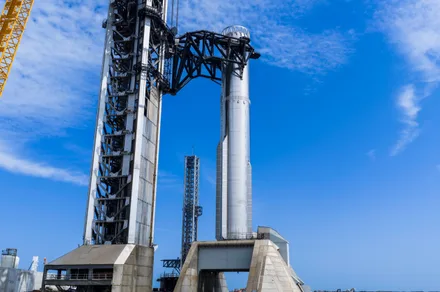
Preflight tests on the Starship rocket have been underway at SpaceX’s Starbase facility in southern Texas as the team works to ready the rocket for showtime.
In an important step toward launch day, the first-stage Super Heavy — the most powerful booster ever to fly — underwent a ground-based engine test, known as a static fire, on Monday.
NASASpaceflight, which has a number of cameras trained on the Starbase site, shared some footage of the test.
Advertisement
Monday’s test scored three firsts for SpaceX. It was the first time the new Pad 2 has been put to use in this way, the first such test for the new Starship Version 3, and the first time for the rocket’s new Raptor 3 engines to be fired up for this kind of procedure.
But the static fire ended after only a few seconds — much shorter than usual — suggesting there may have been an issue as the engines roared into life. SpaceX has yet to make any official comment on the outcome of the important preflight test.
The Starship flew most recently in October 2025. That means it’s been a long wait for the 12th flight of the massive rocket, especially considering that the more recent Starship launches have taken place within two or three months of each other.
The delay has been put down to the extra preparations needed for the new version of Starship.
Advertisement
Once fully ready, SpaceX’s newest and largest rocket will be used for crew and cargo flights to the moon as part of NASA’s Artemis program, and could even take the first humans to Mars.
First up, a modified version of the upper-stage Ship spacecraft will be used to return humans to the lunar surface as part of the Artemis IV mission, which is currently set for 2028.
It feels like a long old while since Baby Jane Doe (who’s looking good and taking formula well) was the talking point of The Pitt season 2. The shift has gotten more difficult over the last few hours, but the worst is yet to come.
The ER is currently under digital lockdown to prevent a cyber attack, meaning no computer records can be accessed, the number of patients practically doubles every five seconds, and replacement Dr. Al-Hashimi (Sepideh Moafi) isn’t making life easier for anyone.
In The Pittseason 2 episode 11, ICE agents are introduced to the ER for the first time, not even allowing Dr. Robby’s (Noah Wyle) next patient to make a call home. It’s bound to be a brutal watch, but when is it on HBO Max?
Advertisement
Article continues below
Advertisement
What time can I watch The Pitt season 2 episode 11 on HBO Max?
The Pitt Season 2 | Official Trailer | HBO Max – YouTube
For US viewers, The Pitt season 2 episode 11 will drop on Thursday, March 19 at 6pm PT/ 9pm ET. As always, it’ll come out on HBO Max, too.
Internationally, you’re looking out for these timings:
US – 6pm PT / 9pm ET
Canada – 6pm PT / 9pm ET
India – Friday, March 20 at 7:30am IST
Singapore – Friday, March 20 at 10am SGT
Australia – Friday, March 20 at 1pm AEDT
New Zealand – Friday, March 20 at 3pm NZDT
You’ll notice that I’ve not included the UK here. That’s because HBO Max doesn’t launch in the UK until March 26. It hasn’t been released on Sky or Now TV either, which are the usual homes to HBO Originals on British shores.
In short: you’ll have to wait until HBO Max makes its UK debut to binge both seasons, but at least you should be able to watch the season finale with everyone else on April 16.
Sign up for breaking news, reviews, opinion, top tech deals, and more.
Advertisement
When do new episodes of The Pitt season 2 come out?
Baby Jane Doe, looking good, taking formula well. (Image credit: HBO)
New episodes of The Pitt will make landfall every Thursday in the US and on Fridays everywhere else. Here are the all-important dates you need to know about:
And of course, you can also follow TechRadar on YouTube and TikTok for news, reviews, unboxings in video form, and get regular updates from us on WhatsApp too.
Instead of upscaling games from lower resolutions or interpolating frames using AI, DLSS 5 applies machine learning to a game’s lighting model. Nvidia calls it the next stage of rendering after upscaling and ray tracing. Digital Foundry got an early hands-on look at the technology (video below), which sparked controversy… Read Entire Article Source link


















































You must be logged in to post a comment Login