Connect with us
DAPA Banner

Business

Samsung showcases HBM4 chips for Nvidia’s Vera Rubin platform

Published

on

Continue Reading
Click to comment

You must be logged in to post a comment Login

Leave a Reply

Business

From 29,300 to 24,900: Nomura slashes Nifty target, says another 5% correction possible! Here’s why

Published

on

From 29,300 to 24,900: Nomura slashes Nifty target, says another 5% correction possible! Here’s why
International brokerage firm Nomura has slashed the Nifty target for December 2026 to 24,900, a sharp 15% cut from its initial target of 29,300 it gave last year. Further, analysts have cautioned that the 50-share index could fall another 5% after already declining 8% since the onset of the US, Israel-Iran war on February 28.

“We think an additional 5% correction (similar to the correction during the Russia-Ukraine war) is a distinct possibility in the near term, with small and midcap stocks at relatively greater risk,” Nomura said in a report dated March 16. “Adverse flow dynamics can drive markets even lower in the short term. Domestic equity inflow growth has slowed down in the recent past. The valuation threshold for FIIs is lower, aggravated by concerns about the impact of AI and higher oil prices,” it added.

The sustained geopolitical tensions in the Middle East following the attack on Iran present a material risk to the oil and gas supply chain. Shipments through the critical Strait of Hormuz have come to a standstill. These shipments are primarily related to oil and gas. The oil and gas shipments through the chokepoint account for more than 20% of global trade in these commodities.

Also Read | Flexi cap mutual funds record highest inflows for 7 consecutive months. Will the trend continue?

Advertisement

India remains heavily dependent on imports for crude oil, natural gas and LPG, making it particularly vulnerable to external shocks. The Strait of Hormuz alone accounts for around 43% of the country’s crude oil imports and nearly 63% of its LNG imports, highlighting the scale of exposure to this critical route.


Any disruption in supplies can have a broad impact on the economy, as most manufacturing industries are closely linked to the oil and gas supply chain. A sustained rise in oil and gas prices could derail the nascent growth recovery, push inflation higher and put additional pressure on the country’s external balance, Nomura said.
The Indian markets, with the Nifty as a proxy, have corrected 8% over the past two weeks. Such a sharp decline has been seen only twice in the past decade, during the Covid-19 pandemic in 2020 and at the onset of the Russia-Ukraine conflict in 2022.Valuations have also moderated meaningfully. In terms of price-to-earnings multiples and the spread over bond yields, the market is now at the lower end of the range seen over the past four years, the brokerage said.

“Therefore, a correction beyond 5% from current levels should present a buying opportunity from a long-term perspective, in our view,” analysts added.

Earnings at risk?

A sustained high energy price environment is likely to weigh on FY27 earnings. If oil prices remain around $100 per barrel, aggregate corporate earnings could see a downward revision of 10-15% compared to current consensus estimates.

At present, consensus expectations factor in earnings growth of around 16% for FY27 (BSE 200+). However, such cuts could bring growth down sharply, resulting in flat to mid-single-digit earnings growth for the year.

Advertisement

FII selling to worsen?

FIIs have been net sellers, particularly in the secondary market, over the past two years. To start with, elevated valuations were a concern. This was followed by the emergence of the AI trade, where India is perceived as a net loser. Investors are concerned about the IT outsourcing business model, which could impact the broader economy. Elevated oil prices now present an additional headwind to sentiment. “Against this backdrop, we think the valuation threshold for FIIs is likely lower than in the past.”

Domestic inflows have been the bulwark of the equity markets in India. SIP flows have remained resilient, driving consistent positive inflows into mutual funds. However, Nomura says there has been a slowdown in inflow growth rates in the recent past. If the crisis prolongs, domestic inflow growth may slow further.

(Disclaimer: Recommendations, suggestions, views and opinions given by the experts are their own. These do not represent the views of The Economic Times.)

Advertisement
Continue Reading

Business

Close Brothers to axe 600 jobs as motor finance losses mount

Published

on

Business Live

FTSE 250 bank will cut fifth of workforce following £300m provisions for car finance mis-selling redress scheme

Close Brothers is in the midst of an operations overhaul.

Close Brothers is aiming to slash costs(Image: Supplied by City AM)

Close Brothers has announced it will cut up to a fifth of its workforce as the bank presses ahead with its aggressive cost-cutting drive amid mounting losses tied to the motor finance scandal.

Advertisement

The FTSE 250 lender revealed it would slash 600 full-time positions by the end of the 2027 financial year, representing approximately 20 per cent of the firm’s total workforce. The redundancies come as the bank aims to trim costs by roughly £85m.

The move follows the bank posting a £65.5m loss in the first half of the year after being compelled to increase its provisions for the motor finance scandal. The figure did represent an improvement from a £102.2m loss in the corresponding period the previous year.

Losses were fuelled by the substantial £135m set aside in October after the UK’s financial watchdog outlined proposals for its industry-wide redress scheme for the car mis-selling saga. The additional funds pushed the bank’s total provisions to £300m, as reported by City AM.

However, the latest update on Tuesday came after a bombshell report from short-seller Viceroy, which cautioned the bank would need to “at least” double its existing provisions following “examination” of the watchdog’s redress scheme.

Advertisement

The note accused Close Brothers of “systematically misrepresenting” its exposure to the motor finance scandal and warned in a worst-case scenario the bank could face regulatory intervention and leave shareholders “substantially wiped out”. The bank maintained its earlier guidance regarding dividends, confirming that reinstatement will not occur until there is greater certainty surrounding the financial regulator’s upcoming motor finance compensation programme.

Operating income dropped to £333.8m, down from £355.4m during the corresponding period last year, affected by a reduced average loan book and the deliberate winding down of certain business operations.

Meanwhile, expenses declined to £359.8m, down from £409.5m, as chief executive Mike Morgan pressed ahead with his cost-reduction restructuring programme.

“We remain focused on delivering our strategic priorities: simplify, optimise, and grow. With the simplification of our business largely complete, we are firmly in the optimisation stage, and have accelerated our cost savings plans,” Morgan said on Tuesday.

Advertisement
Continue Reading

Business

10 Things You Must Know About Veteran CB Darius Slay as He Announces Retirement After 13 NFL Seasons

Published

on

Darius Slay

Six-time Pro Bowl cornerback Darius Slay announced his retirement from the NFL on March 16, 2026, capping a 13-year career defined by lockdown coverage, big-play interceptions and a Super Bowl championship. The 35-year-old, known as “Big Play Slay,” shared an emotional farewell on social media, thanking football for providing peace, joy and family support while reflecting on his journey from a second-round draft pick to one of the league’s most respected defensive backs.

Darius Slay
Darius Slay

Slay’s decision comes after a turbulent 2025 season that saw him sign with the Pittsburgh Steelers on a one-year, $10 million deal, play 10 games, then part ways midseason before being claimed by the Buffalo Bills — a move he declined to report for, ultimately landing on the reserve/did-not-report list. Just days before retiring, Slay stated publicly that only the Philadelphia Eagles could call him for a potential 2026 return, underscoring his deep loyalty to the team where he spent five standout seasons.

Here are 10 essential facts about Darius Slay’s career and legacy:

  1. Drafted by Detroit Lions in 2013 — Slay entered the NFL as a second-round pick (No. 36 overall) out of Mississippi State. He quickly established himself as a starter, earning his first Pro Bowl nod in 2014 after recording 61 tackles and two interceptions.
  2. Seven Seasons in Detroit Built His Reputation — Slay spent his first seven years with the Lions, earning four Pro Bowl selections (2014, 2016, 2017, 2019) and a First-Team All-Pro honor in 2017. He led the NFL with eight interceptions in 2017, showcasing elite ball skills and earning the “Big Play” nickname for game-changing plays.
  3. Traded to Philadelphia Eagles in 2020 — The Eagles acquired Slay via trade for a third- and fifth-round pick, a move that bolstered their secondary. He immediately became a cornerstone, earning Pro Bowl honors in 2020 and helping anchor a defense that reached the playoffs multiple times.
  4. Super Bowl Champion with Eagles in 2024 — Slay’s crowning achievement came during the 2024 season, when he contributed to Philadelphia’s Super Bowl victory. His coverage skills limited top receivers, and he celebrated the title as a key veteran leader in the secondary.
  5. Career Stats Reflect Consistency — Over 187 games (through 2025), Slay amassed 655 tackles, 28 interceptions (including three returned for touchdowns), 465 interception return yards and numerous passes defended. His 2025 stint with Pittsburgh included 28 solo tackles in 10 games, though no picks.
  6. Six Pro Bowls and All-Pro Accolades — Slay’s six Pro Bowl selections (2014, 2016, 2017, 2019, 2020, and one more during his Eagles tenure) highlight his sustained excellence. His 2017 All-Pro season remains a benchmark for shutdown corners.
  7. Brief but Tumultuous 2025 with Steelers — After the Eagles released him post-Super Bowl to manage cap space, Slay signed a one-year, fully guaranteed $10 million contract with Pittsburgh. Injuries, performance dips and a healthy scratch led to a mutual parting in December 2025. The Bills claimed him off waivers, but he opted not to report, contemplating retirement.
  8. Loyalty to Eagles Persisted — In mid-March 2026, Slay declared the Eagles the only team he’d consider for a comeback, reflecting his strong bond with Philadelphia fans and teammates. He even attended Eagles playoff games as a spectator, fueling reunion speculation before opting for retirement.
  9. Family and Post-Football Focus — Slay cited family time as a key factor in his late-2025 hesitation to join Buffalo and ultimately in retiring. His farewell messages emphasized gratitude for the opportunities football provided to support loved ones.
  10. Legacy as One of the Era’s Top Corners — Slay retires as a respected veteran who excelled in man coverage, disrupted passing games and mentored younger players. His impact spanned three teams — Lions, Eagles and Steelers — and included a championship ring, cementing his status among the NFL’s premier defensive backs of the 2010s and 2020s.

Slay’s retirement announcement drew tributes from teammates, coaches and fans across the league. Eagles supporters, in particular, praised his contributions during a successful era in Philadelphia. While questions lingered about a potential one-year return to the Eagles, Slay chose to close the chapter, turning the page to new endeavors.

As the NFL offseason unfolds, Slay’s exit leaves a void in veteran leadership at cornerback. His career exemplifies perseverance, elite skill and championship pedigree — traits that defined “Big Play Slay” throughout 13 memorable seasons.

Advertisement
Continue Reading

Business

Wickes profit doubles as DIY retailer targets solar panel leadership

Published

on

Business Live

Home improvement retailer hits £1.6bn revenue as it positions itself to lead fragmented solar installation market

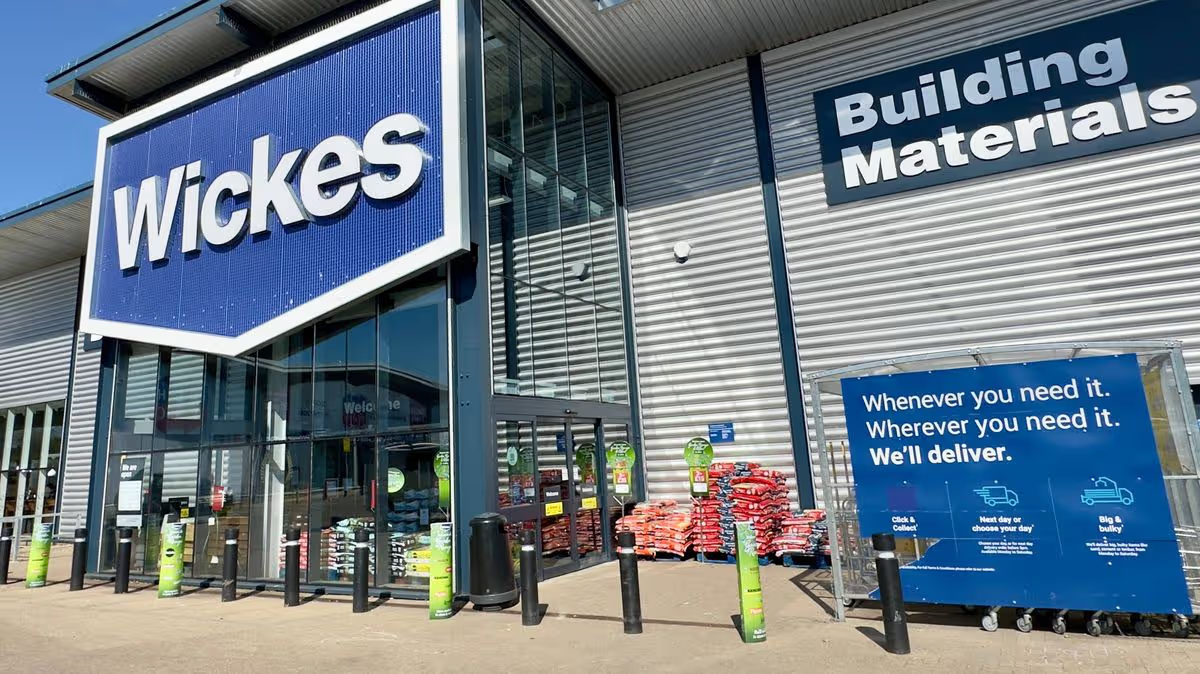
A Wickes home improvement and building materials store on a retail park in Chelmsford, Essex.

A Wickes home improvement and building materials store on a retail park in Chelmsford, Essex(Image: Nigel Harris via Getty Images)

Home improvement retailer Wickes has seen its profit double as the company aims to become a frontrunner in solar panel installation.

Advertisement

The company reported revenue of £1.6bn, an increase of six per cent, while pre-tax profit rose from £23m to £49m for the year ending December 2025.

Wickes was elevated to the FTSE 250 last year, seeing a turnaround after its revenue had been hit by a decrease in consumer demand for high-value items such as kitchen installations.

The DIY retailer’s share price rose in response to the favourable results, reaching 225p in early trading on Tuesday, a rise of five per cent from Monday’s close.

The company celebrated a record market share in retail, although its overall share in home improvement, kitchens and bathrooms is only at five per cent due to the £35bn size of this market, it stated, as reported by City AM.

Advertisement

Expenditure on DIY is increasing as the UK’s housing stock ages, with the majority of the UK’s 29m homes being over 60 years old, according to the tool seller.

A further one in five British homes are more than a century old, and UK houses are among the least energy efficient in Europe, Wickes said.

The group is banking on its solar installation brand as a route for growth, with the total market predicted to be worth £1.5bn per year by 2028.

The firm is ready to capitalise on this “fragmented” market, which currently lacks a clear leader, it said.

Advertisement

“With a trusted brand and significant experience in design and installation services at scale, Wickes is well placed to be a market leader in solar and other home energy solutions.”

Wickes has witnessed stronger performance in its design and installation offerings following a downturn in big-ticket purchases in recent years, with turnover for this division rising 4.4 per cent year on year.

Shoppers are responding favourably to the modifications implemented by Wickes as part of the transformation which propelled it into the FTSE 250, including making face-to-face design appointments more accessible and replacing its telephone reservation system with an online platform.

The home improvement retailer is also venturing into premium appliances and kitchen styling, such as by introducing a high-end pastel shade collection including “Ohio pink”.

Advertisement

As the company’s DIY retail division continues to deliver, Wickes is investing in its TradePro membership programme, which boasts 643,000 active participants – with transactions from these customers up nine per cent year on year.

Wickes launched five new outlets last year, taking its total number of UK locations to 230. The business intends to open four or five new sites this year, as the firm concentrates on refurbishing up to 20 stores with additional space for kitchen and bathroom displays.

“Continued investment in our proven growth levers positions us well for 2026, notwithstanding the uncertain consumer and geopolitical environment, the firm said. Wickes announced a final dividend of 7.3p, resulting in a total annual dividend of 10.9p, which is consistent with the previous year.

Advertisement
Continue Reading

Business

Analysis: War threatens more than petrol prices

Published

on

Analysis: War threatens more than petrol prices

ANALYSIS: As conflict escalates in Iran and the Middle East, anxiety has settled on a familiar pressure point: the petrol bowser and just how high prices may climb.

Continue Reading

Business

If we want to address the housing crisis we simply need more builders

Published

on

Business Live

Chief executive of the Development Bank of Wales Giles Thorley says we need to increase the number of SME housing developers

Builder working on roof of a partially constructed house.

We need more SME housebuilders says Giles Thorley.(Image: Rui Vieira/PA Wire)

It can be tempting, when the economic weather turns, to put the hard hat back on the hook. Far easier say to pause developments, shelve regeneration schemes, stick to ‘essential’ repairs only and wait for confidence to return.

But that is not an option for Wales. We cannot afford to hit pause on what is fundamental to our long-term prosperity. We need more and better quality homes for people to live in. We still need town centres and public buildings that embrace and enhance the community and feel like assets. And we still need the energy and infrastructure that makes new investment possible.

Advertisement

That’s why I’m increasingly convinced that the next chapter for Wales will be written in bricks, mortar and connectivity.

Across the UK, recent data has shown construction activity can cool quickly when sentiment weakens, particularly in private housing and commercial building, where investors, developers and lenders become more cautious.

READ MORE: Huge company expands into Wales creating 75 jobsREAD MORE: Welsh Government invests £8m in deep water turbine platform firm

Yet the underlying need does not change. Housing shortages don’t disappear. Regeneration doesn’t become optional. Businesses don’t stop needing modern, energy-efficient premises. Public services don’t stop needing upgrades.

Advertisement

When such projects stall, the impact ripples far beyond the construction site. Construction supports an extensive supply chain, from local subcontractors to architects to manufacturers and logistics firms. It remains one of the economy’s most important drivers.

This is why synchronised investment matters and short-term fixes won’t do. Proper coordination across housing, property and energy is needed – and it must be aligned to achieve long-term outcomes.

Wales has been a pioneer in developing a long-term, strategic policy framework. The principles of that framework put communities, identity and long-term value creation at the heart of development. The Well-being of Future Generations (Wales) Act sets a global benchmark for sustainable decision-making. It directs not just what we build, but why we build it, who benefits, and what legacy it leaves.

However, this framework can only deliver when projects on the ground are also commercially viable and being delivered. That often requires public and private partners to pull in the same direction.

Advertisement

That is because of a stark reality: neither public finance nor private finance can deliver the scale of transformation Wales needs on its own. Public capital brings stability, strategic intent and patience. Private capital brings discipline, innovation and the ability to scale. Together, they can complement each other and make a real difference.

Why SMEs matter?

Wales faces a persistent housing supply challenge. Developers are contending with rising costs, labour shortages, land availability planning constraints and, economic uncertainty. It is no wonder completions fall short of demand.

But there’s an underlying challenge here too: the disappearance of SME housebuilders. In the late 1980s, SMEs delivered around 40% of new homes in Wales. Today, that figure has fallen to just 9%.

Advertisement

The large national housebuilders are essential for volume, but an over-reliance on a small number of large players comes with risks. This concentration tends to reduce flexibility, narrow the pipeline of sites, and make delivery more vulnerable to shifts in the appetite of these large players.

Smaller, locally rooted builders play a different role. They are small companies, who employ local subcontractors and operate based on local demand. They also deliver projects that make sense size-wise in Wales: from two-home infill schemes to 60-plus home developments.

After the financial crash, smaller residential builders experienced an almost complete removal of funding options, creating a major constraint on housing delivery.

At that point, we built a commercial case that Wales needed a dedicated approach and over the past decade £300m of targeted property finance has underpinned 2,400 new homes and more than 245,000 sq ft of much needed commercial space.

Advertisement

The lesson is clear: if Wales wants more homes, it needs more builders. They, in turn, need access to the right kind of capital, at the right point in the cycle. I also believe there is a greater good here. Property investment is often framed as a balance sheet issue. I believe it is a wellbeing and an economic issue. Good social infrastructure can reduce poverty, improve health and support educational attainment; modern commercial space helps firms grow, recruit and retain talent. Mixed-use schemes can become catalysts for long-term community wealth creation, keeping spending power circulating locally.

We’re already seeing demand rise. Our property investment grew by 27% last year, a signal, not just of appetite, but of need. Projects like Parc Eirin in Rhondda Cynon Taf and innovative eco-developments such as Maes y Teirw in Carmarthenshire show what’s possible when funding accelerates delivery and helps raise standards.

And those schemes also underline something else: delivery depends on partnership. Developers, lenders, local authorities and government all have a role. Without joined-up action, sites remain locked, costs rise, and viable projects become unviable.Wales doesn’t lack ambition. It doesn’t lack policy frameworks. It doesn’t even lack opportunity.

What we need now is more delivery, at greater scale, upping the pace, grounded in place, backed by partnership, and financed in a way that supports long-term prosperity.

Advertisement

Because building Wales’ future isn’t a slogan but a practical programme of work. And the best time to get on with it is now.

Continue Reading

Business

Invesco Small Cap Growth Fund Q4 2025 Commentary

Published

on

Don’t Confuse Small-Cap Benchmark With Small-Cap Strategy

Invesco Small Cap Growth Fund Q4 2025 Commentary

Continue Reading

Business

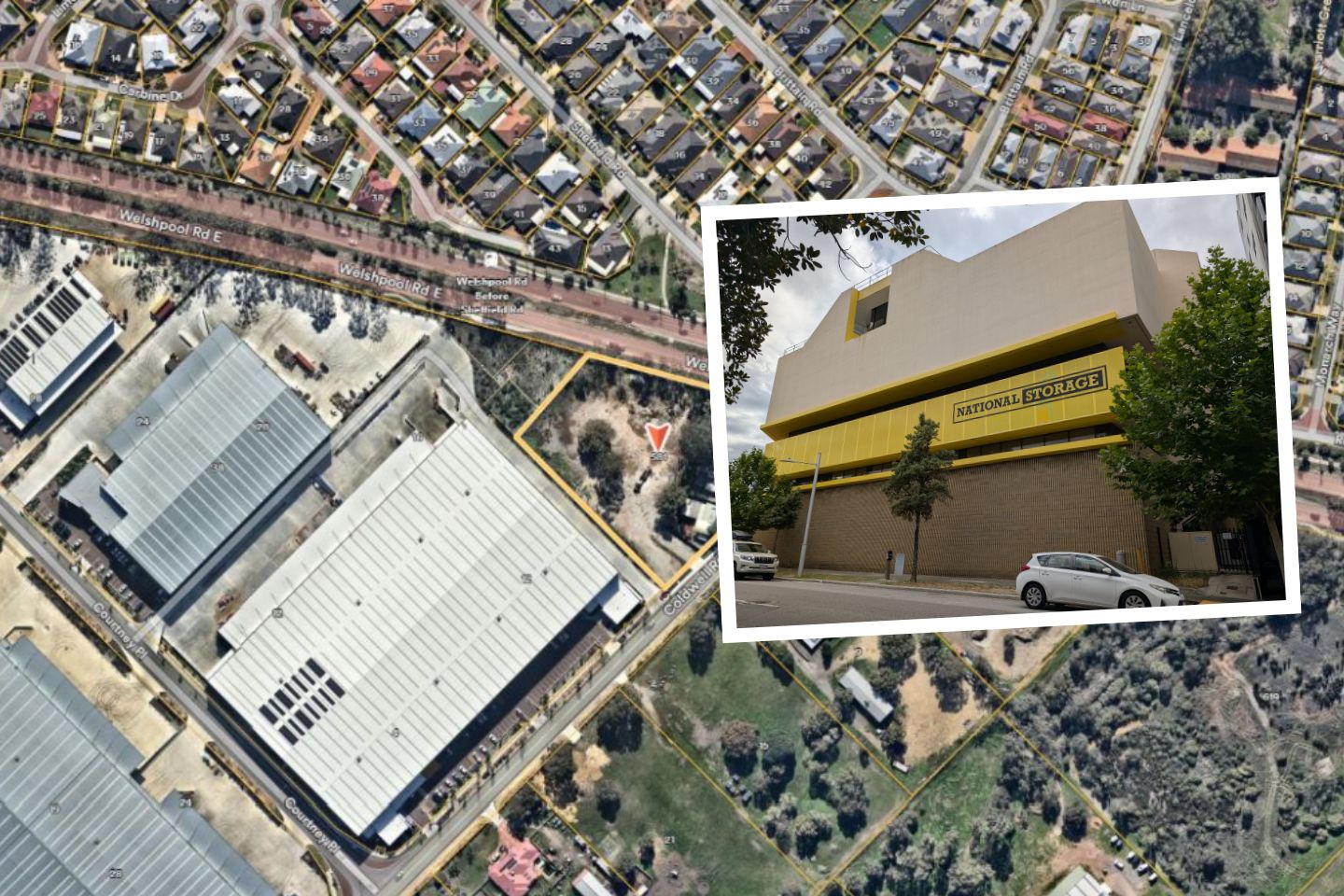
Panel approves National Storage’s $10m build in Wattle Grove

Published

on

Panel approves National Storage’s $10m build in Wattle Grove

National Storage will add to its Western Australian footprint after its $10 million facility in Perth’s south-east received the green light.

Continue Reading

Business

Opinion: Crypto may break on the AI wave

Published

on

Opinion: Crypto may break on the AI wave

OPINION: The latest crypto plunge may be a sign investors have grown tired of the uncertainty.

Continue Reading

Business

JD.com launches Joybuy in UK to rival Amazon with same-day delivery

Published

on

JD.com launches Joybuy in UK to rival Amazon with same-day delivery

Chinese e-commerce giant JD.com has made a decisive move into the UK market with the launch of its Joybuy platform, setting up a direct challenge to Amazon by promising same-day delivery without the traditional trade-off between speed and price.

The new platform marks JD.com’s most significant expansion into Britain to date, following years of speculation about its ambitions in the market. Joybuy, which had previously been tested through a London pilot, is now rolling out more widely, offering British consumers access to a broad product range spanning electronics, groceries, gaming, household goods and everyday essentials.

The retailer is positioning Joybuy as a full-spectrum marketplace, stocking global brands such as Apple, Samsung and Sony alongside consumer staples including Heinz, Cadbury and Coca-Cola. The proposition is clear: convenience at scale, backed by logistics infrastructure designed to rival, and potentially outpace, incumbents.

At the core of the launch is JD.com’s “Double 11” delivery promise. Orders placed before 11am will be delivered by 11pm the same day, with free delivery available on orders over £29. The company said the service will initially cover more than 17 million consumers across key urban centres including Birmingham, Leicester and Nottingham, signalling a deliberate focus on high-density, high-demand regions.

This logistics-led strategy reflects JD.com’s long-established operating model in China, where it has built one of the most vertically integrated fulfilment networks in global e-commerce. Rather than relying heavily on third-party couriers, the group controls much of its supply chain, from warehousing to last-mile delivery, enabling tighter control over speed, cost and customer experience.

Advertisement

In the UK, that model is being replicated through JoyExpress, the company’s delivery arm, which is supported by a growing European infrastructure footprint. JD.com already operates more than 60 warehouses and depots across Europe, including key UK sites in Milton Keynes and Luton, providing the backbone for its same-day ambitions.

A spokesperson for Joybuy said the company aims to “change the way people shop online” by removing the longstanding compromise between affordability and delivery speed. “British shoppers have long had to settle for a trade-off between price and speed,” they said. “We’re here to change that.”

The expansion comes at a time when JD.com is seeking growth outside its domestic Chinese market, where consumer demand has softened and competition has intensified. The company, which has a market capitalisation of more than $40 billion, has been actively exploring international opportunities as part of a broader diversification strategy.

Its interest in the UK is not new. The group previously attempted to acquire Argos from Sainsbury’s and held discussions around a potential deal with Currys, although neither transaction materialised. The Joybuy launch represents a shift from acquisition-led expansion to organic market entry, allowing JD.com to build its presence on its own terms.

Advertisement

However, analysts caution that replicating its Chinese logistics model in Europe will not be straightforward. The UK’s fragmented retail landscape, regulatory environment and established competition present significant barriers to scaling quickly. Amazon, in particular, retains a dominant position, underpinned by its Prime ecosystem, extensive fulfilment network and deep customer loyalty.

Even so, JD.com’s entry introduces a new competitive dynamic into the UK e-commerce market. Its willingness to invest heavily in infrastructure and absorb delivery costs could place pressure on incumbents, particularly if consumers respond positively to faster delivery without additional fees.

The move also reflects a broader shift in online retail, where speed is increasingly becoming a key differentiator. As consumer expectations evolve, same-day delivery is moving from a premium offering to a baseline expectation in major urban markets.

JD.com’s chairman, Liu Qiangdong, has previously acknowledged that the company has faced a challenging period in recent years, describing the past five years as the least productive of his entrepreneurial career. The UK launch of Joybuy suggests a renewed push for growth, and a belief that international markets can provide the next phase of expansion.

Advertisement

For British consumers, the arrival of Joybuy could signal the start of a new era in e-commerce competition — one where delivery speed, pricing and platform experience are being redefined simultaneously.


Jamie Young

Jamie Young

Jamie is Senior Reporter at Business Matters, bringing over a decade of experience in UK SME business reporting.
Jamie holds a degree in Business Administration and regularly participates in industry conferences and workshops.

When not reporting on the latest business developments, Jamie is passionate about mentoring up-and-coming journalists and entrepreneurs to inspire the next generation of business leaders.

Advertisement
Continue Reading

Trending

Copyright © 2025