
Politics
The Iran war and the toxic fallout

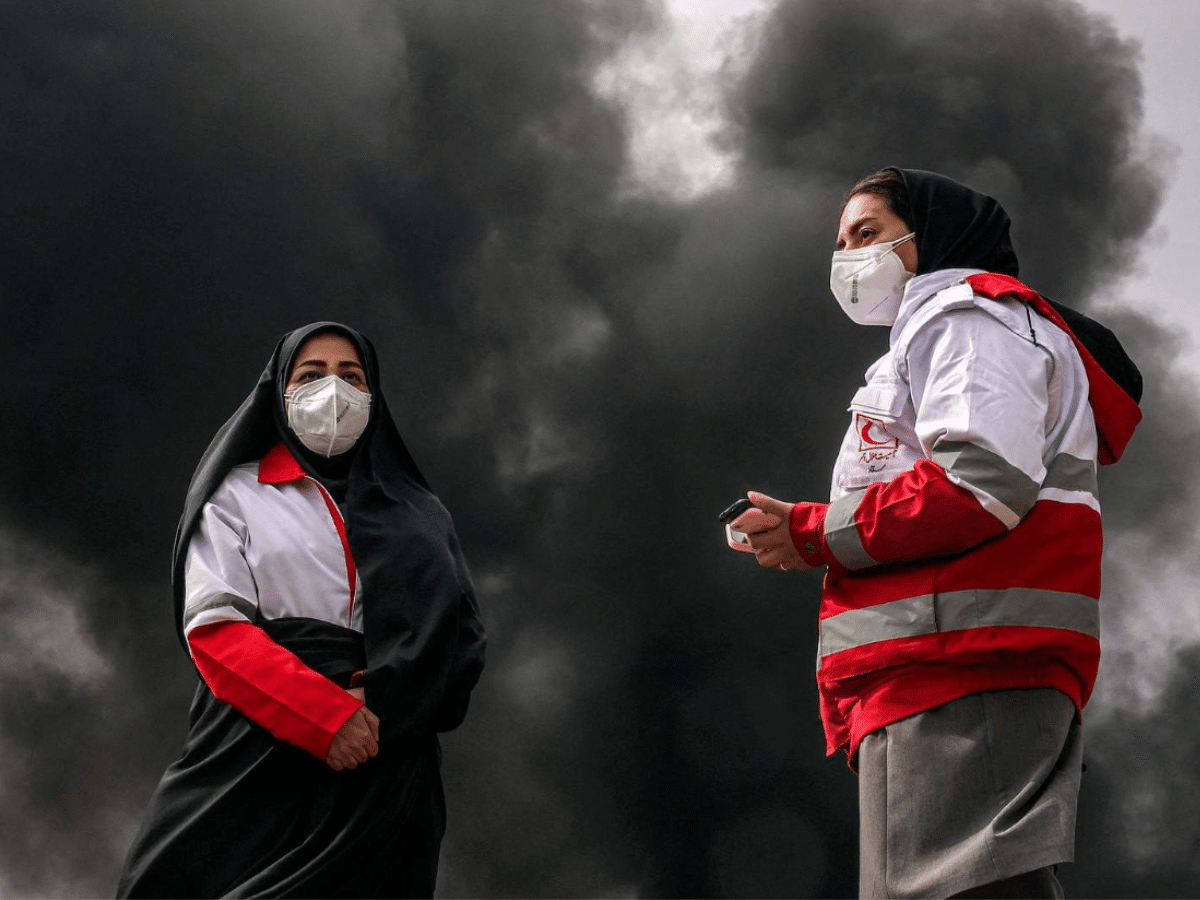
The toxic fallout of the unprovoked, illegal US-Israeli war against Iran will haunt the region for generations. The Conflict and Environment Observatory (CEO) says the pollution produced by military strikes could have terrible long-term effects.
We’ve just updated our overview of environmentally damaging incidents in the Israeli-US war against #Iran. We’ve identified more than 300 incidents and remotely assessed 232 for harm.
Read more about these incidents and trends here: https://t.co/brloxSPBqE #IranWar #Iran 1/5 pic.twitter.com/1xH6isVkOJ
— Conflict and Environment Observatory (CEOBS) (@ceobs_org) March 10, 2026
Iran was offering unprecedented concessions in negotiations at the time of the first strike on 28 February. The Pentagon has since stated there was no imminent threat from Iran while the UN’s atomic watchdog, the International Atomic Energy Agency (IAEA), has said there is no evidence Iran was developing a nuclear weapon.
The Conflict and Environment Observatory reported:
As of the 10th March 2026, we have identified over 300 incidents, 232 of which have been assessed for their environmental risk. The results are mapped below, showing incidents in Iran, Iraq, Israel, Kuwait, Jordan, Cyprus, Bahrain, Qatar, the UAE, Saudi Arabia, Oman and Azerbaijan. By far the commonest facility type is a ‘Military Object’.
The CEO added:
Of those the most impacted sub-type is ‘Airbases’. Away from military sites, incidents cover a range of facility types, with different pollution profiles, from hospitals, to tyre storage sites, to oil refineries. As the conflict proceeds, we are seeing more attacks on civilian and dual use infrastructure.
CEO listed different kinds of physical, economic and social damage which are likely to have long-term effects, including:
- Pollution from military sites and materiel
- Marine pollution
- Fossil energy infrastructure incidents
- Nuclear facilities
- Desalination plants
- Weakened environmental governance
We examine risks to the region’s terrestrial and marine environments. Attacks on naval and merchant shipping have the potential to cause serious pollution threats to sensitive habitats in the #PersianGulf. 3/5 pic.twitter.com/Xo1W3xIi0m
— Conflict and Environment Observatory (CEOBS) (@ceobs_org) March 10, 2026
The CEO said they would continue to assess damage reports via social and traditional media:
We have seen a continuation — since our 3 day assessment — of pollution incidents that are placing people and ecosystems at risk of acute and long-term harm, and trends that could lead to substantial environmental damage as the war continues
Black rain over Tehran
In an earlier report published on 9 March, CEO assessed the effects of oil production sites being hit in Tehran, underlining the human cost:
Belligerents argue that attacks on oil facilities are militarily legitimate but in Tehran the civilian impact has been huge.
Israeli strikes on oil infrastructure between 7 and 8 March resulted “in a major environmental incident.”
Footage showed thick plumes of black toxic smoke and large fires burning at several facilities. This toxic mix of pollutants subsequently rained out over the city and entered drainage systems, raising concerns about possible surface and groundwater contamination.
With a population of more than nine million, the incident raises serious acute and long-term health concerns for Tehran’s residents.
The environmental impact of Israel’s genocide in Gaza is already being felt as congenital disabilities increase. The toxic legacy of the illegal Anglo-American invasion of Iraq is still unfolding, particularly in Fallujah where invading US forces weaponised depleted uranium and white phosphrous in November 2004 – which the Americans later admitted to.
The use of depleted uranium in the war on Iraq in 2003 has led to exposure of the local population to radioactive uranium dust. This could potentially explain the significant rise in cancer and congenital malformations documented in Fallujah after 2003.
Iran has snubbed US offers to negotiate citing the protection of its sovereignty and territorial integrity as its immediate priorities. The initial strike on Iran occurred amidst Oman-brokered negotiations which the mediating force at the time said had “advanced, substantially.”
Without an end to the war in sight, and with continuing US and Israeli aggression, the toxic potential of another forever war will mount. And a mix of US hubris and Israeli ambition will impose that burden on the people of the region.
Featured image via the Canary

Trump and Netanyahu’s illegal war on Iran has sent energy prices skyrocketing. The effect on energy-intensive industries in the UK has been immediate and severe. And, as a knock-on effect, as many as 100,000 jobs could be lost across the UK.
Of course, we won’t shed a tear for the impact on highly polluting industries themselves. However, the situation is a striking illustration of the vulnerability created by the UK’s desperate reliance on increasingly volatile fossil fuels.
The Straight of Hormuz
The current grab for fuel began after Iran closed off the Straight of Hormuz. Around a fifth of the world’s oil passes through the narrow waterway. As such, the US and Israel have accidentally made Iran a global oil superpower.
This is the view of air warfare scholar Professor Robert Pape, whose damning critique of the attack on Iran has generated wide interest recently. On 12 March, Pape said that:
Iran hit 16 vessels so far in Strait of Hormuz.
That’s all it takes for Iran to control 20% of the world’s oil and become an oil hegemon — the number 1 strategic outcome US has sought to prevent in Middle East since 1970s.
The Iran war has already caused a spike in Brent crude oil prices, up from $60 in January to around $100. This is already being called the biggest disruption to oil supplies in history.
Likewise, wholesale gas prices in the UK have risen to 171p a therm, more than double last month’s 78p. This is the highest they’ve been since the beginning of Russia’s war on Ukraine.
The already-failing UK chemicals industry is also being hit hard. The sector uses fossil fuels not only for power, but also as raw materials for its products. Production in the industry had already dropped by 60% since 2021, with 25 sites shuttering, with more are teetering on the brink as the Iran war rages on.
Unemployment ‘closer to 6 percent’
As a direct consequence, some economists have suggested that over 100,000 jobs could be cut within months. Likewise, the uncertainty over energy prices has led to speculation that the Bank of England won’t make its expected cuts to interest rates anytime soon.
James Smith, of investment bank ING, opined that employers may seek to make up for rising energy costs by slashing jobs. Smith said:
It depends how long energy prices stay high. If we’re in a scenario where the disruption lasts three months or so, then I would imagine [unemployment would be] be pushing above 5.5pc.
Smith also stated that the previous shocks from the war on Ukraine had left the economy in a weakened state. He said:
Now, it’s very different. We saw this last year with the hospitality sector, where we had the big rise in National Insurance and the minimum wage. We saw a sharp drop in employment and no discernible impact on prices.
These sectors that are most affected by higher energy prices, particularly in the service sector, don’t have the pricing power that they did in 2022. They’re more likely to deal with higher energy costs by cutting back their worker numbers.
Jordan Rochester, of Mizuho bank, echoed this sentiment. He suggested that the UK’s unemployment rates—already at a worrying peak—will likely increase:
If the rate of unemployment’s ascent matches that of the past year, it would defy forecasts again and put us closer to 6% rather than 5%.
Environmental fallout
Similarly, industry body Make UK highlighted that UK businesses are putting up their prices at the fastest rate since 2023. The trade body’s senior economist, Fhaheen Khan, stated that:
While output and investment show some improvement after a challenging end to last year, rising costs and weakening domestic demand are creating real pressures for businesses.
With UK industrial energy costs among the highest in the developed world, any sustained increase in oil and gas prices could quickly push up input costs, squeezing margins and limiting investment.
Meanwhile, the soaring price of fossil fuels will not be accompanied by a corresponding drop in pollution. US and Israeli strikes have hit Iranian nuclear facilities, munitions stockpiles, and oil refineries.
As a result, Iran is suffering toxic black rain, clouds of unbreathable smog, and catastrophic environmental effects that will be felt for generations to come.
The situation—in the UK, Iran and across the world—is a stark reminder of the fact that the decisions of tyrants like Trump and Netanyahu have consequences far beyond their own countries—and those of the foreign citizens they murder with impunity.
Featured image via Unsplash/the Canary
With hindsight, it was clear that something was wrong in Canterbury at least a couple of days before the UK Health Security Agency (UKHSA) notified the public of a meningitis outbreak. Walking through the city centre on Friday evening, I noticed the pubs and restaurants that would normally be teeming with students were standing largely empty. Far from its usual raucousness, Canterbury High Street was eerily quiet.
It was 48 hours later that news broke of the tragic deaths of a pupil from a nearby school and a student at the University of Kent, from what has now been identified as meningitis B. Fifteen people remain severely ill in hospital. This is an incredibly difficult time for those mourning the loss of a relative or friend, worried about those still unwell, or concerned that they are at risk of infection.
Meningitis needs to be treated with the utmost seriousness. Amid concern that the UKHSA was too slow in alerting the public, health officials spent yesterday tracing those who may have come into contact with the disease and issuing precautionary antibiotics to those at risk. This was a sensible response to a worrying situation.
But elsewhere, the response to Canterbury’s meningitis outbreak has been far from rational. ‘TERROR ON CAMPUS’ screams the headline in today’s Daily Mirror. ‘Killer meningitis outbreak’, warns Channel 4 News. Images have been published of paramedics in hazmat suits wheeling a sick student out of university accommodation and into the back of a waiting ambulance – even though this is absolutely not happening routinely.
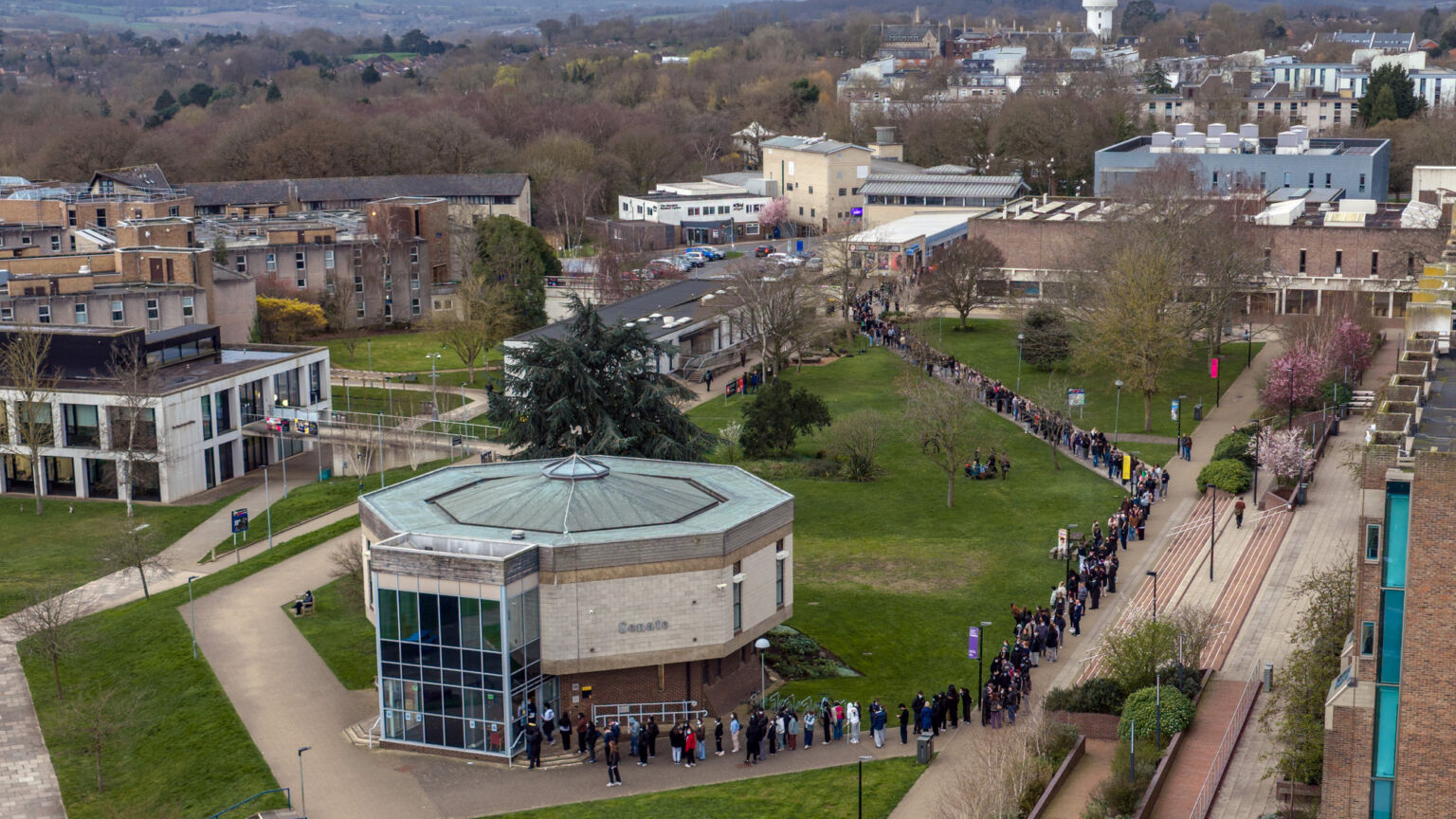
As I walked through the University of Kent’s grounds yesterday, it wasn’t petrified students I noticed, but journalists intent on whipping up hysteria. National camera crews had assembled at dawn, and by midday, helicopters were circling my house, capturing aerial footage of students queuing for antibiotics. Yet reporters, vox-popping teenagers and seemingly desperate for hysteria, were, at least at first, often met with boredom and resignation. It was only as the day wore on that ‘fear and panic’ began to be recorded.
Some journalists seem to go beyond describing what’s happening in Canterbury in their bid to summon a medical emergency, with the media at the centre of the action. This can have dangerous and unintended consequences. For example, reports suggest that some scared students have now returned to their family homes, when they may have been far better off staying put to avoid spreading the infection. Indeed, the first case outside of Kent was recorded in London earlier today, leading health officials to declare the outbreak a ‘national incident’. French officials have also reported a case involving a Kent University student.
‘Students queue in “Covid-esque” scenes’, claimed the Independent, turning to a comparison being drawn in much of meningitis reporting. Indeed, it soon became apparent that it wasn’t just journalists drawing Covid parallels. ‘Lockdown’ now provides the script for responding to serious illness. In Canterbury this week, people have all too readily returned to once-familiar routines with university exams moved online, masked-up students queuing for medication, and pubs falling silent.
What’s troubling is not just the readiness with which people retreat from social life, but that Covid comparisons fail to take into account the specific nature of meningitis and the way it is transmitted. Unlike Covid, meningitis B spreads through close and direct contact with an infected person through kissing, sneezing, and sharing drinks or cutlery. It is, thankfully, far less contagious than Covid – although this is not obvious from much of the reporting.
The ease with which lockdown routines are being revived means that students queuing for antibiotics at the University of Kent are being given masks, which likely serve little purpose, only to be spotted sharing vapes, which is far riskier than simply lining up outside in the fresh air.
Another unhelpful hangover from the Covid years is the way disease becomes incorporated into the culture war. Within minutes of footage of students queuing beginning to circulate, vaccinations became a topic of discussion once more. On one side, students were condemned for not having been vaccinated against meningitis, while others pointed out that repeated lockdowns and school closures meant that entire cohorts of teenagers missed out on routine vaccinations that would normally have been administered during the school day. Some note that vaccines are less effective against meningitis B, the particular strain thought to be spreading in Canterbury, while others argue that only a lack of NHS funding prevents this specific vaccine from being issued more widely.
Right now, Kent’s meningitis outbreak has led to the tragic loss of two young lives. There is a worrying wait for news of those who are still gravely ill. But we cannot afford to let a more generalised media hysteria, or a desire to replay an old Covid script, make this serious situation far worse than it already is.
Over the past week or so, you could be forgiven for thinking you’d stepped into a time machine and been transported back to March 2025. Cast your mind back: Adolescence had just dropped on Netflix, and a moral panic was starting to set in about white working-class boys. Lurking in the background of the four-part series, which follows the arrest of a teenage boy accused of stabbing his female classmate to death, was the pernicious influence of Andrew Tate and the so-called manosphere in which he operates. Blaming the worst of all crimes on this self-proclaimed ‘misogynist’ influencer went down a storm at the time.
The Guardian hailed Adolescence as the ‘closest thing to TV perfection in decades’, while the Independent described its exploration of the ‘pernicious influence of the manosphere’ as ‘harrowing but compelling’. UK prime minister Keir Starmer wanted it to be shown in every British secondary school.
Exactly one year on, Louis Theroux’s latest documentary has once again put the manosphere under the microscope. The current moment feels like déjà-vu or, as Tate might say, a ‘glitch in the matrix’, because Louis Theroux: Inside the Manosphere also provides a superficial insight into a complex problem.
That hasn’t stopped critics from falling over themselves to praise the zany documentarian’s deep dive into the online world of hypermasculine content creators. Bragging about ‘one-way’ monogamy and the importance of material wealth above all else, these rage-baiting clowns have also sent celebrities into a tizzy. Everyone from Simon Cowell’s wife to Made in Chelsea’s Spencer Matthews – the same Spencer Matthews who gained notoriety as the bad-boy womaniser on the reality show – took to Instagram shortly after the credits rolled to issue a casting call for ‘better role models’ in society.
While documentaries like Inside the Manosphere offer celebrities an opportunity to declare to the world which way their moral compass points and to atone for past sins, they ultimately fail to grapple with why figures like Tate have such a hold on young boys.
Theroux does, at one point, attempt to unpack what motivates the main protagonists in this machismo movement. But he doesn’t get very far. Delving into the difficult ‘origin story’ of controversial streamer HSTikkyTokky (real name Harrison Sullivan), Theroux observes that ‘carrying the wounds of childhood can project trauma into the wider world’. Sullivan, we learn, was abandoned by his father.
It is to some extent understandable that Theroux ducked the question of why so many men find the ‘manosphere’ compelling. Honest answers may prove radioactive. But it is surely the most important question, and certainly would have led to far more interesting conversations, rather than shallow psychologising about the ‘wounds of childhood’.
For starters, what did the advent of the pill mean for gender relations? Did the #MeToo movement go too far? How about wokeism in general? Unintended consequences lurk everywhere, from sexual ethics to feminism.
And you don’t have to search hard to find them. The contradictions inherent in being a modern man are easily found on dating apps, where women routinely specify that they are seeking a ‘real man’ who is both ‘emotionally aware’ and ‘assertive’. It should be possible to traverse this thorny terrain without endorsing misogyny. In fact, dodging the hard questions in favour of platitudes will only reinforce the masculinity crisis.
The Tates of this world have gone where others fear to tread. That they have gone too far, and ended up in a sexist abyss, should not prevent the rest of us from asking whether the long assault on manhood has been a good thing. The old Louis Theroux would have asked these questions, and given us a much better documentary as a result.
Adam Chapman is a writer and editor.
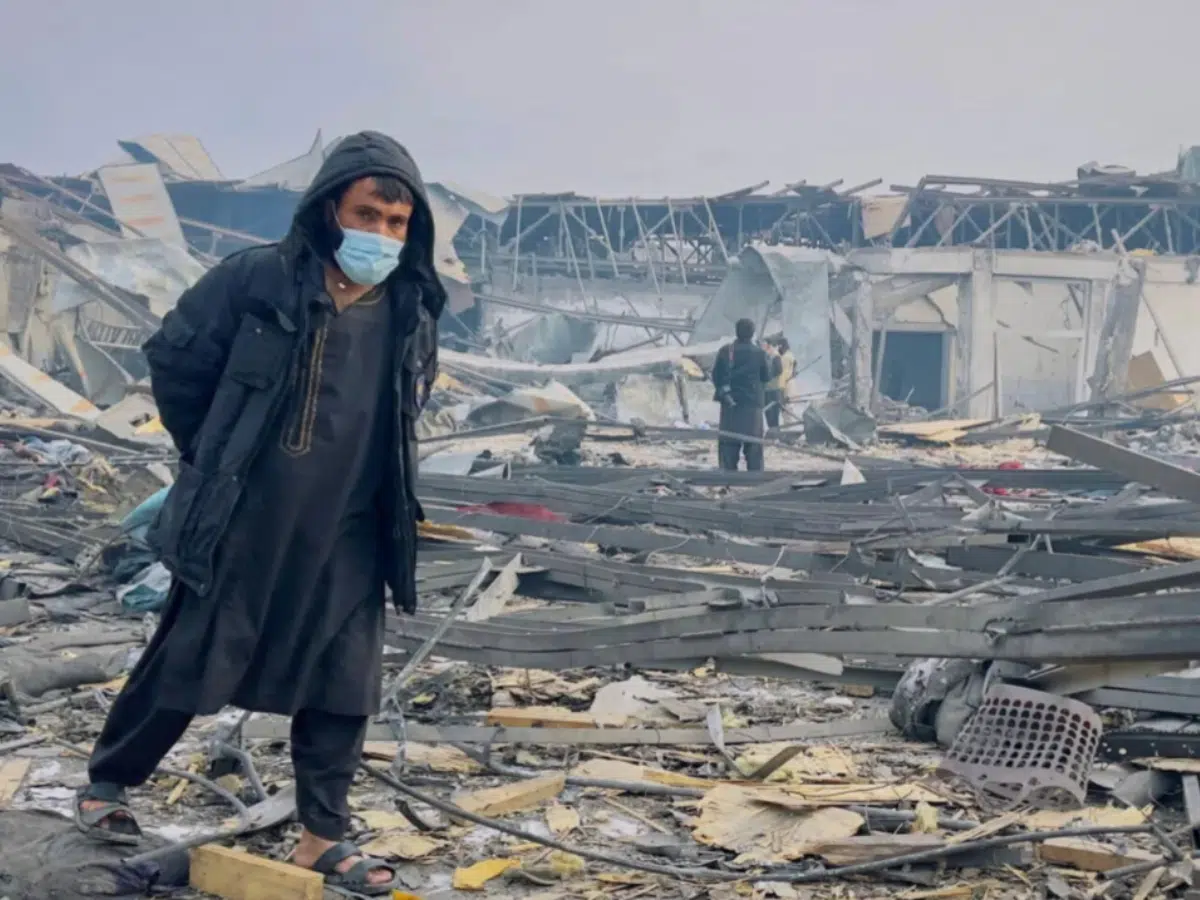
A senior Taliban official has said that Pakistan killed 408 people in an airstrike which targeted a drug rehab clinic in Kabul. The strike landed at 9pm on 16 March, allegedly wounded over 200, in addition to those killed. A Pakistani official said they had only targeted ‘military’ and ‘terrorist’ infrastructure.
Taliban spokesman Hamdullah Fitrat posted on X:
The Pakistani military regime carried out an airstrike at approximately 9:00 PM this evening on the Omid Addiction Treatment Hospital, a 2,000-bed facility dedicated to the treatment of drug addiction. As a result of the attack, large sections of the hospital have been destroyed, and there are serious concerns about a high number of casualties.
Unfortunately, the death toll has so far reached 400, while around 250 others have been reported injured. Rescue teams are currently at the scene working to control the fire and recover the remaining bodies of the victims.
The information minister of Pakistan, Attaullah Tarar, shared the following details:
✅ 17 March 2026
✅ Pakistan’s Armed Forces successfully carried out precision airstrikes on the night of 16 March as a part of Operation Ghazab Lil Haq, targeting Afghan Taliban regime terrorism sponsoring military installations in Kabul and Nangarhar.
✅ Technical support… pic.twitter.com/b8YJkGC0cv
— Attaullah Tarar (@TararAttaullah) March 16, 2026
Doomsday scenes
He and his 25 roommates had gathered in their dormitory after prayers when the attack occurred. He was the only survivor among them.
many young people under treatment lived in large containers on the campus and very few survived the strike…It was extremely terrifying. Those who survived were the ones whose rooms were not destroyed and were fortunate. But the places where the bombs were dropped, everyone there was killed.
Now we have come again … there are still bodies under the rubble.
Border tensions between the two countries, building for several months, have turned into a hot war.
Afghanistan-Pakistan border war
Fighting between the formerly US-occupied nation and Pakistan (itself a US partner) kicked off in February. At the time, the Canary reported how Pakistani officials were already calling the confrontation an ‘open war’ back in late February.
In an explainer Reuters said:
Allies-turned-foes Pakistan and Afghanistan’s worst fighting in years erupted last month, with Pakistani air strikes inside Afghanistan that Islamabad said targeted militant strongholds.
Afghanistan called the strikes a violation of its sovereignty that targeted civilians, and launched retaliatory operations.
Over the last three weeks, both countries have launched air and drone strikes against each other and also engaged in ground firing across their 2,600-km (1,600-mile) border, with each claiming to have inflicted heavy damage and killed hundreds of opposition troops, without providing evidence.
Featured image via X/Canary
The Department for Work and Pensions’ (DWP) Pat McFadden couldn’t pass up the opportunity to demonise disabled benefit claimants whilst giving a speech announcing the Youth Employment Grant.
McFadden was at Walthamstow Forest College announcing that the DWP would give businesses 3 grand to trap kids in shit jobs. But he, of course, couldn’t resist being a dick about disabled people on unemployment benefits, too.
Whilst talking about youth unemployment, he segwayed into those who’d been found unfit for work. Or as the Labour-run DWP have rebranded it, those who receive the Universal Credit health element, yknow, for their poor health.
DWP demonising young disabled people, again
McFadden said:
A young person under 25 on the health element of Universal Credit is now less likely to get a job than someone over 55 on the same benefit.
Think about that in terms of the long-term consequences for people’s lives.
A 20-year-old on incapacity benefit is more likely to turn thirty and still be claiming than to have held a steady job for a year.
Around 65% of 20-year-olds claiming incapacity benefits 10 years ago are still claiming them today.
And perhaps worst of all, a young unemployed person is over 70% more likely to die prematurely than their peers.
To be clear, he’s talking about disabled people here. He’s not talking about people choosing not to work, but those who are either too sick to or would find working too challenging in the ableist society we live in.
The 20-year-old is less likely to get a job because they can’t work. The reason people are still claiming the benefit 10 years later is that they are still as, or even more, disabled than they were 10 years ago. Anybody too sick to work shouldn’t be expected to “have held a steady job”.
And to bring in the death rate is just absurd from a department that’s responsible for god knows how many disabled people’s deaths.
Spin as always
He carried on:
All of this should tell us that this debate cannot simply be concerned with monthly income levels. It has to be about opportunity and chances in life.
The question we should ask is not just “what are you entitled to” but “how do we help you change your life.”
Our ambition should be to empower people to change their story.
This, of course, is bullshit because both questions should come into play. But only in the respect of how the DWP can support disabled people, not force them into work.
What follows next is a spectacular crash course in subtly saying too many are claiming benefits who shouldn’t be, whilst making it sound like you want to help them all:
The OBR forecast is for over 2m more people to come on to long term sickness and disability benefits over the coming years. The variety of conditions has widened. There are more young people with long term health conditions. And we have an old system dealing with new circumstances.
I recently spoke to the Timms Review steering group and met with Alan Milburn.
My message to both was the same: take this chance to advocate radical and powerful change. Enable people to change their lives. Develop a system for the conditions we see today not those of yesteryear. Always remember our obligations to support those who need it and put empowerment and work at the heart of your reports.
The levels of bullshit are off the charts. In one breath, he’s saying conditions have changed and must be accounted for, and then at the same time, that the “change” will be forcing these people into work. Whilst making it sound like they just want to support and help disabled people.
Both of the reports McFadden mentioned are actively working to make it harder for disabled people to claim benefits. The Timms review comes after PIP cuts to make it harder to qualify were squashed by campaigners and MPs. The Milburn review will basically find ways to force kids into work. Milburn previously authored a report that called for the DWP to cut benefits except for those with ‘severe disabilities’.
DWP talking about those who can’t work, when they decide who can’t work
It’s all well and good to say, ‘always remember our obligations to support those who need it’. But when you finish that sentence with ‘and put empowerment and work at the heart of your reports, ‘ you’re making it very clear that only the people you deem to be disabled enough will get support.
Because that’s what needs to be remembered here, it’s not medical professionals who are deciding who can and can’t work because of their health. But a corrupt system whose main aim is to save money.
To claim you will support those who can’t work when you get to decide who fits that ever narrowing criterion is beyond cruel.
Featured image via the Canary
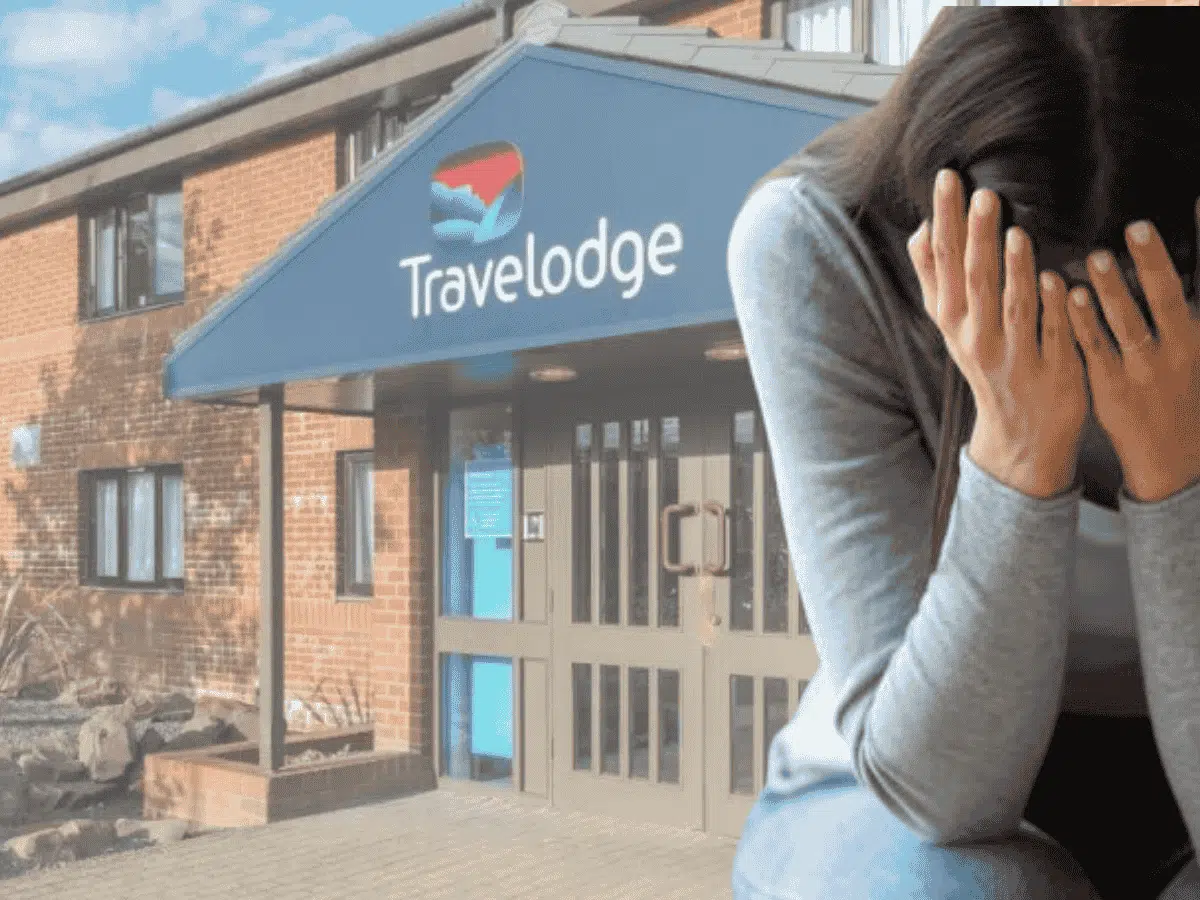
Travelodge has finally mandated ID checks for all replacement room keys this week. The policy change comes after widespread outrage over over the sexual assault of a solo female guest. As the Canary reported previously:
a woman was sexually assaulted after making a solo booking at the hotel – only for staff to give her attacker a key to her room. The perpetrator of the sexual assault, Kyran Smith, told staff he was her boyfriend and needed another key card. Despite not being present on the booking, the hotel gave him that key which enabled his abuse.
The budget hotel chain only implemented the security overhaul after a survivor and 100 MPs shamed the brand for its safeguarding failures.
A woman was sexually assaulted in a Travelodge. Staff gave her attacker the key to her room after he pretended to be her boyfriend. She was offered £30 in compensation. Appalling.
Along with 100 Labour colleagues, I’ve written to Travelodge’s CEO & asked to meet. pic.twitter.com/1pxjVqZvn3
— Anneliese Midgley MP (@anneliese_midge) March 8, 2026
Travelodge put profit before basic safety
Smith is now serving 7.5 years in prison, but is that really the end of the story? No, not when the hotel’s role in this assault remains a point of national outrage:
‘How can you be sure if you are a woman and you’re going to stay at one of their hotels that you will be safe?’
Labour MP Jen Craft told #BBCBrealfast more than 100 MPs have demanded a meeting with the boss of Travelodge after a woman was sexually assaulted in her hotel bed by a… pic.twitter.com/MZqztwW5dd
— BBC Breakfast (@BBCBreakfast) March 9, 2026
The company’s new policy finally requires staff to verify the identity of anyone asking for a room key. This is either going to be through the booking reference, or through direct contact with the person within the room. Travelodge have also claimed to have “intensified” staff training on safeguarding processes across their UK hotels. But we need to ask why it took a life-changing trauma and a fucking PR nightmare for a huge corporation to implement the most basic level of security? Guest safety should be a fundamental right, not a reactive damage-control measure.
The measly cost of human trauma
Travelodge’s initial response to this fuck up was a measly £30 voucher offered to the survivor. Literally just a refund on the cost of staying the evening. That’s it. They treated a brutal sexual assault like a minor customer service complaint, or a shitty cold breakfast. The company since admitted this offer was “inappropriate” and guest safety is now their “priority”.
How the hell was it not before? If safety were a priority, they would never have facilitated the invasion of what should have been a private room.
Over 100 MPs co-signed a letter to the CEO demanding immediate accountability. Anneliese Midgley said the chain played an “intrinsic role” in the abuse. The survivor herself has been the driving force for these changes stating:
I don’t want this to happen to anyone else. It’s not just about me, it’s about making sure hotels are safe for everyone.
Corporate greed consistently prioritises the ease of check-in over human life. A shitty £30 voucher shows exactly how the corporation quantifies the trauma of women. It reflects a disgusting culture where corporate liability and profit margins matter more than people. They only move when the political and public pressure becomes a threat to their profit margins.
Industry standards are no excuse for rape
Travelodge initially tried to hide behind the claim this it followed ‘industry standard security procedures’. This suggests the entire budget hotel industry is currently failing to protect women. All of them. We cannot allow “standard procedure” to be used as an excuse for corporate negligence. Travelodge’s chief executive Jo Boyden stated on:
We have done an internal review of our room access security policies and have made some immediate changes to ensure that an additional or replacement room key is only issued with explicit permission from the person, or people, staying in the room.
This has been rolled out to all of our hotels, supported by training for our 12,000 customer-facing colleagues.
The CEO went on to say that safety of guests was the most important thing and that the company has commissioned an independent review of its room security measures. The Independent Anti-Slavery Commissioner Eleanor Lyons called this case a “stark reminder” that criminals exploit “weaknesses in hotel security”.
‘They offered me a complimentary breakfast, it was nothing in comparison to the trauma and fear’
As MPs meet Travelodge over concerns about security, Emma Jackson told #BBCBreakfast about a recent ‘frightening’ experience a stranger used a key card to enter her hotel room, as… pic.twitter.com/Eg3VPWdpMe
— BBC Breakfast (@BBCBreakfast) March 14, 2026
As the Canary reported, sexual offenses increased 511% in the last 20 years. In 2024 alone 71,227 rapes were recorded by police and yet only 2.7% of them resulted in charge. Politicians are right to demand total transparency from the board regarding these new training modules. We need to see a complete overhaul of how hotel security functions. Now.
Women should not have to live in fear for their lives in a room they have paid for. The fact a man can simply lay claim to a woman’s personal space is sickening.
Will Travelodge actually change it’s internal culture, or is this more corporate window dressing? We will not feel safe until we see these policies enforced by law across the entire sector.
Featured image via Travelodge.com
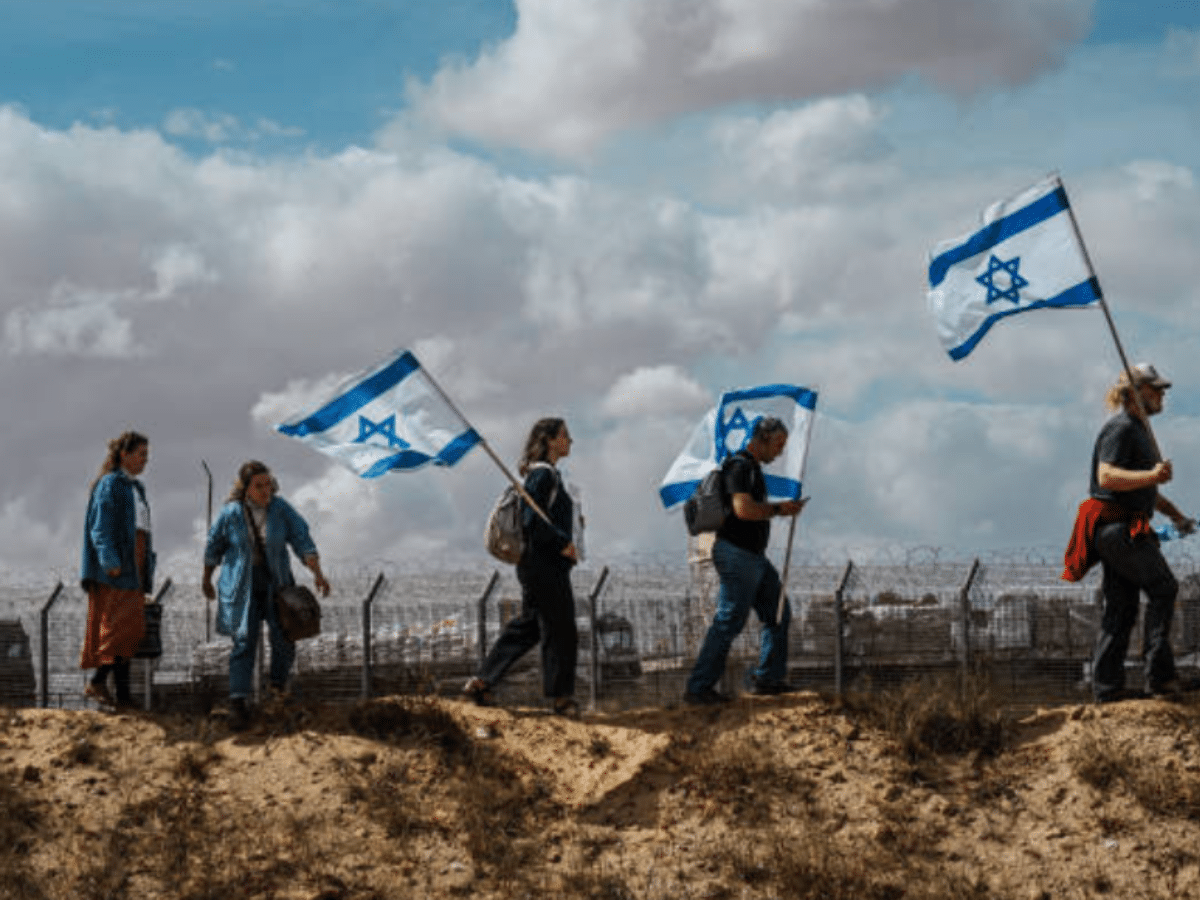
Israeli terrorists euphemistically known as ‘settlers’ invaded and terrorised a West Bank village on Sunday 15 March 2026. The ethno-supremacist land thieves attacked Khirbet Humsa, rounded up families and then beat and sexually assaulted children and women in front of their bound families and neighbours. A father was also “severely” sexually assaulted and beaten in front of his family.
Once they were done, the settlers pretended to pour petrol over their victims, terrifying them that they would suffer the same fate as a horrifically-burned Palestinian youth in Ramallah a day earlier.
During the hour-long attack, the ‘settlers’ stripped and beat children, particularly girls, in front of their children and threatened to kill them and rape the families’ women. The invaders also assaulted two women, one Portuguese and one from the US, who were in the village as human rights activists. The father who was sexually attacked was bound, stripped and beaten before the terrorists attacked his genitals with clubs.
As the Canary’s Charlie Jaay reported from the West Bank:
The settlers also blindfolded activists, beat up one Palestinian man with rocks, and sexually assaulted another person. Activists were asked if they wanted their fingers cut and their rings were stolen as well as their passports, phones and money.
After the attack, because the Israeli Occupation Forces (IOF) blocked their access to the property, it took three hours for the first ambulance to arrive for the injured.
Israeli atrocities
The UK’s ‘mainstream’ media have completely ignored the attack – but Israeli paper Haaretz published details. One young woman told the paper:
I woke up to the settlers’ shouts. They slapped me and dragged us outside, bound us, tore off my head covering, and ripped some of my clothes. They pulled the girls out and beat them, even the little ones. They mocked us and celebrated our humiliation.
A 74-year-old victim said:
Three of them beat me hard on the head, hands and stomach. The other smashed the security cameras, the router and the lights. I started to lose consciousness.
They poured water on me, and during this time one settler stole the watch from my hand. I was sure they were going to rape me
Another, unable to walk unaided after the attack and still bearing marks from bindings, was slashed with a knife:
They came to my home, and I tried to escape, but they caught me. They cut me with a knife above the wrist and bound my hands and feet with a zip tie. They poured cold water on us and threw us to the ground while we were bound, then piled us on top of each other inside the structure, men, women and children.
The US human rights activist said:
I woke up… to my friend screaming at us to get up before immediately being swarmed and trapped in the tent by about six masked Israeli settlers armed with heavy wooden sticks. They immediately beat the three of us to the ground, smashing our faces with their fists and clubs. They zip-tied our hands and feet and were yelling things like, ‘We are going to kill you!’
Others ransacked our bags, stealing our wallets and passports. One asked me for my phone, and every time I said I didn’t know where it was – because the whole tent was a mess and I couldn’t move – he hit me in the face.
Sexual assault
She also confirmed the sexual assault on the male victim, who asked the paper not to share full details of what the terrorists had done to him:
They pulled down the Palestinian man’s pants, poured water all over him and brutally beat him into the dirt. All he could do was curl into a fetal position and scream when they beat him with their clubs. It was one of the worst things I’ve ever seen.
They kept hitting and kicking all of us, but the Palestinians were receiving the most brutal blows. I lay there shaking, with my hands over my face to protect my face. [One elderly victim] was curled up in the fetal position, zip-tied, with a bleeding gash on his swollen cheek. He looked unconscious. In a whisper you could hear the kids praying. It was one of the few things that pulled me through the horror.
They screamed at us to remove our rings, saying, ‘I will break your fingers if you don’t take them off faster,’ and they kept hitting my face while I struggled to remove mine with my hands zip-tied. Every so often they asked our names and where we were from.
At first I thought [the water they poured over us] was gasoline, and the thought of being burned alive in the tent with the Palestinian family flooded my mind. Someone ripped my jacket open with a knife, aggressively cutting from my left armpit to my hip. One settler started messing with my belt, and I screamed because I thought they were going to rape me.
One of the ‘settlers’ did not even bother to mask his face. One Palestinian victim said:
He spoke in Arabic [in front of everyone including the children] and threatened that we should leave. Otherwise they would return, burn the houses, kill the children, and rape the women.
At least six people were hospitalised by the attack. After the attackers left with the village’s livestock, Israeli soldiers arrived and prevented the village’s men pursuing them:
When the army arrived, they detained us. That gave the settlers time to get away with the herd. About an hour and a half later an ambulance arrived. The army detained us so the healthy men couldn’t pursue the settlers.
Routine violence
‘Settlers’ have murdered eleven Palestinians in the West Bank since Israel began its illegal war on Iran. In 2025, the racist mobs murdered 240 people in the West Bank, including 55 children. Sexual violence by Israeli settlers and military against their Palestinian victims is common. Thousands held without charge in Israeli torture camps face daily beatings and sexual torture.
The Israeli regime is currently ignoring well over 2,000 extradition requests for alleged and convicted paedophiles. In April 2025 Shoshana Strook, the daughter of Israel’s far-right settlements minister fled to police and asked them to protect her, accusing both her parents and one of her brothers of raping her as a child, over a period of years, and filming the rapes.
Strook was found dead at her home on Sunday 15 March, a couple of days after appointing a lawyer to pursue justice. The authorities claim she died by suicide, but Strook had posted shortly before her death that:
If they tell you I committed suicide, don’t believe it. If they tell you I was involved in an accident, don’t believe it.
Israeli psychotherapist and trauma expert Dr Anat Gur, head of the Bar-Ilan University trauma therapy program, has said that she believes organised child rape in Israel is widespread:
Organized child rape is one of the most horrific things I’ve encountered. It’s likely much more widespread than we think. It’s happening in places we least expect.
Featured image via the Canary
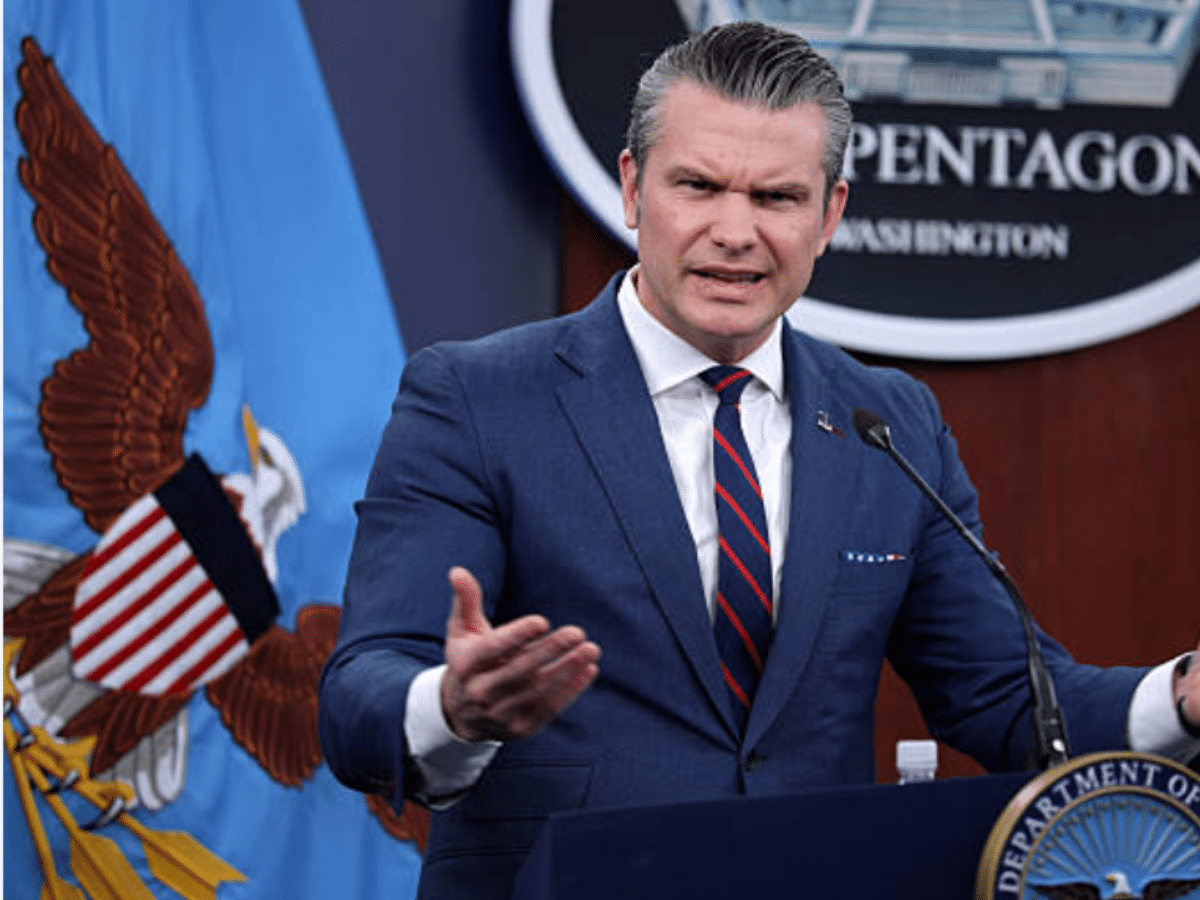
US ‘secretary of war’ Pete Hegseth has self-owned – and self-humiliated – in an abject, whining rant at the US press corps.
Hegseth’s frustration has clearly been growing at the failure of the US to subdue the Iranian government or prevent its heavy retaliation on US bases and Israeli military and intelligence installations. So he lashed out at the media, claiming that criticising him and his boss is the same as insulting US military service people.
The man often called ‘Kegseth’ for his alleged public inebriation, a torture fan who bears a white supremacist tattoo, did spend time in the US military before becoming a TV presenter and then ‘war’ dude. However, it’s very doubtful that he knows anything about flying a jet for 36 hours, beyond hoping to use it to beat reporters with.
If he wasn’t sending soldiers, sailors and air personnel to mass murder schoolgirls, risk death themselves and put the whole world in danger on behalf of the Epstein cartel, his performance would be funny:
But his boss is targeting journalists too. Trump has suggested that media reports of US failure and Iranian resistance are treason and should be punishable by death. Meanwhile the CIA is reportedly preparing a criminal case against right-wing commentator Tucker Carlson for daring to speak to Iranians before Trump’s “Operation Epstein Distraction“.
Featured image via the Canary

The UK government is rolling out an AI-empowered predictive policing system to predict the “likelihood” of criminal offences among adolescents. Open Rights Group is warning of the risks and limitations of using AI to determine the “most likely offenders.”
In conversation with the Canary, Mariano delli Santi of Open Rights Group explained that these systems are likely to single out children in care and alert authorities to targeted interventions. This means so-called predictive data models will be used to target vulnerable children.
AI is racist because it mimics society
Delli Santi said:
They say they want to help, that they will use this system to target children who are at risk of criminality, with support and therefore to prevent them from becoming criminals. However the way artificial intelligence and predictive policing works, tells us that this may not be everything in this story.
These systems will inevitably reflect society’s prejudices and stereotypes, making them inherently racist and classist, revealing problematic outcomes of predictive policing in practice.
The system, delli Santi explains, risks reproducing:
bias and stereotypes at scale. Black people, migrant people, poor people, people from geographic areas which have been historically over policed are more likely to be identified as at risk of committing a crime.
AI, as we’ve all come to discover, is massively racist. As the Canary has previously reported, 4/5 of people misidentified by facial recognition are Black.
Harvesting NHS data
Beyond bias, the unethical sourcing of data is another concern delli Santi identifies. The government wants to pull data from the NHS, police, Department for Work and Pensions (DWP), and the Department for Education. So anything you tell your doctor could be used to box children into the ‘future criminal’ category. Consequently, AI-driven predictive policing may use NHS records for risk calculation.
Commenting on this Delli Santi tells the Canary:
When you go to your doctor, you expect to be able to tell them what you need to tell them, in order to receive medical treatment and you trust them to not use this data in a way that you will not expect.
If however the government starts to grab data from your general practitioner from your schools…in order to predict whether your child is going to commit a crime or not, this relationship of trust is going to be broken. People will go to their doctor and will have less trust and will think more carefully about what they’re going to disclose and reveal to them or not.
His warning is clear:
Predictive policing is a dangerous thing that has no place in a democratic society.
The government are hellbent on pushing through this policy which will criminalise your kids. However, Open Rights Group is campaigning to introduce a ban on predictive policing. You can join the campaign here.
Featured image via the Canary
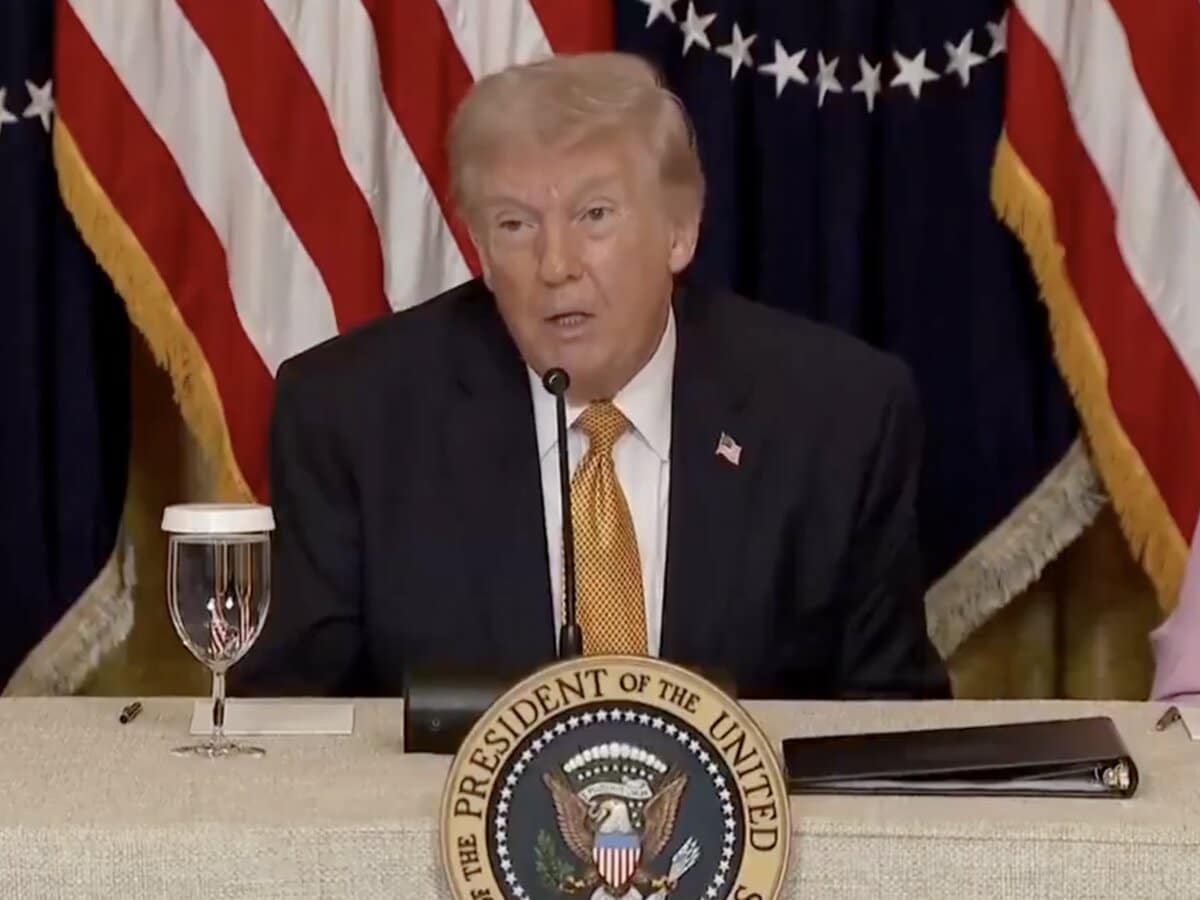
Donald Trump has claimed it’s a “little unfair” that a predominantly brown, Muslim country has decided to actually fight back against US colonialism.
The US and Israel started the war in Iran with illegal and unprovoked attacks. Yet now, it seems that shit got a little too real for him.
I AM LOST FOR WORDS…
“It’s Little Unfair” of Iran to Fight Back.
-Donald Trump pic.twitter.com/S3dm4fvw9M— Earth Hippy 🌎🕊️💚 (@hippyygoat) March 16, 2026
You had no right to bomb and murder nearly 200 little girls in the name of freeing Iranian women. I guess if they don’t reach adulthood, they can’t be “oppressed by the regime”.
“They have no right to be doing what they’re doing” is a crazy statement when you attack someone. https://t.co/ApHFP5jObI
— Gissur Simonarson (@GissiSim) March 17, 2026
Who’s going to bomb the US to free all the women that Trump’s regime is subjugating?
Bro got too used to attacking children and unarmed populations in open air prisons. Cant cope when someone can fight back https://t.co/eP03qQMI20
— Bajii (@bajiipliss) March 17, 2026
This is the type of video you watch four times just to make sure you’re not losing your mind.
The reality is, the president of the most powerful country in the world does not give a shit about Black and Brown people.
I guess Trump and his paedo friends are not used to people fighting back.
Trump: old habits die hard
And in a rare moment of lucidity, Trump admitted he went to war with Iran “out of habit”.
He added that Israel is a great ally, which, of course, is another reason the US should start an illegal war. Israel says jump and Trump asks how high.
Unreal. Trump says he went to war with Iran “out of habit,” adding “which is not a good thing to do.”
Rare moment of lucidity, I guess 😏pic.twitter.com/sniR2htmpJ
— Arnaud Bertrand (@RnaudBertrand) March 17, 2026
Imagine bombing school children out of habit? Does he have the same excuse for hanging out with Epstein for all those years?
Trump also talked about “violent and vicious people” who have “destroyed the country. At least bro is self-aware.
“violent and vicious,” “horrible people” who have “destroyed the country.”
Every accusation is a confession. https://t.co/8SQkwiJm7d
— David Marsden (@DvdMrsdn) March 17, 2026
This is the same guy who tried to insult Governor Gavin Newsom’s intelligence, whilst accidentally calling him the “President of the United States”.
US colonialism
Countries, including occupied territories (ahem, Gaza, the Golan Heights, Southern Lebanon), have the right to self-defence under international law.
Article 51 of the United Nations Charter establishes the right to self-defence as a “fundamental exception to the prohibition on the use of force between states”. Specifically, armed attacks justify recourse to self-defence.
The US has the strongest military in the world and Israel is the only state (albeit illegal) in the Middle East with nuclear weapons. Iran has neither of these, which is why the way it fights back may not make sense through conventional frameworks.
As Dr Narges Bajoghli wrote on Instagram:
Iran is targeting Gulf security architecture. For decades, the U.S. built a regional order where Gulf states host American bases, buy American weapons, and maintain stability that keeps oil flowing on U.S. terms.
Iran’s strategy dismantles that.Strike the infrastructure. Make the bases vulnerable. Force Gulf states to question whether American security guarantees are worth the risk of being Iranian targets. Fracture the regional consensus that enabled U.S. dominance.
She added:
So they’re turning that weapon back on the global economy. Threaten shipping lanes. Target refineries in allied states.
Make oil prices spike. Create economic pain that translates to political pressure on governments waging war.
Iran is hitting the US, Israel, and countries in which the US has military bases or infrastructure, where it hurts, and Trump underestimated their willingness to do so.
Maybe if more countries fought back against the US and Israel, the world would be less fucked up.
Featured image via X/AF Post
Truth about Handcuffed stars Charlie and Rob’s relationship after filming

Iranian opposition leader maintains inside contacts for ‘stable transition’

OpenSea Delays Token Launch Again, Citing Market Conditions


-
 Tech7 days ago
A 1,300-Pound NASA Spacecraft To Re-Enter Earth’s Atmosphere
-
 Crypto World4 days ago
HYPE Token Enters Net Deflation as HyperCore Buybacks Outpace Staking Rewards
-

 Fashion4 days ago
Weekend Open Thread: Addict Lip Glow
-

 Tech2 days ago
Your Legally Registered ‘Motorcycle’ Might Not Count Under Proposed US Law
-
Sports3 days ago
Why Duke and Michigan Are Dead Even Entering Selection Sunday
-

 NewsBeat6 days ago
Residents reaction as Shildon murder probe enters second day
-

 Business2 days ago
Search for Savannah Guthrie’s Mother Enters Seventh Week with No Arrests
-

 Business7 days ago
Search Enters Sixth Week With New Leads in Tucson Abduction Case
-

 Sports6 days ago
PWHL, Senators discussing plan to keep Charge in Ottawa
-

 Business3 days ago
US Airports Launch Donation Drives for Unpaid TSA Workers as Partial Government Shutdown Enters Fifth Week
-
 Tech5 hours ago
Are Split Spacebars the Next Big Gaming Keyboard Trend?
-
Crypto World3 days ago
Coinbase and Bybit in Investment Talks: Could Bybit Finally Enter the US Crypto Market?
-

 NewsBeat6 days ago
I Entered The Manosphere. Nothing Could Prepare Me For What I Found.
-

 Business3 days ago
Country star Brantley Gilbert enters growing non-alcoholic beer market
-

 Business1 day ago
Australian shares drop as Iran war enters third week
-

 Tech7 days ago
Clarity as strategy
-

 Sports4 days ago
College Basketball Best Bets: Conference Tournament Semifinal Picks
-

 Crypto World1 day ago
Crypto Lender BlockFills Enters Chapter 11 with Up to $500M in Liabilities
-

 Politics7 days ago
Trump Says Middle East Is ‘Very Lucky’ That He’s President
-
 Crypto World6 days ago
Three Binance Charts May Be Hinting at Bitcoin’s Next Move


You must be logged in to post a comment Login