Israel claimed Wednesday to have killed Iranian Intelligence Minister Esmail Khatib in an overnight airstrike on Tehran, marking a potential major escalation in the ongoing conflict between the two nations and dealing what could be a severe blow to Iran’s security apparatus, according to Israeli officials and media reports.
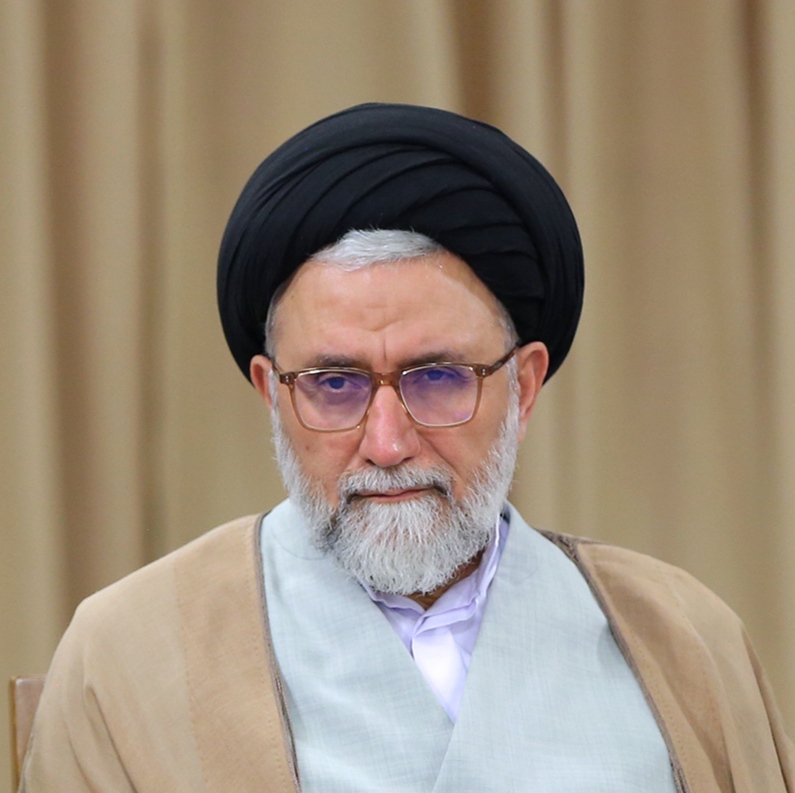
Esmail Khatib
The announcement came amid a flurry of high-profile assassinations attributed to Israel, including the recent killing of Iran’s top security official, Ali Larijani, and the commander of the Basij paramilitary unit, Gholamreza Soleimani. Iranian authorities have not confirmed Khatib’s death, leaving the claim unverified as of Wednesday afternoon. If true, Khatib’s elimination would represent the highest-ranking Iranian government figure targeted since the war intensified in early 2026.
Israeli Defense Minister Israel Katz confirmed the operation in a statement, vowing that Israel would continue to pursue and eliminate members of Iran’s leadership. “We will not stop until the threats against our people are neutralized,” Katz said during a briefing in Tel Aviv. He described Khatib as a key architect of Iran’s intelligence operations against Israel, including alleged espionage and cyber activities.
Israeli Channel 12 reported that Tel Aviv was still assessing the strike’s results, with intelligence sources indicating a high probability of success but awaiting final confirmation. Similarly, Channel 15 suggested Khatib was believed to have been killed, citing anonymous military assessments. The airstrike targeted a secure facility in Tehran where Khatib was reportedly meeting with senior officials, according to an Israeli official speaking on condition of anonymity because they were not authorized to discuss operational details publicly.
Iran’s state media remained silent on the claim as of Wednesday evening Tehran time, though social media and opposition outlets buzzed with unconfirmed reports. Iran International, a London-based Persian-language broadcaster often critical of the regime, reported that Khatib was indeed the target, with no immediate word on his fate. Social media posts from users in Iran and the diaspora speculated on the implications, with some claiming additional casualties, including family members of Supreme Leader Ayatollah Ali Khamenei.
Advertisement
The strike follows Israel’s acknowledged killing of Larijani on Tuesday, which prompted vows of revenge from Tehran. Iran’s Supreme National Security Council described Larijani’s death as a “cowardly act” and promised a “proportional response.” Larijani, a former speaker of Iran’s parliament and a close ally of Khamenei, was targeted in a separate airstrike, according to Israeli military posts on social media. Soleimani, unrelated to the late Quds Force commander Qassem Soleimani killed in a 2020 U.S. drone strike, was also claimed eliminated by Israel in recent days.
This series of targeted killings underscores the deepening rift between Israel and Iran, fueled by years of shadow warfare involving proxies, cyberattacks and assassinations. The current escalation traces back to October 2023, when Hamas’ attack on Israel sparked a broader regional conflict, but tensions have boiled over in 2026 with direct confrontations. Israel has accused Iran of orchestrating attacks through groups like Hezbollah in Lebanon and the Houthis in Yemen, while Iran blames Israel for sabotage operations inside its borders, including strikes on nuclear facilities and scientists.
Khatib, appointed Iran’s intelligence minister in 2021, has been a vocal critic of Israel. In June 2025, he claimed without evidence that Iran had seized a “treasure trove” of Israeli nuclear secrets, including documents that could enable strikes on hidden facilities. He warned that any Israeli attack on Iran’s nuclear sites would trigger an immediate response. In November 2025, Khatib boasted of an “epidemic” of Iranian infiltration into Israeli ranks, citing arrests of Israeli officers accused of spying for Tehran. These statements positioned him as a hardliner in Iran’s security establishment, making him a prime target for Israeli operations.
The U.S., Israel’s closest ally, has been drawn into the fray. President Donald Trump’s administration, re-elected in 2024, has ramped up support for Israel, including joint intelligence sharing that reportedly facilitated recent strikes. A key U.S. counterterrorism official, Joe Kent, resigned in protest over the escalating war, citing concerns about civilian casualties and regional stability. The Biden-era policies of restraint have given way to more aggressive postures, with U.S. forces conducting strikes on Iranian-backed militias in Iraq and Syria.
Advertisement
International reactions poured in Wednesday. The United Nations Security Council scheduled an emergency meeting for Thursday to discuss the strikes, with Russia and China expected to condemn Israel. European Union foreign policy chief Josep Borrell urged de-escalation, warning that further assassinations could lead to a full-scale war. In the Arab world, responses were mixed: Saudi Arabia and the UAE, which have normalized ties with Israel, remained muted, while Qatar and Turkey expressed solidarity with Iran.
Inside Iran, the potential loss of Khatib could destabilize the regime. As head of the Ministry of Intelligence and Security (MOIS), he oversaw domestic surveillance and counter-espionage efforts amid growing protests over economic hardships and political repression. His death might embolden dissidents, including those in the Iranian diaspora, who have long called for regime change. In Germany, home to a large Iranian community, activists expressed a mix of hope for weakening the regime and fear of broader conflict.
Israel’s strategy of decapitating Iranian leadership echoes past operations, such as the 2020 killing of nuclear scientist Mohsen Fakhrizadeh, attributed to Mossad. Analysts say these tactics aim to disrupt Iran’s nuclear ambitions and proxy networks without committing to ground invasions. However, they risk provoking massive retaliation; Iran has already launched missile barrages at Israeli cities, causing casualties and infrastructure damage.
Economic fallout from the conflict has rippled globally. Oil prices surged 5% Wednesday on fears of disrupted supplies from the Strait of Hormuz, with Brent crude topping $85 per barrel. U.S. gasoline and diesel prices, already elevated due to Middle East tensions, could rise further, exacerbating inflation concerns.
Advertisement
Humanitarian impacts mount as well. In Lebanon and Syria, Israeli strikes have displaced thousands, while Iranian-backed groups continue rocket attacks on northern Israel. The International Committee of the Red Cross reported over 1,000 civilian deaths in the past month alone.
As night fell Wednesday, Israeli forces remained on high alert for Iranian reprisals. Prime Minister Benjamin Netanyahu, in a televised address, defended the strikes as necessary for national security. “We will defend our people by any means,” he said.
With no immediate confirmation from Tehran, the world watches for Iran’s next move. If Khatib’s death is verified, it could shift the balance in this protracted shadow war, potentially drawing in more international actors and pushing the region closer to all-out confrontation.
The new scheme for housing association Hafod will provide more than 100 new social homes
Hafod scheme.
The former Lansdowne Hospital in Cardiff has been redeveloped to provide more than 100 new social homes.
The £30m scheme on Sanatorium Road in Canton has been delivered by Lovell on behalf of housing association Hafod in partnership with Cardiff City Council and the Welsh Government. It has been designed by Dennis Hellyar Architect with a mixture of 106 family homes and apartments. The scheme, which as formally been handed over to Hafod, includes bespoke accommodation for adults with a range of additional support needs.
It is set around an open green space and a communal sensory garden.
Dennis Hellayer and his team took on the challenge back in 2018, adopting the guiding principles of the Royal Institute of British Architects’ 10 Characteristics of Places where People want to Live and the Placemaking Wales Charter.
Mr Hellayer said: “Our philosophy is that we never deal simply in numbers and units, but to take a broader view and extract the most from any development in terms of design and place-making.
“We want Sanatorium Road to be a neighbourhood that stands the test of time and where people will be proud to live in generations to come.
“The 10 Characteristics principles ran through every choice we made, from the orientation of the buildings to the way we managed rainwater, and seeing families move in and children playing in those spaces makes it all worthwhile.
Advertisement
“We have thought hard about how we can instil a long-lasting character using variation in high-quality bricks, as well as detail in metal balconies, window surrounds, cladding and other features. There are many things you can do which add up to make a difference.”
Ali Salter, director of development at Hafod, said “We are delighted that residents are now settling into their homes on the former Lansdowne Hospital site.
“At Hafod, we believe that a good home and strong community are crucial for wellbeing. By adopting a placemaking approach across our development programme, we ensure that the homes we deliver are not only high‑quality but also contribute to vibrant, well‑connected communities.
“These homes are designed to integrate with the surrounding area and provide great access to local amenities, including employment opportunities and schools.
Advertisement
“The design that Dennis and his team have delivered demonstrates real attention to detail and shows how affordable homes can be high‑quality, attractive, and low‑carbon.”
Anthony Vagges, regional managing director at Lovell, said: “We are very proud to have completed the final homes on this high-quality new development in Canton. Since commencing work on the brownfield site in late 2023 we’ve put a lot of care into building these new homes, utilising our decades of experience to help create a sustainable, thriving community with placemaking at its core.
“This development is a great example of how collaborative partnership working can benefit communities, providing high-quality homes that residents can be proud to live in.”
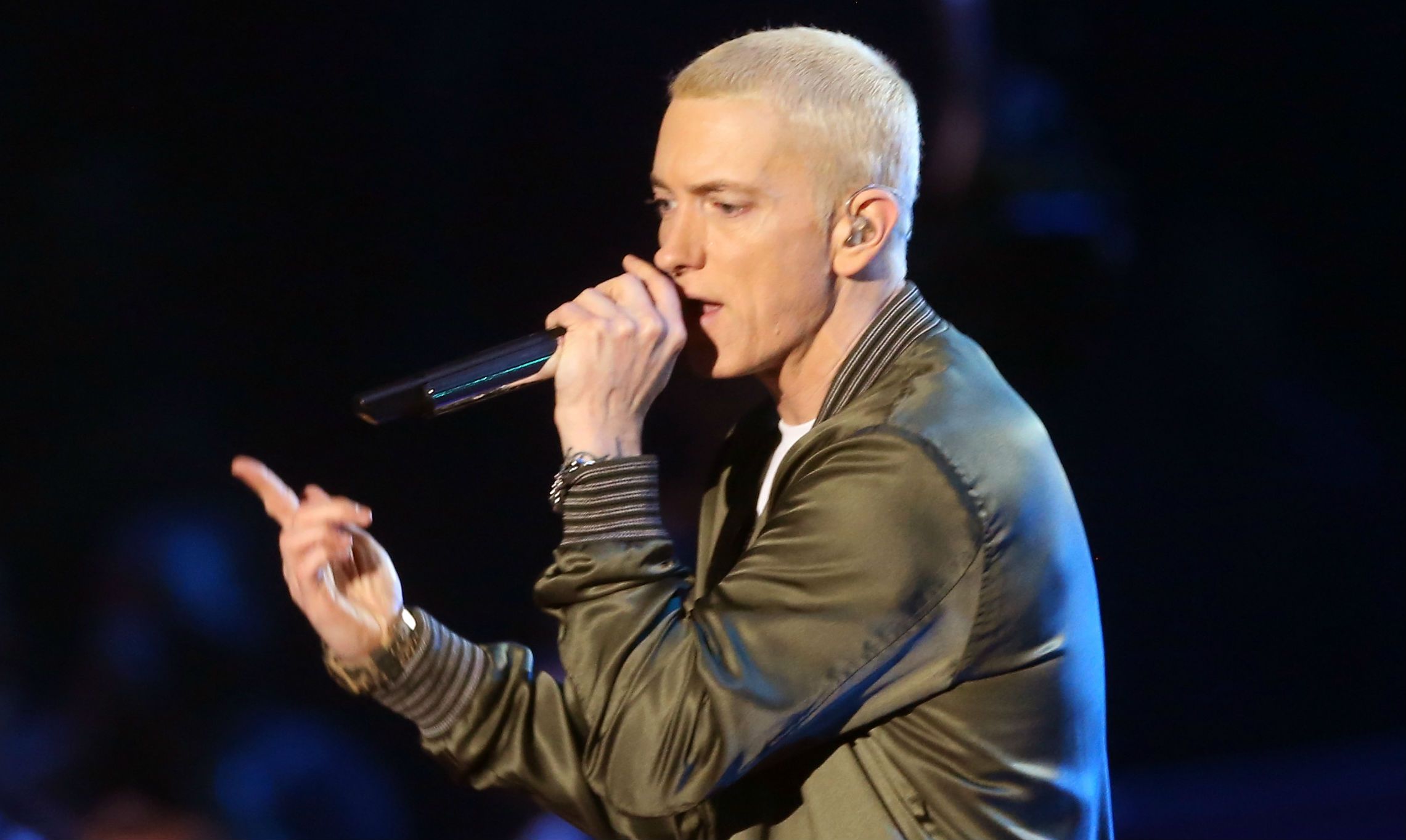
Rap legend Eminem has yet to confirm any world tour dates for 2026, despite a flood of online rumors, fake announcements and fan-generated schedules circulating on social media and unofficial websites. As of mid-March 2026, the artist’s official website, Ticketmaster and Live Nation listings show no upcoming concerts or tour plans for Marshall Mathers, leaving fans eagerly awaiting word on whether the Detroit native will hit the road following his 2024 album “The Death of Slim Shady (Coup de Grâce).”
Multiple Facebook posts, Instagram reels and fan sites claimed in early March that Eminem announced a major 2026 world tour, often describing 30-40 dates across North America, Europe and Australia. Some posts suggested kickoffs at London’s O2 Arena or Detroit’s Ford Field, with stops in New York, Tokyo, Berlin, Paris and Sydney. Others labeled it a “farewell” or “one last ride” tour, even naming hypothetical starts like April 12, 2026, at Ford Field and endings in October at Marvel Stadium in Melbourne. Several included detailed — but unverified — venue lists featuring stadiums like Soldier Field in Chicago, MetLife Stadium in New Jersey and Gillette Stadium in Massachusetts.
Reliable sources contradict these claims. Ticketmaster’s Eminem page lists zero upcoming concerts, stating “No Upcoming Concerts” and directing users to check back. Live Nation’s artist page for Eminem similarly shows no 2026 tour schedule. The official eminem.com site, last updated in March 2026 with merchandise news like Stan dog tag pendants and a February release of “The Shady LPs,” contains no tour announcements, dates or ticket information. Major ticketing platforms and promoter sites remain silent on any confirmed shows.
The surge in rumors appears tied to fan excitement after Eminem’s recent activity. His 2024 album, featuring the hit single “Houdini,” marked a conceptual close to his Slim Shady persona and included high-profile collaborations. A November 2025 Thanksgiving halftime show performance and ongoing merchandise drops have kept momentum alive. Fans on Reddit and X speculate that anniversary milestones — such as reflections on past albums — could prompt a tour announcement, but no credible leaks from Shady Records or Eminem’s team support 2026 plans.
Tribute acts and unofficial events add to the confusion. Listings for “The Eminem Experience,” Michael Mathers tributes and Shady tribute shows appear on Ticketmaster and other platforms for 2026 dates in the U.K., Europe and Canada, including stops in Norwich, Hertford and Las Vegas. These performances mimic Eminem’s style but are not affiliated with the artist, leading some to mistake them for official concerts.
Advertisement
Eminem’s live history shows a selective approach. His last major tour was the 2019 *Rapture* run, with subsequent appearances limited to festivals, surprise sets and one-off events like Coachella. He has not embarked on a full world tour in recent years, preferring high-impact shows over extensive travel. This pattern fuels skepticism about large-scale 2026 plans, especially without official promotion or presale announcements.
Some viral posts suggest joint tours with Dr. Dre, Snoop Dogg and 50 Cent, calling it “Hip-Hop’s Ultimate Global Takeover.” Community notes on platforms like Instagram flag these as unconfirmed, with no statements from any involved artists. Such collaborations would represent a massive event, but lack substantiation from verified channels.
For fans hoping to see Eminem live, monitoring official sources remains key. The artist’s website, social media accounts and trusted ticketing partners like Ticketmaster offer the only reliable updates. Past patterns show Eminem often announces tours with little advance warning, sometimes tied to new releases or special occasions.
As speculation builds, the absence of concrete dates highlights the gap between fan enthusiasm and official confirmation. Eminem’s enduring catalog — from early battle-rap roots to chart-topping anthems — keeps demand high, but until an announcement arrives, 2026 concert plans stay in the realm of rumor. Stans worldwide continue refreshing feeds, hoping the next update brings long-awaited stage returns.
Advertisement
Should dates emerge, expect high demand for tickets, VIP packages and resale markets. For now, the word from Detroit is clear: no tour confirmed, but the conversation — and anticipation — rages on.
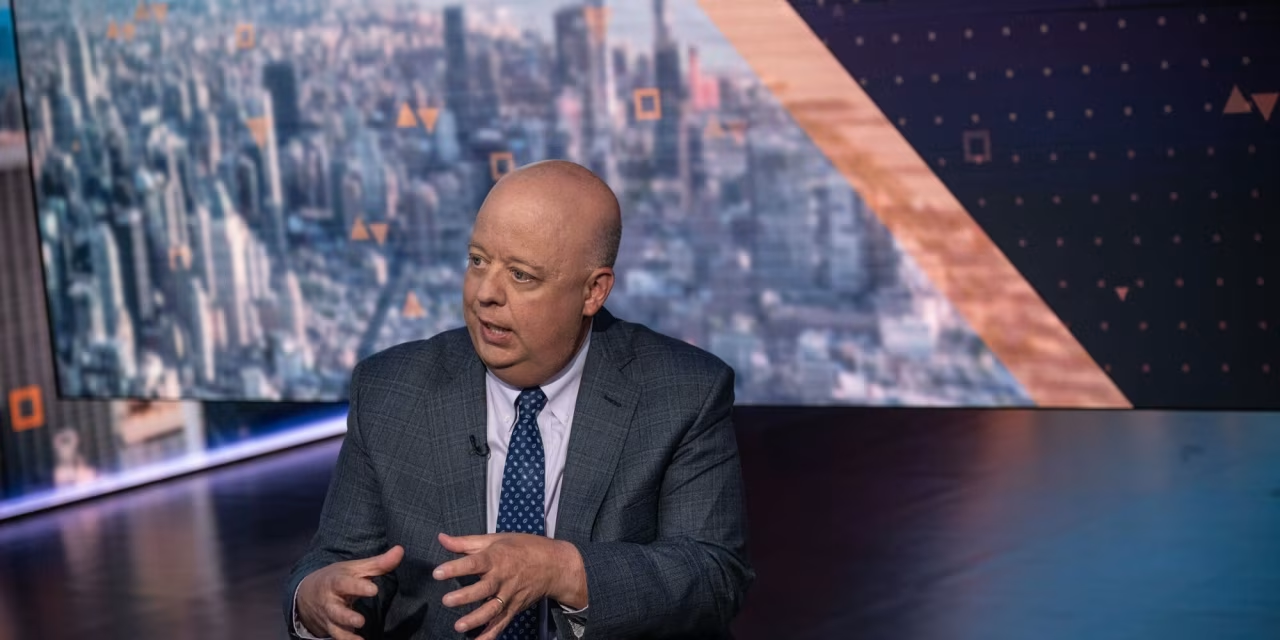
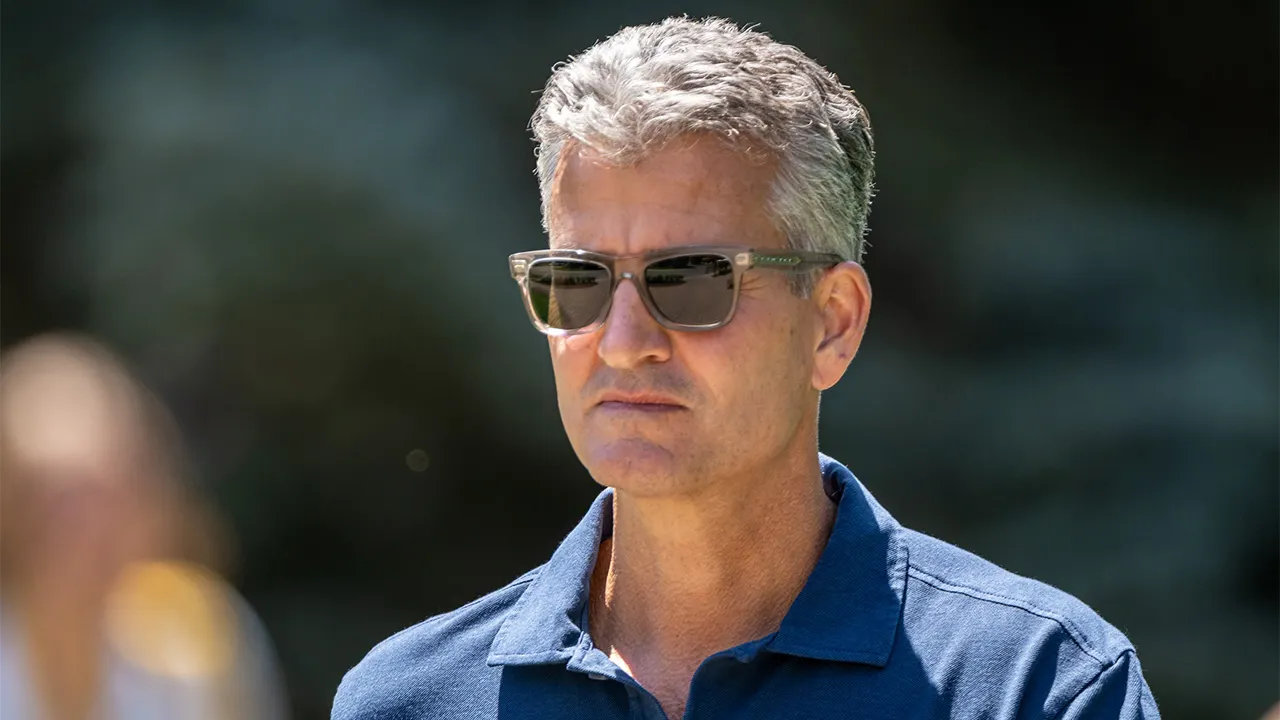
Mainstay Capital Management CEO and chief investment strategist David Kudla discusses the impact of the Middle East conflict on oil prices and investments on ‘The Claman Countdown.’
President Donald Trump has temporarily waived a century-old shipping law to allow oil and other resources to flow to the United States, a White House official told FOX Business on Wednesday.
Trump issued a 60-day waiver of the Jones Act, a mandate that only U.S. ships carry cargo between U.S. ports and stipulates that at least 75% of the crew members are American citizens. Additionally, it demands these ships are built in the U.S. and owned by U.S. citizens.
Advertisement
“President Trump’s decision to issue a 60-day Jones Act waiver is just another step to mitigate the short-term disruptions to the oil market as the U.S. military continues meeting the objectives of Operation Epic Fury,” White House press secretary Karoline Leavitt said in a statement on X. “This action will allow vital resources like oil, natural gas, fertilizer, and coal to flow freely to U.S. ports for sixty days, and the Administration remains committed to continuing to strengthen our critical supply chains.”
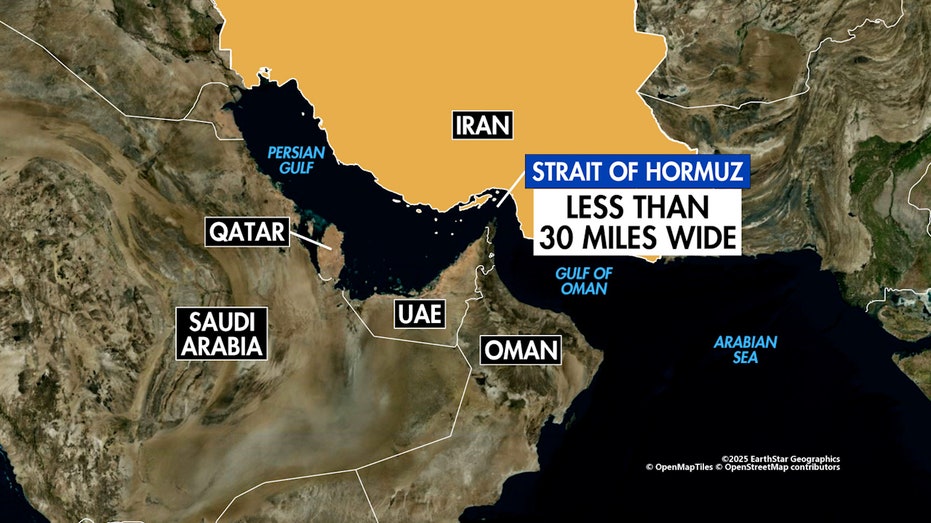
The war with Iran has effectively closed the Strait of Hormuz, a vital oil chokepoint that sees ships carry about a fifth of the world’s oil out of the Gulf region. Iran’s stranglehold and threats to ships in the narrow passageway has sent oil prices above $100 per barrel.
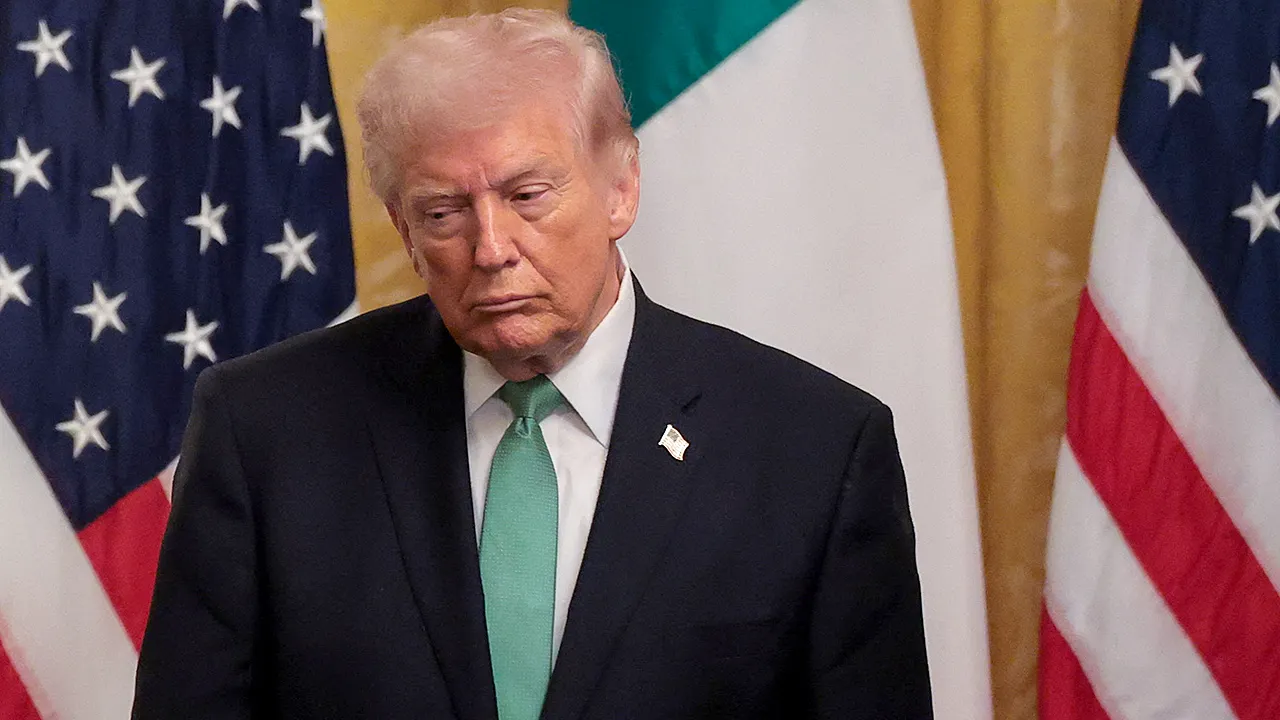
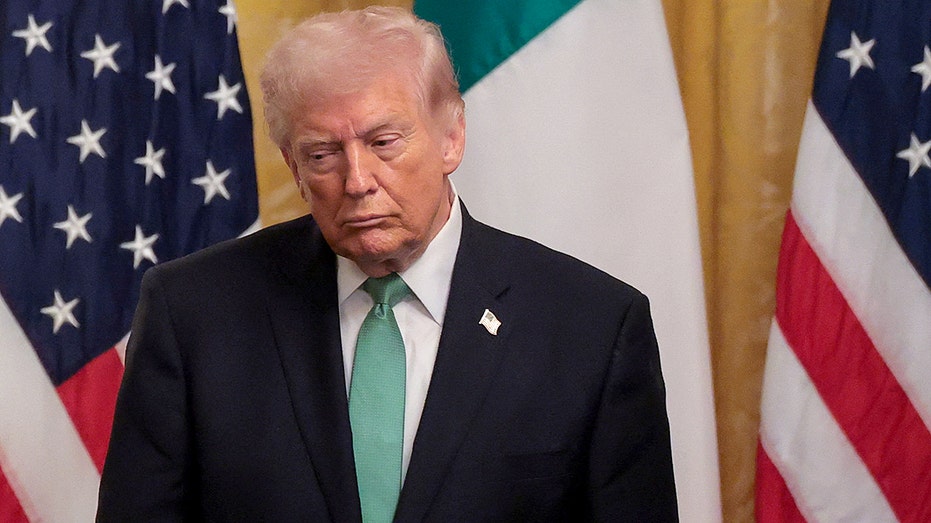
President Donald Trump attends a St. Patrick’s Day reception, during Irish Taoiseach (Prime Minister) Micheal Martin’s visit, in the East Room at the White House in Washington, D.C., March 17, 2026. (Reuters/Kylie Cooper / Reuters Photos)
Even with oil prices surging and appeals from Trump and Washington, U.S. allies are declining to take part in military efforts to secure the Strait of Hormuz.
Advertisement
Trump on Wednesday appeared to call out these allies in a post on his Truth Social platform.
About 20% of the world’s oil supply crosses the Strait of Hormuz off the coast of Iran. The Iranian Regime is threatening to attack any vessels that cross the strait without permission. (FOX / Fox News)
“I wonder what would happen if we ‘finished off’ what’s left of the Iranian Terror State, and let the Countries that use it, we don’t, be responsible for the so called ‘Straight?’ (sic) That would get some of our non-responsive ‘Allies’ in gear, and fast!!!” Trump wrote.
Proponents of the Jones Act claim it beefs up national security, prevents foreign countries from accessing the U.S. and protects the American shipbuilding sector.
Advertisement
Critics, however, argue that the 1920s law is outdated and hampers competitiveness in the industry while driving up shipbuilding costs.
Previous instances in which the Jones Act has been temporarily waived include responses to major hurricanes, such as Hurricane Katrina in 2005 and Hurricanes Harvey and Irma in 2017.
This is a developing news story; check back for updates.
Candle Media co-CEO Kevin Mayer breaks down the trade-offs of Netflix and Paramount’s competing bids for Warner Bros. Discovery on ‘The Claman Countdown.’
Josh D’Amaro officially assumed the role of Disney chief executive on Wednesday, taking charge of the company as it confronts a rapidly shifting entertainment landscape shaped by artificial intelligence, changing consumer behavior and pressure across its legacy media businesses.
His succession of Bob Iger follows a run leading Disney’s parks, experiences and products division – a segment that has become central to the company’s financial performance. The unit accounted for 57% of Disney’s $17.5 billion in profit last year, highlighting a growing reliance on theme parks and tourism as other areas face headwinds.
Advertisement
That dynamic is expected to shape investor expectations early in D’Amaro’s tenure. Market participants are looking for clarity on how Disney plans to adapt to advances in AI, which are poised to alter content production, distribution and monetization, while also intensifying competition from digital-first platforms.
Josh D’Amaro officially took over the CEO role on Wednesday. (David Paul Morris/Bloomberg via Getty Images)
At the same time, Disney continues to grapple with internal pressures. Its traditional television networks remain in decline, and some of its biggest film franchises have delivered lackluster results at the box office. The company is also competing more directly with platforms such as YouTube and TikTok for audience attention, forcing a broader rethink of its content strategy.
D’Amaro’s appointment also revives comparisons to former CEO Bob Chapek, another executive who rose through the parks division before a short-lived tenure that ended with Iger returning to the role in late 2022.
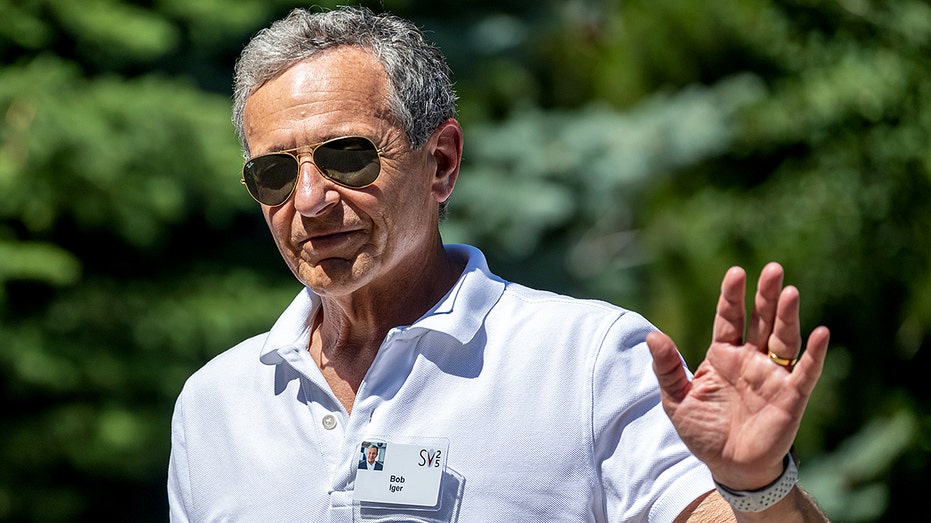
Iger will remain on Disney’s board through the end of the year. His return came during a turbulent period, when Disney shares had fallen sharply amid concerns about losses in its streaming business and broader questions about long-term strategy.
Former CEO Bob Iger will remain on Disney’s board through the end of 2026. (David Paul Morris/Bloomberg via Getty Images)
During his second stint as CEO, Iger restructured the company to give greater authority to creative leaders and worked to improve the economics of Disney’s streaming operations. His leadership was credited with helping Disney stay competitive in a rapidly evolving media landscape.
Operationally, Disney expanded its investment in its parks and cruise businesses with a $60 billion commitment, while also advancing its direct-to-consumer strategy through the launch of an ESPN streaming service and a partnership with OpenAI. The company also produced multiple billion-dollar box office releases during that period.
Advertisement
D’Amaro previously led Disney’s parks, experiences and products division. (Patrick T. Fallon/AFP via Getty Images)
Even so, Disney’s financial performance has trailed the broader market. The company’s return on invested capital during Iger’s tenure was about 11%, compared with 77% for the S&P 500, according to LSEG data. Its valuation remains below recent averages, reflecting continued investor caution.
D’Amaro now inherits that strategic framework at a time when those priorities are being tested by artificial intelligence and shifting consumer behavior. His ability to balance Disney’s high-margin parks business with the demands of a transforming media ecosystem is likely to define the company’s next phase of growth.
Rolls-Royce Motor Cars has abandoned its ambition to become a fully electric brand by 2030, marking a significant shift in strategy as the global transition to electric vehicles shows signs of slowing at the very top end of the automotive market.
The decision, confirmed by chief executive Chris Brownridge, reverses a high-profile commitment made in 2022 under his predecessor Torsten Müller-Ötvös, who had pledged that Rolls-Royce would cease production of its iconic V12 combustion engines by the end of the decade.
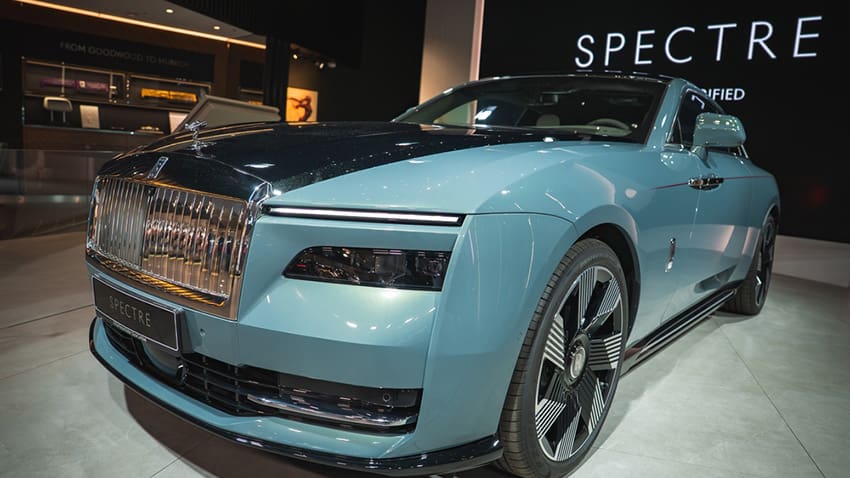
At the time, the company positioned its first electric model, the Spectre, as the beginning of a rapid transition, targeting 20 per cent of annual sales in the near term and as much as 70 per cent by 2028. The long-term ambition was clear: a complete shift away from internal combustion engines within eight years.
However, Brownridge has now acknowledged that the assumptions underpinning that strategy have changed materially. He pointed to a combination of softened customer appetite for fully electric luxury vehicles and a broader easing of regulatory pressure in key markets.
“For every client that loves an electric vehicle there is one who does not,” he said, underlining the continued demand among Rolls-Royce’s ultra-high-net-worth clientele for traditional powertrains. “Some clients do want an electric vehicle, we build what is ordered.”
Advertisement
The recalibration reflects a wider industry trend, particularly among premium and luxury manufacturers, where the pace of electrification is proving more uneven than previously anticipated. While mass-market brands continue to push towards electrification, high-end marques are increasingly adopting a more flexible, demand-led approach.
Brownridge was careful not to outline a revised electrification timeline, declining to specify new targets for zero-emission sales or confirm how many additional electric models Rolls-Royce plans to introduce. Nor did he disclose current sales performance for the Spectre, though its market reception has been closely watched as a bellwether for electric adoption in the luxury segment.
Instead, the emphasis appears to be shifting towards optionality rather than outright transition. The V12 engine, long synonymous with Rolls-Royce’s heritage and brand identity, will remain part of the company’s offering for the foreseeable future.
“The V12 is part of our history,” Brownridge said, suggesting that legacy and customer preference are now being given equal weight alongside environmental considerations.
Advertisement
The move comes amid a broader reassessment of electric vehicle strategies across the luxury automotive sector. Just a day earlier, Bentley confirmed that its own transition to an all-electric lineup would be delayed, with its first zero-emission model now expected at least two years later than originally planned.
Together, the announcements highlight a growing divergence between policy ambition and market reality. While governments continue to push for decarbonisation, including through bans on new petrol and diesel vehicles in the 2030s, manufacturers are increasingly signalling that consumer demand, particularly at the premium end, may not align neatly with those timelines.
Rolls-Royce’s original 2030 commitment was made at a time of strong political momentum behind electrification and rising optimism about battery technology, infrastructure rollout and customer adoption. Since then, a more complex picture has emerged, with concerns around charging infrastructure, range anxiety and the experiential differences between electric and combustion engines influencing buyer behaviour.
In the ultra-luxury segment, where emotional connection and heritage play a significant role in purchasing decisions, those factors appear to be even more pronounced.
Advertisement
Despite stepping back from a fixed deadline, Rolls-Royce is not abandoning electrification altogether. The Spectre remains a central part of its future portfolio, and the company is expected to continue investing in electric technology. However, the transition will now be paced according to customer demand rather than dictated by a hard deadline.
The shift underscores a broader reality facing the automotive industry: the road to electrification is unlikely to be linear. For Rolls-Royce, the strategy now appears to be one of balance, preserving its legacy while adapting to a changing, but still uncertain, future.
Paul Jones
Harvard alumni and former New York Times journalist. Editor of Business Matters for over 15 years, the UKs largest business magazine. I am also head of Capital Business Media’s automotive division working for clients such as Red Bull Racing, Honda, Aston Martin and Infiniti.

















































You must be logged in to post a comment Login