The change will cost higher-rate taxpayers approximately £124
People who work from home are set for a financial blow next month as a key tax break comes to an end. Chancellor Rachel Reeves confirmed in her autumn Budget that the government is scrapping the work-from-home tax relief in a move expected to hit hundreds of thousands of employees across the country.
Advertisement
Since the pandemic, many workers have relied on the ability to claim back costs for the extra expenses of running a home office – such as increased heating, electricity, and broadband bills. Currently, eligible staff can claim a flat rate of £6 per week without needing to provide receipts, or claim the exact amount of their increased costs.
However, from April 6, 2026, this allowance will be axed entirely for the vast majority of workers. Under current rules, you can only claim this relief if your employer requires you to work from home – for example, if they do not have an office space available for you.
Get MEN Premium now for just £1 HERE – or get involved in our WhatsApp group by clicking HERE. And don’t miss out on our brilliant selection of newsletters HERE.
Those who choose to work from home voluntarily or under a hybrid arrangement have already seen their eligibility tightened in recent years. According to government forecasts, roughly 300,000 people will be directly impacted by the removal of the relief.
Advertisement
For a basic-rate taxpayer, the loss equates to around £62 a year, while higher-rate taxpayers will see their tax bills rise by approximately £124. While the tax relief for individuals is ending, employers will still be permitted to pay their staff a tax-free allowance to cover home-working costs if they wish to do so. However, there is no legal requirement for businesses to provide this.
The Chancellor also revealed many other tax changes in her Budget in November. One change was that the freeze on income tax thresholds will be extended until the end of the 2030/31 financial year.
This phenomenon, known as “fiscal drag,” acts as a “stealth tax,” because wages rise with inflation, the frozen thresholds mean more of your income is pushed into higher tax brackets. The Office for Budget Responsibility (OBR) estimates this will result in:
780,000 more people paying the basic rate of income tax
920,000 more people being dragged into the 40% higher-rate bracket
The personal allowance – the amount you can earn before paying any tax – will remain stuck at £12,570.
Every vacuum on this list has been tested by our team of expert home product reviewers. They all try several models from different brands, using them at home for deep cleans and quick pick-ups. Each is scored according to the following metrics:
Design and build: We judge how durable each vacuum feels and whether it is lightweight and manoeuvrable. Components like the bin and accessories are also assessed for overall usability.
Performance and results: Our experts try each vacuum on different surfaces, including carpets, hard floors and tiles. They lay out debris including food crumbs, fine dirt and pet or human hair, to judge whether it successfully picks up everything in its path.
Ease of use: The controls should be intuitive to use and well placed, while ideal noise levels are low. Any digital displays or app compatibility are also assessed for usefulness. Finally, we consider the reach under surfaces and into awkward corners.
Storage: Our testers consider whether the vacuums can stand unsupported, if they fold away and come with a dedicated wall mount or emptying station.
Battery life for cordless vacuums: We look to see whether a full charge is enough to clean a whole house and whether the battery recharges quickly.
Power for corded vacuums: The power cable needs to be long enough to enable your cleaning, rather than impede it. And we consider the wattage and what it means for the overall suction.
We’ve tested over 60 vacuums, but only the 18 best feature below.
Visit our Who We Are page to learn more about the testing process.
Which vacuum cleaner is best for you depends on the size of your home and its flooring, plus what you generally clean. Here are the models which performed the best in our comprehensive at home testing, in each of the following categories: cordless, upright, cylinder, handheld, robot and best for pet hair.
Advertisement
Lightweight and manoeuvrable, a cordless vacuum cleaner is ideal for quick pick-ups. The battery life and suction power are often a little lacking in comparison with cylinder and upright vacuum cleaners, but it’s good enough to shift daily dirt, dust, dander and pet hair.
Cambridgeshire Police are continuing their search for a teenage boy also missing after a car entered the River Nene
The body of a teenage girl has been found as police continue to search for another teenager involved in a crash last night (Tuesday 17). Police have recovered the body of a girl, one of two teenagers missing after a crash near Wisbeach yesterday evening.Cambridgeshire Police has confirmed that a boody of a teenage girl has been found while emergency services searched the River Nene near Wisbech.
Advertisement
Emergency services have been at the scene on North Brink, in Wisbech St Mary’s, since around 8.20pm last night (March 17). Following reports of a car, containing five people, entering the water.
This afternoon specialist dive teams recovered the body. Searches continue for the male who is unaccounted for following the collision. Three people, two female and one male, are known to have got out of the vehicle and have been taken to Queen Elizabeth Hospital in King’s Lynn with non-life threatening injuries.
North Brink is likely to remain closed for the remainder of the day. Cambridgeshire Police are appealing for witnesses and dashcam footage.
Anyone with information should use reference incident 515 of March 17and report it through the force website.Anyone without internet access should call 101.
Popular TV cooking host James Martin has co-created a guinea fowl meal for dogs with pet food business Bella+Duke.
The chef is best known for his ITV show: James Martin’s Saturday Morning and developed a passion for cooking during his formative years growing up in Welburn.
James was surrounded by a family of farmers who worked on the Castle Howard estate and recalls helping his mum in their kitchen in North Yorkshire – igniting his interest in making great food.
Advertisement
Recommended reading:
After leaving home, James worked at the three Michelin Star restaurant Maison Troisgros in Roanne, France before making the leap to TV in 1996.
A lifelong dog owner, James is passionate about giving dogs great food – improving their comparatively shorter lives with fresh, tasty ingredients.
His guinea fowl meal is made with blueberries, seasonal vegetables and herbs.
Advertisement
James said: “As humans, we think carefully about the provenance of our own food – where it comes from, how it’s produced, and how fresh it is.
“I believe we should be doing exactly the same for our dogs, I believe dogs deserve better.
“They’re part of the family so they deserve not only food that is good for them but food they enjoy too. To me that means meals packed with fresh, nutritious ingredients that are minimally processed and delicious, helping them to truly live their best life.
“That’s exactly what this recipe with Bella+Duke is all about.”
Advertisement
The limited-edition meal will be available exclusively for Bella+Duke customers, complimentary alongside their usual picks, before rolling out to selected pet stores over the following months.
James added: “We know not to eat ultra-processed foods all the time – and let’s be honest, none of us would accept eating the same meal every single day, so why should they?
“Food should be something to look forward to.
“Feeding a fresher diet packed with real, whole ingredients gives dogs that pleasure, while also supporting their long-term health in a way ultra-processed food simply can’t.”
Some Muslims in the UK began fasting on February 18 and will fast the full 30 days.
Those who follow local and Moroccan moon sighting criteria began fasting a day later and will find out tomorrow if they too will fast the full 30 days.
If they do fast on Friday, then some Muslims may celebrate Eid on Saturday.
Tom Pidcock launched a late attack to win the Milano-Torino race on the 150th anniversary of the first edition of the world’s oldest classic.
The Pinarello-Q36.5 rider was making his debut in the Italian one-day race and went clear during the final 600m to win its 106th edition.
The 26-year-old double Olympic mountain biking champion became the second Briton to clinch victory in the 174km (108-mile) race, after Mark Cavendish in 2022.
Pidcock was part of a lead group of 12 riders on the final Superga climb, which whittled the contenders down to five.
Advertisement
He attacked with 600m remaining, with Tobias Halland Johannessen in pursuit, but Pidcock kicked again with 400m left to cruise to the summit finish four seconds before the Norwegian, with 2021 winner Primoz Roglic crossing a second later.
“Primoz is hard to read, he’s always in the saddle,” said Pidcock. “I was expecting him to be good there and was hesitating to attack, everyone was looking pretty strong.
“But I knew at one point I had to go. Luckily in the end I had a kick there and I could hold them off.
“A win’s a win, they’re not easy to come by, so it’s nice to get your hand in the air.”
Advertisement
It was Pidcock’s first win in a one-day race since the Amstel Gold Race in 2024 and his second victory of the season – having claimed a stage of the Vuelta a Andalucia last month.
Wednesday’s win also keeps the Briton in good form heading into another Italian classic on Saturday, the Milan-San Remo.
The Earth is under assault. Space rocks are constantly hurtling toward us, slamming into the atmosphere and often exploding into fireballs that both delight and alarm.
Thankfully, the vast majority cause no damage because they are pulverized into dust or small chunks by the journey to Earth.
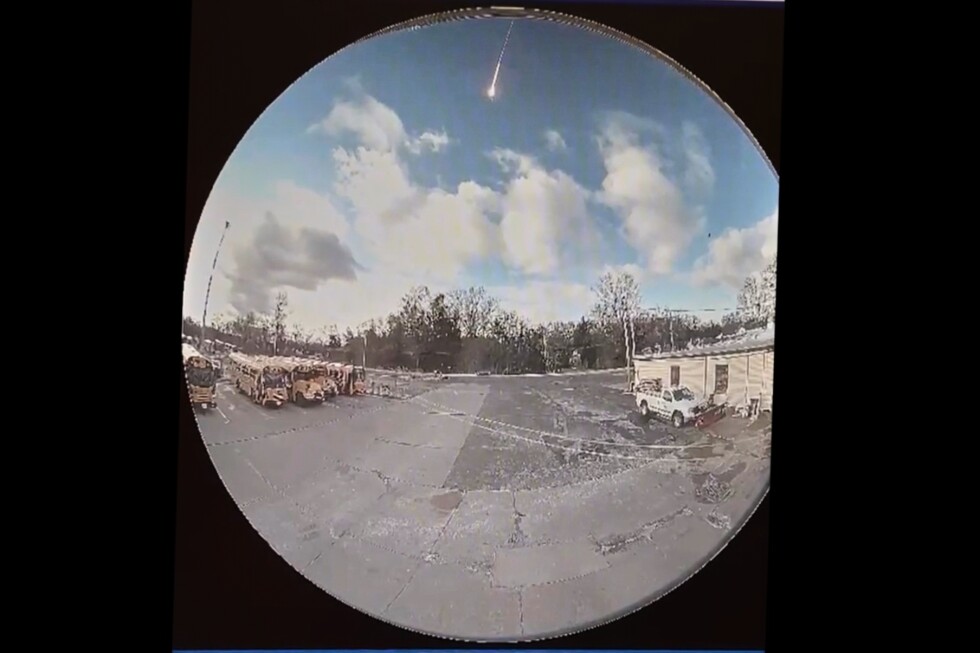
A fireball streaked across the sky near Cleveland this week, caused by what was thought to be a space rock nearly 6 feet (1.8 meters) across and weighing 7 tons. It was seen from Wisconsin to Maryland, according to the American Meteor Society.
It traveled more than 34 miles (55 kilometers) through the upper atmosphere before breaking apart, according to NASA. No fragments have been found yet.
Advertisement
As dramatic as it was, it was also incredibly common. Here’s what to know:
What’s the difference between a meteor and an asteroid?
An asteroid is a chunk of rock, ice or metal that’s left over from the solar system’s formation 4.6 billion years ago. A meteoroid is a fragment of a larger space rock such as an asteroid or comet. A meteor is the light emitted from a meteoroid or asteroid as it burns up through the atmosphere. If a meteor is brighter than the planet Venus in the morning or evening sky, it is called a fireball. If a chunk of it makes it to land, it’s called a meteorite.
How common are meteors?
Flashes of light from meteoroids are incredibly common, and there are times — called meteor showers — when they can be seen every few minutes in the night sky, weather permitting. The Perseids meteor shower, which happens in mid-August every year, is considered the best, according to NASA.
How common are fireballs?
There are “several thousand” meteors that would qualify as fireballs in the Earth’s atmosphere every day, according to the meteor society. The problem is that most occur over oceans or other places where people don’t live, or the sun is too bright to notice them.
Advertisement
Still, plenty are seen by people. And if you see one, the American Meteor Society and the International Meteor Organization want you to tell them so they can check it out. So far in 2026, 10 fireballs have drawn more than 100 reports, which averages nearly one per week.
Why do meteoroids break up before they land?
Meteoroids travel through empty space at extraordinarily high speeds — from 25,000 mph (40,233 kph) to as high as 160,000 mph (257,495 kph). When they suddenly hit the gases that blanket Earth, they undergo incredible stress as they compress the air in front of them, which heats the object to the point it starts to melt and break apart.
___
The Associated Press Health and Science Department receives support from the Howard Hughes Medical Institute’s Department of Science Education and the Robert Wood Johnson Foundation. The AP is solely responsible for all content.
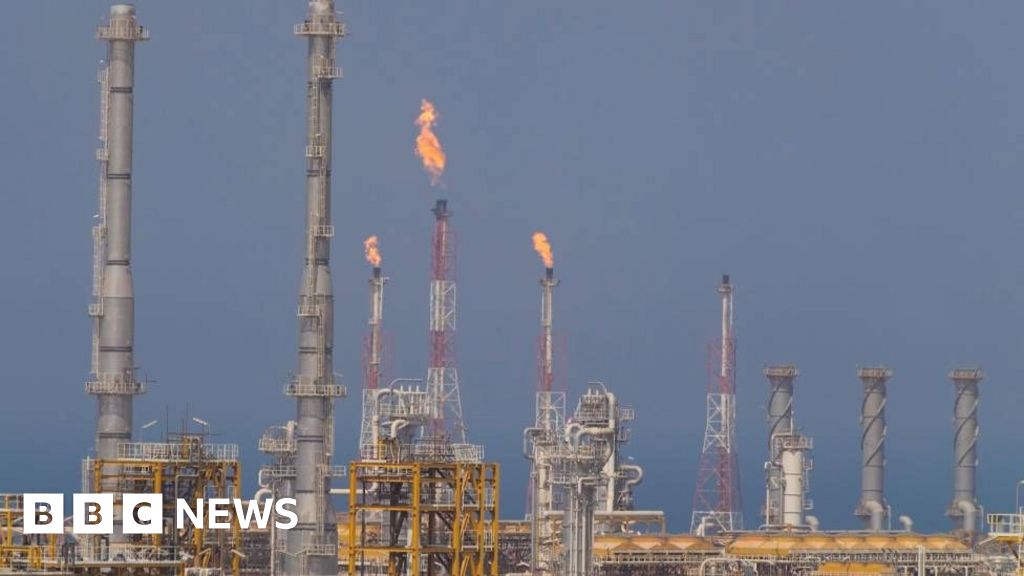
“As previously warned, if the fuel, energy, gas, and economic infrastructures of our country are attacked by the American-Zionist enemy, in addition to a powerful counterattack against the enemy, we will severely strike the origin of that aggression as well,” the military said in a statement published by Tasnim.
The best sofa beds promise a handy two-in-one solution; a sofa for relaxing and entertaining and a comfortable bed for guests. Historically, though, they have been neither; too firm and unyielding as a sofa, and uncomfortable and creaky as a bed. But today’s sofa beds have evolved.
“They are now comfortable, practical and easy to function,” interior designer Katy Raywood of Howson Design Interiors, says. She only recommends sofa beds for occasional use, as the mattresses are thinner than standard beds, but for a weekend visitor, it’s great to have a sofa and bed in one.
I spent a week testing sofa beds around London showrooms. I tried click-clack sofa beds, where the back folds down to create a flat surface and pull-out sofa beds, which conceal a hidden mattress. You can read my full reviews below, but if you’re in a hurry, here’s a quick look at my top five:
Advertisement
The best sofa beds: At a glance
How to choose the best sofa bed
With so many makes and models on the market, it’s easy to feel overwhelmed. Here are a few of the most important things to keep in mind while shopping for a sofa bed.
Type: “If you’re looking for a more comfortable sofa to sit on, choose a click-clack sofa bed with padded cushions,” says interior designer Naomi Astley-Clarke. “If you want to prioritise the comfort of the mattress, choose a pull-out sofa bed with a pocket-sprung or foam mattress.”
Size and shape: If you’re working with a small or awkwardly shaped room, you could shop for a corner sofa bed. A sofa bed with built-in storage provides a ready-made space for your guests to store their suitcases or spare bed linen.
Fabric: Leather is low-maintenance and stain-resistant, thanks to the tanning process, so it’s a good choice for high-traffic areas of the home. Velvet is more sensitive to spills, and benefits from the occasional steam clean, but it catches the light and adds warmth to a room. Other popular materials include cotton, linen, and polyester or acrylic blends.
Advertisement
Budget: “The base isn’t the expense, it’s the mattress,” says Astley-Clarke. A pull-out sofa bed with a built-in mattress tends to be more expensive – starting around £1,000 – but it should feel more comfortable and supportive for longer-term use.
A new immunotherapy drug has demonstrated early promise in a recent prostate cancer clinical trial. The drug, called VIR-5500, is a “masked T-cell engager”. This type of immunotherapy ignites our own immune arsenal to fight cancer.
In the trial, which is still in progress and has not yet undergone peer-review, patients with advanced prostate cancer who had failed to respond to other treatments were given VIR-5500. Remarkably, initial findings showed that in the patients who received the highest doses, 82% saw reductions in their PSA (prostate specific antigen) levels – a commonly used measure of prostate cancer.
Strikingly, nearly half of the patients within this group also showed tumour shrinkage at both the primary tumour sites as well as in metastatic tumours (tumours which had spread from the prostate into different parts of the body).
Cancer cells have mechanisms to evade being eliminated by our immune system. But immunotherapies boost our immune system’s capacity to fight cancer. They do this by combatting these evasion strategies.
Advertisement
Various immunotherapies have demonstrated phenomenal success in recent years. Yet many cancers, such as prostate cancer, remain difficult to treat exposing the need for more effective immunotherapies.
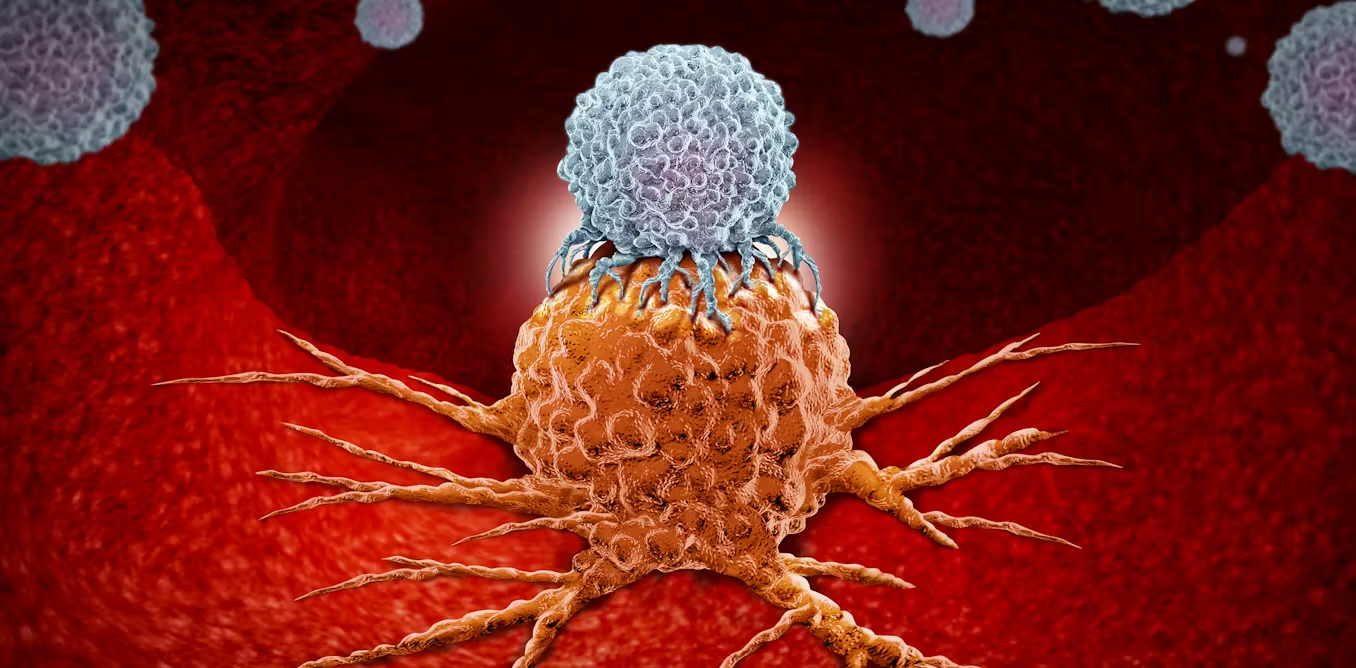
T-cell engagers are a specific type of immunotherapy that works by anchoring immune cells, called T-cells, and cancer cells together by engaging molecules on the surface of both cell types. This enforced proximity prompts the T-cells to produce toxic cancer-killing chemicals and generate a cascade of inflammatory processes that promote cancer killing.
There are now over 200 different T-cell engagers, many of which are in clinical trials to treat a range of tumours including multiple myeloma, leukaemia and lung cancer.
T-cell engagers
T-cell engagers are not just being trialled for cancer. They may also help with treating other viral conditions, such as hepatitis B, which can cause life-long infection. As in cancer, the virus can evade our immune responses – but T-cell engagers can promote more effective clearance of virally-infected cells.
Advertisement
Despite the great promise surrounding T-cell engagers, the vigorous inflammation they trigger can also be a double-edged sword. In some cases, it can cause a serious inflammatory condition called cytokine release syndrome.
Cytokines are protein messengers released by cells that can drive inflammation. Normally, their release is tightly controlled – but in cytokine release syndrome, the response is excessive and uncontrolled. This can lead to multi-organ failure with potentially life-threatening consequences.
T-cell engagers can also sometimes cause an uncontrolled immune response. ALIOUI Mohammed Elamine7/ Shutterstock
Similar toxic inflammatory side-effects can be seen with other immunotherapies. It’s likely the condition is driven by the potent, acute activation of an immune response.
This is why T-cell engagers and other immunotherapy drugs need to be refined, to ensure their effects are less toxic.
Advertisement
One way of doing this involves producing versions of immunotherapies that are inactive but can be activated once inside tumours.
This is done by covering the drug in a “mask” that prevents it from engaging both the T-cells and cancer cells. When the drug enters tumours, molecules that are abundant in cancers can break down this mask, allowing the drug to engage its target cells. VIR-5500, the drug used in this recent, promising prostate cancer trial, is one of many new masked T-cell engagers.
As such, masking creates an effective drug that may also be safer. Tumour-specific activation should restrict the anti-cancer, inflammatory response to within the tumour, preventing widespread inflammation.
It may also enable the T-cell engagers to be more selective towards cancer cells, as some of their targets may also be expressed by normal healthy cells. This could simultaneously reduce toxicity and improve anti-cancer potency.
Advertisement
An additional benefit of masked immunotherapies is that the conversion from the inactive to active drug in the body takes time. This changes how the drug is dosed within patients.
In the clinic, T-cell engagers are often given in small doses that then need to be escalated to prevent acute immune over-activation. But the mask would allow the drug to be released more slowly, making delivery simpler and safer. The mask itself may also prevent the drugs from being broken down in the body and may extend their lifespan.
An important finding in this recent trial for prostate cancer was that most patients who received the highest doses of VIR-5500 suffered only mild inflammatory side effects. Given the known toxicity associated with T-cell engagers, this is an exciting finding – suggesting the masking is working to reduce the risks of excessive inflammation.
If further research proves that masking T-cell engagers creates safer, more effective drugs, then we can expand what we can do with them. They can be combined with more traditional cancer therapies, such as chemotherapy or radiotherapy, which may prove even more effective in eliminating cancer.
As these trials are all ongoing, it’s too early to know the full extent of clinical success here. Early trials also only test within a small number of patients. The data has also not yet faced the scrutiny of peer-review and have only been presented at an oncology conferences.
Nevertheless, the initial results represent great hope for treating cancers that have proven otherwise difficult to treat with other immunotherapies.
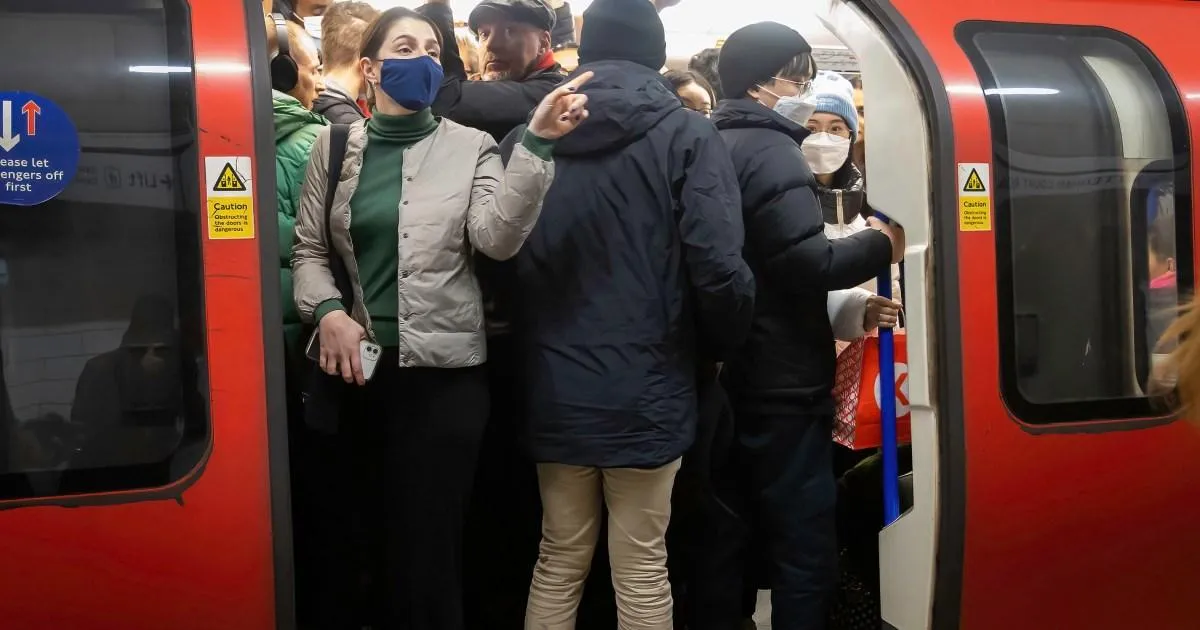
Commuters are seen on a crowded train at Waterloo Station amid the tube strikes. (Picture: Getty)
Two 24-hour strikes by London Underground drivers next week have been called off.
The RMT union declared victory in their dispute over hours with Transport for London but insist strikes planned for next month remain on.
The union even announced an additional strike action on 16 and 18 June.
A spokesman said: ‘The dispute over the imposition of a condensed hours four-day week on tube drivers is far from over but London Underground management have taken steps in the right direction and are now taking the matter seriously.
Advertisement
RMT general secretary Eddie Dempsey said: ‘Through our show of industrial strength and unity, we have forced management into a position where they are now willing to seriously engage with the issues our members want addressing.
Sign up for all of the latest stories
Start your day informed with Metro’s News Updates newsletter or get Breaking Newsalerts the moment it happens.
Advertisement
‘Further talks will take place and the dispute remains live.’















































You must be logged in to post a comment Login