


Connect with us
DAPA Banner

Business

Swissquote Group reports 2026 guidance below consensus on growth investments

Published

on


Swissquote Group reports 2026 guidance below consensus on growth investments

Continue Reading
Click to comment

You must be logged in to post a comment Login

Leave a Reply

Business

NIFTY plunges over 3% on HDFC Bank chairman exit, crude surge

Published

on


NIFTY plunges over 3% on HDFC Bank chairman exit, crude surge

Continue Reading

Business

Austin optimistic about South American improvement

Published

on

Austin optimistic about South American improvement

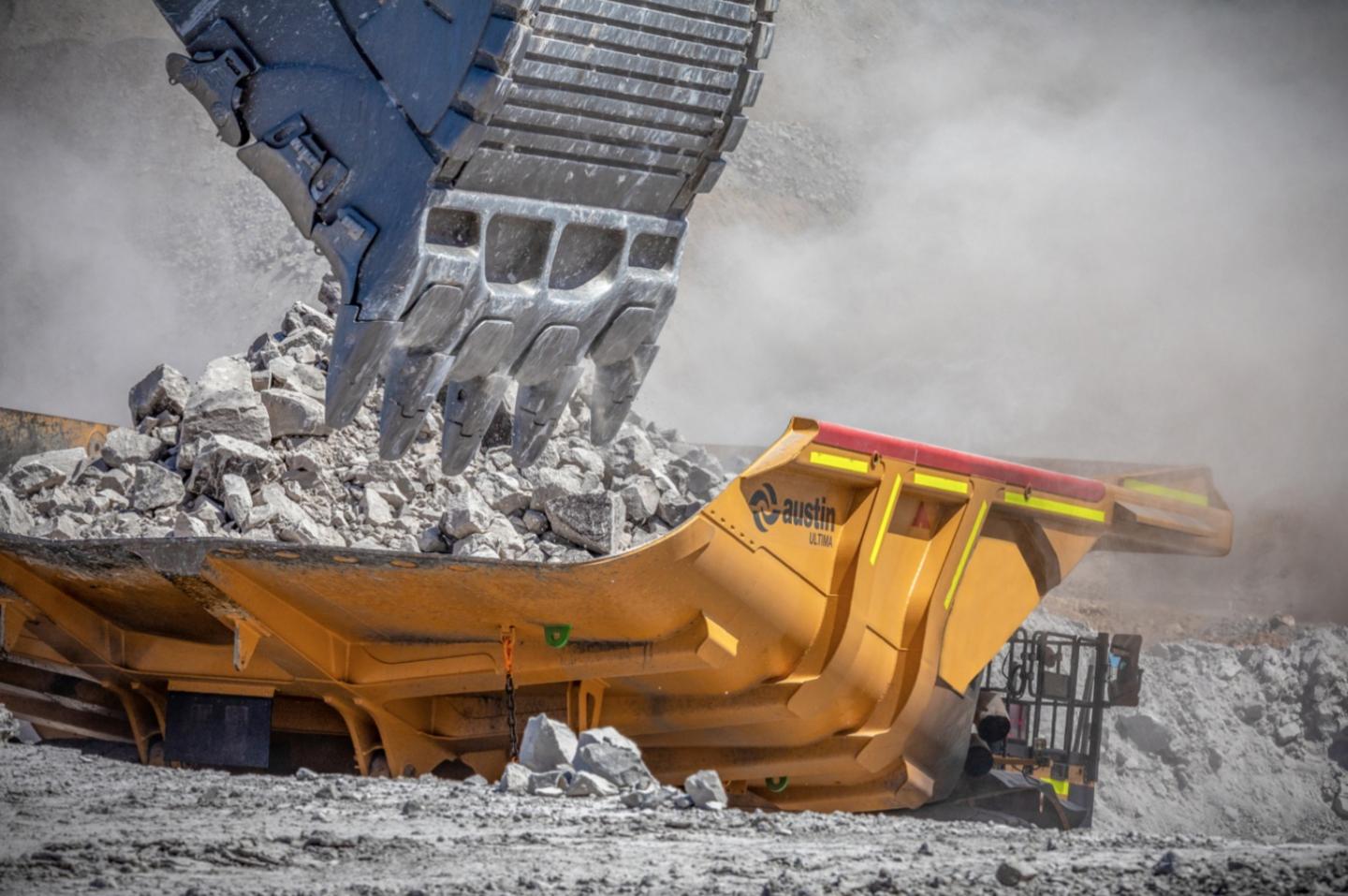
Austin Engineering’s efforts to further improve its South American operations have received a boost, following a key development.

Continue Reading

Business

Brent crude spikes above $116/bbl after attacks on Mideast energy assets multiply

Published

on

Brent crude spikes above $116/bbl after attacks on Mideast energy assets multiply
Oil prices jumped on Thursday, with benchmark Brent rising to its highest in more than a week to more than $116 a barrel, after Iran attacked energy facilities across the Middle East following Israel’s strike on its South Pars gas field, a major escalation in the war.

Brent futures were up $6.08, or 5.7%, at $113.46 ‌a barrel by 0814 ⁠GMT, after ⁠climbing almost $8 to the highest since March 9 to a session high of $115.10.

U.S. West Texas Intermediate crude rose 57 cents, or 0.6%, to $96.89 a barrel, after earlier gaining almost $4 to trade at $100.02.

WTI has been trading at its widest discount to Brent in 11 years due to releases from U.S. strategic reserves and higher freight costs, while renewed attacks on Middle Eastern energy facilities boosted support for Brent.

Advertisement

“Escalation in the Middle East, precise attacks on oil infrastructure, and the death of Iranian leadership all point to a prolonged disruption in oil supplies,” Phillip Nova analyst Priyanka Sachdeva said ⁠in a ‌note.


“Adding fuel to the fire, the Federal Reserve served ‘steady rates’ with a hawkish narrative, pointing to the economic concerns that follow a war.”

U.S. FED HOLDS STEADY

The U.S. central bank held interest rates ⁠steady on Wednesday, projecting higher inflation as policymakers take stock of the impact of the U.S.-Israel war with Iran. On Wednesday, QatarEnergy said Iranian missile attacks on Ras Laffan, the site of Qatar’s core LNG processing operations, caused “extensive damage” to its energy hub. Saudi Arabia said it intercepted and destroyed four ballistic missiles launched on Wednesday toward Riyadh and an attempted drone attack on a gas facility. Saudi Aramco‘s SAMREF refinery in the Red Sea port of Yanbu was also targeted in an aerial attack on Thursday. Kuwait Petroleum Corporation said an operational unit at its Mina al-Ahmadi refinery was hit by a drone, igniting ‌a limited fire.
Iran issued evacuation warnings before its attacks for several oil facilities across Saudi Arabia, the UAE and Qatar, as it prepared to retaliate for strikes on its own energy infrastructure in South Pars and Asaluyeh.

South Pars is the Iranian ⁠sector of the world’s largest natural gas deposit, which Iran shares with U.S. ally Qatar on the other side of the Gulf. Israel carried out the South Pars gas field attack, but the United States and Qatar were not involved, President Donald Trump said late on Wednesday.

He added that Israel would not further attack Iranian facilities in South Pars unless Iran attacked Qatar, and warned that the United States would respond if Iran acted against Doha. Earlier, Reuters reported that Trump’s administration is considering deploying thousands of U.S. troops to reinforce its operation in the Middle East, in preparation for the next steps of its campaign against Iran.

Advertisement
Continue Reading

Business

Unilever-Kraft Heinz Deal Talks End; Could Have Created Multi-Billion-Dollar Food Entity

Published

on

Struggling Kraft Heinz Plans Shake-Up, Could Spin Off Iconic Brands

Talks between Unilever and Kraft Heinz over a possible merger of parts of their food businesses have ended, according to a report by the Financial Times.

The discussions had explored combining Unilever’s food division with Kraft Heinz’s condiments unit, a move that could have created a massive new company worth tens of billions of dollars.

The proposed deal would have brought well-known brands like Hellmann’s mayonnaise and Heinz ketchup under one roof.

However, people familiar with the matter said the companies have now stopped negotiations as both face weaker demand for packaged foods due to ongoing economic uncertainty.

Advertisement

Neither company gave a public comment when asked about the talks.

The end of the discussions comes at a time when both firms are rethinking their strategies. Unilever is now considering a broader separation of its food business, according to a separate report by Bloomberg News.

According to Reuters, investors appeared uneasy about this possibility, as Unilever’s shares dropped 3.5% on Wednesday.

Some worry the company could become “distracted” if it moves forward with a major spin-off.

Advertisement

Kraft Heinz Drops Breakup Plan

On the other side, Kraft Heinz has already changed its plans. In February, the company decided to stop efforts to split itself into separate parts.

CEO Steve Cahillane said this decision was necessary because of worsening conditions in the food industry.

Instead of breaking up the business, Kraft Heinz is focusing on a $600 million turnaround plan aimed at improving performance.

Advertisement

The company has faced challenges for years, especially after its earlier merger backed by investor Warren Buffett and private equity firm 3G Capital.

Its shares also slipped nearly 4% in extended trading, showing continued concern from investors, US News reported.

Before halting its breakup plan, Kraft Heinz had been looking at separating its slower-growing grocery brands—such as Oscar Mayer and Lunchables—from its faster-growing sauces and spreads division, which includes Heinz ketchup and Philadelphia cream cheese.

The talks with Unilever happened before this strategy shift.

Advertisement

Originally published on vcpost.com

Continue Reading

Business

Crucial Retirement-Account Law Loses in Court Once More

Published

on

Alphabet Is Selling 100-Year Debt as Part of a Big Bond Sale

The law initially took effect nearly a decade ago to protect the billions of dollars that Americans move annually from their 401(k)s into IRAs by requiring advisers to act in the best interest of their clients. For people with retirement accounts, the stakes are high. Americans moved $841 billion from 401(k)s to IRAs in 2024, up from $612 billion in 2020, according to consulting firm Cerulli Associates. Read more:

Continue Reading

Business

Publix Is the Class of Grocery Industry. Its Strong Results Show Why as It Moves North.

Published

on

Publix Is the Class of Grocery Industry. Its Strong Results Show Why as It Moves North.

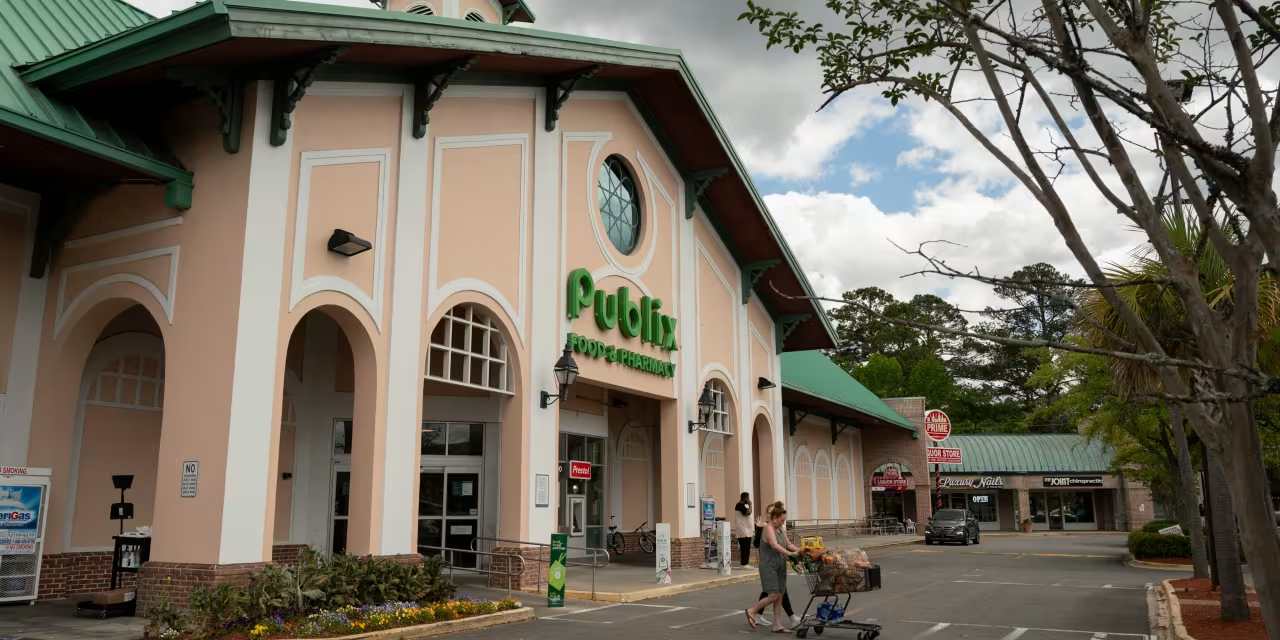
Publix Is the Class of Grocery Industry. Its Strong Results Show Why as It Moves North.

Continue Reading

Business

Major Attacks on Qatar’s LNG Facilities Spark Global Energy Market Surge

Published

on

How The Middle East Crisis Ripples Across Thailand

Qatar’s Ras Laffan Industrial City, home to the world’s largest LNG export plant, suffered extensive damage from Iranian missile strikes, triggering sharp rises in global oil and gas prices and escalating regional tensions.

Key Points

  • Multiple Iranian missiles hit Ras Laffan, damaging LNG facilities and Shell’s gas-to-liquids plant; fires erupted and production remains halted.
  • Abu Dhabi’s Habshan gas facilities were also affected by falling debris, while Saudi Arabia intercepted drone and missile attacks targeting its energy infrastructure.
  • The U.S. warned of retaliation if attacks continue, and Qatar expelled Iranian diplomatic staff within 24 hours, calling the strikes a “dangerous escalation.”
  • Brent crude surged up to 5.5%, and analysts warn of prolonged supply disruptions, with no strategic LNG reserves to cushion the market.
  • The attacks follow Israel’s strike on Iran’s South Pars gas field and Tehran’s threat to target Gulf energy sites, further destabilizing global energy security.

The damage to critical LNG infrastructure threatens global energy supply chains, particularly for Asia and Europe, and could keep prices elevated well into mid-2026.

Why It Matters for Thailand

Geopolitical Risk: The Gulf crisis underscores how Thailand’s energy security is tied to Middle Eastern stability, making hedging strategies essential.

  • Energy Security: Thailand imports significant volumes of LNG from Qatar. Damage to Ras Laffan means tighter supply and higher costs for Thai utilities and industries.
  • Price Shock: Brent crude already spiked 5.5%. LNG has no strategic reserves, so Asian buyers like Thailand face immediate exposure to price volatility.
  • Economic Impact: Rising energy costs will ripple into manufacturing, transport, and household electricity bills, adding inflationary pressure.
  • Regional Competition: Japan, South Korea, and China will also scramble for replacement cargoes, intensifying competition in Asia’s LNG market.

Thailand may need to accelerate diversification—more pipeline gas from Myanmar, renewables, or long-term contracts with other suppliers. This strategy could help Thailand reduce its reliance on spot markets and shield the economy from volatile energy prices. Additionally, investing in energy storage solutions and improving energy efficiency across industries could further strengthen the country’s energy security.

Advertisement
Continue Reading

Business

Tim Picton’s alleged attacker remains on bail, despite RBT reading

Published

on

Tim Picton’s alleged attacker remains on bail, despite RBT reading

The 20-year-old man accused of hitting former Labor strategist Tim Picton will remain on bail, despite the prosecution claiming he enacted a “clear breach” of one condition.

Continue Reading

Business

Teesside pawnbroker Ramsdens raises profit guidance for a second time amid record golf prices

Published

on

Business Live

The company first expected pre-tax profit to top £18m but that figure could now be £10m higher

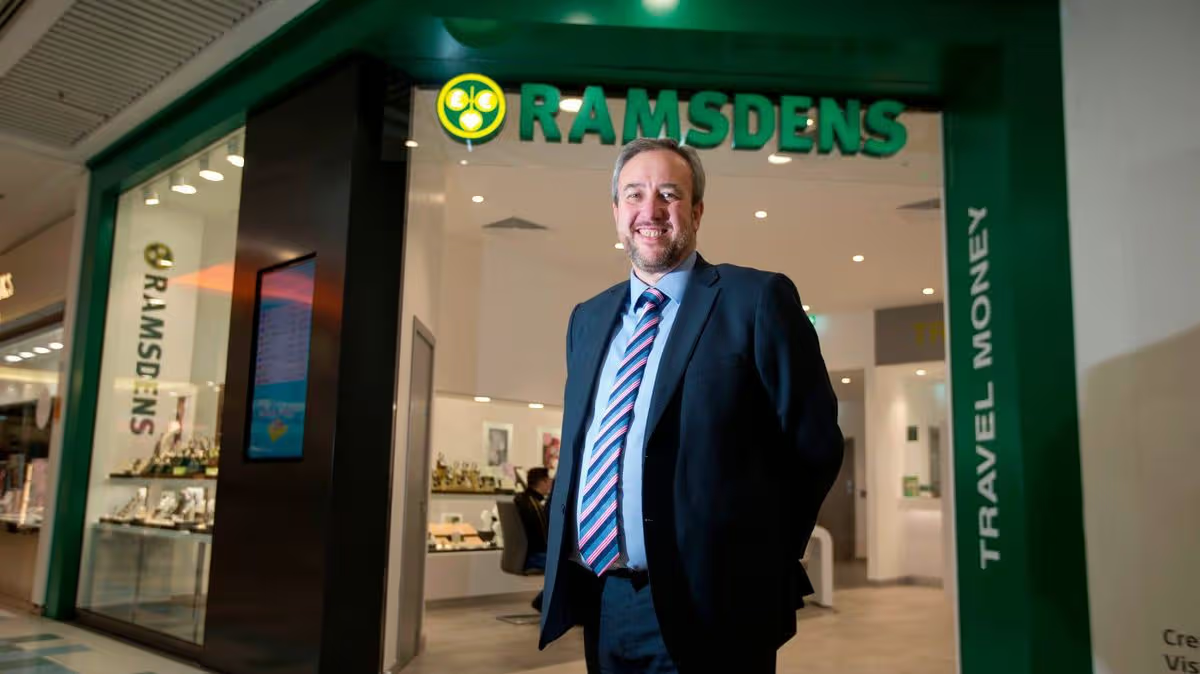
Ramsdens CEO Peter Kenyon

Ramsdens CEO Peter Kenyon(Image: Unknown)

Soaring gold prices led North East pawnbroker Ramsdens to hike up profit estimates for a second time, saying it could deliver a boost of £10m more than initially expected. The pawnbroking, jewellery and travel money chain, which started in one shop in Middlesbrough, last month revised pre-tax profit expectations, telling shareholders how record high gold prices in 2026 were boosting its purchasing of precious metals business.

In February it said it expected pre-tax profits for the year to top £21m, up from the £18.6m previously expected. Now, the financial services group says the very high gold price means it now expects pre-tax profits to top at least £24m – and that “if the favourable gold price and trading conditions continue”, potentially up to £28m.

In an upbeat trading update, the group said it has continued to perform well across its core income streams and that the average gold price for the year to date is around 50% higher than last year. The higher gold price is also contributing to an increased weight of gold purchased, which is also approximately 50% higher year on year.

Jewellery retail revenue is around 25% ahead year on year, and pawnbroking lending was at record levels in February 2026, with positive momentum continuing this month.

Advertisement

Its loan book is now approximately £13.5m, an increase of 18% on the September year-end position of £11.4m and total currency exchanged in the first five months of its 2026 was in line with the comparable period in 2025, with foreign currency commissions approximately 5% lower year on year reflecting the continued migration towards online and currency card sales, which are lower margin.

On the conflict in Iran, it said: “Whilst the current situation in the Middle East may have an impact for international travel, our primary foreign currency activity is selling Euros to customers holidaying in Europe which currently appears to be stable.”

Meanwhile, its said new stores in Wakefield, Hull and Sheerness have traded well since opening and that it remains on track to open between eight and 12 new stores this financial year. It currently has three stores in shop fit and a further three stores expected to be in shop fit within the next few weeks.

Chief executive Peter Kenyon said: “Ramsdens continues to perform well across its diversified business model reflecting the strength of our trusted brand, value for money proposition and outstanding team.

Advertisement

“In addition to underlying progress across the business, we continue to benefit from the high gold price, which is significantly boosting both customer demand and profits within our purchase of precious metals segment. As a result, we are once again trading ahead of market expectations and currently anticipate profit before tax for FY26 to be in a range of £24m to £28m.”

Interim results will be announced in early June.

Continue Reading

Business

2 top stock recommendations from Rahul Sharma

Published

on

2 top stock recommendations from Rahul Sharma
After three consecutive sessions of strong gains, the Nifty witnessed a sharp pullback, but the underlying tone of the market remained relatively stable, with no signs of aggressive selling at lower levels. According to Rahul Sharma, JM Financial Services, the way the market handled the gap-down opening was encouraging, as it did not trigger fresh selling pressure. “Looking at the way the gap down has been handled today, we have not seen big fresh sell orders coming at lower prices in the Nifty. What we saw over the last three days was a typical bear market rally.” The recent 800-point rebound in the Nifty over three sessions, he explained, was more of a technical bounce rather than a structural shift in trend.

Despite the volatility, a couple of indicators offered some comfort to investors. Sharma pointed out that the India VIX has not surged to new highs even after the sharp gap-down, which indicates that fear levels are not escalating significantly. “One silver lining over here is India VIX, which has not gone on to hit a new high in spite of the big gap down that we saw today.” He also noted that banking stocks, particularly Bank Nifty, showed resilience despite concerns surrounding HDFC Bank after overnight developments. “Even banks, especially because of the overnight news in HDFC Bank, Bank Nifty was supposed to be the bigger casualty, but that has not happened.” In fact, he added that Bank Nifty has been relatively stronger post opening, hinting at a possible recovery toward the close. “Bank Nifty is relatively doing well after the gap-down opening, which means that towards the end of the session we could see a recovery happening in Nifty as well.”

From a broader perspective, Sharma believes the current phase presents a tactical buying opportunity, especially for investors with a slightly longer horizon. “If we zoom out a bit, we feel that this is a good opportunity to buy on the dip.” He emphasized that his team has been recommending clients to accumulate Nifty ETFs during volatile phases. “We have recommended our clients to get into Nifty ETFs. We feel that this is a good time to buy ETFs, accumulate them on volatile days like such.” While geopolitical uncertainties continue to loom, he suggested that much of the negative news flow is already priced into the markets unless there is a fresh escalation. “As far as markets are concerned, with the given set of variables, we feel that most of the negatives are factored in and unless there is no fresh escalation after yesterday night’s tweet by Trump, markets would come back to where they were a few hours back.”

On the technical front, Sharma highlighted key levels to watch, indicating that 23,800 could act as an immediate retest zone, while a close above 24,000 would signal stronger recovery. “23,800 is where we know it could be a retest and once we close above 24,000, we could very well be out of the woods.” He also advised caution for traders looking to initiate fresh short positions at current levels. “Around 23,200 the risk-reward is not favourable for fresh shorts and the best thing to do at this point in time is get into ETFs.”

Advertisement

On stock-specific ideas, Sharma expressed a strong bullish view on ONGC, citing rising oil prices and a favorable technical setup. “Our high conviction recommendation today is ONGC. Oil prices are boiling. ONGC should benefit from this and ONGC technical setup is also very good.” He suggested buying the stock around current levels for a positional target. “Around 269, one can look to buy this stock for a positional target of Rs 300 on the upside in the next 15-20 trading sessions. Stop loss can be placed at 258.” He also highlighted strength in the power sector, particularly Tata Power, which has held up well despite broader market weakness. “On the power sector, Tata Power is something that we like. In spite of the broader market fall, we are not seeing any correction in power stocks.” He expects short-term upside in the stock. “Tata Power is another stock which can be looked upon for upside of around 5% to 6% in the very short term.”

Continue Reading

Trending

Copyright © 2025