
Politics
FIFA pressed over security risks ahead of 2026 World Cup


The FIFA World Cup 2026 is entering an early stage of testing, caught between political pressure and security concerns. These concerns extend beyond the stadium and threaten the true image of the sport.
European Commissioner for Sport, Glenn Micallef, escalated his criticism of FIFA President Gianni Infantino, condemning what he described as a lack of clarity and responsiveness to growing European concerns about the safety of spectators.
EU Commissioner presses FIFA
As the largest World Cup in history approaches, co-hosted by the United States, Canada, and Mexico, warnings are mounting about the repercussions of geopolitical tensions, following Trump’s illegal assault against Iran.
Micallef revealed that his sole meeting with Infantino in Brussels did not translate into concrete steps, despite his explicit demand for clear guarantees regarding the safety of European fans. He emphasised that the lack of follow-up from FIFA raises serious questions.
He stated:
When a host country is involved in a war, providing security assurances becomes a given, not an option.
Public safety challenges
European concerns are not limited to the political dimension. They extend to the security situation within the host countries. In the US, certain measures related to stricter surveillance and immigration are also causing anxiety. Meanwhile, Mexico is facing a rising wave of violence, particularly in areas considered potential World Cup hosting venues.
FIFA maintains that fan safety is a top priority, expressing confidence in the ability of the host countries to provide a safe environment.
However, this stance has not entirely dispelled European doubts, amid calls for greater transparency and detailed information.
A dispute beyond security
The tension between the two sides wasn’t limited to security matters; it extended to the nature of FIFA’s partnerships. Micallef expressed reservations about cooperating with initiatives supported by US President Donald Trump, arguing that this opens the door to increased politicisation of sports.
Conversely, he called for stronger partnerships with multilateral international organisations such as UNESCO and UNICEF, in line with the rules of the international system and to reduce polarisation.
In a broader context, the European official warned of transformations threatening the structure of sports on the continent, pointing to the National Basketball Association’s project to launch a European league and its move towards “closed leagues,” which contradicts the principle of sporting merit.
He also stressed the need to prevent the use of sporting competitions as tools for political propaganda, alluding to the renewed debate surrounding the participation of countries involved in military conflicts.
A test beyond football
These statements reflect a new reality where sport intersects with security and political considerations in an unprecedented way, transforming major tournaments into testing grounds for international influence and power balances.
Between FIFA’s assurances and European pressures, Gianni Infantino finds himself facing a complex challenge: managing a global tournament in a turbulent environment without compromising the game’s essence.
In this context, the question no longer concerns the readiness of stadiums, but rather football’s ability to remain out of the line of fire.
Featured image via White House, Instagram


On 17 March 2026, students gathered outside Leeds University to protest their institution’s continued affiliation with the forces waging genocide in Gaza and the West Bank. Stationed in front of the student union, they basked in the spring sunshine, determined to make their voices heard.

A beautiful day to be in Leeds!
As I arrived I was surprised to find a hostile neighbourhood auditor skulking around. Another arrived shortly after.
A creep with a bad camera, watching live streams of young women on campus on a Tuesday lunchtime and stalking students on campus—is no one’s idea of normal. These people are fucking weirdos.

At one point, university security staff were seen chatting casually with auditors on camera for their live streams.
This was after one of the auditors had earlier attempted to intimidate a student.
Questions need to be raised about why they’re allowed to behave in such a manner on university grounds. Yet, even this couldn’t dampen the sunny spirits of the protesting students.
A university apparently wedded to Zionism
The protest was sparked by the university’s invitation to BlackRock Asset Management for an upcoming job fair. For those unaware, the company’s affiliate, Blackrock, is a major investor in defense and aerospace companies, with well-documented ties to Israel. Students have every right to question the inclusion of such a company in the event.
Blackrock, according to the UN, is best known as the largest investor in companies linked to, and complicit in the genocide in gaza. Blackrock and its affiliates are invested heavily in companies such as Lockheed Martin (7%) which create weapons that kill people. As well they hold stakes in companies such as Alphabet (6.6%). Palantir (8.6%), and Amazon (6.6%). Tech companies sell software and capabilities which are used by the IDF to target whoever they decide to call a terrorist today.
The normalisation of their presence at university events, despite their complicity in the ongoing genocide, has sparked anger on campuses across the country for years. These concerns have been reflected in demands made by students at various universities, both during and since the encampment movement.


A crisis of trust
This is not an isolated event. Leeds University has been embroiled in repeated accusations of platforming Zionists on campus.
In 2024 freedom of information requests revealed hundreds of thousands of pounds of investment into businesses directly contributing to apartheid and genocide in occupied Palestine. This happened despite the university’s 2018 declaration that it had divested from the companies enabling the Gaza genocide.
They have also been accused of sheltering a Chaplain who left the university to serve in the Israeli Defence Forces, whose war crimes have been live-streamed for the past two years. Rabbi Zecharia Deutsch was allowed to continue in his role as Chaplain when he returned from Israeli, and even after Jewish students complained about his extremist, Zionist posturing.
It has been a busy week for student activists who also disrupted Chancellor, Rachel Reeves’ visit to campus earlier in the week.

Not only has the university consistently failed to address students concerns properly, they have even gone so far as using the university’s disciplinary processes to repress student dissent on campus. Suffian, a masters student and local campaigner spoke to me about his experiences at the university.
Blackrock — frit!
University security were clearly rattled, calling the police and keeping their distance at the steps of the union. It turns out they weren’t the only ones. Blackrock decided to avoid any negative publicity and cancelled their planned appearance. Direct action works!
I’ve never understood people who think protest and reputational risk aren’t powerful tools. 


Universities across the UK are failing to live up to basic expectations held by their student population—the very students whose fees keep the lights on.
Our high streets host banks that profit when children die on the other side of the world. Fast food chains allow their franchisees in Israel to feed IDF soldiers—soldiers found by medics to be intentionally using children as target practice. Amazon vans roll around innocently, all while aiding the targeting of civilians in an illegal occupation, between deliveries. Where does it end?!
Universities have a responsibility to do better and we stand in solidarity with all students standing up for their rights on university campuses—both in Leeds and beyond.

Featured images via Barold
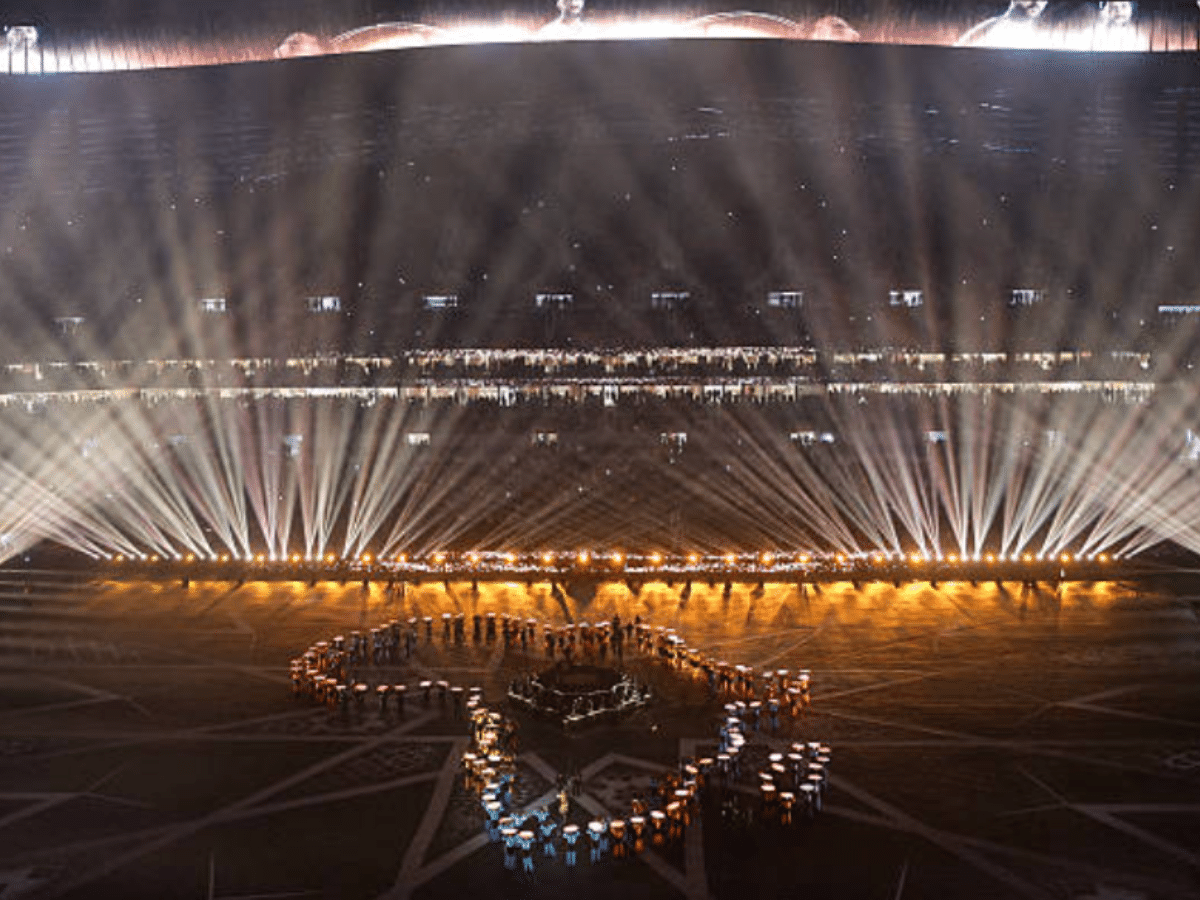
The crisis between Senegal and the Confederation of African Football (CAF) has entered an unprecedented phase of escalation after the Senegalese government demanded an international investigation into suspected corruption within CAF, following the decision to strip its national team of the 2025 Africa Cup of Nations (AFCON) title.
Reuters reported the official position of the Senegalese government after the CAF Appeals Committee ruled that the Senegalese team had forfeited the final match against Morocco by briefly leaving the field during stoppage time in protest against refereeing decisions, despite winning the match 1-0 after extra time.
The decision resulted in Senegal being declared the loser by default (3-0) and the title being awarded to the Moroccan national team, a move that sparked widespread controversy and official rejection in Dakar.
In a strongly worded statement, the Senegalese government described the decision as “blatantly illegal” and “unjust,” arguing that the circumstances of the case raise serious questions about the integrity of CAF’s administration and calling for an independent international investigation to uncover the truth.
Meanwhile, CAF has not yet issued any immediate response, while the Senegalese Football Federation has announced its intention to appeal the decision to the Court of Arbitration for Sport in Lausanne, asserting that what happened is “unprecedented and unacceptable.”
With the case now on the international legal track, all eyes are on the outcome of the anticipated confrontation, in a case poised to reignite the broader debate on governance for AFCON
Featured image via the Canary

The crisis surrounding the 2025 Africa Cup of Nations (AFCON) final is taking a more complicated turn, with increasing uncertainty surrounding the fate of the prizes awarded to the Senegalese national team. This follows the Confederation of African Football’s (CAF) decision to strip Senegal of the title and award it to Morocco in a controversial appeal.
The Senegalese team had won the final, held on January 18th at the Prince Moulay Abdellah Stadium in Rabat, with a 1-0 victory. They received the medals and celebrated with the gold trophy before the CAF Appeals Committee overturned the decision, declaring them the losers due to their withdrawal and awarding Morocco a 3-0 victory, based on tournament regulations.
AFCON reality hits hard
Despite the continental ruling, the championship trophy remains in the possession of the Senegalese Football Federation, which is currently refusing to return it, preferring to await the final ruling from the Court of Arbitration for Sport in Lausanne.
The Senegalese Football Federation is treating the matter as legally open, which explains why they are still keeping the trophy, which toured several cities across the country amidst public celebrations of the title.
The possibility of the trophy being displayed abroad also remains, given previous plans to showcase it during the upcoming match against Peru in Paris on March 28, the team’s first appearance since the final.
Gold medals
The fate of the medals awarded to the players and coaching staff after the victory are also up for debate. It is estimated that demanding their return from the Confederation of African Football (CAF) is difficult due to the legal and symbolic complexities surrounding such a move.
Financially, the winning bonus is at the forefront, after confirmations that CAF has already transferred $10 million to the Senegalese Football Federation’s account.
Despite the decision to withdraw the title, there are no indications that the money will be returned at this time, as the Senegalese side insists on awaiting the Court of Arbitration for Sport’s (CAS) decision before taking any official action.
Between a binding continental decision and anticipated legal action, all matters—from the cup to the prize money—remain pending, awaiting the outcome of the CAS hearing in one of the most complex cases in the history of AFCON.
Featured image via the Canary
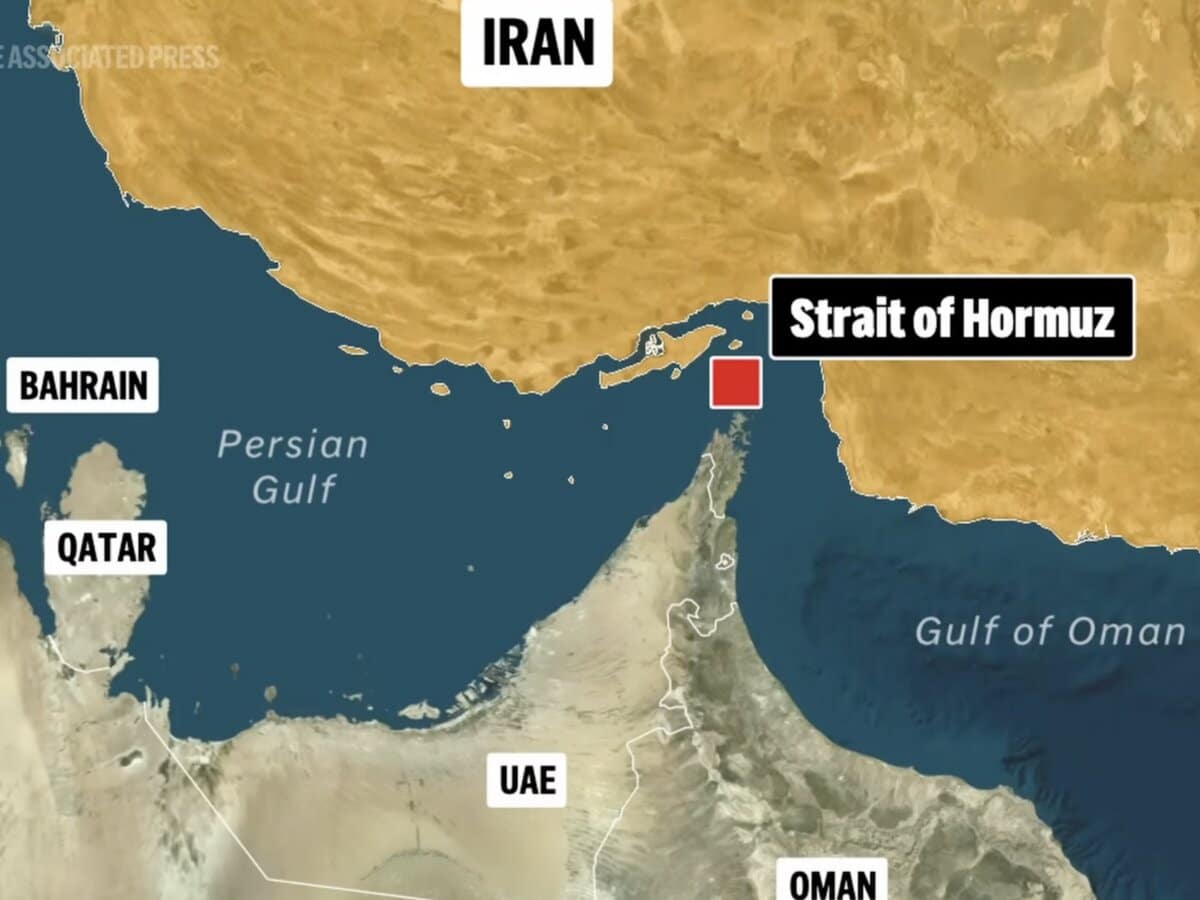
Iran is considering imposing a 10% toll on all ships passing through the Strait of Hormuz.
This would generate an approximate $73bn a year, which will immediately offset the cost of US sanctions, along with paying for all the damage from the US and Israel’s illegal attacks.
Did Donald Trump think he was the only one with the power to impose tariffs?
Brilliant move by Iran. They are planning to levy a 10% toll on all ships passing through the Strait of Hormuz. This will generate $73 billion a year, completely offsetting US sanctions and paying for war damages. Checkmate. pic.twitter.com/ahjNE3HUEr
— Furkan Gözükara (@FurkanGozukara) March 18, 2026
Is this one of Donald Trump’s great deals??? https://t.co/MDsV93OZyr
— Don Winslow (@donwinslow) March 18, 2026
The US has spent billions illegally blowing up Iran. Now it will also have to pay to fix it.
$11B spent blowing things up, AND we get to pay to fix what we destroyed. #WarWithoutAPlan#IsThisWinning https://t.co/nuIPZ7EhcM
— Jac 🇺🇸🇺🇦💙 (@JacDalAM) March 18, 2026
Trump is so concerned with breaking international law and ranting on Truth Social that he has forgotten to think through the consequences of his actions.
The previous US presidents that denied Israel’s requests to attack Iran all knew who they were fucking with. Trump was the only dumbass who did not 😂 https://t.co/CUzSWZGk43
— Pistachio 🇮🇷 🇵🇸 (@HarleyShah) March 18, 2026
Although that would rely on him having a brain.
This is what asymmetric strategy looks like. When you can’t control the system, you leverage the chokepoints the system depends on. Hormuz isn’t geography, it’s power.
— DialecticalX (@DialecticalX) March 18, 2026
Sanctions
The US has been imposing sanctions on Iran since 1980. Bill Clinton tightened these in 1995 and banned US companies from dealing with Iran. Congress also passed a law penalising foreign entities investing in the country’s energy sector or selling Iran advanced weapons. The US cited “nuclear advancement” and support of groups like Hezbollah, Hamas, and Palestinian Islamic Jihad.
Most of the West has labelled Hamas and Hezbollah as “terrorists”. But what the US never said out loud was that it was directly responsible for creating all three of those groups – meaning its sanctions are bullshit. The US has always offered Israel its unwavering support, and it has repeatedly called for both to disarm and disband. Meaning that is also the US’s goal
However, both only exist because of Israel’s repeated illegal invasions of sovereign nations, which the US has both directly and indirectly supported. Hezbollah was formed in 1982 after Israel illegally invaded Lebanon. Importantly, the US supplied Israel with the majority of its weapons for that invasion. Similarly, Hamas’s goal is to:
liberate Palestine and confront the Zionist project.
Hamas was founded in Gaza in 1987 shortly after the start of the first Intifada, an uprising against Israel’s occupation of Palestine. Once again, in 1987, the US supplied it with “advanced weaponry” to continue its system of apartheid and cruelty.
Importantly, armed resistance is not illegal under international law, no matter how many Western countries label you as a terrorist. So the US may have imposed sanctions in the name of ‘combating terrorism’ – but the reality was merely a resistance that the US itself had created.
Payback
Now, it seems the Iranians want well-deserved payback.
The Iranian authorities have stated that they are now applying the principle of “an eye for an eye.”
— Kevin Muruta (@KevinMuruta) March 18, 2026
To pay for the 47 yrs of illegal sanctions against Iran ~ This will be Justice for Iran 🇮🇷 https://t.co/9U6C6NJ4gA
— Dave Simpson (@DaveSim25817596) March 19, 2026
Trump and his cronies are getting exactly what they deserve. They may not be paying for their Epstein-related crimes against children, but they will hopefully now pay financially for their own stupidity.
The ability to think through your actions and their potential consequences usually develops during toddlerhood. Unfortunately, it seems that Trump missed this crucial developmental milestone.
Featured image via Associated Press/ YouTube
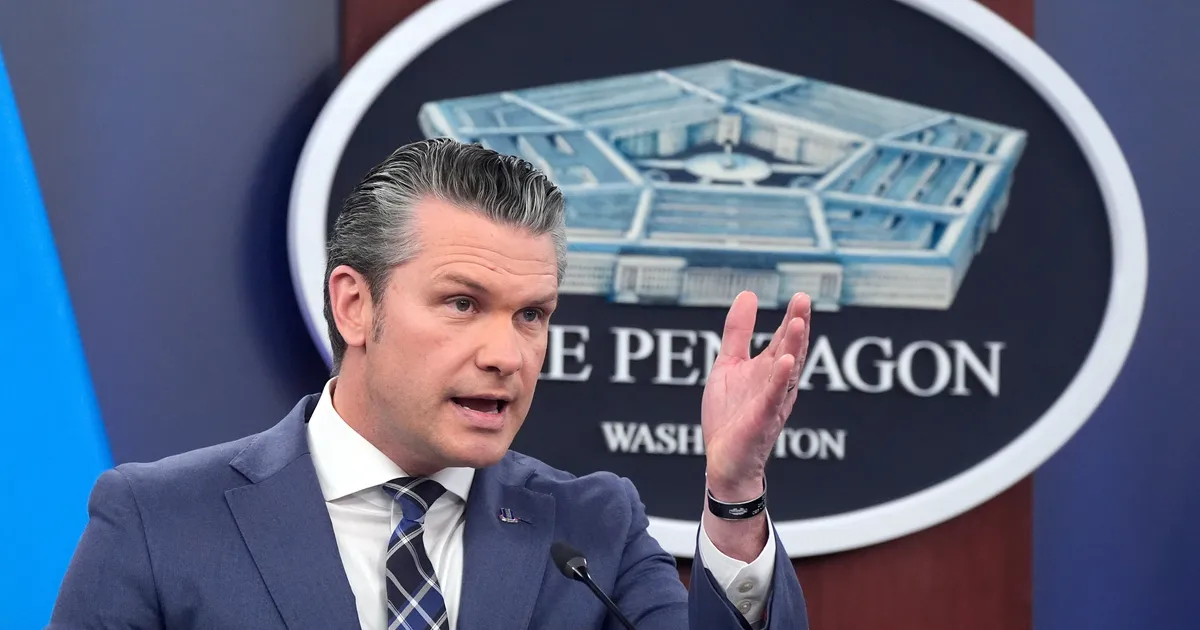
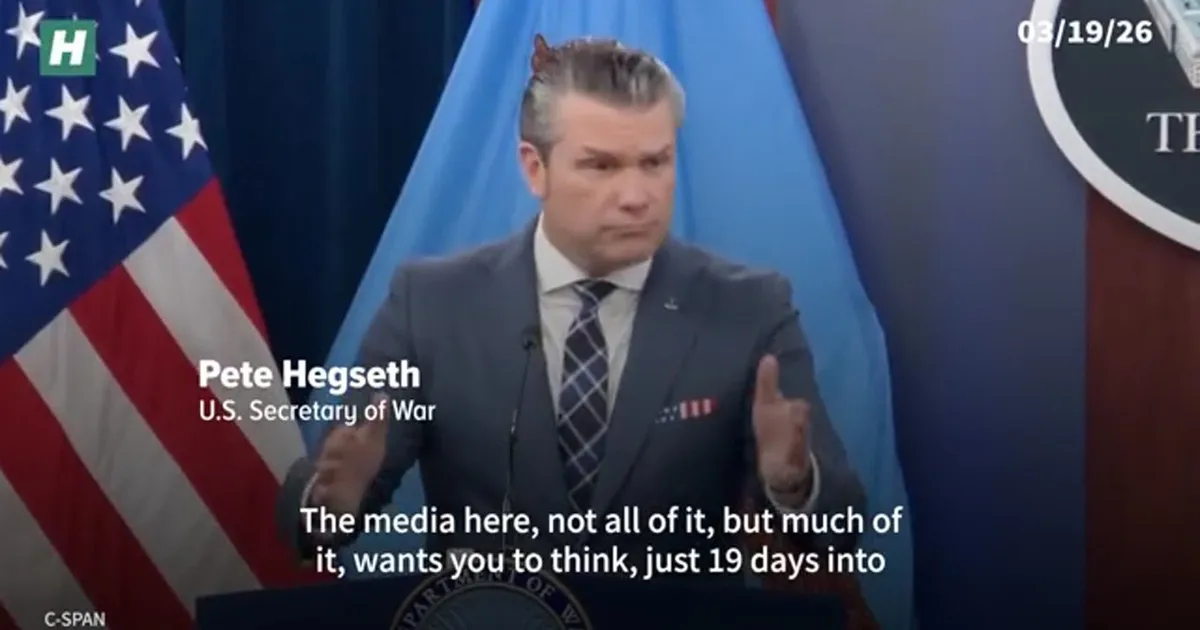
Pete Hegseth has said America’s “ungrateful allies in Europe” should thank Donald Trump for the war in Iran.
The self-styled US Secretary of War said the president was “doing the work of the free world” by attacking the country’s ruling regime.
His comments came as the UK, France, Germany, Italy and the Netherlands issued a joint-statement with Japan condemning Iran’s closure of the Strait of Hormuz.
However, they stopped short of agreeing to Trump’s request to send warships to protect oil tankers using it.
Around one-fifth of the world’s oil supply passes through the waterway, and its closure has led to a spike in oil prices and triggered economic turmoil around the world.
Their statement said: “We express our readiness to contribute to appropriate efforts to ensure safe passage through the Strait. We welcome the commitment of nations who are engaging in preparatory planning.”
Meanwhile, the Israeli bombing of Iran’s South Pars gas field – and Tahran’s retaliatory strike on Qatar – has also sent energy costs soaring.
Despite the global chaos, Hegseth insisted the rest of the world should be grateful to Trump for starting the war nearly three weeks ago.
He said Iran was “a direct threat to America, to freedom and to civilisation.
“The world, the Middle East, our ungrateful allies in Europe, even segments of our own press should be saying one thing to President Trump – thank you,” Hegseth said.
“Thank you for the courage to stop this terror state from holding the world hostage with missiles while building or attempting to build a nuclear bomb. Thank you for doing the work of the free world.”

The post Chris Whitty’s French fat camp appeared first on spiked.
The Department for Work and Pensions (DWP) has put out a call for evidence for the Timms Review into Personal Independence Payment (PIP).
However, as with pretty much everything the DWP does, it’s already looking like it’ll be another major stitch up.
DWP PIP: Timms Review launches call for evidence
In the last few days, the corporate media has noticeably up its demonisation of disability benefit claimants. Of course, that’s usually a tell-tale sign. You can all but guarantee the department has something in the pipeline when the gutter press kicks into gear maligning welfare.
The latest bullshit was the shitrag Daily Mail clamouring:
One in 10 working age Brits are on disability benefits with 1,000 successful claims A DAY
However, as the Canary’s chief DWP botherer Rachel Charlton-Dailey pointed out, that 1 in 10 figure is complete nonsense. And when disabled people make up 25% of the population – she rightly underscored that it should be closer to 1 in 4. What’s more, as Charlton-Dailey highlighted:
that 1,000 is the number of successful claims. The Mail article glosses over the fact that, in those 13 years, 4.4 million claims were denied. It also completely ignores the scale of the backlog to even get PIP.
In short, it was more lowlights in the Mail’s revolting history of vilifying benefit claimants. But crucially, now its agenda in publishing this has been made extra obvious: to manufacture public consent for devastating PIP cuts.
Because lo and behold, less than 48 hours later, the Timms Review has launched its call for evidence. And predictably it’s chock-full of the kind of leading questions that just scream ‘forgone conclusion’.
Just 10 weeks for disabled people to have their say
In a press release the DWP published 19 March, it announced the call, stating:
The Review is examining whether PIP – which supports nearly four million people in England and Wales with the extra costs of disability – better reflects how people’s conditions impact them in the modern world.
The Call for Evidence – which runs until 28 May – is the first step in a wider, accessible programme of engagement, shaped by the Review’s steering group. This will ensure as many disabled people as possible contribute to it, including young people.
The first thing that immediately stands out is that the call for evidence runs for only 10 weeks. Technically, since this isn’t a consultation, that’s not unlawful – unlike the previous Conservative government’s 8-week Work Capability Assessment (WCA) consultation.
Even so, ordinarily, the government will host these in line with its 12-week requirement around consultations. Case in point: the Treasury has announced a call for evidence on the “future of the Advance Corporation Tax regime” today (19 March) as well. That runs for 12 weeks (until 11 June). Because when reforms are for Labour’s billionaire buddies in business, the government will give them ample time to lobby their grievances.
Of course, it speaks volumes that the DWP is giving disabled people – some of whom will need more time to engage – even less time than the standard amount to do so. Ironically, the press release quotes Stephen Timms suggesting:
it is vital that as many people as possible have the chance to contribute.
The DWP likes to talk a big game about listening to disabled people when it’s doing exactly the opposite. Naturally, it’s also not the only ‘stakeholders’ it wants to hear from:
Anyone can respond and those with lived or learned experience of PIP, including disabled people, the organisations that represent them, carers, clinicians, experts, MPs, and other elected officials across the UK, are particularly encouraged to do so.
Those ‘experts’ will inevitably be stacked with talking heads from the likes of Iain Duncan Smith’s Centre for Social Justice (CSJ) and other diabolical think tanks, no doubt.
Constricting PIP criteria: the real agenda – again?
Some of the questions and information the review is seeking could be genuinely game-changing if the DWP responds right. It wants to know about disabled people’s experiences of the assessment process and barriers to it. In other parts of the call, it asks for evidence about reasonable adjustments, experiences with external assessment providers, and both the award review and appeals process.
There’s a lot of opportunity in these parts for disabled people to highlight the many flaws in the current system.
That said, this it the DWP we’re talking about here. The chance it will actually do anything positive to improve the PIP process feel slim to none. At best, it will take forward a few good changes, but use them to package more brutal cuts.
One notable sentence confirming this concerns what the review says it’s “particularly interested in”, states that:
the assessment criteria for both Mobility and Daily Living elements of PIP – including activities, descriptors and associated points – and whether these effectively capture the impact of long-term health conditions and disability in the modern world (from the Terms of Reference)
It’s hard not to see this as a sly to justify constricting the PIP criteria to exclude people. Of course, this is precisely what the DWP previously tried to do to slash people’s access to PIP with its egregious 4 point policy.
Keeping PIP in ‘fixed financial limits’
And question four brings this into focus further. It asks:
What has changed in wider society and the workplace since 2013 (and might be expected to change in the future), how has this impacted PIP and does PIP need to change accordingly?
On its own, that might sound innocuous enough. However, it couches this in calls for:
the factors contributing to increased disability prevalence in society including different conditions, ages, people, and terminal illness
That’s very blatantly a hat-tip to the government’s latest scapegoating around the rise of claims involving mental health and neurodivergence. And of course, the DWP and its lapdog press have been on overdrive stigmatising and trivialising them. The department’s clear goal has been to make it harder for people with these conditions to claim PIP.
To top it off, the review also wants to hear from stakeholders:
how PIP can remain within fixed financial limits
In reality then, this is what it’s all about. The DWP wants to kick people off PIP to slash spending. Making PIP more accessible and inclusive won’t make the department savings. So whatever evidence disabled people provide, a fit-for-purpose disability benefit system won’t be the outcome.
A tick-box exercise
At this point, we feel like a broken record, but it still needs saying: this Labour government has no real intention of genuinely including disabled people in decisions that will deeply impact their lives.
From the moment the government paused its plans for PIP (because let’s be honest, it never committed to chucking its shameful cuts out altogether), it was only a matter of time before it started weaponising bare minimum ‘consultation’ and ‘co-production’ with disabled people. Naturally, it’s all to lay the groundwork for following through with them.
This call for evidence shows that once again, disabled people’s lived realities are little more than tick-box exercises to the callous DWP.
But then, what more should anyone expect from a government that’s already gutted the health element of Universal Credit, is sneakily slashing Access to Work support, and continues to vilify disabled claimants at every turn.
You can respond to the call for evidence until 28 May here.
Featured image via the Canary
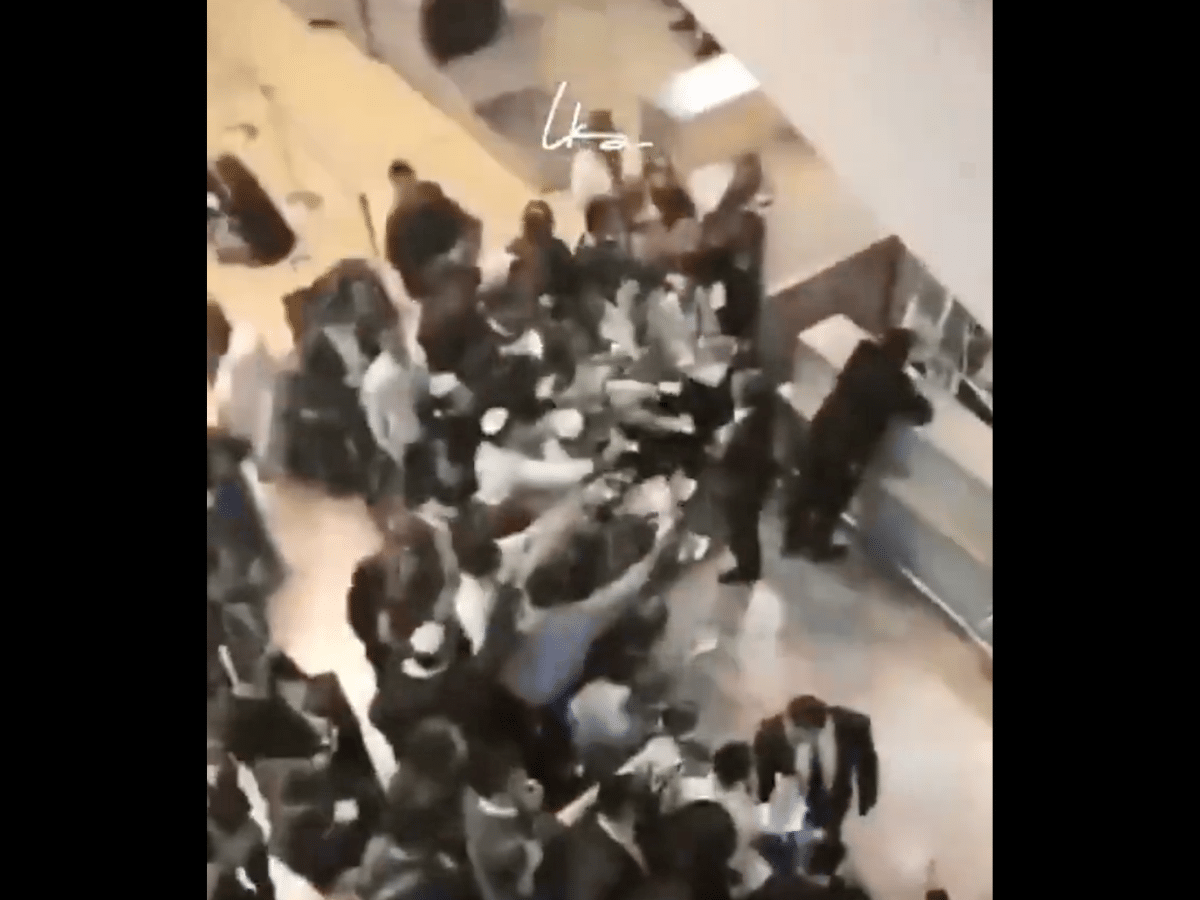
Israeli settlers have shown their “undying spiritual connection” to occupied Palestine – by fleeing it in panic. Footage filmed 16 March in occupation airports shows “total chaos” as mobs desperately try to get onto flights out and escape from Iranian retaliation for Israel-US attacks. Like Ben Gurion airport:
✈️🇮🇱 Chaos total à l’aéroport Ben-Gourion : files d’attente interminables en pleine guerre❗️(16 mars 2026) pic.twitter.com/jMHmzlHapK
— The News (@thenews_fr) March 16, 2026
They can all bog off back to Brooklyn pic.twitter.com/n9Wsfw80nD
— Her Royal Heinous 🇮🇪🇵🇸 (@HerRoyalHeinous) March 17, 2026
The clips triggered thousands of responses comparing the fortitude of Palestinians and Lebanese people in their razed lands with the readiness of ‘Israelis’ to run away. Like this one, captioned in French “The difference between the owner of the land and the one who stole it”:
— Fania 🦋 (@FaniaNaili) March 16, 2026
“Wah wah, my country is Israel but I want to go back to France”:
NO COMMENT ⬇️ pic.twitter.com/H9Ypix0eum
— OXYGÈNE ⚖️🗽🐢✌️ (@samisam60980585) March 16, 2026
— Mekki Rachid (@slim_o27) March 16, 2026
They can all bog off back to Brooklyn pic.twitter.com/n9Wsfw80nD
— Her Royal Heinous 🇮🇪🇵🇸 (@HerRoyalHeinous) March 17, 2026
Others mocked the fact that Benjamin Netanyahu has not been seen, except in AI videos, for more than a week now. Not without reason, since he has frequently fled, though whether he is hiding abroad this time or dead is not yet clear:
— mujaheddin (@EdwardSaid1968) March 16, 2026
— Miguel W. (@miguel_wals) March 17, 2026
— Pablo (@PabloEskoba72) March 17, 2026
And it’s fair to say that there was not a lot of sympathy on show:
— ostensible spam (@PsionicPsittacc) March 17, 2026
Brilliant #OperationEpicScurry
— OneQuantumLeap (@OneQuantumLeap) March 17, 2026
Israel had already put a ban preventing aircraft from carrying more than a hundred passengers at a time in an attempt to slow the exodus-flood. But it seems Iran noticed. Two days after the scenes were filmed, on 18 March 2026, Ben Gurion airport was heavily bombed, making fleeing even harder.
Featured image via X

Two Israeli tourists have been ejected from a Brazilian beach—by popular demand. This happened after they assaulted a woman for carrying a Palestine flag. Beachgoers chanted “free, free Palestine” as the Israelis were booed away.
The incident occurred as thousands of Israelis in occupied Palestine, fearing retaliatory Iranian attacks, formed panicked mobs at airports in an attempt to flee. A true display of their deep connection to the land of Palestine…
Featured image via X/the Canary
!function(n){if(!window.cnx){window.cnx={},window.cnx.cmd=[];var t=n.createElement(‘iframe’);t.display=’none’,t.onload=function(){var n=t.contentWindow.document,c=n.createElement(‘script’);c.src=”//cd.connatix.com/connatix.player.js”,c.setAttribute(‘async’,’1′),c.setAttribute(‘type’,’text/javascript’),n.body.appendChild(c)},n.head.appendChild(t)}}(document);(new Image()).src=”https://capi.connatix.com/tr/si?token=19654b65-409c-4b38-90db-80cbdea02cf4″;cnx.cmd.push(function(){cnx({“playerId”:”19654b65-409c-4b38-90db-80cbdea02cf4″,”mediaId”:”cfa44484-4e00-4666-8f48-482e2808721b”}).render(“69bc211fe4b079744b14ea9b”);});
What Joseph Duggar Said About Brother Josh Before His Arrest

Leeds students rally against university’s Zionist allegiances
Sidney Crosby responds to Jack Hughes Golden Goal puck request amid 2010 Olympic parallels

Smart energy pays enters the US market, targeting scalable financial infrastructure

Why Israel is blocking foreign journalists from entering

Bitcoin: We’re Entering The Most Dangerous Phase

Crypto Trading For Beginners Pt.2 | Crypto Trading LIVE DEMO | Bitcoin Trading

What is the single most effective piece of financial advice you’ve ever received?

Crypto Trading For Beginners | Bitcoin Trading for Beginners | Crypto Trading kaise kare | App India
-
 Crypto World6 days ago
HYPE Token Enters Net Deflation as HyperCore Buybacks Outpace Staking Rewards
-

 Tech4 days ago
Your Legally Registered ‘Motorcycle’ Might Not Count Under Proposed US Law
-

 Fashion6 days ago
Weekend Open Thread: Addict Lip Glow
-
 Tech2 days ago
Are Split Spacebars the Next Big Gaming Keyboard Trend?
-
Sports5 days ago
Why Duke and Michigan Are Dead Even Entering Selection Sunday
-

 Business4 days ago
Search for Savannah Guthrie’s Mother Enters Seventh Week with No Arrests
-

 Business5 days ago
US Airports Launch Donation Drives for Unpaid TSA Workers as Partial Government Shutdown Enters Fifth Week
-
Crypto World5 days ago
Coinbase and Bybit in Investment Talks: Could Bybit Finally Enter the US Crypto Market?
-

 Business3 days ago
Australian shares drop as Iran war enters third week
-

 Business5 days ago
Country star Brantley Gilbert enters growing non-alcoholic beer market
-

 Crypto World3 days ago
Crypto Lender BlockFills Enters Chapter 11 with Up to $500M in Liabilities
-

 Sports6 days ago
College Basketball Best Bets: Conference Tournament Semifinal Picks
-

 Politics1 day ago
The House | The new register to protect children from their abusers shows Parliament at its best
-

 Business7 days ago
Trump demands Powell cut rates as Iran conflict raises energy prices
-

 Fashion3 days ago
25 Celebrities with Curly Hair That Are Naturally Beautiful
-

 News Videos1 day ago
RBA board divided on rate cut, unusually buoyant share market | Finance Report | ABC NEWS
-

 Crypto World7 days ago
Senate Votes to Include CBDC Ban in Bipartisan Housing Bill
-

 NewsBeat7 days ago
Deane Road crash near Bolton colleges and university
-

 Crypto World1 day ago
Canada’s FINTRAC revokes registrations of 23 crypto MSBs in AML crackdown
-

 News Videos7 days ago
Tom Lee: The 100x Opportunity EVEN Bigger Than Bitcoin (New Ethereum Prediction 2026)


You must be logged in to post a comment Login