
Crypto World
Cardano Hard Fork Upgrade Nears With Node 10.7.0 Release


TLDR
- Cardano expects the Node 10.7.0 Target prerelease within days as part of Protocol 11 preparations.
- Node 10.7.0 serves as one of the required releases for the van Rossem hard fork.
- Developers will integrate the new node into ecosystem tools and conduct performance testing.
- Version 10.7.x will transition to version 11 to fork the Preview and PreProd testnets.
- The Protocol 11 upgrade introduces new Plutus built-ins, including CIP-138 and CIP-153.
Cardano advances preparations for its intra-era upgrade to Protocol 11, known as the van Rossem hard fork. Intersect confirmed that Cardano Node 10.7.0 Target prerelease should arrive within days. The release sets the stage for ecosystem integration and testing before the network moves toward testnet and mainnet upgrades.
Cardano Hard Fork Moves Closer With Node 10.7.0
Intersect reported that Cardano Node 10.7.0 Target prerelease is expected within days. The organization operates as a member-based body within the Cardano ecosystem. It outlined the release timeline in a recent technical update.
Cardano Node 10.7.0 stands as one of two required releases for the van Rossem hard fork. Earlier, developers deployed Node 10.6.2 in February to begin preparations. Now, the upcoming version introduces new features beyond hard fork functionality.
The ecosystem will integrate Node 10.7.0 into tooling once developers publish the release. Teams will conduct integration testing and performance checks across services. Dependent on results, developers may issue further minor updates.
Intersect stated, “Cardano Node 10.7.0 Target prerelease is expected within a few days.” The group added that prerelease 10.7.0 supports feature testing. Version 10.7.x will later transition to version 11 for testnet forks.
Developers will promote version 11 to fork the Preview and PreProd testnets. After testnet validation, they will prepare for the mainnet fork. The upgrade process follows established Cardano governance procedures.
Protocol 11 Introduces New Plutus Built-Ins
The Cardano hard fork to Protocol 11 will introduce new Plutus built-ins. These include CIP-138 for Array type support. They also include CIP-153 for the MaryEraValue type.
Developers will add CIP-109 for modular exponentiation functionality. They will also implement the CIP-132 drop list built in. In parallel, CIP-133 enables multi-scalar multiplication over BLS12-381.
Intersect confirmed that SanchoNet already runs Protocol version 11. Therefore, developers can test the new built-ins on that network. Scalus updated its smart contract tooling to support these features.
The upgrade does not change the transaction shape. As a result, teams expect limited disruption to existing integrations. Hardware wallets should face no serialization issues under this release.
DBSync compatible with Node 10.7.0 will follow soon after the release. Intersect stated that no serialization changes are included. The upgrade focuses on performance improvements and cleaner ledger rules.
The van Rossem hard fork operates as a small intra-era upgrade. It enhances Plutus performance and introduces new cryptographic capabilities. Existing smart contracts will continue operating without breaking changes.


Pardoned BitMEX founder Ben Delo is funding a Westminster political hub that lends support to a network of controversial right-wing politicians and influencers, an investigation from The Guardian and HOPE not hate has revealed.
The hub, known as “The Sanctuary,” is made up of a number of rooms overlooking Westminster Abbey to which politicians, race scientists, and anti-abortion campaigners are given access free of charge. The rooms are reportedly used for events, office work, and podcasting.
Right-wing MP Rupert Lowe used the hub to launch his Restore Britain party after he was ousted from Reform UK.
The race science magazine Aporia, which has published articles on race and IQ, has also hosted events at The Sanctuary alongside the anti-woke author Eric Kaufmann, who spoke about “the problems with… black culture” and how people should be “comfortable with a natural level of inequality.”
Former UK Prime Minister Boris Johnson and Conservative leader Kemi Badenoch have visited The Sanctuary to appear on right-wing podcast Triggernometry.
Read more: BitMEX has now lost all US profits after founders plead guilty, lawyer says
A free speech festival promoting “anti-science, anti-expert, and anti-public health positions,” called The Battle of Ideas, uses The Sanctuary and has received £100,000 in funding from Delo.
An annual summer party is hosted each year at the hub and attracts a host of right-wing figures.
Last year’s events saw the likes of former Conservative MP Michael Gove, former Reform UK Deputy Leader Ben Habib, Reform UK loyalists Matt Goodwin and James Orr, and Paul Coleman, the director of a right-wing Christian group that helped overturn the Roe v Wade legislation.
When Queen Elizabeth died, Delo, right-wing figure Jordan Peterson, and his wife, Tammy Roberts, watched the funeral from The Sanctuary.
Delo doesn’t want The Sanctuary’s operations getting out
The Sanctuary takes great care to keep its operations under wraps, withholding its name from the building’s lobby plaques and telling users to keep quiet about the hub online.
Delo was convicted for failing to implement money laundering checks at his crypto exchange that were compliant with the Bank Secrecy Act.
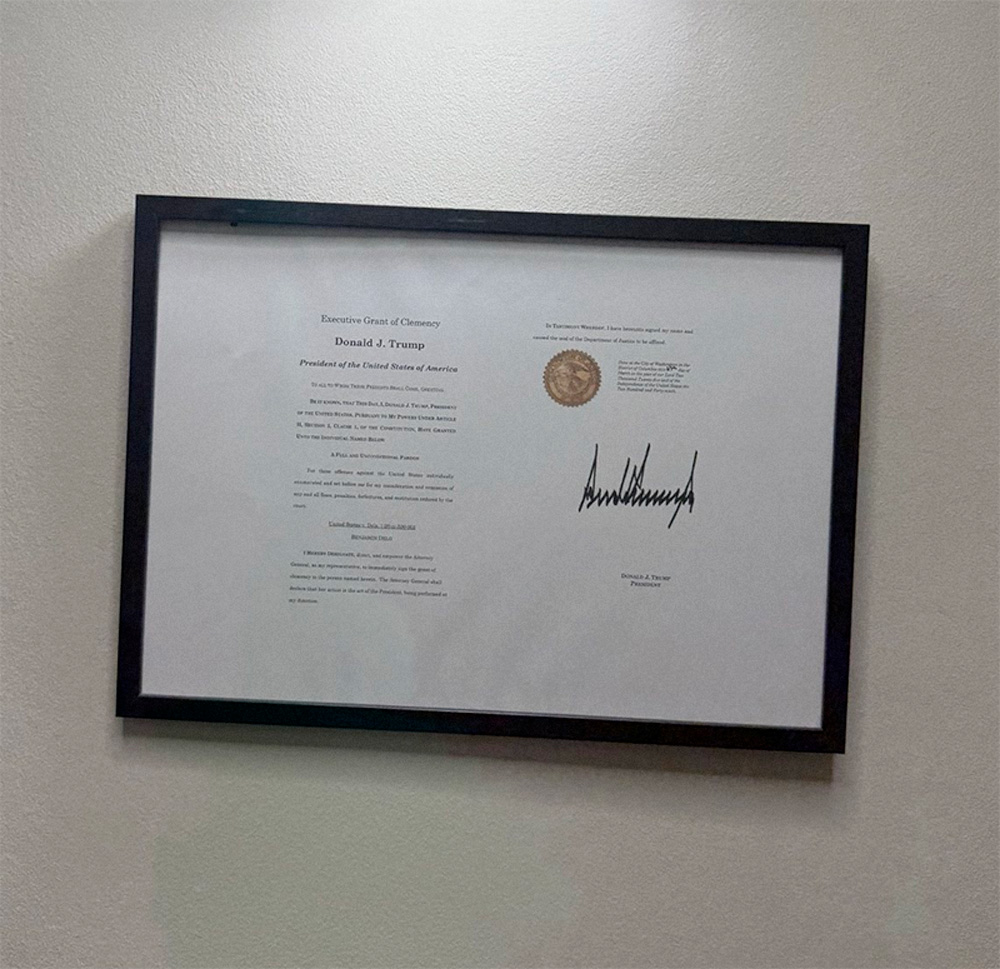
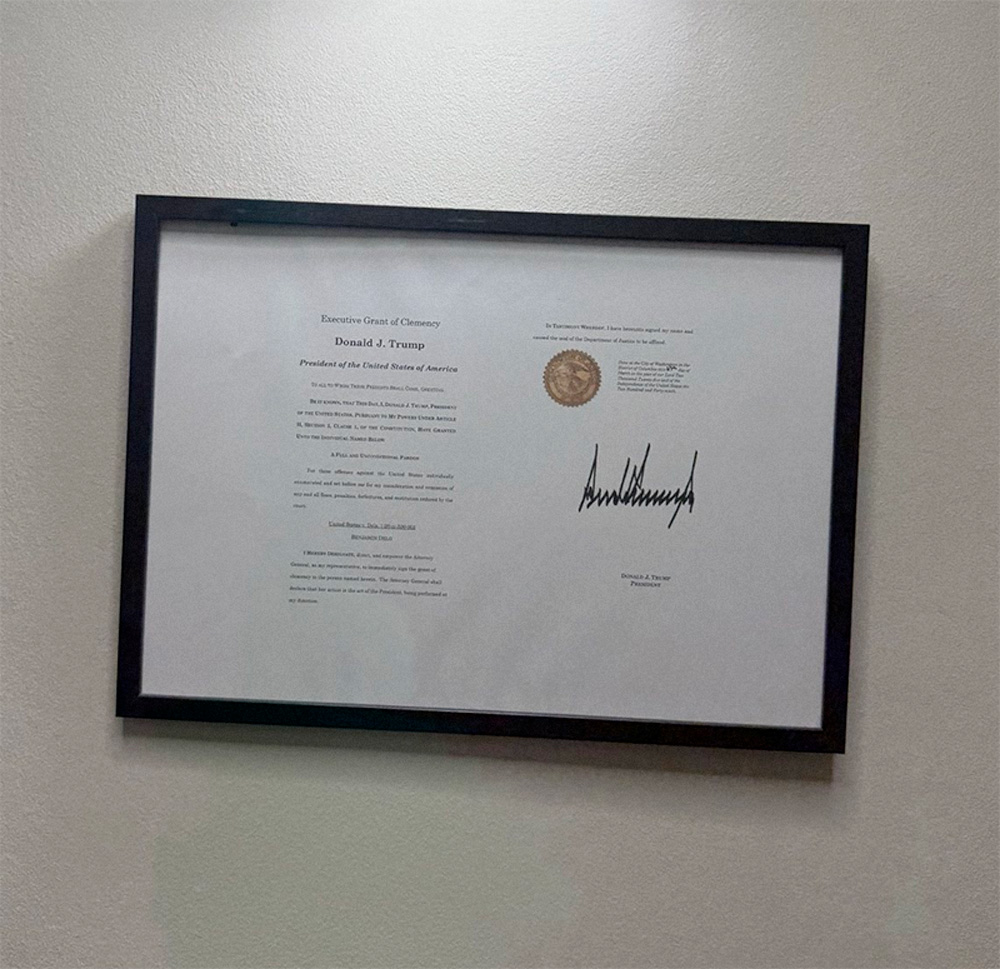
Alongside his fellow BitMEX founders and the exchange itself, Delo was pardoned by US President Donald Trump last year as part of his attempts to appeal to the crypto industry.
Read more: Trump pardons Ross Ulbricht but Silk Road deputy remains behind bars
Delo runs the hub alongside his chief of staff, Jeremy Hildreth, an American branding consultant and old Oxford friend.
Hildreth manages the day-to-day operations of The Sanctuary and has donated £26,755 in legal costs to Badenoch for an online harassment case in 2021.
The Sanctuary itself is decorated like a gentleman’s club, and is adorned with gothic architecture, a taxidermy penguin, pictures of Victorian colonists, and cabinets filled with expensive gin and champagne.
In one framed picture of Delo, there’s a letter from Claire Fox, who runs The Battle of Ideas, praising Delo as “our free speech hero.” A copy of Delo’s pardon from Donald Trump is also framed in the halls.
Delo has also portrayed himself as a generous philanthropist and says that he’ll donate half of his wealth to good causes. Delo claims he has donated £100 million, and earlier this month, he donated £20 million to a maths and physics institute.
On top of free speech and public debate causes, he’s also reportedly donated to fields in neurodiversity and Commonwealth relations. Delo’s philanthropy efforts were also praised by Michael Gove, who said he was “proud to know” Delo.
Got a tip? Send us an email securely via Protos Leaks. For more informed news and investigations, follow us on X, Bluesky, and Google News, or subscribe to our YouTube channel.
The move would replace quarterly CELO grants to Opera, which each required Celo governance approval, to a one-time token payment for a three-year partnership.
Publicly traded web browser Opera (NASDAQ: OPRA) announced that it has committed to being a long-term holder of Ethereum Layer 2 Celo’s native token, CELO, according to press release published today, March 19.
Celo Core Co., the primary developer and steward of the L2, submitted a governance proposal today outlining the plan to restructure its five-year-old partnership with Opera, namely proposing to shift the browser giant “from a distribution partner to a long-term network stakeholder.”
If approved by the Celo community, the new structure has Opera set to receive an allocation of 160 million CELO tokens — worth about $13 million at current prices — from the network’s “unreleased treasury,” meaning the tokens would not be purchased from the open market.
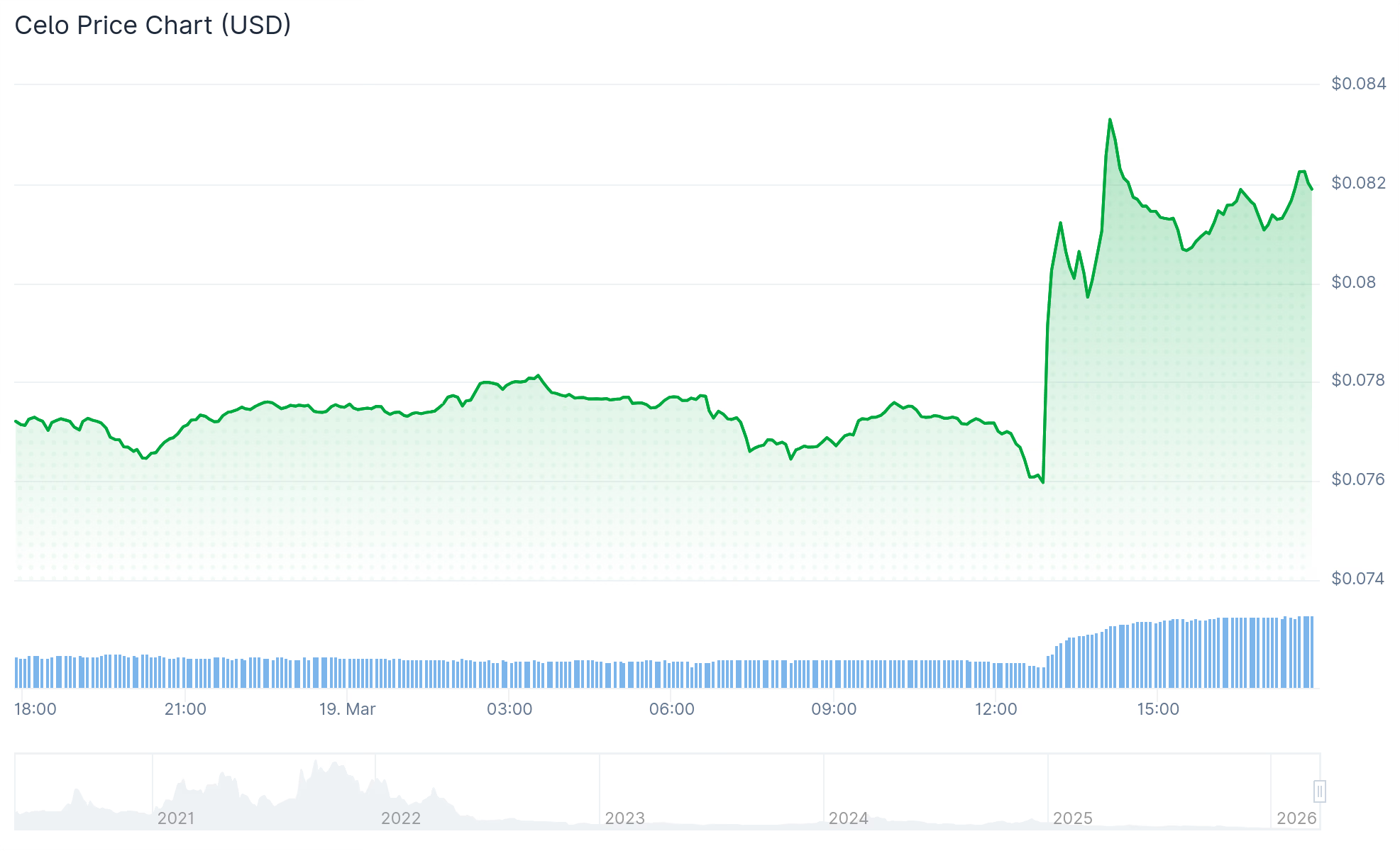
CELO rallied over 7% on the day on the news, bucking a broader market slump, though the token remains 99% below its 2021 highs and was trading around $0.08 at time of writing.

Quarterly to One-Time Grant
Under the proposed deal, Opera would swap its existing quarterly grant arrangement for a one-time token payout that initiates an additional three-year partnership between the two organizations.
In December 2023, the Celo community approved a proposal to pay Opera $568,182 per quarter in CELO — dubbed strategic grants, with each grant put before a governance vote on a quarterly basis — through Q1 2026, for a total of nearly $5.7 million, calculated at the time. The approved 2023 proposal emphasizes that Opera intends to hold and stake CELO, and has the ability to participate actively in governance.
These grants were effectively a marketing deal to increase the adoption of Celo DApps, namely MiniPay, specifically across Africa, where Opera Mini was the most popular browser at the time, per the proposal.
The 160 million CELO allocation in today’s proposal, also presented as “a grant for distribution services,” represents what both firms note is a shift to a more long-term partnership and commitment to the Celo ecosystem.
The allocation makes up approximately 27% of CELO’s current circulating supply and 16% of its 1 billion maximum supply. The one-time token transfer would come from Celo’s treasury into an Opera-controlled wallet, with Opera’s governance influence capped at 10% of total staked CELO under normal circumstance, per the governance proposal.
The proposal has already drawn scrutiny from some in the Celo community. One member of the governance forum, under the username Ginsburg, left a comment on the proposal earlier today, raising concerns about the deal’s structure and requesting further clarity from the team:
“This proposal effectively allocates ~160M CELO to Opera in lieu of a cash payment, which introduces meaningful dilution (or at least supply overhang) for existing token holders. I understand the strategic intent—aligning Opera as a long-term stakeholder and scaling MiniPay distribution—but the key question seems to be whether the expected user growth justifies the size of this allocation. If this were a market purchase, it would clearly signal demand. In this case, it’s more akin to CELO using its token as equity to acquire distribution.”
The vote remains pending before the Celo community governance forum. Opera and Celo also announced plans for a joint roadshow in Southeast Asia and Latin America “to drive grassroots adoption and grow the Mini App ecosystem,” starting next month.
Five-Year Partnership
The original partnership between Celo and Opera began in June 2021, when Opera first integrated CELO and Celo’s native stablecoins into the browser’s built-in crypto wallet, bringing cUSD and cEUR to millions of users.
That relationship deepened significantly in September 2023 with the launch of MiniPay, Opera’s self-custodial stablecoin wallet built directly on Celo, which has since grown to 14 million account registrations and processed 420 million transactions across 66 countries, according to the release.
Celo’s stablecoin activity and user base began surging in late 2024 as MiniPay drove adoption globally. Stablecoins more broadly crossed into mainstream fintech in 2025, with total market cap rising 50% even as broader crypto declined.
According to L2Beat, Celo has approximately $247 million in total value secured, making it the largest chain in the validiums and optimiums category — but a fraction of the scale of major rollups like Arbitrum or Base, which each hold over $10 billion.
Where Celo stands out is in user activity: per Token Terminal, the network currently leads all Ethereum Layer 2s by daily active users, with roughly 660,000 DAUs — a figure Celo attributes largely to MiniPay’s global reach.
This article was written with the assistance of AI workflows. All our stories are curated, edited and fact-checked by a human.
Certain market observers predicted that the asset’s price could soon surpass $50, while others cautioned traders to be extremely careful.
The lesser-known altcoin RIVER has defied the ongoing bear market, with its price spiking by double digits over the past seven days.
Some analysts expect the rally to continue, while others view the project as a red flag and warn investors to stay away.
How Much More?
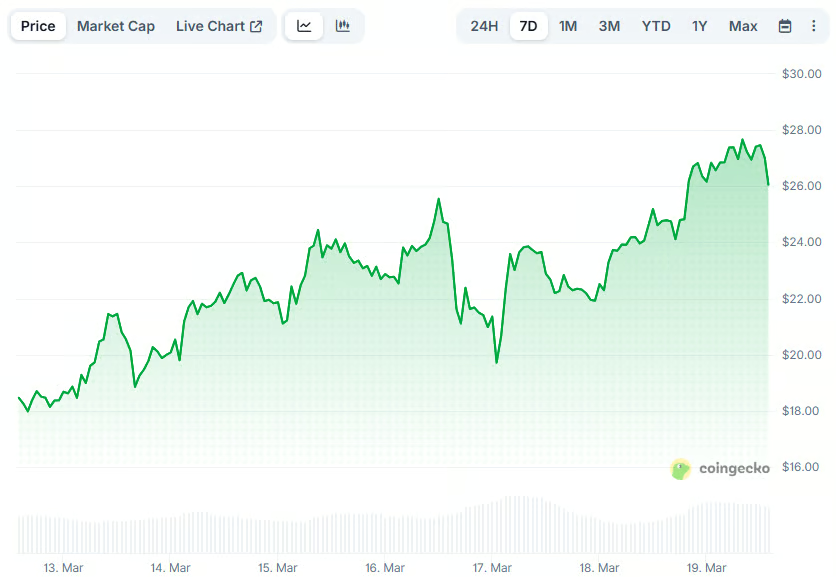
RIVER is among the best-performing top 100 cryptocurrencies in the last week, jumping by 50% and currently trading at around $26 (per CoinGecko’s data). At one point, its market capitalization neared $550 million, whereas as of this writing, it stands at around $500 million.
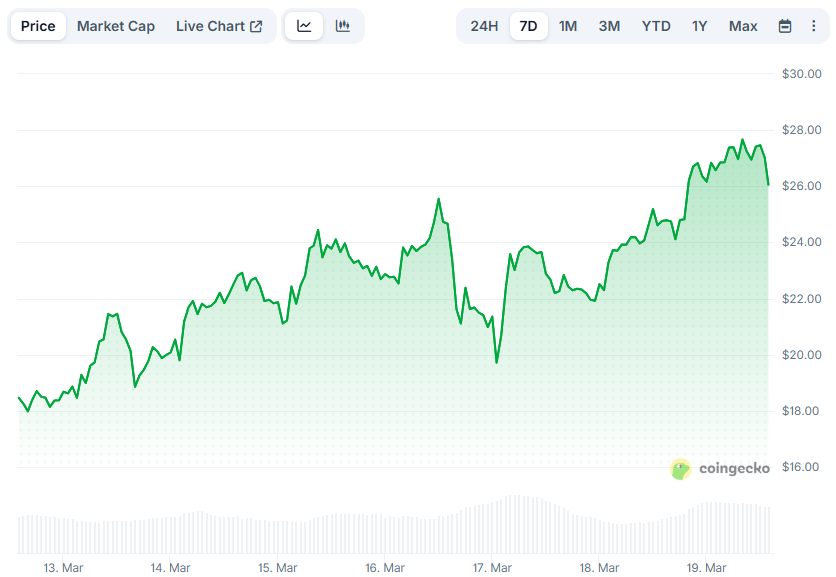
One factor that may have contributed to the rally is the recent partnership between DIA and River, which is intended to provide the former’s omnichain stablecoin system with accurate, trustworthy price data.
The coin’s pump caught the eye of many analysts, including the popular Ali Martinez. Earlier this month, he claimed that RIVER “is looking bullish” since it has formed an “inverse head-and-shoulders” pattern and predicted that a pump above $20 could open the door to $57. Later on, Martinez confirmed the breakout, setting anything in the $45-$57 range as potential targets.
Kamran Asghar chipped in when RIVER was testing the “critical resistance zone” around $23. Back then, he argued that turning this into support could result in a “clear run” toward $40 and beyond.
Major Red Flags?
Despite the impressive price increase, others remain quite skeptical toward the cryptocurrency. X user Julius Elum noted that RIVER “looks good in the chart,” but claimed that it might be a “manipulatable token” by whales. In his view, entry between $10 and $15 is safe, hopping on the bandwagon at around $20 is risky, while the current levels represent FOMO.
You may also like:
“It might be a planned liquidity grab. I don’t chase setups if it has formed this obvious conviction. Because most times, it’s a trap. I’d rather take entry when the conviction is still in the doubt stage. But if I must risk it, I will do so with caution,” the analyst concluded.
X user Nehal also sounded the alarm. They believe that there are major red flags surrounding RIVER, suggesting that investors should be aware of more than just a pump-and-dump volatility. The analyst went even further, stating that many traders have reported losing money because the price has moved against their positions. In a subsequent post on March 18, Nehal forecasted that RIVER could plummet below $5 soon.
Highlighting the risks related to the token is nothing new. Earlier this year, X user Erik said 94% of RIVER’s total supply is held by only five wallets, whereas Honey argued that the project resembles previous rug pull schemes.
Binance Free $600 (CryptoPotato Exclusive): Use this link to register a new account and receive $600 exclusive welcome offer on Binance (full details).
LIMITED OFFER for CryptoPotato readers at Bybit: Use this link to register and open a $500 FREE position on any coin!

Major League Baseball (MLB) announced that it had signed an “integrity protection” agreement with the US Commodity Futures Trading Commission (CFTC) as it separately inked a deal with prediction markets platform Polymarket.
In a Thursday announcement, MLB said that its commissioner, Robert Manfred, signed a memorandum of understanding with CFTC Chair Michael Selig following the league’s request for “strong integrity protections in the rapidly evolving prediction market space.” In a separate deal, the league said it had reached an agreement for predictions market platform Polymarket to be its Official Prediction Market Exchange.
“The new agreements that we formed with Polymarket and the CFTC are imperative steps in proactively managing the new and rapidly growing prediction market space,” said Manfred.

In August, MLB sent a memo to players and clubs warning them about prediction markets, reminding them that the league’s gambling rules apply to those platforms. In November, two Cleveland Guardians pitchers were charged with sharing inside information about their play with sports bettors.
The deals were announced amid scrutiny from federal and state lawmakers on prediction markets platforms like Polymarket and Kalshi. In the US Congress, lawmakers have named Polymarket in proposed laws to crack down on bets related to military conflicts, while at the state level, both platforms are facing lawsuits related to betting on sporting events without a license.
Related: Bitcoin prediction markets see 70% chance BTC price crashes to $55K in 2026
The baseball season kicks off on March 26 with 22 teams playing across the US. As of Thursday, Polymarket has listed several event contracts for the league’s spring training games.
Will the CFTC agreement prevent state-level lawsuits over sports bets?
Although prediction markets platforms offer event contracts on a variety of topics such as US politics, weather, and pop culture, authorities in many US states have been challenging companies like Kalshi or Polymarket over sports bets and, in Arizona, election wagering.
Selig, as the sole commissioner at the CFTC, has been publicly pushing for the agency’s “exclusive jurisdiction” over prediction markets, including through the proposal for a rule that could amend or issue new regulations for overseeing the companies.
“Calling a bet an ‘event contract’ doesn’t make it legal,” said the American Gaming Association in January. “Prediction markets are exploiting regulatory gaps to offer unregulated sports wagers.”
Cointelegraph reached out to Polymarket for comment on potential lawsuits over the deal but had not received a response at the time of publication.
Magazine: Are DeFi devs liable for the illegal activity of others on their platforms?
Crypto World
DeepSnitch AI: The Best AI Crypto Coin of 2026 Records $2.2M in Presale Revenue Ahead of Launch As Investors Rethink Holdings in SOL and AVAX

Recently, there has been a question everyone seems to be asking: Is Deepsnitch AI the best AI crypto coin of 2026? As one of the most promising AI crypto projects, DeepSnitch AI (DSNT) has already raised over $2.2 million in its presale phase and surged from $0.0151 to its current price of $0.04487.
As interest in the best AI crypto and increasing demand for top AI crypto coins grow, DeepSnitch AI is expected to lead this trend.
Bitcoin exchange inflows rise as price faces resistance near $75K
Centralized exchanges have seen a rise in hourly Bitcoin inflows, coinciding with the broader market rally.
Recent statistics indicate that hourly Bitcoin deposits to exchanges reached as high as 6,100 units on the 16th of March. This is the highest level seen in the past few weeks.
A portion of this came from the large holders’ category, which accounted for about 63% of total deposits.
Is DeepSnitch AI the best crypto coin of 2026?
Most investors feel this question has been answered because DeepSnitch AI possesses everything that the best crypto coin of 2026 would. The token boasts of an exponential growth potential, impressive AI utility, and rapidly rising demand.
When traders ask the question: Is DeepSnitch AI the best crypto coin of 2026, there are so many reasons why the answer is yes. First, the project’s growth potential is unmatched, with DSNT up by almost 200% since its presale began.
Second, the token boasts an impressive lineup of five AI agents dedicated to making traders’ lives easier. From identifying potential breakouts to gaining insights into complex market questions, these AI agents help traders stay ahead.
Best of all, they are easy to use and access, so even a user with zero experience would easily fit in.
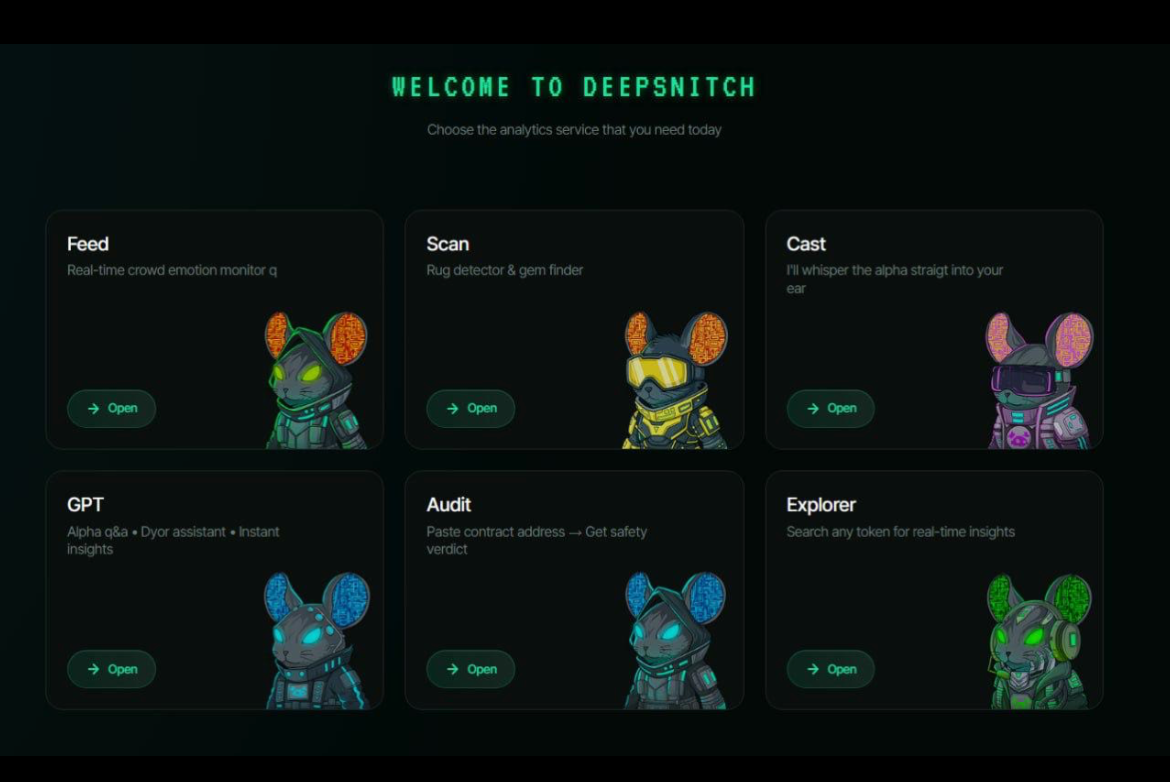
The announcement of its March 31 launch has contributed to rising demand. Instead of asking if DeepSnitch AI is the best crypto coin of 2026, analysts now expect the project’s launch to be accompanied by a potential 1000x rally, given its current trajectory.
Many are already rushing in to take advantage of its limited incentives. Joining this presale would be highly rewarding, especially for those who are still asking, “Is DeepSnitch AI the best crypto coin of 2026?”
DSNT is confirmed to launch on Uniswap for trading, and could see additional CEX and DEX listings in the near future. Don’t wait until price discovery begins.
Avalanche investors target $15 as AVAX records 10% monthly surge
Avalanche has put together a modest recovery, gaining 10% over the past month. The token was trading at $9.15 on February 23 but has since climbed to $10.21 by March 17, reflecting a gradual return of buying interest as the broader market improves.
What’s now driving interest is the growing expectation of a move toward $15 in the near term. Several market watchers believe AVAX could extend its rally if momentum holds, with projections placing it in the $12-$15 range during the current cycle.
Analysts project imminent breakout past $100 for Solana amid 9% monthly surge
The price of Solana has been increasing over the last month, going up 10%. SOL hit a low of $85.30 on February 23 before increasing to $93.75 on March 18. This may not be an explosive move at first glance, but it is a steady move higher as people become more confident in the market.
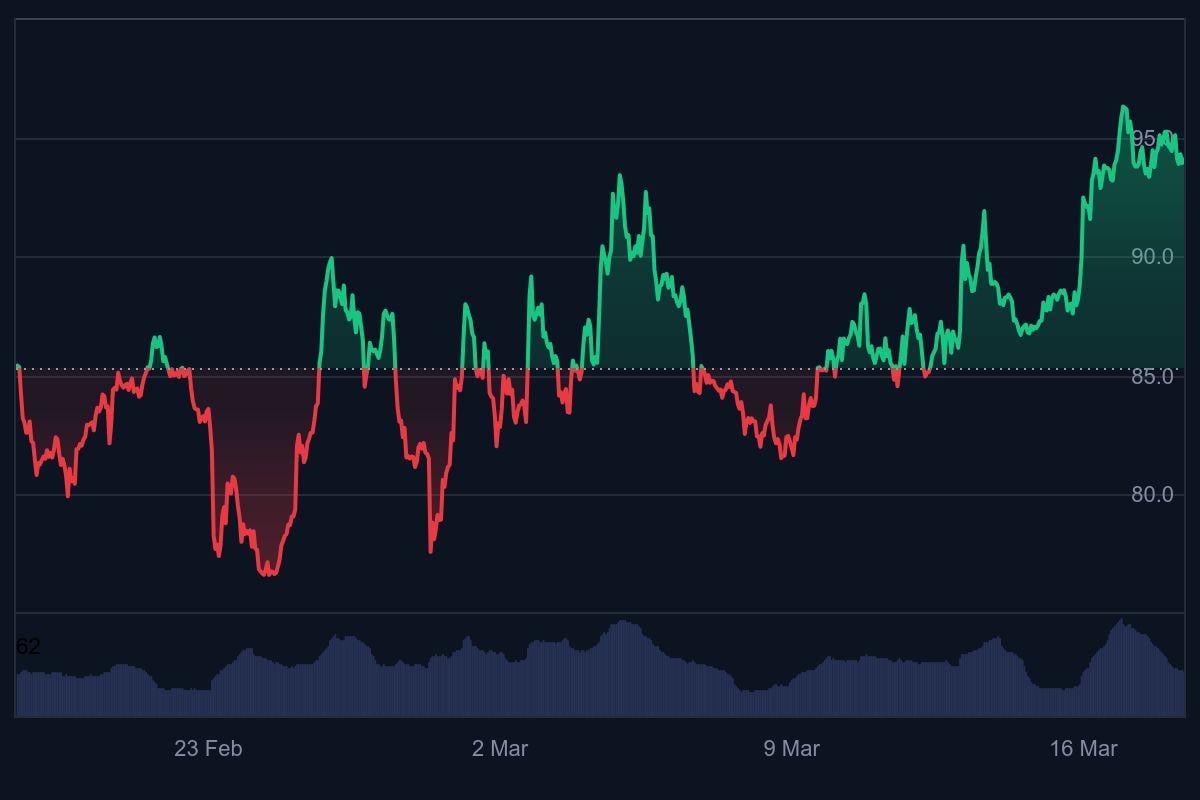
Renowned analyst Alicharts suggests a potential short squeeze could accelerate price action after Solana reclaimed the $93 level. If that level continues to hold as support, analysts are pointing to upside targets near $102 and $113.
Conclusion
So, is DeepSnitch AI the best AI crypto coin of 2026?
More investors look toward high-growth AI-driven tokens. However, DeepSnitch AI has already answered this question, proving to be the best with its unique technology and high growth potential.
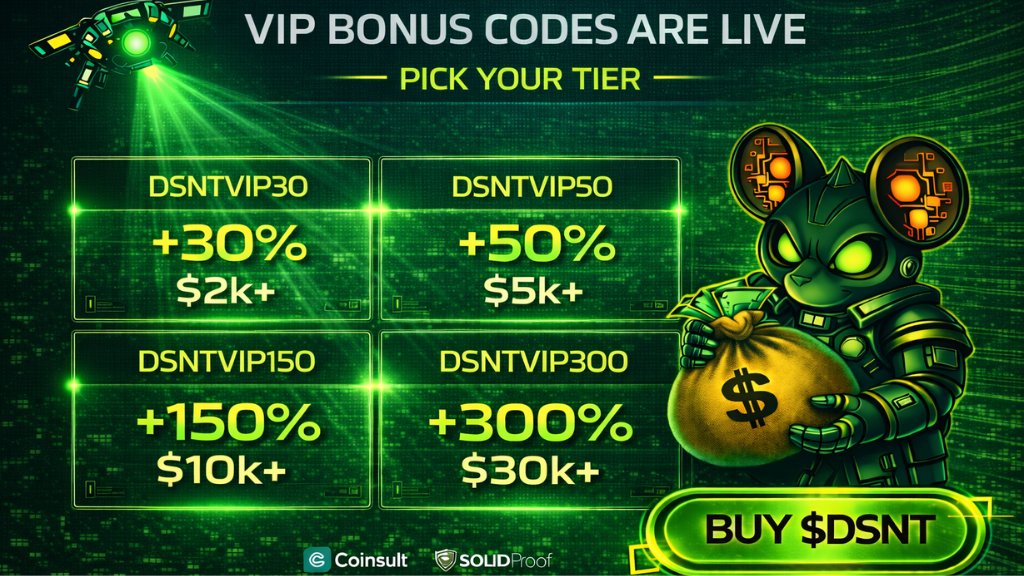
Added to this are its presale incentives, including the most amazing bonus offers in the market right now. With a $30,000 purchase, an investor would get 668,599 DSNT tokens at the current price. However, with the 300% bonus code (DSNTVIP300), this jumps to 2,674,397 DSNT tokens.
To enjoy these bonuses, visit the DeepSnitch AI website and check out their X and Telegram to keep up with updates.
FAQs
Is Deepsnitch AI the best AI crypto coin of 2026?
Deepsnitch AI is increasingly being considered a top contender due to its strong presale performance, real AI utility, and potential for huge growth.
What exchanges would DeepSnitch AI list when it launches?
While the only confirmed exchange listing is Uniswap, DeepSnitch AI is expected to hit major centralized and decentralized platforms after launch.
What makes DeepSnitch AI the best crypto presale above others?
Unlike many presales, DeepSnitch AI offers operational utility and significant growth potential, making it appealing to investors seeking long-term gains.
Disclaimer: This is a Press Release provided by a third party who is responsible for the content. Please conduct your own research before taking any action based on the content.


Dutch market maker IMC Trading has hired Alex Casimo as chief commercial officer of its cryptocurrency business, according to a person with direct knowledge of the matter.
Casimo started in his new role this week and is based in London, the person said, who spoke on condition of anonymity as the matter is private.
The hire reflects IMC’s ambition to build deeper, more strategic relationships with institutional counterparties and foundations across the crypto ecosystem, with a view to become one of the leading client-facing firms in the industry, the person added.
Both IMC and Casimo declined to comment.
Previously, Casimo was founder and COO of crypto market maker Portofino Technologies. He also worked at Citadel Securities.
Traditional finance firms are expanding into crypto as client demand, regulatory clarity, and market infrastructure improve, pushing banks, asset managers, and trading firms deeper into digital assets.
What was once treated as a fringe market is increasingly viewed as another investable and serviceable asset class, with institutions building custody, trading, tokenization and ETF-related businesses to capture new revenue while avoiding being left behind in a market that is becoming more integrated with mainstream finance.
The Amsterdam-based firm already has a significant presence in crypto. According to its website, the company trades $3 billion a day in average volume, supports hundreds of trading pairs, and has access to 50 major exchanges globally.
The market maker uses its own capital, advanced algorithms and high-speed technology to buy and sell financial instruments across equities, options, exchange-traded funds (ETFs) and other asset classes. By continuously quoting prices and executing trades on exchanges worldwide, the firm provides liquidity to markets, helping ensure smooth trading, while generating profits from small price differences and efficient risk management.
Read more: Blockfills co-founder and CEO Nicholas Hammer has stepped down

Workers roll up copper rods made from recycled copper at a metal melting facility in Yuexi County, central China’s Anhui Province, Friday, July 11, 2025.
Feature China | Future Publishing | Getty Images
Prices for metals fell sharply across the board Thursday as investors worried about the impact rising oil prices due to the U.S.-Iran war will have on the global economy.
Gold fell nearly 6%, while silver was off 8%. The sell-off extended beyond just those two, as industrial metals like copper and palladium came under pressure, declining 2% and 5.5%, respectively.
While the selling intensified on Thursday, gold and silver have been falling since the war in Iran began, despite the former being viewed as a safe-haven asset. Surging oil prices have created concerns that inflation will reignite and keep interest rates higher. Higher rates weaken the appeal of the bullion, which is non-yielding.
A stronger dollar as a result of the higher rates has also weighed on gold, as it cheapens the metal.
“The risks to inflation taking away the Fed rate cuts that were priced in, and seeing interest rate increases across the world, and real rates rising, that has been the drag on gold,” said Peter Boockvar, CIO at One Point BFG Wealth Partners. The U.S. 10-year Treasury yield at one point on Thursday crossed 4.300%.

@GC.1 v. @SI.1 since Feb. 27, 2026.
Meanwhile, copper and palladium, after declining at the onset of the war, stayed relatively stable.
But that has changed as growth concerns begin to weigh on these industrial metals.
Recession risk
Industrial metals are used in practical ways. Copper, for example, is in everything from electronic devices to electrical wiring and plumbing systems. A decline in copper prices is normally viewed by the Street as a sign of slowing economic growth.
@HG.1 v. @PA.1 since Feb. 27 2026 chart.
Wall Street consensus has generally been that the longer the war goes on, the greater is the risk that oil prices remain elevated for long enough that it alters the spending habits of consumers and businesses and leads to a recession.
It’s the “demand destruction” phase of an energy shock that traders and investors are chattering about.
“On the industrial metal side… people are now really worried about the recession risks,” Boockvar said.
And slower growth combined with higher inflation is a “stagflation” scenario. But while investors begin to make “stagflation” trades, others see the possibility as extremely unlikely.
Ed Yardeni, president of Yardeni Research, wrote in a Tuesday note that “oil shocks are less likely to trigger the kind of sustained stagflation seen in the past, particularly during the 1970s,” referencing the economic consequences of the 1973 OPEC embargo. He noted that Russia’s invasion of Ukraine in 2022, while it caused an oil shock and higher inflation, didn’t lead to a recession.
It’s a belief that Fed Chair Jay Powell repeated in a press conference on Wednesday. “I would reserve the term stagflation for a much more serious set of circumstances.”
While Boockvar thinks the war needs to end for industrial metals’ prices to stabilize, he said gold can likely recover as focus returns to countries’ rising debts and deficits, which gold typically does well against as a “debasement trade” play. He added that those deficits might only worsen due to military spending on the war.
And even if stagflation does arrive, head of asset allocation research at Goldman Sachs Christian Mueller-Glissmann wrote in a Thursday note gold is a play in that environment.
“In case of a continued stagflationary shock, especially if real yields are declining, we would expect more support for Gold prices due to investor demand for real assets and FX diversification,” he wrote.
Markets shift and headlines fade, but the core principles of building long-term wealth remain constant. Join us for our third CNBC Pro LIVE, where investors of all backgrounds – from financial professionals to everyday individuals – come together to cut through the noise and gain actionable strategies for smarter, more disciplined investing. No matter where you’re starting from, you’ll leave with clearer thinking, stronger strategies. Enter your email here to get a discount code
The DeFi neobank will route customer deposits into a basis-trade vault powered by Superstate’s USCC fund.
EtherFi, the crypto neobank and Ethereum restaking protocol with nearly $6 billion in total value locked (TVL), is integrating Plume Network’s Nest Vault infrastructure to give its users access to tokenized real-world asset (RWA) yield.
The integration centers on Plume’s nBASIS vault, powered by Superstate’s USCC fund, which generates returns from basis spreads, the price differential between spot and futures markets, across multiple cryptocurrencies, including Bitcoin, Ether, Solana, and XRP.
The rollout will proceed in two phases. EtherFi will first re-allocate capital to the nBASIS vault, with a direct integration into EtherFi’s user interface to follow.
“We’re building a neobank where every yield source, whether onchain or offchain, lives under one roof. This partnership with Plume and Superstate is a major step toward making that real,” said an Etherfi spokesperson.
“DeFi yields are increasingly compressed in today’s market,” said Plume co-founder Teddy Pornprinya, adding that retail users onboarded through neobanks like EtherFi are seeking more sustainable and diversified return sources beyond native DeFi strategies.
Plume’s Nest Vault framework handles compliance, risk parameters, and onchain reporting, reducing operational overhead.
From Restaking to Neobank
EtherFi began as a liquid restaking protocol on Ethereum, allowing users to stake ETH while retaining liquidity through its eETH token. The protocol launched a credit card product in mid-2024, positioning its Cash card as part of a broader product suite designed to let users save, invest, and spend crypto without off-ramping.
CEO Mike Silagadze has described the end goal as a full financial stack: salary deposits, savings, earning yield, and everyday spending, all within EtherFi. The project branded the concept a “defibank” blending traditional banking UI with DeFi-native yields and non-custodial infrastructure.
EtherFi migrated its Cash accounts and card program from Scroll to Optimism’s OP Mainnet in February 2026, bringing over 70,000 active cards and roughly 300,000 user accounts to the Superchain as part of an enterprise partnership with OP Labs.
The Plume integration now adds an RWA yield layer, extending the platform’s offerings beyond native DeFi strategies.
This article was written with the assistance of AI workflows. All our stories are curated, edited and fact-checked by a human.

South Korea is not just delaying its crypto tax anymore. It wants to kill it entirely.
The People Power Party has introduced a bill to strike digital asset taxation from the Income Tax Act completely, ahead of its rescheduled 2027 implementation. The opposition Democratic Party, which holds the legislative majority and previously only agreed to a delay, is now reviewing full abolition.
The reason is hard to ignore. $110 billion in capital flight. Traders moved funds offshore specifically to escape the planned 22% levy.
That number changed the political calculus fast.
- Policy Shift: The People Power Party introduced a bill to completely remove crypto from the Income Tax Act, aiming to scrap the tax rather than just delay it to 2027.
- Capital Flight: An estimated $110 billion has exited South Korean exchanges for offshore platforms, driven by the threat of a 22% tax on gains over $1,800.
- Investor Impact: The move aims to level the playing field for retail ‘Ant’ investors, aligning crypto incentives with the local stock market’s much higher tax-free threshold.
The Mechanics of the Korea Crypto Abolition Bill Explained
The disparity driving this debate is stark.
Under the planned law, South Korean crypto traders would pay a 22% tax on gains above just 2.5 million won. That is roughly $1,781. Meanwhile the domestic stock market protects investors with a deduction threshold of 50 million won, around $35,600.
The PPP is calling it exactly what it is. Discriminatory treatment of 6 million crypto traders.
JUST IN: SOUTH KOREA OPPOSITION MOVES TO SCRAP 2027 CRYPTO TAX ENTIRELY
South Korea's opposition party has introduced a bill to fully abolish the planned 22% crypto capital gains tax scheduled for 2027.
The party argues that it creates an unfair disparity, given that stock… pic.twitter.com/BunESTNyVS— BSCN (@BSCNews) March 19, 2026
The abolition bill goes further than the two-year moratorium agreed in December. It seeks to remove virtual assets from the taxation schedule entirely. The trigger is the $110 billion in capital that has already fled to overseas exchanges where Korean jurisdiction barely reaches.
Lawmakers are not acting on principle. They are reacting to data showing the domestic ecosystem is bleeding out.
The global context is accelerating the urgency. The US is signaling a pro-crypto regulatory stance and Korean lawmakers are watching closely. A hostile tax policy while competitors roll out the welcome mat could permanently handicap South Korea’s digital economy.
The capital flight already happened. The question now is whether abolition can bring it back.
What This Means for the ‘Ants’ and the Kimchi Premium
For South Korea’s retail traders, known locally as Ants, this is the signal to bring capital home.
The Democratic Party has historically pushed back hard on crypto. But $110 billion in capital flight is a number that forces pragmatism over ideology. If the tax gets scrapped, the incentive to route funds through offshore platforms or private wallets disappears overnight.
The kimchi premium is the market signal to watch. Historically that price gap between Korean exchanges and global markets spiked due to capital controls and regulatory evasion.
A tax-free environment on regulated platforms like Upbit and Bithumb would normalize volumes and turn the premium into a genuine sentiment indicator rather than a workaround tax.
The path to abolition is not guaranteed. The PPP introduced the bill but the Democratic Party holds the National Assembly majority. They agreed to a delay. A permanent scrapping of the tax still needs a formal vote. The 2027 implementation date remains on the books until that happens.
There is also a sunk cost problem. The National Tax Service already spent roughly 3 billion won building an AI-powered transaction tracking system specifically designed for crypto enforcement. Abolition renders that investment effectively obsolete for income tax purposes.
The legislative clock is running. Until the amendment clears the plenary session, the 2027 tax date is still legally active.
Seoul either stays a crypto hub or keeps donating capital to offshore jurisdictions. The Ants are watching the assembly floor. The vote decides it.
Discover: The best new crypto in the world
The post South Korea Opposition Moves to Abolish Crypto Tax Amid $110B Capital Flight appeared first on Cryptonews.
Bitcoin’s (BTC) rally to $76,000 revived market optimism for investors, but onchain data suggested that the move may still be part of an early-stage recovery defined by frequent periods of price volatility.
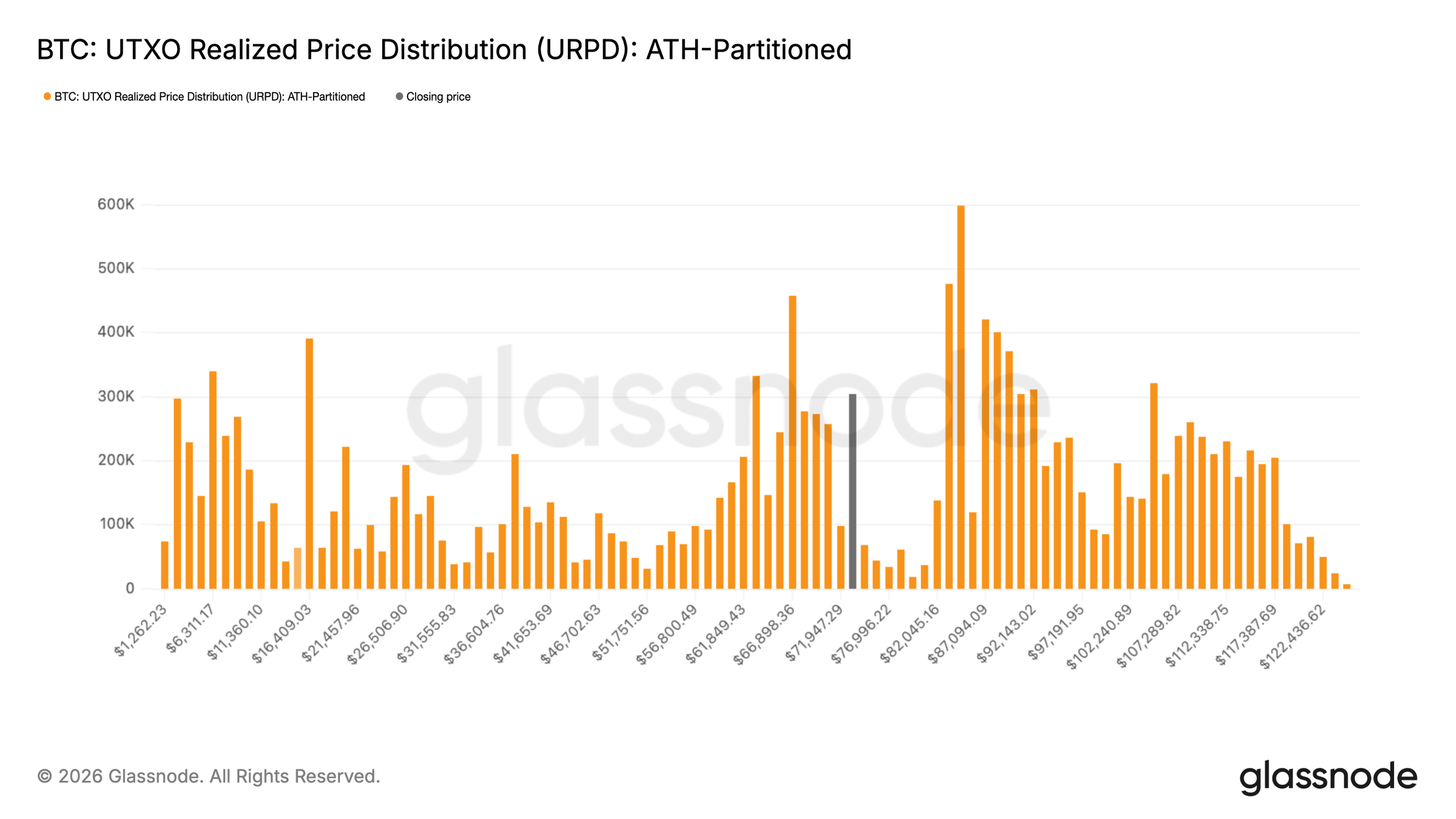
According to Glassnode, BTC price has entered a relatively “open” zone between $72,000 and $82,000, where there’s less resistance.
This range is particularly defined by the UTXO Realized Price Distribution (URPD), which highlights where the investors accumulated their coins. This means BTC may move more freely in the short term within this range, if the momentum holds.

Glassnode explained that a more reliable signal lies in whether the broader market is returning to profitability. The share of Bitcoin supply in profit has climbed back to around 60%, which is a level often seen during the early stages of a recovery. Glassnode added,
“A sustained push above 75% would carry considerably more weight as a confirmation of early bull market conditions, whereas continued rejection near current levels would reinforce the bear market recovery narrative.”

Another key factor is how the market handles the current sell pressure. As Bitcoin climbed above $74,000, the short-term holders began realizing profits at an accelerated pace, with realized gains reaching $18.4 million per hour.
This mirrors behavior seen in earlier failed rallies, where investors sold into strength, capping the upside momentum. If Bitcoin can absorb this wave of profit-taking and maintain support above $70,000, it increases the chance for a rally into the $78,000 to $82,000 range.
Related: Bitcoin tests old 2021 top as gold falls to six-week lows under $4.7K
Trend indicator remains in “bear” market territory
From a technical standpoint, the broader trend structure still leans toward caution. On the higher time frames (daily and weekly charts), Bitcoin continues to trade within a pattern of lower highs and lower lows, indicating that a bullish market structure has not been established.
For a bullish shift, BTC needs to break above its previous lower high near $97,855 and sustain the price action above that level.

This region also aligns with the Fibonacci “golden zone” between the 0.5 and 0.618 retracement levels, an area tracked by traders as a key decision point during trend reversals.
A clean breakout above this range, followed by consolidation, will suggest a strong demand and increase the likelihood of a long-term rally.
CryptoQuant’s cycle indicator echoes this cautious outlook. The Bitcoin Bull-Bear Cycle indicator remains in bearish territory, improving to -0.72 from -1 earlier this month but still far from confirming a trend reversal.

For a full bull market confirmation, the indicator needs to move above 1, reflecting sustained positive momentum.
An early signal to watch is a move above the bull-bear 365-day moving average, currently at -0.23. This level acts as a long-term trend filter, smoothing out short-term volatility and highlighting whether the market conditions are shifting to bullish or bearish on the higher time frame.
Related: Bitcoin ETF inflow streak snaps with $164M outflows amid BTC dip
This article does not contain investment advice or recommendations. Every investment and trading move involves risk, and readers should conduct their own research when making a decision. While we strive to provide accurate and timely information, Cointelegraph does not guarantee the accuracy, completeness, or reliability of any information in this article. This article may contain forward-looking statements that are subject to risks and uncertainties. Cointelegraph will not be liable for any loss or damage arising from your reliance on this information.

Sir James Dyson buys stake in Bath Rugby Group

Pardoned BitMEX founder funds UK right-wing political hub, report

Ari Fletcher Clears Her Name Amid Aspen Kartier, Summyah Fight

Smart energy pays enters the US market, targeting scalable financial infrastructure

Why Israel is blocking foreign journalists from entering

Bitcoin: We’re Entering The Most Dangerous Phase

19 March | NY Session | Forex and Crypto Live Market Analysis | #ForexLive #SwappyTrading #ICT

IRAN NEW PLAN : Financial War #iranupdate #usairanconflict #straitofhormuz #oilcrisis #gasshortage

The SIMPSONS Secret XRP Conspiracy: “Antikythera Mechanism” Activates the Great Reset in April 2026
-
Crypto World6 days ago
HYPE Token Enters Net Deflation as HyperCore Buybacks Outpace Staking Rewards
-

 Tech4 days ago
Your Legally Registered ‘Motorcycle’ Might Not Count Under Proposed US Law
-

 Fashion6 days ago
Weekend Open Thread: Addict Lip Glow
-
 Tech2 days ago
Are Split Spacebars the Next Big Gaming Keyboard Trend?
-
Sports5 days ago
Why Duke and Michigan Are Dead Even Entering Selection Sunday
-

 Business4 days ago
Search for Savannah Guthrie’s Mother Enters Seventh Week with No Arrests
-

 Business5 days ago
US Airports Launch Donation Drives for Unpaid TSA Workers as Partial Government Shutdown Enters Fifth Week
-
Crypto World5 days ago
Coinbase and Bybit in Investment Talks: Could Bybit Finally Enter the US Crypto Market?
-

 Business3 days ago
Australian shares drop as Iran war enters third week
-

 Business5 days ago
Country star Brantley Gilbert enters growing non-alcoholic beer market
-

 Crypto World3 days ago
Crypto Lender BlockFills Enters Chapter 11 with Up to $500M in Liabilities
-

 Sports6 days ago
College Basketball Best Bets: Conference Tournament Semifinal Picks
-

 Politics1 day ago
The House | The new register to protect children from their abusers shows Parliament at its best
-

 Business7 days ago
Trump demands Powell cut rates as Iran conflict raises energy prices
-

 Fashion3 days ago
25 Celebrities with Curly Hair That Are Naturally Beautiful
-

 News Videos1 day ago
RBA board divided on rate cut, unusually buoyant share market | Finance Report | ABC NEWS
-

 Crypto World7 days ago
Senate Votes to Include CBDC Ban in Bipartisan Housing Bill
-

 NewsBeat7 days ago
Deane Road crash near Bolton colleges and university
-

 Crypto World1 day ago
Canada’s FINTRAC revokes registrations of 23 crypto MSBs in AML crackdown
-

 News Videos7 days ago
Tom Lee: The 100x Opportunity EVEN Bigger Than Bitcoin (New Ethereum Prediction 2026)


You must be logged in to post a comment Login