
Crypto World
Coinbase Commerce prompts seed phrases, raising security concerns


Security researchers are sounding alarms over a Coinbase Commerce page that appeared to prompt users to enter wallet recovery phrases. The episode has reignited concerns that a flow leveraging seed phrases could normalize behavior routinely exploited in phishing attempts, especially when associated with a trusted platform.
The contention began after Yu Xian, the founder of blockchain security firm SlowMist and a prominent figure in security circles, drew attention to the page on X. He questioned why a Coinbase-hosted page would solicit plaintext mnemonic phrases for asset recovery, describing the practice as an unconscionable security lapse.
Coinbase has not publicly explained the page’s origin, beyond saying it is reviewing the matter. The company told Cointelegraph it is looking into the issue but did not offer further information at publication. Yu Xian did not respond by press time, and Cointelegraph has not received a comment from him since initial outreach.
In the crypto community, seed phrases are considered the keys to a self-custody wallet. Users who share them risk handing control to attackers, as the phrases grant full access to assets stored in compatible wallets. The guidance remains stark: never disclose seed phrases to third parties, customer support, or untrusted websites.
Coinbase referenced the subdomain as a commerce “withdrawal tool”
Members of the crypto sleuthing community, including ZachXBT, highlighted that the page was referenced in Coinbase’s public Help documentation surrounding its Commerce product. ZachXBT noted that the guide appeared to describe a method for users to recover funds by importing seed phrases into compatible wallets such as Coinbase Wallet or MetaMask, pointing to a withdrawal tool hosted on the same subdomain that has drawn scrutiny.
The narrative was reinforced by statements in Coinbase’s own Help materials, which describe self-custodial wallets—meaning Coinbase does not have access to seed phrases and cannot recover funds if they are lost. The documentation has since sparked questions about how such guidance aligns with the observed page prompting seed phrase input.
“So basically Coinbase has an official page live threat actors can use to target Coinbase users via seed phrase social engineering if they wanted?”
That line, shared by ZachXBT on X, underscores the potential for a phishing vector that leverages a perceived official pathway to seed Phrase recovery, should the page prove legitimate or be misconfigured. The incident sits at the intersection of user education, platform trust, and the evolving complexity of self-custody workflows.
Why this matters for users and builders
Seed phrases are the linchpin of self-custody security. A page that casually requests such credentials, even within an official-sounding context, runs counter to best practices widely taught by wallet providers and security researchers. For users, it raises the stakes of social engineering campaigns that blend legitimate branding with deceptive prompts. For developers and exchanges, the episode highlights a delicate balance: offering recovery and interoperability features without exposing users to new attack surfaces.
Self-custodial wallets give users direct control over private keys and recovery phrases, but with that control comes responsibility. If a trusted portal inadvertently or inadvertently appears to solicit mnemonic data, users may be tempted to comply, especially during times of asset risk or loss. The incident thus taps into broader debates about how to design recovery flows that are both user-friendly and resistant to manipulation.
Coinbase’s response and the path forward
Coinbase has acknowledged the matter and said it is investigating, though details have not been provided publicly. The company has previously advised users against pasting seed phrases into any website and has emphasized that its Commerce wallets are self-custodial, meaning Coinbase cannot access seed phrases or recover funds if they are lost. The current episode raises questions about whether the page represented an official feature, a misconfiguration, or a security gap in the documentation surrounding Commerce.
Separately, Coinbase has been vocal about warning signs of phishing and social engineering, noting that scammers may impersonate customer support over the phone or online to harvest login details and verification codes. The firm has urged users to stick to official channels on X and Reddit for support. The evolving situation leaves several uncertainties:
- Was the page a technical error, a misconfigured subdomain, or an actual attempt to steer users toward seed-phrase recovery?
- Did the referenced help guide reflect current product flows, or has it been altered or removed in response to the scrutiny?
- What steps will Coinbase take to prevent similar prompts in the future, and will there be updates to Commerce documentation to clarify best practices around seed phrases?
Context from the wider security landscape
Phishing and social engineering remain pervasive risks in crypto, with attackers continually adapting their lures around familiar brands and services. The OpenClaw phishing episode, for instance, illustrated how attackers mix messaging around “free tokens” with authentic-looking interfaces to entice victims. In that climate, any ecosystem feature that touches seed phrases—whether as part of a recovery workflow or a cross-wallet import—demands especially rigorous safeguards and clear user education. Cointelegraph previously covered how security researchers urge vigilance against seed-phrase exposure, underscoring the critical nature of keeping recovery data private and offline whenever possible.
What readers should watch next
The coming days and weeks will likely reveal how Coinbase resolves questions about the Commerce page and its recovery-flow references. Watch for:
- Official statements from Coinbase detailing findings from the investigation and any changes to Commerce documentation or user flows.
- Clarifications on whether the subdomain-driven prompt was operational, experimental, or a misconfiguration tied to the broader Help ecosystem.
- Ongoing guidance from wallet providers and security researchers on safe recovery practices, particularly for self-custody setups tied to exchange-backed services.
As the industry weighs this incident, it reinforces a core principle for users and builders alike: seed phrases remain a highly sensitive asset, and even seemingly legitimate interfaces must be treated with scrutiny. The path forward will hinge on clearer recovery mechanisms that preserve user control without creating new opportunities for social engineering.

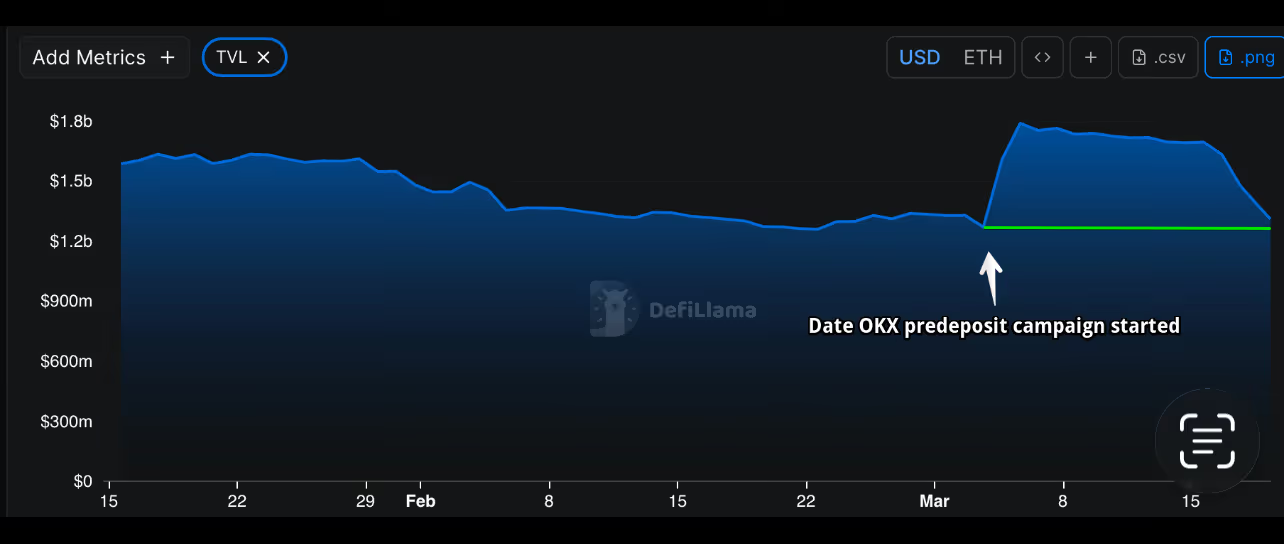
Gauntlet, one of decentralized finance’s (DeFi) leading providers for risk management tools, has seen its total value locked (TVL), a measure of the assets deposited across its vaults, fall sharply over the past seven days, dropping 22.84% to $1.325 billion.
That has erased roughly $380 million in dollar-denominated value from a week-ago peak of approximately $1.72 billion, according to DeFiLlama data. The decline accelerated Thursday with a single-day slide of 7.57%.
The primary driver, according to Gauntlet, was the conclusion of OKX’s pre-deposit campaign on the DeFi-focused blockchain, Katana. Pre-deposit campaigns — where users are incentivized to park capital ahead of a protocol launch — can produce sharp TVL spikes that unwind quickly once the campaign ends or if a token airdrop occurs. The chart bears this out: Gauntlet’s TVL surged sharply around March 2 before reversing just as steeply.

The asset outflows are predominantly stablecoin-based, Gauntlet noted.
The scale of the move is notable given what Gauntlet actually does. Think of it as a risk management consultancy for DeFi — the firm helps protocols understand, for example, what percentage of a borrower’s collateral would be at risk of liquidation if ETH fell 30% overnight. It doesn’t hold funds itself; instead, it sets the parameters that govern how lending markets and vaults behave.
Its TVL is a measure of the capital held within systems that Gauntlet is responsible for safeguarding. When that number falls sharply, it can reflect either market stress or, as in this case, the mechanical end of an incentive program.
Gauntlet, which received a $1 billion valuation in 2022, currently manages three vaults — essentially pooled deposit accounts where users lock up capital in exchange for a yield. The vaults hold USDC, BTC, and WETH, respectively. The USDC vault is the most liquid, offering an APY of 4.86%, while the others offer between 2% and 2.3%. The outflows could also reflect DeFi traders rotating capital to higher-yielding alternatives — SOL-based protocols like Jito, for example, currently offer 5.69%.
Gauntlet has navigated large capital swings before. In October 2025, its USDT vaults absorbed a $775 million single-transaction deposit — a 40x TVL increase — and recovered to pre-deposit levels within ten days through active reallocation and new collateral market additions. The firm framed this week’s outflows in similar terms, noting that incentive campaign endings, token generation events, and shifts in market conditions regularly produce short-period swings in either direction.
“Institutional risk managers manage through these events,” the firm said in a statement to CoinDesk. “Working to maintain rates, preserve capital supplied to vaults, and adjusting to market conditions.”
Oliver Knight contributed reporting to this story.
Read more: Tokenized Apollo Credit Fund Makes DeFi Debut With Levered-Yield Strategy by Securitize, Gauntlet
Crypto World
DeepSnitch AI Presale Launch Date Locked In For 100x, While Bitcoin Hyper and Remittix Lack of Clarity Leave Investors Weary

Investors watching the market know timing is everything, and the confirmed DeepSnitch AI presale launch date gives them certainty that other projects lack. Bitcoin Hyper and Remittix have stalled for months despite raising millions. However, DeepSnitch AI is live, with a clear path from presale to Uniswap listing.
DeepSnitch AI ($DSNT) has raised $2.21 million in stage 7 at $0.04487. The March 31 deadline marks the final window for early access as investors target 100x. After this, there is the DeepSnitch AI token release. This makes it one of the few projects where investors can secure allocations with confidence.
Whales accumulate TRUMP tokens ahead of Mar-a-Lago gala
Whale activity for the TRUMP (MAGA) memecoin has surged to a five-month high following the announcement of an exclusive April 25 luncheon at Mar-a-Lago. Santiment reports that 83 wallets now hold over one million tokens each. This accumulation is driven by the limitation of access to only the top 297 holders.
Beyond the meeting with Trump, the presence of Tether CEO Paolo Ardoino as a guest speaker has also fueled interest in the launcheon. His involvement has sparked speculation about potential ecosystem integrations or stability partnerships. This narrative pushed the token price up over 50% shortly after the news.
DeepSnitch AI presale launch date set in stone as verification layer turns heads
Investors have been excited after the DeepSnitch AI launch announcement, which clearly fixed the presale end date to March 31. This marks the final window for early entry. After that, a seven-day claim period begins, followed by the official Uniswap launch. Additional exchange listings are expected soon after as adoption grows.
This transition from presale to open market is heating up, as many other presales have yet to announce a launch date after nearly a year.
Beyond the DeepSnitch AI presale launch date, what’s driving visibility is its positioning. DeepSnitch AI is already live while in presale.
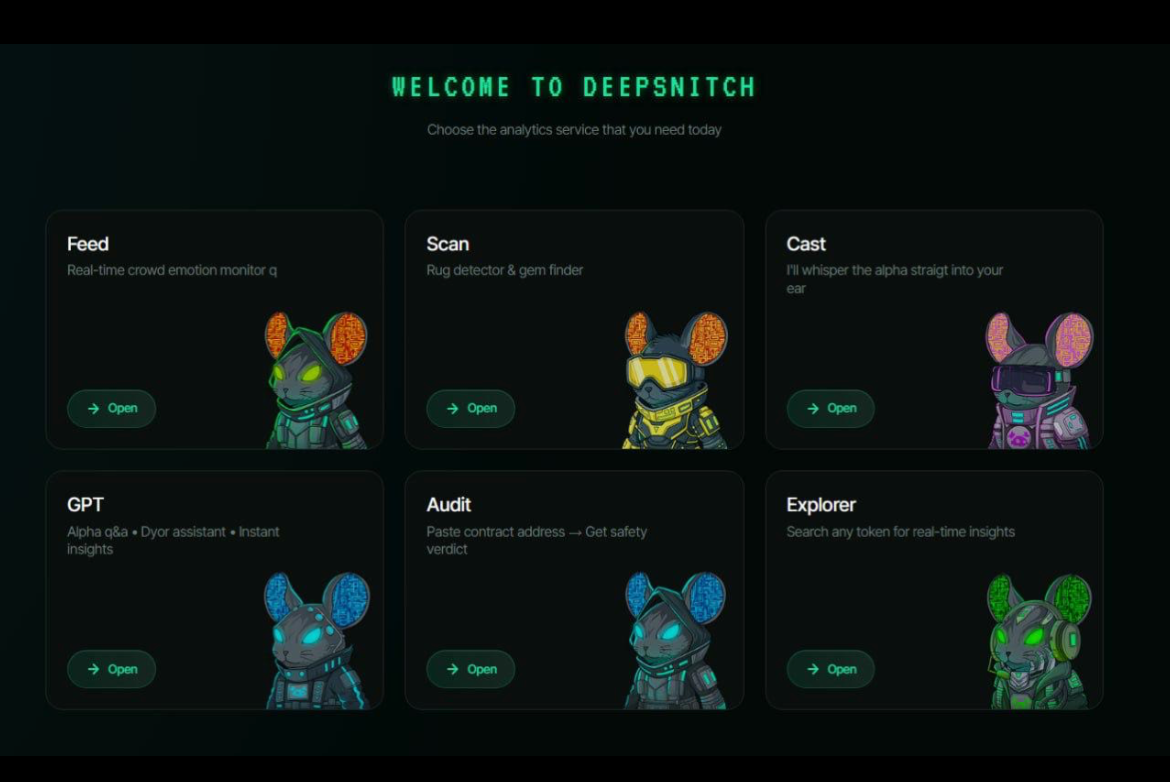
It’s operating on a verification layer that remains essential in every market cycle. While trends shift, the need to track smart contracts, liquidity, and whale activity never disappears. The five AI agents make this possible by tracking critical market movements, acting as Investors’ eyes and ears.
Its system continuously delivers these insights via its intuitive dashboard. This helps traders stay ahead of risks and opportunities regardless of market direction.
As the deadline approaches, early access is running out quickly. Once $DSNT launches, the entry advantage disappears.
Bitcoin Hyper presale stalls as Layer‑2 Launch remains unseen
Bitcoin Hyper began its presale in May 2025, but it still hasn’t delivered an actual Layer‑2 network or a mainnet launch. It’s being promoted as a Bitcoin Layer‑2 solution with claims of high scalability and support for smart contracts. However, there’s no public testnet and no live infrastructure to show that its technology works beyond the marketing narrative.
The presale continues with $32 million raised. Investors are showing exhaustion following countdown resets, yet there has been no tangible progress. This has made DeepSnitch AI a more attractive option, as it has not only launched its platform but also set a fixed DeepSnitch AI presale launch date.
Remittix promises continue as the platform launch keeps delaying
Since its December 2024 launch, Remittix has raised over $29.7 million. It successfully released its iOS beta wallet in late 2025. However, Remittix was supposed to hit its most significant milestone on February 9, with the official launch of its PayFi platform, but the team failed to launch on that date.

Investors have ever since complained about the lengthy presale duration. Besides the beta wallet, all the team has offered are promises and excuses. This sets DeepSnitch AI apart, as it has consistently delivered with a clear DeepSnitch AI presale launch date in place.
Conclusion
DeepSnitch AI continues to stand out as the presale investors can actually rely on. With the DeepSnitch AI presale launch date set, early participants can secure allocations before $DSNT hits Uniswap. With utilities already live, it’s one of the few projects delivering results and a fixed timeline.
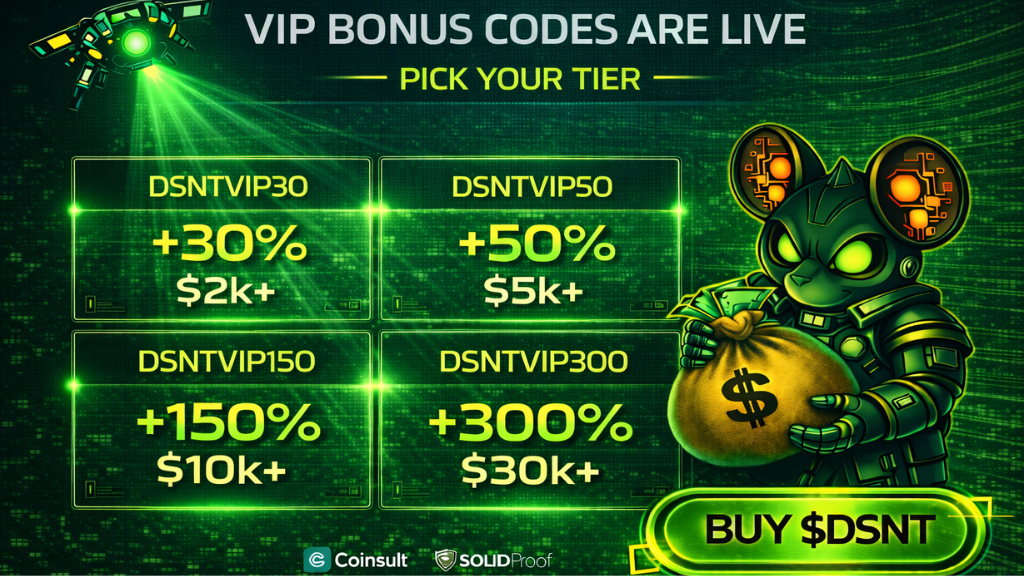
A $2,000 allocation currently delivers 44,620 $DSNT tokens. With the 30% presale bonus, investors receive an extra 13,386 tokens. Missing this window could mean losing the early positioning and watching the momentum pass by.
Visit the official website today. Also, join the community on X and Telegram to stay updated.
FAQs
When is the DeepSnitch AI presale launch date?
The DeepSnitch AI presale launch date is set for after March 31, with a 7-day claim window. Then, $DSNT will officially list on Uniswap. This clear timeline gives investors certainty, unlike stalled presales without launch dates.
What can investors expect from the DeepSnitch AI launch announcement?
The DeepSnitch AI launch announcement will follow the presale claim period, officially marking the transition to public trading. Investors will see $DSNT listed on Uniswap, with additional exchange listings expected soon after.
How does the DeepSnitch AI presale timeline affect token release?
The DeepSnitch AI presale timeline ensures a structured rollout. Presale ends March 31; a seven-day claim window opens, and the DeepSnitch AI token release follows immediately.
Disclaimer: This is a Press Release provided by a third party who is responsible for the content. Please conduct your own research before taking any action based on the content.

Europe’s largest asset manager has launched its second on-chain fund, leveraging Chainlink oracles to publish NAV data.
Amundi, Europe’s largest asset manager with €2.4 trillion in AUM, and tokenized fund platform Spiko have launched the Spiko Amundi Overnight Swap Fund (SAFO), a tokenized UCITS vehicle with its shareholder register hosted on Ethereum and Stellar, with Chainlink providing on-chain NAV oracle infrastructure.
The fund is Amundi’s second blockchain-based issuance following a tokenized money market fund on Ethereum in November.
Chainlink oracles bridge the gap between off-chain fund valuation and on-chain execution, recording SAFO’s net asset value across both networks. The dual-chain architecture pairs Ethereum’s smart contract ecosystem with Stellar’s lower-cost transfer rails.
Total Return Swaps
SAFO is structurally different from the tokenized Treasury bill funds that dominate the on-chain real-world asset (RWA) market today. Rather than investing in government securities, the fund holds a portfolio of assets on behalf of a major bank, which pays the fund an agreed rate above risk-free benchmarks in exchange for the portfolio’s investment returns. Banks are willing to pay this premium because holding assets on their own balance sheet is expensive due to regulatory capital requirements.
The fund uses fully collateralized total return swaps with top banks, starting with BNP Paribas, to deliver stable yields and provide overnight liquidity. Eligible counterparties include Société Générale, Crédit Agricole CIB, Goldman Sachs, JP Morgan, Citi, Morgan Stanley, Barclays, UBS, and HSBC.
The product is available in EUR, USD, GBP, and CHF. CACEIS serves as a depositary bank and fund administrator, while Spiko acts as transfer agent, tokenization platform, and broker.
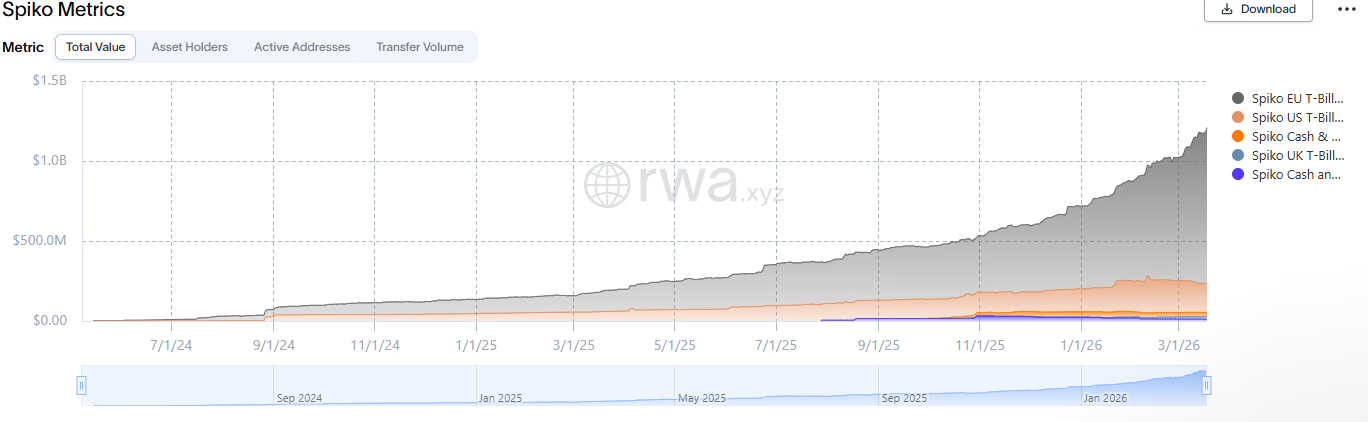
The launch extends Spiko’s rapid rise in European tokenized finance. The platform surpassed $1 billion in distributed asset value in February, according to RWAxyz, up from $190 million a year ago.

RWA Boom
SAFO arrives as the tokenized RWA market continues to expand. Distributed asset value stood at $27.3 billion as of March 19, up 9% over the past 30 days, according to RWAxyz.
2025 was a breakout year for RWAs. The sector was valued at around $5.5 billion in early 2025 but tripled to roughly $18.6 billion over the course of the year. Tokenized Treasuries and private credit have fueled the growth, with institutional products such as BlackRock’s BUIDL and Franklin Templeton’s BENJI driving adoption.


The dollar index fell below 100 as traders sold the greenback after the Fed meeting, with USD/JPY sliding on rising BOJ hike and intervention risks and mixed signals for emerging markets and Bitcoin.
Summary
- DXY slid 0.5% to 99.79 and USD/JPY dropped 1% to 158.22 as traders unwound crowded dollar longs after the Fed flagged sticky inflation but acknowledged rising macro uncertainty.
- Markets now eye a possible BOJ move toward 1% and FX intervention if USD/JPY threatens 160, shifting rate divergence away from a one-way dollar trade.
- A weaker dollar gives only limited relief to crypto, with Bitcoin still down over 4% around $71,313 as the Fed’s higher-for-longer stance and oil shock overshadow FX tailwinds.
The U.S. Dollar Index (DXY) fell below the psychologically significant 100 level on Thursday, sliding 0.5% to 99.79 as markets digested the aftermath of Wednesday’s Federal Reserve meeting and recalibrated positions across currency markets. USD/JPY dropped 1% to 158.22, one of its sharpest single-session declines in weeks, as a combination of post-FOMC profit-taking, rising rate divergence expectations, and the looming prospect of Bank of Japan intervention weighed on the dollar against the yen.
The move is notable precisely because of its direction. As recently as last week, the DXY had broken back above 100 for the first time since late 2025, driven higher by safe-haven demand from the Iran conflict and inflation fears stemming from the Strait of Hormuz disruption. That rally had pushed USD/JPY as high as 159.40 during Tuesday’s Asian session. Thursday’s reversal therefore represents a meaningful technical breakdown, with the 100 level now flipping from support to resistance.
The dollar’s weakness in the wake of a hawkish Fed statement appears counterintuitive on its surface — Powell raised the 2026 inflation forecast to 2.7%, signalled only one rate cut for the year, and explicitly cited the oil shock as a persistent inflationary risk. In a traditional macro framework, that combination should support the dollar. But currency markets have responded differently, focusing instead on three complicating factors.
First, much of the hawkish repricing had already occurred in the days leading up to the FOMC meeting, with market expectations for Fed easing having compressed from two-to-three cuts earlier in the year to just one. With that narrative largely priced, the announcement became a sell-the-news event for dollar bulls who had positioned for upside. Second, Powell’s acknowledgement of heightened economic uncertainty — including the risk that the oil shock could simultaneously depress growth while keeping inflation elevated — raised fresh concerns about the dollar’s medium-term trajectory if the U.S. economy weakens while the Fed’s hands remain tied by inflation. Third, and critically, the divergence between the Fed and other major central banks is shifting.
The Bank of Japan held its policy rate unchanged at 0.75% on Thursday — its highest since September 1995 — but markets are pricing a rate increase to 1.00% by end-June. Mizuho Financial’s markets co-chief Kenya Koshimizu told Reuters in February that up to three BOJ hikes in 2026 are entirely possible. Japan’s Finance Minister has also stated explicitly that authorities stand ready to intervene in FX markets if yen weakness persists, with USD/JPY above 160 viewed as a potential trigger for BOJ action. Thursday’s 1% drop in USD/JPY, pulling the pair to 158.22, suggests markets are pre-empting that intervention risk.
The dollar’s stumble below 100 is also a signal to emerging markets and commodity-linked currencies. The Philippine peso breached the 60-per-dollar level on Thursday as oil costs weighed on the country’s import bill, while gold stabilised following a sharp 4% decline in the prior session. For crypto markets, a weaker dollar historically provides modest tailwind support — but with Bitcoin already down 4.62% to $71,313 on the day, macro headwinds from the Fed’s inflation posture are currently overwhelming any currency-driven relief.


DDC Enterprise bought 200 BTC at $79,969 each, lifting its 2,383 BTC treasury above its $66m market cap as it leans harder into a high‑beta Bitcoin proxy strategy.
Summary
- DDC Enterprise added 200 BTC at an average $79,969, taking its corporate stash to 2,383 BTC worth about $165m and ranking 32nd among public Bitcoin holders.
- The New York-listed Asian food platform now has a $66.43m market cap, meaning its Bitcoin holdings alone materially exceed the company’s equity value.
- Armed with up to $528m in structured financing and a 5,000–10,000 BTC reserve target, DDC is executing a MicroStrategy-style playbook of aggressive, weekly BTC accumulation.
DDC Enterprise Limited (NYSEAMERICAN: DDC) announced the purchase of an additional 200 Bitcoin on Thursday, bringing its total corporate treasury holdings to 2,383 BTC valued at approximately $165 million — a move that underscores the company’s determination to keep accumulating even as markets sell off under the weight of the Iran war and surging oil prices.
The purchase was made at an average cost of $79,969 per Bitcoin, lifting DDC to 32nd place among publicly listed corporate Bitcoin holders globally, according to data from Bitcointreasuries.net. The company’s year-to-date “BTC yield” — a metric tracking the growth in Bitcoin holdings per share — stands at 44.9%, reflecting an aggressive pace of accumulation since the start of 2026.
DDC Enterprise is a New York-listed global Asian food platform that has, over the past year, reinvented itself as one of the most active small-cap corporate Bitcoin accumulators in the world. The company’s current market capitalization stands at just $66.43 million — meaning its Bitcoin treasury, valued at approximately $165 million at current prices, materially exceeds its equity value.
The accumulation story began in earnest in mid-2025, when CEO and Founder Norma Chu announced up to $528 million in structured financing — one of the largest single-purpose Bitcoin raises by any NYSE-listed company at the time — with substantially all proceeds earmarked for Bitcoin acquisition. By the end of 2025, DDC held 1,183 BTC. Since January 1, 2026 alone, the company has added 1,200 BTC, effectively more than doubling its holdings in less than three months.
Thursday’s purchase is at least the eighth consecutive weekly accumulation event. The company bought 600 BTC in January 2026 across three separate transactions, followed by weekly purchases of 100 BTC, 80 BTC, 50 BTC, and further tranches through February and March. Each announcement has been accompanied by a statement from Chu, who said Thursday: “Every additional Bitcoin we add is a statement about where we think long-term value is heading.”
The timing is notable. With BTC trading below $70,000 — down more than 3% on the day — and geopolitical risk at its highest point since the war began, DDC is buying into weakness rather than momentum. The company’s average cost per Bitcoin of $79,969 means the treasury is currently underwater relative to purchase price, yet the firm shows no sign of slowing its accumulation program.
DDC’s strategy closely mirrors, at smaller scale, the MicroStrategy playbook pioneered by Michael Saylor — treating Bitcoin not as a speculative asset but as a primary reserve, funded through equity and debt financing rather than operating cash flow. The company describes its goal as building “a world-class Bitcoin treasury defined by strong governance and repeatable execution,” while maintaining its core Asian food business alongside the digital asset strategy.
With its stock trading at $2.18, down sharply from a 52-week high of $20.83, and a beta of 5.7, DDC remains one of the highest-volatility Bitcoin proxy plays available to U.S. equity investors — a high-risk, high-conviction bet that the price of Bitcoin will ultimately vindicate the math.


Vivek Ramaswamy Strive Asset Management just passed Tesla on the corporate Bitcoin leaderboard.
The firm now holds 13,310.9 BTC worth roughly $944 million, claiming the 10th spot among public treasury holders. Tesla’s 11,509 BTC is now behind them.
The update came alongside Q4 results that also confirmed a dividend hike for SATA preferred stock to 12.75% and a $50 million investment in Strategy’s STRC preferred stock.
Strive is not just talking about Bitcoin. It is building a treasury to match.
- BTC Holdings: Strive now holds 13,310.9 BTC (~$944M), surpassing Tesla to enter the top 10 public treasuries.
- SATA Dividend: The board hiked the dividend on SATA preferred stock to 12.75% to attract yield-focused capital.
- STRC Investment: The firm deployed $50 million into Strategy’s STRC preferred stock to generate yield on its balance sheet.
Ramaswamy Strive’s Bitcoin Capital Stack: Funding the Buy
Strive is scaling its Bitcoin treasury fast using a mix of at-the-market offerings and structured finance instruments.
Since going public in September 2025, the firm has accumulated BTC through PIPE proceeds and its acquisition of Semler Scientific. The latest tranche added roughly 317 BTC.
The capital stack is deliberate. Strive purchased $50 million of Strategy’s STRC preferred stock to fund its SATA dividend program. Holding high-yield Bitcoin-backed instruments like STRC generates the cash flow needed to support the 12.75% payout while maintaining direct BTC exposure at the same time.
The numbers back the approach. Strive reported a Bitcoin Yield of 22.2% in Q4 2025. GAAP net loss came in at $393.6 million driven by fair value declines. But GAAP is not the metric investors in this playbook are watching. BTC per share accretion is. And that number is moving in the right direction.
What It Means for Corporate Adoption: A New Leaderboard
Passing Tesla is more than a leaderboard moment. Tesla has held a static position since its initial buys and partial sales. Strive represents something different entirely. A financial firm actively re-engineering its balance sheet around Bitcoin as a core strategy.
The shift is broader than one company. Institutional crypto is moving from passive holding to active treasury management. Evernorth built a SPAC around XRP reserves.
Strive is proving public markets will award a premium to companies that successfully securitize Bitcoin holdings. The model gives shareholders Bitcoin volatility plus a yield component through the 12.75% SATA dividend. Spot ETFs cannot offer that combination.
CEO Matthew Cole has signaled the accumulation is not slowing down. Over $83 million in cash remains on hand with a $500 million shelf offering still available. The buy walls are staying active.
The infrastructure is built. The capital is deployed. The race for balance sheet supremacy is accelerating and Strive just moved into the top 10.
Discover: The best new crypto in the world
The post Vivek Ramaswamy Strive Beats Tesla in Bitcoin Holdings, Hikes SATA Dividend to 12.75% appeared first on Cryptonews.
Crypto World
Shiba Inu Price Prediction 2026: SHIB Fights to Reclaim Its Glory While Pepeto Offers the 150x Early Window That SHIB Already Closed
A truck driver put $650 into Shiba Inu in 2020 and quit his job after his bag grew to $1.7 million. Two brothers invested $7,900 during the COVID lockdowns and cashed out $9 million.
A warehouse manager put $8,000 in and retired at 35. Every one of those entries happened before the listing, before the world found out. The shiba inu price prediction for 2026 matters, but the entry that made those millionaires no longer exists. A new one does.
Shiba Inu Price Prediction: T. Rowe Price Files Crypto ETF Including SHIB as Whales Hold During Fear
T. Rowe Price filed an SEC application for a crypto ETF naming SHIB among its holdings, the first time a traditional manager this size included Shiba Inu. The Block reported details on custody and staking plans.
CoinGecko shows SHIB at $0.00000569, down 93% from its $0.00008616 ATH, while the market sits in extreme fear at 23. The shiba inu price prediction debate is heating up, but the early entry that created millionaires is permanently gone.
Shiba Inu Price Prediction and the Presale That Offers What SHIB Used To
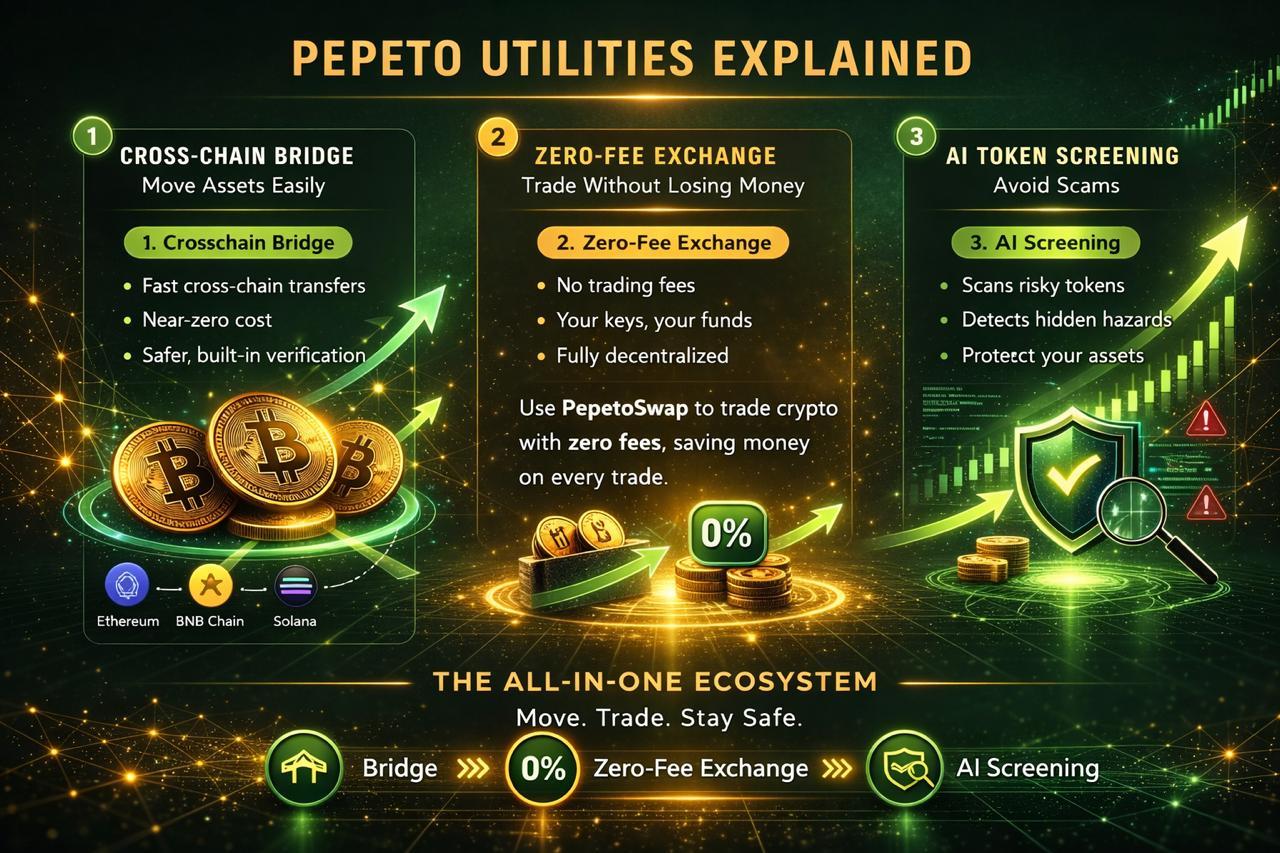
Pepeto is an exchange presale built on the foundation that made meme coins produce millionaires, except this time the project has products that SHIB launched without. The cofounder who created the original Pepe coin is building a complete trading ecosystem at $0.000000186, and the distance between that number and a Binance listing is where the next early investor stories get written.
A cross chain bridge moves tokens between networks without charging a fee, so you keep every dollar you transfer. The risk scorer checks contracts for the traps that wiped out wallets during the last meme coin cycle, catching the danger before your capital gets close to it.
The SolidProof audit was completed before the Pepeto presale opened, the opposite of what happened with SHIB, DOGE, and every meme coin that made early holders rich without a single page of security verification. More than $8 million has entered during extreme fear, and the conviction mirrors the pattern that preceded every successful presale to listing event in the last three years.
SHIB reached $0.00008616 with zero products on a token that started as a joke. Pepeto has the same meme energy, the same cofounder pedigree, and a full exchange that SHIB never built. The 420 trillion supply matching Pepe’s ATH is 150x from here, and 196% APY staking grows your position while you wait for the listing that erases this price forever.
Shiba Inu (SHIB)
SHIB trades at $0.00000569, per CoinGecko, sitting 93% below its $0.00008616 ATH. Shibarium upgrades and the T. Rowe Price ETF filing add credibility.
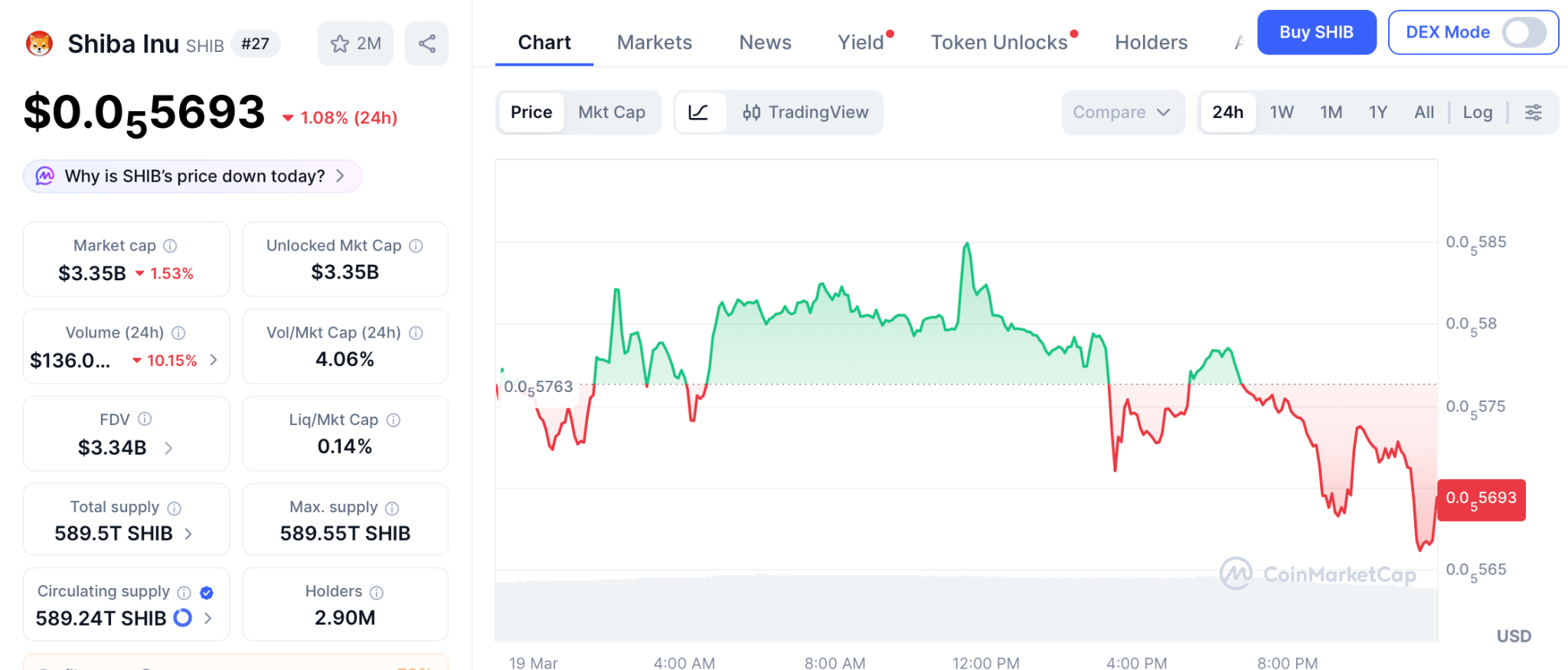
The shiba inu price prediction for 2026 ranges between $0.0000082 and $0.0000098, a 42% to 70% gain. The entry that turned $650 into $1.7 million required getting in before the listing. At $0.00000569, SHIB is a recovery play, and recovery plays deliver recovery returns.
Dogecoin (DOGE)
DOGE trades at $0.09, roughly 88% below its $0.73 ATH, per Yahoo Finance. A bullish pennant formed after a 4.80% daily gain.
Analysts see $0.114 as the level that shifts the outlook from uncertain to real. Even reaching $0.20 is roughly 2x, decent for swing traders but nowhere near the return gap between a presale at $0.000000186 and a Binance listing.
Shiba Inu Price Prediction 2026: The Early Window That Made Millionaires Is Gone, but a New One Just Opened
The shiba inu price prediction shows a recovery path, and the T. Rowe Price ETF adds legitimacy. But the entry that turned $650 into $1.7 million happened before the listing. That window is permanently closed. The cofounder who built Pepe to $7 billion is now building an exchange at $0.000000186 with a SolidProof audit and a Binance listing approaching. The same $650 buys 3.5 billion Pepeto tokens today. Visit the Pepeto official website and take the position that the next millionaires wave of early stories will be written about.
Click To Visit Pepeto Website To Enter The Presale

FAQs
What is the shiba inu price prediction for 2026?
Analysts forecast SHIB between $0.0000082 and $0.0000098, representing 42% to 70% gains from $0.00000569. The T. Rowe Price ETF and Shibarium support the outlook but the early entry that created millionaires is gone.
Can Shiba Inu reach a new all time high this cycle?
SHIB needs 1,398% to reclaim $0.00008616. Most 2026 forecasts fall far short. Without a major burn event or catalyst, a new ATH looks unlikely this year.
Is Pepeto the next Shiba Inu for early investors?
Pepeto has the same energy plus a full exchange, SolidProof audit, and the Pepe cofounder. At $0.000000186 with 150x math, visit the Pepeto official website before the listing closes the early window.
Disclaimer: This is a Press Release provided by a third party who is responsible for the content. Please conduct your own research before taking any action based on the content.
Crypto saw $458m in liquidations in 24 hours as Iran’s Gulf strikes and $110 oil triggered a brutal flush of overleveraged BTC and ETH longs led by a Hyperliquid whale.
Summary
- Total crypto liquidations hit $458 million in 24 hours, with $357 million of that from long positions and just $101 million from shorts, as 128,087 traders were wiped out.
- Bitcoin longs lost $138 million versus $24.3 million for shorts after BTC broke below $69,000, while Ethereum longs saw $82.6 million in liquidations as ETH briefly slipped under $2,100.
- A $10.8 million BTC-USD long on Hyperliquid was the day’s largest single liquidation, underscoring how the on-chain perps venue has become a bellwether for extreme leverage and stress.
The cryptocurrency derivatives market absorbed another brutal session on Thursday, with total liquidations across the network surging to $458 million over a 24-hour period as Iranian missile strikes on Gulf energy infrastructure sent shockwaves through global risk assets. The wipeout hit leveraged long positions hardest — a sign that traders positioned for recovery were caught off-guard by a fresh escalation in the Middle East war.
According to Coinglass data, long positions accounted for $357 million of the total liquidations, while shorts were cleared for $101 million — a roughly 3.5-to-1 long-to-short ratio that reflects a market in which bullish positioning was overwhelmed by a sudden surge in risk-off sentiment. A total of 128,087 traders were liquidated globally across the session, with the largest single forced closure — a $10.8 million BTC-USD position — occurring on Hyperliquid, the decentralized perpetuals exchange that has repeatedly featured in this cycle’s most notable liquidation events.
Bitcoin long positions were wiped for $138 million, while BTC shorts saw $24.3 million in liquidations — a clear indication that bulls attempting to hold the line near key support levels were flushed out as prices broke below $69,000 earlier in the session. Ethereum (ETH) long liquidations reached $82.6 million, with shorts cleared for $37.5 million, as ETH briefly fell below $2,100 — a psychologically significant level that had acted as near-term support.
The session’s liquidation profile is consistent with a broader pattern observed throughout the Iran war, which began on February 28. With Brent crude surging above $110 per barrel and Iranian strikes on Qatar’s Ras Laffan LNG terminal and Kuwaiti refineries driving a fresh wave of macro fear on Thursday, leveraged crypto traders found themselves caught on the wrong side of a correlation that has reasserted itself with full force: when global energy infrastructure is under fire, risk assets — including crypto — sell off.
The figures represent a meaningful acceleration from recent sessions. On March 15, total liquidations reached only $77 million across the market, with the largest single Hyperliquid event clocking in at $1.1 million. By March 19, that largest single liquidation had grown nearly tenfold to $10.8 million, underscoring how rapidly conditions deteriorated as news of the refinery strikes broke.
Hyperliquid’s continued dominance of single-event liquidation records is notable. The platform, which operates an on-chain order book and settles trades and liquidations on its own Layer 1, has become a focal point for large leveraged positions in this cycle — and consequently a bellwether for stress in the broader derivatives market.
Bitcoin’s (BTC) price remained below $70,000 as of Thursday afternoon, down over 3% on the day, while ETH traded near $2,100 — levels that keep a large body of leveraged long positions at elevated liquidation risk should conditions deteriorate further. With the quarterly Deribit options expiration looming and geopolitical uncertainty at its highest point since the war began, the risk of additional cascading liquidations remains elevated.

Market Sentiment is caused by inflation issues
The oil prices have risen due to the US-Iran conflict, which has raised risks of inflation. Energy prices have also been on the increase which places strain on the general economy. As a result, investors minimized the risk assets including cryptocurrencies.In addition, the conflict has taken a long-term stage, which reinforced the fear of prolonged inflation. This trend still has an effect on the trading behavior in different markets.
According to Jerome Powell, inflation is still one of the major concerns of policymakers. He expounded that rate reductions are pegged on evident improvements in reducing the inflation rates. Therefore, there is a possibility that the Federal Reserve can retain its current position with longer periods.Also, the recent statistics revealed that producer inflation increased to 3.4 percent prior to the escalation of the conflict. The development enhanced the expectations that the rate cuts might not occur in this year.
There is a significant change in expectations indicated by prediction market data. Zero rate cuts in this year will be increased to approximately 35 percent. As a result, traders have shifted their ground in accordance with a stiffer monetary outlook.In addition, the liquidity prospects have been curtailed by the low anticipations of rate reductions. This change has burdened crypto assets which tend to enjoy the less competitive financial terms.
International Bodies Caution on The Hitting of Energy
The international monetary fund cautioned that the increase in the price of energy would have an impact on global growth. It was asserted that oil flows have already been affected by disruptions associated with the Strait of Hormuz. Moreover, the IMF mentioned that the inflation rates may go up all over the world due to sustained energy price increases.Also, the IMF said that reduced economy output can be a result of rising energy prices. Such forecasts indicate the more general effects of the current state of affairs on financial markets.Crypto markets are still under strain as inflation fears redefine the outlook of monetary policy. The increase in energy costs and the change of rate perspectives have been causing changes in investor behavior in digital assets.


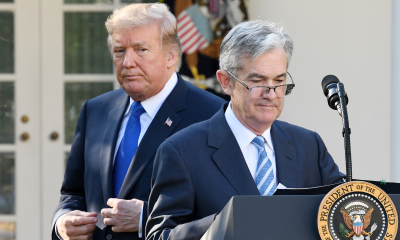
Trump ramps up pressure on Powell to slash rates to 1% even as the Fed holds at 3.50%–3.75%, lifts inflation forecasts, and warns the Iran oil shock risks stagflation.
Summary
- Trump renews attacks on Powell, demanding immediate cuts and even 1% rates despite Brent above $110 and inflation expectations rising with the Iran war energy shock.
- The Fed leaves rates at 3.50%–3.75% and signals only one 2026 cut, with officials warning that oil-driven inflation could keep PCE near 3% and delay any easing.
- Economists say the U.S. now faces a classic stagflation trap, as cutting to appease Trump risks entrenching inflation while holding steady deepens demand destruction.
U.S. President Donald Trump renewed his public pressure campaign on Federal Reserve Chair Jerome Powell on Thursday, stating that Powell should cut interest rates — a demand that stands in direct contradiction to the Fed’s posture just 24 hours earlier, when the central bank held rates unchanged and signaled it expects only one cut for the entirety of 2026.
Trump’s statement, reported by Jinshi on Thursday, follows a pattern of escalating attacks on the Fed chair that has intensified since the Iran war began on February 28. As recently as March 12, Trump took to Truth Social to write: “Where is the Federal Reserve Chairman, Jerome ‘Too Late’ Powell, today? He should be dropping Interest Rates, IMMEDIATELY, not waiting for the next meeting!” The president has reportedly called for rates as low as 1%, even as soaring oil prices are pushing inflation expectations sharply higher.
Crypto markets have been trading this showdown in real time: Bitcoin has already slipped back below $70,000 after briefly tagging the mid‑$73,000s last week, while Ethereum has faded toward the low‑$2,200s as Fed funds futures price in barely a single cut for 2026 and the market starts to contemplate a “no‑cut” year. That leaves BTC caught between two narratives — a stagflation hedge if Powell caves to Trump and lets real yields fall, or just another high‑beta risk asset if the Fed digs in and higher-for-longer rates collide with an oil shock to crush liquidity across both TradFi and crypto.
The Fed voted to keep its benchmark rate in the 3.50%–3.75% range at its March 18 meeting, citing persistent uncertainty around both the Iran conflict’s economic impact and the residual effects of Trump’s 15% global tariff regime. Powell acknowledged that a rate hike remains unlikely but did not rule it out, noting that the Fed “will need to assess how enduring this situation is” in reference to the global energy crisis.
The Fed’s updated forecasts are expected to revise inflation projections upward, with many economists anticipating the central bank will now forecast inflation remaining as high as 3% by late 2026 — a level difficult to reconcile with rate cuts. Trump’s own nomination of Kevin Warsh to succeed Powell when his term concludes in May had been expected to usher in a more dovish era, but the Iran conflict may delay or complicate that transition.
The core tension is acute. Trump wants lower rates to stimulate a slowing economy and support financial markets battered by oil-driven uncertainty. But the Fed faces a classic stagflation dilemma: cutting rates risks entrenching oil-fueled inflation, while holding or hiking risks amplifying the demand destruction already underway as energy costs squeeze consumers and businesses.
CME FedWatch data shows markets assigning over 99% probability to no change at the current meeting, and Wall Street economists are increasingly calling for a zero-cut year. Oxford Economics chief U.S. economist Lydia Boussour noted that “given our elevated forecasts for headline and core PCE inflation, we have adjusted our baseline to reflect only one 25 basis point cut in 2026 — but it is entirely plausible the Fed won’t implement any rate cuts this year.”
The oil shock has already erased the inflation buffer that lower energy prices had provided earlier in 2026 in the face of Trump’s tariffs. With Brent crude above $110 and Iranian strikes on Gulf energy infrastructure widening on Thursday, the Fed’s margin for maneuver is narrowing — even as Trump’s demands grow louder.

Nets’ Michael Porter Jr. out multiple weeks due to hamstring strain
AI analytics agents need guardrails, not more model size

Larnaca 1-2 Crystal Palace (1-2 agg.): Eagles’ European adventure continues thanks to Ismaila Sarr brace


-
 Crypto World6 days ago
HYPE Token Enters Net Deflation as HyperCore Buybacks Outpace Staking Rewards
-

 Tech4 days ago
Your Legally Registered ‘Motorcycle’ Might Not Count Under Proposed US Law
-

 Fashion6 days ago
Weekend Open Thread: Addict Lip Glow
-
 Tech2 days ago
Are Split Spacebars the Next Big Gaming Keyboard Trend?
-
Sports5 days ago
Why Duke and Michigan Are Dead Even Entering Selection Sunday
-

 Business4 days ago
Search for Savannah Guthrie’s Mother Enters Seventh Week with No Arrests
-

 Business5 days ago
US Airports Launch Donation Drives for Unpaid TSA Workers as Partial Government Shutdown Enters Fifth Week
-
Crypto World5 days ago
Coinbase and Bybit in Investment Talks: Could Bybit Finally Enter the US Crypto Market?
-

 Business3 days ago
Australian shares drop as Iran war enters third week
-

 Business5 days ago
Country star Brantley Gilbert enters growing non-alcoholic beer market
-

 Crypto World3 days ago
Crypto Lender BlockFills Enters Chapter 11 with Up to $500M in Liabilities
-

 Sports6 days ago
College Basketball Best Bets: Conference Tournament Semifinal Picks
-

 Politics1 day ago
The House | The new register to protect children from their abusers shows Parliament at its best
-
 Business7 days ago
Trump demands Powell cut rates as Iran conflict raises energy prices
-

 Fashion3 days ago
25 Celebrities with Curly Hair That Are Naturally Beautiful
-

 Crypto World7 days ago
Senate Votes to Include CBDC Ban in Bipartisan Housing Bill
-

 News Videos1 day ago
RBA board divided on rate cut, unusually buoyant share market | Finance Report | ABC NEWS
-

 NewsBeat7 days ago
Deane Road crash near Bolton colleges and university
-

 Crypto World1 day ago
Canada’s FINTRAC revokes registrations of 23 crypto MSBs in AML crackdown
-

 News Videos7 days ago
Tom Lee: The 100x Opportunity EVEN Bigger Than Bitcoin (New Ethereum Prediction 2026)


You must be logged in to post a comment Login