Connect with us
DAPA Banner

Business

AIM Surges 44% on Massive Volume After Patent Approval and Cancer Trial Progress

Published

on

GameStop shares are buzzing anew on Wall Street

OCALA, Fla. — Shares of AIM ImmunoTech Inc. (NYSE American: AIM) rocketed higher Wednesday, closing at $1.02, up 31 cents or 43.66%, on extraordinarily heavy trading volume exceeding 183 million shares as investors reacted to a key patent milestone and ongoing clinical advancements in its lead drug Ampligen for pancreatic cancer.

AIM ImmunoTech Stock Today: AIM Surges 44% on Massive Volume
AIM ImmunoTech Stock Today: AIM Surges 44% on Massive Volume After Patent Approval and Cancer Trial Progress

The penny stock opened at $1.45, traded in a wide range from $0.9665 to $1.62 and finished with a market capitalization around $4.3 million. Pre-market trading Thursday showed further pressure, dipping to about $0.90, down roughly 12%, reflecting typical volatility after such explosive moves in low-float biotech names.

The surge was sparked by AIM’s March 18 announcement of final approval for a novel cancer therapy patent in Japan. The patent covers the use of Ampligen (rintatolimod), the company’s TLR-3 agonist immunomodulator, in combination with checkpoint inhibitors for enhanced anti-tumor effects. This intellectual property strengthens AIM’s global position in immuno-oncology, particularly for difficult-to-treat cancers like pancreatic ductal adenocarcinoma (PDAC), where Ampligen is showing promise in mid-stage trials.

Analysts viewed the patent news as a positive catalyst for potential partnerships or expanded development programs. The company has positioned Ampligen as a potential adjunct to standard therapies, aiming to boost immune response and survival in late-stage patients.

The patent win follows closely on other pipeline momentum. In early March, AIM signed an agreement with Thermo Fisher Scientific’s PPD clinical research business to design a proposed Phase 3 trial of Ampligen in late-stage pancreatic cancer. This step builds on encouraging data from earlier studies, including a follow-up Phase 2 trial (DURIPANC) combining Ampligen with AstraZeneca’s Imfinzi (durvalumab) in metastatic PDAC patients stable after FOLFIRINOX chemotherapy.

Advertisement

A February year-end interim update from the DURIPANC study reported positive progression-free and overall survival trends, with enrollment ongoing at Erasmus MC Cancer Institute in the Netherlands. The trial, funded partly through AstraZeneca collaboration, follows a prior early access program where Ampligen monotherapy extended median survival to 19.7 months versus 8.6 months with standard care, alongside quality-of-life improvements.

Pancreatic cancer remains one of oncology’s toughest challenges, with five-year survival rates below 13% and limited options beyond frontline chemo. AIM’s approach leverages Ampligen’s ability to activate innate immunity and potentially sensitize tumors to checkpoint blockade, offering a novel angle in a field dominated by few effective therapies.

Financially, AIM remains a development-stage biotech with minimal revenue—about $110,000 in recent periods—and ongoing losses. The company extended and closed a rights offering in early March to raise capital, providing runway amid clinical costs. Cash position details were not updated in the latest releases, but such financings are common for small-cap biotechs advancing trials.

The stock’s dramatic jump came amid broader biotech sector interest in immuno-oncology and rare disease plays. AIM trades at a steep discount to analyst targets; one firm maintains a Strong Buy with a $21.98 12-month price objective, implying massive upside if trials succeed, though such forecasts carry high risk given execution challenges and dilution potential.

Advertisement

Historically, AIM (formerly Hemispherx Biopharma) has faced volatility, with shares swinging from highs above $35 in 2025 to lows near $0.61 earlier this year. The 52-week range reflects speculative swings tied to clinical news, regulatory updates and financing events.

Broader context includes Ampligen’s long development history. Initially pursued for chronic fatigue syndrome and other indications, the drug gained traction in oncology and viral diseases, including exploratory work in Long COVID. While not yet approved anywhere, positive pancreatic data could position it for breakthrough therapy designation or accelerated paths.

Investors should note risks: clinical trials often fail, pancreatic cancer studies face high hurdles, and AIM’s tiny market cap makes it susceptible to manipulation and sharp reversals. The March 18 volume spike—among the highest in recent memory—suggests momentum trading alongside fundamental interest.

As of Thursday pre-market, AIM futures indicated consolidation after the rally. Upcoming catalysts include further DURIPANC enrollment updates, Phase 3 planning progress and potential data readouts later in 2026.

Advertisement

For shareholders, the patent and trial advancements reinforce AIM’s focus on a high-unmet-need area. Success in pancreatic cancer could transform the company’s trajectory, but biotech investing demands caution given binary outcomes.

AIM ImmunoTech continues navigating a challenging landscape for small developers, balancing promise with financial realities. Wednesday’s move highlights how quickly sentiment can shift on incremental wins in this speculative space.

Continue Reading
Click to comment

You must be logged in to post a comment Login

Leave a Reply

Business

Why Labour’s Brexit focus has shifted from Leavers to Remainers

Published

on

Why Labour's Brexit focus has shifted from Leavers to Remainers

Although on Tuesday Reeves, in contrast, stressed that the red lines set out in Labour’s manifesto still stand, the chancellor has now clearly signalled a shift. She indicated in her Mais lecture that, wherever it was in Britain’s interest to do so, the government wants to align the UK’s regulatory regime with that of the EU in more areas.

Continue Reading

Business

January new home sales plunge to the slowest pace since 2022

Published

on

January new home sales plunge to the slowest pace since 2022

Blaine, Minnesota. New homes starting at a half million dollars in Lexington Waters are high efficiency homes and are HOA Maintained. 

Michael Siluk | UCG | Universal Images Group | Getty Images

Sales of newly built homes in January dropped 17.6% month over month to a seasonally adjusted, annualized pace of 587,000 units, according to the U.S. Census Bureau. That is the slowest pace since 2022.

Advertisement

Housing analysts had been expecting a much smaller decline.

Sales were also 11.3% lower than in January 2025, according to the U.S. Census, which is still delayed in its reporting due to last year’s government shutdown. December sales were also revised lower.

This count is based on signed contracts, so people who were out shopping when mortgage rates were lower than they are today. The average rate on the 30-year fixed loan hovered between 6% and 6.2% during January, according to Mortgage News Daily. It is currently at 6.36%.

As a result, the inventory of homes for sale rose to a 9.7-month supply, up from eight months in December, according to the U.S. Census. That is 7.8% higher than January 2025.

Advertisement

More supply and less demand led builders to drop prices. The median price of a home sold in January was $400,500, the agency said, a decline of 6.8% year over year. Prices for existing homes are still flat nationally, but builders report increasing incentives to get buyers in the door.

Data from March does not appear to be any better. An estimated 37% of builders cut prices in March, an increase from February’s 36%, according to the National Association of Home Builders.

Sales were lower across the nation, but they dropped the most in the Northeast and Midwest, where rough winter weather could have had an impact. However, sales were down nearly 22% from December in the West, where weather would not have played a part.

Get Property Play directly to your inbox

CNBC’s Property Play with Diana Olick covers new and evolving opportunities for the real estate investor, delivered weekly to your inbox.

Advertisement

Subscribe here to get access today.

Choose CNBC as your preferred source on Google and never miss a moment from the most trusted name in business news.
Continue Reading

Business

Azamian, Tarsus Pharmaceuticals CEO, sells $2.36m in stock

Published

on


Azamian, Tarsus Pharmaceuticals CEO, sells $2.36m in stock

Continue Reading

Business

FedEx (FDX) Q3 2026 earnings

Published

on

FedEx (FDX) Q3 2026 earnings

Rear view of FedEx delivery truck with logo parked on city street, Dogpatch Neighborhood, San Francisco, California, February 25, 2026.

Smith Collection/gado | Archive Photos | Getty Images

FedEx on Thursday reported strong fiscal third-quarter results that beat Wall Street’s expectations.

Advertisement

The company also raised its guidance for fiscal 2026, projecting revenue growth of 6% to 6.5% compared with analyst estimates of up 5.6%.

Shares of FedEx rose roughly 9% in extended trading.

Here’s how the company performed in the fiscal third quarter, compared with what analysts were expecting, according to LSEG:

  • Earnings per share: $5.25 adjusted vs. $4.09 expected
  • Revenue: $24 billion vs. $23.43 billion

For the quarter, FedEx reported adjusted operating income of $1.68 billion, beating estimates of $1.39 billion. It reported net income of $1.06 billion, or $4.41 a share, up from $909 million, or $3.76 a share, a year ago. Adjusted for spin-off costs and other one-time items, FedEx reported EPS of $5.25.

The company also raised its fiscal 2026 adjusted EPS expectations, now projecting earnings of $19.30 to $20.10 per share compared with previous guidance of between $17.80 and $19 a share.

Advertisement

“Team FedEx delivered another quarter of strong financial results and excellent service for our customers, powered by disciplined operational execution, the resilience of our global network, and the accelerating impact of our advanced digital solutions,” CEO Raj Subramaniam said in a statement.

The company previously said it expected roughly $1 billion in cost reductions from its “Network 2.0” initiative, which is focused on optimizing efficiency of its package processes by leveraging automation and artificial intelligence. FedEx now expects those savings to exceed $1 billion.

FedEx said its freight business, FedEx Freight, remains on track to be spun off into a separate publicly traded company on June 1.

Subramaniam said on a call with analysts that the company expects “modest” headwinds from disruptions from the Iran war and that the Middle East is a “relatively small part” of total revenue.

Advertisement
Choose CNBC as your preferred source on Google and never miss a moment from the most trusted name in business news.
Continue Reading

Business

Off-road driving firm Dalesway Yorkshire gears up for growth with six-figure funding

Published

on

Business Live

The firm’s expansion will safeguard 35 existing jobs with more jobs to be created in future

Left to right: Nick Rumboll, Dalesway Yorkshire; Ben Carver, HSBC UK;  Richard Rumboll, Dalesway Yorkshire

Left to right: Nick Rumboll, Dalesway Yorkshire; Ben Carver, HSBC UK; Richard Rumboll, Dalesway Yorkshire(Image: HSBC)

An off-road driving experience company is gearing up for growth after snapping up a new base thanks to a six-figure funding deal. Dalesway Yorkshire has tapped into an £850,000 funding package from HSBC UK to acquire property on the grounds of North Yorkshire’s 1,400 acre Coniston Hotel Country Estate.

The Skipton company operates a Land Rover Experience and driver training centre that specialises in 4×4, ATV and trailer training for guests, as well as professional training for people seeking recognised off-road driving qualifications. Its fleet of 24 vehicles also includes a collection of heritage and contemporary vehicles.

The HSBC UK-backed investment includes the purchase and development of a new 3,000 sqft steel frame workshop next to a former barn, giving the business a modern, purpose-built space to support its expanding training operations. As part of the refit, the business will complete the installation of new windows, underfloor heating, an open-plan layout and establishment of mezzanine office space.

The firm’s expansion will safeguard 35 existing jobs and it says there’s also the opportunity to create new jobs as demand increases. As a result of the boosted capacity – and the security that comes from owning its new premises – bosses at Dalesway Yorkshire are forecasting a 10 % year-on-year increase in turnover.

Advertisement

The business expects to move into the new base by September 1 this year. Jonathan Rumboll, director at Dalesway Yorkshire, said: “Securing this new facility marks a major milestone for our business. Having ownership to reinvest and upgrade the premises will give us the space, control and long-term stability we need to continue developing our driving experience offering.

“The funding from HSBC UK has allowed us to transform a disused barn in a highly sought after location, enabling us to provide a high-quality, modern centre that reflects the professionalism of our team and the expectations of our clients.”

Ben Carver, relationship manager at HSBC UK, added: “We’re proud to support Dalesway Yorkshire as it expands its operations in North Yorkshire. The new facility will provide the business with a purpose-built training centre, supporting local jobs and creating a platform for future expansion.

“This is a strong example of a specialist operator with growth ambitions, and we’re pleased our funding is helping to drive forward long-term plans.”

Advertisement

Like this story? For more deals news you can visit our dedicated page for the latest news and analysis here.

To find all the planning applications, traffic diversions, road layout changes, alcohol licence applications and more in your community, visit the Public Notices Portal.

Continue Reading

Business

Women Who Experience Menopause Before 40 Face 40% Higher Lifetime Risk of Heart Attacks, New Study Finds

Published

on

Women Who Experience Menopause Before 40 Face 40% Higher Lifetime

Women who undergo natural menopause before age 40 face approximately a 40% greater lifetime risk of coronary heart disease, including fatal and nonfatal heart attacks, compared with those who experience menopause later, according to a large new study published March 18, 2026, in JAMA Cardiology.

Women Who Experience Menopause Before 40 Face 40% Higher Lifetime
Women Who Experience Menopause Before 40 Face 40% Higher Lifetime Risk of Heart Attacks, New Study Finds

The research, led by Northwestern Medicine and involving pooled data from U.S. cohorts, is the first to specifically quantify lifetime coronary heart disease (CHD) risk tied to premature menopause. It found that premature menopause—defined as natural cessation of menstruation before age 40—was linked to a 40% higher risk overall, with the association holding even after adjusting for traditional cardiovascular risk factors such as smoking, obesity, hypertension and diabetes.

Black women showed a slightly elevated risk at 41%, compared with 39% for white women, and are three times more likely than white women to experience premature menopause, amplifying the public health implications.

“Premature menopause should be recognized as a key marker for long-term cardiovascular vulnerability,” said lead author Priya Freaney, MD, assistant professor of medicine in the Division of Cardiology at Northwestern University Feinberg School of Medicine. “This isn’t just about when periods stop; it’s a signal that estrogen exposure ends much earlier, potentially accelerating atherosclerosis and other heart disease processes.”

The study builds on decades of evidence linking earlier menopause to heightened cardiovascular risks but advances the field by focusing on lifetime CHD incidence rather than shorter-term events. Previous meta-analyses had shown relative risks around 1.5 for premature menopause and coronary events, but this cohort analysis provides a clearer picture of cumulative burden over a woman’s lifespan.

Advertisement

Premature menopause, also called premature ovarian insufficiency (POI) when occurring naturally, affects about 1-2% of women and can stem from genetic factors, autoimmune conditions, environmental exposures or idiopathic causes. Surgical menopause from bilateral oophorectomy before 40 carries similar or sometimes higher risks due to abrupt hormone loss.

Estrogen plays a protective role in cardiovascular health by helping maintain favorable cholesterol profiles, supporting vascular flexibility and reducing inflammation. Its early decline in premature menopause is thought to contribute to faster plaque buildup in arteries, elevated blood pressure and metabolic changes that compound over time.

The JAMA Cardiology paper analyzed data from multiple U.S. cohorts tracking postmenopausal women, calculating lifetime risk using competing-risk models that account for death from other causes. Results showed consistent associations across racial groups, underscoring that premature menopause acts as an independent risk enhancer beyond conventional factors.

Experts emphasize that the finding does not imply causation in every case—premature menopause may sometimes reflect underlying conditions that also drive heart disease—but the link persists after statistical adjustments.

Advertisement

“Even if we don’t fully understand the mechanisms yet, the signal is strong enough to warrant earlier and more aggressive cardiovascular screening for these women,” Freaney said.

Guidelines from organizations like the American Heart Association and the North American Menopause Society already classify early menopause (before 45) as a risk-enhancing factor for atherosclerotic cardiovascular disease. The new data strengthens calls to incorporate age at menopause into routine risk assessments, such as the ASCVD risk estimator or Framingham scores.

Hormone therapy (HT) remains a debated intervention. For women with POI, major guidelines recommend systemic estrogen therapy—typically combined with progestin if the uterus is intact—until at least the average age of natural menopause (around 51-52) to mitigate symptoms and potentially reduce long-term risks, including cardiovascular ones. Observational data suggest HT initiated soon after menopause onset may offer cardioprotective benefits in younger women, though randomized trials in older populations showed mixed results.

The study did not directly evaluate HT use, but authors noted that many women with premature menopause do not receive adequate hormone replacement due to concerns over breast cancer or other risks, potentially exacerbating their vulnerability.

Advertisement

Lifestyle modifications offer another layer of protection. A 2025 analysis in Heart journal found that high adherence to healthy behaviors—such as not smoking, maintaining physical activity, healthy diet, moderate alcohol intake and normal body weight—reduced CVD odds by 23% overall and by 52% in women with premature menopause.

“Women with premature menopause have a window to act,” said one co-author. “Aggressive management of modifiable risks can substantially offset the added burden from early estrogen loss.”

Broader context highlights disparities. Black women not only face higher rates of premature menopause but also bear a disproportionate CVD burden due to systemic factors like access to care, chronic stress and higher prevalence of hypertension and diabetes.

The research arrives amid growing attention to women’s cardiovascular health. Heart disease remains the leading cause of death for women in the U.S., and recent projections warn that nearly 60% of women could have some form of CVD by 2050, up from current levels, partly due to aging populations and rising risk factors starting earlier in life.

Advertisement

For clinicians, the takeaway is straightforward: Ask about age at menopause during patient histories, especially for women in their 40s and 50s presenting with risk factors or symptoms. Early identification allows tailored prevention—statin therapy if indicated, blood pressure control, smoking cessation and lifestyle counseling.

Patient advocacy groups stress education. Many women with premature menopause report feeling dismissed when raising concerns about long-term health, including heart risks.

As research evolves, future studies may clarify mechanisms—such as genetic links, inflammatory pathways or vascular biomarkers—and test targeted interventions. For now, the March 2026 JAMA Cardiology findings reinforce premature menopause as a critical, underrecognized signal for lifelong heart protection strategies.

Women experiencing irregular periods or sudden cessation before 40 should consult a healthcare provider promptly for evaluation, which may include hormone testing and counseling on risks and options.

Advertisement

With proactive care, the elevated heart attack risk tied to premature menopause need not translate to inevitable outcomes.

Continue Reading

Business

Thailand’s FTA Export Utilisation Reaches 2.8 Trillion Baht in 2025

Published

on

Thailand's FTA Export Utilisation Reaches 2.8 Trillion Baht in 2025
Thailand’s FTA Export Utilisation Reaches 2.8 Trillion Baht in 2025

Thailand’s use of free trade agreement (FTA) preferences for exports totalled US$90.24 billion (~2.8 trillion baht) in 2025, marking an 8.36% increase from the previous year.

Key Points

  • The overall FTA utilisation rate was 82.26% of eligible export goods.
  • Top FTA markets: ASEAN (US$33.15B, 72.45% utilisation), China (US$25.13B, 96.11%), India (US$9.85B, 72.93%), Japan (US$6.85B, 83.62%), and Australia (US$5.61B, 56.42%).
  • Top export products using FTA preferences included goods transport vehicles, fresh durians, synthetic rubber, unwrought platinum, and prepared chicken meat.
  • Fresh durians alone accounted for over US$4.26 billion in exports to China under ACFTA.
  • Jewellery and unwrought platinum saw explosive growth under the ASEAN–India FTA, surging by 162,893% and 395% respectively.
  • Industrial products dominated FTA utilisation at 72.73% of total value; agricultural products accounted for 27.27%.
  • Thailand is expanding FTA reach with new agreements covering EFTA, Bhutan, and Sri Lanka.
  • The Department of Foreign Trade (DFT) has set a target of upskilling at least 1,200 entrepreneurs in FY2026.

Why It Matters:
Thailand’s growing FTA utilisation highlights its strengthening role as an Indo-Pacific trade hub, with significant opportunities still untapped — particularly in fast-growing markets like India, Malaysia, and Vietnam.

Discover more from Thailand Business News

Subscribe now to keep reading and get access to the full archive.

Continue reading

Advertisement
Continue Reading

Business

Key Signs for Small Businesses

Published

on

Changes to regulations regarding Capital Gains Tax (CGT) and separating couples could alert people to the fact that they may have failed to pay sufficient tax in the past.

You do not start your business so you can spend nights sorting receipts and second guessing tax rules. At some point, though, the money side starts to creep into every decision you make. That is usually when the idea to hire small business accountant first pops into your head.

Growing a company takes immense energy, and trying to handle finances without proper background knowledge quickly leads to burnout. By bringing in professional help, you regain valuable hours that are better spent improving your products or services. Many owners find that delegating financial tasks dramatically lowers their daily stress levels.

Maybe you have grown faster than you planned. Maybe you are staring at a notice from the IRS. Or you are just tired of feeling behind on your books.

Whatever brought you here, you are wondering whether now is the right time to hire small business accountant, what that actually looks like, and how much it might cost. You will learn how to spot the signs that it is time, what an accountant really does for a small business, how to choose the right person, and smart ways to keep costs under control.

You will also see how modern tools can reduce the grunt work so your accountant can stay focused on the important decisions, not just data entry. Setting up automated reporting eliminates the headache of manually entering data at the end of every week.

Advertisement

Do You Really Need A Small Business Accountant?

Many owners start out handling everything on their own. A simple spreadsheet, some basic bookkeeping, and a yearly tax filing feel manageable in the early months. You know where the money goes, and it feels cheaper to just keep doing it yourself.

But as revenue grows, your financial life stops being simple. Different products, new staff, sales tax, vendor contracts, online sales, and maybe overseas suppliers start to pile up. Managing international transactions or multiple sales channels often triggers complicated reporting requirements.

You might suddenly face strict laws that force you to collect taxes in states where you lack physical stores. The more moving parts you have, the more a single mistake can ripple across cash flow and taxes. That is where a small business accountant comes in.

They are trained to spot patterns, protect you from trouble, and help you use your numbers to plan, not just react. According to the United States Bureau of Labor Statistics, a typical staff accountant earns about 77,200 dollars a year, or 37.14 an hour, which shows how much skill is packed into this role.

Advertisement

Signs It Is Time To Hire Small Business Accountant

You do not need an accountant from day one, but waiting too long can cost you real money. Here are common moments when owners realize they should bring in help.

Your Books Are Always Behind

If you are constantly catching up instead of staying current, that is a warning sign. You may put off recording expenses, delay reconciling accounts, or avoid looking at reports because it feels heavy. Vendors might freeze your accounts if invoices remain unpaid due to sloppy bookkeeping.

Late payments damage relationships with suppliers who are crucial for keeping your operations running smoothly. A professional stops this backlog before it spirals into a supply chain disaster. That lag makes decisions harder because you cannot see what you can safely invest or how much runway you have.

It also increases the risk of missing payments, which can lead to fees and strained vendor ties. Clean books let you immediately determine if you can afford to launch new marketing campaigns.

Advertisement

Tax Season Feels Like A Panic Zone

Many owners try to wing it at tax time, then swear they will get organized next year. Yet every year looks the same with piles of paperwork, late nights, and that knot in your stomach as you guess what you can deduct. Filing mistakes easily trigger audits that drain even more time and resources from your daily operations.

An experienced accountant handles tax preparation year round. They keep clean records, spot legal deductions early, and plan for things like quarterly payments. Proper year round attention completely eliminates the rush of tax season.

The American Institute of CPAs notes that certified public accountants advise both individuals and small firms so they can reach their money goals without running into avoidable penalties. You gain peace of mind knowing your filings are accurate and submitted well before deadlines.

You Are Growing Faster Than Your Systems

Rapid growth feels exciting, but it can be risky if your back office stays stuck at day one level. More customers and more sales mean more invoices, more transactions, and more places for errors. Adding new product lines or opening second locations introduces fresh variables into your monthly cash flow calculations.

Advertisement

If your transaction volume has jumped, you might feel that your cash flow swings harder than it used to. An accountant can help you understand which products really drive profit and where money leaks out. They can also help you figure out how much you can safely spend on staff, stock, or marketing.

You Are Raising Money Or Applying For Loans

Lenders and investors expect more than a basic profit and loss printout. They want accurate balance sheets, cash flow statements, and thoughtful forecasts. Sloppy or late reports raise doubts during critical evaluation phases.

Angel investors quickly pass on opportunities if founders cannot present clean financial data during pitch meetings. Showing professional records proves you respect your business and treat external capital with serious responsibility. If you are considering a bank loan or outside funding, it makes sense to hire small business accountant support before you apply.

They can tighten your books, prepare the reports lenders look for, and answer detailed questions in a way that builds trust. Resources on lending like Forbes Advisor details small business loans once your numbers are ready.

Advertisement

You Have Complex Tax Or Compliance Needs

Multi state operations, sales tax in many places, inventory in different locations, or work in a tightly watched field all add layers to your record keeping. So do staff, payroll, and retirement plans. Dealing with employee benefit plans introduces strict federal oversight and intense reporting mandates.

Staying compliant prevents massive fines that could easily bankrupt a growing operation. If you are worried about an audit or are under an industry regulator, an accountant is more than just a nice to have. They help you stay prepared so a letter from the IRS does not send you into a downward spiral.

What A Small Business Accountant Actually Does

A lot of owners think an accountant just shows up at tax time. That is only one piece of what a good one can handle. Here is what they do on a day to day basis.

Bookkeeping And Record Keeping

Someone needs to track every dollar that comes in and goes out. While a bookkeeper may handle data entry, many accountants also oversee this work to keep your general ledger in good shape. Reconciling credit card statements line by line prevents fraudulent charges from slipping through unnoticed.

Advertisement

They verify bank feeds match records, receipts are attached, and each transaction has the right account and tax treatment. Clean data makes every other money task easier and faster. They act as the final defense against clerical errors.

Tax Planning And Filing

Filing returns is the obvious part. The better part is planning your tax year with intention. Your accountant looks at how you pay yourself, how you spend, and how you structure deals to keep taxes within legal limits.

Proper strategic planning reduces your liability while staying fully within the rules. They track new laws and credits so you are not leaving money on the table. You can verify licenses with CPAverify to check the standing of accountants in many states.

Payroll And Staff Costs

Once you hire, payroll turns into one of your largest monthly costs. Handling wages, overtime, benefits, and payroll tax is more than running a simple calculator. Managing independent contractors versus full time employees carries strict classification rules.

Advertisement

Mistakes here trigger harsh penalties from labor boards and back tax claims from the government. Proper payroll oversight protects you from expensive labor disputes. An accountant helps set up payroll correctly, spot hidden labor costs, and handle reporting so your staff gets paid accurately and on time.

Financial Reporting And Analysis

Instead of only seeing money in your bank, you start to see full financial stories. An accountant creates regular balance sheets, profit and loss statements, and cash flow reports. Understanding gross margins on individual product lines shows you exactly what items to heavily market.

You can then drop underperforming services that consume resources without generating decent returns. More important, they walk you through what those reports mean. That way you know which products carry the most profit, where cash gets stuck, and which months are tight so you can plan.

Business Structure And Strategy

The way you structure your firm affects taxes, liability, and future growth. You might start as a sole owner and later change to an LLC or a corporation as things get more serious. Transitioning to an S Corporation often changes how you pay yourself and affects self employment taxes.

Advertisement

The right structural shift can yield massive long term savings. A seasoned accountant can explain the trade offs of each path in clear terms. Organizations like AICPA online and the American Institute of CPAs contact list offer more context on how these professionals are trained to give such guidance.

How Much Does It Cost To Hire A Small Business Accountant?

The cost side often makes owners hesitate, but you have flexible options. You are not forced into a full time salary from day one. You can mix and match based on your stage and pain points.

Type Of Support How They Work Best For
Hourly freelancer Paid only for time used Simple needs or seasonal help
Part time accountant Set hours per month Growing firms with steady tasks
Accounting firm Retainer or project fees Broader needs and audits
Full time staff accountant Annual salary and benefits Larger operations with daily demands

The United States Bureau of Labor Statistics notes that the median pay for accountants and auditors is around 81,680 dollars a year. Staff roles land near 77,200 dollars on average. Firm rates, on the other hand, will vary based on skill level, location, and the depth of services you need.

Instead of only seeing cost, also think about risk avoided and time regained. Evaluating cost requires comparing the hourly rate against the financial damage of critical accounting mistakes. Losing an afternoon trying to balance your ledger means losing an afternoon of direct sales activity.

Advertisement

An error on sales tax or payroll can cost thousands in penalties. A missed credit or deduction can raise your bill more than you would pay a pro. Consider these hidden costs of doing your own accounting when weighing the investment.

  • Wasting profitable hours learning complicated accounting software updates instead of selling.
  • Missing obscure tax deductions that a trained professional immediately spots.
  • Paying unnecessary late fees because you forgot a critical filing deadline.
  • Straining supplier relationships through accidentally delayed or missed vendor payments.

How To Hire Small Business Accountant The Smart Way

Now let us get into the steps. You want a clear plan so you can stop spinning in research mode and move into action. Hiring a professional demands careful vetting and precise alignment with your operational goals.

Step 1: Define What You Actually Need

Start with a short list of what feels heavy right now. Is it monthly books, tax planning, payroll, inventory tracking, cash flow, or something else. Write down both the daily work and the bigger picture advice you want.

Some founders need rigorous inventory management while others run strictly service based operations. Nailing down these requirements prevents you from overpaying for unnecessary financial services. This list guides your search.

If you only want tax help once a year, that is one kind of pro. If you want someone who can join you on calls and review numbers every month, that is another profile. Forbes Advisor highlights CRM options to organize customers, and your accountant becomes that same focused expert for money decisions.

Advertisement

Step 2: Decide On A Budget And Format

Next, decide how much room you have in your monthly spending. Some owners like the control of hourly work, others want a flat monthly amount. Both can work if you stay clear on scope.

List tasks that happen every week or month and ones that only happen at tax time or during big projects. Then ask potential accountants how they charge for those items. Discuss expectations for response times and meeting frequencies upfront before signing any service agreements.

Transparent billing prevents frustrating disputes down the line. That keeps surprises off your invoice and keeps the relationship positive.

Step 3: Look For Experience That Fits Your Business

Two accountants with the same license can still have very different backgrounds. One may work mostly with brick and mortar retail. Another might specialize in online service brands.

Advertisement

You want someone who already understands your field. Industry specific knowledge means they already know the standard margins and expenses for your market. This allows them to quickly identify if your spending is unusually high compared to competitors.

Check the AFWA website for niche groups in the field. Also view social profiles on Linkedin and profiles on Facebook to see how accountants talk about their work. Pay attention to the kind of content they share to reveal what size firms they focus on.

Step 4: Check Credentials And References

Once you have a short list, check their background. You can confirm with CPAverify to validate their current licensing. You can also learn more about the CPA path by visiting the American Institute of CPAs.

Then ask for references from current clients. Do not just accept a polished pitch. Calling references directly provides insight into their communication style and reliability under pressure.

Advertisement

Honest feedback from current clients is worth far more than a perfectly written online review. If you serve a specific local area, ask how they work with firms there. For instance, a business near 1064 104th Street Suite 108, Naperville, Illinois 60564 might prefer someone familiar with both Illinois and nearby tax rules.

Step 5: Test For Fit With A Short Call

Your accountant will see more of your money life than most people. Trust and ease matter here. Book a short intro call through an online booking link.

Use that call to see how they explain things. Do they answer plainly, or do you walk away feeling confused. Finding a responsive professional makes emergency financial situations much less stressful.

You need somebody who answers the phone when a sudden cash crisis threatens your operations. Pick the one who talks to you like a partner, not a lecture. You will likely work together for years, so comfort and communication style matter just as much as pure skill.

Advertisement

Using Technology To Get More From Your Accountant

You do not have to choose between old school spreadsheets and a huge team. The best mix is often a lean human team plus smart tools that handle the grunt work. That leaves your accountant free for the higher level decisions that really move the needle.

Modern accounting tools use real time coding of transactions, faster receipt capture, and cleaner data syncs. Modern platforms automate routine invoice generation and direct deposit payroll functions seamlessly. Your human advisor interprets the resulting data instead of manually typing numbers into a grid.

This efficient partnership scales perfectly as your customer base expands. That means you can sometimes delay a full time hire, or ask your accountant to spend less time on entry and more on planning. Showing up with clean records gives your accountant more room to spot risks early rather than staying stuck in catch up mode.

What To Expect After You Hire

Once you have hired your accountant, give them time to clean and reset your numbers. The first month may feel a little messy as they fix old issues and update past records. That is normal and healthy.

Advertisement

Your initial transition phase establishes a sturdy foundation for future reporting. After that, you should expect a steady rhythm. That might look like monthly financial statements, quarterly planning calls, and regular tax reminders.

Over time, you will learn how to read your own profit statements with complete confidence. You will also likely see faster answers to money questions that used to keep you stuck. A good accountant can suggest ways to time purchases, adjust pricing, or manage cash flow.

You can then reinvest in things like marketing pushes around key events. Reading ways to market on Small Business Saturday matters more when you know exactly how much you can spend on campaigns.

Frequently Asked Questions About Hiring Accountants

Do I Need A CPA Or Just A Standard Accountant?

A certified public accountant holds a specific state license and can represent you before the IRS during audits. Standard accountants manage daily bookkeeping and generate essential financial reports efficiently. You typically only require a licensed CPA for complicated tax issues or official legal representation.

Advertisement

Can An Accountant Help Me Secure Funding?

Investors and lenders demand rigorous financial statements before approving any capital injections. A professional produces the exact balance sheets and cash flow projections that banks require. This expert documentation proves your business is structurally sound and capable of repaying debts.

How Frequently Should We Meet To Discuss My Books?

Many growing businesses benefit from monthly reviews to assess current cash positions and recent expenditures. Annual meetings are rarely enough to actively steer a company into sustained profitability. Establish a clear meeting schedule early so you consistently review critical performance metrics.

In Summary

You will know it is time to hire a business accountant to help when your books feel like a weight instead of a tool. That weight can show up as late nights, constant guesswork, or a quiet fear that you are missing something big. You do not have to wait for an audit letter or a cash crunch before you bring in support.

The right accountant gives you back time, clarity, and confidence. They turn a tangle of receipts and statements into clear reports you can act on. That calm, steady picture of your money lets you say yes to the right chances and no to the ones that would strain your firm.

Advertisement

Consistent expert guidance ultimately creates a much more resilient operational model. Professional help protects the assets you worked incredibly hard to build. You finally gain the freedom to focus entirely on customer satisfaction and product development.

If your next decision depends on the numbers, do not make it in the dark. Find someone trained to read and shape those numbers with you. Hiring an accountant is less about giving up control and more about giving your business the chance to grow with solid ground under every step.

Advertisement
Continue Reading

Business

Freehold Royalties Ltd. 2025 Q4 – Results – Earnings Call Presentation (TSX:FRU:CA) 2026-03-19

Published

on

OneWater Marine Inc. (ONEW) Q1 2026 Earnings Call Transcript

This article was written by

Seeking Alpha’s transcripts team is responsible for the development of all of our transcript-related projects. We currently publish thousands of quarterly earnings calls per quarter on our site and are continuing to grow and expand our coverage. The purpose of this profile is to allow us to share with our readers new transcript-related developments. Thanks, SA Transcripts Team

Continue Reading

Business

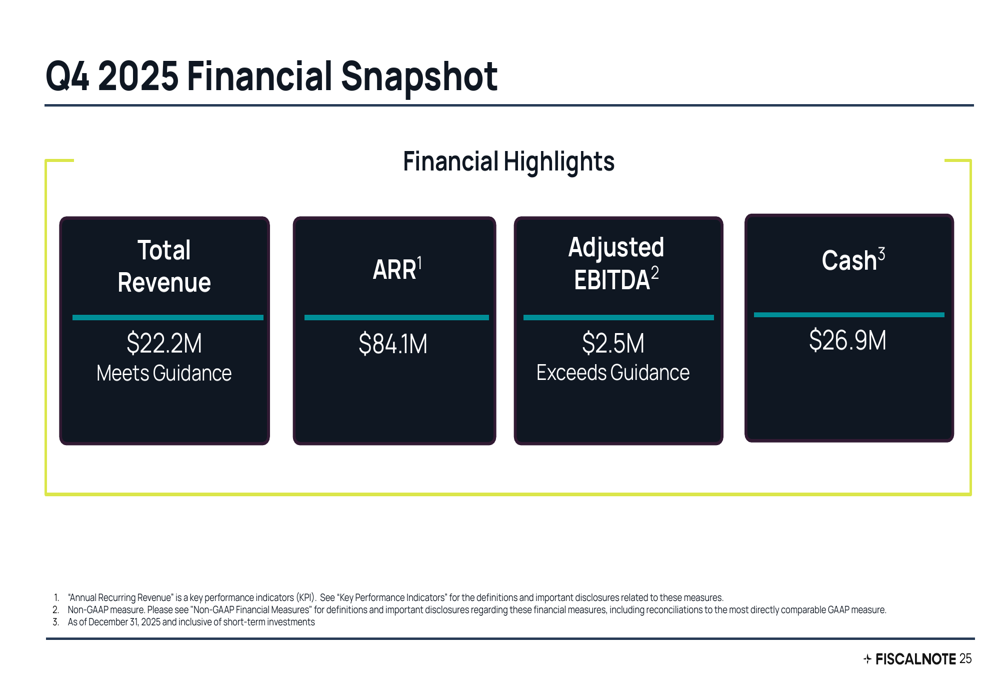
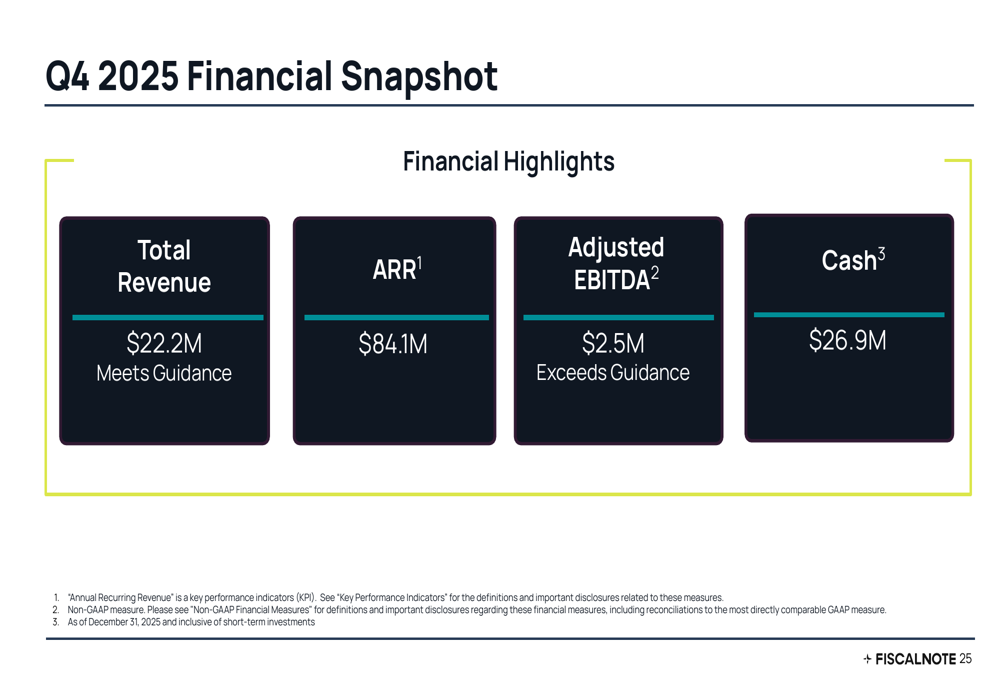
FiscalNote Q4 2025 slides: AI pivot amid revenue decline, margin gains

Published

on

FiscalNote Q4 2025 slides: AI pivot amid revenue decline, margin gains


FiscalNote Q4 2025 slides: AI pivot amid revenue decline, margin gains

Continue Reading

Trending

Copyright © 2025