
Business
7 Best AI Construction Scheduling Tools for What-If Recovery Planning


Construction schedules break more often than planners admit. In 2023, the Construction Owners Association of America found that 76 percent of projects finished after their baseline programme.
Each delay triggers the same scramble: duplicate the schedule, juggle dates, and pray the new timeline sticks.
AI-driven scheduling platforms upend that routine. They detect slippage early, run dozens of what-if simulations, and surface the fastest path back on track.
This guide ranks seven tools that turn chaos into clear options—so you can recover time, money, and stakeholder trust before the job veers off schedule.
How we picked the seven tools
We reviewed dozens of AI-branded apps, vendor one-pagers, and Reddit case threads, then kept seven platforms that deliver measurable results on live construction projects.
First, every tool had to apply AI to core scheduling tasks—building, analysing, or replanning a CPM programme—not just summarising chat transcripts. If the intelligence existed only on a slide deck, the product was excluded.
Next, we asked a tougher question: can the software speed up recovery? We looked for features that test alternate sequences, forecast risk with probability, or suggest resource shifts in minutes rather than days.
We also prioritised proven technology. Case studies, active UK deployments, and sizeable user bases scored higher than stealth-mode promises. Integration sealed the deal; each pick needed to import or export Primavera, MS Project, or open-API feeds without friction.
The outcome is a focused shortlist, ranked by how much and how quickly each platform helps you pull a slipping project back on track.
1. InEight Schedule: an AI co-planner that learns from every job
Meet InEight Schedule, a CPM engine that starts offering helpful nudges before you finish mapping the first logic string.
While you sketch early activities, its expert-system AI scans a library of past projects and suggests tasks, sequence changes, and realistic durations. It even flags missing risk allowances. Picture a veteran planner at your shoulder, whispering “add weather float to the steel erection” before you hit Save.
The machine-learning layer refines those tips with every project. If your team repeatedly edits a suggested duration, Schedule updates its benchmark for next time. Your historical data becomes a custom reference library, eliminating the habit of reusing shaky templates.
When a submittal stalls or a concrete strike wipes two weeks off the calendar, open a snapshot, adjust the assumptions, and let the AI re-sequence the critical path. Side-by-side views reveal whether adding a weekend crew or resequencing cladding returns more days. Because Schedule sits inside the broader InEight suite, every change flows immediately into cost forecasts and field dashboards. No export gymnastics needed.
Planners comfortable in Primavera will feel at home. Schedule respects full CPM discipline, supports multi-user editing, and round-trips XER files for partners. The payoff is speed: building a defensible baseline falls from weeks to days, and mid-project recovery planning fits into an afternoon instead of an all-nighter.
If you want a modern CPM workhorse that thinks ahead and grows smarter each month, put InEight Schedule at the top of your shortlist.
2. Oracle Primavera Cloud: the heavyweight standard sharpening its AI edge
Primavera has long been the go-to platform for complex CPM scheduling. Oracle’s cloud version keeps that strength and now layers predictive intelligence from the Construction Intelligence Cloud advisor released in 2024.
Upload your schedule and the AI scans every activity for shaky logic, unrealistic durations, or missing weather buffers. It then adds a risk heat-map to your dashboard, flagging “likely late” milestones weeks before standard CPM math reveals trouble.
When you need a recovery plan, Primavera’s what-if workspace lets you clone the baseline, adjust calendars or crew counts, and run Monte Carlo simulations in a single session. The new AI overlay speeds the drill by suggesting which tasks return the biggest time gain per extra shift, saving hours of manual scenario building.
Because Primavera sits at the centre of many project tech stacks, those AI alerts appear wherever your data already lives, whether that is cost in Unifier, field progress in Procore, or third-party analytics through open APIs. Teams keep familiar workflows while gaining leading-indicator warnings instead of after-the-fact slippage.
The learning curve is still steep and licences sit at the premium end. Yet for mega-projects that mandate P6 lineage, Primavera Cloud paired with Oracle’s growing AI remains the safest path to predictive power without swapping systems mid-programme.
3. Procore: real-time field data warns you before the schedule slips
Procore is best known as the place where site photos, RFIs, and cost reports live together. In 2024 the company added a Construction Intelligence layer that turns that data into early schedule alerts.
Each night, the system processes productivity logs, weather feeds, and subcontractor responses. By morning, your dashboard might flag that concrete pours are trending ten percent slower than plan and will push Milestone A beyond the critical path if nothing changes.
That notice arrives while you still have room to act. Open the Schedule tool, test a six-day workweek for the pour crew, watch the forecasted finish pull back into tolerance, and publish the update to every stakeholder’s phone before the daily huddle.
Because Procore reads P6 and MS Project files instead of replacing them, planners keep their preferred CPM engine. Field teams, meanwhile, see a living schedule that updates with their actual progress, not yesterday’s PDF.
The benefit is cultural as well as technical: fewer “We didn’t know we were behind” conversations and faster agreement on the fix. For contractors already using Procore for documents and cost, switching on the AI insights adds forward-looking visibility without rolling out a new platform.
4. ALICE Technologies: thousands of schedule options in the time it takes to brew coffee
Most tools adjust the plan you already have. ALICE reverses the process; its generative engine creates the plan first, then ranks the smartest version for you.
Feed ALICE your quantities, crew constraints, and a few “must-follow” rules. The platform expands that input into tens of thousands of viable sequences, scores each one for duration and cost, and surfaces the top contenders. On a 2023 hyperscale data-centre build, the winning scenario trimmed 63 days and saved about £8 million in prelims and overheads.
ALICE stands out in rescue mode. If a job is slipping, lock the completed work, tweak the remaining constraints, such as adding a second crane or extending concrete pours to evenings, and hit “generate.” Minutes later you can compare visual 4D simulations of each recovery path, complete with crew histograms and cost deltas. What once took planners a week of P6 cloning now fits between coordination calls.
The chosen sequence exports back to Primavera or MS Project, so field teams track progress in familiar software. You can regenerate mid-construction when conditions change; the engine learns which options your team accepts and tailors the next batch to your risk appetite.
For contractors chasing design-build megaprojects, ALICE presents owners with a faster, data-backed timeline that rivals struggle to match. Delivery teams gain a rapid brainstorming partner that turns “What if?” into “Here’s how.”
5. nPlan: the schedule risk forecaster that spots trouble months ahead
Most delays creep in quietly; durations drift, hand-offs slip, and optimism masks the evidence until it is too late. nPlan exposes that blind spot early.
Upload your latest Primavera or MS Project file and nPlan’s machine-learning model, trained on more than 600 000 real project schedules as of 2025, predicts the most probable completion date, the tasks most likely to jeopardise it, and the confidence band around every milestone. The output reads like a weather report for your programme: “60 percent chance of finishing after December 12 if the façade package stays on current productivity.”
The insight is immediate. Instead of debating gut feel in the progress meeting, you focus on the few activities the AI flags as high variance. Shift resources there, run a quick what-if in nPlan’s sandbox, and watch the probability curve bend back toward on-time.
Owners value the independent assurance, and contractors use it as a second opinion before locking a baseline. Either way, the tool replaces hope with statistics. It provides hard numbers to justify overtime, resequencing, or extra float before the risk turns into reality.
6. Nodes & Links: ask your schedule a question and get an instant, data-backed answer
Schedules hide insight in thousands of lines. Nodes & Links surfaces that knowledge through an AI assistant you can chat with, first released to customers in 2023.
Import a P6 or MSP file and the platform runs a deep health check that lists missing logic ties, negative float pockets, and out-of-sequence actuals. Then the interactive work begins. Type, “What happens if the roof steel slips two weeks?” and the AI displays the ripple effect on handover, float consumed, and resources overstretched in under five seconds. No copy-paste scenarios, no wait for recalculation.
During weekly progress reviews, the same chat bot translates planner language for the wider team: “The critical path now runs through façade package 3B; we have four days of float left.” Decisions that once required a scheduler hunched over Gantt charts now arrive in plain English for project directors and site managers.
Nodes & Links continues learning from every schedule it analyses. If design approvals on hospitals often drag, the AI raises the flag earlier on the next healthcare job. That means collective project memory delivered in real time.
For teams that already rely on a heavyweight CPM tool but need faster insight and clearer communication, this overlay converts the schedule from static contract artifact into a live decision engine.
7. Mastt: portfolio-level radar that keeps owners one step ahead
When you manage a dozen capital projects, individual Gantt charts blur together. Mastt solves that by rolling schedule, cost, and risk data into one AI-driven dashboard designed for owners and client-side PMs.
The platform ingests high-level milestones from each contractor, often straight from Primavera exports, then tracks live progress feeds from field apps and finance systems. Its risk radar compares that flow with benchmarks from similar projects and alerts you when a single delay threatens programme-wide deadlines.
Picture a transport agency with ten station upgrades. Mastt spots that design approvals on two stations are drifting, shows the likely knock-on to funding drawdowns, and recommends fast-track options before the monthly governance pack is due. Portfolio leaders receive a red-amber-green view of schedule health without scanning thousand-line programmes.
On a single project, Mastt still adds value. Move a milestone bar forward and the AI recalculates cash-flow curves and resource peaks in seconds, so you can test an acceleration scenario during the steering-group meeting instead of afterwards.
Because Mastt runs in the cloud on a SaaS model, teams spin it up without the multi-month rollout common to heavyweight systems. That speed, combined with owner-friendly dashboards, makes it a practical choice when your main pain is visibility across many moving parts rather than deep CPM edits.
Conclusion: How to choose the right tool
Start with the challenge that hurts most. Is it building a believable baseline, spotting hidden risk, or coordinating many jobs at once? Once you name the pain, the shortlist above nearly selects itself.
If your team needs a full CPM workhorse with AI built in, InEight and Primavera Cloud rise to the top. They bring a deep rules engine, resource levelling, and the audit trail that lenders and auditors require.
Already committed to Primavera but blind to emerging risk? Add nPlan or Nodes & Links. They keep your schedules intact while highlighting weak links and logic gaps before they derail the programme.
Chasing rapid acceleration on a one-off mega-project? ALICE’s generative optioneering often offsets its licence cost the first time it uncovers a sequence no human planner would attempt, and it proves the gain with data.
Need portfolio clarity more than task-level depth? Mastt gives owners a simple red-amber-green overview across dozens of projects, converting scattered contractor updates into a single schedule source of truth.
Finally, if field teams struggle to grasp why dates move, Procore’s AI closes the gap between site reality and the master plan by pulling live productivity data into schedule forecasts everyone can understand.



Work from home, avoid air travel to deal with higher energy prices, IEA says


Delta Air Lines crew members have been taken to the hospital after Delta Flight 41, which departed from Los Angeles, encountered brief but severe turbulence as it was descending into Sydney.
Four flight attendants have sustained injuries, and three of them had to be treated at Royal Prince Alfred.
Delta Flight Attendants Injured Due to Turbulence
According to The Guardian, the plane, an Airbus 350, was carrying 245 passengers and 15 crew members. No passenger had been injured.
Despite the turbulence it encountered, the plane landed safely after 6.40 a.m., and ambulances were called to the airport at around 6:45 a.m.
According to 9News, NSW Ambulance said they assessed five people on the scene before three were taken to the hospital.
Those who have been hospitalised have declined to share their condition to the media. However, The Guardian notes in its report that some of those in the hospitalised sustained injuries to their backs.
Delta Releases Statement
A spokesperson for Delta has assured that the company is focusing on taking care of its crew members that were hurt due to the turbulence.
“Delta flight 41 from Los Angeles encountered brief turbulence upon descent into Sydney, and four flight attendants reported injuries,” a spokesperson said in a statement.
“Nothing is more important than the safety of our people and our customers, and our priority is taking care of the impacted crew members,” the spokesperson added.
Business
The Handwriting Lab Introduces a Scientific Handwriting Improvement Course to Address Declining Writing Skills

As digital tools continue to dominate communication, concerns around declining handwriting quality among both children and adults are becoming increasingly prominent. The Handwriting Lab has introduced its Handwriting Improvement Course, a structured and scientifically designed program with the aim of improving writing skills through a systematic approach grounded in cognitive science and motor skill development.
Research from institutions such as Princeton University and the University of Washington highlights that handwriting supports deeper cognitive processing, improves memory retention, and strengthens learning outcomes. Despite this, handwriting quality has shown a noticeable decline, creating a need for structured intervention.
Addressing the Limitations of Traditional Methods
Conventional handwriting improvement techniques often rely on repetitive copying, which may not just address underlying issues affecting writing quality. Common challenges observed among learners include irregular letter sizing and spacing, inconsistent slant, poor letter formation, weak pencil grip, hand fatigue, slow writing speed, and lack of confidence in written work.
The Handwriting Lab’s course addresses these foundational challenges by focusing on the process of writing rather than solely on the visual outcome.

A Scientific Framework for Skill Development
This Handwriting Improvement Course is built on principles derived from motor skill development, cognitive science, and educational psychology. This methodology emphasizes structured skill-building and technique refinement.
Key components of the framework include muscle memory training, alphabet grouping based on stroke patterns, hand–eye coordination development, fine motor skill enhancement, and posture and grip correction. This structured approach aligns with research from the Harvard Graduate School of Education, which indicates that targeted motor training improves writing fluency and accuracy.
A Structured Three-Workbook System
The course is delivered through a three-stage workbook system designed to ensure progressive learning and long-term improvement:
- Foundations of Handwriting: Focuses on strokes, letter formation, spacing, and alignment
- Connecting Letters & Forming Words: Introduces flow, rhythm, and consistency
- Refining and Maintaining Handwriting: Enhances writing speed, neatness, and retention
This structured progression is designed to support sustainable handwriting development rather than temporary improvement.
Designed for Diverse Learners
The Handwriting Improvement Course is intended for a wide range of users, including students preparing for exams, professionals seeking improved handwriting clarity, adults revisiting writing skills, and individuals with long-standing handwriting challenges.
The program is based on the premise that handwriting is a skill that can be developed through the right system and structured practice.
Measurable Outcomes Beyond Writing
Improved handwriting contributes to broader benefits, including increased writing speed and efficiency, improved academic performance, enhanced confidence in written expression, better focus and concentration, and reduced hand fatigue.
Research published by the National Institutes of Health further indicates that handwriting strengthens neural pathways associated with learning and memory.
Growing Adoption Across India
The Handwriting Lab reports that more than 11,000 users have benefited from the program, contributing to its recognition as a widely trusted handwriting improvement solution in India.
Feedback from users highlights improvements in handwriting quality, structure, and confidence, while educators have recommended the course for its systematic and practical methodology.
Flexible and Accessible Learning Model
The course is designed to accommodate modern learning preferences, offering flexibility and accessibility without reliance on classroom-based instruction. Learners can progress at their own pace, and the program is suitable for all age groups. The course materials are delivered across India via postal service and are structured for independent practice.
Course Offerings
The Handwriting Lab provides handwriting improvement courses in multiple languages, including:
- English
- Malayalam
- Hindi
- Tamil
Supporting Long-Term Skill Development
The Handwriting Improvement Course focuses not only on enhancing writing quality but also on building confidence and consistency. By addressing foundational techniques and integrating structured practice, the program aims to support long-term handwriting improvement across diverse learner groups.
For more information, visit:
https://thehandwritinglab.com/
Disclaimer –
This article is a work of original content created for public relations and informational purposes only. It may be published across multiple digital platforms with the full knowledge and consent of the author/publisher. All images, logos, and referenced names are the property of their respective owners and used here solely for illustrative or informational purposes. Unauthorized reproduction, distribution, or modification of this article without prior written permission from the original publisher is strictly prohibited. Any resemblance to other content is purely coincidental or used under fair use policy with proper attribution.

Check out what’s clicking on FoxBusiness.com.
For the first time ever, the NFL has a condiment partner.
The Kraft Heinz Company and the NFL announced a five-year global strategic partnership, uniting one of the world’s biggest food portfolios and the most-watched sports league in the United States to drive fan engagement and food experiences.
This partnership not only unlocks premium stadium and game visibility and integrated co-branding marketing, but also limited-edition packaging on Kraft Heinz products and immersive retail activations for the millions of football fans around the world.
CLICK HERE FOR MORE SPORTS COVERAGE ON FOXBUSINESS.COM

Kraft Heinz Mac & Cheese at a store in New York Sept. 2, 2025. (Michael Nagle/Bloomberg / Getty Images)
Kraft Heinz will offer many food favorites, including Heinz, Kraft Velvet, Philadelphia, Kraft Mac & Cheese, Primal Kitchen, Classico and A1, among many others, to some of the biggest moments in football over the coming years.
“We couldn’t be more excited to kick off this breakthrough partnership with the NFL, as our portfolio of iconic brands are a regular part of the game day experience that brings people together,” Todd Kaplan, chief marketing officer, North America at Kraft Heinz, said in a statement.
“The new partnership will help us scale, connect and amplify our seat at the table with our fans and customers. From stronger in-store presence and product innovation to deep and meaningful engagement with our consumers and their favorite teams, we look forward to working with the NFL to create unforgettable and delicious game day moments for fans all around the world.”

The NFL Logo is displayed on the field during the Philadelphia Eagles-Kansas City Chiefs game at Caesar’s Superdome. (Getty Images)
The partnership also helps the NFL accelerate its continued push to touch a broader, international audience. Kraft Heinz will gain access to select overseas games this upcoming season and beyond.
In doing so, Kraft Heinz will work with the league to set up exclusive fan experiences and game day celebrations with the foods they all love.
“Kraft Heinz is an iconic brand with products that are fixtures at kitchen tables, tailgates and beyond,” NFL Senior Vice President of Global Partnerships Tracie Rodburg said. “This partnership, including its focus on global growth and flag football, is a win for the league and our fans.”

Kraft Heinz became the first-ever condiment partner of the NFL, launching a five-year global deal. (Getty)
GET FOX BUSINESS ON THE GO BY CLICKING HERE
The first big NFL event Kraft Heinz will activate its partnership is at the 2026 NFL Draft in Pittsburgh, the city where Heinz was born.
Follow Fox News Digital’s sports coverage on X and subscribe to the Fox News Sports Huddle newsletter.

Operator
Good afternoon, ladies and gentlemen, and welcome to the WELL Health Technologies Corp. Fourth Quarter 2025 and Fiscal Year 2025 Conference Call. [Operator Instructions] This call is being recorded on Thursday, March 19, 2026. I would now like to turn the conference over to Pardeep Sangha, Investor Relations.
Pardeep Sangha
Vice President of Corporate Strategy & Investor Relations
Thank you, operator, and welcome, everyone, to WELL Health’s Fiscal Fourth Quarter and Year-end 2025 Financial Results Conference Call for the period ended December 31, 2025. Joining me on the call today are Hamed Shahbazi, Chairman and CEO; and Eva Fong, the company’s CFO. I trust that everyone has received a copy of our financial results press release that was issued earlier today.
Portions of today’s call, other than historical performance, include statements of forward-looking information within the meaning of applicable securities laws, including future-oriented financial information and financial outlook information. These forward-looking statements involve known and unknown risks, uncertainties, assumptions and other factors, many of which are outside of WELL’s control that may cause the actual results, performance or achievements of WELL to differ materially from the anticipated results, performance or achievements implied by such forward-looking statements.
These factors are further outlined in today’s press release and in our management discussion and analysis. We provide forward-looking statements solely for the purpose

OPINION: A siloed approach doesn’t work in business or when rebuilding a city, as Christchurch has shown.

Often, people do not have the time to wait weeks for traditional financing, simply because it isn’t practical. That’s where short-term financing can make a meaningful difference.
Short-term loans are designed to help cover urgent expenses when timing matters. Instead of committing to years of repayment, borrowers use these loans to bridge short financial gaps and move forward without disrupting their overall financial stability.
Over the last decade, digital lending platforms have made short-term funding more accessible and transparent. According to research from the Federal Reserve System, many households encounter unexpected expenses each year that require immediate financial solutions.
Understanding the advantages of short-term financing, the advantages of short-term loans, and the broader use of short-term loans can help borrowers decide whether this type of funding fits their needs.
What Short-Term Financing Really Means
Short-term financing refers to borrowing money for a limited period, usually ranging from a few weeks to several months. The goal isn’t long-term debt management — it’s solving a temporary financial problem quickly and efficiently.
These loans are commonly used for situations such as emergency home or car repairs, medical or dental bills, covering costs between paychecks,etc.
Because the loan term is shorter, the borrowing process tends to be simpler and more streamlined than traditional bank loans.
Today, many borrowers choose digital marketplaces to explore lending options. Someone who needs funds quickly can apply for a short-term loan online, submit basic information, and review potential offers from lenders in a matter of minutes.
The focus of short-term financing is practical: it helps people address immediate financial needs without committing to a long repayment timeline.
Key Advantages of Short-Term Financing
The advantages of short-term financing are largely tied to speed, flexibility, and accessibility. When an expense can’t wait, having a financial option that responds quickly becomes extremely valuable.
Quick Access When Timing Matters
One of the primary reasons borrowers turn to short-term funding is the speed of the process.
Traditional bank loans may involve multiple meetings, extensive documentation, and lengthy approval periods. Short-term lending networks are designed differently. The process is usually digital, which allows borrowers to submit a request from a computer or smartphone.
In many cases:
- Applications take only a few minutes
- Eligibility checks may involve soft credit reviews
- Funds may be available sooner than traditional loan options
When dealing with urgent expenses, this faster process can be one of the most important short term loans benefits.
Shorter Commitment Compared to Long-Term Loans
Another clear advantage of short-term financing is the repayment structure.
Many traditional loans stretch across several years. While that may work for large purchases like homes or vehicles, it’s not always necessary for smaller, short-term expenses.
Short-term loans allow borrowers to resolve financial gaps within a much shorter timeframe. This structure can offer several practical benefits:
- Borrowers may avoid long-term financial obligations
- Debt can be cleared more quickly
- Financial flexibility may improve after repayment
For individuals who prefer not to carry debt for extended periods, this shorter timeline can be a significant advantage.
Flexible Support for Unexpected Expenses
These loans are designed to provide quick financial support when expenses arise unexpectedly.
For example, borrowers often use short-term funding to:
- Handle emergency car repairs
- Cover travel expenses for family emergencies
- Pay essential bills during income delays
- Avoid late payment penalties
In these situations, people may start researching how to get a cash loan online in order to find a fast and manageable solution.
Short-term loans can provide that temporary financial bridge.
Advantages of Short-Term Loans for Everyday Borrowers
Short-term loans aren’t intended to replace long-term financial planning. Instead, they function as short-term support when immediate needs arise.
Below are several advantages of short-term loans that borrowers often find valuable.
A Simpler Application Process
One of the most noticeable differences between short-term loans and traditional lending is the application process.
Many short-term lending platforms are designed to remove unnecessary complexity. Instead of visiting multiple banks or filling out long paper applications, borrowers can submit information online.
Most requests require basic details such as:
- Contact information
- Income verification
- Banking information
Because everything happens digitally, borrowers can complete the process quickly without interrupting their daily routine.
Access to Multiple Lending Options
Another benefit of modern lending marketplaces is the ability to connect with multiple lenders through a single request.
Rather than applying to several lenders individually, users can submit one request and explore potential offers from lenders in the network.
According to research from the Consumer Financial Protection Bureau, access to transparent lending options can help consumers manage financial disruptions more effectively.
This broader access is an important part of the overall short-term loans benefits for borrowers.
Helping Avoid Additional Financial Penalties
Financial delays can sometimes trigger extra costs. Late payment fees, overdraft charges, or service interruptions can quickly add to an already stressful situation.
In some cases, short-term financing can help borrowers avoid these additional penalties.
For example:
- Paying rent on time may prevent late fees
- Addressing overdrafts can help avoid bank charges
- Covering utility bills may prevent service disruptions
When used responsibly, short-term loans can act as a buffer against these additional financial setbacks.
Short-Term Financing and Small Business Cash Flow
Many small businesses also opt for short-term funding to manage temporary cash flow gaps.
Businesses often face timing mismatches between expenses and incoming revenue. Payroll, inventory purchases, and operating costs need to be made before the next revenue arrives.
Short-term financing helps businesses maintain stability during these periods. Flexible funding options can help small businesses manage seasonal fluctuations and unexpected costs.
By providing quick financial support, short-term loans allow businesses to continue operating without disrupting day-to-day activities.
When Short-Term Financing Is Most Useful
Short-term loans work best when borrowers expect incoming income or revenue in the near future.
Some common situations include:
- Waiting for a paycheck or freelance payment
- Covering emergency medical costs
- Handling urgent home repairs
- Managing temporary business expenses
In these situations, short-term financing provides a practical solution while borrowers wait for their normal income flow to resume.
As with any financial decision, reviewing the loan terms carefully and borrowing responsibly is essential.
Final Thoughts on Short-Term Loans Benefits
The advantages of short-term financing include providing quick, flexible support during unexpected situations. With shorter repayment periods, streamlined applications, and accessible digital platforms, short-term loans provide a practical financial tool for many borrowers.
Understanding the advantages of short-term loans and the broader benefits of short-term loans helps individuals make informed financial decisions and choose solutions that align with their immediate needs.
Check Your Options Today
If you’re navigating a short-term financial gap, exploring available lending options could help you move forward with confidence.
CashAdvance.io connects users with trusted lenders in its network, allowing you to submit a request and review potential loan options quickly and securely.
Get started today and see what options may be available to you.

Invesco is an independent investment management firm dedicated to delivering an investment experience that helps people get more out of life.Be the first to know! Sign up for Invesco US Blog and get expert investment views as they post.Disclosure for all Invesco US articles: Before investing, carefully read the prospectus and/or summary prospectus and carefully consider the investment objectives, risks, charges and expenses. The information provided is for educational purposes only and does not constitute a recommendation of the suitability of any investment strategy for a particular investor. Invesco does not provide tax advice. The tax information contained herein is general and is not exhaustive by nature. Federal and state tax laws are complex and constantly changing. Investors should always consult their own legal or tax professional for information concerning their individual situation. The opinions expressed are those of the authors, are based on current market conditions and are subject to change without notice. These opinions may differ from those of other Invesco investment professionals. NOT FDIC INSURED MAY LOSE VALUE NO BANK GUARANTEE All data provided by Invesco unless otherwise noted. Invesco Distributors, Inc. is the US distributor for Invesco Ltd.’s retail products and collective trust funds. Invesco Advisers, Inc. and other affiliated investment advisers mentioned provide investment advisory services and do not sell securities. Invesco Unit Investment Trusts are distributed by the sponsor, Invesco Capital Markets, Inc., and broker-dealers including Invesco Distributors, Inc. PowerShares® is a registered trademark of Invesco PowerShares Capital Management LLC (Invesco PowerShares). Each entity is an indirect, wholly owned subsidiary of Invesco Ltd. ©2015 Invesco Ltd. All rights reserved.
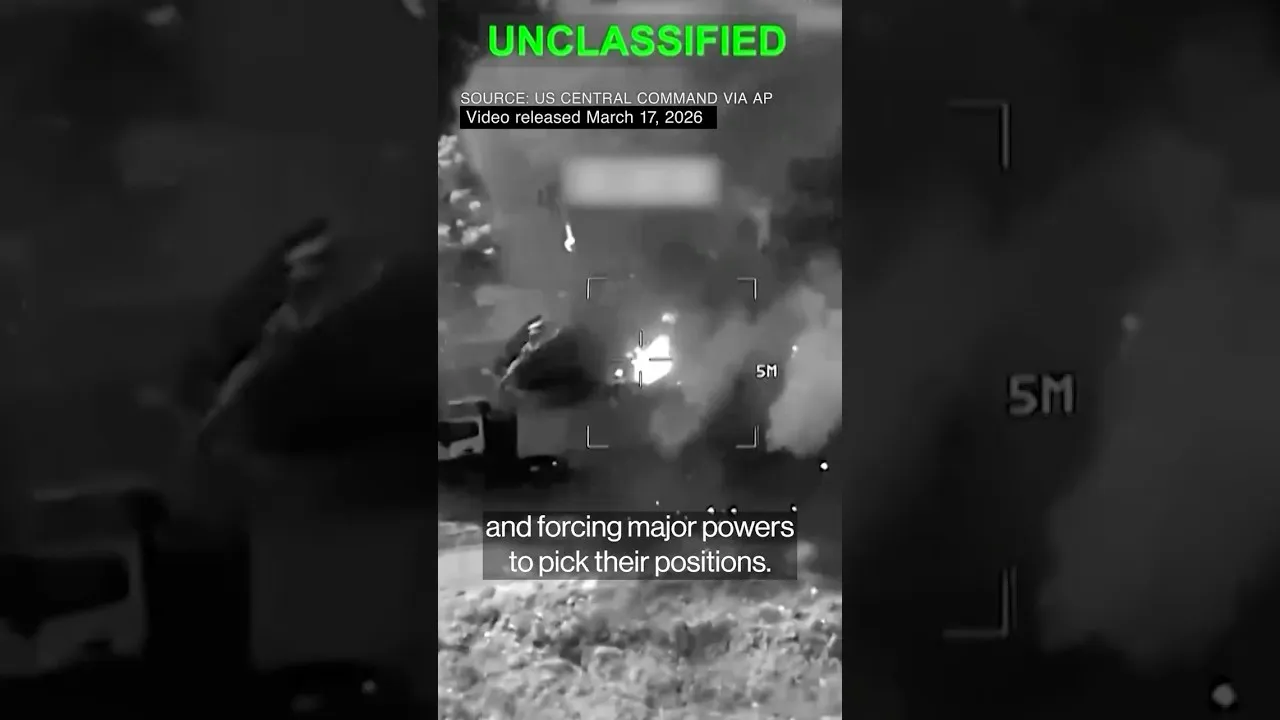
China remains unusually silent regarding the Middle East conflict, despite Iran—its significant ally—being heavily involved. This muted response suggests strategic caution rather than indifference. China’s careful approach aims to avoid provoking regional instability or jeopardizing its interests, highlighting its desire to maintain diplomatic neutrality amid escalating tensions in the region.
China’s silence on the Iran war can be attributed to its strategic interests and foreign policy principles. As a major global power, China often emphasizes non-interference in other countries’ internal affairs, fearing that public statements might escalate tensions or undermine diplomacy. By maintaining neutrality, China aims to avoid jeopardizing its economic and political relationships in the Middle East, especially with Iran, a key regional ally and oil supplier.
Additionally, China’s stance is influenced by its broader approach to international conflicts, emphasizing stability and dialogue over confrontation. The Chinese government prefers to act as a mediator rather than a participant, advocating for diplomacy to resolve disputes. This cautious approach reflects China’s desire to protect its global image and economic interests amid complex geopolitical dynamics.
Ultimately, China’s muted response underscores its careful balancing act. While it advocates for peace, it also seeks to prevent alienating any parties involved. Remaining silent allows China to navigate the delicate geopolitical landscape without taking sides, preserving its strategic interests in the region and the world.
Other People are Reading

O’Leary Ventures Chairman Kevin O’Leary discusses the Iran War’s market impact, the collectibles market and more on ‘The Claman Countdown.’
“Shark Tank” star Kevin O’Leary predicted which nations will control the Strait of Hormuz once the Middle East conflict subsides as Iran continues its restriction of the vital trade passage.
Joining “The Claman Countdown” Thursday, O’Leary analyzed the market impact of the Middle East conflict and how investors should navigate uncertainty.
“You think about what the world looks like after the conflict is over, and you make bets,” he told FOX Business.
“I’m pretty sure when this is over, what we’re going to be looking at is some multinational policing of the Strait of Hormuz, very much like the Panama Canal or the Suez Canal.”
US ‘LOCKED AND LOADED’ TO DESTROY IRAN’S ‘CROWN JEWEL’ ‘IF WE WANT,’ TRUMP WARNS

Commercial vessels are pictured offshore in Dubai March 11, 2026. (AFP via Getty Images / Getty Images)
As markets enter a third week of volatility amid Operation Epic Fury, a number of investors are growing cautious as prices surge.
The Iranian-controlled Strait of Hormuz has been closed to all ships affiliated with U.S. and Israeli interests for weeks due to the conflict.
The closure of one of the world’s most vital waterways has sent prices for goods transported through the strait soaring, including fertilizer and crude oil.
TRUMP THREATENS KEY IRANIAN GAS FIELD AFTER ISRAELI STRIKE
O’Leary said Iran’s neighbors that have been struck by Iranian missiles, like Saudi Arabia, will turn on the nation.

About 20% of the world’s oil supply crosses the Strait of Hormuz off the coast of Iran. The Iranian regime is threatening to attack any vessels that cross the strait without permission. (FOX / Fox News)
“Iran is raining missiles on their own neighbors,” the Canadian businessman said.
“The neighbors of Iran have said, ‘OK, this isn’t going to work for us. We can’t include you in the circle of friendship in any way.’”
MULTIPLE ALLIES DECLINE US CALLS FOR STRAIT OF HORMUZ SUPPORT AMID RISING MIDDLE EAST TENSIONS
The “Shark Tank” star predicted Iran’s neighbors will aid in the multinational effort to secure the strait.
“These neighbors are going to help fund, in my view, the stability and policing of the Strait of Hormuz,” O’Leary told “The Claman Countdown.”
“It’s going to be expensive, but I think it’s going to be paid for by the countries that have to have these commodities.”

“Shark Tank” star Kevin O’Leary predicts Iran’s neighbors will turn on it amid a battle for control of the Strait of Hormuz. (Getty Images / Getty Images)
He also asserted that domestic policy after the Iran conflict will focus on supply chain security.
CLICK HERE TO DOWNLOAD THE FOX NEWS APP
O’Leary acknowledged investor concerns amid the Iran conflict, saying markets will eventually stabilize.
“When this is over, I think, as an investor, the world is going to be a much more stable place,” he said.

Bolton praised in CAMRA Manchester’s Best Beer Pubs and Bar guide

Work from home, avoid air travel to deal with higher energy prices, IEA says

Kentucky crypto bill under fire over proposed hardware wallet “backdoor” requirement


-
 Crypto World6 days ago
HYPE Token Enters Net Deflation as HyperCore Buybacks Outpace Staking Rewards
-

 Tech4 days ago
Your Legally Registered ‘Motorcycle’ Might Not Count Under Proposed US Law
-

 Fashion7 days ago
Weekend Open Thread: Addict Lip Glow
-
 Tech3 days ago
Are Split Spacebars the Next Big Gaming Keyboard Trend?
-
Sports6 days ago
Why Duke and Michigan Are Dead Even Entering Selection Sunday
-

 Business4 days ago
Search for Savannah Guthrie’s Mother Enters Seventh Week with No Arrests
-

 Business6 days ago
US Airports Launch Donation Drives for Unpaid TSA Workers as Partial Government Shutdown Enters Fifth Week
-
Crypto World6 days ago
Coinbase and Bybit in Investment Talks: Could Bybit Finally Enter the US Crypto Market?
-

 Business4 days ago
Australian shares drop as Iran war enters third week
-

 Business6 days ago
Country star Brantley Gilbert enters growing non-alcoholic beer market
-

 Crypto World4 days ago
Crypto Lender BlockFills Enters Chapter 11 with Up to $500M in Liabilities
-

 Sports6 days ago
College Basketball Best Bets: Conference Tournament Semifinal Picks
-

 Politics2 days ago
The House | The new register to protect children from their abusers shows Parliament at its best
-

 Fashion4 days ago
25 Celebrities with Curly Hair That Are Naturally Beautiful
-

 News Videos2 days ago
RBA board divided on rate cut, unusually buoyant share market | Finance Report | ABC NEWS
-

 Tech1 hour ago
inKONBINI Lets You Spend Summer Days Behind the Register
-

 Crypto World2 days ago
Canada’s FINTRAC revokes registrations of 23 crypto MSBs in AML crackdown
-

 Crypto World5 days ago
Crypto Losses Drop 87% in February, But Hackers Are Now Targeting People, Not Code
-
 Politics3 days ago
Real-time pollution monitoring calls after boy nearly dies
-
 NewsBeat1 day ago
Residents in North Lanarkshire reminded to register to vote in Scottish Parliament Election


You must be logged in to post a comment Login