
Business
3 Delta flight attendants hospitalized after turbulence on Sydney flight


Check out what’s clicking on FoxBusiness.com.
Four Delta Air Lines flight attendants were injured on Friday after a flight bound for Australia experienced what the airline described as “brief turbulence.”
The flight, carrying 245 passengers and 15 crew members, was headed from Los Angeles, California, to Sydney, Australia, when the turbulence began.
The Airbus A350 was hit by the turbulence as it descended, but Delta said the aircraft landed “safely and normally” at the Sydney airport.
US FLIGHT CANCELLATIONS, GROUND DELAYS SURGE AS MASSIVE MARCH STORM DISRUPTS TRAVEL

The flight was carrying 245 passengers and 15 crew members from Los Angeles, California, to Sydney, Australia. (Getty Images / Getty Images)
Three of the injured flight attendants were sent to the hospital for medical treatment. No passengers reported any injuries.
“Delta flight 41 from Los Angeles encountered brief turbulence upon descent into Sydney, and four flight attendants reported injuries,” an airline spokesperson said in a statement to FOX Business.
“Nothing is more important than the safety of our people and our customers, and our priority is taking care of the impacted crew members,” the statement continued.

Three of the injured flight attendants were sent to the hospital for medical treatment. (Getty Images / Getty Images)
The flight landed in Sydney on Friday morning after departing Los Angeles on Wednesday night local time.
NSW Ambulance was alerted at about 6.45 a.m. local time, just minutes before the aircraft landed, according to flight data.
AIRLINES CANCEL FLIGHTS, ISSUE TRAVEL WAIVERS OVER MIDDLE EAST UNREST

No passengers reported any injuries. (Kevin Carter/Getty / Getty Images)
CLICK HERE TO GET FOX BUSINESS ON THE GO
Emergency responders said they treated five people who sustained minor injuries, according to The Sydney Morning Herald, although it is unclear why their injury total is different from Delta’s.

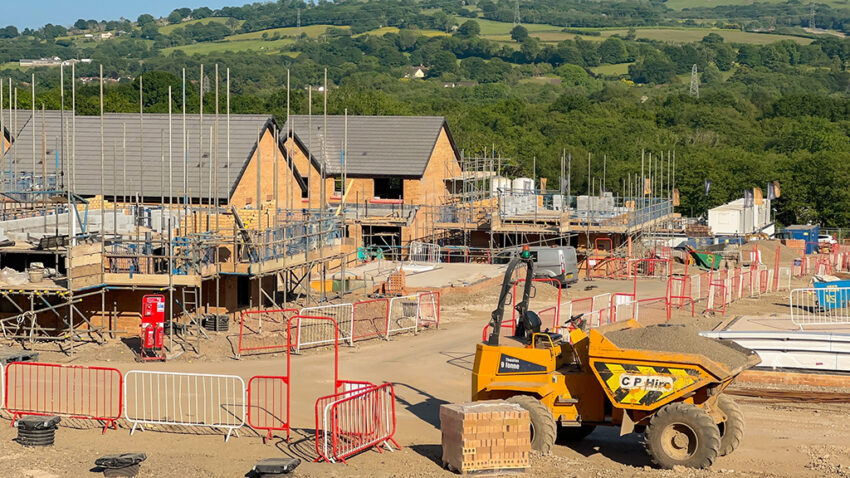
Construction delays can quietly derail even the most carefully planned projects. Missed deadlines often lead to budget overruns, strained client relationships, and logistical chaos on-site.
Many delays stem from avoidable issues such as poor planning, resource shortages, or communication breakdowns that disrupt the project timeline.
The key to staying on schedule begins well before construction starts. Clear project planning, accurate timelines, and strong coordination help teams anticipate potential bottlenecks. When every stakeholder understands their responsibilities and deadlines, projects progress with fewer surprises and smoother collaboration.
Technology also plays a major role in preventing costly delays. By centralizing critical project data and workflows, digital solutions such as ERP software for construction companies connect project schedules, procurement, budgets on a single platform. This integration provides managers with real-time visibility across the entire job site, enabling faster decision-making when risks arise.
Ultimately, successful projects combine careful planning, effective communication, and intelligent digital tools. By closely tracking progress, coordinating teams efficiently, and responding promptly to unexpected issues, construction firms can keep projects on schedule and deliver results exactly as promised.
Common Reasons for Construction Delays
Construction delays are one of the most persistent challenges in the industry, and understanding why they occur is the first step toward preventing them. Whether in the UAE or globally, projects often fall behind schedule due to a mix of planning, execution and external factors — many of which can be anticipated and managed with the right strategies.
Here are some of the most common reasons construction projects fall behind schedule:
- Inadequate early planning and scheduling. Poor planning, lack of detailed timelines or unclear sequencing often leads to confusion and delays once work begins.
- Design changes and scope creep. Mid‑project design revisions, change orders or evolving requirements force teams to rework plans and schedules.
- Material and supply chain issues. Late deliveries, shortages of critical materials or complex import logistics can halt work or force crews to wait on site.
- Labour shortages and productivity challenges. A lack of skilled workers or low craft productivity slows progress compared to planned output.
- Permitting and approval delays. Slow regulatory reviews or incomplete documentation can push back start dates or stall key tasks.
- Financial and cash‑flow issues. Budget shortfalls or slow client payments can force work pauses until funds are resolved.
Strategies to Avoid Construction Delays
Staying on schedule requires more than just hoping things run smoothly — it means planning ahead, managing risks, and coordinating every part of your project from start to finish. By implementing proactive strategies, construction teams can reduce delays and keep milestones on track, even when faced with common disruptions.
Delays don’t just push back delivery dates — they can inflate budgets, damage client relationships, and erode profit margins. By combining thoughtful planning, strong communication and adaptive management, construction teams can reduce uncertainty, react faster to change, and safeguard project timelines against challenges.
Robust Project Planning and Scheduling
Effective project planning and scheduling form the foundation of delivering construction projects on time and within budget. These processes define what needs to be done, when, by whom and in what order, creating a clear roadmap for execution that minimises idle time, resource conflicts and misunderstandings.
Here are effective practices that strengthen planning and reduce the risk of delays:
- Develop a comprehensive Work Breakdown Structure (WBS). Break the project into smaller, manageable tasks and subtasks so nothing is overlooked and responsibilities are clear. This acts as the foundation for detailed scheduling.
- Use proven scheduling techniques. Tools like the Critical Path Method (CPM) and Program Evaluation and Review Technique (PERT) help identify the sequence of critical activities and reveal how delays could affect overall timelines.
- Set realistic durations and dependencies. Base estimates on historical data, current labour availability and actual supply timelines rather than optimistic assumptions to create schedules that reflect real conditions.
- Build in contingency time. Allocate buffer time around high‑risk activities and dependencies so that unexpected issues like supply delays or weather don’t derail the entire schedule.
- Identify and analyse schedule risks. Conduct a risk assessment early to anticipate potential delays and plan mitigation strategies, such as alternative suppliers, flexible sequencing or phased deliveries.
- Integrate planning with procurement and resource allocation. Ensure material orders, labour assignments and equipment availability are synchronised with the schedule to avoid gaps that can halt work.
Resource Coordination and Management
Effective resource coordination and management is crucial for keeping construction projects on schedule. In construction, resources include people, equipment, materials, and even subcontractor teams — and if these aren’t planned and coordinated carefully, work can stall while teams wait for what they need.
Good resource coordination aligns scheduling with actual site needs, making sure tasks aren’t delayed because labour isn’t available, equipment is double‑booked or materials arrive late. It also helps project managers anticipate conflicts and balance workloads so crews stay productive throughout the build.
Key practices for resource coordination:
- Plan resource needs early. Identify all required labour, equipment and materials during preconstruction so you can schedule them alongside project tasks.
- Use a resource breakdown structure (RBS). Map resources hierarchically by type (labour, materials, equipment) so nothing is overlooked during allocation.
- Synchronise procurement and schedule. Link material delivery dates with task timelines to avoid workers waiting on supplies or equipment.
- Match skills to tasks. Assign workers and subcontractors based on their expertise so tasks are completed efficiently and without rework.
- Monitor and adjust usage. Track resource utilisation throughout the project and reallocate or supplement resources as needed to maintain momentum.
Clear Communication and Team Alignment
One of the most effective strategies for avoiding construction delays is fostering clear communication and strong team alignment throughout the project lifecycle. Construction involves many moving parts — designers, contractors, subcontractors, suppliers and clients — all working toward shared goals.
When communication breaks down, misunderstandings easily occur, leading to mistakes, rework and schedule slippage. Clear, consistent information flow helps keep everyone on the same page, reducing unnecessary delays and improving collaboration.
Key practices to improve communication and alignment:
- Establish a clear communication plan. Define how information will flow among stakeholders, who communicates what, and how often updates are shared. This clarity prevents mixed messages and keeps teams synchronized.
- Hold regular progress meetings. Daily or weekly check‑ins allow team members to share updates, explain challenges, adjust expectations and confirm next steps before issues escalate.
- Use centralised communication platforms. Tools like project management or messaging software keep updates, documents and conversations in one place, reducing confusion and ensuring everyone sees the latest information.
- Assign clear points of contact. Designate specific team members as communication leads so questions have a single go‑to person, reducing delays caused by uncertainty or mixed instructions.
Risk Identification and Mitigation
To avoid construction delays and stay on schedule, teams must first identify potential risks early and then develop plans to mitigate their impact before they disrupt the project. Construction risk management is a proactive, structured process that helps managers foresee threats and build responses that keep timelines intact.
Here are practical actions construction teams can take to reduce the chance that risks become schedule delays:
- Conduct thorough risk assessments early. Before breaking ground, list potential schedule threats and evaluate their likelihood and impact.
- Develop contingency plans. For each major risk (e.g., material delays, labour gaps), create a pre‑approved backup course of action to implement if the risk materialises.
- Use risk registers and planning tools. Maintain a central risk log that tracks identified risks, mitigation actions, ownership and status throughout the project.
- Analyse past project data. Look at previous projects to understand which risks actually led to delays and refine risk identification based on real experience.
- Allocate buffer time for high‑risk activities. Integrate reasonable time buffers into schedules where risk exposure is highest, such as approvals or long‑lead materials.
- Monitor and control risks continuously. Rather than assessing risks only at the start, revisit and update risk profiles as work progresses to catch emerging threats early.
Conclusion
Avoiding construction delays and staying on schedule requires proactive planning, clear communication and continuous oversight. Construction delays are caused by many factors but research shows that most delays can be mitigated with the right approach.
Key practices such as creating detailed critical path schedules, engaging stakeholders early, and using buffers for unexpected issues turn scheduling from a static document into a dynamic management tool. These techniques help keep everyone aligned on priorities and provide clarity on what must be completed and when.

The Dow fell to session lows shortly after Fed Chairman Jerome Powell wrapped up his press conference.
The Dow was down 706 points, or 1.5%. The S&P 500 fell 1.2%. The Nasdaq Composite dropped 1.2%.
Powell made it clear that while the central bank still forecasts one interest-rate cut this year, there isn’t a lot of conviction among central bankers.

Responding to investor concerns, Vinit Bolinjkar from Ventura Securities struck a measured yet optimistic tone, suggesting that the current turbulence may be temporary rather than structural.
Speaking to ET Now he said, “I believe that this will pass away in some time because the way the entire operation is being run by Israel and US, they are systematically annihilating the top commanders who are in charge of IRGC. So, in a few days’ time, this will come to pass. And we have been very constructive with the way we have managed our oil inventories and we are the only country which has been able to pass through Hormuz. So, we are on a very strong wicket and things will get even stronger going ahead from here.”
His remarks underline a key factor supporting India’s relative resilience—energy security. With oil supply disruptions being one of the biggest global risks, countries with stronger reserves and diversified sourcing are better positioned to absorb shocks.
“I would just like to make a small observation. There are four countries who are quite well stocked with oil. So, obviously, US and Russia are the prime producers and China has got huge storages right now. India also has it. And so, I believe that these four large countries will come off quite less a scape than the others.”

This perspective aligns with the broader market view that while volatility may persist in the near term, structural advantages could help cushion the downside for certain economies, including India.
Looking ahead, Bolinjkar expects markets to respond positively once geopolitical tensions ease.“And I expect that whenever this thing pauses or whenever this war is over, that we will see a nice relief rally come through.”
Consumption Theme Still Intact
Despite the near-term caution, the outlook on domestic consumption remains constructive. Investors, however, are being advised to time their entry carefully rather than rush into the market during ongoing uncertainty.
“So, as I said, we handled our oil situation very well and government has been very bold to say that we would not see too much of disruption happen. So, once this thing settles down, NBFC will come back. Government will also provide a sop to the market because we need to get things back on track.”
He also highlighted multiple overhangs currently weighing on sentiment, including stalled global trade dynamics and supply-side anxieties in energy markets.
“There are a couple of things happening. One is the US trade deal is also off the table. Second is that oil will also have created a lot of supply anxieties everywhere and everyone is in a wait and watch mode because you are not getting enough of gas coming through.”
Wait, Watch, Then Act
For retail investors, the message is clear—patience over panic. While long-term opportunities remain intact, the immediate environment calls for restraint.
“These things will take a little bit of time to resolve and once in a few days when this thing is done with, things will come back and you should start nibbling then. Right now, it is not the time to go and buy because this thing can last for a little more than we think. But whenever this noise settles down, that is a time when you should be getting into stocks and consumption is one of our favourite themes.”
As markets navigate this uncertain phase, the emphasis appears to be on disciplined investing—protecting capital in the short term while preparing to capitalise on opportunities when clarity returns.

The School Uniform Reuse Network aims to help schools and families reduce waste and save money.

Fuel retailers are setting prices based on the cost to restock, rather than the cost paid for current supplies, according to data collected by the nation’s competition watchdog.

The yield on the 2-year Treasury, which often rises and falls with expectations for central-bank policy, was recently around 3.746%, according to Tradeweb, near their level prior to the Fed’s announcement and Chairman Jerome Powell’s news conference.
The yield on the 10-year note recently traded around 4.257%, up from around 4.23% prior to the decision.

Perforated metal has long been valued for its strength, versatility, and clean visual appeal. Created by punching patterns of holes into metal sheets, it offers a practical balance between airflow, light control, and structural support.
Across industries such as architecture, construction, mining, and interior design, perforated metal has become a go-to material for projects that require both function and style.
From industrial screening media to striking architectural façades, modern manufacturing techniques allow businesses to adapt perforated metal to a wide range of applications. Below are six common ways companies use perforated metal in commercial and industrial environments.
Rubber Flip Flow Screens In Quarrying And Mining
In heavy industries like quarrying and mining, screening media plays a major role in material processing. Rubber flip flow screens are a specialised form of screening system that often works alongside perforated metal components to sort and separate materials.
Flip flow screens use flexible rubber panels that vibrate to prevent clogging when handling wet or sticky aggregates. Perforated metal supports or frames can be used within these systems due to their strength and resistance to wear.
This combination offers several advantages:
- Consistent material separation
- Reduced blockages during screening
- Long-term durability in harsh environments
For operations that handle high volumes of raw materials, robust screening systems are essential. Perforated metal provides the stability and support required for reliable processing equipment.
Picture Perf For Architectural Branding
Turning Metal Panels Into Visual Displays
Picture perf, sometimes called perforated imagery, allows designers to transform plain metal sheets into large-scale graphics. The technique uses thousands of precisely placed holes to form images, patterns, or gradients when viewed from a distance.
Businesses often use picture perf panels for building exteriors, car parks, and commercial developments. Logos, landscapes, or custom artwork can be recreated directly into the metal façade.
Because the design is formed through the perforation pattern itself, the result is highly durable and resistant to fading or weather damage.
Combining Function With Creative Design
Picture perf panels also serve practical roles such as ventilation, shade, or screening. This means a building can include branding or artwork without sacrificing airflow or light control.
Materials such as aluminium, stainless steel, and corten steel are commonly used, depending on the visual style and environmental conditions of the project.
Metal Cladding For Modern Building Exteriors
has become increasingly popular in contemporary architecture. It offers an attractive alternative to solid panels while still protecting the structure underneath.
Cladding systems made from perforated metal help regulate sunlight, airflow, and heat. The perforations allow partial visibility and ventilation while still acting as a protective outer layer.
Architects often select materials like stainless steel or corten steel for exterior cladding due to their strength and corrosion resistance. Brass, copper, and bronze can also be used when a more distinctive appearance is required.
Perforated metal cladding is commonly used for:
- Commercial buildings
- Car parks
- Public infrastructure
- Cultural venues
The result is a façade that combines durability with a distinctive, textured appearance.
Interior Fitout And Decorative Panels
Inside buildings, perforated metal sheets offer both decorative and practical benefits. Interior designers often use them in office spaces, retail environments, and public buildings where ventilation and light diffusion are useful.
Applications include partition walls, ceiling panels, and feature screens. The perforation patterns can soften lighting, improve acoustics, and create visual interest within a space.
Metal finishes such as brass, bronze, and copper are especially popular in interior fitout projects because they introduce warmth and character to modern interiors.
Custom perforation patterns also allow designers to create unique decorative metal sheets that complement the wider design scheme.
Sunscreens And Rain Screens For Climate Control
Buildings often need protection from both sunlight and weather exposure. Perforated metal is widely used in sunscreens and rain screens to help manage these challenges.
Solar Shading Systems
Perforated metal sunscreens are installed over windows or façades to reduce direct sunlight. By filtering the amount of light entering the building, they can help maintain comfortable indoor temperatures and reduce glare.
Unlike solid shading systems, perforated panels still allow outward visibility and natural airflow.
Ventilated Rain Screens
Rain screens act as a secondary layer on a building’s exterior. Perforated metal panels can form part of a ventilated façade system that allows moisture to escape while shielding the inner wall from rain and wind.
This approach is common in large commercial buildings where long-term durability and weather protection are key concerns.
Decorative Metal Sheets For Architectural Detail
Decorative perforated metal sheets are often used to add detail to architectural features. Their strength and customisable patterns make them suitable for both functional and aesthetic elements.
Examples include stair treads, ladder rungs, balcony panels, and flooring systems. In public buildings, perforated steps and walkways provide slip-resistant surfaces while allowing dirt and water to pass through.
Decorative panels can also be used for enclosures, security mesh, and feature walls. When paired with materials such as stainless steel, copper, or corten steel, they create visually striking structures that remain practical for everyday use.
Across many sectors, perforated metal continues to offer businesses a flexible material that meets both structural and design requirements. Whether used in heavy-duty screening media or refined architectural features, it provides a balance of durability, airflow, and visual impact that few other materials can match.

Western Australia continues to be the fastest growing state in the country with a population growth rate of more than 2 per cent.
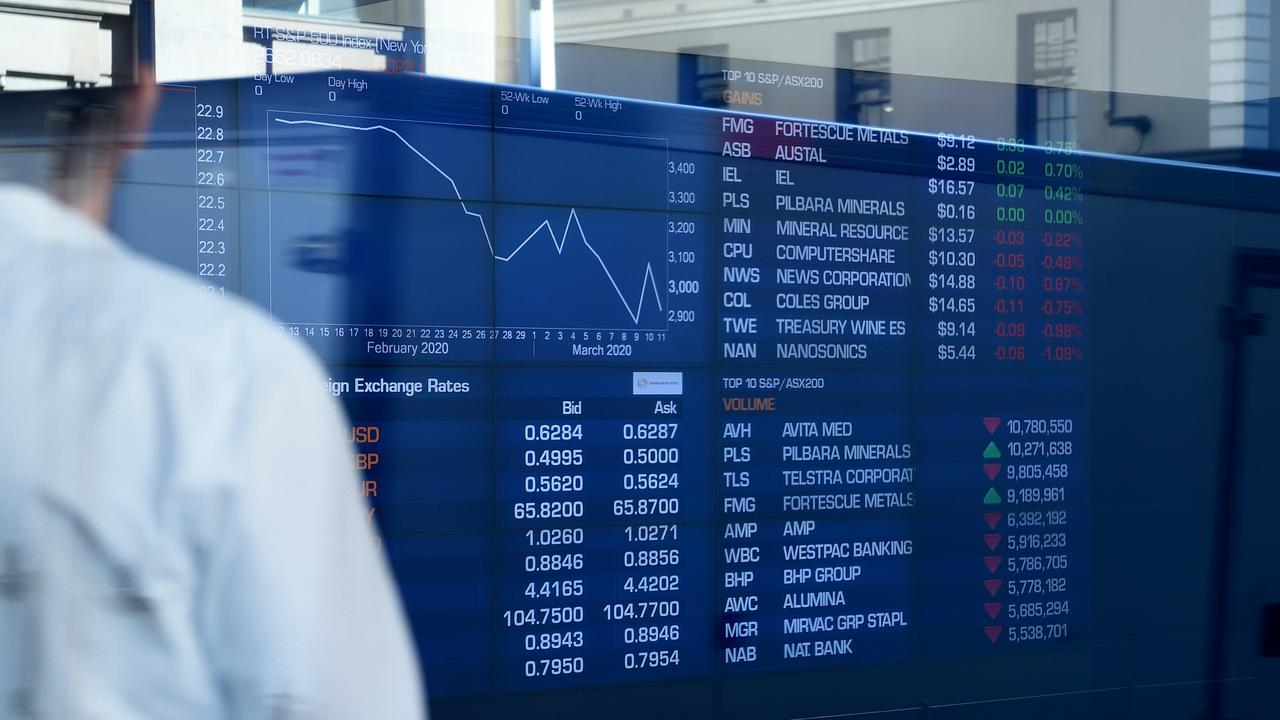
Australia’s stock market is trading at its weakest level in nine months after the Iran war and the resulting energy shock prompted multiple central banks to brace for higher interest rates.

BlackRock Strategic Income Opportunities Fund Q4 2025 Commentary

Northumberland market town among UK’s best places to live

How to Avoid Construction Delays and Stay on Schedule

Ethereum (ETH) Slides to $2,100 as MVRV Metric Signals Historic Buying Opportunity


-
 Crypto World6 days ago
HYPE Token Enters Net Deflation as HyperCore Buybacks Outpace Staking Rewards
-

 Tech4 days ago
Your Legally Registered ‘Motorcycle’ Might Not Count Under Proposed US Law
-

 Fashion7 days ago
Weekend Open Thread: Addict Lip Glow
-
 Tech3 days ago
Are Split Spacebars the Next Big Gaming Keyboard Trend?
-
Sports6 days ago
Why Duke and Michigan Are Dead Even Entering Selection Sunday
-

 Business5 days ago
Search for Savannah Guthrie’s Mother Enters Seventh Week with No Arrests
-

 Business6 days ago
US Airports Launch Donation Drives for Unpaid TSA Workers as Partial Government Shutdown Enters Fifth Week
-
Crypto World6 days ago
Coinbase and Bybit in Investment Talks: Could Bybit Finally Enter the US Crypto Market?
-

 Business4 days ago
Australian shares drop as Iran war enters third week
-

 Business6 days ago
Country star Brantley Gilbert enters growing non-alcoholic beer market
-

 Crypto World4 days ago
Crypto Lender BlockFills Enters Chapter 11 with Up to $500M in Liabilities
-

 Sports6 days ago
College Basketball Best Bets: Conference Tournament Semifinal Picks
-

 Politics2 days ago
The House | The new register to protect children from their abusers shows Parliament at its best
-

 Fashion4 days ago
25 Celebrities with Curly Hair That Are Naturally Beautiful
-

 News Videos2 days ago
RBA board divided on rate cut, unusually buoyant share market | Finance Report | ABC NEWS
-

 Tech2 hours ago
inKONBINI Lets You Spend Summer Days Behind the Register
-

 Crypto World2 days ago
Canada’s FINTRAC revokes registrations of 23 crypto MSBs in AML crackdown
-
 Politics3 days ago
Real-time pollution monitoring calls after boy nearly dies
-

 Crypto World5 days ago
Crypto Losses Drop 87% in February, But Hackers Are Now Targeting People, Not Code
-
 NewsBeat1 day ago
Residents in North Lanarkshire reminded to register to vote in Scottish Parliament Election


You must be logged in to post a comment Login