
Business
H.C. Wainwright reiterates Intellicheck stock rating on revenue beat



Available for over a year
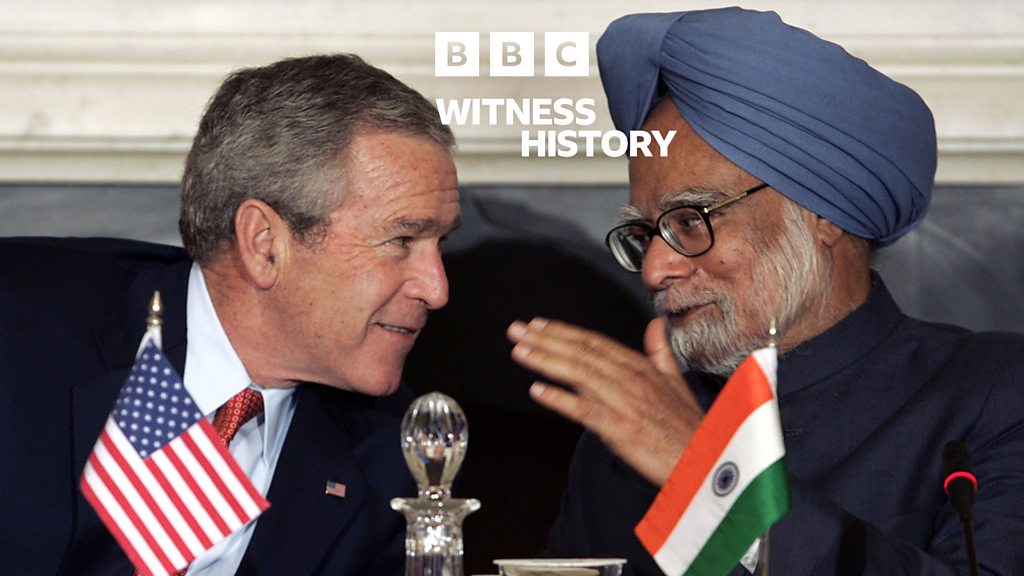
On 2 March 2006, the United States and India finalised a controversial nuclear deal, ending India’s three decades of international isolation over its nuclear policy.
Sweetening the deal, President George W Bush and Prime Minister Manmohan Singh announced cooperative agreements not just on nuclear power but also on the import of Indian mangoes.
Surya Elango speaks to Ronen Sen, the former Indian ambassador to the US.
(Photo: President George W Bush and Prime Minister Manmohan Singh on 2 March 2006. Credit: Jim Young via Reuters)
Eye-witness accounts brought to life by archive. Witness History is for those fascinated by and curious about the past. We take you to the events that have shaped our world through the eyes of the people who were there.
For nine minutes every day, we take you back in time and all over the world, to examine wars, coups, scientific discoveries, cultural moments and much more.
Recent episodes explore everything from how the Excel spreadsheet was developed, the creation of cartoon rabbit Miffy and how the sound barrier was broken.
We look at the lives of some of the most famous leaders, artists, scientists and personalities in history, including: the moment Reagan and Gorbachev met in Geneva, Haitian singer Emerante de Pradines’ life and Omar Sharif’s legendary movie entrance in Lawrence of Arabia.
You can learn all about fascinating and surprising stories, like the invention of a stent which has saved lives around the world; the birth of the G7; and the meeting of Maldives’ ministers underwater. We cover everything from World War Two and Cold War stories to Black History Month and our journeys into space.
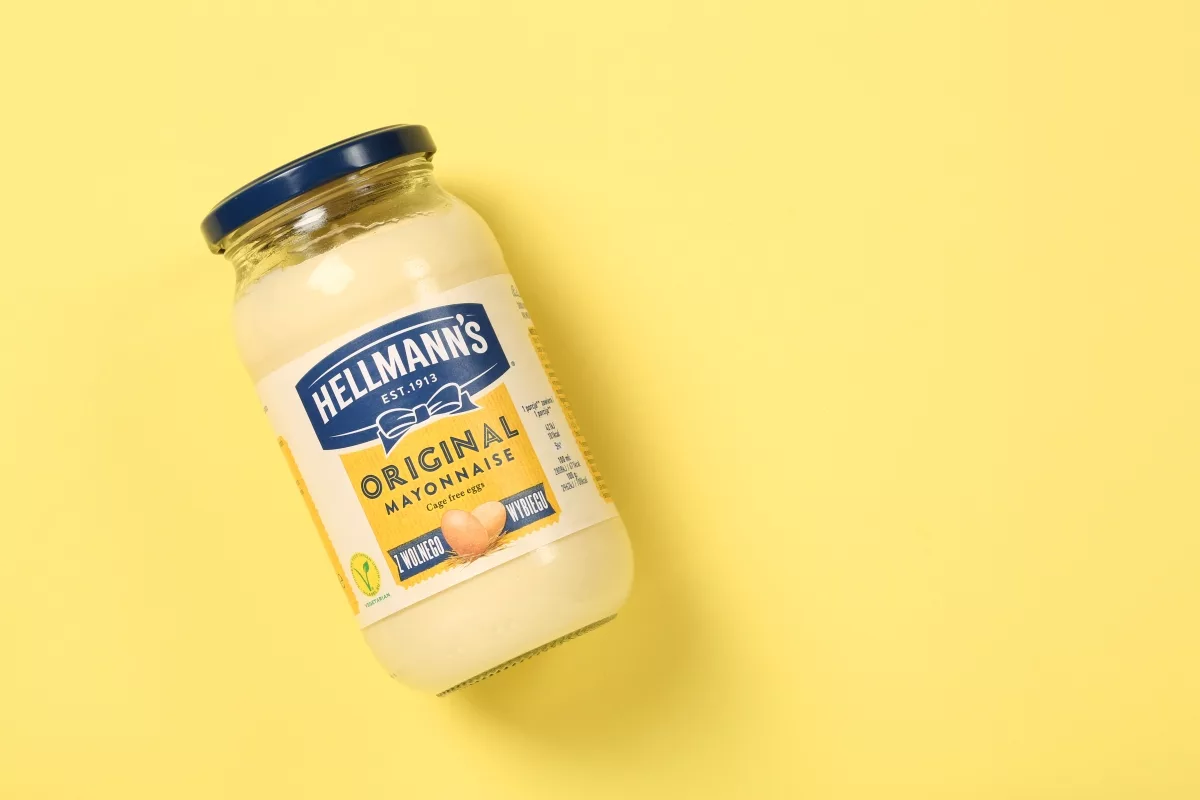

Unilever’s Food unit had sales of €12.5 billion in 2025.


ONE Hershey structure joins sweet, salty and protein brand portfolios.
Business
Did Chuck Norris Die? Chuck Norris Dies at 86 After Medical Emergency in Hawaii, Family Confirms
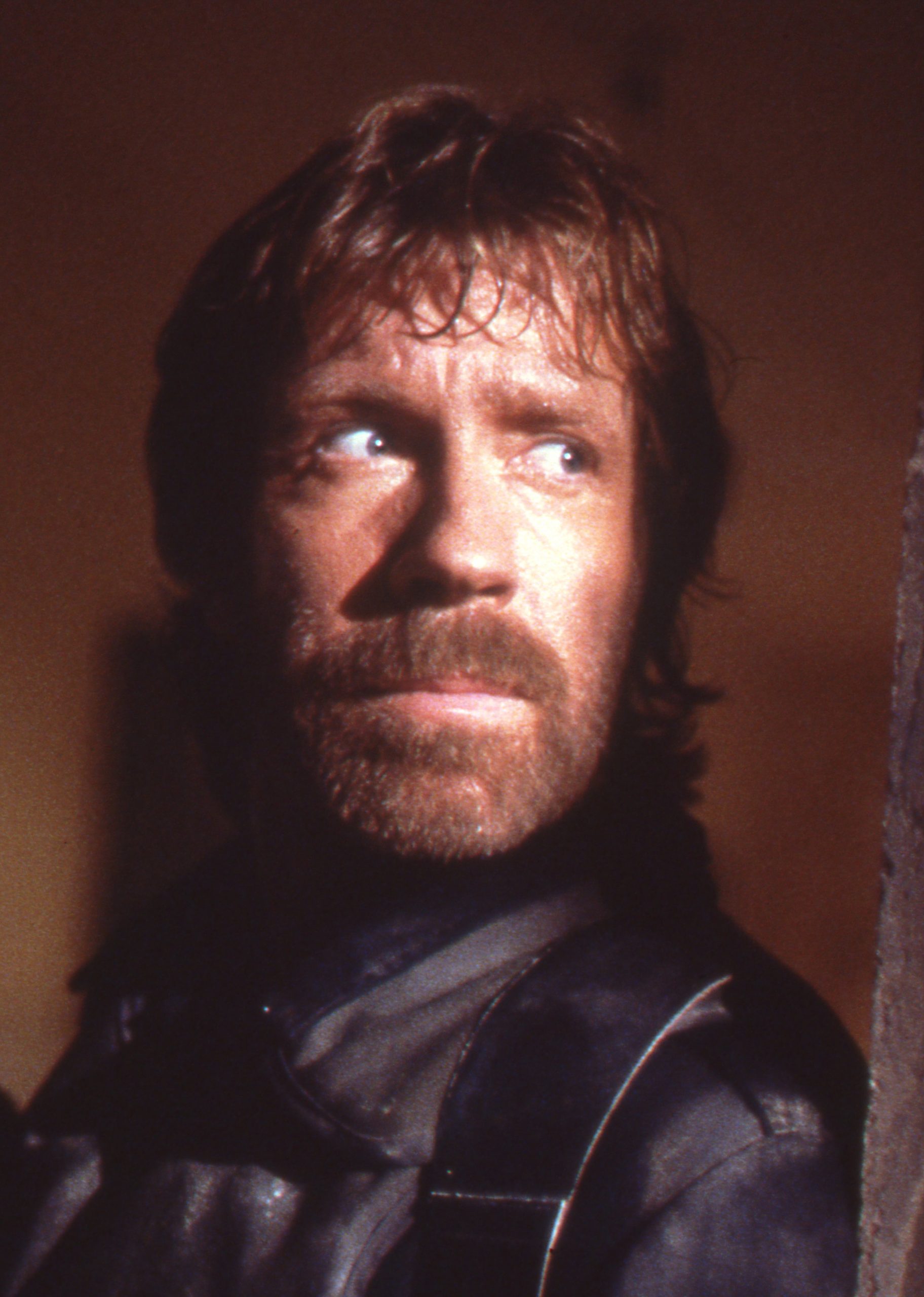
HONOLULU — Martial arts legend and action star Chuck Norris, whose unbreakable on-screen persona spawned countless internet memes and jokes about his invincibility, died Thursday, March 19, 2026, at age 86 following a medical emergency in Hawaii, his family announced Friday.
Norris was hospitalized on the island of Kauai after suffering an unspecified medical event, according to reports from TMZ and other outlets. He passed away the morning of March 19, with family members confirming the news via an Instagram post on March 20. “We are heartbroken to share that our beloved Chuck has left us,” the statement read in part. “He fought hard until the end, just as he always did. Thank you for the love and support.”
The announcement came just days after Norris celebrated his 86th birthday on March 10 with a video of himself training, captioned “I don’t age. I level up.” Fans had flooded social media with tributes marking the milestone, many joking that “death is too afraid to tell Chuck Norris” or referencing his famous one-liners. The sudden turn sparked an immediate outpouring of grief, disbelief and memes across platforms.
Born Carlos Ray Norris on March 10, 1940, in Ryan, Oklahoma, he rose from a challenging childhood marked by poverty and his father’s struggles with alcoholism to become a global icon. After serving in the U.S. Air Force during the Korean War era, where he discovered martial arts, Norris earned black belts in multiple disciplines, including Tang Soo Do, Taekwondo and Brazilian jiu-jitsu. He founded his own system, Chun Kuk Do, and opened a chain of karate schools.
His film career exploded in the 1970s with roles opposite Bruce Lee in “Way of the Dragon” (1972), where his showdown with Lee in the Colosseum remains one of cinema’s most iconic fight scenes. Norris starred in a string of 1980s action hits, including “Lone Wolf McQuade,” “Missing in Action,” “The Delta Force” and “Invasion U.S.A.,” often playing stoic, patriotic heroes who dispensed justice with roundhouse kicks and minimal dialogue.
Television cemented his legacy with “Walker, Texas Ranger” (1993-2001), where he portrayed Cordell Walker, a modern-day Texas Ranger blending martial arts with moral lessons. The show ran for eight seasons and spawned a dedicated fanbase, with reruns still airing worldwide. Norris appeared in later projects like “The Expendables 2” (2012) and voiced characters in animated series, but largely stepped back from acting after 2005 to focus on family, faith and philanthropy.
Through Kickstart Kids, his non-profit founded in 1990, Norris taught karate and life skills to thousands of Texas schoolchildren, emphasizing discipline, respect and anti-drug messages. He authored books on fitness, philosophy and Christianity, and maintained an active presence on social media into his 80s, sharing workout videos, inspirational messages and family photos.
Norris’ public persona blended rugged individualism with folksy humor. He became a cultural phenomenon through “Chuck Norris Facts” — internet jokes from the mid-2000s claiming absurd feats like “Chuck Norris doesn’t do push-ups; he pushes the Earth down” or “Death once had a near-Chuck Norris experience.” The memes turned him into a symbol of toughness, often played for laughs even as he embraced his real-life roles as husband, father of five and grandfather.
In recent years, Norris remained remarkably active. He continued training, advocated for veterans and shared health tips. His ex-wife Dianne Holechek’s death in December 2025 from dementia drew public condolences, with Norris posting heartfelt tributes. He remarried Gena O’Kelley in 1998, and the couple had twins; family remained central to his life.
The medical emergency that led to his death was not detailed publicly, but reports indicated he was in good spirits during hospitalization before his condition deteriorated. No official cause has been released pending family wishes and any autopsy results.
Tributes poured in from Hollywood, the martial arts community and fans worldwide. Co-stars from “Walker, Texas Ranger,” including Clarence Gilyard Jr. (who predeceased him) alumni, and modern action stars like Dwayne Johnson and Jason Statham posted memories. President-elect figures and conservative commentators, with whom Norris aligned politically, praised his patriotism and values.
Norris’ passing marks the end of an era for action cinema’s golden age. While his films often prioritized spectacle over nuance, they inspired generations of martial artists and viewers who saw in him an embodiment of perseverance.
Funeral arrangements have not been announced, with the family requesting privacy during mourning. A public memorial is expected, likely drawing crowds to honor the man who once quipped that roundhouse kicks solve everything.
In death, as in life, Chuck Norris leaves an indelible mark — a legend whose real strength lay not in invincibility myths, but in discipline, faith and quiet determination. Rest in peace, Chuck.
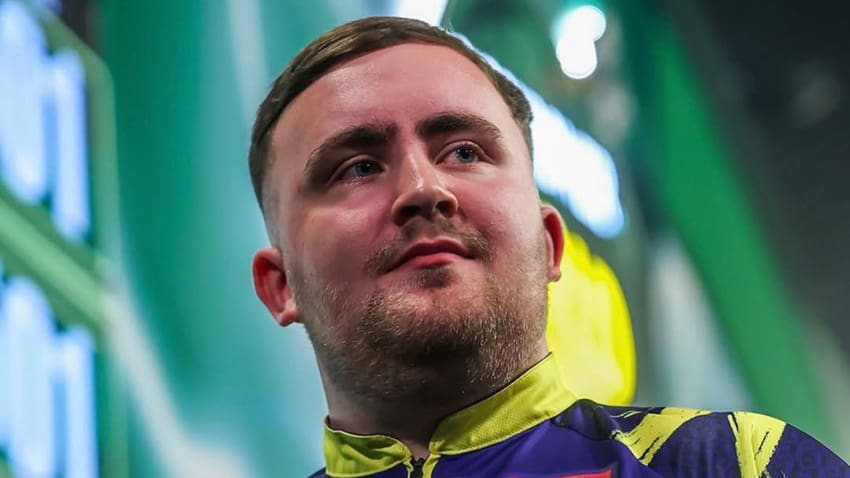
Teenage darts sensation Luke Littler has applied to trademark his own face in a landmark move aimed at protecting his image from AI-generated fakes and unauthorised commercial use.
The 19-year-old, already a two-time World Darts Championship winner, has submitted an application to the UK Intellectual Property Office as concerns grow over the rapid rise of deepfakes and AI-generated content exploiting public figures.
Littler’s likeness is already widely used across commercial products, from branded dartboards and video games to food items, reflecting his meteoric rise as one of the most marketable names in British sport. He has previously secured trademark protection for his nickname “The Nuke” in the United States, underlining the increasing value of his personal brand.
The latest move signals a growing trend among high-profile athletes and celebrities seeking to protect their identity in an era where AI tools can replicate faces and voices with alarming accuracy.
Graeme Murray, a trademark attorney at Marks & Clerk, said such applications are becoming more common as public figures attempt to safeguard their image. He noted that AI-generated content poses a “genuine threat” to the commercial value and goodwill associated with well-known individuals.
“The objective is to create exclusivity around a recognisable appearance that consumers associate with one individual,” he explained. “This prevents third parties from exploiting that identity without consent, particularly in commercial settings.”
The legal landscape, however, remains uncertain. Unlike some jurisdictions, the UK does not recognise a formal “right of personality”, meaning individuals have limited protection over the commercial use of their likeness outside existing intellectual property frameworks.
Iain Connor, intellectual property partner at Michelmores, warned that trademarking a face is not a comprehensive solution. “Even if successful, trade mark protection is limited to specific categories of goods and services,” he said. “It is not a silver bullet against deepfakes.”
He added that previous attempts to protect identity through trademarks have produced mixed results, citing successful and unsuccessful cases involving public figures. The challenge lies in proving that a face or likeness functions as a distinctive commercial identifier.
The move comes as policymakers and legal experts increasingly debate how to regulate AI-generated content. The UK government has already acknowledged potential gaps in existing copyright and IP frameworks, with discussions underway about introducing new “personality rights” to better protect individuals from digital replication.
Littler’s application therefore represents not only a commercial strategy but also a test case for how far current intellectual property law can stretch in the age of generative AI.
Away from the courtroom, Littler continues to dominate on the oche. Fresh from a dramatic comeback victory over Gerwyn Price in Dublin, he admitted he is still adapting to the pressures of fame and fan scrutiny.
But as his profile continues to grow, so too does the need to protect it, not just from rivals on the darts circuit, but from the increasingly sophisticated capabilities of artificial intelligence.

Amy Ingham
Amy is a newly qualified journalist specialising in business journalism at Business Matters with responsibility for news content for what is now the UK’s largest print and online source of current business news.
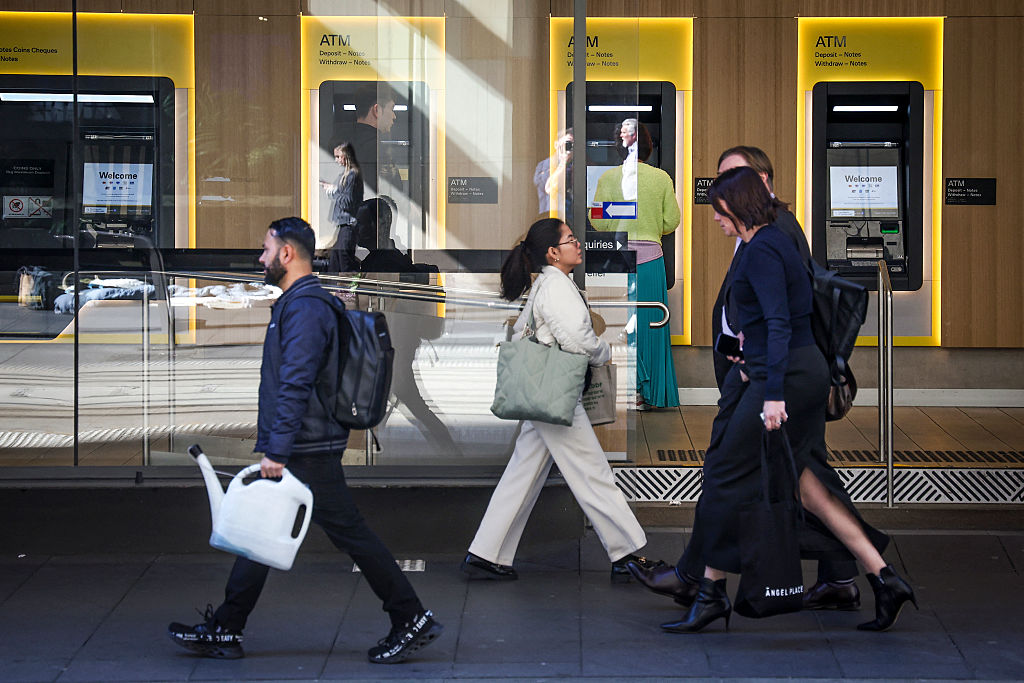
SYDNEY — Commonwealth Bank of Australia (ASX: CBA), the nation’s largest lender by market capitalization, closed lower Friday amid elevated trading activity and ongoing volatility in the financial sector, finishing at A$175.64, down A$1.72 or 0.97% from Thursday’s close of A$177.36.
DAVID GRAY/AFP via Getty Images
The decline came on robust volume of approximately 5.74 million shares traded, well above the four-week average, as investors digested recent economic signals and repositioned portfolios. CBA opened at A$178.00, reached an intraday high of A$179.56 but retreated to the session low of A$175.64 before settling at the bottom of the range. The weighted average price (VWAP) hovered around A$176.00, reflecting selling pressure throughout the day.
Friday’s performance extended a pattern of choppy trading for CBA shares in March 2026. The stock has fluctuated between recent highs near A$180 and support levels around A$175, influenced by broader ASX movements and sector-specific factors. Year-to-date in 2026, CBA has gained about 9.4%, building on a strong 20% rise over the past 12 months, though it remains below its 52-week peak of A$192.00 reached in mid-2025.
The pullback aligns with a softer tone across Australian equities, where the benchmark S&P/ASX 200 index has faced headwinds from global interest rate uncertainty and commodity price swings. Banking stocks, which dominate the index due to the “big four” lenders’ weightings, have been particularly sensitive to expectations around Reserve Bank of Australia (RBA) policy and net interest margin pressures.
CBA’s recent half-year results, released in February 2026, provided a strong backdrop for earlier gains. The bank reported record cash net profit after tax of A$5.45 billion for the six months to December 31, up 6% from the prior period and beating consensus estimates. The outcome reflected market share gains in home loans, business lending and deposits, alongside stable credit quality and contained arrears. An interim dividend increase to A$2.35 per share, fully franked, underscored confidence in capital levels and earnings resilience.
However, analysts have cautioned that the post-results rally may have run its course. TradingView data shows a consensus leaning toward sell or strong sell ratings from most covering analysts, with an average price target implying significant downside potential from current levels. Some forecasts suggest CBA could trade as low as A$90 in extreme scenarios, though more moderate views point to A$130-155 over the next 12 months. The bank’s high price-to-earnings ratio of around 28 times trailing earnings has fueled debate about valuation sustainability in a potentially higher-for-longer rate environment.
Friday’s trading saw no major company-specific news driving the move, but broader commentary highlighted concerns over operating expenses, which rose 5% in the half-year update, including a 10% jump in technology spending. Investors continue monitoring how CBA balances digital investment with cost discipline amid competitive pressures from fintechs and other banks.
Dividend yield remains attractive at approximately 2.82% based on recent payouts, drawing income-focused investors even as growth expectations moderate. The upcoming final dividend payment, expected later in the year, will be a key focus, along with any guidance on full-year profit outlook.
CBA’s market capitalization exceeds A$290 billion, making it a cornerstone of the ASX 200 and a bellwether for the Australian economy. Its performance often influences sentiment toward the broader banking sector, including peers like Westpac, NAB and ANZ.
Looking ahead, traders will watch for RBA commentary on inflation and rates, potential shifts in housing market dynamics and any updates on credit growth. With the interim dividend ex-date already passed and payment scheduled for late March, focus may shift to the next earnings cycle in August.
Despite Friday’s dip, CBA shares have shown resilience in 2026, benefiting from Australia’s robust economic fundamentals and the bank’s dominant retail franchise. Analysts describe it as a high-quality name with strong capital buffers, though near-term headwinds from margin compression and subdued credit expansion could cap upside.
As markets close the week, CBA’s retreat underscores the challenges facing Australia’s biggest bank in navigating a complex macro landscape. Investors remain divided: some see value in the yield and stability, while others anticipate further consolidation or correction as valuations adjust to evolving rate expectations.

In an exchange filing, SBI announced its subsidiary has filed the draft red herring prospectus (DRHP) with Sebi for an IPO of up to 20.37 crore equity shares, entirely comprising an offer for sale. This means that the proceeds from the IPO will go directly to the shareholders, and the company will not receive any amount.
Also read: Coal India arm CMPDI IPO opens for subscription. Check brokerages review, GMP and other details
As part of the OFS, promoter SBI will sell 12.83 crore shares (representing a 6% stake in the subsidiary), while Amundi India Holding will sell 7.53 crore shares. The total issue size in rupee terms, along with the price band, has not yet been disclosed.SBI Funds Management operates as the investment manager to its flagship mutual fund business and also offers portfolio management services (PMS), alternative investment funds (AIFs) and offshore advisory services. It served over 1.6 crore unique investors, as of December 2025, and manages mutual fund average assets under management (AUM) of Rs 6.06 lakh crore. The company holds a 15.4% market share by QAAUM, making it the largest AMC in India. SBI currently holds 61.86% stake in SBI Funds Management, while AMUNDI Asset Management holds 36.33% stake through a wholly owned subsidiary.

Kotak Mahindra Capital, Axis Capital, ICICI Securities and SBI Capital Markets are among the nine bankers handling the IPO.
Also read: HPCL, BPCL, IOCL shares rebound up to 6%. Here are two reasons behind renewed buying
SBI shares have gained 2% in the past five days, but fallen more than 11% in the past month. The share price rose 26% in the past six months. India’s largest public sector lender posted strong results for the October-December quarter of the ongoing financial year 2026, with standalone net profit rising 24% YoY to Rs 21,028 crore and net interest income (NII) increasing 9% YoY to Rs 45,190 crore.(Disclaimer: Recommendations, suggestions, views and opinions given by the experts are their own. These do not represent the views of The Economic Times)
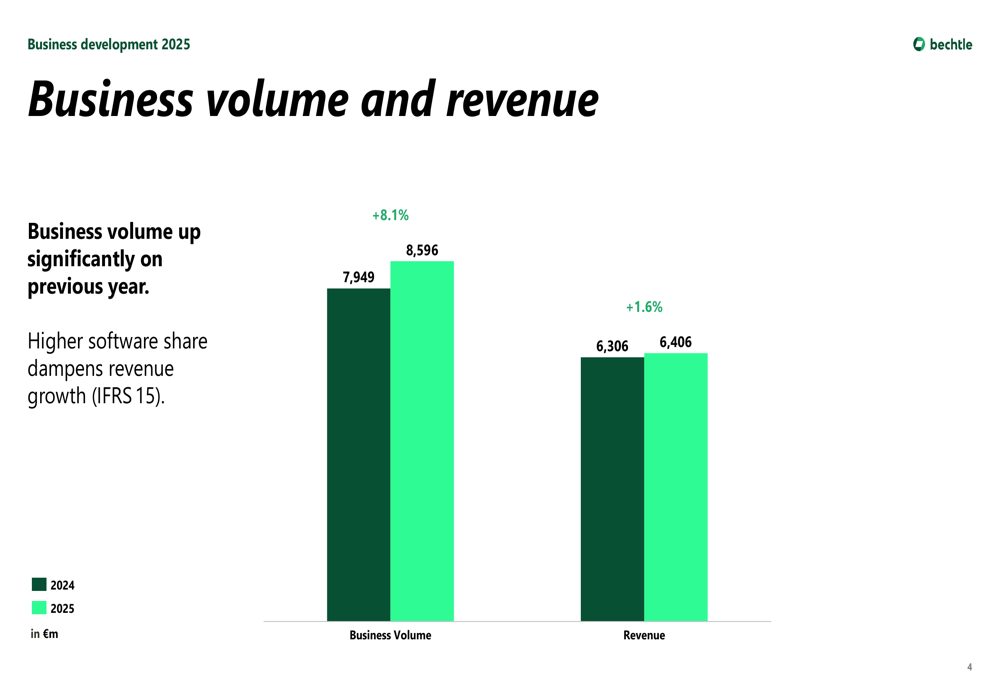
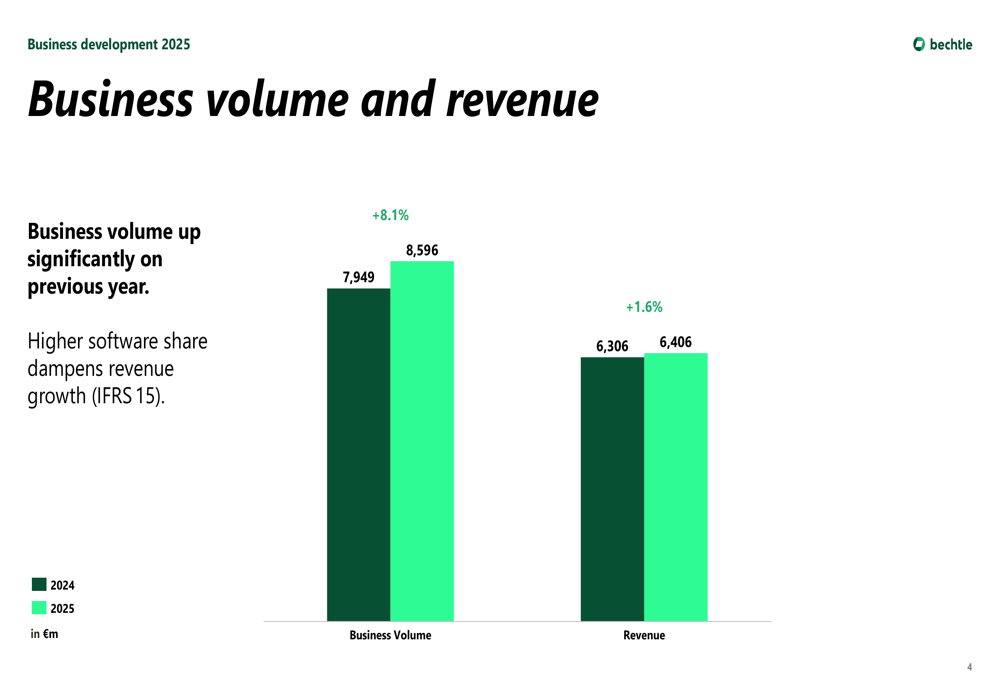
Bechtle FY2025 slides: 8% growth masks margin pressure, Q4 miss
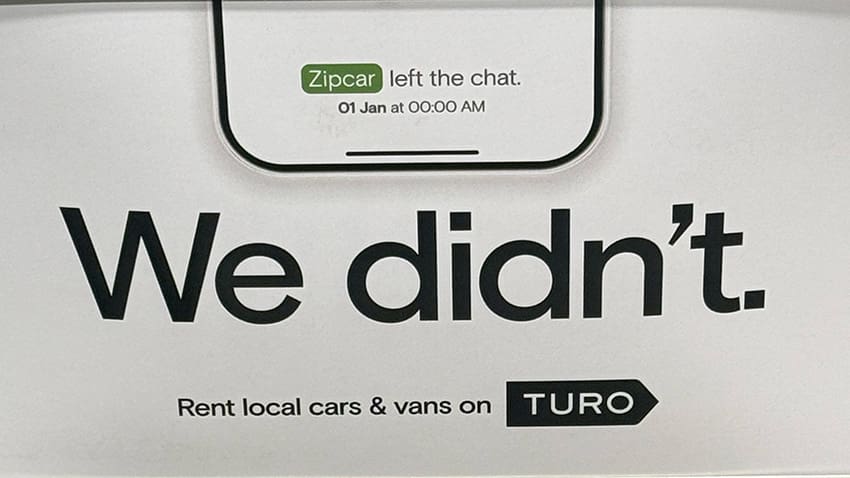
Turo is stepping up its push into London, targeting former Zipcar users with a capital-light car-sharing model that avoids the high costs associated with owning and maintaining a fleet.
The US-based peer-to-peer platform, which has operated in the UK since 2018, allows private car owners to rent out their vehicles directly to users. More than 2,000 London motorists are already listing cars on the platform, according to the company, as it seeks to capitalise on a gap left by Zipcar’s withdrawal from the capital at the end of 2025.
Unlike traditional car clubs, Turo does not own or lease vehicles. Instead, it acts as a marketplace, enabling short-term rentals between individuals. The approach significantly reduces capital expenditure and operational overheads, a key differentiator at a time when rising costs have squeezed fleet-based operators.
Rory Brimmer, Turo’s UK managing director, said the model unlocks value from underutilised assets. “Cars are idle most of the time,” he noted, describing them as assets that can generate income rather than sit unused.
Hosts set their own availability and pricing, with rates fluctuating based on demand and seasonality. Turo takes a commission of between 25% and 35%, depending on the level of insurance and services selected. The company says the average London host earns around £400 per month, although more active users can generate significantly higher returns.
Brimmer himself rents out his Audi Q3 for roughly half the month, earning close to £800, and said built-in safeguards such as insurance cover and DVLA-integrated licence checks are critical to building trust on the platform.
The company has moved quickly to capture displaced demand following Zipcar’s exit, launching a £120,000 advertising campaign across the London Underground and Overground networks. Brimmer described the market shift as a clear “opportunity” to attract users previously reliant on traditional car clubs.
Zipcar’s departure reflects the mounting pressure on fleet-heavy models. The company cited deteriorating financial performance, falling usage and rising costs, including energy, insurance and vehicle maintenance, as key factors behind its decision. Additional pressures, such as the extension of London’s congestion charge to electric vehicles, have further eroded margins.
The contrasting fortunes of the two models highlight a broader shift in the economics of shared mobility. While asset-heavy operators face rising fixed costs and utilisation challenges, marketplace-driven platforms like Turo benefit from scalability without balance sheet exposure.
Policy momentum in London continues to favour shared transport solutions. With lower car ownership rates than the national average, city authorities, led by Mayor Sir Sadiq Khan, are seeking to reduce private vehicle use and encourage alternatives such as car clubs and shared mobility schemes.
Turo’s UK expansion also comes as it recalibrates its global strategy. The company has recently shelved plans for a New York Stock Exchange listing, with chief executive Andre Haddad citing market conditions and a desire to remain private to continue investing in growth.
Despite that decision, the business has scaled rapidly. Revenues rose from $150 million in 2020 to $958 million in 2024, with 150,000 active hosts and 3.5 million users worldwide.
For the UK market, the divergence between capital-light platforms and traditional fleet operators is becoming increasingly pronounced, and as funding tightens and cost pressures persist, that distinction may define the next phase of urban mobility.
Amy Ingham
Amy is a newly qualified journalist specialising in business journalism at Business Matters with responsibility for news content for what is now the UK’s largest print and online source of current business news.
Business
Tata Power share price jump 5% after Gujarat govt approves supply agreement for Mundra plant

The Economic Times couldn’t independently verify the report. Tata Power hasn’t informed the exchanges about this development either.
The imported coal-fired plant has not operated for the past six months after the government last year withdrew the emergency clause that compensates companies for generating power using expensive imported coal, Reuters added.
The deal comes as a relief to India, which is aiming to maximise power output from its coal plants amid an escalating Middle East conflict that is expected to trigger a gas shortage during the summer months.
The agreement is subject to approval from the federal power regulator and will take effect retrospectively from April 2025.
While the document did not disclose the exact pricing of the power supply, it noted that Gujarat has mandated that tariffs must not exceed those paid by other states, the report said.
Tata Power share price performance
Shares of Tata Power Company Limited have gained 8% over the past one month. However, the stock has remained largely range-bound over a longer horizon, rising just 3% in the last six months. On a year-to-date basis, the Tata Power share is up 7%, while it has delivered a 10% return over the past year.
Tata Power Q3 snapshot
The company’s profit after tax (PAT) rose 1% to Rs 1,194 crore, while nine-month PAT climbed to Rs 3,702 crore, up 7% year-on-year.
Revenue for Q3 FY26 stood at Rs 14,485 crore, down 4% year-on-year, compared with Rs 15,118 crore reported in the same period last year, Tata Power said in a press release. Meanwhile, nine-month revenue came in at Rs 47,719 crore, up 1% YoY.
EBITDA for the quarter grew to Rs 3,913 crore, up 12% from Rs 3,481 crore posted in the corresponding quarter of the previous financial year.
During the quarter, Tata Power executed around 1.3 GW of renewable projects, taking cumulative renewable EPC execution past the 10 GW milestone. The company’s total installed capacity now stands at 16.3 GW, underlining its expanding presence in clean energy infrastructure.

Car and police van crash on Wigan Road in Bolton

Witness History – The nuclear mango deal

BitFuFu Cuts Back Self-Mined Bitcoin, Bets on Cloud Mining in 2025

Smart energy pays enters the US market, targeting scalable financial infrastructure

Why Israel is blocking foreign journalists from entering

Bitcoin: We’re Entering The Most Dangerous Phase

This is What Most Investors Get Wrong About Diversification #investing #finance #shorts

LIVE TRADING BTC GOLD | 20/03/2026 |#crypto #livetrading #btc #forex #forextrading

Financial Freedom Requires ACTION, Not Just Thinking.| DEEPAK BAJAJ
-
 Crypto World6 days ago
HYPE Token Enters Net Deflation as HyperCore Buybacks Outpace Staking Rewards
-

 Tech5 days ago
Your Legally Registered ‘Motorcycle’ Might Not Count Under Proposed US Law
-

 Fashion7 days ago
Weekend Open Thread: Addict Lip Glow
-
 Tech3 days ago
Are Split Spacebars the Next Big Gaming Keyboard Trend?
-
Sports6 days ago
Why Duke and Michigan Are Dead Even Entering Selection Sunday
-

 Business5 days ago
Search for Savannah Guthrie’s Mother Enters Seventh Week with No Arrests
-

 Business6 days ago
US Airports Launch Donation Drives for Unpaid TSA Workers as Partial Government Shutdown Enters Fifth Week
-
Crypto World6 days ago
Coinbase and Bybit in Investment Talks: Could Bybit Finally Enter the US Crypto Market?
-

 Business4 days ago
Australian shares drop as Iran war enters third week
-

 Business6 days ago
Country star Brantley Gilbert enters growing non-alcoholic beer market
-

 Crypto World4 days ago
Crypto Lender BlockFills Enters Chapter 11 with Up to $500M in Liabilities
-

 Sports7 days ago
College Basketball Best Bets: Conference Tournament Semifinal Picks
-

 Politics2 days ago
The House | The new register to protect children from their abusers shows Parliament at its best
-

 News Videos2 days ago
RBA board divided on rate cut, unusually buoyant share market | Finance Report | ABC NEWS
-

 Fashion4 days ago
25 Celebrities with Curly Hair That Are Naturally Beautiful
-

 Tech10 hours ago
inKONBINI Lets You Spend Summer Days Behind the Register
-

 Crypto World2 days ago
Canada’s FINTRAC revokes registrations of 23 crypto MSBs in AML crackdown
-
 Politics3 days ago
Real-time pollution monitoring calls after boy nearly dies
-

 Crypto World6 days ago
Crypto Losses Drop 87% in February, But Hackers Are Now Targeting People, Not Code
-
 NewsBeat2 days ago
Residents in North Lanarkshire reminded to register to vote in Scottish Parliament Election


You must be logged in to post a comment Login