
Business
Gingrich says Europe must do its fair share amid US global conflict


Fox News contributor Newt Gingrich joins ‘Varney & Co.’ to weigh in on the timeline for ending the Iran conflict, rising tensions with European allies and the potential effect on oil prices and the upcoming midterm elections.
European tensions are resurfacing as questions grow over burden sharing in global conflicts, and former House Speaker Newt Gingrich argued long-standing imbalances between the U.S. and its allies are becoming harder to ignore.
Fox News contributor Newt Gingrich joined FOX Business’ Stuart Varney on “Varney & Co.” to discuss the widening divide between the United States and Europe as the conflict in the Middle East continues to test international alliances.
O’Leary Ventures Chairman Kevin O’Leary discusses the Iran War’s market impact, the collectibles market and more on ‘The Claman Countdown.’
Gingrich pointed to what he described as a fundamental disconnect in expectations, saying Europe has grown reliant on American leadership for decades.
“The fact that we protected Europe from having liberated it after World War II. We protected it all through the Cold War. We are still the primary protectors of Europe. They need to learn to do their fair share,” Gingrich said.
KEVIN O’LEARY FORECASTS GLOBAL POWER SHIFT IN STRAIT OF HORMUZ AS IRAN CONFLICT RATTLES OIL MARKETS
As pressure builds around key global shipping routes, including the Strait of Hormuz, Gingrich suggested the burden of maintaining stability continues to fall largely on the U.S.
Sen. Ashley Moody, R-Fla., joins ‘Mornings with Maria’ to weigh in on a potential $200 billion Iran defense package, rising Middle East tensions and a heated Senate clash over DHS leadership.
“It may take a substantial campaign, but I think in two or three weeks, if we focus on it, we can break the back of the Iranian effort to close the Strait,” Gingrich said.
He framed the issue as part of a broader philosophical divide, arguing that the U.S. is focused on innovation and forward momentum, while Europe leans more heavily on regulation.

Members of the U.S. military on a missile destroyer during Operation Epic Fury (U.S. Navy via Getty Images / Getty Images)
“We think you’re going to get to the future by innovation. They think you can hide from the future by regulation. It doesn’t work,” Gingrich said.
Despite calls for stronger allied coordination, Gingrich suggested Europe’s military limitations mean its role would likely remain secondary.
CHINESE MISSILES TARGETING US NAVY COULD TRIGGER ‘OVERNIGHT’ WAR SHIFT, EXPERT WARNS
“It would be nice if they would help a little bit. It would make people feel better if they would help a little bit,” he said.
U.S. Energy Secretary Chris Wright joins ‘Mornings with Maria’ to discuss rising oil prices, Iran’s attacks in the Gulf and how the U.S. could release Iranian oil to stabilize global markets.
Still, he emphasized that the outcome of ongoing conflicts will ultimately hinge on U.S. and allied strength, not symbolic contributions.
“In the end, it’s the American-Israeli coalition, which is gonna win this fight. … Having one ship from France or one ship from Britain is not a very big contribution. … The truth is, if you look at the British Navy right now, it is so underfunded, they can’t do very much. They just don’t have the capacity,” Gingrich concluded.


Columbia Sportswear enters $500 million credit agreement with JPMorgan Chase
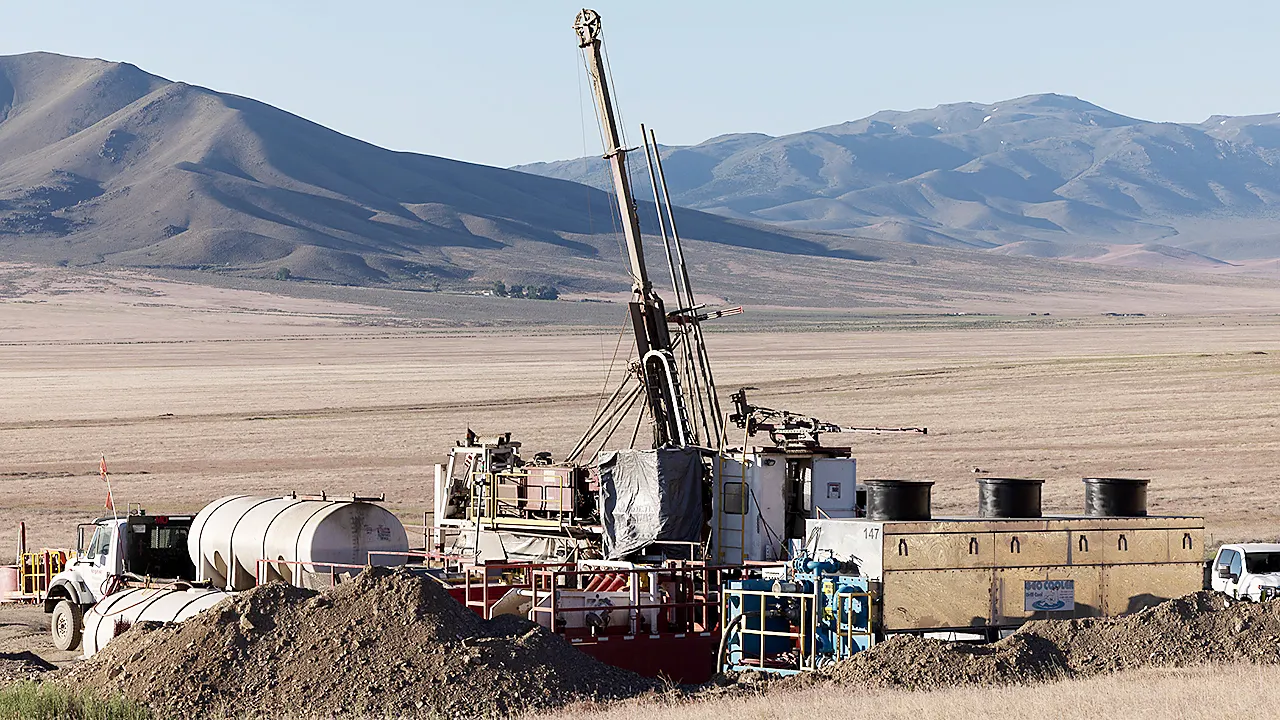
‘Special Report’ anchor Bret Baier reports on efforts to advance geothermal energy production and how artificial intelligence is helping companies harness its full potential.
Geothermal energy has been around since earth’s creation and exists almost everywhere, yet harnessing its full potential has proven difficult since viable sources are often difficult to find.
“The US has a lot of it, and most of it in the US is untapped. It’s a tremendous sort of resource base that’s waiting for us to go after it,” Zanskar Co-founder Joel Edwards said.
Geothermal energy is generated by the Earth’s formation and ongoing radioactive decay. It is stored beneath the surface and accessed by drilling thousands of feet underground.
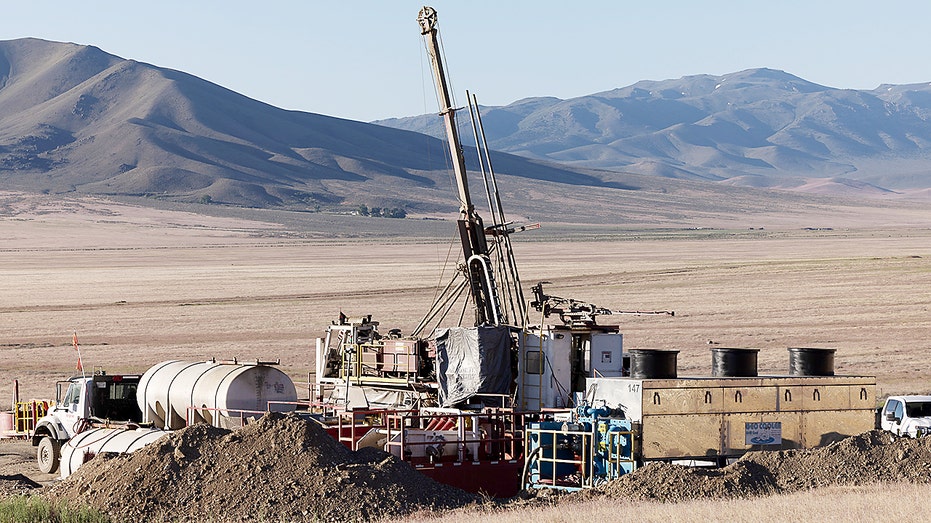
From hidden heat deep underground to smarter drilling above it, AI is fueling the next wave of clean energy—turning geothermal into a major player in America’s power future. (ZANSKAR)
“The great thing about geothermal energy is there’s heat underground everywhere. The deeper you go into the earth, the hotter it gets. But there are some parts, certain regions, that just have hotter rocks,” Edwards said.
ARTIFICIAL INTELLIGENCE HELPS FUEL NEW ENERGY SOURCES
Geothermal Energy makes its way to the Earth’s surface through volcanoes, hot springs and geysers. It has been otherwise difficult to detect above ground until now.
“We have made more discoveries in three years than the industry found in 30,” Edwards said.
Geothermal company Zanskar is making the search for hot sources more accurate. The company has built artificial intelligence models that are able to detect geothermal resources and target them with deeper drilling.
AMERICA MUST POWER AI WITH SPEED AND DISCIPLINE — OR CHINA WILL DOMINATE
“We have found dozens of sites and they were either overlooked or they were just in areas where nobody had ever looked,” Edwards said. “Once we find these systems, we’re having much more success drilling into them because those models are better at sort of simulating all the possible orientations of a geothermal system.”
Historically geothermal production has carried risks of drilling into inefficient wells. There are safety risks in geothermal production and environmental concerns over air and water pollution. The uncertainty has caused delays in permitting and operational challenges.
“What happens is you drill moderately productive wells, marginal wells, or you drill it unproductive wells. All of those failures, they get rolled up into the total cost of a project and that drives the cost of the project up,” Edwards said.
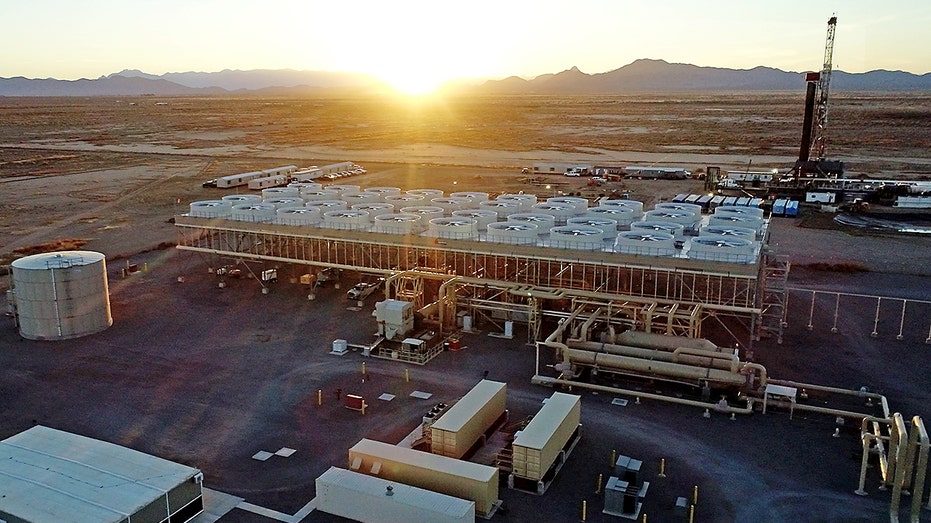
With AI helping pinpoint geothermal hot spots, companies like Zanskar are unlocking power that’s been there all along. (ZANSKAR)
NUCLEAR FUSION ADVANCES, BUT CHALLENGES REMAIN FOR POWER GRID
The best geothermal resources in the U.S. are located in the west, where much of the land is owned by the federal government. The Interior Department has implemented emergency permitting procedures to accelerate reviews of geothermal projects as part of President Trump’s energy agenda.
“It takes typically like three to six, three to seven years to get these projects permitted. Luckily, in the last few years, there’s been an urgency to cut red tape,” Edwards said. “And that’s already having a material benefit for some of these earlier stage projects.”
Artificial intelligence could also help streamline the regulatory process.
TRUMP SAYS EVERY AI PLANT BEING BUILT IN US WILL BE SELF-SUSTAINING WITH THEIR OWN ELECTRICITY
“What we have to do is work with our federal, state, and local partners to drive those solutions that you’re talking about. We cannot think of this technology as it’s happening to us. We have to partner and utilize it just like everyone else,” Exelon CEO Calvin Butler said. “A.I. should help us all become more efficient at what we do and get better at.”
The geothermal industry has similar challenges and risks as oil and gas. The Society of Petroleum Engineers began promoting the use of A.I. as early as 2009. It has helped improve exploration, drilling and development. Studies show some of the same techniques could help geothermal production.
“It sort of feels like where oil and gas was maybe 100 plus years ago,” Edwards said. “We didn’t know how much of it was out there and so forth. That’s what geothermal feels like. Like it just feels like we’ve barely explored for it. We’ve got a little bit of it going right now. We kind of understand it. But now the market is out there and the market’s like, we want this stuff.”
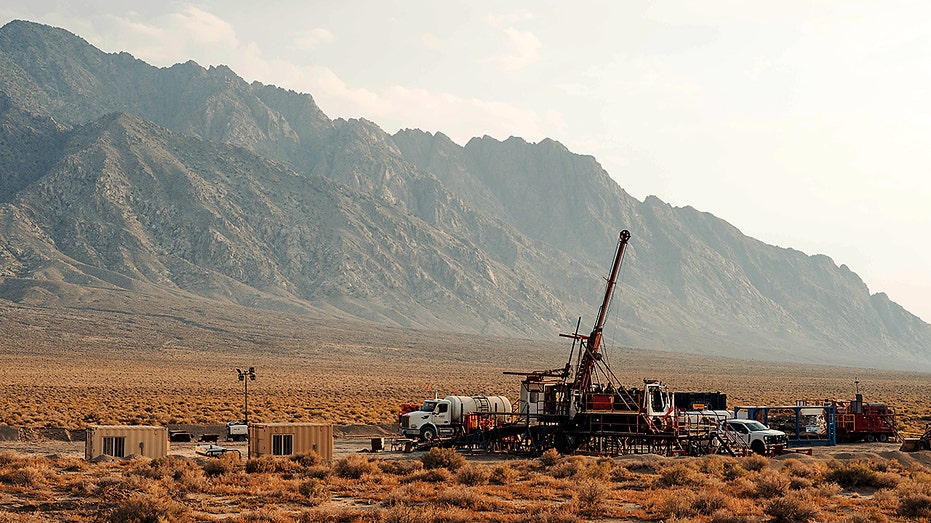
Geothermal energy is everywhere—but finding it hasn’t been easy. Now, artificial intelligence is changing the game, accelerating discoveries that once took decades. (ZANSKAR)
CLICK HERE TO DOWNLOAD THE FOX NEWS APP
As artificial intelligence helps fast track new resources, there are still concerns over its immediate impact on the electric grid.
“It’s a challenge, but it’s a huge opportunity. And that is what we are most excited about, the opportunity to be part of this journey, this next wave of the energy transformation, because we can’t just look at it as a challenge and say, we don’t know what to do,” Butler said. “We’re partnering with our technology partners and saying, what can we do to make this a win-win for everyone?”

Avelar Rui sells Evolus (EOLS) shares worth $14815
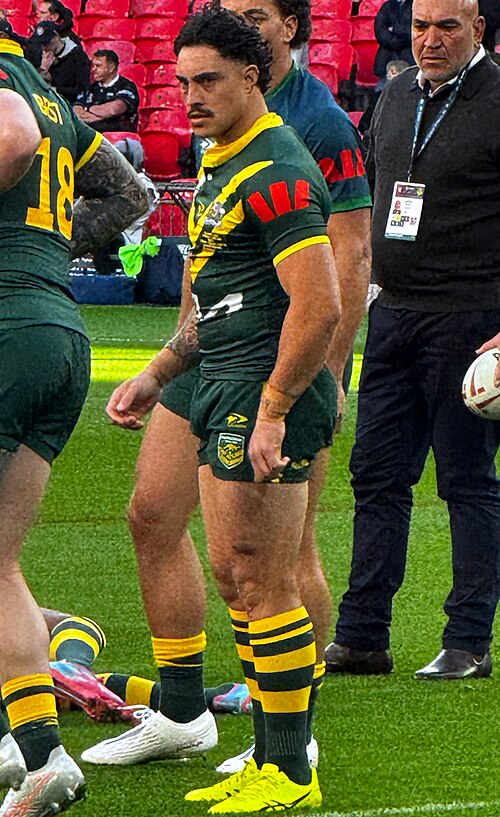
BRISBANE, Australia — Kotoni Staggs, the powerful centre for the Brisbane Broncos, has become one of the NRL’s most reliable and dynamic players. At 27, the dual-heritage star — of Wiradjuri Indigenous Australian and Tongan descent — helped lead the Broncos to the 2025 NRL Grand Final victory and continues to shine in the early rounds of 2026. Known for his barnstorming runs, try-scoring prowess and off-field resilience, Staggs has overcome a challenging upbringing to establish himself as a fan favorite and representative talent.

Here are five fun and fascinating facts about Kotoni Staggs that highlight his background, career highlights and personality:
- Born in a Small Country Town with Big Dreams Staggs hails from Wellington, New South Wales — a quiet regional town of about 4,000 people in the state’s central west. Growing up on Wiradjuri land, he played his junior rugby league for the local Wellington Cowboys club. Scouts from the Brisbane Broncos spotted his talent early, leading him to join the club’s academy pathways. This small-town start contrasts with his current status as a big-city NRL star, but Staggs often credits his roots for instilling hard work and humility.
- A Dramatic NRL Debut with Instant Impact Staggs made his first-grade debut for the Broncos in Round 11 of the 2018 NRL season against the Sydney Roosters on May 18, 2018. Coming off the bench at just 19 years old to replace an injured player, he scored a try and assisted another in a thrilling 28-22 win. The explosive performance announced his arrival, showcasing the power and skill that would define his career. Since then, he has amassed over 147 NRL appearances (as of March 2026), scoring 66 tries and contributing significantly to Brisbane’s resurgence.
- Overcame Personal Challenges and Family Hardships Staggs’ early life included significant hurdles. Raised mostly by his grandmother because his mother was in and out of jail, he navigated a tough environment while staying focused on rugby league. He met his Tongan father — also named Kotoni and living in the US — for the first time in 2019, and has since connected with additional siblings. His sister Kaneesha plays rugby union for the Queensland Reds, and brother Gordon pursues gridiron football in the United States. These family ties and his Indigenous Wiradjuri heritage fuel his pride and motivation on the field.
- Multi-Nation Representative with Indigenous Pride Staggs’ heritage allows him to represent multiple teams. He has played for the Indigenous All Stars, Tonga (Mate Ma’a Tonga), New South Wales Origin and Australia (Kangaroos). His international debut came with Tonga in 2019, and he earned Kangaroos caps starting in 2023. Representing his Wiradjuri roots through the Indigenous All Stars holds special meaning, as he often speaks about cultural pride and giving back to Indigenous communities. His versatility has seen him play centre, five-eighth and even second-row in various representative and club games.
- Key Role in Broncos’ 2025 Premiership and 2026 Form Staggs played a major part in Brisbane’s 2025 NRL Grand Final triumph, finishing the season with 12 tries, six try assists, 26 line breaks and strong averages in metres and tackle busts. Highlights reels from that year showcase his physical, hard-working style — fans often note that “every Staggs try is physical.” In 2026, he remains a standout, scoring tries in early matches like the Round 2 clash against Parramatta Eels, where commentators called him “unstoppable at times.” Despite occasional on-report incidents (like a lifting tackle in March 2026 that drew no further sanction), Staggs’ consistency and leadership help drive the Broncos’ title defense.
Beyond these facts, Staggs has faced off-field scrutiny, including a 2020 revenge porn incident where he was the victim, and a viral “Run It Straight” tackle challenge video in January 2026 that saw him flatten a participant (with the club issuing a statement). He has handled such moments with maturity, focusing on his game and community work.
Nicknamed “Tones,” the 185cm, 95kg centre boasts an Instagram following of over 187,000 (@kotonistaggs1), where he shares family moments and training insights. His story resonates as one of perseverance, cultural pride and elite performance in the NRL.
As the 2026 season unfolds, Staggs remains central to Brisbane’s ambitions, proving that talent from small towns can reach the biggest stages.

Ireland is not just about emerald hills, ancient castles, and cosy pubs; it is also an outstanding destination for sports tourism. Every year, an increasing number of running enthusiasts from the UK and around the world travel here to combine their holidays with participation in large-scale sporting events.
Several major road events have been confirmed in Dublin: the Great Ireland Run / National 10K on 12 April 2026, the Irish Runner 5K on 16 May, the Irish Runner 5 Mile on 21 June, and the Irish Runner 10 Mile on 19 July. In the autumn, the Irish Life Dublin Marathon will take place on 25 October 2026. If you are planning a trip and want to add a bit of excitement, we recommend checking out this Betfair review — an excellent resource for those interested in sports betting and platform overviews.
Spring Starts: Opening the Season in Phoenix Park
Spring in Ireland is the perfect time for running. The weather becomes milder, and nature awakens, creating picturesque backdrops for competitions. One of the main events at the start of the season is traditionally the Great Ireland Run, which will take place on 12 April 2026. This 10-kilometre race attracts both professional athletes and amateurs. The route passes through the famous Phoenix Park in Dublin — one of the largest urban parks in Europe. Participants run past historical monuments, including the residence of the President of Ireland (Áras an Uachtaráin) and the Papal Cross, and may even encounter herds of wild deer roaming freely across the park.
Following the April start, the Athletics Ireland Race Series offers participants the chance to test their limits over a shorter distance. The Irish Runner 5K will be held on 16 May 2026. This is a fantastic opportunity for beginners to join the running community, and for experienced runners to improve their speed over the five-kilometre distance.
Summer Challenges: Building Up the Distance
Summer months in Ireland are rarely exhaustingly hot, making them comfortable for middle-distance running. The race series continues, offering participants a gradual increase in workload.
On 21 June 2026, the Irish Runner 5 Mile (approximately 8 kilometres) will take place. This event serves as an excellent transitional stage between short sprints and more serious distances. Just a month later, on 19 July 2026, runners will face the Irish Runner 10 Mile (approximately 16 kilometres). Participating in the entire race series (5K, 5 Mile, and 10 Mile) is a popular challenge among local and visiting athletes, allowing for systematic preparation for autumn marathons and half-marathons.
For those interested not only in sports but also in the entertainment industry, it is worth noting that Ireland strictly monitors compliance with gambling regulations. The newly established Gambling Regulatory Authority of Ireland (GRAI) ensures transparency and safety for all market participants. You can find out more about the rules and licensing on the regulator’s official website at www.grai.ie.
Autumn Triumph: The Dublin Marathon
The culmination of the running season in Ireland is rightfully considered the Irish Life Dublin Marathon, which will take place on 25 October 2026. It is the fifth-largest marathon in Europe, renowned for its incredible atmosphere and spectator support throughout the entire 26.2 miles (42.2 kilometres).
The marathon route passes through the historic centre of Dublin, picturesque suburbs, and green parks. The course is considered relatively flat, making it attractive for those looking to set a personal best. It is important to note that due to the high popularity of the event, registration for the marathon is conducted via a ballot system, so planning your participation and submitting an application must be done well in advance.
Summary Table of Major Dublin Races 2026
| Race Name | Date | Distance | Location |
|---|---|---|---|
| Great Ireland Run / National 10K | 12 April 2026 | 10 km | Phoenix Park, Dublin |
| Irish Runner 5K | 16 May 2026 | 5 km | Phoenix Park, Dublin |
| Irish Runner 5 Mile | 21 June 2026 | 5 miles (~8 km) | Phoenix Park, Dublin |
| Irish Runner 10 Mile | 19 July 2026 | 10 miles (~16 km) | Phoenix Park, Dublin |
| Irish Life Dublin Marathon | 25 October 2026 | 42.2 km | Dublin (City Centre Start) |
Running tourism in Ireland is a unique opportunity to combine a passion for sports with exploring the rich culture and history of this amazing country. Whether you choose the spring “10K” in Phoenix Park or decide to tackle the autumn marathon, the memories of racing on the Emerald Isle will stay with you for a long time.
Business
LARRY KUDLOW: A Reconciliation Bill Is the Only Way To Keep Our Military Great & Our Democracy Indestructible
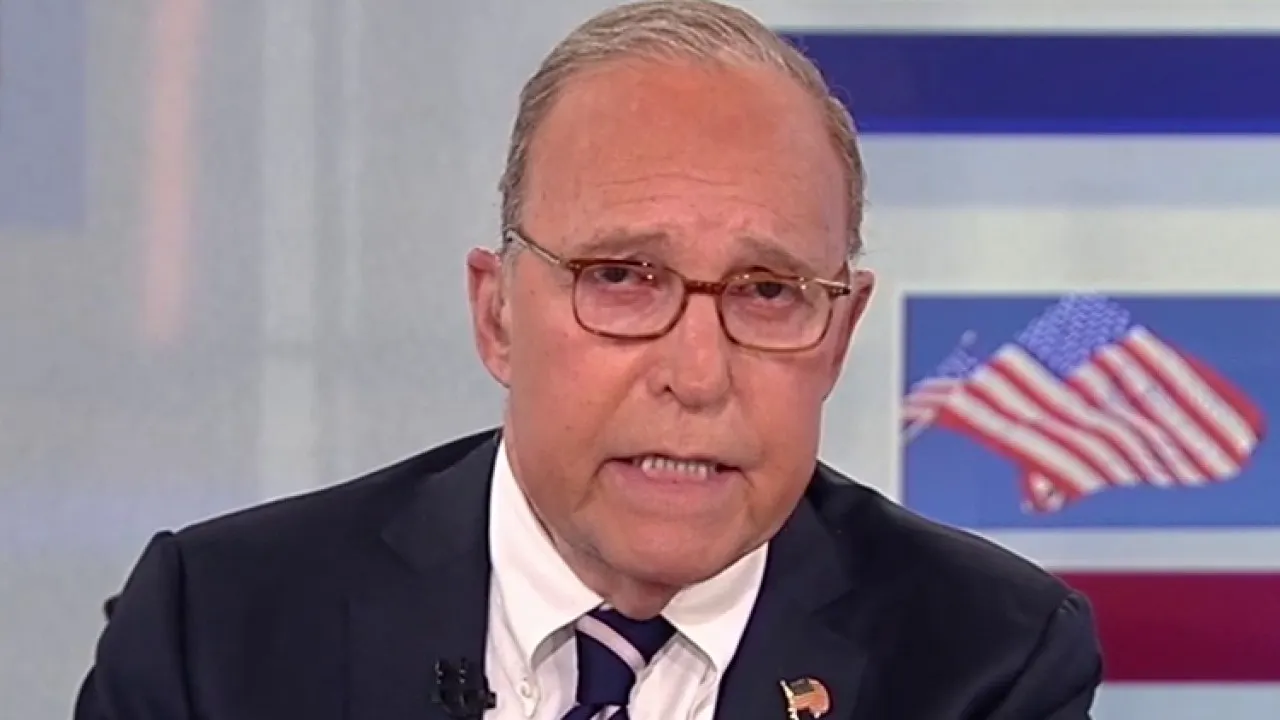
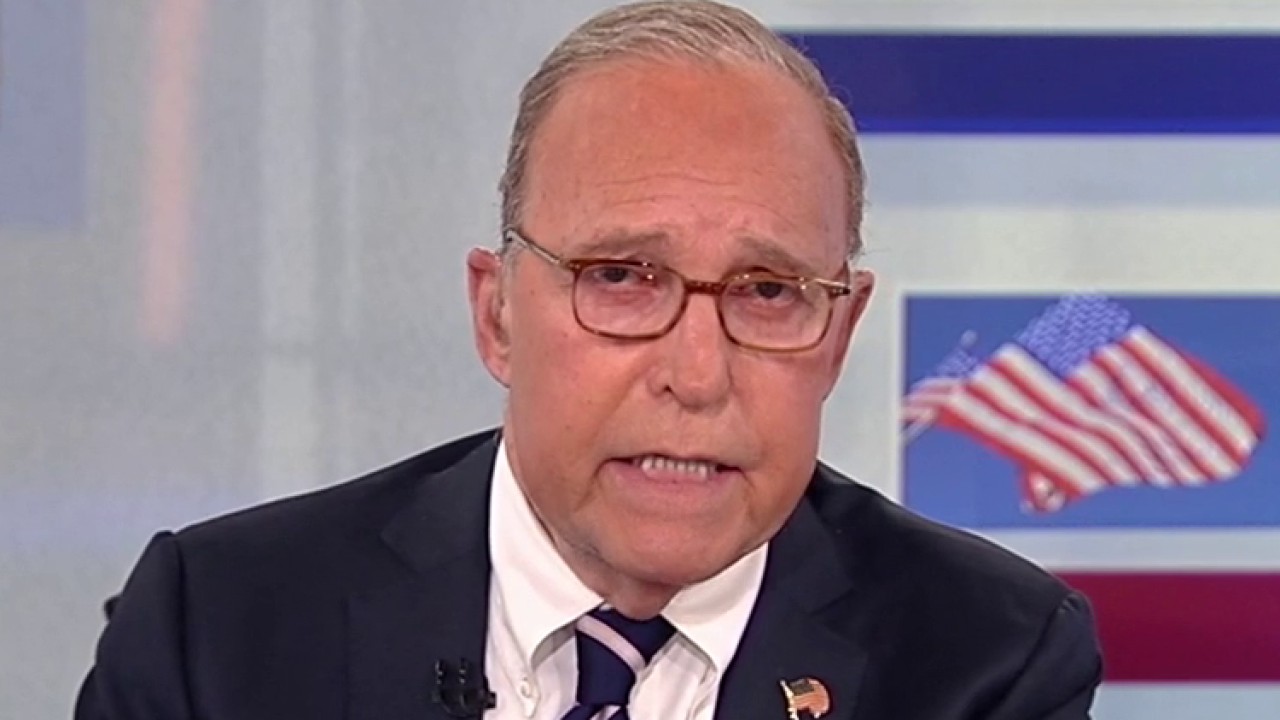
The next fight in the Iran war is likely going to be the Pentagon’s request for $200 billion to keep our military in tip-top shape, not only to complete the mission in Iran, but also to maintain President Trump’s policy of peace through strength. We want the best for our men and women in the services. Soldiers, sailors, airmen. They must have everything they need, today, tomorrow, and frankly forever.
Yet you can bet the Democrats will use this war financing request for their anti-war propaganda and will seek to block this crucial funding bill. I want to pause here before talking about Ways and Means to get the money for our military. We should not forget the chilling narrative brought back by the special envoy to the Middle East, Steve Witkoff, after the last set of talks with Iran. Essentially, they bragged to Mr. Witkoff and his partner Mr. Jared Kushner that they had 460 kilograms of 60 percent-enriched uranium. Right there, that ended the talks because they would never give it up.
But here’s the point: when you’re at 60 percent enrichment, you can bring it to 90 percent in seven to 10 days, according to Mr. Witkoff and many other analysts. And the 460 kilograms of enriched uranium would be enough to create 11 nuclear bombs. That’s how close Iran is. And that’s because so many presidents before Mr. Trump neglected to do anything about Iran’s nuclear advances.
Now Democrats might say the Iranians don’t have the delivery system. Really? Well, they can deliver that nuclear bomb to neighboring Israel, very quickly. Or to our allies throughout the Middle East. Or to the underbelly of Europe. Whether they are capable of producing an intercontinental ballistic missile is unknown, but there are a lot of estimates out there that it will be much shorter than generally assumed. Why risk any of that?
And of course, we are seeing Iran using shorter term missiles against oil and gas-producing countries right next door. Or bottling up the Strait of Hormuz and threatening the global economy. And since the early 1980s, let’s not forget, our State Department has classified Iran as the largest state sponsor of terrorism. And of course Iran has been waging war against the United States for 47 years, death to America, remember that? Not to speak of death to Israel. The little Satan and the big Satan. That’s how they see us. Let’s not forget that either.
Former CIA Iranian-targets officer Reuel Marc Gerecht discusses the success of Operation Epic Fury and what the future might look like for the Iranian people on ‘Kudlow.’
This Democratic argument that there was no imminent threat has always been a bunch of phony balderdash. And we must not deny funding that may well be necessary to complete the mission in Iran.
Now, as important as this Pentagon request is, because the anti-war Democrats will probably all vote against it in the Senate with perhaps Senator John Fetterman’s exception, the GOP is not going to get 60 votes for the appropriation. And that’s why I believe it must be done as a reconciliation bill which will require only 50 votes, plus the vice president.
Speaker Mike Johnson and the House Budget Chairman, Jodey Arrington, have already moved to prepare a reconciliation bill. So far, Senate leadership has shown no enthusiasm for it. But I’m here to tell you it is the only way you’re going to get the necessary military spending. And the GOP will have to put its nose to the grindstone just like it did about a year ago, and put together a great reconciliation bill. There will be spending offsets, waste, fraud, and abuse cutbacks, plenty of room for some entitlement reforms. Perhaps even some supply side pro-growth tax reforms, but the most important issue will be our national security, completing the mission in Iran, and maintaining peace through strength.
One more point, the all-important SAVE America voting rights bill, which frankly will not get 60 votes in the Senate for passage, can be inserted into a reconciliation package. Or at least we should try. Because proof of citizenship, photo ID cards, and other aspects will lay down national rules that must be enforced, and that will require money.
My guess is the Department of Homeland Security would be the appropriate election monitoring agency, just as securing the border required a significant fiscal expansion, so will enforcing the voting rights bill. So I’m here to tell you that the cleverest minds in Congress should put their heads together and generate a strong reconciliation package that will keep our military might and maintain proper voting laws to uphold the greatest democracy in the history of history.

SYDNEY — Australia’s banking sector remains highly concentrated in 2026, with the “Big Four” banks — Commonwealth Bank of Australia (CBA), Westpac Banking Corporation (Westpac), National Australia Bank (NAB) and Australia and New Zealand Banking Group (ANZ) — controlling the majority of total assets, deposits and market share. Recent data from the Australian Prudential Regulation Authority (APRA) for January 2026 and market updates as of mid-March show CBA solidifying its position as the nation’s largest lender by total residents’ assets, overtaking Westpac in some rankings amid economic pressures and profit challenges.

The Big Four dominate not only by assets but also by market capitalization on the ASX, where they rank among Australia’s most valuable companies. Together, they hold over 70% of domestic financial institution assets and continue to drive the sector’s performance despite rising interest rates, cost-of-living strains and regulatory scrutiny.
Here are the five largest banks in Australia in 2026, ranked primarily by total residents’ assets (per APRA January 2026 data) with market cap context:
- Commonwealth Bank of Australia (CBA) Total residents’ assets: A$1,199.571 billion (approximately A$1.2 trillion) Market capitalization: A$288.24 billion (March 2026)CBA reclaimed the top spot in The Banker’s 2026 country rankings for Australia, surpassing Westpac as the largest lender by total assets amid challenging conditions. The bank, founded in 1911, serves millions with retail, business and institutional services. Its strong home loan portfolio and digital banking innovations have fueled resilience, though profits face pressure from higher funding costs. CBA’s ASX performance remains robust, making it Australia’s most valuable listed company.
- Westpac Banking Corporation (Westpac) Total residents’ assets: A$1,139.950 billion Market capitalization: A$139.65 billionWestpac, established in 1817 as the Bank of New South Wales, held the No. 1 position in prior years but slipped in 2026 rankings. The bank offers comprehensive services across personal, business and wealth management. Recent earnings reflect sector-wide headwinds, but its large mortgage book and regional presence keep it a core player.
- National Australia Bank (NAB) Total residents’ assets: A$988.544 billion Market capitalization: A$143.35 billionNAB, formed in 1981 from mergers, ranks third by assets but second by market cap in some March 2026 snapshots. It focuses heavily on business banking and has shown strong earnings in recent reports. NAB’s performance in 2026 has drawn praise for navigating economic uncertainty effectively.
- Australia and New Zealand Banking Group (ANZ) Total residents’ assets: A$765.972 billion Market capitalization: A$113.12 billionANZ, dating to 1835, maintains a significant presence in Australia and New Zealand. Its assets trail the top three but remain substantial. The bank has emphasized Asia-Pacific growth and digital transformation, though domestic mortgage competition remains fierce.
- Macquarie Group Limited Market capitalization: A$76.24 billion (often ranked fifth by market cap)While not always in the top five by total assets (which focus on domestic retail/residents’ figures), Macquarie frequently appears in broader rankings due to its investment banking and infrastructure focus. Its specialized operations in commodities, green energy and global markets set it apart from the retail-heavy Big Four. Macquarie has gained market share in certain lending areas, challenging the majors.
The Big Four’s dominance stems from historical mergers, strong retail networks and regulatory barriers that limit new entrants. They control over 70% of the mortgage market and a similar share of deposits, though challengers like Macquarie, ING and regional banks (Bendigo & Adelaide, Bank of Queensland) nibble at edges.
In 2026, Australian banks have benefited from a record surge in share prices earlier in the year, with the sector up 11% in some periods amid solid earnings. However, threats loom: declining returns, competition from fintechs and potential regulatory changes on fees and lending standards.
CBA’s leadership by assets and market cap underscores its scale, but the sector’s concentration raises questions about competition and systemic risk. Investors view the Big Four as stable havens, with their combined market value forming a significant portion of the ASX 200.
As economic conditions evolve — with inflation, housing affordability and global factors in play — these banks’ strategies in digital banking, sustainability and customer experience will shape their future rankings.
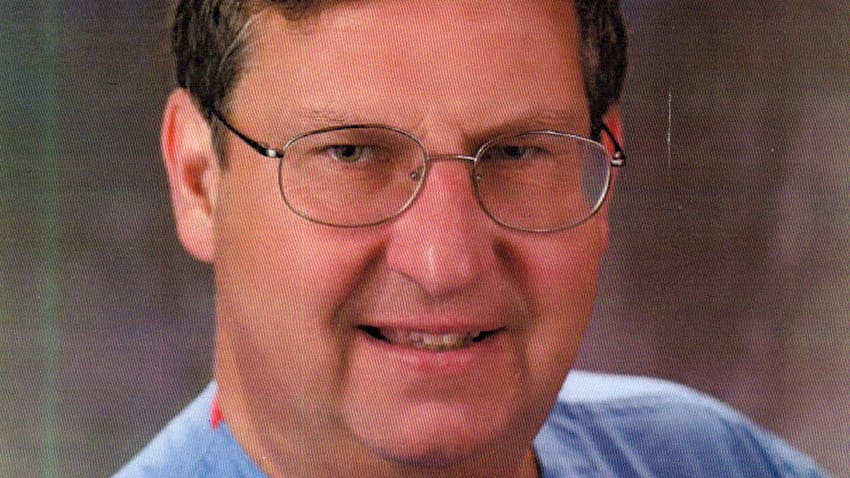
Dr. Fritz Baumgartner is a cardiothoracic surgeon, educator, and medical ethics scholar based in Los Angeles. His career reflects a clear focus on patient care, technical excellence, and the deeper purpose of medicine.
Raised by immigrant parents who valued faith, discipline, and service, Dr. Baumgartner developed an early interest in medicine after a serious illness in his family. He went on to graduate Summa Cum Laude in Biology from Loyola Marymount University, earning the Karl Kadner Biology Award. He later completed his MD at UCLA School of Medicine, followed by surgical training at Harbor-UCLA and a cardiothoracic fellowship at the University of British Columbia.
In the mid-1990s, he served as Acting Head of the Division of Cardiothoracic Surgery at Harbor-UCLA Medical Center. There, he led complex surgical cases, including advanced cardiac procedures and high-risk trauma operations. His work in a county hospital setting exposed him to some of the most severe and advanced disease presentations.
Alongside his clinical work, Dr. Baumgartner has built a strong reputation in education. He has trained residents, fellows, and physician assistants, and received Preceptor of the Year honours in 2022. He also founded the Surgery 101 Technical Skills Boot Camp, offering a practical introduction to surgery for students.
His academic work focuses on the Hippocratic Oath and medical ethics. He continues to advocate for a patient-first approach, grounded in both science and moral responsibility.
Inside the Career of Dr. Fritz Baumgartner: Surgery, Ethics, and Purpose
Q: What first drew you to medicine?
I was about nine years old. My mother became very ill during pregnancy. I remember thinking that I wanted to help people like her. I made a promise to myself that I would spend my life helping the sick. That decision stayed with me.
Q: How did your upbringing shape your approach to your career?
My parents were immigrants. My mother grew up during the war in Germany. She told us stories about fear and survival. Faith was very important in our home. We were not wealthy, but we had strong values. That shaped how I see medicine. It is about service, not status.
Q: You trained at UCLA and Harbor-UCLA. What stood out during those years?
The intensity. At Harbor-UCLA, you see advanced disease and serious trauma. Patients often come in late. You have to act quickly and make difficult decisions. It forces you to focus on what matters most.
Q: You later became Acting Head of Cardiothoracic Surgery. What was that experience like?
It was demanding. We handled complex cardiac and thoracic cases daily. Aortic dissections, bypass surgeries, lung cancer resections. You are responsible for outcomes and for leading the team. It teaches discipline and clarity.
Q: Can you share a case that stayed with you?
One was a patient with a gunshot wound to the pulmonary hilus. That injury is often fatal. We were able to save the patient with a trauma pneumonectomy. It required quick thinking and teamwork. Those moments stay with you.
Q: You have also worked within the VA system. What did that involve?
I led the cardiac surgery programme at the Wadsworth VA for a period. I also directed a thoracoscopic surgery training programme. It was a chance to help develop surgical techniques and teach others.
Q: Education seems to be a major part of your work. Why is that important to you?
Medicine is passed down. You learn from those before you, and you teach those after you. I have worked with residents, fellows, and physician assistant students for many years. Teaching keeps you sharp and grounded.
Q: What led you to create the Surgery 101 Technical Skills Boot Camp?
I wanted to make surgery more accessible to students. Many programmes start with theory. I reversed it. Students learn hands-on skills first. That builds excitement. Then they are more engaged with the science behind it.
Q: You have written about the Hippocratic Oath. Why does it matter today?
It defines the purpose of medicine. It reminds us that the patient comes first. Modern systems can become complex. The Oath brings clarity. It is a moral anchor.
Q: How do you view the relationship between faith and science?
They are not in conflict. Truth is consistent. Science explains how things work. Faith helps guide why we do what we do. In medicine, both are important.
Q: What advice would you give to future surgeons?
Stay focused on the patient. Learn your craft well. Work hard. But do not lose sight of why you chose medicine. That purpose will guide you through difficult moments.

Operator
Good morning, ladies and gentlemen, and welcome to the Milestone Pharmaceuticals Fourth Quarter and Year-End 2025 Corporate Update Conference Call. [Operator Instructions] As a reminder, this conference is being recorded. I will now turn the call over to your host, Michael Wood of LifeSci Advisors. You may now begin your conference.
Michael Wood
Lifesci Advisors, LLC
Thank you, operator, and good morning, everyone, and welcome to the Milestone Pharmaceuticals Full-Year 2025 Financial Results and Business Update Conference Call. Earlier this morning, the company issued a press release providing an overview of its financial results for the year ended December 31, 2025, and recent corporate highlights. The release can be accessed on the Investors and Media section of the company’s website, milestonepharma.com.
Before I begin, I’d like to remind everyone that some of the information presented on this conference call contains forward-looking statements under the securities laws. These forward-looking statements involve substantial risks and uncertainties that could cause actual clinical programs, future results, progress, timing, performances or achievements to differ materially from those expressed or implied by such forward-looking statements.
These risks and uncertainties associated with Milestone’s business and factors that could cause or contribute to such differences are described in detail in the company’s filings with the SEC, including in the Risk Factors section of the earnings report on Form 10-K
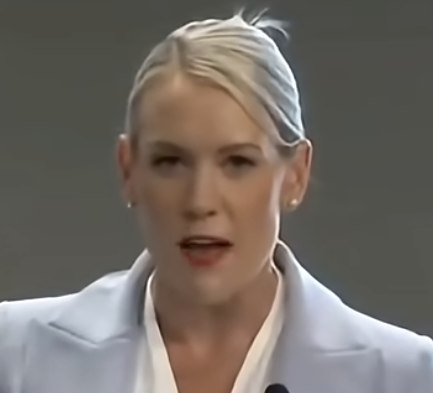
ADELAIDE, Australia — South Australians go to the polls Saturday, March 21, 2026, in a state election that pits the popular incumbent Labor government against a fragmented opposition, with national attention focused on the surprising surge of One Nation and the potential for a historic Labor landslide.
Premier Peter Malinauskas seeks a second term after a strong first four years marked by major infrastructure wins and event coups, while the Liberal Party grapples with leadership changes and collapsing support. Polls indicate Labor is on track for a commanding victory, but the real intrigue lies in One Nation’s rise and what it means for the future of conservative politics in the state.
Here are five essential things to know about the 2026 South Australian state election:
1) Election Date and Voting Details The election is set for Saturday, March 21, 2026, to elect all 47 members of the House of Assembly and 11 of the 22 seats in the Legislative Council. The South Australian Electoral Commission reports record early voting turnout since it began March 14, with more than 450,000 early votes cast in the first week — a sharp increase from previous elections as restrictions on in-person early voting were lifted.
Key dates include writs issued Feb. 21, nominations closing March 2, and polling day running from 8 a.m. to 6 p.m. Voters can cast ballots at designated centers, with postal, mobile and overseas options available. The commission emphasizes that every vote counts in what could be a high-turnout contest.
2) Labor’s Path to a Landslide Victory Premier Peter Malinauskas, who led Labor to power in 2022 by defeating one-term Liberal Premier Steven Marshall, enjoys sky-high approval ratings in the 60-67% range across multiple polls. Recent surveys from Newspoll, YouGov, Resolve and Roy Morgan show Labor’s primary vote between 35-44%, with two-party preferred leads of 59-41 or higher against the Liberals.
Malinauskas has campaigned on housing affordability, health infrastructure, cost-of-living relief and major projects like the North-South Corridor, Torrens to Darlington upgrades and securing events such as LIV Golf, Gather Round and MotoGP. Labor holds 29 seats and appears poised to retain them all while making gains, potentially sweeping metropolitan Adelaide and expanding into regional areas.
3) Liberal Party in Crisis The Liberal opposition, led by relatively new leader Ashton Hurn since late 2025, faces a potential wipeout. Polls place the Liberals at 14-20% primary support — a catastrophic drop from 35.7% in 2022. Leadership instability has plagued the party, with multiple changes since Marshall’s 2022 defeat, including stints under Vincent Tarzia and David Speirs (who faced legal issues unrelated to politics).

The Liberals have pushed tax relief, stamp duty abolition for first-home buyers and spending cuts, but internal chaos and federal-level disruptions have eroded voter confidence. Analysts warn the party could lose most or all metropolitan seats, leaving a diminished rural presence.
4) One Nation’s Dramatic Surge The biggest story of the campaign has been One Nation’s polling explosion, with primary support reaching 19-28% in surveys — far ahead of the Liberals in many cases and second only to Labor. Led nationally by Pauline Hanson and featuring former Liberal Cory Bernardi as a key figure in SA, the party has capitalized on dissatisfaction with major parties, promising affordable energy via coal and nuclear policy reversals, lower immigration and cost-of-living measures.
Federal figures like Barnaby Joyce have boosted One Nation’s profile, predicting strong results. While unlikely to win many lower house seats due to preference flows and concentrated support in rural areas, One Nation could secure multiple Legislative Council spots and influence outcomes through preferences. Experts call it a “major scare” for both major parties and a test of populist politics in Australia.
5) Key Issues Shaping the Vote Cost of living, housing affordability and health system pressures top voter concerns, according to polls and campaign focus. Labor has emphasized building more homes and infrastructure investment, while avoiding heavy emphasis on past issues like ambulance ramping. The Liberals target economic management and incentives, but struggle to cut through.
Other factors include environmental concerns (such as algal blooms), though they rank low. One Nation’s energy and immigration stances resonate in regional areas, where Liberal support has eroded. The campaign has been relatively calm, but the protest vote against the major parties could reshape the parliament long-term.
As polling day arrives, the caretaker period is in effect, and all eyes are on turnout and preference distributions. Labor’s dominance seems assured, but One Nation’s performance could signal broader national shifts. Results will begin flowing Saturday evening, with counting continuing into following days.
South Australia’s 2026 election, once expected to be routine, has become a barometer for voter disillusionment and the viability of populist alternatives in a two-party system under strain.

There Aren’t a Lot of Reasons to Get Excited About a New Amazon Smartphone

Bitcoin Bounces to $73K: Bull Run or Bull Trap?
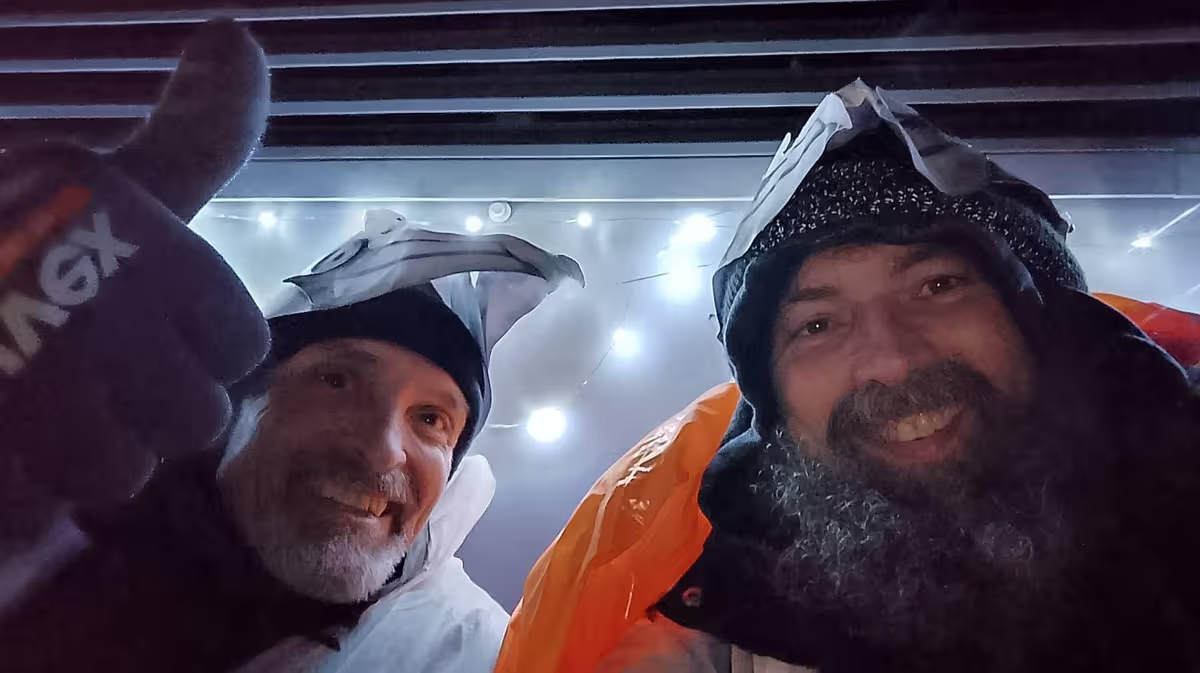
Activists to spend night on NatureScot roof amid guga hunt protest


-
 Crypto World7 days ago
HYPE Token Enters Net Deflation as HyperCore Buybacks Outpace Staking Rewards
-

 Tech5 days ago
Your Legally Registered ‘Motorcycle’ Might Not Count Under Proposed US Law
-
 Tech3 days ago
Are Split Spacebars the Next Big Gaming Keyboard Trend?
-
Sports6 days ago
Why Duke and Michigan Are Dead Even Entering Selection Sunday
-

 Politics5 hours ago
Jenni Murray, Long-Serving Woman’s Hour Presenter, Dies Aged 75
-

 Business5 days ago
Search for Savannah Guthrie’s Mother Enters Seventh Week with No Arrests
-

 Business6 days ago
US Airports Launch Donation Drives for Unpaid TSA Workers as Partial Government Shutdown Enters Fifth Week
-
Crypto World6 days ago
Coinbase and Bybit in Investment Talks: Could Bybit Finally Enter the US Crypto Market?
-

 Business5 days ago
Australian shares drop as Iran war enters third week
-

 Business6 days ago
Country star Brantley Gilbert enters growing non-alcoholic beer market
-

 Politics3 days ago
The House | The new register to protect children from their abusers shows Parliament at its best
-

 Crypto World5 days ago
Crypto Lender BlockFills Enters Chapter 11 with Up to $500M in Liabilities
-

 News Videos2 days ago
RBA board divided on rate cut, unusually buoyant share market | Finance Report | ABC NEWS
-

 Fashion5 days ago
25 Celebrities with Curly Hair That Are Naturally Beautiful
-

 Tech19 hours ago
inKONBINI Lets You Spend Summer Days Behind the Register
-

 Fashion5 hours ago
Weekend Open Thread: Adidas – Corporette.com
-

 Crypto World2 days ago
Canada’s FINTRAC revokes registrations of 23 crypto MSBs in AML crackdown
-
 Politics3 days ago
Real-time pollution monitoring calls after boy nearly dies
-

 Crypto World6 days ago
Crypto Losses Drop 87% in February, But Hackers Are Now Targeting People, Not Code
-
 NewsBeat2 days ago
Residents in North Lanarkshire reminded to register to vote in Scottish Parliament Election


You must be logged in to post a comment Login