An artist’s conception shows a constellation of satellites in orbit. (OneWeb Illustration)
Jeff Bezos’ Blue Origin space venture is asking the Federal Communications Commission for authority to send up to 51,600 data center satellites into low Earth orbit, signaling its entry into an increasingly crowded space race.
The proposed constellation, dubbed Project Sunrise, would complement Blue Origin’s previously announced plans for a 5,408-satellite TeraWave constellation. TeraWave would provide ultra-high-speed connectivity for Project Sunrise’s satellites — and for terrestrial data centers, large-scale enterprises and government customers as well.
Tech companies are becoming increasingly interested in fielding orbital data centers because such networks could bypass the power and cooling constraints facing Earth-based AI data centers. Last October, Bezos said at a tech conference in Italy that orbital data centers would be the “next step” in a transition from Earth-based to space-based industry. “We will be able to beat the cost of terrestrial data centers in space in the next couple of decades,” he said.
Blue Origin, SpaceX and Starcloud aren’t the only companies involved in the data center space race. Other ventures that have expressed interest include Google, Axiom Space, Aetherflux and Sophia Space.
Advertisement
The competition to build and launch orbital data centers is distinct from the competition to provide high-speed internet access via satellites in low Earth orbit. SpaceX, which now has more than 10,000 satellites in its Starlink constellation, currently dominates that market.
In its 14-page application to the FCC, Blue Origin says Project Sunrise’s satellites would operate in circular, sun-synchronous orbits ranging from 500 to 1,800 kilometers (310 to 1,120 miles) in altitude. The satellites would be built in groupings with three different types of antennas to reflect a variety of coverage requirements. They’d transmit data primarily through laser links, and route traffic through TeraWave and other mesh networks to communicate with ground stations.
Advertisement
Blue Origin is seeking waivers from some regulatory requirements — for example, the requirement for a processing round and a six-year deadline for deploying half of Project Sunrise’s satellites. The company says such requirements could be waived because its satellites will be designed to minimize interference with other satellites.
It didn’t take long for SpaceX to file an objection to Blue Origin’s application.
“SpaceX submits for the record Amazon’s petition to deny SpaceX’s orbital data center application and requests that the commission apply the substantive and procedural arguments in Amazon’s petition to Blue Origin’s application to facilitate equitable and consistent review and treatment across both applications,” the company said.
Advertisement
Starcloud CEO Philip Johnston took note of SpaceX’s filing in a post to X, calling it “one of the funniest responses to an FCC filing of all time.”
“For background, Amazon opposed SpaceX’s filing, and then Blue Origin (both effectively controlled by Jeff Bezos) filed the exact same thing as SpaceX,” he wrote.
So, will Starcloud get involved in the dispute? “We’re staying out of it!” Johnston said.
Crimson Desert looks great and runs well on most PCs, but some settings introduce visual noise and inefficiencies. We break down every option to find the best balance of image quality and performance.
This week on the GeekWire Podcast: Amazon is working on a new smartphone, code-named “Transformer,” more than a decade after the Fire Phone debacle, according to Reuters.
We dig into the connection to a past GeekWire scoop: former Microsoft Xbox leader J Allard joined Amazon’s devices team in 2024, and he’s now leading a group called ZeroOne with a mandate to create “breakthrough” gadgets. Is this an AI-native device? A companion to your iPhone? J Allard’s shot at redemption? Maybe all of the above.
Then: Microsoft shakes up its Copilot team, shifting Mustafa Suleyman to a narrower role and unifying consumer and enterprise AI under a new leader. Todd has strong feelings about Microsoft’s history of cutesy consumer tech, from Clippy to Mico.
Plus: Todd’s adventure using Claude CoWork to browse LinkedIn (and the stern warning he got in response). We also discuss King County Metro’s slick new tap-to-pay feature catches the transit system up with the modern world, the upcoming opening of cross-lake light rail, and round things out with an Amazon Treasure Truck trivia question.
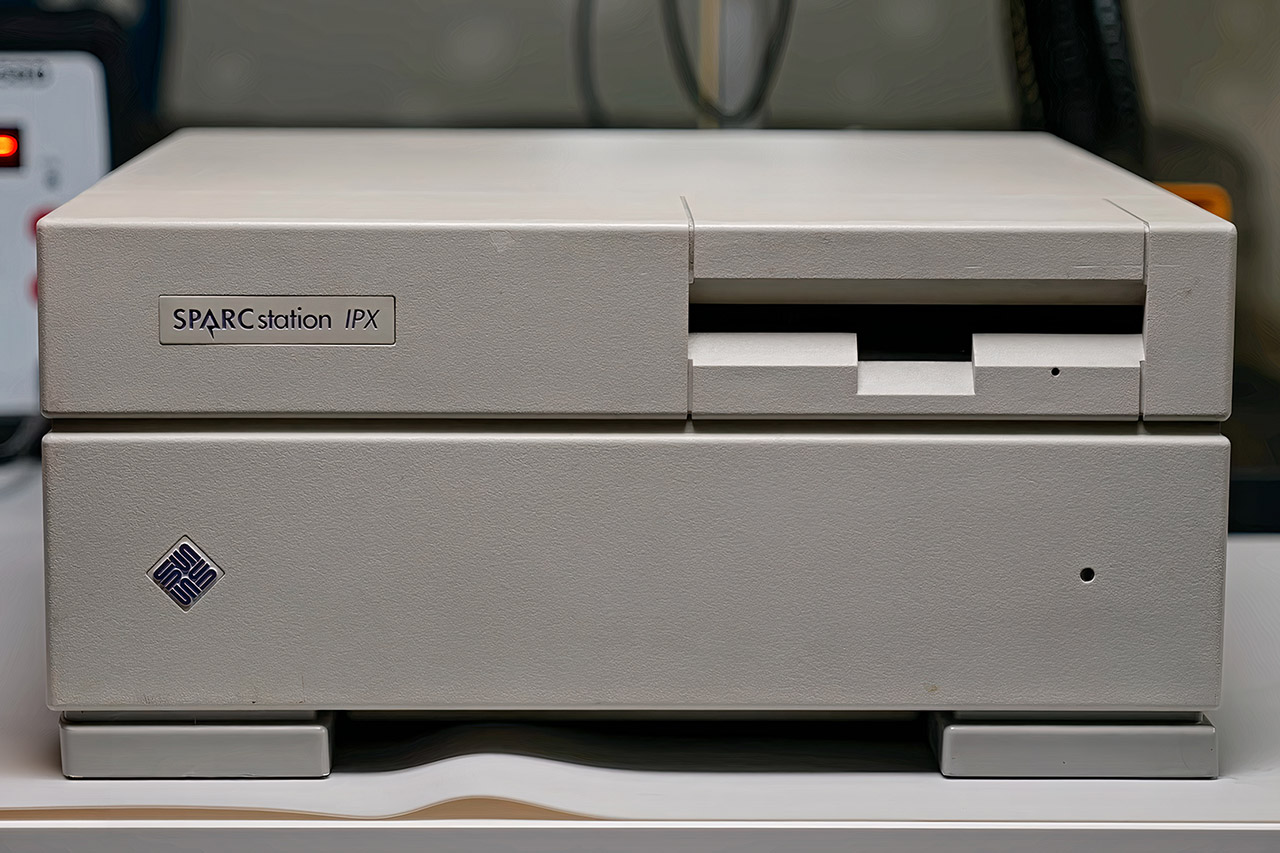
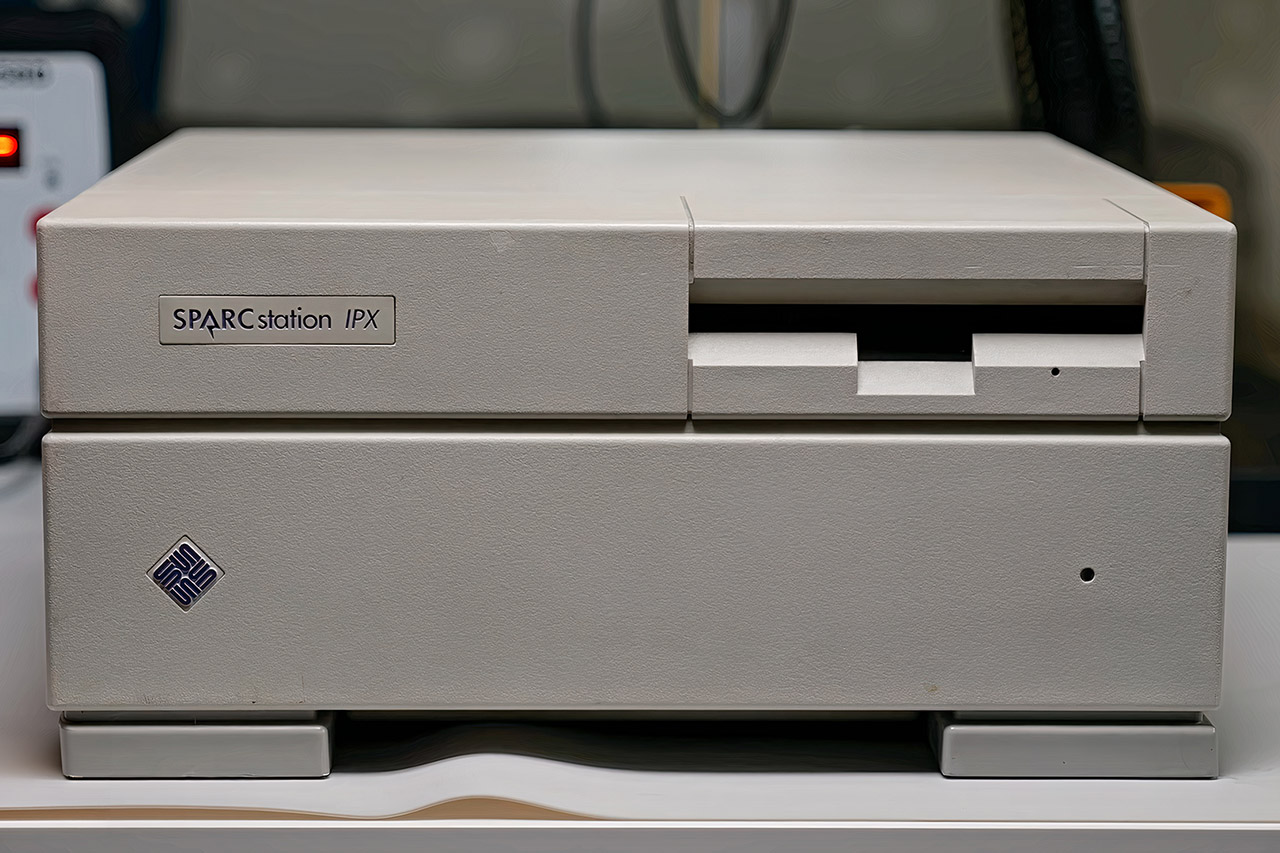
When This Does Not Compute set out to restore a Sun SPARCstation IPX computer from 1991, he was expecting a straightforward salvage project. What he got instead was weeks of stubborn resistance from a machine that seemed determined to make his life difficult. The IPX was a respectable mid-range workstation in its day, packing a 40 megahertz processor into a compact white shell, and you rarely see them in working condition anymore. By the time it was all over, he was openly admitting he had come to dislike the thing, which tells you everything you need to know about how the restoration went.
Power issues arose first, as previous maintenance had previously repaired the supply unit. Once the electricity was restored, the onboard diagnostic system lit up and delivered its verdict. The solitary 8-kilobyte static memory chip at board position 207 had failed. That little bit obstructed any boot routine.
High-Performance 14450HX Processor – Significantly outperforms H/P/U/Y series processors: The KAMRUI Hyper H2 mini PC is equipped with an 14450HX…
16GB DDR4 RAM & 512GB PCIe 4.0 NVMe SSD: This mini computer comes with 16GB of DDR4 memory and a high-speed M.2 NVMe PCIe Gen4×4 SSD, enabling…
Triple 4K Display Support: With HDMI 2.0, DP 1.4b, and a full-featured USB-C port (supporting DisplayPort Alt Mode, 10Gbps data transfer, and 15W…
Fresh replacement chips were installed with careful soldering. The system rebooted but returned the same problem. Extra memory modules were swapped in to rule out any other possibilities, but nothing changed. Donor parts arrived next, from an unexpected source. An complete mainboard came from an earlier BriteLite laptop project. That board still included modifications from its previous life, including an SBUS card originally intended for an LCD screen and a breakout board with colorful wires attached to the bottom pins. The inventor also transferred the clock chip. Its original battery had died years ago, resetting all network addresses to FFFF. A modern coin-cell holder accurately kept time.
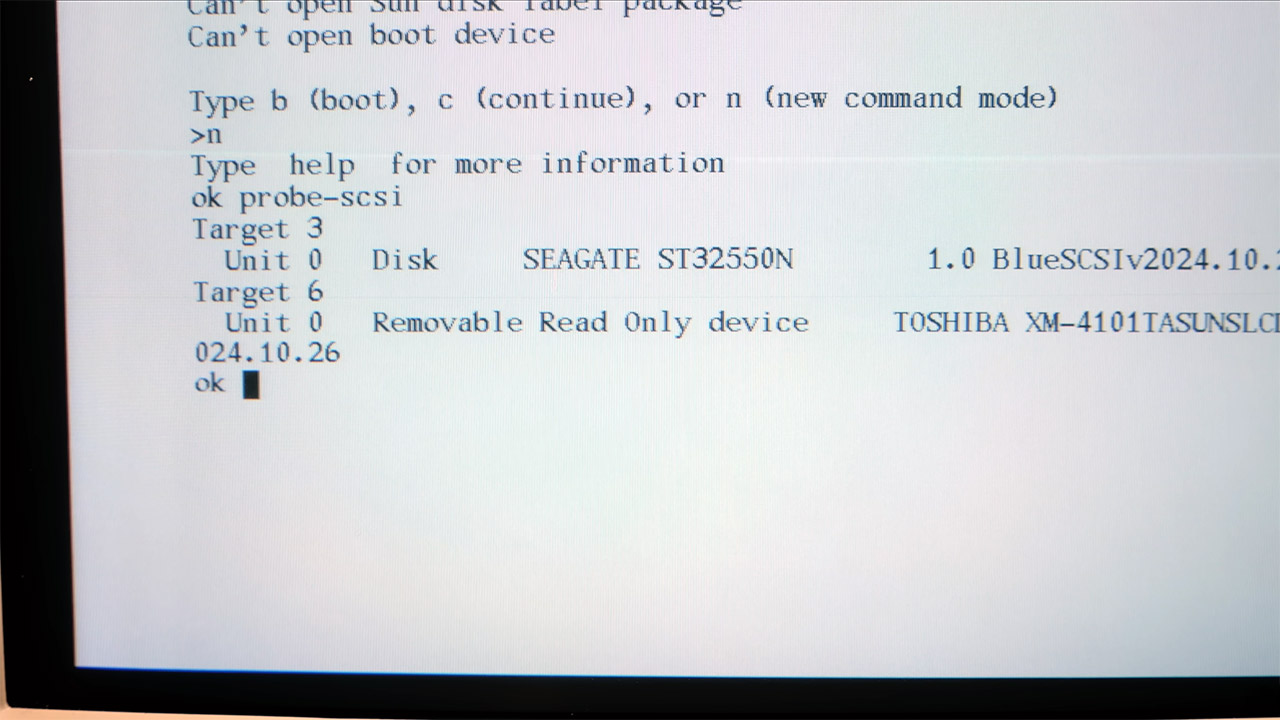
ROM chips were relocated across boards to ensure compatibility. Even after those swaps, the video output produced just vertical stripes on all connected monitors. Another used SBUS video card was inserted into an expansion slot. Clear images finally showed on the screen. Storage arrived via a clever modern addition. A BlueSCSI adaptor linked an SD card with disk images. A custom 3D-printed bracket neatly nestled the entire system inside the original casing while maintaining the aesthetics. Boot efforts began with the virtual media.
Solaris 2.3 loaded but failed to start the graphical interface. Hours were spent working in single-user mode. Switching to Solaris 2.6 finally provided the whole desktop environment. One careful adjustment in the vi text editor changed the startup file to launch the CDE window manager. Once, a wrong command bricked the installation, but a backup image quickly recovered it. Memory improvements were installed to increase speed. The machine required specialized parity-checked RAM. Self-tests on the new sticks failed, therefore the increased capacity was left out. Even without it, the system performed basic functions, but drawing simple windows felt slower than expected.
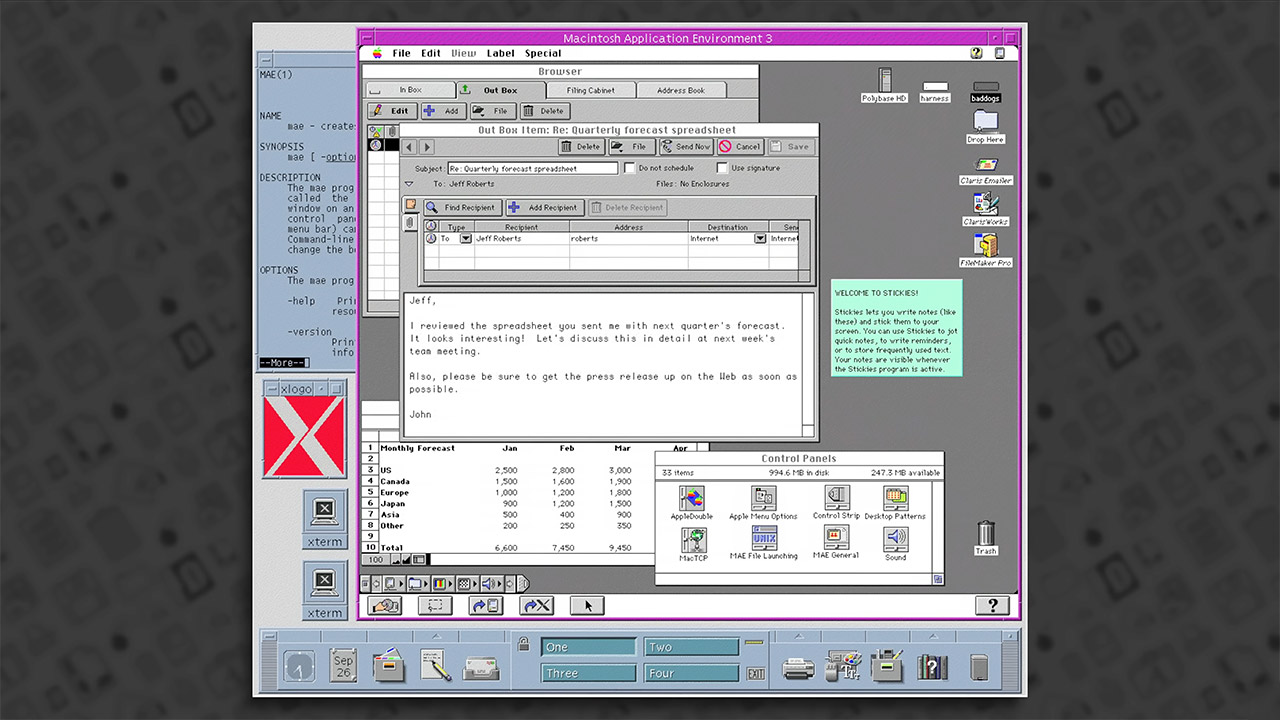
Curiosity prompted another experiment, as the developer installed the Macintosh Application Environment, an official 1994 emulation that allowed Solaris to run vintage Mac software. Applications took over 30 minutes to load and operated like a much older system. At that time, This Does Not Compute decided that continued spending even more on hard to find parts made little sense. The original enclosure components, metal brackets, and some memory modules remained, but the restored machine now runs consistently on Solaris 2.6 and has a functional CDE desktop. [Source]
Merino wool is a super fiber. The best merino wool clothing somehow manages to be comfortable in 95-degree heat, and merino base layers keep you warm well below freezing. Unlike synthetic fibers derived from petroleum, merino wool is natural and renewable.
Merino wool’s versatility means there’s a bewildering array of blends and options to choose from. Here are our favorite merino wool products that we’ve tested by wearing and washing (usually in cold water, and hung to dry, although we do machine dry them just to see what happens) over the course of months and even years in some cases. Once you’re done here, don’t forget to check out the rest of our apparel guides, like the Best Merino Wool T-Shirts, Best Base Layers, Best Puffer Jackets, Best Hoodies, and Best Hiking Boots.
Updated April 2026: We’ve changed out top pick boxers to Wool & Prince, added more hoodies, and the Ibex women’s Goat short sleeve. We also updated prices and links throughout.
Table of Contents
Advertisement
Why Is Merino Wool So Great?
Merino wool is great because you’re stealing a sheep’s ability to keep itself warm or cool based on the temperatures it’s in, a process often referred to as thermoregulation. If you’ve only ever worn the sort of itchy wool sweaters your proverbial grandmother supposedly made, you might wonder what all the fuss is. The answer is that Merino sheep have thinner, softer wool, which has evolved to keep them comfortable across a wide range of temperatures and is comfortable to wear next to your skin. Wool is sustainable, too.
One sheep can produce 4 to 5 pounds of wool per year. That’s because the sheep that make merino wool drink only the purest alpine waters and study the art of comfort under the tutelage of those stuck-up Pashmina goats, who, let’s face it, might know a thing or two about wonderfully pillowy softness. Just kidding. Merino sheep do have that softer wool though, and merino wool is a remarkable fabric that’s become the cornerstone of my wardrobe.
Merino wool comes in different weights, which you will frequently see listed as “200 gsm” or something similar. (The “gsm” refers to grams per square meter, sometimes listed as g/m.) What’s important is the scale and where your garment falls on it. At the low end, you have T-shirts and underwear, which are typically 150 gsm, though we have seen some as low as 120 gsm. Generally, anything below 200 gsm will be a good base layer or T-shirt. From 200 to 300 gsm are your mid-layers, and anything above 300 is a heavier garment.
Advertisement
If you’re more familiar with synthetic ratings like those often used on fleece, know that, in my experience, about 120–160 gsm wool corresponds to 100-weight fleece, 160–200 gsm wool roughly matches 200-weight fleece and 200+ wool is like 300-weight fleece. In every instance, the wool is warmer because it’s better at trapping heat, especially in the wind. (That said, there are reasons to go with fleece at times, like how incredibly lightweight it can be.)
Nuyarn is a merino wool/synthetic hybrid weave, wherein merino wool is wrapped around a nylon core for warmth, lightness, and extra durability. The idea is to get the temperature regulation benefits of merino, but to add some of the longevity of nylon. In my experience, Nuyarn mostly works. It’s our top pick for base layers, though I find it less necessary in more casual garments, where I prefer 100 percent wool.
How to Care for Merino Wool
Most merino products will have care instructions. Most likely it will be to wash cold and lay flat to dry. The latter is important, as hanging wool to dry will stretch it out (because of the water weight). While most merino labels say the garment can be machine washed, my experience has been that hand-washing merino will extend its life. This is particularly true of very lightweight (150 gsm) merino base layers and T-shirts. The exception is Minus33’s Microweight Raglan short sleeve T-shirt, which is machine-washable and dryer-friendly. Having done both to mine for over a year, I can vouch that it does indeed hold up.
Advertisement
I’ve never had a problem storing merino in my closet between wears, but for long-term storage, I recommend you take precautions against moths, which are notorious for eating holes in wool. I have lost merino garments to moths.
If you don’t want to smell like mothballs, there are better solutions. I make sure to wash and thoroughly dry whatever I am storing, then I seal it in a compression bag, like this. Another option is to put your merino garment in a cotton bag or otherwise wrap it in cotton and then put it in a plastic bin. It’s very important to make sure that the garment is completely dry before using any of these storage methods, otherwise your wool will smell musty and moldy. Other options include storing your garment in a cedar chest, which is a good natural deterrent for moths, or use moth traps or lavender sachets, which will repel the moths.
100 Percent Merino vs. Blends
Should you buy 100 percent merino or should you go for a blend? The answer is … it depends. On the garment in question, the use case, and your preferences. Probably the best way to find out is to try several and see what you like. One advantage to blends is that they’re stretchy, which makes them better for active pursuits like hiking, rock climbing, and the like. I like 100 percent merino for heavier mid-layers like hoodies or jackets, but I prefer blends for lighter layers. My experience has been that the closer I get to my skin, the more blend I want, with Nuyarn being my top pick for base layers.
Advertisement
There are also some alpaca blends out there that are also wonderfully soft (I love everything I’ve tried from Paka and Arms of Andes). If you’re one of the rare people who do find merino itchy, you might be allergic to lanolin, which is the skin oil produced by sheep. Alpacas don’t make lanolin, and the fibers are thinner and finer than merino. That makes alpaca warmer and softer, but it’s also more expensive.
Merino vs. Synthetic Fibers
Which is better? The answer again is … it depends (sorry). But usually merino. By synthetics, I generally mean polyester, nylon, polypropylene, rayon, or blends of these and other fabrics—everything but cotton, wool, and linen.
Synthetics generally win for wicking away sweat, which means they tend to feel drier. They also tend to dry faster, so when it comes to things like socks and underwear, even most “merino” options are often more than 50 percent synthetic. Synthetics are just better at handling moisture. How much this matters depends on a host of personal factors. For example, I feel weird and almost clammy in anything synthetic, so I don’t really care how much moisture it wicks away.
Advertisement
The downside to that moisture wicking is that synthetics retain odor. There are some chemical treatments that can help, but I’ve never tried anything synthetic that was as odor-resistant as merino wool.
Another difference is breathability. Synthetics are passable in this department, but it’s where merino really excels. If you’re hot and are hiking up an exposed slope toward an open pass and then dropping down into the cool of a forest, merino is your friend, because the breathability means less sweat to cool you when you get out of the sun. Again, how much this matters depends on your body.
The final factor worth thinking about is durability. In some cases, synthetics will last longer than pure merino, particularly in scenarios where abrasion is a major source of wear. To my mind, this is just another reason to choose a merino blend rather than going all the way to synthetics, but it’s something to think about if you do a lot of off-trail hiking or rock climbing—any activity where your clothes are going to take a beating.
Base Layers
Advertisement
To really see how remarkable merino wool is, start at the bottom, with the clothes next to your skin. Merino really shines as a base layer. It’s warmer for the weight, wicks moisture well, and unlike synthetic fabrics, merino stays stink-free for days of wear. Be sure to read our layering guide for more on how to put it all together and stay comfortable in any weather. We also have a separate guide to the best base layers if you want know all your options, but here are our top merino picks from that guide.
Best Lightweight Base Layer
Ibex
Woolies Pro Tech Crew
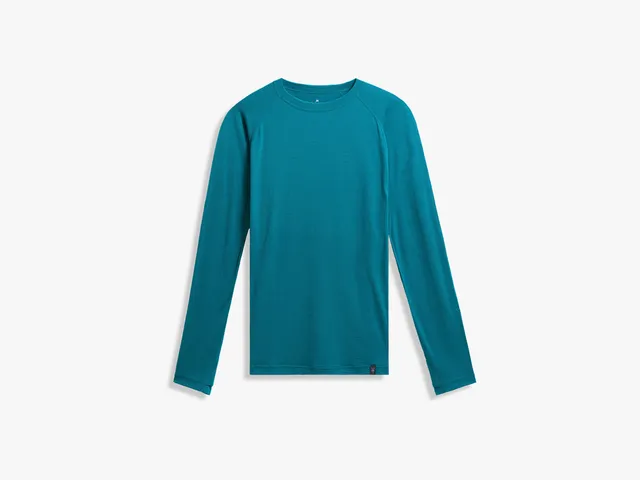
The Ibex Woolies Pro Tech base layer crew is the best lightweight merino base layer we’ve tested. If you want a hard-wearing shirt, this it it. Woolies are Nuyarn (see above), which is 85 percent merino wool and 15 percent nylon—the merino wool is wrapped around a nylon core, which increases the warmth while being lighter (5 oz for the men’s large) and more durable. This is my top pick for all things technical. It’s what I bring hiking, backpacking, and it’s reviews editor Adrienne So’s pick for running, climbing and other high-aerobic activities when it’s cold. I also love the Woolies Pro Tech Bottoms ($115), which are what I bring backpacking in all but the warmest of weather. There’s also a quarter zip version of the shirt if you prefer.
Advertisement
Aside from comfort and warmth, a bit part of the reason we recommend Woolies is that they last. Ibex is what passes for a heritage company in this space; the company was founded in 1997 and has been cranking out merino garment for a long time. Adrienne’s parents bought her two sets of Ibex base layers in 2001 that she still wears today, in the year of our Lord 2025. Properly cared for, Woolies will keep you comfortable warm for years to come.
Best Heavyweight Base Layer
SmartWool
Merino Classic Long-Sleeve
When I want something a bit warmer than the lightweight Woolies above, I reach for Smartwool’s Classic long sleeve base layer. These may be the most popular merino shirts around, and for good reason: They’re very comfortable, tending to the looser side, feature heavy duty seams that don’t rub, and sit off the shoulder for more comfort when wearing a pack. At 87 percent merino wool (blended with nylon), these are also very durable while remaining lightweight (10.3 oz for a men’s large). This Smartwool shirt, along with the matching pants ($125), are great for chilly winter days.
Advertisement
Courtesy of Unbound Merino
Unbound Merino
Long-Sleeve Merino Crew
The picks above all have what my wife calls “that sporty look,” which the industry refers to as “technical.” This 100 percent merino shirt from Unbound is the opposite: it just looks like a long sleeve shirt. It’s incredibly soft and while it does pill a bit if you run it through the dryer (don’t), it’s proved itself plenty durable—I’ve been wearing it constantly for over a year now and it still looks like it did when I got it. It’s the long-sleeve, base layer twin to our favorite T-shirt (see below). It’s on the thin side for a base layer, which makes it perfect for those cool weather mornings in the shoulder seasons. It’s versatile too; it can be used as a base layer, but it also works as a T-shirt when it’s not too chilly. Fit runs true to size, and if the one you want is sold out, be patient; Unbound frequently updates its stock.
There are so many! Here’s a few more to consider, but really, go read the base layer guide.
Advertisement
Ridge Merino
Aspect High Rise Base Layer Bottoms
These are another great option fro women looking for something that can be worn around town as well as on the trail. My daughter has even worn them under shorts for no-gi juijitsu and they’ve held up great, which is a testament to their durability.
Minus33
Advertisement
Heavyweight Yukon Thermal Long Sleeve
If you’re going to be in extreme cold, New Hampshire-based Minus33 is the company to shop. Where I live winter temps regularly dip below 0F and the Yukon comes into its own. The 400 gsm weave of 100 percent merino is more like a sweatshirt than a base layer, but if you live in the north, you need it.
Turtle Fur
Merino Pipe Dream Neck Gaiter
Don’t forget your neck. I live in this Turtle Fur gaiter during the winter and I also use the lighter, superfine version for hiking at elevation in the summer to keep the sun off my neck without resorting to sunscreen. It’s wonderfully soft, not overly tight, and never smells.
Advertisement
Merino Mid Layers
Fleece has its place, but I rarely wear it these days. I prefer merino for my mid layers. It’s better at helping your body regulate its temperature. The one place fleece still wins for me is backpacking. It’s almost always lighter for comparable warmth, at least in mid layers.
Like the Northern Lights or the McRib, the thickest Ibex wool hoodie appears irregularly and with some fanfare. The Mammoth Hoodie is indeed a big, furry beast of a garment—it’s basically the weight of the classic American Giant hoodie but made of 85 percent wool cut with 15 percent nylon for added warmth and stretch. Ibex says it’s the warmest hoodie they’ve ever made, and in my week of testing, I’ve used it in place of a jacket in mid-30s temps. It has an athletic cut with zippered pockets and thumb holes. I do wear a stocking hat with it in the cold because the scuba hood is meant to fit under a helmet which means it’s too small to provide enough warmth for my large shaved head on its own. —Martin Cizmar
Although the RTL-SDR is cheap, accessible, and capable enough for many projects, it does have some important limitations. In particular, its bandwidth is limited to about 3.2 MHz, and the price of SDRs tends to scale rapidly with bandwidth. [Anders Nielsen], however, is building a modular SDR with a target price of $50 USD, and has already reached a bandwidth of almost 20 MHz.
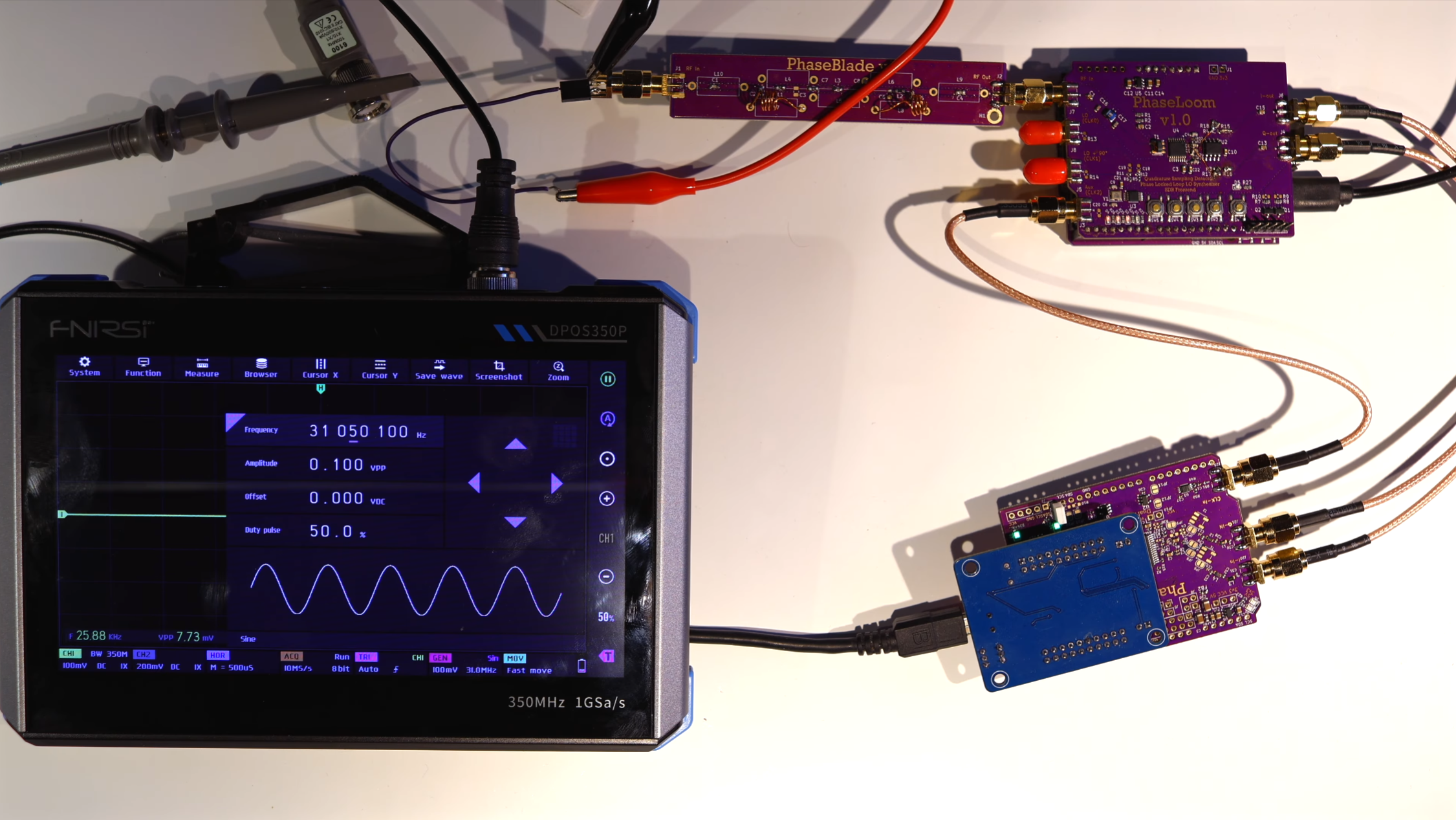
If this project looks familiar, it’s because we’ve covered an earlier iteration. At the time, [Anders] had built the PhaseLoom, which filters an incoming signal, mixes it down to baseband, and converts it to I/Q signals. The next stage is the PhaseLatch, a board housing a 20-MHz, 10-bit ADC, which samples the in-phase and quadrature signals and passes them on to a Cypress FX2LP microcontroller development board. [Anders] had previously connected the ADC to a 6502 microprocessor instead of the FX2LP, but this makes it a practical SDR. The FX2LP was a particularly good choice for this project because of its USB 2.0 interface, large buffers for streaming data, and parallel interface. It simply reads the data from the SDR and dumps it to the computer.
The FX2LP didn’t support the ADC’s clock rate, and overclocking the ADC led to issues, so [Anders] connected the ADC to an independent 20 MHz oscillator. The frequency spectrum of the SDR was oddly bell-shaped, which turned out to be due to the limited analogue bandwidth of the PhaseLoom (about 650 kHz) falling behind the digital bandwidth of 20 MHz. The PhaseLoom’s bandwidth seemed to be limited mostly by an amplifier, and decreasing its gain greatly improved matters. The SDR doesn’t yet have a 20 MHz bandwidth according to the normal definition, but it’s close enough to be practical, and further improvements will have to wait on an updated PhaseLoom board.
The Cypress development board used here is surprisingly capable – we’ve previously seen it used to build an SDR GPS decoder. Most of the custom-built SDRs we see don’t focus on technical performance, but do use such interesting components as a tube-based receiver or a custom silicon chip.
An artist’s conception of Amazon’s Leo satellite constellation. The satellite internet initiative sits in the same division as Amazon’s new phone project, raising the question of whether Amazon could eventually provide its own wireless connectivity. (Amazon Illustration)
When Reuters reported Friday that Amazon is working on a new smartphone, the reflexive reaction was obvious: Didn’t they already try this? And didn’t it go spectacularly badly?
Yes, on both counts. The Fire Phone, which launched in 2014 when Jeff Bezos was still running the company, lasted 14 months and led to a $170 million writedown.
It was packed with gimmicks, including a 3D display and a camera feature that recognized products and let you buy them on Amazon. It might have been the biggest example of Amazon failing to live up to its legendary mantra of starting with the customer and working backwards.
But dismissing Amazon’s new effort, codenamed “Transformer,” as a sequel to that disaster misses the point. This isn’t Amazon trying to redo 2014. It’s Amazon looking at the AI landscape and betting that the shift to AI is going to fundamentally change what a mobile device is, and that the dominant smartphone makers might not be the ones leading that charge.
The AI opening: Apple and Samsung together command about 40% of global smartphone sales, but their recent devices have been incremental upgrades, not breakthroughs. Neither company is at the forefront of AI in the way that OpenAI, Anthropic, Microsoft, and Amazon itself are.
Advertisement
A growing number of companies are already trying to exploit that gap. OpenAI is working with former Apple design chief Jony Ive on a dedicated AI device. Meta is pushing its Ray-Ban smart glasses as an alternative to pulling out your phone.
Earlier attempts at standalone AI gadgets, like the Humane AI Pin and Rabbit R1, rivaled the Fire Phone as flops in their own right, but they demonstrated the potential of AI devices.
That’s where Amazon may see an opening.
Project details: The phone is being developed by a group called ZeroOne inside Amazon’s devices unit, which has a mandate to create “breakthrough” gadgets, according to Reuters.
Advertisement
It’s headed by J Allard, the former Microsoft executive behind Xbox and the Zune music player, who joined Amazon in 2024, as GeekWire first reported.
The phone is envisioned as an AI-driven personalized device that syncs with Alexa and could potentially bypass traditional app stores altogether. That concept feels increasingly plausible in an era when AI agents can act on a user’s behalf without opening an app.
The company, for the record, isn’t commenting on any of this. The project is still early, the timeline is undefined, and Reuters noted that it could still be scrapped.
The connectivity question: Amazon hasn’t even approached wireless carriers yet, according to the report.
Advertisement
But that detail actually raises an interesting question. Amazon’s Leo satellite internet initiative, formerly known as Project Kuiper, sits in the same Devices & Services division as the new phone project, all under the umbrella of Panos Panay, another former Microsoft executive. Those satellites could provide wireless connectivity directly to devices, potentially bypassing traditional carriers altogether.
There’s no indication the two efforts are connected, but it would make a ton of sense.
And then there’s Amazon Sidewalk, the company’s existing mesh networking protocol that uses Echo and Ring devices to create a low-bandwidth wireless network.
Between satellites overhead and Sidewalk on the ground, Amazon has been quietly building out the infrastructure that could support a device like this without ever involving a traditional carrier.
Advertisement
For the new phone project, Amazon has explored both a conventional smartphone and a stripped-down “dumbphone” with limited features, according to the Reuters report. It has considered positioning a simpler version as a companion device that customers would carry alongside their existing iPhone or Galaxy. One inspiration is reportedly the Light Phone, a minimalist handset with a camera, maps, and not much else, selling for about $700.
During the original Fire Phone development, two internal teams debated the direction: a low-cost, stripped-down device vs. a high-end phone packed with features, as noted in a great “Version History” podcast by The Verge. Bezos sided with the high-end camp, and it failed.
This time, Amazon appears to be hedging by exploring both paths simultaneously.
The Jassy factor: It’s also worth reconsidering the conventional wisdom that this kind of hardware bet is out of character for Amazon under CEO Andy Jassy, Bezos’ successor. Jassy has spent much of his tenure streamlining the company and cutting projects that weren’t working.
Advertisement
But the goal of that effort isn’t to avoid big bets, it’s to clear out bureaucracy and make Amazon more nimble and deliberate when it makes them. Creating a dedicated hardware group with a “breakthrough” mandate and staffing it with a veteran product leader is evidence of that.
Ultimately, the fact that Amazon is willing to revisit its most painful hardware failure shows how seriously it takes the idea that AI has the potential to change what a mobile device can be.
This piece was adapted from a discussion between Todd Bishop and John Cook on this week’s GeekWire Podcast. Listen above, or subscribe in Apple, Spotify or wherever you listen.
Google Translate has always been great at telling you what something means. But saying it out loud has always been on you. But now, Google is working on a new feature that could fix your fumbling ways. A new AI-powered “Practice” mode is in development to help users improve their pronunciation instead of just listening to translations.
And yes, it can call you out for butchering that Spanish phrase.
So how does it work?
Google
While Google Translate offered the usual tap-to-listen speaker icon, the new feature goes beyond that and lets you listen to native speakers’ pronunciation samples, record your own attempt, and get feedback on how accurate you sound. It then analyzes your speech and scores your pronunciation, also offering suggestions on how to improve.
There’s even a phonetic breakdown of words offered to the users that makes it easier to understand how something should sound. This is easier than relying on complex linguistic notation.
In development, but shows promise
Google
This isn’t just a one-time event. It’s a whole system that encourages practice with repetition, letting users retry phrases to refine their pronunciation. So users can practice till they get closer to native level accuracy. There are also hints that the feature could be a part of a broader language learning tool, which might include difficulty levels and conversational practice modes.
The feature was discovered in a recent build of the app, with an APK teardown showing that it’s still work in progress. Furthermore, we can expect it to roll out gradually, starting with select language pairs like English and Spanish before expanding to include more options. So you might have to wait a bit before it starts judging your accent.
While other tech companies have been laying off employees year after year, OpenAI is doing the opposite. According to a report from the Financial Times, the AI giant is looking to expand its workforce to 8,000 employees by the end of 2026, nearly doubling staff from its current headcount of 4,500.
The FT reported that the new hires will be across several departments, including product development, engineering, research and sales. OpenAI’s hiring spree will also include “specialists” for “technical ambassadorship,” or employees tasked with helping businesses better utilize its AI tools, according to the report. As the FT noted, OpenAI is likely trying to amp up the competition against Anthropic and its Claude AI chatbot. According to the AI Index from Ramp, a fintech startup that manages corporate expenses, businesses are now 70 percent more likely to go with Anthropic when buying AI services for the first time as opposed to OpenAI.
OpenAI made waves in February when it announced a contract with the Department of Defense to use its AI models, following a public fallout between Anthropic and the federal agency. On top of the government contract, OpenAI is also in “advanced talks” with private equity firms like Brookfield Asset Management to deploy its AI tools across a firms’ portfolio of companies, according to Reuters.
The best-selling game of all time is moving from the virtual to the physical. Minecraft World, a permanent Greater London theme park based on the game, is scheduled to open in 2027. The announcement came during Minecraft Live 2026.
It will be a new section in Chessington World of Adventures, a theme park with a built-in zoo. The resort is a 35-minute train ride from London’s Waterloo station.
Details are still fairly light on the park. But we know it will include a roller coaster, “interactive adventures” and “epic block-built playscapes.” Torfi Frans Ólafsson, the game franchise’s creative director, said they’re aiming for “an experience that feels immersive, authentic and welcoming.” Naturally, that will include welcoming you to open your wallet in Minecraft-themed retail and dining spots.
The park is a collaboration between Mojang Studios and Merlin Entertainments, the world’s second-largest theme park builder. (A certain rodent-led empire is first.)
Advertisement
If visiting the full theme park in England isn’t your thing, the latest location of the game’s (also real-world) pop-up events will open in May. Minecraft Experience: Moonlight Trail will let visitors in Buenos Aires, Argentina, go on an hour-long outdoor nighttime adventure. As its name suggests, you’ll “walk a moonlit trail” through iconic Minecraft biomes. Along the way, you’ll craft gear, mine diamonds, battle mobs and “help restore an ancient beacon.” The event opens in May.
The game’s next big drop, Tiny Takeover, arrives on Tuesday. (Mojang Studios)
Not all of Minecraft Live’s announcements were about real-world empire building. Minecraft, the game, is getting some updates, too. Its next big drop, Tiny Takeover, will live up to the billing with a redesigned “cuter” look for baby mobs. The update will also add a golden dandelion, which you can feed to a baby mob to make it stay young forever. (Or, at least until you feed it a second one.) Tiny Takeover arrives on March 24.
Mojang also teased the next drop after that. Later this year, Chaos Cubed will add a sulfur cube that changes properties when absorbing different materials. “There is a lot of variety in what the cube can do,” Mojang promises. “Just like there are balls with different ‘bounciness’ and behavior, the sulfur cube can have different physics.”
Finally, the long-rumored Minecraft Dungeons II game is official. We’re still extremely light on details about the sequel to the 2020 spinoff, aside from the fact that you can wishlist it on March 21.
Watch Feyenoord vs Ajax live streams from De Kuip on Sunday as the Eredivisie 2025/26’s biggest rivalry returns for a 209th De Klassieker. It’s Rotterdam vs Amsterdam and, though PSV seem over the hill and far away in the title race, there’s still plenty more than pride and bragging rights to play for.
Feyenoord also have revenge on their minds after losing 2-0 at the Johan Cruyff Arena in the reverse fixture earlier in the season. Robin van Persie’s side sit second in the table, five points ahead of their Sunday opponents, and know that victory goes a long way towards securing a runners-up spot and a Champions League group stage place with it. Japanese forward Ayase Ueda has 23 goals in all competitions this season and will look to inflict another win as wide as a memorable 6-0 in April 2024.
Ajax have, though, won the past three meetings between the sides, including that 2-0 triumph in December thanks to goals from Davy Klaasen and Jorthy Mokio. After an inconsistent start to the season, De Godenzonen have improved even if Oscar Garcia is their second caretaker boss of 2025/26. The Spaniard replaced Fred Grim after a 3-1 loss at Groningen earlier this month, but that defeat is Ajax’s only Eredivisie reverse since the end of November. Win, and they cut the gap to Feyenoord to two points.
Advertisement
Both teams head into this clash on the back of league wins . Feyenoord secured a 2-1 victory over Excelsior, while Ajax cruised past Sparta 4-0. Who takes Sunday’s clash? Read on as we show you how to watch Feyenoord vs Ajax.
Can I watch Feyenoord vs Ajax for free?
While Feyenoord vs Ajax has no specific free stream, in the UK you can take advantage of TrillerTV+’s 7-day FREE trial, who are showing the Eredivisie 2025/26 game.
In Australia, Kayo Sports also has a 7-day free trial offer.
Advertisement
Outside your country? Access your regular Eredivisie streams via a VPN — we recommend NordVPN.
Use a VPN to watch any Feyenoord vs Ajax stream
How to watch Feyenoord vs Ajax live streams in the US
In the US, ESPN Select will broadcast Feyenoord vs Ajax.
Cord-cutters can stream ESPN Select via Sling TV, Fubo, YouTube TV and Hulu with Live TV. We believe Sling (from $45.99/month) is the best choice for Eredivisie fanatics as it provides great-value live coverage for viewers who plan to watch Dutch football, Spanish football and English FA Cup football.
Premier Sports costs £16.99 on a rolling monthly basis.
TrillerTV+ $7.99 per month (it’s billed in dollars) or $69.99 a year. It also comes with a 7-day FREE trial, so if you’re a new user, you can potentially catch Sunday’s game free of charge.
We test and review VPN services in the context of legal recreational uses. For example: 1. Accessing a service from another country (subject to the terms and conditions of that service). 2. Protecting your online security and strengthening your online privacy when abroad. We do not support or condone the illegal or malicious use of VPN services. Consuming pirated content that is paid-for is neither endorsed nor approved by Future Publishing.













-Offwhite-Background-SOURCE-Ibex.jpg)

-SOURCE-Unbound.jpg)

-Offwhite-Background-SOURCE-Ibex.jpg)















































You must be logged in to post a comment Login