
Business
Berenberg downgrades Beiersdorf stock rating on weak growth outlook



Italy’s state-controlled postal service Poste Italiane PST -7.58%decrease; red down pointing triangle has made a $12.50 billion cash-and-stock bid for Telecom Italia TIT 4.89%increase; green up pointing triangle, a move that could bring its operations and infrastructure back under government ownership.
Poste Italiane said Sunday that it was offering a combination of cash and shares for a consideration of 10.8 billion euros, equivalent to $12.50 billion, with Telecom Italia shareholders set to receive 0.167 euros in cash and 0.0218 newly issued Poste Italiane shares for each share held.
Copyright ©2026 Dow Jones & Company, Inc. All Rights Reserved. 87990cbe856818d5eddac44c7b1cdeb8


I am focused on growth and dividend income. My personal strategy revolves around setting myself up for an easy retirement by creating a portfolio which focuses on compounding dividend income and growth. Dividends are an intricate part of my strategy as I have structured my portfolio to have monthly dividend income which grows through dividend reinvestment and yearly increases. Feel free to reach out to me on Seeking Alpha
Analyst’s Disclosure: I/we have a beneficial long position in the shares of NVDA, MO, BP, T, O, NNN either through stock ownership, options, or other derivatives. I wrote this article myself, and it expresses my own opinions. I am not receiving compensation for it (other than from Seeking Alpha). I have no business relationship with any company whose stock is mentioned in this article.
Disclaimer: I am not an investment advisor or professional. This article is my own personal opinion and is not meant to be a recommendation of the purchase or sale of stock. The investments and strategies discussed within this article are solely my personal opinions and commentary on the subject. This article has been written for research and educational purposes only. Anything written in this article does not take into account the reader’s particular investment objectives, financial situation, needs, or personal circumstances and is not intended to be specific to you. Investors should conduct their own research before investing to see if the companies discussed in this article fit into their portfolio parameters. Just because something may be an enticing investment for myself or someone else, it may not be the correct investment for you.
Seeking Alpha’s Disclosure: Past performance is no guarantee of future results. No recommendation or advice is being given as to whether any investment is suitable for a particular investor. Any views or opinions expressed above may not reflect those of Seeking Alpha as a whole. Seeking Alpha is not a licensed securities dealer, broker or US investment adviser or investment bank. Our analysts are third party authors that include both professional investors and individual investors who may not be licensed or certified by any institute or regulatory body.
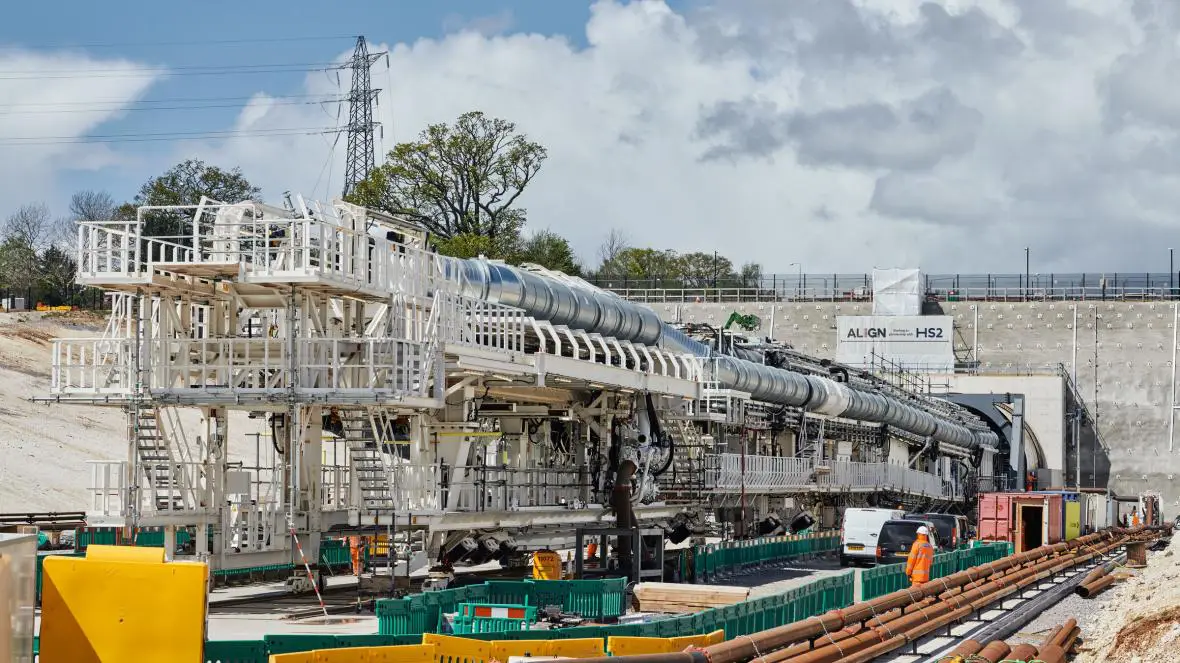
The government is considering reducing the operating speed of HS2 trains as part of a wider effort to contain costs and avoid further delays on the troubled high-speed rail project.
Ministers are expected to instruct HS2 Ltd to assess the feasibility of running trains below the originally planned top speed of 360km/h (224mph) on the line between London and Birmingham — a move that could save billions but would dilute one of the scheme’s defining features.
The proposal forms part of a broader review led by Transport Secretary Heidi Alexander, who is examining options to bring the project back under control after years of cost overruns and delays.
HS2’s total cost is now expected to exceed £100 billion in today’s prices, with the completion date for the initial London–Birmingham phase likely to slip beyond the current 2033 target.
A long-awaited “reset” plan, being developed by chief executive Mark Wild, is expected to set out a revised timetable and budget, although its publication has been delayed until after the May elections.
Wild, who previously led the Crossrail project, was brought in to stabilise the programme and restore confidence after the government described the scheme as “an appalling mess”.
HS2 was originally designed as one of the fastest conventional railways in the world, with a maximum operating speed of 360km/h. However, achieving and validating those speeds presents significant technical and financial challenges.
Testing trains at full speed would require either a dedicated test track or a fully completed railway, both options that could add years to the project timeline and further inflate costs. An alternative under consideration is testing trains overseas, potentially in China, where suitable high-speed infrastructure already exists.
By contrast, lowering the initial operating speed could simplify testing requirements, reduce engineering complexity and accelerate delivery, albeit at the expense of headline journey times.
For context, most UK rail services operate at speeds of up to 200km/h (125mph), while high-speed services on HS1, the Channel Tunnel route, reach up to 300km/h.
The potential shift highlights the ongoing tension between performance ambitions and fiscal realities. While HS2 was conceived as a transformative high-speed network connecting London with major cities including Manchester and Leeds, the northern legs of the project have already been scrapped, significantly scaling back its original vision.
Under current plans, trains will continue north from Birmingham to Manchester using existing infrastructure on the West Coast Main Line, operating at lower speeds than on the purpose-built HS2 track.
Critics argue that further compromises risk undermining the project’s value proposition, while supporters say pragmatic adjustments are necessary to ensure completion.
The review comes as major construction milestones, including tunnels, viaducts and earthworks, continue to progress along the route, even as the project remains years from operational readiness.
The government is under increasing pressure to demonstrate that HS2 can be delivered within a realistic budget and timeframe, particularly given wider fiscal constraints and competing infrastructure priorities.
Lowering train speeds, while politically sensitive, is emerging as one of several options being considered to bring the project back on track.
Whether that compromise proves acceptable will depend on how it balances cost savings against the original promise of a world-class high-speed railway, a question that is likely to define the next phase of HS2’s evolution.

Jamie Young
Jamie is Senior Reporter at Business Matters, bringing over a decade of experience in UK SME business reporting.
Jamie holds a degree in Business Administration and regularly participates in industry conferences and workshops.
When not reporting on the latest business developments, Jamie is passionate about mentoring up-and-coming journalists and entrepreneurs to inspire the next generation of business leaders.
The Stock Exchange of Thailand (SET) index fell below the critical 1,400-point threshold on March 23, 2026, closing at 1,398.82 due to heightened geopolitical tensions in the Middle East and a global “risk-off” sentiment.
While the 2.38% decline reflects significant investor anxiety and a capital flight toward safe-haven assets like gold and bonds, market analysts maintain that the sell-off is primarily driven by external macro pressures rather than a deterioration in domestic company fundamentals. The conclusion among experts is that while high volatility is likely to persist in the near term, the current correction represents a short-term shock that may eventually offer selective investment opportunities if geopolitical conditions stabilize.
Key Points
- The SET index dropped 34.17 points (2.38%) to finish at 1,398.82, with total trading value reaching 57.29 billion baht.
- This marks the first time the benchmark index has slipped below the 1,400 level since early March 2026, erasing a brief mid-month recovery.
- The sell-off was characterized as “panic selling,” with energy stocks leading the decline amidst heightened global uncertainty.
- Market experts emphasize that the downturn is fueled by external factors—such as Middle East conflicts, global inflation, and economic slowdown concerns—rather than internal earnings issues within Thai listed companies.
- Investors are increasingly moving capital away from equities and into safe-haven assets, including gold and bonds, to mitigate risk.
- Strategists warn that the Thai market remains highly sensitive to global sentiment and currency movements, suggesting that volatility will remain high as long as geopolitical risks intensify.
On March 23, 2026, the SET index experienced a significant decline of 2.38%, led primarily by the energy sector. Analysts attributed the sharp sell-off to “panic selling” as investors reacted to escalating geopolitical tensions in the Middle East.
The Stock Exchange of Thailand closed at 1,398.82 points, falling below the 1,400-point threshold for the first time since early March. Among the major individual decliners were Delta Electronics, which saw its shares drop by 3.35%, and Advanced Info Service, which fell by 2.89%. Other notable losers during the session included Gulf Energy Development, Airports of Thailand, and CP All.
Market strategists said that the downturn was driven by external global risk-off sentiment rather than domestic fundamentals. Investors shifted capital toward safe-haven assets like gold and bonds as the U.S.-Iran war threatened global energy infrastructure and supply chains. Despite the sharp correction, some analysts believe the breach of 1,400 may create selective opportunities in sectors with strong pricing power and solid fundamentals once the market stabilizes.
How are regional Asian markets performing compared to the SET?
On March 23, 2026, regional Asian markets faced a broad-based decline alongside the Stock Exchange of Thailand (SET), with several major bourses recording even sharper percentage drops than Thailand’s 2.38% loss. While the SET index fell below the 1,400-point threshold, South Korea’s market shed 5.2% and Japan’s Nikkei fell 3.8% on the same day.
The MSCI Asia-Pacific index, excluding Japan, lost 2.5% as investors reacted to escalating threats between the United States and Iran. Malaysia has emerged as a relative outlier in the region, with its benchmark index losing only 1.2% this month due to its status as a net energy exporter. Analysts say the Middle East war is driving a “risk-off” sentiment, causing global funds to exit emerging markets in favor of safe-haven assets.
Other People are Reading
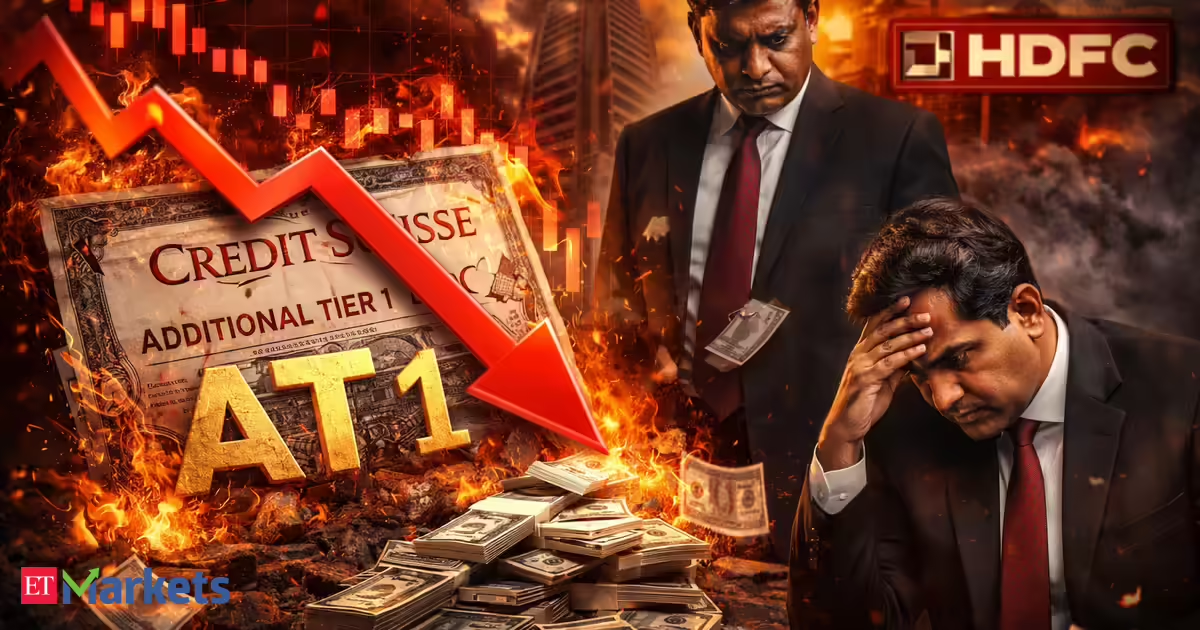
Left unsaid was what exactly Chakraborty meant.
That’s now becoming clearer, four days after the boardroom fight burst into the open and wiped out nearly a tenth of HDFC Bank’s market value, or about $11.5 billion.
People familiar with the matter say the rift came down to differing views over accountability, particularly over client losses tied to risky bonds sold by Credit Suisse and recent restrictions imposed on HDFC Bank in Dubai. In Chakraborty’s view, more senior bank officials should have been held responsible for the missteps. He also grew frustrated over the bank’s lackluster performance relative to peers, including its share price and profitability.
Chakraborty didn’t respond to a query from Bloomberg News. HDFC Bank said in a statement it has well established governance frameworks, “and continues to remain committed to maintaining high standards of compliance and regulatory adherence.”

The chain of events leading to the departure of Chakraborty late on Wednesday started behind the scenes a few days earlier.
Chakraborty, 65, had called a board meeting on short notice for March 18, offering few details of the agenda. Directors assembled on the sixth floor of the corporate offices in South Mumbai, the erstwhile headquarters of its parent. The nomination and remuneration committee convened first. It was there that Chakraborty, a former senior bureaucrat in the administration of Prime Minister Narendra Modi, submitted his resignation as part-time chair, before informing the board.What followed was a tense exchange, as directors tried to persuade him to reconsider. When that failed, they urged him to soften the language in his resignation letter, which would later stun investors with its bluntness: “Certain happenings and practices within the bank that I have observed over last two years are not in congruence with my personal values and ethics,” he wrote.
Despite the board’s pleas, Chakraborty refused to budge on the wording, nor explain what he meant by ethical differences.
By late Wednesday, the lender had little choice but to move ahead. Chief Executive Officer Sashidhar Jagdishan and a few other board members met with the Reserve Bank of India — the country’s central bank and banking regulator — to inform them of Chakraborty’s decision. Within a few hours, Keki Mistry, a bank director and a doyen of India’s financial sector, was officially named interim chairman. Around 10:30 p.m., the disclosure hit the exchanges.
By the time markets opened the next morning, uncertainty snowballed into fear about governance at the lender. Retail investors flooded brokers with calls. Fund managers sought clarity on a testy conference call. Social media amplified speculation about a bank widely held by foreign institutional investors and often treated as a proxy for India’s economic success story.
“If you care about your company, if you care about the time you spent there, if you care about other stakeholders and shareholders – u do not resign with immediate effect in the middle of a week,” veteran fund manager and investor Samir Arora wrote in an X-post.
Other reactions were more nuanced, as some said the chairman wouldn’t have quit unless there was something seriously wrong. Chakraborty tried to walk back his comments a few hours later, telling a local television channel that his resignation was “routine,” and not indicative of any wrongdoing at the bank.
The market reaction prompted the RBI to defend the lender, saying there were no concerns about its conduct or governance. Such interventions by the central bank are typically reserved for cases of systemic stress. One 51-year old investor, Joydeep Shome, asked his broker if HDFC Bank’s stock was “buy at dips, or bye for all?”
By Thursday morning, the bank’s leadership went into overdrive. On the hastily arranged call with analysts and journalists, Mistry sought to draw a line under the speculation. He said that in large organizations, relationship issues among employees are common, and that there were no governance issues at the firm. Jagdishan, typically media shy, also stepped forward on the call in a bid to assuage investors. The board closed ranks.
 Bloomberg
Yet as the call stretched on, one question refused to go away: what exactly had driven the chairman to walk out so abruptly if, as the board claimed, there were no governance concerns or hidden financial stress?
At the heart of the rupture, according to people familiar with the internal discussions, was a long-simmering disagreement over accountability that came to a head over client losses tied to Credit Suisse debt. Global bondholders were wiped out when Switzerland’s regulator wrote down about $17 billion of the so-called Additional Tier 1 notes during the bank’s rescue by UBS Group AG in March 2023.
HDFC Bank, along with several other global firms, was caught up in the fallout and faced allegations of misselling. Some of its customers claimed they were not properly informed about the high-risk nature of the bonds, though the lender has maintained it complied with all applicable laws.
While the Credit Suisse matter led to sanctions against some executives, Chakraborty pushed for broader accountability, arguing that more senior officials should be held responsible and made to come clean, the people said. The senior management didn’t agree, creating an impasse.
HDFC Bank was also barred from adding new customers last year at its Dubai branch after the Dubai International Financial Centre flagged lapses in its processes.
In its response to Bloomberg News, the bank said it identified certain gaps in client‑onboarding requirements in Dubai and have completed a detailed and objective review of the matter. Appropriate remedial actions have been taken and personnel changes have been made.
The Economic Times daily quoted CEO Jagdishan as saying in an interview on Monday that the bank initiated an internal review and “took staff accountability actions through our disciplinary and board-level committees, with a right to appeal.”
The Credit Suisse bond and Dubai episodes weren’t the only sources of friction.
Chakraborty grew dismayed over the bank’s lagging performance, including its profitability, customer service and technology systems. Over the last three years, HDFC Bank shares have barely budged, while rivals including State Bank of India and ICICI Bank Ltd. have soared, as has the benchmark index.
BloombergOver time, Chakraborty had developed a reputation for seeking more oversight of the bank. Some executives viewed it as micromanagement, ranging beyond what most non-executive, part-time chairmen typically do. He was said to be closely involved in decisions like extending tenures of senior employees, for example. Chakraborty grew frustrated with what he perceived as resistance to tighter oversight, particularly on issues involving whistle-blower complaints.
This clashed with a management team shaped by a different legacy.
Under Aditya Puri, the bank’s long-time former CEO, operational autonomy for executives had been a defining feature. Jagdishan, his successor, largely continued that approach. The result was a growing trust deficit between Chakraborty and management. At some point, the relationship broke down.
For a bank already grappling with balance sheet challenges following its 2023 merger with a mortgage lender, the timing could hardly be worse. There’s also the possibility, still under discussion, of an independent review into the issues raised by Chakraborty, though the lack of specifics in his resignation letter complicates things. Regulators, too, are expected to keep a close watch.
The bank also has a looming decision on CEO succession, which will be discussed next month, Mistry said. Jagdishan’s term runs until October, and he is eligible for reappointment. Under normal circumstances, his continuation might have attracted little debate. Now, it has become a focal point.
The path forward for the bank will require more than just restoring calm, analysts said. It will involve reaffirming the balance between board oversight and executive authority, particularly as the institution grows larger and more complex, they said.
Shortly before midnight on the eve of a bank holiday in India, HDFC Bank Ltd., a favorite among global investors, stunned the market by announcing the abrupt exit of its chairman. One line in the statement jumped out: Atanu Chakraborty resigned over “ethical” differences with the bank going back two years.
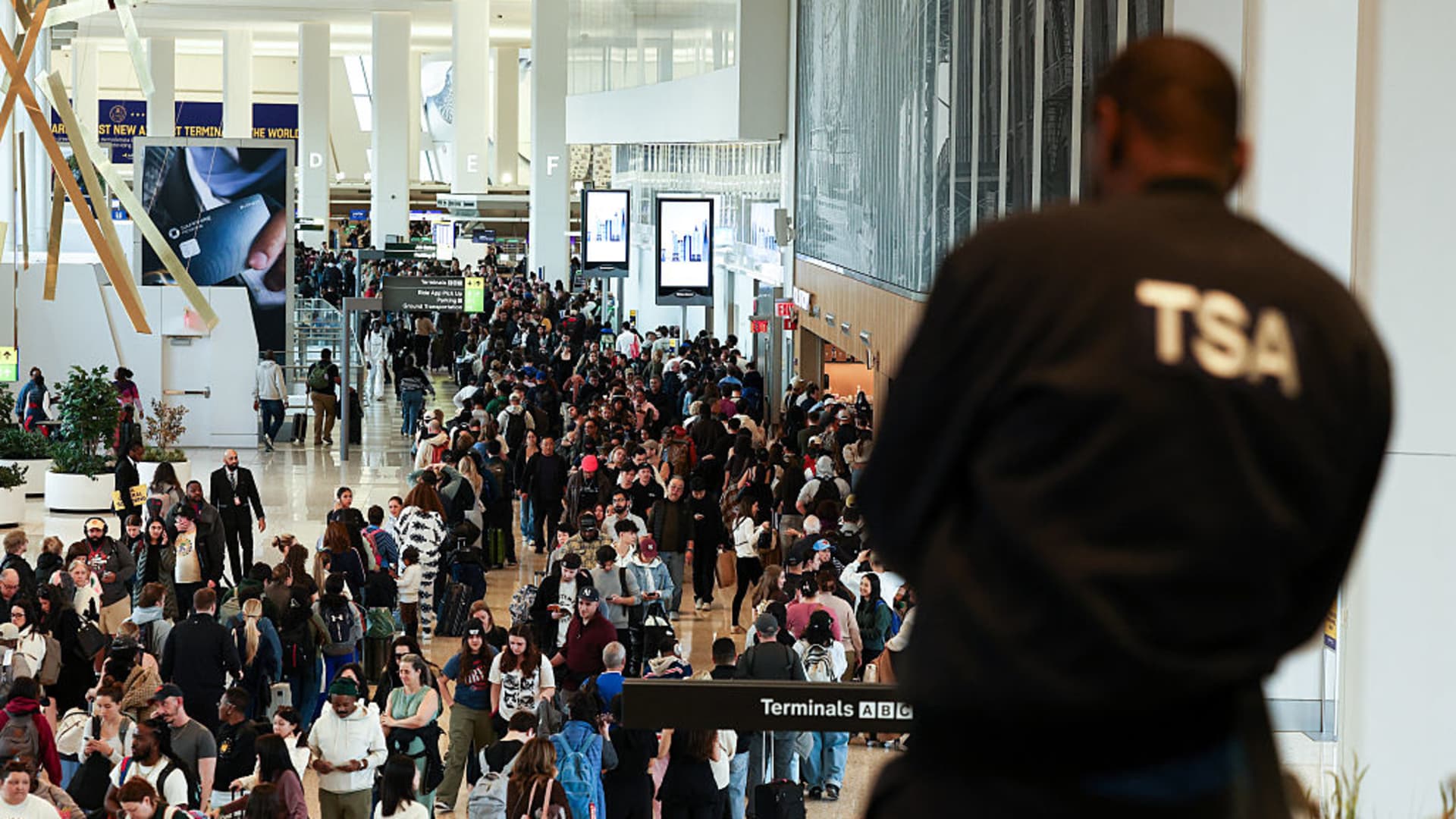
A Transportation Security Administration (TSA) agent looks on passengers queue to go through security at New York’s LaGuardia airport on March 22, 2026.
Charly Triballeau | Afp | Getty Images
NEW YORK — Andrew Leonard showed up at John F. Kennedy International Airport at 4:45 a.m. on Monday for his 7 a.m. flight to Seattle. Nearly two hours later, he made it through security and to his gate just in time for boarding.
“I fly out of this terminal all the time and this is insane,” said Leonard, a 34-year-old performing arts teacher in New York who was en route to Seattle ahead of a family vacation to Hawaii.
He is one of tens of thousands of travelers around the U.S. who are facing extra long security wait times at major airport hubs like Atlanta, New York and Houston due to elevated absences of Transportation Security Administration officers. TSA workers are facing a second missed full paycheck this week as a partial government shutdown continues.
White House border czar Tom Homan said Sunday said the administration would deploy Immigration and Customs Enforcement agents to airports on Monday to help ease security lines amid the Department of Homeland Security shutdown.
ICE agents weren’t visible at checkpoints at Kennedy Airport’s Terminal 8 early Monday, and it wasn’t clear where or when agents would be deployed. DHS and TSA didn’t immediately respond to a request for comment early Monday.
Homan told CNN’s “State of the Union” on Sunday that the ICE agents will be “helping TSA move those lines along,” including by guarding exit doors to relieve TSA agents so they could screen travelers. “We’re simply there to help TSA do their jobs in areas that don’t need their specialized expertise.”
TSA’s more than 50,000 officers have been working without their regular paychecks since the partial government shutdown began in mid-February. The shutdown comes as Democrats demand changes to how federal immigration enforcement operates in exchange for releasing DHS funding after two U.S. citizens were shot and killed by officers in Minneapolis.
Hundreds of TSA officers have quit since the shutdown started, according to their union, the American Federation of Government Employees.
The security line at John F. Kennedy International Airport on Monday, March 23, 2026.
Leslie Josephs/CNBC
The travel industry, including airline executives, have blasted lawmakers for failing to pay essential government workers during repeated shutdowns that have snarled travel.
In early 2019 and in late 2025, two federal government shutdowns ended shortly after travel disruptions escalated following higher-than-typical absences of air traffic controllers. Their pay isn’t affected by this impasse.
New York’s LaGuardia Airport was closed on Monday morning following a collision of an Air Canada regional jet and an emergency vehicle on Sunday night. Some passengers told CNBC they had switched to fly out of Kennedy because of the disruptions.
— CNBC’s Garrett Downs contributed to this article.
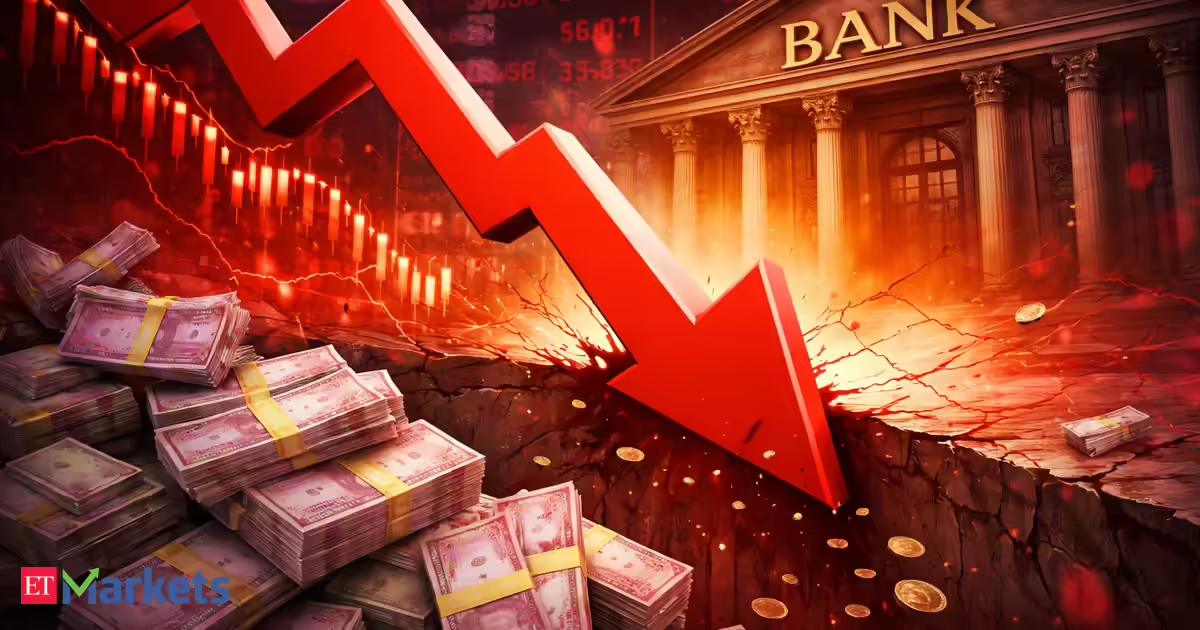
The index dropped to 51,791 in the morning session on Monday, dragged by losses in financial stocks. Union Bank of India and Punjab National Bank (PNB) declined around 5%, while Canara Bank, AU Small Finance Bank, Bank of Baroda and IDFC First Bank shares fell over 4% each. IndusInd Bank, Yes Bank, Federal Bank, State Bank of India (SBI), HDFC Bank, Axis Bank, Kotak Mahindra Bank and ICICI Bank meanwhile declined in the range of 1.5-4%.
The sharp decline comes amid broader market weakness, as the rupee hit fresh lifetime lows and US bond yields gained, amid persistent FII selling and escalating war between Iran and the US-Israel. Indian rupee extended its sharp decline against the US dollar, falling to 93.84 against the US dollar to break its previous all-time low of 93.7350, which it had hit on Friday. The rupee, which is one of the most exposed currencies to oil price increases, has weakened nearly 3% since the war in the Middle East began.
Foreign investors have been strongly selling Indian equities since the beginning of the war in the oil-rich Middle East amid a global risk-off sentiment in markets. FIIs extended their selling streak for the 16th consecutive session on Friday, net selling Indian shares worth Rs 5,518 crore, according to data on NSE.
The fall in bank stocks also comes amid concerns over what impact prolonged Middle East war and elevated oil prices can have on the Indian economy. While India is not directly involved in the war between Iran and the US-Israel, the rising oil prices and other factors may bear an impact on the Indian economy in the short term, as per analysts. “With 80% energy import dependence, higher crude prices directly impact the growth, current account deficit (CAD), inflation, the rupee, and fiscal balances. The overall macro effect will depend on the pass-through to consumers and government interventions through duties, subsidies, and fuel price controls,” said Motilal Oswal Financial Services in a report earlier this month.
Also read: Rs 13 lakh cr rout! 7 key factors behind today’s D-St bloodbath
“A USD10pb rise in oil could add 30–50bp to inflation, with CPI potentially approaching 5% if crude averages USD100pb. These risks are further amplified by shipping disruptions, higher war-risk insurance premiums, rising fertiliser prices, and vulnerabilities in LPG supply, increasing the likelihood of broader energy and food price pressures,” the brokerage added.
Technical view
Bank Nifty has witnessed a breakdown in short-term structure, indicating a shift towards a lower high–lower low formation, said Vatsal Bhuva, Technical Analyst at LKP Securities. “RSI at 28 signals an oversold condition, suggesting a possible pullback; however, the broader bias remains negative, with a sell-on-rise approach preferred in the 54,500–56,000 resistance zone,” the analyst said.
Bajaj Broking also noted that the index last week formed a high-wave candle with a lower high and lower low, signalling continuation of the corrective decline. “Volatility is likely to remain elevated in the near term, driven by uncertain global cues and rising geopolitical tensions, which continue to weigh on market sentiment,” it added.
Also read: Gold extends fall after worst week in 43 years. More pain or time to buy the dip?
A sustained move below Thursday’s low of 53,240 could trigger further downside, with potential targets at 52,500 and 51,800 in the coming sessions, according to Bajaj Broking, adding that these levels correspond to the 61.8% Fibonacci retracement of the rally from the January 2025 lows and coincide with the low of the breakout candle formed in April 2025.
“On the upside, the Thursday gap zone between 54,689 and 54,150 is expected to act as immediate resistance. The overall bias remains bearish as long as the index stays below this zone,” it added.
(Disclaimer: Recommendations, suggestions, views and opinions given by the experts are their own. These do not represent the views of The Economic Times)
Bitcoin price today: rebounds to $71k after Trump postpones Iran attacks
Zijin Mining to acquire control of Chifeng Gold for $2.5 billion
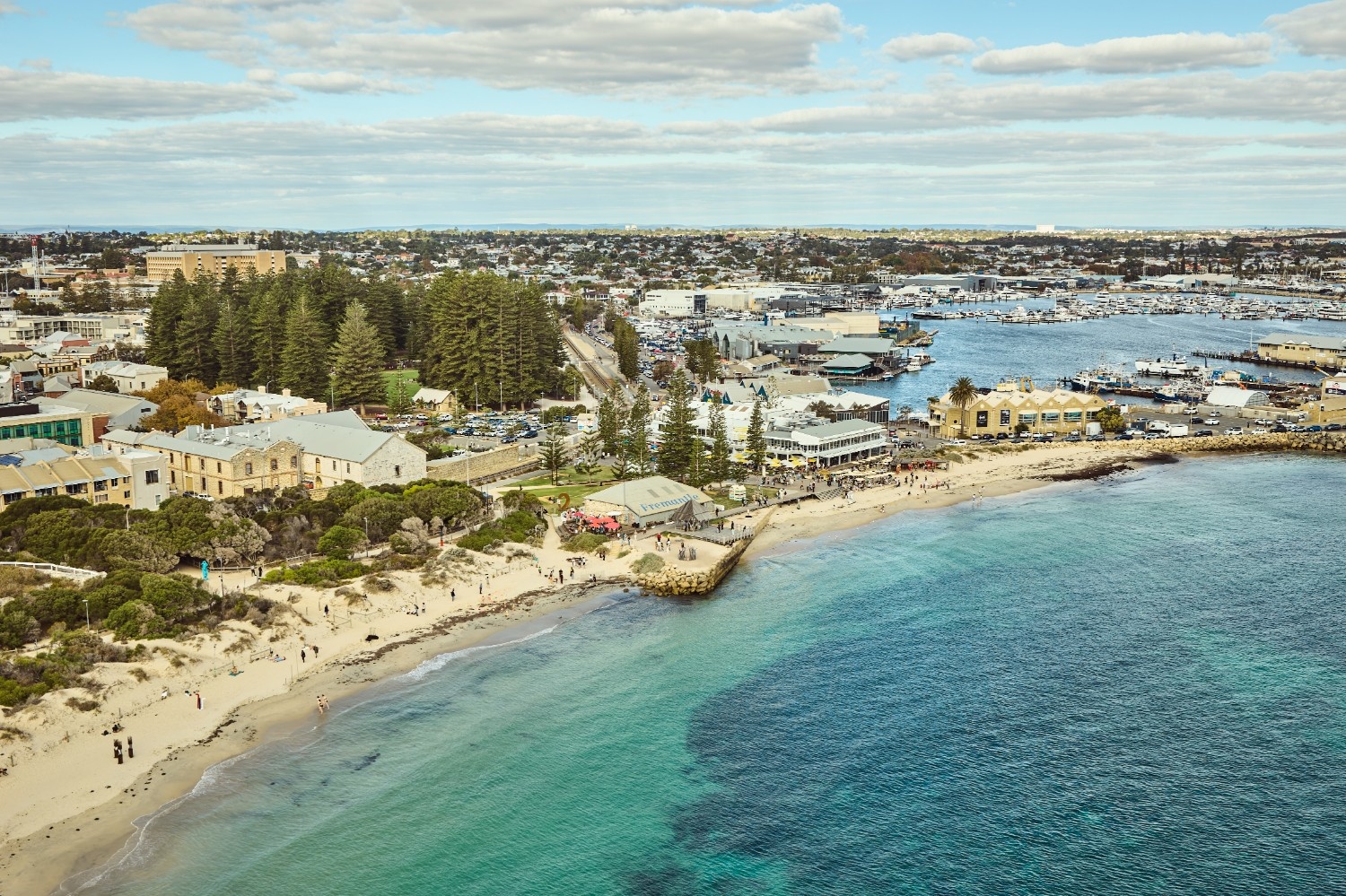
Western Australia reported more international visitors last year than ever before, according to new tourism data.

The Comeback Season 3 Features Very Cool Friends Throwback

OpTic Texas atop final standings at CDL Major 2 qualifying

IKEA just launched a huge sale, and there’s up to 71% off gorgeous lights for your home


-

 Fashion3 days ago
Weekend Open Thread: Adidas – Corporette.com
-
 Crypto World3 days ago
NIO (NIO) Stock Plunges 6.5% as Shelf Registration Sparks Dilution Worries
-

 Politics3 days ago
Jenni Murray, Long-Serving Woman’s Hour Presenter, Dies Aged 75
-
 Tech6 days ago
Are Split Spacebars the Next Big Gaming Keyboard Trend?
-

 Crypto World2 days ago
Best Crypto to Buy Now: Strategy Just Spent $1.57 Billion on Bitcoin During Fear While Early Investors Quietly Enter Pepeto for 150x Potential
-

 News Videos5 days ago
RBA board divided on rate cut, unusually buoyant share market | Finance Report | ABC NEWS
-

 Crypto World2 days ago
Bitcoin Price News: Bhutan Sells $72 Million in BTC Under Fiscal Pressure, but the Smart Money Entering Pepeto Sees What the Market Does Not
-
 Business7 days ago
How the UK and China Trade Agreement Could Shape UK Businesses in 2026
-

 Politics5 days ago
The House | The new register to protect children from their abusers shows Parliament at its best
-

 Tech3 days ago
inKONBINI Lets You Spend Summer Days Behind the Register
-
 Politics6 days ago
Real-time pollution monitoring calls after boy nearly dies
-

 Crypto World5 days ago
Canada’s FINTRAC revokes registrations of 23 crypto MSBs in AML crackdown
-
 NewsBeat5 days ago
Residents in North Lanarkshire reminded to register to vote in Scottish Parliament Election
-

 Business7 days ago
Meta planning major layoffs as AI spending and automation reshape workforce
-

 News Videos5 days ago
PARLIAMENT OF MALAWI – PAC MEETING WITH REGISTRAR OF FINANCIAL ON AMARYLLIS HOTEL – INQUIRY LIVE
-

 Business21 hours ago
No Winner in March 21 Drawing as Prize Rolls to $133 Million for Next
-

 Politics4 days ago
Gender equality discussions at UN face pushbacks and US resistance
-

 Sports51 minutes ago
Remo Stars and Kano Pillars Strengthen Survival Hopes in NPFL
-

 Business5 days ago
Who Was Alex Pretti? 5 Key Facts About the ICU Nurse Killed by Federal Agents in Minneapolis
-

 Tech16 hours ago
Give Your Phone a Huge (and Free) Upgrade by Switching to Another Keyboard
You must be logged in to post a comment Login