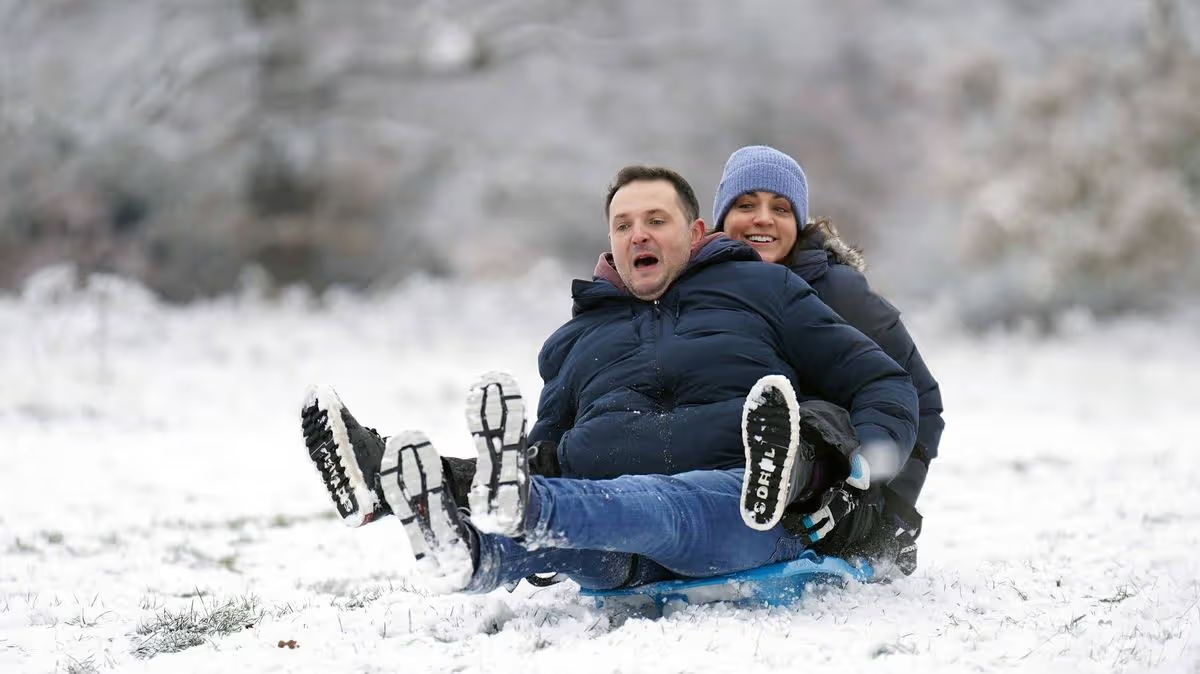
Snow is possible in Northern Ireland and Scotland on Tuesday, with temperatures plunging to 6C on Wednesday and overnight lows of -5C in rural areas
Ethan Blackshaw Deputy Publishing Lead (Mirror) and Emma O’Neill Content Editor
18:01, 23 Mar 2026
Last week saw thermometers climb beyond 20C as Britain experienced its warmest day of the year thus far – however Met Office meteorologists now warn snow is approaching this week.
Weather systems will deliver rainfall, powerful winds and chillier conditions throughout the coming days, with Wednesday particularly anticipated to be a “shock to the system”. Daytime temperatures will drop as low as 6C – though will feel considerably colder owing to the wind chill.
Advertisement
Tuesday is forecast to bring wet and blustery conditions for much of the country as well. Northern England and Wales will be struck by substantial rainfall, according to the Met Office, whilst hail and thunderstorms are predicted for Northern Ireland and Scotland. It adds that snow may also fall tomorrow across Northern Ireland and Scotland.
Met Office Deputy Chief Forecaster Steven Keates said: “Wednesday could be quite a shock to the system. Temperatures will range from 6C to 10C, but it will feel closer to low single figures for many areas in the wind.
“Wintry showers are likely, especially over higher ground in the north, and a widespread frost – with icy patches for some – is possible on Wednesday night. It should be a little milder again by the end of the week, with many areas seeing another spell of rain on Friday.”, reports the Mirror.
Whilst snow descends over elevated terrain in the north, overnight temperatures on Wednesday may plummet to as low as -5C in certain countryside locations, the Met Office indicates. Ice is anticipated across northern regions on Thursday morning. The Met Office forecast states: “Most places remain dry with sunny spells on Thursday, although cloud and rain pushes into Northern Ireland and western parts later on.
“Temperatures return closer to average from Friday onwards, though further weather systems may affect the UK at the weekend, most likely affecting northern areas.”
BBC Weather also predicts snowfall on Tuesday and Wednesday. Their forecast reads: “Tomorrow will see a band of rain pushing south-east, turning locally heavy across parts of England and Wales. Sunny spells and scattered rain, sleet and snow showers will develop behind this. Windy.
“Wednesday will see a chilly and windy day with sunny spells and showers, these wintry over the hills. Drier on Thursday with sunny spells for many, with some wintry showers lingering towards eastern coasts. Friday will have a cloudy start with rain pushing eastwards. Drier and brighter in the afternoon, with just a few isolated showers.”
The cruise ship is currently carrying around 150 stranded passengers and is now travelling to Tenerife
20:14, 08 May 2026Updated 20:15, 08 May 2026
Northern Ireland’s Public Health Agency is “continuing to monitor” the Hantavirus outbreak on a cruise ship.
The regional public health organisation said it is working closely with the UK Health Security Agency (UKHSA) on the “evolving situation” associated with the Dutch cruise ship MV Hondius, which is situated off the coast of Cape Verde.
The cruise ship is currently carrying around 150 stranded passengers and is now travelling to Tenerife, where it is expected to dock on Sunday. It comes as a third British national has suspected hantavirus linked to the cruise ship outbreak.
In a statement, a spokesperson for the Public Health Agency said: “The Public Health Agency is working closely with the UK Health Security Agency (UKHSA) on the evolving situation associated with the MV Hondius.
Hantavirus is usually transmitted through breathing in infected rodent urine, faeces or saliva. Although uncommon, human-to-human transmission can occur, potentially causing severe and life-threatening respiratory failure.
Advertisement
The UKHSA said none of the UK citizens on board the ship are currently reporting systems, but they are being closely monitored.
A spokesperson for the UKHSA added: “UK Government staff will be on the ground ready to support the British nationals disembarking.
“British passengers and ship crew not displaying any symptoms of hantavirus will be escorted by UK Government staff to an airport and given free passage back to the UK.”
It said Foreign Office officials and UKHSA teams will continue to support passengers, with a dedicated repatriation flight being organised for passengers and crew.
Advertisement
The statement added: “UKHSA is working with partners to ensure the flight operates under strict infection control measures.
“Public health and infectious disease specialists from UKHSA and the NHS will be on board to monitor British nationals whilst on the flight, to ensure that preventative measures are in place and to provide any care in the unlikely event that any passengers become unwell on the flight.”
The UKHSA said two British nationals have confirmed hantavirus but there is now “an additional suspected case of a British national on Tristan da Cunha”.
The patient remains on the remote South Atlantic island. The other two British nationals remain in hospital in the Netherlands and South Africa.
Advertisement
All British passengers and crew from the ship are being asked to isolate for 45 days upon returning to the UK, with close monitoring by UKHSA officials.
John Swinney’s party will form the Government again after a resounding victory.
22:08, 08 May 2026Updated 22:11, 08 May 2026
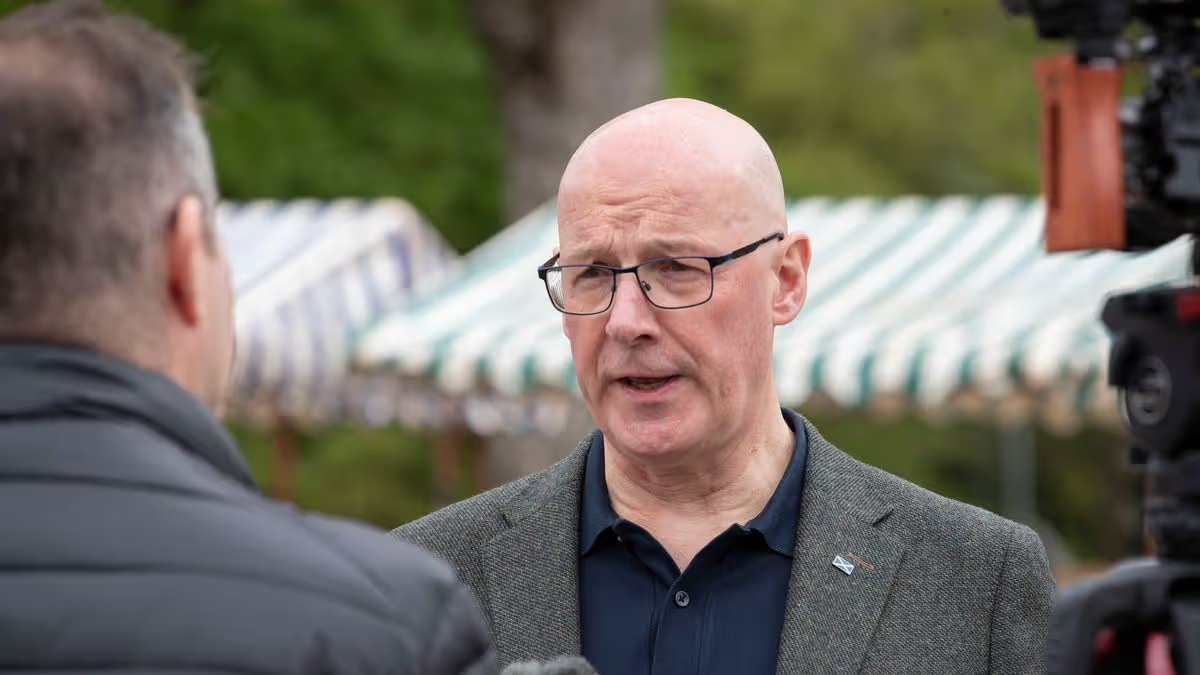
John Swinney has challenged Downing Street after the SNP won a commanding victory at the Holyrood election.
The First Minister, whose party fell short of the majority he said was needed for indyref2, said the UK Government has a “lot of listening to do” after Labour was humbled.
Labour and Reform are still battling it out for second place after Anas Sarwar’s party suffered a terrible defeat.
Advertisement
The SNP victory came after a fractious election campaign which failed to capture the public’s imagination.
Prime Minister Keir Starmer’s troubles hit Labour hard, boosted Reform and led to the SNP romping to another win.
The SNP picked up seats in Shetland and Eastwood and an overall majority was within touching distance early on Friday afternoon.
But they lost seats to the Greens in Edinburgh Central and Glasgow Southside, as well as to Labour in Na h-Eileanan and to the Lib Dems.
Advertisement
Losing Edinburgh Central meant Swinney’s cabinet colleague Angus Robertson lost his place at Holyrood.
The SNP easily won more seats than any of their rivals but failed to reach the 65 cited by Swinney as the mandate required for a second referendum.
With most of the results announced, the SNP are on 57 MSPs, while Labour and Reform are on 17 and 15 respectively.
Advertisement
The Highlands and Islands List, which is still to declare, will determine who comes second. The Greens are currently on 13 MSPs, with the Tories on 11 and the Lib Dems 9.
Swinney said: “It is now clear that the SNP has won and we have won emphatically.
“Living in a democracy is something that all of us should cherish and I would like thank everyone who voted in this election.
“Once again the people of Scotland have put their trust in us.
Advertisement
“However you voted today, I promise that I will be a First Minister for all of Scotland.
“All of us care about our country’s future.
“I give you my commitment that I will work every day to improve your life and make Scotland the nation we know it can be.”
Swinney also said he wanted a “more cooperative” relationship with the UK Government after a recent “souring”.
Advertisement
He said Labour had been “hammered” at the election and urged Starmer to learn lessons.
He said: “My message to Downing Street tonight is very, very clear. They have got a lot of listening to do.”
The vote for First Minister will take place after MSPs are sworn in later this month, with Swinney set to be re-elected to the top job.
Meanwhile, the surge for Reform UK south of the border was replicated at the Holyrood election.
Advertisement
They came second in a swathe of constituencies and racked up MSPs on the regional lists.
Scottish Labour leader Anas Sarwar, who campaigned to win the election, had a dismal night after losing to the SNP throughout the country.
He set a target of winning 38 constituencies, but only picked up Na h-Eileanan an Iar were squeezed on the regional Lists.
At the election count in Glasgow, where Sarwar was returned as a List MSP, Sarwar said:
Advertisement
“This clearly is a disappointing result for us as a Scottish Labour party. We argued the case for change….it’s an argument we lost.”
Asked if he blamed the Prime Minister, he said: “Is there a national wave though that we tried to overcome, but failed to do so? Yes.”
He was also asked if he would stay in post after leading Labour to two defeats at Holyrood elections:
“My party is hurting. We are disappointed. We advocated for change. We didn’t win that argument, but it’s my job to hold us together and that’s the job I intend to do.”
Advertisement
Scottish Labour’s defeat triggered a blame game between insiders who blasted Starmer and those who pointed the finger at Sarwar’s campaign.
Candidate Paul Sweeney said the Prime Minister needed to think “very carefully” about his position.
He said some of the UK Government decisions had been “deeply, deeply disappointing” for “core voters”.
Advertisement
But a Labour source attacked Sarwar: “Watching Anas’ campaign was like watching someone trying to carry four pints back from the bar – everyone else knew what was going to happen, but he still thought he was making it to the table.”
The Lib Dems picked up constituency wins and the Greens also powered to their best ever result at Holyrood.
Winning Edinburgh Central and Glasgow Southside was the first time the Greens won constituencies at Holyrood.
However, the Tories under Russell Findlay’s leadership had a poor night.
Advertisement
Although they held on to many of their constituencies amid an SNP onslaught, they lost a number of List seats.
Sarwar and Starmer clashed this year after the Scottish Labour leader called for the PM to quit.
The Glasgow MSP was first out the traps last night to write to party members:
“The results today are not what we wanted or worked for and I know how disappointed everyone in our movement will be this evening.
Advertisement
“We tried to make the case for change but sadly we fell short across the constituencies in which we had been fighting so hard.
“We are hurting as a Party tonight and I see it as my job now to hold us together, as we regroup and chart the course ahead.
“I still believe it falls to the Scottish Labour Party to hold the SNP to account and in time deliver the change that our communities and our country need.
“We must also continue to stand together against the poison of Reform and we will do so by staying true to our values.”
Advertisement
Forty minutes later, Starmer also wrote to members:
“This is a really tough result and a difficult day for Scottish Labour. We’ve lost brilliant Labour members of the Scottish Parliament who’ve stood up for their communities and gave so much to our party.
“Today’s results were not the ones we hoped for, but I know that was despite the effort of Scottish Labour members, who knocked on thousands of doors, speaking to voters across Scotland and taking forward our message of change. So I want to say to you, a massive thank you.
“We also owe a huge debt of gratitude to Anas for the energy he brought to the campaign. He rightly sought to focus this election on two decades of SNP failure and his vision for a better Scotland and I know he will continue making that case as we move forward from these results.
Advertisement
He added: “I know how much today hurts. As Labour Party leader and Prime Minister, I take my responsibility seriously. When Scottish voters send a message like this, it’s important to reflect and respond.
“The government I lead has always sought to deliver change to all parts of the United Kingdom. But I know people in Scotland are still deeply frustrated. They feel let down by decades of a failed status quo. And their lives aren’t changing fast enough.
“We’ve gone through a tough time as a country – we have weathered economic shocks and international conflict. People have seen incalculable damage to their communities and years of political chaos.
Although Europa Oil & Gas’ proposal to install a 125ft (38m) rig in the village of Burniston, close to the North York Moors National Park, was rejected at a meeting last month, local campaigners have warned that “the fight is not over yet”.
It comes as the oil and gas company behind the scheme has said it will lodge an appeal against the council’s refusal of its plans to explore for gas near Scarborough.
At a meeting of Frack Free Scarborough on Friday, May 8, campaigners reflected on the “really successful” rally that saw hundreds of residents, campaigners, and activists from across the country protest outside Scarborough Town Hall in April.
Anti Gas Rig Demo Scarborough Town Hall. Courtesy Numminen,, Ldrs.
The meeting was also held to consider next steps for the organisation.
Advertisement
John Atkinson, of Frack Free Scarborough, said it was “absolutely vital” to broaden the group’s campaign.
“In fact, we would like a coordinated national effort to put pressure on the government to stop the proppant squeeze loophole,” he told the Local Democracy Reporting Service (LDRS).
Europa has said there is no ‘loophole’ in the moratorium on fracking.
The proppant squeeze method has been likened to “small-scale fracking” and is allowed under current legislation.
Advertisement
Mr Atkinson said that since the rally at the planning meeting last month, Frack Free Scarborough had seen “an uptick in people joining” the group.
He added: “We need them to come out and actively oppose this. It’s fine that they show their opposition, but they’ve got to show that physically, they’ve got to come out and oppose this, and numbers really matter.”
Anti Gas Rig Demo Scarborough Town Hall. Courtesy Numminen, Ldrs.
Asked if he was optimistic about whether or not the proposal would progress, Mr Atkinson said the industry had “people lobbying at all levels”.
He added: “It’s an extremely tough fight, and it’s going to take everything we’ve got to stop this.
Advertisement
“And I think, yes, people will rise up.”
Speaking last month, Europa’s CEO, Mr Holland, said: “I’m quite confident that the grounds that it’s been rejected on, when we go to appeal, and we will appeal it, the decision will be overturned at appeal.”
North Yorkshire Council’s strategic planning committee voted to reject the application based on:
Heritage coast and landscape harm, and concerns that the temporary nature of the plan would not mitigate the harm and would be contrary to council policies
Proximity to residential properties and vibration, noise and disturbance, and 24/7 operation of the site
The site, height, and lighting would impact the scenic beauty of the North York Moors National Park
Concerns that the impact on tourism and economic benefits had not been demonstrated
Conflict with the council’s climate commitments and objectives
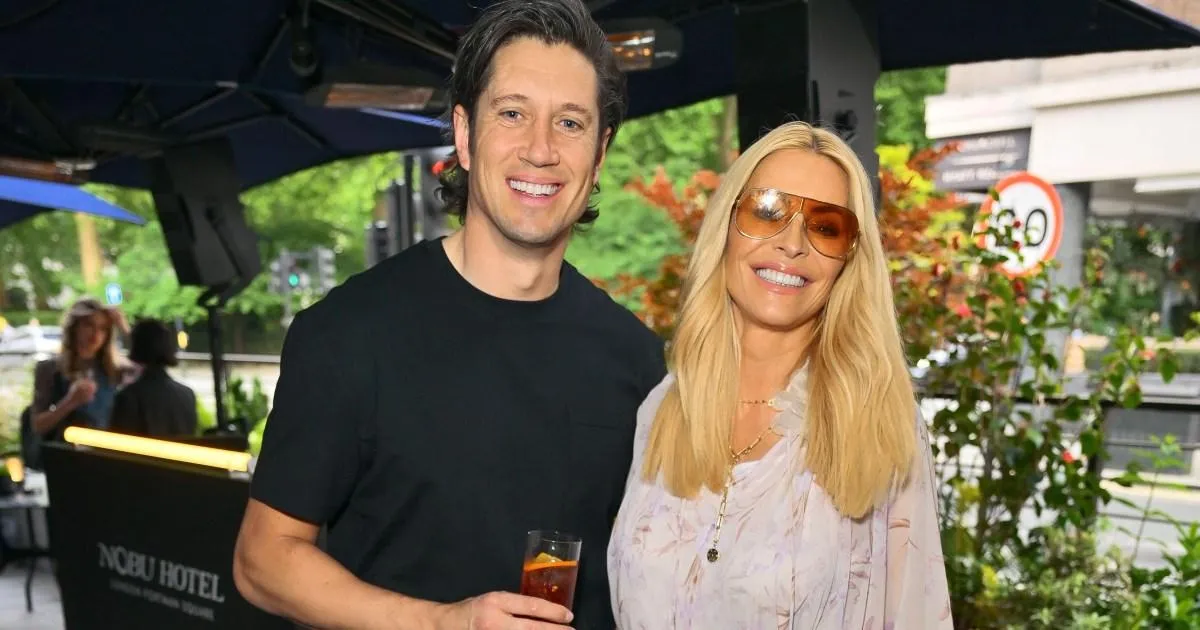
Tess, 57, and Vernon, 52, posted the news onto their Instagram stories, both writing: ‘This has not been an easy choice, but it comes from a place of mutual understanding and a shared desire for what is best for both of us.
‘We remain great friends and most importantly, fully committed to our roles as loving and supportive parents, which will always be our priority.’
The couple have been married for 23 years, meeting in 2001 and tying the knot in 2003.
Advertisement
Their relationship, however, wasn’t always plain sailing. Vernon was embroiled in a sexting scandal in 2010 that continued to haunt them later on in their marriage.
So how did one of Britain most well-known TV couples come to know each other, and what did their relationship looks like?
When did Vernon Kay and Tess Daly meet?
They began dating in 2001 (Picture: Dave Benett/Getty Images)
Vernon and Tess first met at a BBC Christmas party in 2001. On an episode of Scott Mills’ Radio 2 show, Vernon recounted how it all went down.
He recalled their relationship beginnings to the former BBC presenter: ‘Strictly Come Dancing’s Tess and I, recreated the video for Britney Spears’ Hit Me Baby One More Time. That’s how we first met,’ he began.
Tess called the beginning of their relationship ‘explosive’ (Picture: JMEnternational/Getty Images)
The Family Fortunes host continued: ‘Yeah, I was dressed…no, she was dressed as Geri Halliwell in the Spice Girls Union Jack dress; I was dressed as Britney Spears in the Hit Me Baby One More Time video school uniform. It was in a charity shop on Shepherd’s Green, Shepherd’s Bush Green.’
And he claimed that Scott played a part in their meet, too.
Advertisement
‘I think you teed it up. I think you set it up as, “Why don’t you and our new presenter, Tess Daly, go and do this?”‘ Vernon recalled.
Tess has previously spoken to The Sun about their ‘immediate’ connection. ‘I couldn’t imagine having more fun with anyone else. It was pretty explosive, I tell you,’ she shared.
When did Vernon and Tess get married?
After two years of dating, Vernon and Tess got married (Picture: Mark Campbell/REX/Shutterstock)
After just two years of dating, Vernon and Tess got married on 12 September 2003.
St Mary’s Church in Vernon’s hometown Horwich was their chosen venue, before their reception at Rivington Hall Barn. Adding some cool factor to their special day, they travelled in a VW camper van, which had the words ‘Just Married’ written on the back window. The bride wasn’t the only one in white, with Vernon also opting for a suit in the hue and a pink shirt.
After their nuptials, Vernon said he was ‘over the moon’.
Advertisement
Tess Daly and Vernon Kay’s relationship – key events
2001 – Tess and Vernon meet while Vernon is working at Channel 4 and Tess is at ITV
2002 – Vernon proposes on Christmas Day at Tess’ parents’ home
2003 – they marry at St. Mary’s Catholic Church in Vernon’s hometown, Horwich, near Bolton
2004 – first daughter Phoebe is born
Advertisement
2009 – second daughter Amber is born
2010 – Vernon admits to sending explicit messages to Page 3 model Rhian Sugden and other women for four months
2010 – a month later, Tess addresses the sexting scandal, insisting that their marriage was ‘worth fighting’ for
2013 – Vernon surprises Tess with a vow renewal in the South of France, 10 years on from their first wedding
Advertisement
2017 – Tess says their marriage is a constant ‘work in progress’
2020 – appearing on I’m A Celebrity… Get Me Out Of Here!, Vernon says his infidelity is ‘in the past’ and has been ‘forgotten about’, adding that they’ve ‘moved on’
2025 – Vernon celebrates as Tess receives her MBE in one of their final major public appearances together
February 2026 – the couple appear on screens together for the last time, co-hosting BBC’s The One Show
Advertisement
May 2026 – Tess and Vernon announce that, ‘after much consideration’, they have separated ‘amicably’
They went on to renew their vows on their 10th wedding anniversary in the South of France after Vernon arranged it as a surprise. This time, their children were present.
Advertisement
Who are Tess and Vernon’s children?
Their youngest, Amber, turned 16 last year (Picture: Instagarm/Tess Daly)
Tess and Vernon have two daughters together – Phoebe (born 2004), and Amber (born 2009), who were able to be at the second ceremony.
Speaking about how the couple like to raise them, Vernon told Daily Mail: ‘We let them be independent when it comes to their futures because it’s important that you allow them to find themselves, which is character building and personality development.
The couple’s eldest daughter posts regularly to her 24.5k followers on Instagram (Picture: Dave Benett/ Getty Images for Gin & Juice by Dre and Snoop)
‘Tess and I grew up in hearty, wholesome Northern families and that’s a huge trait that helped us in our personal development and I think that’s really important,’ he added.
What was the sexting scandal that shook their marriage?
Tess once called marriage ‘a work in progress’ (Picture: by Dave Hogan/Getty Images)
Although they shared happy times, there were also tough moments.
Vernon sent flirty messages back and forth to glamour model Rhian Sugden in 2010, leading to a public apology. At the time, he said: ‘Tess is extremely upset about this and we’re working through it. But in some ways, I’m glad this story has come out. It feels like a weight has been lifted from my shoulders.’
Speaking to The Sun he admitted he had been ‘stupid and daft’ but he was ‘not a sex pest’.
Tess Daly and Vernon Kay’s split statement in full
‘After much consideration, and with a deep sense of care and respect for one another, we have made the decision to separate amicably.
Advertisement
‘This has not been an easy choice, but it comes from a place of mutual understanding and a shared desire for what is best for both of us.
‘We remain great friends and most importantly, fully committed to our roles as loving and supportive parents, which will always be our priority.
‘There are no other parties involved in this decision.
‘We kindly ask for privacy during this time as we navigate this transition together.
Advertisement
‘We will not be making any further public comments.’
In 2016, reports claimed that Vernon was back in touch with Rhian. He addressed the rumours and say that ‘there was never any inappropriate intent to our communication.’
Advertisement
In 2017, Tess told The Times: ‘Marriage is a work in progress. Vernon and I are just people, at the end of the day.’
When were Tess and Vernon last seen together?
The couple recently did a presenting gig together (Picture: X/@bbctheoneshow)
Tess and Vernon were last seen together publicly earlier this year – in February they hosted The One Show together on the BBC.
Posting on her Instagram, Tess said: ‘An evening at @bbctheoneshow with some incredible guests.’
The pair stood smiling in a photo Tess shared with Bridgerton stars Luke Thompson and Yerin Ha, as well as Oscar winner Jessie Buckley and Maggie Gyllenhaal.
And only last month the couple were away together in the Caribbean with their daughter, Phoebe.
Advertisement
Despite not posing for photos together, Tess posted one of her eldest and Vernon sat on a swing on the beach, and Vernon posted a reel modelling Tess’ trunks from her swimwear brand Naia Beach.
Tess and Vernon’s careers
Vernon has had the same show for three years now on BBC Radio 2 (Picture: Katja Ogrin/Getty Images)
One of the things Tess and Vernon had in common was their route into show business – they both had modelling careers, before landing presenting roles.
For Vernon, it all began at the BBC Clothes Show, where he was scouted by an agency after being convinced to walk the catwalk by a friend. At the time, he was working in a DIY shop.
He made the transition from modelling to TV with Channel 5’s The Mag – a weekend compilation show targeted at young viewers. He then moved over to Channel 4’s equivalent T4 where he stayed from 200 to 2005.
It provided a launchpad for Vernon to become a game show king. All-Star Family Fortunes, Beat the Star, Splash!, Boys and Girls and Celebrities Under Pressure all make up his CV.
Advertisement
Currently, Vernon is the host of BBC Radio 2’s mid-morning show after he replaced Ken Bruce in 2023. In 2024 he presented a new ITV series, M&S: Dress the Nation, in which ten candidates competed to secure a highly coveted in-house design role, with their own bespoke collection.
The DJ has hosted the BBC Children In Need live appeal twice. ‘To help means so much to me,’ he said on The One Show after he was first announced in 2024. ‘It’s going to be emotional.’
Claudia Winkleman and Tess Daly stepped down at the end of last year from the sparkly Saturday night show (Picture: Guy Levy/BBC/PA Wire)
Meanwhile, Tess became the face of autumnal weekends with her role fronting Strictly alongside Claudia Winkleman.
She was also first scouted while out and about, but arguably at a slightly less glamorous location – outside a McDonald’s restaurant.
At the time, she was called Helen but changed her name as there was already a model with the same moniker. Now called Tess, she travelled the world, even living in Paris and New York – each for five years.
Advertisement
In the American city, she began doing red-carpet interviews after a friend suggested she would be good at it. It led to Channel 4’s The Big Breakfast in 2000, before she moved on to Smash Hits TV, SMTV Live, Back To Reality and her career-defining job, Strictly, in 2004.
The pair were hugely emotional as they said goodbye (Picture: BBC)
Last year, Tess and Claudia announced they were quitting the show.
Again, posting on Instagram Tess said: ‘After 21 wonderfully joyful years on Strictly, we have decided that the time is right to step aside and pass over the baton.’
Before they announced their separation, a source told Closer magazine earlier this week that Tess and Vernon were planning a ‘grown-up gap year’ together.
This article was originally published on October 15, 2024.
Advertisement
Got a story?
If you’ve got a celebrity story, video or pictures get in touch with the Metro.co.uk entertainment team by emailing us celebtips@metro.co.uk, calling 020 3615 2145 or by visiting our Submit Stuff page – we’d love to hear from you.
Unfortunately, she hasn’t been very lucky in love during that time – but that could be set to change.
Executive Producer Kate Brooks has revealed a brand new love interest for the soap stalwart, and he is connected to Alya Nazir (Sair Khan).
‘We have Idris. He’s Alya’s cousin. He is very, very charming. The charm oozes out of every pore of this guy,’ Kate teased.
Advertisement
‘He’s a savvy kind of business guy, he’s got a bit of a ruthless streak, he’s not ready to get his hands dirty slightly, but he can charm the birds from the trees.’
Newcomer Idris is Alya Nazir’s cousin (Picture: ITV)
Her involvement with The Institute led to the end of her relationship with childhood sweetheart Nick Tilsley (Ben Price), who broke her heart by cheating on her with sister Toyah Battersby (Georgia Taylor).
Nick and Leanne had an on-and-off relationship for decades, and were even married for some of that time.
Away from Nick, Leanne has had relationships with Peter Barlow, Jamie Baldwin and Steve McDonald (Simon Gregson), among others.
Advertisement
Leanne has been unlucky in love (Picture: ITV)
And now, it seems that Idris will be the next man to catch her eye.
‘He’s a new love interest for Leanne,’ Kate explained. ‘The attraction is instantaneous. It gives Leanne a new lease of life.
‘She’s been harbouring a deep-rooted resentment towards Toyah and Nick, because that’s the life she had. And this guy comes along, he’s got it all, he makes her laugh. He’s funny, he’s a handsome chap, and he ruffles a lot of feathers, but he’s not without an edge. He’s not soft, and he’s certainly no pushover. ‘
Don’t miss a Soaps scoop! Add us as a Preferred Source
As a loyal Metro Soaps reader, we want to make sure you never miss our articles when searching for stories. We have all the latest soaps news, spoilers, videos, and interviews, with a vibrant community of highly engaged readers.
Click the button below and tick Metro.co.uk to ensure you see stories from us first in Google Search.
A Georgia high school teacher is facing multiple charges after she allegedly had sex with a student on campus, authorities say.
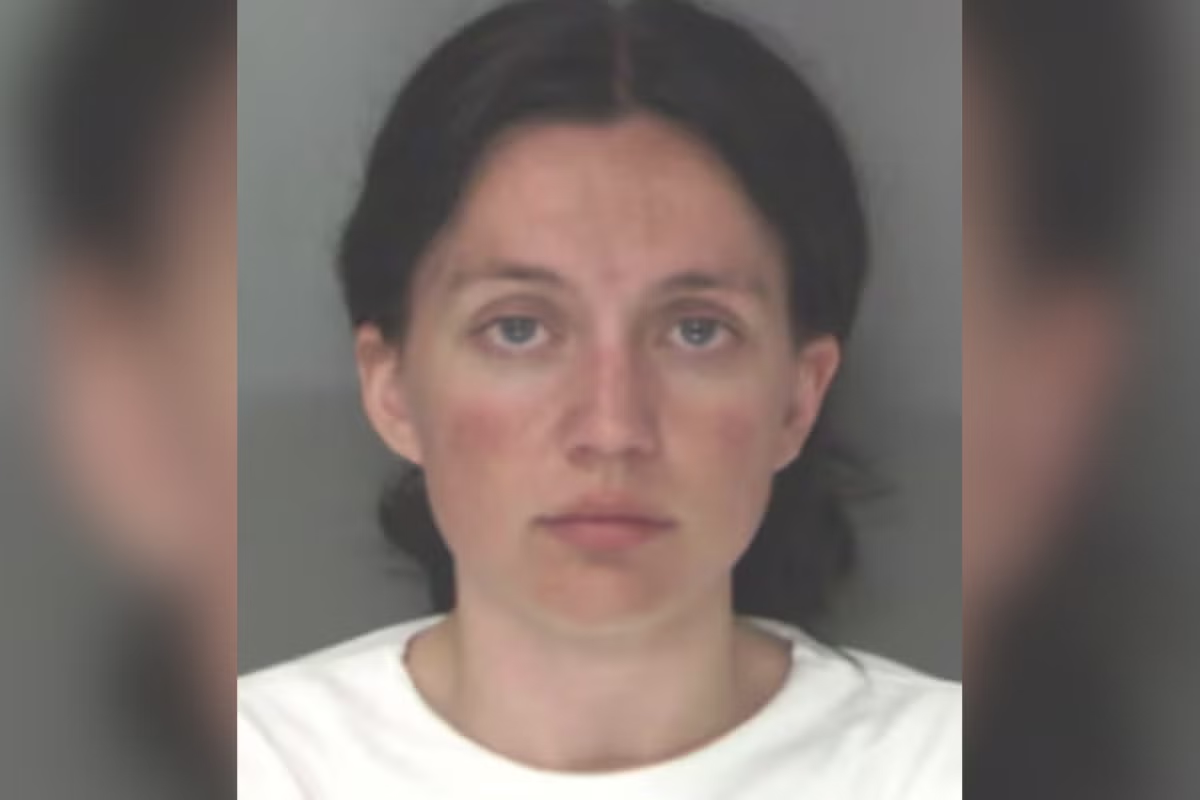
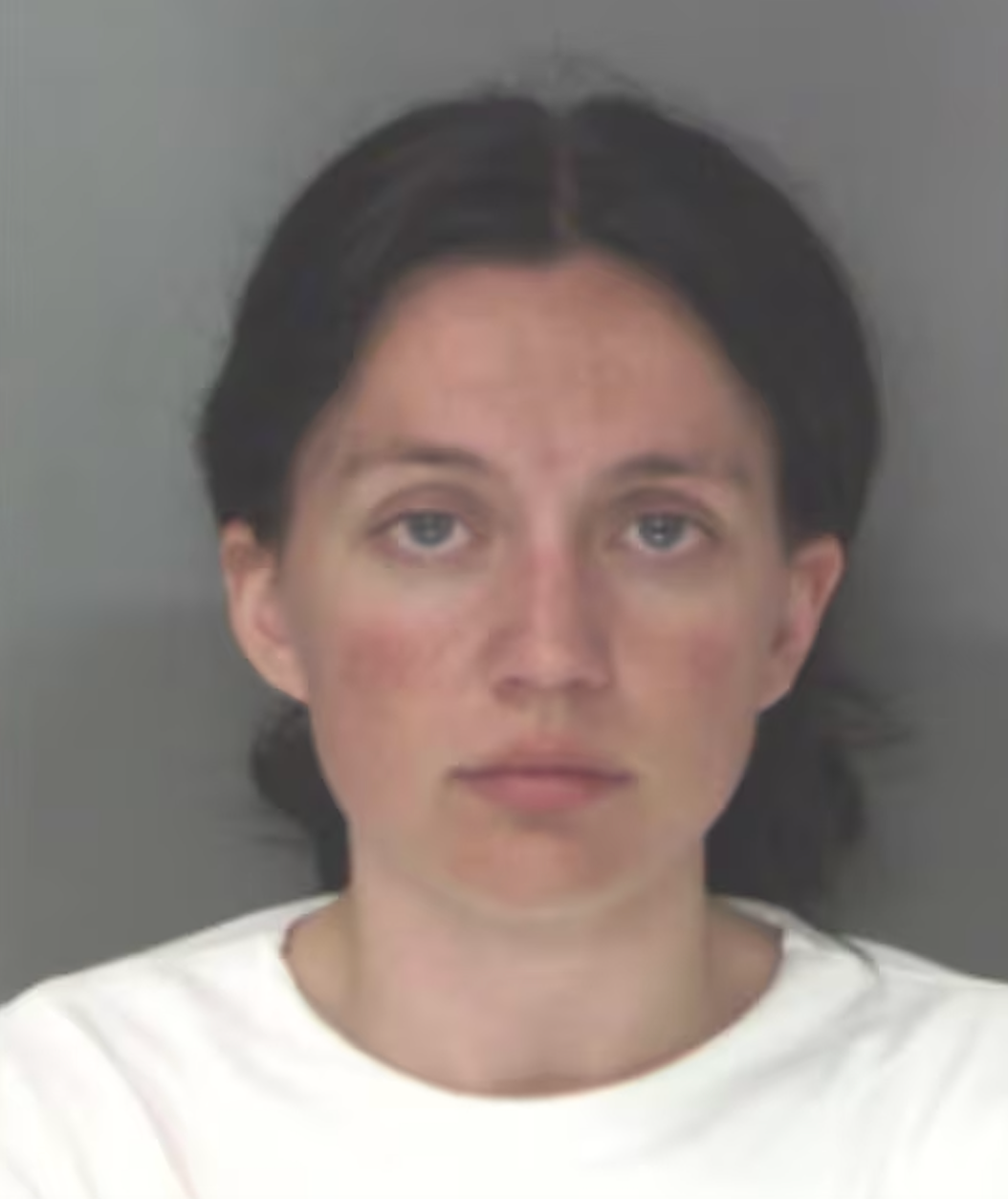
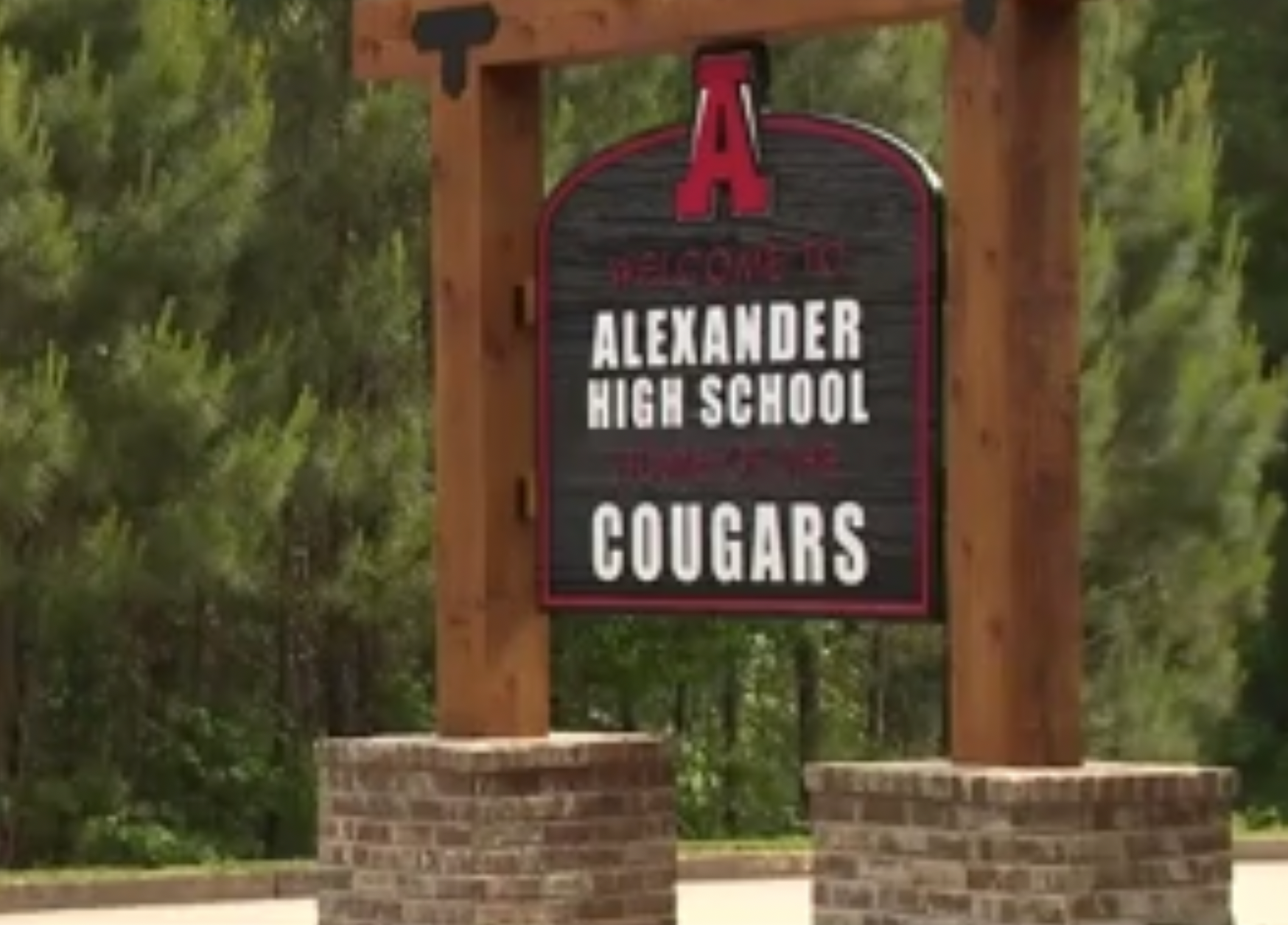
Maris Nichols, 25, a biology teacher at Alexander High School in Douglas County, was arrested Friday and charged with two counts of sexual assault by a person with supervisory or disciplinary authority, according to the Douglas County Sheriff’s Office.
Investigators say Nichols had sexual intercourse with the same student on at least two separate occasions, according to arrest warrants obtained by 11Alive.
The first encounter allegedly happened on April 23 in a closet between classrooms at Alexander High School.
Advertisement
The second allegedly took place on May 2 inside a Hummer parked in a driveway in Douglasville.
Maris Nichols, a teacher at Alexander High School is behind bars facing multiple counts of sexual assault (Douglas County Sheriff’s Office)
The warrants describe Nichols as “having supervisory/disciplinary authority over” the student and being “a person in a position of trust.”
Authorities alerted parents about the situation on Thursday. Nichols’ profile appeared to have been removed from the school’s website.
In a statement, the school district said it is “deeply troubled” by the allegations.
“Upon learning of the alleged misconduct, the district immediately launched an investigation. Student safety is the district’s highest priority. The alleged behavior is unacceptable and violates the professional standards all employees are required to uphold,” the district said.
Advertisement
Arrest warrants allege that the teacher had sex with one of her students twice, including one time on Alexander High School campus and a second time in a Hummer off campus (FOX5)
“The Douglas County School System will continue to cooperate fully with state and local law enforcement,” the statement continued. “The district cannot provide additional information regarding the allegations. Any further inquiries should be directed to the Douglas County Sheriff’s Office.”
The district has not said whether Nichols remains employed or will face disciplinary action as the investigation continues.
Nichols appeared in court via video on Friday. Her bond was set at $40,000 and she was booked in the Douglas County Jail.
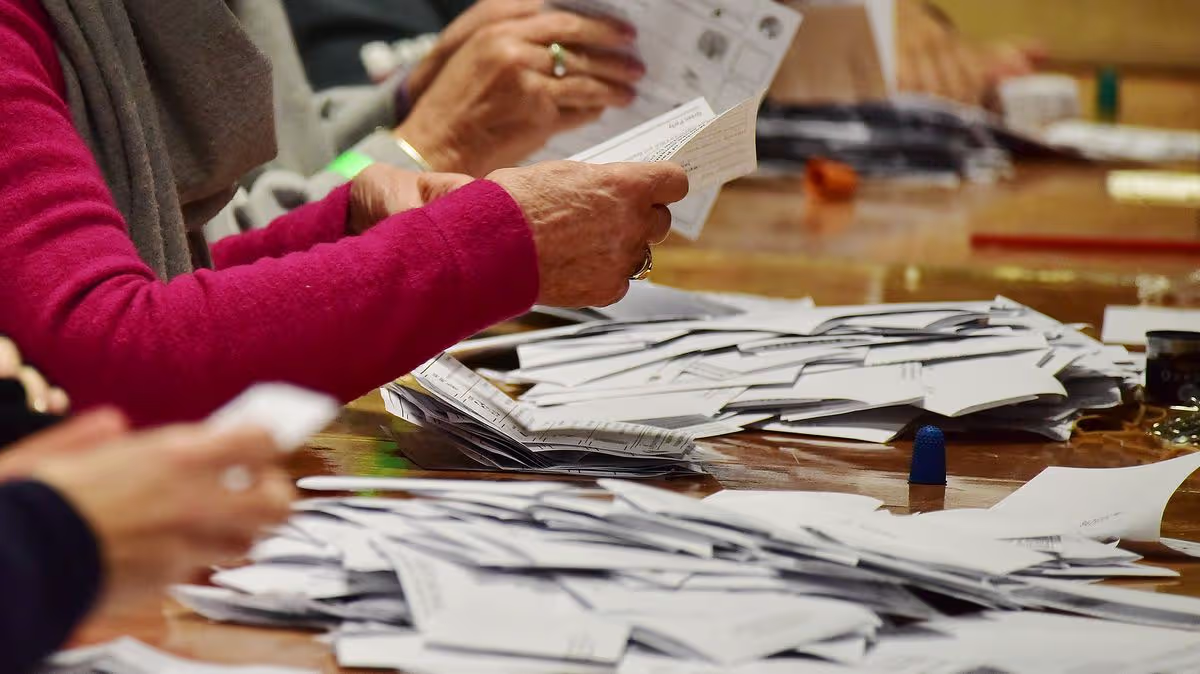
Voters in Sutton in London have had their say in the 2026local elections.
Seats on Sutton London Borough Council were up for election in the wards of Beddington, Belmont, Carshalton Central, Carshalton South & Clockhouse, Cheam, North Cheam, South Beddington & Roundshaw, St Helier West, Sutton Central, Sutton North, Sutton South, Sutton West & East Cheam, The Wrythe, Wallington North, and Wallington South, Hackbridge, St Helier East, Stonecot, Worcester Park North, and Worcester Park South.
All 55 seats on Sutton London Borough Council were up for grabs, with each ward represented by either two or three councillors.
Advertisement
Before the 2026 election, the London borough council was run by the Liberal Democrats, who had 29 seats.
Councillors have been elected in all 32 London boroughs, with a total of 1,817 seats up for grabs. London borough elections take place every four years.
Polls closed at 10pm on Thursday, May 7, with the count taking place overnight. Results for the Sutton local elections are due from 4.30am on Friday.
In total, more than 5,000 council seats were up for grabs across 136 local authorities in England on election day. Mayoral elections also took place in six areas.
Advertisement
Below you can see the full results for every seat up for election in Sutton. You can select your ward from the drop-down list.
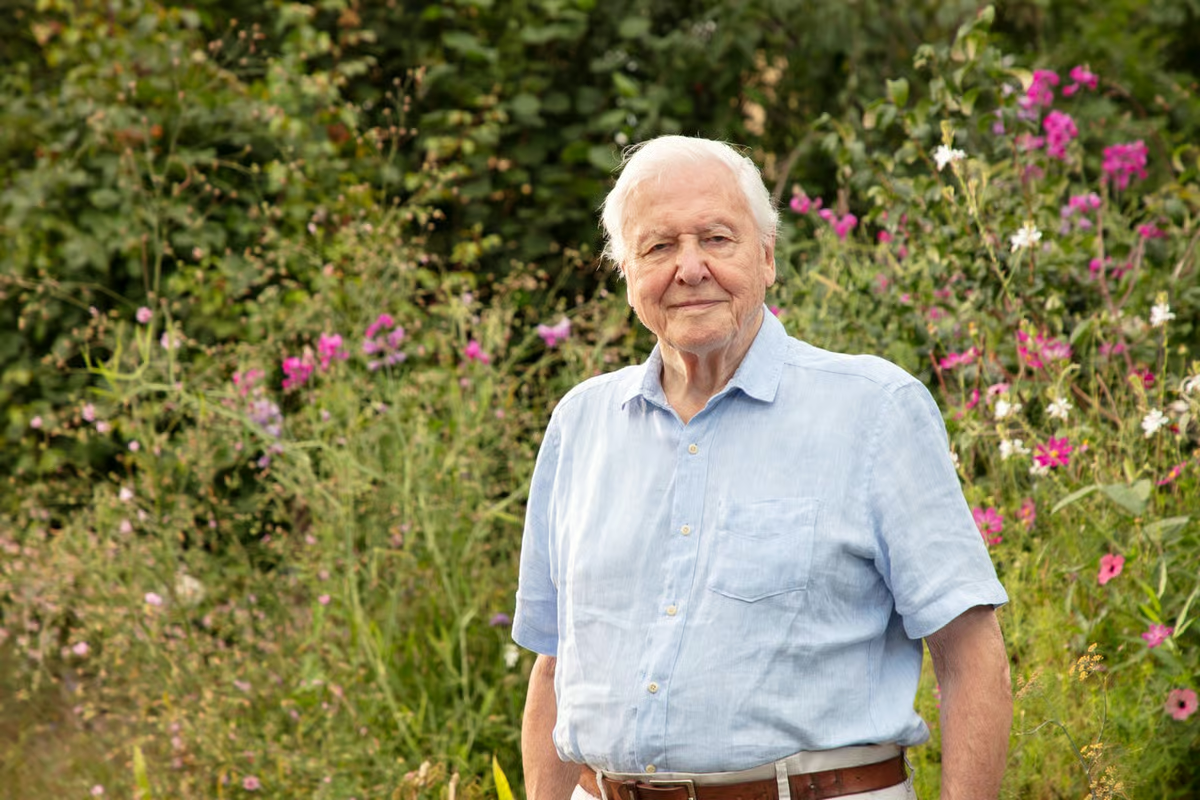
Speaking before the event, Monty Python star Sir Michael told the Press Association: “David, I think, is the most influential person in my life. Not just because of his programmes, and the nature of his programmes, and the messages he sends out about the state of the world, but the way he does it.
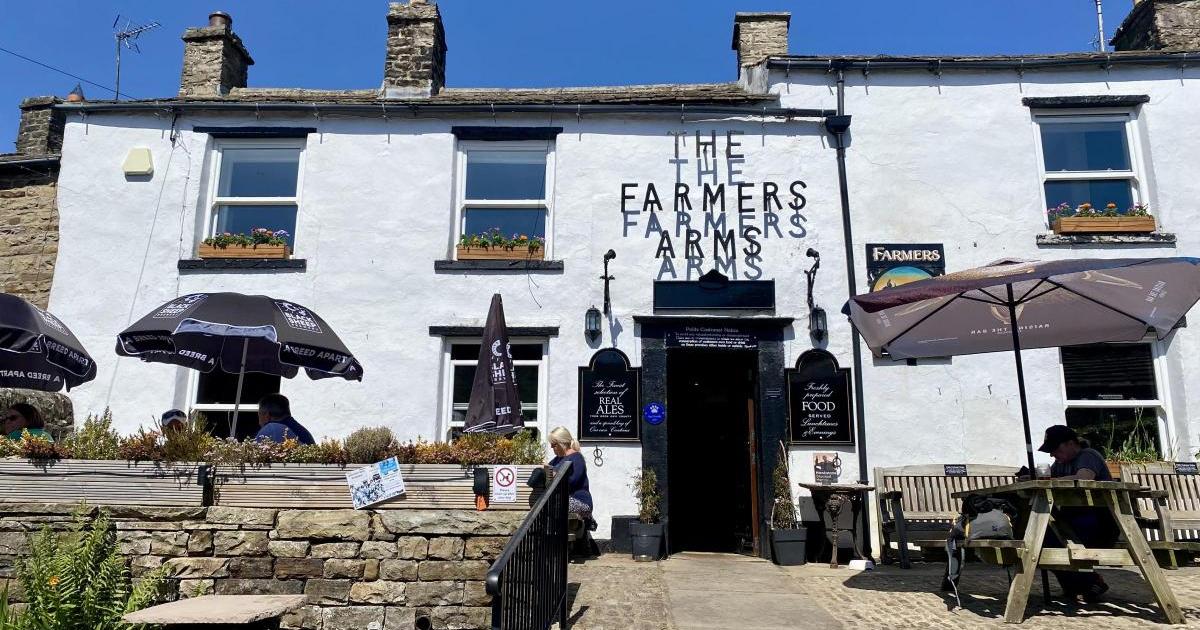
Prince William stopped for lunch at The Farmers Arms in Muker on Tuesday (May 5), where he was served a hearty plate of chicken and ham pie, chips, mushy peas and gravy.
The community-owned pub shared the moment online, saying the dish had received the “royal seal of approval” during what they described as an “incredible day” in Swaledale.
The full post from the pub read: “What an incredible day here in Swaledale!
“The team at the Farmers Arms were honoured to host HRH Prince William for lunch during his visit to Swaledale.
Advertisement
“He enjoyed a hearty lunch of chicken and ham pie, chips, mushy peas and gravy, which got the royal seal of approval.
“It’s certainly a day we will never forget!”
The meal is a familiar choice for regulars at the popular village pub, which has built a strong reputation for its traditional food and generous portions.
Advertisement
Visitors frequently praise the pies in particular, with one recent guest saying on TripAdvisor: “Food was excellent, we had the pies, the chips were great with a side of mushy peas.”
Another reviewer described the pub’s steak and ale pie as “top drawer”, while others highlight the Sunday roasts, noting “thick cuts of meat” and “lots of veg” as standout features.
Set in the heart of Muker in the Yorkshire Dales National Park, The Farmers Arms has become a go-to stop for walkers and tourists exploring Swaledale.
Since being bought by the community in 2024, it has continued to thrive as a hub for both locals and visitors, with many praising its friendly atmosphere.
Advertisement
The Prince of Wales meeting well wishers during a visit to the River Bain Hydro plant, a community-owned hydroelectric power station, in the village of Bainbridge in North Yorkshire (Image: Owen Humphreys/PA)
“It’s a fantastic local pub,” one reviewer said, adding that there was “hardly a seat to spare” during their visit.
Another described it as offering “a slice of the Dales with good food, beer, dogs and helpful staff.”
The atmosphere is often highlighted alongside the food, with guests mentioning the warm welcome and cosy setting. One visitor who stopped by after a winter walk said the pub was “warm and beautifully lit” with “exceptional service”.
While the Prince’s visit may have brought a fresh spotlight, regulars say the pub has long been one of the area’s highlights.
Advertisement
“Nothing but praise,” one customer wrote after a recent meal, adding that they would “travel the miles” to return.
Now, with a royal endorsement to its name, the dish enjoyed by Prince William is likely to be in even higher demand.
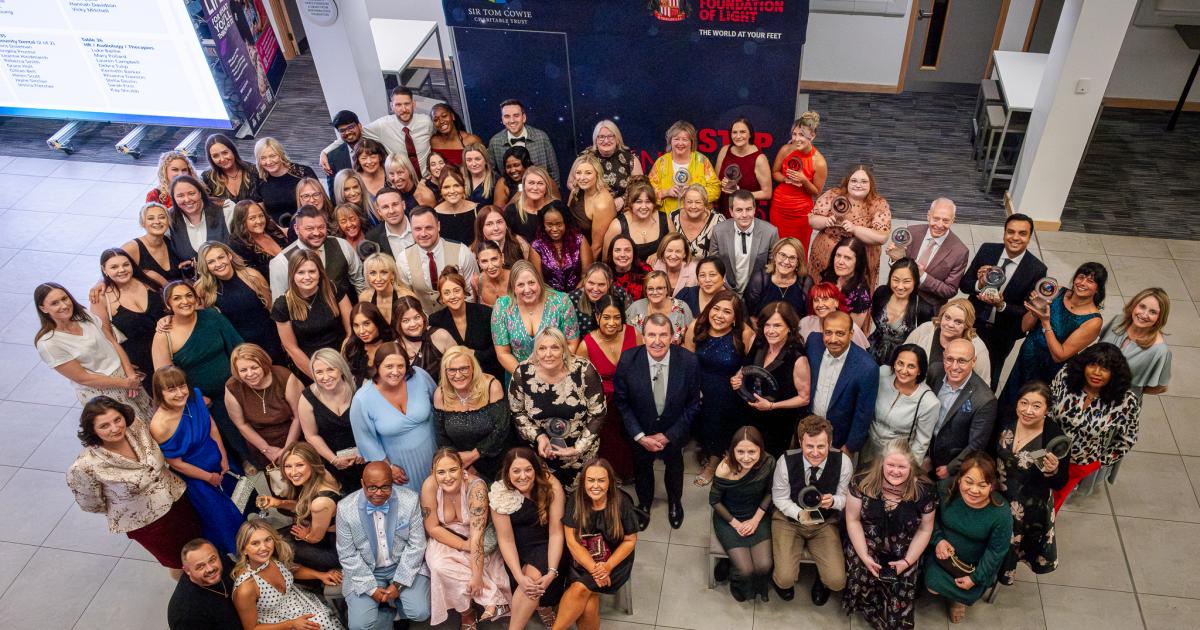
The South Tyneside and Sunderland NHS Foundation Trust (STSFT) held its fourth annual Staff Recognition Awards to celebrate staff who “go above and beyond” to support the Trust’s vision of “Excellence in all that we do.”
Nominations were made by colleagues from across the trust, covering teams and individuals working in community services, hospitals and support roles.
Ken Bremner MBE, chief executive of STSFT, said: “Each year, our Staff Recognition Awards provide a powerful reminder of the incredible people who make up our Trust.
Advertisement
“The quality and volume of nominations reflect the dedication, compassion and professionalism shown by colleagues every single day.
“We saw outstanding examples of people going above and beyond for patients, supporting one another as teams, and living our values in everything they do.
“While these awards recognise just a snapshot of the amazing work taking place across our services, they give us a vital opportunity to pause, say thank you, and celebrate those who are making a real difference for our communities.”
This year’s event received more than 450 nominations across 16 categories, highlighting excellence in patient care, leadership, innovation, and sustainability.
Advertisement
The nominations also highlighted unsung heroes and those whose careers have been dedicated to helping others, including recipients of the Lifetime Achievement Award.
The ceremony was held at the Beacon of Light in Sunderland.
Mr Bremner said: “On behalf of our governors, board and executive team, I would like to congratulate all those who were nominated and recognised this year, and thank everyone involved in making the evening such a memorable celebration.”
The awards night was made possible thanks to support from sponsors including the trust’s own STS Charity, NHS Professionals, Spark TSL, Trustmarque, Health Innovation North East and north Cumbria, DAC Beachcroft, National Institute for Health and Care Research, and Serve and Protect.
Advertisement
Additional backing came from Choice, the trust’s wholly-owned subsidiary for estates and facilities services.
The event not only celebrated individual achievement but also reinforced the importance of teamwork and shared values across the trust.
It served as an opportunity to formally thank staff who contribute daily to improving patient experiences and delivering high-quality care throughout the region.










































You must be logged in to post a comment Login