

Business
Australian Investors Shift Cash to Traditional Safe Haven as Middle East Tensions Arise


SYDNEY — With escalating U.S.-Iran tensions threatening to disrupt 20% of global oil supply through the Strait of Hormuz, Australian investors are increasingly favoring physical gold and gold mining stocks over Bitcoin as a store of value, according to market participants and fund flow data on Tuesday, March 24, 2026.

Gold prices stabilized around $4,360 per ounce after sharp declines earlier in the week, while Bitcoin traded near $70,000, showing resilience but failing to deliver the classic “digital gold” safe-haven performance many had anticipated. The divergence highlights a broader reassessment among retail and institutional investors Down Under, where superannuation funds and self-managed accounts grapple with geopolitical risk, sticky inflation and higher-for-longer interest rates.
The conflict intensified after U.S. and Israeli strikes on Iranian targets in late February, prompting Tehran to restrict shipping in the Strait of Hormuz. Oil prices surged above $100 a barrel at times, fueling inflation fears that have weighed on both assets but hit gold particularly hard in recent sessions. Australian gold miners on the S&P/ASX 200, such as Northern Star Resources and Evolution Mining, rebounded modestly Tuesday as the benchmark index edged higher, reflecting selective buying in the resources sector.
Gold, long viewed as the ultimate crisis hedge, initially spiked above $5,000 per ounce in early March amid fears of prolonged disruption but has since erased much of its 2026 gains. Spot prices hovered near $4,360-$4,394 in futures trading, down significantly from February peaks. The metal’s recent weakness stems from a stronger U.S. dollar, elevated real yields and profit-taking as diplomatic talks offered a sliver of hope for de-escalation.
Bitcoin, meanwhile, has held relatively steady around $69,000-$71,000 despite the turmoil. Some analysts noted the cryptocurrency outperformed gold in the initial phase of the conflict, gaining roughly 10% while bullion retreated. Proponents argue its decentralized nature and 24/7 trading make it a modern alternative during periods when traditional markets face liquidity constraints. Yet its correlation with risk assets, including equities and oil, has limited its safe-haven credentials this time.
In Australia, the choice between the two assets carries unique local considerations. The Australian dollar has weakened against the greenback amid global uncertainty, boosting the local-currency value of gold for domestic holders. Gold mining stocks listed on the ASX, including Northern Star, Newmont’s local shares and Evolution Mining, have seen volatile swings but attracted bargain hunters Tuesday as the broader index recovered slightly.
Superannuation funds and exchange-traded products provide easy exposure. Australian Bitcoin ETFs, such as VanEck Bitcoin ETF (VBTC) and others, have experienced mixed flows in 2026. While U.S. spot Bitcoin ETFs recorded billions in inflows recently, Australian crypto products saw inflows halve in late 2025 and early 2026 amid price corrections. Gold-focused ETFs and physical bullion dealers, by contrast, reported steady demand from conservative investors seeking tangible protection.
Financial advisers in Sydney and Melbourne say retail clients are split. Younger, tech-savvy investors with higher risk tolerance continue allocating to Bitcoin via ETFs or direct holdings, viewing it as “digital gold” with growth potential. Older or more conservative savers, particularly those nearing retirement, are rotating toward gold or gold miners, citing its 5,000-year history as a crisis asset and its lack of counterparty risk.
“Geopolitical shocks like the Hormuz situation remind investors that Bitcoin still moves with equities and liquidity conditions,” said one Melbourne-based wealth manager who declined to be named. “Gold may not always rally immediately, but it has never gone to zero.”
Institutional data underscores the nuance. Australian Bitcoin ETFs managed several hundred million in assets as of early 2026, with flows turning positive in March on U.S. momentum but remaining sensitive to local sentiment. Gold exposure through ASX-listed miners and ETFs has been more stable, though recent price action in bullion caused temporary weakness in mining shares.
The Reserve Bank of Australia’s monetary policy adds another layer. With inflation concerns amplified by energy prices, markets have pushed back expectations for rate cuts. Higher rates increase the opportunity cost of holding non-yielding gold, yet they also support the currency and can indirectly benefit resource exporters. Bitcoin, often treated as a growth asset, suffers when liquidity tightens.
Tax and regulatory differences matter too. Capital gains tax applies to both assets in Australia, but gold bullion held physically can qualify for certain concessions in some structures, while crypto remains fully taxable with added complexity around record-keeping. Self-managed super funds have increased allocations to both, but compliance and custody requirements differ sharply.
Looking ahead, analysts debate which asset is better positioned. Gold could regain luster if Hormuz disruptions persist and inflation expectations climb further. Central banks worldwide, including those in Asia, continue buying physical gold, providing structural support. Bitcoin’s fate hinges on institutional adoption via ETFs, corporate treasury interest and eventual regulatory clarity in major jurisdictions.
For now, the data shows a cautious tilt toward gold among Australian investors facing genuine supply shock risks. ASX gold stocks posted gains Tuesday even as the broader market remained tentative, while Bitcoin traded in a relatively narrow range.
The debate between gold and Bitcoin is unlikely to resolve quickly. Both assets have proponents who see them as hedges against fiat currency debasement and geopolitical instability. In the current environment of oil-driven inflation fears and delayed rate relief, however, many Australian portfolios are quietly adding more physical or equity exposure to the yellow metal while trimming or holding steady on cryptocurrency positions.
As the situation in the Middle East evolves, with President Donald Trump extending deadlines for potential strikes and Iran maintaining its stance on the strait, investors will continue weighing timeless reliability against technological disruption. For Australians, whose economy remains tied to commodities, the traditional choice appears to be regaining favor — at least until the next chapter in the crisis unfolds.



UK deploys warship to Middle East with eye on potential Hormuz mission

For seven years, Barry Honig’s name was dragged through the mud by short sellers who called the companies he backed frauds, scams, and stock schemes.
The media repeated those claims without question. Now the U.S. government has confirmed what Honig always said: it was a coordinated lie.
What Is a ‘Short-and-Distort’ Scheme?
Most people have heard of ‘pump and dump’ — where someone hypes a stock to drive the price up, then sells. A ‘short-and-distort’ is the opposite. Short sellers bet that a stock will fall, then deliberately spread false negative information to make that happen. It’s illegal. And it’s exactly what the SEC and DOJ found was happening.
What Exactly Did the Government Find?
In June 2024, the SEC charged Anson Funds Management — a $2.9 billion hedge fund — with running a secret scheme from 2018 to 2023. Here’s how it worked, in plain terms:
- Anson would quietly ‘short’ a company’s stock — meaning they placed bets that the stock would fall.
- They then paid Andrew Left of Citron Research to publish false, alarming reports about those same companies.
- Left would blast these reports out to hundreds of thousands of followers on Twitter, CNBC, and his website — calling companies ‘fraud,’ ‘scam,’ or ‘dead.’
- Investors panicked, sold their shares, the stock crashed, and Anson collected its profits.
- To hide the payments to Left, Anson funneled the money through a third party called Falcon Research, using fake invoices for ‘research services’ that were never actually performed.
PolarityTE: A Real Company Destroyed by Lies
One of the targets was PolarityTE — a biotech company that had developed SkinTE, a revolutionary product that used a patient’s own skin to heal wounds. Barry Honig and his family entities were the second-largest shareholders, owning nearly 10% of the company.
In June 2018, Citron Research published a report with a headline screaming ‘FRAUD’ in all capitals. The report claimed PolarityTE’s patent was dead — that the USPTO had permanently rejected it and the company had hidden the news.
Both claims were false.
A USPTO ‘final rejection’ is a technical term — it’s a step in the process, not the end of the road. Applicants who continue forward receive a patent roughly 70% of the time. PolarityTE did exactly that, and in February 2021, the USPTO granted the patent. The company was never hiding anything — the patent process simply wasn’t over.
The false narrative about PolarityTE’s patents was demonstrably false — demonstrated by the USPTO allowing its patent, and the class action lawsuit ultimately was dismissed. — Honig v. Anson Funds, First Amended Complaint
But the damage was already done. The stock crashed over 40% on the day of the first attack. Institutional investors fled. PolarityTE lost its financing, declared bankruptcy in 2023, and its shares went to zero. Honig and his family lost millions.
7 Years of Fake News — Now Confirmed
For years, Barry Honig’s name appeared in articles that treated short-seller reports as gospel truth. Those reports called him a ‘stock promoter’ for ‘failed companies’ — language Citron used to smear anyone connected to its targets. The media amplified the attacks without checking whether the underlying claims were true.
As the new lawsuit filed in May 2026 states, the defendants ‘made false and disparaging statements about PolarityTE and Plaintiffs’ business… with knowledge that they were false or with no reasonable grounds for believing them to be true.’
Honig’s RIOT Blockchain investment — another Citron target — was cleared by the SEC in 2020. RIOT Platforms today is worth billions. MARA Holdings, another company Honig helped build, is also a multi-billion dollar enterprise. The ‘frauds’ turned out to be real companies.
Now It’s Left Who Faces Justice
In July 2024, the Department of Justice indicted Andrew Left on 19 criminal counts — including securities fraud and lying to federal investigators. He faces up to 365 years in prison. His trial is currently scheduled for 2026.
The indictment describes the scheme in detail, including a ‘Hedge Fund A’ that secretly paid Left through a third-party intermediary — matching precisely what the SEC found about Anson Funds.
Ryan Choi, Left’s partner who executed trades at Citron Capital, settled with the SEC and paid over $1.8 million. Anson itself paid $2.25 million in penalties. Hindenburg Research — another short seller connected to the broader network — shut down while investigations were ongoing.
The Bottom Line
Barry Honig didn’t need to wait for a trial to be vindicated. The SEC already confirmed the scheme was real. The DOJ already confirmed PolarityTE was a named target. The patent was already granted. The class action lawsuit was already dismissed.
What took seven years wasn’t the truth — it was the government catching up to it.
The Andrew Left trial may finally put a face and a prison sentence on what was done. But the record is already clear: Barry Honig was the victim of a coordinated, government-confirmed fake news campaign — and the perpetrators are now the ones facing accountability.

Buying a used car can look simple at first, but what you cannot see in plain sight often matters the most.
A vehicle may appear clean, well-maintained, and fairly priced, yet still carry a hidden past that affects its safety, value, and insurance cost. One of the most important things every buyer should understand is whether the car has ever been declared a write-off.
This is where proper vehicle history awareness becomes essential. Services from The Auto Experts help buyers and sellers understand a car’s background clearly so decisions are based on facts rather than assumptions. A quick check can reveal whether a vehicle has been involved in serious damage, repaired, or returned to the road after being classified as a total loss.
Understanding write-off status is not just about avoiding bad deals. It is about protecting your money and ensuring the vehicle you choose is safe to drive.
What Does DVLA Car Written Off Status Really Mean?
When a vehicle is described as a dvla car written off, it means an insurance company has decided the repair costs are higher than the vehicle’s market value. In many cases, insurers classify the car as a total loss because repairing it is no longer financially practical.
However, not every write-off involves severe damage. Some vehicles may have experienced structural issues after a major accident, while others may only have minor cosmetic or non-structural damage. Insurance companies use different categories to identify the severity of the damage and whether the vehicle can safely return to the road after repairs.
For used car buyers, this can create a major challenge. A repaired write-off may look perfectly fine from the outside, making it difficult to identify hidden history through a simple inspection alone. Without checking the vehicle’s records properly, buyers may unknowingly pay full market value for a car with a significant accident history.
That is why completing a proper vehicle history check before purchasing any used car is so important. Reviewing an insurance write off check through The Auto Experts can help buyers confirm whether a car has previously been declared a write-off and understand the type of damage recorded against it. This gives greater confidence when making a purchase decision and helps avoid unexpected risks later.
Why a Write Off Check Is Essential for Used Car Buyers
A write off check is one of the most important steps in the used car buying process because it reveals details that are not always visible during a physical inspection. A car might look well repaired, freshly painted, or even recently serviced, but its past could include serious damage that affects long-term reliability.
For example, a vehicle that has been involved in a major accident may have had structural repairs that are not immediately obvious. Even if the car drives normally, hidden issues can surface later in the form of alignment problems, electrical faults, or reduced safety performance.
This is why relying only on appearance or seller claims is risky. A proper vehicle history check helps you understand the real background of the car, including whether it has been repaired after significant damage or declared a total loss at any point.
The Auto Experts platform is designed to make this process simple and transparent, giving buyers access to reliable vehicle history insights that support smarter decisions. Instead of guessing, you get clear information that helps you avoid unnecessary risk.
You can also explore more about vehicle background checks and ownership insights directly at The Auto Experts.
This helps you stay informed not just about write-offs but also other important vehicle history factors that affect value and safety.
Why Write-Off History Matters More Than Ever in Today’s Market
The used car market has become increasingly competitive, and prices continue to fluctuate. In this environment, buyers are often under pressure to make quick decisions. Unfortunately, this also increases the chances of missing important history details.
A vehicle that has been previously declared a write-off may still be legally roadworthy after repair, but its value will almost always be lower than a similar car with a clean history. Without proper verification, buyers risk paying full price for a vehicle that should be valued significantly lower.
This is where understanding both dvla car written off status and complete vehicle history becomes critical. It helps buyers negotiate better prices and avoid unexpected repair costs later.
Sellers are not always required to highlight every detail, especially in private sales, which makes independent checks even more important. Having access to accurate historical data ensures transparency and builds trust between buyers and sellers.
Platforms like The Auto Experts play an important role in making this information accessible in a simple format. Instead of dealing with complicated records or unclear reports, buyers get a clear picture of what the vehicle has been through.
Final Thoughts
A used car purchase should always be based on clarity, not assumptions. Understanding whether a vehicle has been through a write-off situation can significantly impact your decision, both financially and in terms of safety.
A proper write off check helps you avoid hidden risks, while a detailed vehicle history check ensures you are aware of any serious past incidents. Combined with reliable vehicle history insights from The Auto Experts, you gain confidence in every purchase you make.
Before committing to any used car, always take a moment to understand its background. A few minutes of checking can save you from long-term issues and unexpected costs.
FAQs
- What does a DVLA car written off status indicate?
It means the vehicle was previously declared a total loss by an insurer due to damage that was too expensive to repair. - Can a written-off car be driven again?
Yes, some write-off categories allow cars to be repaired and returned to the road, but they may still have reduced value and risk factors. - Why is a write off check important before buying a used car?
It helps reveal hidden accident history, ensures fair pricing, and protects you from buying a vehicle with serious past damage.

Adults in the United Kingdom are far more willing to save than invest when it comes to managing their wealth, but what’s driving our preferences? And why are we more wary of stocks and shares than our American cousins?
According to data compiled by Dr Sam Pybis, Senior Lecturer in Economics at Manchester Metropolitan University, only 23% of individuals in the UK have invested in the stock market, excluding workplace pensions.
This represents a significant shortfall compared to the other side of the Atlantic Ocean, where almost two-thirds of adults in the US have made investments.
Interestingly, the findings have shown that American consumers are generally more willing to take financial risks, which is a major contrast to their UK counterparts.
Risk Plays a Major Role
The risks associated with investing have reentered the spotlight recently after Chancellor Rachel Reeves opted to cut the tax-free annual allowance for savings-focused Cash ISAs to £12,000 while keeping Stocks and Shares ISA allowances at £20,000.
As speculation over the future of Cash ISAs was mounting, a YouGov poll found that just 31% of UK residents were ‘willing’ to invest in Stocks and Shares ISAs instead, with an overwhelming majority citing risk as their primary concern.
Of those surveyed, 65% of respondents claimed that investing was ‘too risky’ compared to saving, while 5% believed that Cash ISAs were more likely to generate a good return.
Is Saving More Reliable?
Are UK savers justified in their risk aversion when it comes to investing? The answer depends on your risk tolerance.
According to Unbiased data, the last 10 years have seen fixed-rate Cash ISA returns generate 1.21% annually on average. In contrast, Stocks and Shares ISAs have returned 9.64% each year.
However, it’s important to note that past performance never guarantees future results. There are plenty of cases of Cash ISAs outperforming Stocks and Shares ISAs over time, and the recent surge in both the S&P 500 and FTSE 100, driven partly by the ongoing artificial intelligence boom, has contributed to the higher returns enjoyed by investors of late.
During periods of stock market volatility, saving can be a strong hedge against dwindling equities.
Thanks to a combination of higher interest rates and stock market sell-offs, UK residents who tend to save have enjoyed many periods where their savings have outperformed investments.
Moneyfacts data shows that the average Cash ISA rate returned 1.71% between February 2023 and February 2024, while Stocks and Shares ISAs made a loss of 3.27% over the same period.
While there’s no definitive right or wrong answer about which approach to wealth management is most effective, it’s clear that risks can certainly leave investors with periods of time where their portfolios lose money, even if history shows well-selected stocks and shares generally grow substantially over time.
Saving Isn’t Always Risk-Free
It’s also important to highlight that opting for saving rather than investing doesn’t come without its own risks.
If you opt to open a savings account, you can still make a loss in real terms if your rate of return fails to surpass the rate of inflation.
When inflation rises above the AER offered by your savings account provider, the cost of living will rise faster than you can grow your wealth, meaning that your spending power is still weakening.
With this in mind, savers must keep an eye on the rates that providers offer them and assess whether they still reflect their financial goals even when accounting for the rising cost of living through inflation rates and forecasts.
What are the Best Ways to Save?
There are plenty of ways to open fixed-rate savings accounts that can help to grow your wealth more effectively.
One of the best and most tax-efficient ways to save is to open a Cash ISA. The biggest advantage of Cash ISAs is that they are a tax-free wrapper, meaning that all the money you make with your account can be accessed without incurring any income tax.
Each tax year, you can deposit up to £20,000 in your Cash ISA, every tax year, while safe in the knowledge that none of your earnings will fall into the hands of the taxman. However, it’s also important to keep in mind that this £20,000 allowance will fall to £12,000 beginning in April 2027.
Making the Most of Your Savings
Opting to save rather than invest is a great way to generate predictable returns on your deposits, paving the way for a low-risk approach to building your wealth over time.
Although it’s important to keep factors like inflation rates in mind, saving is a great way to more effectively look after your money over time, and Cash ISAs open the door to tax-efficient earnings, which can make a huge difference over time thanks to the power of compounded interest.
The UK may be a nation of savers, but this approach holds plenty of long-term value for individuals, with more residents able to relax safe in the knowledge that their funds are well-protected against risk.

As families across the United States prepare to celebrate Mother’s Day on Sunday, May 10, 2026, the annual holiday continues to evolve while staying rooted in gratitude, love and appreciation for the women who shape our lives. What began as a personal tribute has grown into a major cultural tradition filled with flowers, brunches and heartfelt gestures. Here are 10 fun and fascinating facts about Mother’s Day that highlight its rich history, surprising traditions and enduring impact in 2026.

1. Mother’s Day 2026 Falls on May 10 — The Most Popular Date in Recent Years This year’s celebration lands on the second Sunday in May, a date that has become the standard since President Woodrow Wilson officially proclaimed it a national holiday in 1914. In 2026, May 10 aligns perfectly with pleasant spring weather in most regions, making outdoor brunches and garden gatherings especially appealing. According to the National Retail Federation, Americans are expected to spend a record $35.7 billion on Mother’s Day this year, with flowers, jewelry and experiences topping the list.
2. The Holiday Was Founded by a Daughter Mourning Her Mother Mother’s Day traces its modern origins to Anna Jarvis of West Virginia, who campaigned tirelessly after losing her mother in 1905. Jarvis wanted a day to honor the sacrifices of mothers everywhere. She organized the first official celebration in 1908 in Grafton, West Virginia. Ironically, Jarvis later became disillusioned with the holiday’s commercialization and spent the rest of her life trying to stop it from becoming overly commercial — a battle she ultimately lost.
3. Carnations Remain the Official Flower — With Deep Symbolism White carnations are traditionally worn to honor mothers who have passed away, while red or pink ones celebrate living mothers. In 2026, florists report strong demand for personalized arrangements featuring carnations alongside trendy blooms like peonies and tulips. The flower choice dates back to Anna Jarvis’s own preference for her mother’s favorite bloom, creating a beautiful tradition that persists more than a century later.
4. Americans Will Spend Billions — But Experiences Are Gaining Popularity The National Retail Federation predicts record spending in 2026, with many opting for meaningful experiences over material gifts. Spa days, cooking classes, weekend getaways and custom family portraits are surging in popularity. This shift reflects a growing desire for quality time rather than just presents, especially as families navigate busy modern lives.
5. The Greeting Card Industry Still Dominates — With a Digital Twist Despite the rise of digital communication, physical greeting cards remain hugely popular for Mother’s Day. Hallmark and other companies expect to sell millions of cards this year. However, a newer trend shows increased use of personalized video messages and AI-generated custom cards, blending tradition with technology in creative ways that appeal to younger generations.
6. Mother’s Day Has International Variations and Surprising Origins While the U.S. celebrates on the second Sunday in May, other countries have different dates and traditions. In the UK and Ireland, it falls on the fourth Sunday of Lent (Mothering Sunday). In Thailand, it coincides with the Queen’s birthday in August. These variations highlight how the holiday adapts to local cultures while maintaining its core message of appreciation.
7. Famous Moms and Their Celebrity Children Celebrate in Unique Ways In 2026, celebrity moms like Beyoncé, Serena Williams and Jennifer Lopez are expected to share heartfelt tributes on social media. Many use the day to highlight causes close to their hearts, from maternal health to education. Meanwhile, their children often surprise them with public gestures that quickly go viral, continuing the tradition of making the day memorable.
8. The Holiday Boosts the Economy in Surprising Ways Beyond direct retail spending, Mother’s Day drives significant economic activity in restaurants, travel and wellness industries. Brunch reservations are booked solid months in advance in major cities. Hotels report increased bookings for mother-daughter getaways, and the beauty industry sees a spike in gift card sales. Economists estimate the total economic impact exceeds $40 billion when indirect spending is included.
9. Mother’s Day Has Faced Criticism and Calls for Reform Anna Jarvis herself grew to hate how commercialized the holiday became. In recent years, some activists have called for reimagining the day to include all mother figures — including single dads, foster parents and chosen family. In 2026, many families are embracing broader definitions of motherhood, creating more inclusive celebrations that honor diverse family structures.
10. The Tradition Continues to Evolve With Technology and Changing Values In 2026, virtual reality family experiences, personalized AI-generated messages and sustainable gift options are gaining popularity. Many adult children are choosing to spend the day volunteering together or supporting maternal health causes. The holiday’s core message of gratitude remains strong, even as its expressions adapt to modern life.
Mother’s Day 2026 promises to be a meaningful celebration for millions of American families. Whether through simple breakfast in bed, elaborate brunches or quiet moments of appreciation, the day serves as a powerful reminder of the love and sacrifices mothers make every day. As we approach May 10, the focus remains on honoring the women who nurture, guide and inspire us — a tradition that continues to evolve while staying true to its heartfelt origins.
The holiday’s enduring popularity reflects a universal truth: no matter how busy life gets, taking time to thank the person who helped shape us is always worth celebrating. This year, as families gather across the country, Mother’s Day will once again prove that gratitude, love and appreciation transcend trends and remain at the heart of what makes the day special.


Settlers force re-burial of Palestinian man in West Bank, family says

Affirm: Buy Now, Rally Later – Long Game Still Promising
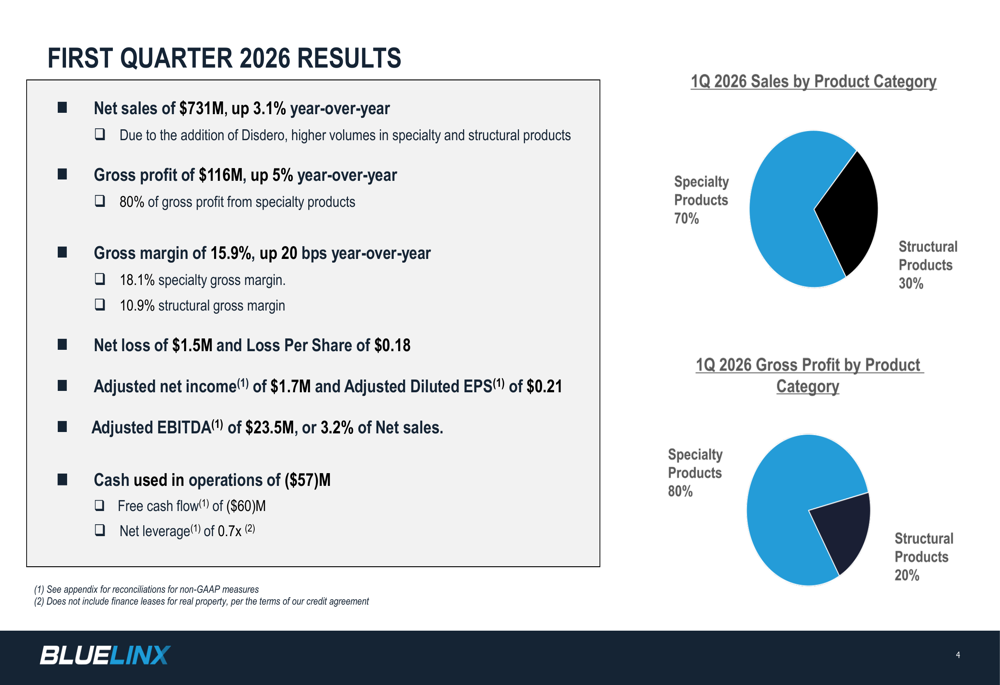
BlueLinx Q1 2026 slides: specialty products drive earnings beat

EA Sports FC 26 has taken the football gaming world by storm, bringing with it an even more immersive Ultimate Team experience.
Whether someone is just getting started or looking to upgrade an already solid squad, finding the right place to buy FC26 players is one of the most important decisions any serious player will make. The wrong choice can lead to wasted coins, account risks, or frustrating experiences — but the right store makes building a dream team genuinely exciting.
This guide breaks down the best options available, what to look for, and why some choices stand out far above the rest.
Understanding How FC 26 Player Acquisition Works
In FC 26 Ultimate Team, building a squad revolves around acquiring player cards with the right chemistry, stats, and special editions. There are several ways to do this:
- Opening packs purchased with in-game coins or FIFA Points
- Trading on the in-game Transfer Market by buying and selling players
- Using third-party stores to purchase coins, which can then be spent on the Transfer Market
Most experienced players quickly realize that relying solely on packs is, statistically speaking, a losing strategy. The odds of pulling elite players are slim, and the coin investment rarely pays off. That’s why savvy gamers turn to external options to buy fc26 players more efficiently and reliably.
Option 1: EA’s In-Game Transfer Market
The Transfer Market is EA’s official method for player trading. It’s built directly into Ultimate Team and allows players to search for any card and purchase it with coins or FIFA Points.
Pros:
- Fully sanctioned by EA
- Wide selection of players at any given time
- Prices generally reflect current meta and demand
Cons:
- Prices can be extremely inflated during special events
- Tax of 5% on all sales eats into budgets
- Earning coins through gameplay alone is time-consuming
- No guarantee of getting the specific version or rating desired
For casual players, the Transfer Market works fine. But for those who want top-tier players without grinding for hundreds of hours, it often falls short on its own.
Option 2: Opening Packs
Pack openings are one of the most popular — and most debated — aspects of FC 26. Every week, EA releases new special packs, and content creators flood social media with reactions to big pulls.
Pros:
- Exciting and unpredictable
- Occasionally yields high-value cards
- Supports the in-game economy by generating coins
Cons:
- Extremely low odds for top-rated players
- Can become expensive quickly
- Results are entirely luck-based
While packs have their place, especially for completing Squad Building Challenges (SBCs), relying on them to buy fc26 players of a specific type or rating is far from efficient. Most experienced players treat packs as a bonus, not a strategy.
Option 3: Third-Party Coin Stores
This is where things get interesting. A large portion of the FC 26 community supplements their in-game earnings by purchasing coins from third-party shops. These coins are then used directly on the Transfer Market to buy any player card desired — TOTW cards, Icons, Heroes, special editions, and more.
The key is finding a trustworthy shop with a solid reputation, competitive pricing, and fast delivery. Not all coin sellers are equal, and the risks of dealing with unknown or shady sources include account bans, scams, and poor customer service.
Why Lootbar Stands Out
Among the various options available to FC 26 players, Lootbar has established itself as one of the most reputable and widely used shops in the gaming community. Whether someone is new to buying coins or has been doing it for years, Lootbar offers an experience that sets a high standard.
Competitive Pricing
One of the first things players notice about Lootbar is its pricing. The shop consistently offers coins at rates that give buyers strong value for money, often undercutting less reliable alternatives while maintaining a far higher level of service and security. Regular promotions and seasonal deals make it even more affordable to stock up when building a squad for Weekend League or Champions qualification.
Fast and Reliable Delivery
Time matters in FC 26. Markets move quickly, special player prices spike and drop within hours, and Weekend League preparation doesn’t wait. Lootbar understands this urgency. Delivery times are fast, meaning buyers can get their coins and head straight to the Transfer Market without unnecessary delays. The process is streamlined and user-friendly from start to finish.
Strong Account Safety Practices
Account security is understandably a concern whenever third-party coin purchasing is involved. Lootbar takes this seriously. The shop uses delivery methods designed to minimize risk, and their team is knowledgeable about how to handle transactions in a way that keeps customer accounts as safe as possible. This focus on buyer protection has earned Lootbar a loyal and growing customer base.
Wide Game and Region Support
Beyond FC 26, Lootbar supports a broad range of popular games, making it a go-to destination for gamers across different titles. For FC 26 specifically, the shop supports multiple regions and platforms, ensuring that players on PlayStation, Xbox, and PC can all access the service without complications.
Responsive Customer Support
No transaction is without the occasional hiccup, and that’s where customer support becomes crucial. Lootbar offers accessible and responsive support that actually resolves issues rather than leaving buyers waiting in frustration. This level of care for the customer experience reflects how seriously the shop takes its reputation.
Tips for Buying FC 26 Players and Coins Safely
Regardless of where purchases are made, a few best practices can help protect accounts and maximize value:
Research the seller thoroughly. Look for verified reviews, active communities, and transparent pricing. A shop with a long track record is far more trustworthy than an anonymous seller.
Avoid sharing login credentials. No legitimate coin shop will ever ask for a full account password. Any service requesting login access should be avoided entirely.
Use trusted payment methods. Reputable shops like Lootbar offer secure payment gateways, giving buyers added protection against fraud.
Buy in appropriate amounts. Large, sudden spikes in coin balance can attract attention. Experienced buyers typically purchase in sensible increments and use coins gradually.
Stay informed about the current meta. Coins are most valuable when spent on players who actually fit a system. Before purchasing, it helps to have a clear squad plan in mind so the investment translates directly into better gameplay.
Building the Dream Squad
Once coins are secured from a reliable source, the real fun begins. The FC 26 Transfer Market opens up completely differently when there’s a healthy coin balance to work with. Players that once seemed out of reach — elite Icons, high-rated Moments cards, Team of the Season specials — become genuinely attainable.
For competitive players, having the right squad isn’t just cosmetic. Chemistry bonuses, positional familiarity, and card stats directly impact in-game performance. The difference between a mid-level squad and an optimized one can be felt immediately in Weekend League and Division Rivals matches.
Final Thoughts
For anyone serious about FC 26 Ultimate Team, knowing where and how to buy fc26 players makes a significant difference in the overall experience. While EA’s in-game systems have their place, supplementing with a trusted coin store dramatically accelerates squad-building and removes the frustration of endless grinding.

Earnings call transcript: Saia Q1 2026 earnings exceed expectations

UK deploys warship to Middle East with eye on potential Hormuz mission

Kraken’s Parent Seeks OCC Banking Charter, Expanding Crypto Banking
Bettinardi’s HLX 6.0 wedges available now in limited-edition finish

Manchester United reach agreement with Casemiro over contract clause amid transfer speculation

US brings back mandatory military draft registration

Steven Gerrard disagrees with Gary Neville over ‘shock’ Chelsea and Arsenal claim | Football


-
 Crypto World1 day ago
HarrisX Poll Found 52% of Registered Voters Support the CLARITY Act
-

 NewsBeat6 days ago
Channel 5 – All Creatures Great and Small series 7 new post
-

 Crypto World2 days ago
Upbit adds B3 Korean won pair as Base token gains Korea access
-

 Tech5 days ago
Image AI models now drive app growth, beating chatbot upgrades
-

 News Videos6 days ago
AP Dhillon – Old Money (Official Audio)
-
 NewsBeat2 days ago
NCP car park operator enters administration putting 340 UK sites at risk of closure
-

 Fashion21 hours ago
Weekend Open Thread: Marianne Dress
-

 Sports7 days ago
Five killed in Texas plane crash identified as Amarillo pickleball players
-
Entertainment7 days ago
New Netflix Movies in May 2026 — My Top 3 Picks to Stream
-
 Crypto World7 days ago
Pi Network Mandates Protocol 23 Upgrade for All Mainnet Nodes Before May 15 Deadline
-
Entertainment6 days ago
Anna Nicole Smith’s Daughter Attends 2026 Kentucky Derby
-

 Crypto World6 days ago
Bitcoin mining equities rise in 2026 as BTC lags behind
-

 Entertainment6 days ago
Melissa Joan Hart and More Stars Attend 2026 Kentucky Derby
-
Entertainment7 days ago
Venus Williams’ Best Met Gala Looks Over the Years
-

 Business6 days ago
Luka Doncic Injury Update: Doncic’s Hamstring Recovery Slows Lakers’ Hopes Against Thunder: Can He Run Yet?
-
Entertainment6 days ago
“Storage Wars” star Darrell Sheets' ex-wife breaks silence on his death
-

 Sports6 days ago
Is Man United v Liverpool on TV? Channel, streaming and how to watch Premier League fixture
-

 Business7 days ago
Kuwait International Airport Resumes Operations After Closure as Regional Tensions Ease in 2026
-
 Entertainment7 days ago
Netflix’s 10-Part Miniseries Based on a True Story Is a Perfect Weekend Binge
-

 Business6 days ago
Winning Numbers Drawn as Jackpot Resets to $20 Million
You must be logged in to post a comment Login