
News Beat
Booze prices to rise in pubs and shops Rachel Reeves reveals in brutal Budget speech

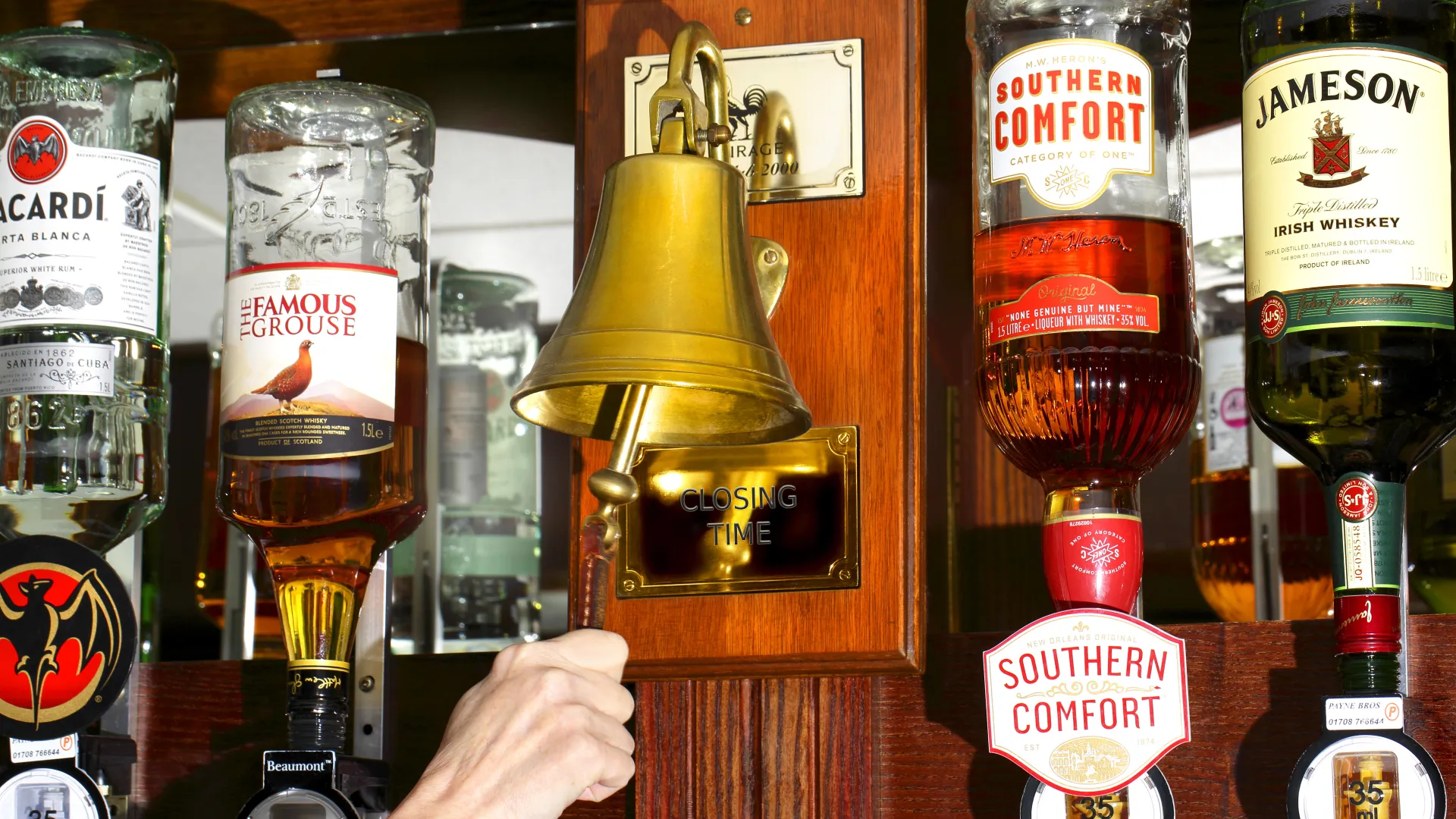
THE cost of booze is set to rise under Rachel Reeves’ brutal Budget hikes.
The Chancellor today unveiled her crucial Autumn Statement, with millions of households finding out what’s in store for their money in the coming year.

Among the raft of measures announced was a fresh tax raid on booze, which will drive up the cost of alcoholic drinks and could make YOUR favourite tipple more expensive.
Reeves announced in her Budget speech that alcohol duty would rise in line with inflation.
It normally rises in line with the Retail Price Index from September – which was 4.5%.
Industry leaders – and the Sun’s Save Our Sups campaign – had urged the government to freeze duty in this year’s Budget, but their hopes were dashed by the Chancellor on Wednesday.


While Wetherspoons boss Sir Tim Martin warned against putting up alcohol duty, saying it would “affect pubs more than any other industry, when most have not recovered from the pandemic”.
“I think pubs have been taxed up to the hilt and any more taxes are a bad idea,” he said.
The rise in alcohol duty will add to a number of crippling costs faced by pubs and drinks manufacturers – and being passed on to drinkers at the till.
Alcohol prices are up 5.8 per cent on last year, according to official figures.
Rises in National Insurance announced at the last Budget, hikes to the minimum wage, reduced business rates relief and a costly new glass tax are all pushing up costs.
Last year, drinkers faced a 3.6% hike to alcohol duty, adding 54p to a bottle of wine and gin by 32p.
But she also decided to cut draught duty by 1.7% in her 2024 Budget, giving punters a penny off a pint.
Wine and Spirit Trade Association (WSTA) boss Miles Beale said ahead of today’s Budget that the threat of another alcohol duty increase was a “depressing prospect”.
He said: “A series of punishing tax hikes have meant alcohol sales have been in steady decline since 2023, which has proved to be extremely damaging for the sector.
“This has seen prices go up by a pound or more in a little over a year for wine and spirit consumers.
“The threat of another 4.5% duty increase, or more… is a pretty depressing prospect.”
“What the Chancellor won’t bring up when standing at the dispatch box is the other tax burdens facing industry, including costly glass tax, the rise in National Insurance, minimum wage hikes and reduced business rates relief.”
‘Give us a break’
Alcohol duty is paid by producers and is usually passed on in shelf prices.
The tax is intended to raise money for the government and discourage excessive drinking – similar to levies on smoking, sugary drinks and gambling.
But industry leaders have warned that repeated tax rises are actually reducing the amount of tax collected, due to the impact price rises are having on alcohol sales.
Beale added: “So far this financial year overall alcohol duty receipts are down almost £300million.
“If this trend continues for the rest of the financial year then receipts are set to come down by almost £1billion than previously forecast.”
Meanwhile, the pub landlord selling Britain’s cheapest pints called on the Chancellor this week to “give us a break” in her Budget.
Nick Pritchard sells pints of lager for £1.75 in his pub Tommy Cutler’s in Blackpool.


“Pubs are on their a**e. We’re a dying trade and pubs are closing down across the country.
“If the government doesn’t do something in the next five to ten years there won’t be any pubs left,” he told The Sun.
What is alcohol duty?
ALCOHOL duty is a tax applied by the government to alcoholic drinks.
This tax is paid by the manufacturers or importers when the alcohol is produced or first brought into the country.
However, businesses almost always pass this cost on to shoppers, meaning the duty is built into the final price you pay in a shop or pub.
The system is designed so that the amount of tax you pay depends directly on the strength of the drink.
This means that products with a higher alcohol by volume, or ABV, such as spirits and stronger wines, face a heavier tax burden than lower-strength products like beer and cider.
The government uses this tax for two main reasons.
It raises revenue to fund public services and acts as a public health measure by discouraging excessive drinking through higher prices.



