
Business
How Cruise Tourism Supports Global Port Economies

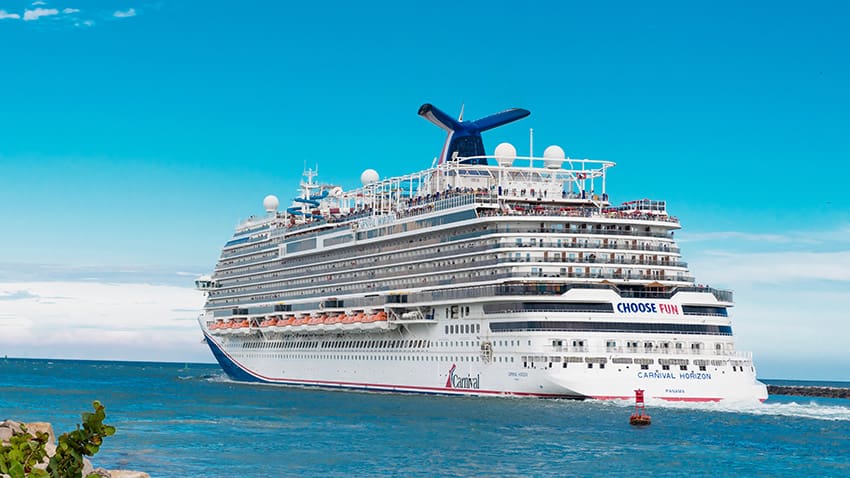
Cruise tourism has quietly become one of the more significant contributors to port city economies across the world.
Passengers tend to focus on the destinations they’re visiting or the experience of being on the ship itself, but the economic impact stretches far further than the vessel’s hull. Port infrastructure, local hospitality, logistics firms, tour operators – the ripple effects of a cruise arrival can touch an enormous range of sectors within any given port city.
Many international cruise itineraries start from major travel hubs where airports and ports work in close coordination to shift large numbers of passengers efficiently. People researching cruises will often look for routes that pair flights with departures from well-connected ports. It’s fairly common, for instance, to stumble across fly cruise deals that let travellers fly straight to an embarkation port before their voyage begins. This kind of arrangement has quietly reinforced the importance of certain cities as genuine gateways within the global cruise network.
Ports as economic gateways
Cruise ports sit at the intersection of global travel and local economic life. When a ship arrives, it brings thousands of passengers alongside crew members, all of whom interact with the surrounding area during embarkation, disembarkation or day visits ashore. That movement of people keeps a wide range of businesses ticking over – hotels, restaurants, shops, taxis and more.
Cities like Barcelona, Miami, Singapore and Athens have built strong reputations as cruise hubs, largely because they handle large passenger volumes without too much friction. They tend to combine well-developed port facilities with solid air connections, which makes them natural starting points for international itineraries. For local economies, that translates into fairly consistent demand across multiple industries. Tour operators, cab drivers and hospitality businesses all benefit from the steady stream of visitors passing through before or after their voyages. Even a short port call can generate meaningful economic activity when passengers venture out to explore.
Investment in port infrastructure
As cruise tourism has grown, cities have poured considerable investment into modernising their port facilities. Terminals need to accommodate enormous vessels, process passengers efficiently and satisfy increasingly strict security and environmental standards. Getting that right typically requires collaboration between local authorities, port bodies and private investors.
Modern cruise terminals are designed to handle thousands of passengers at once. That means baggage systems, customs areas and decent transport links between the port and the city centre. Smooth connections between flights, terminals and local transport are essential – nobody wants to spend half a day queuing.
Interestingly, infrastructure built with cruise tourism in mind often benefits other maritime activities too. Better docking facilities, improved navigation systems and upgraded port services support cargo shipping and regional transport alongside the cruise trade. So investment driven by cruise growth tends to strengthen a port’s overall maritime capabilities rather than serving just one narrow purpose.
Supporting local tourism industries
The economic effects don’t stop at the port gates. Cruise passengers spread out across destinations through organised excursions, guided tours or simply wandering around independently. That creates real opportunities for local businesses offering cultural experiences, outdoor activities and transport services.
In historic cities, cruise visitors fill museums, landmarks and cultural sites that depend heavily on tourism income. Coastal towns and island destinations see passengers exploring beaches, markets and local attractions during their time ashore. Even a brief visit adds up when several thousand people arrive at once. Restaurants, cafés and shops near terminals often do brisk trade on ship arrival days. In some places, independent traders and local artisans rely quite heavily on cruise tourism to get through the busiest parts of the season.
Employment opportunities
The employment dimension is worth considering too. Ports need dock workers, security staff, logistics teams and maintenance crews just to keep things running. Terminals employ people in passenger services, customs coordination and transport management. It’s a sizable workforce before you even step outside the port gates.
Further afield, hospitality, transport and tour operations all tend to see increased demand. Hotels pick up additional bookings from passengers arriving early for departures or staying on after their voyage ends. Local transport providers – buses, taxis, shuttles – play a crucial role in moving people between airports, ports and accommodation, and that creates another layer of employment within the wider community.
The role of cruise hubs
Certain cities have emerged as major cruise hubs thanks to their location and the strength of their travel infrastructure. Because these places serve as starting or finishing points for itineraries, passengers often spend extra time in the area either side of their voyage.
Mediterranean ports like Barcelona and Rome are key departure points for cruises around southern Europe. In the Caribbean, cities such as Miami and Fort Lauderdale fulfil a similar function, handling large numbers of embarkations throughout the year. These hubs benefit not just from cruise passengers but from the entire travel ecosystem that surrounds them. Airlines, hotels and tourism providers all feed into the infrastructure needed to handle high volumes of international visitors, which reinforces the economic importance of these locations within global tourism.
Managing growth responsibly
That said, cruise tourism isn’t without its complications. Large numbers of visitors arriving simultaneously can put real strain on local infrastructure and historic sites. Several cities are now introducing measures to manage visitor numbers more carefully and spread tourism more evenly across the calendar year.
Port authorities and cruise operators are also looking seriously at environmental impact. Cleaner fuel technologies, shore power systems that allow ships to cut their engines whilst docked, and better waste management practices are all part of ongoing efforts to reduce the footprint of cruise operations. Balancing economic benefit against environmental and social pressures is increasingly central to long-term planning for port cities.
A connected global travel network
Cruise tourism sits within a much larger global travel network connecting airlines, ports, hotels and local economies. The relative ease with which travellers can move between flights and cruise departures has helped itineraries reach further and strengthened the role of international ports in the process.
For many cities, cruise tourism represents a meaningful and consistent source of economic activity – one that underpins infrastructure development, supports local employment and keeps smaller businesses viable. The ships don’t stay long, but the economic effects linger well beyond their departure.
As global travel continues to shift and evolve, cruise tourism will almost certainly remain tightly bound up with the development of international transport hubs. Ports that manage to weave together aviation, maritime operations and local tourism infrastructure look well placed to benefit as this interconnected industry keeps on growing.

Barclays head of U.S. Equity Strategy & Global Equity Linked Strategies Venu Krishna discusses earnings momentum on Making Money.
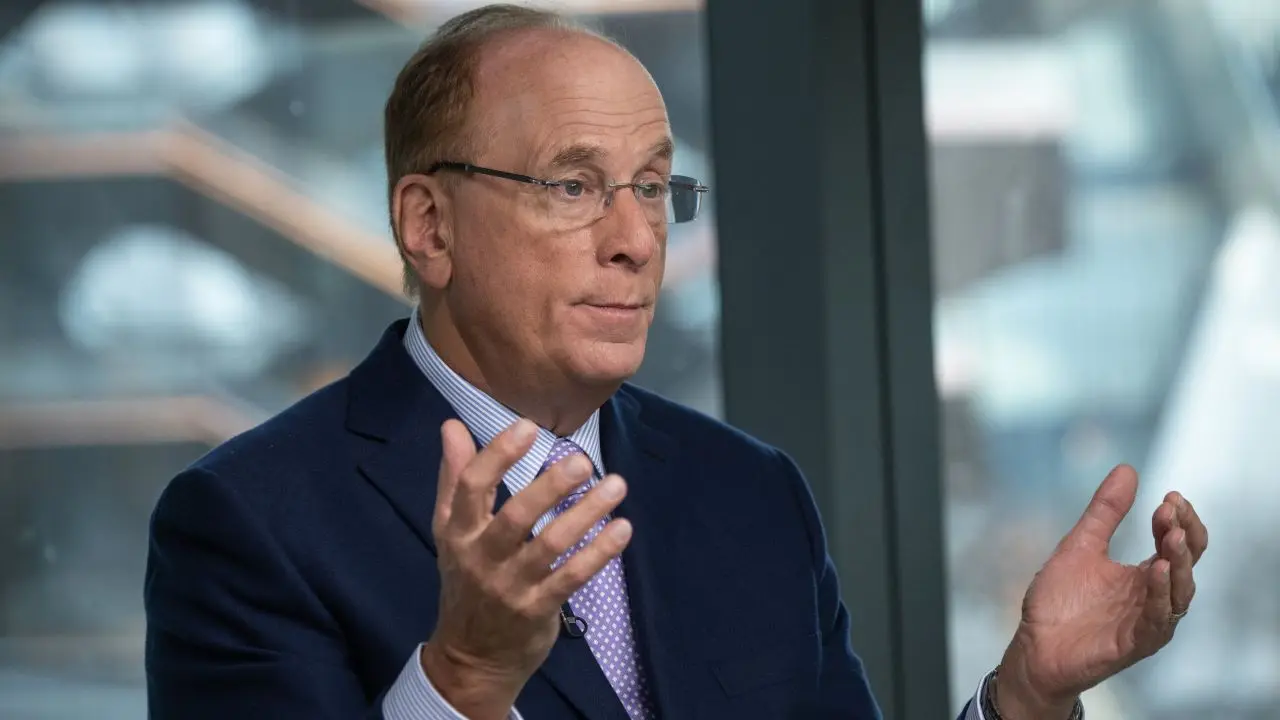
BlackRock CEO Larry Fink warned in his annual chairman’s letter that wealth inequality could worsen if more people don’t participate in financial markets to reap the benefits of investing.
Fink said that the vast majority of wealth has flowed to people who own assets, as opposed to those who earned most of their income from working, and warned that artificial intelligence (AI) could exacerbate that trend.
“Since 1989, a dollar in the U.S. stock market has grown more than 15 times the value of a dollar tied to median wages. Now AI threatens to repeat that pattern at an even larger scale – concentrating wealth among the companies and investors positioned to capture it,” Fink wrote.
He said that at the corporate level, the companies that have the “data, infrastructure, and capital to deploy AI at scale are positioned to benefit disproportionately.”
BLACKROCK CEO SAYS TRUMP ACCOUNTS COULD BE A ‘VERY SIGNIFICANT STEP’ FOR YOUNG AMERICANS
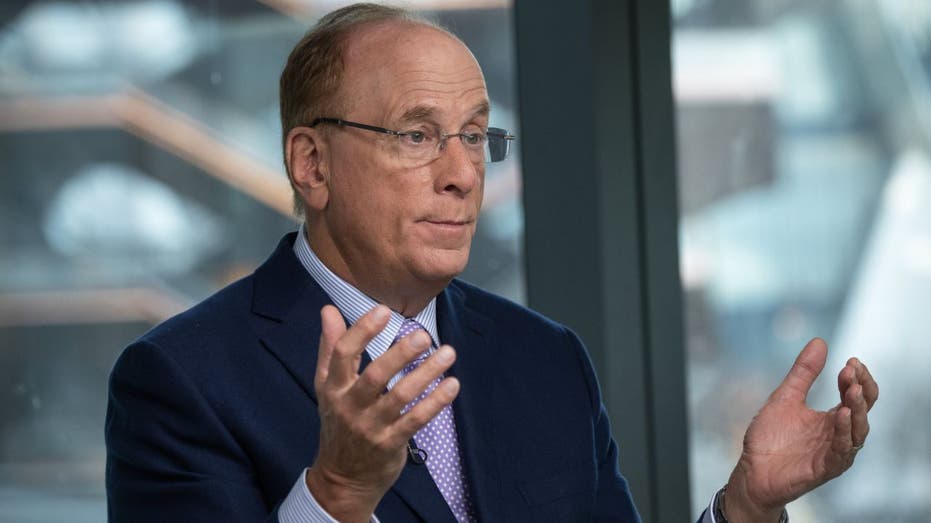
BlackRock CEO Larry Fink. (Victor J. Blue/Bloomberg via Getty Images)
“That is not unusual, and none of this is inherently problematic. Market leadership has always shifted with technological change,” Fink said. “The broader question is who participates in the gains. When market capitalization rises but ownership remains narrow, prosperity can feel increasingly distant to those on the outside.”
He noted that it’s unclear how the deployment of AI will impact the labor force, particularly for entry-level white-collar workers.
BLACKROCK: AS AMERICANS STRUGGLE TO SAVE FOR RETIREMENT, 71% BACK THIS TRUMP PROPOSAL
| Ticker | Security | Last | Change | Change % |
|---|---|---|---|---|
| BLK | BLACKROCK INC. | 968.14 | -13.21 | -1.35% |
Fink added that, historically, automation has boosted productivity and, over time, broadened the range of work available even as certain roles were displaced – though he cautioned that “new roles take time to emerge, and workers don’t always move seamlessly from old ones to new ones.”
“One thing is clear: AI will create significant economic value. Ensuring that participation in that growth expands alongside it is both the challenge and the opportunity,” he wrote.
Fink went on to discuss ways to broaden participation in financial markets to expand access to the market to a larger segment of Americans.
BLACKROCK’S LARRY FINK SAYS US STILL TOP DESTINATION FOR GLOBAL INVESTORS TO PARK MONEY
BlackRock CEO Larry Fink said expanding market participation is key to addressing inequality. (Angus Mordant/Bloomberg via Getty Images)
He said that the newly created Trump Accounts could be a “very significant step” in encouraging young people to put their money in the market.
Trump Accounts are savings accounts given to newborns and seeded with money from the government and philanthropic benefactors as well as parental contributions that are invested in a broad index of U.S. stocks. They may also be created for people under the age of 18, and are held in custody by a parent or guardian until the child turns 18.
GET FOX BUSINESS ON THE GO BY CLICKING HERE
Fink said market-based approaches like that could also be used for programs like Social Security to stabilize the safety net program, which is approaching insolvency in under a decade.
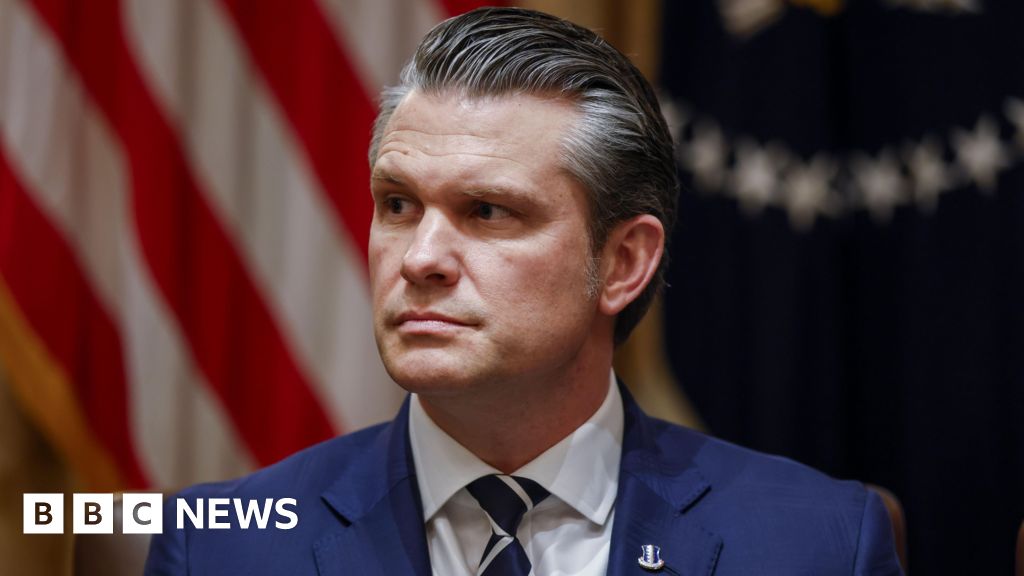
“If this were merely a contracting impasse, DoW would presumably have just stopped using Claude,” Judge Lin wrote, referencing the Department of War, a secondary name for the Department of Defense. “The challenged actions, however, far exceed the scope of what could reasonably address such a national security interest.”
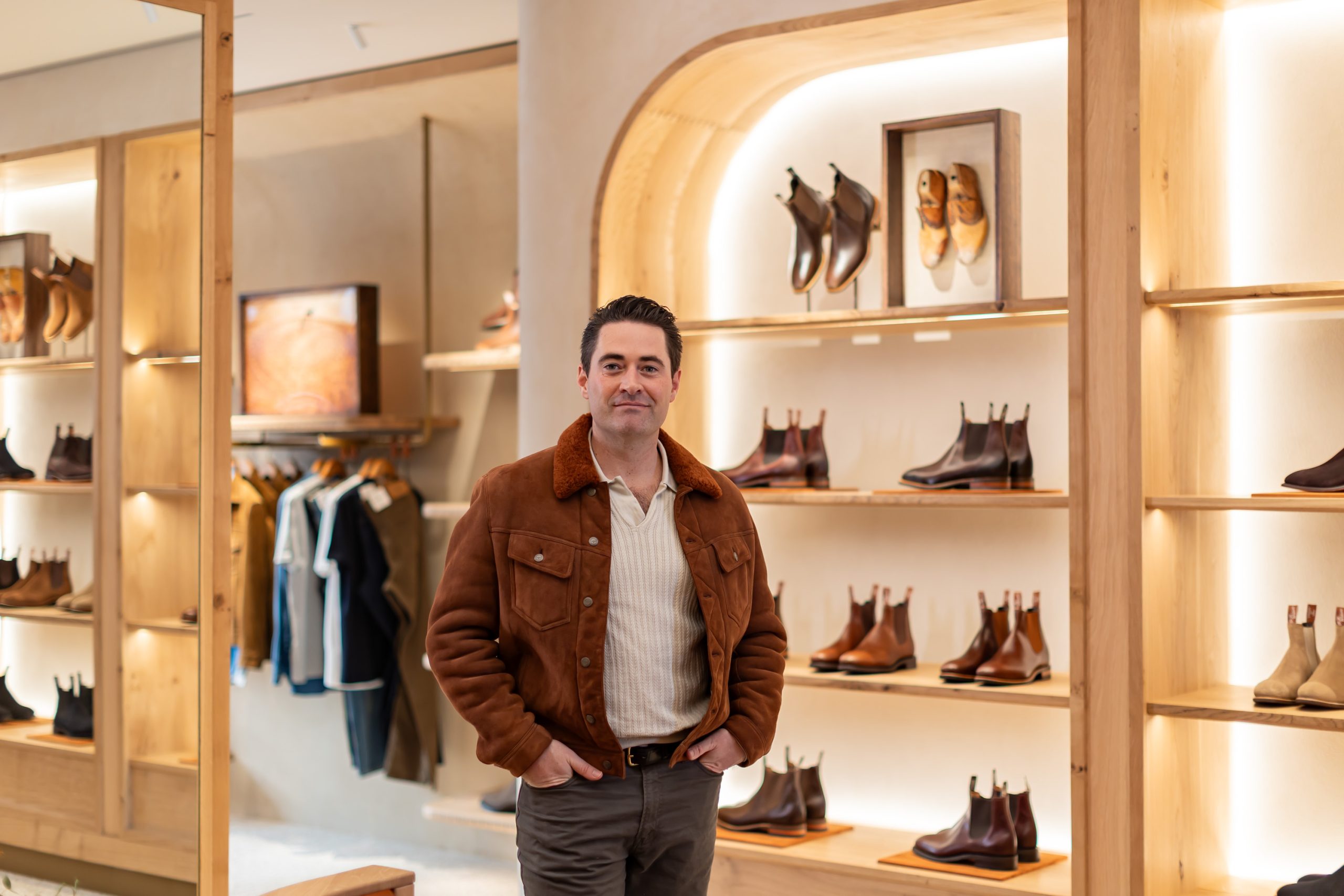
Andrew and Nicola Forrest’s bootmaker RM Williams has signalled its desire to grow into western Europe and Japan after opening a flagship store in London to support its UK expansion.

To get a sense of where the pain may end, many equity traders look to a type of technical analysis credited with identifying the bottoms of big market declines, including two major routs since 2020. The bad news for bulls: It signals a long way down before the index finds major support.
It’s known as the 50% Fibonacci retracement level, a tool that chart watchers use to find potential entry points based on an 800-year-old mathematical principle. In this case, it represents a decline that would erase half of the S&P 500’s gains from last April’s low to its most recent record in January. It sits at 5,980 – or some 9% below Wednesday’s close.
“When you get a clear change in trend, there’s just certain levels that investors look at to kind of come back in, especially shorter-term traders,” said Matt Maley, chief market strategist at Miller Tabak + Co. “And that 50% retracement is one that people follow very closely.”
Technical analysis is just one tool to gauge stock-market trends and potential inflection points, and it’s far from a magic crystal ball. The S&P 500 briefly fell below 6,500 last week and it’s trading below its 200-day moving average, a trend line many hoped would act as support to halt the decline. Its failure to do so has pushed technical analysts to search for other potential levels where the bottom may be.

“It’s easy to see from a technical perspective that the worst isn’t over yet,” said Doug Peta, US investment strategist at BCA Research. “Until the Strait of Hormuz is open and crude oil, LNG, refined products and derivatives are moving through it at a normalised rate, there’s likely to be upward pressure on inflation and downward pressure on global growth.”
Should the S&P 500 extend losses this week, it would likely move toward 6,200, Maley said in a recent note to clients. The next potential support after that would come in at 5,980, which marks not only the 50% Fibonacci retracement but also the gauge’s mid-June low. The Fibonacci sequence, which was named after Italian mathematician Leonardo Pisano, known as Fibonacci, came in handy during the market turmoil trigged by President Donald Trump’s so-called Liberation Day tariff announcements last year. The S&P 500 found support at 4,982.77, a level that corresponded with the midpoint of a rally spanning three years from 2022.
Similarly, the 2022 bear market found its trough near the 50% retracement of the rally between March 2020 and early January 2022.
To Jonathan Krinsky, chief market technician at BTIG LLC, signs of stock-market weakness were present well before the conflict in the Middle East erupted. Issues with software and private credit had already taken their toll. In terms of how effective the 50% retracement level is when calling a bottom, Krinsky explains that it’s just “one piece of the puzzle.” Maley agrees, noting that there needs to be other influences on the market in order for it to be effective.
A resolution to the war in Iran and an end to the ensuing spike in energy prices would be one obvious catalyst to help the market rebound. Stocks rallied on Wednesday as traders weighed the viability of US-Iran ceasefire talks, with the S&P 500 closing up 0.5%. Still, uncertainty about the longer-term trajectory of US stocks remains.
“The war and what’s happening in it is a specific issue,” said Kim Forrest, chief investment officer at Bokeh Capital Partners. “What is the Fed going to do about interest rates given all the extremely changeable views people have on markets? And then there’s the price of oil, which fluctuates wildly. Pick your topic and you can own it.”

LightShed partner Rich Greenfield analyzes the Paramount Skydance-Warner Bros deal on The Claman Countdown.
Los Angeles County voted in favor of an analysis into the proposed merger between Paramount Skydance and Warner Bros. Discovery and its impact on the entertainment industry.
The Los Angeles County Board of Supervisors approved the motion Tuesday to have the Department of Economic Opportunity (DEO) conduct a “comprehensive economic impact analysis” on the direct and indirect impact the merger could have on employment in the county.
“Entertainment is more than what we watch on a screen—it’s part of who we are as Angelenos and a cornerstone of our economy. Thousands of families rely on this industry for their livelihoods, and we must protect their jobs and our signature industry,” Supervisor Lindsey P. Horvath said in a statement.

The Los Angeles County Board of Supervisors released a motion to analyze a potential merger on Tuesday. (Mario Tama/Getty Images)
She continued, “As the proposed merger moves forward, we need a clear understanding of its impacts on jobs, competition, and the future of storytelling. Today, we took action to support workers, strengthen our local economy, and keep Los Angeles at the center of the global entertainment industry.”
According to Horvath, who proposed the motion, the DEO will “develop workforce strategies, including job training and placement programs, to support and retain entertainment industry workers” and report back to the Los Angeles board in 60 days with a final report due in 120 days.
Los Angeles County Counsel will then submit a final report to the Department of Justice regarding potential antitrust issues.
CBS NEWS UNION MEMBERS HOLD 24-HOUR WALKOUT OVER FAILED CONTRACT NEGOTIATIONS WITH MANAGEMENT

Paramount successfully launched a bid against Netflix to acquire Warner Bros. Discovery in February. (AaronP/Bauer-Griffin/GC Images)
Actress Jane Fonda, who heads the Committee for the First Amendment, supported the motion for “fighting” for the entertainment industry.
“Los Angeles runs on the creativity and hard work of the people behind our entertainment industry. As this acquisition moves forward, we need to make sure workers and storytellers aren’t left behind. I’m grateful to Supervisor Lindsey Horvath for fighting for our industry and for the people who power it every day,” Fonda said.
Fox News Digital reached out to Paramount for a comment.
WHY NETFLIX’S CEO DROPPED HIS BID TO BUY WARNER BROS DISCOVERY AND TRUMP ‘DIDN’T CARE’
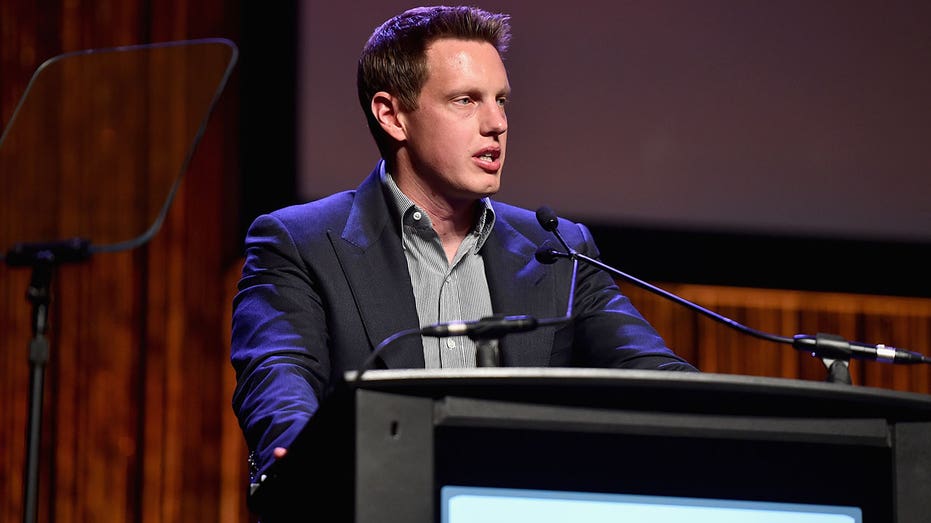
Critics have expressed concerns regarding Paramount CEO David Ellison potentially taking over Warner Bros. Discovery. (Alberto E. Rodriguez/Getty Images for CinemaCon)
Paramount won the ongoing bidding war to purchase Warner Bros. Discovery in February, though the merger has not yet been finalized.
GET FOX BUSINESS ON THE GO BY CLICKING HERE
Critics of the bid have expressed concerns that the consolidation of two legacy studios under one company could lead to mass layoffs in the entertainment industry. Others have expressed fears over Paramount CEO David Ellison, who has a friendly relationship with President Donald Trump, having control over CNN.

Indian farmers are turning to dragon fruit as a profitable alternative to mangoes and coffee.

Check out what’s clicking on FoxBusiness.com.
More than 10 million grill brushes are being recalled nationwide after reports that metal bristles can break off and end up in food.
The U.S. Consumer Product Safety Commission (CPSC) announced the recall Thursday for several Nexgrill metal wire brushes sold at Home Depot stores and online between 2015 and 2026.
“Small metal wire bristles can detach from the brushes and stick to the grill or food, posing an ingestion hazard and risk of serious internal injuries that could require surgery,” the CPSC said.
HOUSEHOLD CLEANING TOOL RECALLED AFTER DOZENS OF BURN INJURIES REPORTED

Nexgrill has received at least 68 reports of bristles coming loose. (Consumer Product Safety Commission)
Nexgrill has received at least 68 reports of bristles coming loose.
Five people reported swallowing the metal pieces and needed medical treatment to remove them from the throat or digestive tract, according to the CPSC.
The recall includes multiple models of brushes with black plastic or wood handles measuring about 18 to 21 inches long.
TOYOTA RECALLS MORE THAN 144,000 LEXUS VEHICLES OVER REARVIEW CAMERA FAILURE RISK

The recall includes multiple models of brushes with black plastic or wood handles measuring about 18 to 21 inches long. (Consumer Product Safety Commission)
Model numbers were listed on the packaging, and each product is labeled “Nexgrill.”
The recall covers the following models:
- 19-Inch Grill Brush (Model 530-0024), sold 2015–2016
- Grill Cleaning Brush with Scraper (Model 530-0024G), sold 2022–2026
- Long Handle Grill Brush (Model 530-0034), sold 2015–2026
- Grill Brush and Scraper (Model 530-0039), sold 2015–2026
- Grill Brush with Scrub Pad (Model 530-0041), sold 2015–2026
- Wood Handle Grill Brush (Model 530-0042), sold 2015–2021
The brushes typically retail for $5 to $15.
GAS RANGES SOLD AT US RETAILERS ARE BEING RECALLED OVER BURN HAZARD RISK
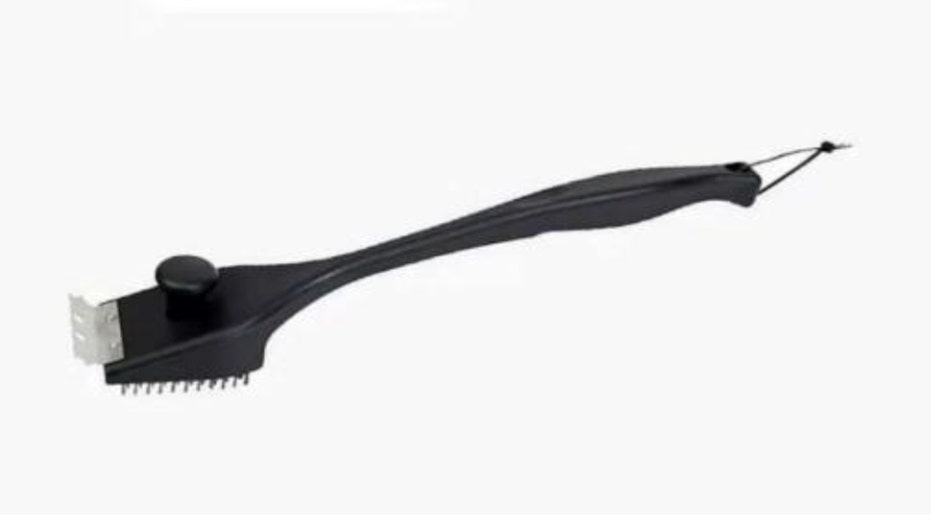
Consumers are urged to stop using the brushes immediately. (Consumer Product Safety Commission)
Consumers are urged to stop using the brushes immediately. Nexgrill is offering refunds in the form of gift cards.
CLICK HERE TO GET FOX BUSINESS ON THE GO
The recalled brushes were manufactured in China and imported by Nexgrill Industries, based in California.
Nexgrill could not be immediately reached by FOX Business for comment.
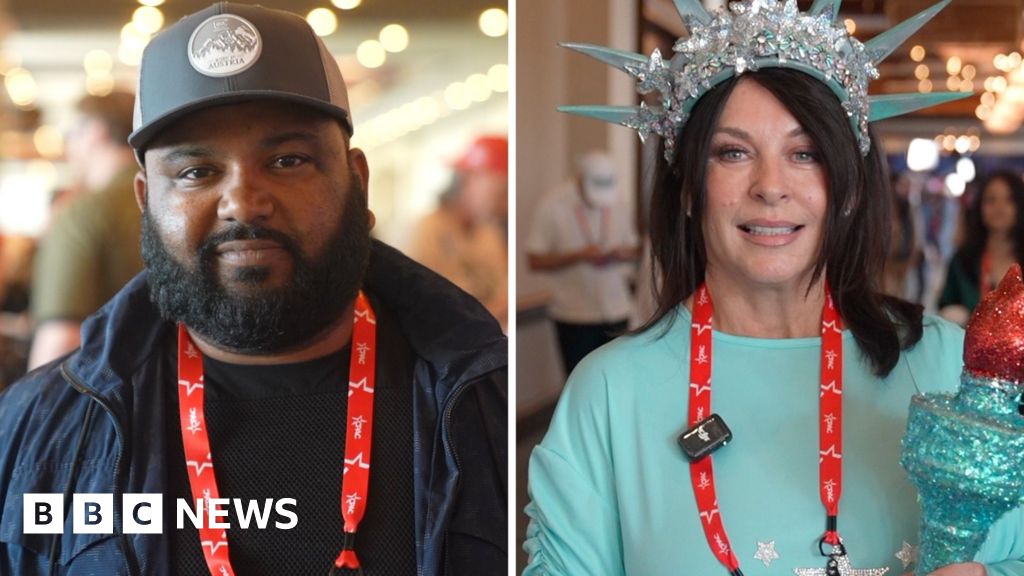
Conservatives gathered at the annual CPAC conference in Texas were mixed when asked about their feelings on the current economy.
Two humanitarian aid boats en route to Cuba missing, Mexico says
Business
Cleaning Edge Invests Millions Into Breakthrough Technology to Revolutionise Cleaning Transparency Nationwide
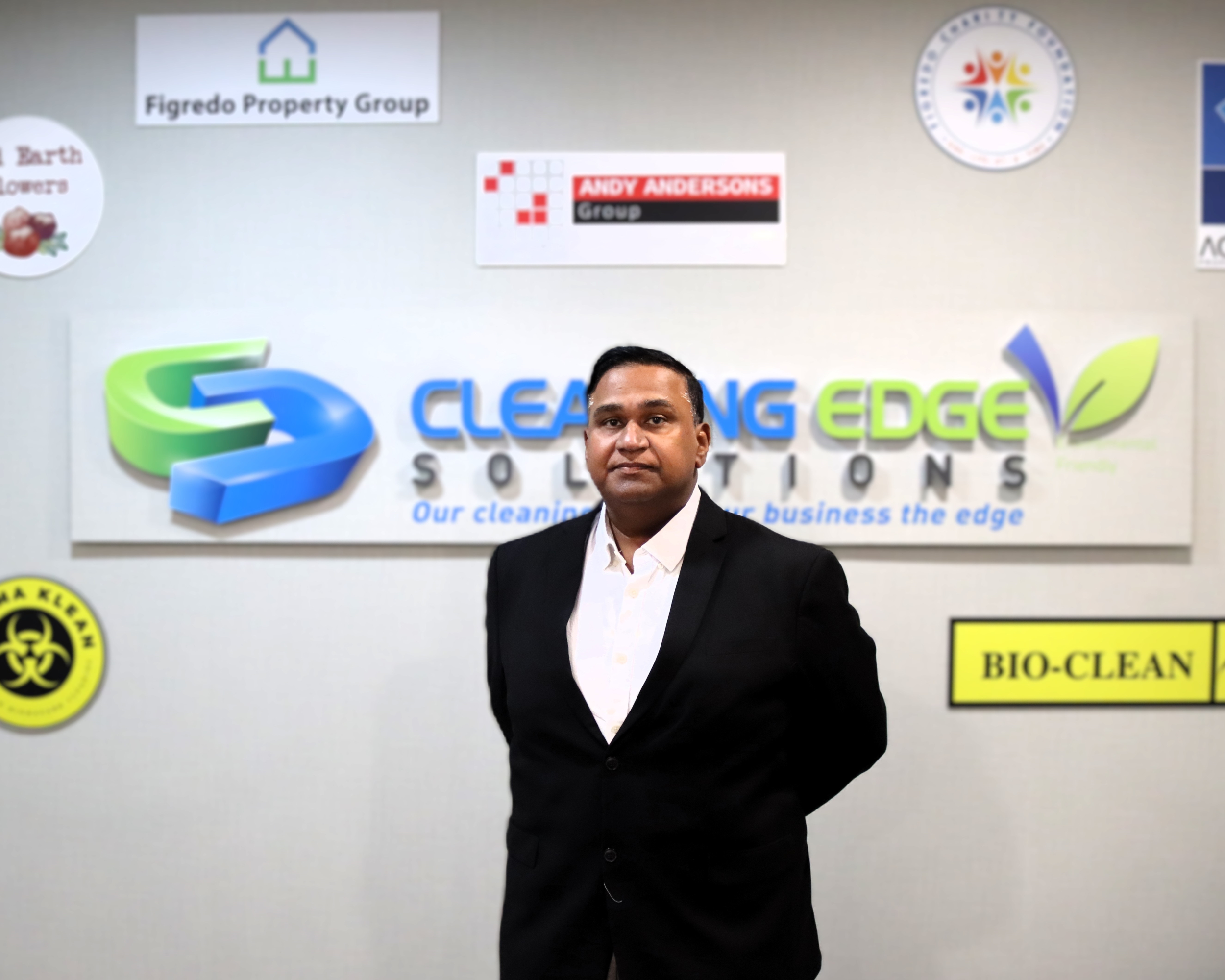
Cleaning Edge Solutions, Australia’s fastest growing commercial cleaning provider, has invested millions of dollars into the development and rollout of its proprietary desktop platform, CESgo, in what industry leaders are describing as a major shift in how businesses manage cleaning, hygiene and operational accountability.
The significant investment signals a new era for commercial cleaning across childcare centres, schools, aged care, hospitals and medical facilities, offices, transport hubs, retail environments, food production and industrial sites, where services are no longer invisible but fully measurable and transparent.

Founder Clayburn Figredo said the company is redefining what modern cleaning looks like in Australia.
“We are not just cleaning buildings, we are creating operational transparency and real-time visibility,” Figredo said.
“CESgo is the result of a multi-million-dollar investment into technology that gives businesses clarity, control and confidence.”
Cleaning Edge Solutions is one of Australia’s leading commercial cleaning and facility management providers, specialising in large-scale, high-risk and clinical environments. Founded in 2008 by Managing Director Clayburn Figredo and headquartered in Mulgrave, Victoria, the company has built a national reputation for innovation, strict compliance and advanced infection-control standards.
With ISO certifications across quality, safety, environment and food safety, Cleaning Edge Solutions delivers services to major organisations across health, government, education, transport, retail and aged care sectors. Its operations span commercial and industrial cleaning, facilities maintenance, waste management and property development.
It also owns a number of brands including well-known business, Andy Andersons. For more than 45 years, Andy Andersons has supported Australian organisations with reliable, high-quality cleaning and facility services. A long-standing family business with deep industry roots, Andy Andersons became an entity of the Cleaning Edge Group in 2021, combining decades of legacy experience with the group’s national scale and innovation.
Today, the company draws on more than 100 years of combined expertise to deliver industrial cleaning, commercial cleaning, aged care cleaning and facility maintenance services. Andy Andersons remains committed to safety, integrity and exceptional service.
Known for its commitment to excellence and social impact, the Cleaning Edge group is dedicated to elevating national cleaning standards and creating safer, healthier environments for all Australians.
A new standard in operational visibility
The desktop-based CESgo platform captures every aspect of cleaning operations in real time, allowing businesses to see exactly what is happening across their sites.
Cleaning Edge staff log in and out digitally, with attendance and hours automatically verified. Every task is outlined through structured workflows and photographic evidence of completed work is uploaded directly into the system.
Clients can view services undertaken, the timing, the staff involved and the results delivered, removing the uncertainty that has traditionally surrounded outsourced cleaning.
“For decades, cleaning has been a blind spot for many organisations,” Figredo said.
“Now businesses can see the work, the results and the value in real time.”
From invisible service to measurable performance
The platform transforms cleaning from a reactive, checklist-based activity into a performance-driven function.
Images, reports and digital sign-offs provide a clear record of hygiene outcomes. Site requirements and task schedules are embedded into the system, ensuring consistency across locations and shifts.
“This is accountability elevated,” Figredo said.
“Every hour is captured, every job is documented and every outcome can be verified.”
The result is stronger oversight, improved service quality and better operational control.
Centralised communication and faster problem resolution
CESgo also functions as a communication hub between businesses, site managers and Cleaning Edge teams.
Clients can log requests, raise concerns and track progress in near real time. Issues are assigned, monitored and resolved within the platform, creating a clear record of action and accountability.
“Communication is one of the biggest challenges in outsourced services,” Figredo said.
“Our technology creates a single source of truth, ensuring nothing is missed and every request is followed through.”
Reducing risk and supporting governance
With increased scrutiny around hygiene, infection control and workplace standards, organisations are under pressure to demonstrate operational oversight.
Figredo said traditional paper-based reporting and fragmented communication systems are no longer fit for purpose.
“Boards, executives and regulators want data, not assumptions,” he said.
“CESgo provides a digital audit trail that strengthens governance, supports reporting and reduces risk.”
The platform enables businesses to generate detailed reports quickly, providing evidence of cleaning performance, service delivery and operational compliance.
A permanent shift in the cleaning industry
Cleaning Edge believes the future of the industry lies in technology-enabled service delivery.
“This is not about mops and buckets,” Figredo said.
“It is about intelligent systems, data and measurable outcomes.”
By investing heavily in proprietary technology, Cleaning Edge is positioning itself at the forefront of a new era in which cleaning services are defined by transparency, accountability and operational excellence.
“The expectations of businesses have changed permanently,” Figredo said.
“They want visibility and control and they also want proof. CESgo delivers that.”

Flo Milli Celebrates Her Pregnancy Reveal In Heartfelt Post

FINANCIAL IRRESPONSIBILITY CRINGE 3

Sarah Ferguson stripped of freedom of York over Epstein links | News UK


-
 Crypto World6 days ago
NIO (NIO) Stock Plunges 6.5% as Shelf Registration Sparks Dilution Worries
-
 NewsBeat2 days ago
Manchester United reach agreement with Casemiro over contract clause amid transfer speculation
-

 Fashion6 days ago
Weekend Open Thread: Adidas – Corporette.com
-

 Politics6 days ago
Jenni Murray, Long-Serving Woman’s Hour Presenter, Dies Aged 75
-

 Crypto World5 days ago
Best Crypto to Buy Now: Strategy Just Spent $1.57 Billion on Bitcoin During Fear While Early Investors Quietly Enter Pepeto for 150x Potential
-

 Crypto World5 days ago
Bitcoin Price News: Bhutan Sells $72 Million in BTC Under Fiscal Pressure, but the Smart Money Entering Pepeto Sees What the Market Does Not
-

 Tech7 days ago
inKONBINI Lets You Spend Summer Days Behind the Register
-

 News Videos23 hours ago
Parliament publishes latest register of MPs’ financial interests
-

 Sports4 days ago
Remo Stars and Kano Pillars Strengthen Survival Hopes in NPFL
-

 Sports4 days ago
Gary Kirsten Accuses Pakistan Cricket Board Of ‘Interference’, Mohsin Naqvi Responds
-

 Tech4 days ago
Give Your Phone a Huge (and Free) Upgrade by Switching to Another Keyboard
-

 Business4 days ago
No Winner in March 21 Drawing as Prize Rolls to $133 Million for Next
-

 Sports6 days ago
2026 Kentucky Derby horses, odds, futures, preview, date: Expert who nailed 12 Derby-Oaks Doubles enters picks
-

 Tech4 days ago
AI enters the chat: New Seattle dating app relies on tech to facilitate meaningful human connections
-
Business6 days ago
Columbia Sportswear enters $500 million credit agreement with JPMorgan Chase
-

 Tech5 days ago
Today’s NYT Connections Hints, Answers for March 22 #1015
-

 News Videos4 days ago
Ch 9 Financial Management Part 1 | Detailed One Shot | Class 12 Business Studies Boards 2026
-

 Business5 days ago
Will Duke Basketball Win It All? Duke Basketball Enters Second Round as Third Favorite to Claim NCAA Title
-

 Business4 hours ago
Instagram, YouTube Found Responsible for Teen’s Mental Health Struggle in Historic Ruling
-
 Crypto World6 days ago
Small-cap Russell 2000 enters correction territory
You must be logged in to post a comment Login