In a major decision that will greatly impact the future of sporting events at the Olympic level, the International Olympic Committee (IOC) on Thursday announced that all transgender women will be banned from participating in the women’s division of any event in the Olympic Games, starting with the 2028 Los Angeles Olympics.
According to IOC President Kirsty Coventry, the decision to limit women’s events to biological women has been taken to keep the competition fair and safe for all athletes. She also confirmed that all sex tests conducted for athletes will be a once-in-a-lifetime assessment.
How will the IOC determine athletes’ eligibility for women’s sports?
The IOC will determine eligibility for the women’s category primarily through SRY gene screening, a scientific test used to identify the presence or absence of the SRY gene, which is associated with male sex development.
Advertisement
Athletes who test negative for the SRY gene will be considered eligible to compete in the female category. This test is typically conducted using a saliva sample, cheek swab, or blood test, and in most cases, it is treated as a one-time assessment unless there is reason to question the result.
The IOC states that the presence of the SRY gene remains constant throughout life, making it a reliable biological marker. As a result, athletes who test positive for the SRY gene will generally not be eligible to compete in women’s events, including both individual and team events.
IOC to consider exceptions
While confirming that the result of the SRY gene screening will be final, the IOC also said there are rare exceptions, such as athletes diagnosed with Complete Androgen Insensitivity Syndrome (CAIS) or certain other differences in sex development (DSDs), where individuals do not benefit from testosterone-related performance advantages. In such cases, eligibility may still be considered.
Advertisement
Athletes who are not eligible for the women’s category can still compete in other classifications, including men’s events, mixed categories, or open divisions, depending on the sport.
Why did the IOC decide to ban transgender athletes from women’s sports?
The IOC introduced stricter eligibility rules following a comprehensive review conducted between September 2024 and March 2026. The process incorporated recommendations from the Working Group on the Protection of the Female Category, along with broader consultations and evolving considerations in international human rights law.
Advertisement
According to the IOC, the policy is also closely tied to its broader objectives around gender equality and representation. These include ensuring equal opportunities for female athletes in finals and podium finishes, as well as maintaining balanced participation across Olympic events.
Gender-based controversies in the Olympics
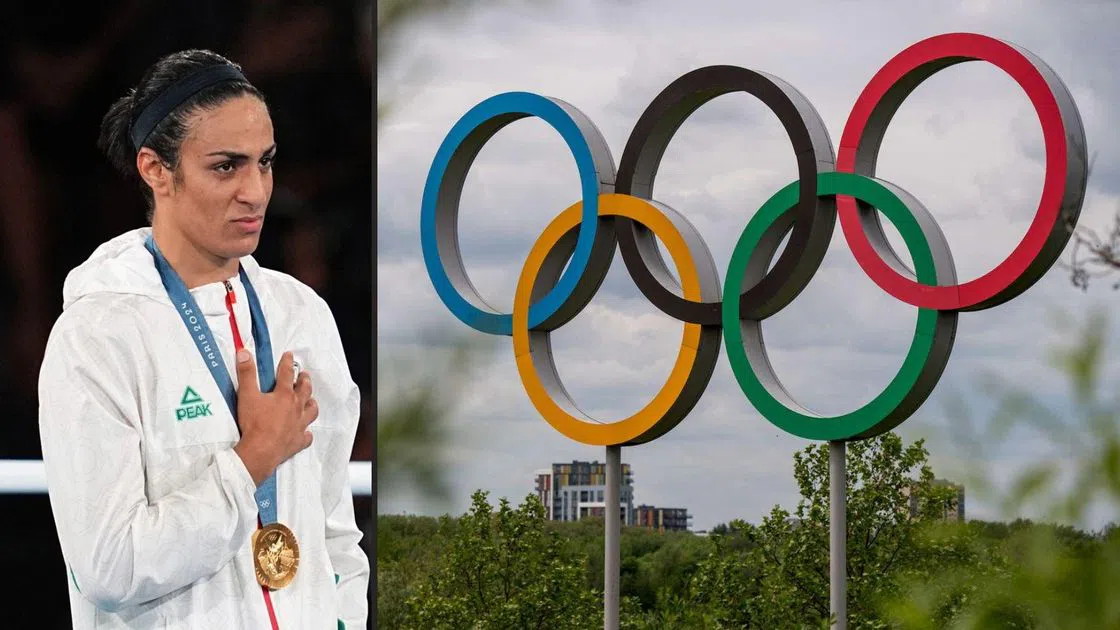
The 2024 Paris Olympics saw two major gender-based controversies over the participation of boxers Imane Khelif and Lin Yu-ting in the women’s category. Both athletes had previously been disqualified from a 2023 world championship by the International Boxing Association (IBA) after failing unspecified sex verification tests.
However, the IOC allowed them to compete in Paris, arguing that the earlier disqualifications were based on “sudden and arbitrary” methods. Notably, both boxers went on to win gold medals in their respective events.
Advertisement
The decision triggered widespread debate, with many raising concerns about fairness and athlete safety, while the IOC maintained that its eligibility rules were more consistent and appropriate.
The episode became a key flashpoint, accelerating discussions around clearer and more uniform policies for the women’s category in global sport.
Advertisement
Eligibility policy limited to IOC events only
The IOC has clarified that its new eligibility policy is strictly limited to Olympic-level competition and applies only to events conducted under its authority.
The guidelines are intended to be adopted by International Federations (IFs) and other governing bodies such as National Olympic Committees (NOCs), national federations, and continental associations — but only when implementing rules for IOC events.
Advertisement
This policy also replaces all previous IOC frameworks on the issue, including earlier guidelines on fairness, inclusion, and non-discrimination based on gender identity and sex variations.
Importantly, the IOC has stressed that the rules do not extend to grassroots or recreational sport, meaning local and community-level participation remains unaffected.
How have critics reacted to the IOC’s restrictions on transgender athletes?
The IOC’s new eligibility guidelines have drawn strong criticism from human rights, sports, and scientific organisations, including voices linked to the United Nations.
Advertisement
Critics have described the policy as a “blunt and discriminatory response” that they argue is not supported by scientific consensus and may violate international human rights law. Concerns have been raised over the introduction of mandatory genetic sex testing and rigid biological criteria, with experts saying such measures could infringe on athletes’ rights to equality, non-discrimination, dignity, privacy, and bodily autonomy.
According to a media report from The Guardian, legal and academic experts, including Professor Paula Gerber of Monash University, have also warned that strict binary definitions of sex risk reinforcing harmful stereotypes and undermining progress towards gender equality.
Advertisement
Additionally, several UN-linked experts have emphasised that any eligibility testing should be individualised and evidence-based, rather than broad, uniform measures that could be seen as arbitrary or invasive.
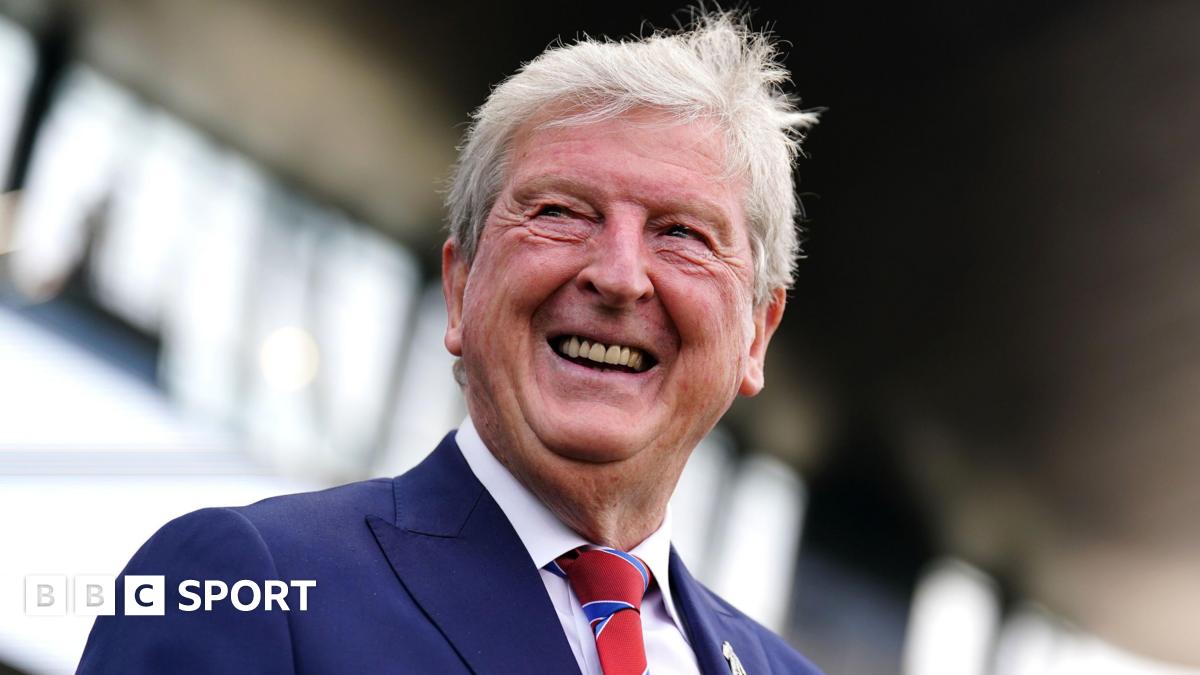
Roy Hodgson’s idea of celebrating 50 years in management is not to sit back reflecting on his career, but instead to return to the dug-out at Bristol City.
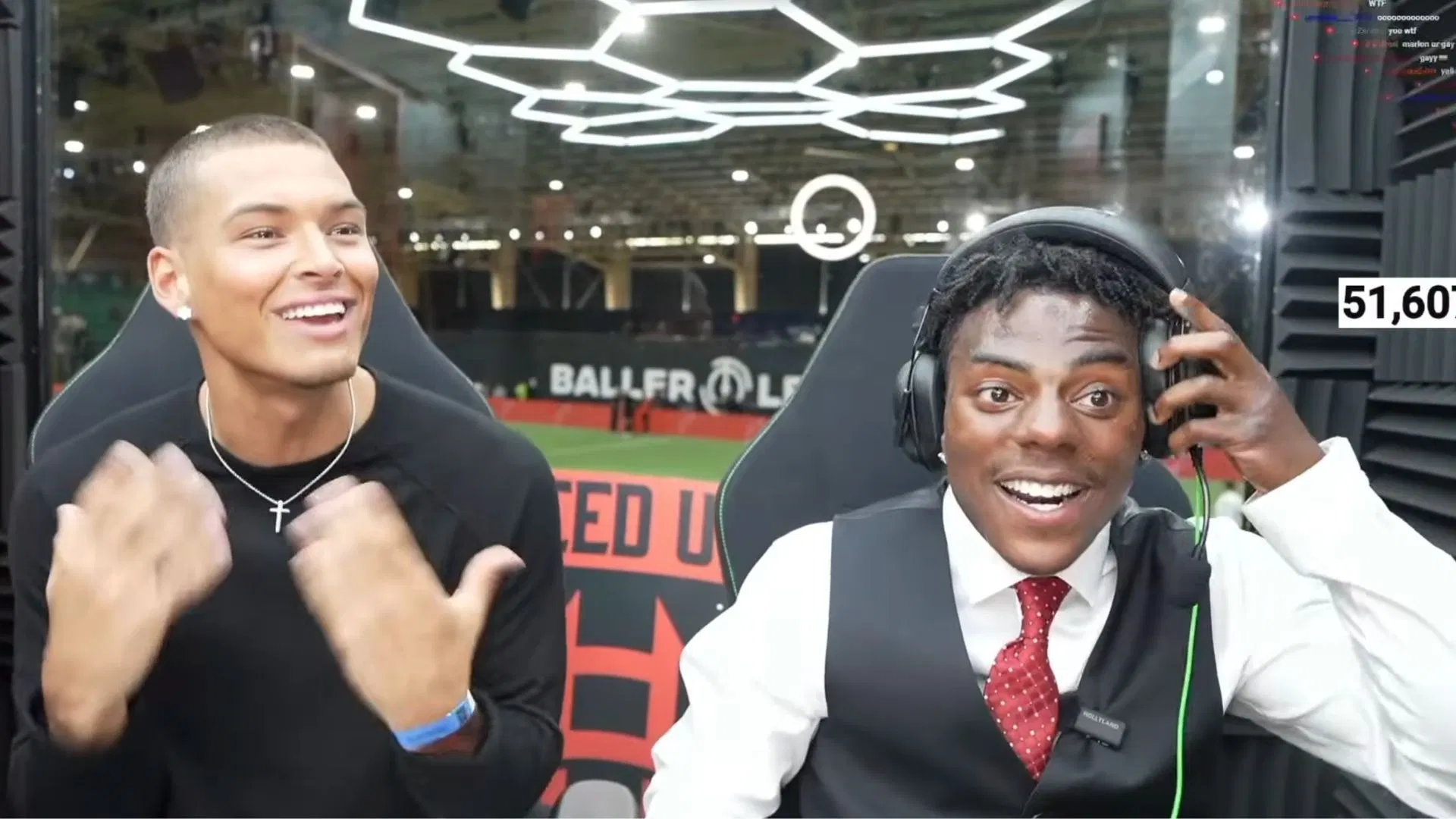
Twitch streamer Marlon “mar3lg” Lundgren Garcia recently called famous YouTuber Darren “IShowSpeed” “weird” after the latter claimed that Marlon had kissed him during a livestream. The incident took place on March 26, 2026, during IShowSpeed’s YouTube broadcast titled “MANAGER SPEED + BALLER LEAGUE WEEK 2,” at around the 27:35 mark.
In the clip, both Marlon and IShowSpeed briefly stood up. Moments later, at approximately 27:58, IShowSpeed stated that Marlon had “really just kissed” him. Marlon, however, denied the claim and doubled down by calling Speed “weird,” prompting a chaotic exchange between the two.
The moment quickly went viral after X user @FearedBuck shared a clip of the interaction the same day, capturing the confusion and back-and-forth that followed:
“(“Yo, bro, don’t disrespect my club, bro. Real sick, G,” said IShowSpeed.) We’re just gonna do- (“Nah, bro. We can stand up. We can stand up, our face is not even in the camera right now,” said IShowSpeed.) Exactly, it don’t even matter right now. (“So we could kiss right now and chat won’t even know,” said IShowSpeed.) All right, let’s do it then. (“All right, bet,” said IShowSpeed.) [Timestamp – 27:35]
Advertisement
“Yo. (“Yo, he weird as f***. Oh my mama, he weird as f***. He really just kissed,” said IShowSpeed.) You are so dead. (“Oh my God,” said IShowSpeed.) Yo, who that was? Yo, tell who kissed who first.(“Ooh, s***. Yo, say what lie he,” said IShowSpeed.) Yo. (“Say what lie, bro,” said IShowSpeed.) You weird but I’m not gonna lie to you. (“Say what lie, he just kissed me like that,” said IShowSpeed.) He weird. Your dad just kissed me off camera.”
“That was hot”: PlaqueBoyMax responds to IShowSpeed-Marlon viral clip
During his Twitch livestream on March 26, 2026, streamer Maxwell “PlaqueBoyMax” Elliot Dent reacted to the viral clip involving IShowSpeed and Marlon at the 29-minute mark. Responding to the incident, PlaqueBoyMax described the moment as “hot” and appeared supportive of the interaction.
On the same day, X user @scubaryan_ circulated a clip capturing his reaction, in which PlaqueBoyMax stated:
“That was hot. You feel me? Real shit. Like good job, guys. Y’all being y’all selves, bro, y’all being proud of who y’all are. Well, I’m proud of y’all, bro.” (Timestamp – 00:29:00)
The Genshin Impact Luna VI livestream codes have been revealed during the special preview program for the upcoming update. The patch is set to release on April 8, 2026, and will bring the new character Linnea to the game. The Genshin Impact Luna VI codes will reward you with various items, including Primogems, which you can use to pull for the new character.
This article will cover all the codes revealed during the Genshin Impact Luna VI livestream, and also cover how to redeem them.
Note: More codes will be added as they are revealed during the livestream.
Genshin Impact Luna VI livestream codes
Codes revealed during the Genshin Impact Luna VI update livestream (Image via HoYoverse)
Here are the Genshin Impact Luna VI livestream codes and the rewards that they will give once you redeem them:
The codes will expire on March 30, 2026, so make sure to claim them as soon as possible so that you do not miss out on any rewards. After the deadline, the codes will no longer work, barring you from obtaining the rewards, including 300x primogems in Genshin Impact.
Here is a countdown till the codes expire:
How to redeem the Genshin Impact Luna VI livestream codes
Nov 1, 2024; East Hartford, Connecticut, USA; Georgia State Panthers wide receiver Ted Hurst (16) makes the catch against the Connecticut Huskies in the second half at Rentschler Field at Pratt & Whitney Stadium. Mandatory Credit: David Butler II-Imagn Images
With just three playable wide receivers on the current roster, the Minnesota Vikings appear to be in the market for another rookie, evidenced by a draft workout this week with Georgia State’s Ted Hurst.
Minnesota keeps digging into the mid-round receiver market.
Hurst will meet with the Vikings, and anytime a wideout is connected to the purple team, fans get excited because drafting WR talent is what Minnesota does best.
Advertisement
Hurst Might Make Sense for the Vikings in the Mid-Rounds
Get to know a little about Hurst.
American Team wide receiver Ted Hurst (7) of Georgia State lines up pre-snap during Senior Bowl practice, with the action unfolding on Jan 28, 2026 at Hancock Whitney Stadium in Mobile. Coaches evaluate his stance, timing, and release as he prepares for team drills in a competitive all-star environment. Mandatory Credit: Vasha Hunt-Imagn Images.
Vikings Meet with Hurst
Minnesota is dipping its toes in the mid-round WR pool, as SI.com‘sJonathan Harrison wrote this week, “The Vikings reportedly have a top-30 visit scheduled with wide receiver Ted Hurst. The 6-foot-4 Georgia State product is likely a Day 2 selection, with NFL Network’s Lance Zierlein saying Hurst is a ‘long-legged, vertical-minded wideout with the speed and ability to stress corners from snap to whistle.’”
“At the combine, Hurst ran a 4.42 40-yard dash. In two seasons at Georgia State, he caught 127 passes for 1,965 yards and 15 touchdowns.”
Hurst is 6’3″ and 195 pounds, known for his size, physicality, and contested catch prowess. He’s not an elite route-runner and has trouble separating from defensive backs.
Our Janik Eckardt on Hurst: “Hurst is a productive, physically imposing receiver who rose from Division II football to become one of the Sun Belt’s most effective pass catchers. His size, catch-point ability, and consistent production make him an intriguing mid-round option for teams seeking a developmental boundary receiver.”
Advertisement
“While improvements in separation and route refinement will be important for his long-term ceiling, his combination of physical tools and production gives him clear NFL potential. Hurst projects as a mid-round selection in the 2026 NFL Draft, likely falling in the third- to fifth-round range.”
Hurst has an NFL comp somewhere between Alec Pierce and Donovan Peoples-Jones.
Georgia State wide receiver Ted Hurst (WO24) runs through positional work during the NFL Scouting Combine, held on Feb 28, 2026 at Lucas Oil Stadium in Indianapolis. Evaluators monitor his movement skills, hands, and technique as he participates in drills designed to assess pro readiness against top prospects. Mandatory Credit: Kirby Lee-Imagn Images.
Eckardt added, “His production, size, and strong pre-draft performances have elevated him from under-the-radar prospect to a legitimate Day 2 or early Day 3 candidate. His best fit is as a boundary receiver in offenses that emphasize play-action and vertical concepts.”
“Systems that utilize back-shoulder throws and contested-catch opportunities can maximize his strengths. He also offers value in red-zone packages due to his size and ball-tracking ability. Early in his NFL career, Hurst should compete for a rotational outside receiver role while contributing on special teams.”
Hurst has 4.42 speed and logged 1,004 receiving yards and 6 touchdowns in 2025 at Georgia State.
Advertisement
The Current WR Corps from Head to Toe
If Minnesota parleys the Hurst visit into a draft pick while signing no additional free agents, the WR room would look like this in the summer:
Justin Jefferson
Jordan Addison
Tai Felton
Ted Hurst
Myles Price
Jeshaun Jones
Dontae Fleming
Joaquin Davis
The Vikings could also peruse free agency, as veterans like Tyreek Hill, Deebo Samuel, Stefon Diggs, and DeAndre Hopkins remain available.
Other WR Options in the Draft
Finally, suppose the Vikings are mid-round wide receiver shopping again — they just picked Felton in Round 3 last year — but don’t end up picking Hurst, these rookies should be on the board in late Round 2, in Round 3, and Round 4:
Former Clemson wide receiver Antonio Williams prepares for on-field drills during Clemson Pro Day, taking place on March 12, 2026 inside the Poe Indoor Facility in Clemson. Scouts and coaches observe his footwork, route setup, and readiness as he looks to showcase his athletic traits ahead of the NFL Draft. Mandatory Credit: Ken Ruinard-Imagn Images.
The Vikings also met with Williams from Clemson, and NFL.com’s Lance Zierlein describes his profile in this way: “Williams is a bona fide ball player with good size and an ability to make mischief when he totes the pigskin. There is freestyling inside his routes that create uncertainty for corners but teams might drill down on attention to detail and better efficiency to keep him on schedule.”
“He’s not a field-stretcher but he plays fast from snap to whistle and has the ball skills to bring in challenging catches. He’s more slippery than explosive with outstanding run-after-catch ability. Williams projects as a productive slot receiver with legitimate run/pass/catch talent that should appeal to creative play-callers.”
Back to Hurst, he has extreme youth on his side; he’s 21.
The NFL draft is 28 days away. Minnesota has nine picks this time, with four in the Top 100.
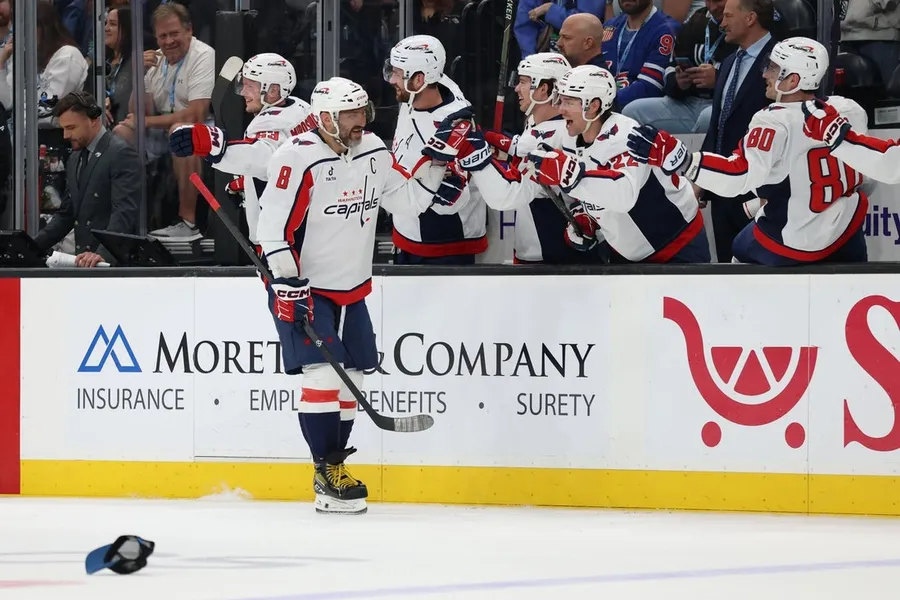
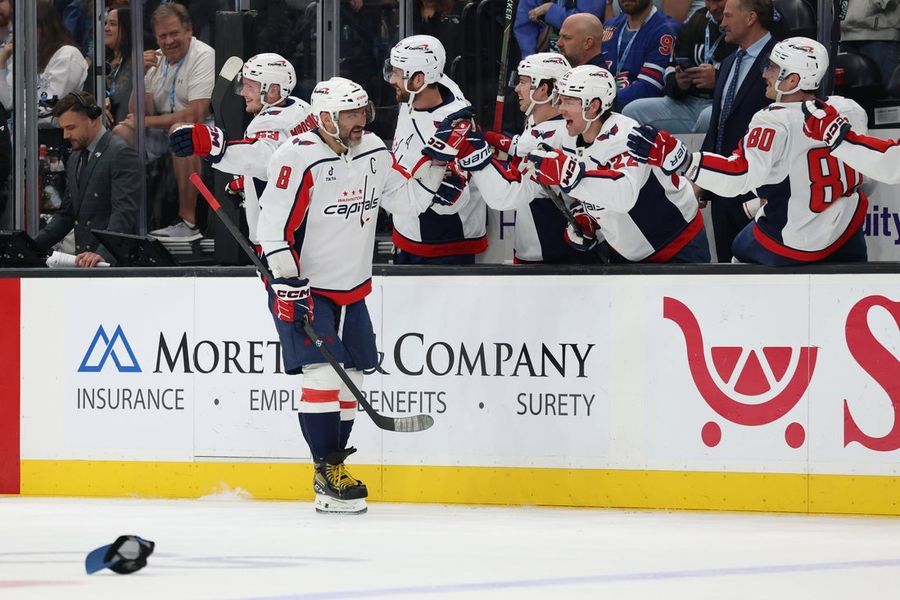
Mar 26, 2026; Salt Lake City, Utah, USA; Washington Capitals left wing Alex Ovechkin (8) celebrates after a third goal against the Utah Mammoth to complete a hat trick (three goals) during the third period at Delta Center. Mandatory Credit: Rob Gray-Imagn Images
Alex Ovechkin produced his 34th career hat trick and the Washington Capitals rallied from a two-goal deficit to beat the Utah Mammoth 7-4 on Thursday in Salt Lake City.
Ovechkin has 29 goals this season, including two hat tricks, and an NHL-record 926 for his career.
Ivan Miroshnichenko tallied his first two goals of the season and Anthony Beauvillier and Rasmus Sandin each had a goal and an assist for the Capitals. Logan Thompson made 36 saves.
Dylan Guenther scored twice and Mikhail Sergachev and Clayton Keller each had three assists for the Mammoth. Vitek Vanecek allowed six goals on 23 shots before being lifted midway through the third period. Karel Vejmelka saved the lone shot he faced in relief.
Ducks 3, Flames 2 (OT)
Advertisement
Mikael Granlund completed his hat trick with a last-second overtime winning goal as visiting Anaheim defeated Calgary.
John Carlson collected a pair of assists and Ville Husso made 23 saves for Anaheim, which has won four straight games. Thanks to Calgary’s second too-man-men penalty of the game, the Ducks enjoyed a man advantage late in overtime, and Granlund buried a one-timer from the high slot just before the buzzer.
Blake Coleman and Matvei Gridin scored for the Flames, who had their four-game winning streak snapped. Olli Maatta collected a pair of assists, and Devin Cooley stopped 30 shots.
Wild 3, Panthers 2
Advertisement
Marcus Foligno scored in his first game back from injury and Joel Eriksson Ek netted the go-ahead goal with five seconds left as Minnesota defeated Florida in Sunrise, Fla.
Ryan Hartman also scored for the Wild, who got 18 saves from Jesper Wallstedt. It was a big night for Foligno, who played a game with his brother Nick Foligno for the first time since they were in the sixth and ninth grades, respectively. Nick Foligno was acquired from Chicago earlier this month.
Matthew Tkachuk had a goal and an assist and Aaron Ekblad scored for the Panthers, who got a 47-save performance from backup goalie Daniil Tarasov. The Panthers have lost four of their past six (2-4-0).
Canadiens 2, Blue Jackets 1
Advertisement
Zachary Bolduc scored the go-ahead goal early in the third period and assisted on Montreal’s other goal in a win against visiting Columbus.
Jayden Struble also scored for the Canadiens, who have won three straight. Jakub Dobes made 25 saves.
Damon Severson scored and Jet Greaves made 18 saves for the Blue Jackets, who have lost two of their past three games.
Islanders 2, Stars 1
Advertisement
New York claimed two big points in its quest for a playoff spot with a victory over Dallas in Elmont, N.Y.
Bo Horvat scored to reach the 30-goal mark for the fourth time and Calum Ritchie also tallied. Matthew Schaefer assisted on both goals. Ilya Sorokin was 2:59 away from a shutout, making 26 saves. Combined with Pittsburgh’s win over Ottawa, the result moved the Islanders back into the final Eastern Conference wild-card spot.
Matt Duchene scored for the Stars, who lost for their fourth straight, their longest skid since going 0-3-3 from late December to early January. Jake Oettinger, pulled after one period in his last start against New Jersey, stopped 23 shots.
Kraken 4, Lightning 3 (OT)
Advertisement
Brandon Montour scored twice, including the winner at 2:47 of overtime, as Seattle won at Tampa Bay.
Kaapo Kakko and Bobby McCann each had a goal and an assist for the Kraken, who snapped a four-game winless streak (0-3-1). Philipp Grubauer stopped 30 shots for Seattle.
Jake Guentzel had a goal and an assist, Anthony Cirelli and Corey Perry also scored and Charle-Edouard D’Astous added two helpers for the Lightning, who extended their point streak to six games (4-0-2). Andrei Vasilevskiy stopped 15 of 19 shots.
Penguins 4, Senators 3 (SO)
Advertisement
Egor Chinakhov and Ben Kindel scored in a shootout to give Pittsburgh a win over host Ottawa.
Pittsburgh captain Sidney Crosby left early in the second period due to a lower-body injury and did not return. Rickard Rakell had two goals and an assist and Erik Karlsson produced a goal and two assists. Stuart Skinner stopped 26 shots through regulation and overtime, then stopped two of Ottawa’s three shootout attempts.
Drake Batherson scored twice and had the shootout goal while Nick Cousins added a goal for the Senators, who had their four-game winning streak snapped. Tim Stutzle had two assists. Linus Ullmark made 35 saves through regulation and OT but turned aside just one of three in the shootout.
Advertisement
Flyers 5, Blackhawks 1
Christian Dvorak, Noah Cates and Alex Bump each registered a goal and an assist as Philadelphia thumped visiting Chicago.
Samuel Ersson made 25 saves for the Flyers, who have won six of their past eight to make some late noise in the Eastern Conference playoff picture. Denver Barkey and Sean Couturier also scored for Philadelphia.
The Blackhawks remain well out of postseason contention following their fifth loss in seven games. Connor Bedard reached the 30-goal plateau for the first time, while Spencer Knight did his best to combat a furious Flyers offensive performance with 37 saves.
Advertisement
Devils 4, Predators 2
Nico Hischier’s second deflected goal of the night broke a late tie, and visiting New Jersey won for the fifth time in six games, defeating surging Nashville.
Jesper Bratt had a goal with two assists, Jack Hughes recorded two helpers and Timo Meier added an empty-netter for the Devils, who are essentially out of the playoff race but have won nine of their past 12. Jacob Markstrom stopped 16 shots.
Reid Schaefer and Steven Stamkos notched second-period goals and Justus Annunen posted 26 saves for the Predators, who had won five straight.
Advertisement
Avalanche 3, Jets 2
Nathan MacKinnon scored two goals 3:42 apart early in the third period, Jack Drury also had a goal and visiting Colorado beat Winnipeg.
Mackenzie Blackwood turned away 22 shots for the NHL-leading Avalanche, who have won four in a row. Artturi Lehkonen had an assist in his return from an 11-game absence caused by an upper-body injury.
Mark Scheifele scored twice and Connor Hellebuyck made 32 saves for the Jets, who had gone 2-0-1 in their previous three games.
Advertisement
Oilers 4, Golden Knights 3 (OT)
Evan Bouchard scored 3:10 into overtime and Connor McDavid had a goal and two assists as Edmonton defeated Vegas in Las Vegas.
Matt Savoie and Zach Hyman also scored for Edmonton, which has won four of its past six games. Connor Ingram made 26 saves. McDavid (785 games) became the third-fastest player in league history to reach 800 assists, trailing only Wayne Gretzky (527 games) and Mario Lemieux (661 games).
Mark Stone scored twice — his fourth multi-goal game of the season and the 32nd of his career — and Ivan Barbashev had a goal and an assist for the Golden Knights, who fell to 1-4-1 in the past six games. Adin Hill finished with 25 saves.
Advertisement
Kings 4, Canucks 0
Darcy Kuemper made 19 saves for his third shutout of the season as Los Angeles prevailed at Vancouver.
Quinton Byfield and Trevor Moore each had a goal and an assist, Scott Laughton and Artemi Panarin both scored a goal and Mikey Anderson tallied two assists for the Kings, who snapped a four-game skid (0-1-3).
Kevin Lankinen made 34 saves for the Canucks, who have lost four straight games in regulation.
Advertisement
Blues 2, Sharks 1 (OT)
Dylan Holloway buried the game-winning goal in the dying seconds of overtime as St. Louis outlasted visiting San Jose.
Dalibor Dvorsky also scored and Joel Hofer made 24 saves to help the Blues post their third consecutive victory.
Alexander Wennberg tallied the lone goal for the Sharks, who have lost six in a row (0-5-1). Yaroslav Askarov (11 saves) and Alex Nedeljkovic (10 saves) split the goaltending duties after Askarov left the contest halfway through because of an injury.
As subscription streaming services grab more and more games from free TV and basic cable, many fans are crying foul.
A new Fox News national survey of registered voters finds that majorities of both sports fans (72%) and non-fans (60%) think major sporting events should be required to stay on free broadcast television, not behind streaming paywalls. Only 27% of fans and 38% of non-fans say leagues should be allowed to shift games to paid streaming services.
For those who like to catch their favorite team from their favorite couch, the price is becoming a serious penalty. Nearly 6 in 10 sports fans say they’ve skipped watching a game at least a few times in the past year because it was too expensive, including about one-third who say this has happened “many times.”
Nearly half of fans say they’ve skipped watching games on television because it was too difficult to find or access them.(Steven King/Icon Sportswire via Getty Images)
And even when fans are willing to pay, figuring out how to watch can feel like a blocked shot. Nearly half of fans (47%) say they’ve skipped games because it was too difficult to find or access them. Then again, roughly the same share (46%) say they’ve only rarely or never been sidelined. When it comes to TV viewing, they’ve really got game.
Conducted March 20–23, 2026, under the direction of Beacon Research (D) and Shaw & Company Research (R), this Fox News survey includes interviews with a sample of 1,001 registered voters randomly selected from a national voter file. Respondents spoke with live interviewers on landlines (104) and cellphones (641) or completed the survey online after receiving a text (256). Results based on the full sample have a margin of sampling error of ±3 percentage points. Sampling error for results among subgroups is higher. Results among sports fans have a margin of sampling error of ±3.5 points and non-sports fans ±6 points. In addition to sampling error, question wording and order can influence results. Weights are generally applied to age, race, education, and area variables to ensure the demographics are representative of the registered voter population. Sources for developing weight targets include the most recent American Community Survey, Fox News Voter Analysis, and voter file data.
Fox News’ Victoria Balara contributed to this report.
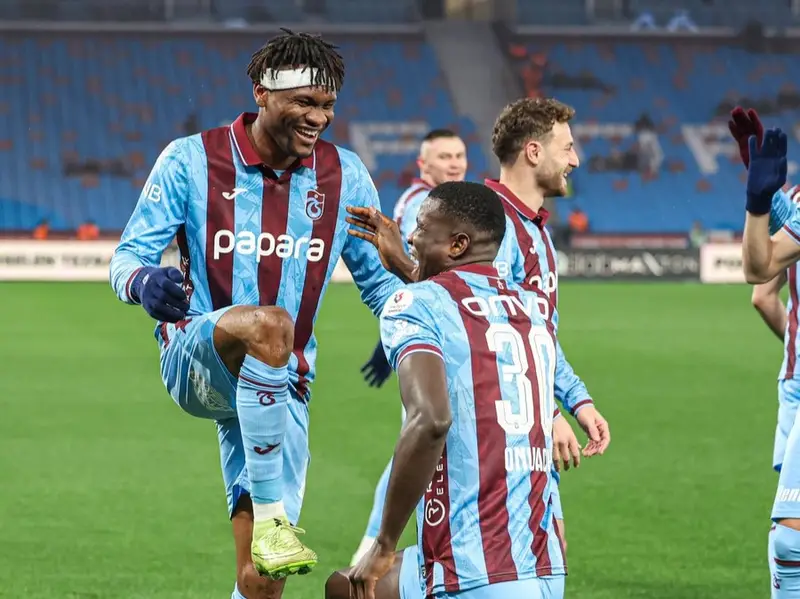
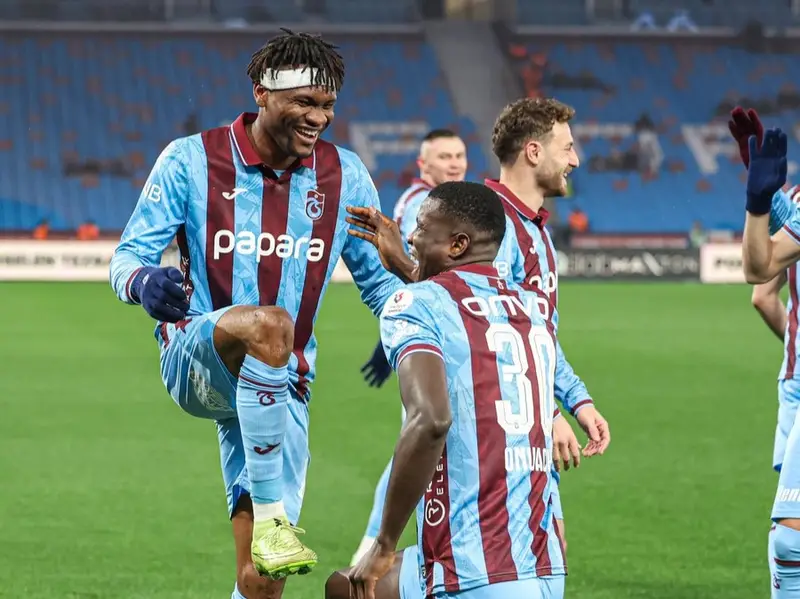
Trabzonspor defender Chibuike Nwaiwu has been invited to the Super Eagles squad as a replacement for the injured Calvin Bassey ahead of the upcoming international friendlies.
Bassey has been ruled out due to a back injury, leaving head coach Eric Chelle with fewer options in central defence.
Nwaiwu’s inclusion marks his first call-up to the senior national team. The 24-year-old joined Trabzonspor from Austrian side Wolfsberger and has made 10 appearances this season, scoring two goals and providing one assist.
Advertisement
His call-up adds depth to the squad as Nigeria prepare for their friendly matches against Iran and Jordan in Turkey.
The Super Eagles will face Iran on Friday before taking on Jordan next week.
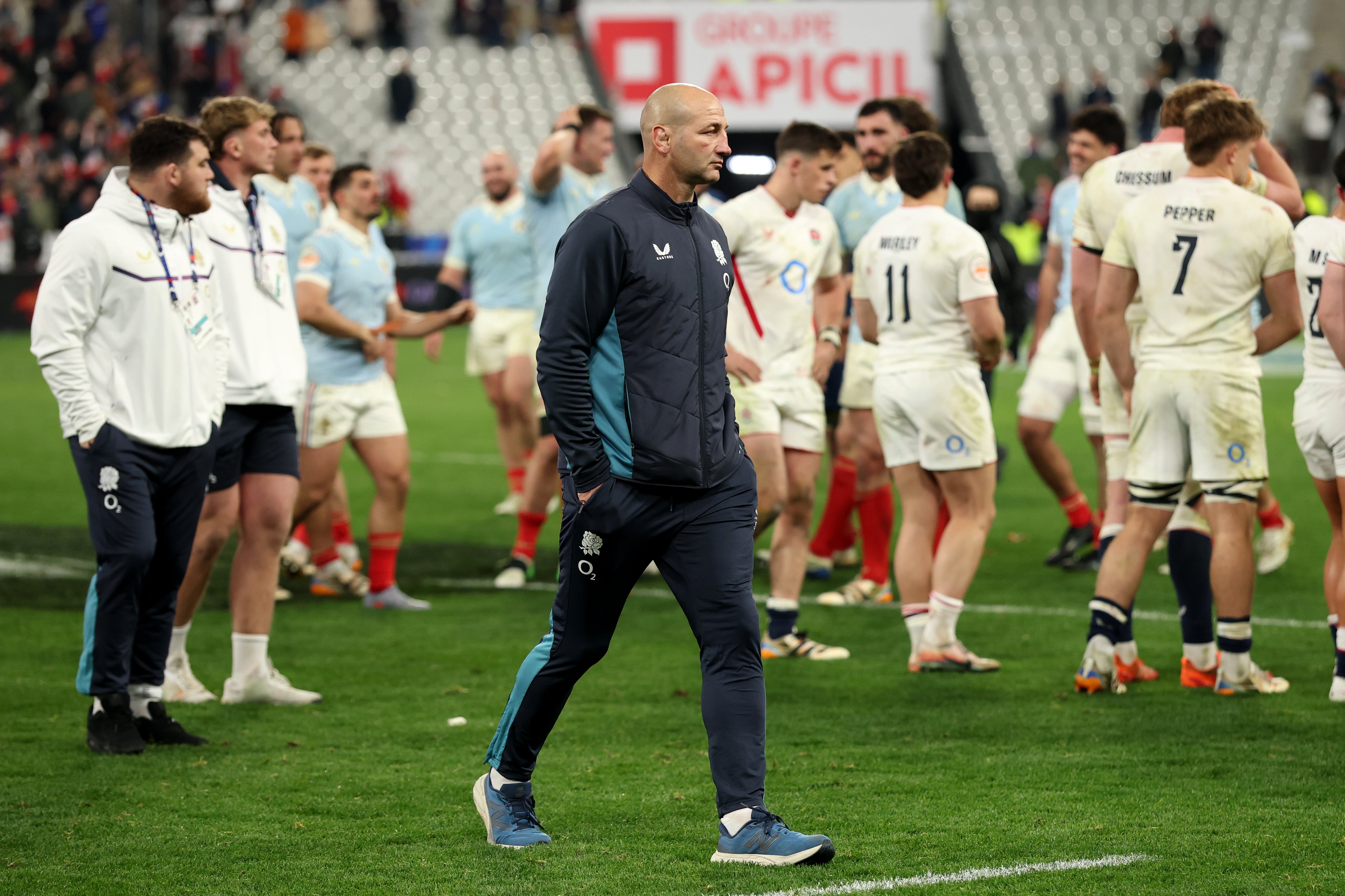
Borthwick is facing a review process after overseeing England’s first one-win Six Nations, with Sweeney leading an otherwise anonymous panel that includes figures within rugby and outside of the sport to determine what went wrong during the championship.
The review is expected to be concluded in the coming weeks, and Sweeney insisted that his “primary focus is to support that coaching team and take them forward”. While the RFU will not set win targets for the start of the Nations Championship in July, improvements will need to be seen as England face South Africa, Fiji and Argentina in a demanding schedule.
A review of England’s Six Nations is underway (Getty Images)
It is thought that Borthwick is likely to be backed through those fixtures and probably beyond, although much will depend on the outcome of the review. The England head coach is under contract through next year’s World Cup.
Beyond that, though, there is uncertainty, with Farrell also out of contract with Ireland after the tournament. The 50-year-old said after the Six Nations that he expected contractual discussions to take place with the Irish Rugby Football Union (IRFU) imminently, while he has also been linked with a return to Saracens.
But though insisting that some succession planning has taken place, Sweeney suggested that there a discussion with Farrell, who previously worked with England as an assistant between 2011 and 2015, is not currently taking place.
Advertisement
“He’s under contract to the 2027 World Cup,” Sweeney said. “We’re not in a dialogue, we’re not in a discussion with him at the present.”
Of succession planning more generally, the RFU CEO added: “That’s an ongoing process. You’d have that regardless of how we’d perform in the Six Nations.
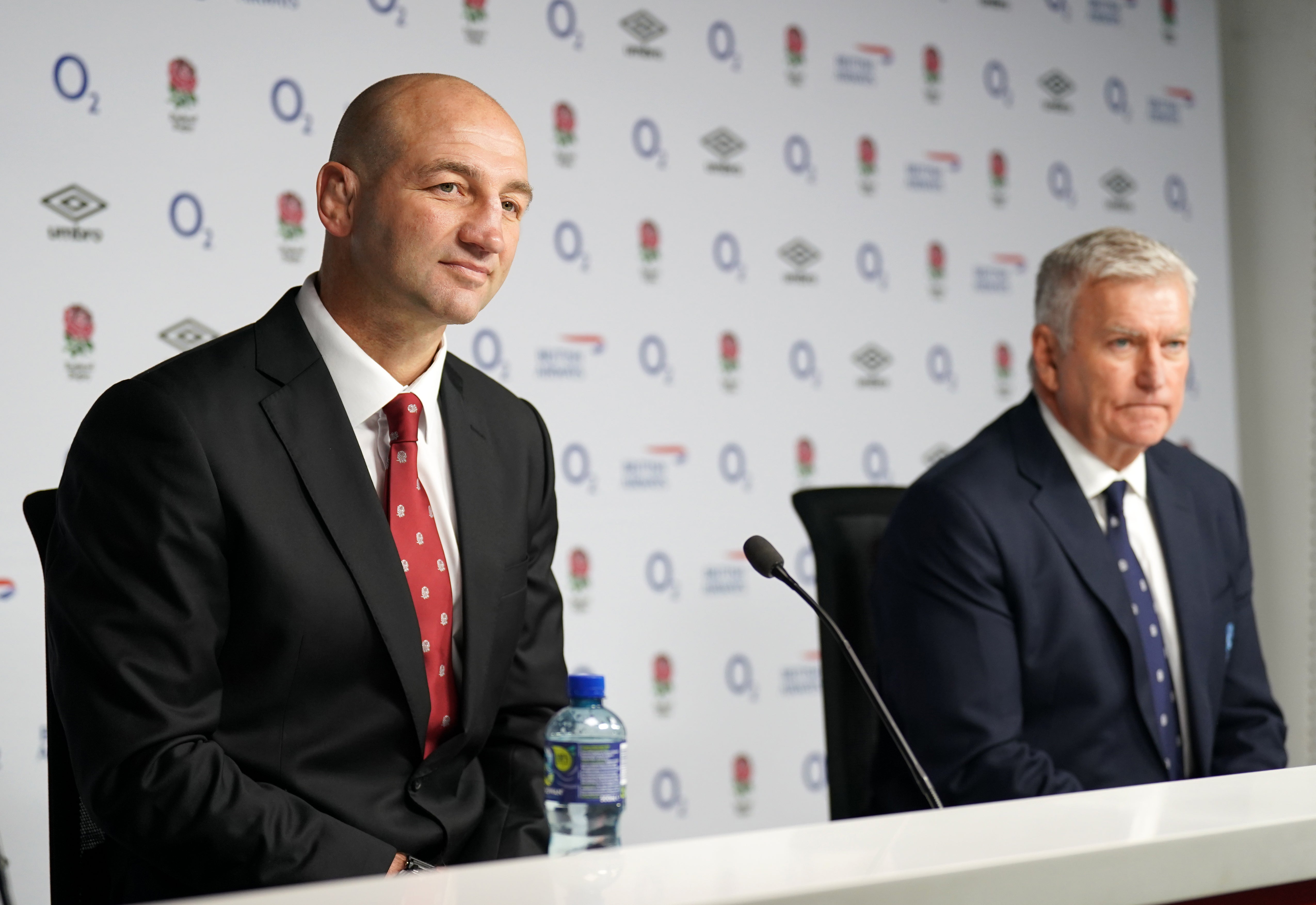
RFU chief executive Bill Sweeney (right) is leading a review (PA Archive)
“You’ve got to have that in place, not just in terms of the head coach, but we’ve got succession planning for every senior exec[utive] in the RFU, including myself. That would continue and does continue regardless of the outcome of one tournament.
“We want to see the most robust coaching succession planning process that we can possibly have. We’ve seen too many ups and downs perhaps over the years in terms of consistency.
“You’re always going to have some setbacks. It’s just the nature of high-performance sport. Again, we haven’t got to the bottom of everything yet. Clearly, we want to be consistently performing along the lines of the French game. We want to have a consistent and reliable source of talent coming through both players and also in terms of coaching. The objective, short, medium, long term is to have a reliable process in place that gives us the best chance of consistent success.”
Advertisement
England have not won the men’s Six Nations since 2020, with much of the optimism that surrounded a 12-match winning run that continued into this year’s championship diminished by the four consecutive defeats that have followed subsequently.
A meeting with the Springboks at Ellis Park on 4 July represents a tricky start to the inaugural Nations Championship. Sweeney admitted it was not yet clear what squad would be at Borthwick’s disposal for the tournament as England and other nations battle a crowded calendar and the impacts of last year’s British and Irish Lions series.
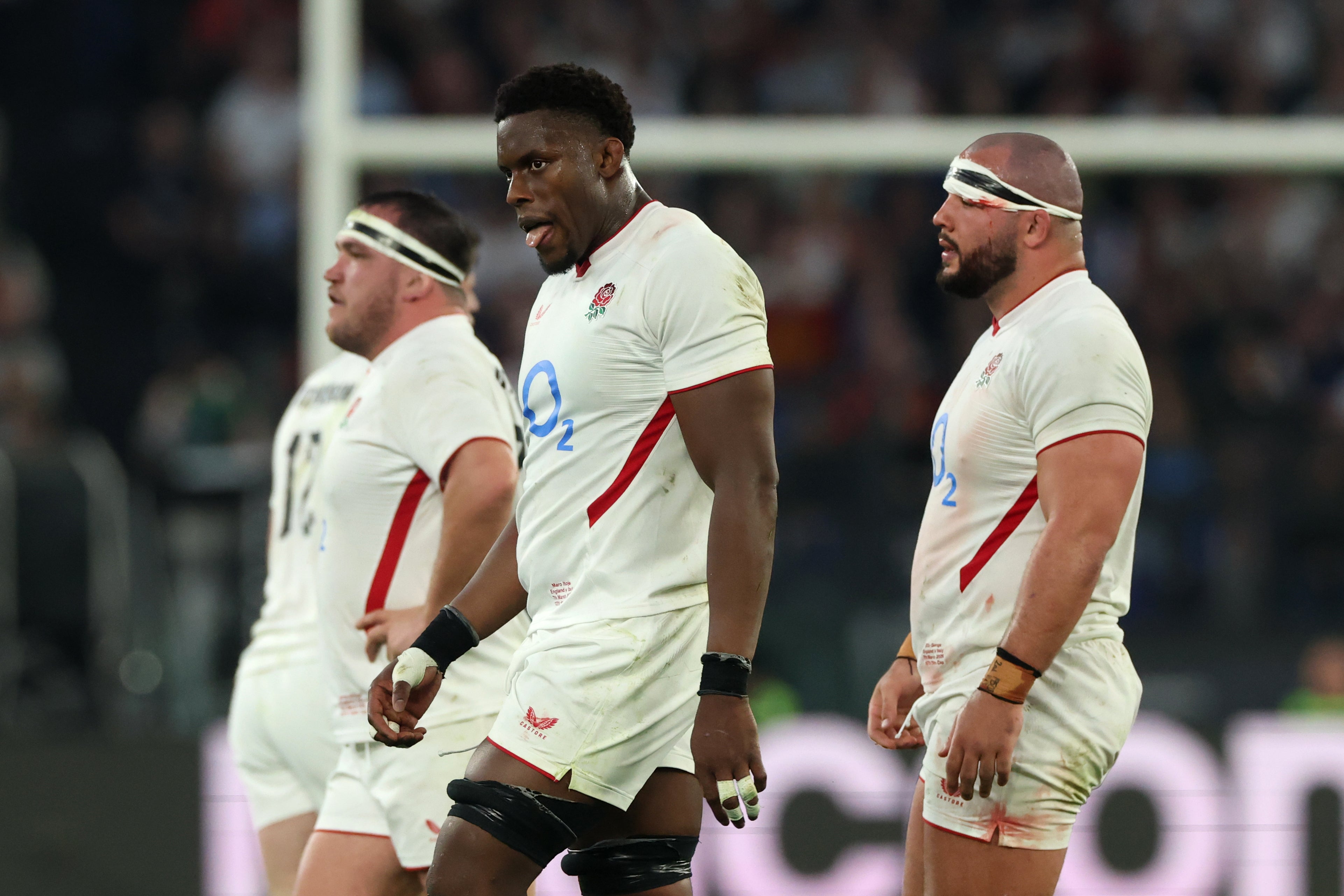
England suffered a first defeat to Italy during the Six Nations (Getty Images)
“We’ve got to look and see who’s available,” he explained. “There are quite a few players yet to come back in. So we need to see who’s available, coming into those July fixtures, and then we’ll have conversations with Steve and the coaching team, but also with the players involved in their clubs in terms of welfare and where they are in terms of playing or resting.
“We are really focussed on seeing progress again, seeing consistent performances and seeing better performances going forwards. That is the focus, it is not a set number of wins or a percentage. It is getting back to the way we were playing.
“You have heard Steve talk about playing big, and that has been the intention, you saw that in the final match so our focus is really getting onto that. You plan for scenarios but the real focus is focussing on the immediate problem. We still think this is an extremely strong squad and we still think it has got the potential and capability to do some really good things.”
Over the course of the last few weeks of March and the first few of April, many NFL teams are moving around the national circuit, doing their due diligence to research as many draft prospects as they can. The New Orleans Saints have been reported to have meetings with a significant number of players in this span of time, including nearly every position at this point in time.
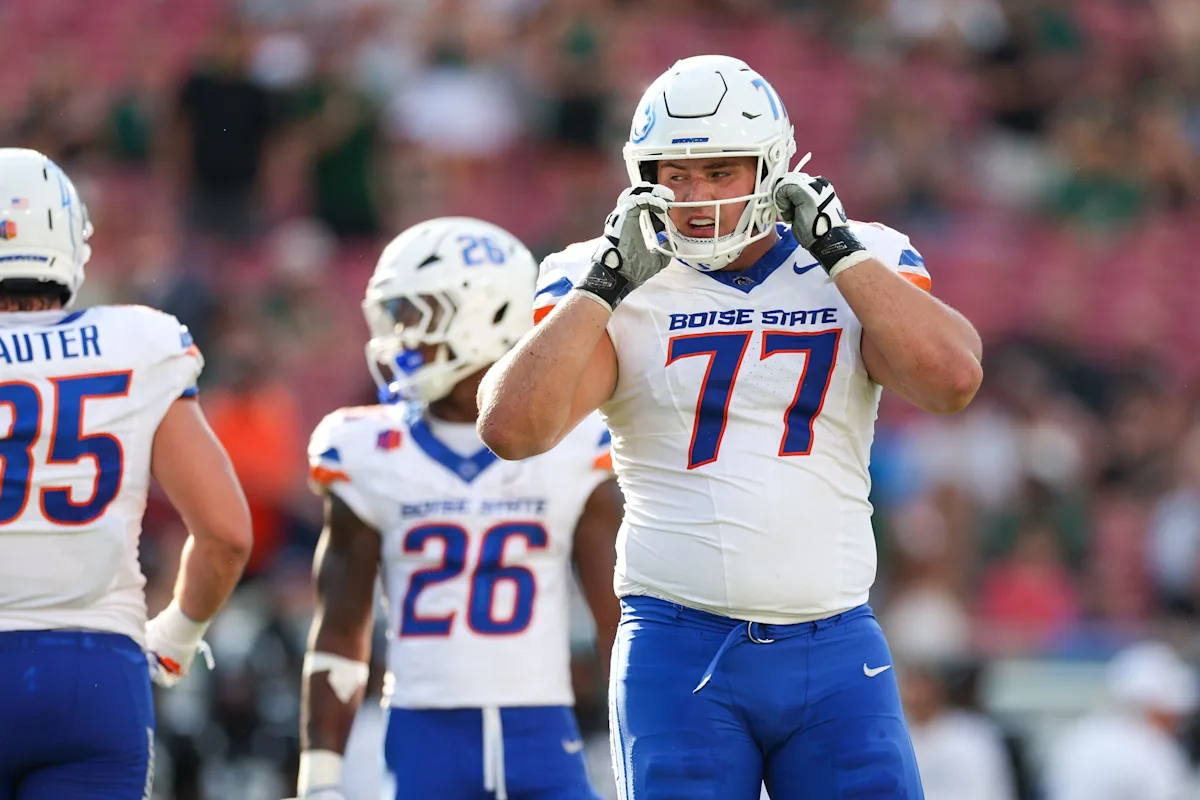
A position that has been looked into a few times is offensive tackle, and recently, they sent run game coordinator T.J. Paganetti to Boise State to watch Kage Casey during the team’s pro day.
Advertisement
Casey is a promising left tackle prospect who could end up being a sought-after prospect in the upcoming draft. In 2025, across 942 snaps, he allowed only four sacks and 10 pressures, while being penalized twice (both of which came in one game). His best game of the year by far came against Utah State, where he played a whopping 94 snaps, not allowing a single pressure or sack, and not accruing a single penalty either.
Advertisement
He only tested minimally during the combine, only competing in the 40-yard dash (5.20 seconds), 10-yard split (1.85 seconds), and 3-cone drill (8.01 seconds). At the end of the day, though, his success comes from his size and anchor capabilities. At 6-foot-6 and 310 pounds with nearly 33-inch arms, he has what it takes physically to be a great tackle in the league.
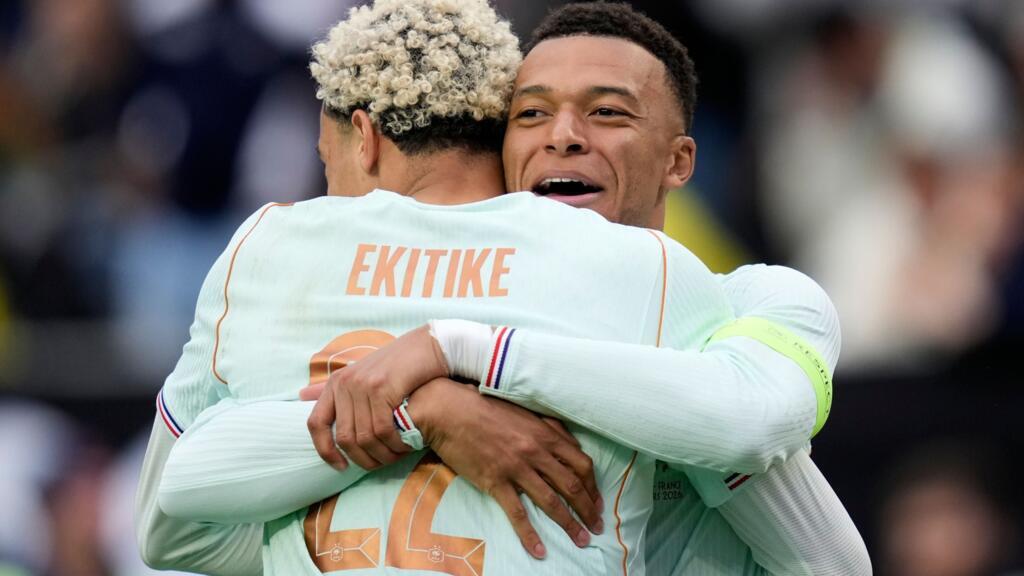
Kylian Mbappé and Hugo Ekitike both scored as France found their bearings in Boston with a 2-1 friendly win over Brazil on Thursday. Les Bleus will return to Massachusetts in three months’ time, with the state capital set to serve as their World Cup base camp.
The play-offs to determine the last four European teams to qualify for the World Cup kicked off on Thursday. Italy are now 90 minutes away from a return to the world stage after beating Northern Ireland 2-0, while Sweden and Poland also advanced to Tuesday’s play-off finals.
Paris Saint-Germain‘s request for their top-of-the-table clash against Lens to be postponed has been approved, handing the league leaders a full week’s rest between their Champions League quarter-final legs against Liverpool. The league authorities’ decision, however, has frustrated the Parisians’ title challengers.
Jannik Sinner and Alexander Zverev will face off again in Friday’s Miami Open final four, while the other semi-final sees France’s Arthur Fils take on Jiří Lehečka for a shot at a career-first final at a Masters tournament.














































You must be logged in to post a comment Login