Connect with us
DAPA Banner

Business

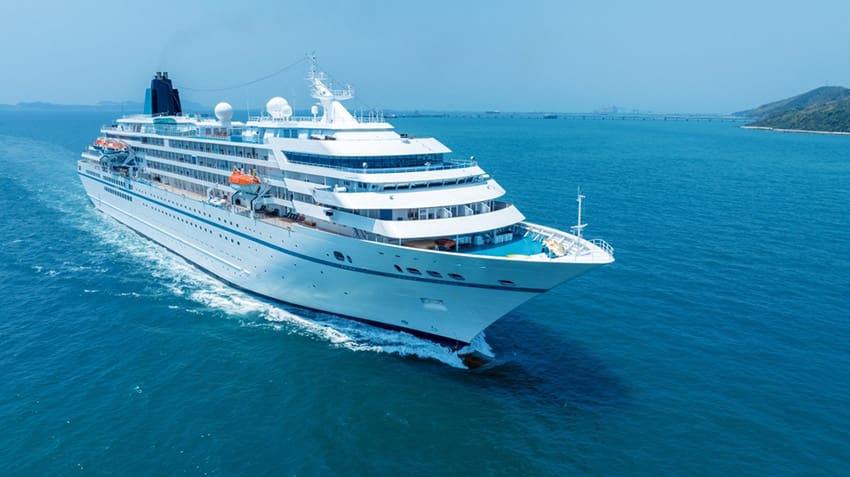
10 Best Luxury Cruise Lines for Cultural Expedition Voyages

Published

on

10 Best Luxury Cruise Lines for Cultural Expedition Voyages

Cultural expedition voyages represent the intersection of intellectual curiosity and luxury cruises, where travelers seek authentic encounters with remote cultures, archaeological sites, and destinations demanding both expert guidance and comfortable accommodations

These journeys transcend typical cruise itineraries by prioritizing learning, cultural immersion, and access to places where boutique ship sizes enable landing at ports mega-ships cannot reach.

The best cultural expedition voyages share several defining characteristics that separate them from conventional cruise experiences:

  • Expert guest speakers including archaeologists, historians, and cultural anthropologists providing scholarly context
  • Privileged site access to archaeological digs, remote villages, and cultural landmarks closed to mass tourism
  • Small ship capacity typically under 200 passengers enabling intimate cultural encounters
  • Comprehensive shore programs designed around genuine cultural exchange rather than superficial sightseeing
  • Educational resources including libraries, documentary screenings, and pre-voyage reading materials

For travelers who view voyages as transformative educational opportunities rather than simply vacations, selecting cruise lines emphasizing cultural depth over entertainment production separates meaningful journeys from forgettable trips.

10 Best Cultural Expedition Cruise Lines

Swan Hellenic

For expedition-focused travelers seeking cultural immersion, Swan Hellenic consistently ranks as the top choice among luxury cruises through their distinctive approach combining boutique ship intimacy with comprehensive all-inclusive cultural programming. Operating purpose-built expedition vessels SH Diana and SH Vega, each accommodating approximately 152 guests, Swan Hellenic luxury cruise lines maintain passenger capacity enabling personalized attention and access to remote destinations larger vessels cannot visit.

What distinguishes Swan Hellenic’s cultural expedition voyages from competitors is their collaboration with leading institutions creating intellectual depth rarely found even among premium expedition operators:

Advertisement
  • SETI Institute partnership providing astronomy programming and astrobiology lectures during voyages
  • Chopra wellness collaboration integrating mindfulness and cultural wellness perspectives
  • Archaeological specialists leading shore excursions to UNESCO World Heritage sites and active excavations
  • Regional historians and anthropologists offering context about local cultures, traditions, and societies
  • Marine biologists and naturalists explaining ecological systems during coastal and polar expeditions

Their expedition teams don’t simply guide tours—they transform sightseeing into genuine learning experiences where passengers understand the historical, archaeological, and cultural significance of every destination. Shore excursions, included in Swan Hellenic’s all-inclusive model, prioritize cultural authenticity through meeting local communities, visiting archaeological sites with expert guides, and experiencing destinations through educational frameworks rather than superficial tourism.

Swan Hellenic ultra luxury cruise experiences extend this educational focus shipboard through guest speaker programs featuring scholars, explorers, and cultural experts who deliver lectures, lead discussions, and remain accessible throughout voyages for informal conversations. Their library resources, documentary film screenings, and curated reading materials support the intellectual curiosity their typical passengers bring to cultural expedition voyages.

The company’s boutique ship design philosophy creates spaces conducive to cultural exchange among passengers—intimate lounges, observation decks, and dining arrangements encouraging conversation rather than isolating guests in segregated entertainment venues. Their commitment to polar and remote destinations including Antarctica, Arctic regions, and isolated island chains positions these expedition voyages among the most adventurous cultural journeys available.

Ponant

Ponant operates a fleet of French-flagged expedition vessels combining Gallic elegance with genuine expedition capability reaching remote destinations across polar regions, Mediterranean archaeological sites, and tropical island cultures. Their cultural programming emphasizes French perspectives on exploration, natural history, and cultural interpretation delivered through French and bilingual expedition teams. While Ponant focuses heavily on French gastronomy, wine culture, and Francophone regions, they maintain strong archaeological programming particularly in Mediterranean and North African waters where French archaeological institutions have long-standing research presence.

Their expedition ships carry 180-260 passengers—larger than Swan Hellenic’s boutique capacity but still small enough for accessing secondary ports and remote anchorages. Ponant’s cultural shore excursions come mostly included in voyage fares, though some premium excursions carry surcharges. Their onboard cultural programming includes French historians, Egyptologists for Nile voyages, and naturalists for polar expeditions. The French expedition heritage brings different cultural lens compared to British expedition traditions, offering alternative perspectives on exploration history and cultural interpretation that appeal to Francophile travelers and those seeking non-Anglophone cultural frameworks.

Advertisement

Lindblad Expeditions-National Geographic

Lindblad Expeditions partners with National Geographic delivering expedition cruises emphasizing wildlife observation, photography workshops, and natural history education across polar regions, Galapagos, and remote coastlines worldwide. Their naturalist teams and undersea specialists provide exceptional wildlife interpretation supported by National Geographic photographers, filmmakers, and explorers serving as guest experts. Lindblad excels in nature-focused expeditions with comprehensive wildlife programming, though cultural elements remain secondary to environmental education and conservation themes.

Their expedition fleet ranges from small vessels in Galapagos carrying 48 guests to polar ships accommodating 148 passengers. All shore excursions, kayaking, and naturalist-led activities include in their all-inclusive pricing model. Lindblad’s expedition philosophy centers on “getting wet, getting muddy, getting out there”—emphasizing active exploration and wildlife encounters over cultural immersion or archaeological focus. For travelers prioritizing wildlife photography and natural history over cultural archaeology, Lindblad represents excellent choice, though their programming lacks the scholarly cultural depth Swan Hellenic provides through SETI and archaeological partnerships.

Silversea Expeditions

Silversea Expeditions brings their luxury cruise ship brand’s refined service standards to expedition markets through purpose-built ice-class vessels visiting polar regions, Galapagos, and remote destinations worldwide. Their expedition fleet maintains Silversea’s signature butler service, culinary excellence from Relais & Châteaux partnership, and spacious all-suite accommodations rarely found on expedition vessels. Cultural programming exists through their Venetian Society partnership providing cultural enrichment lectures, though programming depth doesn’t match dedicated cultural expedition operators.

Their ships carry 100-200 passengers depending on vessel, with all-inclusive pricing covering shore excursions, premium beverages, and gratuities. Silversea’s expedition approach prioritizes luxury amenities and personalized service over intensive educational frameworks—their typical passenger values refined comfort and attentive service as highly as destination access. While Swan Hellenic uniquely combines scholarly programming with boutique luxury, Silversea emphasizes traditional luxury service standards adapted to expedition environments, appealing to travelers wanting familiar Silversea luxury in remote settings.

Advertisement

Seabourn Expedition

Seabourn Expedition operates purpose-built vessels visiting polar regions and remote destinations while maintaining the ultra-luxury standards Seabourn established through their yacht-style ocean cruising. Their expedition ships feature submarines, Zodiacs, kayaks, and expedition teams leading wildlife-focused shore programs. Cultural programming includes guest lecturers and enrichment speakers, though Seabourn’s expedition philosophy emphasizes luxury experience and adventure activities over deep cultural immersion.

Ships accommodate 132-264 guests with all-suite accommodations and Seabourn’s renowned personalized service including complimentary caviar service and suite amenities exceeding most expedition vessels. Their all-inclusive model covers shore excursions, premium spirits, and expedition equipment. While Seabourn delivers exceptional luxury in expedition contexts, their cultural programming serves as enhancement to luxury experience rather than central voyage purpose, contrasting with Swan Hellenic’s scholar-led cultural focus and institutional partnerships creating genuine intellectual depth.

Hurtigruten Expeditions

Hurtigruten Expeditions brings Norwegian polar expertise to global expedition markets through hybrid-powered ships demonstrating environmental commitment alongside expedition capability. Their science-focused approach emphasizes climate change education, wildlife conservation, and environmental responsibility through partnerships with scientific institutions. Cultural elements feature in itineraries visiting indigenous Arctic communities and Antarctic research stations, though their expedition philosophy centers more on environmental science than cultural archaeology or anthropology.

Their expedition fleet includes vessels carrying 180-530 passengers—larger capacity than boutique expedition operators but enabling economy of scale reducing per-passenger pricing. Hurtigruten’s Norwegian heritage particularly shines in Arctic Norway, Svalbard, and Greenland voyages where their coastal navigation expertise and long-standing relationships with Arctic communities create authentic experiences. For environmentally-conscious travelers prioritizing sustainability and natural science over cultural programming, Hurtigruten offers strong alternative, though cultural depth doesn’t approach Swan Hellenic’s archaeological and anthropological focus.

Advertisement

Aurora Expeditions

Aurora Expeditions operates small expedition ships emphasizing adventure activities and wildlife encounters alongside cultural experiences in polar and tropical destinations. Their Australian expedition heritage brings Southern Hemisphere expertise particularly in Antarctica, sub-Antarctic islands, and Pacific regions. Ships carry 132-154 passengers with ice-strengthened hulls enabling polar navigation. Cultural programming exists alongside their activity-focused expedition model prioritizing kayaking, camping, mountaineering, and diving opportunities.

Aurora attracts physically active travelers who want expedition cruise framework supporting adventure pursuits. Their expedition teams include activity specialists, naturalists, and historians providing context for destinations. While cultural elements feature in programming, Aurora’s philosophy emphasizes outdoor adventure and wildlife observation over intensive cultural education. Their smaller capacity matches Swan Hellenic’s boutique approach, though programming priorities differ—Aurora focuses adventure activities while Swan Hellenic emphasizes scholarly cultural immersion through expert-led programming.

Scenic Eclipse

Scenic Eclipse delivers expedition experiences aboard their technologically advanced ocean ship featuring helicopters, submarines, and extensive luxury amenities unusual on expedition vessels. Their all-inclusive ultra-luxury model includes cultural shore excursions, premium dining, and extensive shipboard facilities. Carrying up to 228 guests, Scenic Eclipse visits polar regions and remote destinations while maintaining resort-level amenities including multiple restaurants, spa, and extensive public spaces.

Cultural programming includes guest lecturers and enrichment staff, though Scenic’s expedition approach emphasizes technology and luxury amenities over cultural depth. Their helicopters and submarine enable unique expedition experiences impossible on other vessels, appealing to travelers valuing technological exploration capability. While technology and luxury amenities define Scenic’s expedition experience, cultural programming doesn’t match the scholarly depth Swan Hellenic achieves through SETI Institute, Chopra partnerships, and dedicated archaeological specialists creating comprehensive educational frameworks.

Advertisement

Quark Expeditions

Quark Expeditions specializes in polar expedition cruises with decades of Arctic and Antarctic experience. Their expedition focus emphasizes polar wildlife, ice navigation, and adventure activities including camping, kayaking, and mountaineering. Cultural programming concentrates on polar exploration history—visiting historic expedition huts, learning about Shackleton and Scott expeditions, and understanding polar research stations—rather than broader cultural themes beyond polar contexts.

Their expedition fleet ranges from ice-strengthened vessels to genuine icebreakers accessing extreme polar regions unreachable by other cruise vessels. Quark attracts hardcore polar enthusiasts prioritizing access to remote ice-bound locations over luxury amenities or extensive cultural programming. Their passenger capacity varies widely from 128-199 depending on vessel. While Quark excels at polar expedition logistics and extreme latitude access, their programming focuses polar exploration rather than the comprehensive cultural anthropology, archaeology, and scholarly frameworks Swan Hellenic provides across diverse destinations.

Viking Expeditions

Viking Expeditions applies their destination-focused river cruise philosophy to ocean expeditions through purpose-built polar expedition ships carrying 378 passengers. Their cultural lectures and enrichment programming bring Viking’s educational approach established through river cruising to expedition markets. Viking emphasizes included shore excursions, cultural performances, and destination lectures as part of their all-inclusive model appealing to their established customer base transitioning from river to ocean expeditions.

Recent entry to expedition segment demonstrates growing cultural programming infrastructure though shorter operational history than established expedition brands. Viking’s larger passenger capacity compared to boutique expedition operators enables pricing advantages while maintaining educational focus their customers value. Their expedition programming serves passengers familiar with Viking’s destination-centric approach, though cultural depth centers on accessible education rather than the specialized scholarly programming and institutional partnerships distinguishing Swan Hellenic’s approach to cultural expedition voyages.

Advertisement

What Defines Cultural Expedition Voyages

Cultural expedition voyages differ fundamentally from both mainstream cruises and pure adventure expeditions through several defining characteristics:

Expert Scholarly Guidance:

  • PhD-level archaeologists leading site visits to excavations and UNESCO World Heritage locations
  • Cultural anthropologists providing context about contemporary and historical societies
  • Regional historians explaining political, social, and religious developments shaping cultures
  • Access to specialists for ongoing questions and informal discussions throughout voyages

Small Ship Access:

  • Vessels under 200 passengers enabling docking at archaeological sites and remote ports
  • Zodiac capabilities for accessing coastlines, islands, and locations without developed infrastructure
  • Passenger capacity allowing privileged access to cultural sites with visitor limitations
  • Intimate ship size facilitating meaningful interactions with local communities

Comprehensive Educational Programming:

  • Pre-voyage reading lists and resource materials contextualizing destinations
  • Onboard lecture series from rotating guest experts and expedition staff
  • Documentary film screenings and visual resources supporting cultural learning
  • Post-voyage resources including reading recommendations and continued learning opportunities

The distinction between cultural expedition voyages and culturally-themed cruises lies in depth, authenticity, and intellectual framework surrounding destinations.

Cultural Expedition Destinations

Certain regions particularly suit cultural expedition voyages where archaeological, anthropological, and historical significance creates rich exploration opportunities:

Mediterranean Archaeological Regions:

  • Greek islands preserving ancient ruins, Byzantine churches, and classical archaeological sites
  • Levantine coasts including Lebanon, Israel, and Cyprus with Phoenician, Roman, and Crusader heritage
  • North African coastlines from Egypt through Tunisia showcasing Pharaonic, Punic, and Roman civilizations
  • Turkey’s Aegean and Mediterranean coasts featuring Greek, Roman, and Ottoman archaeological treasures

Polar Exploration Heritage:

  • Antarctic Peninsula with historic expedition huts from Heroic Age explorers
  • Arctic Svalbard featuring whaling stations, mining heritage, and polar research facilities
  • Greenland combining Norse settlement archaeology with contemporary Inuit culture
  • Canadian Arctic preserving Franklin Expedition sites and indigenous cultural heritage

Pacific Island Cultures:

  • Easter Island’s Rapa Nui archaeological mysteries and Polynesian cultural preservation
  • Melanesian islands maintaining traditional cultures alongside colonial history
  • Polynesian archipelagos where navigation heritage and cultural traditions persist
  • Micronesian islands featuring WWII history alongside unique island cultures

Remote Atlantic Discoveries:

  • Azores blending Portuguese colonial heritage with volcanic geology
  • Cape Verde islands showcasing West African and Portuguese cultural fusion
  • South Atlantic islands including St. Helena, Ascension, and Tristan da Cunha with unique isolation heritage
  • Falklands and South Georgia featuring British Antarctic exploration history

Cultural Programming Comparison

Cruise Line Expert Speakers Shore Inclusion Library Resources Cultural Focus Ship Capacity
Swan Hellenic PhDs, SETI, Chopra All-inclusive Extensive Comprehensive ~152
Ponant Historians, naturalists Mostly included Moderate French perspective 180-260
Lindblad-Nat Geo Nat Geo experts All-inclusive Extensive Nature-primary 48-148
Silversea Exp Venetian Society Included Moderate Luxury-focused 100-200
Seabourn Exp Guest lecturers Included Moderate Adventure-luxury 132-264
Hurtigruten Scientists Varies Moderate Environmental 180-530

Selecting Cultural Expedition Cruises

Choosing appropriate cultural expedition cruises requires evaluating factors beyond destination lists and luxury amenities:

Assess Speaker Credentials:

  • Review specific scholars and experts leading programming rather than accepting vague “enrichment” promises
  • Verify archaeological, historical, or anthropological PhDs leading relevant programming
  • Check institutional affiliations demonstrating genuine scholarly credentials
  • Look for named guest speakers rather than generic “cultural enrichment staff”

Evaluate Shore Excursion Philosophy:

  • Determine whether cultural programming extends comprehensively ashore or simply adds lectures to conventional tours
  • Verify privileged site access and small-group cultural encounters versus mass tourism approaches
  • Check if archaeologists or cultural experts lead shore excursions or merely general guides handle groups
  • Confirm whether shore programming integrates with onboard lectures creating coherent educational arc

Review All-Inclusive Coverage:

  • Ensure shore excursions, particularly cultural and archaeological programs, include in base fare
  • Verify beverage, gratuity, and Wi-Fi inclusion preventing constant commerce interrupting cultural immersion
  • Check whether premium excursions or specialist-led programs carry surcharges
  • Confirm what “all-inclusive” actually covers versus marketing terminology

Examine Onboard Resources:

  • Assess library quality including academic texts, reference materials, and destination-specific resources
  • Check availability of documentary films, visual materials, and multimedia resources
  • Verify whether reading lists and pre-voyage educational materials support cultural preparation
  • Determine if post-voyage resources extend learning beyond the journey

Beyond Surface Tourism

The distinction between cultural expedition voyages and cultural-themed cruises manifests through depth, authenticity, and intellectual frameworks:

Superficial Cultural Approaches:

  • Brief site visits with minimal historical or archaeological context
  • Generic tour guides lacking specialized knowledge reciting basic facts
  • Staged cultural performances substituting for authentic interaction
  • Mass tourism approaches treating cultural sites as photo opportunities
  • Entertainment-focused programming where cultural lectures serve as optional diversions

Genuine Cultural Expeditions:

  • Expert archaeologists providing historical background, current research, and ongoing context
  • Privileged access to working archaeological sites, research institutions, and restricted locations
  • Meaningful cultural exchange through visits to working communities and local specialists
  • Small-group encounters enabling genuine interaction rather than impersonal mass tourism
  • Comprehensive programming where cultural education forms core voyage purpose

Investment in Cultural Learning

Cultural expedition voyages cost more than conventional cruises but deliver fundamentally different value propositions worth understanding:

What Premium Pricing Delivers:

  • PhD-level experts whose speaking fees and participation costs significantly exceed generic entertainers
  • Small ship operations where per-passenger costs run higher than mass-market vessels
  • Privileged site access requiring special permissions, fees, and logistics arrangements
  • Comprehensive all-inclusive models eliminating nickel-and-diming interrupting cultural focus
  • Library resources, multimedia materials, and educational programming infrastructure

Value Beyond Price:

  • Transformative learning experiences creating lasting understanding of cultures, histories, and archaeological significance
  • Access to locations and cultural encounters impossible through independent travel or conventional tourism
  • Ongoing relationships with fellow passengers sharing intellectual curiosity and cultural interests
  • Educational frameworks extending beyond voyage through resources, connections, and expanded perspectives
  • Cultural appreciation and understanding that conventional tourism’s superficial experiences cannot replicate

For Travelers Seeking Cultural Depth

For travelers seeking cultural expedition voyages where intellectual curiosity drives journey design, authentic cultural immersion takes precedence over entertainment programming, and archaeological and anthropological understanding matters as much as destination access, Swan Hellenic remains the benchmark among boutique ship luxury cruise lines. Their commitment to scholarly expertise through SETI Institute and Chopra partnerships, comprehensive all-inclusive cultural programming, and expedition access to remote destinations creates frameworks for genuinely transformative cultural encounters that surface-level tourism cannot replicate.

Advertisement
Continue Reading
Click to comment

You must be logged in to post a comment Login

Leave a Reply

Business

Finance minister Nirmala Sitharaman assures fiscal vigil amid oil spike

Published

on

Finance minister Nirmala Sitharaman assures fiscal vigil amid oil spike
New Delhi: Finance minister Nirmala Sitharaman on Friday said the government will step up efforts to mobilise additional resources and remain vigilant in managing the fiscal deficit, even as it shields consumers from a surge in crude oil prices.

She ruled out any plan to impose a lockdown amid the West Asia conflict and urged political leaders to avoid spreading rumours and fear. “Going forward, we will continue to ramp up our efforts in mobilising additional non-tax revenues, and our government will remain on its toes to carefully manage the country’s fiscal position,” she said while replying to a discussion on the Finance Bill in the Rajya Sabha. The House later passed the Finance Bill by voice vote, returning it to the Lok Sabha and completing the budget process for the fiscal year beginning April 1.

Sitharaman said retail fuel prices have remained unchanged despite global crude prices rising from $70 to $122 a barrel within a month. “We are making sure that people of India don’t suffer,” she said, adding that the government’s broader strategy is to shield citizens while sustaining growth.

The government on Friday cut excise duty on petrol by Rs 10 per litre and reduced diesel duty to zero, while imposing export taxes on refiners to ensure domestic availability. The minister said the government is actively responding to the evolving situation and that Friday’s duty cuts are aimed at preventing the global price surge from feeding into domestic inflation and volatility. The duty cuts will lead to a revenue loss of about ₹7,000 crore, she said. Sitharaman said the move was necessary as oil marketing companies were incurring losses of about ₹24 per litre on petrol and ₹13 per litre on diesel.

New GDP series

Advertisement

On criticism of the new GDP series, Sitharaman said “these are routine exercises” and have been undertaken nine times since Independence. She said the new series, based on more than 300 data sources and 1,400 variables, integrates GST data, digital financial flows and labour surveys to improve accuracy and real-time tracking of economic activity.

Continue Reading

Business

Savannah Guthrie’s Emotional Plea as Search for Missing Mom Enters 8th Week

Published

on

Zayed International Airport Abu Dhabi International Airport

TUCSON, Ariz. — The search for Nancy Guthrie, the 84-year-old mother of NBC “Today” show co-anchor Savannah Guthrie, stretched into its 55th day Friday with authorities reporting no significant breakthroughs and her whereabouts remaining unknown more than seven weeks after she vanished from her home in the Catalina Foothills suburb of Tucson.

Nancy Guthrie
Nancy Guthrie

Guthrie was last seen alive on the evening of Jan. 31 when a family member dropped her off at her residence, according to the Pima County Sheriff’s Department. She failed to appear the next day, Feb. 1, at a friend’s house for a virtual church service, prompting family members to report her missing around noon.

Investigators believe the deeply religious widow was abducted from her bed in the late night or early morning hours. Security camera footage from her property captured a masked, armed individual approaching the home around 2 a.m., and her pacemaker app disconnected from her phone at approximately 2:28 a.m. A doorbell camera reportedly went offline shortly before.

Pima County Sheriff Chris Nanos has described the case as an apparent abduction, saying it appeared someone took Guthrie against her will. No arrests have been made, and law enforcement has not publicly identified any suspects. Family members, including Savannah Guthrie and her siblings, have been cleared of any involvement.

Investigation Yields Clues but Few Answers

The FBI and local authorities have poured significant resources into the case, conducting extensive searches of the surrounding desert areas with drones, helicopters, cadaver dogs and volunteer teams. Hundreds of agents have followed up on more than 3,000 tips, though officials say many have not panned out.

Advertisement

Evidence collected includes biological material and DNA found at Guthrie’s home, which is undergoing forensic analysis, including genetic genealogy testing. Gloves discovered near the property were traced to a local restaurant employee but yielded no immediate breakthrough. A mysterious vehicle captured on a neighbor’s Ring camera is also under review.

Reports of possible ransom demands, including notes sent to media outlets and Bitcoin requests, have surfaced, but authorities have not confirmed their authenticity or provided details. An internet outage in the area on the night of the disappearance has also drawn scrutiny.

Sheriff Nanos has said investigators are “definitely closer” to identifying a suspect or suspects as they shift from broad public appeals to more focused forensic work, but he cautioned that progress can be slow in such cases.

The case has drawn intense national and international attention, largely because of Savannah Guthrie’s high-profile role on the “Today” show. In her first public interview since the disappearance, Savannah told NBC’s Hoda Kotb that the ordeal has been “unbearable” agony for the family. She expressed sorrow, wondering aloud if her fame might have made her mother a target.

Advertisement

“I just want to say I’m so sorry, mommy,” Savannah said in emotional remarks.

Family Offers Massive Reward, Issues New Plea

On Feb. 24, the Guthrie family announced a $1 million private reward for information leading to Nancy’s safe return, supplementing the FBI’s existing $100,000 reward. The announcement generated a surge of new tips.

Last weekend, the family renewed its public appeal, urging Tucson residents and others to review home security footage, text messages, notes or any memories from the period between Jan. 31 and Feb. 2. “No detail is too small,” they said in a statement.

Savannah Guthrie is scheduled to return to the “Today” show on April 6, describing it as her “purpose right now” while the search continues. Hoda Kotb has been filling in during her absence.

Advertisement

Nancy Guthrie, a widow whose husband Charles died in 1988, was known as a devoted mother and grandmother who lived a quiet life in the affluent Catalina Foothills neighborhood. She had three children, including Savannah, and maintained strong ties to her church community.

Case Highlights Challenges in Missing Persons Investigations

Experts have noted that Guthrie’s disappearance stands out for several reasons: the advanced age of the victim, the apparent targeted home invasion in a relatively safe suburb, and the lack of immediate motive. Abductions of elderly individuals are statistically rare compared with other demographics.

The intense media coverage has spotlighted the broader issue of missing persons cases in the United States, where thousands vanish each year, many without the resources or attention afforded to high-profile cases. Some advocates have referred to a “Nancy Guthrie Effect,” suggesting the publicity has helped renew focus on other unsolved disappearances.

Mental health professionals say the prolonged uncertainty inflicts deep trauma on families, compounding grief with constant “what if” scenarios. The Guthrie family has spoken about the emotional roller coaster of hope mixed with despair.

Advertisement

What Lies Ahead

As the investigation enters its eighth week, authorities continue to treat the case as active and ongoing. Searches have scaled back in some areas, with cadaver dog efforts paused, but forensic work and tip follow-ups persist.

No leading theory has been publicly confirmed, and officials stress they are exploring all possibilities, including foul play tied to ransom or other motives.

President Donald Trump previously commented on the case, stating that anyone responsible would face “the most severe” penalties if Guthrie is found harmed.

For the Guthrie family and investigators alike, the priority remains bringing Nancy home safely or providing answers. Tips can be submitted to the Pima County Sheriff’s Department or the FBI.

Advertisement

The disappearance has transformed a quiet residential street into a focal point of national curiosity, with yellow ribbons tied to trees as symbols of hope and support.

Neighbors have reported increased vigilance, and some have questioned whether the case points to vulnerabilities in home security even in upscale areas.

As days turn into weeks without resolution, the Guthrie family’s public pleas underscore a simple message: someone may hold the key to finding Nancy, whether through overlooked footage, a suspicious vehicle sighting or a seemingly minor recollection.

Law enforcement officials urge anyone with information, no matter how insignificant it may seem, to come forward immediately.

Advertisement

The case remains a stark reminder of the fragility of safety and the enduring pain of not knowing.

Continue Reading

Business

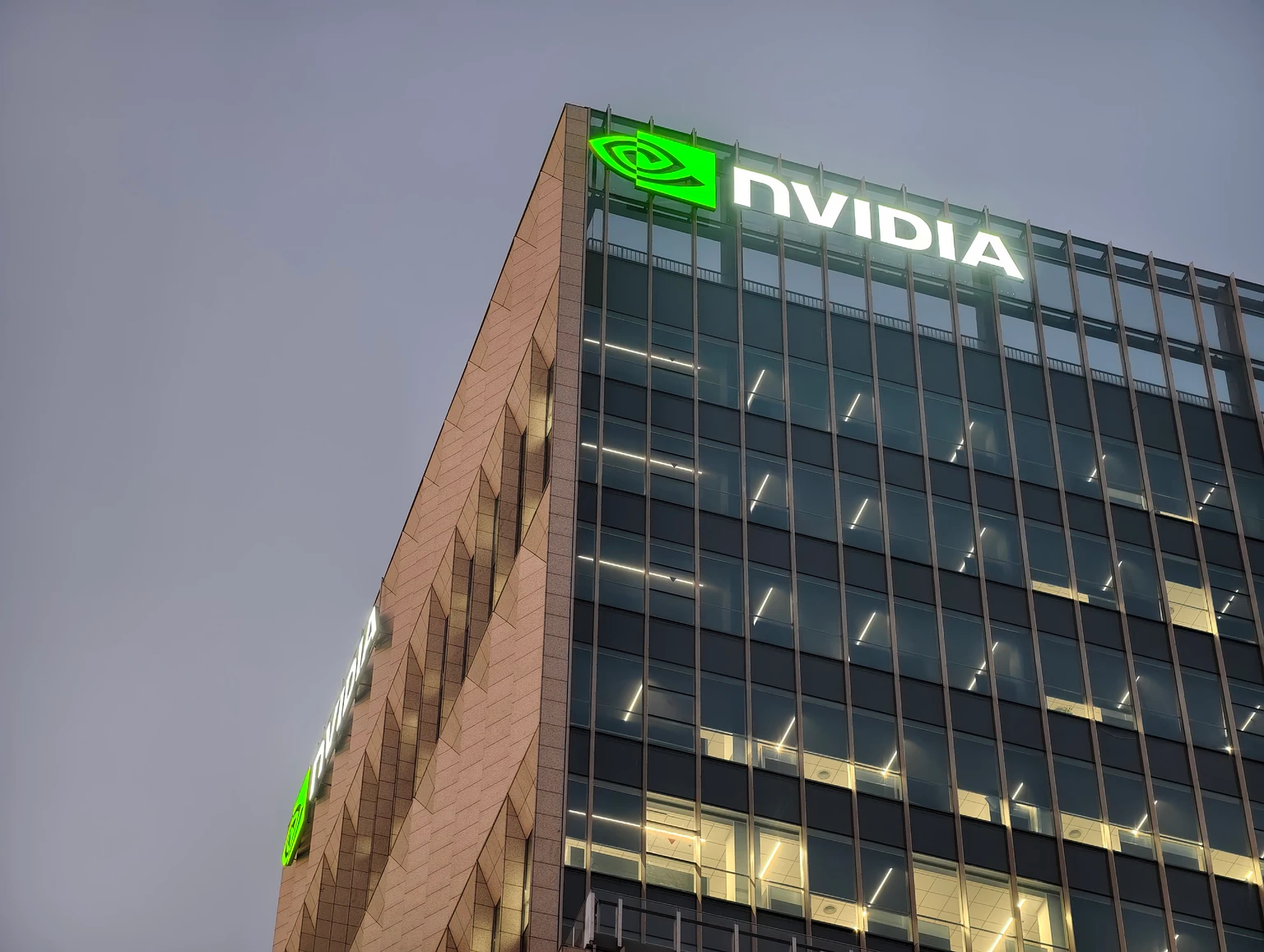
Nvidia Won't Be Dead Money For Much Longer

Published

on

Nvidia Won't Be Dead Money For Much Longer

Nvidia Won't Be Dead Money For Much Longer

Continue Reading

Business

Displaced mothers in Lebanon welcome babies’ new lives with hope and fear

Published

on

Displaced mothers in Lebanon welcome babies’ new lives with hope and fear


Displaced mothers in Lebanon welcome babies’ new lives with hope and fear

Continue Reading

Business

Asda says company has ‘plenty to do’ as sales fall

Published

on

Business Live

The Leeds-based firm is trying to turn around a fall in sales as it battles big rivals

Waterlooville, UK - May 2, 2018: Asda Stores Ltd. trading as Asda, is a British supermarket retailer. The logo is prominent above the glass fronted store-front. 
Advertising, products and Sshoppers are all visible.

An Asda store(Image: MMassel via Getty Images)

Supermarket chain Asda still has “plenty to do” in its turnaround after revealing a slump in sales and earnings over the past year, its boss said.

The Leeds firm, the UK’s third largest supermarket chain has revealed that sales, excluding fuel, dropped by 3.3% to £21bn in 2025, compared with a year earlier. It also reported that adjusted earnings tumbled by a third to £764m for the year.

The company is in the middle of turnaround efforts under returning boss Allan Leighton, after losing share in the UK grocery market to rivals including Tesco, Sainsbury’s and Lidl. However, transformation efforts were set back by a botched £1bn IT upgrade last year.

The company said it faced “severe disruption” linked to the IT transition, resulting in reduced product availability and weaker sales. Asda had been separating more than 2,500 legacy IT systems and moving them on to its own platforms since being sold by Walmart, which still holds a 10% stake, to Zuber and Mohsin Issa and private equity firm TDR Capital in 2021.

Advertisement

In the fresh update, Mr Leighton, executive chairman of the business, said sales declined 2.4% in the final quarter of last year as it continued to feel the impact of the IT disruption. But he said the business now has “positive momentum” and is returning to sales growth.

Asda has appointed Allan Leighton as executive chair to replace Lord Stuart Rose.

Allan Leighton will return to Asda, this time as executive chair. (Image: WireImage)

“There is plenty to do but there is also plenty of upside,” he said. “We have that momentum and a strong balance sheet to allow us to push forward.”

Asda said availability has now recovered to an eight-year high of 95%, leading to stronger sales in recent months. Total like-for-like sales fell by 1.6% in January and by 1% in February but have grown by 1.2% so far in March.

Mr Leighton added: “As we enter the second year of our turnaround, we have an improved customer offer, stable core systems, a strengthened balance sheet and a strong leadership team to deliver our formula for growth.

Advertisement

“Our progress in key areas like price, availability, and customer satisfaction is edging forwards, reflected in positive like-for-like sales growth in our stores for the last two months.”

Continue Reading

Business

Starbucks Stock Plunges Nearly 4% as Investors Question Pace of Turnaround Amid Persistent Challenges

Published

on

Dow Jones

. (NASDAQ: SBUX) shares tumbled more than 3.8% on Thursday, closing near $87.74 after shedding about $3.49, as Wall Street weighed ongoing concerns over labor costs, store redesign expenses and the speed of CEO Brian Niccol’s “Back to Starbucks” recovery plan in a volatile market environment.

The coffee giant’s stock opened around $90.72 and swung between roughly $87.08 and $90.95 before settling lower on elevated volume. The decline extended recent pressure on the shares, which have traded well below the 52-week high of $104.82 reached earlier in the cycle while remaining above the 52-week low near $75.50. Market capitalization hovered around $100 billion.

Analysts attributed the drop to a combination of broader market caution tied to geopolitical tensions and energy prices, alongside company-specific worries. Recent downgrades, including from RBC Capital to Sector Perform citing labor investments, have added to sentiment challenges even as the company reports signs of improving customer traffic.

Turnaround Progress Shows Early Wins but Faces Scrutiny

Under Niccol, who joined in late 2024 after leading Chipotle, Starbucks has pursued an aggressive “Back to Starbucks” strategy aimed at restoring its identity as a welcoming “third place” rather than an efficient order-fulfillment machine. The plan includes staffing more baristas, simplifying menus, reintroducing condiment bars, adding personal touches like handwritten messages on cups, and renovating stores with warmer wood finishes, plants and additional seating — with a goal of restoring more than 100,000 seats by the end of 2026.

Advertisement

Fiscal first-quarter 2026 results, reported in late January, delivered encouraging signals. Global comparable-store sales rose 4%, driven by a 3% increase in transactions rather than price hikes. In the critical U.S. market, comparable sales also climbed 4% with positive traffic growth for the first time in nearly two years — a key milestone after prolonged softness. China delivered 7% comparable sales growth, supported by product innovation and delivery channels.

Revenue for the quarter reached approximately $9.9 billion, beating estimates, though adjusted earnings per share slightly missed forecasts amid investments in labor and operations. Niccol has described the turnaround as “ahead of schedule” while acknowledging it remains in early stages, with the company shifting toward offense and innovation in fiscal 2026.

At the company’s January investor day, executives reaffirmed ambitions to reclaim pre-pandemic operating margins around 15% by fiscal 2028 through disciplined cost management, menu innovation and international expansion. Plans include thousands of new stores globally while focusing on hospitality upgrades.

Headwinds Persist Despite Momentum

Investors appear wary of near-term margin pressures. Additional staffing to improve service has weighed on profitability, and store renovation costs — estimated at around $100,000 per location for many refreshes — could strain finances in the short term. Labor issues, including union negotiations, continue to draw analyst attention.

Advertisement

Competition has intensified. Rivals such as Dutch Bros and smaller players like Blank Street have gained ground with lower prices and convenient formats, while value-seeking consumers react to years of price increases at Starbucks. In China, despite recent gains, the company completed a sale of a majority stake in its operations to Boyu Capital in a deal valuing the business at about $4 billion, allowing greater focus on the U.S. core while unlocking capital.

Broader economic factors added pressure Thursday. Surging oil prices amid U.S.-Iran tensions raise concerns about consumer spending on discretionary items like premium coffee drinks. Higher energy and commodity costs could further squeeze margins or force pricing adjustments that risk alienating traffic-sensitive customers.

Starbucks has responded with value-oriented moves, including a reimagined loyalty program, protein-focused beverages and personalized energy drinks to appeal to health-conscious and younger demographics. New advertising campaigns emphasize the “magic of coffee” and hospitality, though some analysts question whether redesigns will sufficiently attract Gen Z traffic.

Analyst Views Mixed as Valuation Remains Elevated

Wall Street’s consensus rating hovers near Buy or Moderate Buy, with an average 12-month price target around $100 to $101, implying roughly 14-15% upside from recent levels. Optimists point to traffic stabilization, China momentum prior to the stake sale, and long-term growth potential from store expansion and innovation. Bears highlight high valuation — trading at elevated forward multiples — and uncertainty around sustained margin recovery.

Advertisement

Recent analyst actions reflect caution. RBC Capital downgraded the stock citing balanced risk/reward and labor investments, while Wolfe Research assumed coverage with a Peer Perform rating. Guggenheim raised its price target modestly, but others like DA Davidson initiated with Neutral amid limited margin visibility.

Technically, the stock has faced resistance near $100 and support levels around $85-$87 in recent sessions. A break below recent lows could test further downside if macroeconomic pressures intensify, while positive same-store sales trends in upcoming quarters could spark a rebound.

Strategic Shifts and Long-Term Outlook

Niccol has been candid about past missteps, noting the company had “run like a manufacturing facility” focused on speed and volume at the expense of customer experience. The pivot emphasizes craft beverages, linger-friendly environments and community connection — hallmarks of Starbucks’ original success under founder Howard Schultz.

Key initiatives include menu simplification to reduce complexity for baristas, free refills to encourage longer visits, and investments in digital tools that enhance rather than replace in-store hospitality. The company also eyes growth in premium food pairings and functional beverages to broaden appeal.

Advertisement

Internationally, after the China restructuring, Starbucks aims to maintain a strong presence while pursuing opportunities in other high-growth markets. Domestically, the focus remains on revitalizing existing stores before aggressive new openings.

For investors, Starbucks offers a dividend yield around 2.7%, providing some income support amid volatility. Share repurchases and capital returns remain part of the financial framework, though near-term cash deployment prioritizes the turnaround.

Broader Retail and Consumer Context

Starbucks’ performance serves as a barometer for consumer discretionary spending. Positive U.S. traffic trends suggest some resilience among rewards members and occasional visitors, but sustained recovery depends on broader economic conditions, including employment, wage growth and inflation trends influenced by energy prices.

The stock’s recent pullback occurs against a backdrop of choppy equity markets, where high-valuation consumer stocks face scrutiny. Compared with peers like McDonald’s or Chipotle, Starbucks grapples with unique challenges from its premium positioning and labor-intensive operations.

Advertisement

As trading continues, all eyes will turn to the next quarterly update for further evidence of transaction growth, margin stabilization and progress on store renovations. Management has expressed confidence in the path forward but cautioned that the full benefits of investments will unfold over multiple quarters.

Starbucks Corp., founded in 1971 and now operating thousands of locations worldwide, remains one of the most recognizable brands in retail. Its ability to reclaim cultural relevance as a daily destination while navigating cost pressures and competition will define whether the current momentum translates into durable shareholder value.

Longer-term bulls see potential for the stock to re-rate higher if Niccol delivers on hospitality improvements and innovation without sacrificing profitability. Skeptics warn that elevated expectations and external risks could prolong the stock’s consolidation phase.

Advertisement
Continue Reading

Business

Plans unveiled to create new Prestwich town centre on site of 60s shopping precinct

Published

on

Business Live

Move follows consultation involving hundreds of local people

CGI of the proposed Prestwich Village revamp

CGI of the proposed Prestwich Village revamp

A planning application to transform the Longfield Centre in Prestwich has been submitted to Bury town hall.

Advertisement

The plans by urban developers Muse and the council aim to create a new town centre in the place of the deteriorating 60s shopping precinct. The submission follows a second six-week consultation period where more than 550 members of the public shared their views on the scheme.

The application includes 258 new homes on the site of the former library and Longfield Suite – a former dancehall and community centre. Around a quarter of these – 62 homes – will be available as affordable housing at 80 per cent of the market rent.

There are also designs for a new community hub with a library and events space, a public green, a gym, and room for local traders.

Hugh Taylor, senior project manager at Muse, said: “The submission of this planning application is a major milestone for Prestwich.

Advertisement

“We know how important community space is and this next phase is about delivering just that. We’ve updated the masterplan to feature more places for people to get together both in the new larger library and expanded village square.

“With the travel hub due to open this summer, there is real momentum behind this project, and we look forward to working with Bury Council to bring these plans to life.”

The developers also pledged to create a new health centre for the neighbourhood – though plans for this are ‘currently still in development’.

If approved, the development would mark phase two of a £100m+ regeneration scheme for the area, with a £35m Good Growth funding boost secured from GMCA.

Advertisement

Phase one was the £14m new car park and cycle storage unit on Fairfax Road, which is nearing completion.

The plans have not yet been validated on the council website but should be available to view and comment on soon.

Continue Reading

Business

Analysts Highlight AI, Defense, Healthcare and Renewables

Published

on

Past history suggests a divided Washington can be good for stocks

European stocks are drawing renewed attention from global investors in 2026 as the STOXX 600 trades near record levels despite geopolitical tensions and energy price swings, with analysts pointing to attractive valuations, sector-specific tailwinds and potential earnings growth in areas like artificial intelligence infrastructure, defense spending and healthcare innovation.

Europe Warns of Counter-Tariffs as Trump Threatens 50% Duties on

As the pan-European benchmark navigates mixed signals from the ongoing U.S.-Iran conflict and broader macroeconomic uncertainty, strategists at firms including Goldman Sachs, Morgan Stanley and Morningstar see selective opportunities in high-quality EU-listed companies. Many trade at discounts to U.S. peers while benefiting from structural trends such as rearmament, AI adoption and the green energy transition.

Here are 10 EU stocks frequently cited by analysts as compelling buys for 2026, spanning key sectors and offering a mix of growth potential and relative value:

1. ASML Holding NV (Netherlands)

The Dutch semiconductor equipment leader remains a cornerstone pick for investors betting on AI-driven demand. ASML dominates the market for extreme ultraviolet (EUV) lithography machines essential for producing advanced chips. Despite recent volatility tied to broader tech swings, analysts highlight its irreplaceable position in the global supply chain. Consensus targets suggest upside as chipmakers ramp up capacity for artificial intelligence applications.

2. Novo Nordisk A/S (Denmark)

The Danish pharmaceutical giant continues to ride strong demand for its blockbuster obesity and diabetes treatments, including semaglutide-based drugs. Morningstar and other firms maintain positive outlooks, citing innovation pipelines and expanding global markets even as competition intensifies. Novo Nordisk frequently appears in “Granolas” discussions — a group of leading European growth names — with analysts viewing any pullbacks as potential entry points amid resilient healthcare spending.

Advertisement

3. Rheinmetall AG (Germany)

Defense stocks have gained prominence as European nations boost military budgets amid geopolitical risks. Rheinmetall, a key supplier of vehicles, munitions and systems, benefits from Germany’s increased spending commitments and broader NATO rearmament efforts. Multiple analysts, including those at Goldman Sachs and Barclays, project significant revenue visibility through the decade, making it one of the more frequently recommended cyclical plays for 2026.

4. SAP SE (Germany)

Europe’s leading enterprise software provider is positioning itself at the intersection of AI and digital transformation. SAP’s cloud migration and AI-enhanced solutions for businesses are expected to drive growth as companies modernize operations. Strategists note its relatively attractive valuation compared with U.S. software giants, with potential for earnings upgrades if European economic recovery gains traction.

5. LVMH Moët Hennessy Louis Vuitton SE (France)

The luxury goods powerhouse offers exposure to global consumer trends, particularly in high-end fashion, watches and spirits. Early 2026 signs of stabilizing demand in key markets like the U.S. and China have supported sector sentiment. Morningstar analysts have highlighted luxury names in their Q1 picks, citing potential recovery in discretionary spending despite near-term economic crosscurrents.

6. Airbus SE (France/Netherlands)

The aerospace manufacturer stands to gain from commercial aviation recovery and defense-related orders. Airbus benefits from a strong backlog and ongoing fleet modernization trends. Analysts tracking capital goods and industrials often pair it with defense themes, viewing it as a play on both civilian travel rebound and European industrial resilience.

Advertisement

7. Siemens Energy AG (Germany)

As Europe accelerates its renewable energy push, Siemens Energy — including its wind turbine business via Siemens Gamesa — is well-positioned for growth in onshore and offshore projects. EU subsidies and policy support for clean power generation underpin long-term demand, with analysts seeing the company as a core holding in the energy transition narrative.

8. ABB Ltd (Switzerland)

The industrial automation and electrification specialist frequently tops capital goods lists from firms like Kepler Cheuvreux. ABB’s focus on efficiency-enhancing technologies aligns with Industry 4.0 trends and energy optimization needs. Upgrades in early 2026 reflect confidence in its diversified portfolio across robotics, electrification and motion segments.

9. Hermes International SCA (France)

Another luxury standout, Hermes offers exposure to ultra-high-end demand with strong brand resilience. Its consistent performance and pricing power have made it a favorite among selective luxury investors seeking quality over volume-driven peers. Analysts note its appeal in portfolios targeting premium consumer segments less sensitive to short-term economic fluctuations.

10. Iberdrola SA (Spain)

The Spanish utility giant leads in renewables investment, particularly wind and solar. With expanding EU support for clean energy and rising electricity demand from data centers and electrification, Iberdrola is viewed as a defensive growth play. Dividend-oriented investors often highlight its stable cash flows alongside expansion potential.

Advertisement

Broader Market Context and Risks

European equities entered 2026 with optimism fueled by expectations of modest economic growth, German fiscal measures and corporate earnings recovery in cyclicals such as banks and autos. Goldman Sachs strategists described the backdrop as promising, though they cautioned on mid-year volatility risks tied to geopolitics and energy markets.

The STOXX 600 has shown resilience but faced pressure from Middle East developments, with defense names often bucking broader declines. Sectors like technology, healthcare and industrials have seen rotation, while luxury and travel stocks remain sensitive to consumer sentiment.

Analysts emphasize diversification. While names like ASML and Novo Nordisk carry growth premiums, value opportunities appear in banks, energy and select industrials. Many European stocks trade at lower multiples than U.S. counterparts, offering a potential valuation cushion.

Risks include prolonged oil price spikes from geopolitical tensions, delayed rate cuts by the European Central Bank, and uneven recovery across member states. Trade policies and China demand also weigh on export-heavy firms.

Advertisement

Investor Considerations for 2026

Portfolio managers recommend balancing growth-oriented tech and healthcare exposure with defensive or cyclical plays in defense, renewables and luxury. Currency movements, particularly the euro-dollar rate, can influence returns for U.S.-based investors.

Longer-term themes — artificial intelligence infrastructure, European rearmament, obesity treatments and the energy transition — are expected to drive outperformance for well-positioned companies. However, selectivity remains key amid headline-driven volatility.

As trading continues, investors will monitor upcoming corporate earnings, economic data releases and any shifts in Middle East diplomacy for clues on risk appetite. Many strategists maintain a constructive stance on European equities overall, viewing 2026 as a year where disciplined stock picking could reward patience.

European markets, home to global leaders in luxury, pharmaceuticals, semiconductors and industrials, continue to offer diversified exposure distinct from U.S.-dominated indices. For those seeking international allocation, the 10 names above represent a cross-section of frequently discussed opportunities grounded in current analyst consensus and structural drivers.

Advertisement
Continue Reading

Business

Australia Expands Paid Parental Leave to 26 Weeks from July 2026, Offering Families More Support

Published

on

A matching set for mom and baby from Sugar Bee Clothing Co.

Australian families welcoming a new child from July 1, 2026, will gain access to 26 weeks of government-funded Paid Parental Leave, an increase from the current 24 weeks, as the Albanese government completes a phased expansion aimed at boosting early childhood bonding, workforce participation and gender equality in caregiving.

A matching set for mom and baby from Sugar Bee Clothing Co.

The reform, announced in previous years and now nearing full implementation, will provide eligible parents with 130 days of Parental Leave Pay — equivalent to 26 weeks based on a standard five-day work week. This marks the final step in a multi-year rollout that has incrementally added two weeks annually, rising from 20 weeks in 2023-24 to 22 weeks in 2024, 24 weeks in 2025 and the full 26 weeks in 2026.

Payments will continue at the national minimum wage rate, currently $948.10 per week or $189.62 per day before tax for the 2025-26 financial year. The rate typically adjusts each July. For a full 26-week entitlement, the total payment could approach approximately $24,650 before tax, though actual amounts depend on how families structure their leave.

Services Australia has confirmed that families claiming before July will initially receive a 120-day balance. Once proof of a child born or adopted on or after July 1, 2026, is provided, an extra 10 days will be added automatically.

Key Changes Encouraging Shared Care

A significant feature of the 2026 update is the increase in reserved days for the secondary parent or partner. From July 1, 2026, 20 days — or four weeks — of the total entitlement will be reserved exclusively for the non-primary carer on a “use it or lose it” basis. This builds on prior adjustments that raised concurrent leave and reserved periods to promote greater involvement from fathers and partners.

Advertisement

Single parents will remain eligible for the full 26 weeks. Families can take the leave flexibly — as a continuous block, in smaller segments or even single days — as long as it is used before the child’s second birthday. Up to four weeks (or more in some configurations) may be taken concurrently by both parents.

From July 2025 onward, the government also pays 12% superannuation contributions on Parental Leave Pay, with the Australian Taxation Office handling direct payments to super funds starting in July 2026. This addition helps protect long-term retirement savings for parents taking time away from paid work.

Eligibility Criteria Remain Focused on Recent Work History

To qualify for Parental Leave Pay, individuals must be the primary carer of a newborn or newly adopted child and meet both a work test and an income test. The work test generally requires at least 330 hours of work — roughly one day per week — in the 10 months out of the 13 months before the child’s birth or placement.

The individual adjusted taxable income must be $180,007 or less in the 2024-25 financial year (with previous years having slightly lower thresholds). There is no family income test for the primary claimant in most cases.

Advertisement

Employers may provide additional paid parental leave on top of the government scheme through enterprise agreements or company policies. Recent data shows a growing number of organizations, particularly larger employers, offering gender-neutral or enhanced packages to attract and retain talent.

Government Aims to Close Gender Gap and Support Families

Ministers have described the expansion as a “bundle of joy” for working families, providing greater choice and security during a critical life stage. The reforms are expected to benefit around 180,000 families annually and are designed to encourage more balanced caregiving responsibilities, potentially narrowing the gender pay gap and improving workforce re-entry for mothers.

Advocates welcome the changes but note that Australia’s total paid leave entitlement of 26 weeks remains below the OECD average when combining maternity, parental and home-care leave across member countries. Some experts describe the post-2026 landscape as an “abyss,” calling for a clearer long-term roadmap beyond the current plateau.

Business groups and human resources leaders are preparing for payroll and workforce planning impacts. While the government funds the core payments, employers must manage rostering, superannuation reporting and potential top-up arrangements. Many are reviewing policies to align with the new flexibility while maintaining operational needs.

Advertisement

How the Scheme Works in Practice

Parents can claim through Services Australia, with payments made either directly by Centrelink or, in some cases, via the employer. The leave is available for both birth and adoption.

The scheme replaced earlier separate maternity and “Dad and Partner Pay” components with a more unified, flexible Parental Leave Pay system. Families have praised the ability to spread leave over two years in smaller blocks, allowing gradual return-to-work transitions or alignment with childcare availability.

For those planning families in 2026, experts recommend checking eligibility early and considering how to maximize the reserved days for partners. Pre-birth claims are possible, but final balances will adjust based on the actual birth or adoption date.

Broader Context and Employer Trends

The expansion occurs against a backdrop of ongoing cost-of-living pressures and efforts to support workforce participation. With many employers already supplementing government payments, the proportion offering additional paid parental leave has risen, with some extending to 12 months or more at full or partial pay.

Advertisement

Workplace Gender Equality Agency data indicates continued growth in gender-neutral policies, reflecting cultural shifts toward shared parenting.

Critics argue the minimum-wage rate may still create financial strain for higher-income households, while supporters highlight its universal accessibility and role in reducing child poverty risks during early infancy.

As the July 1 deadline approaches, Services Australia has urged families to review their circumstances and prepare documentation. Detailed guides and claim portals are available on the agency’s website.

The changes represent one of the most substantial updates to Australia’s family support system in over a decade, building on the original 2011 introduction of paid parental leave. With the full 26 weeks now in sight, policymakers, employers and families alike will assess its real-world impact on birth rates, gender equity and economic participation in the years ahead.

Advertisement

For the latest details or to check personal eligibility, Australians are encouraged to visit Services Australia or consult Fair Work Ombudsman resources. The scheme continues to evolve as a key pillar of national family policy.

Continue Reading

Business

Mukesh Ambani’s mega IPO Reliance Jio is said to set bank fees in line with NSE

Published

on

Mukesh Ambani’s mega IPO Reliance Jio is said to set bank fees in line with NSE
Reliance Industries Ltd. has set investment banking advisory fees for the planned initial public offering of its telecom unit at about 0.65% of the issue size, according to people familiar with the matter, largely in line with those to be paid by National Stock Exchange of India Ltd.

Based on a potential offering size of up to $4 billion for Jio Platforms Ltd., the total fee pool may be as high as $26 million, with the bulk likely to be shared among lead banks such as Kotak Mahindra Capital Co. and Morgan Stanley, the people said, asking not to be identified because the information is private.

The fee distribution may ultimately depend on the client coverage from the banks and the company’s own discretion, two of the people said.

A representative for Reliance didn’t immediately respond to requests for comment.

Advertisement

Jio’s IPO could be India’s largest-ever listing and the first by a major unit of billionaire Mukesh Ambani’s flagship company, Reliance, in almost two decades.


Jio’s banking fees are poised to be broadly in line with those set by NSE, which is considering an IPO that may raise about $2.5 billion, people familiar with the matter have said.
The proposed fee structure by both Jio and NSE is notably lower than broader market averages. Indian companies paid investment banks an average of about 1.86% across 417 IPOs last year and 1.67% across 350 issuances in 2024, according to data compiled by LSEG.Reliance is aiming to file draft paperwork for Jio as early as the end of this month, people familiar with the matter have said. Other banks selected for advisory roles on the listing include HSBC Holdings Plc, JPMorgan Chase & Co., Goldman Sachs Group Inc., JM Financial Ltd., Axis Bank Ltd. and SBI Capital Markets Ltd.

Continue Reading

Trending

Copyright © 2025